

 ENG
ENG
 English
 中文简体
中文简体 русский
 Français
 Español
 عربى
عربى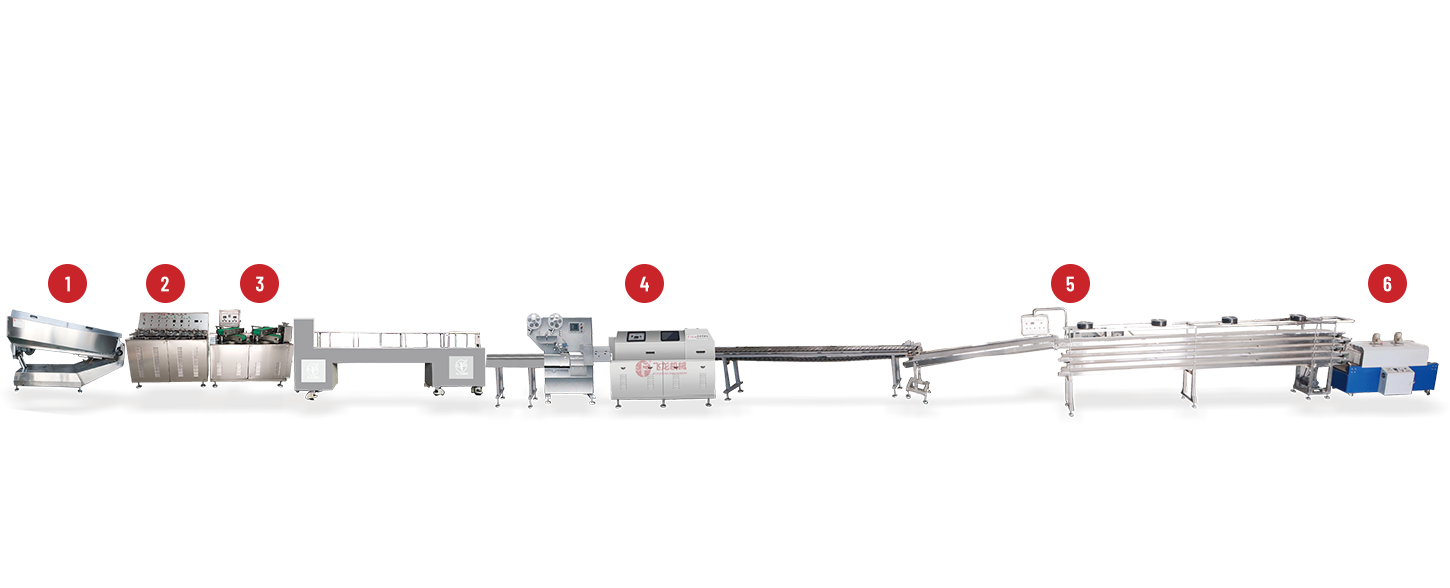
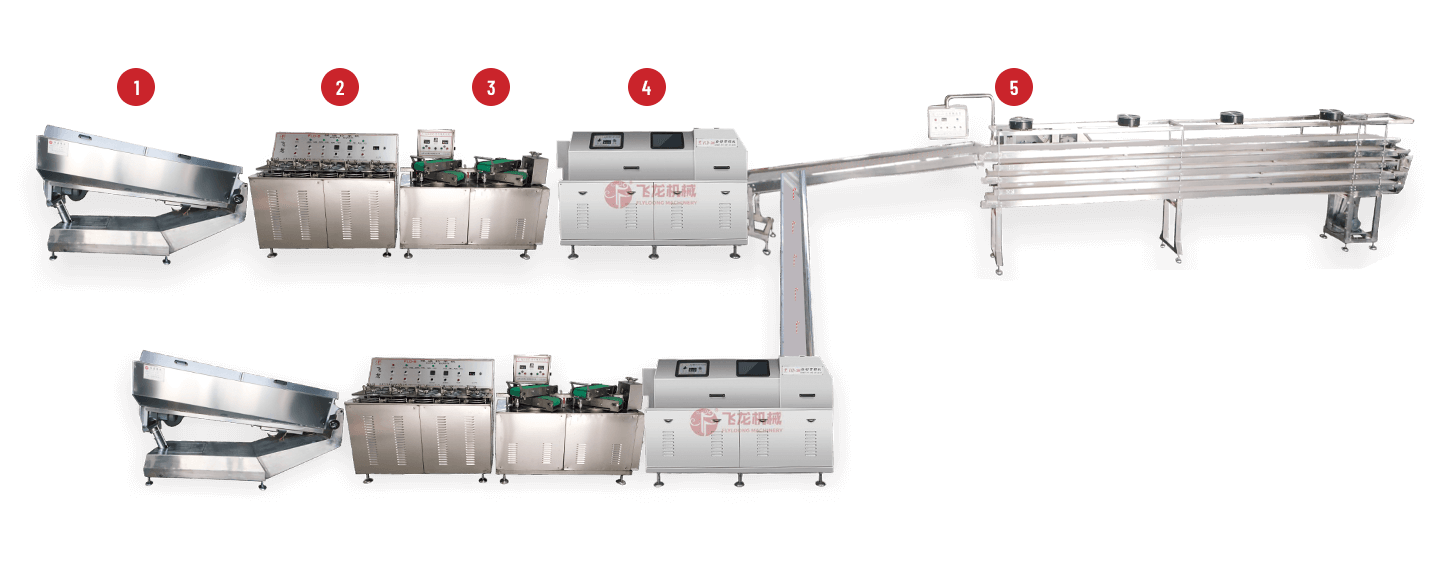
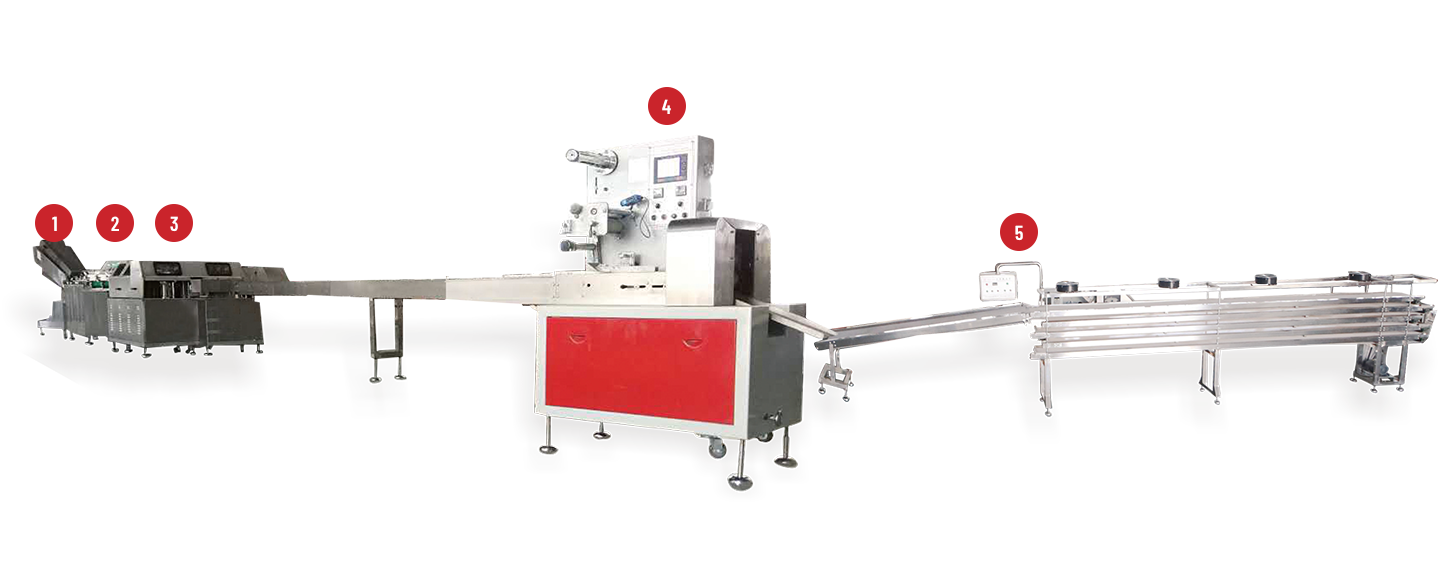
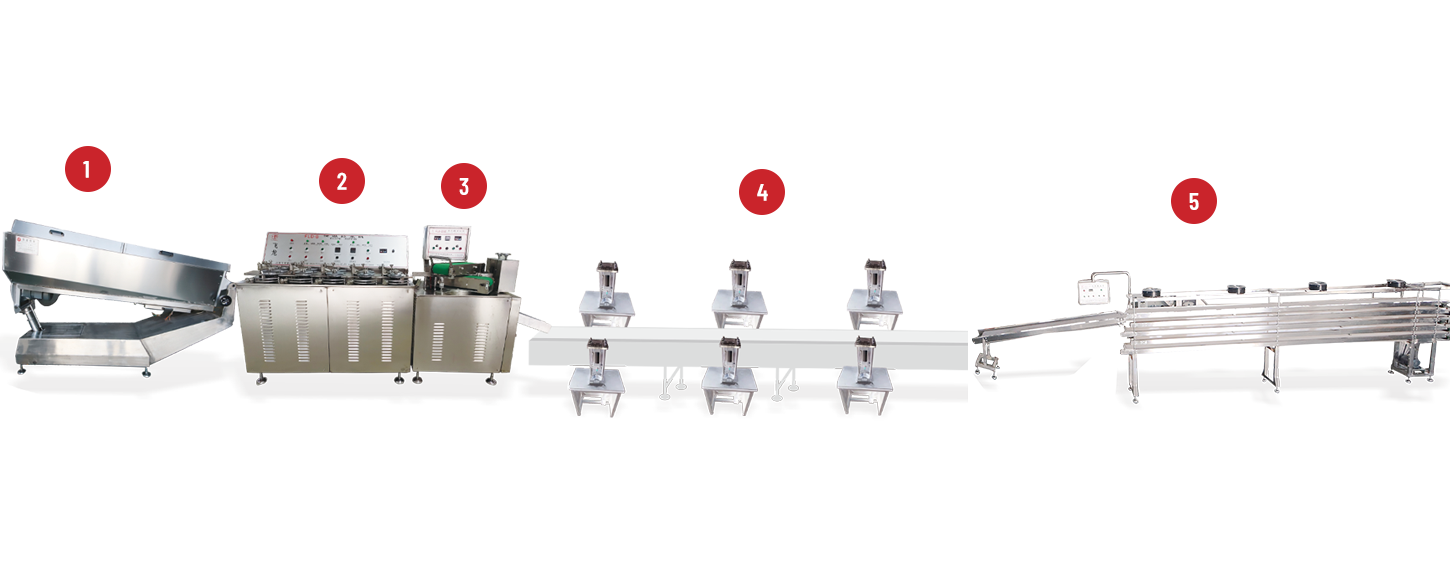
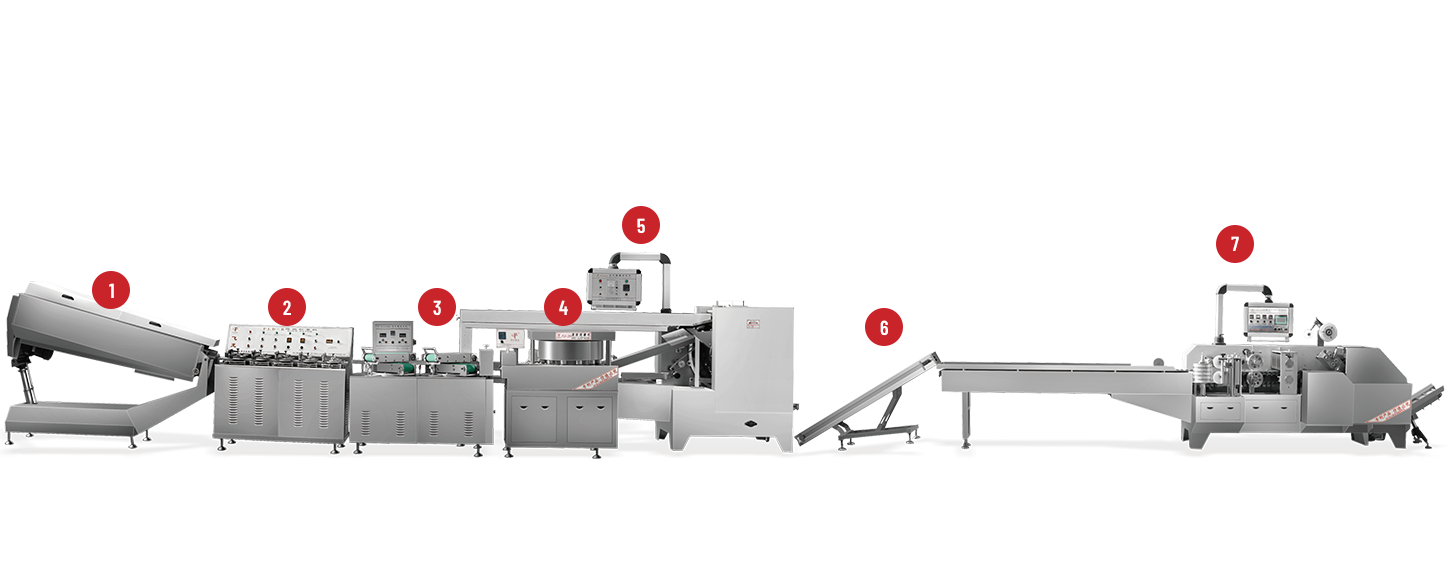
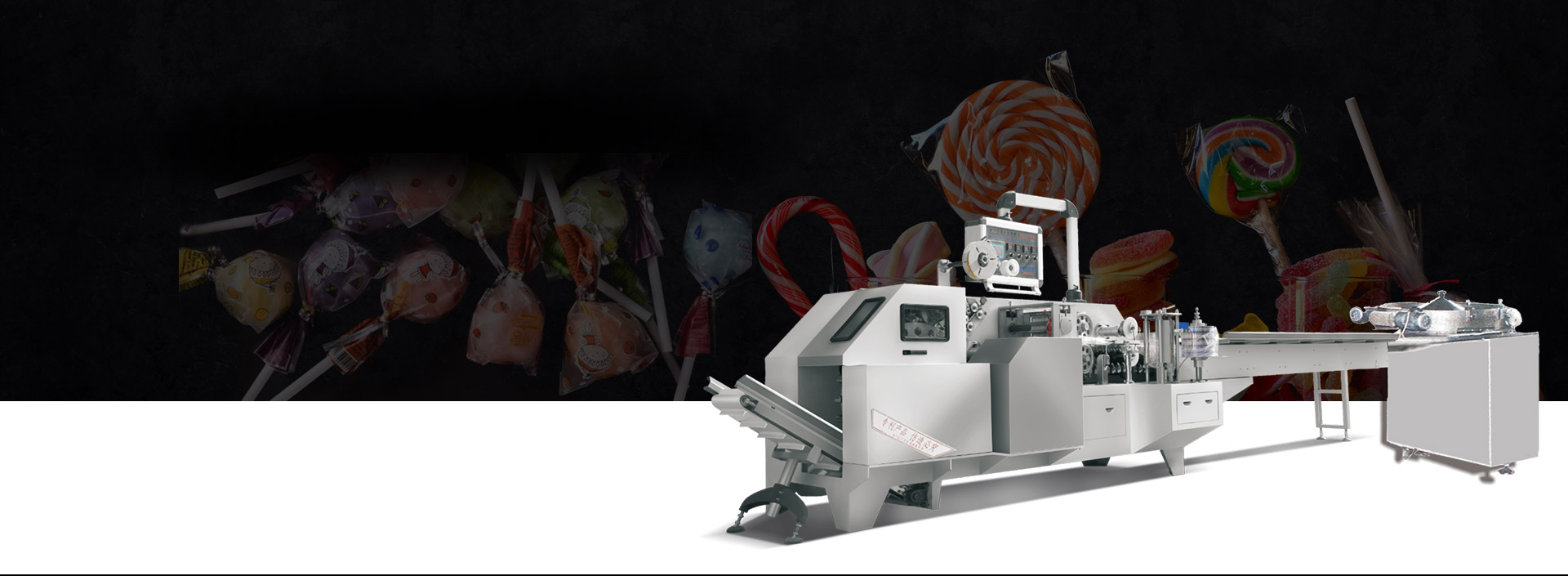
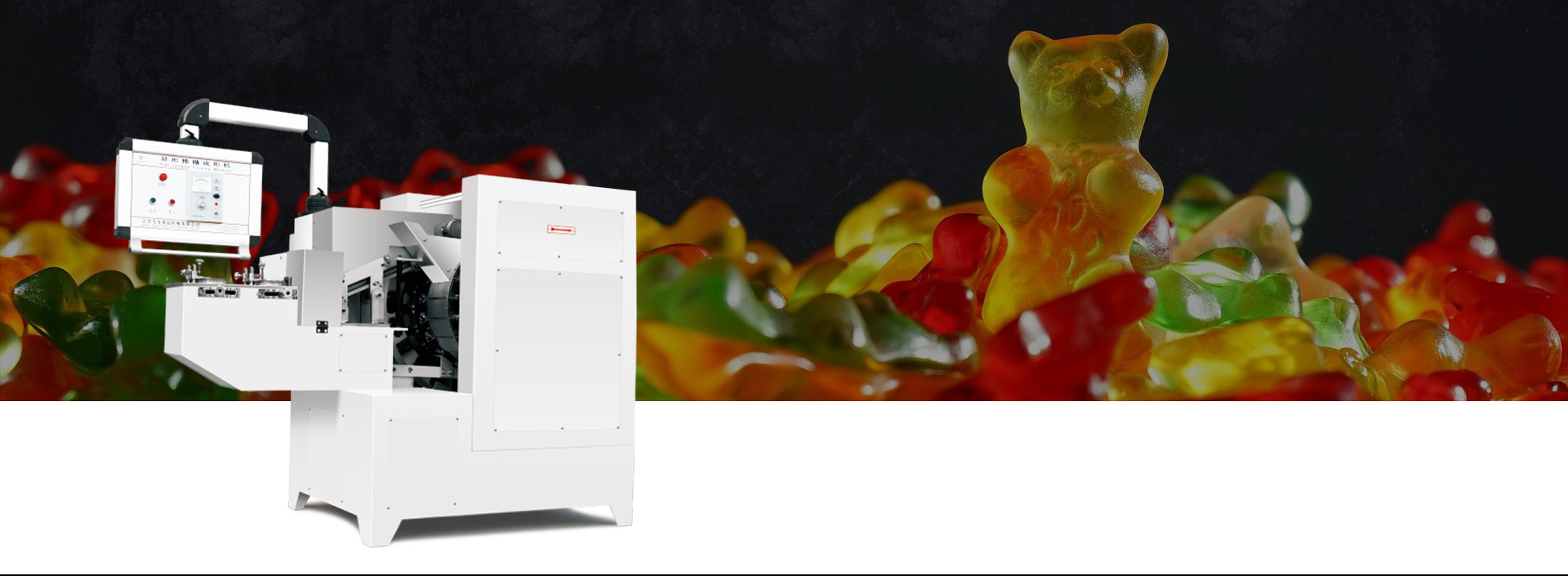
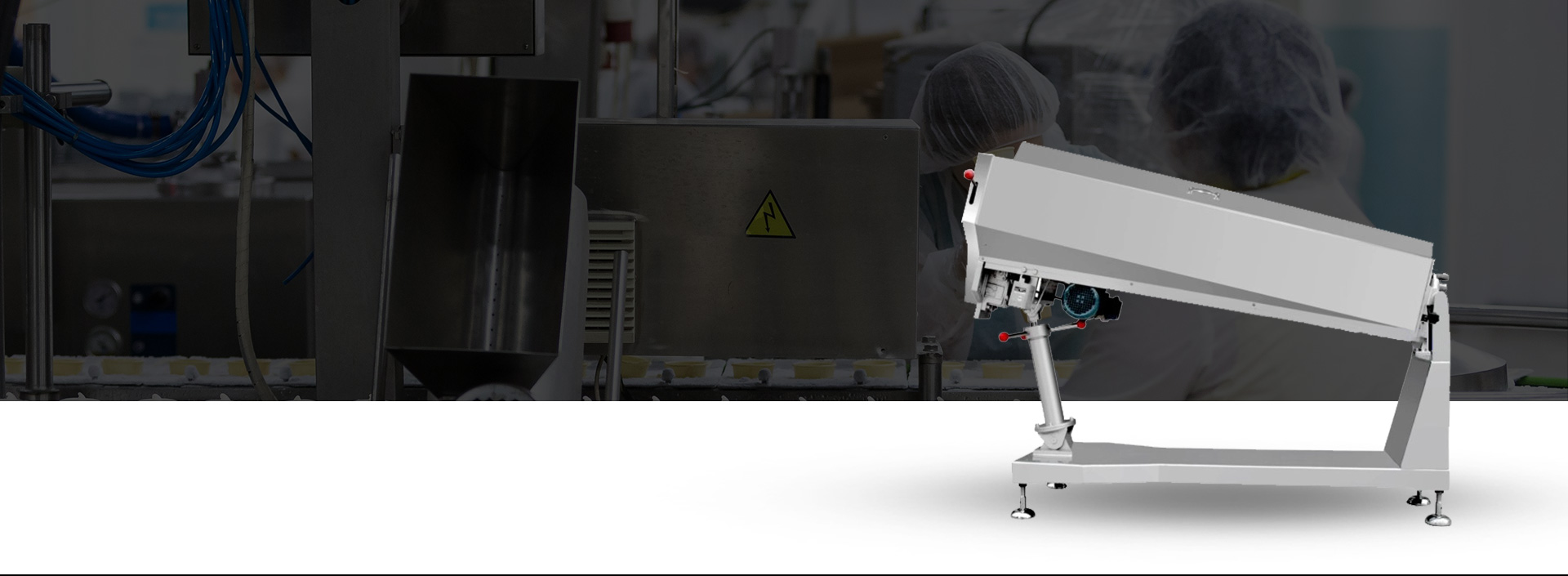
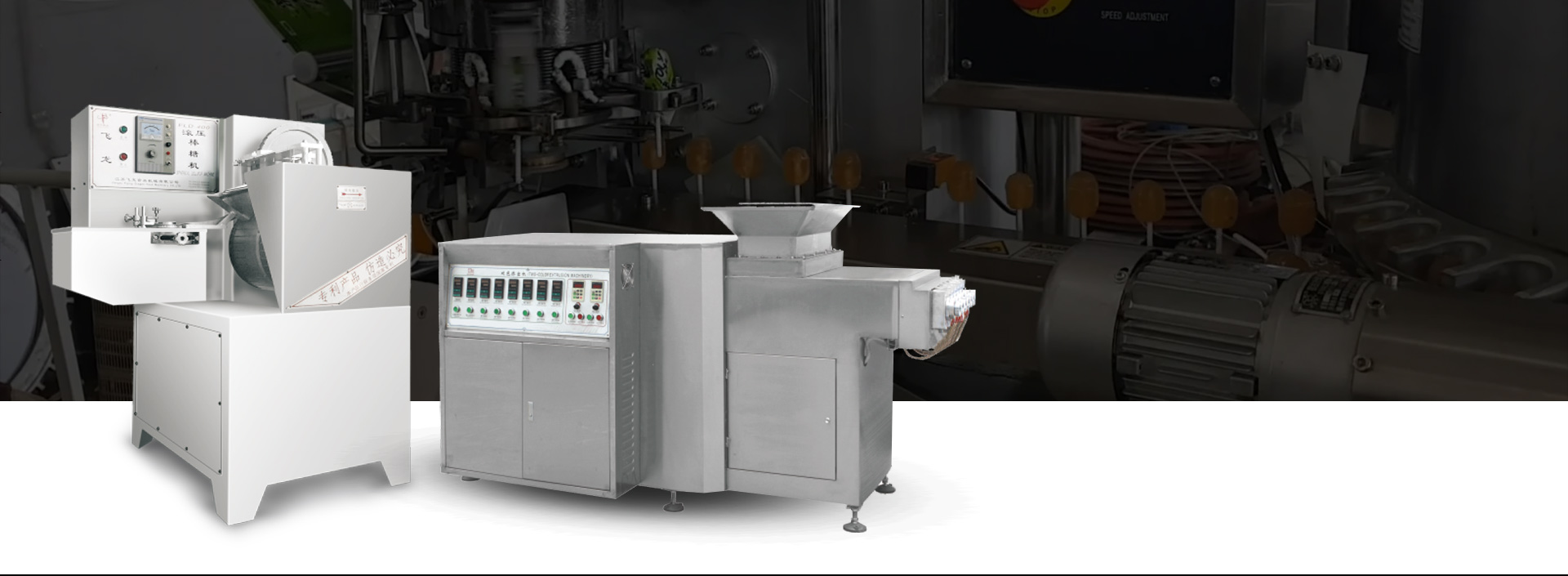
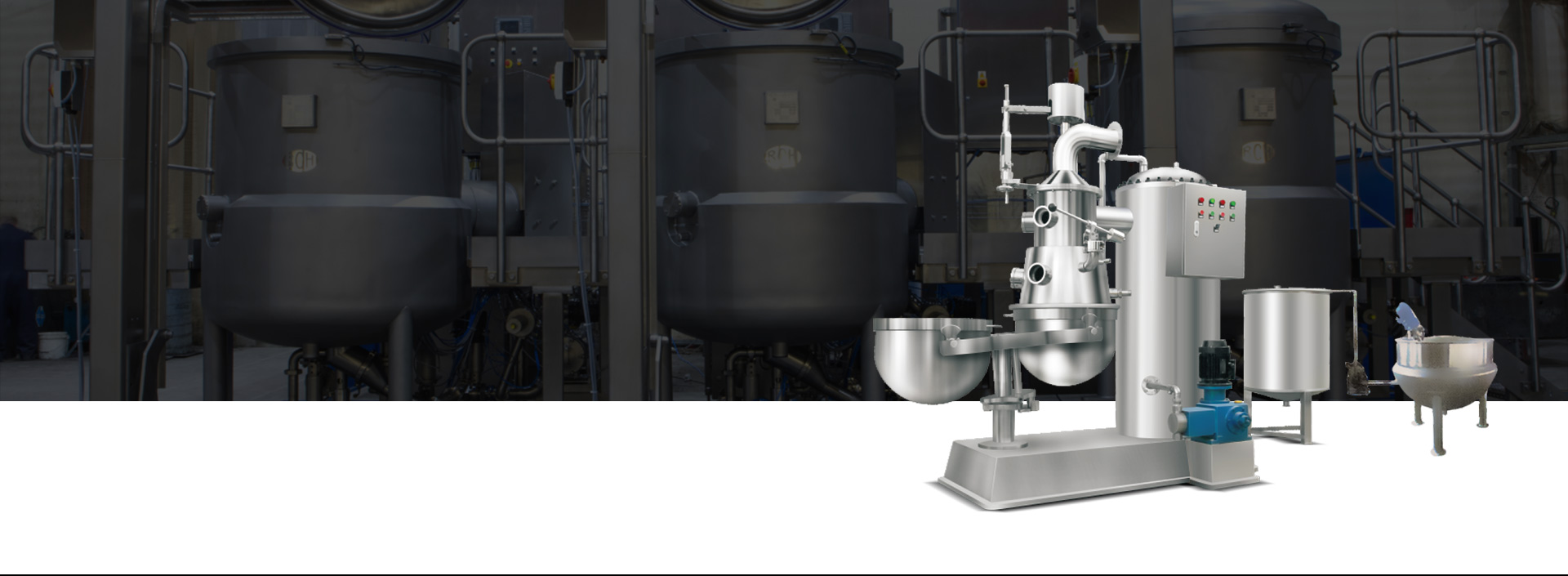
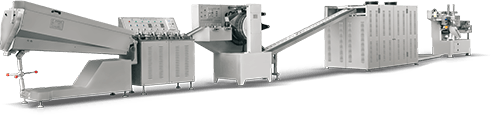
In rainbow lollipop production, color is not a decorative step added at the end of the process. It is part of how the product forms from the beginning. The way colors behave during mixing has a direct impact on how the final candy looks, how stable the production process feels, and how the product is understood visually.
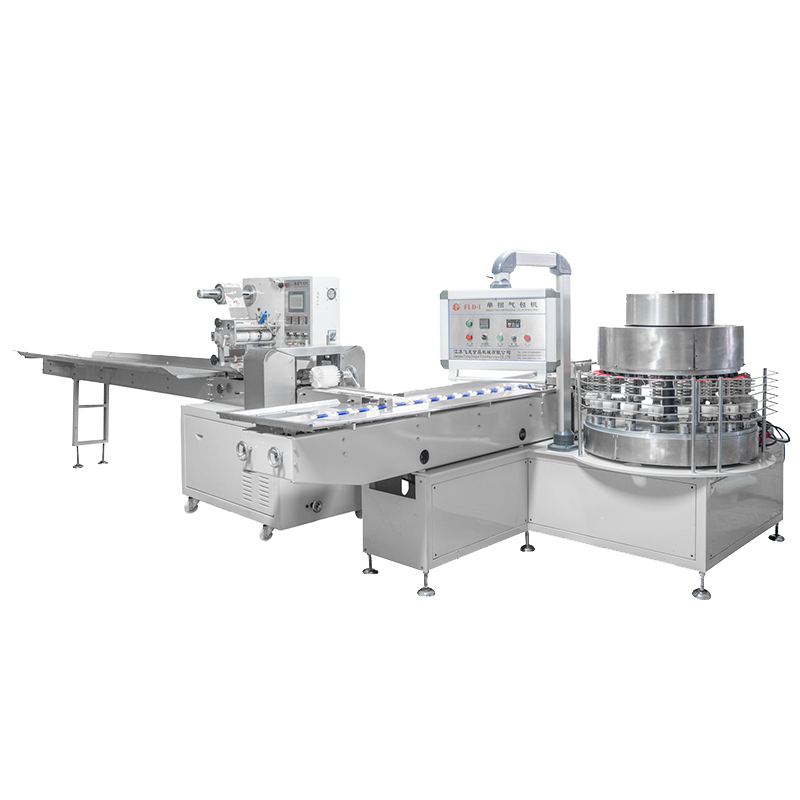
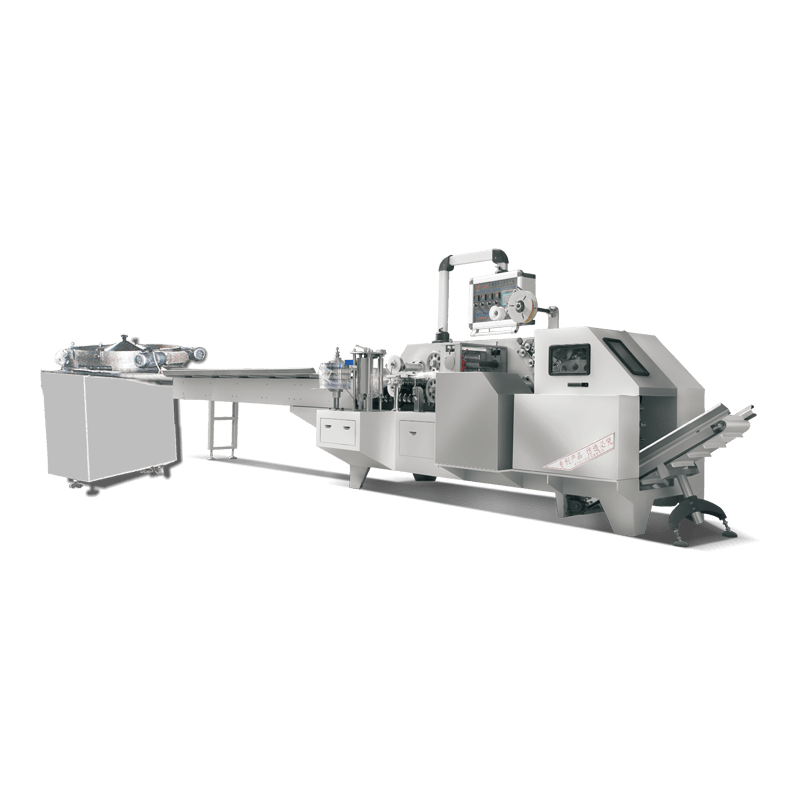
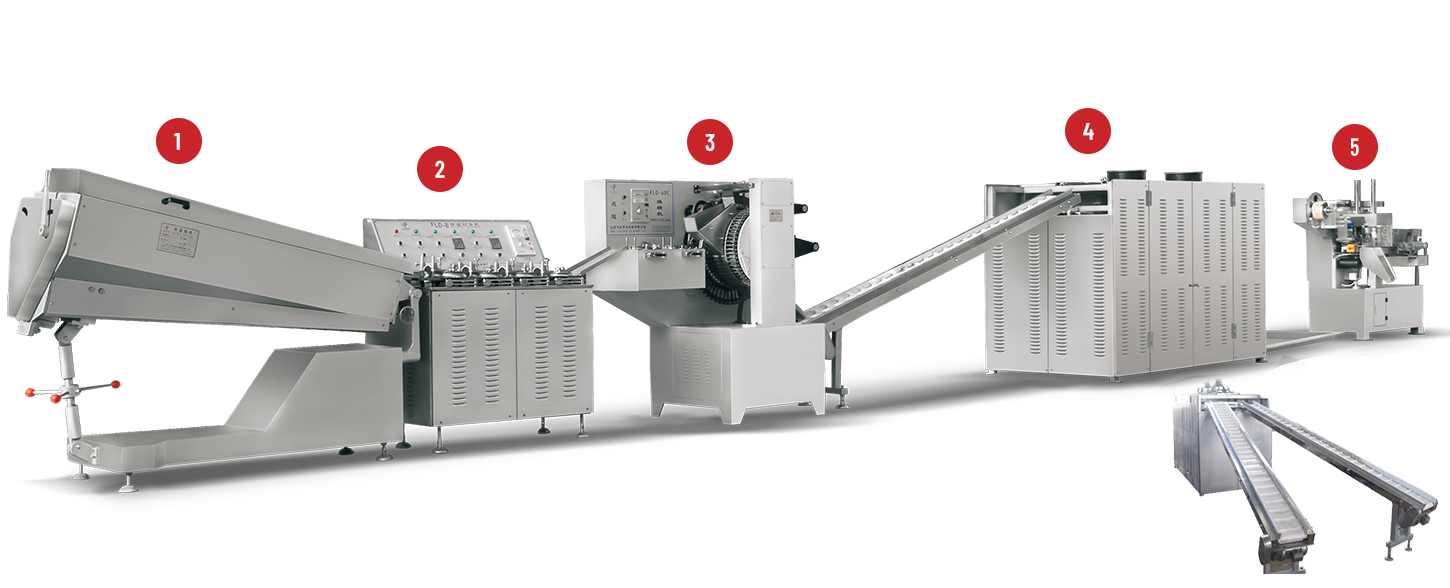
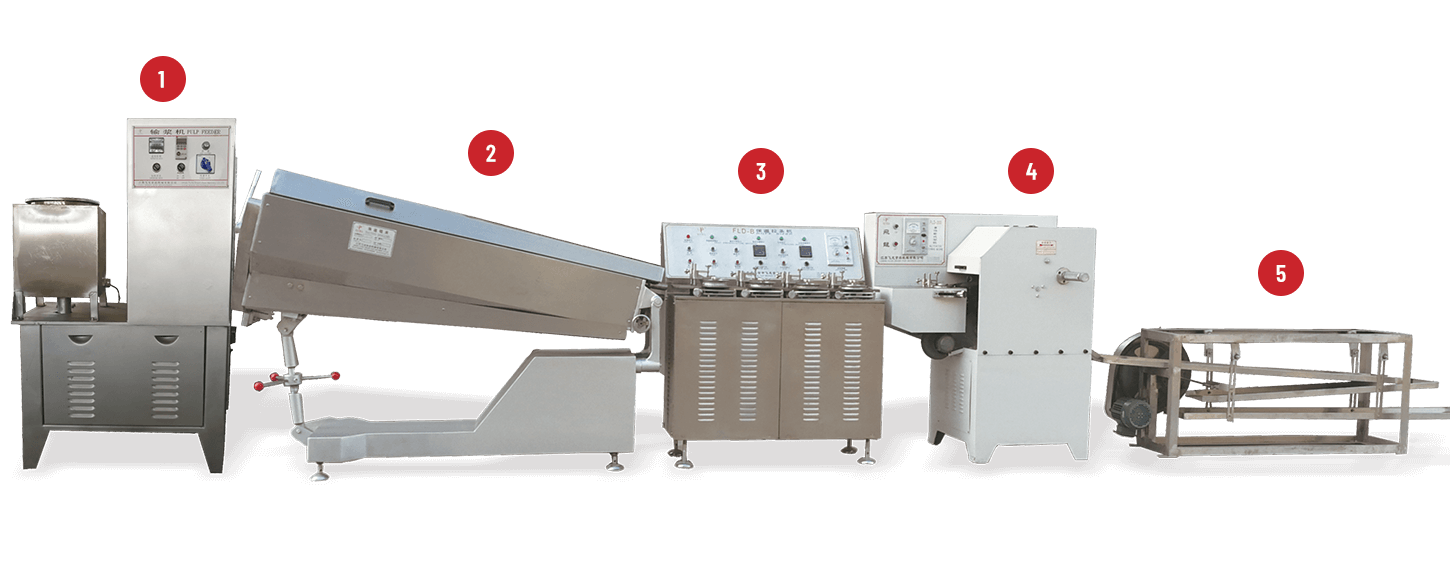
Automatic Rainbow Lollipop Machine is judged instantly by appearance. Before taste or texture is experienced, the eye already makes a decision. That is why color mixing is treated as a core part of manufacturing rather than a surface detail.
Why does color matter before anything else in candy production?
In candy products, appearance is the layer of communication. People see before they taste. That simple order changes everything about how products are designed.
For rainbow lollipops, color is not just part of the design. It is the design.
When colors are stable and well organized, the product naturally feels more structured. When they are uneven or unclear, the product can feel less controlled, even if nothing is wrong with the ingredients or taste.
In real production environments, color is often used as a quick visual check. If something looks off, it usually signals that the mixing stage did not behave as expected.
Why isn't rainbow coloring just simple blending?
At glance, rainbow lollipops may look like a simple combination of different colors. In practice, the situation is more delicate.
The goal is not full blending, and not complete separation either. It is something in between.
Three common visual conditions appear in production:
- colors stay too separated, creating a segmented look
- colors blend too much, losing clarity
- colors stay balanced, forming a smooth but readable transition
The third condition is usually what creates the familiar rainbow effect.
This balance is not accidental. It depends on how colors interact during movement and timing in the process.
Why is controlling color behavior so challenging?
Color in candy production is not fixed. It behaves like a moving element during processing. As it goes through different stages, it reacts to timing, flow, and contact with other colors.
Even small changes in process conditions can shift the final result.
In production settings, common observations include:
- colors spreading earlier than expected
- uneven transitions between sections
- partial merging in areas that should remain distinct
- inconsistent brightness between different zones
| Production condition | Visual outcome |
|---|---|
| Stable movement | Clear rainbow structure |
| Early interaction | Soft or blurred transitions |
| Over-mixing | Loss of color identity |
| Uneven flow | Patchy appearance |
These changes are often not obvious during processing. They become visible only after the product is formed.
How does layering affect rainbow structure?
Rainbow lollipops rely heavily on layering. Without layers, multiple colors simply turn into a mixed tone.
Layering is not only about placing colors next to each other. It is about controlling how they meet.
When layering works well:
- each color remains identifiable
- transitions feel gradual instead of abrupt
- the structure looks organized rather than random
When layering is not controlled:
- colors lose boundaries
- visual rhythm disappears
- the product looks less defined
In many production environments, layering is treated as a visual structure rather than a simple step.
Why does timing change the final color result?
Timing is one of the sensitive parts of color mixing. Colors do not become stable instantly. They change during movement.
If timing is too fast, colors may mix before they are ready. If timing is too slow, they may separate too much.
During production, attention is often given to:
- when colors begin to interact
- how long separation is maintained
- when transitions start to form
- how stable the mixture remains during movement
These timing differences can Find to noticeable changes in final appearance, even when everything else stays the same.
Why does visual clarity matter in rainbow lollipops?
Rainbow lollipops depend heavily on clarity. If the colors are clear, the product feels organized. If the colors are unclear, the design becomes harder to read visually.
This does not affect taste, but it affects perception.
Typical visual responses include:
- clear separation → structured and clean appearance
- moderate blending → soft and flowing effect
- excessive blending → unclear or muddy look
Consumers often do not analyze this consciously. The reaction is immediate and visual.
How does consistency affect production quality?
In mass production, consistency is just as important as design. A single good-looking piece is not enough. The entire batch must follow the same visual behavior.
If color mixing is inconsistent, different batches may show:
- variation in color distribution
- uneven brightness levels
- changes in pattern clarity
| Consistency level | Production result |
|---|---|
| High consistency | Uniform appearance |
| Medium consistency | Slight variation |
| Low consistency | Visible batch differences |
These differences may not change functionality, but they affect how the product is perceived as a complete line.
Why do machines play a role in color control?
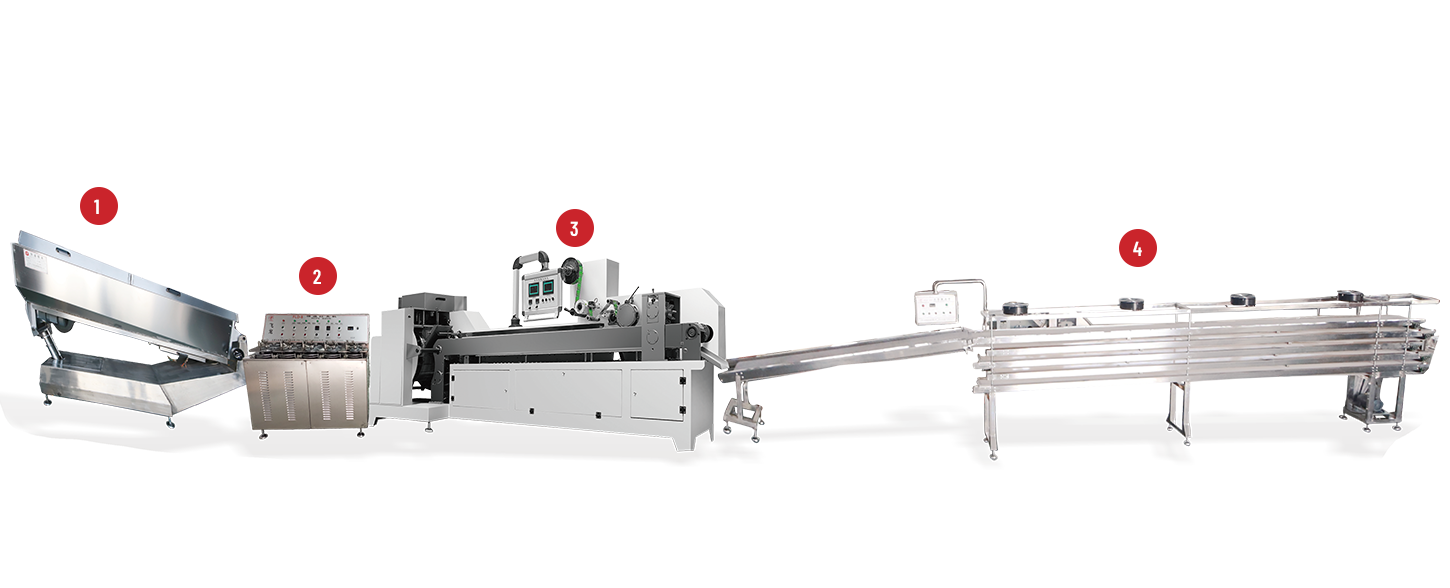
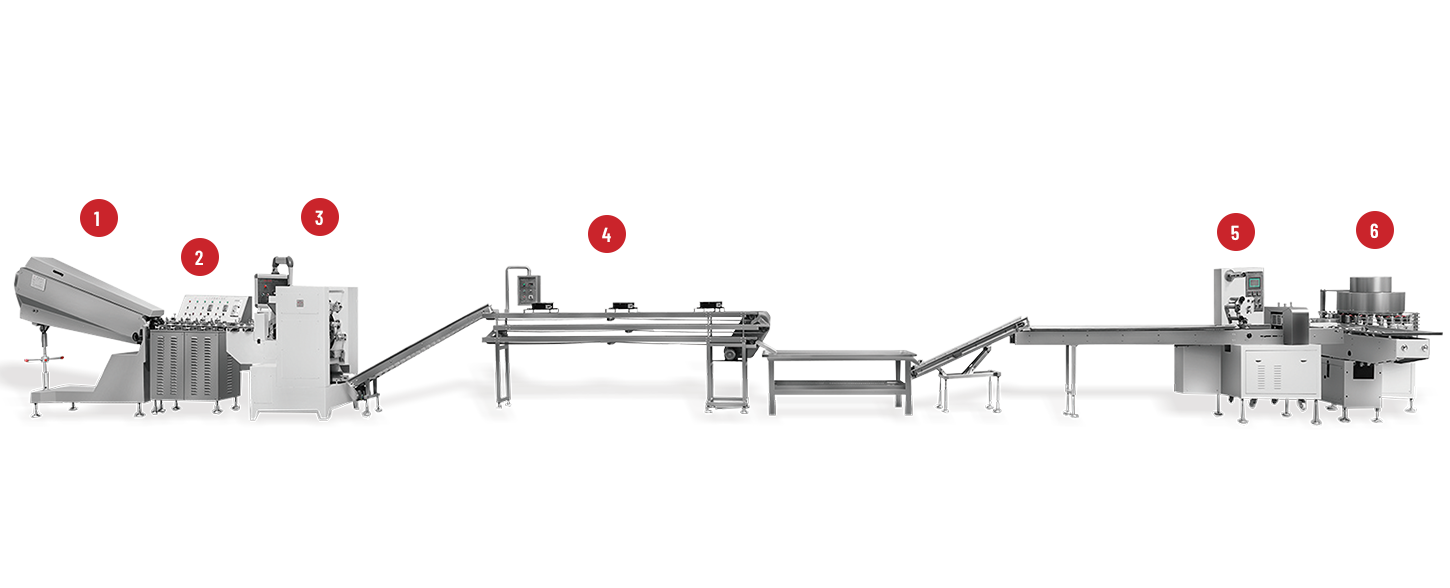
Modern production systems are used to reduce unpredictability in color behavior. Instead of relying only on manual control, machines help maintain stable conditions.
Their role is not to create color, but to control how it moves.
They help by:
- keeping mixing speed steady
- maintaining consistent flow direction
- reducing sudden shifts in color movement
- improving repeatability between batches
With more stable movement, color behavior becomes easier to predict and adjust.
Why is color sometimes treated like a structural element?
In rainbow lollipop production, color is not only decoration. It is part of the product structure itself.
It influences:
- how the product is visually divided
- how movement is perceived in the final shape
- how identity is formed on shelves
- how consumers recognize the product quickly
Because of this, color mixing is handled as part of the manufacturing structure rather than a finishing step.
Why has color control become more important in recent production?
Consumer attention has shifted strongly toward visual detail. People often decide based on appearance long before reading any product information.
For rainbow lollipops, this effect is even stronger because the entire product identity depends on color.
If color is stable:
- the product feels more consistent
- visual identity is easier to recognize
- the design feels more intentional
If color is unstable:
- visual clarity weakens
- product identity becomes less clear
- batch differences become more noticeable
This is why color mixing is now treated as a central part of production control rather than a secondary design step.
Why color mixing remains a core focus in production?
Rainbow lollipop manufacturing shows a simple truth. Color is not separate from structure. It is part of how the product is formed, controlled, and recognized.
Even small changes in mixing behavior can shift how the final product looks and feels visually. That is why attention to color mixing continues to stay central in production discussions, not as decoration, but as part of how the product is built from start to finish.
 +86-(0)515-8465666
 +86-(0)515-85566996
 +86-138 1559 9708
 flyloong@flyloongcn.com
 Home
Home