

 ENG
ENG
 English
 中文简体
中文简体 русский
 Français
 Español
 عربى
عربى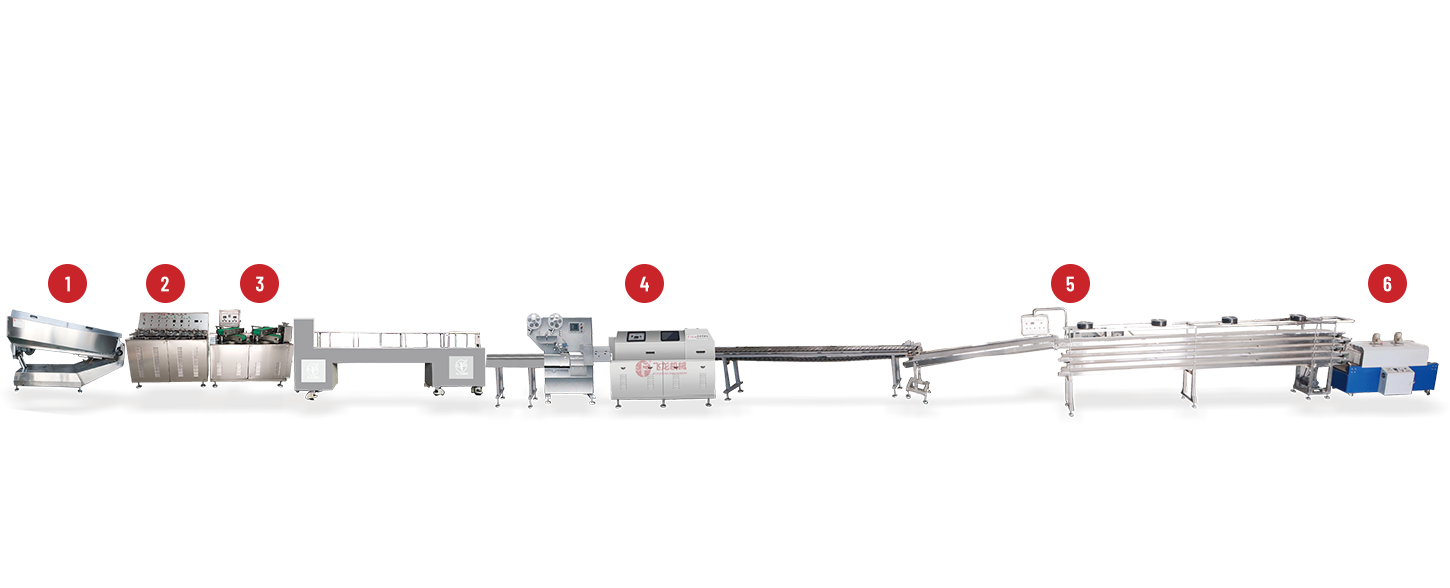
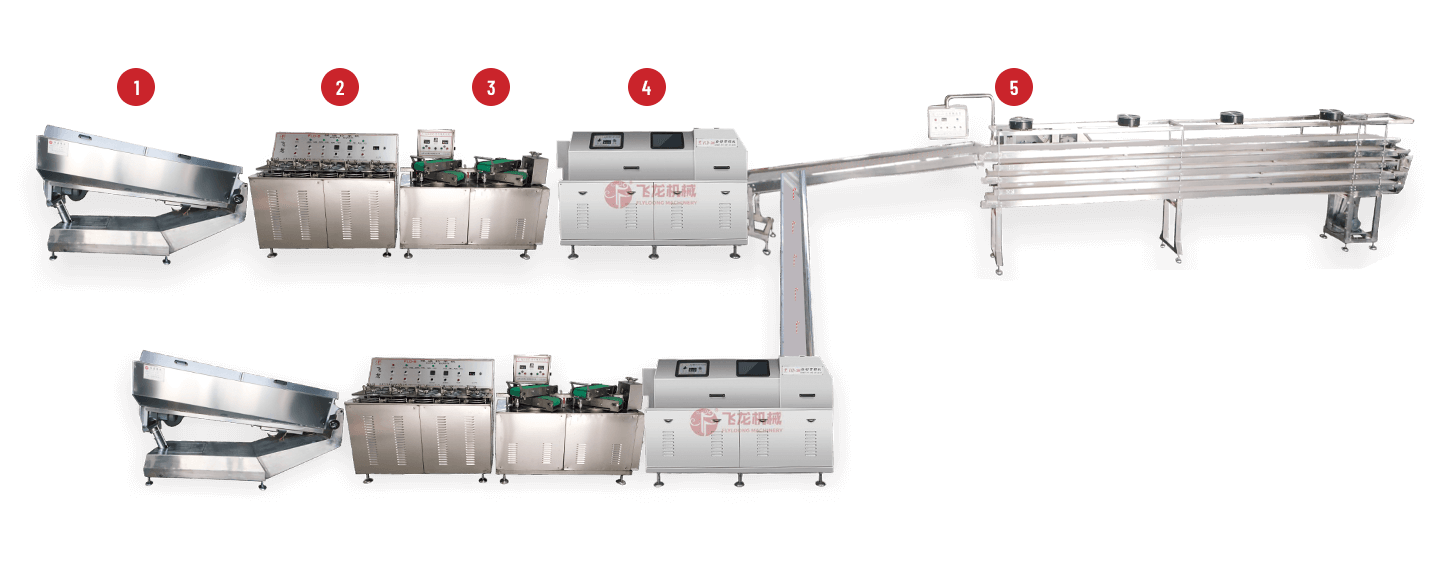
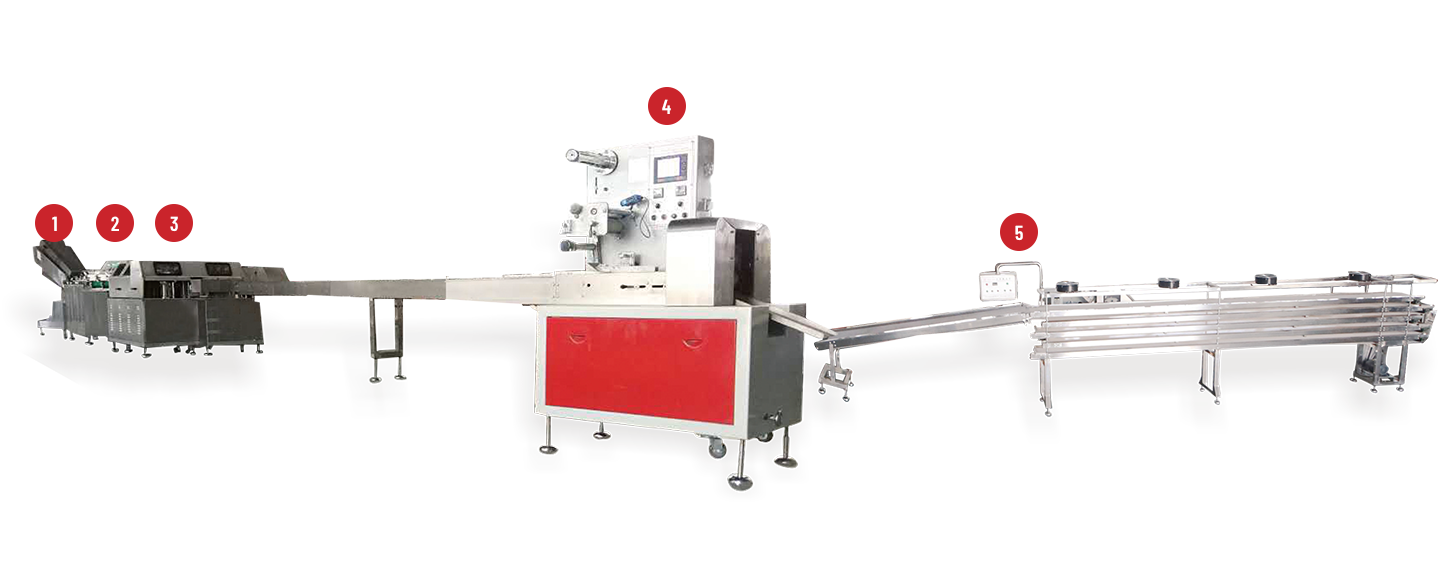
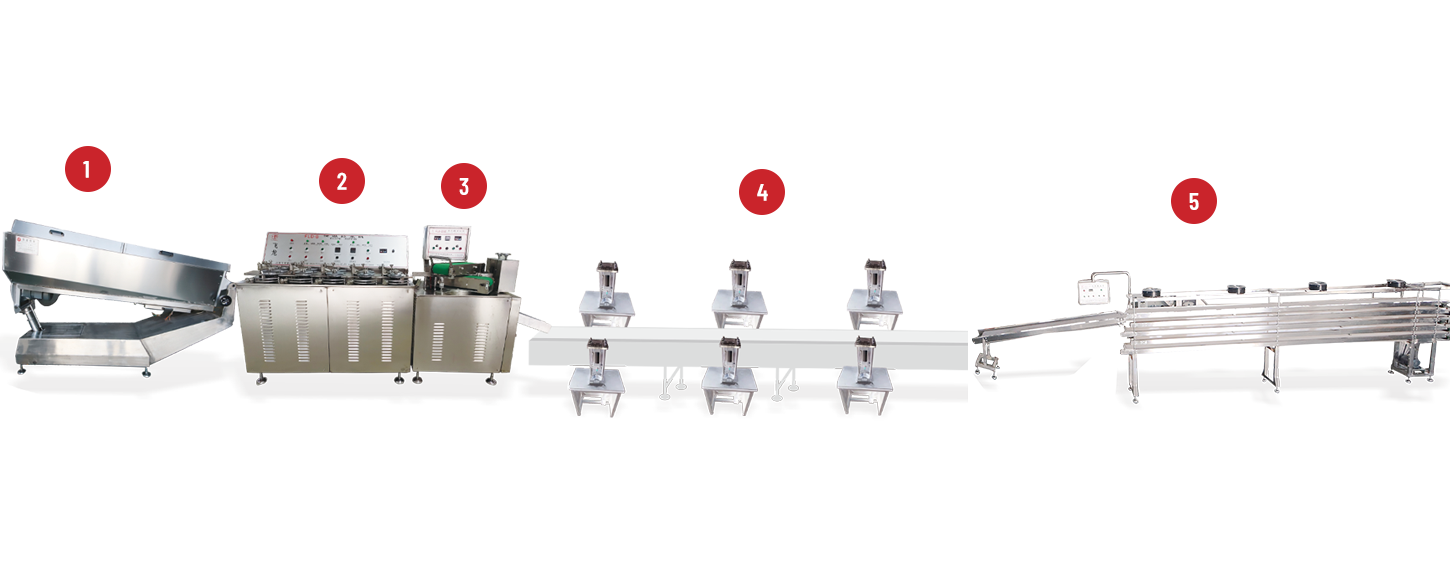
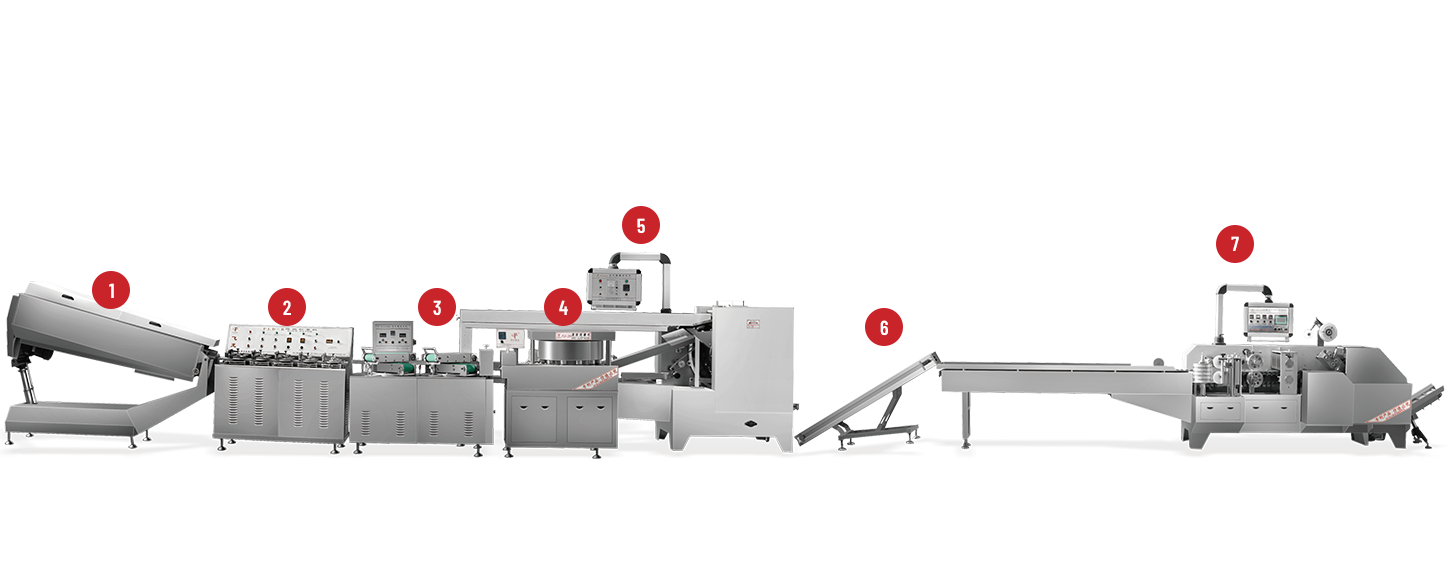
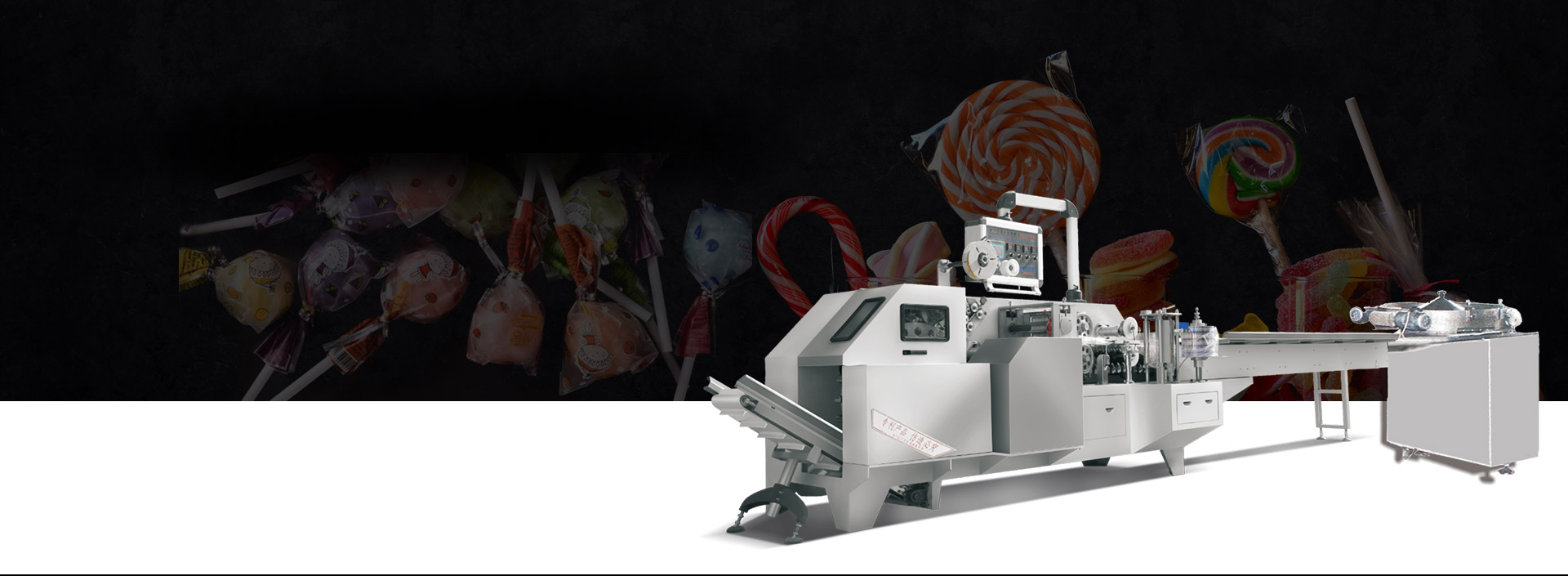
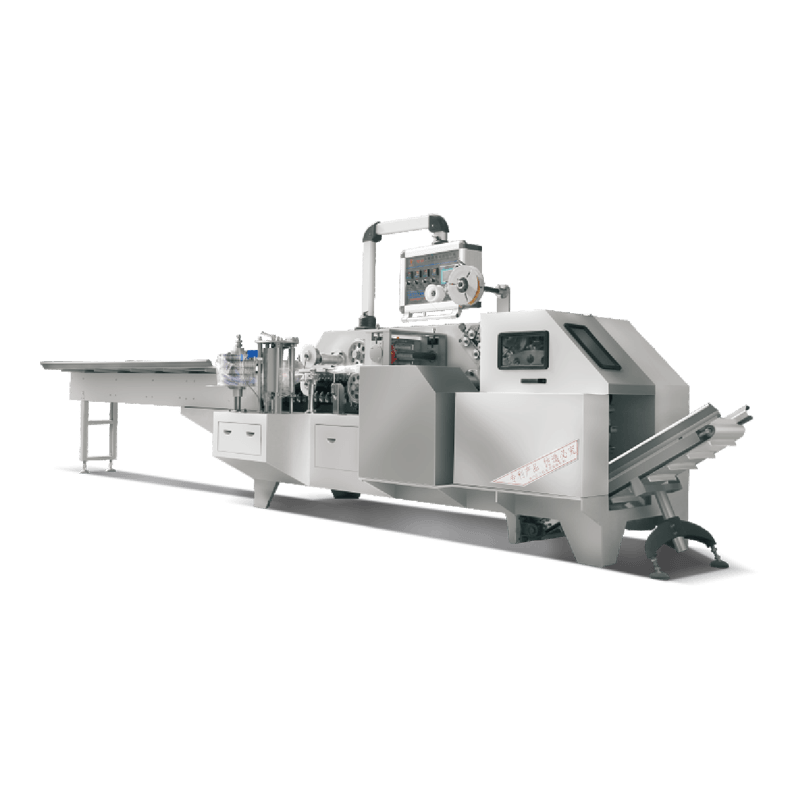
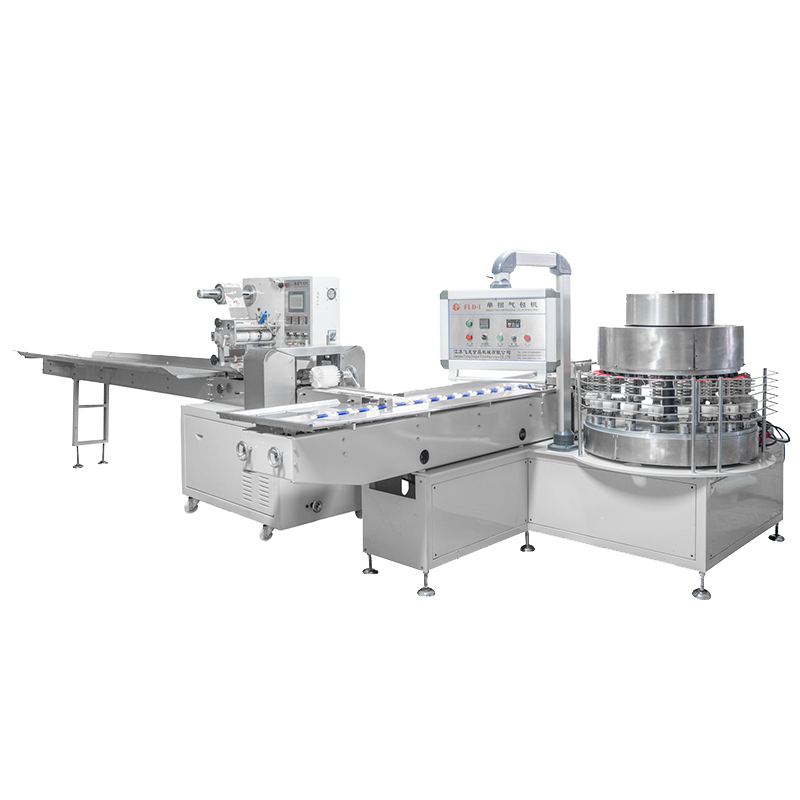
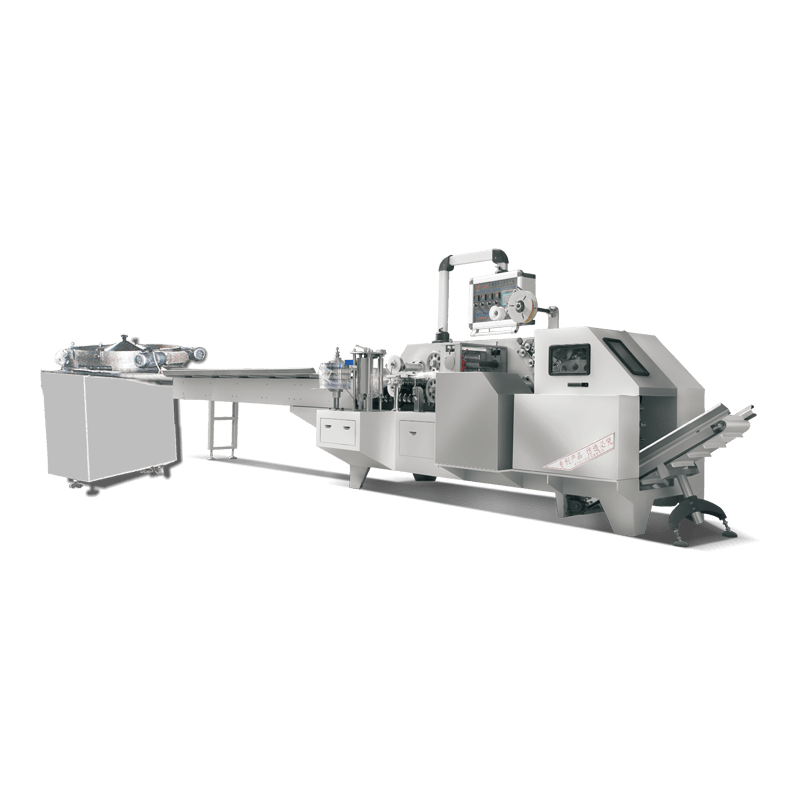
In chocolate production, packaging is often treated as the final visible step, but in practice it is tightly connected to how products move through the line. One common method used for small chocolate pieces is twist wrapping, and the equipment designed for this task is generally referred to as a chocolate twist packing machine.
It is not a complicated concept on the surface. The machine wraps individual chocolates and then twists both ends of the packaging material so the product stays closed and compact. What makes it interesting is not the idea itself, but the way it keeps repeating the same motion with very small variation over long production periods.
How does a Chocolate Twist Packing Machine operate?
The working process of a chocolate twist packing machine follows a repeated cycle. While the exact structure may vary, the overall flow remains similar.
The process usually includes:
1. Product positioning
Chocolate pieces are guided into a controlled position so each item enters the wrapping area correctly.
2. Material feeding
Packaging material is fed into the system in a continuous or pre-cut form, depending on the setup.
3. Wrapping stage
The material is folded around the chocolate piece, forming a close fit around its surface.
4. Twisting action
Both ends of the wrapping material are twisted to secure the package shape.
5. Output transfer
Finished products are moved out of the wrapping area for collection or further processing.
| Stage | Function |
|---|---|
| Positioning | Aligns chocolate pieces |
| Feeding | Supplies wrapping material |
| Wrapping | Covers product surface |
| Twisting | Seals both ends |
| Output | Transfers finished items |
Each step happens in sequence, forming a continuous cycle during operation.
Why is twist wrapping used so often for chocolate?
Twist wrapping has been used for a long time because it fits small chocolate formats very naturally. There is no need for complex sealing methods, and the final shape is compact and easy to handle.
What stands out is its simplicity during handling:
- no additional sealing steps
- quick wrapping motion
- easy product release
- stable final shape
It also works well for products that are sold individually or packed in larger groups later.
The twisted ends are not just decorative. They are the part that keeps the wrapper from loosening during movement and storage.
How does the machine actually move through each step?
If you watch the process closely, it feels repetitive but controlled. Each cycle follows the same sequence, even if it happens very quickly.
First, the chocolate piece is guided into a fixed position. This part matters more than it looks, because misalignment at the start usually affects everything that follows.
Then the wrapping material is fed around the product. It is not random contact; the material is guided into shape so it sits evenly.
After that, the ends are twisted. This is the recognizable part of the process. Both sides rotate or fold in a controlled motion until the wrapper holds itself in place.
Finally, the finished piece moves out of the station and the next one enters immediately.
It becomes a steady rhythm rather than separate actions.
Why does consistency matter so much here?
In chocolate packaging, small differences are easy to notice when products are grouped together. One piece may look slightly tighter, another slightly looser. On their own, these differences seem minor. In a batch, they stand out.
That is why machines are used not just for speed, but for repeatability.
A stable twist packing process helps control:
- how tight the wrap sits on the chocolate
- how uniform the twisted ends appear
- how consistent each piece looks next to another
- how the product behaves during handling
| Factor | What it affects |
|---|---|
| Wrapping tension | Surface tightness |
| Twist control | End shape stability |
| Feeding alignment | Position accuracy |
| Cycle rhythm | Batch consistency |
The goal is not perfection in a strict sense, but predictability.
What role does the twisting action really play?
The twisting part looks simple, but it is where the packaging actually "locks."
After the chocolate is wrapped, both ends of the material are rotated or folded until they hold their shape. This removes the need for extra sealing steps.
- In production terms, this step matters because:
- it prevents the wrapper from opening during movement
- it keeps the shape compact
- it standardizes appearance across units
- it reduces manual adjustment later in the line
The twist is also what gives the product its familiar visual identity.
How do materials behave during twisting?
Not all wrapping materials react the same way during twisting. Some hold shape easily, while others require more controlled handling.
In practice, material behavior affects:
- how clean the twist looks
- how tightly it stays closed
- whether it loosens over time
- how smooth the wrapping surface appears
If the material is too stiff, twisting can look uneven. If it is too soft, it may not hold shape well after processing.
So the machine is not working alone. It is always interacting with material behavior.
Why is automation used instead of manual wrapping?
Manual wrapping can still be seen in small-scale production, but it becomes difficult to maintain consistency when volume increases.
A twist packing machine reduces variation by repeating the same motion without fatigue or interruption.
What it changes in real operation:
- fewer differences between individual pieces
- more stable output across long runs
- reduced dependence on operator technique
- smoother flow between production stages
It is less about replacing people and more about keeping results stable when production scale increases.
How does production speed affect wrapping quality?
Speed is always a sensitive factor. If the process runs too quickly without control, small variations become more visible. If it runs too slowly, efficiency drops.
What usually matters more is not raw speed, but stability of motion.
A steady cycle helps maintain:
- consistent wrapping tightness
- even twist formation
- predictable product flow
- fewer interruptions in output
In many factories, the focus is on keeping rhythm steady rather than pushing speed.
Why does appearance matter in twist-packed chocolate?
Even though chocolate is a food product, its packaging plays a strong role in how it is perceived. Twist wrapping creates a recognizable form that is easy to identify quickly.
When packaging is consistent:
- products look organized in bulk display
- individual pieces are easier to recognize
- shelf presentation feels uniform
- brand identity becomes visually clearer
Small differences in twist shape or wrapping tightness can change that impression more than expected.
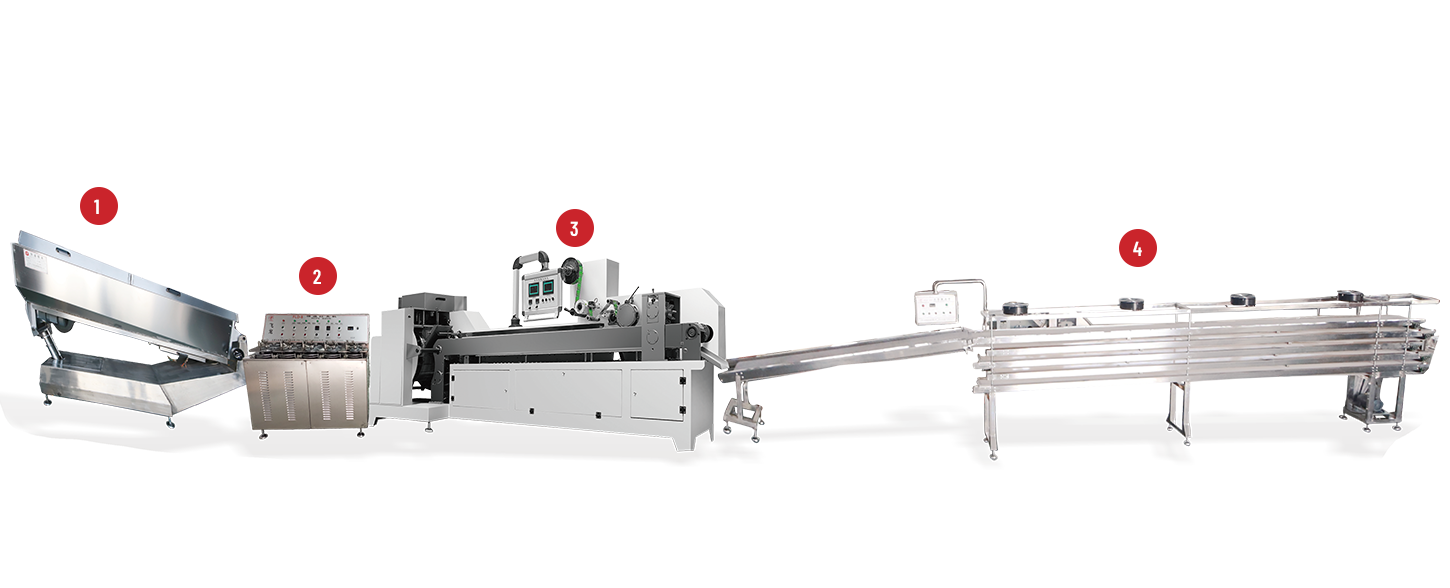
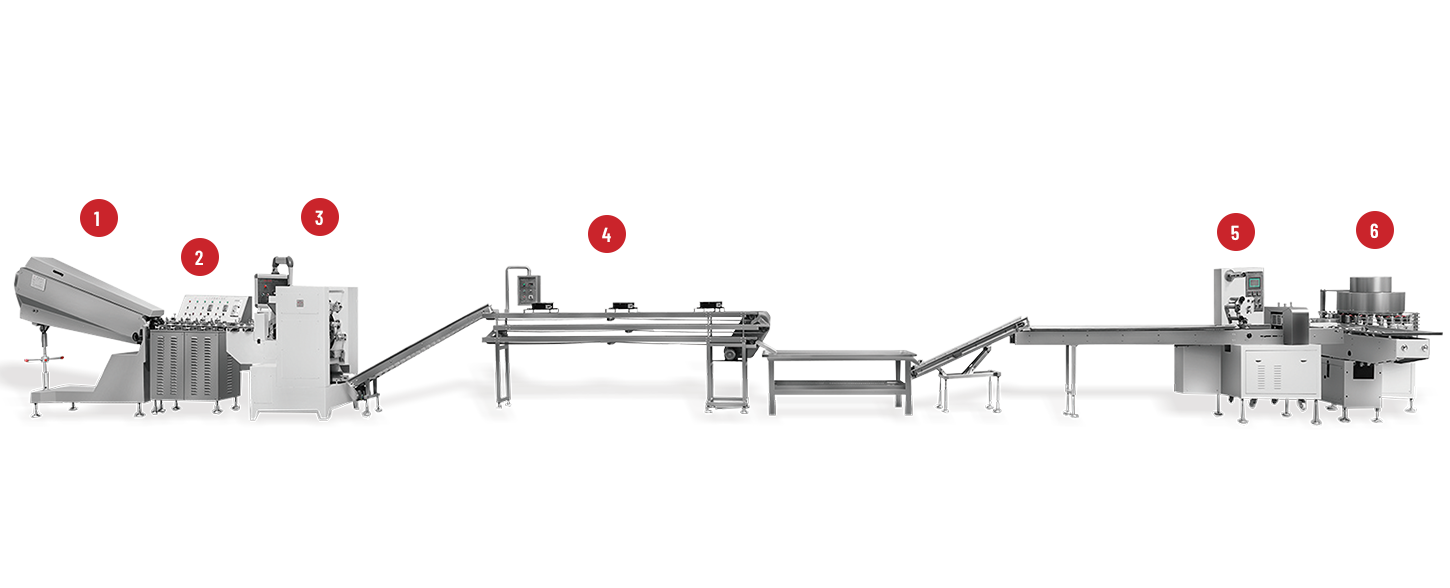
How does the machine fit into modern production lines?
Chocolate twist packing machines are often part of a larger system rather than standalone equipment. They sit between forming and final packing stages.
Their role is simple but important:
- stabilize individual wrapping
- prepare products for grouping or boxing
- maintain visual consistency before final packaging
Instead of changing the product, they help standardize it before it moves forward.
Why does this process remain widely used?
Despite changes in packaging technology, twist wrapping remains common because it is practical, fast, and visually familiar. It does not require complex sealing systems, and it works well with small chocolate formats.
The machine itself continues to evolve, but the basic idea stays the same: repeatable wrapping, controlled twist, stable output.
What changes over time is not the concept, but how smoothly and consistently that cycle can be maintained during production.
 +86-(0)515-8465666
 +86-(0)515-85566996
 +86-138 1559 9708
 flyloong@flyloongcn.com
 Home
Home