

 ENG
ENG
 English
 中文简体
中文简体 русский
 Français
 Español
 عربى
عربى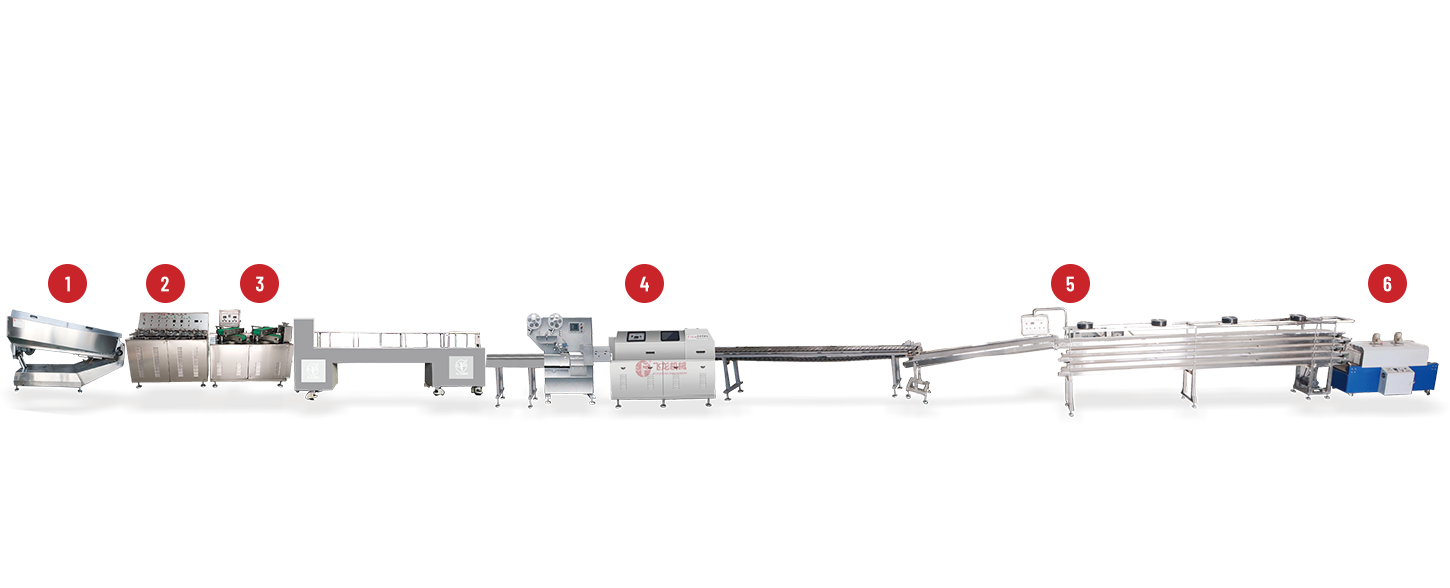
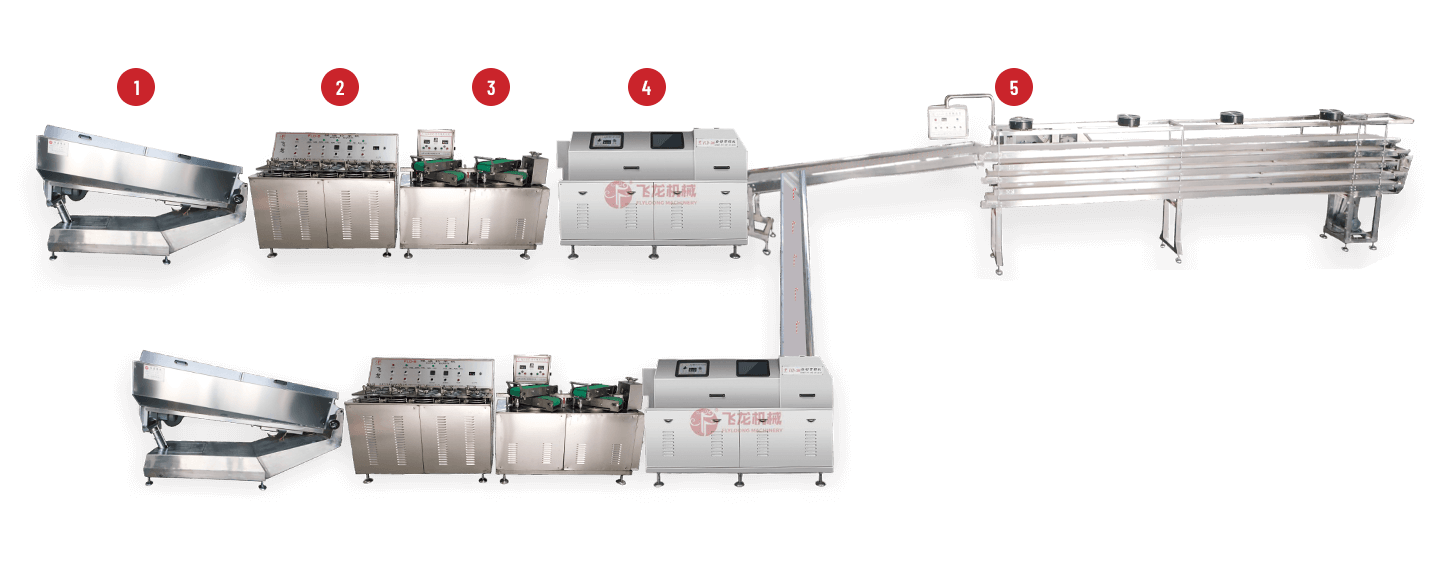
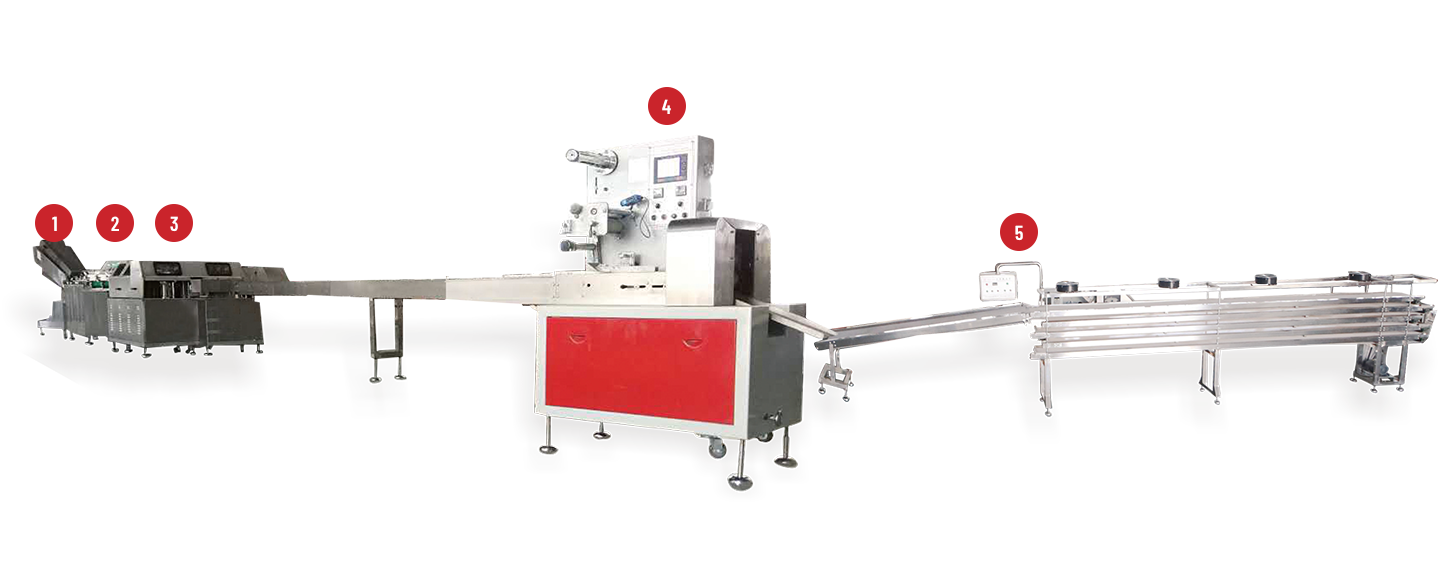
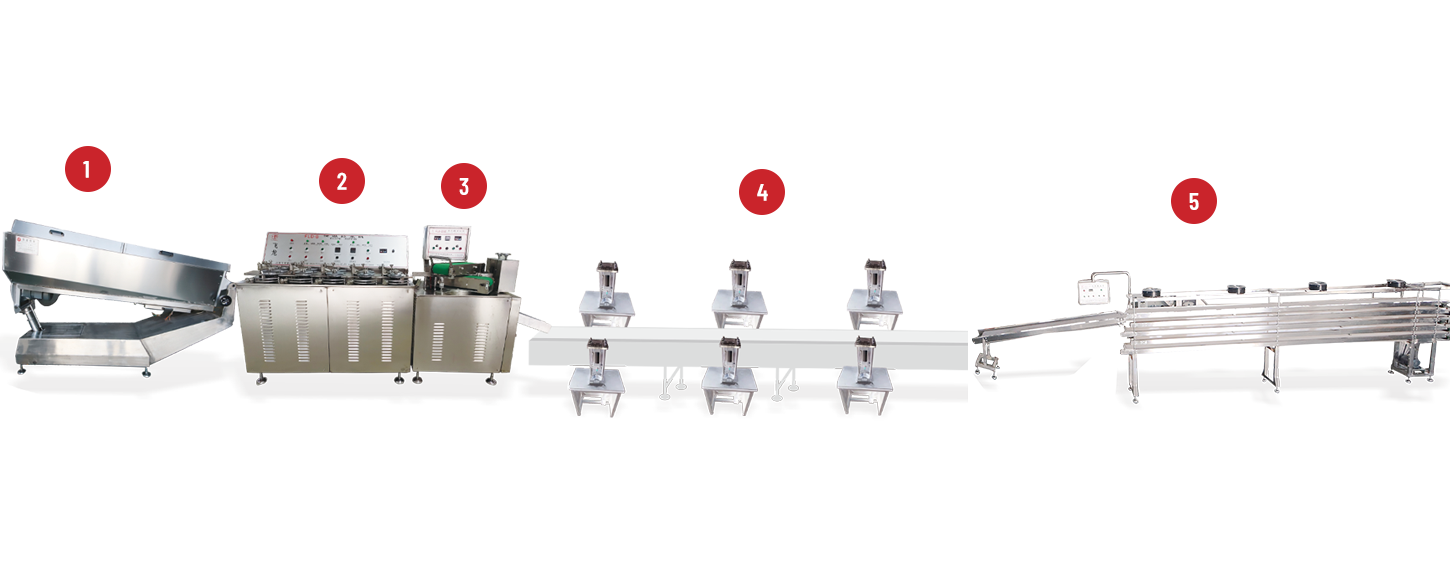
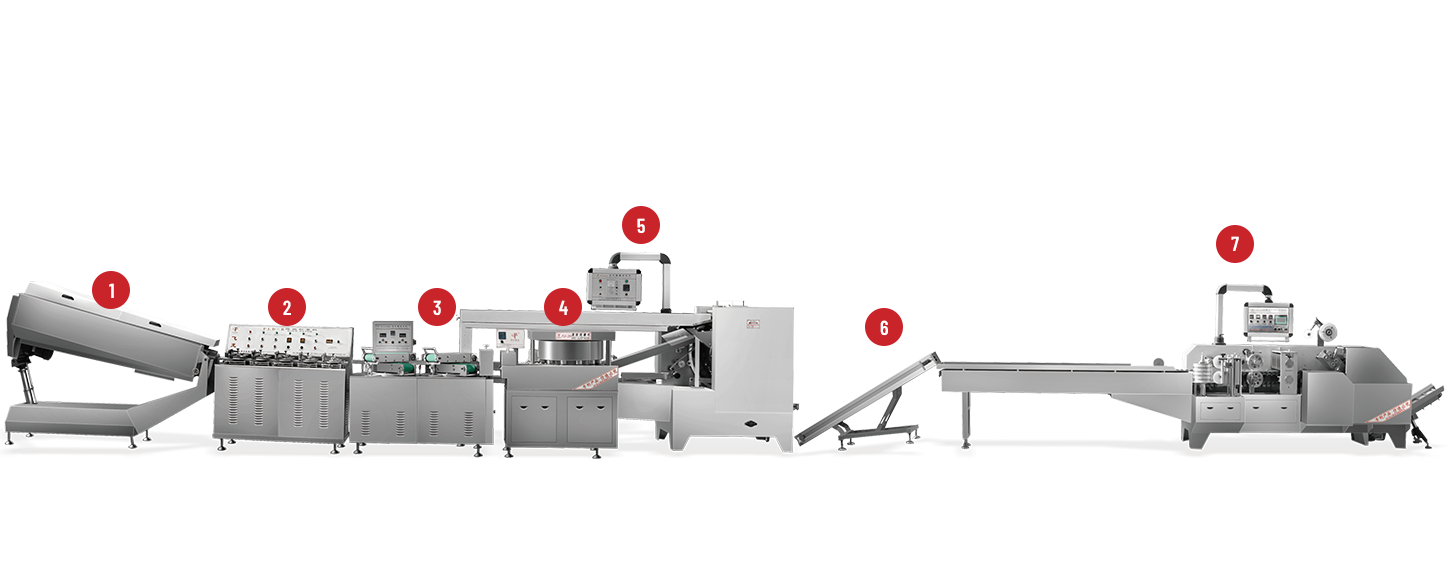
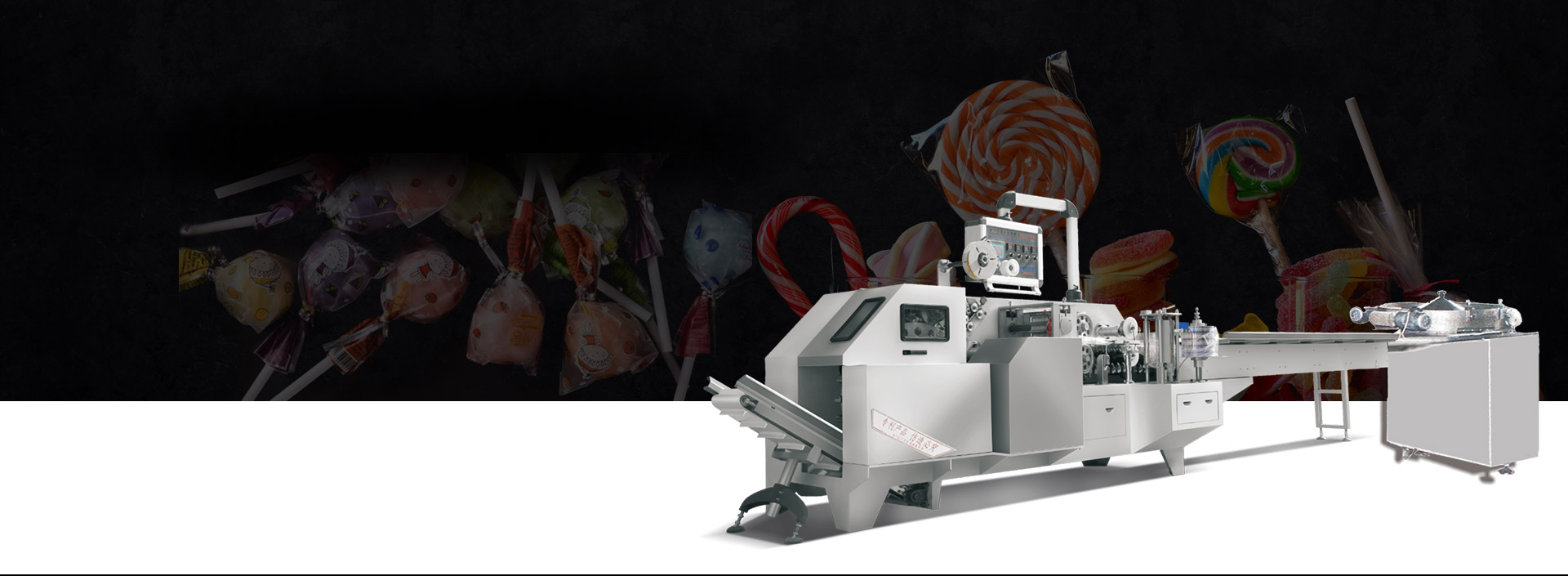
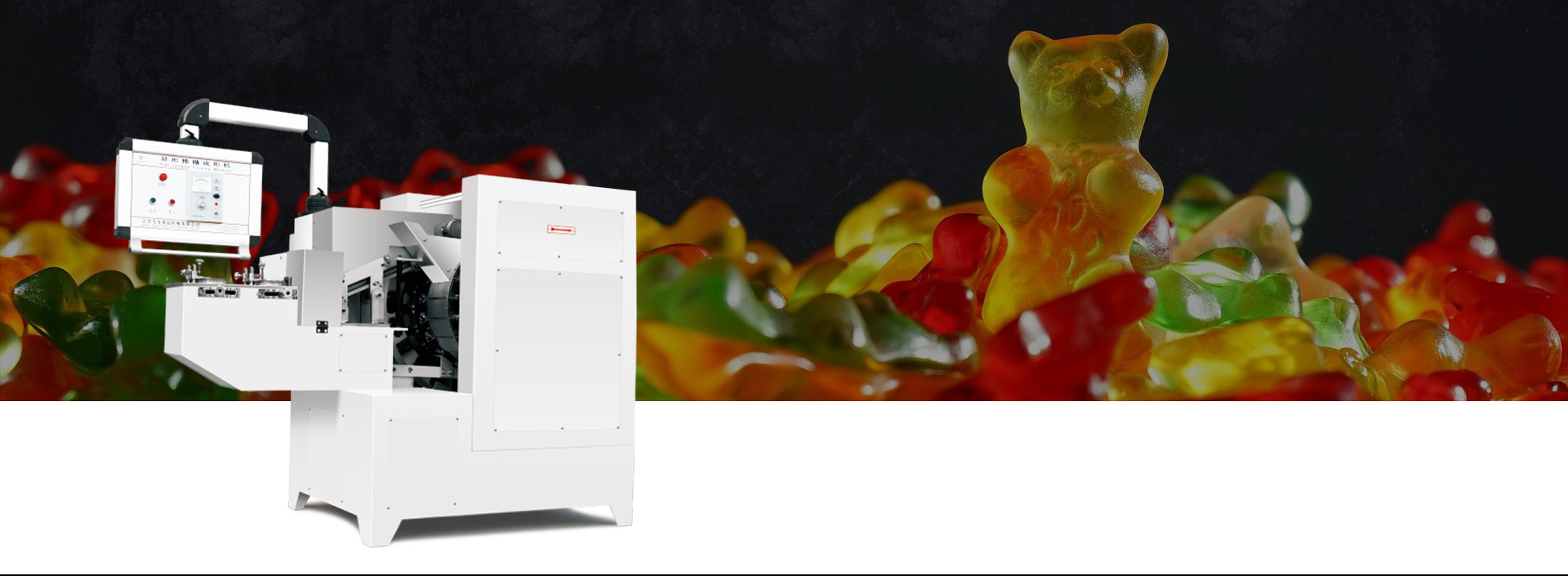
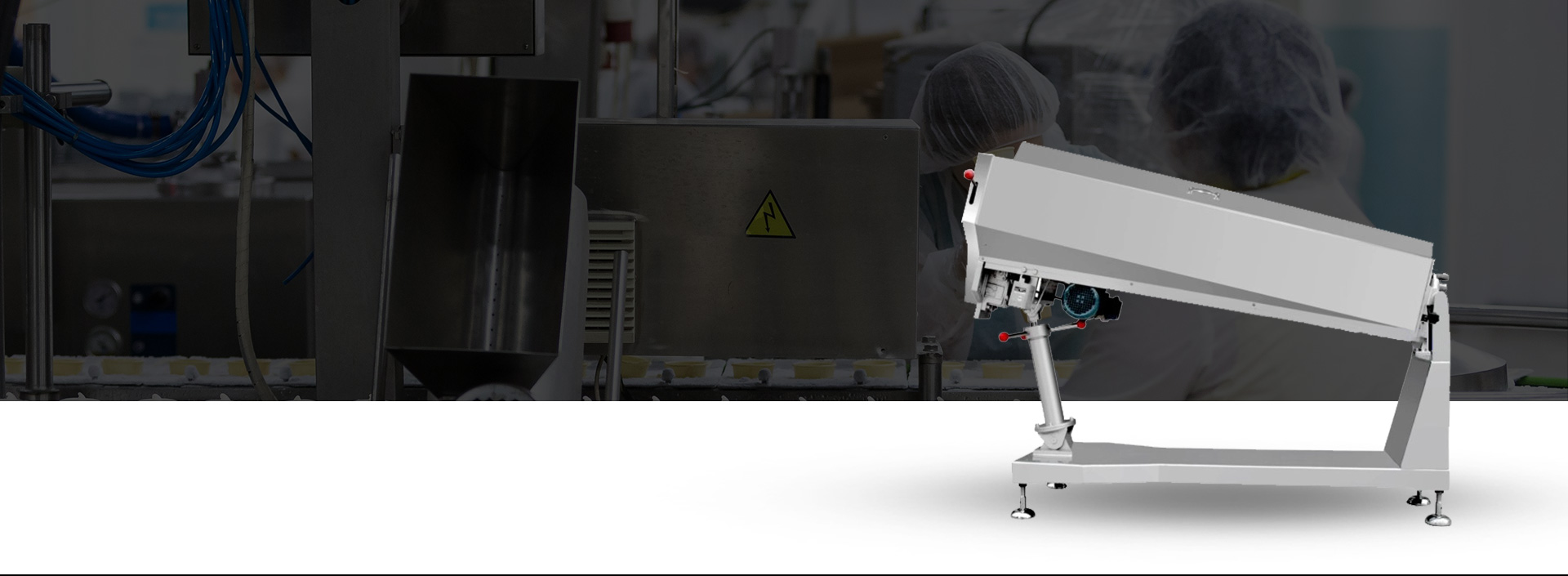
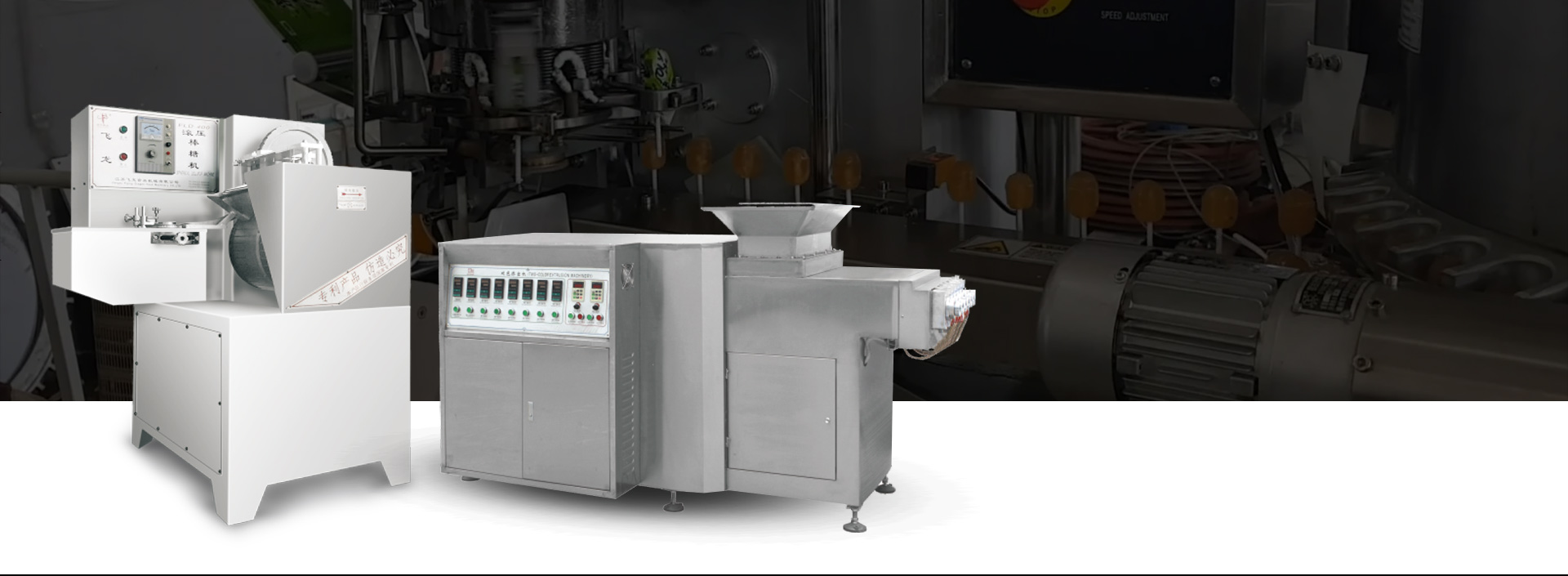
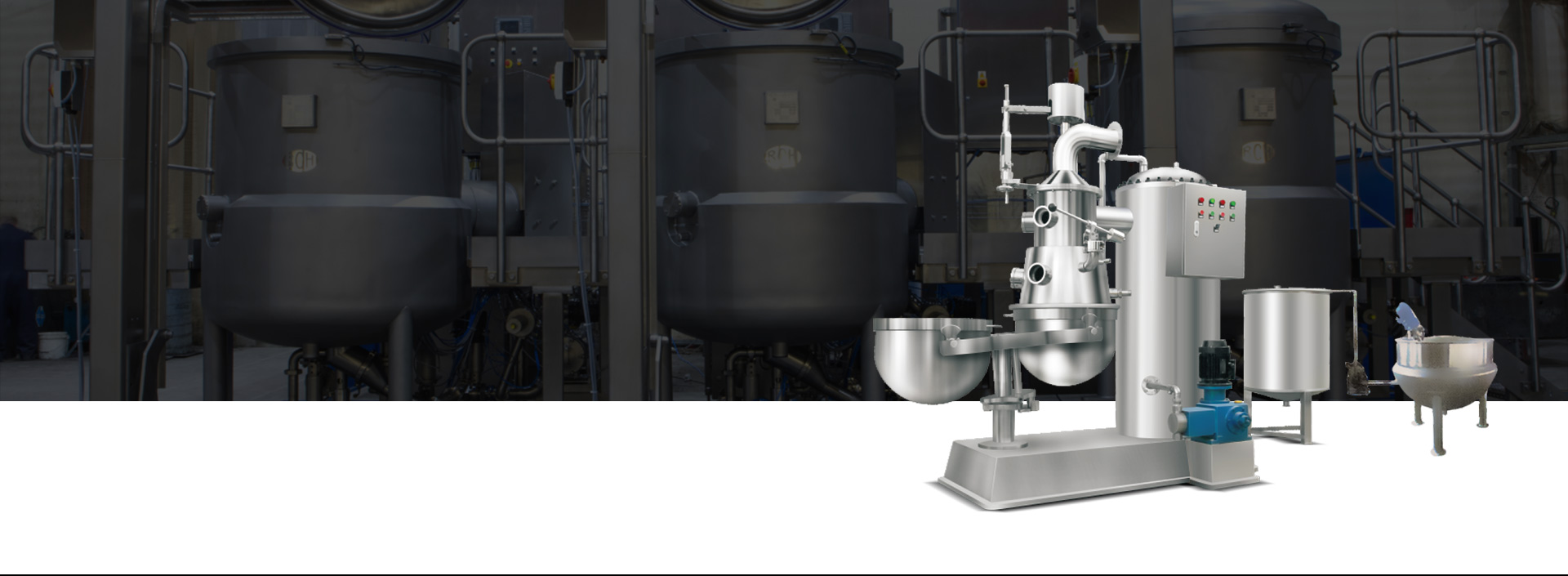
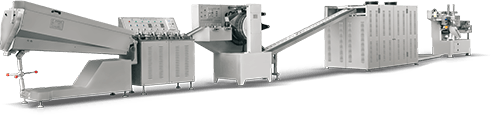
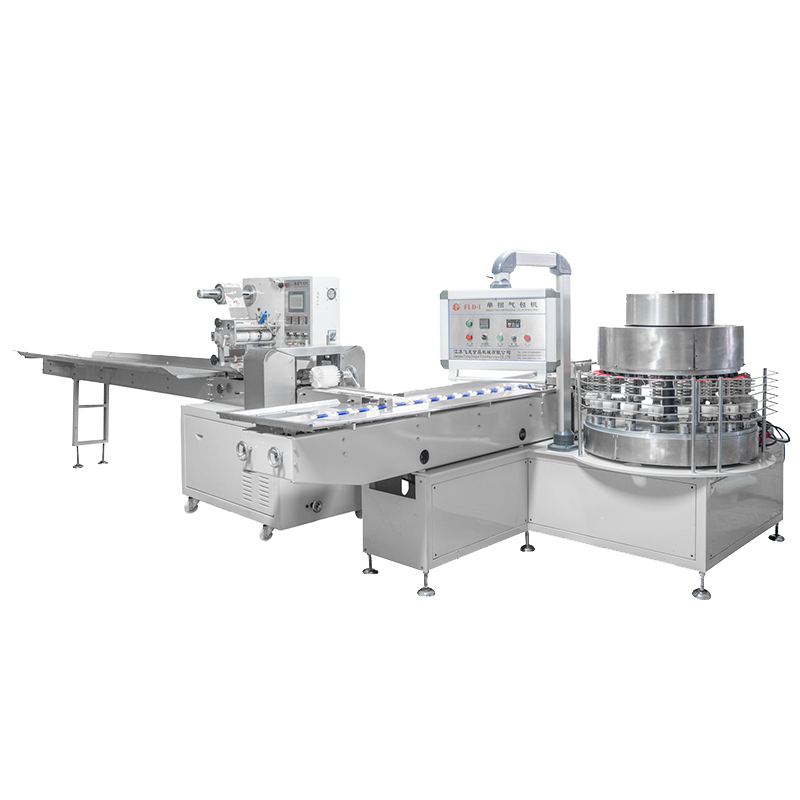
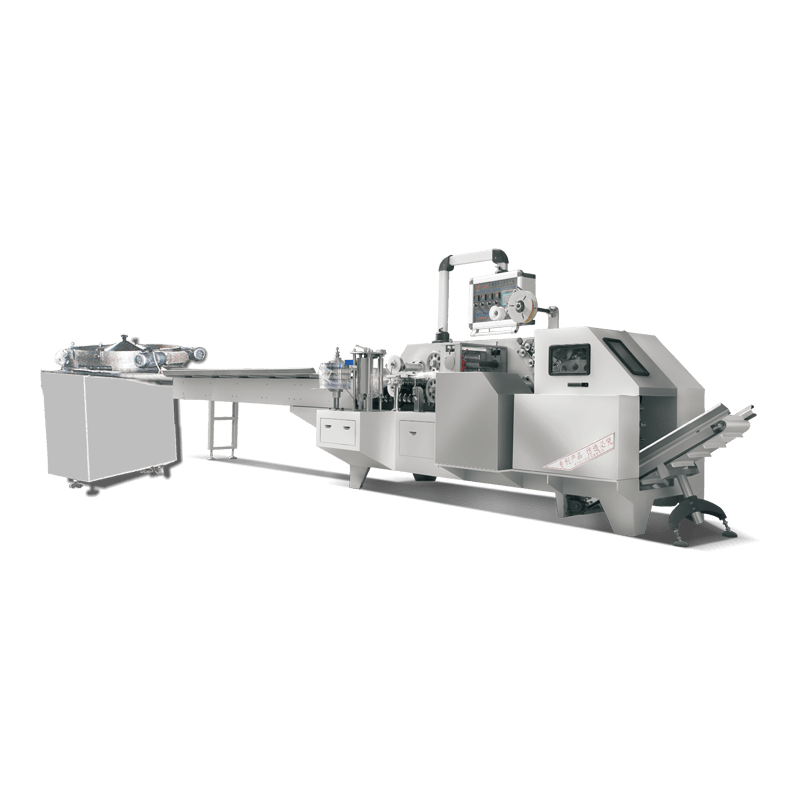
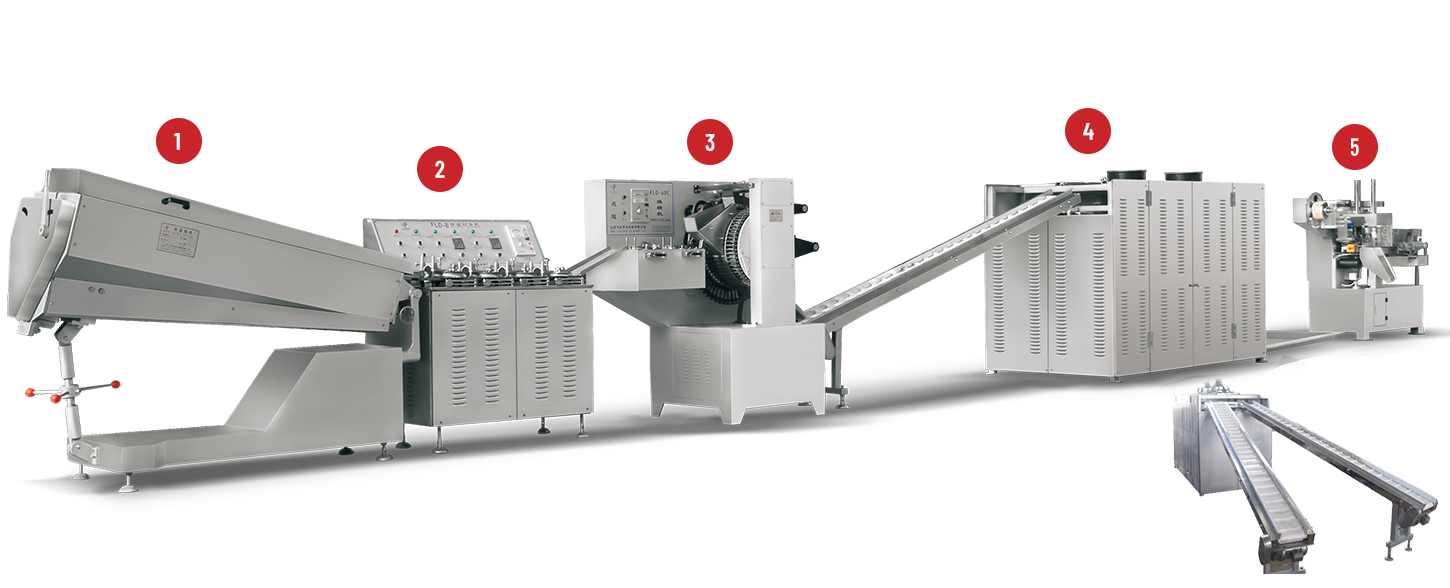
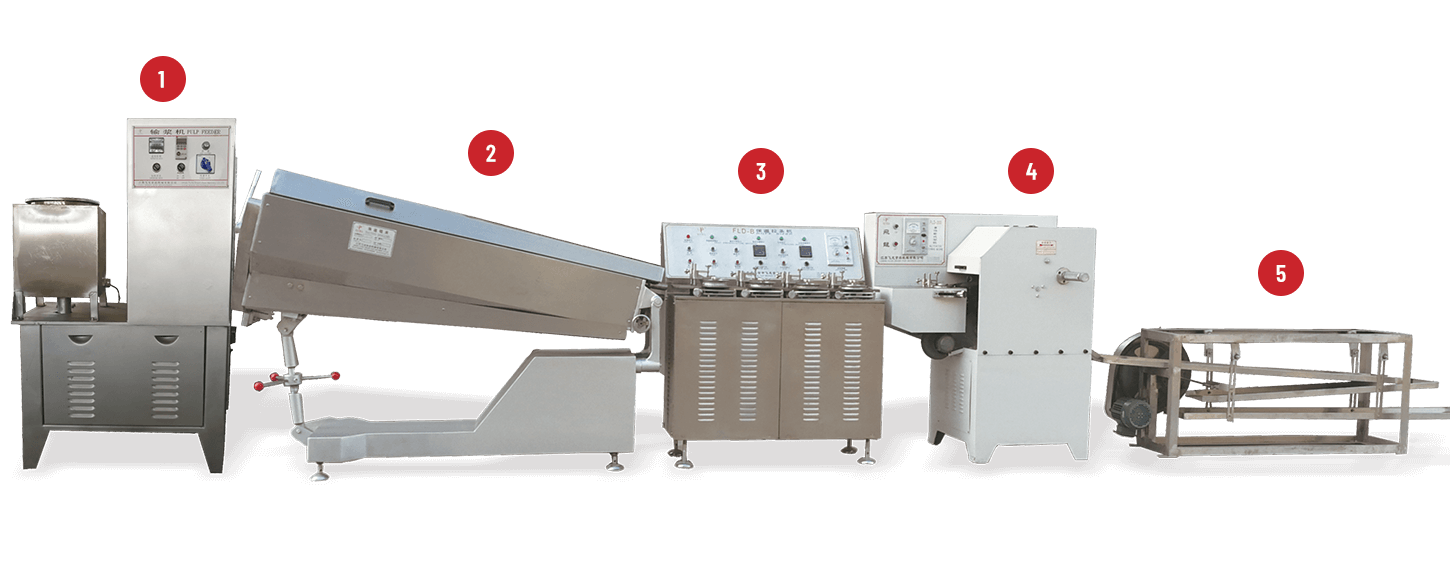
A Spoon Candy Machine plays a specific role in confectionery production. It helps shape and form candy into spoon-like designs that are used for direct consumption or creative packaging. Like many food production machines, its performance depends on regular care and stable operating conditions. When maintenance is handled with attention, the machine tends to run more smoothly, with fewer interruptions and more consistent output.
Stable operation is not achieved through one action. It comes from a series of routine practices that support cleanliness, mechanical balance, and controlled usage over time.
Why Does Regular Maintenance Matter For Candy Equipment?
Candy production involves sticky materials, heat, and continuous motion. These conditions naturally place stress on machine surfaces and internal parts. Over time, residue can build up, movement can become less smooth, and small inconsistencies may appear in output.
Regular maintenance helps reduce these effects. It keeps working surfaces clean and allows moving parts to function without unnecessary resistance. When the machine is maintained properly, it is easier to keep production steady and predictable.
In a production environment, even small interruptions can affect workflow. Maintenance reduces these interruptions by preventing gradual wear from turning into operational issues.
How Important Is Cleaning In Daily Operation?
Cleaning is one of the important parts of maintaining a candy machine. Candy materials can leave residue during processing, especially in areas where heat and shaping occur. If not removed, this residue can affect both performance and product appearance.
Daily cleaning helps keep surfaces clear. It also prevents material from hardening in small gaps or corners of the machine. A clean machine is easier to inspect, and potential issues are easier to notice early.
Cleaning should focus on contact areas, moving sections, and surfaces where material flows or settles. A consistent cleaning routine helps maintain smooth operation without requiring major intervention later.
What Role Does Inspection Play In Stable Performance?
Inspection supports maintenance by identifying small changes before they become larger problems. It involves observing how the machine operates during use and checking for signs of irregular movement, unusual noise, or uneven output.
A simple inspection routine can include visual checks and basic functional observation. Operators often look at how smoothly components move and whether the final product remains consistent in shape and quality.
| Inspection Area | What To Observe | Possible Impact On Operation |
|---|---|---|
| Moving components | Smoothness of motion | Affects stability of output |
| Heating zones | Even surface condition | Influences product consistency |
| Forming sections | Cleanliness and alignment | Affects shape accuracy |
| Output flow | Uniformity of candy shape | Reflects overall machine condition |
Regular inspection helps maintain awareness of machine behavior. It supports early correction and reduces unexpected downtime.
How Should Moving Parts Be Managed?
Moving parts are central to the operation of a candy machine. These components handle repeated motion during production, which naturally creates friction over time. Without proper attention, this friction can affect smooth operation.
Basic maintenance of moving parts focuses on ensuring they remain clean and free from unnecessary resistance. Over time, small particles or residue may gather around joints or contact points. Removing these helps maintain consistent movement.
It is also important to observe how these parts interact during operation. Any slight change in movement can indicate that adjustment or cleaning may be needed.
Why Is Temperature Control Important For Maintenance?
Temperature plays a key role in candy production. If heat levels are not stable, material behavior can change, which may affect how the machine performs.
In a candy machine, uneven temperature can Find to inconsistent shaping or residue buildup. Over time, this can also affect internal surfaces.
Maintaining stable temperature conditions helps ensure that candy material flows and sets as expected. It also reduces unnecessary strain on machine components.
Operators often monitor temperature behavior as part of routine maintenance. Stability in this area supports both product quality and machine longevity.
How Does Material Handling Affect Machine Stability?
The type of material used in production can influence how often maintenance is needed. Some materials may leave more residue or require different handling conditions.
If material flow is not smooth, it may create buildup in certain areas of the machine. This can affect both movement and shaping accuracy.
Proper material handling helps reduce these issues. Ensuring that materials are prepared consistently before entering the machine supports smoother operation.
Consistency in input often leads to consistency in output. This connection is important for maintaining stable performance over time.
What Maintenance Practices Support Long-Term Use?
Long-term stability depends on repeated care rather than occasional adjustment. Simple routines, when performed regularly, can have a strong effect on machine condition.
These practices may include:
- Routine surface cleaning after production cycles
- Regular observation of moving parts during operation
- Keeping contact areas free from buildup
- Monitoring changes in output shape or texture
- Maintaining consistent operating conditions
Each of these actions contributes to overall machine stability. None of them is complex on its own, but together they form a reliable maintenance system.
How Does Operator Awareness Improve Maintenance Quality?
Maintenance is not only about physical cleaning or inspection. It also involves awareness of how the machine behaves during daily use.
Operators who are familiar with normal machine behavior are more likely to notice small changes. These changes may include slight differences in movement, timing, or output appearance.
This awareness helps identify early signs of imbalance. When noticed early, adjustments can be made before larger issues develop.
Experience plays a role here. Over time, operators develop a sense of how the machine should feel and sound during normal operation.
What Role Does Routine Scheduling Play In Stability?
A structured maintenance schedule helps keep tasks consistent. Instead of reacting to issues after they appear, routine scheduling supports regular care at planned intervals.
This approach reduces the chance of missing important maintenance steps. It also helps distribute workload evenly across time.
In production environments, scheduling often aligns with usage patterns. Machines that run more frequently may require more frequent attention.
A simple and consistent schedule supports long-term stability without adding unnecessary complexity to operations.
How Does Maintenance Affect Product Consistency?
Machine condition directly influences product output. When a candy machine operates smoothly, shaping and forming remain consistent. This leads to more uniform results across production batches.
If maintenance is neglected, small irregularities can appear. These may affect shape, surface quality, or overall appearance.
Consistent maintenance helps maintain alignment between machine performance and product expectations. It supports predictable results, which is important in structured production environments.
Why Is Preventive Care More Effective Than Repair?
Preventive care focuses on maintaining good condition before problems appear. Instead of fixing issues after they occur, it aims to reduce the chance of those issues developing in the place.
This approach is often more efficient in production settings. It reduces interruptions and helps maintain continuous workflow.
Small, regular actions tend to be easier to manage than larger repairs. Over time, preventive care supports smoother operation and reduces unexpected downtime.
How Does Maintenance Influence Production Efficiency?
Efficiency in production is closely linked to machine stability. When equipment runs smoothly, production flow remains steady.
A well-maintained spoon candy machine requires fewer pauses for adjustment or correction. This allows operators to focus more on production tasks rather than troubleshooting.
Stable operation also supports better use of time and resources. Fewer interruptions mean more consistent output and a more predictable production process.
Maintenance, in this sense, becomes part of overall operational efficiency rather than a separate task.
 +86-(0)515-8465666
 +86-(0)515-85566996
 +86-138 1559 9708
 flyloong@flyloongcn.com
 Home
Home