

 ENG
ENG
 English
 中文简体
中文简体 русский
 Français
 Español
 عربى
عربى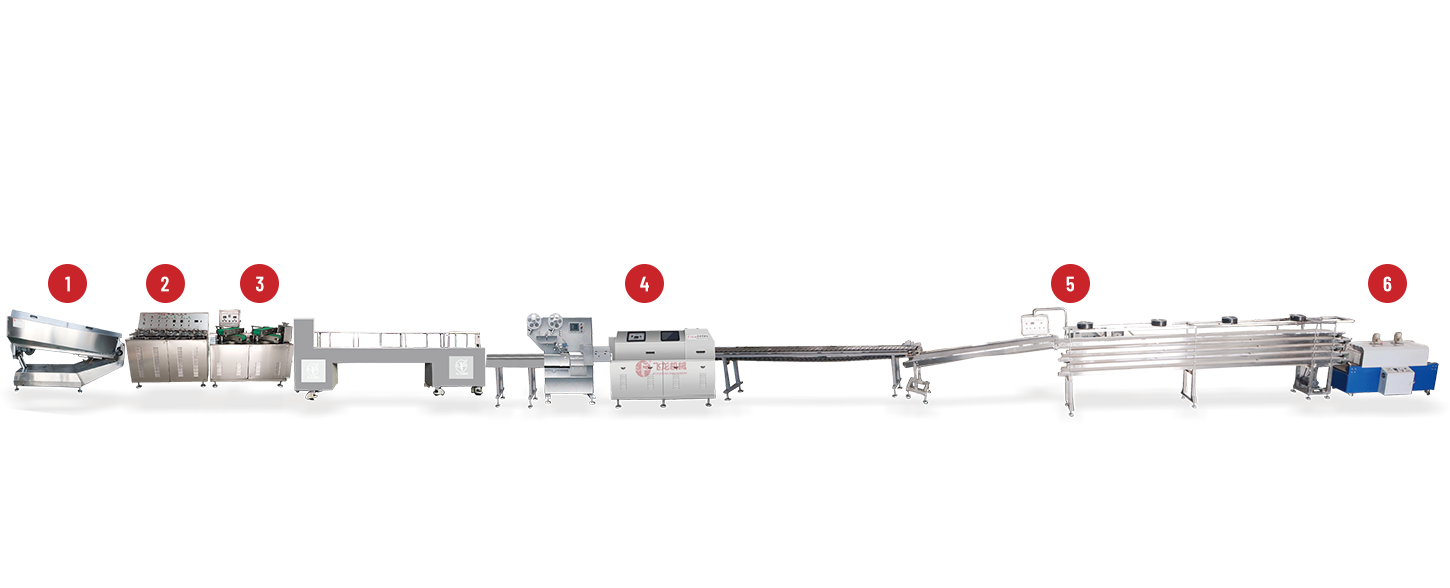
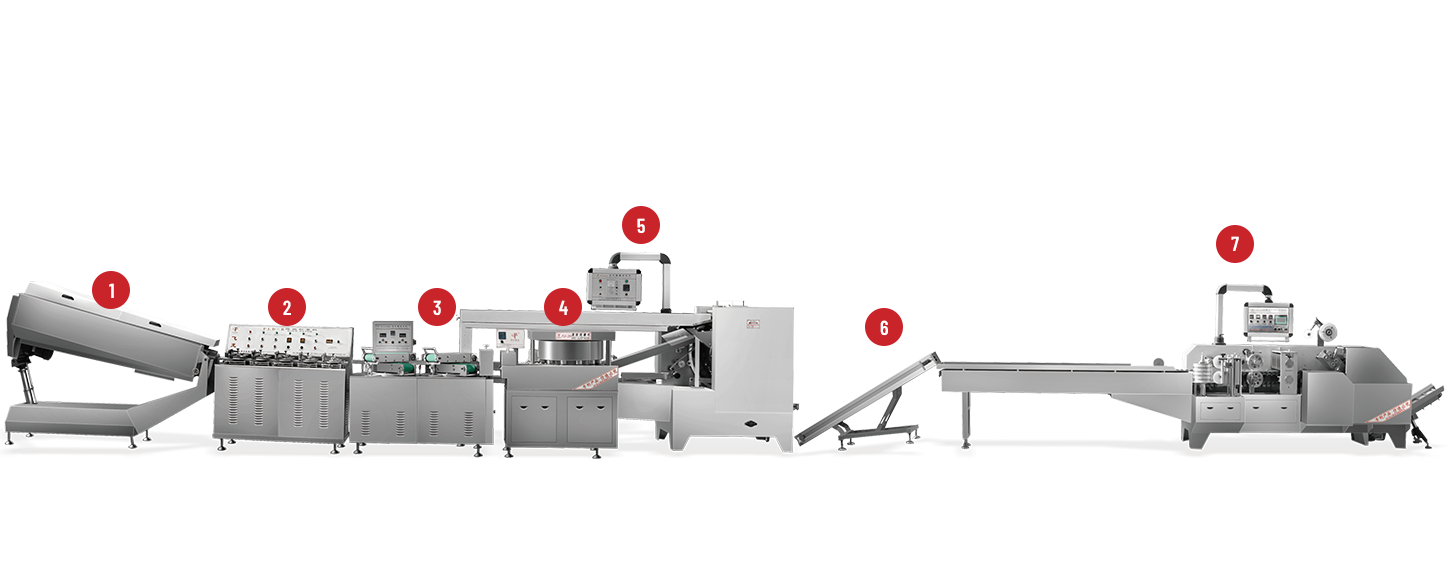
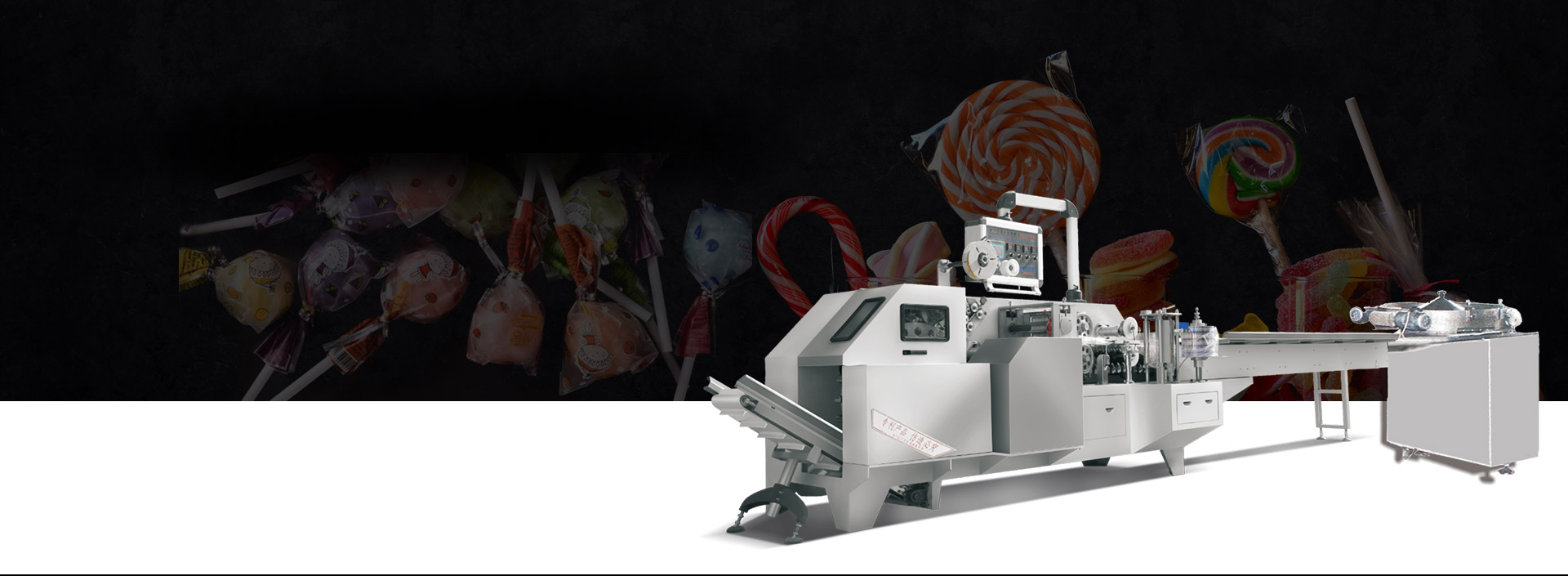
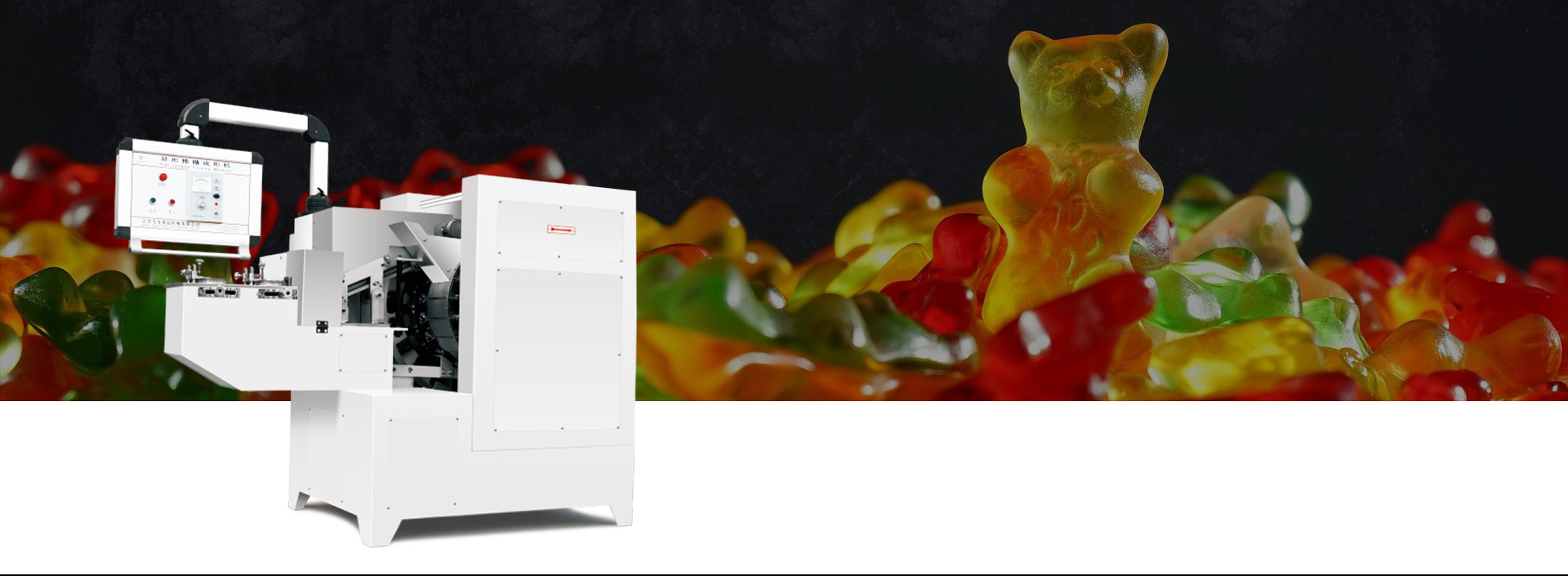
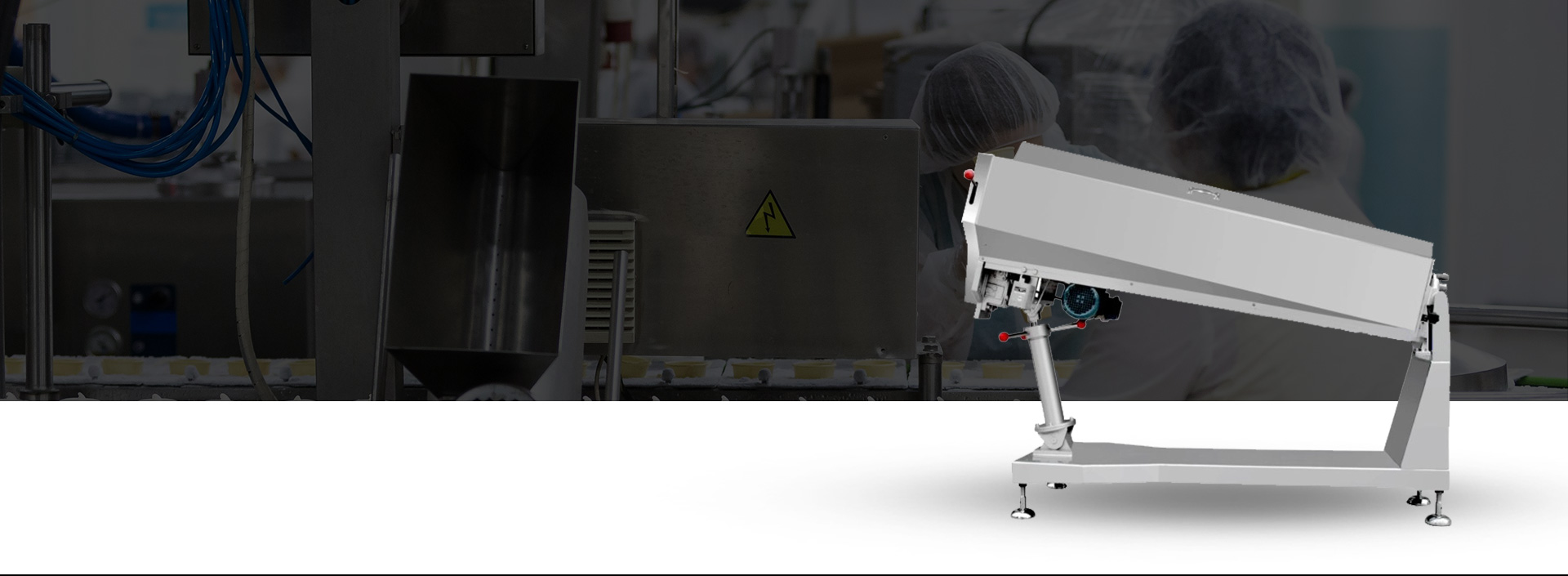
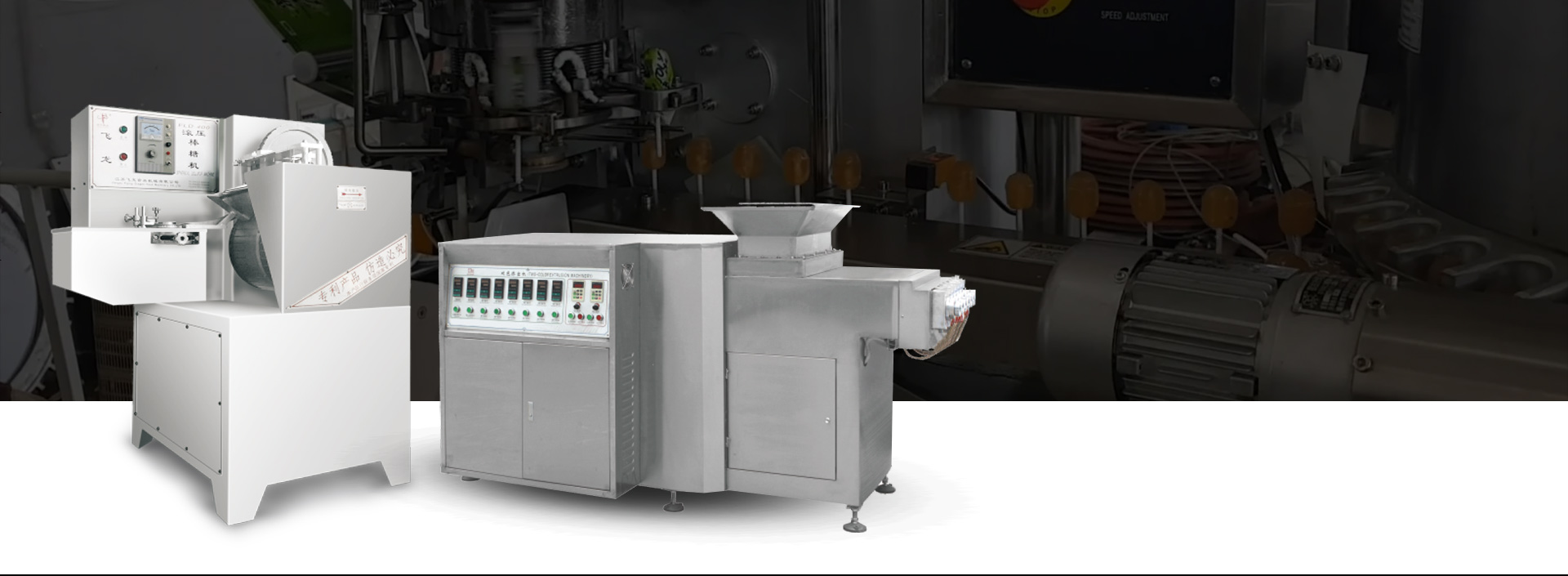
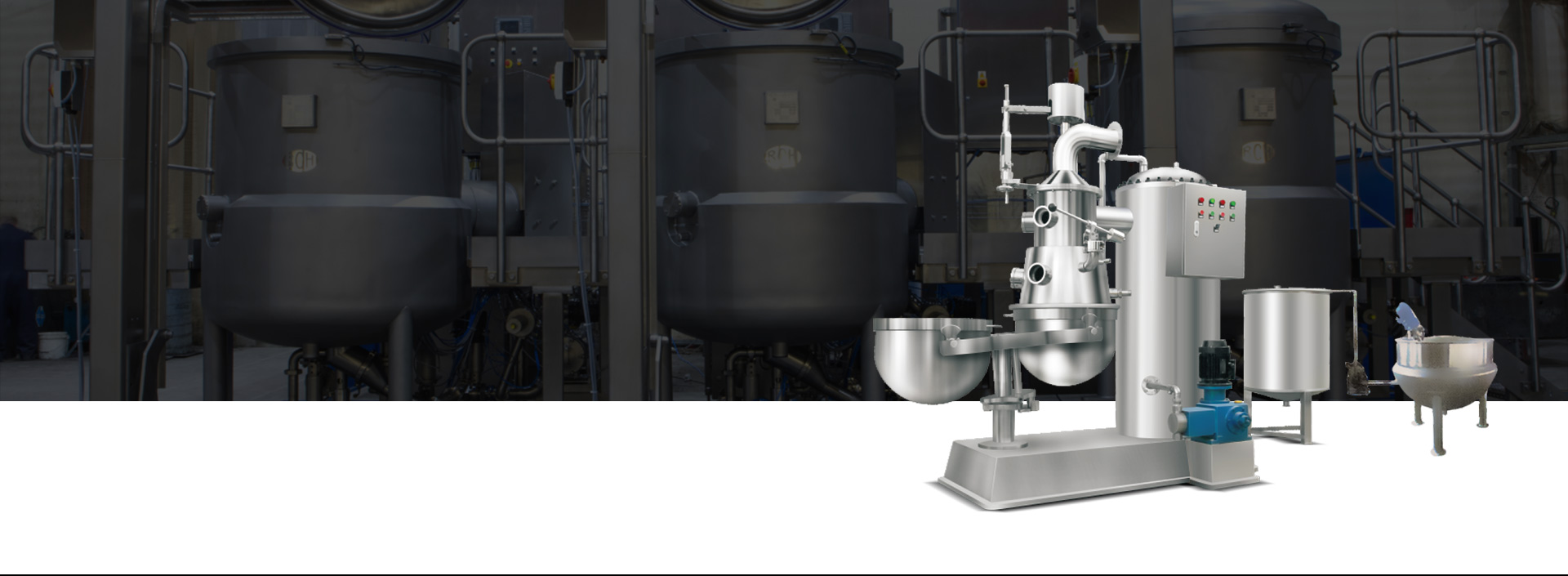
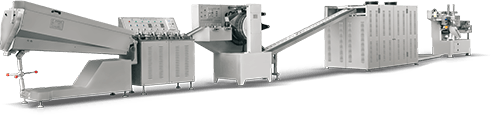
Custom flat lollipops are a specialized type of custom candy, made flat in shape and decorated with exclusive patterns and visuals.
These candies aren't only made to taste good. They're also designed to look great, tell brand stories and convey visual information.
Businesses often use them for brand campaigns, theme parties, holiday promotions and customized gift packaging. In these scenarios, how a candy looks is just as important as its flavor.
Unlike regular lollipops with round shapes, the flat form has a much wider surface. It can hold fine patterns, unique prints and simple graphic info, easy for people to spot and recognize at a glance.
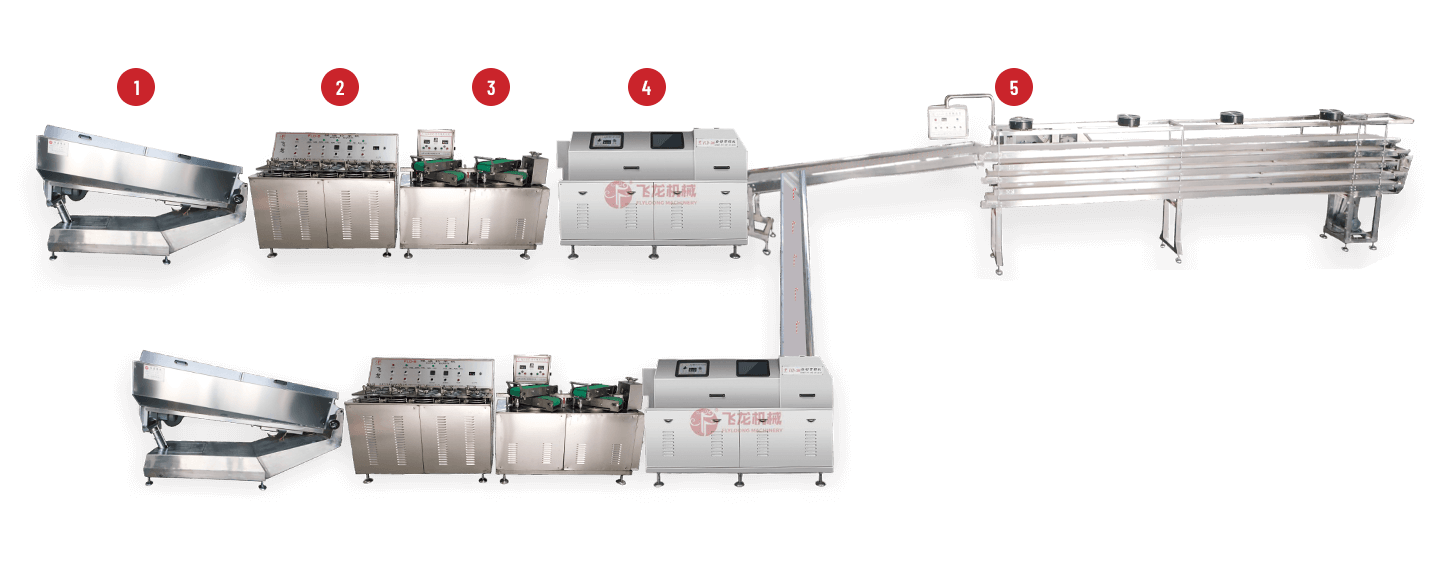
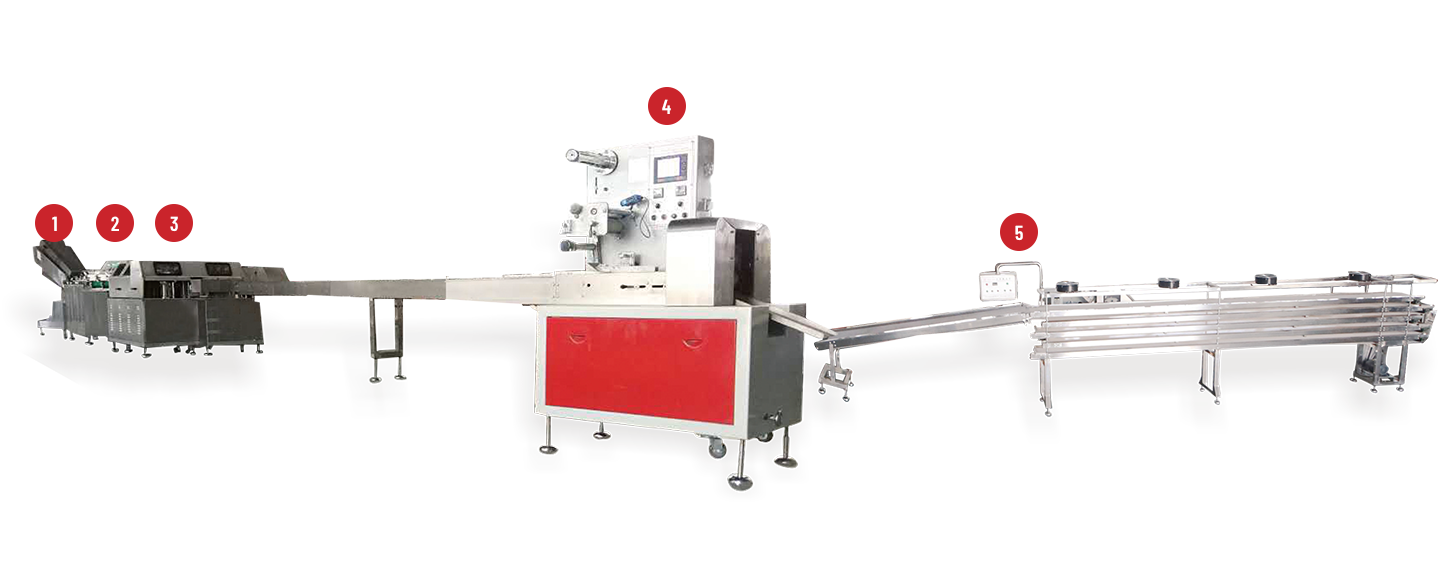
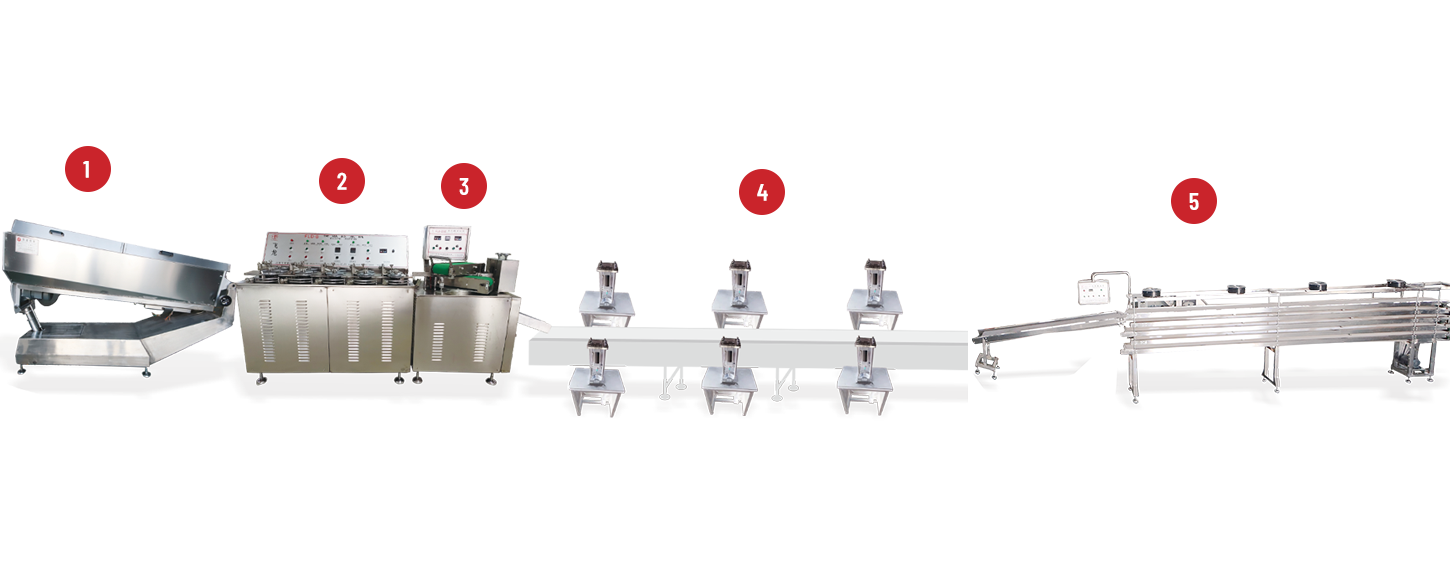
The whole production process is designed to turn original ideas into real products with steady, stable output.
Work steps are standardized to ensure every piece stays consistent in quality, yet still allow flexible changes for different custom designs.
From early design confirmation to final finished packaging, every link is refined. The end result is a custom candy with clear, delicate visuals, easy to sell and circulate in all kinds of business occasions.
Why flat lollipops are favored in custom candy customization?
More and more candy brands and event organizers are choosing flat lollipops for custom orders, mainly because they present products in a whole new way.
The flat surface makes printed and pressed patterns much clearer, which works perfectly for brands and themed events that need to show their unique visual style.
Traditional round lollipops tend to squeeze and distort printed content. The flat structure acts as a smooth, flat drawing board.
Brands can print logos, icons and text without deformation, so the overall visual effect is more intuitive and neat.
On top of better looks, flat lollipops are also easier to pack and place.
They can be neatly arranged in boxes or on display shelves, ideal for retail sales and on-site event display.
They meet the actual needs of bulk supply, on-site display and brand promotion at the same time.
Besides, this candy style fits almost any theme or festival.
Designers and manufacturers can adjust patterns and styles freely based on different needs, without making big changes to the original production mode.
How Does The Custom Design Stage Begin?
The custom design stage usually starts with a visual concept or theme that defines the direction of the product. This concept can come from branding requirements, seasonal ideas, or specific event needs. Designers then translate this idea into a format that can be applied to a flat candy surface. At this point, simplicity often plays an important role because overly complex visuals may lose clarity during production. The goal is to create a design that remains recognizable even after it is transformed into edible form.
Color planning is also an essential part of this stage. Each color must be chosen carefully to ensure it remains stable and visually distinct throughout the production process. Designers also consider how different elements will interact once placed on a flat surface. Adjustments are often made to balance detail and clarity so that the final result remains visually effective when viewed from a distance or in packaging.
What Happens During The Production Preparation Stage?
Before actual production begins, several preparation steps are carried out to ensure consistency and smooth workflow. Molds are prepared first, as they define the flat structure and ensure that each piece maintains the same shape. These molds help control uniformity, which is important when producing multiple units with the same design. At the same time, the material mixture is prepared in a way that allows it to flow evenly and settle properly into the mold without affecting the visual layout.
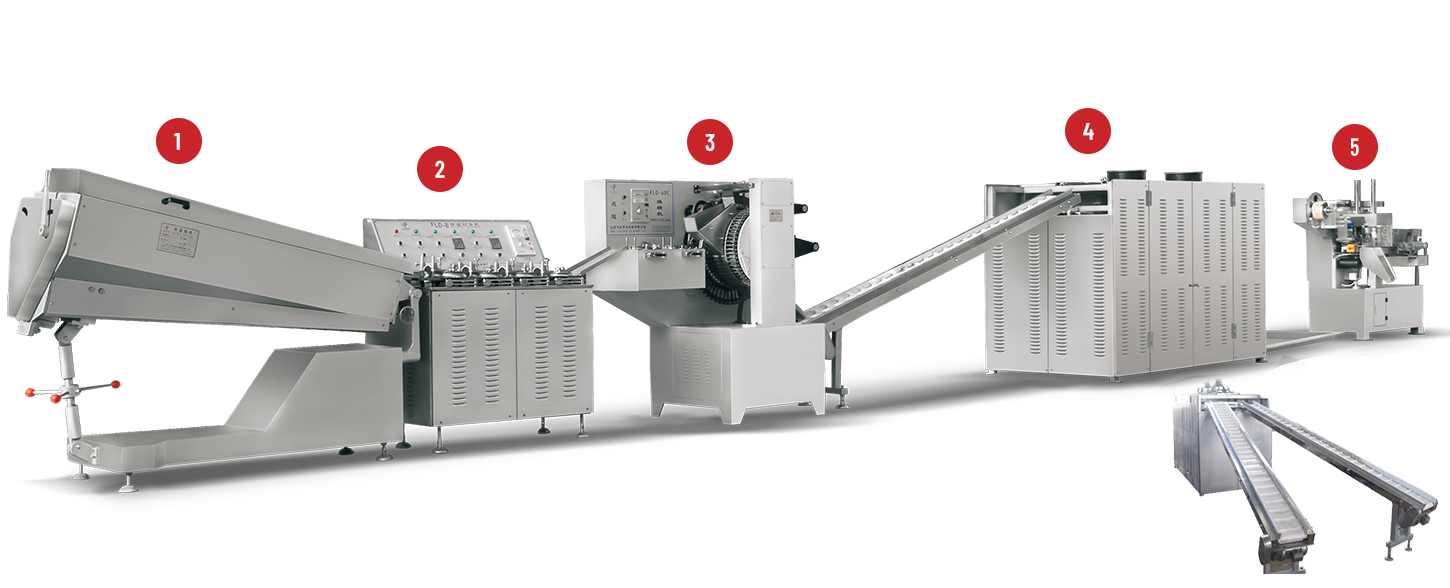
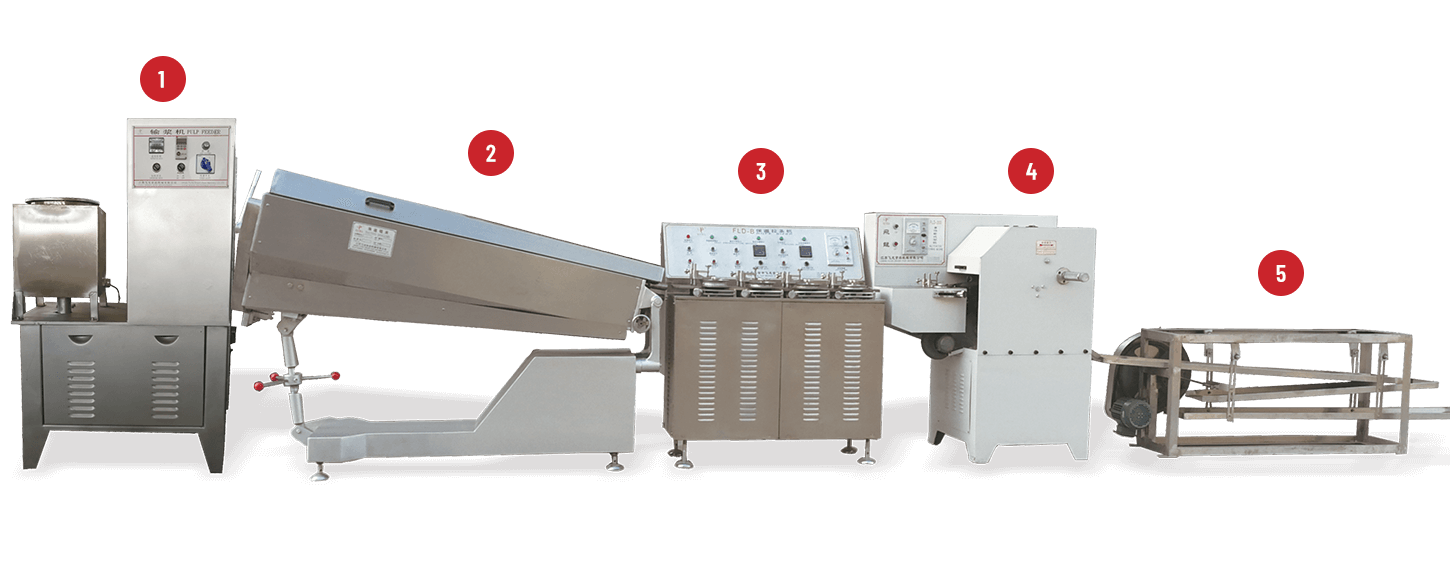
Color arrangement is also managed during this phase. Different parts of the design may require separate preparation before being combined into a single structure. This ensures that each visual element remains distinct and does not blend unintentionally with others. Once everything is arranged, the production line follows a controlled sequence that supports repeatable and stable output across all units.
How Is The Flat Lollipop Shape Formed?
The shaping process is where the design transitions from concept to physical structure. The prepared mixture is carefully placed into molds that define the flat surface and overall outline of the candy. Once inside the mold, the material naturally spreads and settles, forming a uniform layer that supports the intended design. This flat structure is important because it provides a stable base for visual elements, ensuring that patterns or images remain visible and well-aligned.
After shaping, the material goes through a stabilization phase where it gradually sets into its final form. This stage helps ensure that the structure remains intact during handling, packaging, and transportation. The flat shape not only supports visual clarity but also influences how the product is stored and displayed, making it more suitable for organized presentation in commercial environments.
Key Stages In Custom Flat Lollipop Production
| Production Stage | Main Focus Area | Resulting Effect On Product |
|---|---|---|
| Concept Development | Visual idea and theme creation | Clear direction for design execution |
| Material Preparation | Mixture handling and color setup | Stable base for consistent production |
| Molding Process | Shape formation in controlled structure | Uniform flat candy shape |
| Design Integration | Placement of visual elements | Recognizable and structured appearance |
| Stabilization Process | Setting and structural reinforcement | Durable and stable final form |
| Packaging Stage | Wrapping and presentation design | Ready-for-distribution product appearance |
How Are Custom Designs Integrated Into The Candy?
Design integration is one of the detailed parts of the entire process because it determines how the visual concept appears on the final product. In this stage, different design elements are carefully positioned within the candy structure so that they form a clear and readable pattern once set. This may involve layering colors or arranging sections in a way that preserves the original visual idea without distortion during production.
The flat surface plays a key role in maintaining design clarity. Because there is less curvature compared to traditional shapes, visual elements remain more stable and easier to align. This allows the final product to reflect the intended design with greater consistency across multiple pieces, even when produced in larger batches.
What Role Does Quality Control Play In Production?
Quality control is present throughout the entire production process and focuses on maintaining consistency in both structure and appearance. Each piece is checked to ensure that the shape remains uniform and that the visual design aligns with the original concept. This includes monitoring color consistency, surface smoothness, and overall structural stability. Even small variations are observed carefully to maintain a balanced output across the entire production run.
In addition to visual checks, handling and packaging conditions are also reviewed. Products must maintain their form during movement and storage, so stability is an important factor in quality assessment. This continuous monitoring helps ensure that the final product remains reliable in both appearance and function.
How Is Packaging Designed For Custom Flat Lollipops?
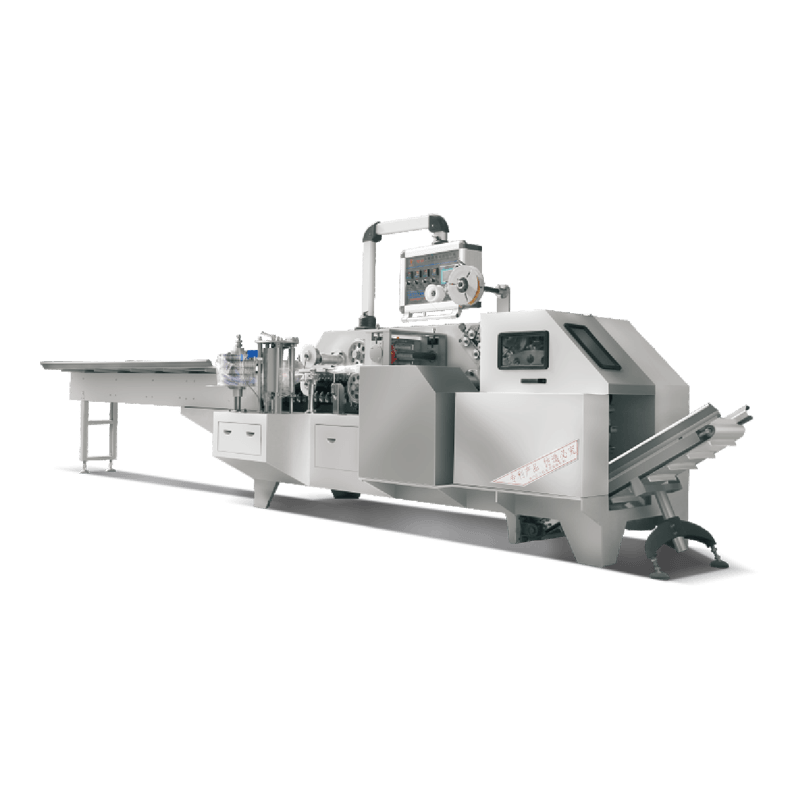
Packaging plays an important role in how custom flat lollipops are presented and perceived. It is designed not only to protect the product but also to highlight its visual features. Transparent or printed packaging materials are often used so that the design remains visible even after sealing. This helps maintain the connection between product appearance and branding message.
Packaging design also supports organization and distribution. Products can be grouped based on themes, colors, or promotional purposes, making them easier to handle in commercial settings. The way they are packaged often influences how they are displayed in retail or event environments, adding another layer of value to the final product.
Where Are Custom Flat Lollipops Commonly Used?
Custom flat lollipops are widely used in environments where visual presentation and thematic consistency are important. They often appear in promotional campaigns where brands aim to create memorable visual impressions through edible products. Their flat surface allows for clear design expression, making them suitable for events that rely on branding or themed decoration.
They are also used in retail and gift packaging, where appearance plays a key role in customer interest. In these cases, the product functions both as a treat and a visual item, combining consumption with presentation. This dual role makes them adaptable to a variety of market settings.
How Does The Production Process Support Branding?
Branding is closely connected to how visual identity is transferred onto a physical product. In custom flat lollipop production, the flat surface acts as a controlled space where logos, symbols, or themed visuals can be clearly displayed. This allows brands to communicate identity in a simple but visible way through edible items.
Because the production process supports repeatability, each unit maintains a consistent appearance. This consistency helps reinforce recognition across different distribution channels. Over time, the product becomes a small but effective extension of brand communication, especially in promotional environments.
What Makes This Production Method Flexible?
Flexibility in this production method comes from its ability to adapt design elements without changing the core manufacturing structure. Different visual concepts can be applied using the same production flow, allowing manufacturers to respond to varying market needs. This means that seasonal themes, promotional designs, or custom branding requests can be integrated without major adjustments to the process itself.
This adaptability also supports both small and large production runs. Whether producing limited themed batches or larger commercial quantities, the same structured approach can be used. This balance between consistency and variation is one of the key characteristics of custom flat lollipop production.
How Does It Fit Into Modern Confectionery Trends?
Modern confectionery is increasingly influenced by personalization and visual storytelling. Products are no longer viewed only as edible items but also as carriers of design, identity, and creative expression. Custom flat lollipops fit naturally into this trend because they combine structured production with flexible visual customization.
As demand continues to shift toward more personalized and visually engaging products, this type of production method offers a practical way to merge design and manufacturing. It reflects a broader direction in the industry where appearance, branding, and product experience work together in a unified form.
 +86-(0)515-8465666
 +86-(0)515-85566996
 +86-138 1559 9708
 flyloong@flyloongcn.com
 Home
Home