

 ENG
ENG
 English
 中文简体
中文简体 русский
 Français
 Español
 عربى
عربى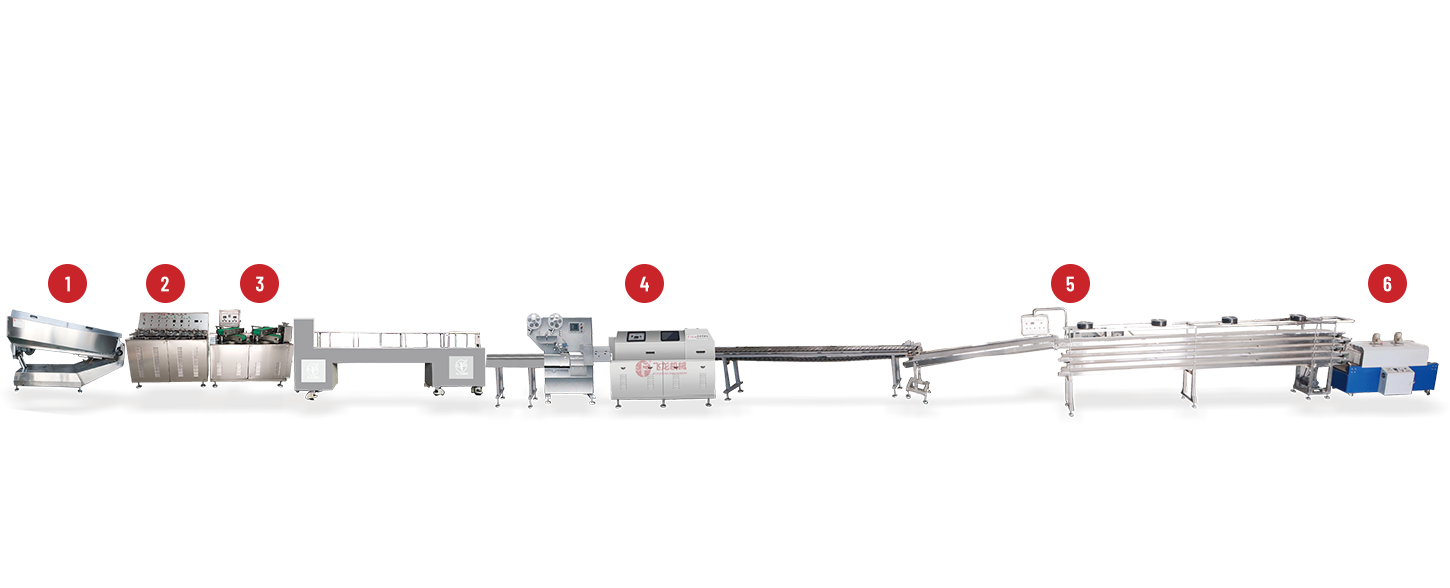
Why does candy cane production rely on a complete machine system?
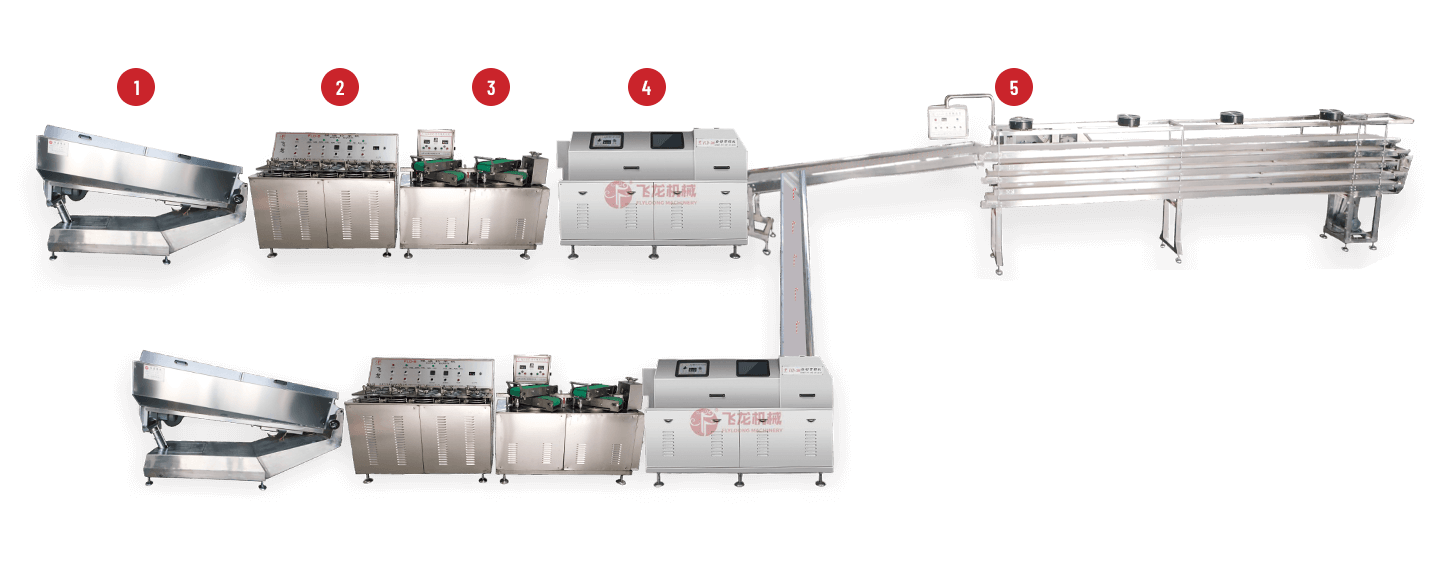
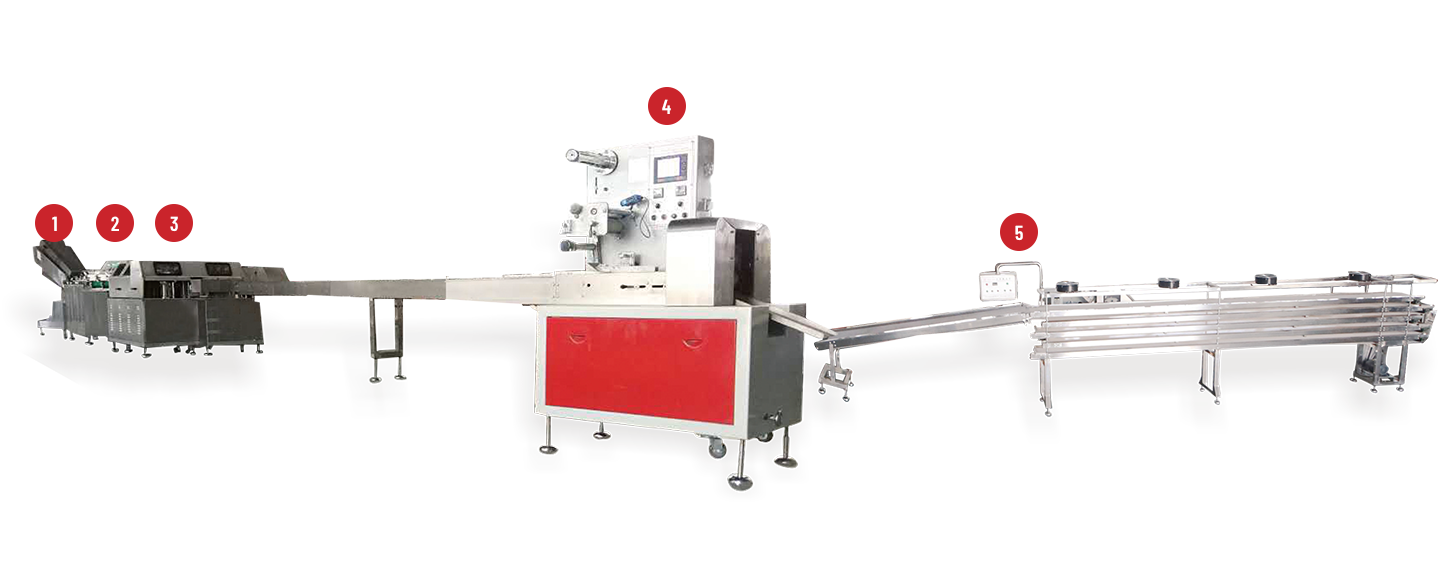
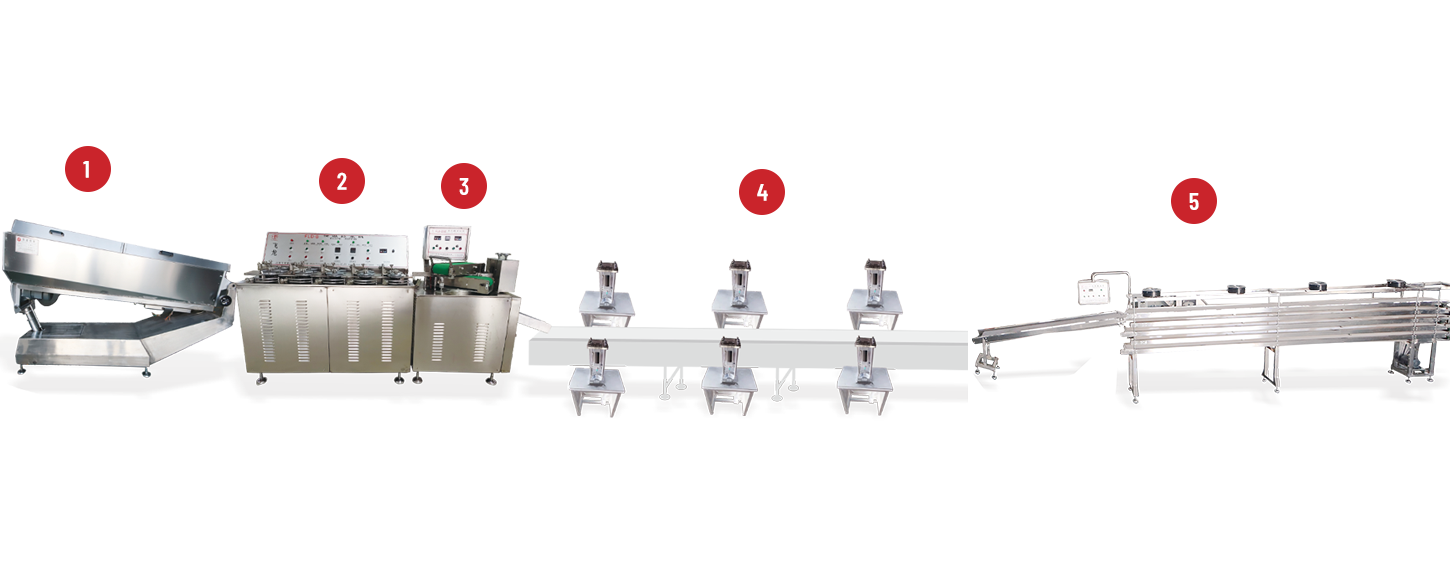
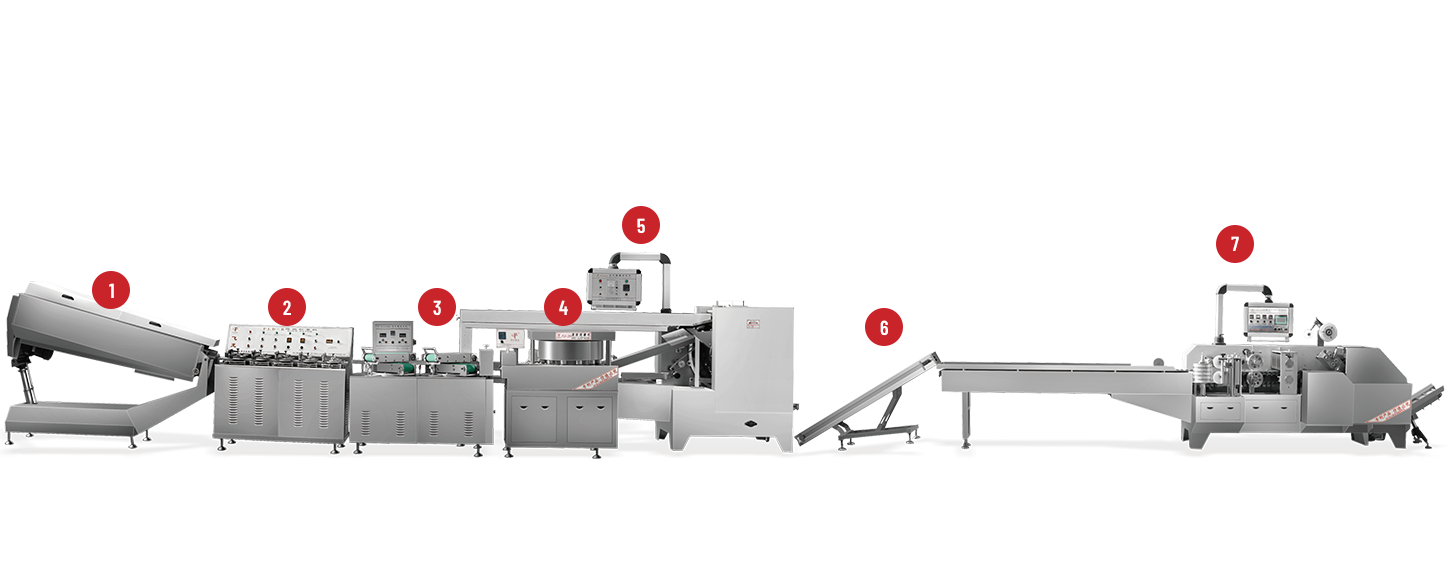
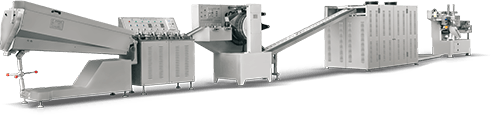
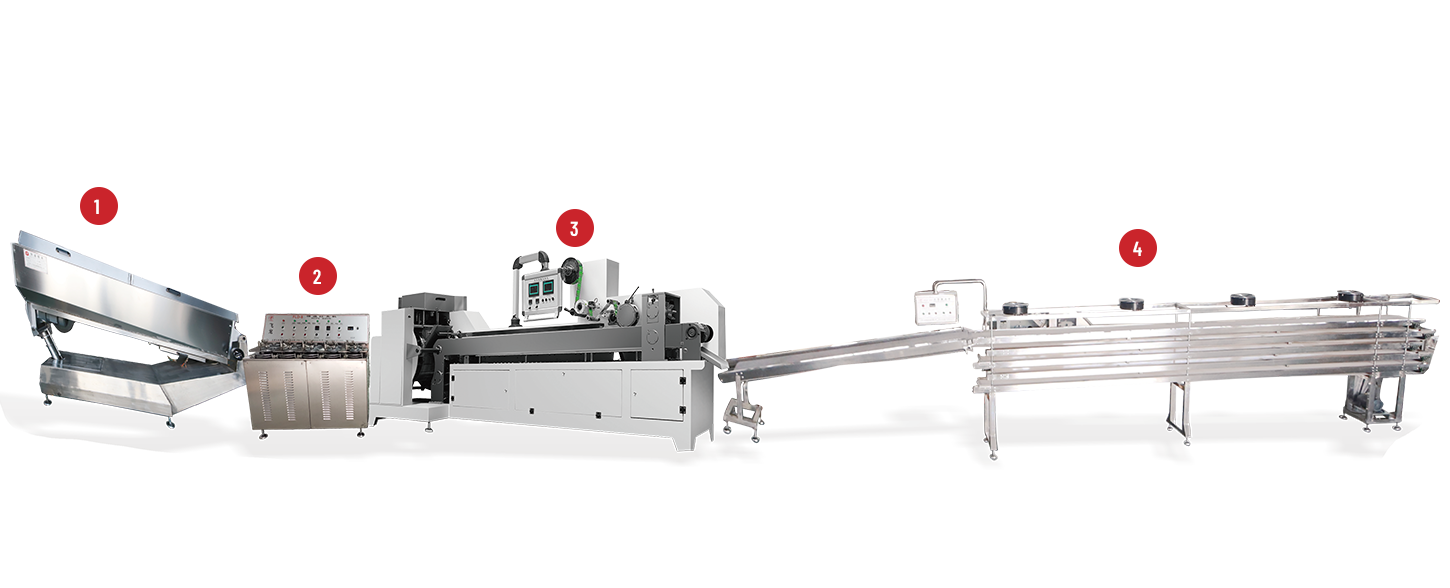
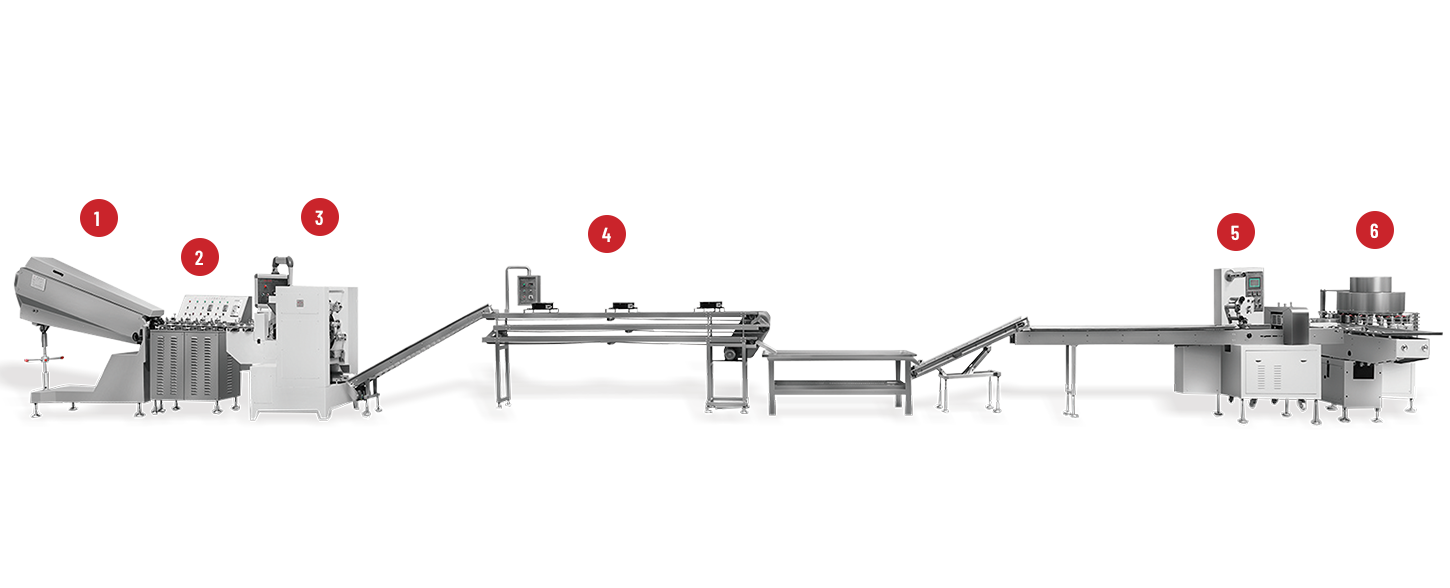
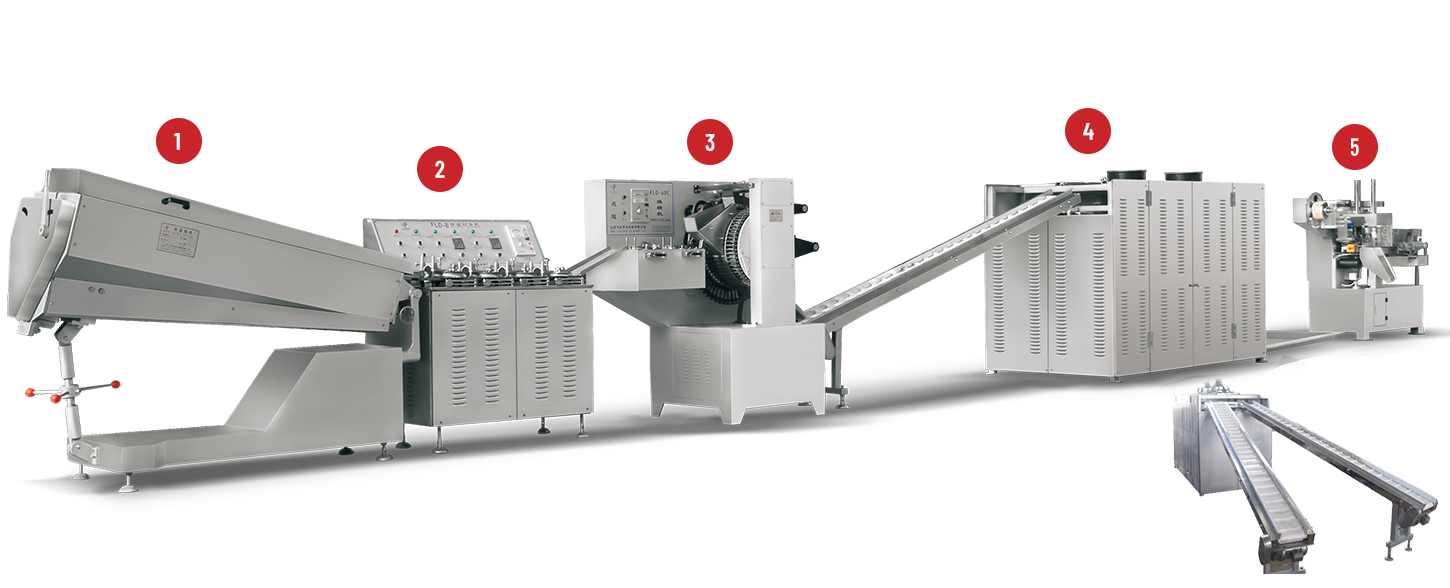
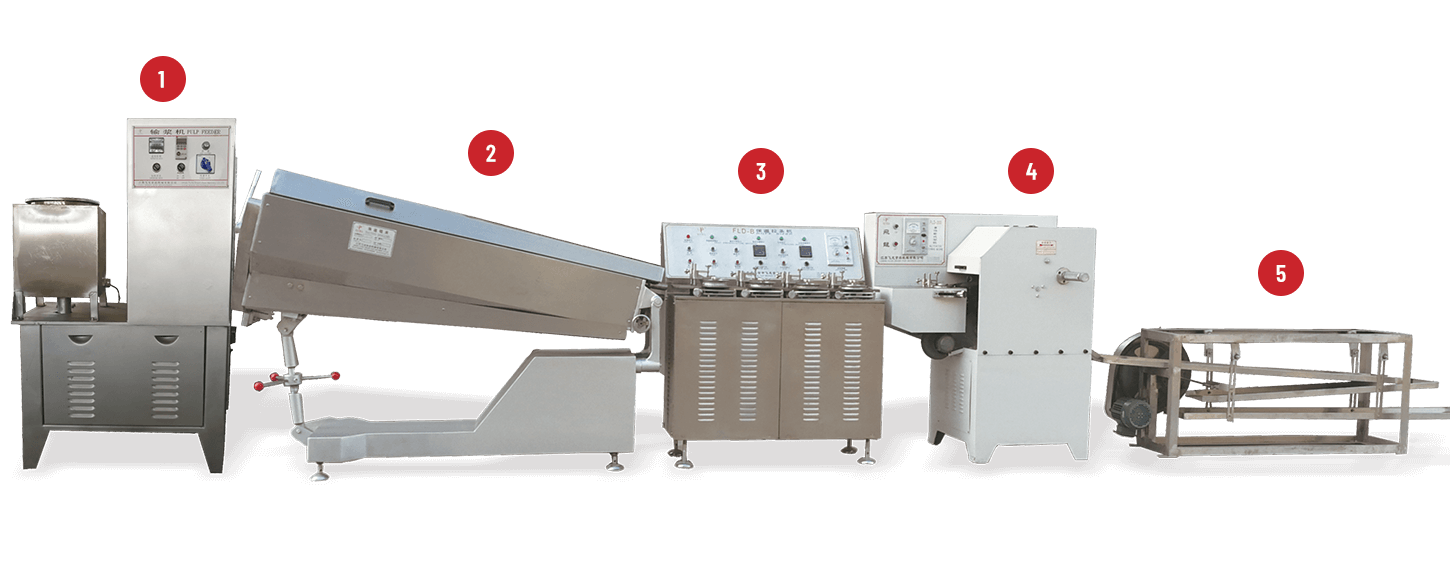
Candy cane production is built around a continuous flow rather than a single operation. Each stage connects to the next, and every machine plays a specific role in shaping the final product. The material moves from preparation to forming, then to shaping and finishing, all under controlled conditions.
The idea behind an Automatic Candy Cane Line is to keep this flow stable. When each step is synchronized, the final product maintains a consistent appearance and structure. If one stage is unstable, the entire process can be affected, which is why the system is designed as a connected chain rather than independent machines.
What happens in the material cooking and preparation stage?
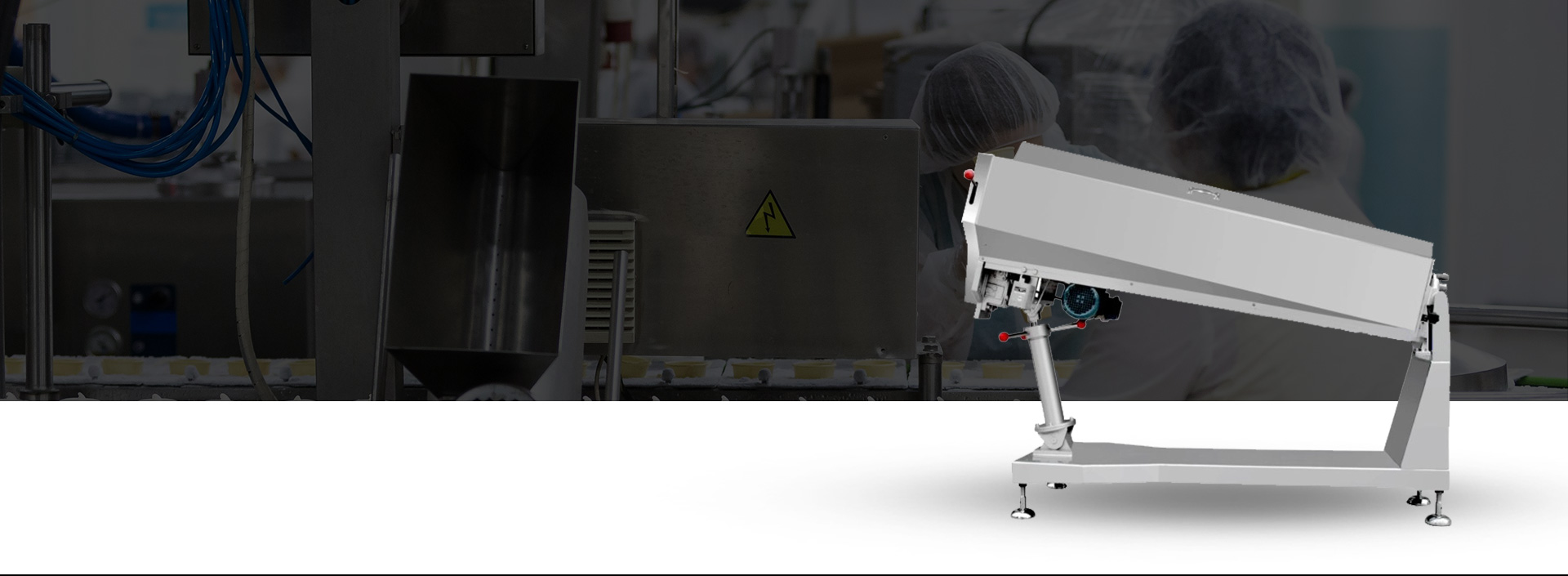
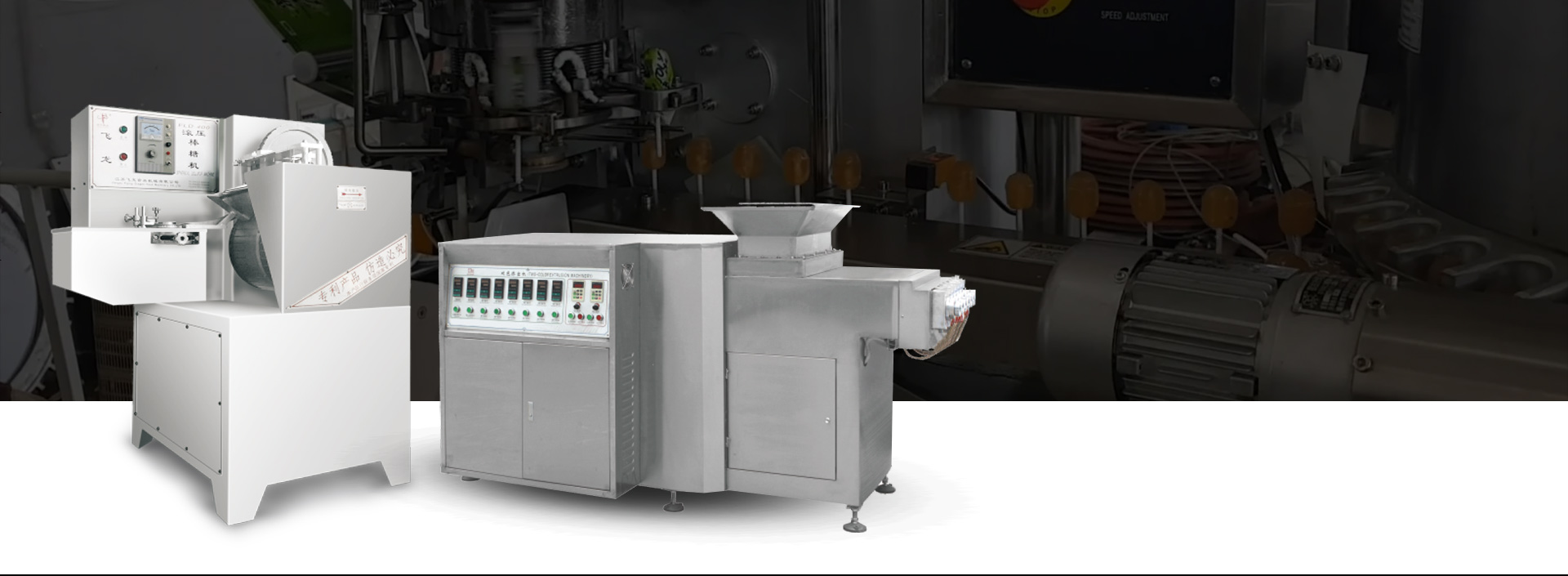
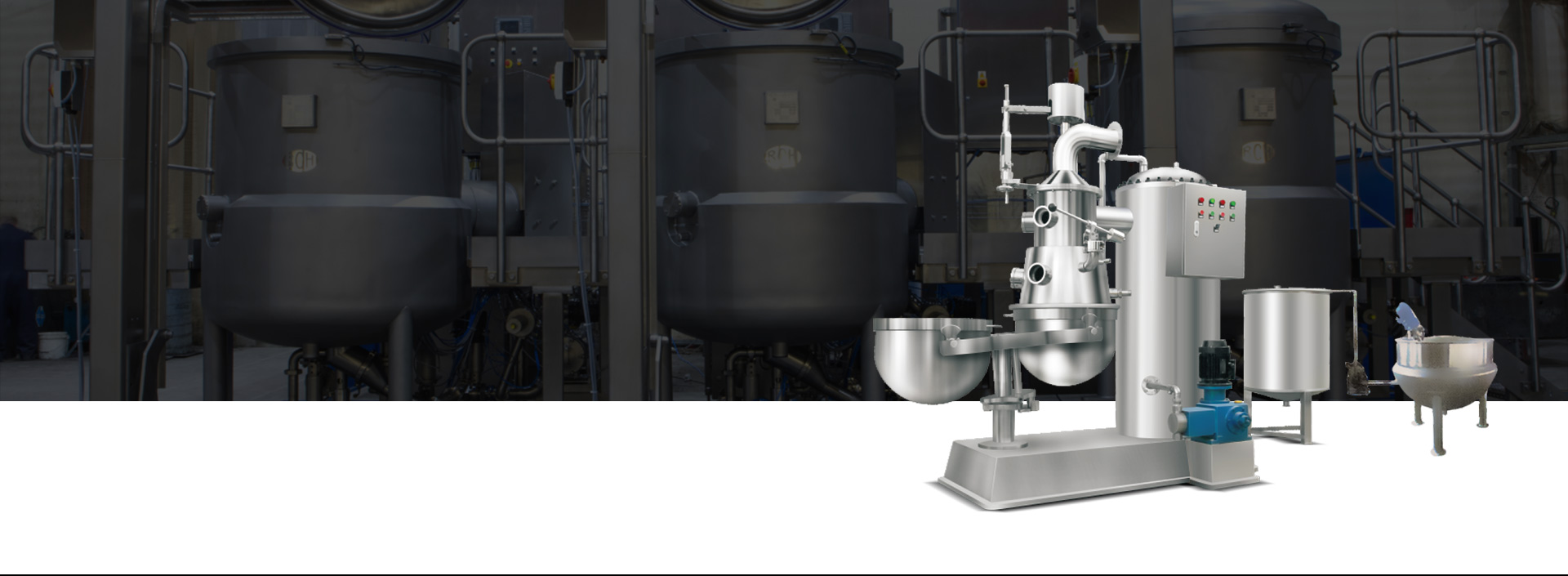
It all starts with cooking and preparing the base material. In this stage, the raw ingredients are turned into a stable mixture that can be shaped later on. Heat and mixing need to be handled carefully so the texture ends up smooth and easy to work with, without any sudden changes in how it behaves.
At this point, stability matters more than rushing through it. Every step that comes after depends on how evenly and consistently this base is prepared. If the mixture isn't uniform, the shaping and forming stages later on can become unpredictable and messy.
Preparation Stage Overview
- Cooking system: Turns the raw stuff into a stable base material
- Mixing unit: Makes sure the texture is spread evenly throughout
- Heating control: Keeps everything at a workable temperature and condition
Once this stage is done properly, the material moves on in a much more controlled and predictable state, ready for the next processes.
How does cooling and resting affect production stability?
Right after cooking, the material is usually still too soft to shape properly, so it goes through a controlled cooling phase. This step lets the whole structure settle down gradually until it reaches a point where it can be handled without falling apart or changing too much.
Cooling isn't just about dropping the temperature — it's also about letting the internal properties of the material stabilize. During the resting period that follows, the texture becomes more uniform and easier to manage when it goes into the later machines.
This helps cut down on variations during shaping, especially on a continuous production line. A well-managed cooling and resting process makes the transition into the next stage much smoother and more reliable.
What role does pulling and stretching equipment play in the system?
Pulling and stretching machines get the material ready for the shaping stage. They adjust its length and internal structure to create a more uniform base that can later be formed into consistent shapes.
This step also lines the material up so it moves smoothly along the production line. The stretching helps keep the texture even throughout the whole batch. Without it, the material can act differently when it reaches the shaping machines, often causing uneven results or visible flaws in the final product.
Basically, this equipment serves as a key link between the early preparation work and the actual forming process. It helps build a stable foundation so the later stages can run more reliably.
How is color and pattern created in candy cane production?
Coloring and layering systems are responsible for creating the visual identity of candy canes. At this stage, different sections of material are combined in controlled patterns to form the familiar striped appearance. The process requires steady movement and precise placement to keep the design clear.
If the layering process is not stable, the final pattern may become unclear or uneven. That is why this stage depends heavily on timing and controlled flow rather than manual adjustment.
What happens in forming and twisting machines?
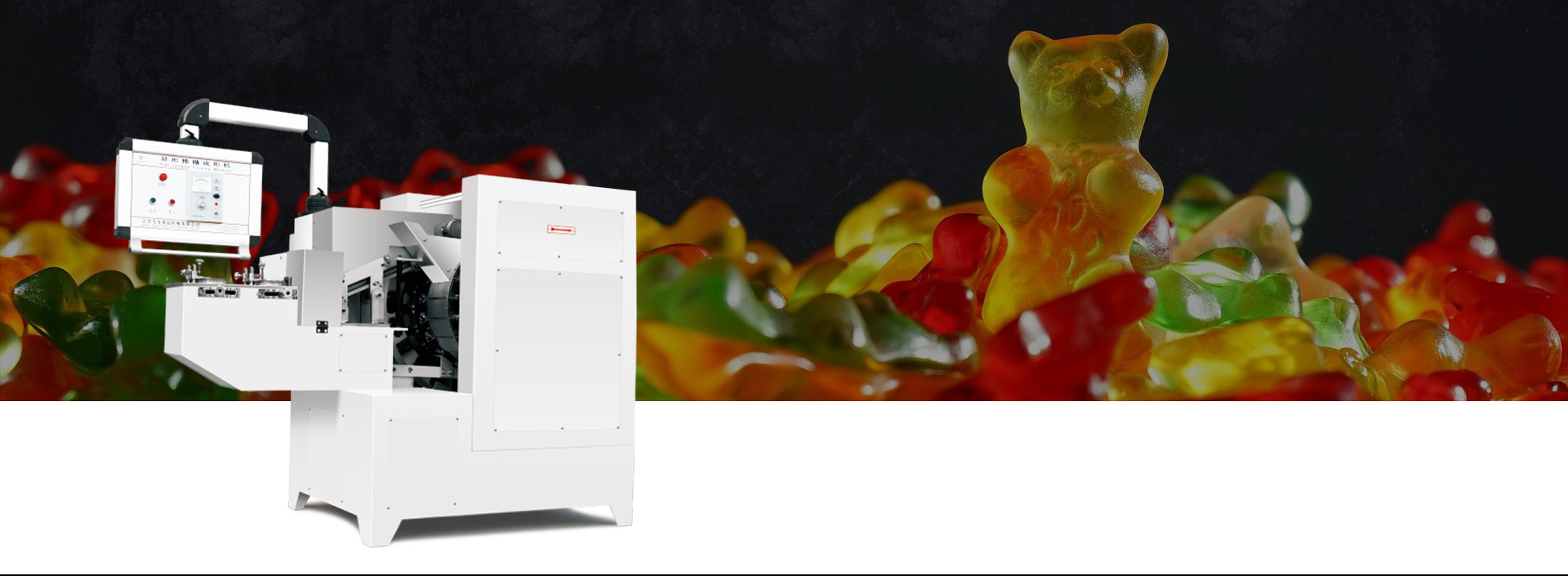
Forming and twisting machines give candy canes their final recognizable shape. The forming unit shapes the material into long strips, while the twisting system bends and rotates it into the classic curved structure. Both actions must work in coordination to maintain pattern alignment.
This stage is sensitive because small changes in movement can affect how the final product looks. The machines must stay synchronized so the structure remains consistent from one piece to another.
| Forming Stage | Function Description |
|---|---|
| Strip forming unit | Creates uniform base shape |
| Twisting system | Forms curved structure |
| Alignment control | Maintains pattern position |
Together, these systems define the final visual and structural outcome of the product.
How does cutting and cooling finalize the production process?
Once shaping is complete, the continuous candy cane structure is cut into individual pieces. The cutting system ensures that each section is separated evenly, which helps maintain uniform product size across the batch. This stage must follow the flow of the line so that production does not slow down.
After cutting, cooling continues to stabilize the final shape. This helps the candy hold its structure during handling and storage. Without proper cooling, the shape may change slightly after production, which affects consistency.
Why is packaging integration important in the production line?
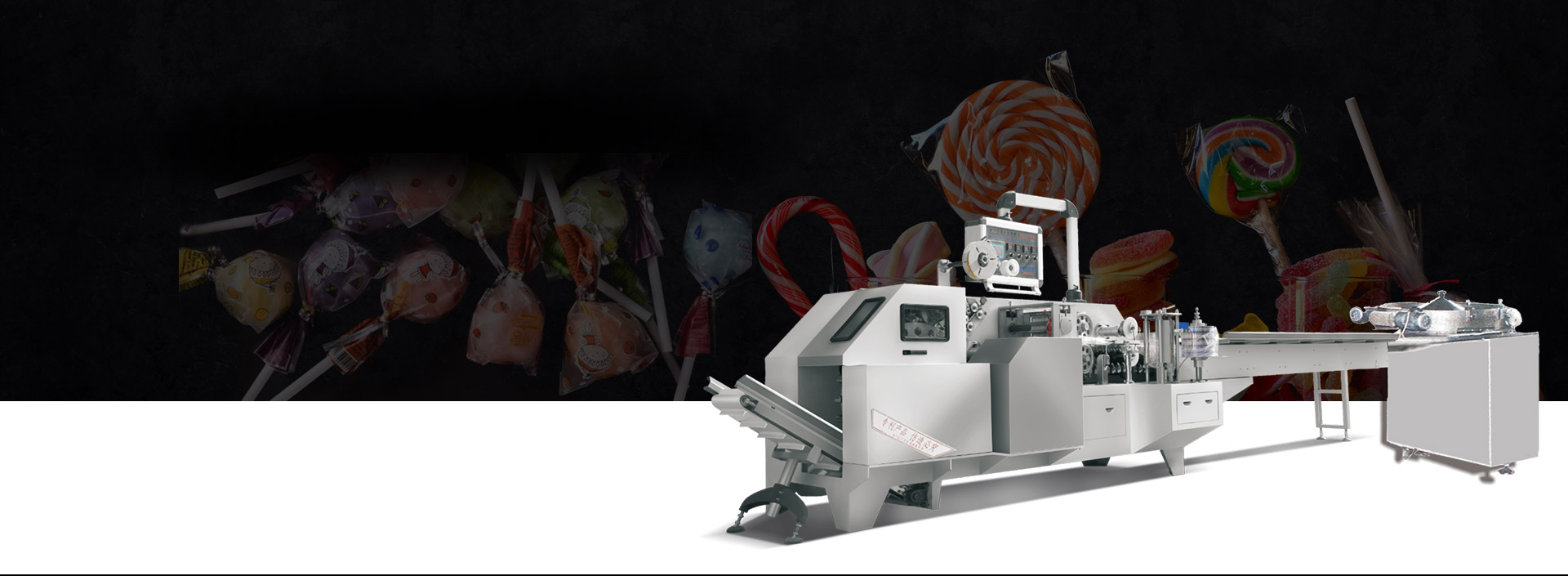
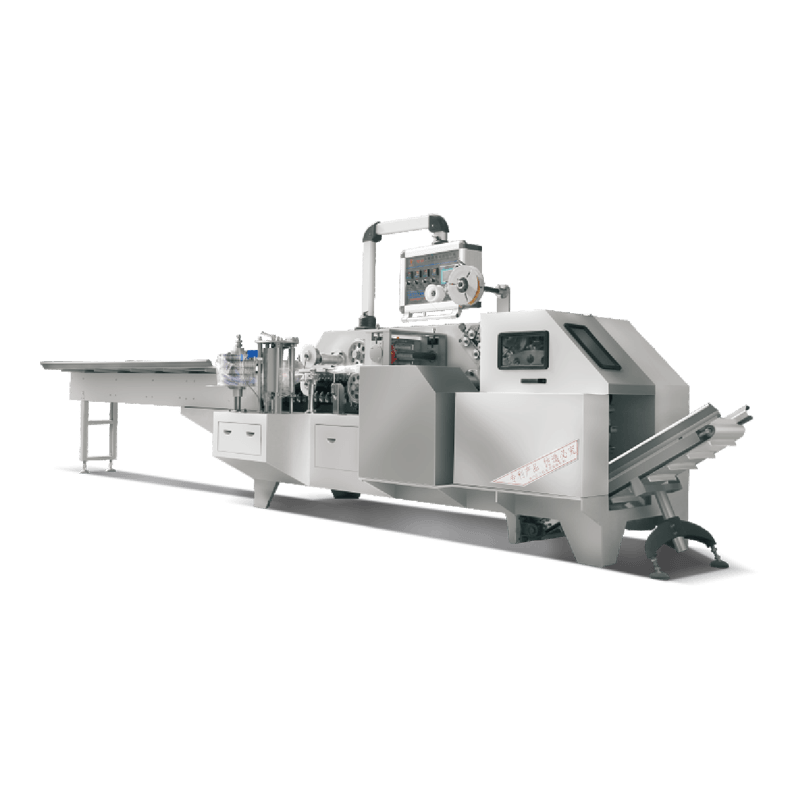
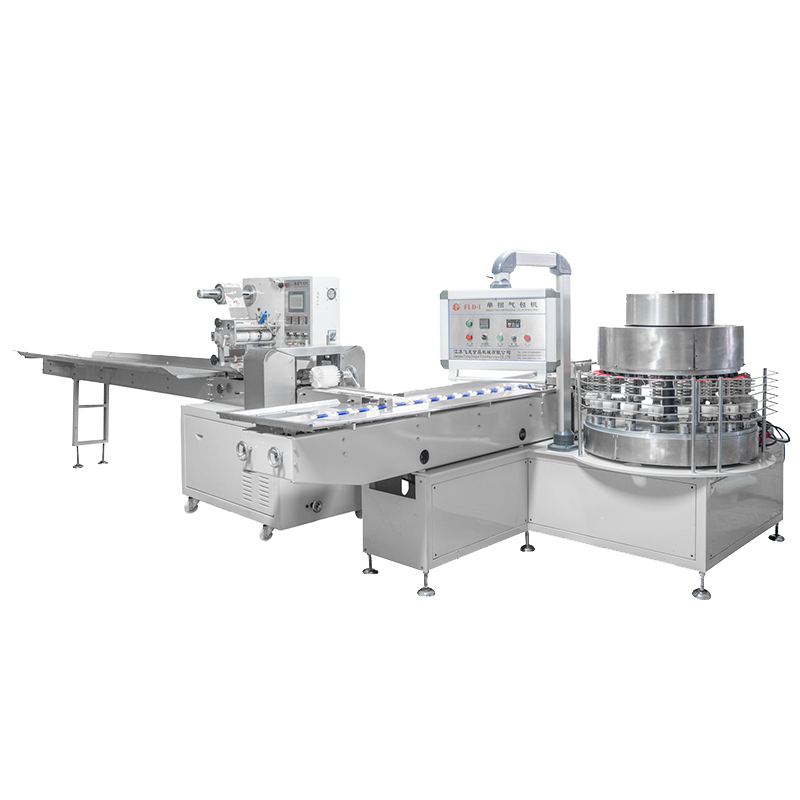
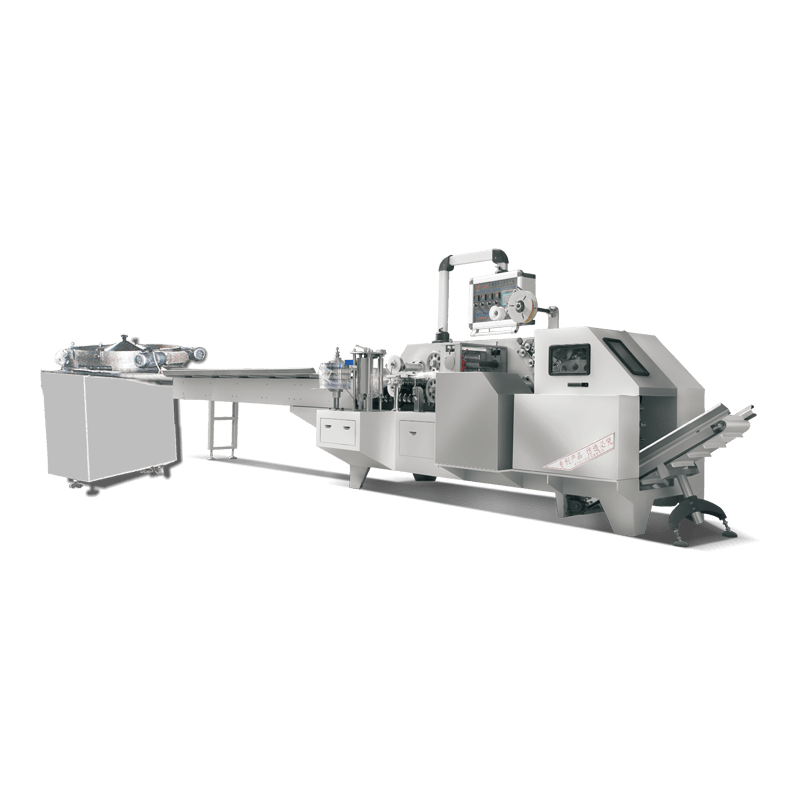
Packaging is the final stage of the system and connects production to storage and distribution. It includes grouping, wrapping, and preparing finished products for transport. The packaging system must match the speed of production to avoid interruptions in flow.
If packaging is slower than production, the line may need adjustment. If it is too fast, balance is still required to maintain steady operation. Coordination between production and packaging helps keep the entire system stable.
How do all machines work together as one system?
Although each machine has a specific function, the real performance of the line depends on how they work together. The production flow is continuous, and each stage must pass material smoothly to the next without delay or disruption.
Timing and coordination are important because even small differences can affect the final output. When the system is balanced, production becomes steady and predictable. The focus is not on individual machines, but on how the entire chain operates as a unified process.
What challenges appear in automatic candy cane production lines?
Even with structured systems, challenges still exist in real operation. Material behavior may shift slightly during processing, which can influence shaping and pattern formation. Timing between machines also needs constant attention to maintain smooth flow across all stages.
Cleaning and maintenance are another important factor because leftover material can affect consistency if not managed properly. Over time, small adjustments may be needed to keep the system stable. These challenges are part of continuous operation rather than one-time issues.
How does automation change candy cane manufacturing systems?
Automation reduces manual handling and supports continuous production with more stable movement. Machines repeat the same actions across cycles, which helps reduce variation and maintain consistent output.
At the same time, automation requires careful system coordination. Each stage must respond correctly to the previous one, so the entire process flows smoothly. The system becomes a connected structure where timing and balance are more important than isolated performance.
Automation does not simplify the process completely, but it helps maintain control over large-scale production with more predictable behavior across the entire line.
 +86-(0)515-8465666
 +86-(0)515-85566996
 +86-138 1559 9708
 flyloong@flyloongcn.com
 Home
Home