

 ENG
ENG
 English
 中文简体
中文简体 русский
 Français
 Español
 عربى
عربى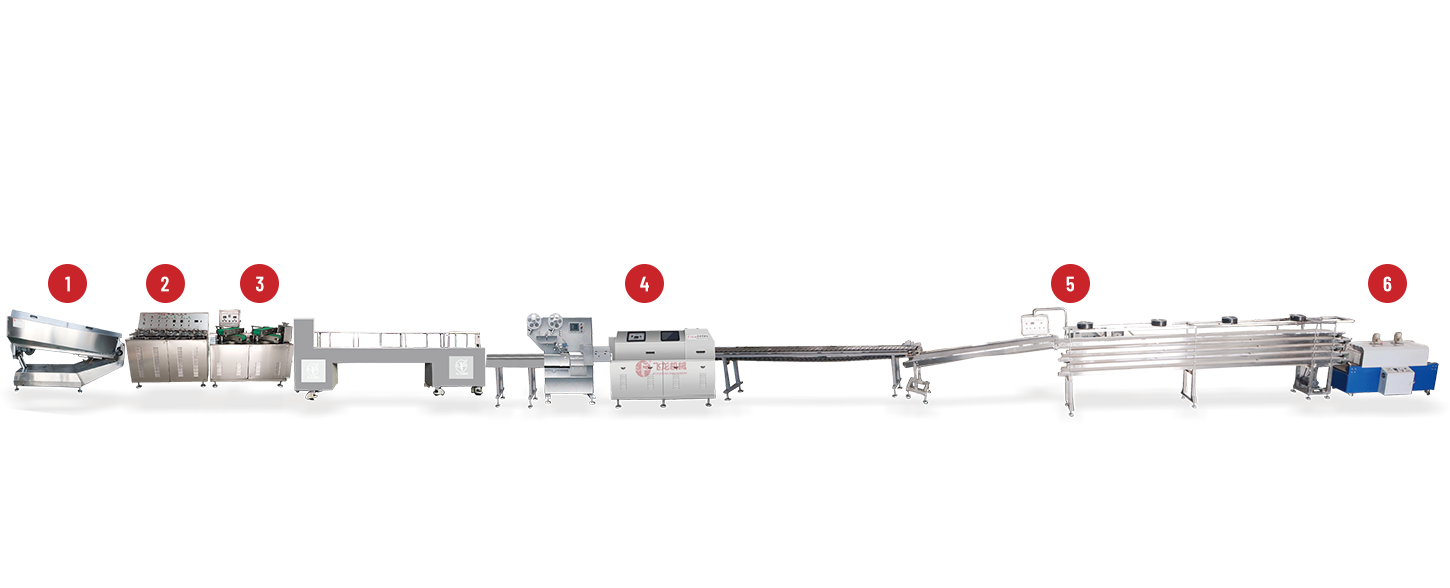
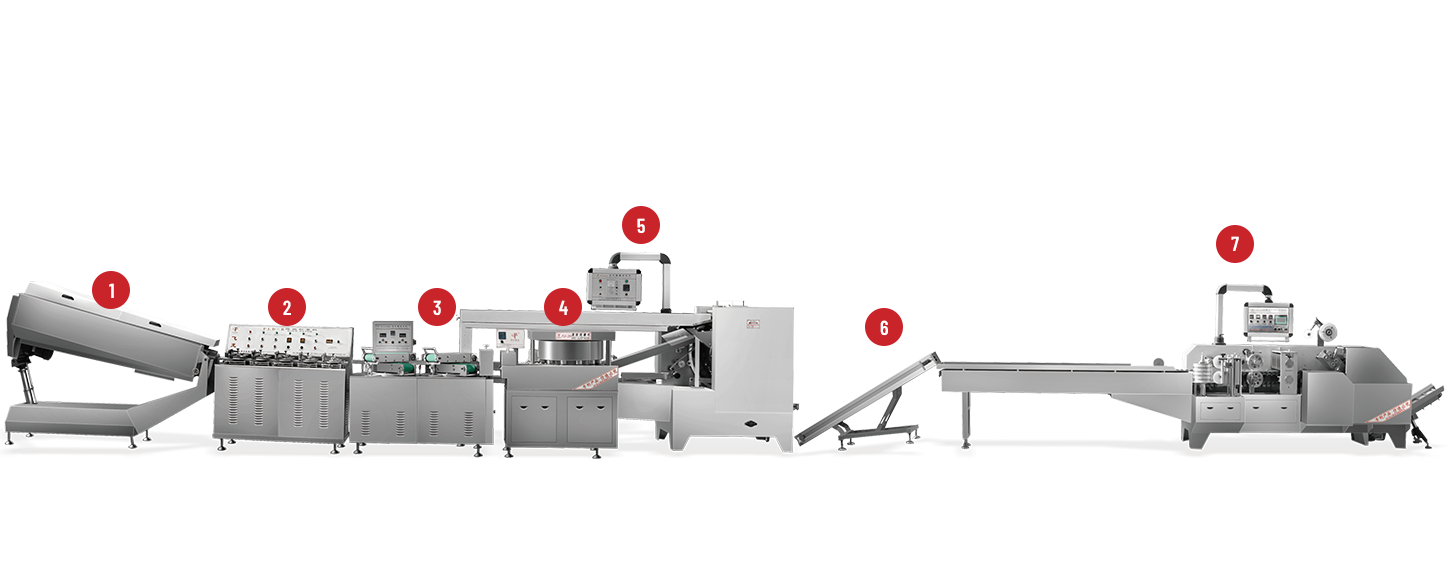
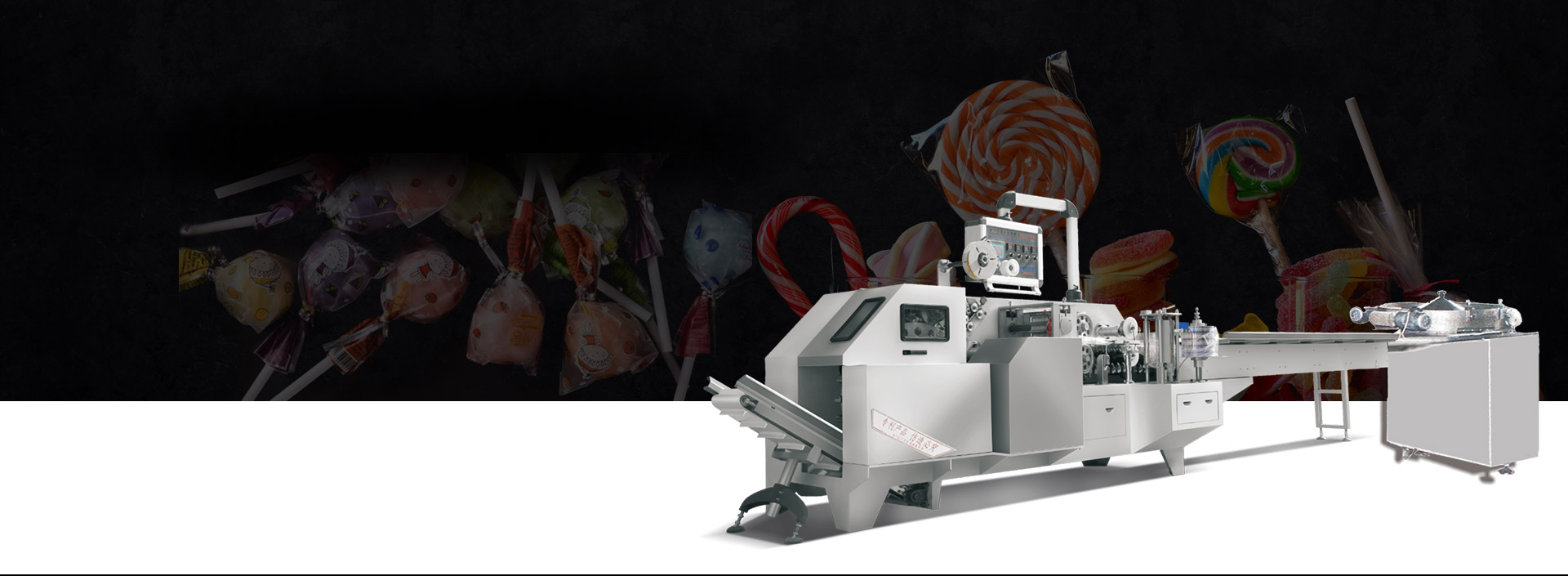
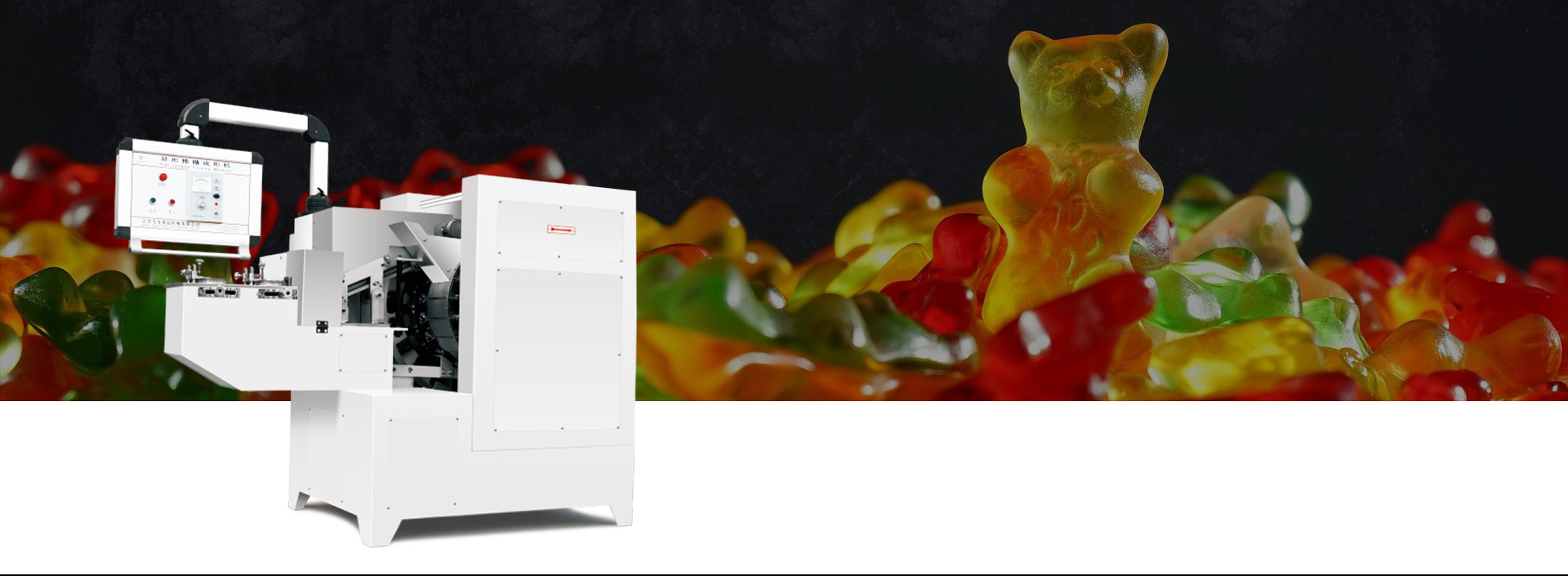
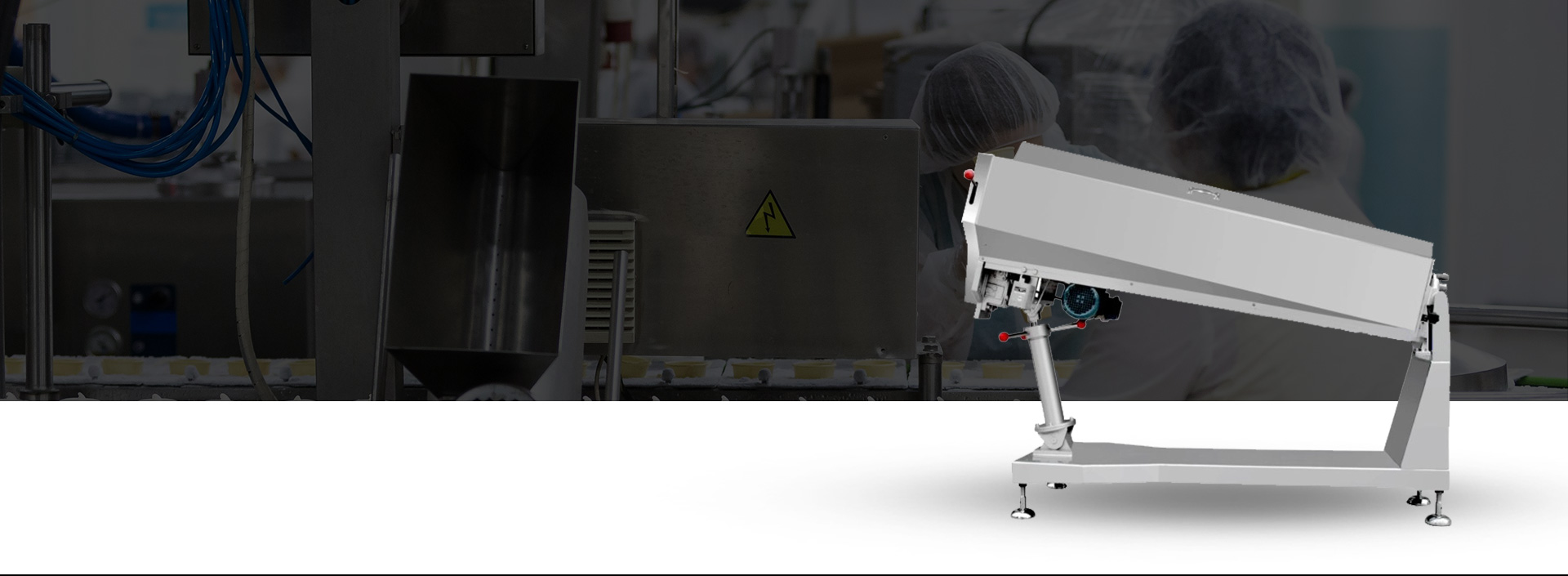
Why is deposit jelly equipment becoming more common in food production?
Jelly products have long been part of snack and dessert markets. Their soft texture and varied shapes make them popular across different age groups. Behind these products, production methods have gradually changed.
Manual preparation once played a large role in shaping jelly products. Over time, demand increased and production needed to become more stable and repeatable. This shift encouraged the development of more structured equipment.
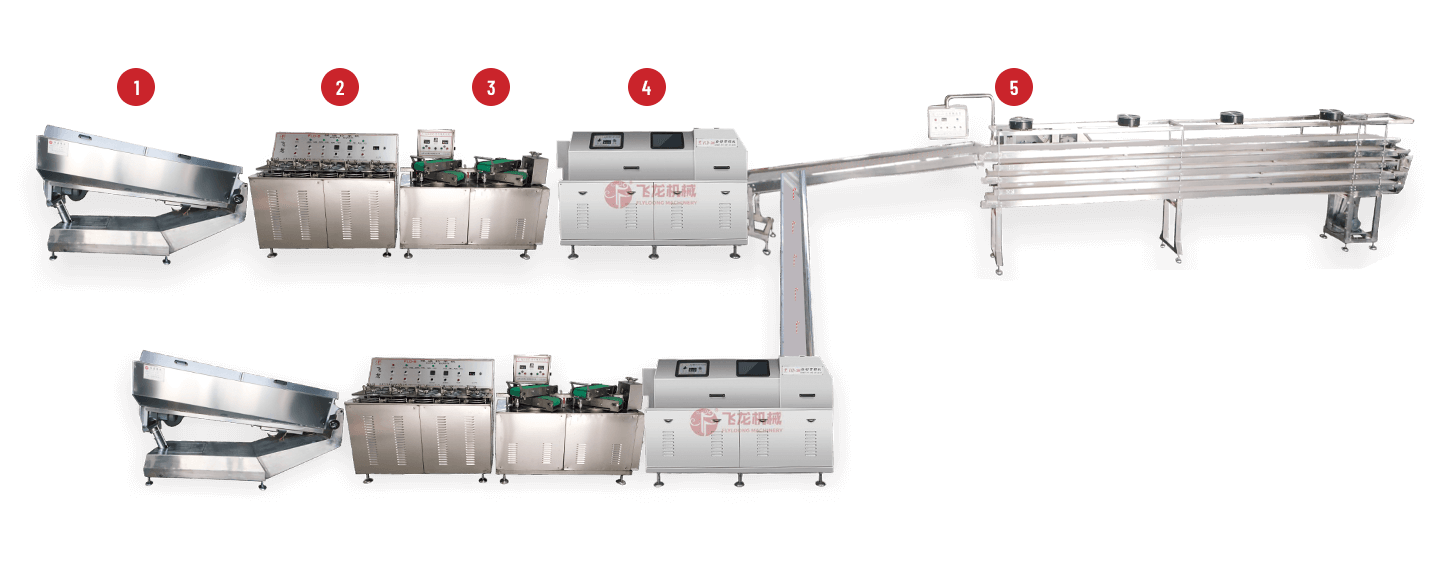
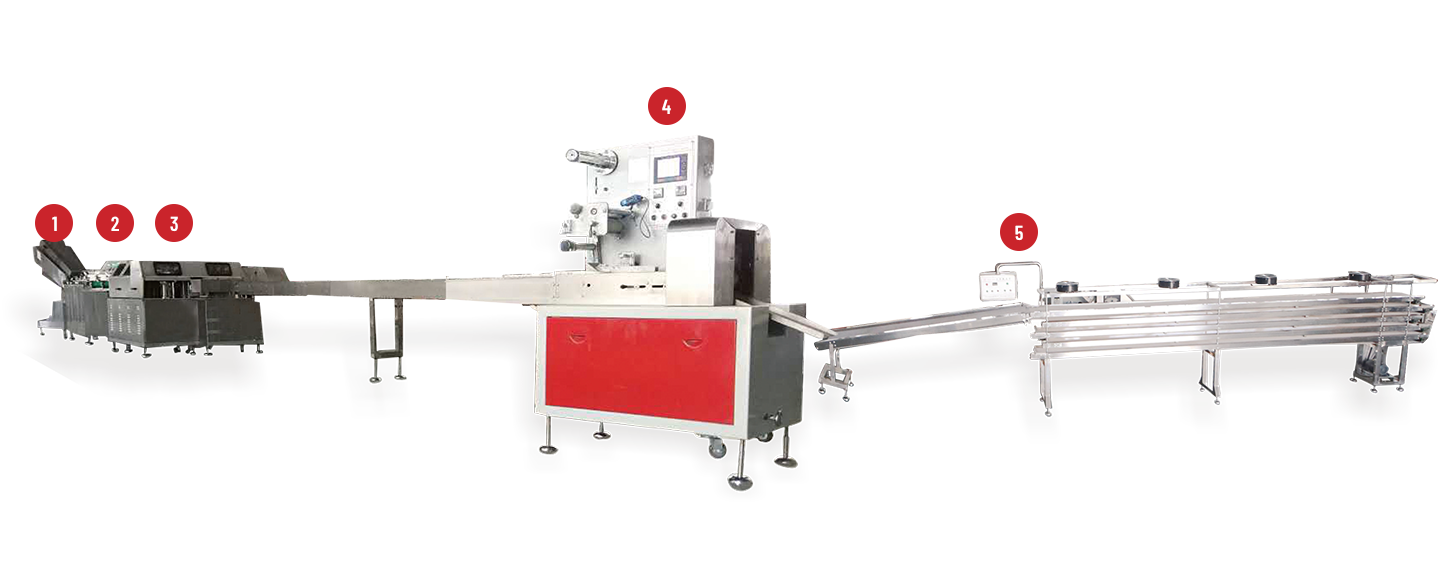
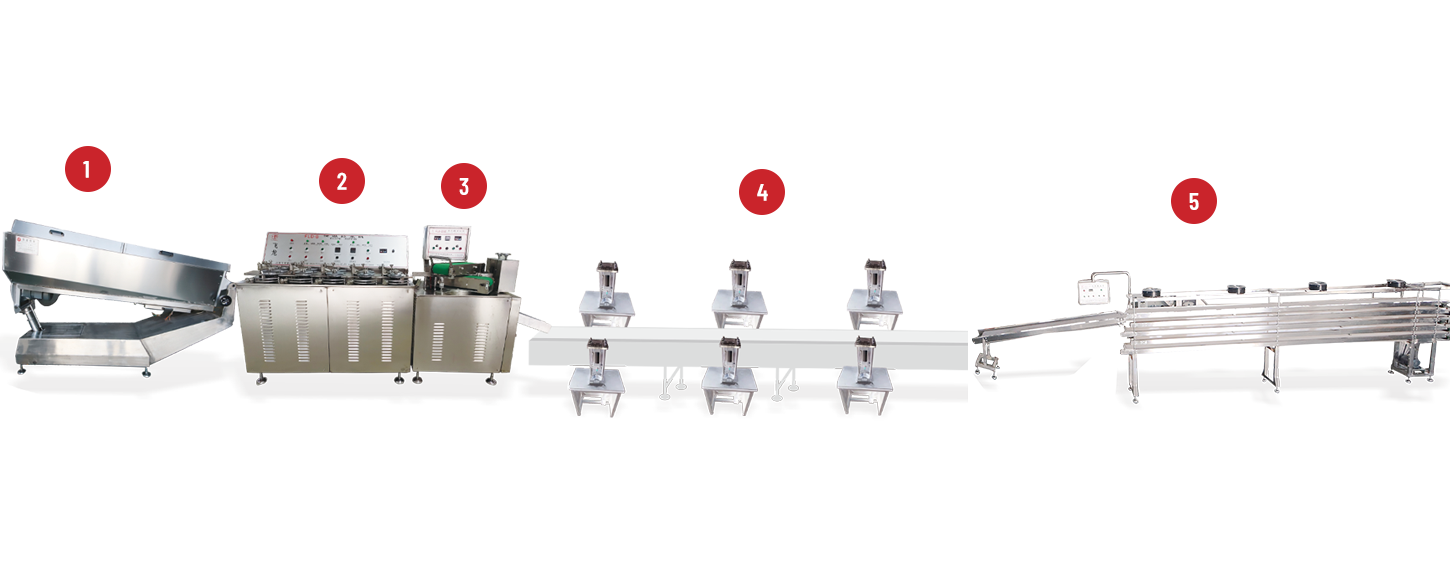
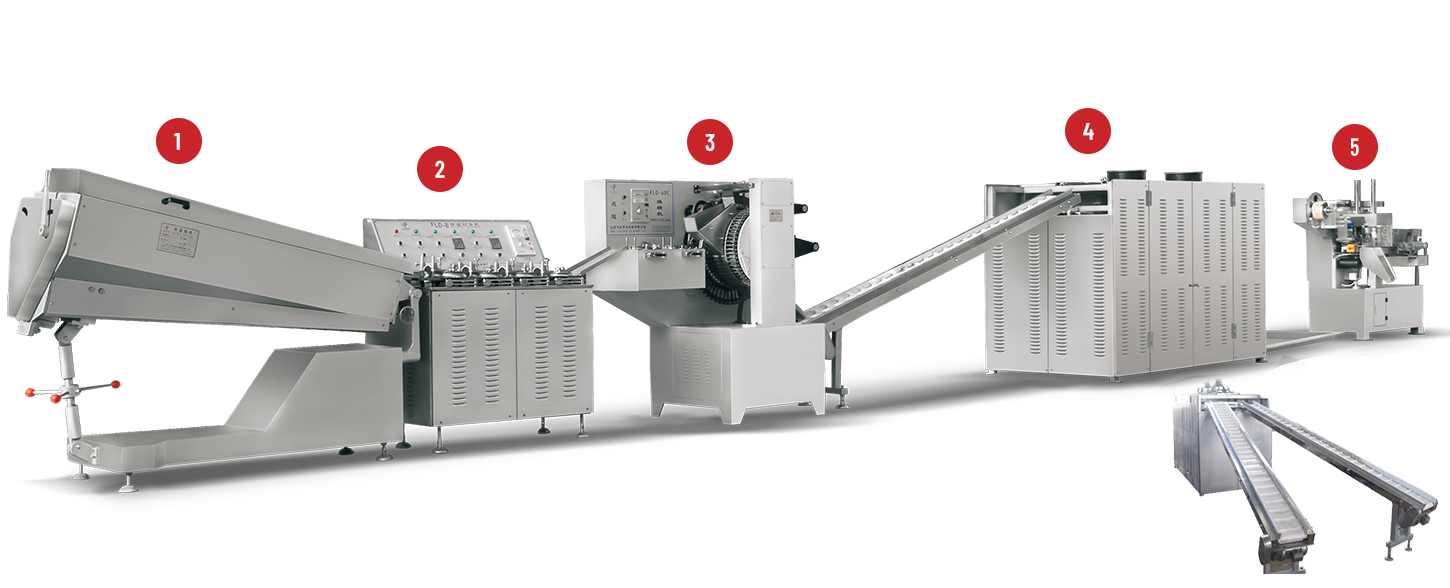
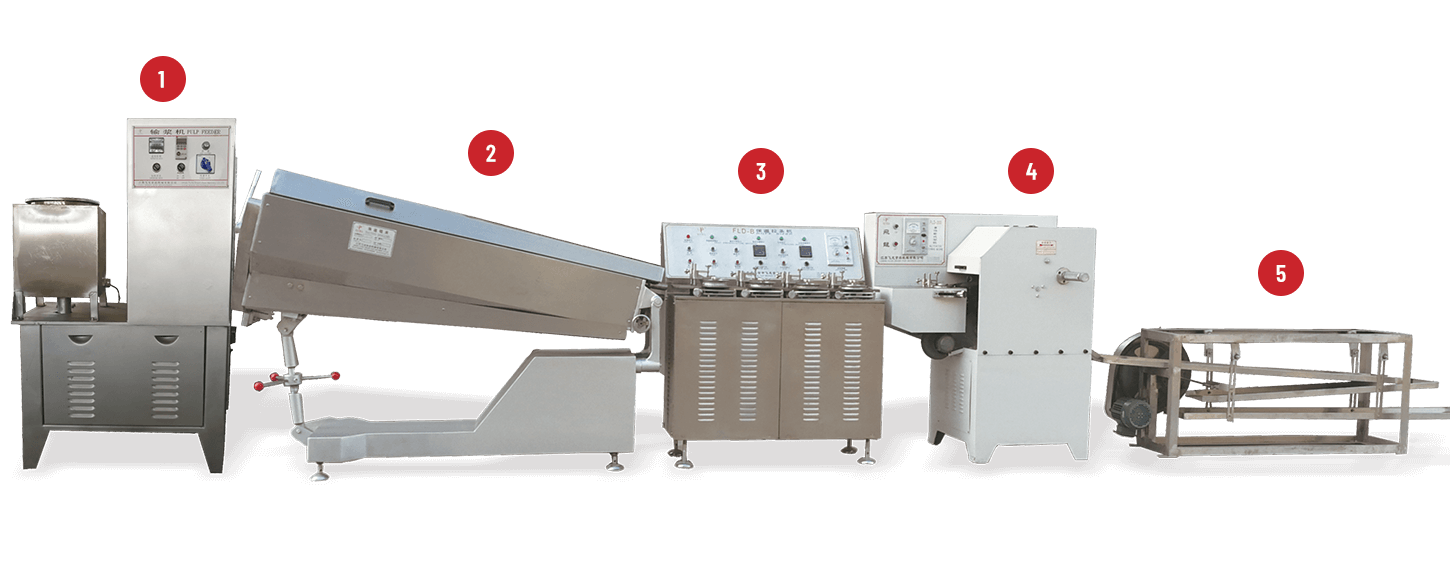
A deposit jelly machine is part of this evolution. It supports controlled forming of jelly products by guiding material into molds in a consistent way.
The focus is not only on speed. It is also about uniform shape, stable texture, and repeatable output across large batches.
What exactly is a Deposit Jelly Machine ?
A jelly machine is a type of equipment used to shape jelly-based products by placing prepared mixture into molds or forming spaces.
Instead of shaping each piece manually, the machine handles repeated filling in a controlled pattern. This helps maintain consistency across large production volumes.
The system is designed to manage flow, portioning, and placement of jelly mixture. Each cycle follows a structured movement pattern.
It can be used for different shapes and product styles, depending on mold design and production setup.
The main idea is simple. Take a liquid or semi-liquid mixture and guide it into stable, repeatable forms.
How does a deposit jelly machine work in practice?
The working process follows a continuous cycle. Each stage plays a role in shaping the final product.The machine starts by preparing jelly mixture in a stable condition. Once ready, the material is guided into a controlled flow system.
From there, the mixture is directed into forming areas where it takes shape. Timing and movement are carefully coordinated to maintain uniform results.After filling, the product begins to settle into its shape. The system then resets for the next cycle.
| Stage | Function |
|---|---|
| Mixture preparation | Material is made ready for processing |
| Flow control | Jelly is guided into controlled movement |
| Filling stage | Material enters forming spaces |
| Shaping phase | Product takes final form |
| Cycle reset | System prepares for next round |
Each stage works in sequence. The goal is stable repetition rather than one-time shaping.
Why is controlled depositing important in jelly production?
Jelly products depend heavily on shape and texture. Even small variation can affect appearance and consistency.
Controlled depositing helps reduce differences between individual pieces. It ensures that each product receives similar amounts of material and forms in a consistent way.
Without control, filling may become uneven. Some pieces may be larger, others smaller, or shapes may vary slightly.
Controlled systems help maintain balance across large production runs. This supports a more uniform final product experience.
The process is not only about filling. It is about precision in repetition.
How does temperature influence jelly forming behavior?
Temperature plays an important role in jelly production. It affects how the mixture flows and settles.
If the mixture is too warm or too cool, its behavior can change during forming. This may influence how it fills molds or holds shape.
Machines are designed to work within stable conditions so that material behaves predictably.
Even small changes in temperature can affect texture and surface appearance.
Maintaining stable conditions helps ensure that each cycle produces similar results.
What role do molds play in deposit jelly systems?
Molds define the final shape of jelly products. They guide how material settles during each cycle.
Different mold designs create different product styles. Some focus on simple shapes, while others support more detailed forms.
Molds must remain stable during repeated use. Any movement or misalignment can affect output consistency.
Surface condition inside molds also matters. Smooth surfaces help products release more easily and maintain shape clarity.
The mold and deposit system work closely together. One provides structure, the other provides controlled filling.
How does hygiene affect machine design and operation?
Food production equipment must support clean operation. Deposit machines are no exception.
Surfaces are designed to reduce buildup and allow easier cleaning between production cycles.
Flow paths are often structured to minimize areas where material can remain after use.
Clean design helps maintain product consistency and reduces variation caused by leftover material.
Hygiene considerations influence both machine structure and daily operation practices.
Why is consistency a key focus in jelly depositing systems?
Consistency is one of the main goals in jelly production. Each piece is expected to look and behave in a similar way.
Deposit machines help achieve this by controlling timing, flow, and portioning.
When consistency is stable, production becomes more predictable. This supports smoother handling in later stages such as cooling, packaging, or storage.
Inconsistent output can create variation in appearance and texture, which affects product uniformity.
The machine's role is to reduce these variations through controlled repetition.
How does automation improve jelly production flow?
Automation reduces the need for manual handling during production cycles. This helps maintain steady movement and reduces variation caused by human input.
The machine can repeat the same process multiple times with similar behavior each cycle.
This supports continuous production without frequent interruption.
Automation also helps coordinate timing between different stages of production, such as filling and resetting.
The result is a smoother flow from start to finish, where each stage follows a predictable rhythm.
What challenges appear in deposit jelly production systems?
Even with structured equipment, challenges can appear during operation.
One common challenge is material behavior variation. Small changes in mixture condition can affect flow during depositing.
Another challenge is maintaining uniform filling across multiple cycles. Slight differences in timing or movement can influence final output.
Cleaning and maintenance also require attention. Residual material can affect consistency if not properly managed.
System coordination between different stages must remain stable to avoid interruptions in flow.
These challenges are usually gradual rather than sudden, developing over repeated use.
How does deposit jelly technology reflect modern food production trends?
Modern food production increasingly focuses on repeatability and controlled processing. Deposit jelly machines fit into this direction by supporting structured and stable output.
They allow production to move away from manual shaping and toward more consistent cycles.
This reflects a broader trend where food production relies on controlled systems rather than individual handling.
The emphasis is on uniformity, smooth operation, and predictable behavior across large batches.
Deposit systems continue to evolve alongside production needs, adapting to different product styles and operational requirements.
 +86-(0)515-8465666
 +86-(0)515-85566996
 +86-138 1559 9708
 flyloong@flyloongcn.com
 Home
Home