

 ENG
ENG
 English
 中文简体
中文简体 русский
 Français
 Español
 عربى
عربى
Why is Candy Machinery Manufacturer becoming more complex?
Candy production looks simple from the outside. Sweet products move through machines, get shaped, and reach packaging lines. Behind this process, machinery manufacturers face a growing list of expectations.
Modern production lines are no longer focused only on output. They must also support flexibility, consistency, and stable operation across different production environments.
Machines are expected to handle changing product styles, different production speeds, and varying material behavior. This creates pressure on design and production planning.
The challenge is not only building machines that work. It is building machines that adapt without losing stability.
How does changing product variety affect machine design?
Candy products come in many shapes, textures, and forms. This variety affects how machines are designed and adjusted.
A machine that handles one type of product may not easily support another without changes. This creates demand for adaptable systems.Manufacturers need to think about how one machine can support different production needs. This often means balancing flexibility with structural stability.
More variety also means more testing before machines are delivered. Each adjustment can influence how smoothly production runs.
| Product Variation Factor | Manufacturing Challenge |
|---|---|
| Shape differences | Adjusting forming behavior |
| Texture variation | Managing handling consistency |
| Size changes | Supporting stable movement |
| Production style shifts | Maintaining machine balance |
As variety increases, machine design becomes more about adaptability than fixed function.
Why is consistency difficult to maintain in production systems?
Consistency is one of the important expectations in candy manufacturing equipment. Every unit produced is expected to behave in a similar way.However, small variations in machine setup or usage conditions can affect output behavior.Even when machines are built in a similar way, environmental differences or handling conditions can create small performance changes.These differences may not be obvious at first, but they can influence production stability over time.Manufacturers often need to focus on reducing variation between machines rather than improving one single aspect.
How does hygiene influence machine development?
Hygiene is a major concern in food-related machinery. Candy production equipment must be designed to reduce buildup and support clean operation.
Surfaces inside machines need to be easy to maintain. If cleaning becomes difficult, residue may accumulate and affect performance.
Design choices often focus on reducing hidden areas where material can remain after operation.
Smooth surfaces and open structures are often preferred because they support easier maintenance.
Hygiene is not only about cleaning. It also influences how machines are designed from the beginning.
What role does automation play in modern candy machinery?
Automation is becoming more common in production systems. It helps reduce manual handling and supports more consistent operation.
Machines can perform repeated actions with less variation, which helps maintain stable output behavior.
However, automation also adds complexity to machine design. Systems must respond correctly under different conditions without frequent manual adjustment.
This requires careful coordination between mechanical movement and control systems.
Automation does not remove challenges. It shifts them toward system integration and stability management.
How do material handling requirements influence machine design?
Candy production involves materials with different behavior. Some are soft, others are more rigid, and some change depending on temperature conditions.Machines must handle these differences without affecting production flow.
If material behavior changes during processing, machines must still maintain smooth movement.This requires flexible design in feeding, shaping, and transfer areas.
Material sensitivity is one of the reasons why candy machinery design requires careful balance between speed and control.
Why is temperature control a constant challenge?
Temperature affects how materials behave during processing. Even small changes can influence flow, shape, and consistency.Machines must operate in conditions where temperature remains stable enough to support predictable results.
Uneven temperature distribution can Find to changes in product behavior. This makes control systems an important part of machine design.Manufacturers often need to consider how machines perform under different environmental conditions.Temperature management is not only about heating or cooling. It is about maintaining balance throughout the production cycle.
What difficulties come from maintaining machine stability over time?
Machines are used repeatedly in production environments. Over time, small changes can appear in movement behavior.Wear, alignment shifts, and material contact all influence long-term performance.Even if a machine performs well at the start, repeated use can slowly change its behavior.
Manufacturers need to design systems that remain stable over long periods of use without frequent adjustment.Maintenance planning becomes part of design thinking rather than an afterthought.
How does production speed pressure affect machinery development?
Production systems often need to support continuous operation. This creates pressure to maintain smooth movement without interruption.Higher speed expectations require machines to respond quickly while still maintaining stability.If speed increases without proper balance, small inconsistencies may become more noticeable.Manufacturers must ensure that movement remains controlled even under continuous operation.Speed and stability must work together rather than compete with each other.
Why is system integration becoming more important?
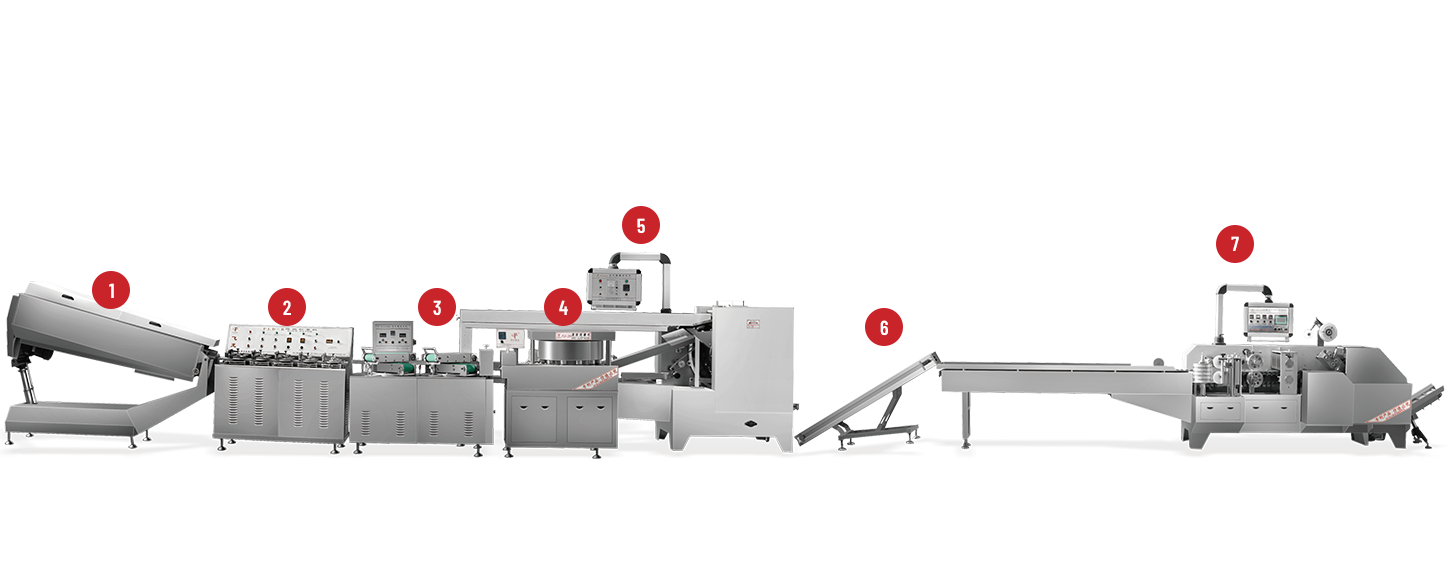
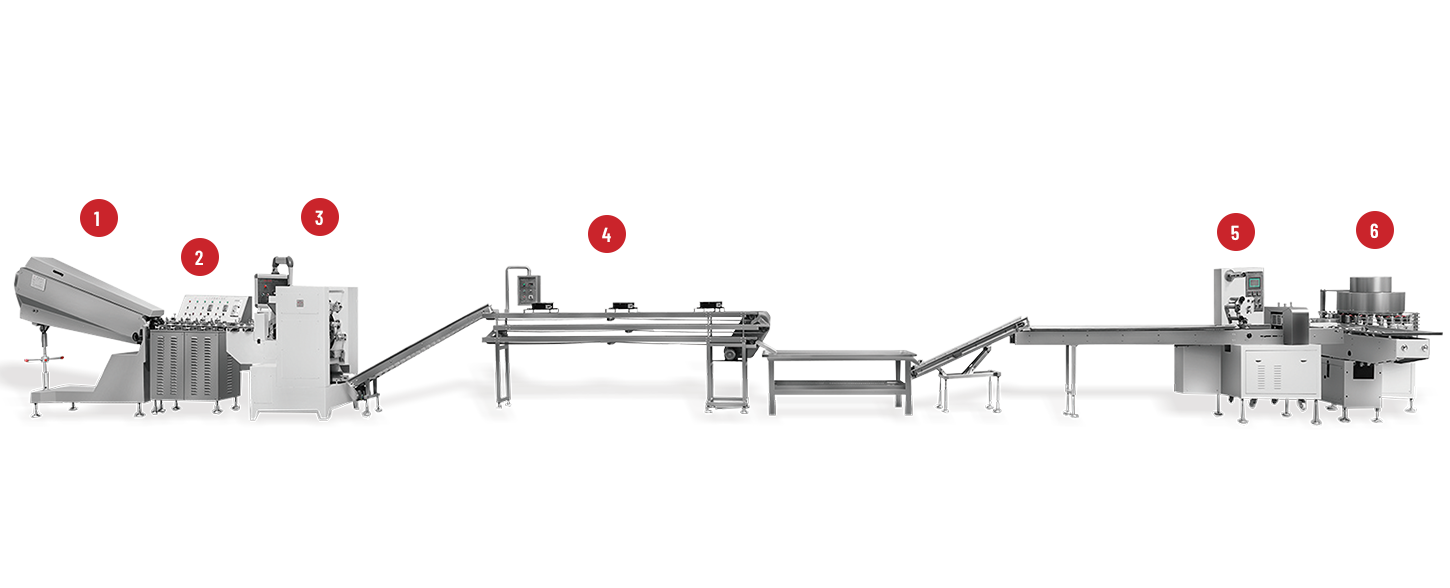
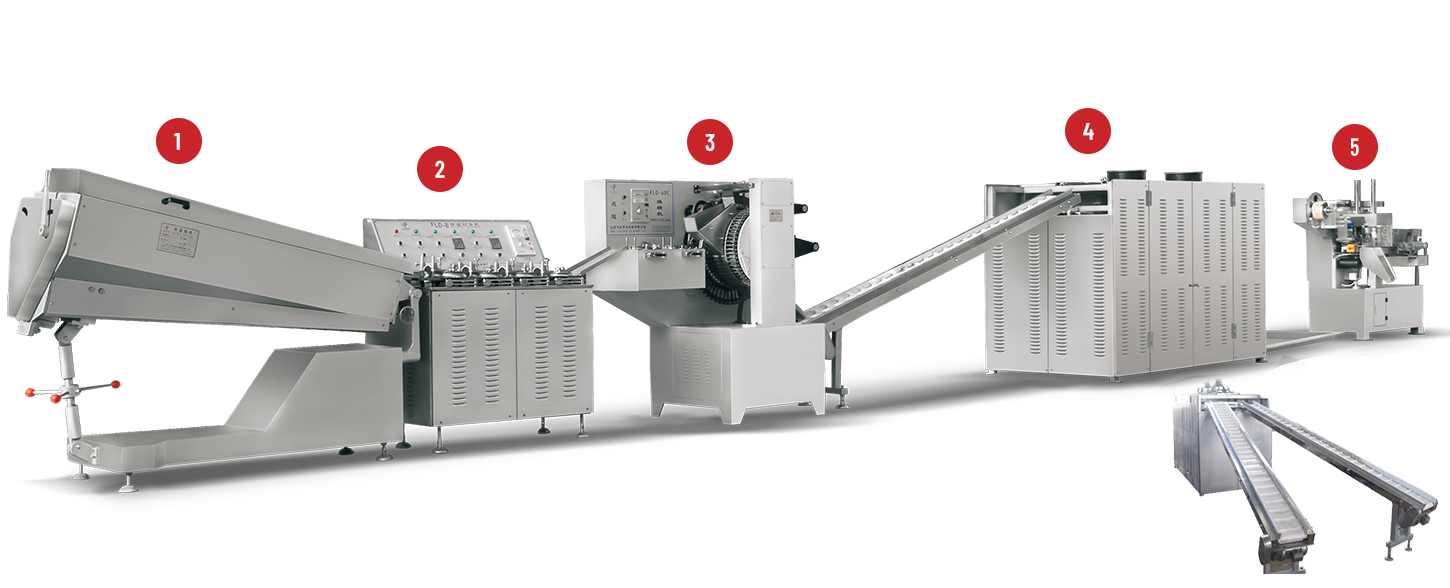
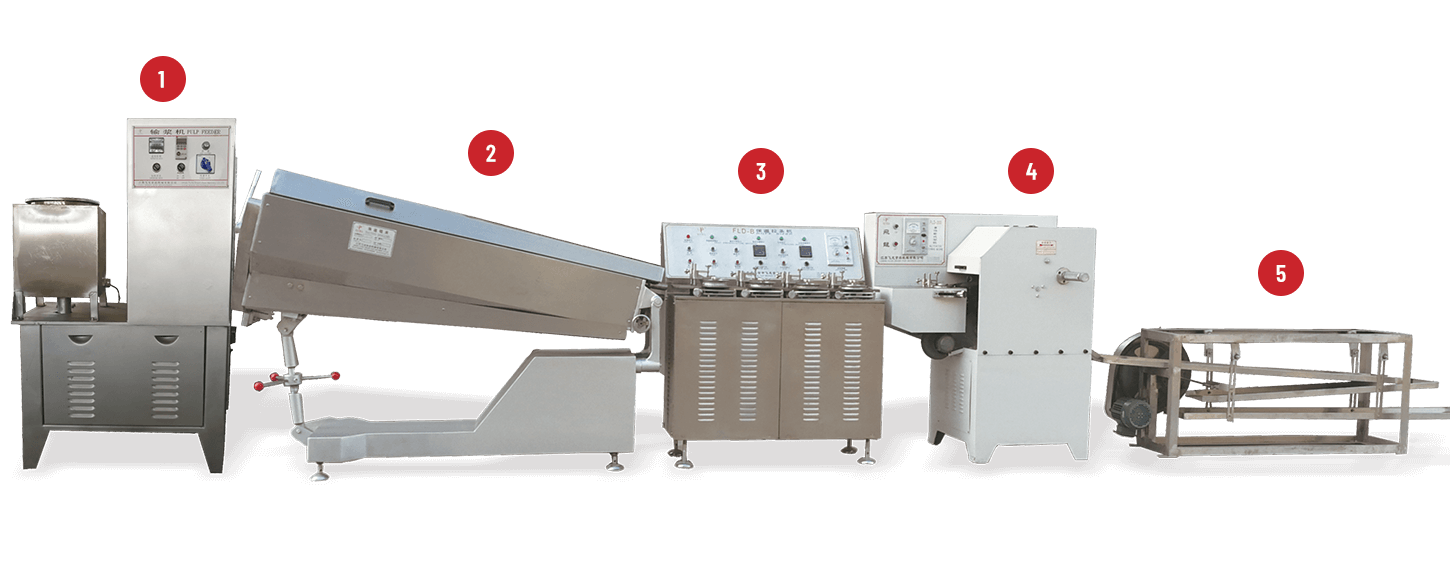
Candy machinery is no longer viewed as isolated equipment. It often connects with other systems in production lines.This requires coordination between different machines and processes.
If one part of the system behaves differently, it can affect the overall flow.Integration requires machines to respond in a predictable way across multiple stages.This makes design planning more complex, as each machine must fit into a larger production structure.
What challenges come from balancing simplicity and functionality?
Machines need to be powerful enough to handle complex tasks, but simple enough to operate smoothly.Too much complexity can make operation harder to manage. Too much simplification can reduce flexibility.
Manufacturers must find a balance where machines remain easy to use while still supporting different production needs.This balance influences both design structure and user interaction.The challenge is keeping systems efficient without making them difficult to control.
 +86-(0)515-8465666
 +86-(0)515-85566996
 +86-138 1559 9708
 flyloong@flyloongcn.com
 Home
Home