

 ENG
ENG
 English
 中文简体
中文简体 русский
 Français
 Español
 عربى
عربى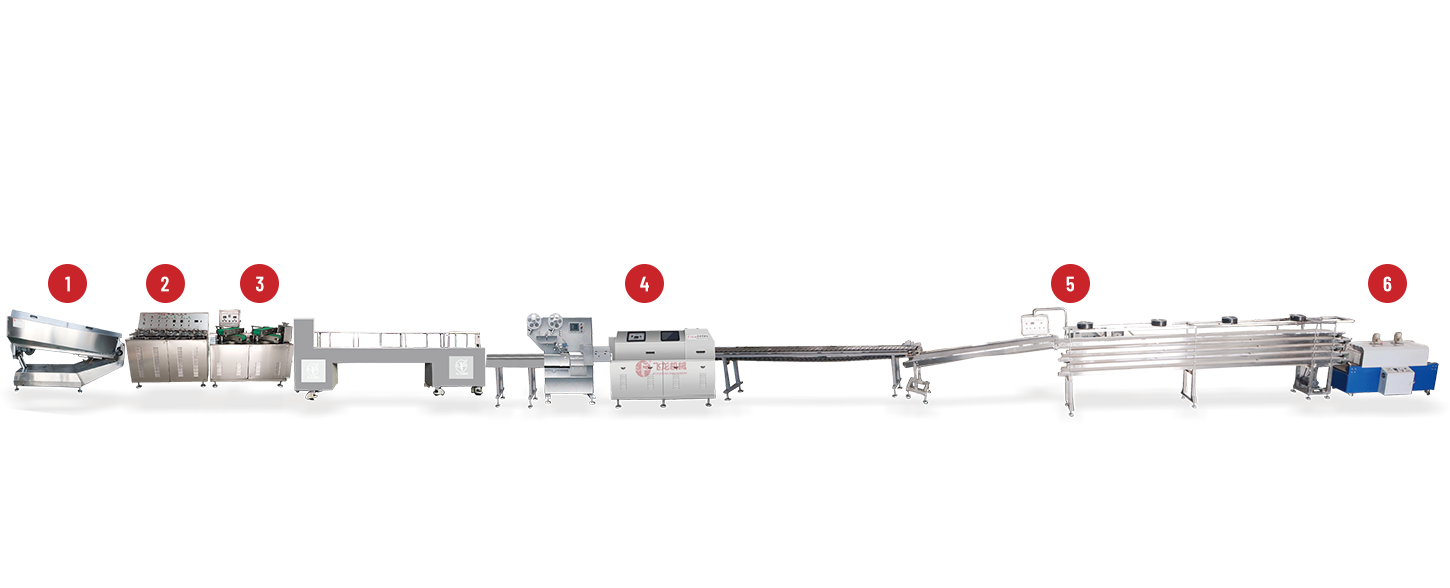
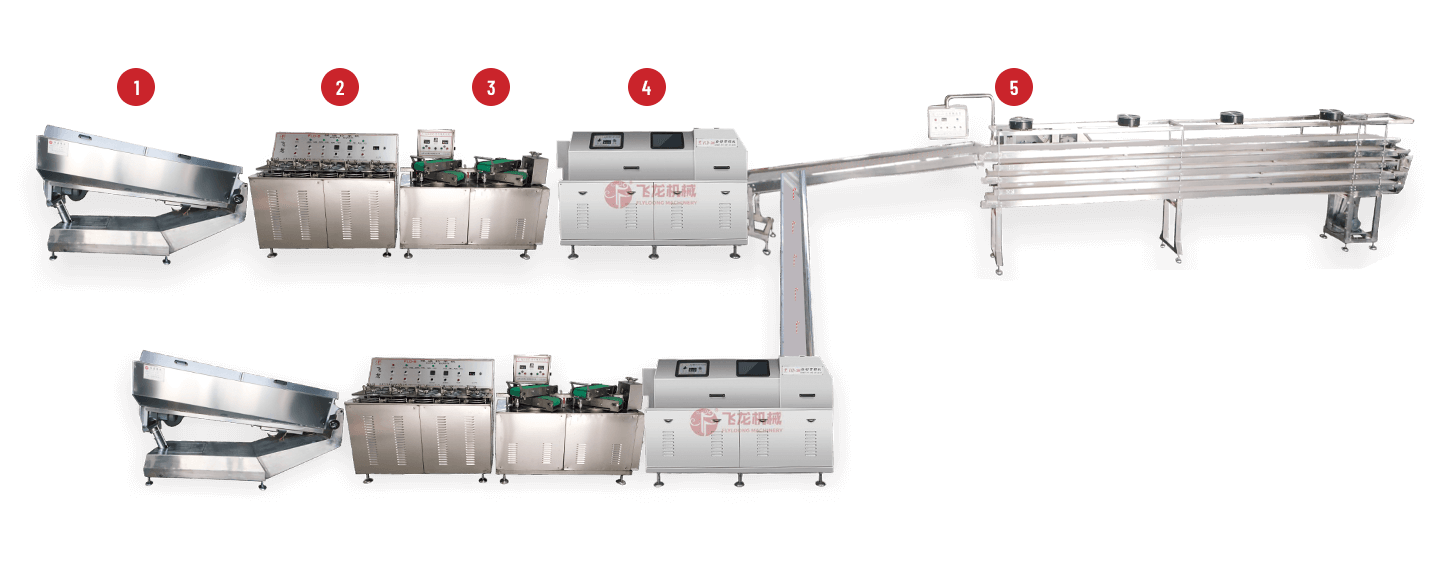
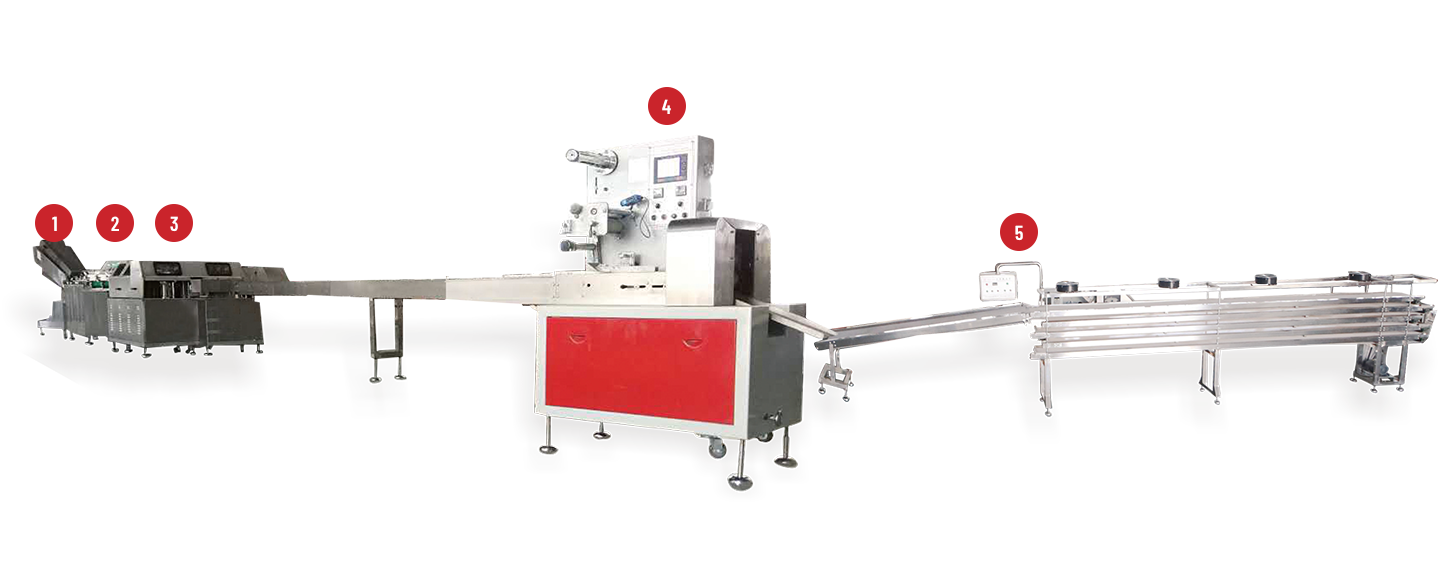
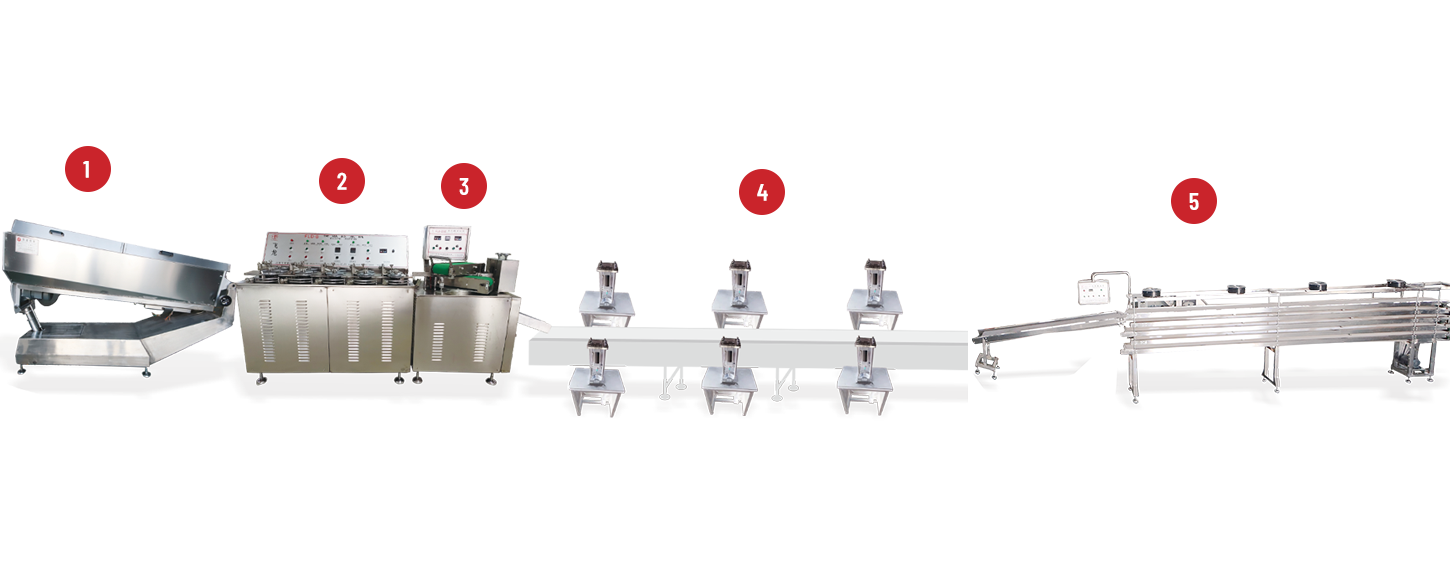
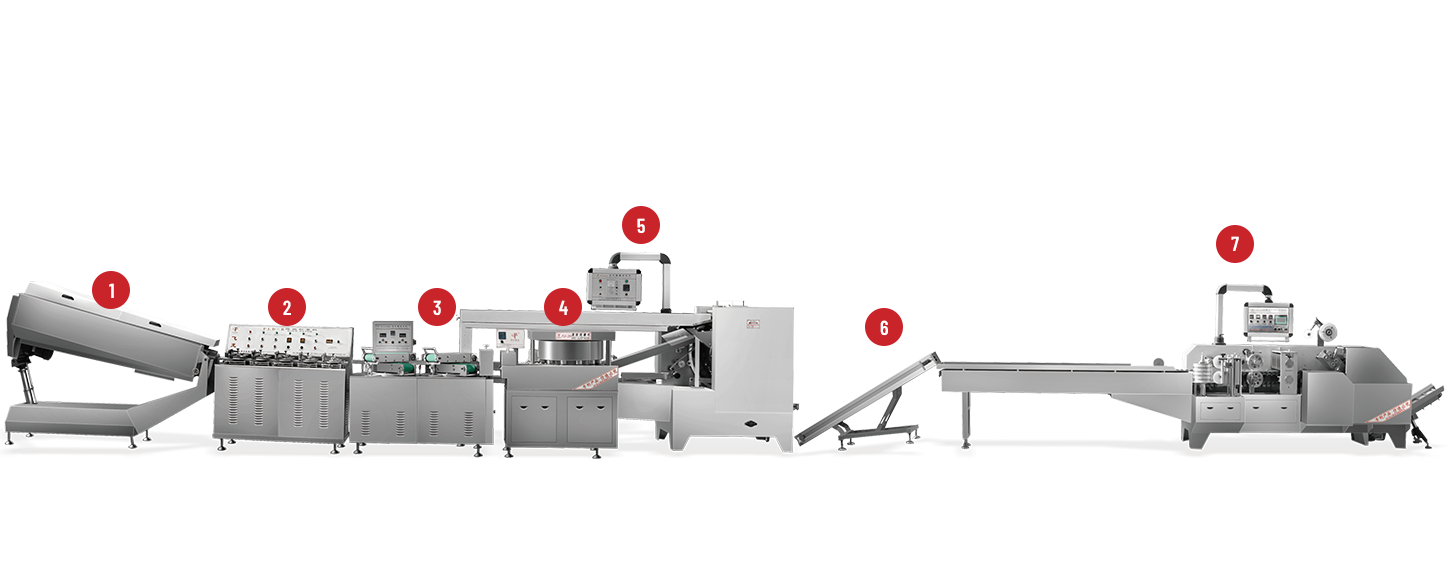
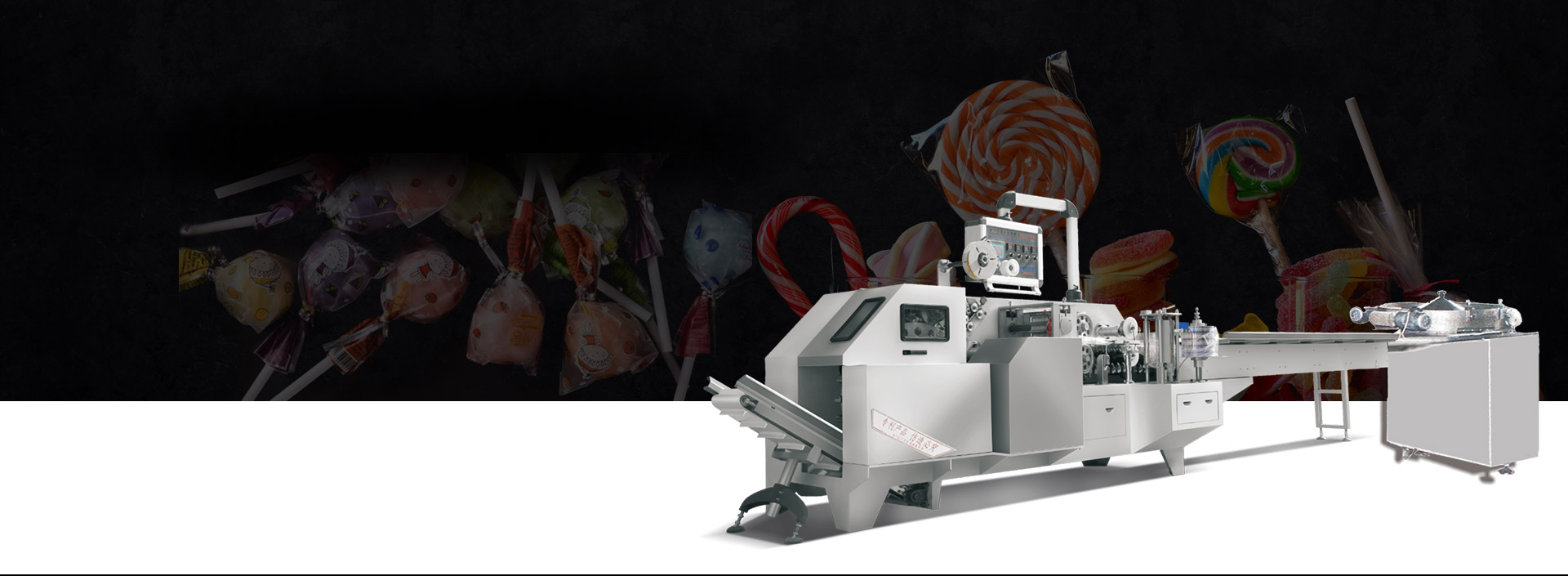
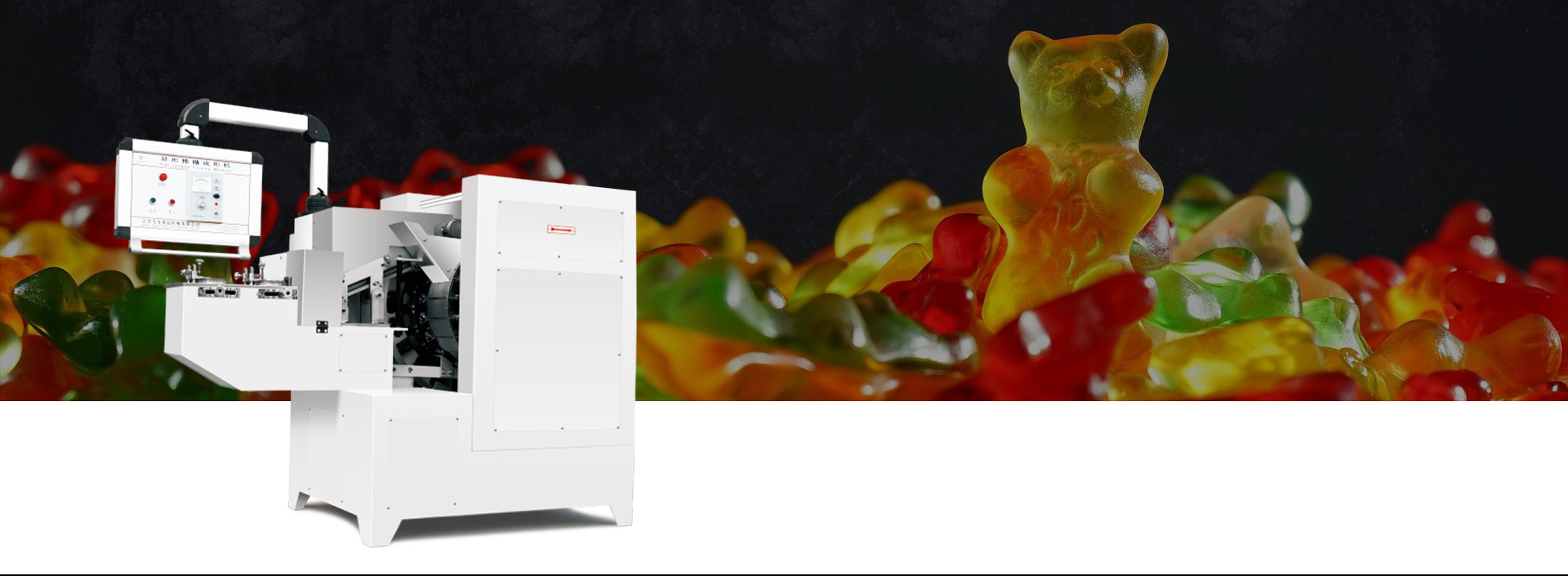
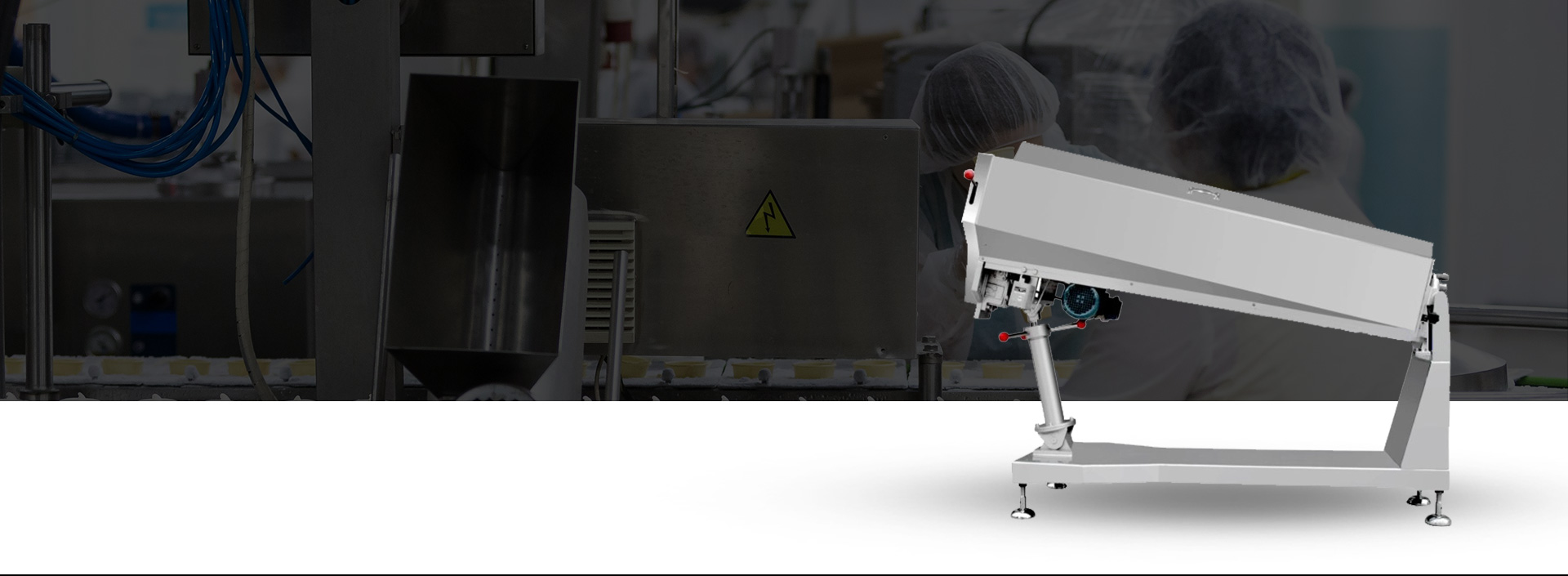
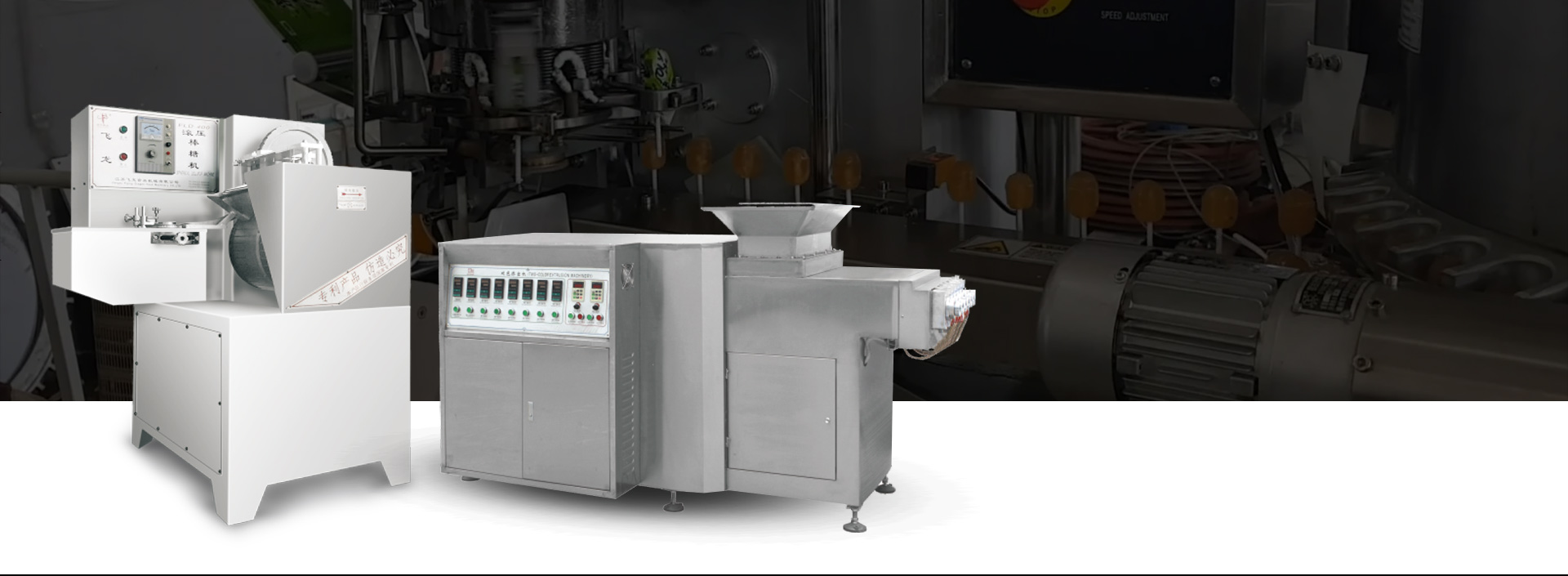
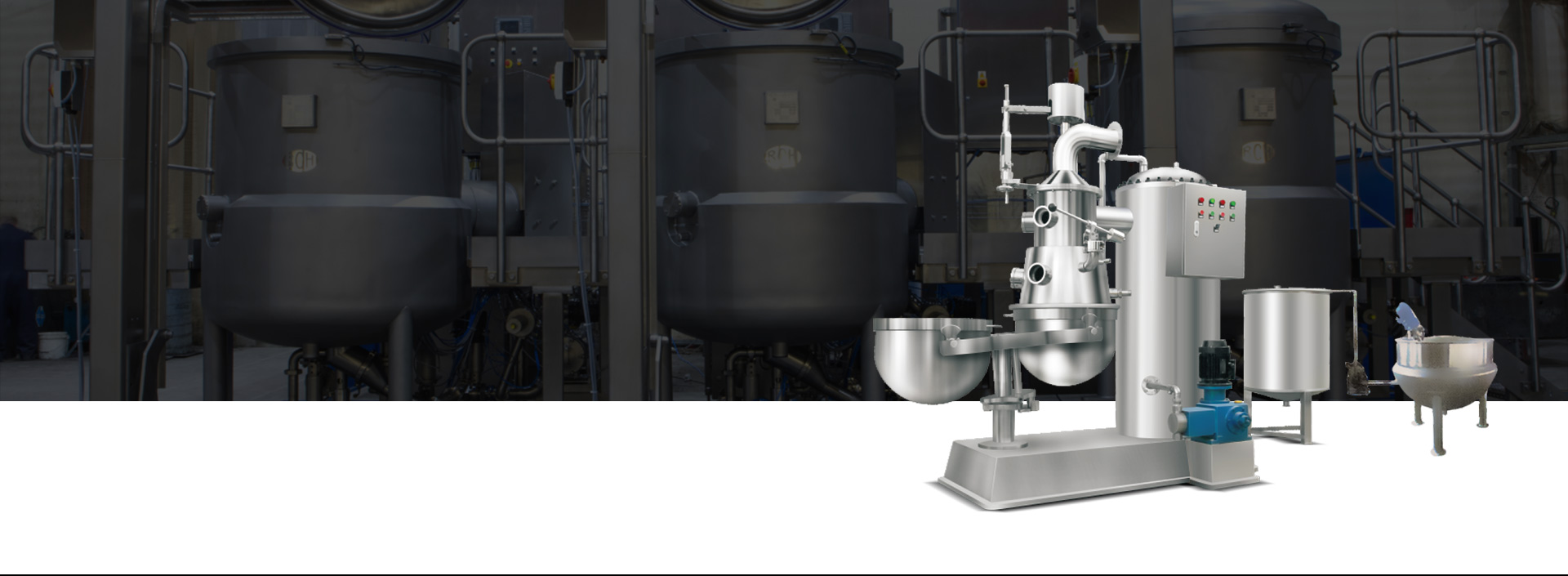
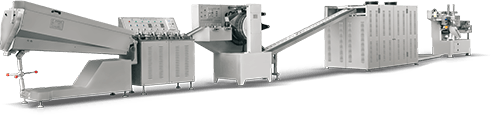
Let me tell you something straight — it looks easy when you watch the finished product on the shelf, but the process behind it can drive a man crazy.
You mix the stuff, heat it, shape it, cool it down, and pack it. Simple, right? Wrong. One batch comes out beautiful — smooth, chew, nice color. The next batch? Same recipe, same workers, same everything, and suddenly some pieces are too hard, some stick together, some just don't feel right in the mouth. I've thrown away entire carts of product because the texture went off and we couldn't sell it.
That's why a lot of us eventually start looking for better equipment. Not because we want fancy toys, but because we're tired of fighting the same problems every week.
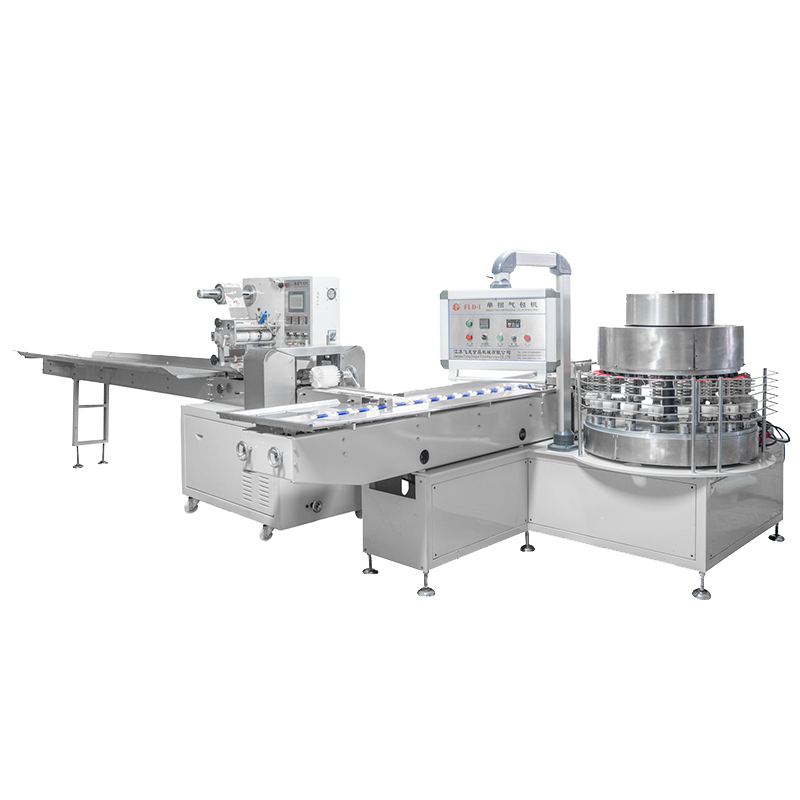
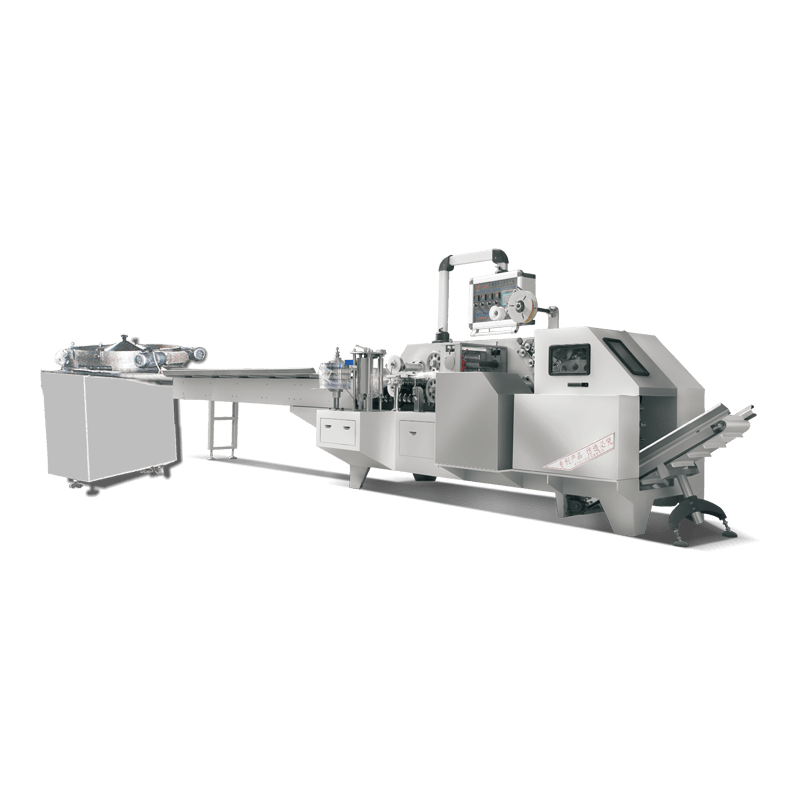
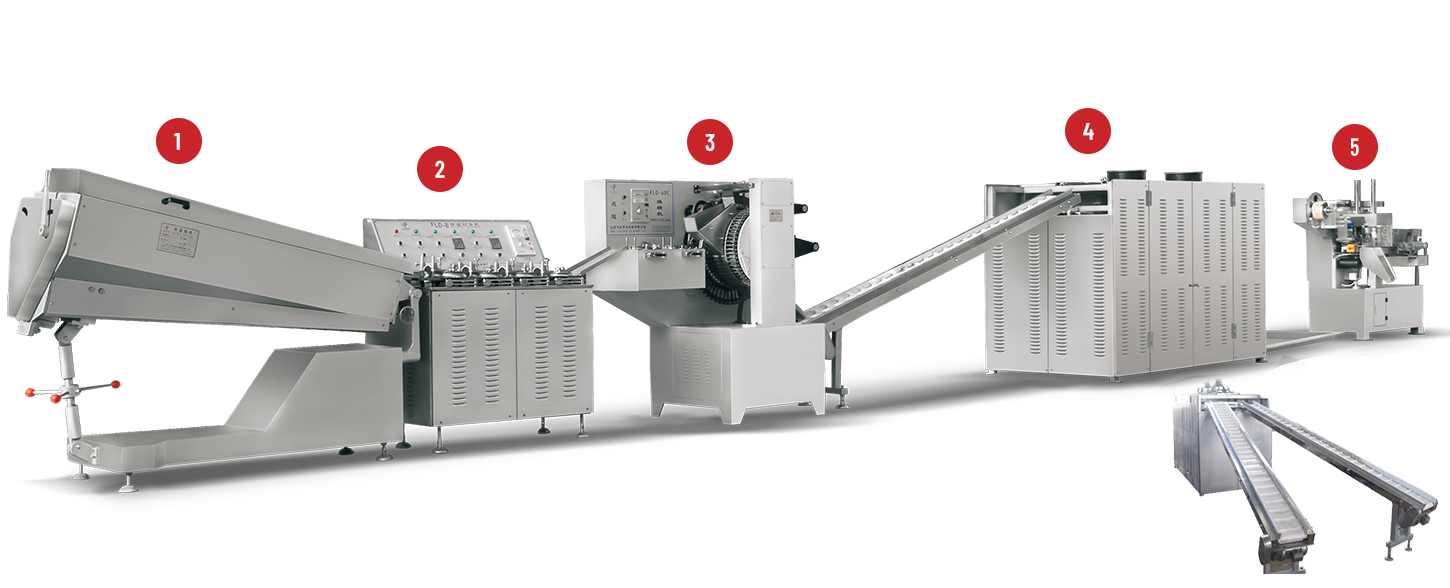
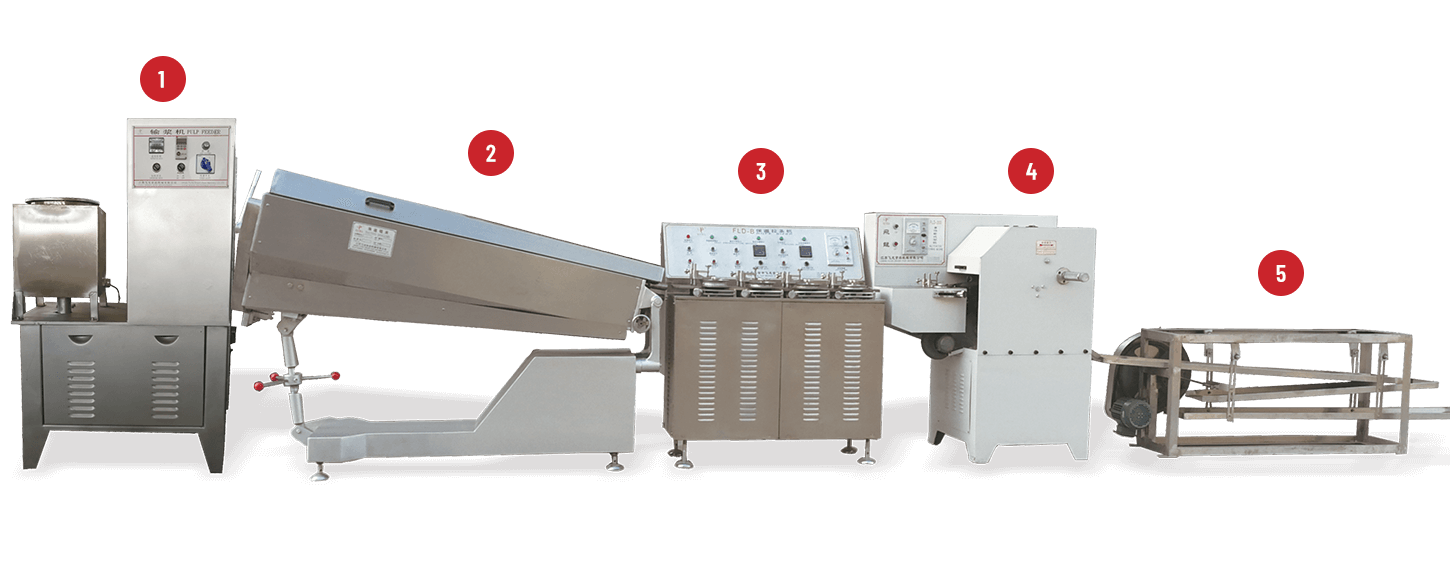
Milk Candy Machine is the kind of equipment I ended up trusting after burning through too many bad batches. It doesn't magically solve everything, but it makes the whole process less chaotic.
The Texture Problem That Never Goes Away
Customers only care about one thing when they eat the sweet — how it feels between their teeth. Is it smooth? Is the chew satisfying? Does it melt nicely? They don't see the hours we spend adjusting temperatures or arguing about why today's batch feels different from yesterday's.
Dairy mixtures are especially moody. They react fast to heat, to how long they sit, even to the weather outside. I still remember one summer when the humidity was so high that our old manual method completely fell apart. We kept adjusting and adjusting, but the texture kept changing. Some pieces were like rubber, others were too soft and collapsed in the packing machine.
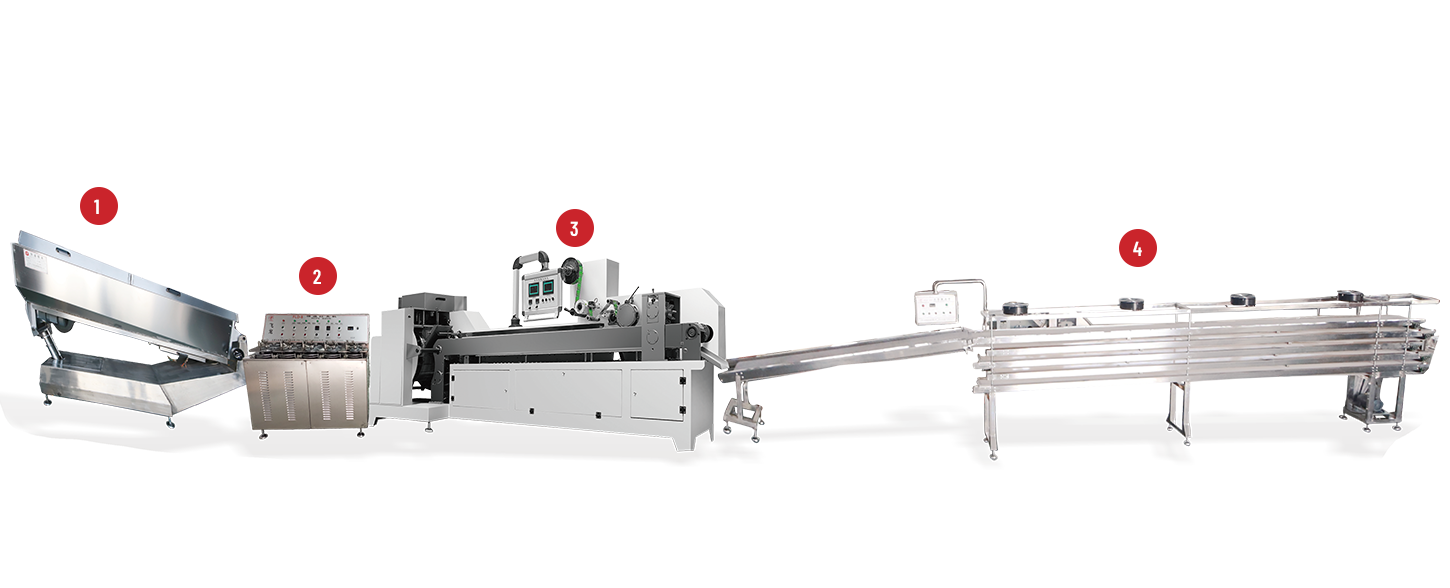
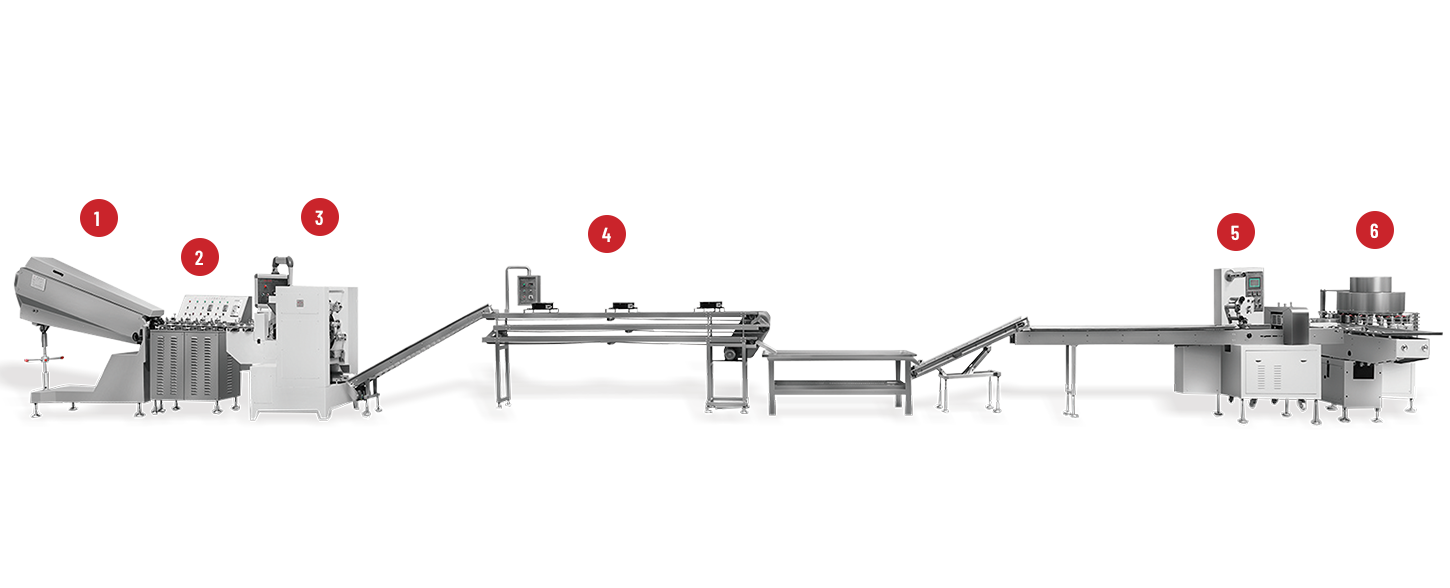
A good dairy sweet production line helps calm all that down. It guides the mixture through each step more steadily so the final chew stays closer to what we actually want. When the process is more stable, we waste less product and the team doesn't feel like they're constantly putting out fires.
Milk Candy Machine helped us a lot with texture control. Not every single time, but way better than before.
Getting the Base Mixture Right Is Half the Battle
Everything starts with the base. You have to blend the dairy, sugar, and other ingredients until they become one smooth mixture. If it's lumpy or uneven at the beginning, you're already fighting an uphill battle for the rest of the day.
Good confectionery forming equipment helps turn that raw mix into something much more stable before you even start heating. You don't have to stand there stirring and adjusting by hand for hours anymore. The system does a lot of the heavy lifting and keeps the base consistent, which makes everything that comes after much easier.
I've seen small workshops waste entire mornings just trying to fix a bad base. Once you have the right setup, that problem disappears.
Heating Is Where Batches Die
Heating is the dangerous step. A little too hot and the flavor goes off. Not hot enough and the mixture won't flow properly for shaping. Dairy stuff is especially sensitive — it can separate or get grainy really fast if the temperature isn't steady.
I've lost count of how many times I've seen a whole run ruined because someone left the heat on too long or the thermometer wasn't accurate. A well-designed sweet processing system lets you control the heat more evenly instead of relying on guesswork and open pots.
When the heating is done right, the flavor stays clean and the texture develops naturally. That's what customers remember — that consistent creamy taste they can trust every time they buy.
Milk Candy Machine gave us much better control during heating. We still have to watch it, but we're not guessing as much anymore.
Shaping Without Constant Manual Fixes
After heating comes shaping. This is where the sweets actually start looking like sweets. Whether you want flat pieces, small balls, or molded shapes, the material has to be soft enough to form but firm enough to hold its shape.
If it's too soft, everything spreads out and looks messy. If it's too firm, the pieces crack or don't fill the molds properly. I've spent way too many nights trimming bad edges by hand.
A good confectionery forming equipment keeps the shaping stage much more stable. The material moves through in a controlled way, so pieces come out clean and uniform. For bigger runs, this saves hours of extra work because you don't have a mountain of rejects at the end.
Milk Candy Machine made a noticeable difference in our shaping quality. We throw away far fewer pieces now.
Cooling Is Not Just "Wait and See"
A lot of people think cooling is the easy part — just let it sit. But if you cool too fast or move the pieces too early, the whole structure can warp or crack later. I've had perfectly shaped sweets come out of the cooler looking fine, only to find them deformed the next morning.
Good equipment keeps the cooling connected to the previous steps instead of treating it like a separate thing. The material settles gradually, which helps lock in the shape and texture we worked so hard to create.
Milk Candy Machine helps with that gradual cooling, so the final product stays stable even after packing and shipping.
Different Factories Need Different Setups
Small workshops usually want flexibility — they make small batches and like to test new flavors. Medium factories need something that runs steadily but can still be adjusted. Big lines want smooth, nonstop flow with as little downtime as possible.
Milk Candy Machine can be set up differently depending on your actual production rhythm. That's why you see it in all kinds of places — from family workshops to bigger confectionery plants.
Why Consistency Actually Matters
Making one good batch is nice. Making the same good batch every single day is what keeps the business alive. Customers come back because they know what they're getting. When the texture or taste changes too much, they notice and they stop buying.
A reliable production setup helps cut down on those surprises. The flavor stays balanced, the chew feels familiar, and the appearance is consistent. That kind of reliability builds trust and makes planning much easier.
Taking Care of the Equipment
Nothing runs forever without care. We clean the line every single day after the last batch. We check the heating parts regularly and listen for any strange sounds. The operators who have been here longest usually notice problems because they know exactly how the equipment is supposed to sound and feel.
Good daily habits keep the line running smoothly and the product quality high.
The Need for Flexibility These Days
Customers want more variety now — different flavors, different shapes, smaller or bigger batches. Equipment that can adapt without causing chaos has become really important.
A good dairy sweet production line gives us that flexibility. We can tweak recipes or change forming styles without tearing everything apart. That helps us respond faster to what the market wants while still keeping quality steady.
Honest Take After All These Years
Making dairy sweets is not glamorous work. It's hot, it's repetitive, and sometimes it's frustrating as hell. But when you finally get a long run where every batch comes out right — same taste, same texture, same look — there's a quiet satisfaction in it.
Having the right confectionery processing equipment doesn't turn the job into magic, but it makes the daily struggle a lot more manageable. It reduces waste, saves time, and gives the whole team more confidence that today's product will be as good as yesterday's.
For old guys like me who have seen too many bad batches, that kind of reliability is worth its weight in gold. When the process runs steadily, the sweets taste better, the workers are happier, and the customers keep coming back.
That's really what it's all about.
 +86-(0)515-8465666
 +86-(0)515-85566996
 +86-138 1559 9708
 flyloong@flyloongcn.com
 Home
Home