

 ENG
ENG
 English
 中文简体
中文简体 русский
 Français
 Español
 عربى
عربى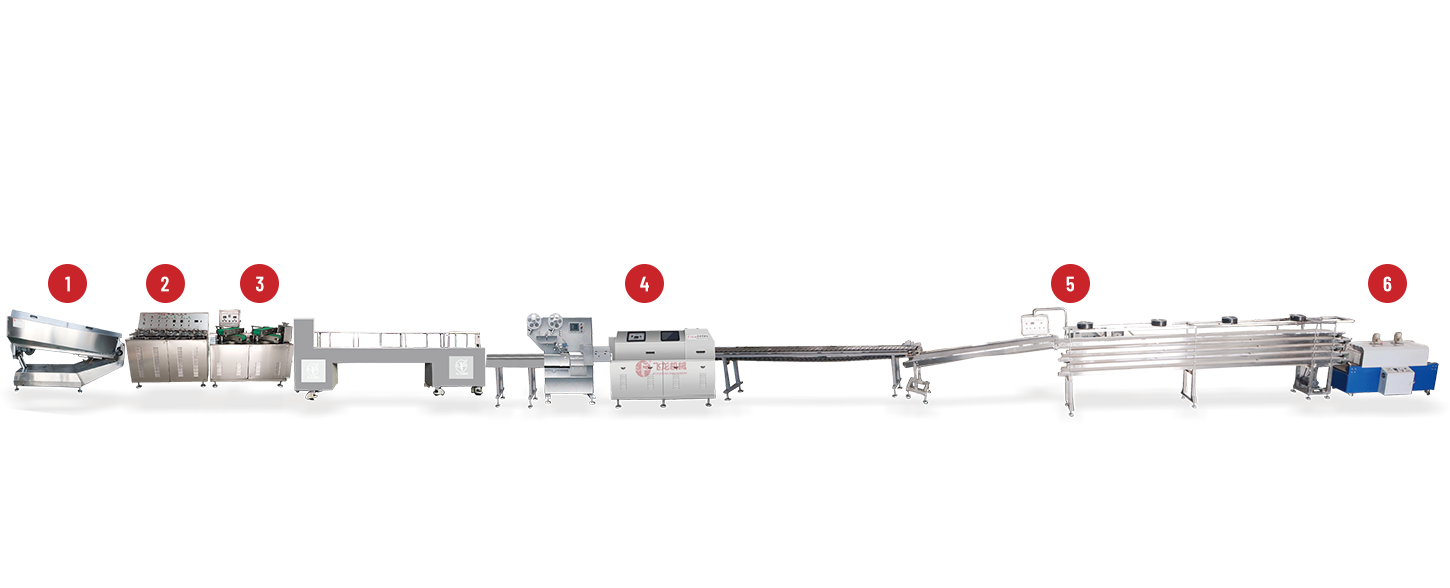
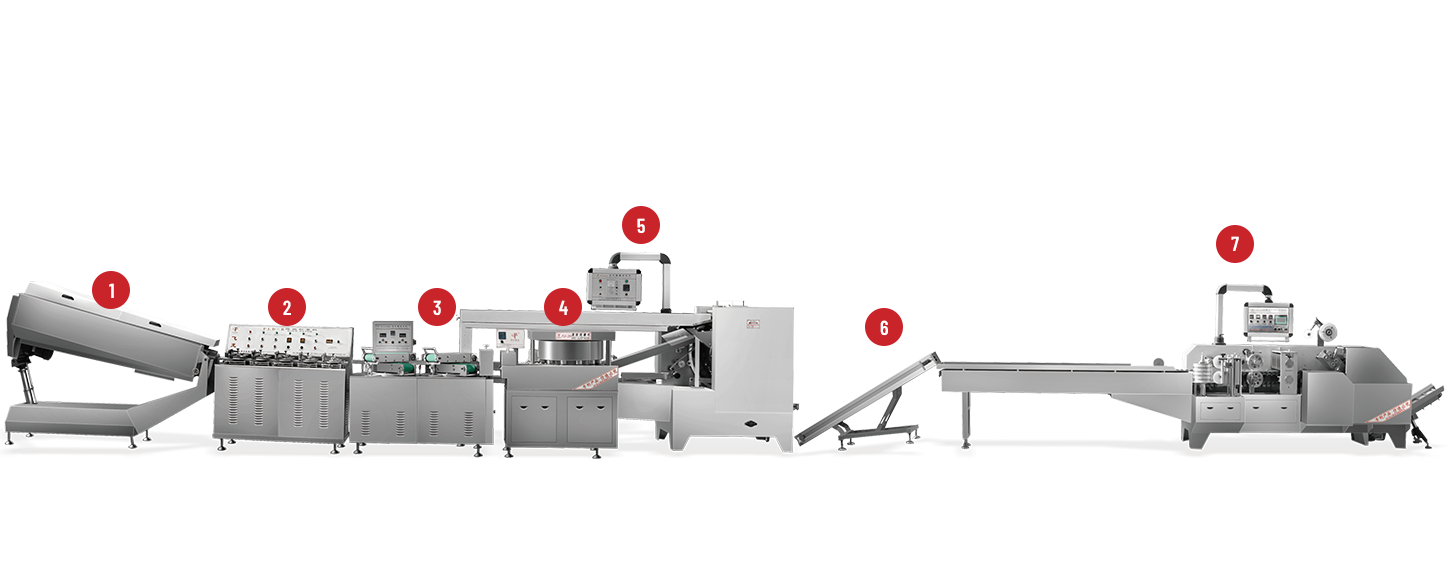
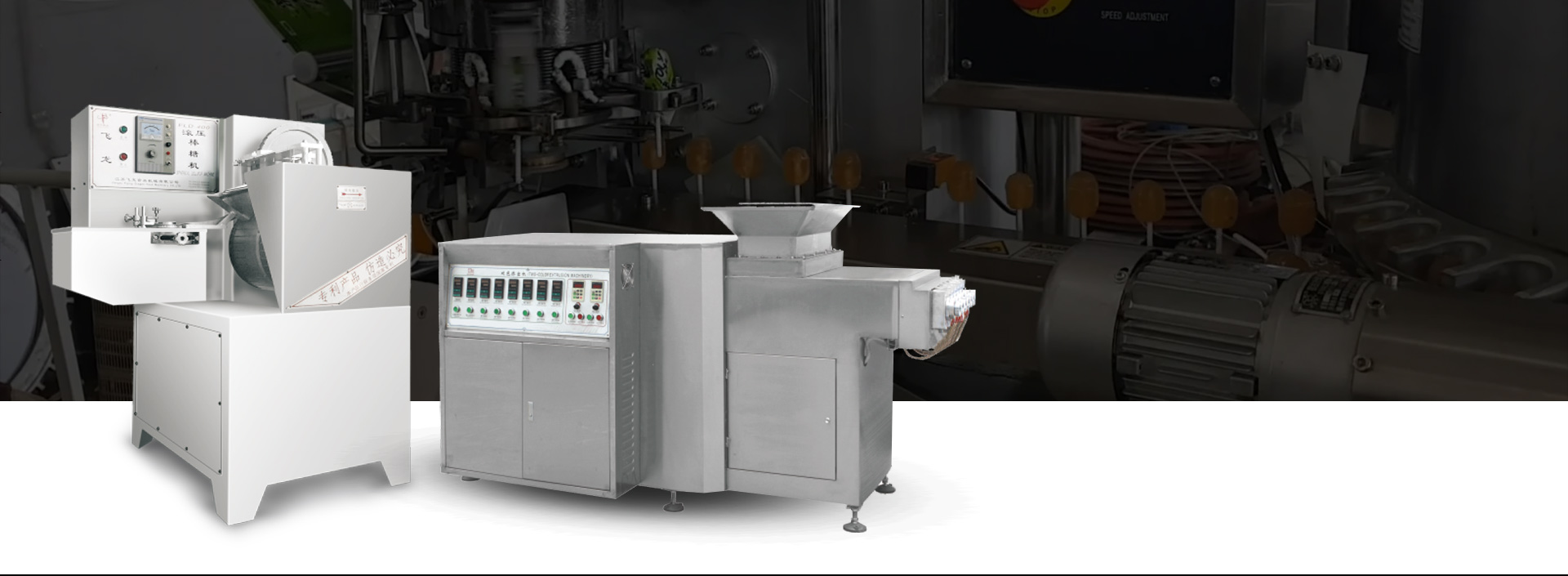
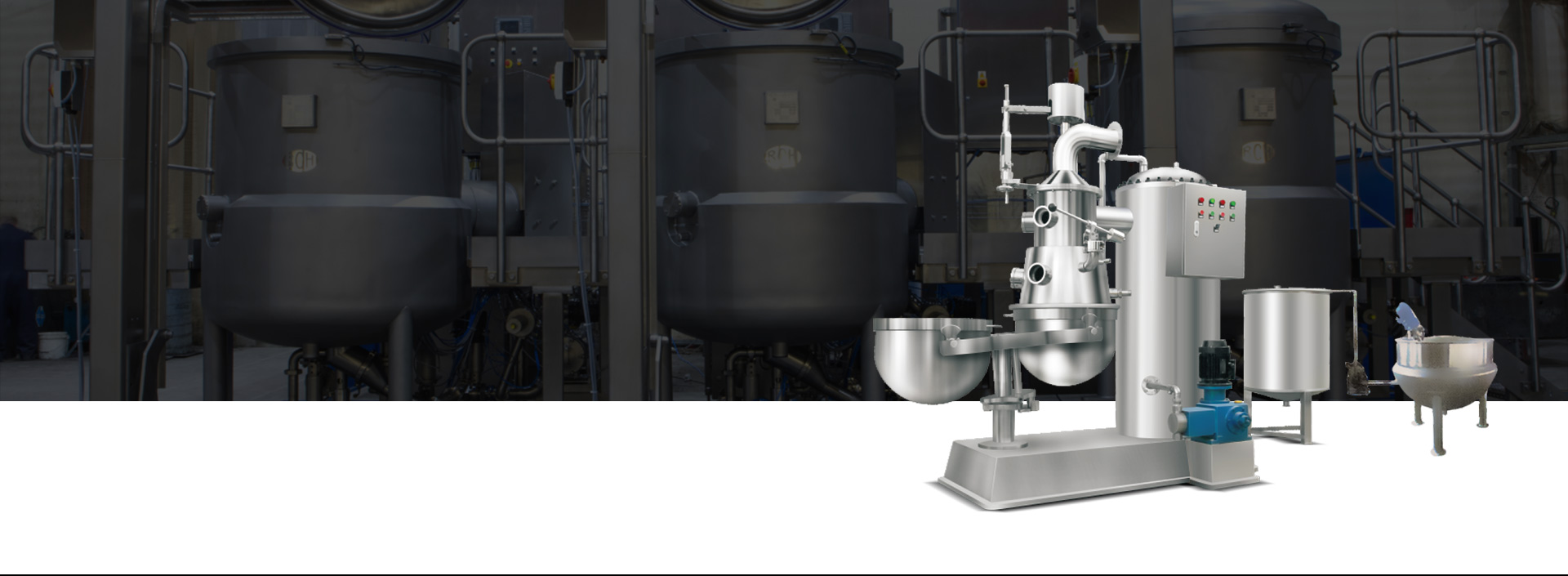
Why does large-scale candy production rely on a connected production flow?
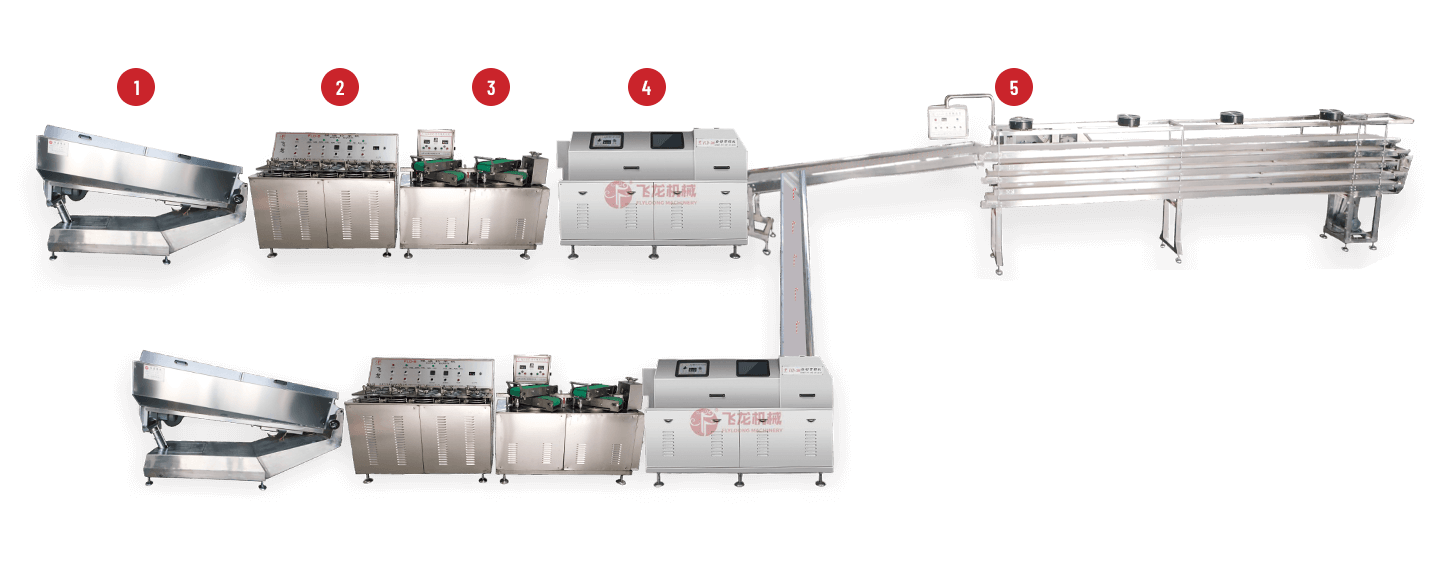
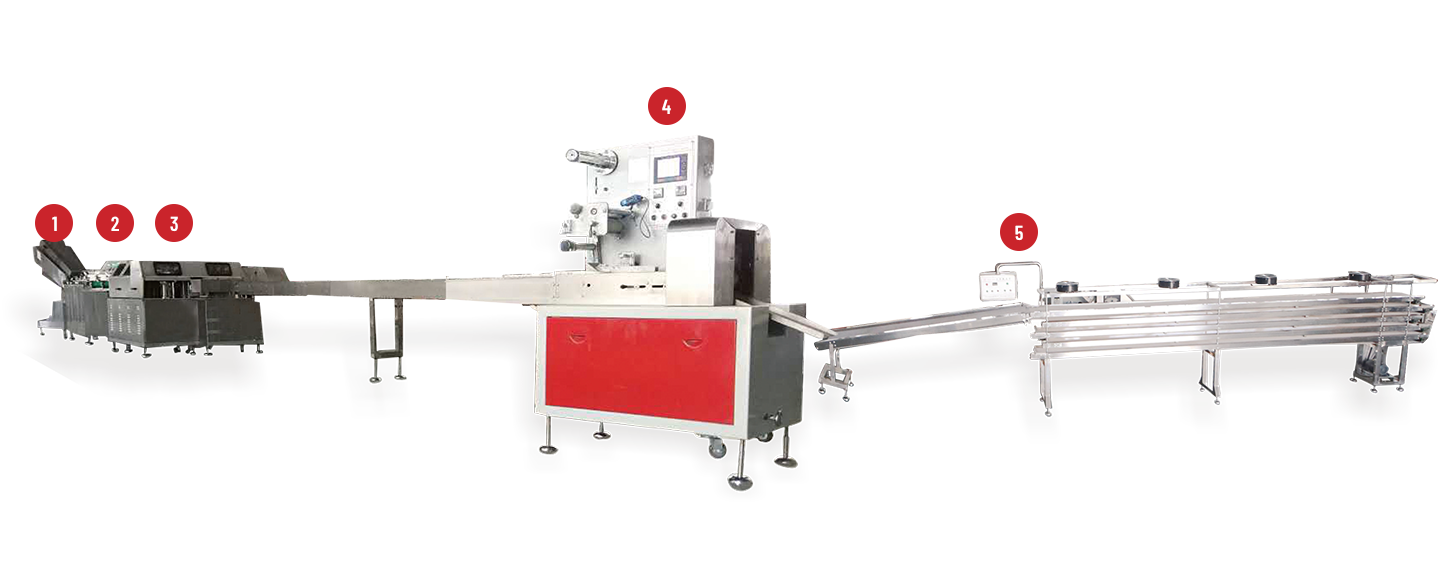
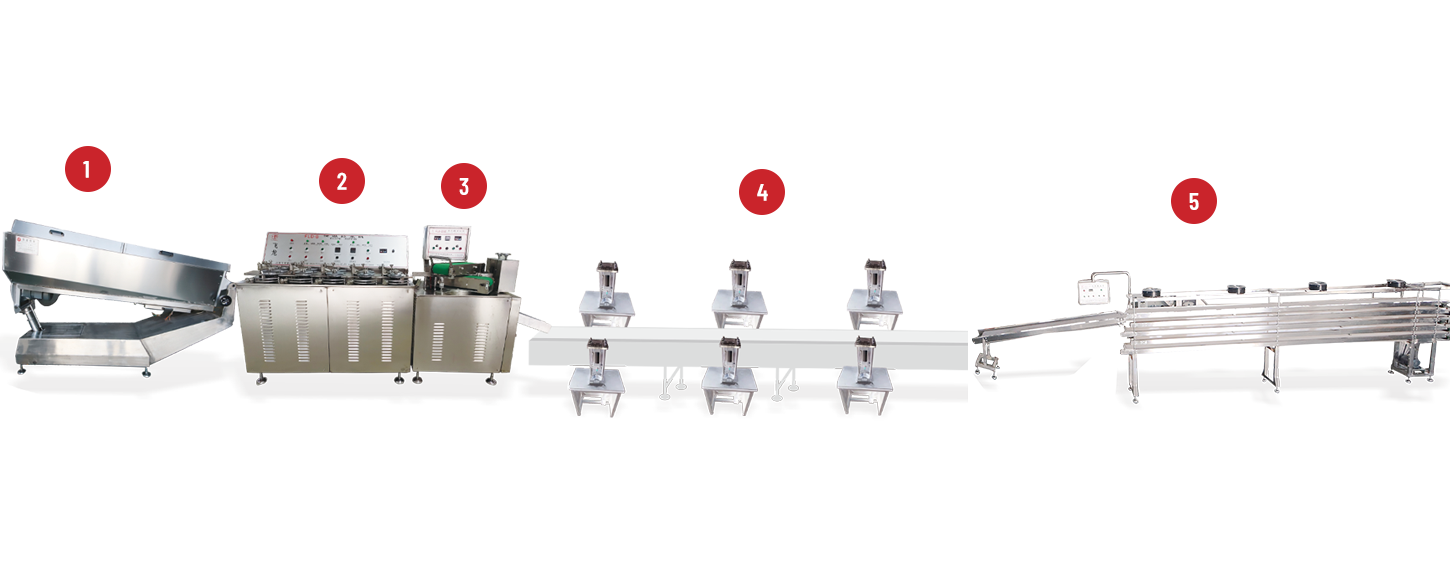
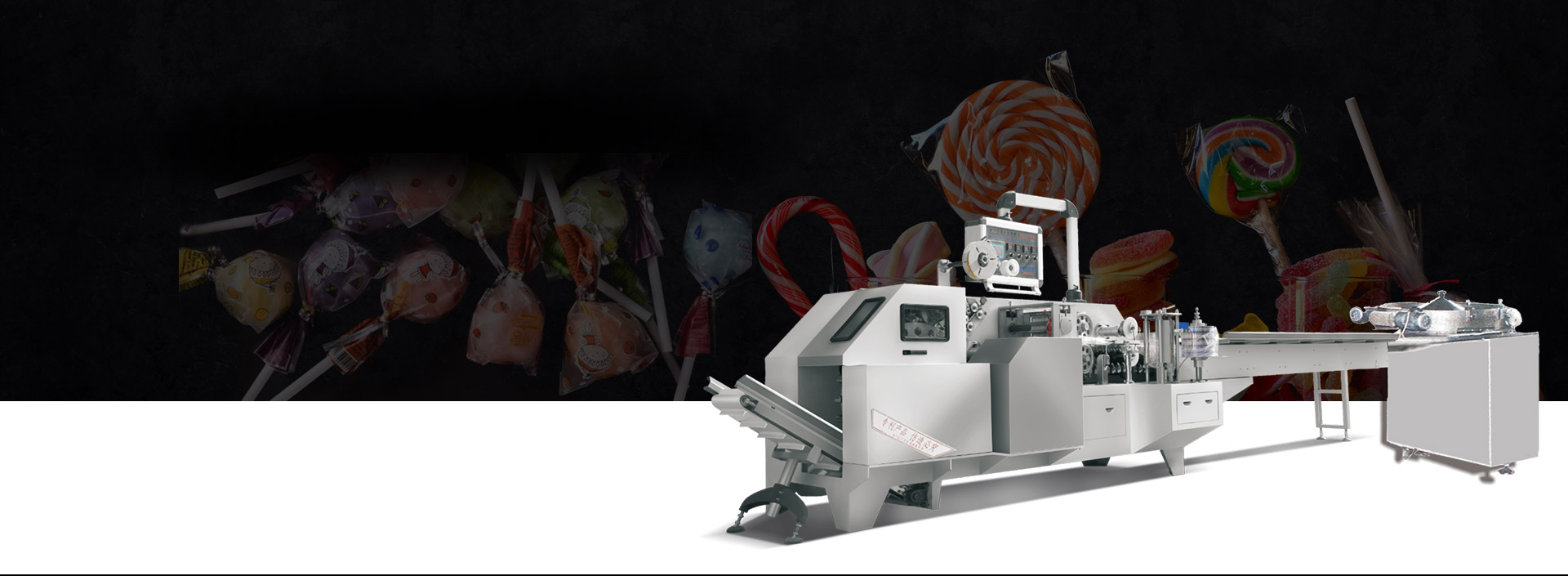
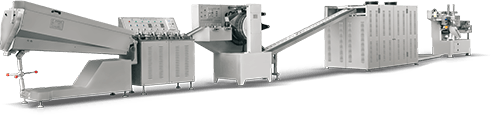
Large-scale candy production is not just about making more products. It is about keeping movement steady from one step to another without interruptions. A lollipop candy production line helps create this kind of flow.
In many production environments, candy making involves repeated steps. When these steps are handled separately, the process often becomes uneven. Materials wait. Workers shift between tasks. Timing becomes harder to control.
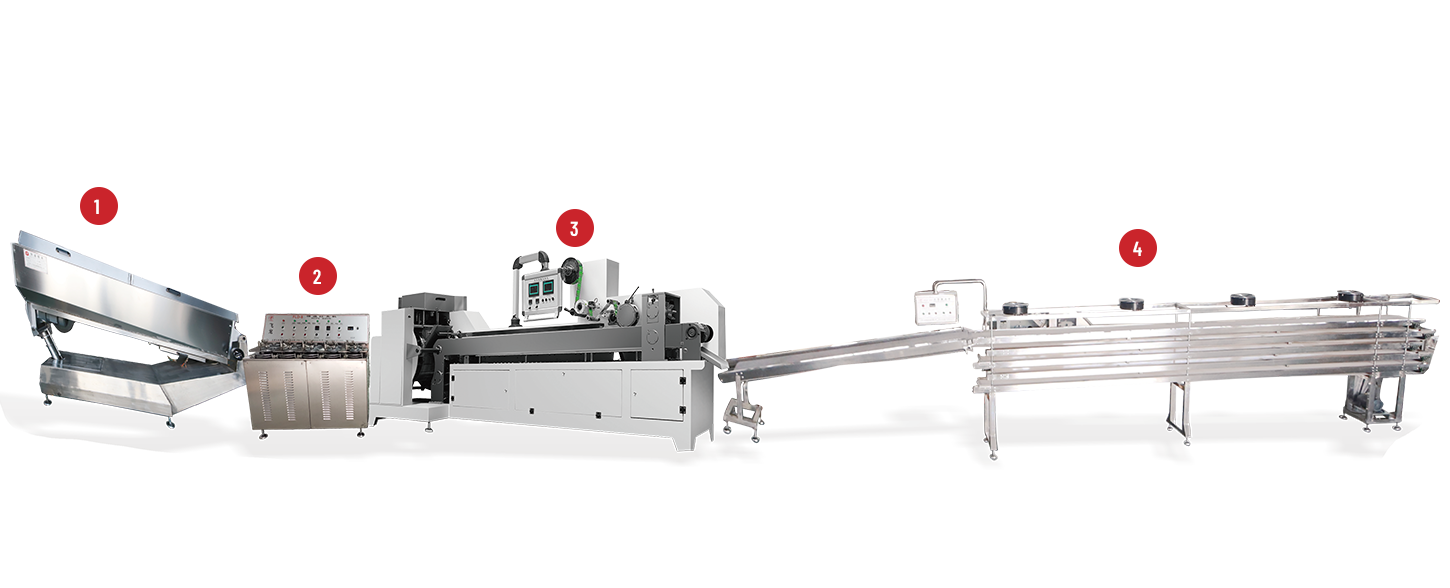
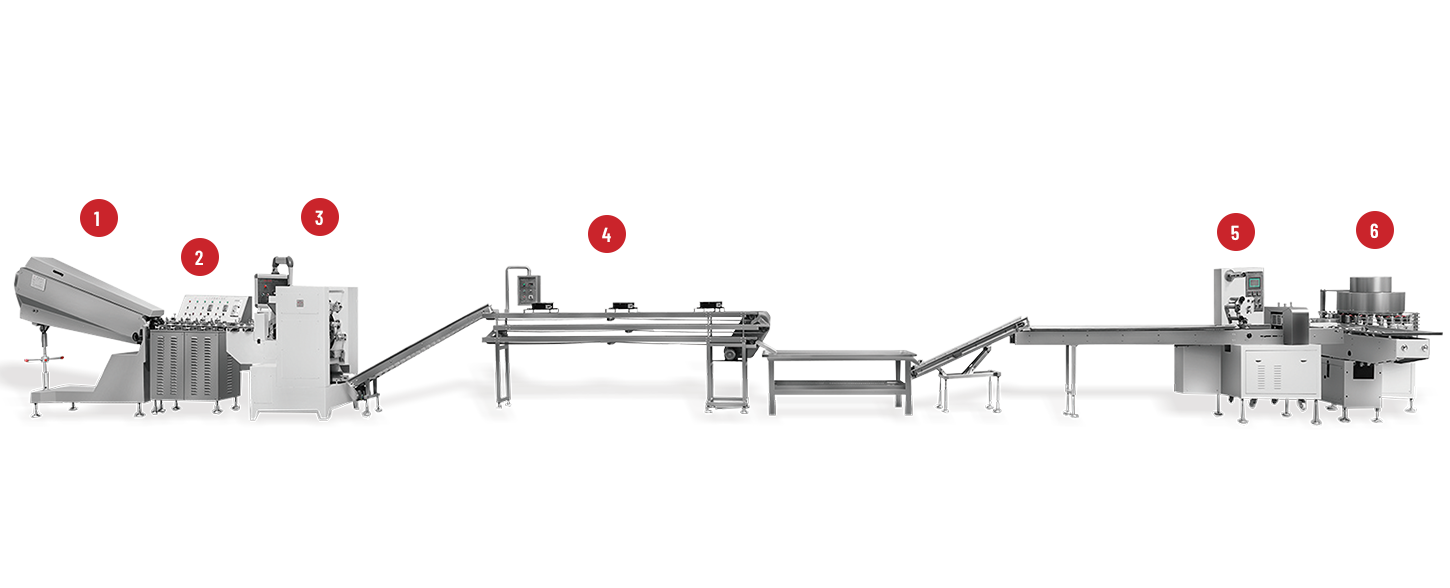
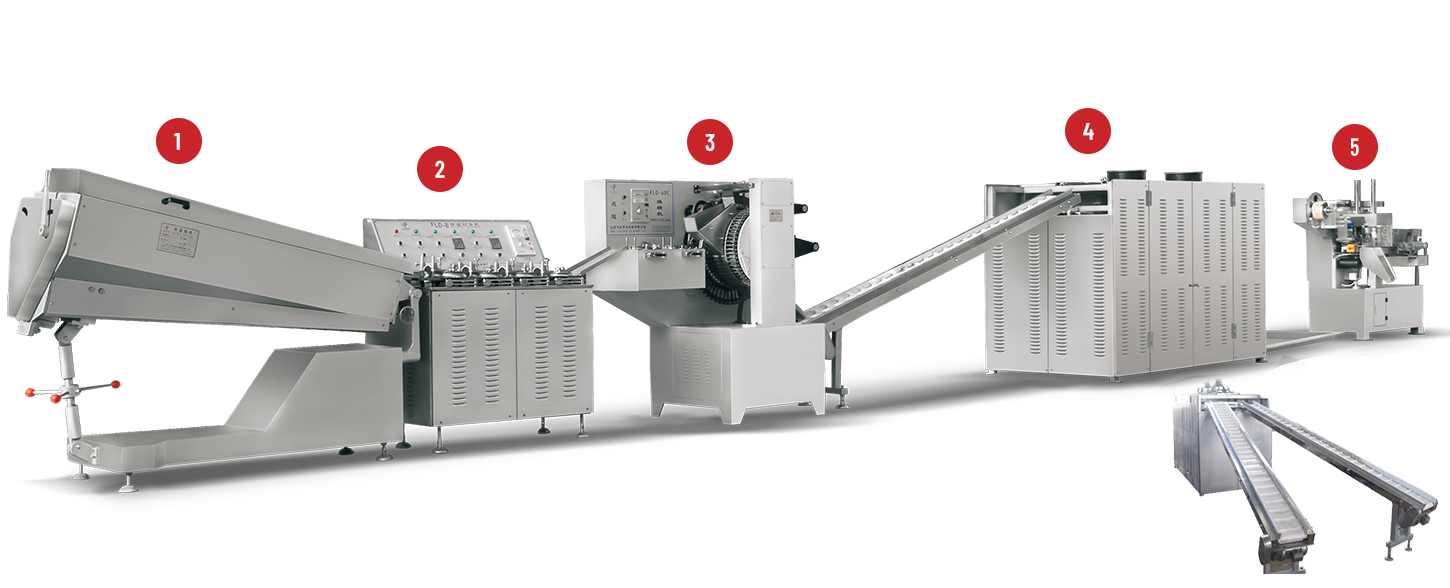
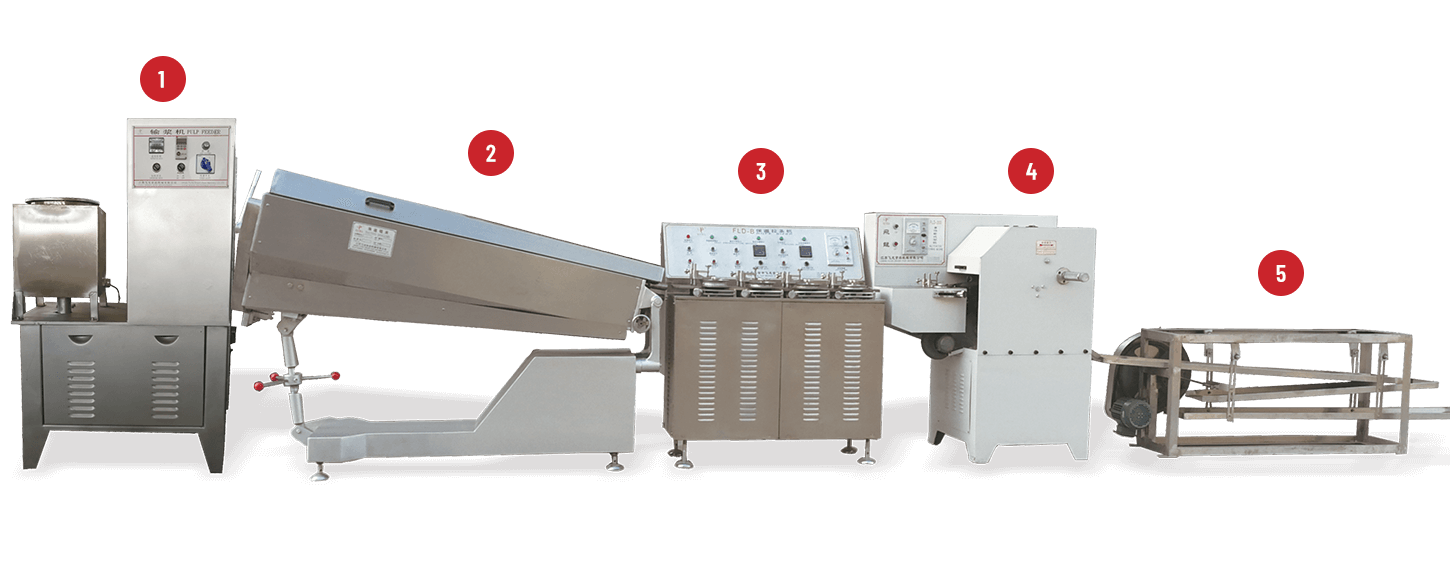
A connected production line reduces this scattered feeling. Each stage follows the next in a clear path. The work feels more continuous. Instead of isolated actions, the process behaves like one long chain.
In real production spaces, this structure changes how people work. Operators no longer focus on a single task in isolation. They begin to understand how their part connects with the next stage. This awareness improves coordination without adding complexity.
Large-scale production depends on rhythm. Once the rhythm is broken, output becomes unpredictable. A structured line helps maintain that rhythm, even when demand rises or production hours extend.
How does a production line help maintain stable product appearance?
Lollipop products may look simple, but maintaining uniform appearance at scale is not easy. Small changes in handling can find to visible differences in shape or texture.
A production line reduces this variation by keeping each stage consistent. The material moves under the same conditions every time. Timing remains steady. Handling becomes predictable.
When production is manual and scattered, small differences accumulate. One batch may look slightly different from another. In large distribution, these differences become noticeable.
A structured system reduces that gap. Each piece follows the same path. Each stage applies the same sequence of actions. Over time, this leads to a more unified appearance across large quantities.
A simple comparison helps explain this:
| Production Style | Movement Pattern | Output Consistency | Common Issue |
|---|---|---|---|
| Unstructured flow | Interrupted steps | Uneven results | Timing gaps |
| Connected line | Continuous flow | Stable appearance | Lower variation |
Even without technical complexity, the difference becomes clear in daily operation. Continuity shapes the final product more than individual effort.
What changes when workflow becomes continuous instead of separate?
When workflow is continuous, production behaves differently. Tasks no longer feel isolated. Each stage becomes part of a shared movement.
In a disconnected setup, one stage may finish early while the next is still preparing. This creates idle time. Materials may wait in between. That waiting period may seem small, but it affects overall flow.
A production line removes much of this idle space. Once one stage completes its task, the next stage is already aligned to receive it. The transition feels smooth rather than paused.
This change also affects communication in the production space. Instead of repeated coordination between separate stations, workers begin to rely on the movement of the line itself. The system guides the rhythm.
Over time, this reduces confusion. People spend less energy adjusting timing and more energy maintaining stability in their assigned area.
How does automation reshape large-scale candy production?
Automation is widely used in large candy factories these days. On lollipop production lines, it cuts down lots of repetitive hand work and keeps everything moving steadily.
Machines never get tired, and their speed won't drop even with heavy orders. That means the production line can keep running around the clock.
Speed is not the only advantage here. Doing the same work thousands of times requires great consistency, and machines do this job perfectly with almost no errors.
Workers still cannot be replaced. They keep an eye on the whole production process, make adjustments when needed, and deal with all kinds of unexpected issues. The whole production system works by combining steady machine operation and human experience.
Here is how it actually works:
- Machines finish all the repeated work.
- Workers watch over the line and make timely changes.
- They cooperate closely as one complete workflow.
This working mode eases the pressure on employees, and ensures stable production all day long.
Why is hygiene easier to manage in a structured production line?
Hygiene in candy production is closely tied to handling. The more a product is touched, moved, or exposed, the more difficult it becomes to maintain stable cleanliness.
A production line reduces unnecessary contact. Materials move in a controlled path. Each stage has a defined role. This reduces random handling.
It also limits cross-movement. Workers tend to stay within their assigned area instead of moving across multiple steps. This separation helps maintain cleaner zones within the production environment.
Cleaning also becomes more manageable. When the system is organized, it is easier to clean one section without disrupting the entire flow. Maintenance becomes part of routine operation instead of a full stop event.
Even small design decisions matter here. Smooth transitions, clear spacing, and controlled movement all contribute to a cleaner working rhythm.
What happens when production demand suddenly increases?
Large candy factories often see ups and downs in orders. At times they need to make far more products in a short time, and then slow down once the busy period is over.
A full assembly line copes with these changes much easier than separate work areas. The whole process runs smoothly from start to finish, so staff only need to adjust the working speed instead of rebuilding the entire setup.
When orders jump up, the line can just keep running for longer hours. If demand falls later, it can run at a slower pace without any disruption to the overall workflow.
It is a different story without a unified production line. Teams have to rearrange every single step from the beginning, and getting all parts to work well together becomes really difficult. Each section adjusts on its own, which often leads to delays across the whole process.
With a connected production line, all adjustments happen as a whole. Any change takes effect evenly across every station, and will not cause problems in individual work areas.
This is why well-organized production lines are always the go-to option for factories that make goods in large batches.
How does a production line support flexibility in product variation?
Even in large-scale production, product variation still matters. Different shapes, colors, or styles may be required depending on market needs.
A production line can support this flexibility if it is designed with adjustable stages. Certain parts of the system can be modified while the overall flow remains the same.
This means production does not need to stop entirely when changes are introduced. Adjustments can happen within specific stages.
For example, shaping stages may shift while movement speed stays consistent. Cooling time may change while handling remains stable.
Flexibility also supports testing new ideas in smaller batches. Instead of rebuilding the process, adjustments are made within the existing structure.
This allows production to stay active while still adapting to new directions.
What operational challenges are reduced by using a production line?
Large-scale candy production without a structured system often faces small but repeated challenges. These challenges may not stop production entirely, but they slowly reduce efficiency.
Some of these include:
- Uneven workload between workers
- Delays between production stages
- Difficulty tracking output consistency
- Higher chance of repeated handling
- Less predictable production rhythm
A production line reduces many of these issues by organizing flow. Tasks become clearer. Movement becomes smoother. Time gaps become smaller.
It also improves planning. When output becomes more predictable, it is easier to estimate capacity and adjust schedules.
In many production environments, predictability is as important as speed. A stable system allows better long-term planning without constant adjustments.
How does a production line influence long-term production stability?
Long-term stability in production is not achieved through one single improvement. It comes from repeated consistency over time.
A Lollipop Production Line supports this by keeping structure stable across long cycles. Even when conditions change slightly, the system continues to operate in the same general rhythm.
This stability affects multiple areas:
- Workforce coordination becomes smoother
- Material usage becomes more predictable
- Output variation becomes lower
- Production planning becomes clearer
Instead of reacting to problems constantly, the system reduces the number of disruptions that appear in daily operation.
Over time, this creates a production environment that feels more controlled and less fragmented.
The value of the production line is not only in output volume. It is also in the way it organizes movement, time, and coordination into a single continuous process.
 +86-(0)515-8465666
 +86-(0)515-85566996
 +86-138 1559 9708
 flyloong@flyloongcn.com
 Home
Home