

 ENG
ENG
 English
 中文简体
中文简体 русский
 Français
 Español
 عربى
عربى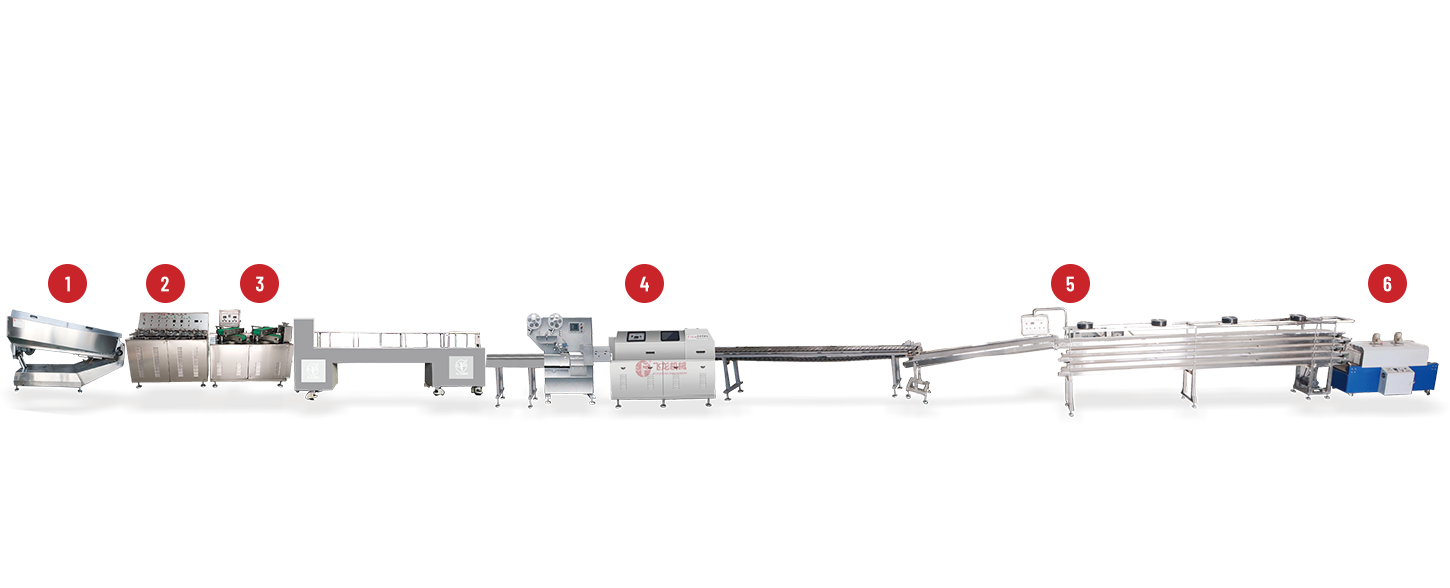
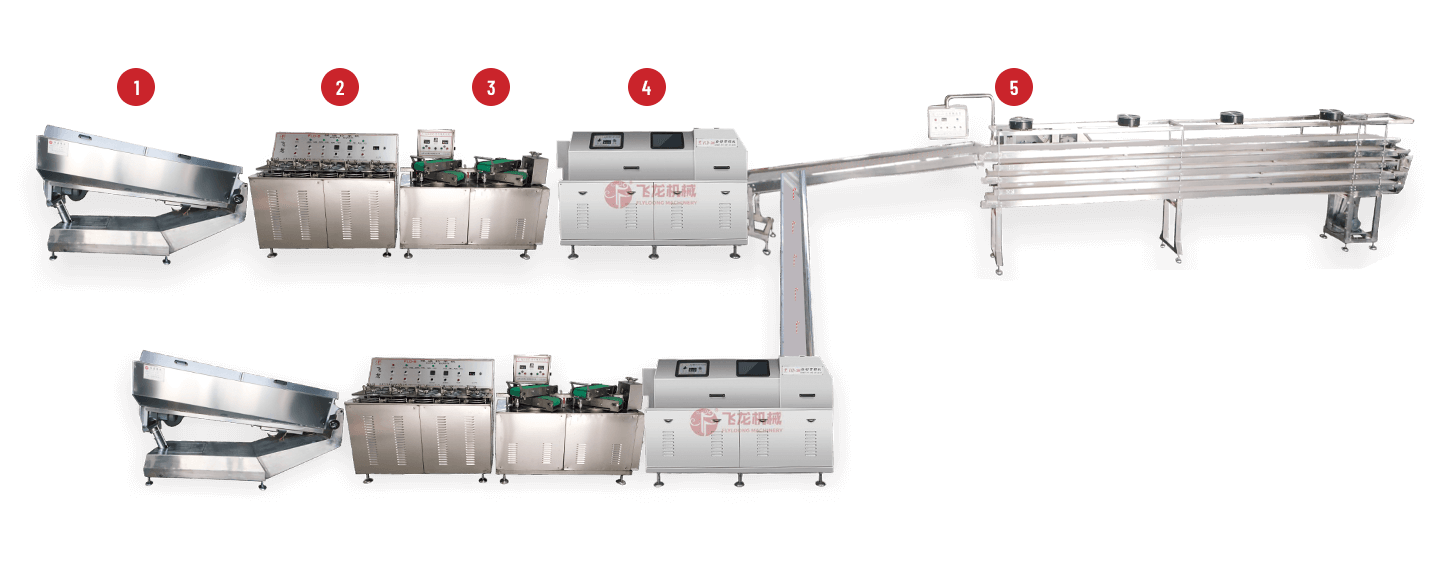
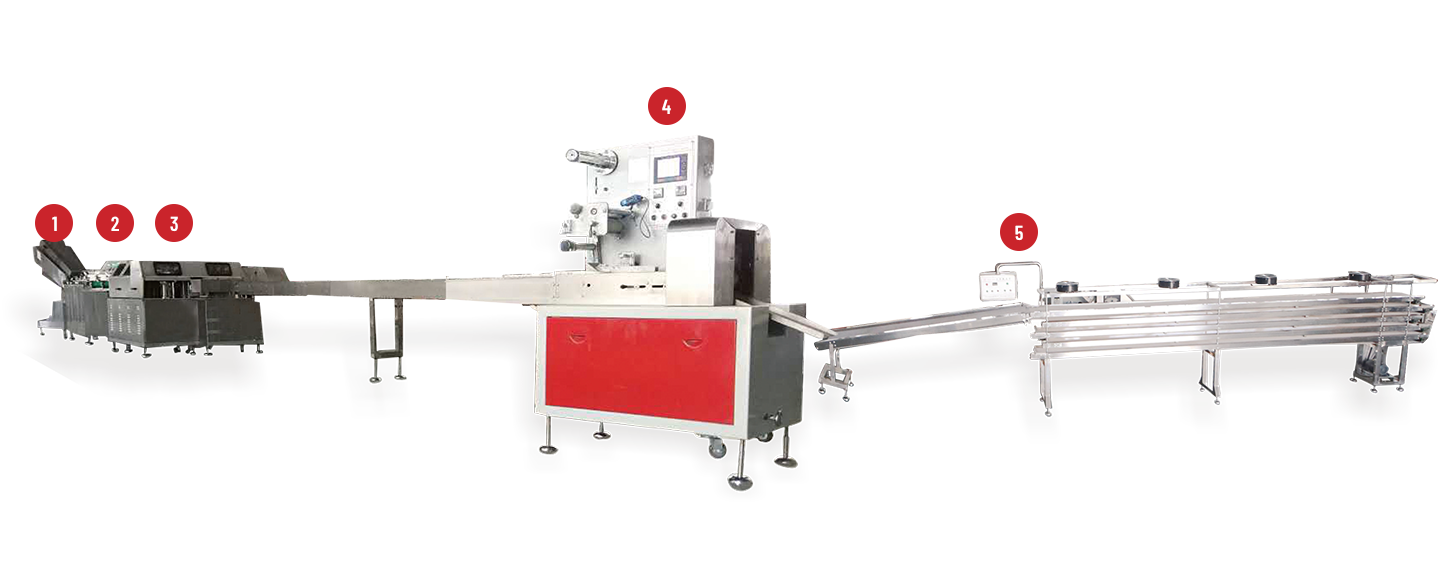
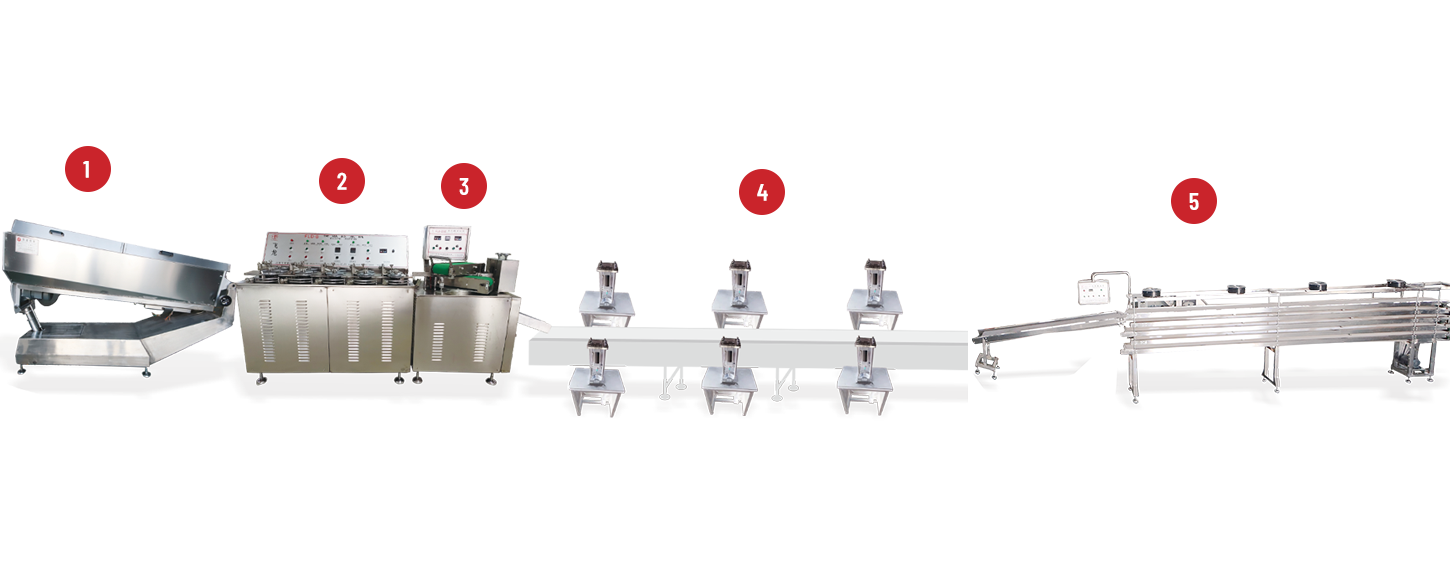
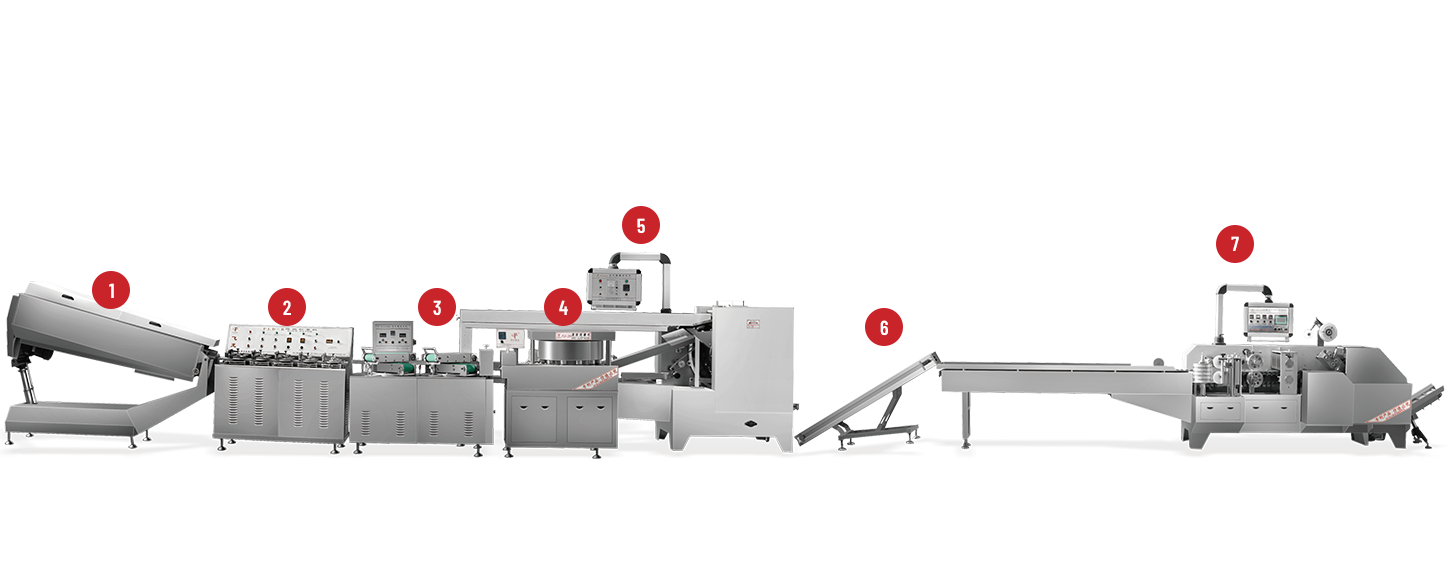
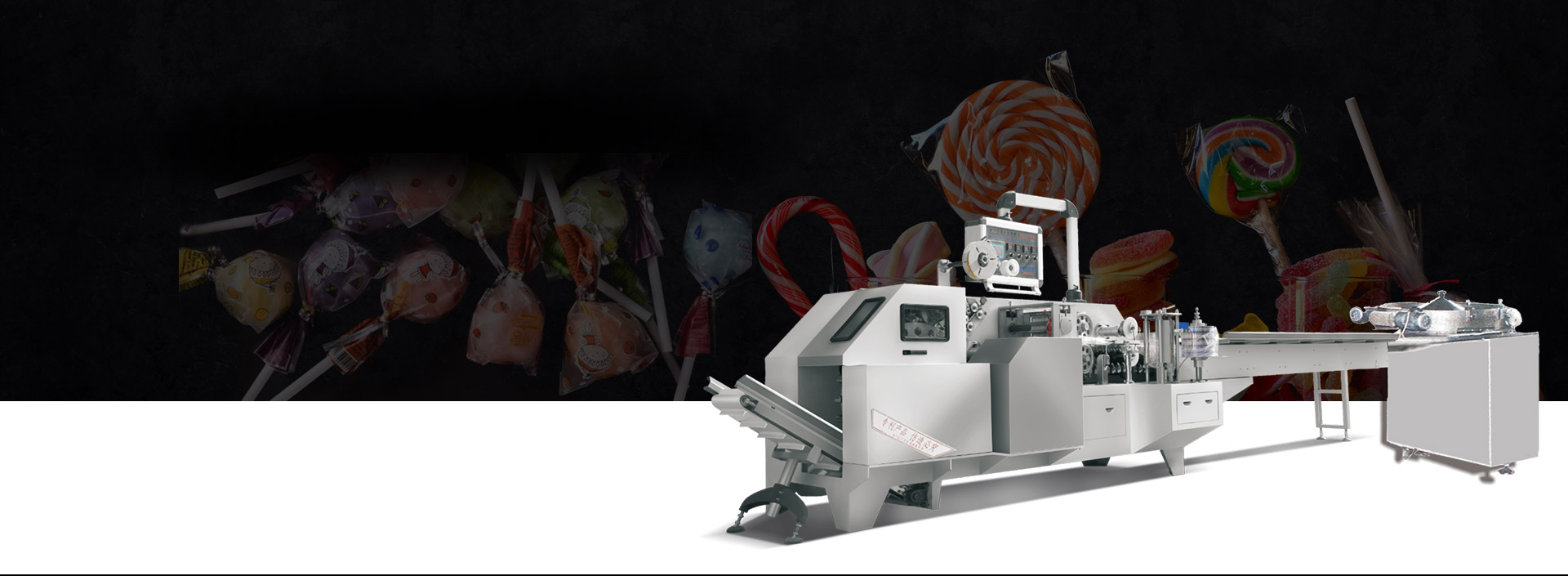
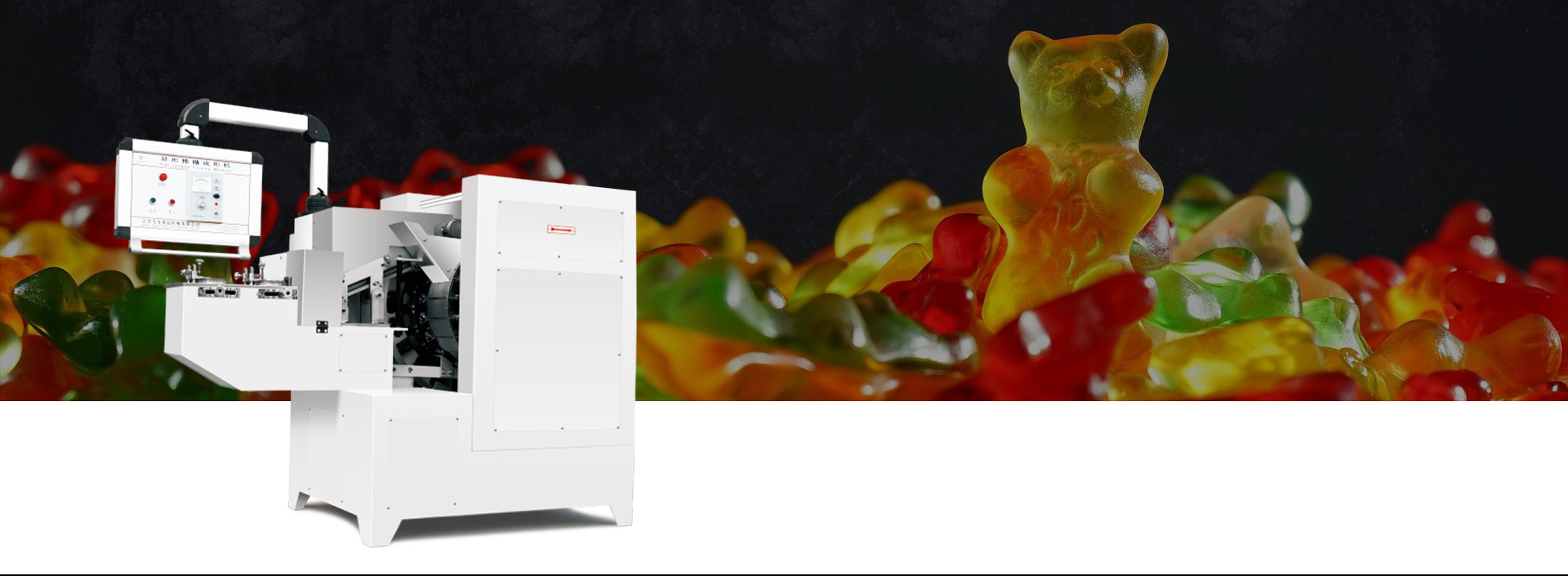
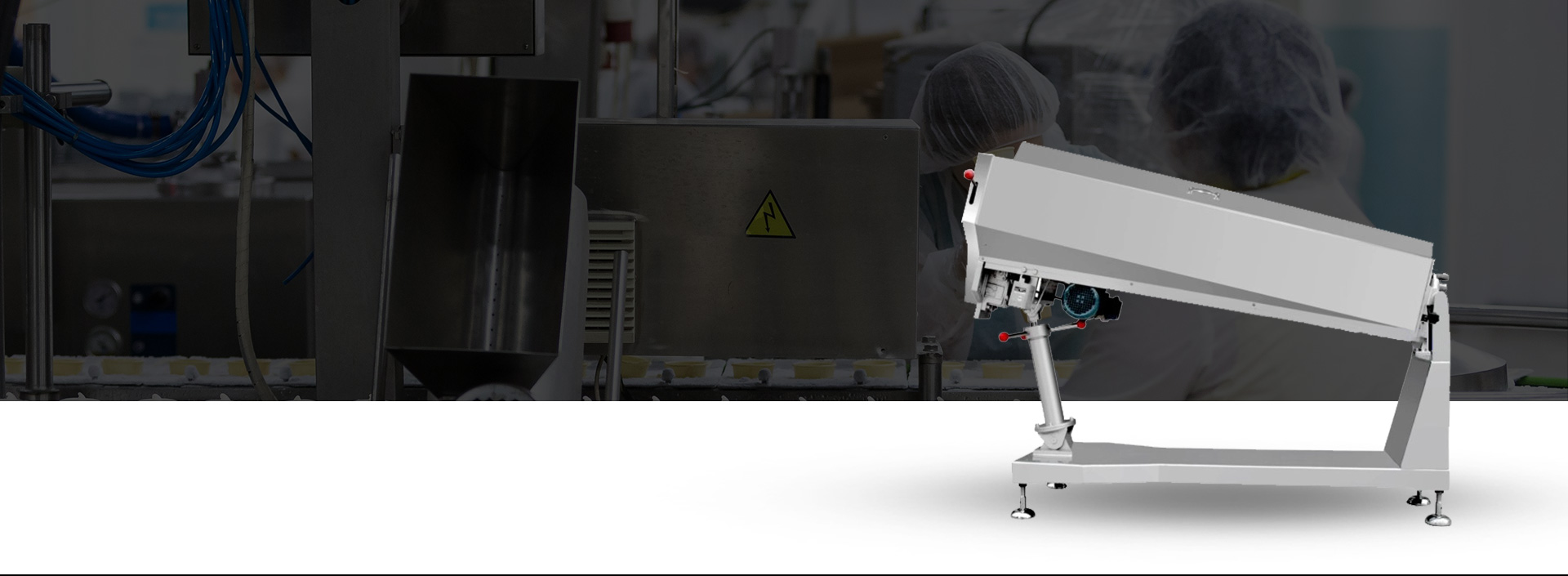
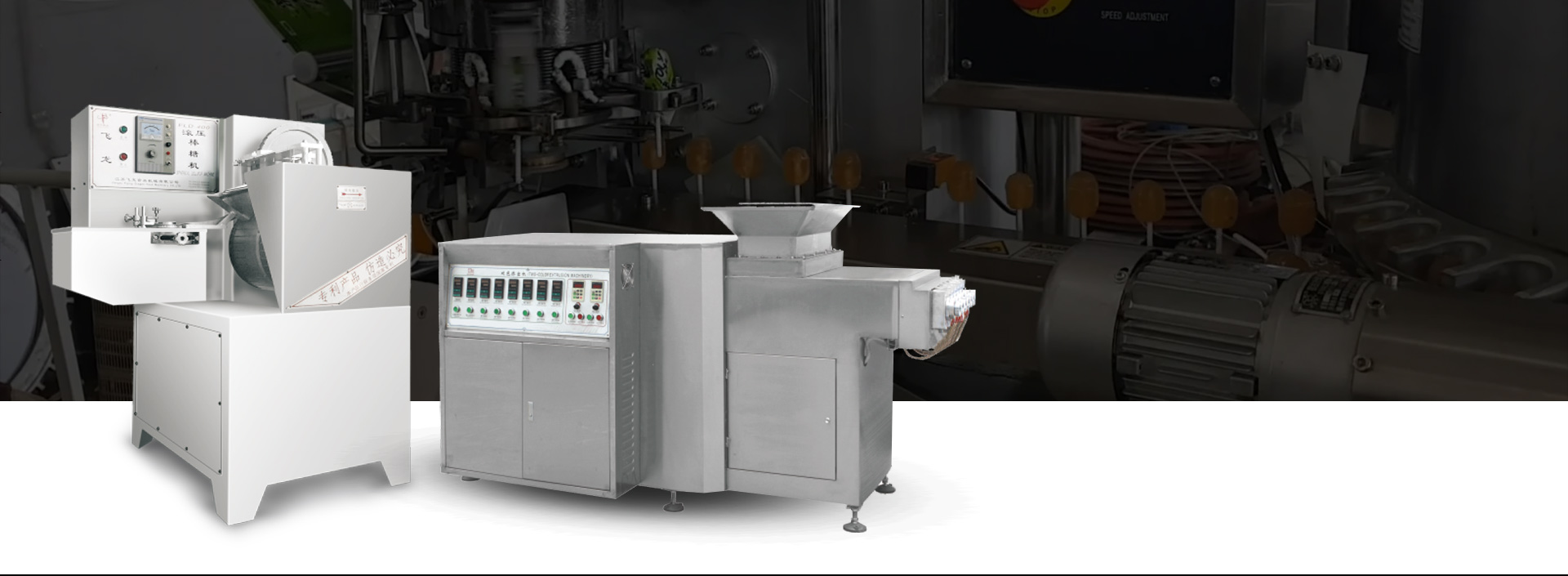
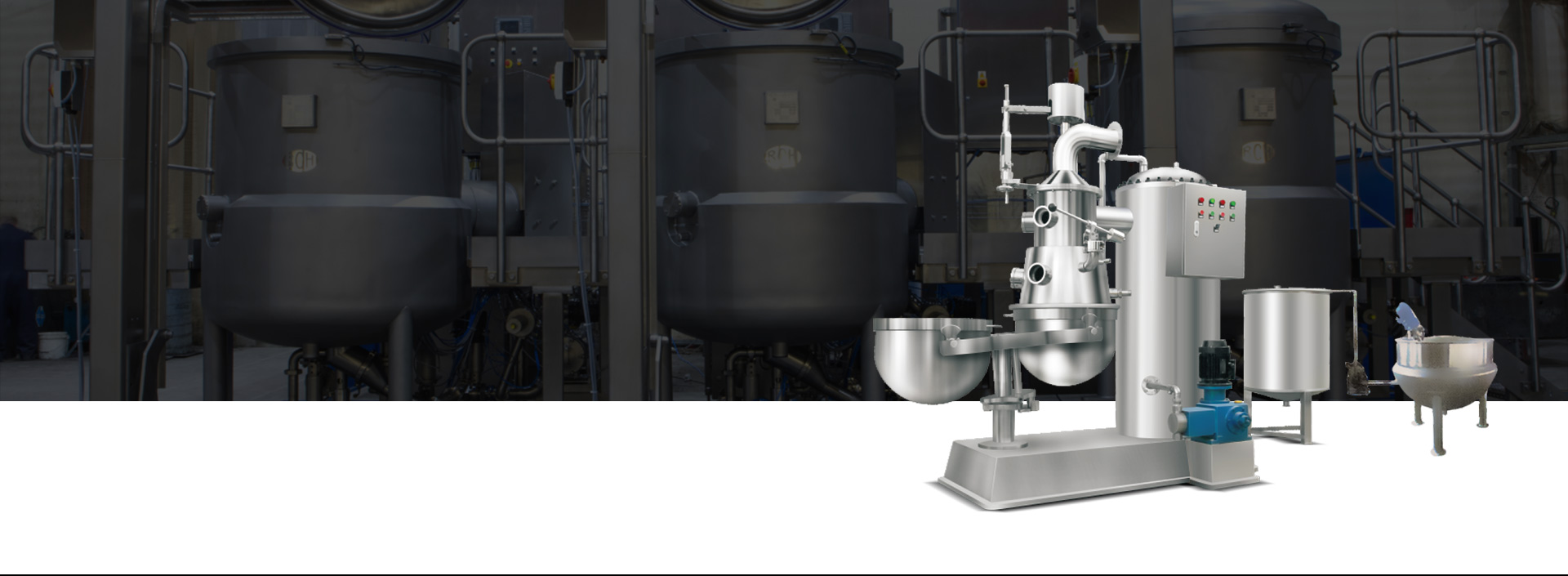
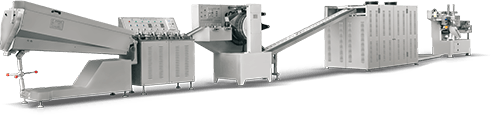
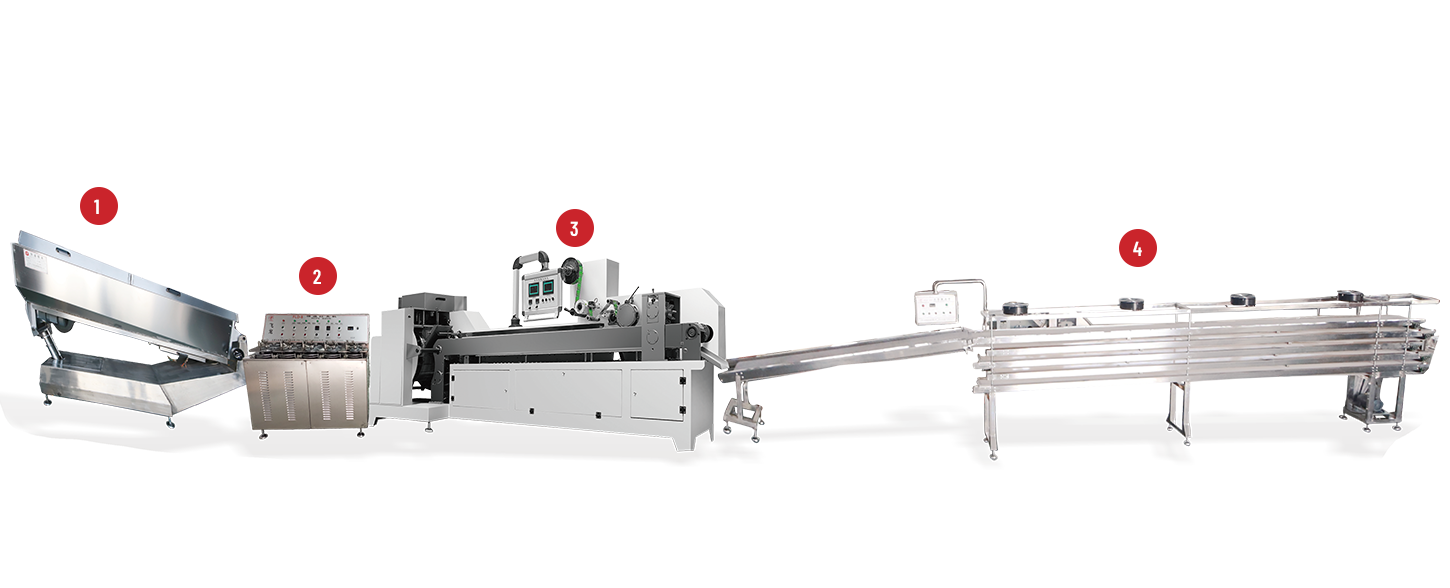
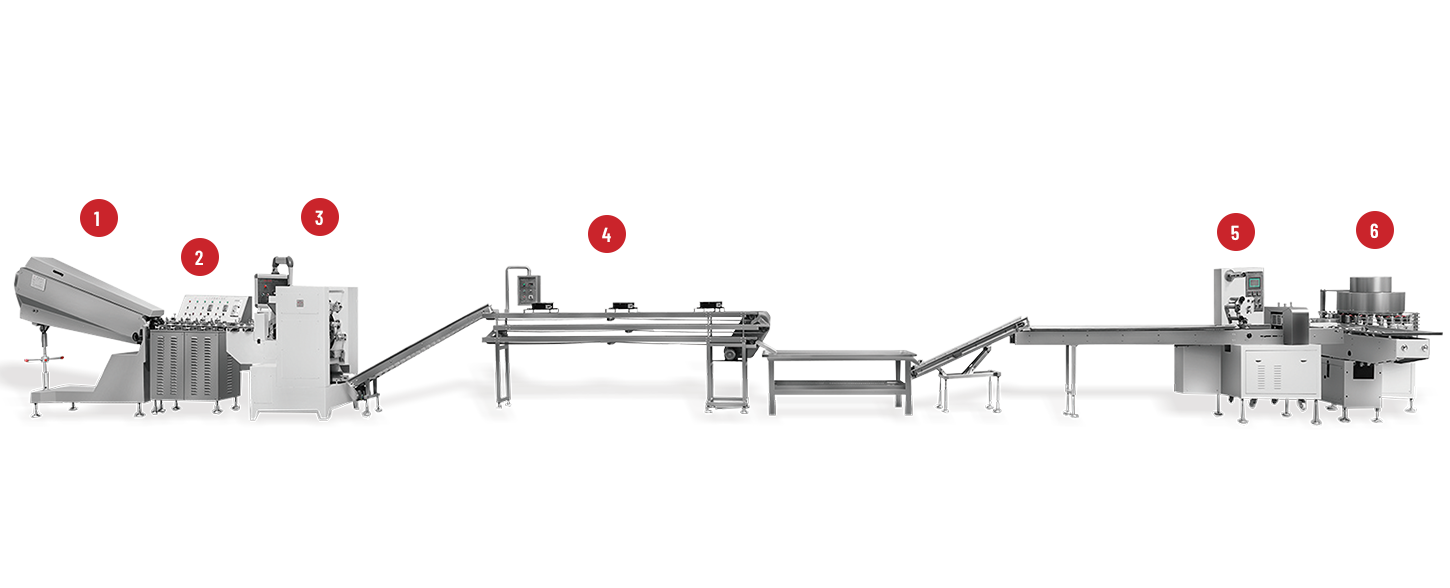
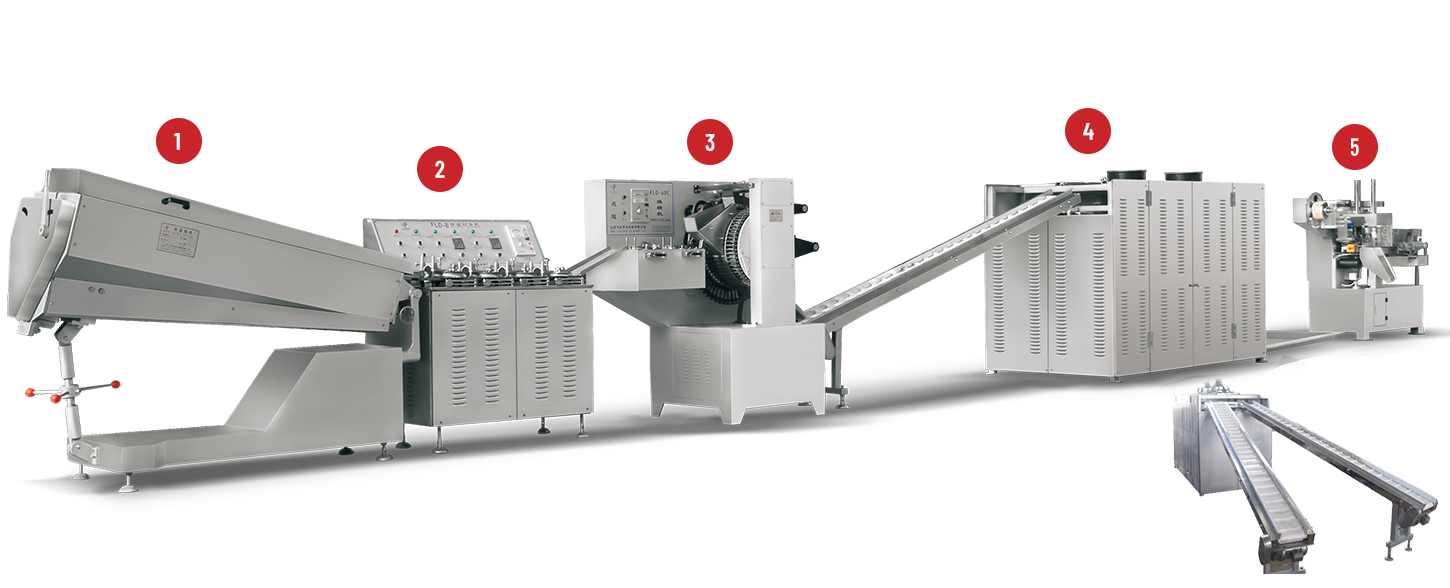
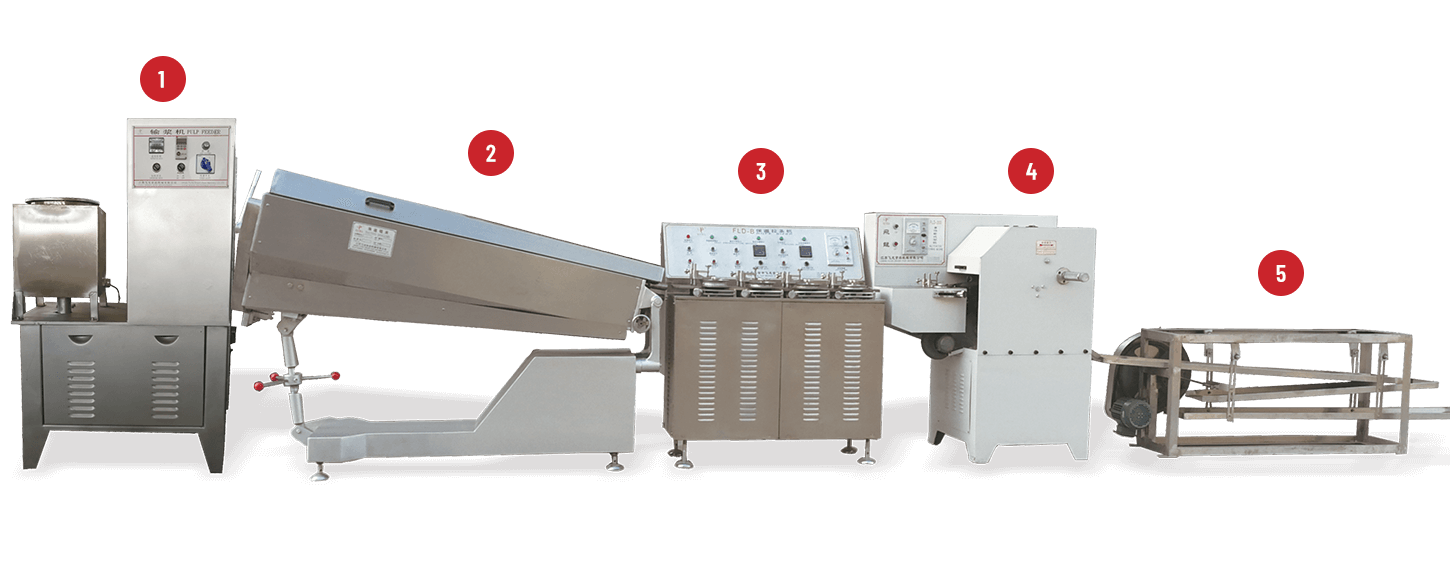
Industrial lollipop production line is less like a single procedure and more like a continuous movement. Materials travel through a connected system, changing form step by step. Each section of the line performs a quiet but necessary function, and the product gradually shifts from raw mixture to finished confectionery.
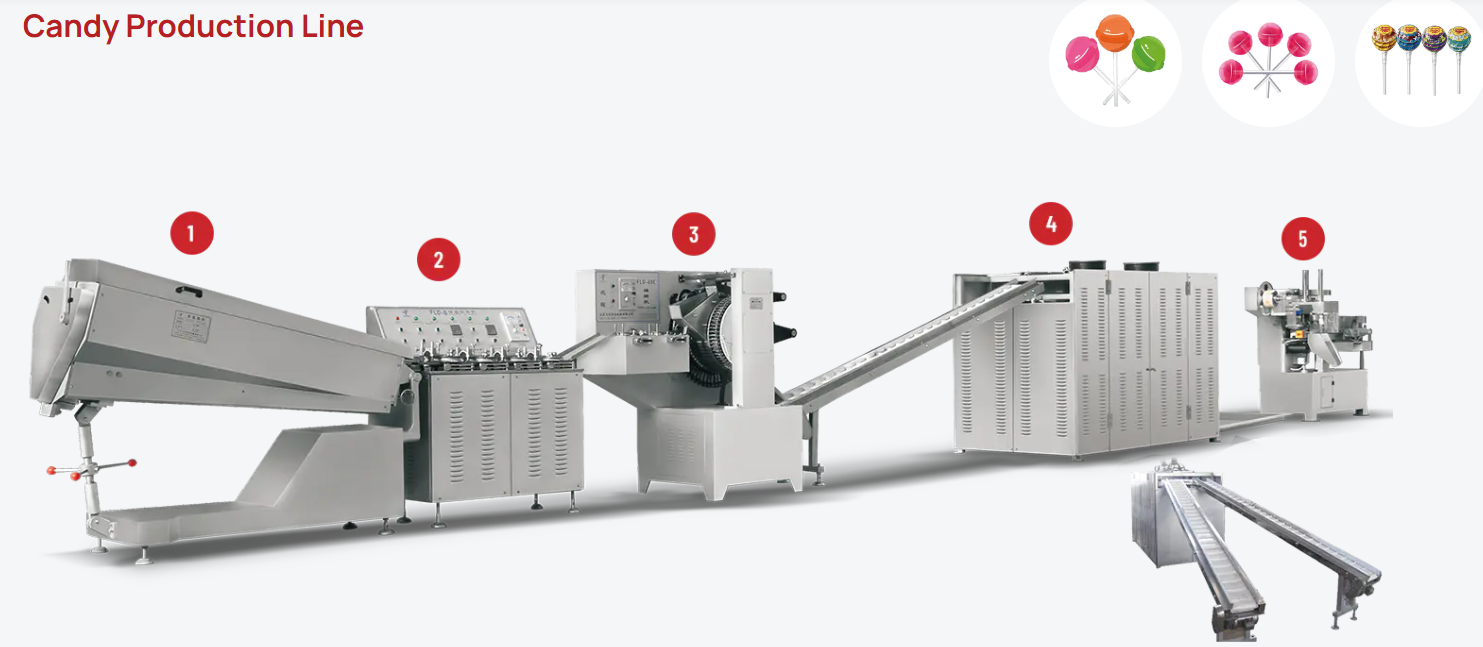
Rather than a rigid sequence, the process behaves more like a flow. Temperature, texture, timing, and motion stay in balance. When one element shifts, the rest adjusts along with it.
Below is a breakdown of the full process, written in a structured but flexible way, closer to how it is experienced on an actual production floor.
What happens before the mixture becomes candy?
Before heating or shaping begins, there is a stage that feels almost ordinary but carries a strong influence on everything that follows.
Ingredients arrive in separate forms. Sugar is the main base, joined by supporting components that influence structure and taste. These materials are not simply combined; they are brought into alignment.
A blending stage follows. The goal is not speed but uniformity. Dry particles are gradually integrated into a smooth mixture. Water is introduced in controlled amounts so the base becomes fluid and workable.
At this point, the mixture still behaves like a simple solution. Nothing resembles candy yet. However, consistency is already being shaped.
A filtering step may follow. Small impurities or uneven particles are removed. This keeps the flow stable in later stages, especially when heat is applied.
Operators often focus on texture here. If the mixture feels uneven, later stages may respond unpredictably. So the early stage is about "preparing behavior," not just preparing ingredients.
How does heating change the identity of the mixture?
Once preparation is complete, the material moves into a heated environment. This is where visible transformation begins.
Heat is not applied abruptly. It rises gradually and stays controlled. The mixture starts to thicken as moisture reduces. What was once a simple liquid begins to behave like a concentrated syrup.
Movement continues throughout this stage. The mixture is kept in motion so heat spreads evenly. Without movement, certain areas would change faster, creating imbalance in texture.
There is a noticeable shift during this phase. The liquid becomes denser, slower, and more unified. It starts to hold itself together instead of flowing freely.
Timing becomes important. Leaving the mixture too early may produce weak structure later. Overheating may create stiffness that is difficult to shape. The system depends on a narrow range of stability.
When the texture reaches a workable level, the syrup is carried forward while still warm. It must remain flexible for the next transformation.
How are flavor and color integrated into a uniform base?
After heating, the syrup enters a stage where it gains character. This is where flavor and color are distributed.
Additives are not dumped into the mixture. They are introduced slowly, in controlled portions. The warm syrup allows them to spread evenly, creating a consistent profile.
Color behaves in a similar way. It is blended until the entire mass shows a uniform tone. No section should appear different from another.
A simple way to understand this stage is to imagine a moving wave. The syrup continues flowing while elements dissolve into it. Nothing stays in one place long enough to separate.
Temperature still plays a role. If the mixture cools too quickly, integration becomes uneven. If it stays too hot, certain elements may lose stability. Balance is maintained through continuous observation.
By the end of this stage, the syrup has identity. It carries both taste and appearance in a unified form.
How does the syrup become individual shapes?
Once the mixture is stable, it enters forming equipment. This is where structure begins to appear.
The syrup is divided into repeated portions. Each portion is guided into shaping units where it takes on a defined form. The movement is steady and continuous, matching the pace of earlier stages.
Shapes begin to appear quickly. Rounded forms are common, but variations can exist depending on design needs.
A simple way to picture this stage is to think of soft material being guided into small molds while still in motion. It does not stop. It flows, divides, and reforms.
Temperature again plays a subtle role. If the syrup cools too fast, shaping becomes uneven. If it remains too soft, it may lose structure. The forming stage works within this narrow window.
Separation is also important. Each formed piece must stay apart. Contact between units can affect shape and surface quality.
At this point, the product is visible but still fragile.
How is a stick inserted without disturbing the shape?
The insertion of sticks is a defining step in the entire line. It connects form with function.
Formed pieces arrive at a positioning point where sticks are placed. Each stick is guided into the center of the soft candy mass.
Alignment matters. A small shift can affect balance later. The stick must sit naturally within the structure so the final product feels stable.
Insertion happens while the candy is still flexible. If it becomes too firm, the stick cannot enter cleanly. If it is too soft, the shape may deform.
The process is gentle. Pressure is controlled. The candy adjusts around the stick instead of breaking.
After insertion, the structure begins to settle. Cooling continues as the unit moves forward. The candy and stick become a single piece rather than separate elements.
What role does cooling play in setting structure?
Cooling is the stage where everything becomes fixed.
The shaped and assembled pieces pass through controlled cooling zones. Temperature drops slowly rather than suddenly. This prevents surface stress or uneven hardening.
As cooling continues, the candy becomes firmer. What was once flexible now holds its form.
Airflow supports this change. It helps ensure that all surfaces cool evenly. Without this, one side might harden faster than another.
The texture also becomes more stable. The surface turns smoother and less sticky. Internal structure stabilizes at the same time.
Cooling is less about change and more about setting. It locks in everything that has happened before.
How is quality and surface consistency observed during movement?
Once the structure is stable, the focus shifts to appearance and consistency.
Products continue moving along the line while being observed. The goal is not to stop the flow but to maintain awareness throughout it.
Surface condition is checked. Shape alignment is observed. Stick placement is reviewed. Small variations may be corrected gently if needed.
Some pieces naturally differ slightly. The inspection stage helps separate acceptable variation from irregular output.
The system is continuous. Nothing pauses for long. Observation happens alongside movement.
This stage often feels like quiet monitoring rather than active intervention.
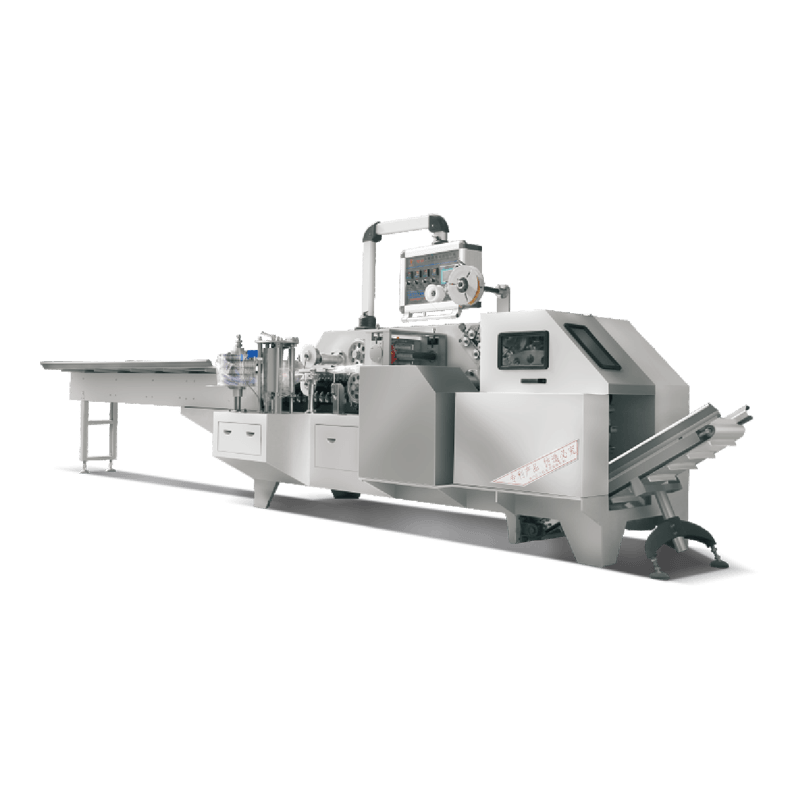
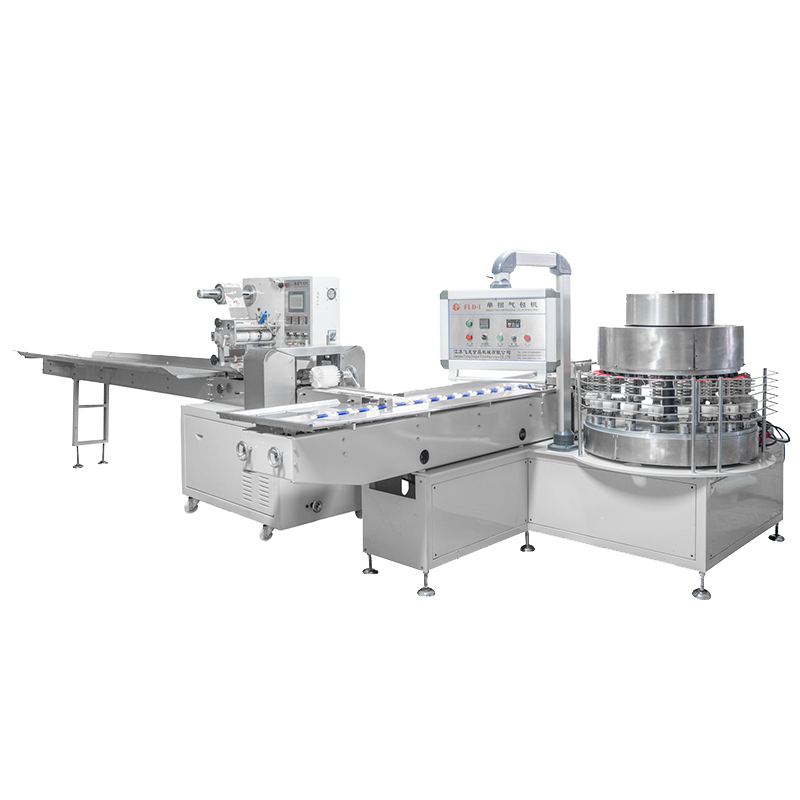
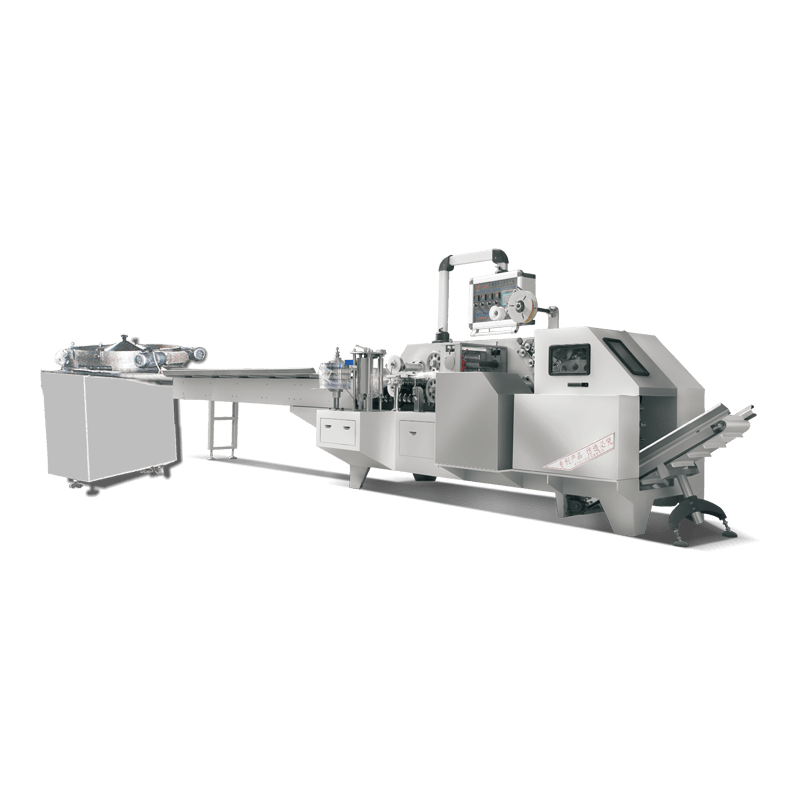
What happens during wrapping and final flow handling?
Packaging is the final step before products leave the production environment.
Each lollipop is guided into wrapping systems. Protective layers are applied carefully so the surface remains intact.
The wrapping must be consistent. Too tight and it may affect shape. Too loose and protection becomes weak.
As products are wrapped, they continue moving forward in an organized flow. Grouping may occur naturally at this stage, forming orderly collections of finished items.
A final check often runs alongside packaging. Items that do not match expected appearance are removed without interrupting the system.
The wrapped products continue onward, leaving the Lollipop Production Line in a stable, finished state.
 +86-(0)515-8465666
 +86-(0)515-85566996
 +86-138 1559 9708
 flyloong@flyloongcn.com
 Home
Home