

 ENG
ENG
 English
 中文简体
中文简体 русский
 Français
 Español
 عربى
عربى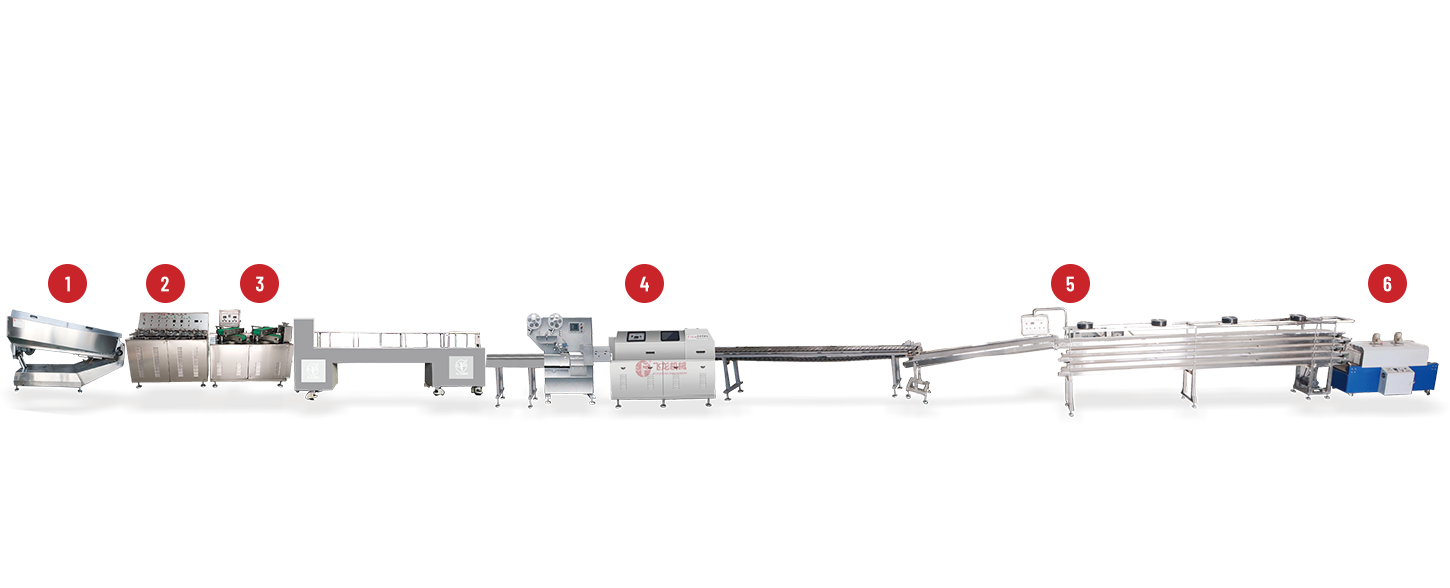
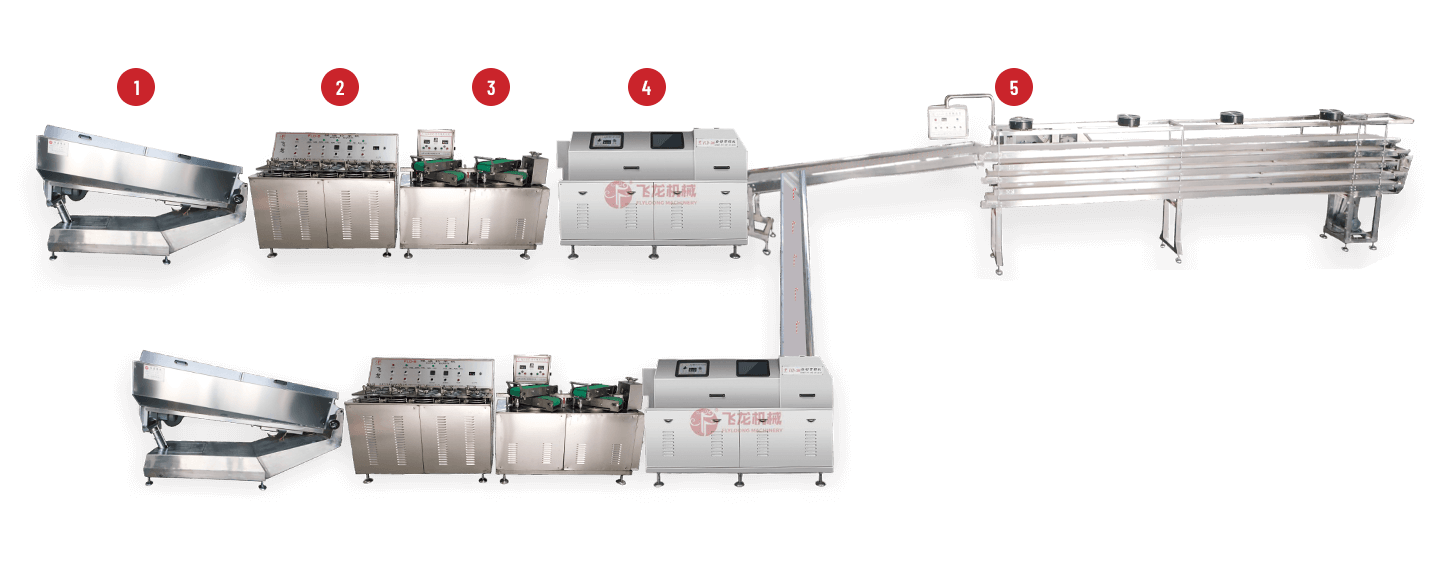
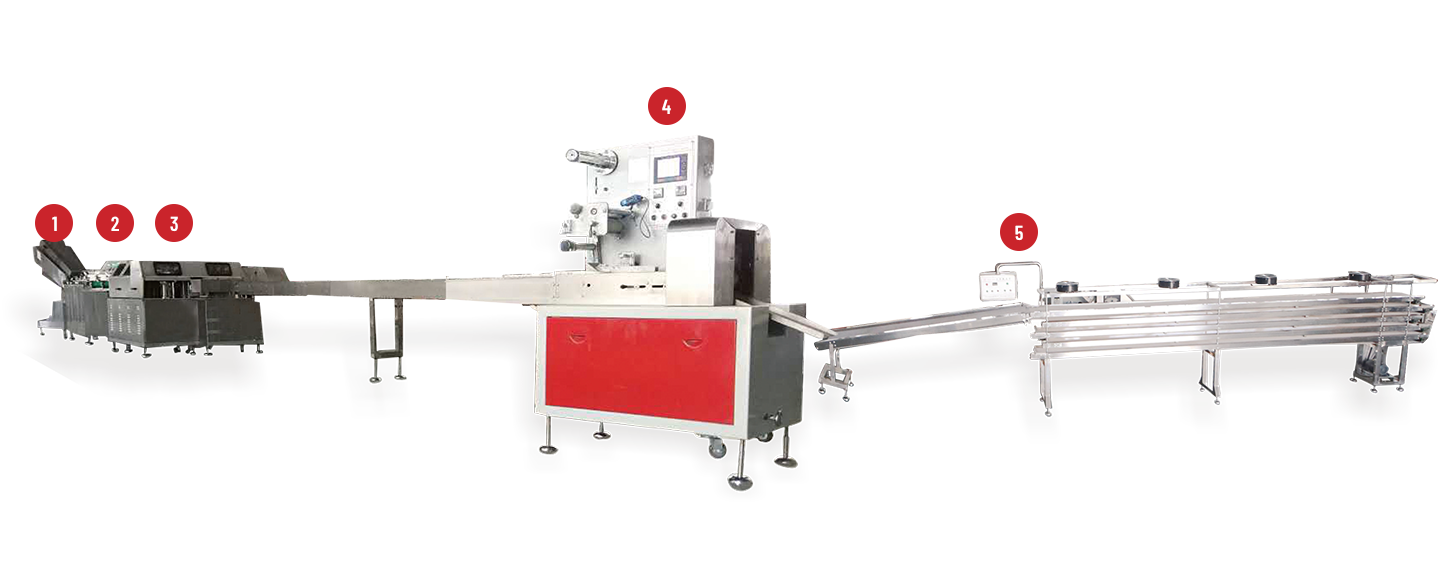
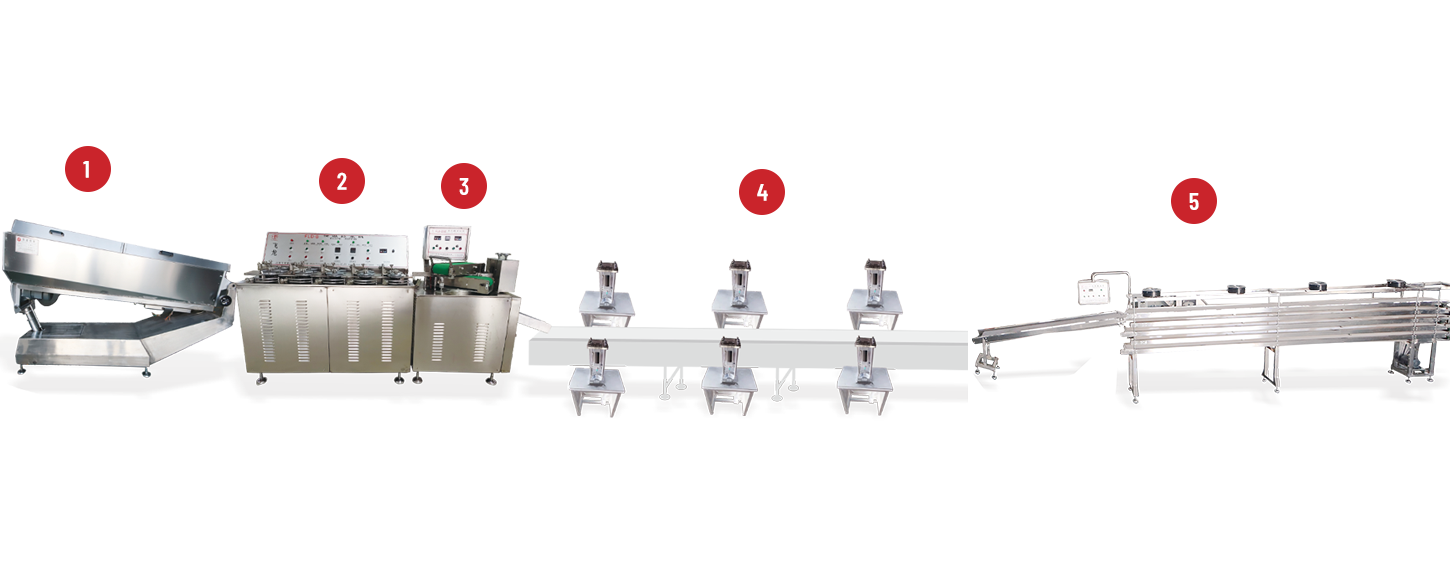
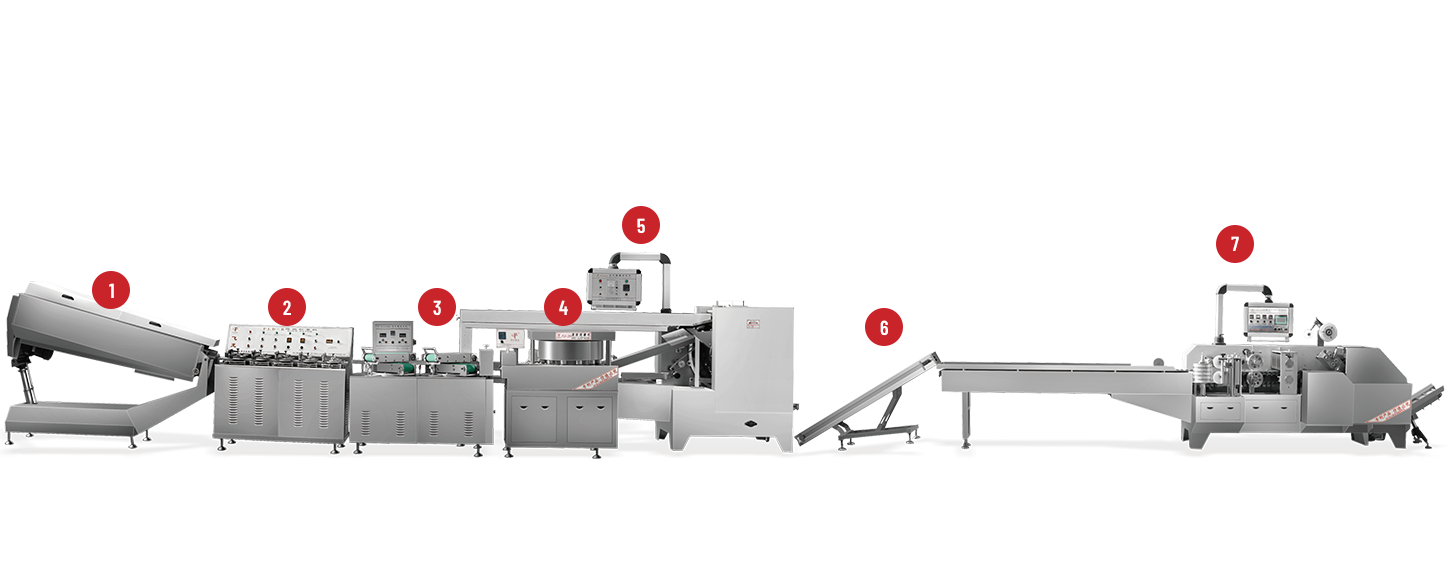
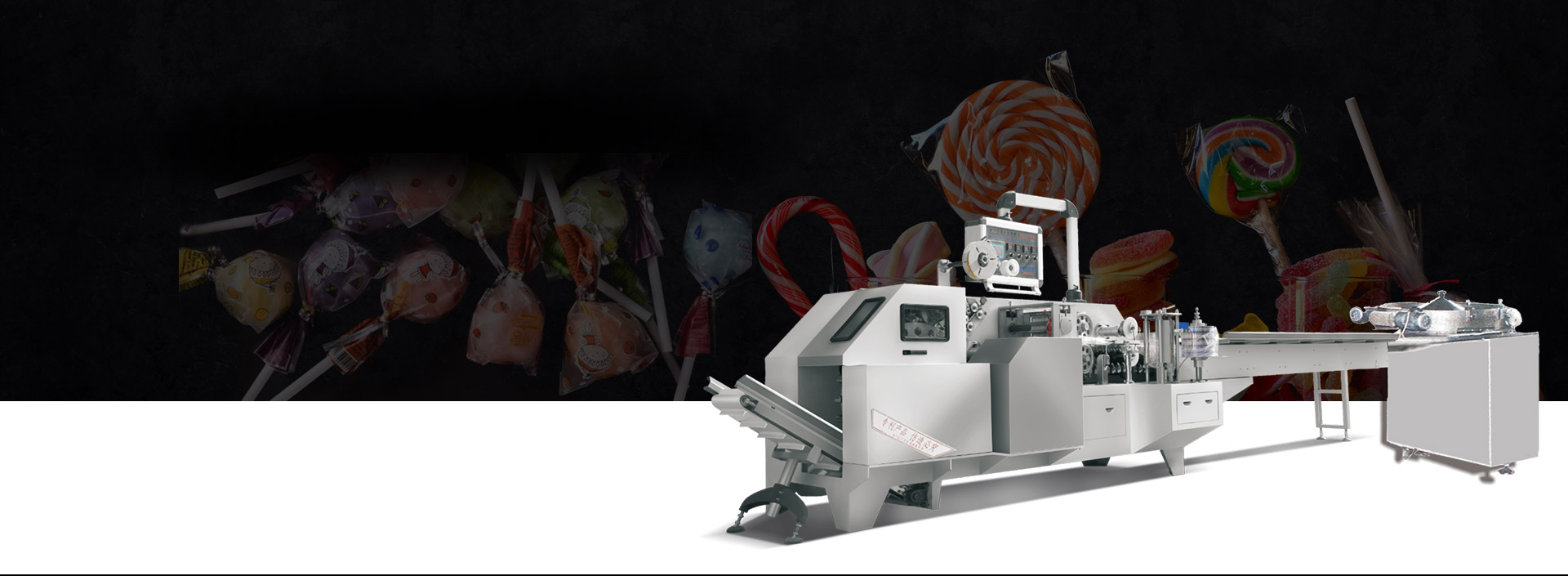
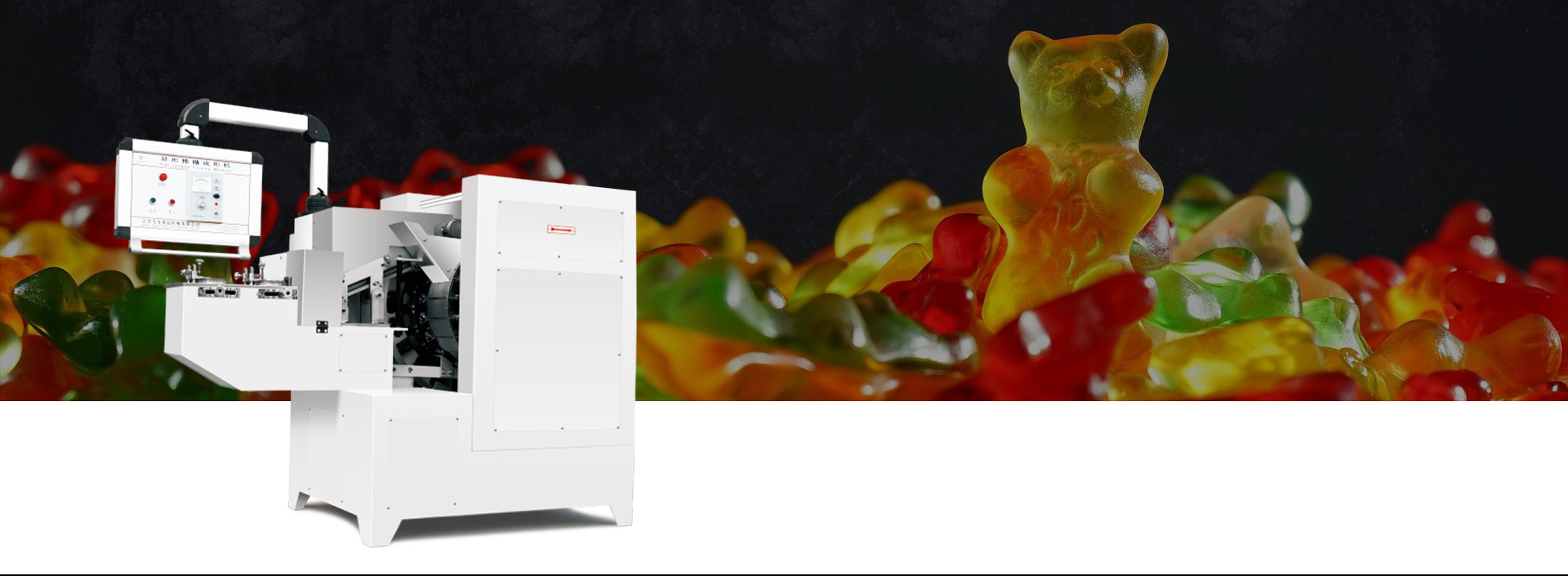
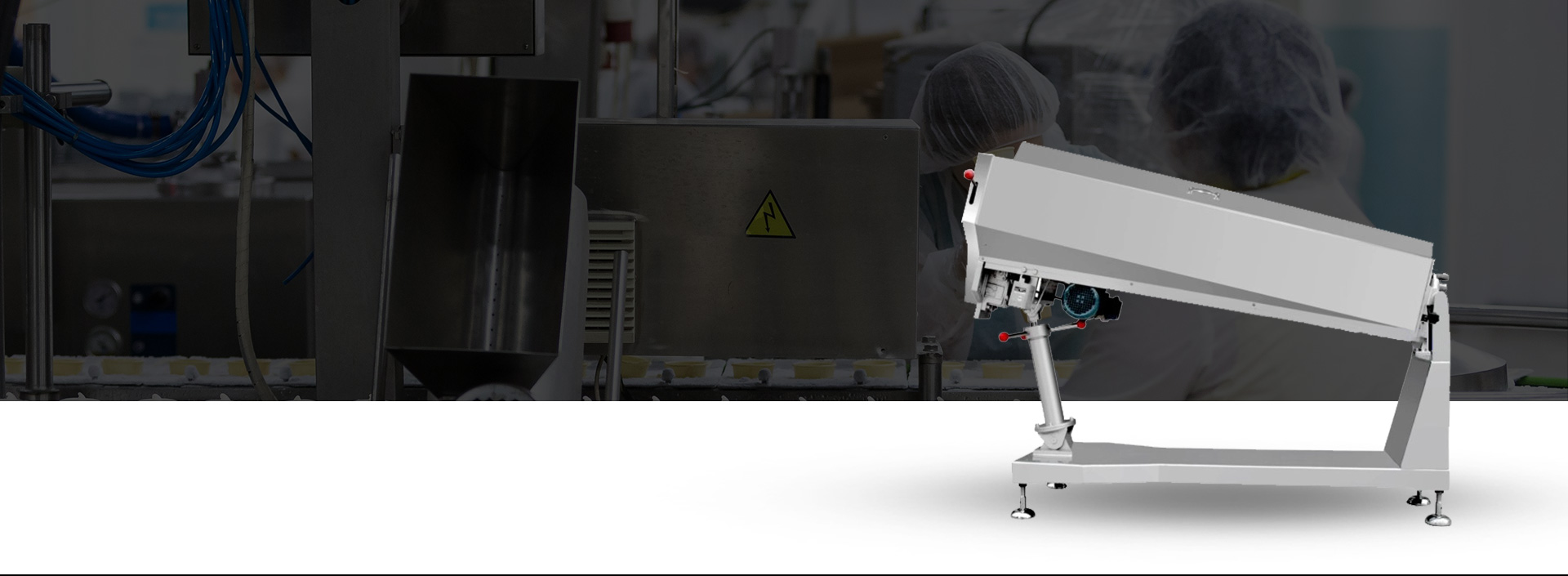
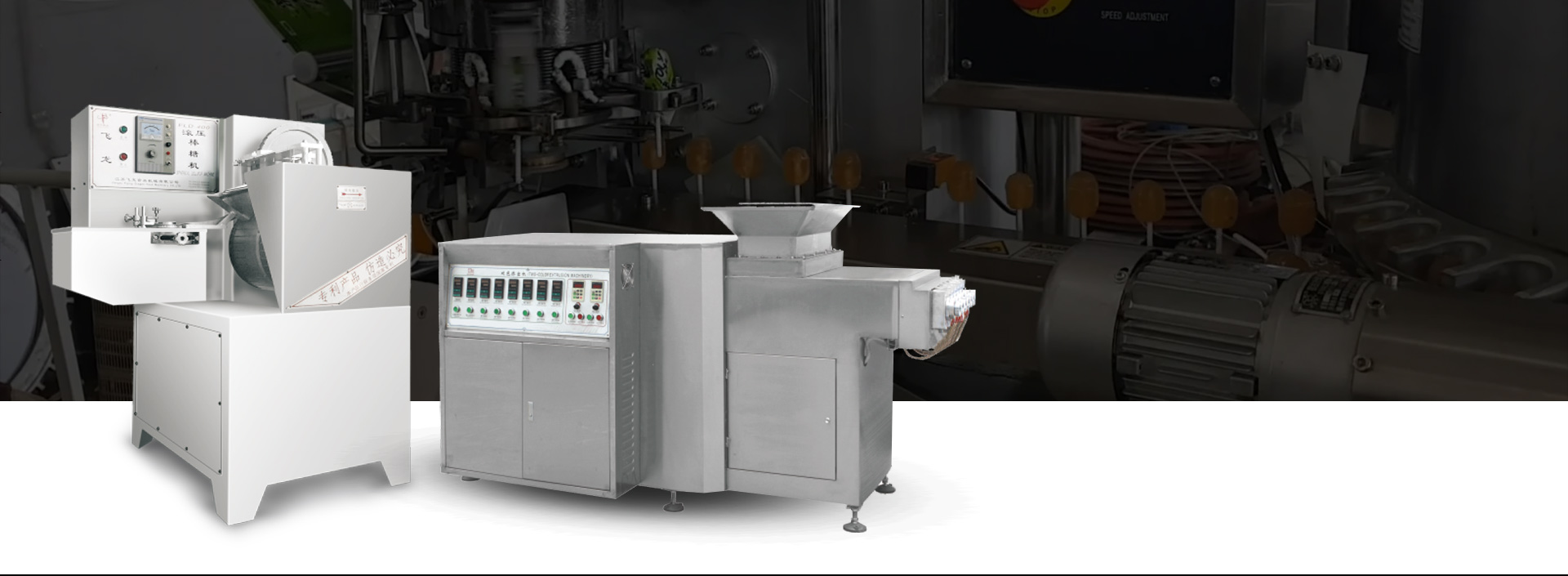
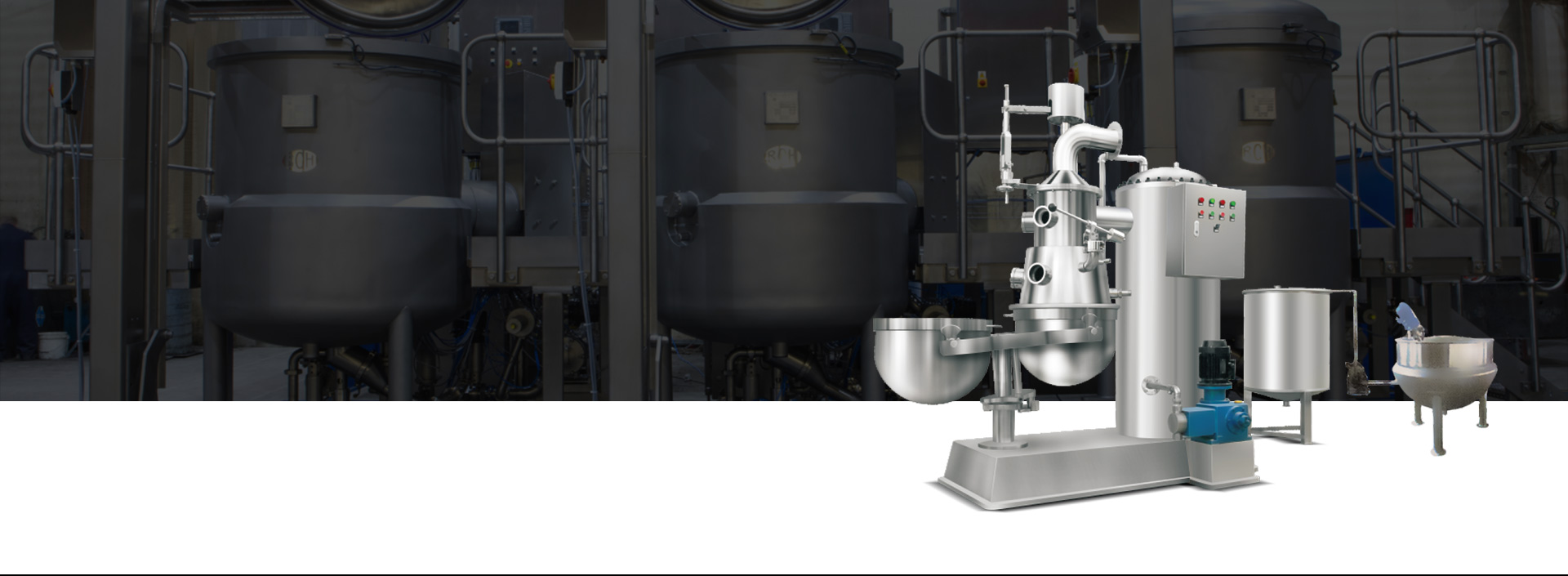
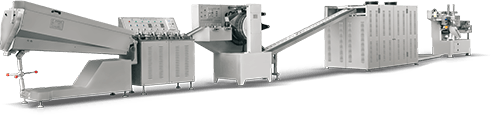
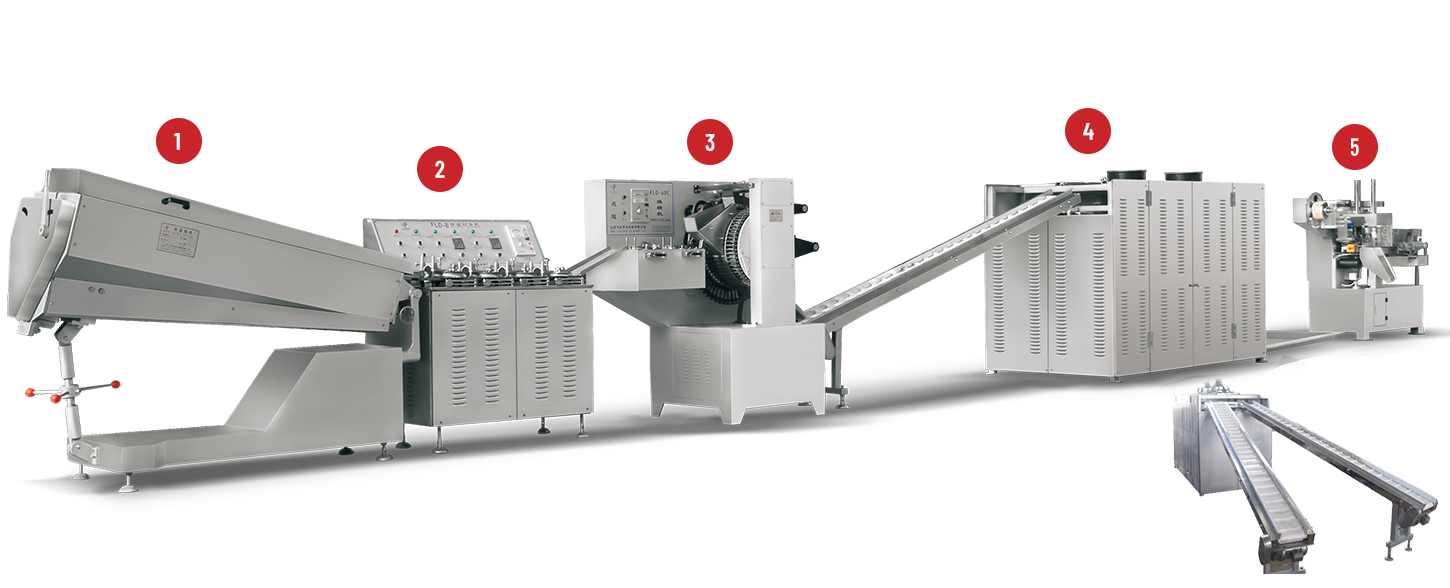
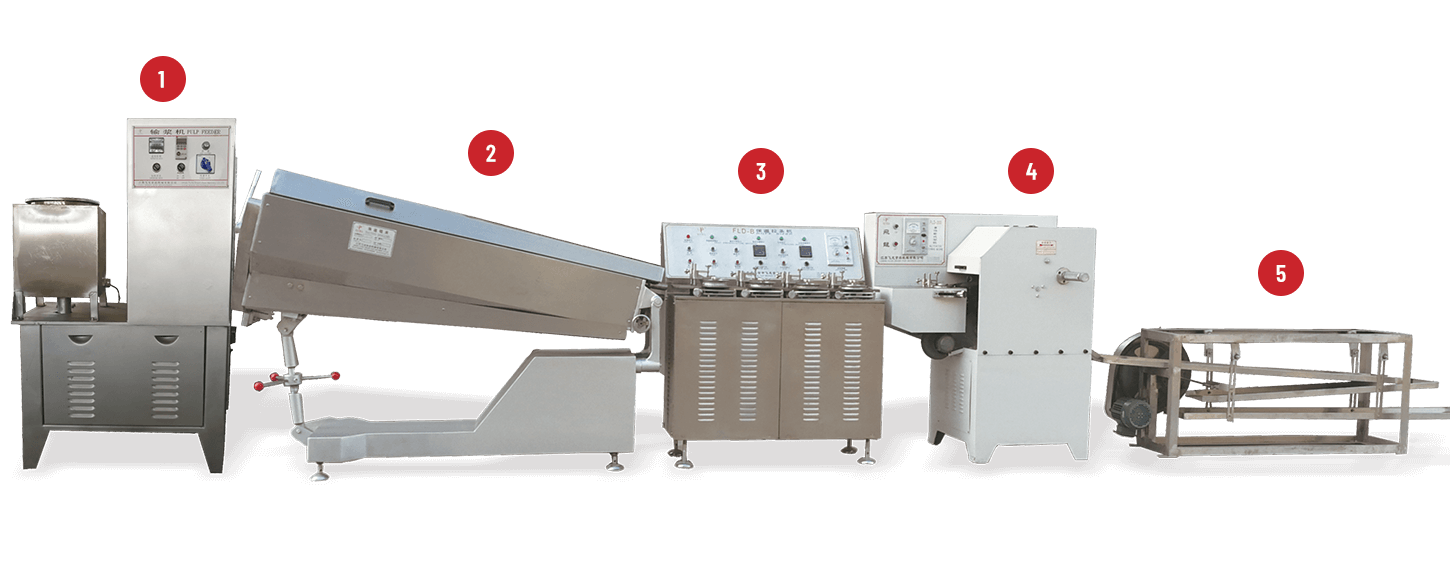
A Lollipop manufacturing production line looks simple from a distance. One side takes in raw materials. The other side produces finished candy. But between these two points, the movement is continuous and layered. Each section has its own rhythm, and the product changes form step by step as it moves forward.
There is no single moment where everything happens at once. The process is built through gradual change, and each stage leaves a small trace on the next.
What happens before the mixture becomes candy mass?
Everything begins with preparation work. Ingredients are measured and combined in a controlled order. At this point, nothing is unified yet. Each part still behaves independently.
As mixing continues, the materials slowly stop acting as separate elements. They begin to respond as a single system. The change is not sudden. It happens gradually, almost quietly.
Workers often focus on how even the mixture feels rather than how fast it forms. If the base is uneven, later stages will show variation. So this early phase is treated with patience rather than speed.
By the end of this stage, the mixture is no longer fragmented. It becomes a continuous base ready for transformation.
How does the material reach a workable state?
The next stage is about adjusting behavior rather than changing identity.
The mixture is guided through controlled heating. It becomes softer and more fluid. Not fully liquid, not fully solid. It stays in a middle condition where movement is possible but still stable.
This is an important transition point. If the material is too firm, it cannot be shaped properly. If it is too loose, structure becomes difficult to maintain later.
The focus here is consistency. The material should move in a predictable way as it enters the next stage.
How is shape formed during movement?
Shaping happens while the material is still in motion. It does not stop at a single point. Instead, it moves through forming sections where structure begins to appear.
Different guiding paths create different visual outcomes. Some products become round and simple. Others gain layered or patterned surfaces depending on how the flow is directed.
What matters most here is timing. If movement is uneven, shape may lose balance. If flow is steady, form becomes stable.
At this stage, the product starts to feel recognizable, even though it is not yet fixed.
Why is cooling not just about temperature?
Once shape is formed, the material enters a settling phase. Cooling begins, but it is not only about lowering temperature.
The structure needs time to stabilize. The internal form is still adjusting even after shaping ends. If this stage is rushed, small changes may appear later in the process.
Air exposure plays a quiet role here. It allows the surface to settle evenly. Uneven cooling can lead to slight differences between products, even if everything else was consistent.
This stage is often overlooked, but it determines whether the product keeps its shape in later handling.
How is the stick added without disturbing structure?
After stabilization begins, sticks are inserted into the candy body. This step looks simple, but alignment matters a lot.
The stick must sit in a balanced position. If it is slightly off, the product may tilt or feel unstable when handled.
At this point, the candy and stick become one unit. It is no longer just shaped material. It becomes a complete product with function.
Even small positioning differences can affect how the product feels later, especially during packaging and transport.
What happens during surface refinement?
Once structure is stable and the stick is fixed, attention shifts to the surface.
This stage is subtle. It does not change the shape. It adjusts small irregularities that appear after earlier steps.
Surfaces are checked visually and by touch. The goal is to maintain consistency across all products moving through the line.
Even when everything is controlled, slight variation still appears. This stage reduces those differences so the final output feels uniform.
It is a quiet process, but it supports the overall appearance of the product.
How does packaging complete the flow?
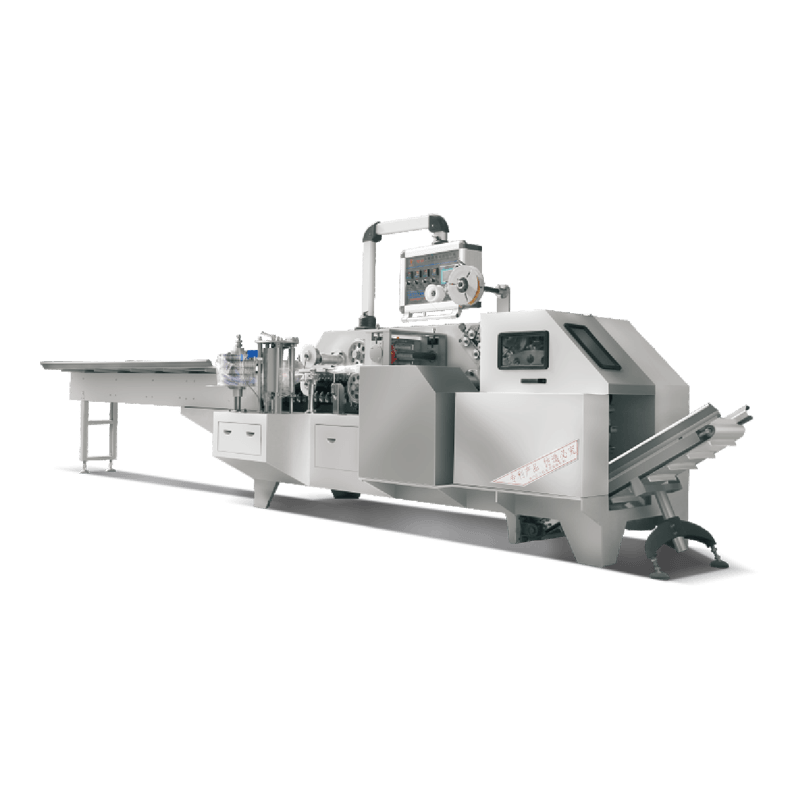
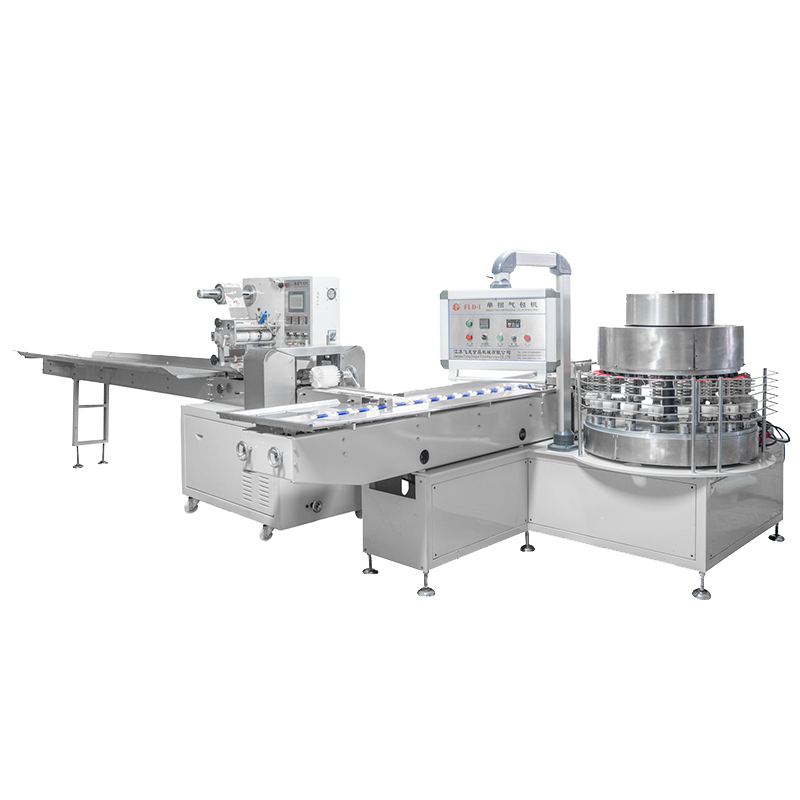
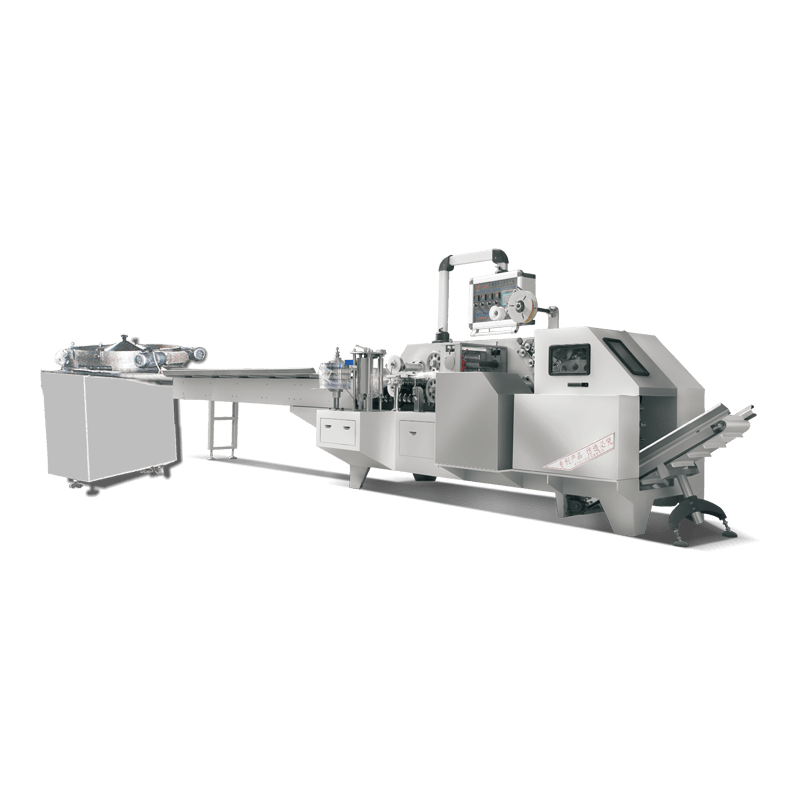
Packaging is the final movement in the line. Products are guided into wrapping and grouping without interrupting their structure.
At this stage, handling becomes careful and controlled. The surface has already been formed, so contact is minimized.
Packaging is not only about protection. It also organizes products into a predictable pattern for storage and transport.
Once this stage is complete, the product leaves the Lollipop Production Line and enters distribution.
How do all stages stay connected in practice?
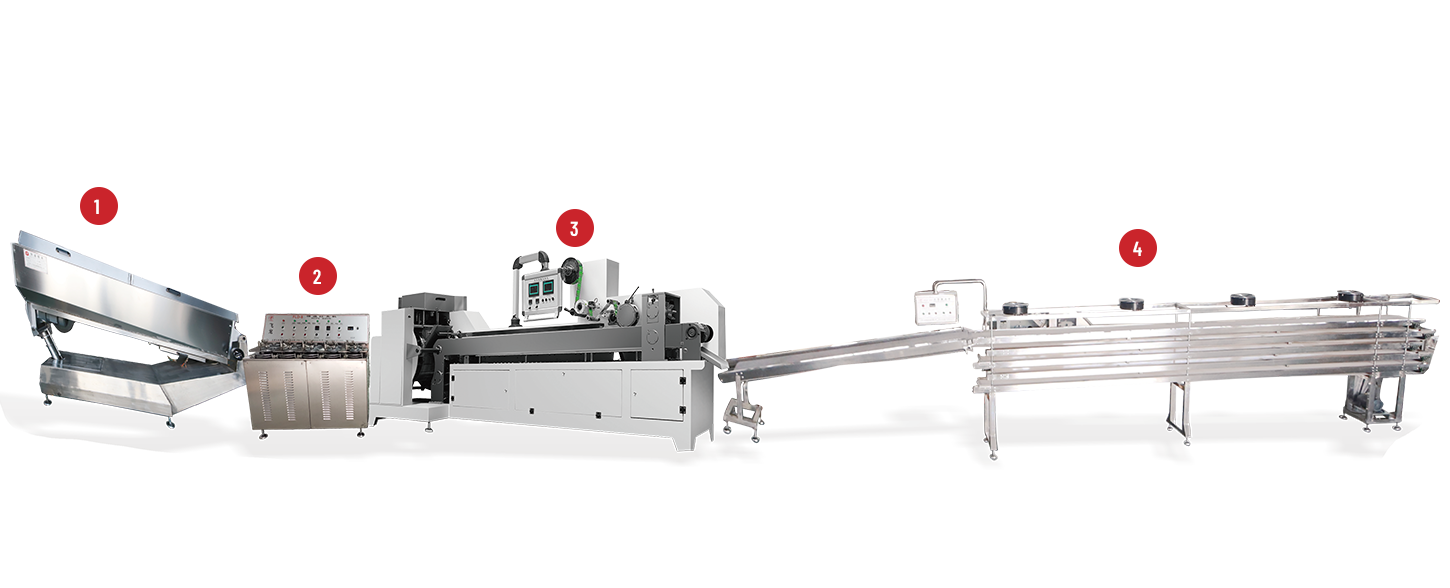
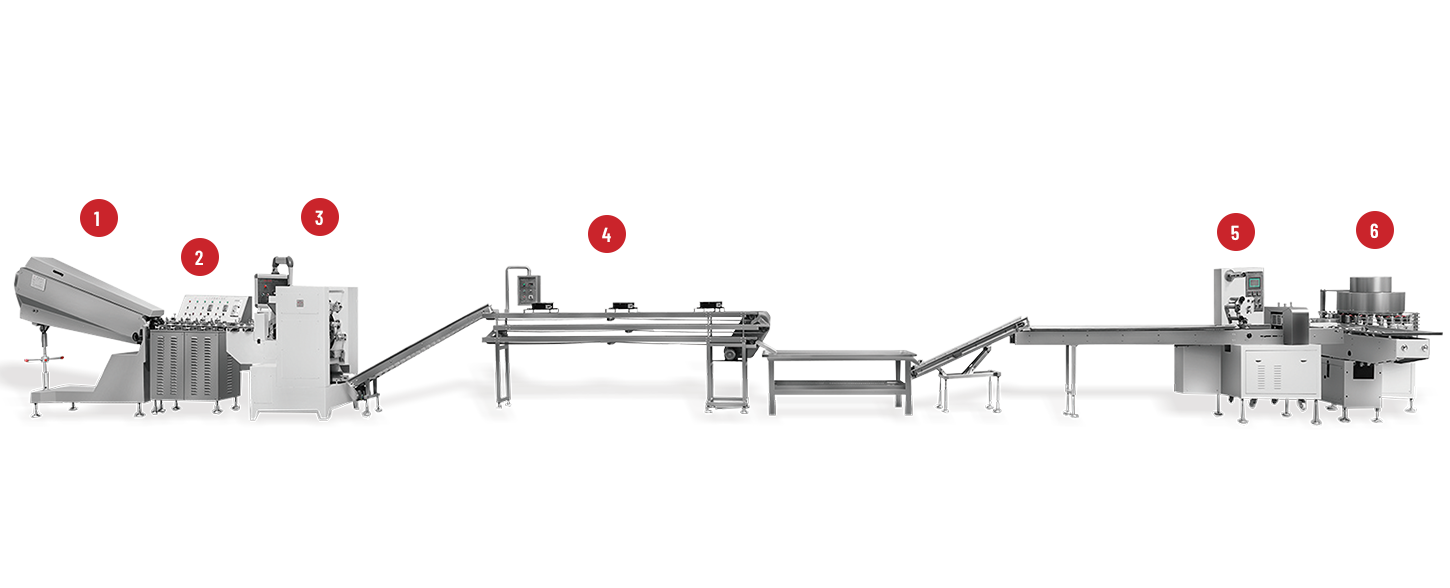
The production line works because each stage follows the same direction of flow. Nothing operates alone.
When material moves forward, it carries the influence of what came before. That is why balance is important across the entire system.
A simple breakdown of flow:
- Mixing builds the base
- Heating adjusts behavior
- Forming creates structure
- Cooling locks stability
- Insertion adds function
- Refining smooths appearance
- Packaging organizes output
Each step prepares the next without breaking continuity.
| Stage | Function | Effect on Final Product |
|---|---|---|
| Preparation | Blending | Stable base formation |
| Heating | Softening | Controlled movement |
| Forming | Shape creation | Product identity |
| Cooling | Stabilization | Structural hold |
| Stick insertion | Assembly | Usability |
| Refinement | Surface balance | Visual consistency |
| Packaging | Final handling | Ready for distribution |
What defines the rhythm of the production line?
A lollipop production line is less about individual machines and more about movement continuity. The product is always in transition.
When flow is steady, the output feels consistent. When flow changes, adjustments are needed across multiple stages.
This rhythm is what keeps the system stable over time. It is not a single action, but a repeated cycle of controlled movement from start to finish.
 +86-(0)515-8465666
 +86-(0)515-85566996
 +86-138 1559 9708
 flyloong@flyloongcn.com
 Home
Home