

 ENG
ENG
 English
 中文简体
中文简体 русский
 Français
 Español
 عربى
عربى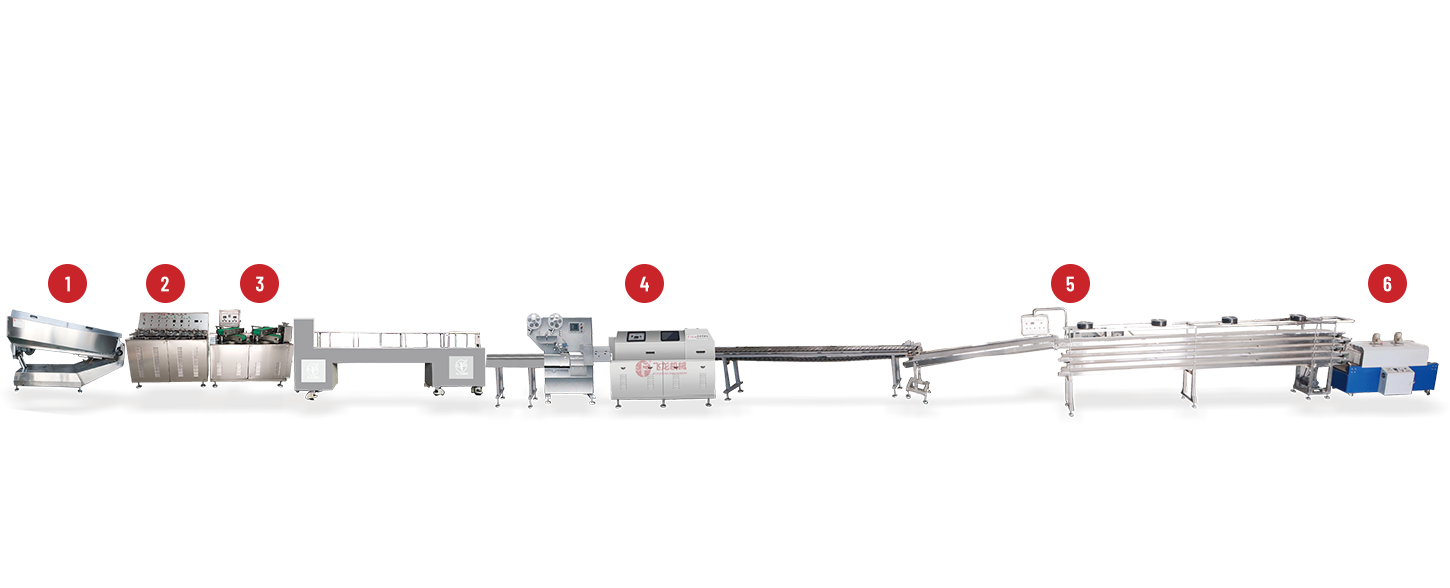
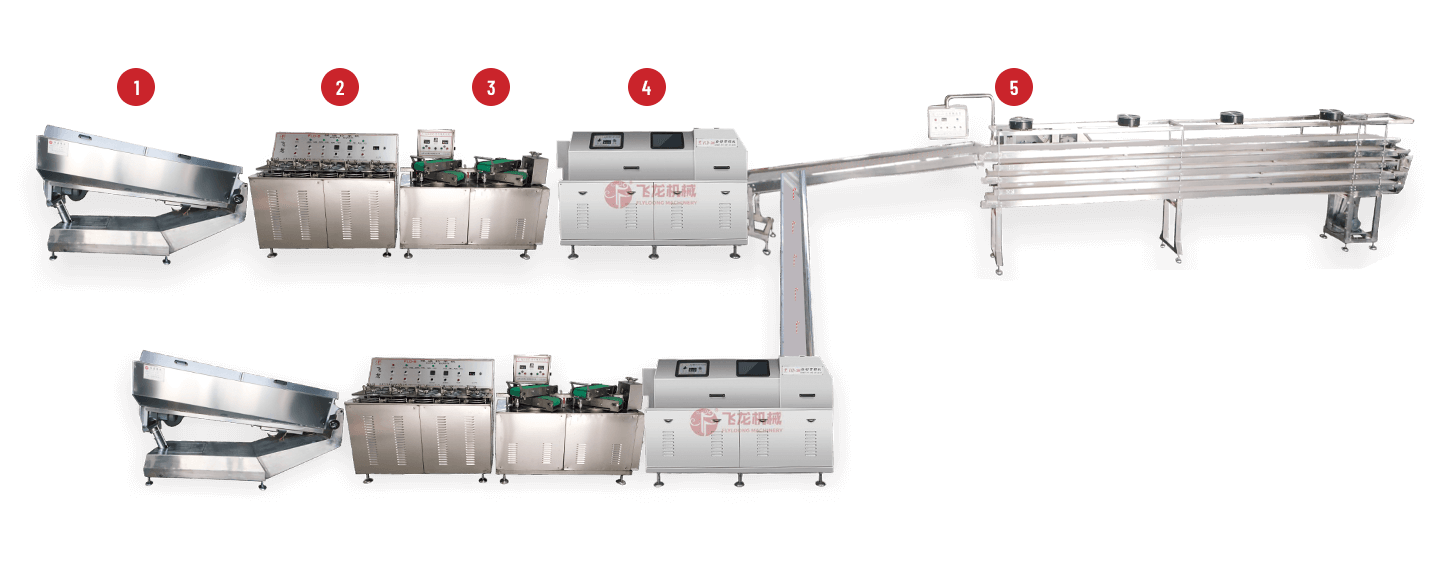
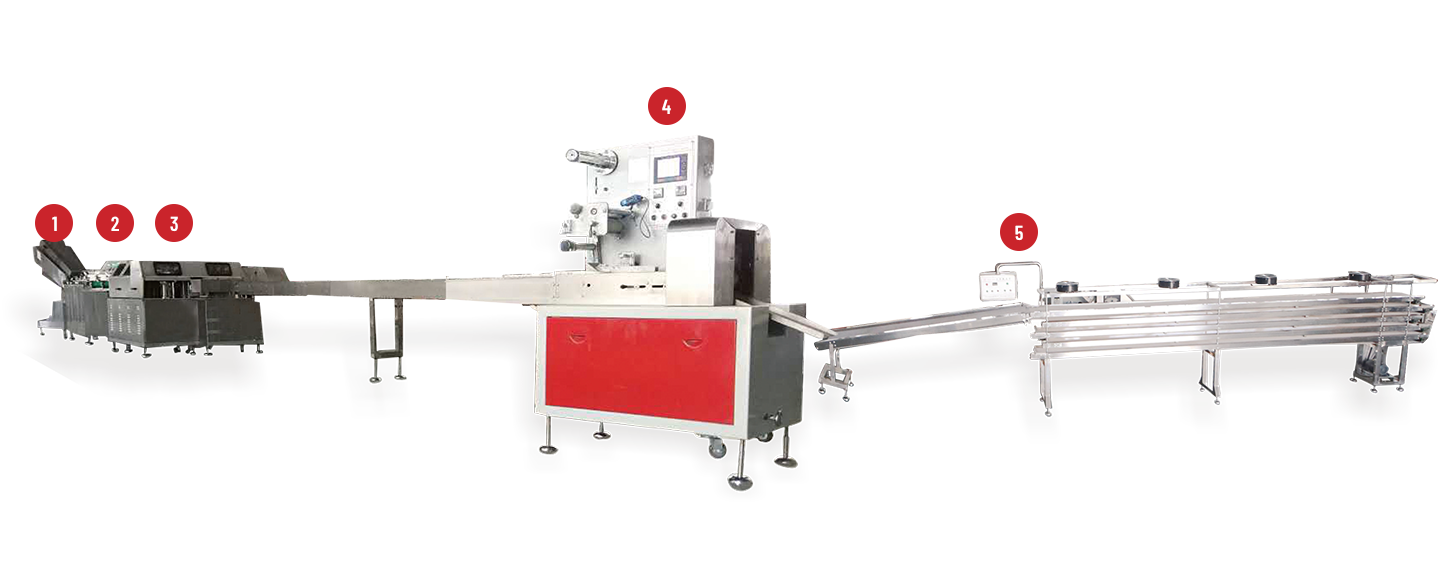
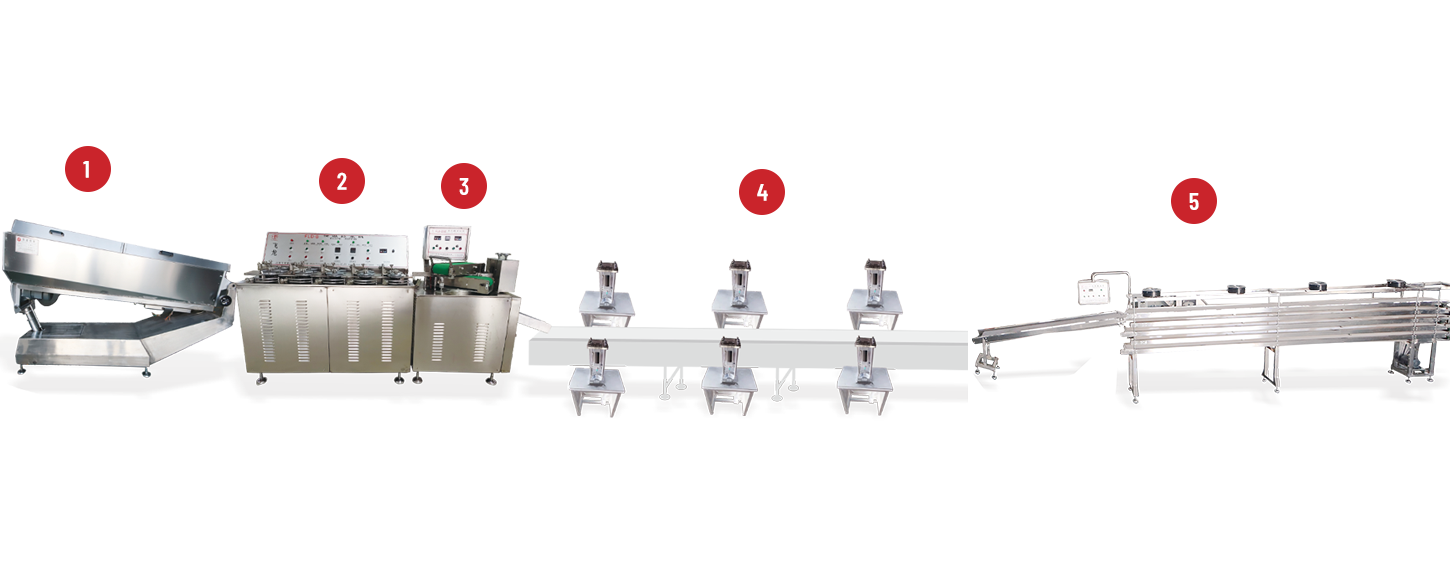
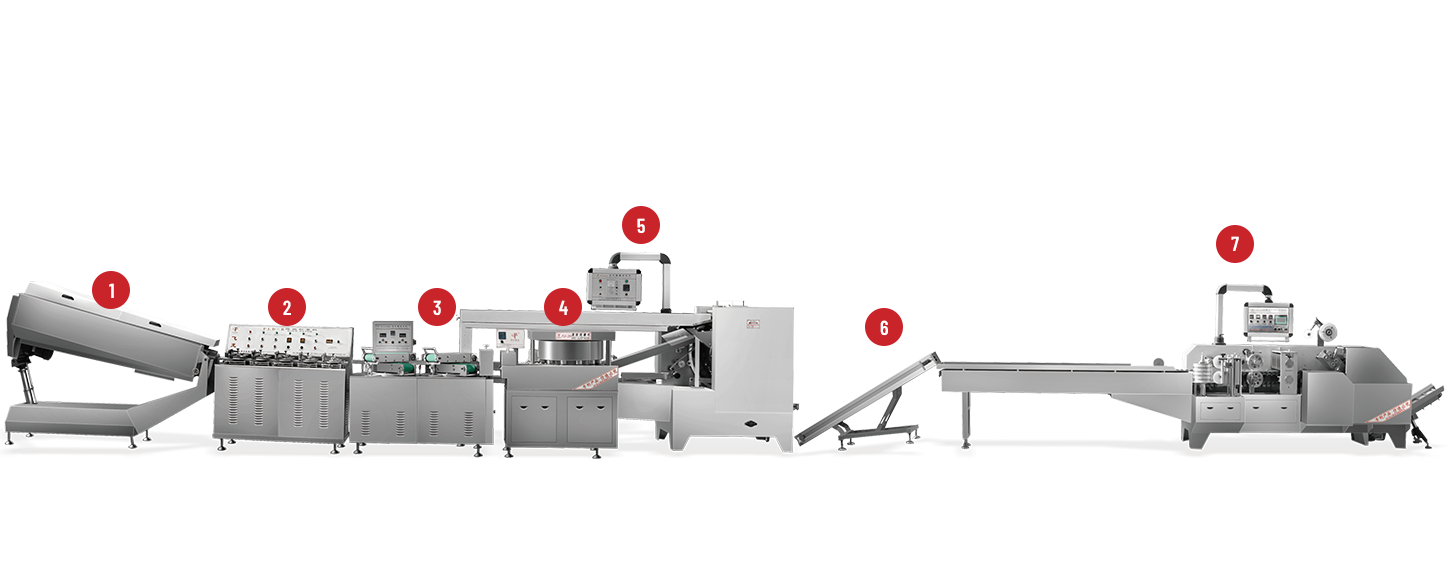
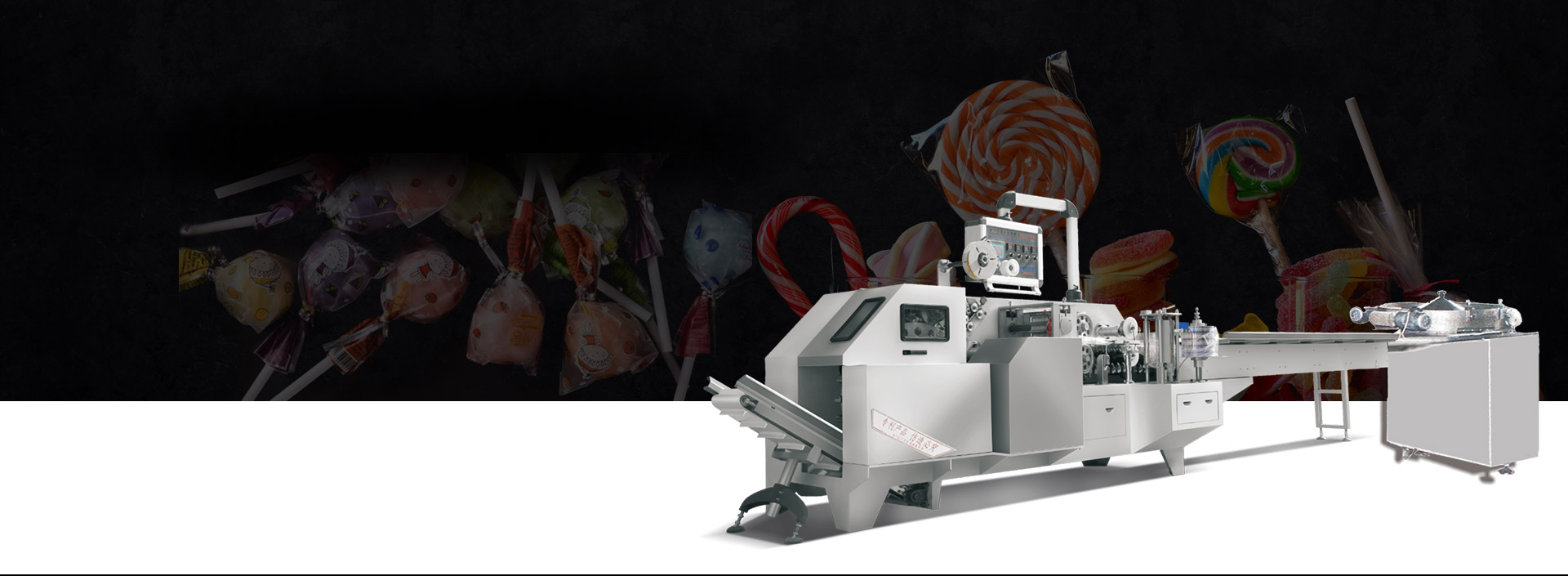
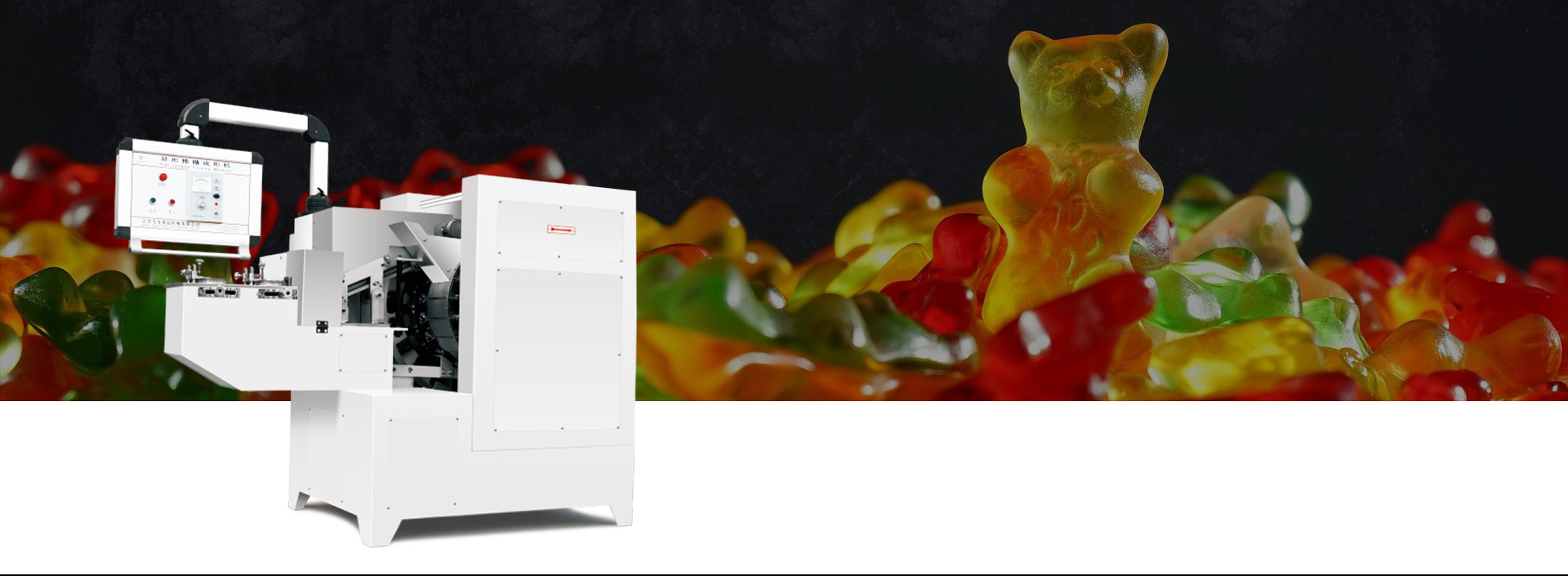
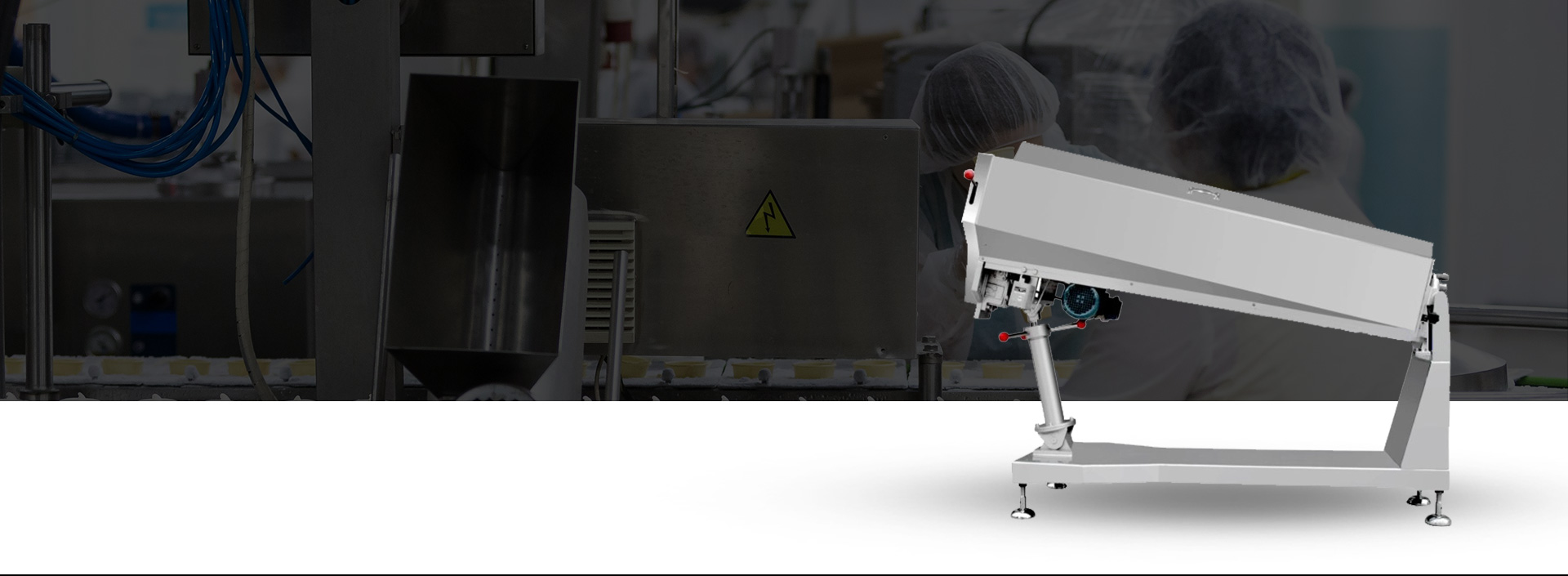
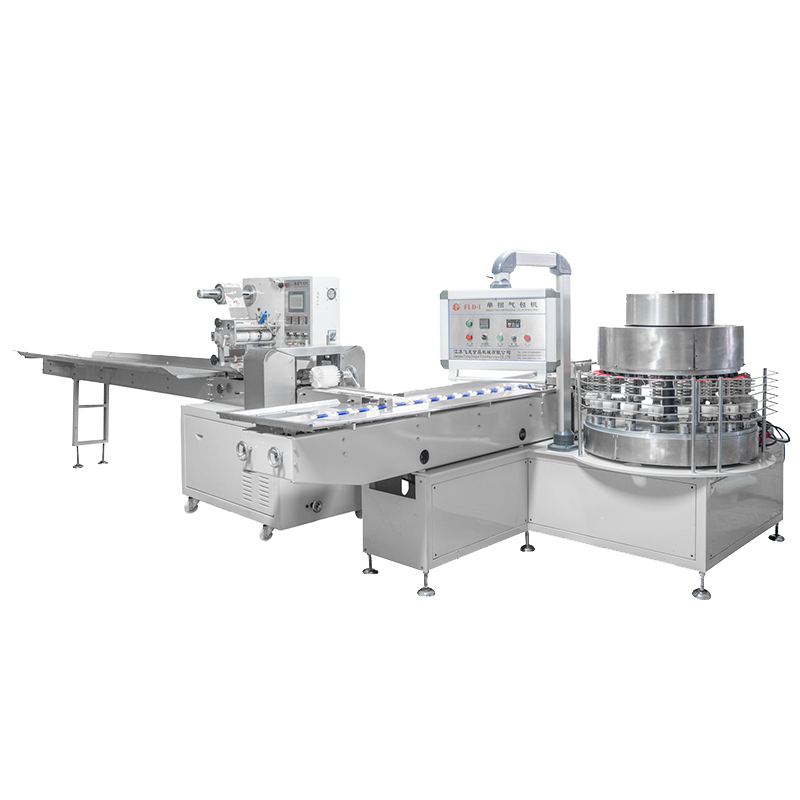
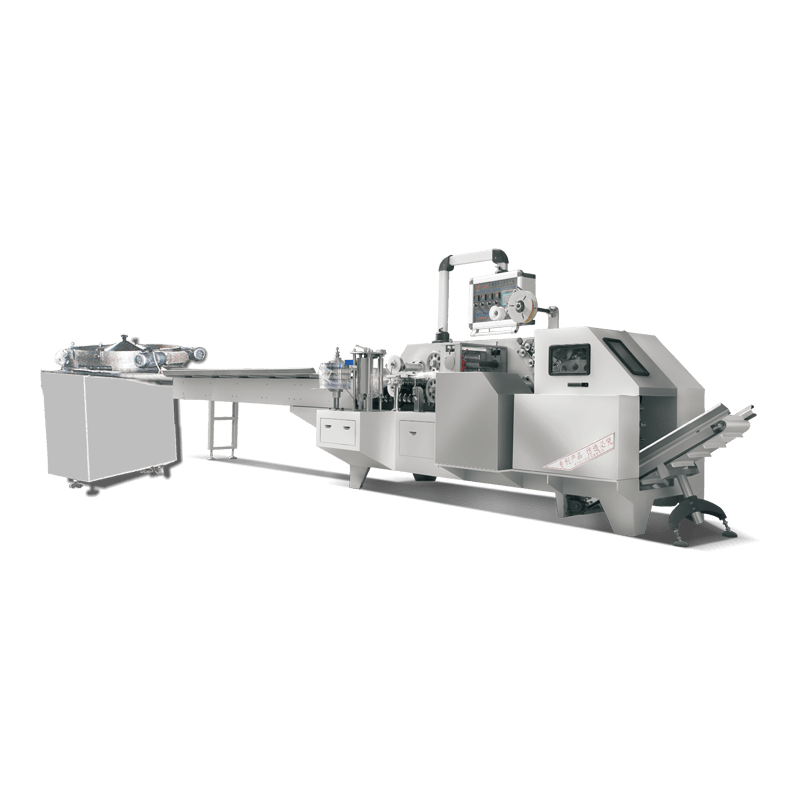
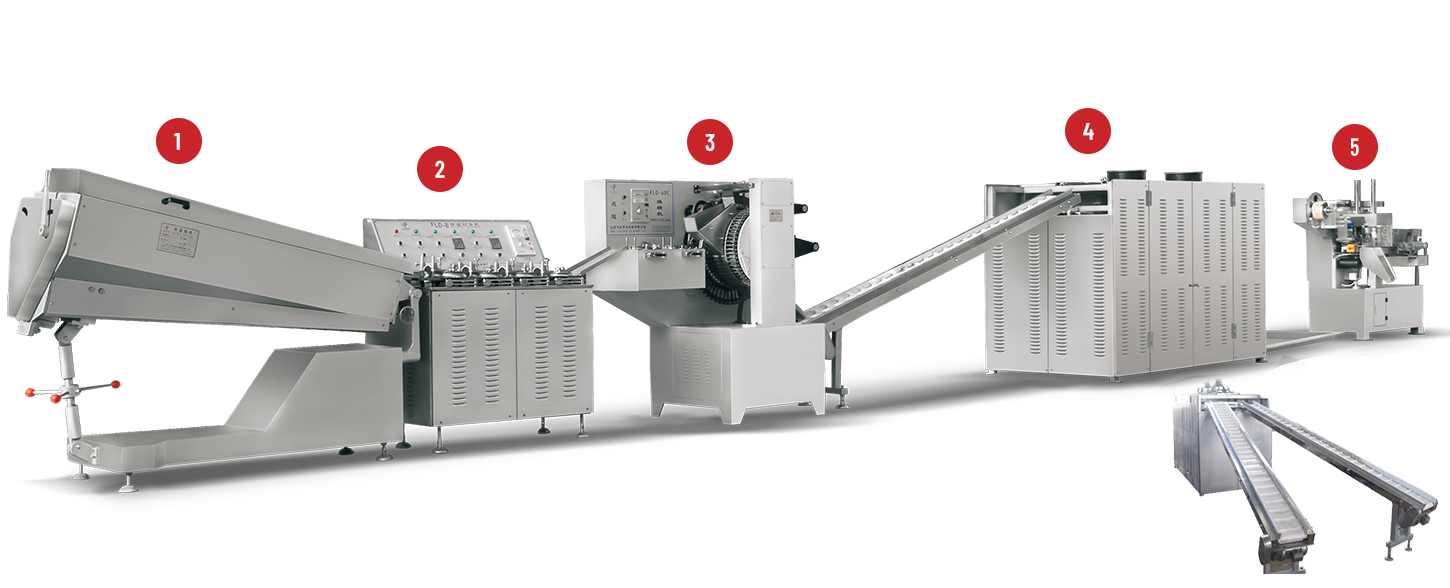
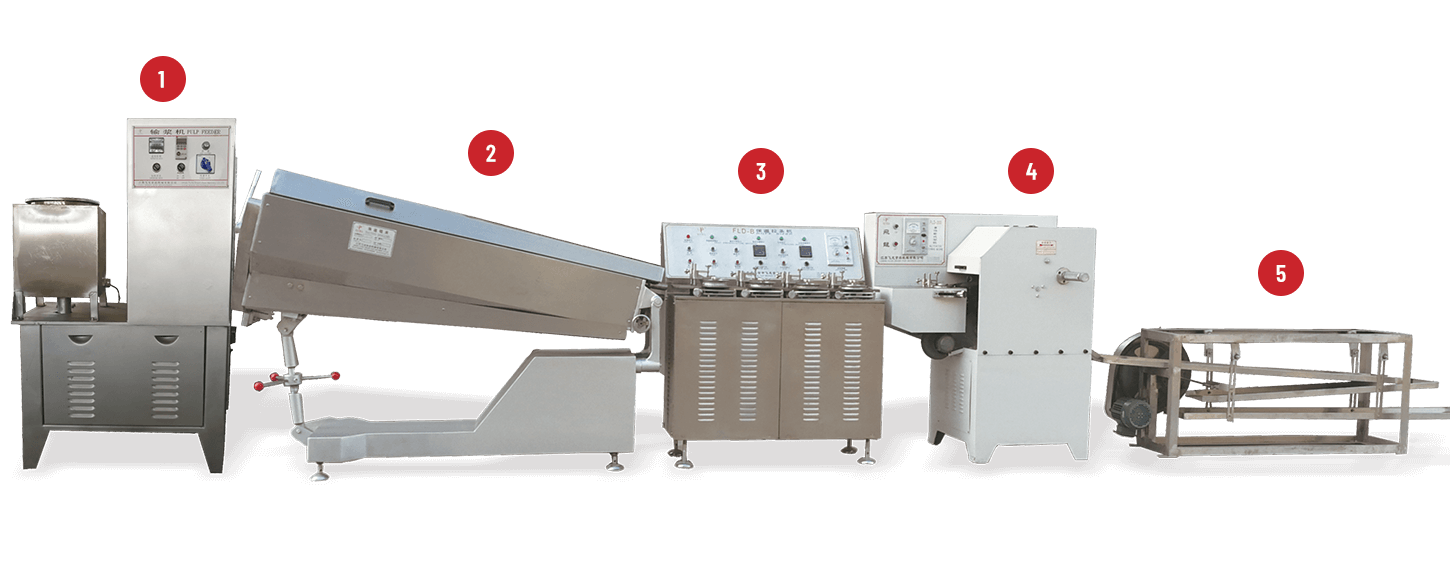
In a Lollipop production line machine , temperature is always present in the background. It is not something that works in isolation. It moves through the whole process quietly, from the moment material is prepared to the point where the final shape is formed and cooled.
On the surface, the production line may look steady. Machines keep moving. Material flows forward. Products come out in sequence. But inside this flow, temperature is constantly influencing how each step behaves. Even small changes can slowly shift the rhythm of the entire line.
What matters in daily operation is not only the target temperature, but how stable it stays while the line is running.
Why does material behavior react so quickly to temperature changes?
In candy production, material does not behave in a fixed way. It reacts to heat and cooling in real time. This reaction is continuous, not occasional.
When temperature feels balanced:
- material moves in a predictable way
- forming stays smooth across repeated cycles
- each batch behaves close to the previous one
When temperature drifts slightly:
- flow starts to feel heavier or lighter without warning
- forming becomes less uniform over time
- small differences appear between batches
These shifts are often subtle at first. A single batch still looks normal. The difference appears only after several cycles, when comparison becomes easier.
How does heating variation influence early processing?
Heating is where the material takes shape. Any instability here tends to travel forward into later stages.
In real production, uneven heating may show up as:
- material softening at slightly different speeds
- texture changing across preparation time
- inconsistent readiness before forming begins
- small differences between early and later output
What makes this difficult is that the line usually keeps running. Nothing stops. But the internal condition of the material is no longer fully uniform.
Once this imbalance appears, later stages often have to work with it, whether it is visible or not.
What changes when cooling is not fully steady?
Cooling is where the final form becomes fixed. Because of that, any variation here tends to stay in the product.
When cooling is stable:
- shapes remain consistent across long runs
- surfaces settle evenly
- release from molds feels smooth
When cooling shifts:
- surface texture can vary slightly
- some products feel different even if they look similar
- release behavior becomes less predictable
- differences between batches become easier to notice
Cooling variation often shows itself gradually. It is rarely a sudden change. Instead, it becomes visible when products are compared over time.
How does temperature affect forming behavior on the line?
Forming is one of the sensitive points in the whole process. At this stage, material is still responsive, and small environmental changes can influence the final shape.
When conditions are steady:
- molds fill evenly
- shapes remain stable across cycles
- output looks consistent during long runs
When temperature shifts:
- filling can become slightly uneven
- edges may lose clarity over time
- shape differences appear between cavities
variation increases during continuous production
These changes are often not noticed immediately. They appear slowly, especially during long operation periods.
Why does production rhythm change with temperature movement?
A production line depends on rhythm. Each step follows another in a repeated cycle. Temperature plays a quiet role in keeping this rhythm stable.
When temperature stays steady:
- material flows at a consistent pace
- machine steps stay aligned
- output feels continuous and predictable
When temperature fluctuates:
- timing between stages can drift slightly
- flow speed feels less uniform
- coordination between machines becomes less smooth
The effect is not always visible as a fault. It is more like a change in timing that operators begin to feel during operation.
How do small temperature shifts build into larger variation?
One small shift does not usually create a visible problem. But production lines run for long periods, and small differences repeat many times.
Over time, this can find to:
- gradual change in product shape
- slight differences in surface appearance
- variation between early and late batches
- more frequent need for small adjustments
The important point is accumulation. Each change is small enough to ignore on its own. Together, they slowly reshape output behavior.
This is why long runs often show differences that are not visible in short checks.
How does temperature influence coordination between machine stages?
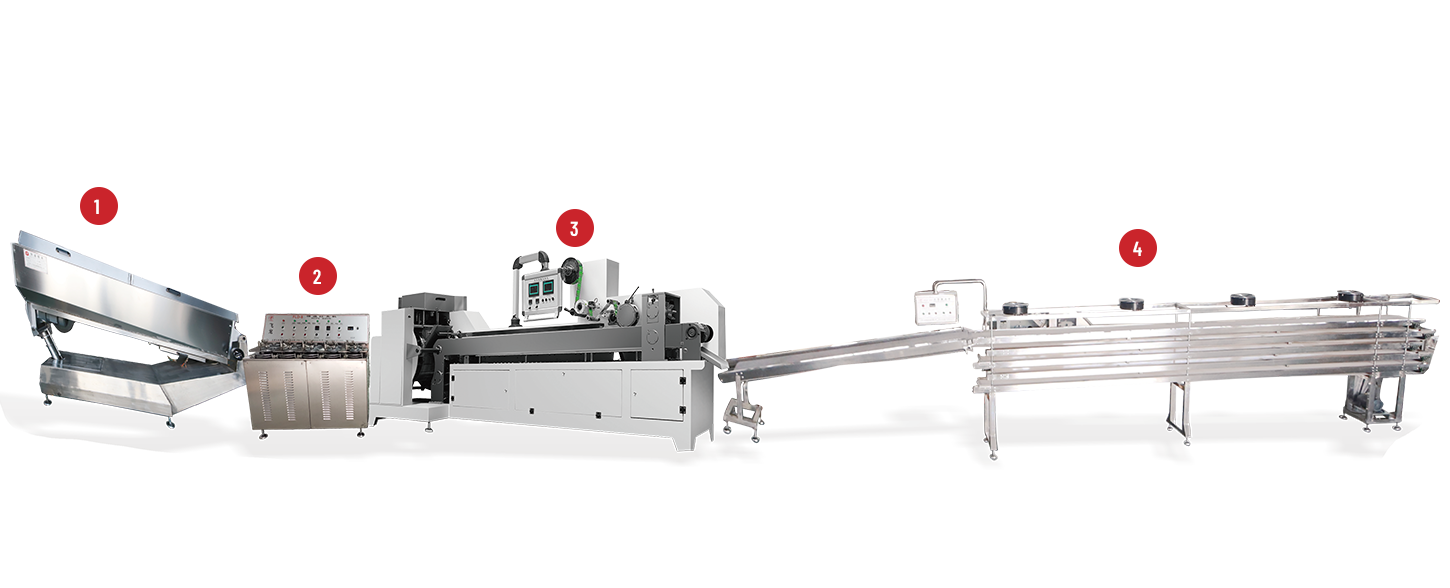
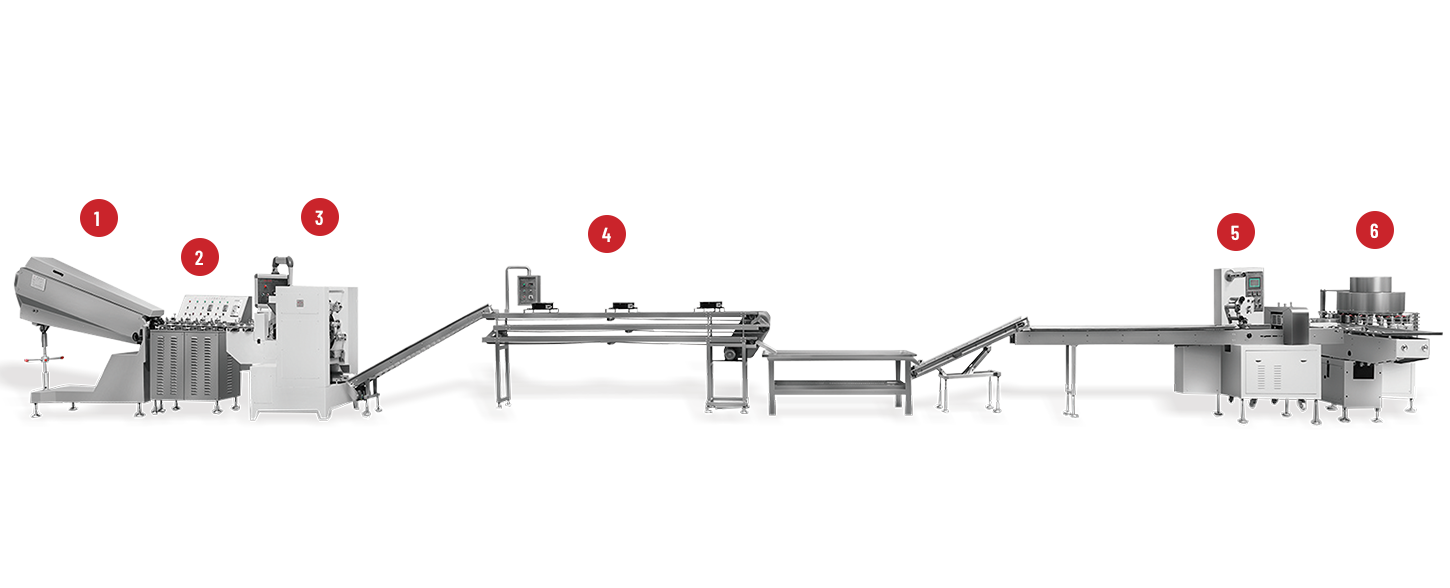
A lollipop production line is not a single unit. It is a chain of connected stages working in sequence. Temperature affects how each stage receives and passes material.
When temperature is stable:
- each stage receives material in a consistent condition
- transitions between machines feel smooth
- timing stays naturally aligned
When temperature is unstable:
- one stage may process material differently than expected
- small timing gaps begin to appear
- coordination becomes less predictable over time
These shifts usually do not stop production. Instead, they slowly reduce consistency across the whole line.
What impact does temperature have on surface appearance?
Surface condition is often where temperature influence becomes easiest to see.
Even when structure seems correct, surface differences may appear:
- slight uneven gloss on finished products
- small variations in smoothness
- subtle marks that show under light
- differences in finish across batches
These effects come from how material settles during cooling and forming. If temperature is not steady, the surface reflects that imbalance.
In many cases, surface change is the visible sign that something in the system is drifting.
Why do long production runs make temperature effects more visible?
Short runs may not reveal much. Conditions do not have enough time to drift significantly. But long production cycles tell a different story.
During extended operation:
- heating balance may slowly shift
- cooling response can become less uniform
- material behavior may drift over time
- small differences become easier to notice
Operators often see that early output feels more consistent than later output in the same run. This is usually linked to gradual temperature variation rather than mechanical failure.
The longer the run, the more visible the pattern becomes.
How does temperature control relate to product consistency?
Consistency is closely tied to how stable temperature remains throughout production.
When temperature is steady:
- flow remains predictable
- forming stays uniform
- surface quality remains stable across batches
When temperature varies:
- shape differences become more frequent
- surface appearance changes slightly between runs
- overall output feels less uniform
A simple comparison helps show the difference:
| Area | Stable Temperature | Variable Temperature |
|---|---|---|
| Flow behavior | smooth and steady | uneven and shifting |
| Forming | consistent shape | slight variation |
| Cooling | uniform setting | irregular finish |
| Surface | even appearance | visible differences |
| Rhythm | stable timing | drifting coordination |
These changes often appear slowly, not all at once.
How do operators usually notice temperature influence?
In real factory environments, temperature effects are often noticed through experience rather than measurement alone.
Operators may observe:
- material behaving differently during the same process
- small changes in forming behavior over time
- variation between batches under identical settings
- shifts in machine rhythm during long operation
Adjustments are usually practical and gradual:
- monitoring behavior more closely during runs
- making small timing corrections when needed
- checking consistency across batches
- paying attention to changes in flow feel
These reactions come from repeated exposure to the process rather than isolated events.
What makes temperature control a continuous factor in production?
Temperature is not something that can be set once and ignored. It stays active throughout the entire production cycle.
This is because:
- material constantly reacts to heat and cooling
- environmental conditions shift during operation
- long runs amplify small differences
- multiple stages depend on stable temperature behavior
Even when the system looks stable, small changes can still develop in the background.
That is why temperature control is less about a single setting and more about continuous attention during production flow.
 +86-(0)515-8465666
 +86-(0)515-85566996
 +86-138 1559 9708
 flyloong@flyloongcn.com
 Home
Home