

 ENG
ENG
 English
 中文简体
中文简体 русский
 Français
 Español
 عربى
عربى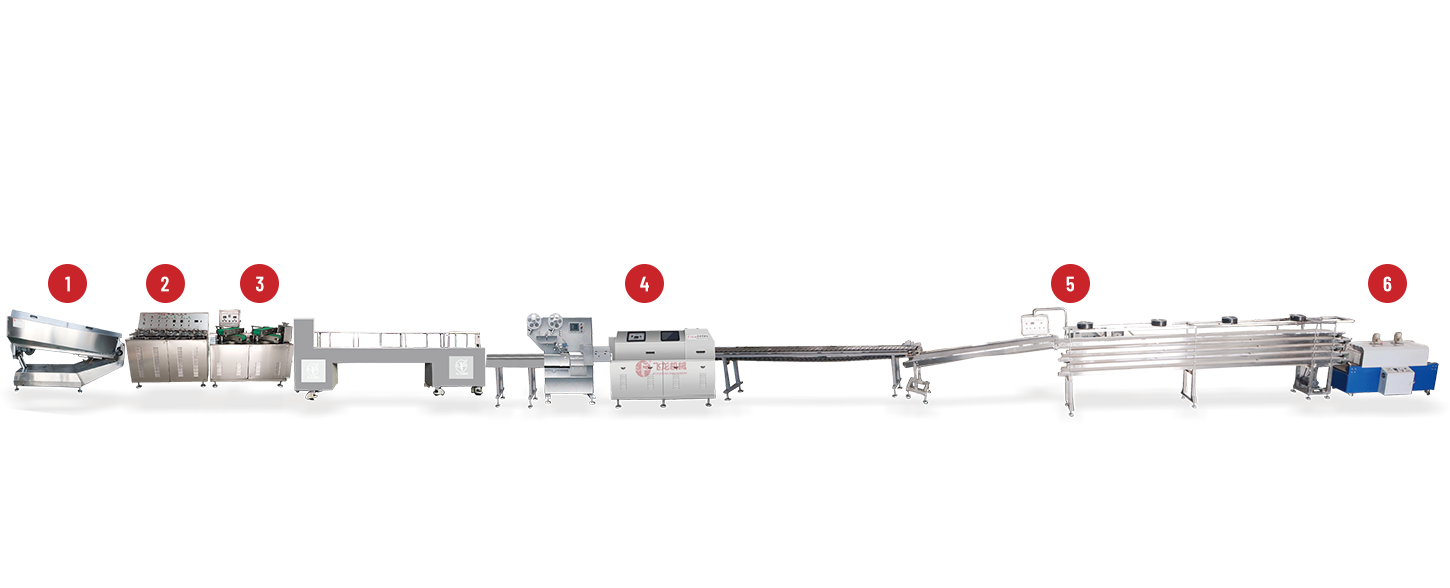
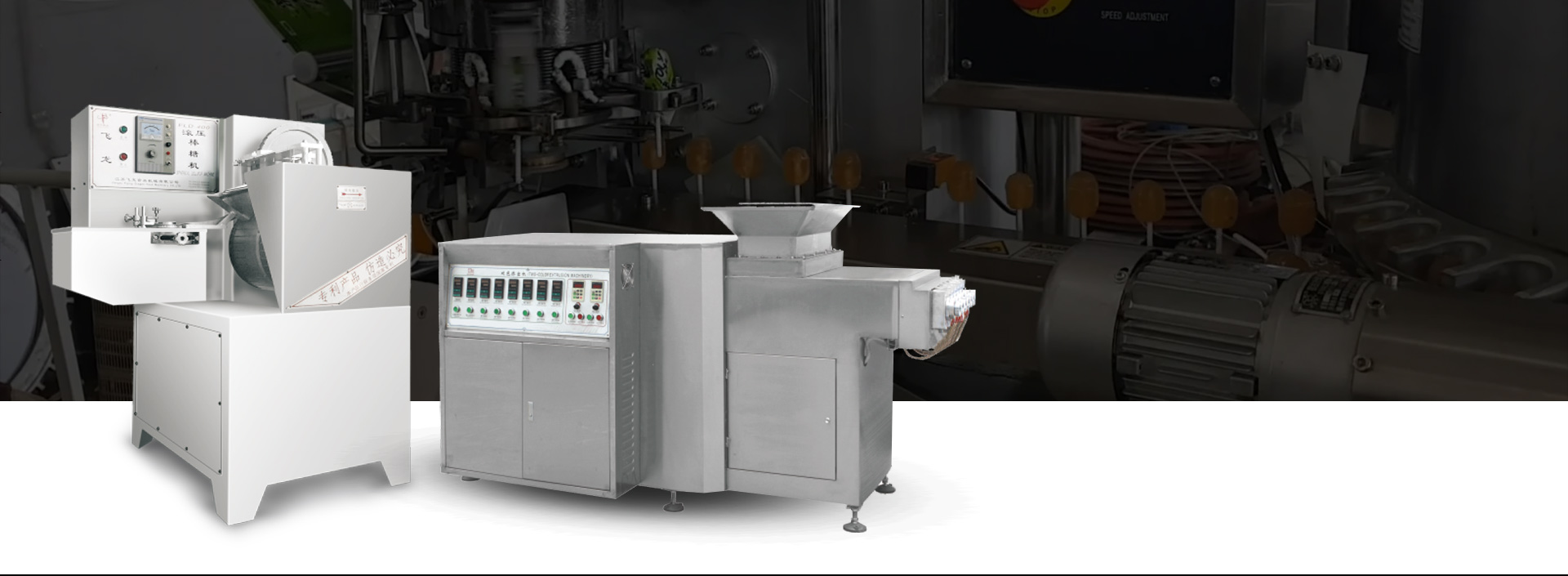
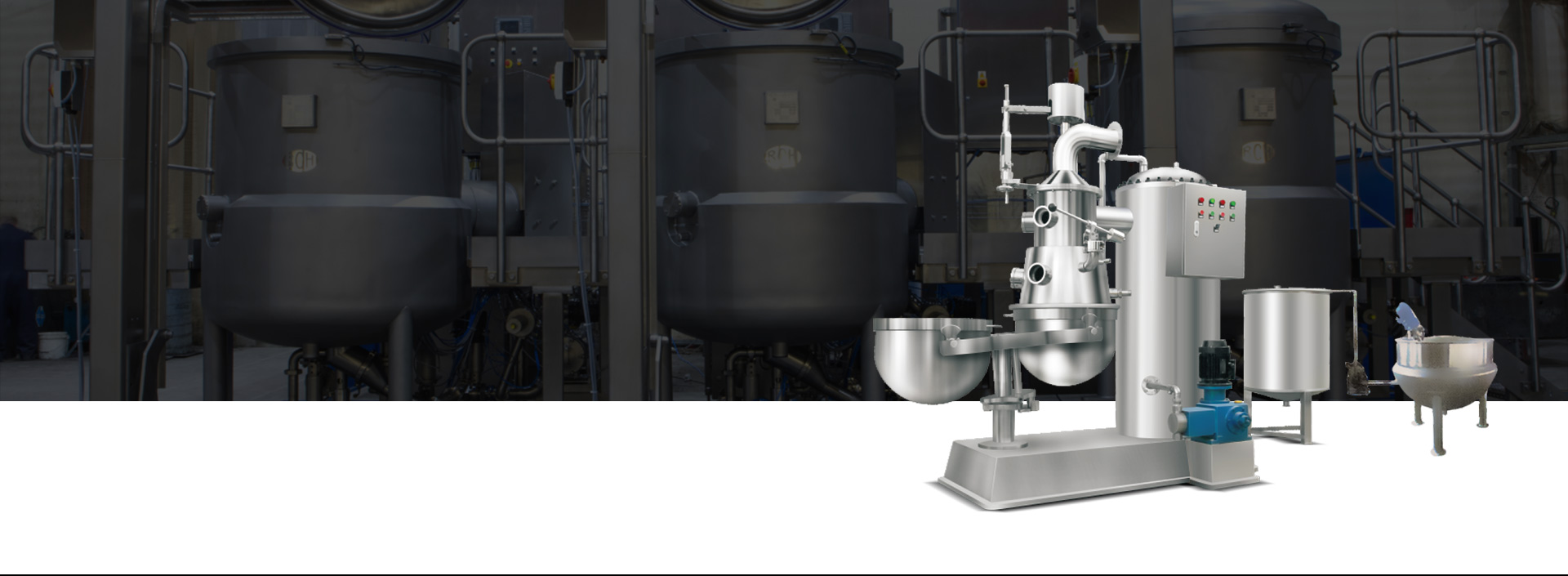
Why does consistency become such a sensitive issue in candy production?
In large-scale candy manufacturing, consistency is not something that appears automatically. It is usually something that has to be maintained throughout the entire process.
A lollipop may look simple at first glance. But once production volume increases, small differences start to matter. A slight change in shape. A minor shift in texture. Even a subtle difference in surface appearance can become noticeable when products are placed side by side.
This is where production systems start to show their importance. A structured line does not just "make products faster." It keeps the production environment stable enough so that repeated output stays close in appearance and feel.
Instead of relying on isolated actions, the process becomes a continuous movement. That continuity is what helps reduce irregular results.
How does a controlled production flow reduce variation?
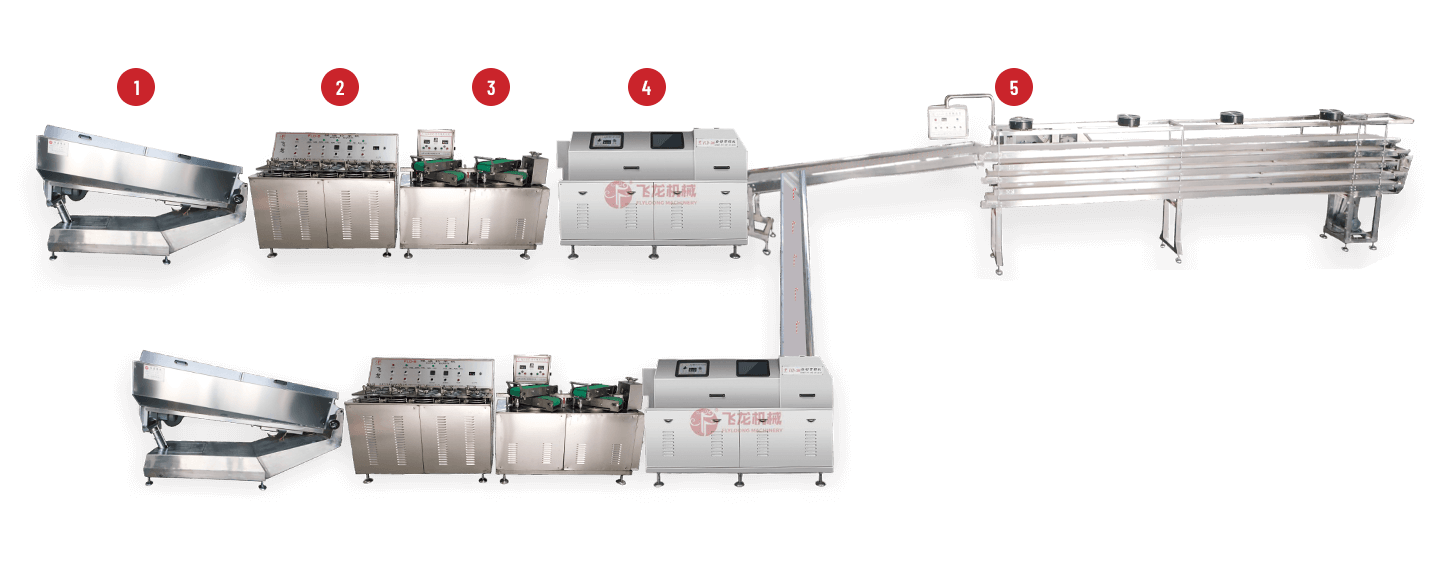
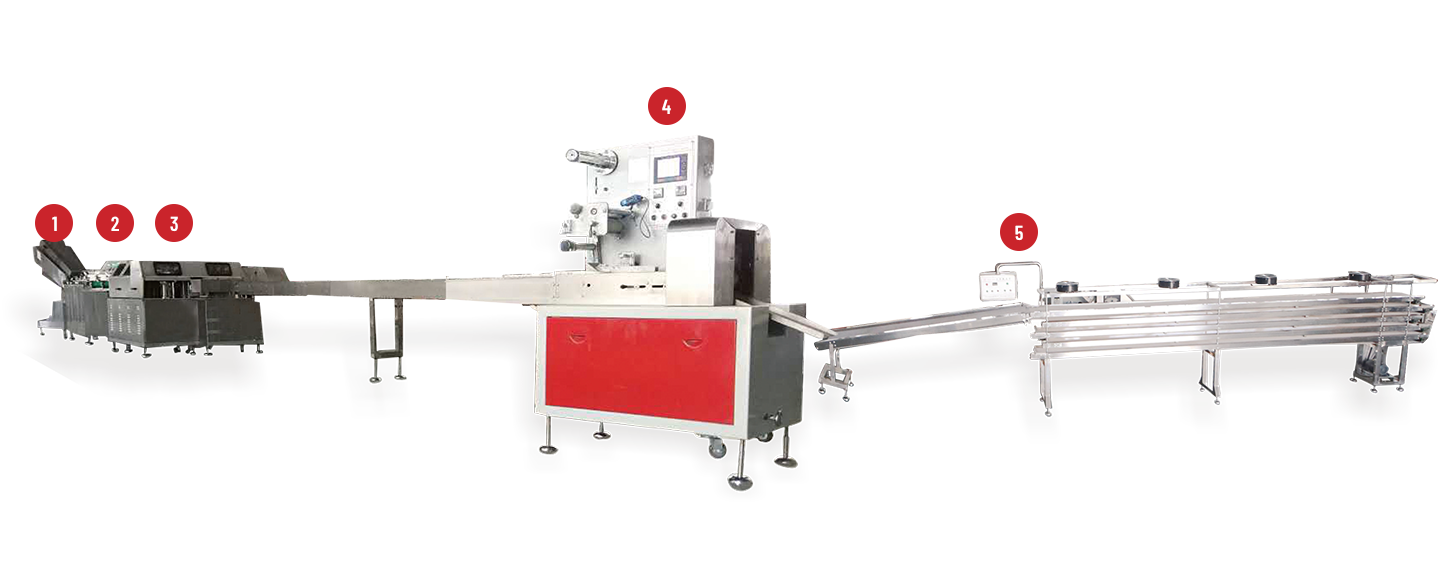
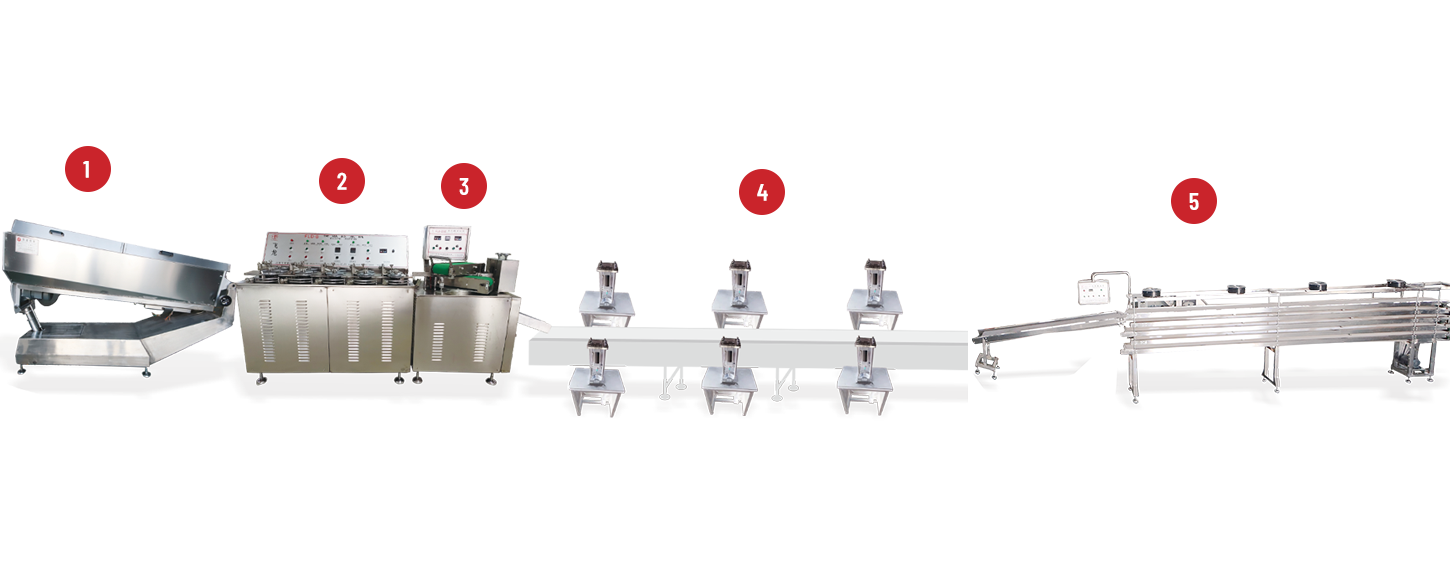
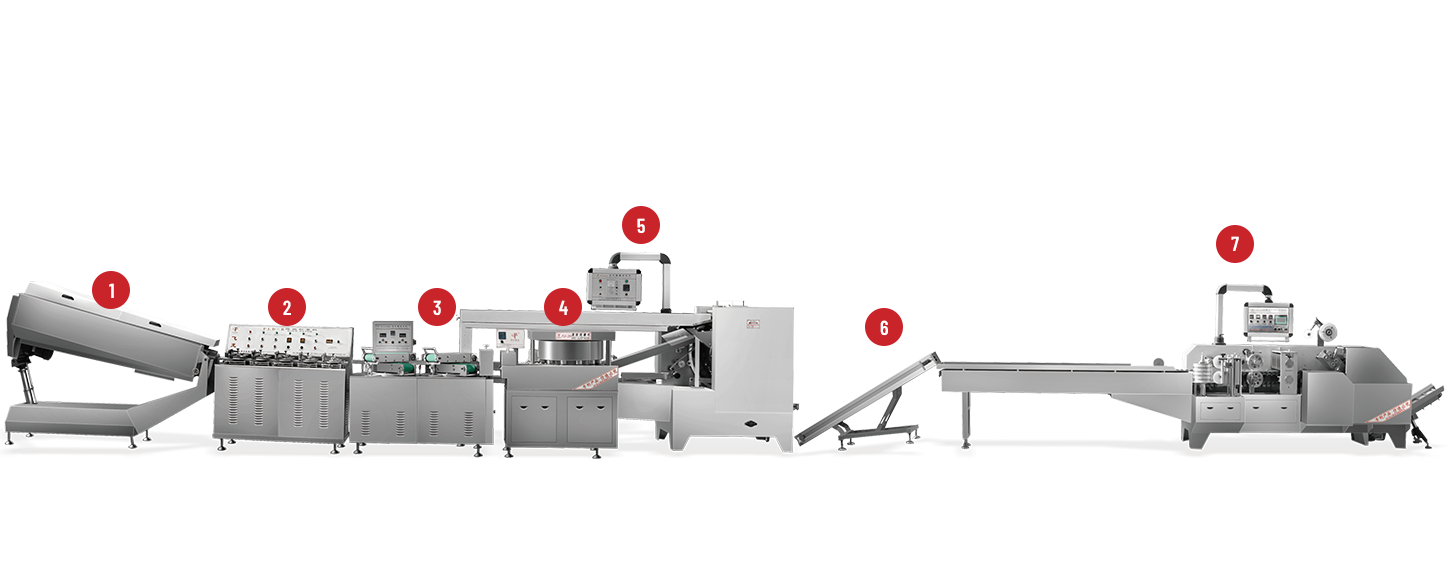
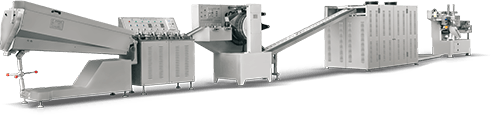
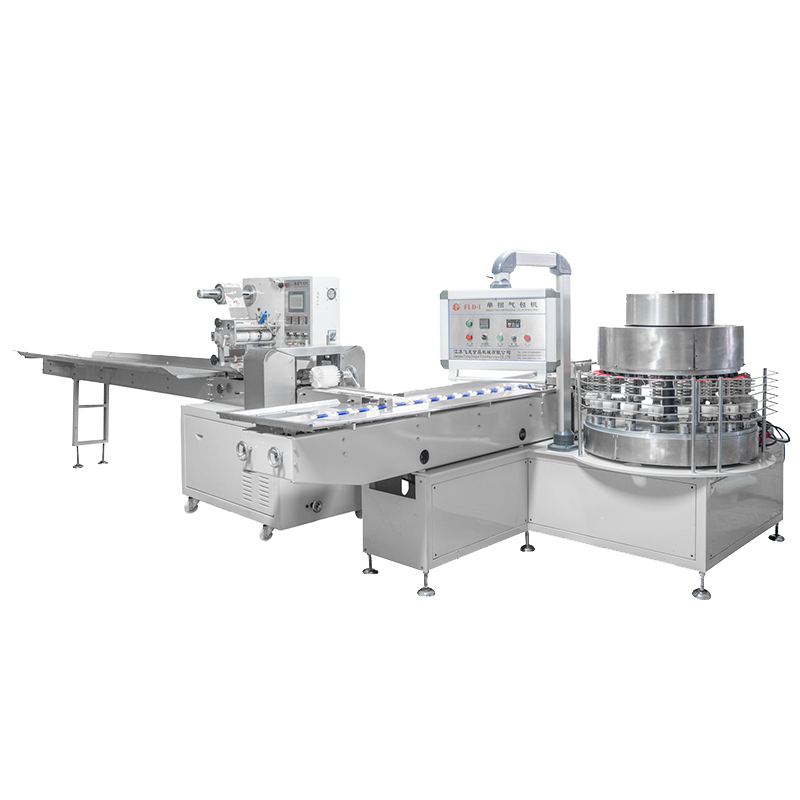
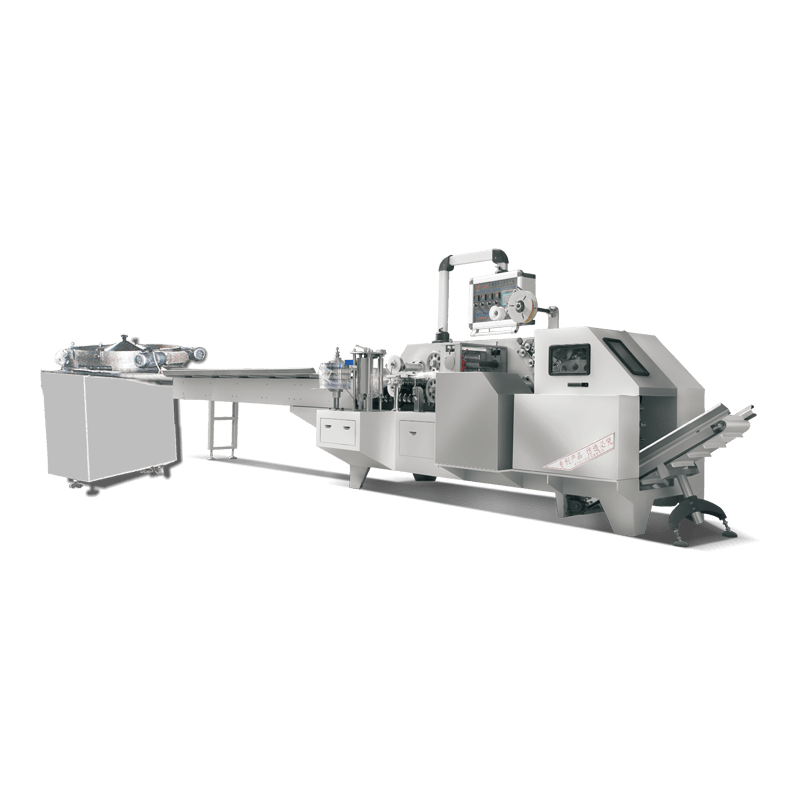
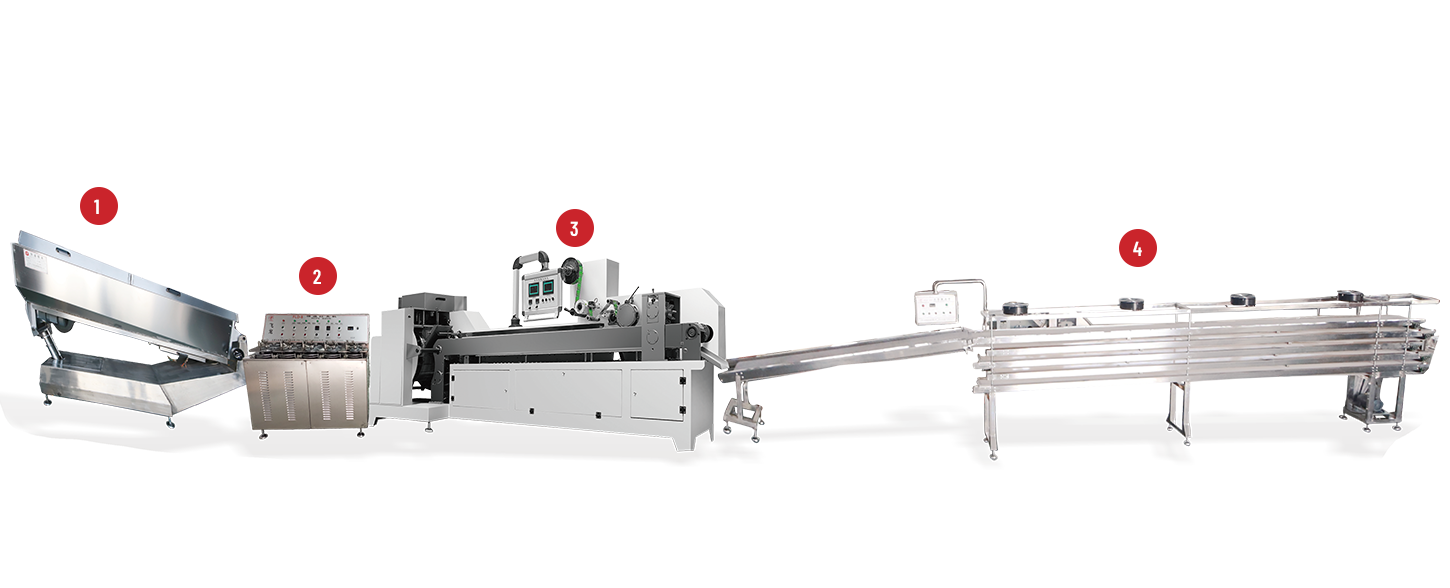
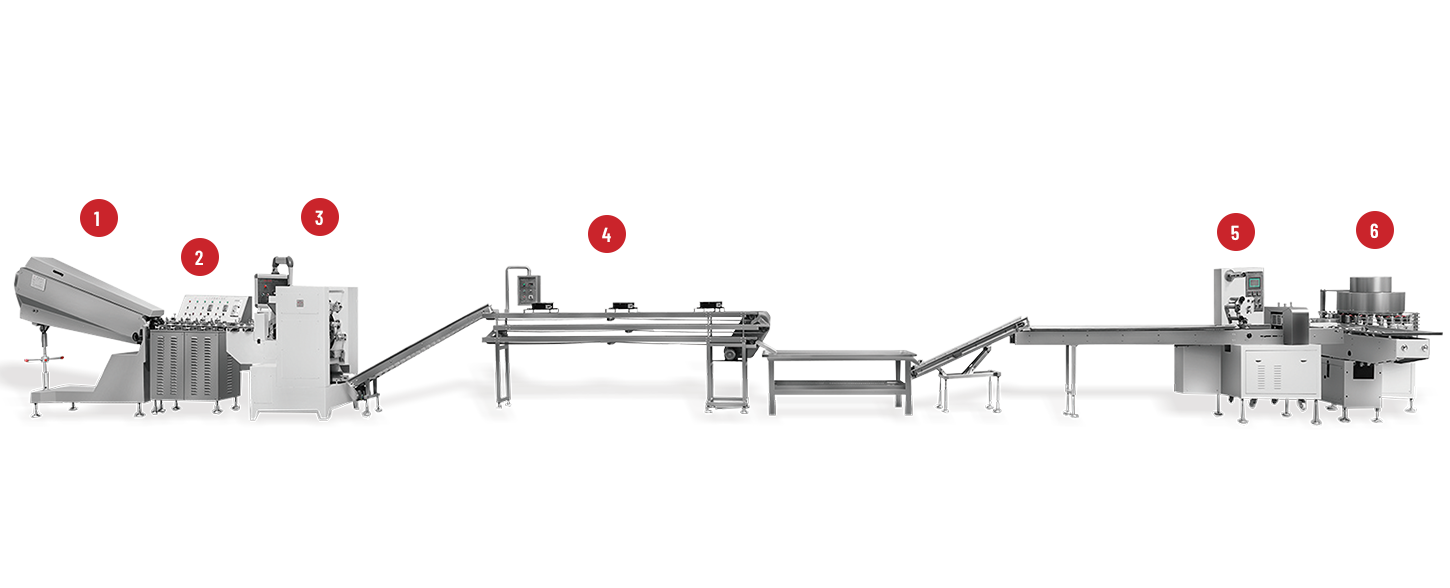
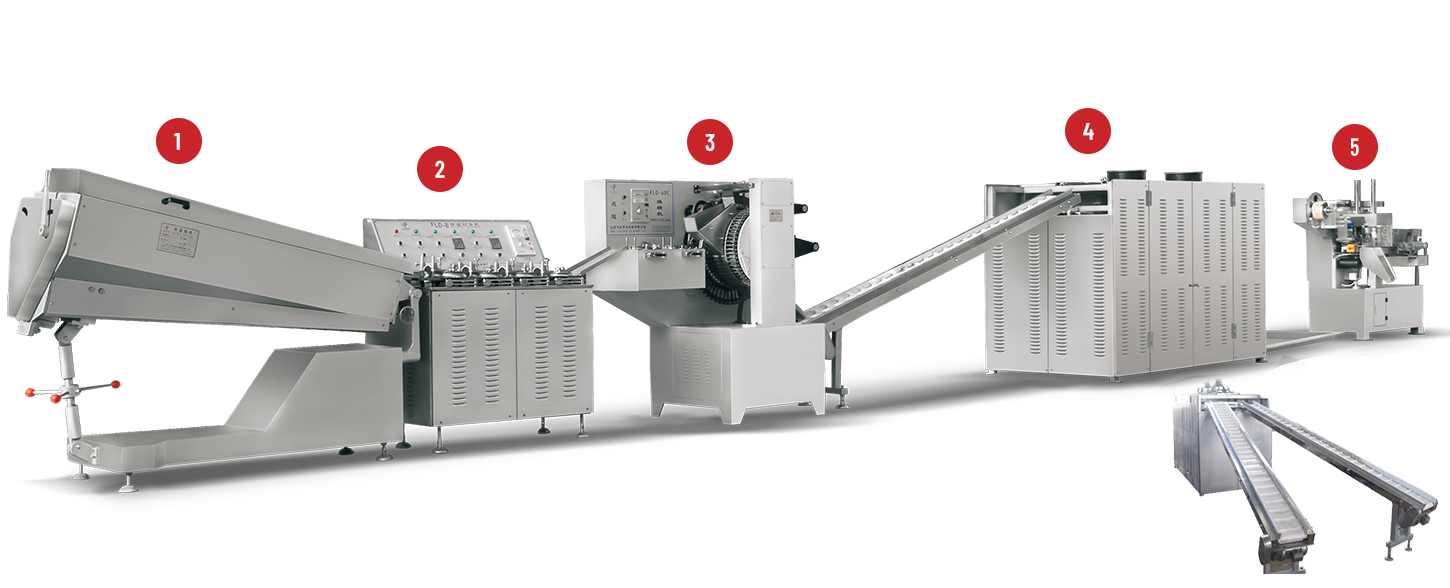
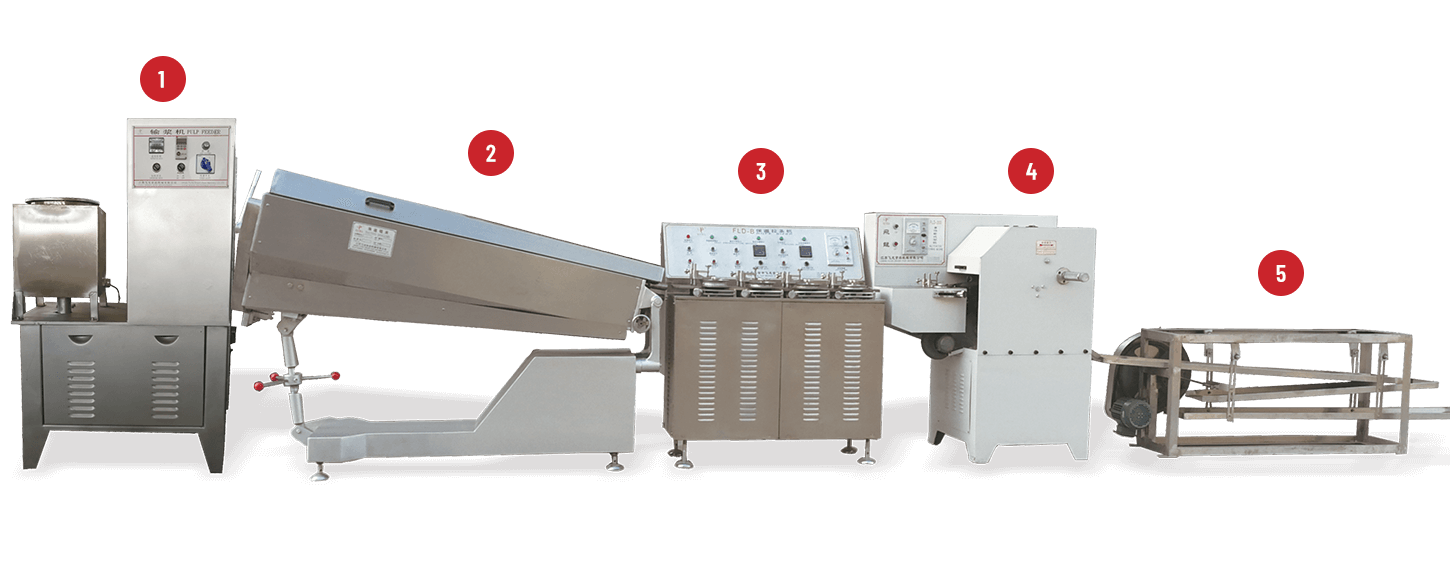
A Lollipop making production line creates a controlled path for materials. Once ingredients enter the system, they move step by step through defined stages.
This controlled movement limits random changes. In unstructured production, materials may wait at different points or be handled in different ways. These differences can find to uneven results.
A structured flow reduces this risk by keeping timing aligned. Each stage follows a fixed sequence. The transition between stages becomes predictable.
When timing is stable, the final result becomes more uniform. Even small shifts in processing time can affect outcome. A controlled flow helps reduce these shifts.
A simple comparison shows the difference:
| Production Flow Style | Movement Behavior | Result Pattern |
|---|---|---|
| Fragmented process | Irregular shifts | Mixed variation |
| Connected line flow | Steady movement | Stable output |
The idea is not complexity. It is repetition under stable conditions. That repetition builds consistency over time.
What role does early-stage preparation play in consistency?
Consistency is often decided earlier than people expect.
Before shaping even begins, material preparation already sets the tone for the entire batch.
If early preparation is uneven, later stages will carry those differences forward. They rarely disappear on their own.
In a production line setup, preparation is handled in a more controlled sequence. Materials move forward only when conditions are stable enough to proceed.
This creates a kind of "starting balance."
Once the base is stable, later stages do not need to constantly adjust. They simply continue the pattern that has already been set.
That is one of the reasons why early control often matters more than later correction.
Why does shaping stage control influence final appearance so strongly?
Shaping is usually the first point where product identity becomes visible.
At this stage, even small differences begin to take form. Size, roundness, surface smoothness — all of these are influenced here.
In a production line, shaping is not left to individual variation. It follows a repeated mechanical rhythm. The same motion. The same timing. The same sequence.
Over time, repetition becomes the stabilizing factor.
It is not about making every unit "perfect." It is about making every unit follow the same logic of formation.
When that happens, products naturally start to look aligned, even without additional adjustment later in the process.
How does temperature stability affect texture consistency?
Temperature changes are often subtle, but their effects are not.
A small shift during processing can influence how the material behaves. Sometimes it affects firmness. Sometimes it affects surface smoothness. Sometimes it only becomes visible after cooling.
A production line helps reduce these fluctuations by keeping conditions within a controlled range as materials move through different stages.
The key idea is not precision. It is stability over time.
When conditions remain steady, material behavior becomes easier to predict. And when behavior is predictable, output becomes more uniform.
This is especially important in long production runs where small changes can accumulate quietly.
How does speed alignment influence batch uniformity?
Speed is often overlooked in production discussions, but it quietly affects consistency more than expected.
If movement speed changes between stages, exposure time changes as well. That leads to uneven processing conditions.
A structured production line keeps movement aligned across the entire system. Not necessarily fast or slow, but balanced.
When every unit follows a similar timing pattern, differences between batches naturally shrink.
It creates a kind of rhythm in production. Not visible from the outside, but very real inside the process.
What happens when small disruptions appear in one stage?
No production system runs without small fluctuations.
A slight delay. A temporary imbalance. A minor adjustment requirement.
In a connected line, these changes do not stay isolated for long. They travel through the system if not managed.
However, the advantage of a structured line is visibility.
Because everything is connected, disruptions are easier to notice. The system does not hide problems; it reveals them through movement changes.
Once identified, adjustments can be made without affecting the entire process in a scattered way.
This containment effect is one of the reasons structured systems are widely used in large production environments.
Why does repetition naturally improve uniformity over time?
Consistency is rarely achieved in a single production cycle.
It develops gradually.
Each cycle repeats the same movement pattern. Over time, this repetition reduces random variation.
Even if small differences appear, they tend to be absorbed into the overall rhythm of production.
Think of it less like individual units and more like a continuous stream of output.
The more stable the repetition, the more uniform the results become.
This is not about forcing uniformity. It is about allowing structure to guide repetition until variation naturally decreases.
How does system structure influence long-term consistency?
System structure is often less visible than machines or output, but it plays a long-term role.
It defines how stages connect. How materials move. How timing is maintained.
When structure is clear, production becomes easier to control without constant intervention.
It also reduces unnecessary decision points during operation. Fewer interruptions mean fewer chances for inconsistency.
Over time, structure becomes the quiet stabilizer behind output quality.
Even when production demand changes, the system tends to maintain its internal rhythm.
That stability is what keeps consistency from drifting too far over long production periods.
 +86-(0)515-8465666
 +86-(0)515-85566996
 +86-138 1559 9708
 flyloong@flyloongcn.com
 Home
Home