

 ENG
ENG
 English
 中文简体
中文简体 русский
 Français
 Español
 عربى
عربى
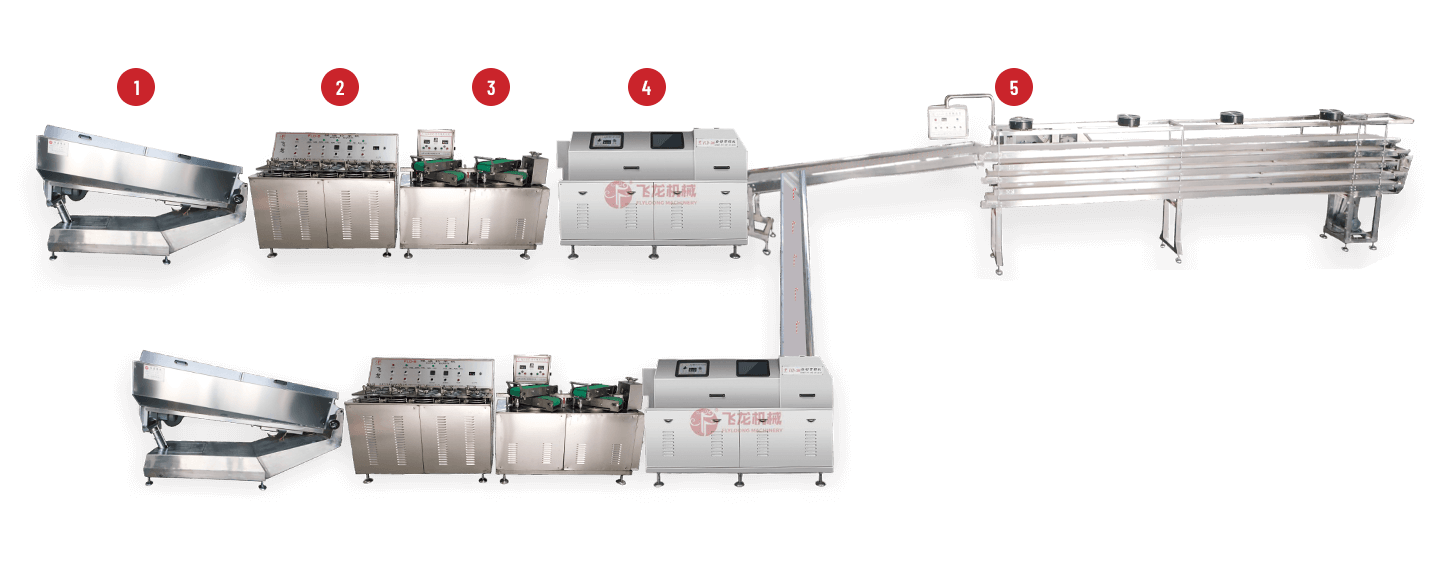
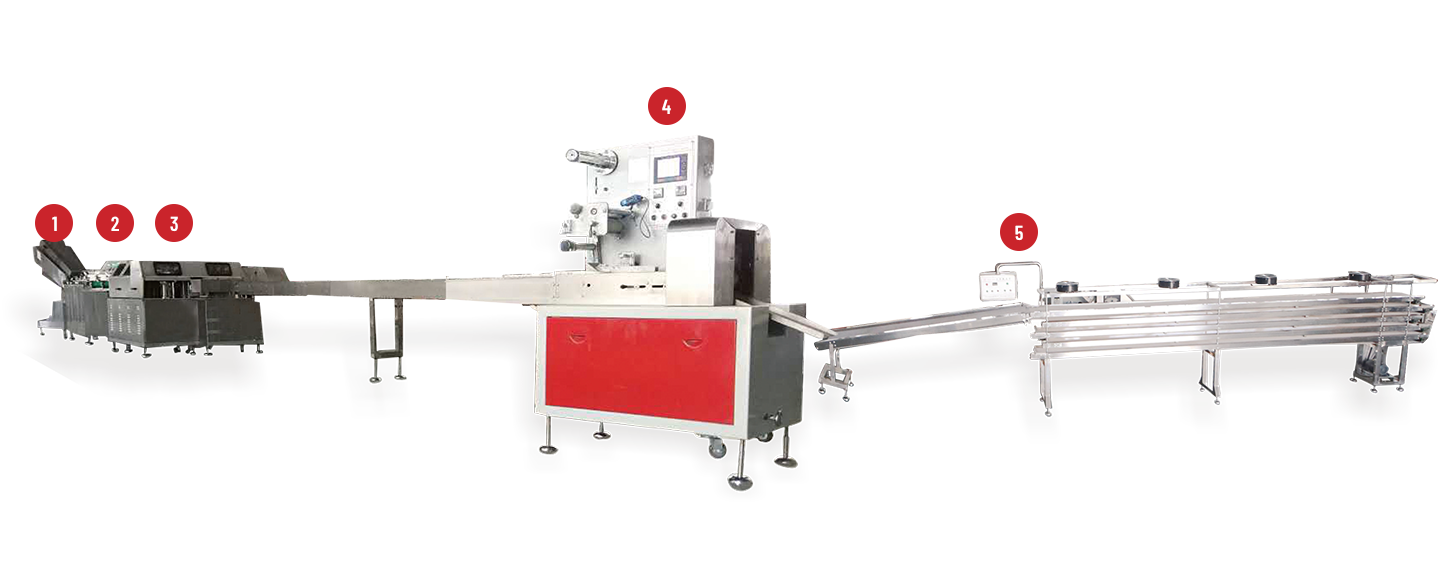
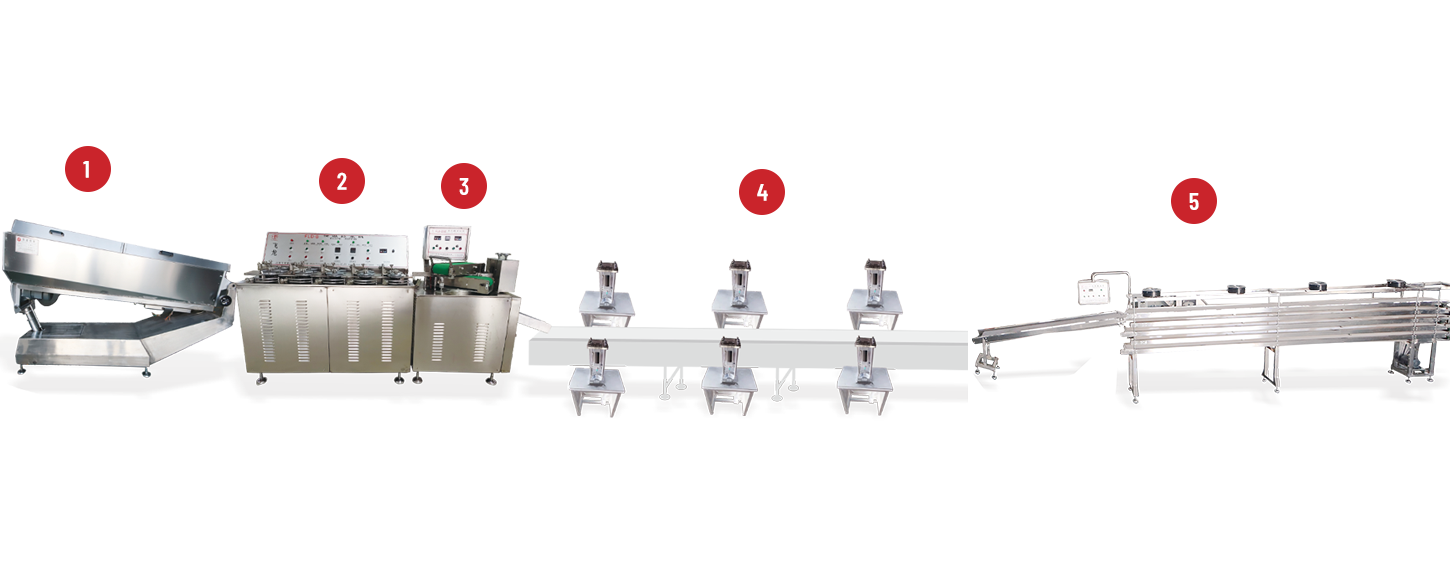
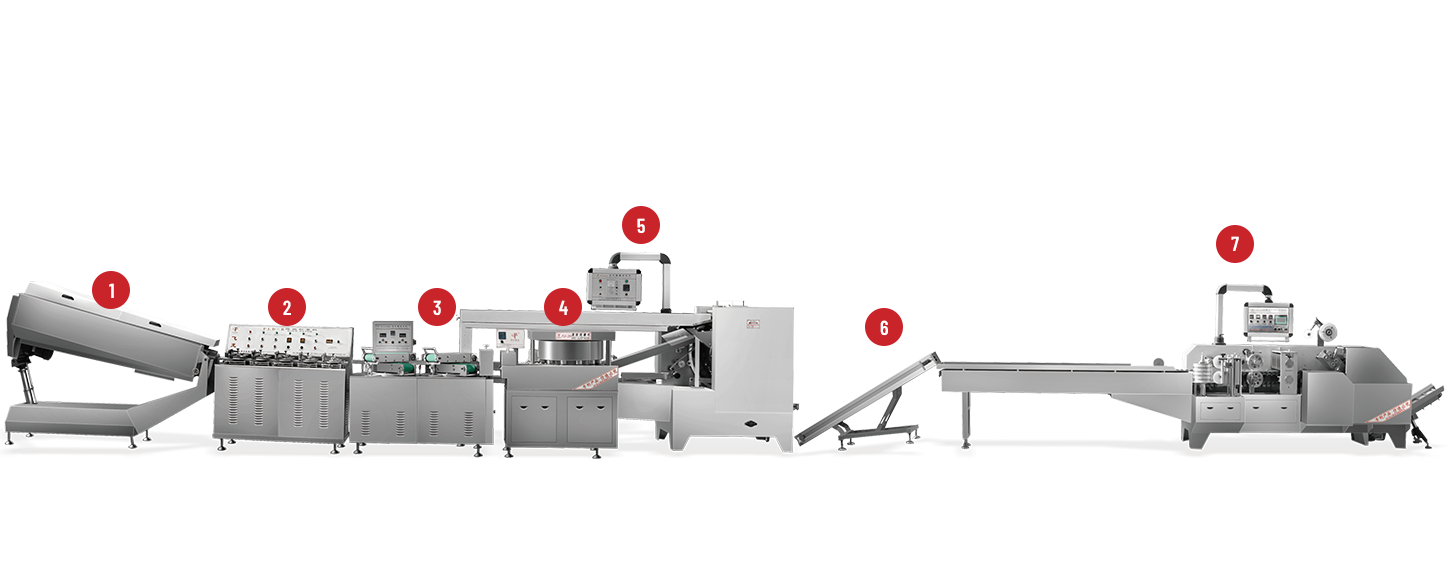
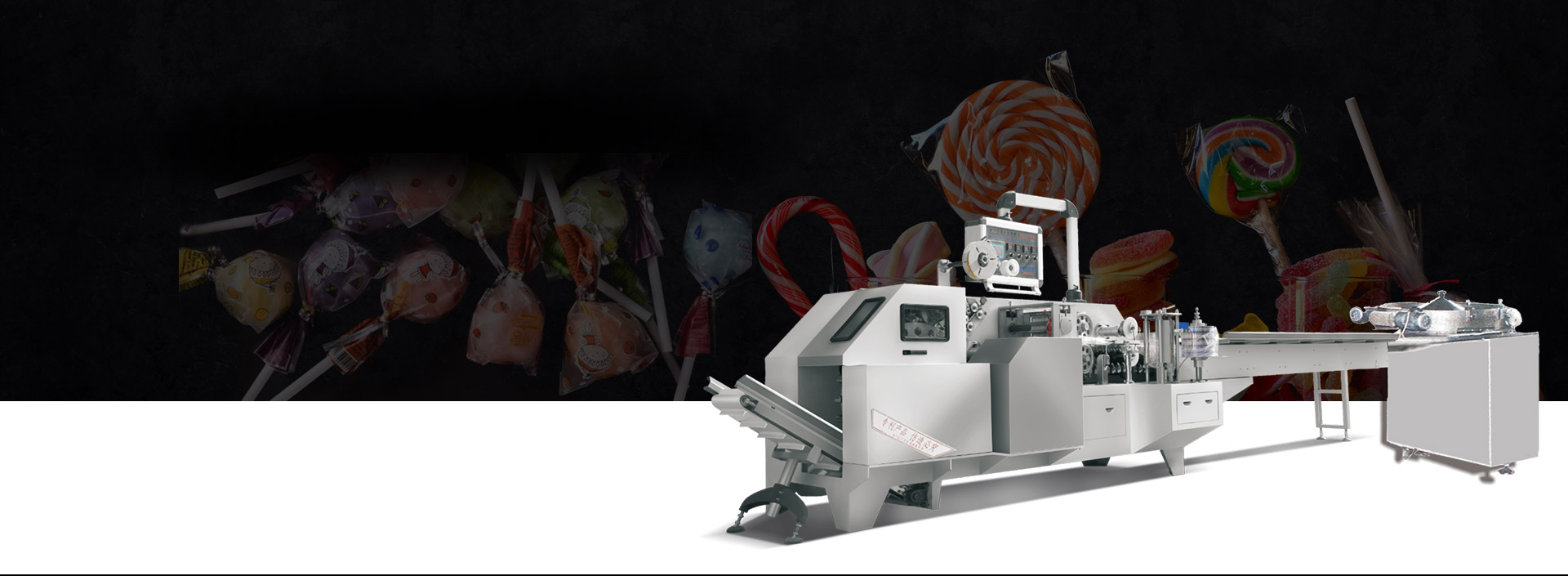
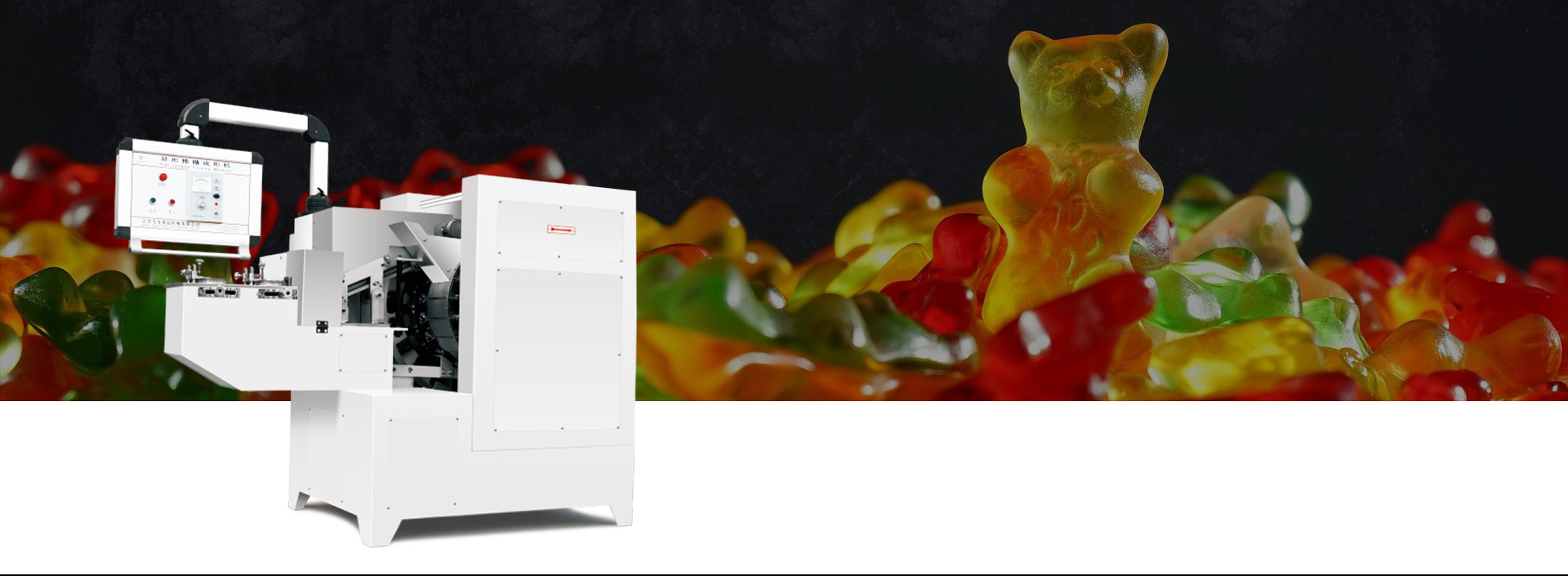
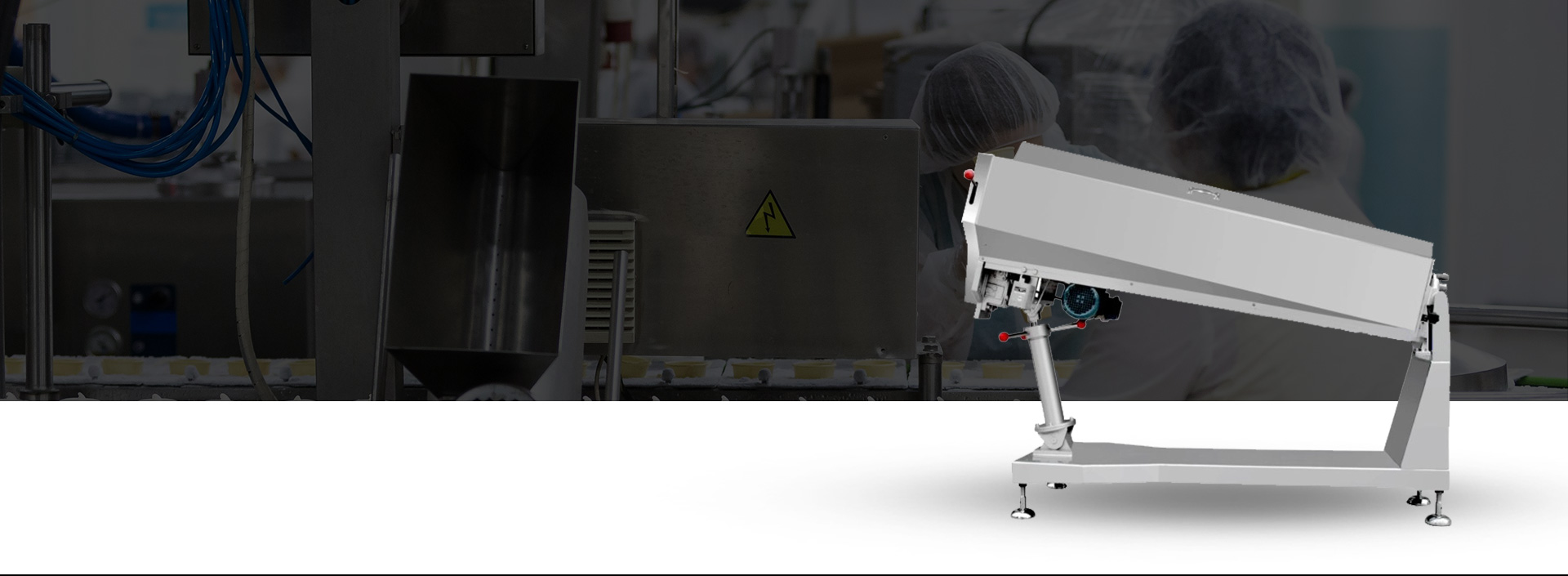
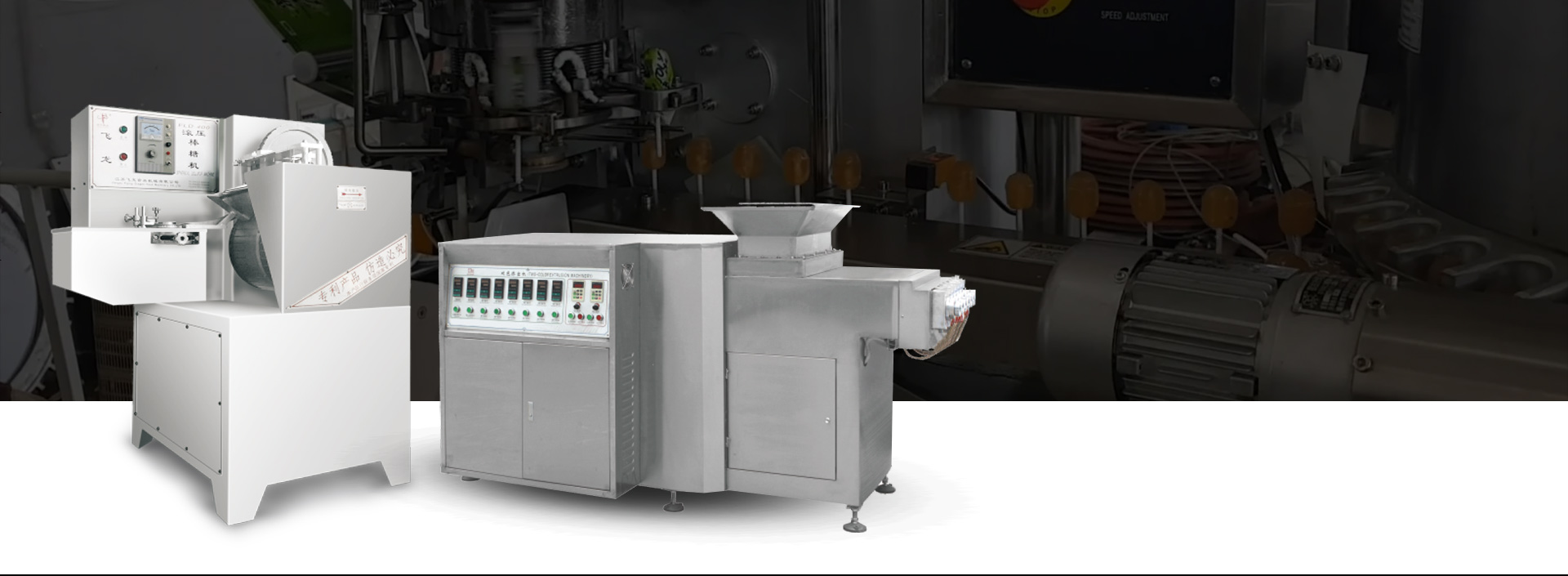
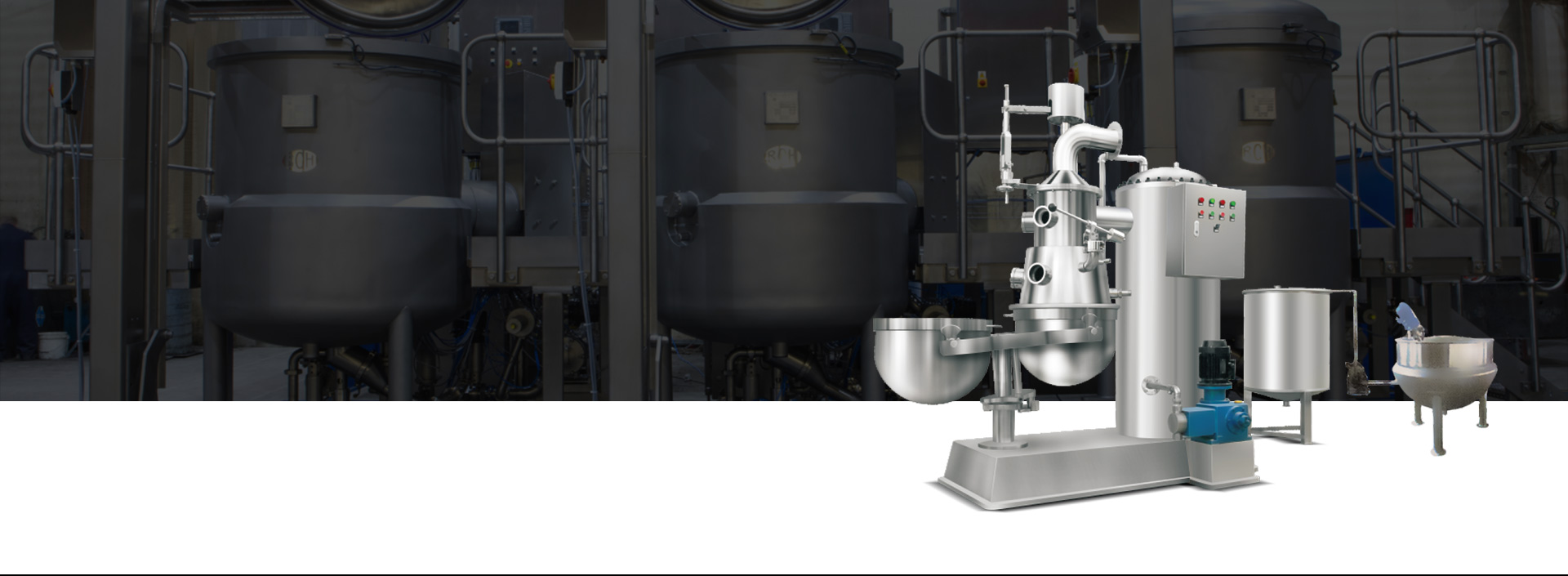
Start-up candy businesses often begin with a simple idea. A small product range, a limited space, and a focus on building early demand. At this stage, production decisions matter more than they first appear. The way candy is made shapes cost, consistency, and how quickly a business can respond to orders.
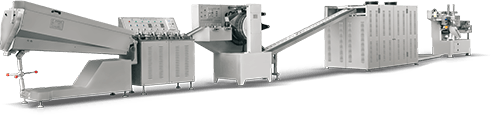
A small lollipop production line often enters this discussion early. It sits between handmade production and large-scale industrial systems. For many new businesses, it becomes a possible middle path. Not too complex, not too basic, but still requiring careful thinking before adoption.
Why do start-up candy businesses consider production lines early?
New candy brands usually face a similar challenge. Demand is uncertain, but expectations for consistency still exist. Customers may forgive small batches, but they still expect stable quality.
Handmade production can work at the beginning. It offers flexibility and low entry pressure. However, it also brings variation. Shapes may differ. Texture may shift from batch to batch. Output is limited by human capacity.
A small production line changes this pattern. It introduces structure. Even when volume is not high, the process becomes more controlled.
For start-ups, this shift is not only about scale. It is about predictability.
What does a small lollipop production line actually change?
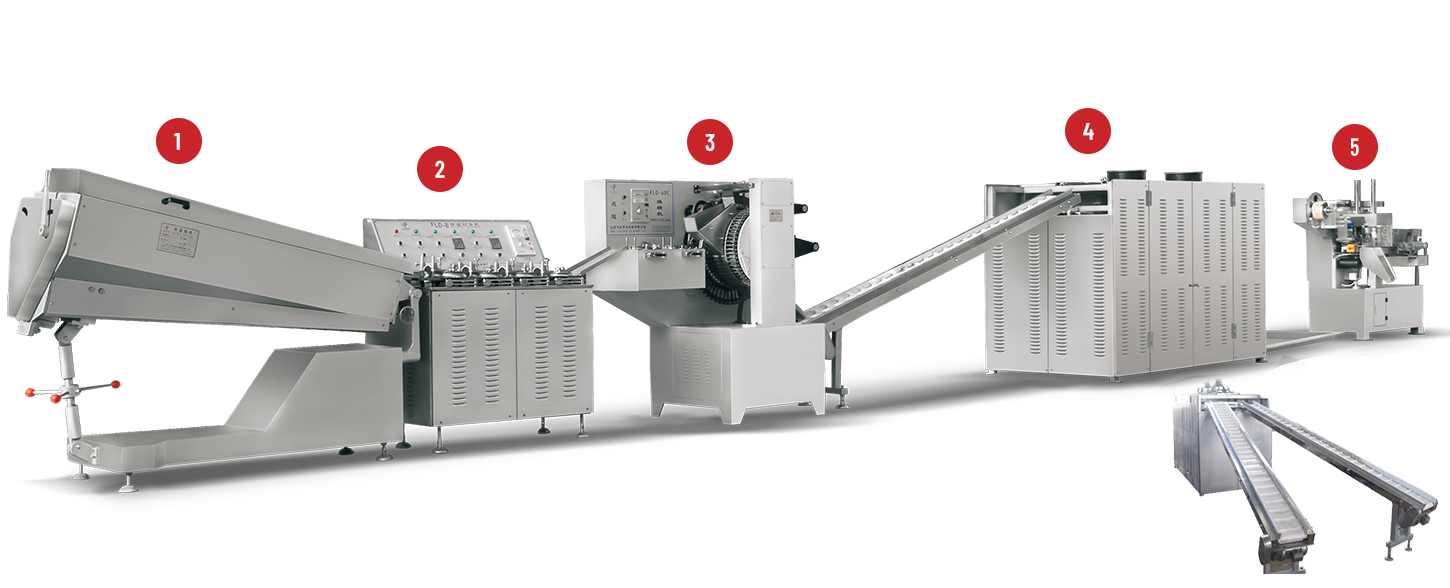
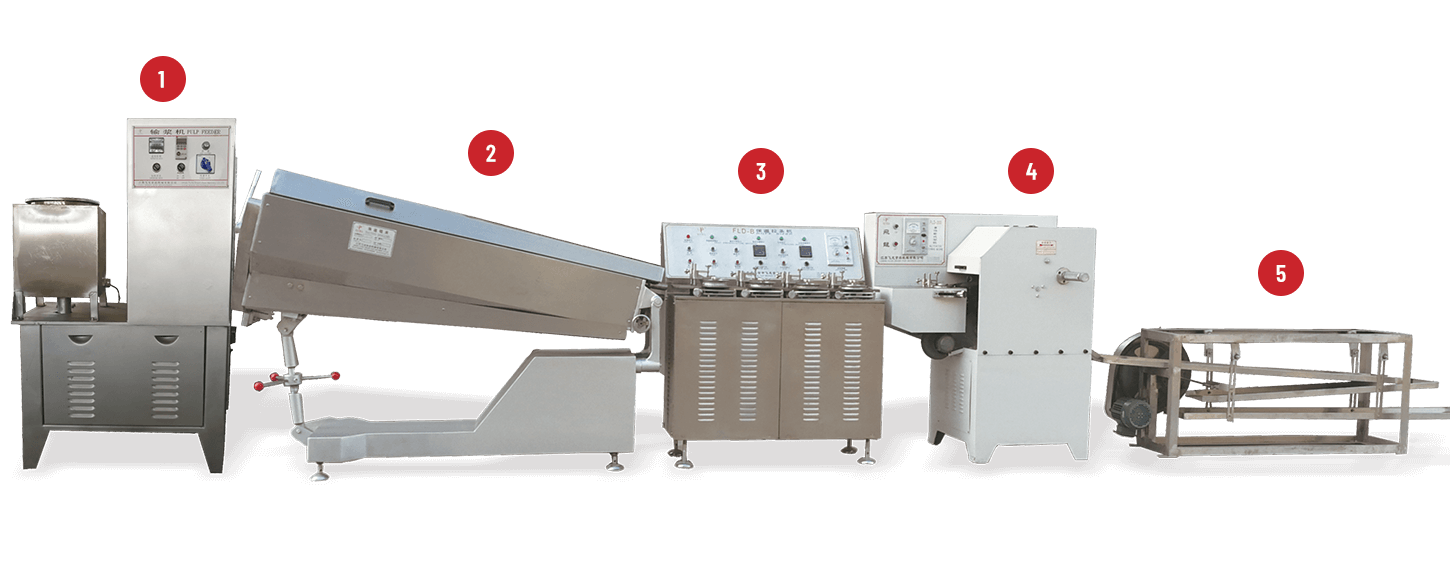
A small production line is not just equipment placed in a row. It changes how work is organized.
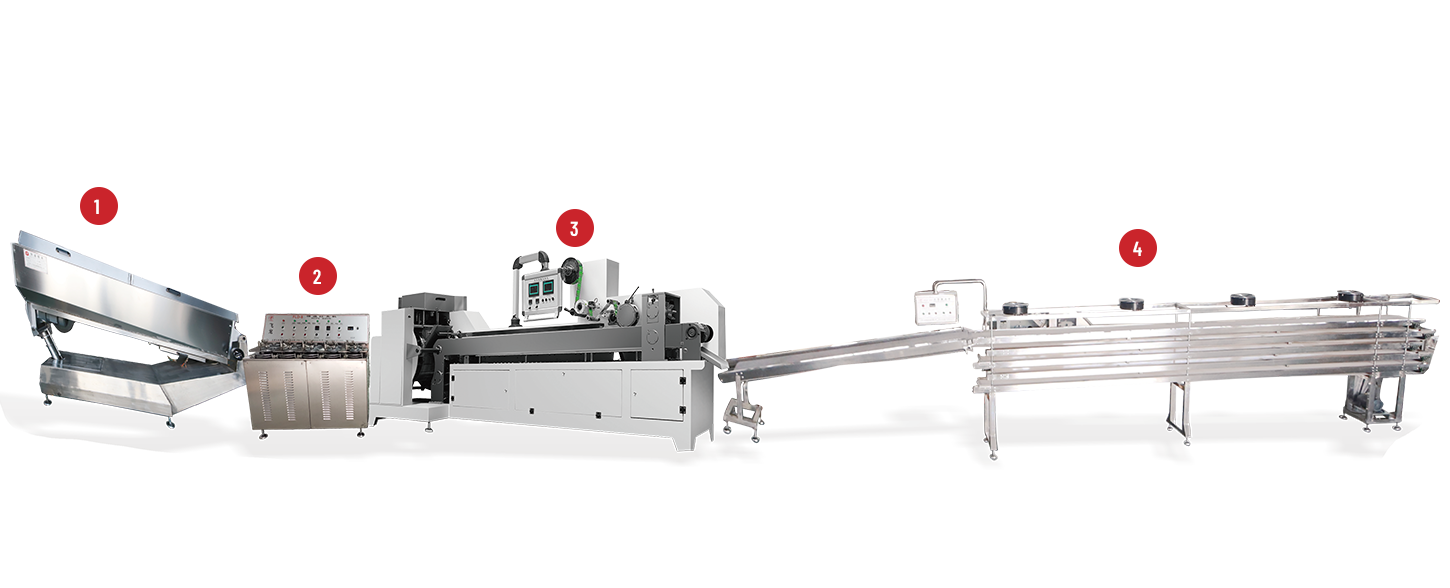
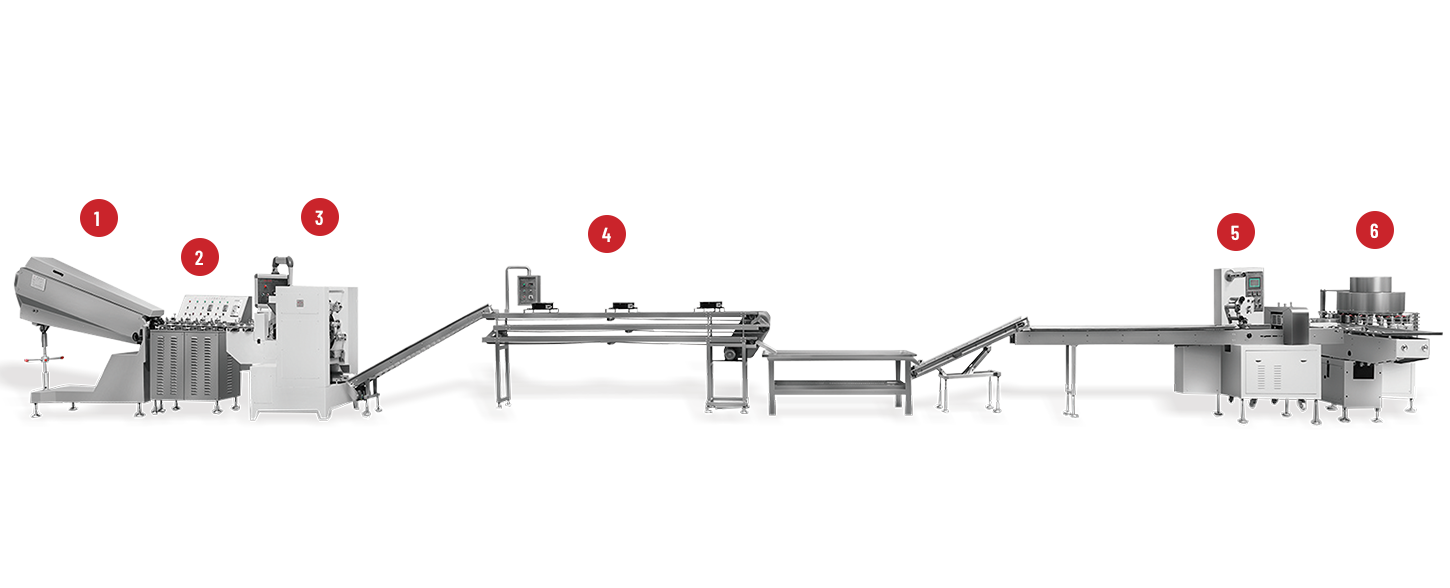
Instead of relying on manual steps, production moves through a connected flow. Each stage follows the next in a steady sequence. Ingredients are prepared, shaped, cooled, and packaged in a more continuous way.
This structure reduces dependence on individual skill differences. It also reduces interruptions between steps.
In daily operation, the change is noticeable. Work becomes more repeatable. Output becomes easier to estimate. Planning becomes less guess-based.
For a start-up, this can feel like a shift from flexible crafting to organized production.
How does it affect early-stage business costs and planning?
Cost is usually the first concern for any start-up. A small production line requires investment, but the real question is how that investment interacts with growth.
In manual production, cost is spread across labor and time. As demand increases, more hands are needed. That creates pressure on coordination and space.
With a production line, the cost structure changes. More value is placed in equipment stability and maintenance. Labor shifts from direct making to operation and supervision.
This does not automatically reduce costs. It changes where costs appear.
A simple comparison helps clarify this:
| Aspect | Manual Production | Small Production Line |
|---|---|---|
| Labor role | Direct shaping and handling | Operation and monitoring |
| Output consistency | Varies between batches | More stable across batches |
| Scaling ability | Limited by manpower | Limited by system capacity |
| Planning clarity | Often flexible | More structured |
| Setup cost | Lower at start | Higher initial commitment |
For start-ups, this balance is important. It determines how quickly they can move from testing to stable production.
Is production consistency important for new candy brands?
Consistency often decides how a brand is perceived in early stages. Even small differences in size, texture, or appearance can affect customer trust.
Handmade production may create charm, but it also introduces variation. Some batches feel slightly different from others. This may not be a problem in small local sales, but it becomes more visible when distribution expands.
A small production line helps reduce this variation. It brings repetition into the process. Each unit follows a similar path.
For start-ups trying to build recognition, this stability can support brand identity. Customers begin to recognize the product not just by taste, but by uniform appearance.
What kind of space and setup does a small line require?
Space is another practical factor. Start-up businesses often work in limited environments. A production system must fit into that reality.
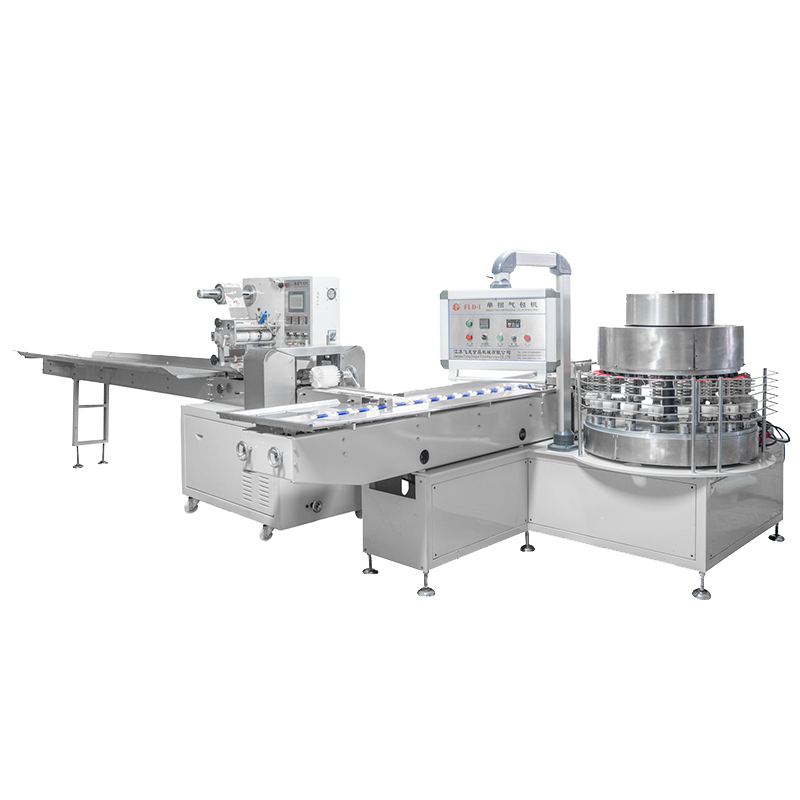
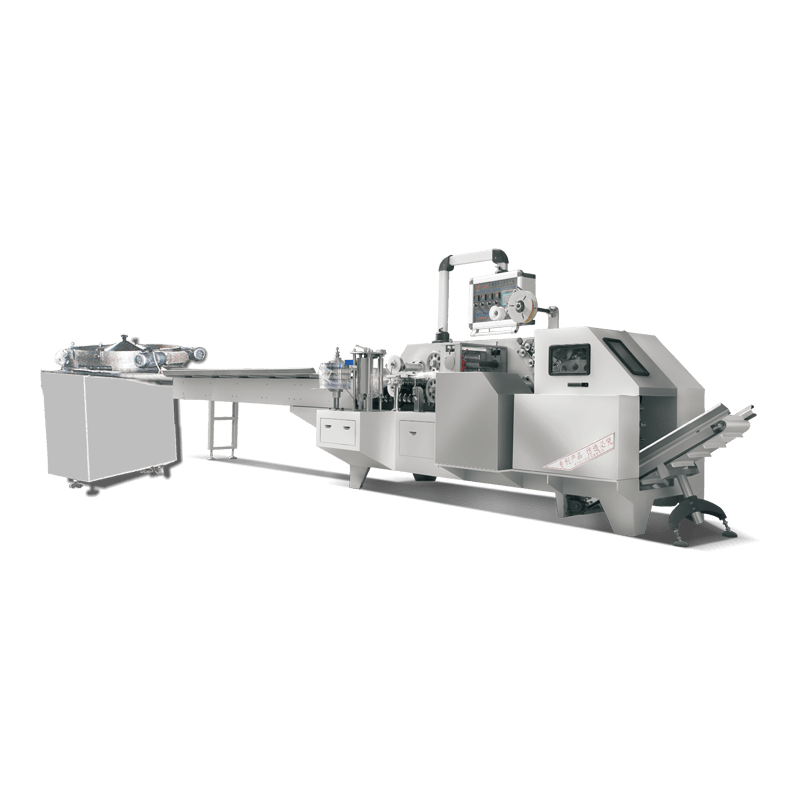
A small lollipop production line is usually arranged in a compact flow. It does not require large factory layouts. Still, it needs a structured area where movement between stages is clear.
The layout is often simple:
- Preparation area
- Forming section
- Cooling space
- Packaging zone
Even though the system is compact, separation between steps still matters. It helps maintain order and reduces overlap in workflow.
Ventilation, cleaning access, and storage space also play a role. These are often underestimated at the beginning, but become important over time.
How does it influence product variety and flexibility?
Start-up candy businesses often explore different flavors and shapes. Flexibility is important in early testing phases.
Manual production allows quick changes. A recipe can be adjusted without delay. Shapes can be modified with little effort.
A small production line introduces structure, which can slightly reduce this flexibility. Changes may require adjustments in setup or timing.
However, it does not eliminate variety. Many small lines are designed to support different product types, as long as changes are planned rather than spontaneous.
The difference lies in rhythm. Manual work changes instantly. A production line changes in steps.
Can it support business growth over time?
One of the main questions for start-ups is not only whether a system works now, but whether it can support future growth.
A small production line often sits in the middle stage of development. It is more stable than manual work, but not as complex as large-scale systems.
As demand increases, output can be expanded through extended operation hours or gradual upgrades. This allows businesses to grow without changing the entire system at once.
At the same time, there is a limit. If demand grows significantly, the system may eventually need expansion or replacement.
So the role of a small line is often transitional. It supports early stability and prepares for larger operations.
What challenges should start-ups expect?
No system is without challenges. A small production line introduces its own learning curve.
One common challenge is workflow adjustment. Teams need time to adapt from manual production habits to structured operation. This shift can feel slow at first.
Another challenge is maintenance awareness. Equipment requires regular attention. Small issues, if ignored, can affect output consistency.
Training is also important. Operators need to understand not only how to run the system, but how to respond when small variations appear.
These challenges are not barriers. They are part of the adjustment process.
How do businesses decide between manual and machine-based production?
The decision is rarely about right or wrong. It is about timing and direction.
Manual production fits early testing stages. It supports creativity and low-risk experimentation.
A small production line fits early scaling stages. It supports repeatability and structured output.
Many businesses move between these two stages gradually. They start manually, then introduce equipment when demand becomes more stable.
The key question is not whether a production line is useful. It is whether the business is ready for structured growth.
What signals show that a small production line is suitable?
There are a few common indicators that often appear before businesses make the switch:
- Orders become more regular
- Product style becomes more defined
- Manual production feels time-limited
- Quality variation becomes noticeable
- Planning starts replacing improvisation
When these signals appear together, a structured system begins to make more sense.
It is not a sudden decision. It is usually a gradual recognition that manual methods are reaching their limit.
FAQ
Is a small lollipop production line too complex for start-ups?
It depends on readiness. It introduces structure, but it is still simpler than large industrial systems.
Can a start-up still keep product creativity with a production line?
Yes, but changes may need more planning compared to manual production.
Does it replace manual work completely?
Not always. Many start-ups use a mix of manual preparation and machine-based production.
Is it suitable for small batch production?
Yes, but it becomes more efficient when demand is consistent.
What is the biggest adjustment for new users?
The shift from flexible making to structured workflow is usually the noticeable change.
 +86-(0)515-8465666
 +86-(0)515-85566996
 +86-138 1559 9708
 flyloong@flyloongcn.com
 Home
Home