

 ENG
ENG
 English
 中文简体
中文简体 русский
 Français
 Español
 عربى
عربى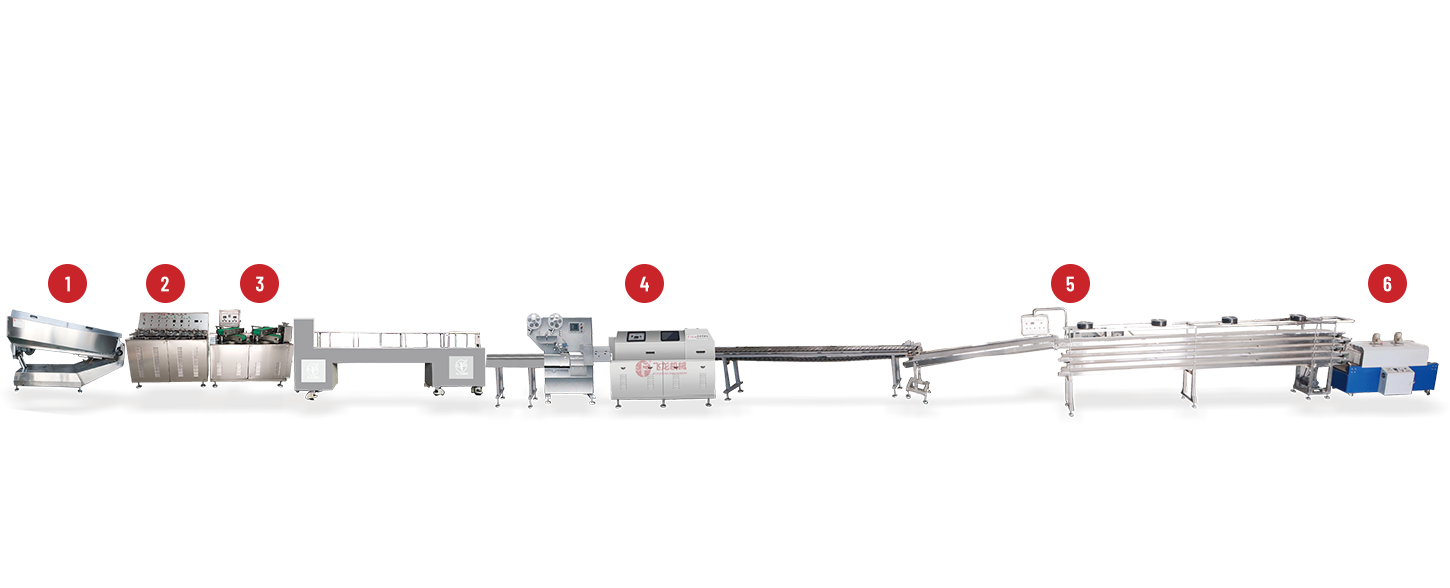
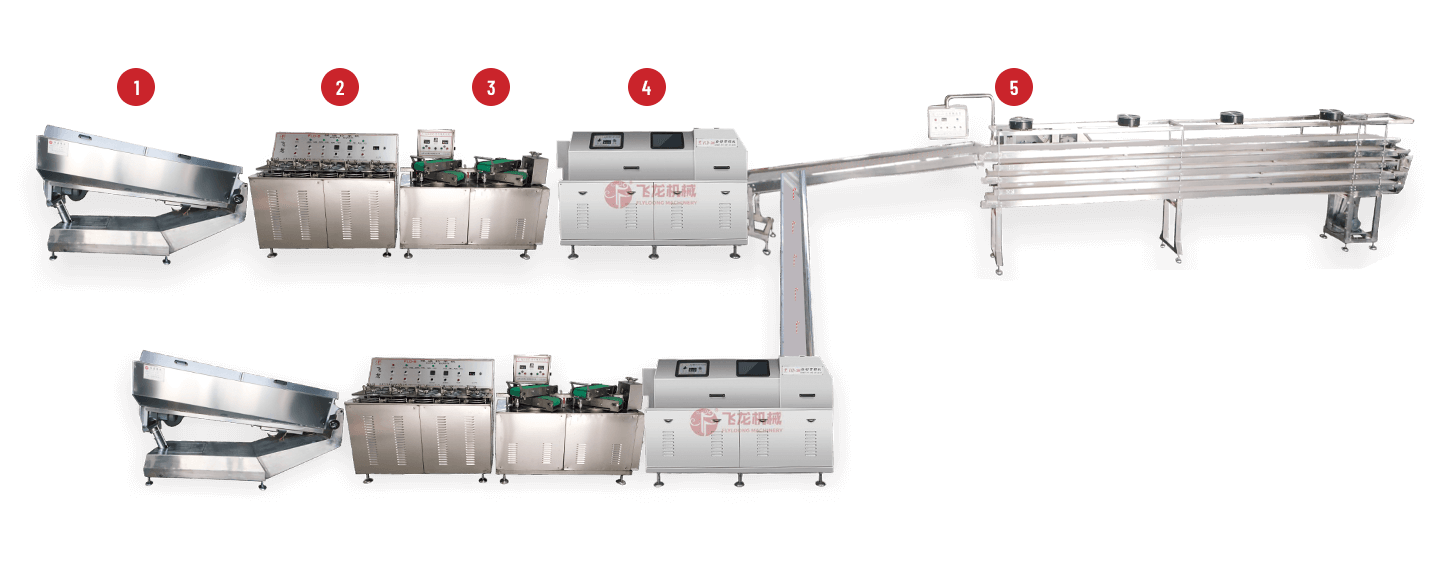
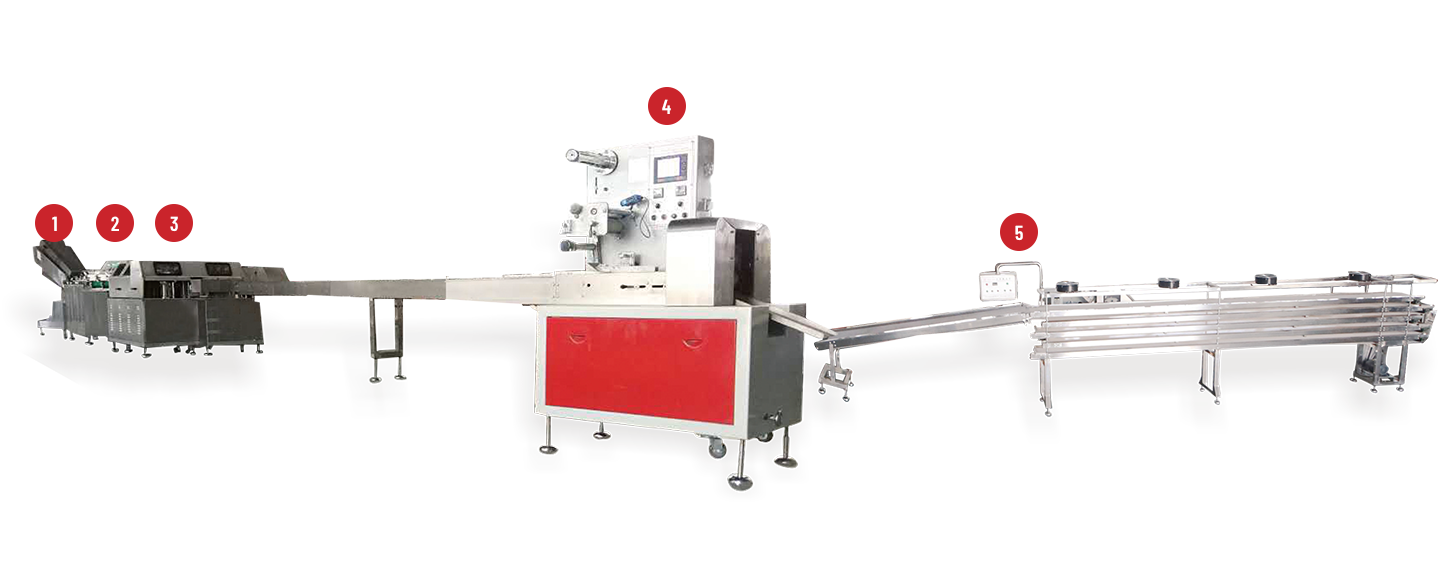
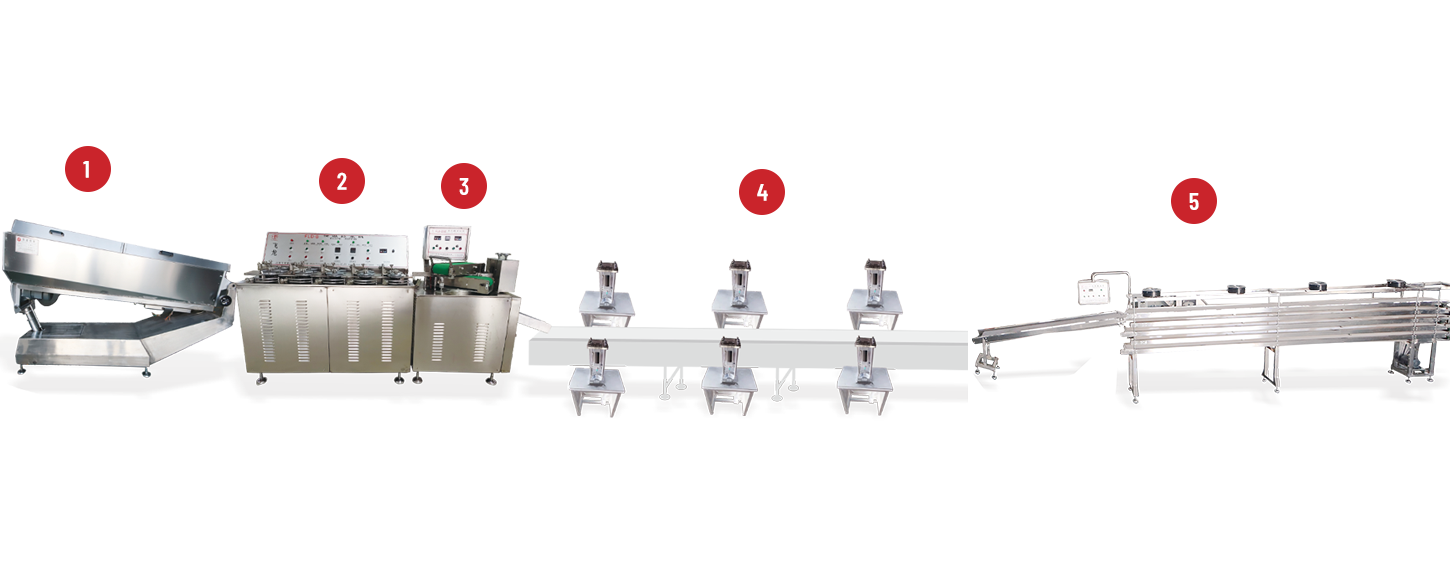
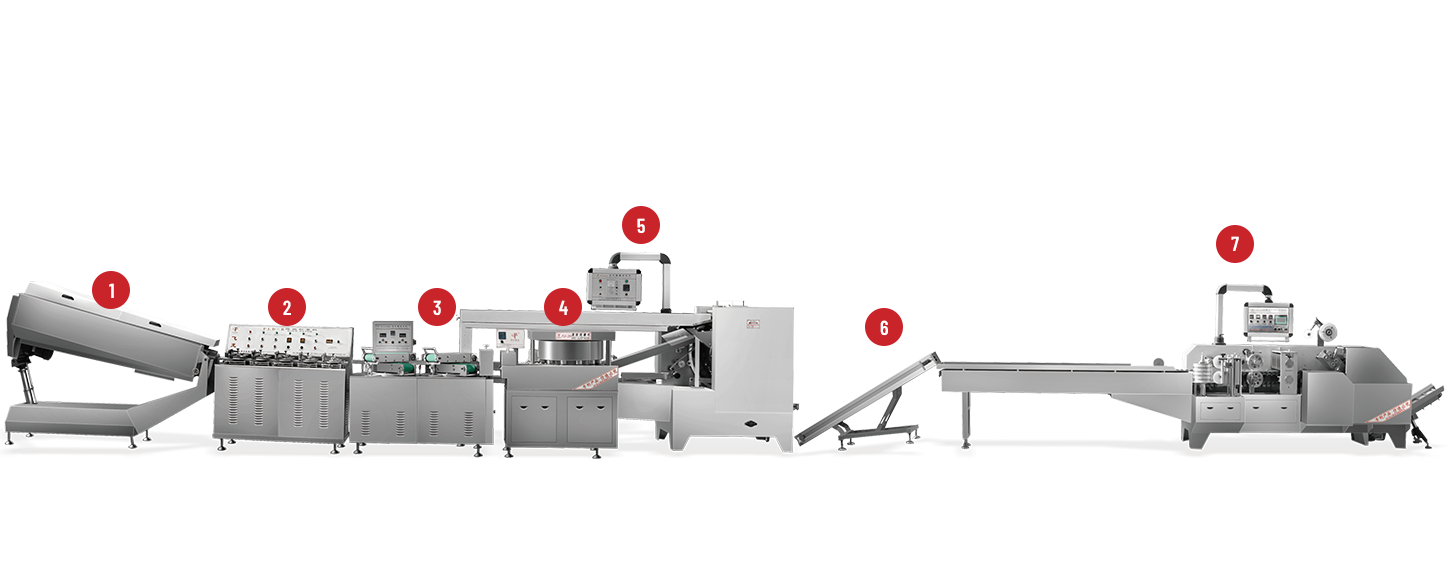
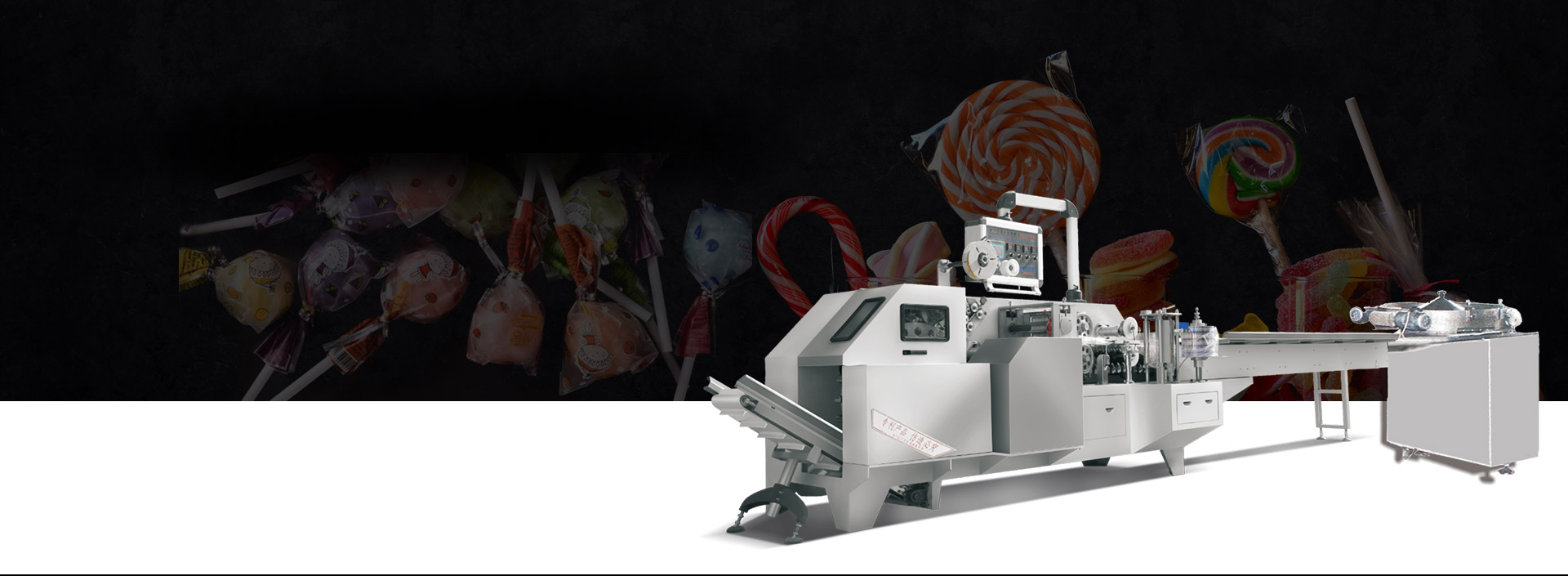
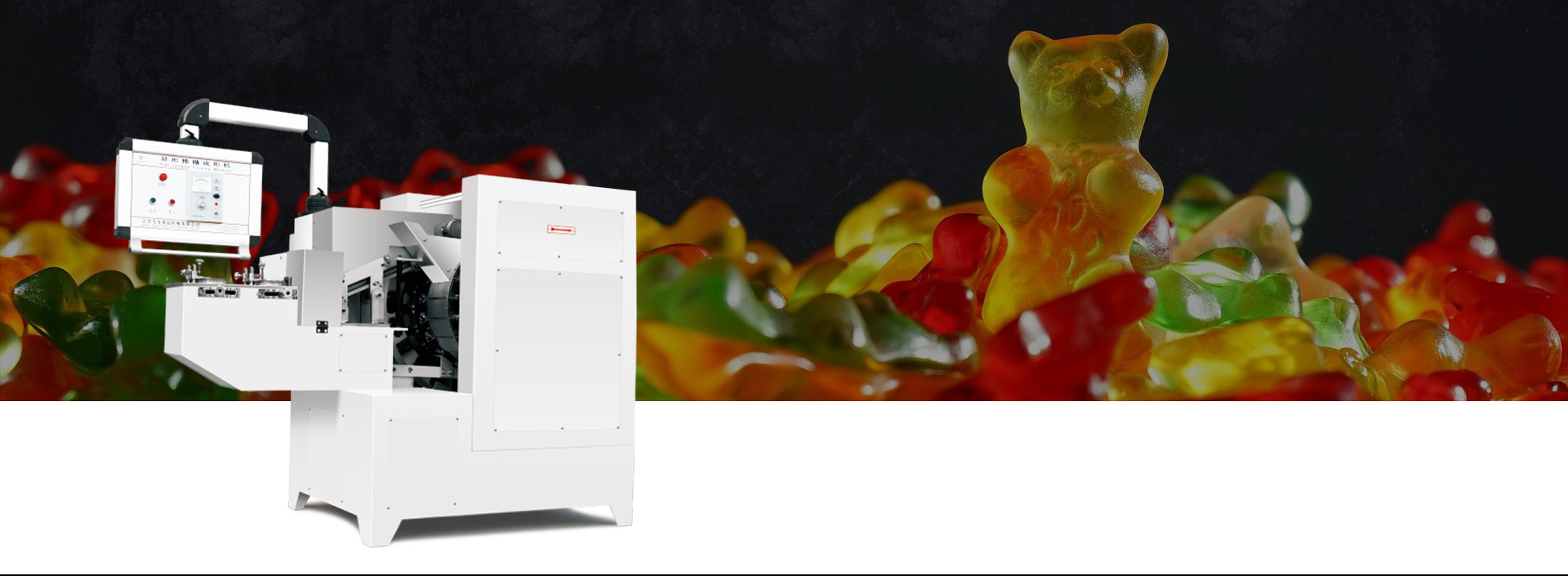
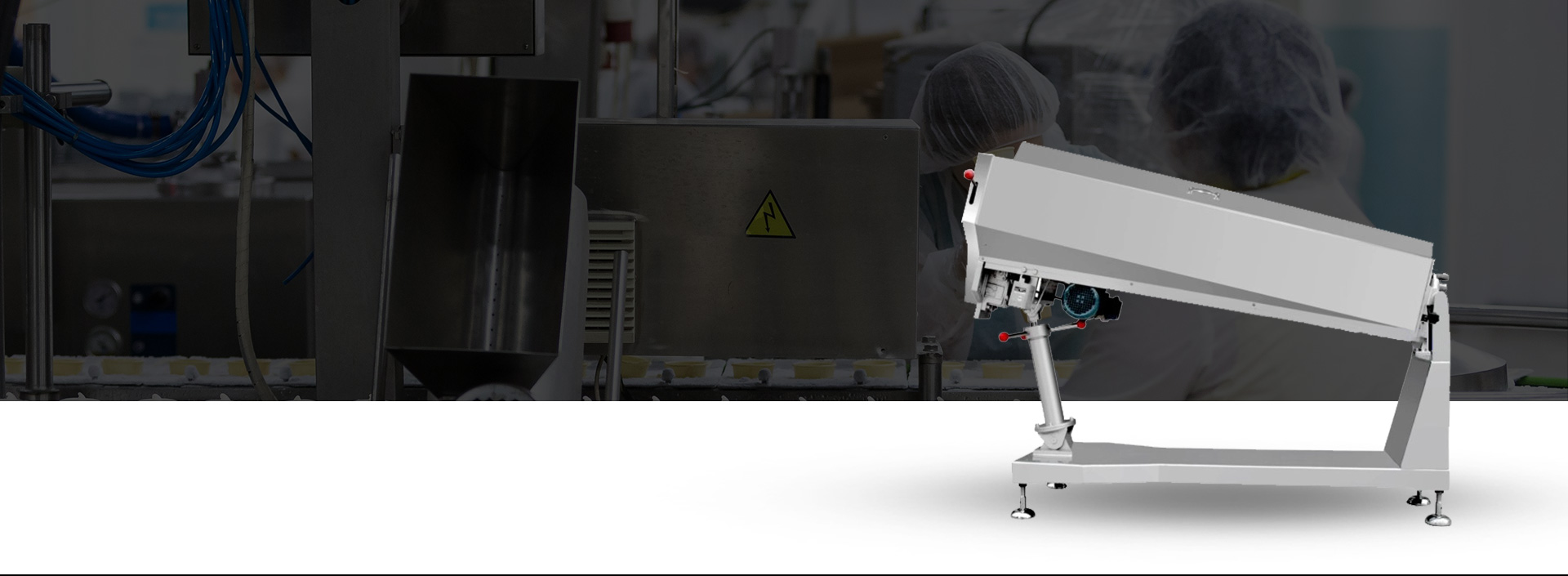
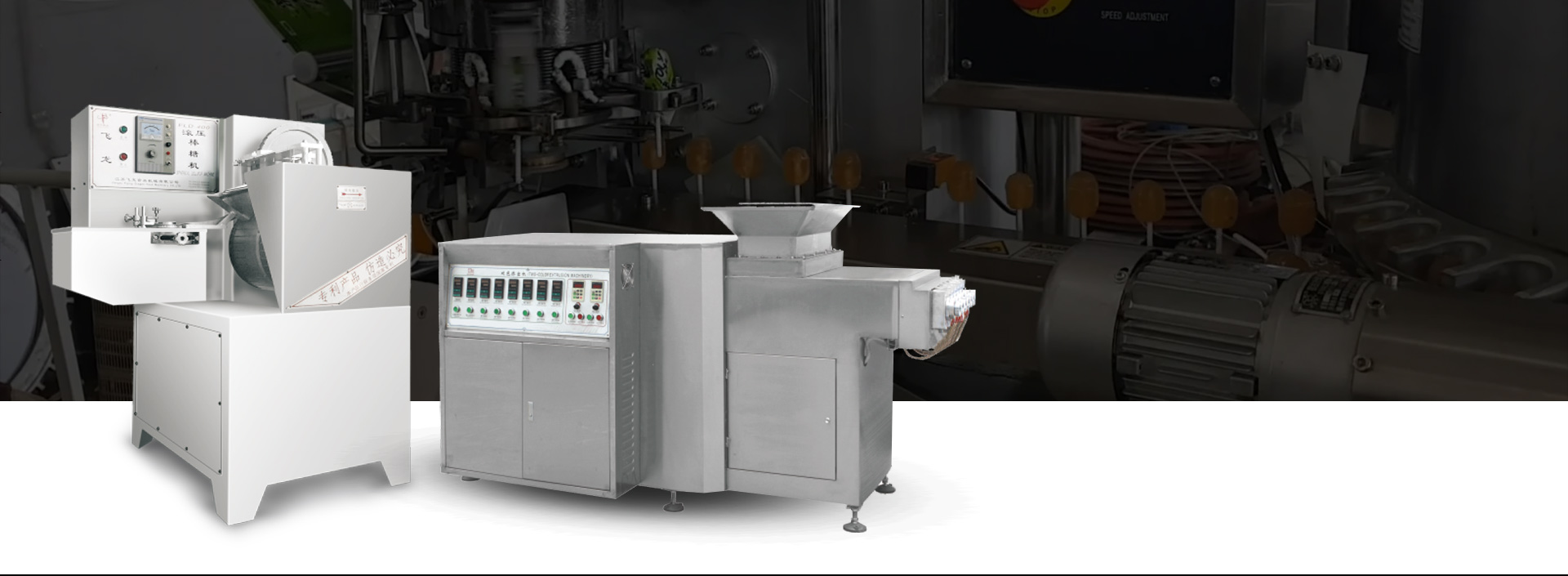
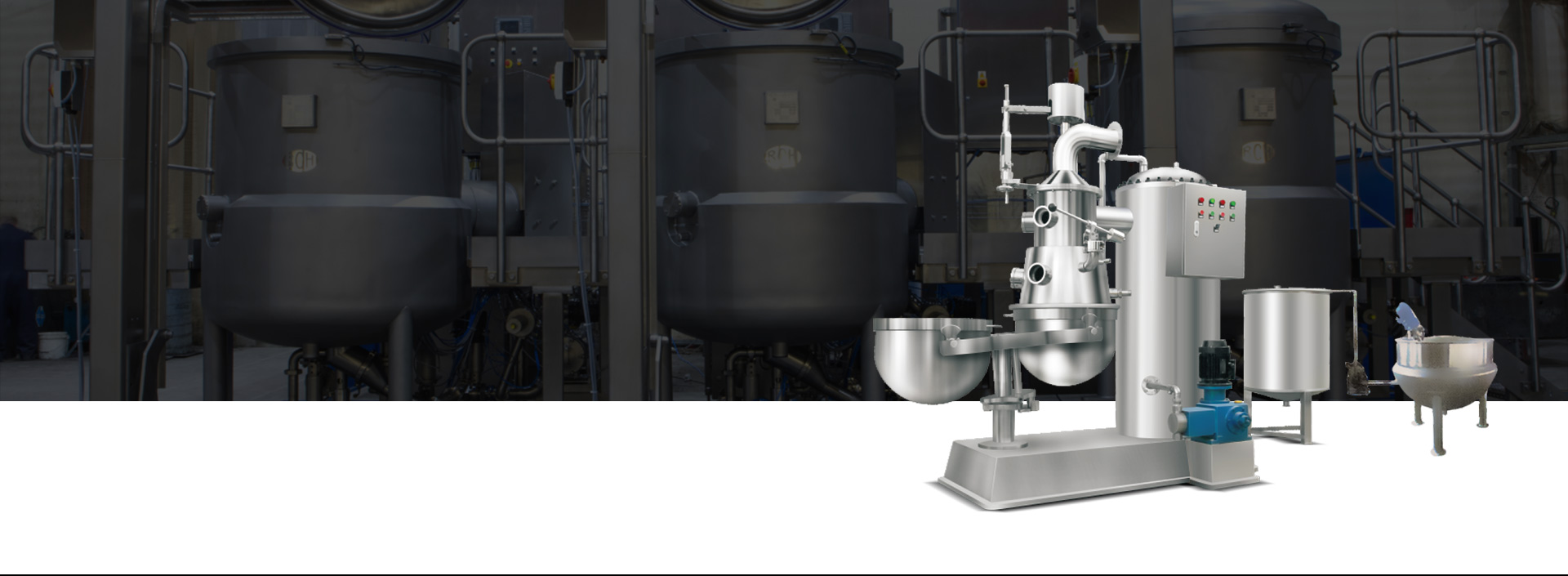
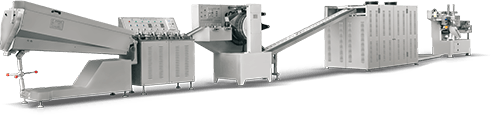
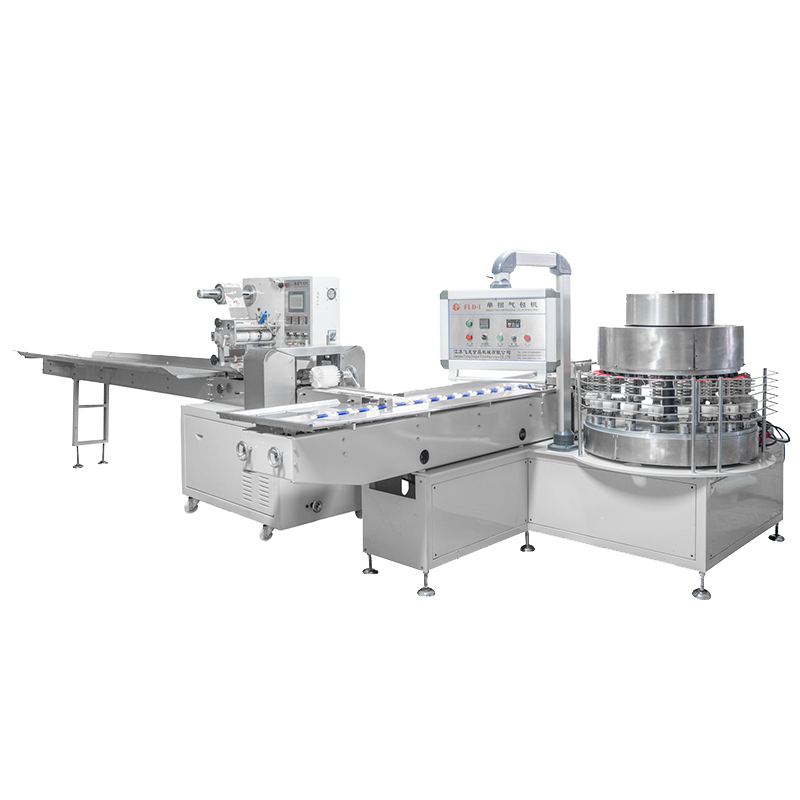
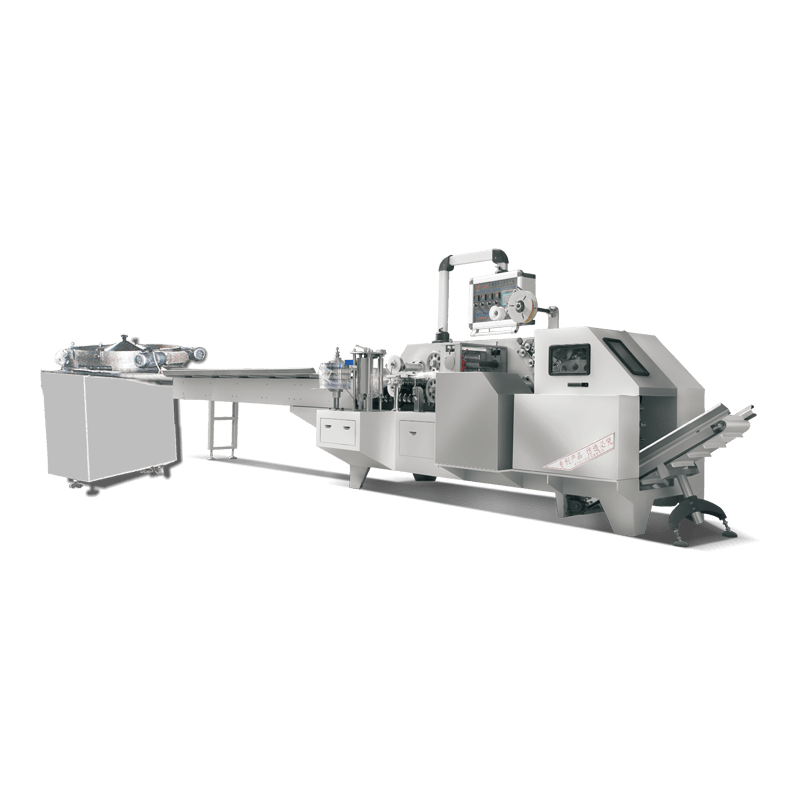
In modern candy manufacturing, production systems are changing in a quiet but steady way. Many factories are no longer relying only on manual work. Instead, they are moving toward more structured equipment-based workflows. A fully automatic lollipop production line is one of the typical examples of this shift.
It is not simply about replacing labor. It is more about how production is organized, how materials move, and how stable the final output can be over time. For industrial users, these details often matter more than the equipment itself.
Why are fully automatic production lines being used more often in candy factories?
Candy production looks simple from the outside, but inside a factory, small differences can easily affect the final product. Temperature, timing, and handling all influence appearance and texture.
Manual production allows flexibility, but it also brings variation. One batch may not look exactly like another. For small-scale selling, this may not be a big issue. For larger distribution, it becomes more noticeable.
A fully automatic production line reduces that gap. Once the system is set, the process tends to follow the same path each time. The focus shifts away from individual handling and moves toward controlled flow.
Another reason is production rhythm. Orders today are often less predictable. A stable system helps factories respond without constantly reorganizing labor.
How does a fully automatic lollipop production line actually work in daily use?
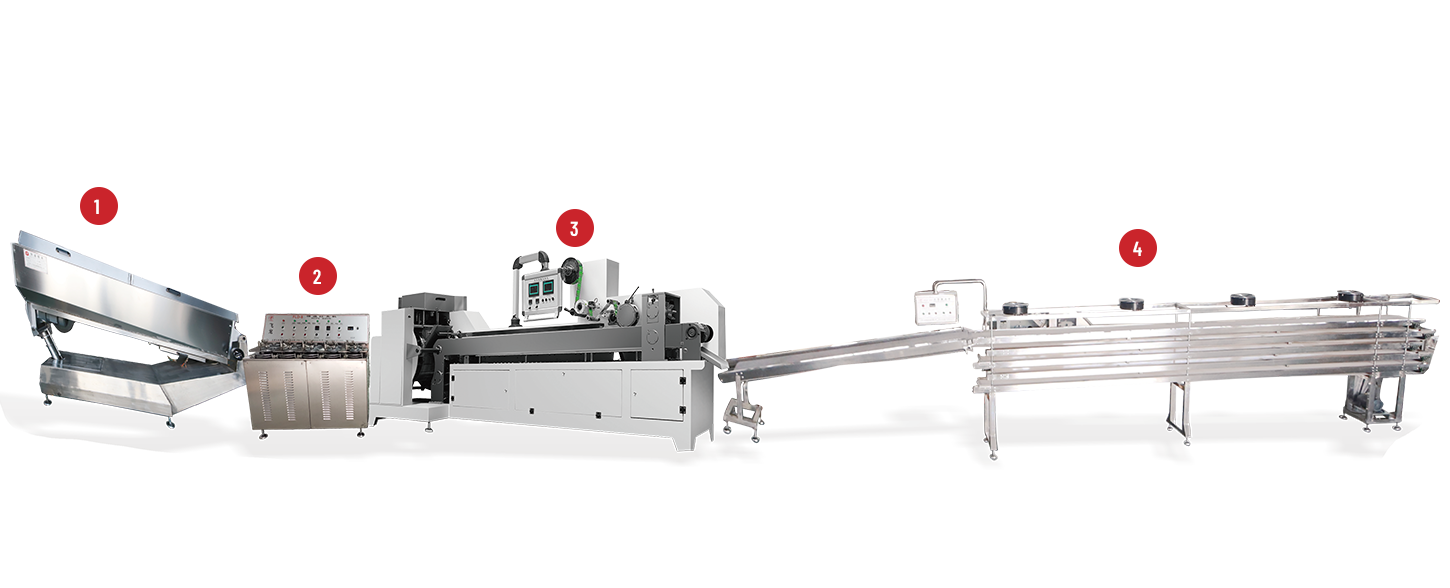
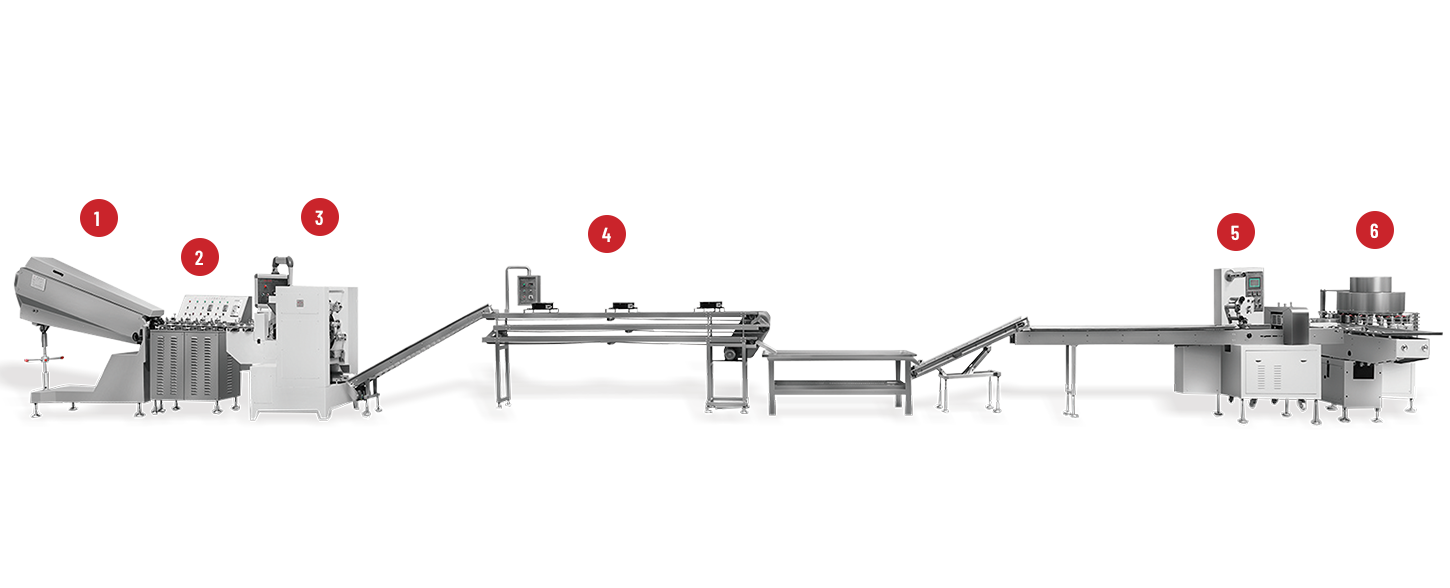
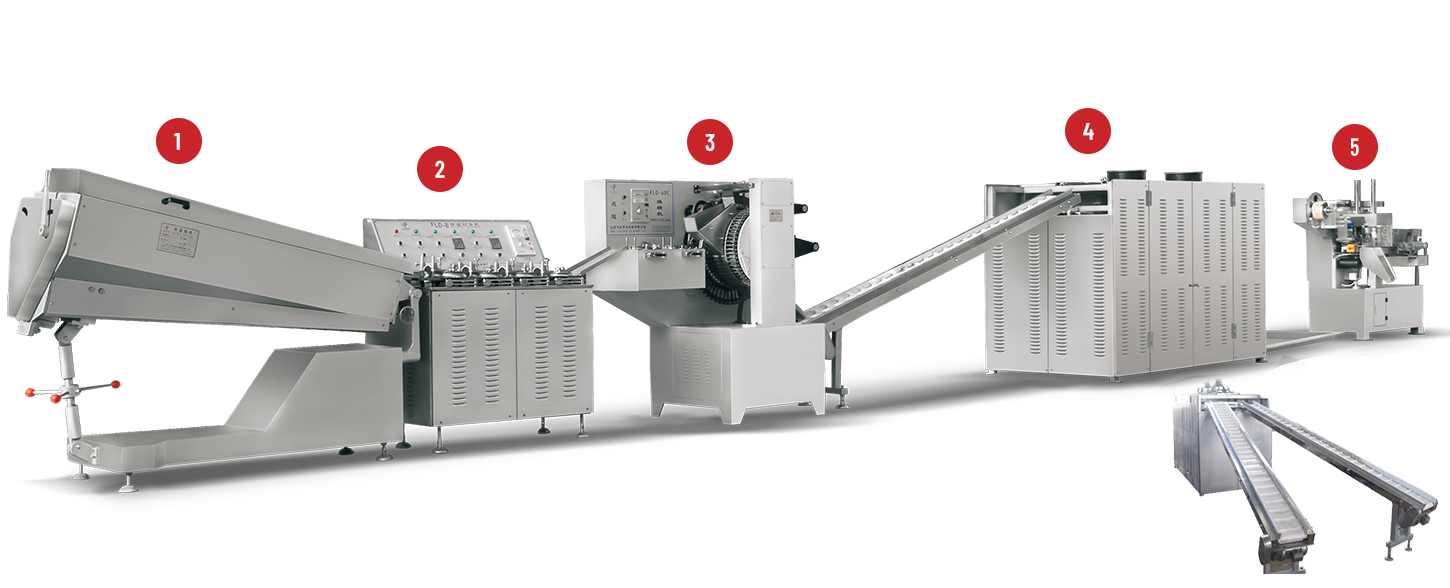
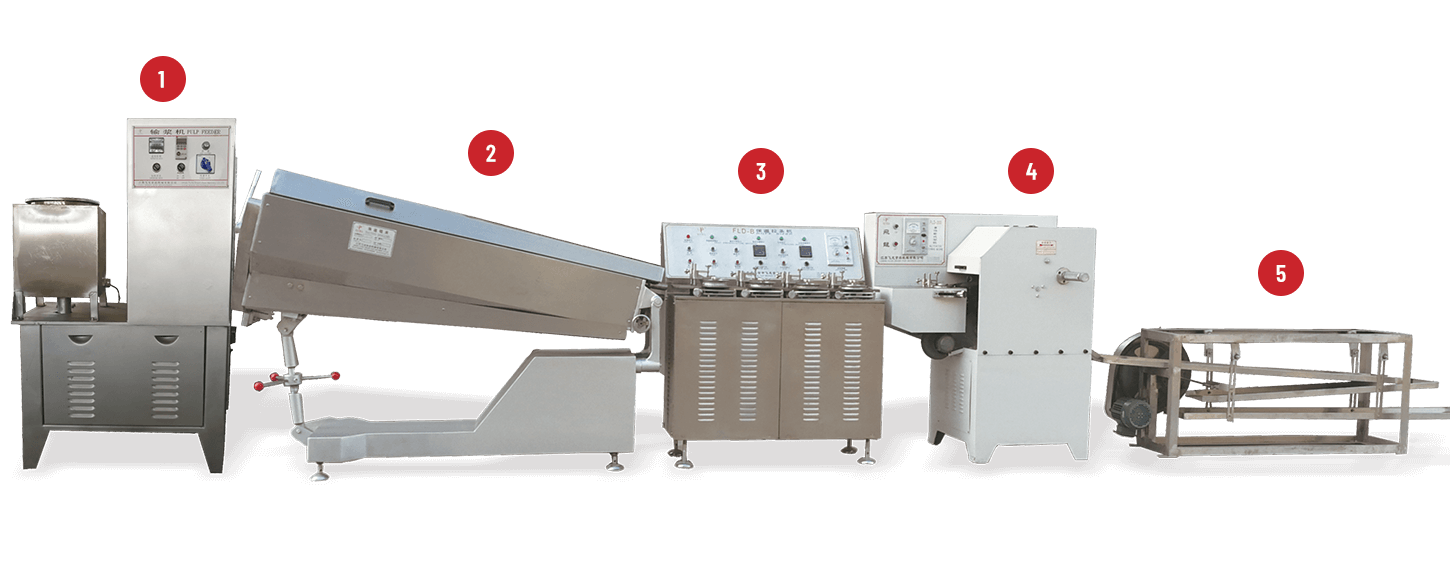
In practice, the system runs as a connected flow. Each stage is linked to the next, and material moves forward step by step.
There is no strong separation between processes. Instead, the line is designed so that output from one section naturally becomes input for the next.
The general flow is easy to understand: preparation, forming, shaping, cooling, and packaging. What matters is not just the steps themselves, but how smoothly they connect.
If one part slows down or speeds up too much, the balance of the whole line changes. That is why timing coordination is important during operation.
What does automation change in production stability?
Stability is often the main reason factories consider automation in the first place.
When production depends heavily on manual work, small differences between operators can appear in the final product. This is normal, but not always ideal for large-scale supply.
A fully automatic system reduces this variation. Once settings are fixed, the machine tends to repeat the same actions in a consistent way.
This does not mean everything becomes identical in all situations. Raw materials and environment still influence the result. But the system provides a controlled baseline that is easier to manage.
Over time, this makes production planning more predictable.
How does efficiency improve in real factory conditions?
Efficiency is not only about producing more in less time. In real factories, it is often about reducing interruptions.
A fully automatic lollipop production line reduces repeated manual transfer between stages. That alone simplifies daily work.
Operators are no longer focused on direct shaping tasks. Their role shifts more toward monitoring and adjustment. This changes how labor is used inside the workshop.
There is also less material loss caused by uneven manual handling. When the process is steady, waste tends to decrease naturally.
In many cases, the improvement is not dramatic in one area, but noticeable across the whole workflow.
Why is continuous workflow so important for lollipop production?
A continuous system helps keep production in a stable rhythm.
In separated or stop-start processes, each stage may wait for the previous one. This can create small delays that slowly build up.
In a connected line, material moves forward with less waiting time. Each step is designed to follow the previous one smoothly.
For lollipop production, timing is especially sensitive during shaping and cooling. If the flow is uneven, the surface or structure may vary slightly.
A stable flow helps reduce these differences and keeps output more uniform.
What changes in factory layout when using a fully automatic line?
Once automation is introduced, factory layout usually becomes more structured.
Instead of scattered stations, production tends to follow a clearer direction. The equipment is often arranged in a continuous or near-continuous line.
This changes how space is used. Movement paths become more defined. Each section has its own role in the overall process.
At the same time, planning becomes more important. Maintenance access, material input, and output areas all need to be considered.
If space is not arranged properly, even a good system can feel restricted during operation.
How do operators work with fully automatic systems?
The role of workers changes noticeably in automated production.
Instead of shaping or handling products directly, operators spend more time watching system behavior.
They check whether each stage is running smoothly and whether the flow remains stable. Small adjustments are sometimes needed to keep balance.
This creates a more routine-based working style. Attention shifts from manual repetition to system observation.
Communication between team members also becomes more important, since different sections of the line are connected.
What challenges usually appear in early use?
Even when the system is well designed, early operation can take some adjustment time.
One common situation is timing balance. Different sections may need fine tuning before they work smoothly together.
Another point is learning. Operators need time to understand how the system behaves under different conditions.
Maintenance habits also matter. Without regular checks, small issues can slowly affect performance.
Flexibility can also be limited. If product changes are frequent, adjustments across the system may take more effort than expected.
These are not unusual problems. They are part of adapting to structured production.
How does automation affect long-term production planning?
Over time, factories often start to rely more on predictable output.
A stable system makes it easier to plan orders, manage materials, and organize schedules. Production becomes less dependent on daily manual variation.
When demand increases, output can usually be adjusted within system limits. This is often done through operational changes rather than rebuilding the entire setup.
This gives factories more room to think about long-term direction instead of short-term adjustment.
FAQ
Is a fully automatic lollipop production line difficult to operate?
It requires learning at the beginning, but daily operation becomes more routine over time.
Does it completely replace manual work?
No. Manual work is reduced, but monitoring and supervision remain important.
Is it suitable for small production scale?
It depends on production demand. It is more useful when output becomes stable and continuous.
Does it guarantee identical products?
It improves consistency, but raw materials and environment still influence final results.
What is the main advantage in real use?
The main value is stable workflow and reduced variation across production batches.
 +86-(0)515-8465666
 +86-(0)515-85566996
 +86-138 1559 9708
 flyloong@flyloongcn.com
 Home
Home