

 ENG
ENG
 English
 中文简体
中文简体 русский
 Français
 Español
 عربى
عربى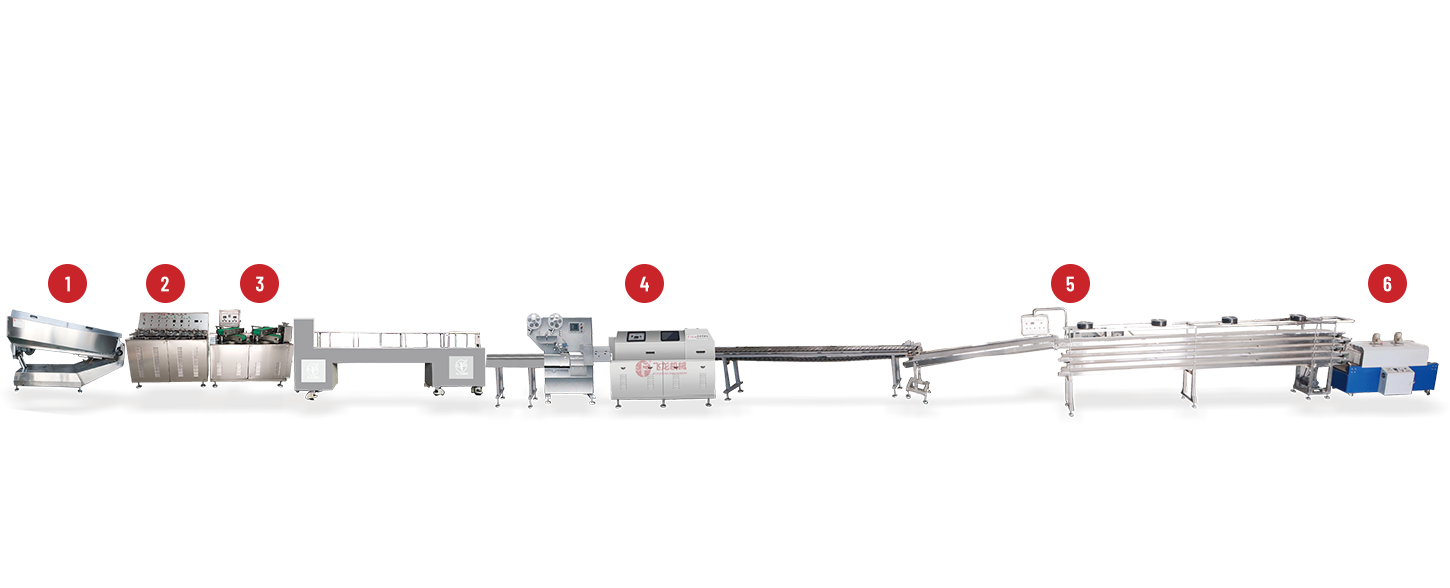
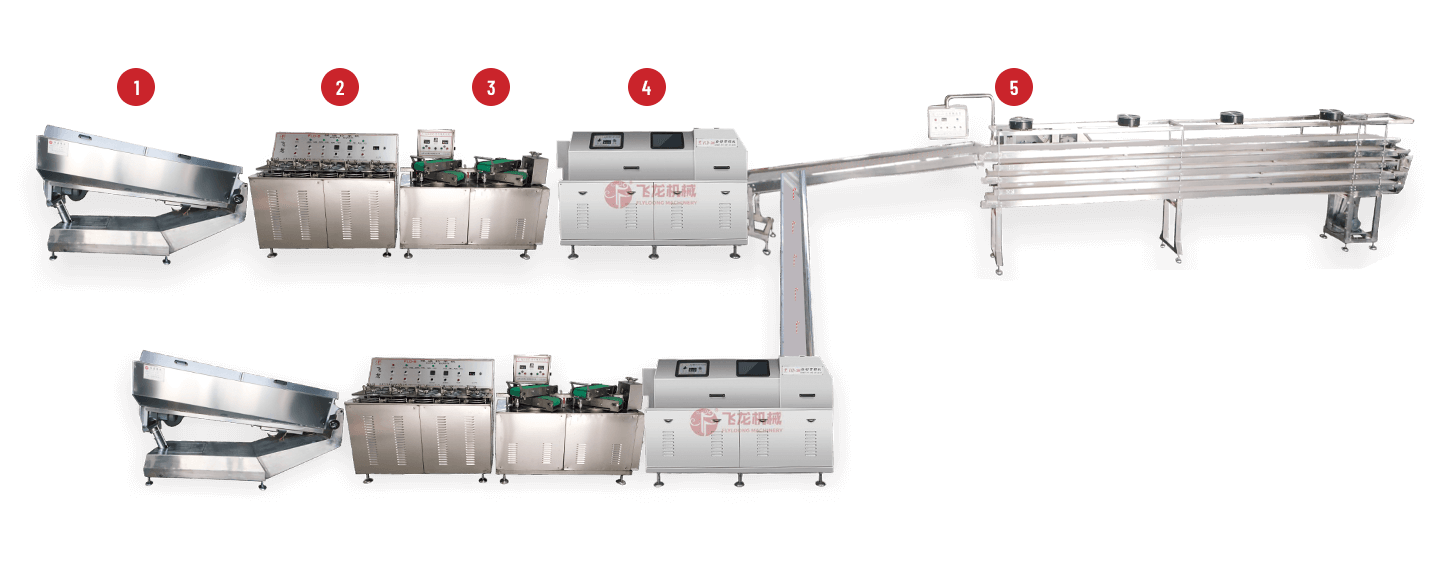
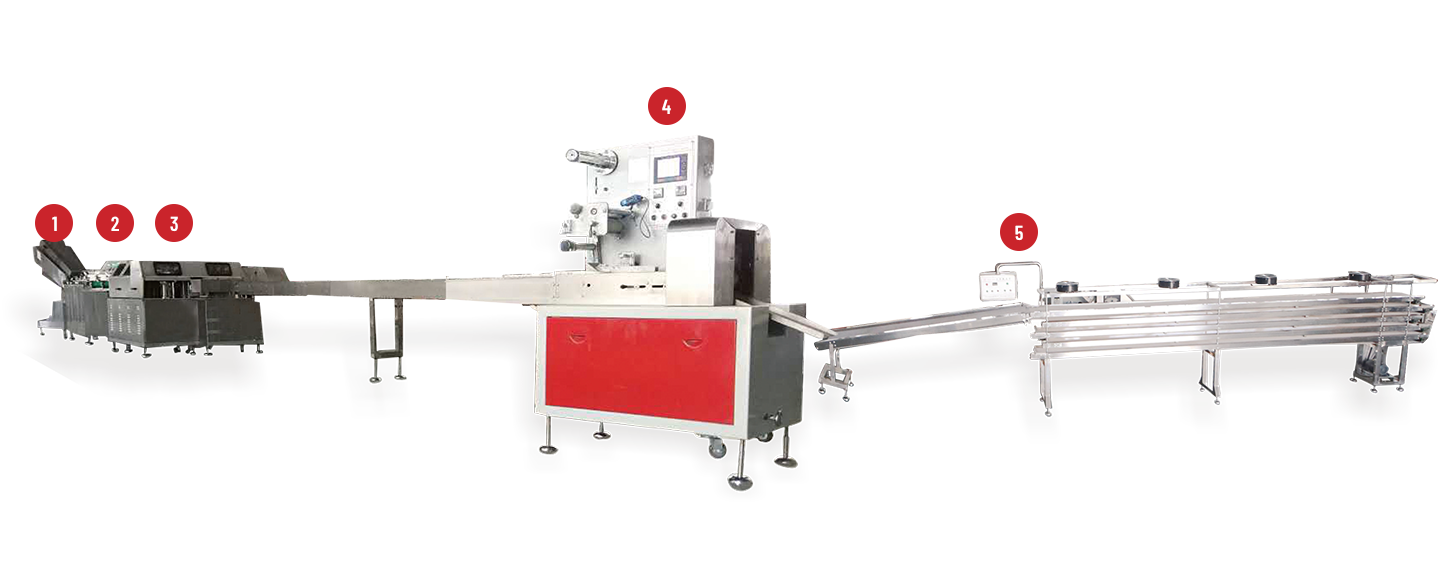
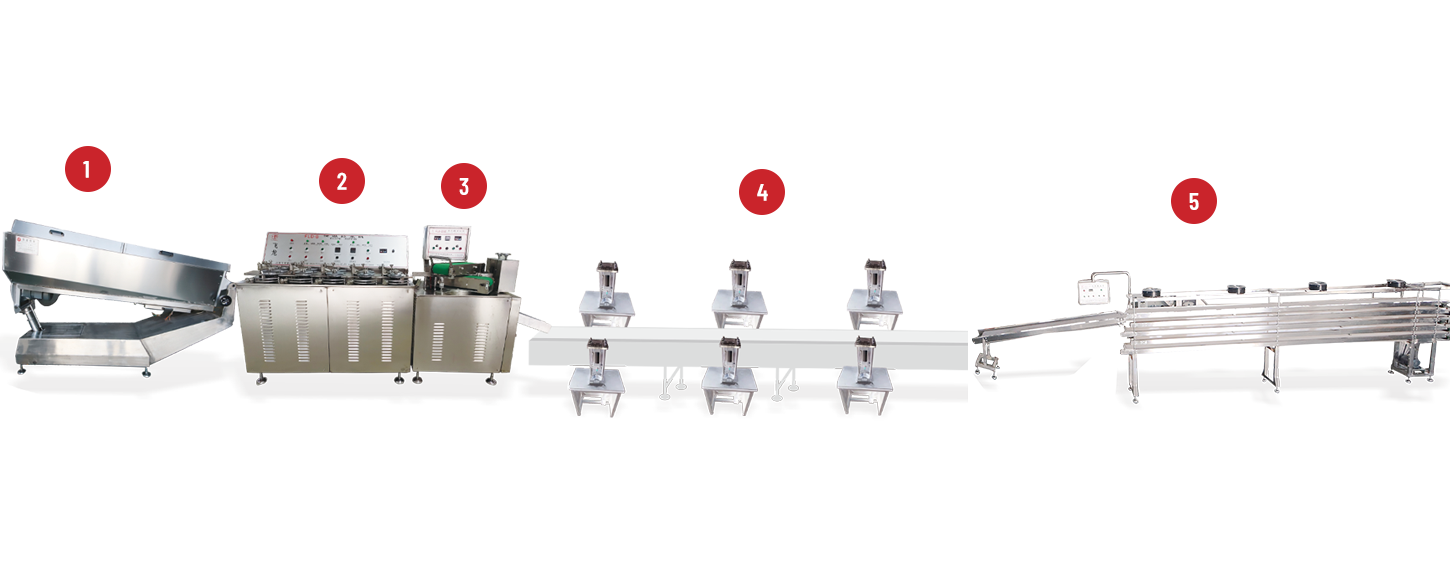
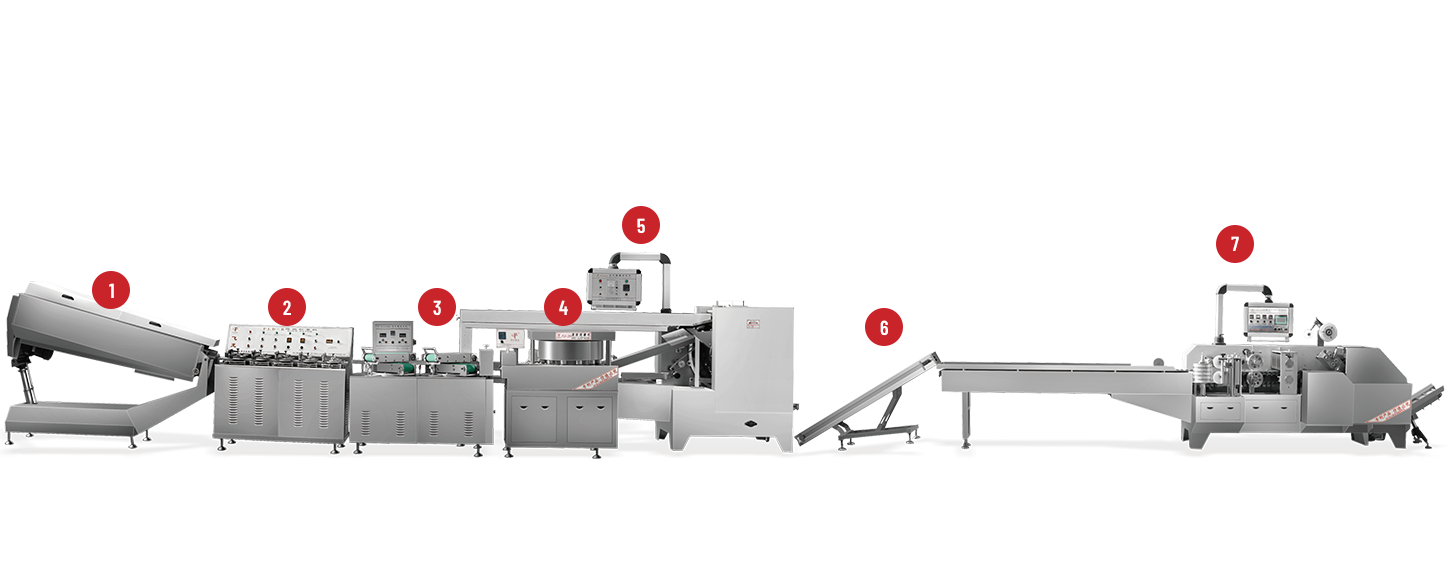
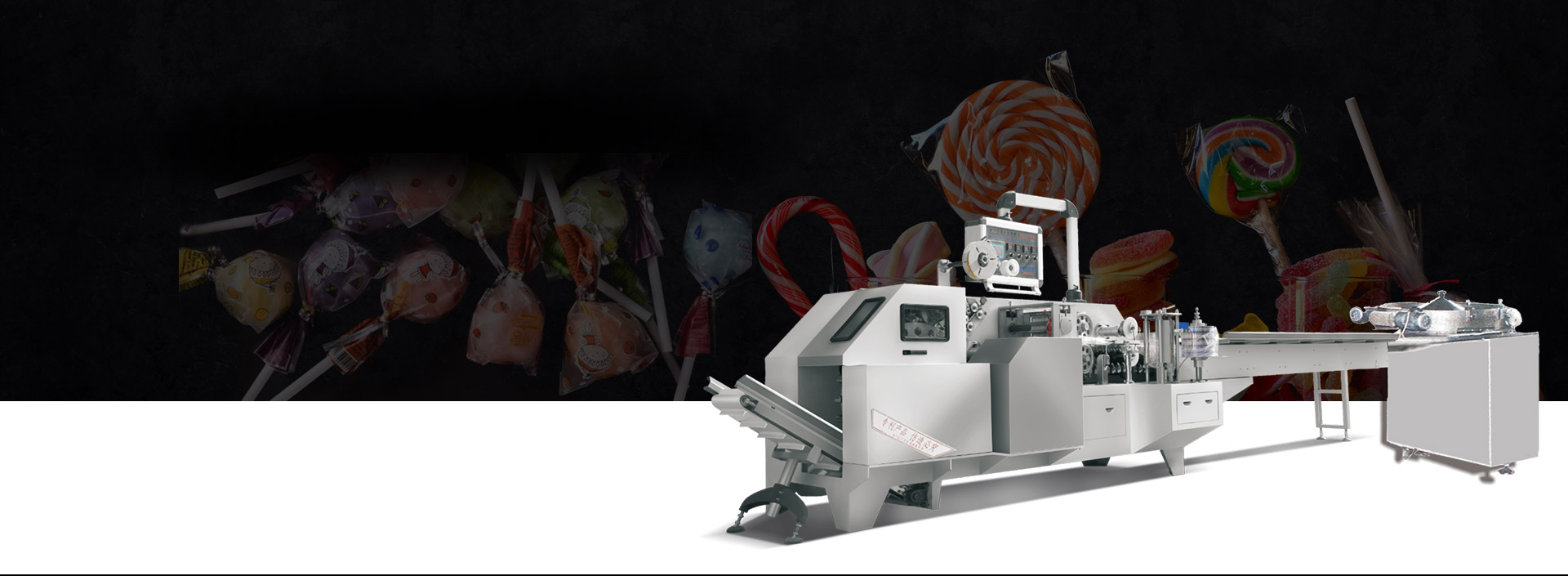
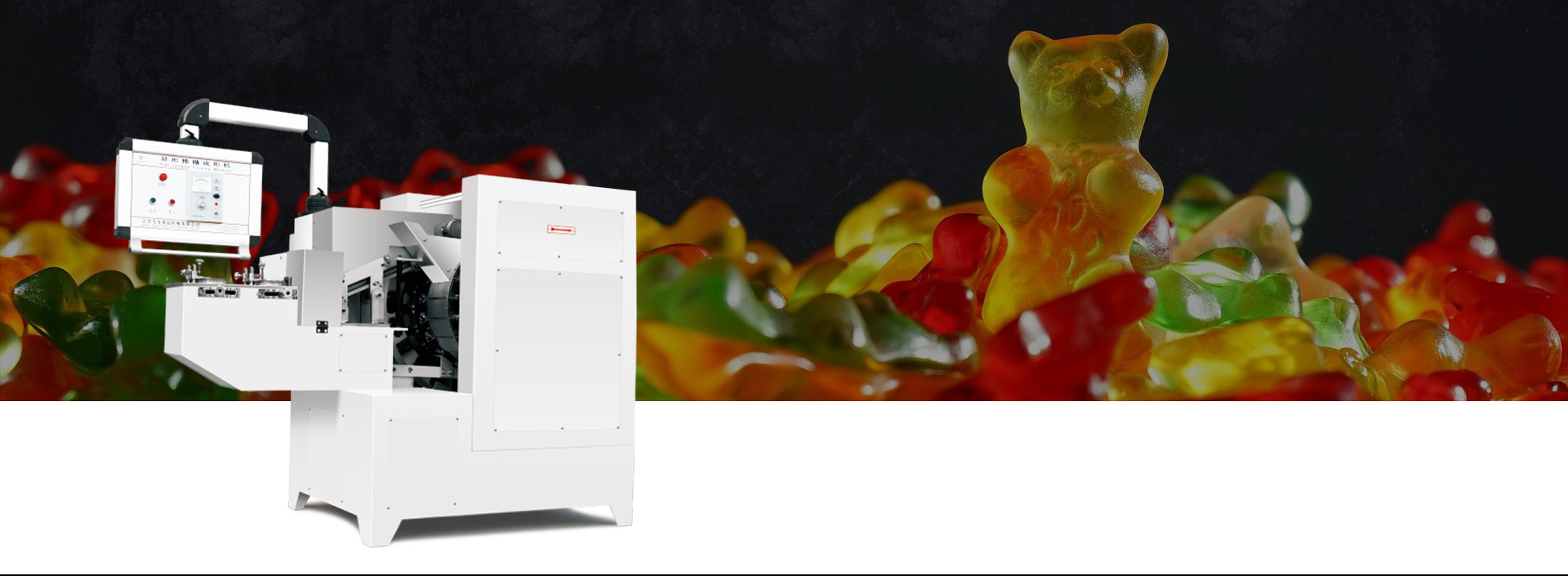
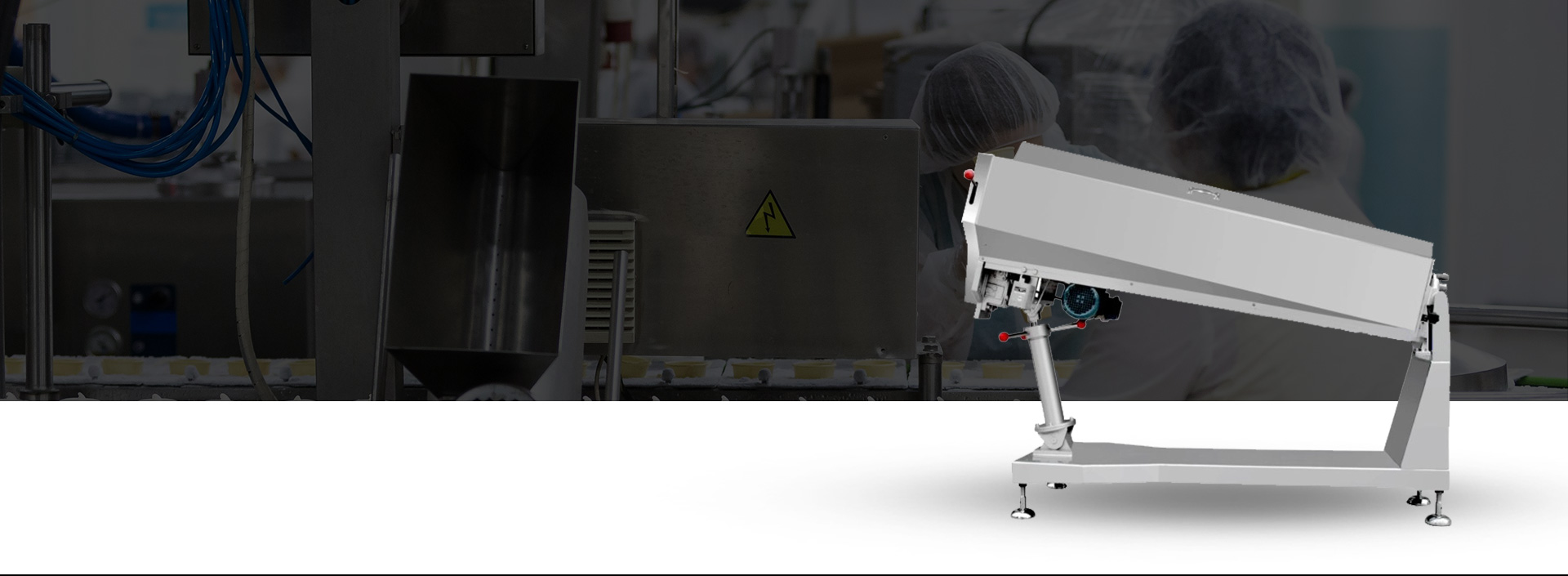
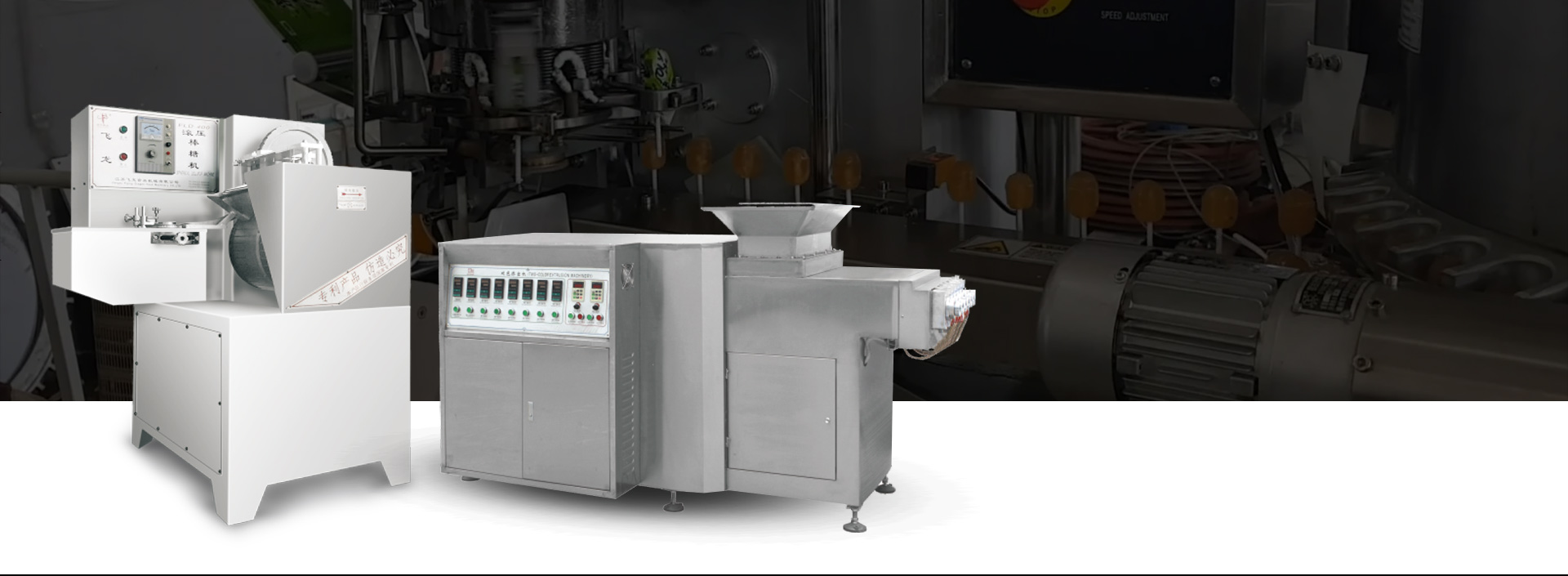
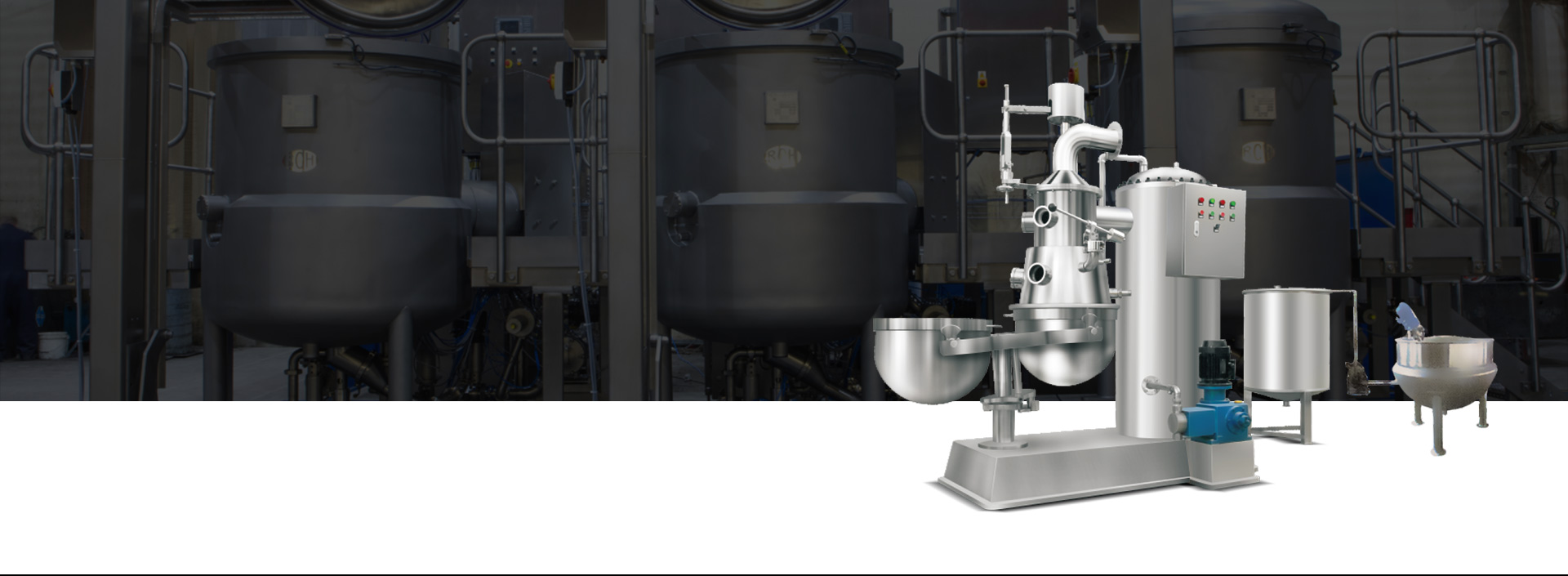
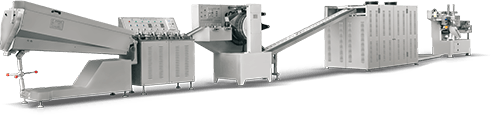
In many food production spaces, work is built around repetition. The same movements happen again and again. Heating, forming, shaping, and moving materials forward. When everything depends on steady repetition, even small slowdowns can affect the full line.
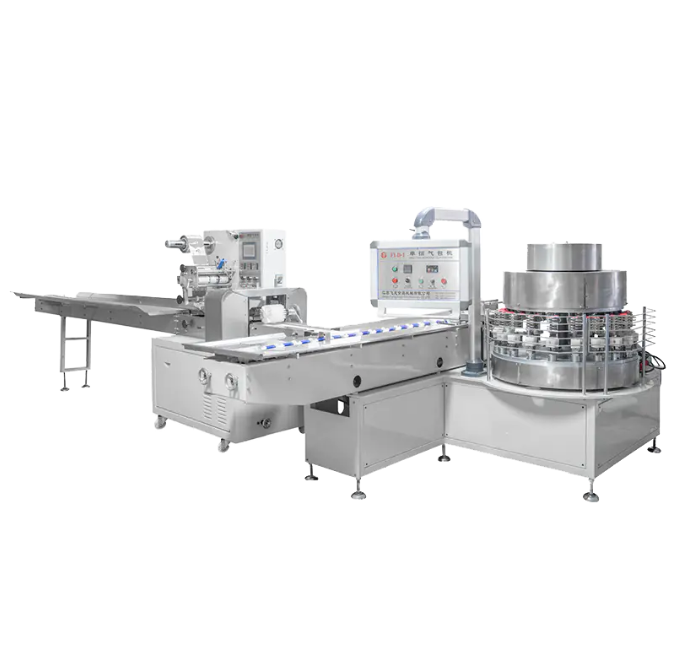
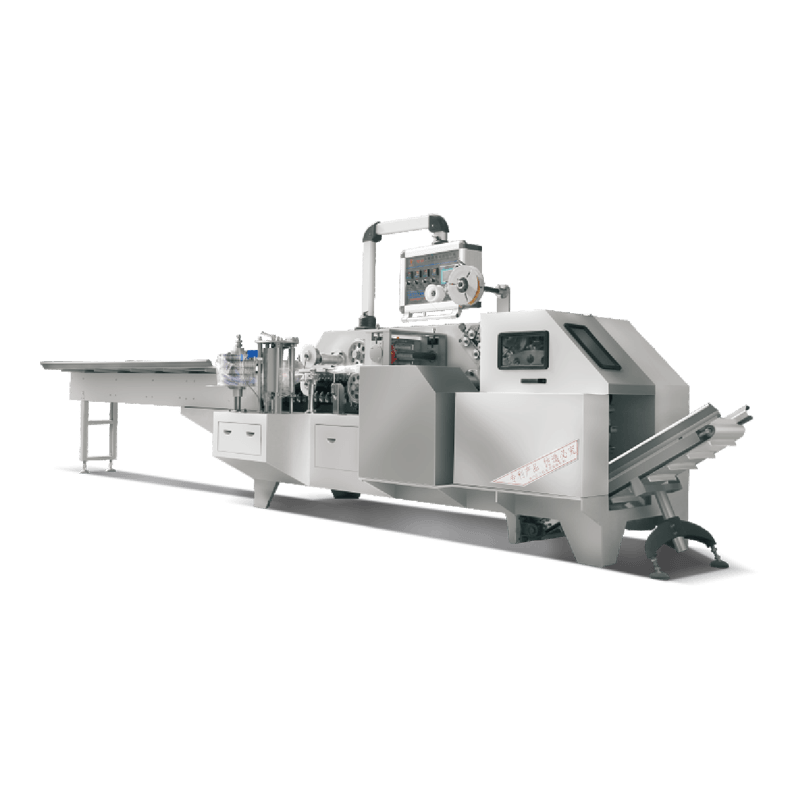
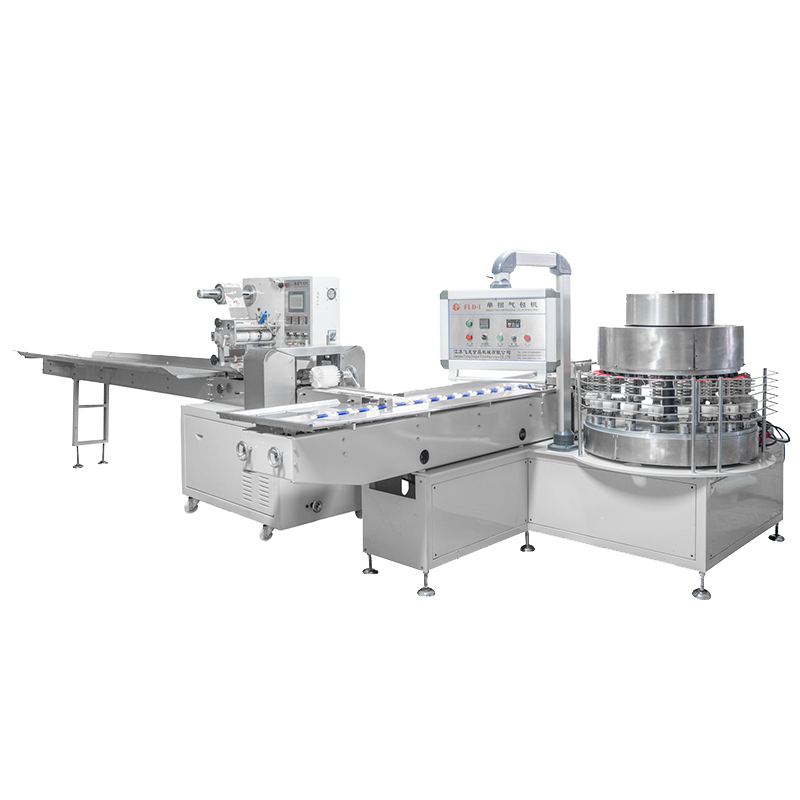
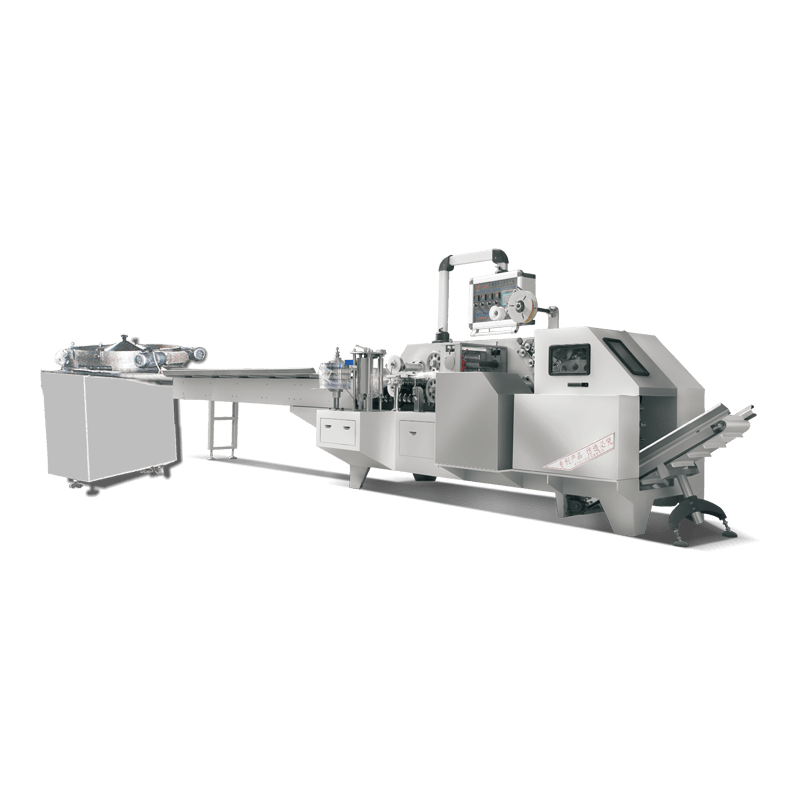
Automatic candy machine have gradually become part of this environment. They are not introduced to change the whole system. They are used to support it. The goal is usually simple. Keep the flow steady. Reduce uneven movement. Make the process easier to manage.
In practice, these machines sit in the middle of the production line. Materials pass through them, and the output continues forward. The effect is often subtle at first. Over time, the difference becomes clearer in how the workflow feels.
What makes automatic candy machines useful in production flow?
A production line works like a chain. Each step depends on the one before it. If one part slows down, the rest starts to feel it.
Candy machines help by taking over repeated forming tasks. These tasks can be tiring when done by hand over long periods. A machine repeats the same motion without losing rhythm. This creates a more stable movement in the line.
Another point is timing. Manual work often changes slightly from person to person or moment to moment. Machines reduce these small changes. The result is a smoother transition between stages.
Workers also feel this difference in daily routines. Instead of focusing on repeating the same motion, attention shifts to watching the flow. The role becomes more about guidance than repetition.
How do these machines improve consistency in output?
Consistency is often what production teams care about most. When products look and behave the same, the next steps become easier to manage.
Candy machines help maintain that steady pattern. Each cycle follows a similar path. The shape, timing, and movement stay close to each other.
This does not mean everything becomes identical in a strict sense. It means the differences are smaller and easier to control. That stability matters when large batches are produced.
When output stays even, other stages also benefit. Packaging runs more smoothly. Sorting becomes simpler. Storage planning becomes more predictable.
| Workflow Point | Manual Process | Machine-Supported Process |
|---|---|---|
| Output rhythm | Can vary during work | More steady movement |
| Product flow | May shift in speed | More balanced timing |
| Downstream handling | Needs frequent adjustment | Easier to manage |
| Work coordination | Less predictable | More aligned |
Why do automatic candy machines reduce interruptions?
Interruptions in production rarely come from big problems. More often, they come from small pauses. A short delay. A slight mismatch in timing. A moment of adjustment.
Candy machines help reduce these small breaks. Once the process starts, it continues in a stable loop. This reduces the need to stop and reset often.
Another factor is reduced manual switching. When fewer hands are involved in repeated shaping steps, there are fewer chances for timing differences. The workflow becomes more continuous.
This kind of continuity is important in busy environments. Even small pauses can build up over time. A steady machine helps keep those pauses lower.
How does automation change the role of workers?
When a machine takes over repetitive forming, the human role naturally shifts. Workers are no longer focused only on repeating the same action.
Instead, attention moves toward observation and coordination. Watching material flow. Checking timing between stages. Preparing the next step.
This change can make the work feel less repetitive. The physical load is also reduced because fewer manual cycles are needed.
It also changes how teams organize tasks. Some people stay close to the machine to monitor flow. Others focus on input preparation or later-stage handling.
| Task Area | Before Automation | After Automation |
|---|---|---|
| Repetitive shaping | Main responsibility | Machine handled |
| Flow observation | Secondary task | More important |
| Material preparation | Shared task | More focused role |
| Output handling | Manual transfer | Smoother transition |
What role does stability play in production systems?
Stability is often more valuable than speed alone. A fast process that changes too much can create more work later. A stable process is easier to plan around.
Candy machines help create that stable base. The movement stays even. The output follows a clear rhythm. This makes the rest of the workflow easier to arrange.
When stability improves, planning becomes clearer. Teams can estimate timing with more confidence. They can also coordinate between different stages more easily.
This is especially useful in environments where multiple steps depend on each other. A stable forming stage supports everything that comes after it.
How do these machines support flexible production needs?
Even in structured environments, production needs can change. Different product shapes. Different batch sizes. Different timing requirements.
Automatic candy machines can support this kind of variation without changing the whole system. Adjustments are usually made within the process rather than outside it.
This allows the same line to handle different tasks with less disruption. It reduces the need for full reconfiguration.
Flexibility also appears in workflow planning. Some days require steady long runs. Other times involve shorter cycles. A machine that can maintain stable behavior in both situations is easier to work with.
Where do automatic candy machines fit in the production line?
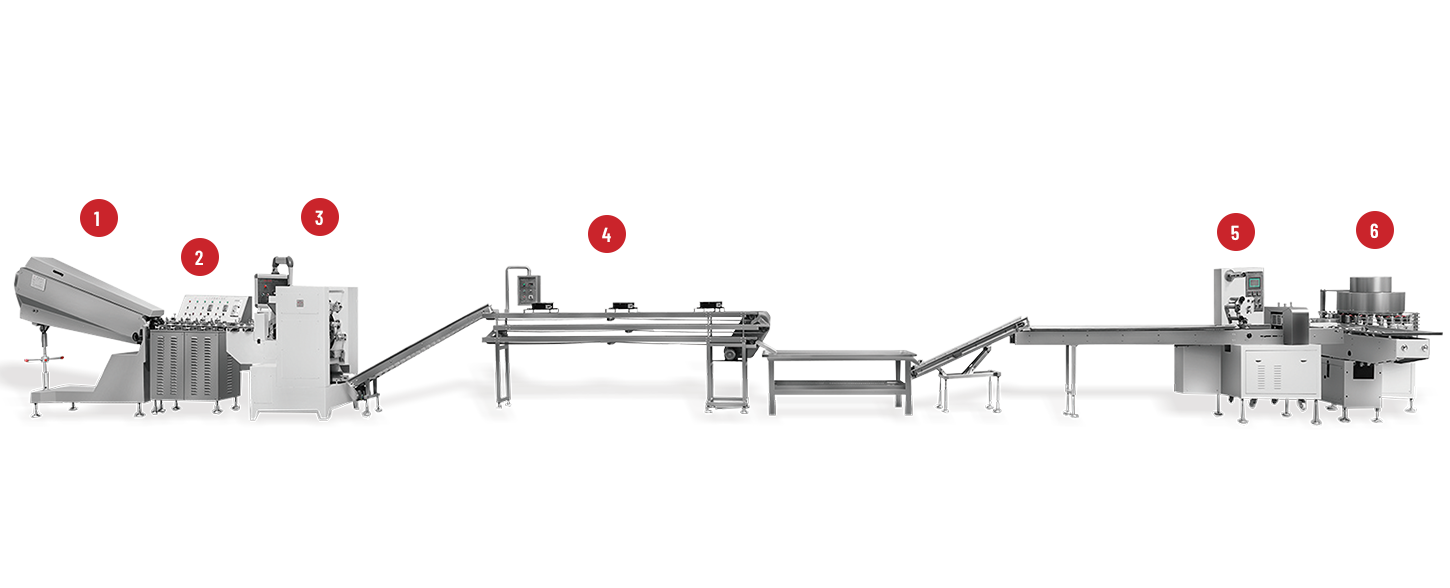
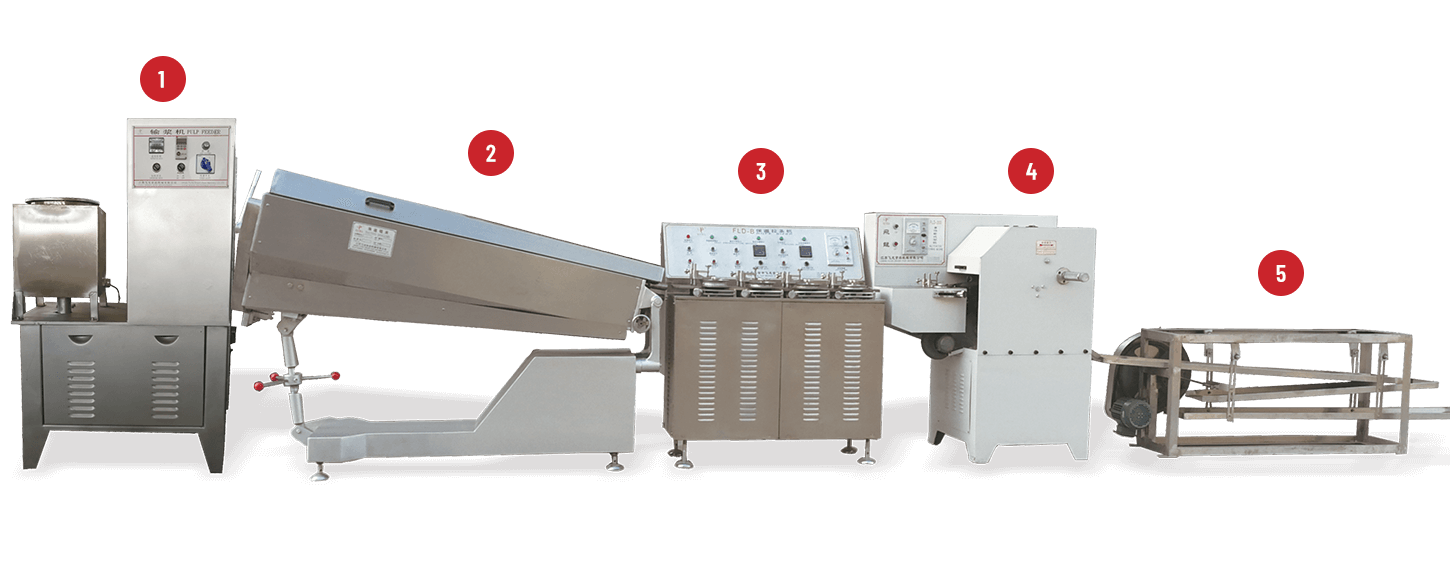
These machines are usually placed in the forming stage of production. This is the point where material becomes a defined product shape before moving forward.
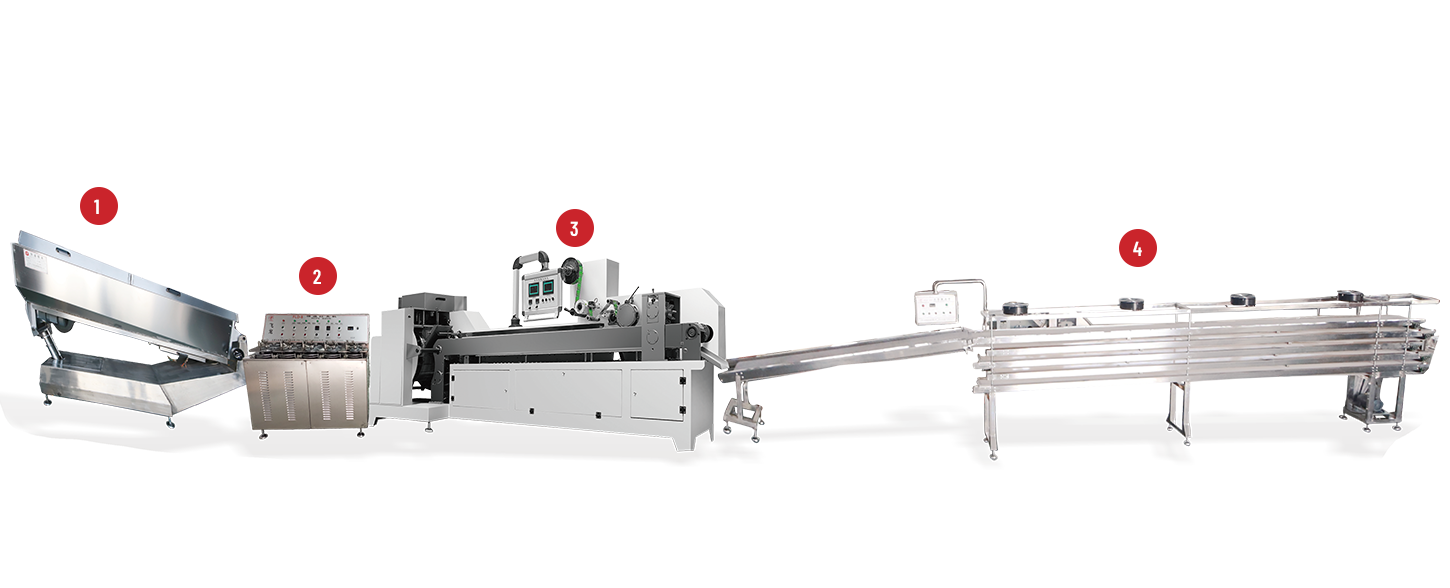
They sit between preparation and later processes like cooling or packaging. This position makes them a central part of the flow.
When the forming stage is stable, everything after it becomes easier to manage. The rest of the line receives a consistent input.
| Task Area | Before Automation | After Automation |
|---|---|---|
| Repetitive shaping | Main responsibility | Machine handled |
| Flow observation | Secondary task | More important |
| Material preparation | Shared task | More focused role |
| Output handling | Manual transfer | Smoother transition |
How does automation affect daily workflow control?
Control in production is often about small adjustments. Watching how things move. Making slight changes when needed.
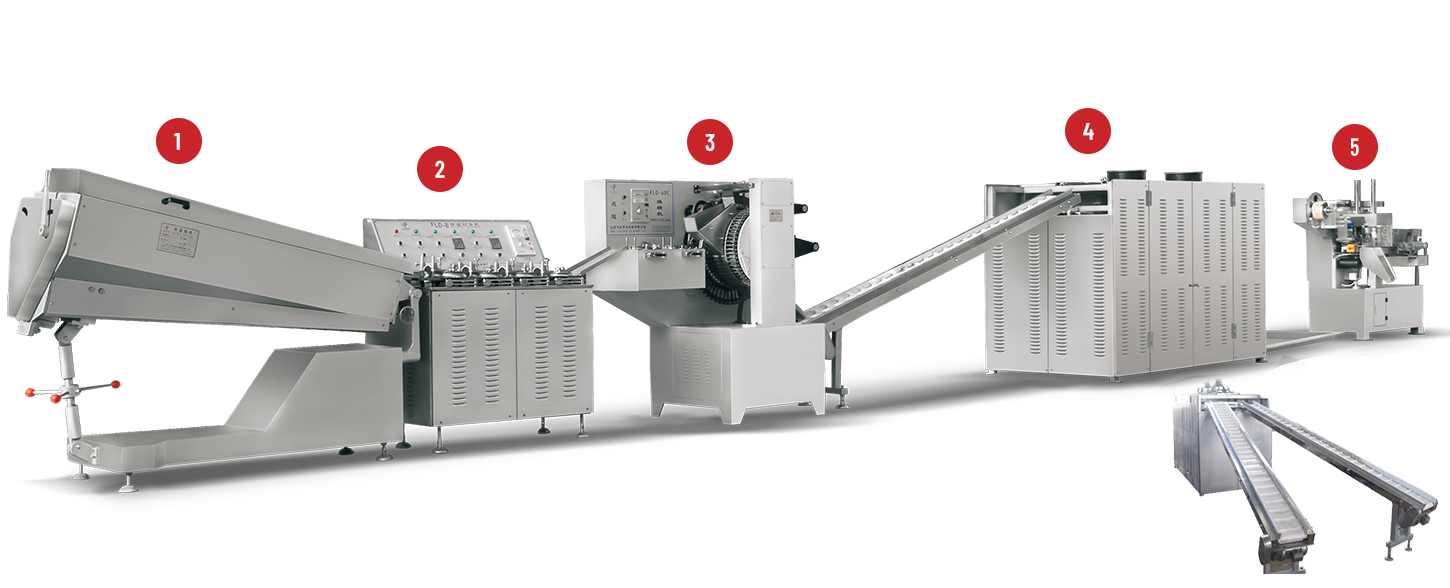
With Automatic Candy Cane Line , the base process becomes more predictable. This makes it easier to notice when something changes.
Instead of focusing on every single step, attention shifts to the overall flow. This helps simplify monitoring tasks.
It also reduces the need for constant manual correction. Workers can focus on key points instead of continuous adjustment.
What changes happen in overall workflow design?
When machines are introduced into a production line, the structure of the workflow slowly adjusts.
Candy machines create a clear central process in the forming stage. Other tasks are arranged around it. Preparation happens before. Handling and packaging happen after.
This makes the workflow easier to follow. Each stage has a clearer role. Movement between stages becomes more predictable.
Over time, the production line becomes more structured. Not because it is more complex, but because each step is more defined.
 +86-(0)515-8465666
 +86-(0)515-85566996
 +86-138 1559 9708
 flyloong@flyloongcn.com
 Home
Home