

 ENG
ENG
 English
 中文简体
中文简体 русский
 Français
 Español
 عربى
عربى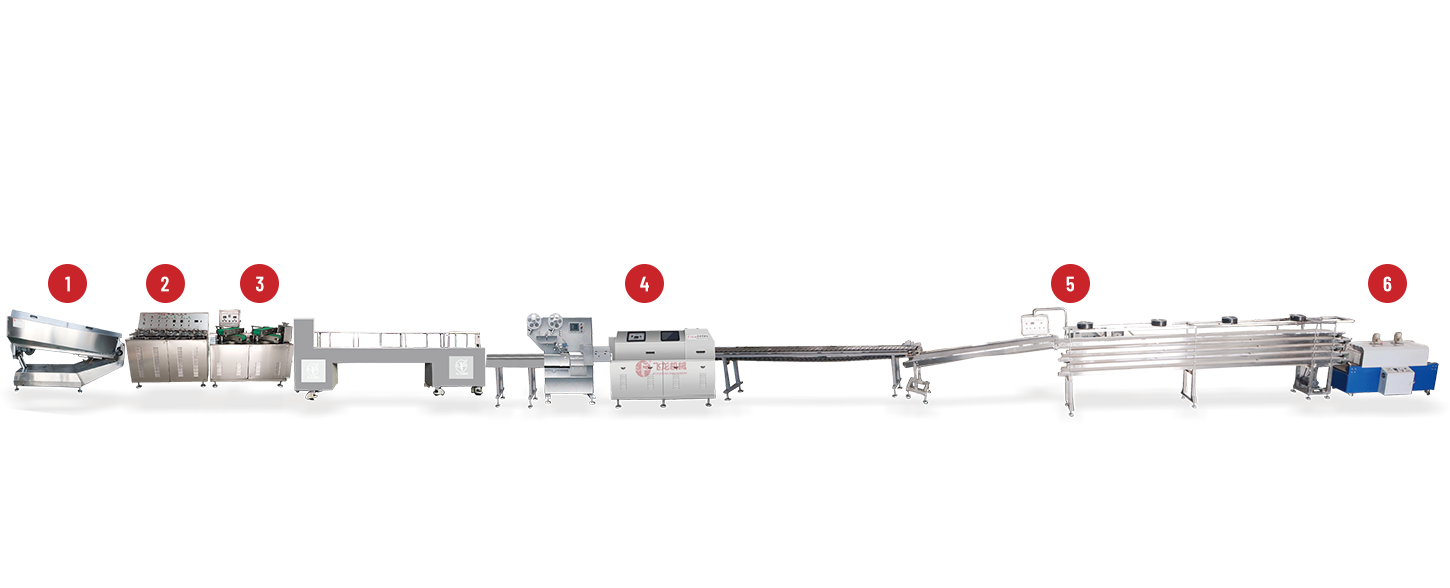
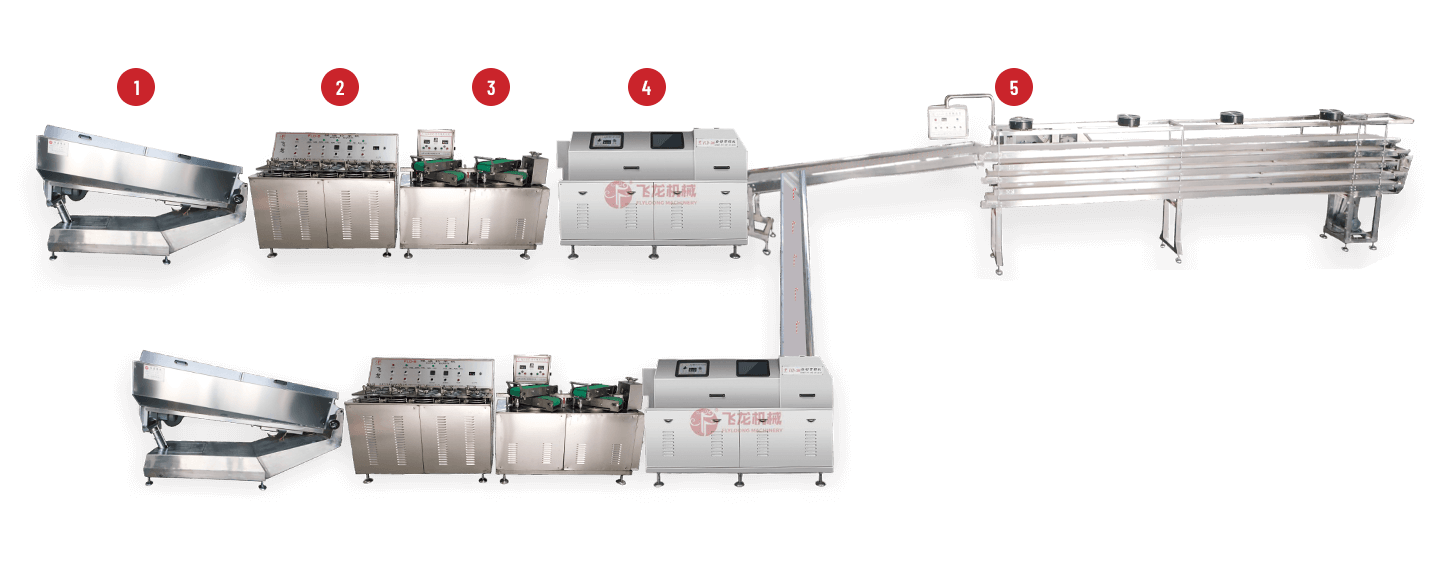
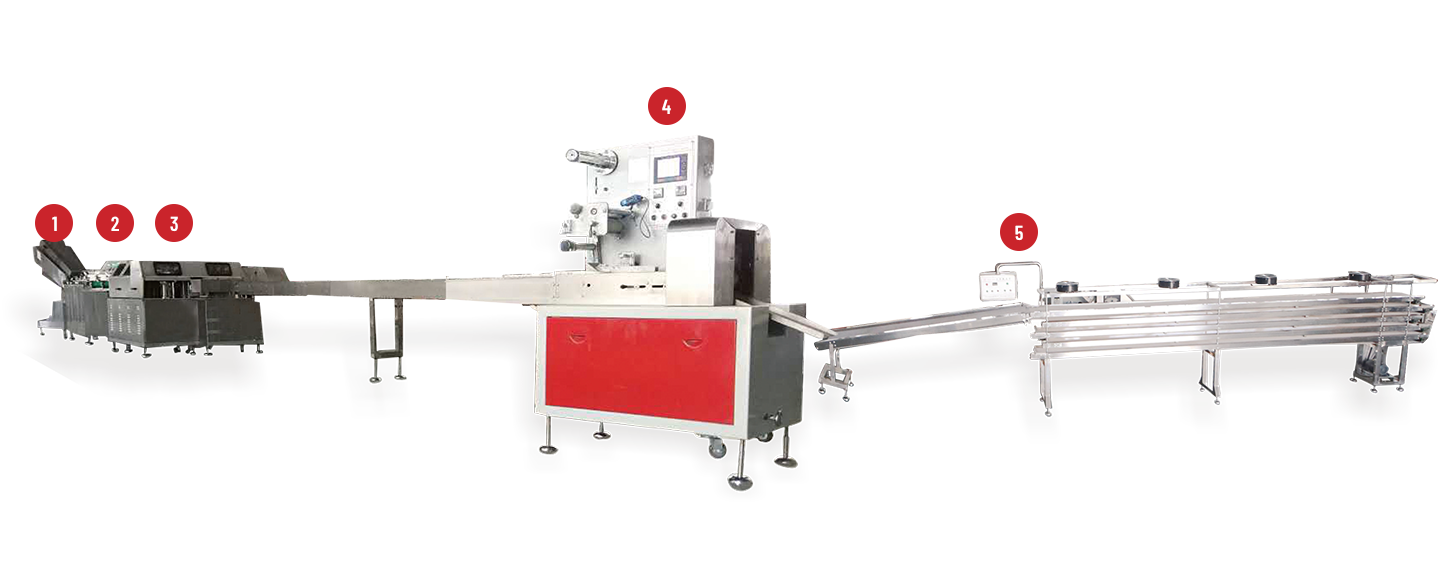
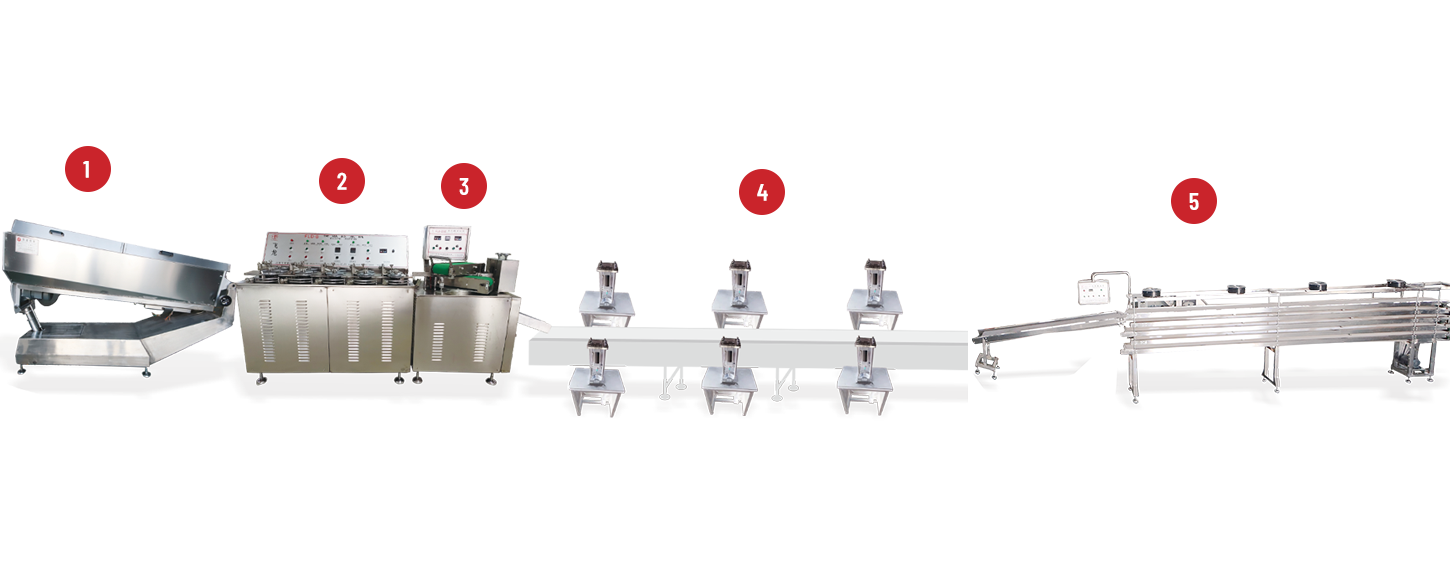
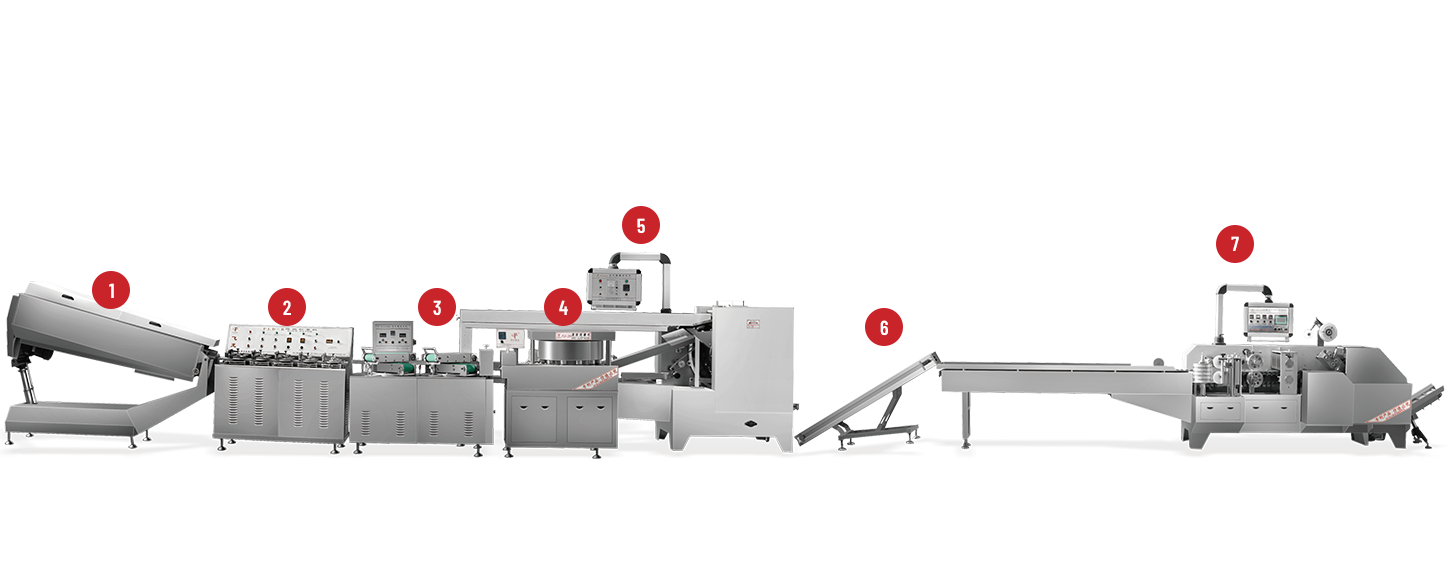
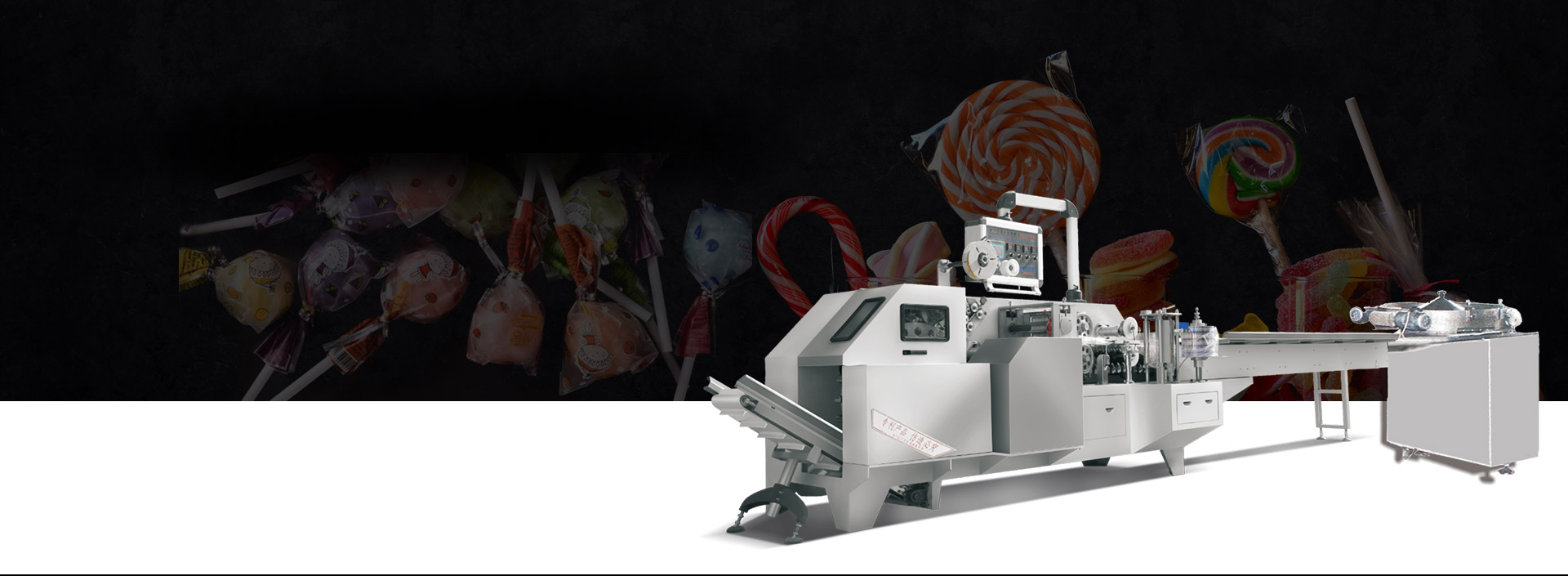
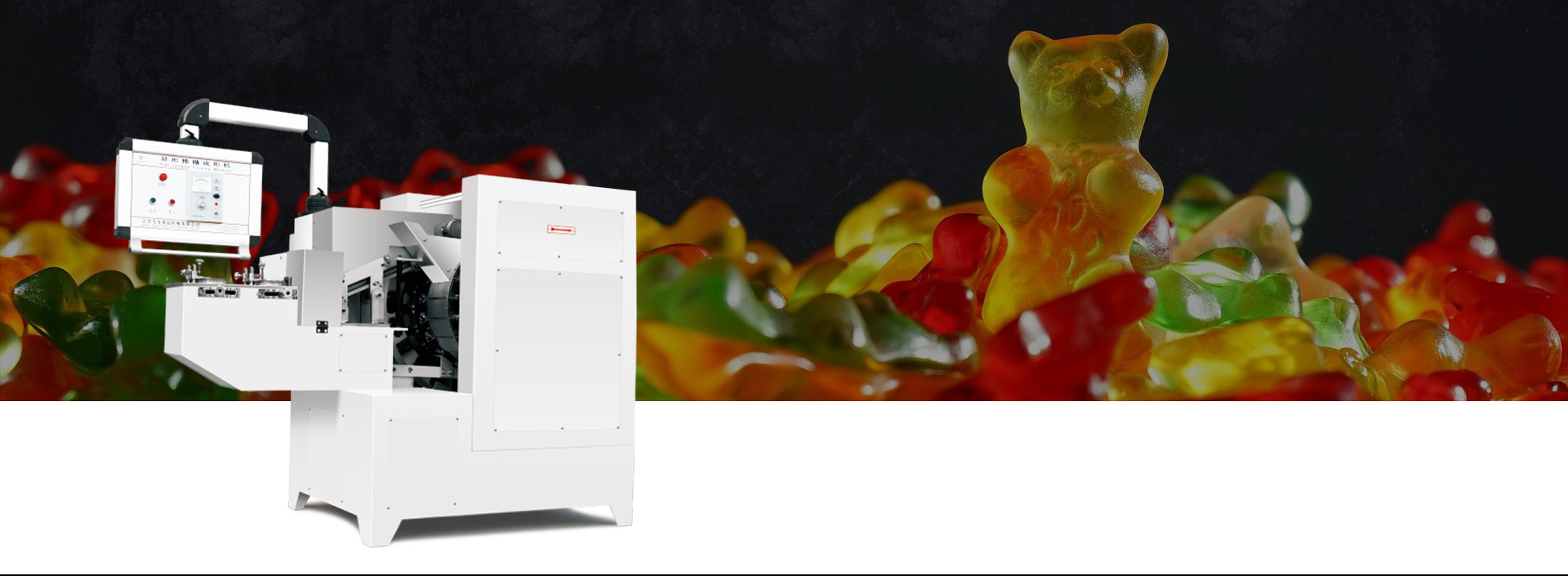
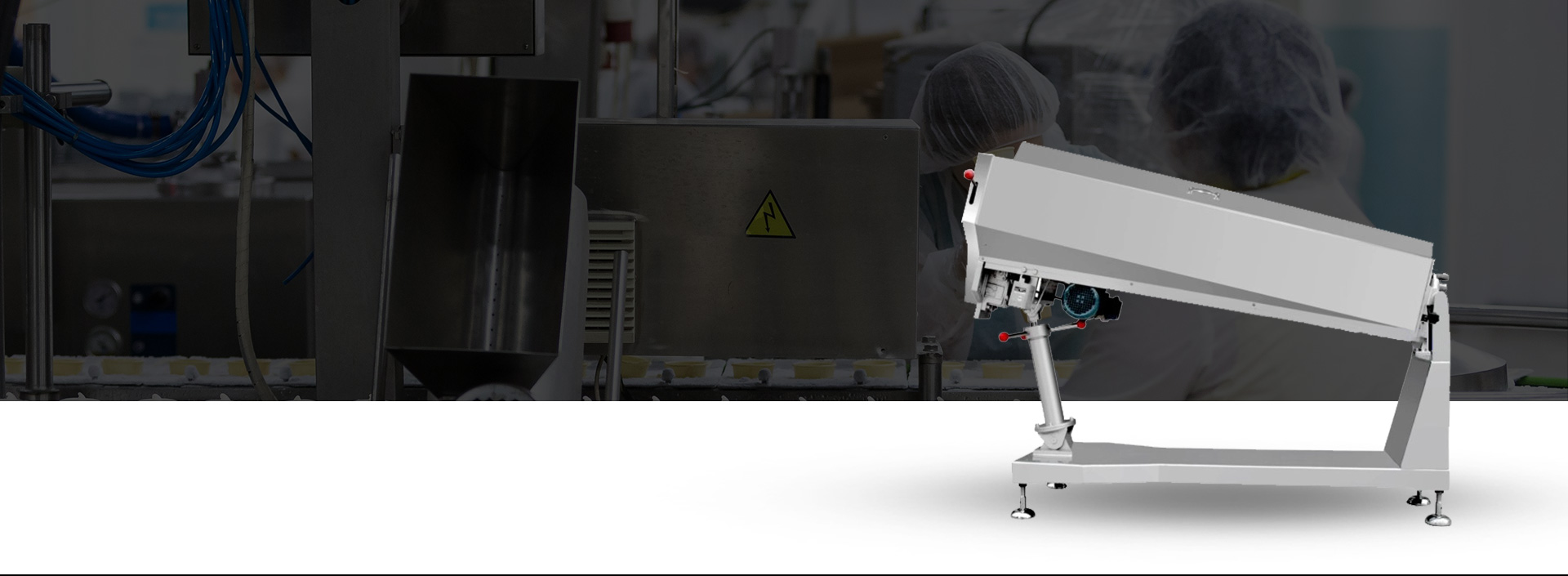
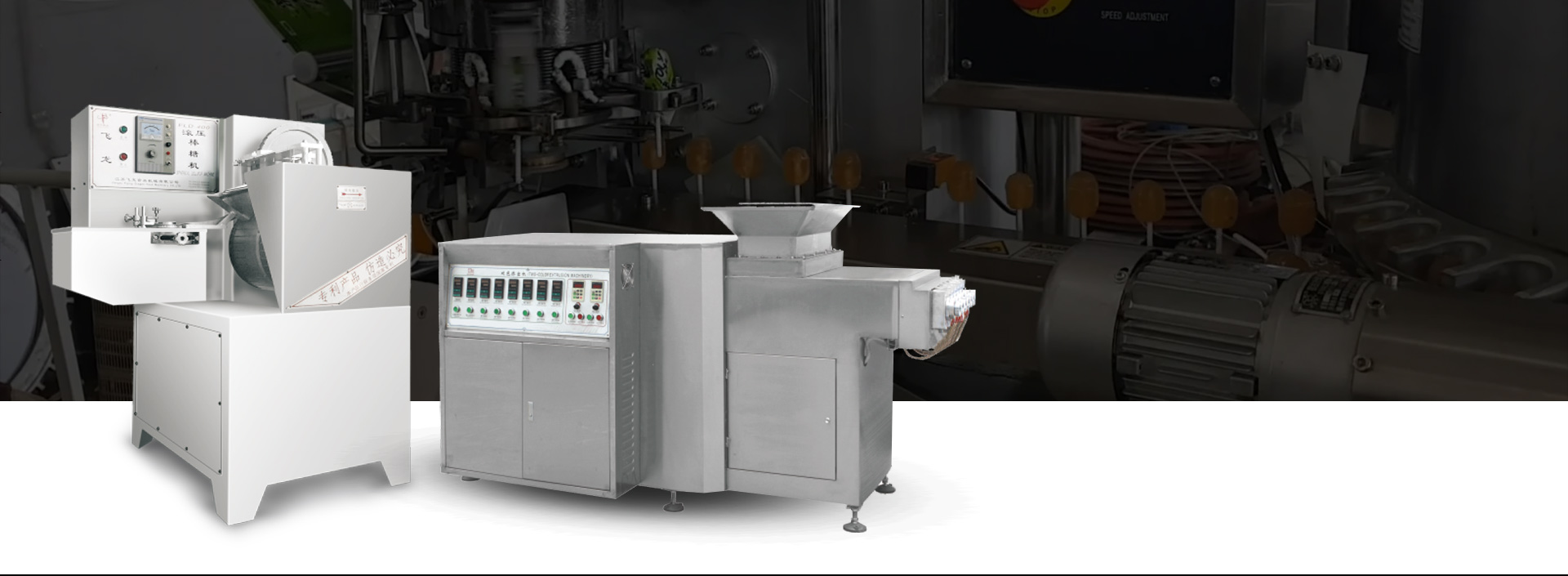
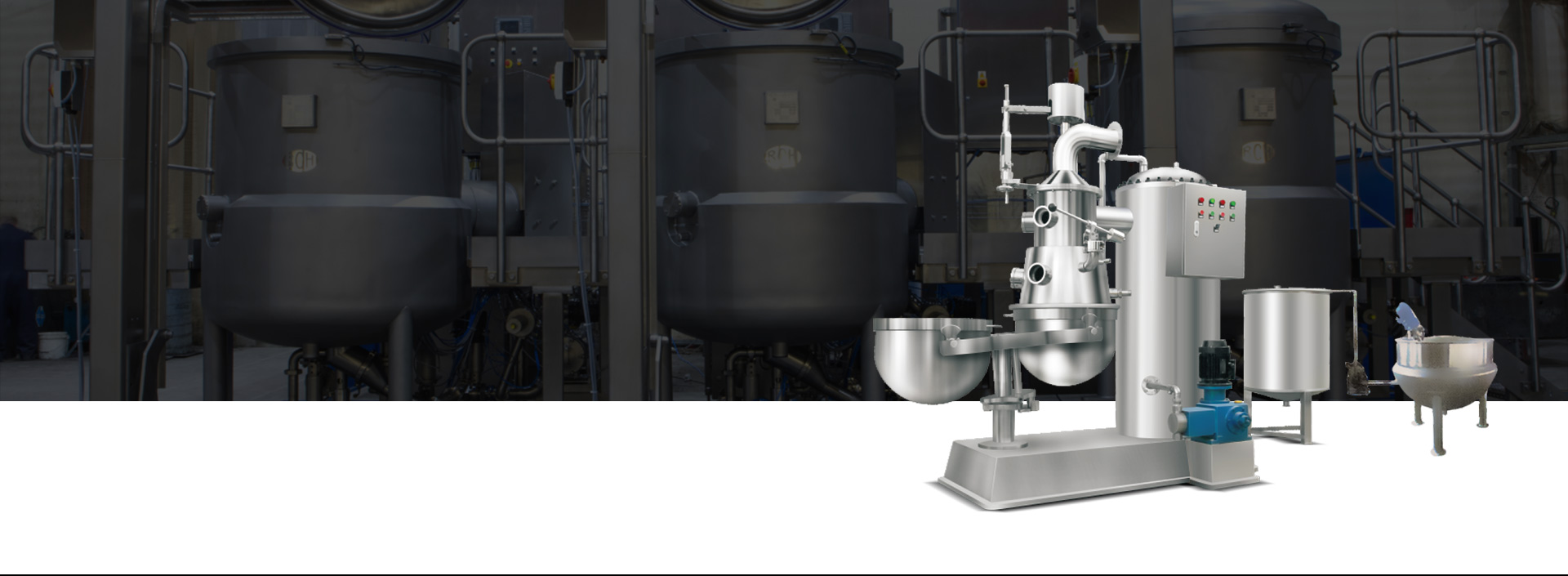
Candy production may look simple from the outside.
A candy is shaped, treated, moved, and prepared for packaging. Yet behind that familiar process is a production environment where many activities need to work together. The equipment used in that environment can influence how smoothly those activities fit into daily work.
This is why machine design matters when choosing Candy Machine Manufacturers.
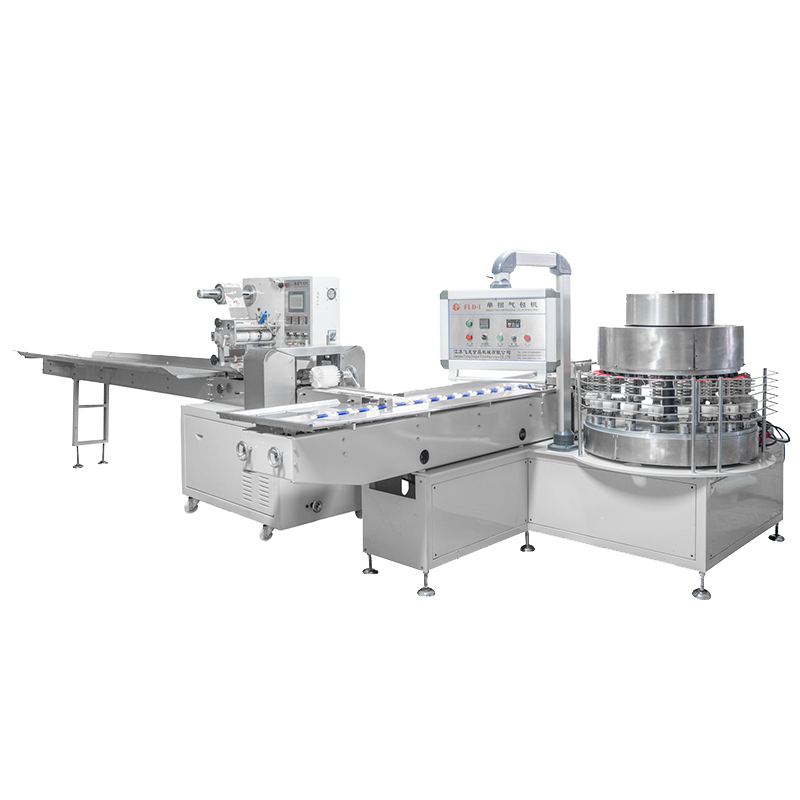
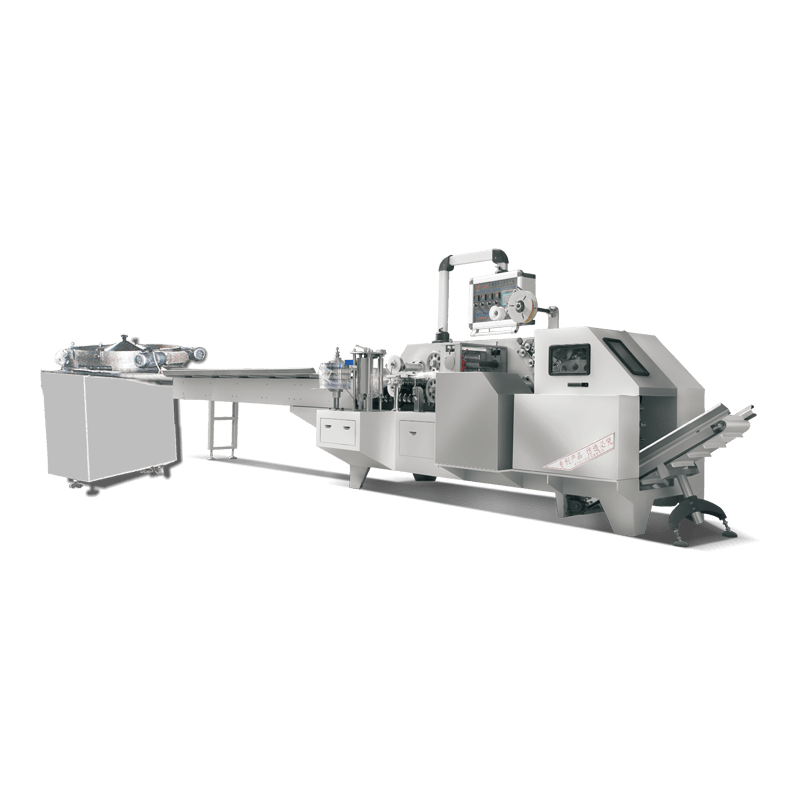
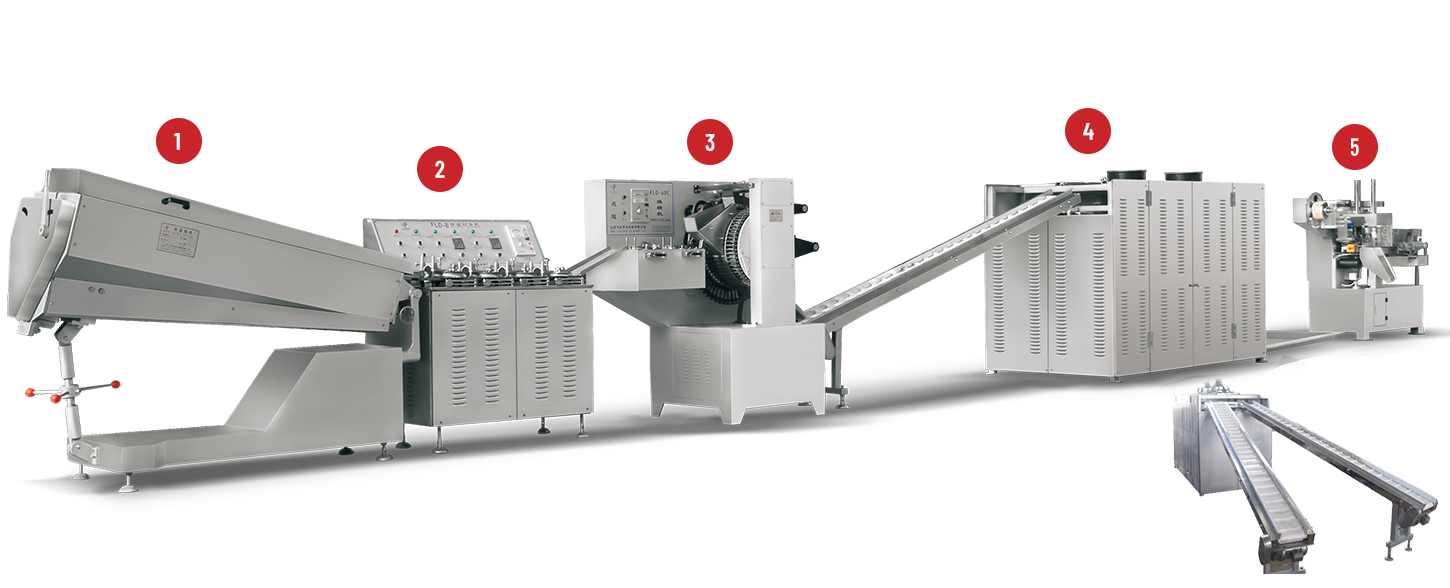
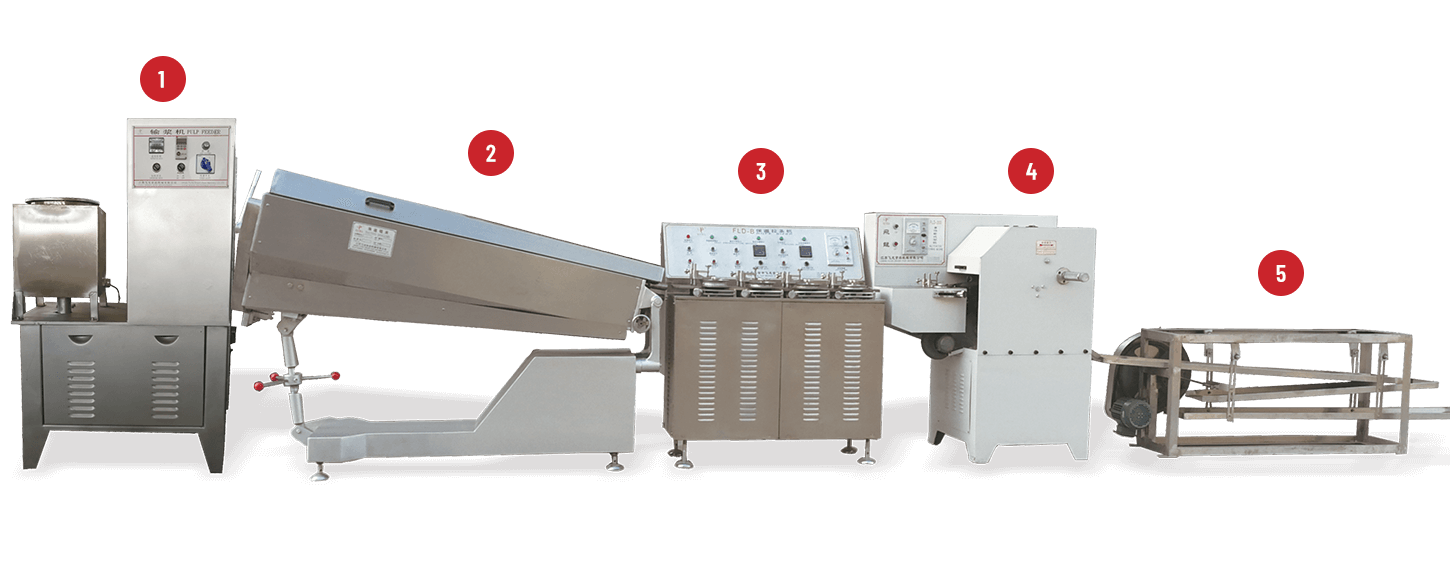
A manufacturer does more than provide a machine. The design of that machine can affect how operators work, how materials move, how cleaning is handled, and how the equipment fits into a production area.
For candy businesses, these details can influence the practical value of an equipment purchase.
Price is naturally part of the decision. But two machines with similar purposes may create very different experiences on the production floor. Their layouts, access points, operating arrangements, and flexibility can all affect how well they fit a particular business.
As candy production continues to serve different product styles and market needs, machine design is becoming a more important part of equipment selection.
What Does Machine Design Mean in Candy Production?
Machine design is not simply about how equipment looks.
It includes the way different parts of a machine are arranged and how operators interact with it. It also involves how materials enter, move through, and leave the production process.
A well-planned design should make sense within the working environment.
Operators need to understand how the machine is used. Production staff need to be able to work around it. Maintenance personnel need practical access when routine care is required.
These considerations can become especially important in candy production because different products may require different handling and forming processes.
For example, a business producing several types of candy may need equipment that can fit changing production arrangements. A manufacturer serving only one product category may have different priorities.
The machine should therefore be considered as part of the production process rather than as an isolated piece of equipment.
| Design Area | What Buyers May Consider |
|---|---|
| Machine Layout | Does the equipment fit the available working area? |
| Material Flow | Can materials move naturally through the process? |
| Operator Access | Can staff interact with the machine comfortably? |
| Cleaning | Is routine cleaning practical? |
| Maintenance | Can common maintenance tasks be handled conveniently? |
| Flexibility | Can the machine support changing production needs? |
| Safety | Does the design support a suitable working environment? |
| Integration | Can the equipment fit with other production activities? |
These questions can help buyers look beyond the machine's outward appearance.
How Can Machine Layout Affect the Production Floor?
A production machine occupies physical space.
That space needs to work with everything around it. Raw materials need to arrive. Operators need room to work. Finished products need to leave the area. Cleaning and maintenance also require access.
If the machine layout does not fit these activities, everyday production can become less convenient.
This is why Candy Machine Manufacturers need to consider more than the main function of the equipment. The physical arrangement can influence how people and materials move around the machine.
A compact production area may have different needs from a larger facility. A growing business may also want to reorganize its production area later.
The layout should therefore be considered from several viewpoints.
Material movement
Materials should have a sensible path through the production area. Unnecessary movement can make daily work more complicated.
Operator movement
People need enough space to interact with the equipment and perform routine tasks.
Cleaning access
Candy production can involve sticky or powdery materials. Easy access to relevant areas can make cleaning more manageable.
Maintenance access
Routine inspection and maintenance should not require unnecessary disruption to the surrounding workspace.
A machine can perform its intended production task while still being inconvenient to work around. Looking at the entire production floor helps buyers identify this difference before purchasing.
Why Does Operator Access Matter?
Machines are used by people.
Even when production includes a high level of automation, operators still need to monitor equipment, prepare materials, check products, clean work areas, and respond to changing production needs.
Machine design can affect how easily these tasks are performed.
An operator may need to reach a working area, observe the production process, adjust an operation, or access a part of the equipment for cleaning. If these actions are difficult, the machine may create unnecessary work.
This does not mean every machine needs the same layout.
Different candy production environments have different requirements. A machine used for forming candy may need a different operator arrangement from equipment used for packaging.
The key is to match the design with the actual workflow.
When evaluating a machine, buyers can ask:
- Where will the operator stand?
- What areas need regular attention?
- Can the working process be observed easily?
- Are cleaning areas accessible?
- Can routine tasks be performed without disrupting other activities?
- Does the machine fit naturally into the existing workflow?
These questions can reveal practical differences between equipment options.
They also give buyers a clearer way to communicate their requirements to Candy Machine Manufacturers.
Can Flexible Machine Design Support Different Candy Products?
Candy businesses do not always produce one product forever.
Consumer preferences can change. Businesses may introduce new shapes, packaging styles, or product categories. Seasonal demand can also affect production planning.
This creates interest in flexible equipment design.
Flexibility does not necessarily mean that one machine must handle every possible product. Instead, it can mean that the equipment is suitable for the range of production needs the business actually has.
A candy manufacturer may produce several types of products. A small business may begin with one product and later expand. A contract producer may work with different customer requirements.
Each situation creates a different need for flexibility.
For buyers, the important question is not simply whether a machine is described as flexible. They should ask how that flexibility fits their own production plans.
| Business Situation | Design Consideration |
|---|---|
| Single Product Line | Simple workflow and practical operation |
| Several Candy Types | Adaptability to different production needs |
| Growing Business | Ability to fit changing production arrangements |
| Contract Production | Support for different customer requirements |
| Seasonal Production | Practical changes between production activities |
| Replacement Equipment | Compatibility with the existing working environment |
This way of thinking can help prevent buyers from paying for features they may never use while also avoiding equipment that becomes restrictive later.
How Does Cleaning Influence Candy Machine Design?
Cleanliness is a regular part of food production.
Candy equipment can come into contact with ingredients and product materials during everyday operation. Residue may collect in working areas, especially when the product has a sticky or powder-based character.
Cleaning therefore needs to be considered during equipment selection.
A machine with a practical layout can make routine cleaning easier to organize. Accessible surfaces and sensible working areas can reduce unnecessary effort.
This is also where machine design and production planning meet.
If cleaning takes place between different production activities, staff may need to work quickly without compromising the cleanliness of the production environment. Equipment that is difficult to access can make this process more inconvenient.
Buyers can discuss cleaning expectations with Candy Machine Manufacturers before making a decision.
Useful questions include:
- Which areas require regular cleaning?
- Can staff reach relevant surfaces easily?
- Does the machine fit existing cleaning routines?
- Can cleaning be performed without affecting nearby equipment?
- Is the layout suitable for the production environment?
The answers can help buyers understand whether a machine is practical beyond its main production function.
Why Should Maintenance Be Part of the Buying Decision?
A candy machine is part of a working production environment.
Routine care is therefore unavoidable. Parts may need inspection. Surfaces may need cleaning. Certain components may require attention after regular use.
Maintenance should not be treated as an issue that appears only after purchase.
Machine design can influence how easy it is to access areas that require routine attention. A thoughtful layout can help maintenance personnel identify and handle everyday tasks without creating unnecessary disruption.
This matters for both small and large businesses.
A small candy producer may have only a few people responsible for equipment care. A larger operation may have dedicated maintenance staff. In both cases, practical access can make daily work easier.
The buying conversation can include maintenance from the beginning.
Rather than asking only how a machine produces candy, buyers can also ask how the machine will be cared for.
This broader view can help businesses compare equipment based on its complete role in the production environment.
How Should Buyers Compare Candy Machine Manufacturers?
Choosing a Candy Machine Manufacturer is not simply about comparing machine prices.
Different manufacturers may approach design in different ways. Some may focus on specific candy applications. Others may offer equipment intended for a wider range of production needs.
Buyers can create a simple comparison based on their actual requirements.
Product fit
Does the manufacturer offer equipment suited to the candy products being produced?
Machine layout
Will the equipment fit naturally into the available production space?
Operator experience
Can staff work with the machine without unnecessary difficulty?
Cleaning and maintenance
Are routine care tasks practical within the existing workflow?
Flexibility
Can the equipment support the business as production needs change?
Communication
Can the buyer clearly explain production requirements and receive useful responses?
Supply support
Can the manufacturer discuss replacement needs and future purchasing arrangements?
This type of comparison can be more useful than focusing on one purchasing factor.
For wholesale buyers and distributors, supplier evaluation can be even broader. They may need to consider several machine categories, different customer applications, and ongoing product demand.
A manufacturer that understands these requirements can make the purchasing discussion more direct.
Could Machine Design Influence the Future of Candy Production?
Candy production is not standing still.
Businesses are looking for ways to respond to changing customer preferences while keeping production practical. New product ideas can create new equipment requirements. Existing production lines may also need to become easier to manage.
This places greater attention on machine design.
The future of candy equipment is not only about producing candy. It is also about how the machine fits into the wider working environment.
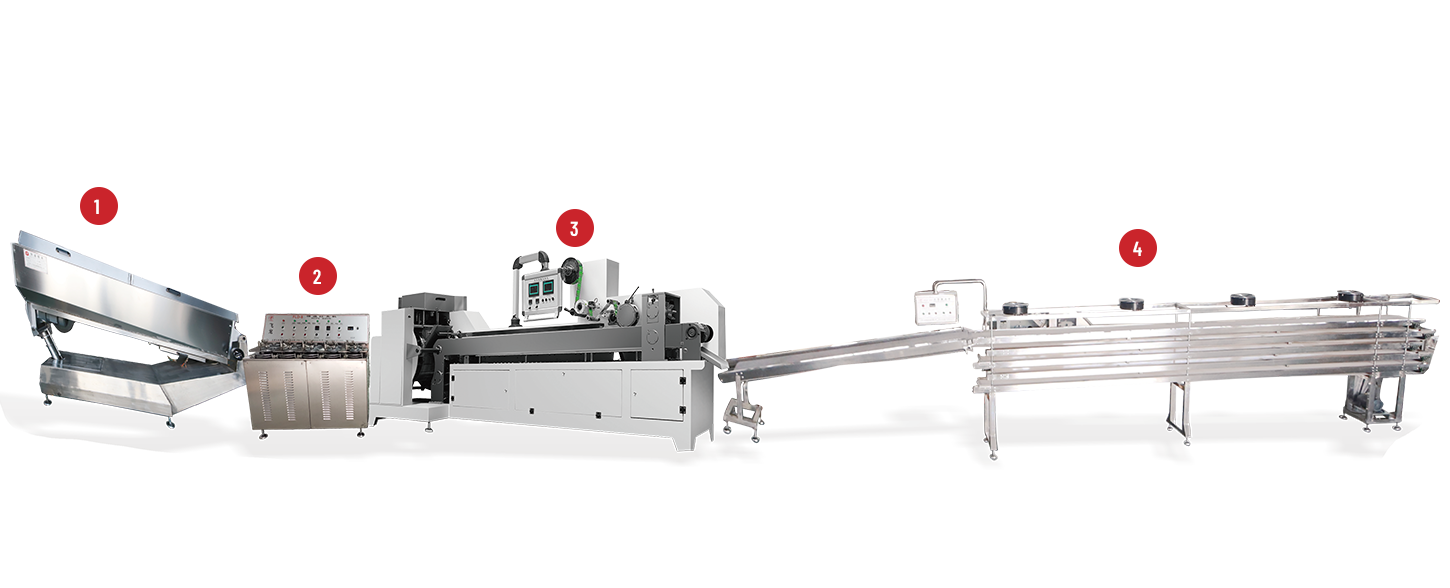
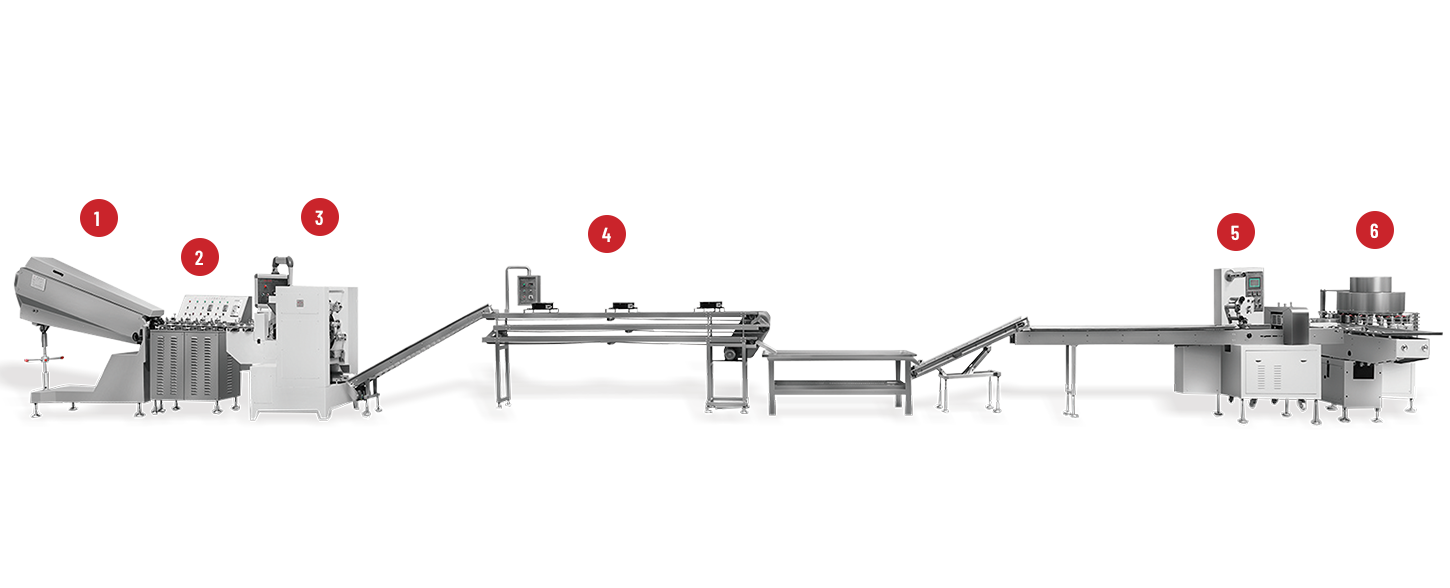
A machine may need to support changing product plans. It may need to fit into a reorganized production area. It may need to work alongside other equipment while leaving enough room for operators and maintenance staff.
These needs encourage a broader conversation between buyers and Candy Machine Manufacturers.
Instead of discussing only product output, buyers can describe their production environment, current workflow, cleaning routines, product range, and future plans.
Manufacturers can then understand the practical setting in which the machine will be used.
This kind of communication can influence machine design itself. It can also help businesses make purchasing decisions based on how equipment will function within everyday production, rather than judging the machine only as a standalone product.
As candy businesses continue to explore different production formats, machine layout, operator access, cleaning, maintenance, flexibility, and integration are becoming part of the same equipment discussion.
 +86-(0)515-8465666
 +86-(0)515-85566996
 +86-138 1559 9708
 flyloong@flyloongcn.com
 Home
Home