

 ENG
ENG
 English
 中文简体
中文简体 русский
 Français
 Español
 عربى
عربى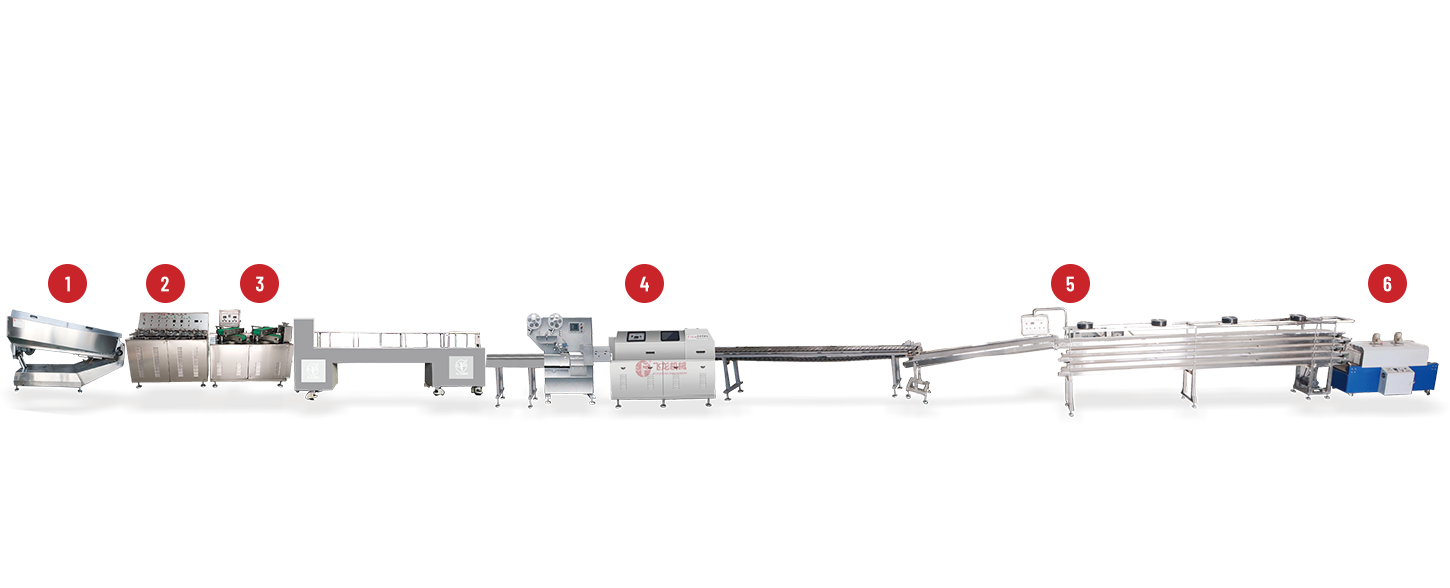
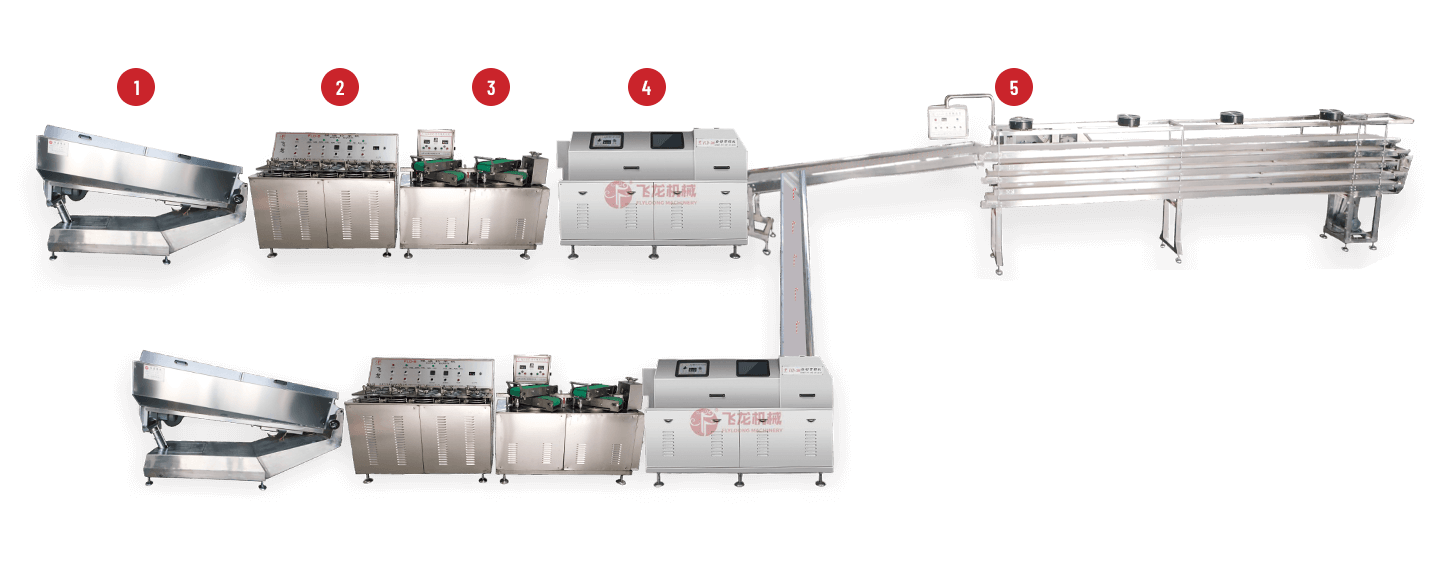
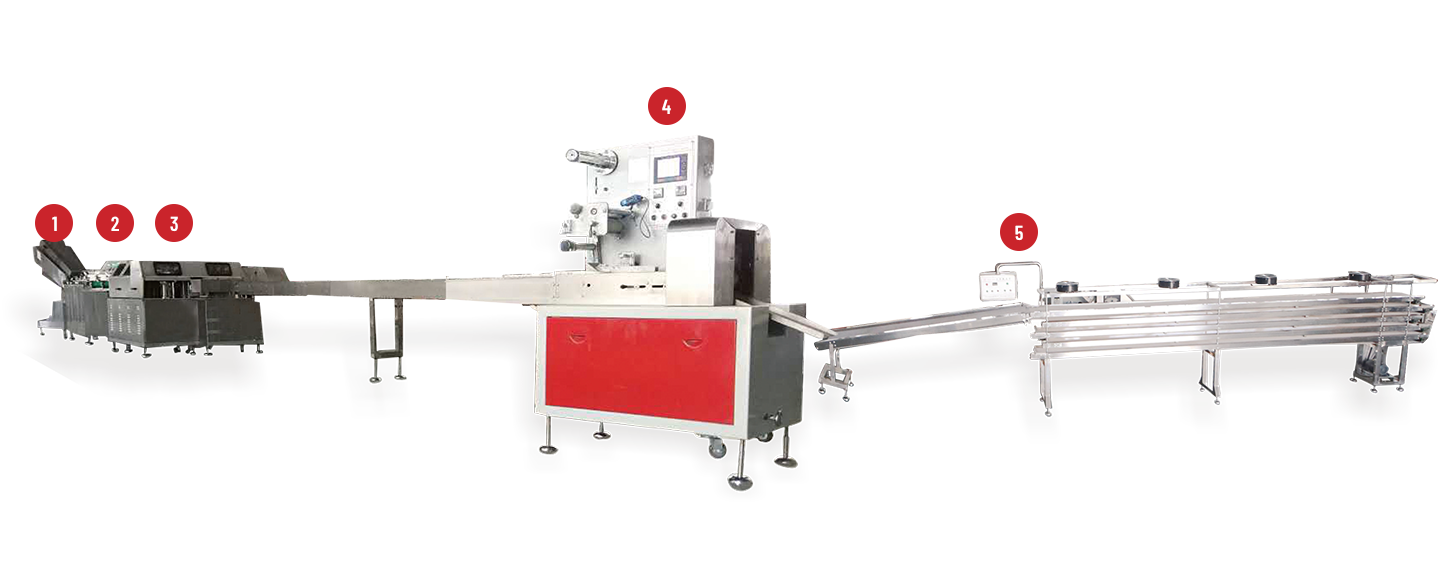
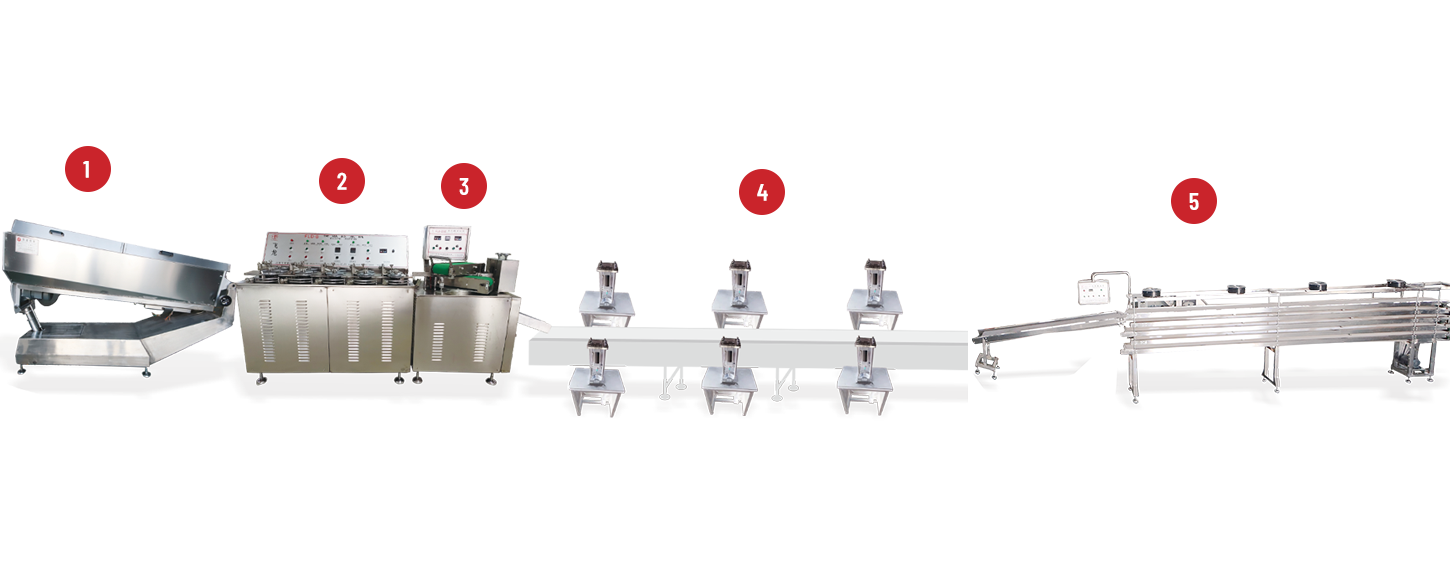
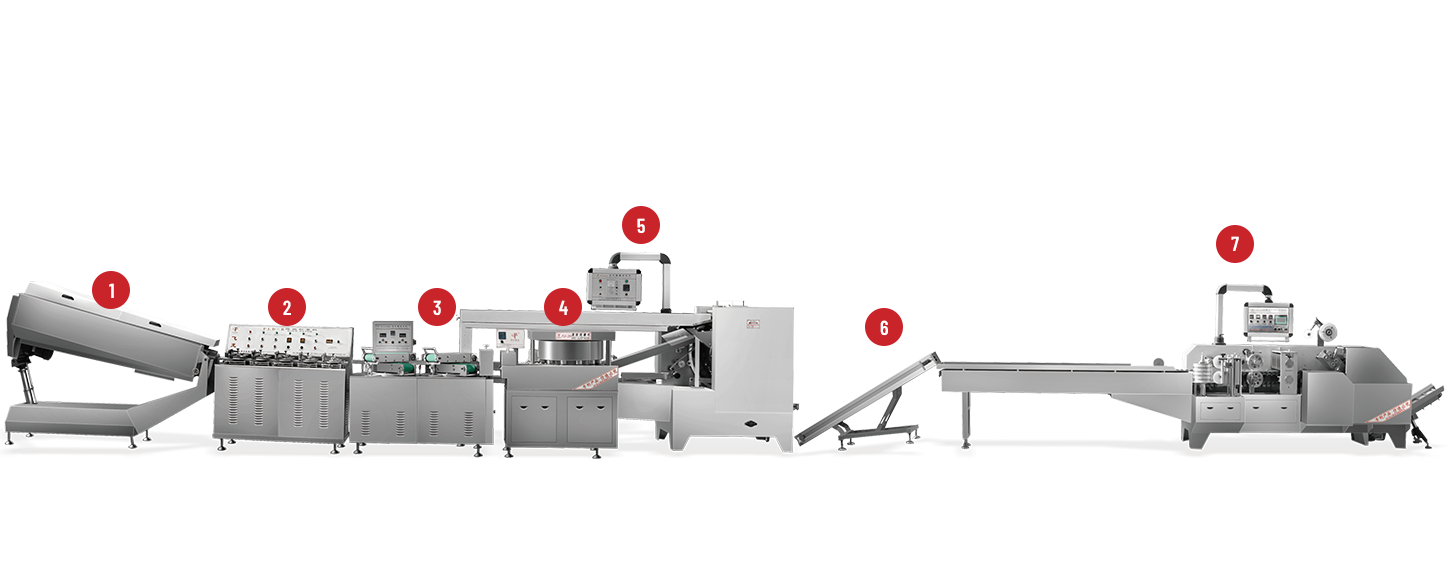
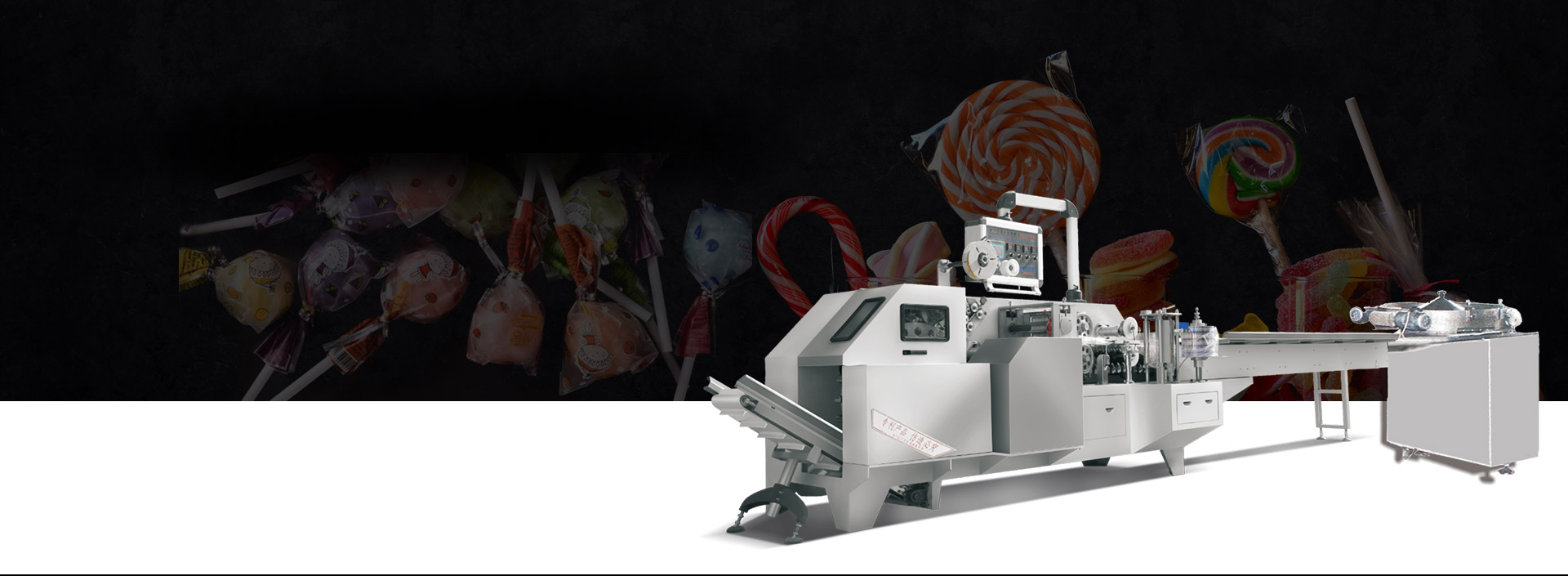
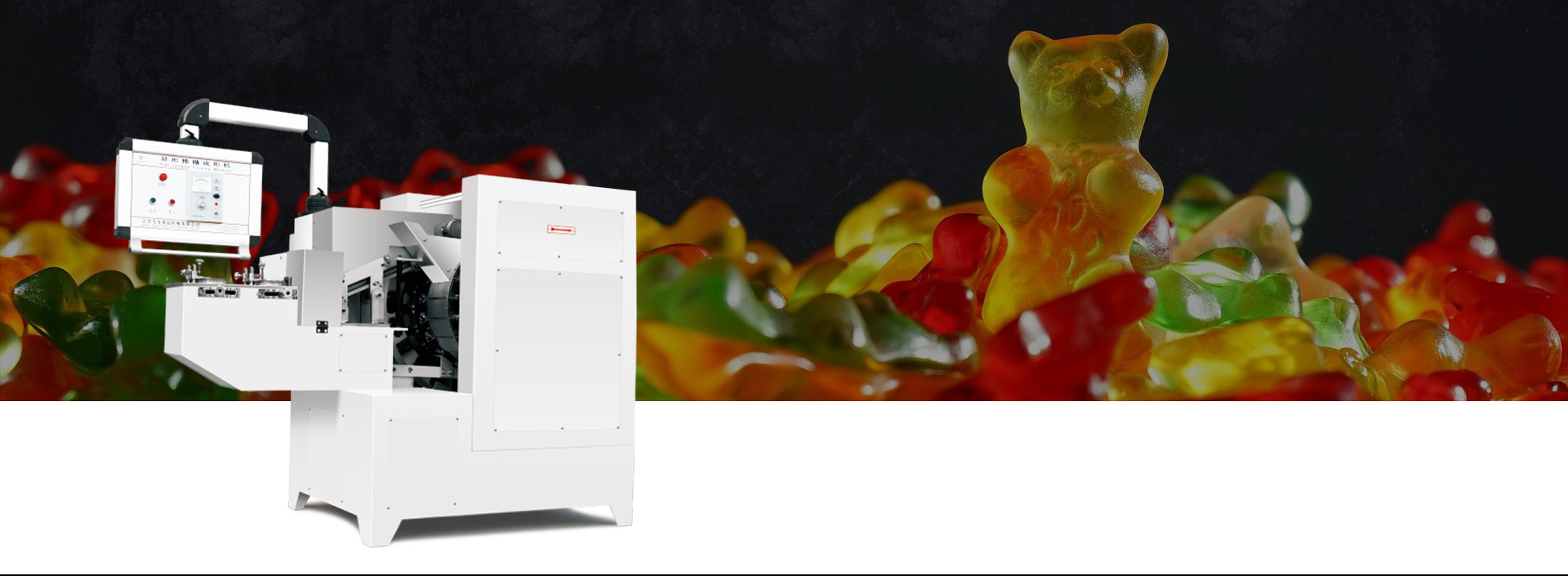
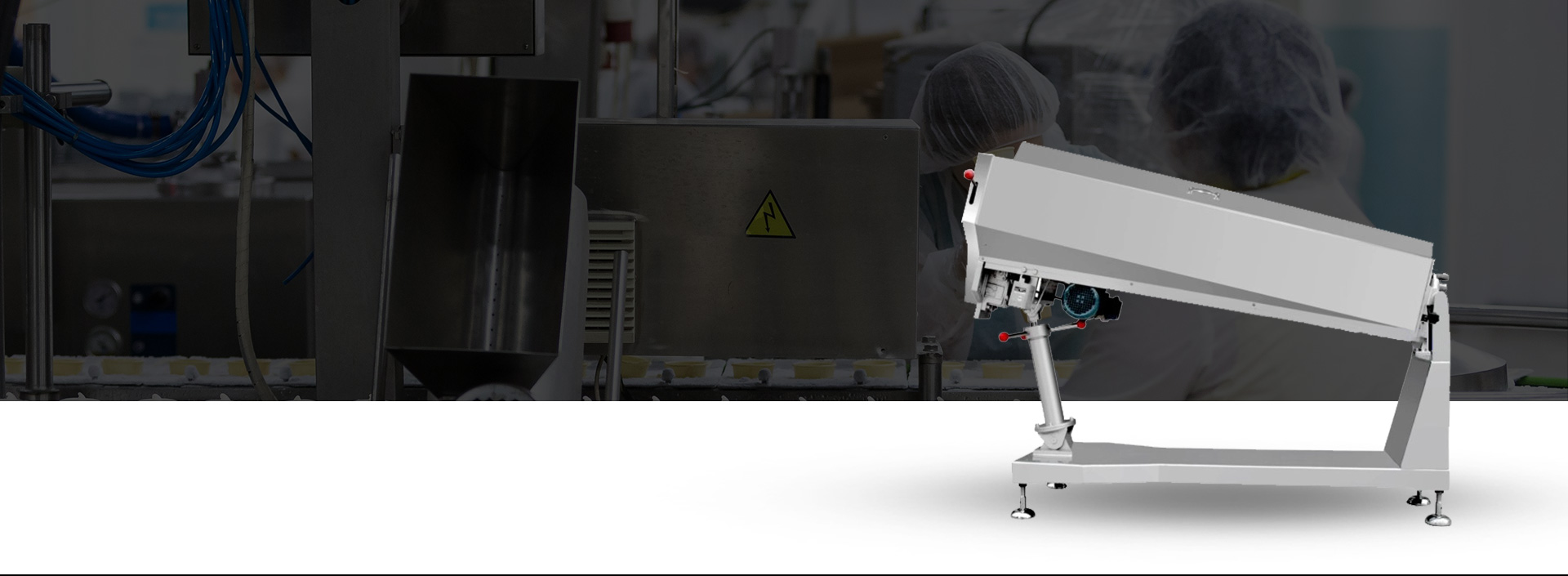
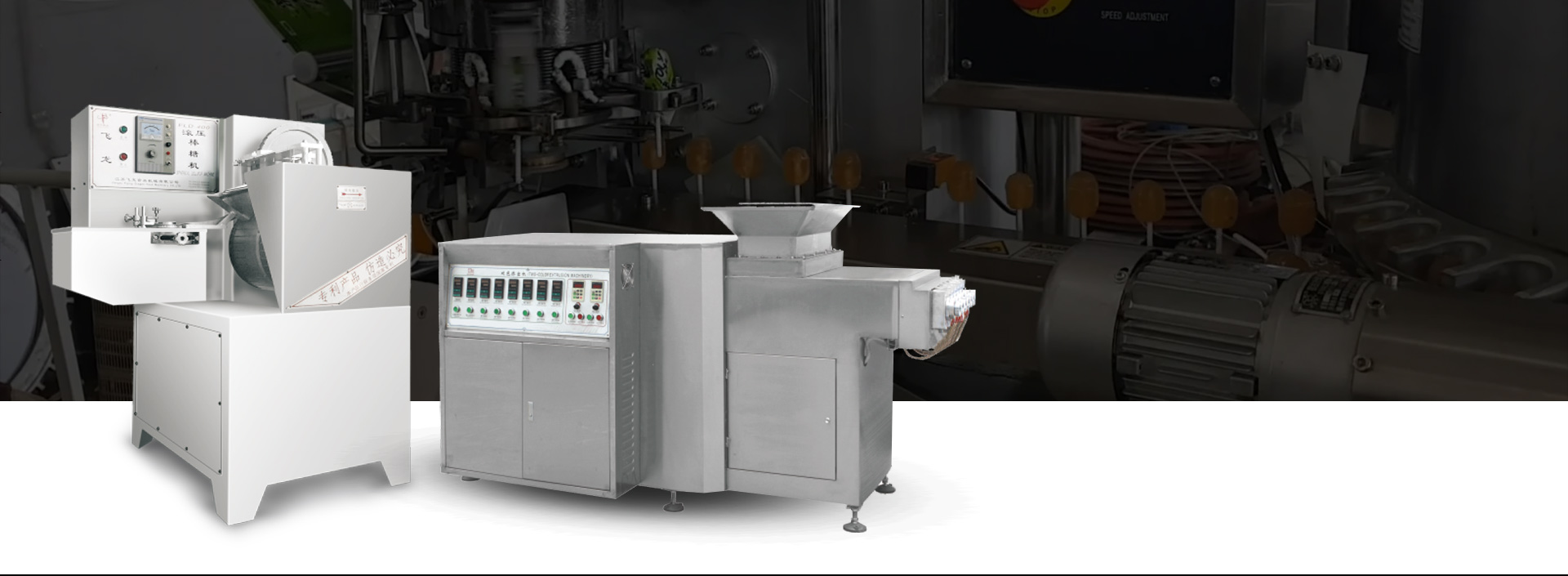
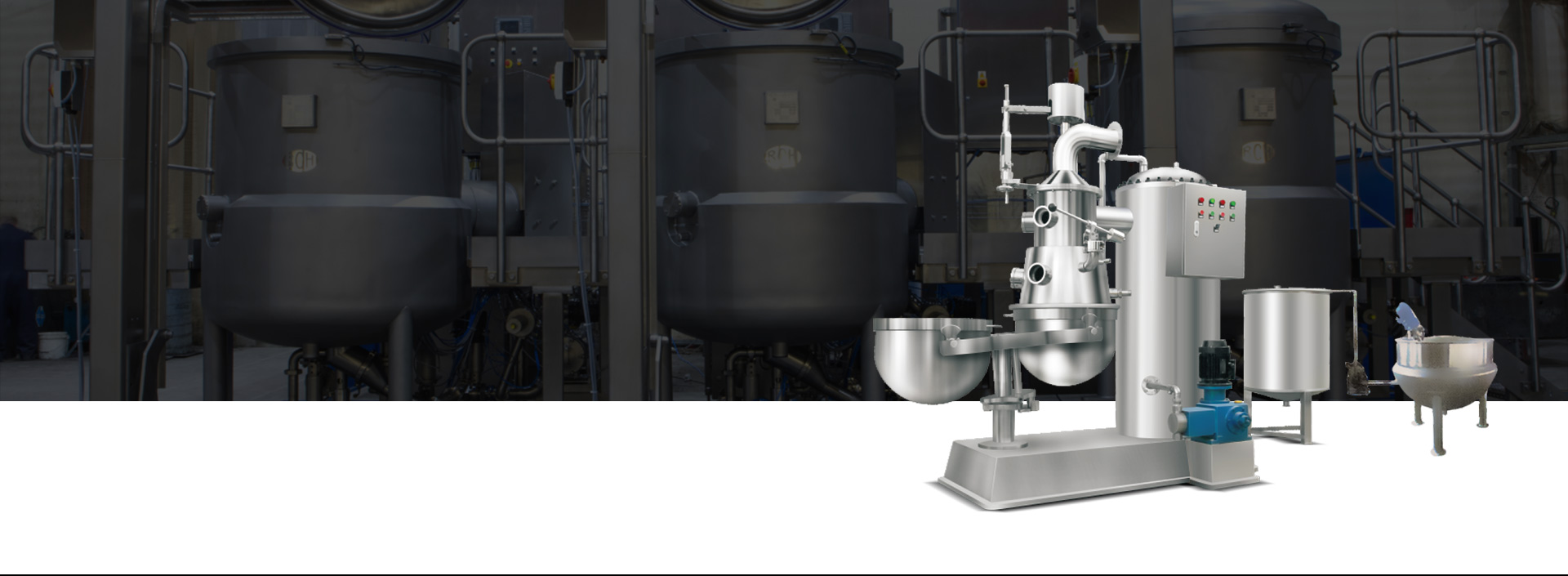
The lollipop market is no longer limited to simple round candies on a stick. Walk through a confectionery aisle and the range can feel surprisingly broad. Some lollipops are flat. Some are rounded. Others use playful outlines, layered colors, simple patterns, or shapes linked to a particular theme.
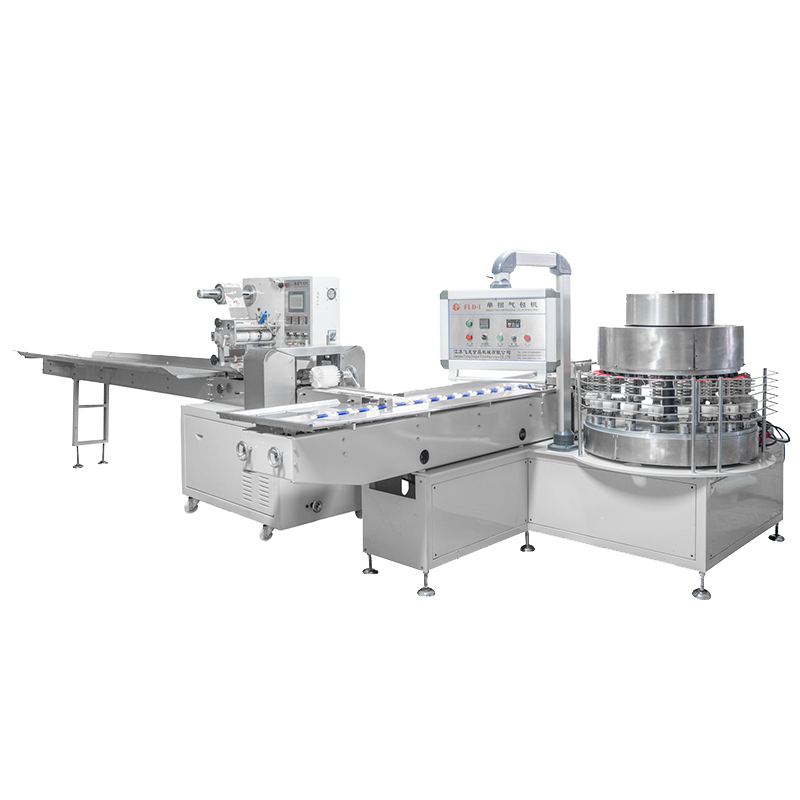
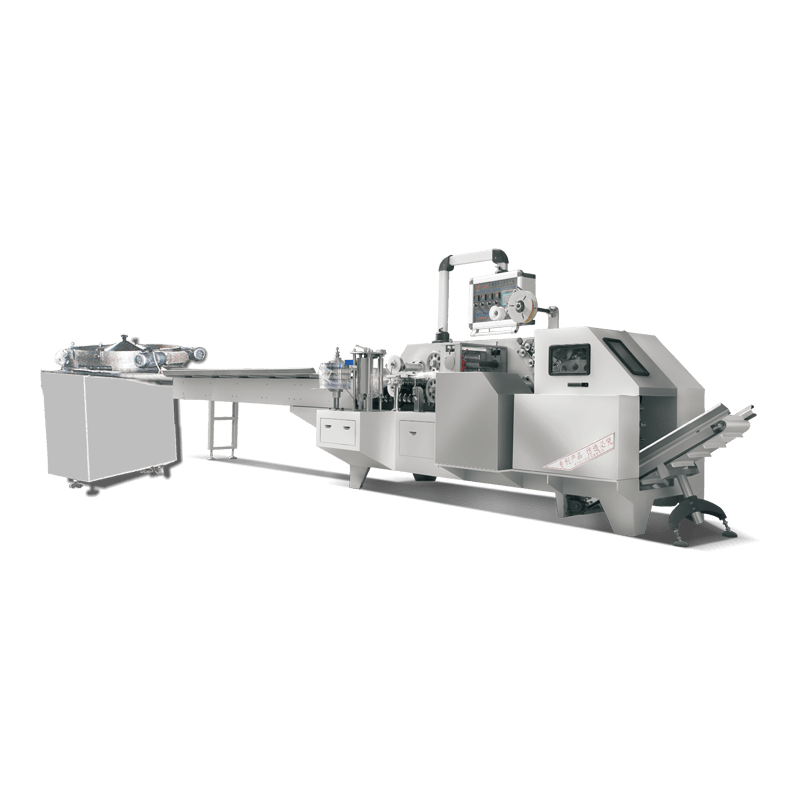
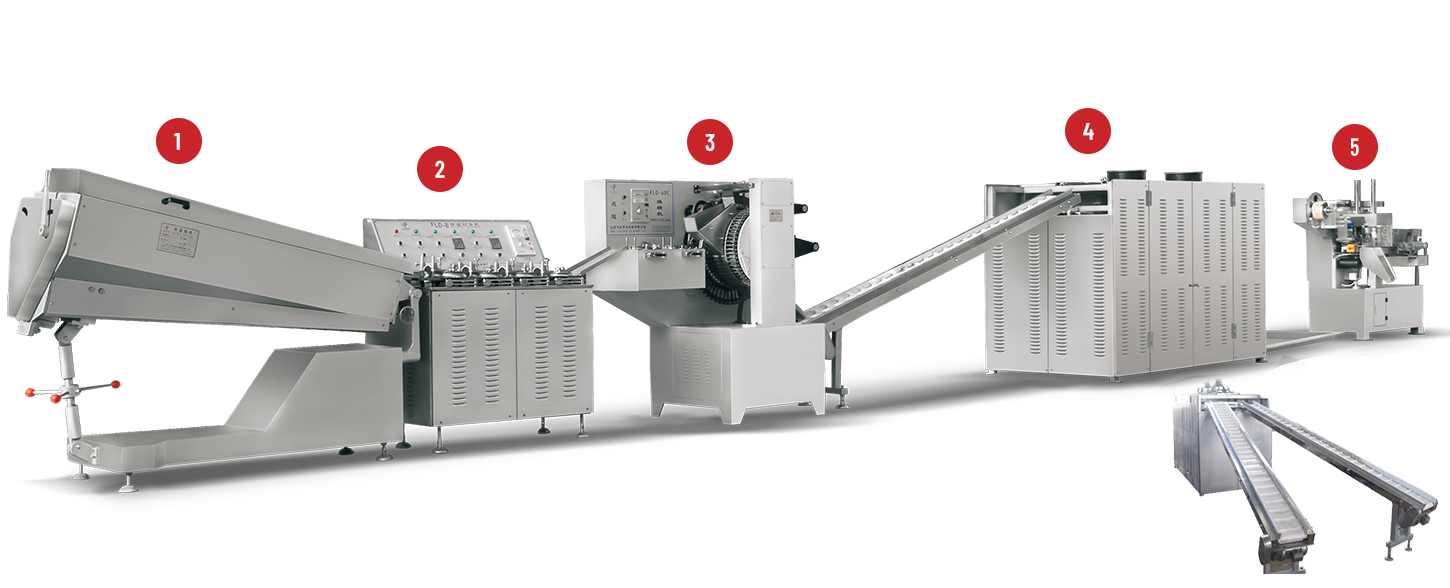
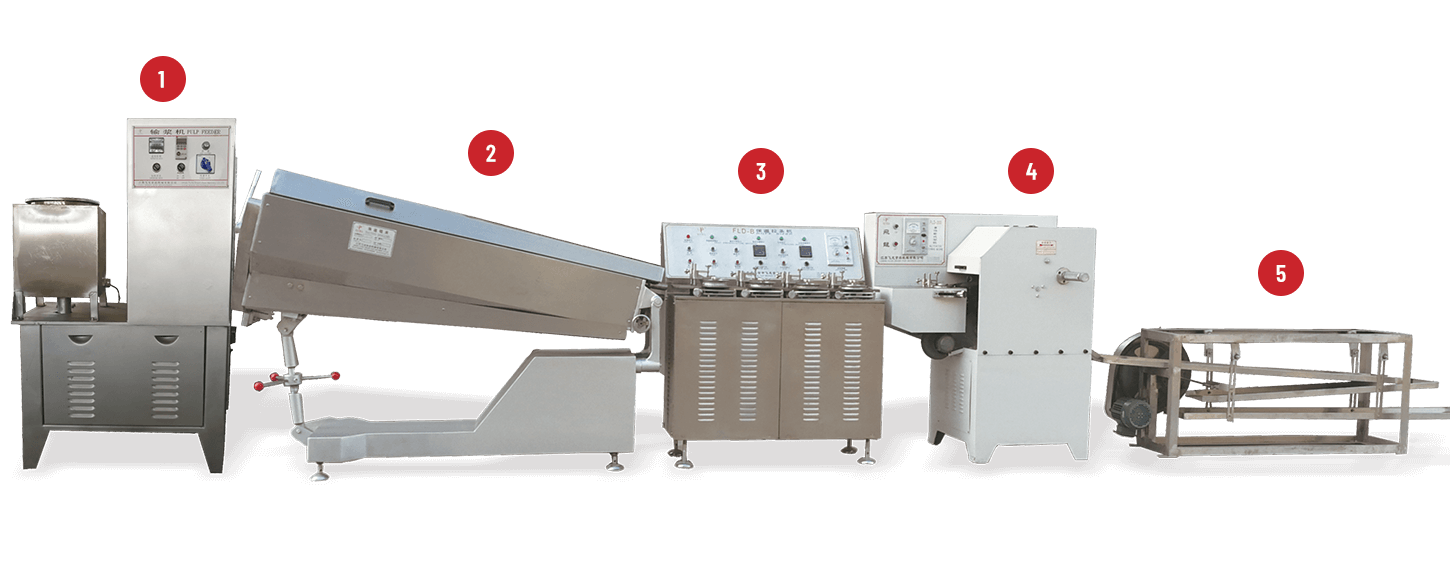
This change has also influenced candy production. Manufacturers want equipment that can support product variety without making every new design feel like a completely new production project. A Lollipop Manufacturing Machine can play an important role here.
Modern lollipop production equipment can be designed around different forming approaches. Changing the mold can allow a forming machine to create different candy shapes. Some production systems can also handle variations in color, surface appearance, and product presentation.
But flexibility does not mean that every machine can produce every possible design. The actual range depends on the forming method, mold arrangement, candy material, production process, and the type of change the manufacturer expects to make.
So, can a Lollipop Manufacturing Machine really produce different lollipop designs? In many production settings, the answer is yes. The more important question is how that flexibility is achieved and what kind of designs it can realistically support.
What Types of Lollipop Designs Can a Manufacturing Machine Produce?
The simplest way to understand design flexibility is to look at the shape of the finished candy. Traditional round lollipops are only one option. Production equipment can also be designed to form flat, oval, oblong, or other shaped products. Some systems are intended specifically for irregular shapes and customized candy outlines.
This opens the door to many visual concepts. A manufacturer may want a candy with a soft geometric outline. Another may prefer a recognizable object shape. A themed product might use a simple character or symbol. The goal is not always to create a complicated shape. Even a small change in the outline can make a lollipop look like a different product.
Surface design is another area of interest. A lollipop can have a simple smooth appearance, a patterned surface, or a combination of colors. Some production approaches allow changes to molds or forming components so that the finished candy can follow a different design direction.
The table below shows some common design considerations.
| Lollipop design element | What it can change | Production consideration |
|---|---|---|
| Candy outline | Changes the overall appearance | Usually linked closely to the forming mold |
| Surface pattern | Adds visual detail | Depends on the forming method and mold design |
| Color arrangement | Creates different visual effects | Can often change without changing the basic candy outline |
| Candy shape | Defines the product identity | May require a different forming setup |
| Stick position | Influences the finished presentation | Needs to match the candy design |
| Product combination | Allows different visual concepts | Depends on the production system |
The important point is that design flexibility can exist at several levels. A manufacturer does not always need to change the entire production process to create a new-looking lollipop.
How Does the Mold Affect Lollipop Design?
The mold is closely connected to the shape of a formed lollipop. It gives the soft candy material its intended outline and surface appearance. When the mold changes, the finished product can change with it.
This is why mold selection becomes an important part of lollipop product development. A manufacturer may begin with a basic shape for regular production. Later, the same production concept may be adapted for another shape by changing the forming mold. Industry equipment descriptions commonly note that different molds can be used to create different candy shapes.
Mold design also affects how much detail can appear on the candy. A simple outline may be relatively easy to reproduce. A more detailed design needs a forming system that can handle the intended shape without damaging the candy during release.
This creates an important balance. A product may look attractive on paper, but the design still needs to work with the actual production process. Designers and manufacturers therefore need to think about both appearance and manufacturability.
A practical design process often begins with a simple question: what should the customer see when the package is opened? From there, the candy outline, surface pattern, color arrangement, and stick position can be considered together.
Can One Machine Support Different Shapes?
A flexible Lollipop Manufacturing Machine can support more than one shape, but the change usually depends on the design of the equipment. Die-forming systems, for example, can use different molds for different candy shapes. Other production approaches may use different forming components or depositing arrangements.
This means manufacturers should not assume that one machine automatically handles unlimited designs. The machine needs to be suitable for the type of candy being produced. The mold or forming setup also needs to match the new product.
Shape changes can be easier when the equipment has been designed with product variety in mind. A production line intended to make only one fixed shape may be less convenient for frequent product changes. A system built around interchangeable forming components can offer more room for variation.
There is also a practical issue of production planning. Changing a product design involves more than changing the visual concept. The forming parts need to be prepared. The production area may need cleaning or adjustment. The new design needs to move properly through the following stages.
For manufacturers with several product lines, this matters. The ability to move between designs can influence how easily new products are introduced into regular production.
How Can Color Create More Lollipop Designs?
Shape is only one part of a lollipop's appearance. Color can completely change how the same basic shape looks.
A round lollipop can appear very different when produced in different colors. A flat candy can use a single tone, multiple tones, stripes, layers, or other visual arrangements. Some production systems are designed to support different colors and combinations, depending on the candy and forming method.
This gives manufacturers another way to create product variety without constantly changing the physical outline of the candy. One shape can support several visual concepts.
Color also has a strong connection with product positioning. A softer color combination may suit a simple everyday candy. Brighter combinations may create a more playful appearance. Seasonal or themed products can also use color to communicate their identity.
The key is to treat color as part of the product design rather than an afterthought. The candy shape, surface, color arrangement, wrapper, and stick can all contribute to the final appearance.
For production planning, this can be useful because some visual changes may require less adjustment than a completely new candy shape. The exact process still depends on the equipment and product design, but color can provide a practical way to expand a product range.
Can Lollipop Machines Handle Character and Irregular Shapes?
Irregular lollipops have become an interesting area of product design because they can give a familiar candy format a more distinctive appearance. Instead of relying on a standard circle or oval, manufacturers can explore shapes inspired by objects, animals, symbols, or simple characters.
Some lollipop forming machines are specifically described as being suitable for irregular-shaped products. Industry equipment listings include examples such as cartoon-style and other customized flat shapes.
However, irregular designs require careful planning. The candy needs to fill the intended shape properly. It also needs to release from the forming area without losing important details. Very narrow sections, sharp corners, or small decorative elements may create additional production challenges.
For this reason, a successful product design is usually not based only on visual creativity. It also considers how the candy will be formed, cooled, handled, and packaged.
A good design can often be simplified without losing its identity. Clear outlines and recognizable features may work better than unnecessary small details. This approach can make the product easier to produce while keeping the appearance attractive.
How Do Different Forming Methods Affect Product Variety?
Not every Lollipop Manufacturing Machine creates candy in the same way. Different forming approaches offer different possibilities.
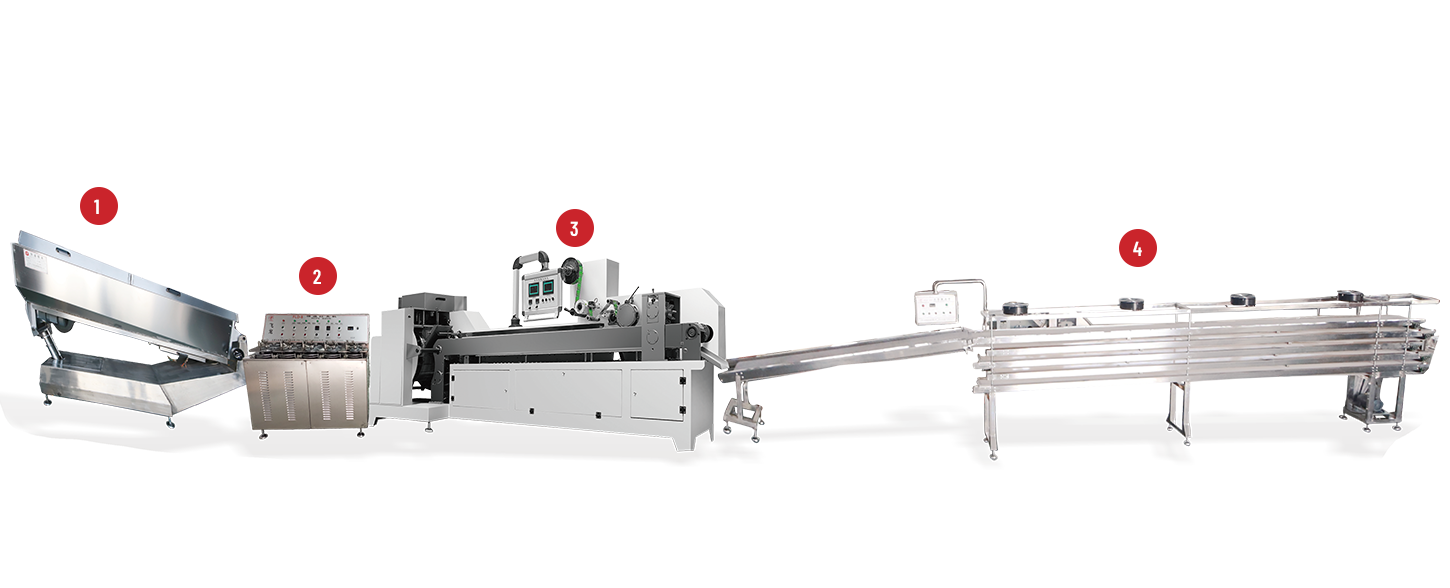
Die-forming equipment uses molds to give the candy its final shape. This approach is commonly associated with shaped hard candy and lollipop products. Changing the forming mold can allow different shapes to be produced.
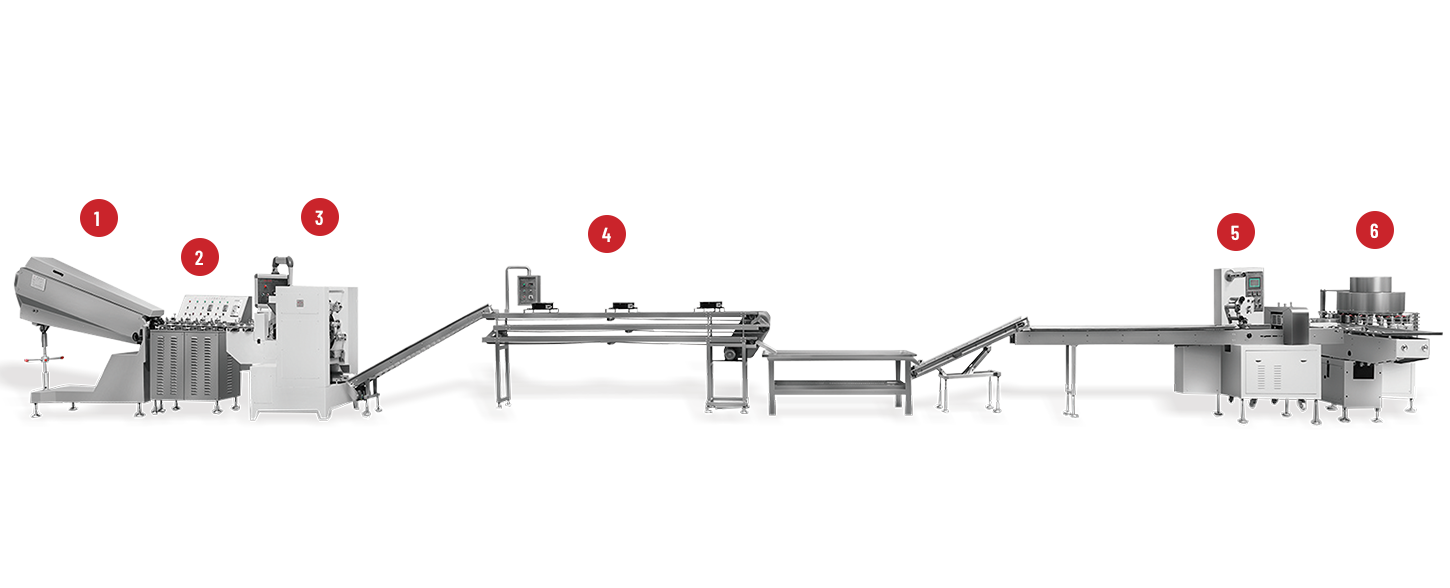
Depositing equipment follows a different approach. The candy material is placed into a mold or forming area, where it takes the intended shape. Such systems can support variations in color and product appearance, depending on the equipment configuration.
Neither approach should be treated as suitable for every product. The right choice depends on the type of lollipop, desired appearance, product material, and production workflow.
| Production approach | Design possibilities | Typical design focus |
|---|---|---|
| Die forming | Different outlines and shaped products | Candy shape and surface detail |
| Depositing | Different colors, layers, and molded shapes | Color arrangement and product appearance |
| Customized forming | Specialized outlines and themed products | Product identity and visual detail |
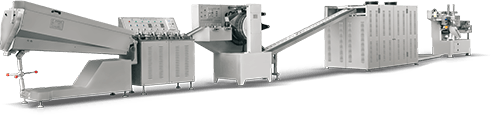
| Combined production setup | Multiple stages working together | Product variety and workflow coordination |
For manufacturers developing several products, understanding this difference can make equipment planning easier. A machine should be selected according to the designs that the business actually expects to produce, rather than based only on the number of functions listed in a product description.
What Should Manufacturers Consider When Creating Different Lollipop Designs?
Product variety sounds attractive, but every new design creates practical questions. Manufacturers need to consider how the design will move through the complete production process.
The candy must be formed properly. The stick must stay in the intended position. The product needs enough stability for handling. It also needs to reach the packaging stage without losing its appearance.
A design that looks good on a screen may behave differently during actual production. This is why early product testing is useful. It allows the manufacturer to see whether the candy shape works as expected and whether the chosen production method can support it.
Several areas deserve attention:
Shape simplicity
A clear outline can make production easier while still giving the product a recognizable identity.
Surface detail
Patterns should be designed with the forming process in mind. Too much small detail may make the finished appearance harder to reproduce.
Color arrangement
Color can create variety without always requiring a completely different candy shape.
Stick placement
The stick should support the candy without interfering with its visual design.
Packaging compatibility
The finished shape should work with the intended wrapping and handling process.
Product change frequency
Manufacturers that introduce new designs often may need equipment that makes product changes easier to manage.
These factors connect product design with production planning. A successful lollipop design is not simply attractive. It also needs to fit the way the product will be made and handled.
Can Product Variety Make Lollipop Manufacturing More Flexible?
Product variety can give manufacturers more ways to respond to changing customer preferences. A single basic candy concept can become several products through changes in shape, color, pattern, or presentation.
This does not mean that every product should be completely different. In many cases, a product family can share a similar production concept while using different visual elements.
For example, a manufacturer may create several lollipops based on the same general form. One version may use a different color combination. Another may use a different surface pattern. A further version may use a new outline. This creates variety while keeping some consistency within the product range.
The ability to make these changes depends heavily on equipment design. A flexible production setup can make it easier to explore new ideas without treating every product as a separate manufacturing project.
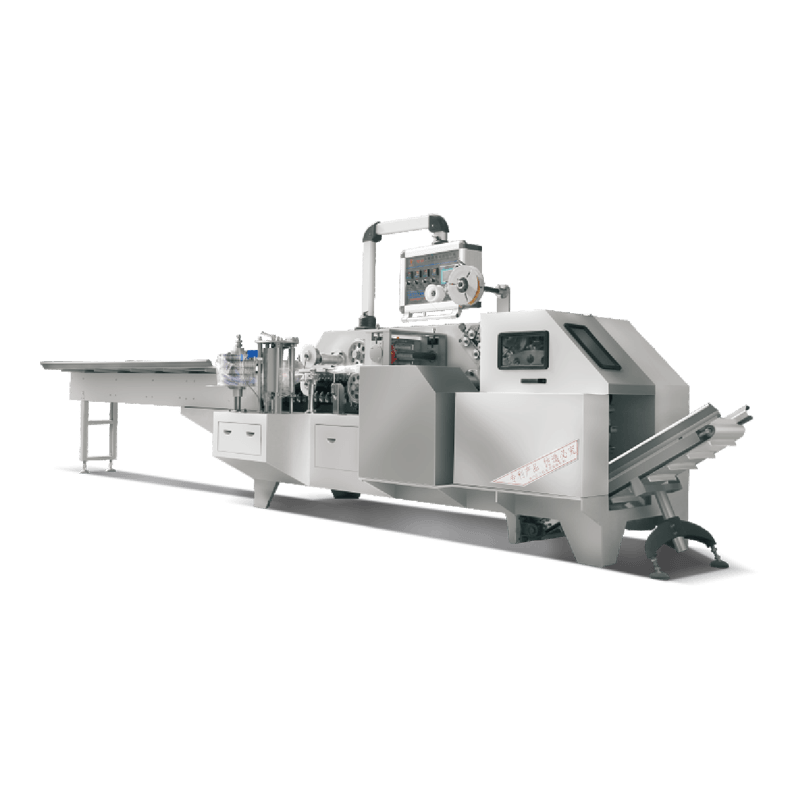
That is why Lollipop Manufacturing Machine selection is becoming closely connected with product development. The equipment is not only responsible for making candy. It can also influence how easily a manufacturer can turn a new design idea into a physical product.
As consumers continue to encounter lollipops in more shapes, colors, and visual styles, manufacturers have more reasons to consider flexibility during production planning. Different molds, forming approaches, color arrangements, and product workflows can all play a role in turning a basic candy format into a wider range of finished designs.
 +86-(0)515-8465666
 +86-(0)515-85566996
 +86-138 1559 9708
 flyloong@flyloongcn.com
 Home
Home