

 ENG
ENG
 English
 中文简体
中文简体 русский
 Français
 Español
 عربى
عربى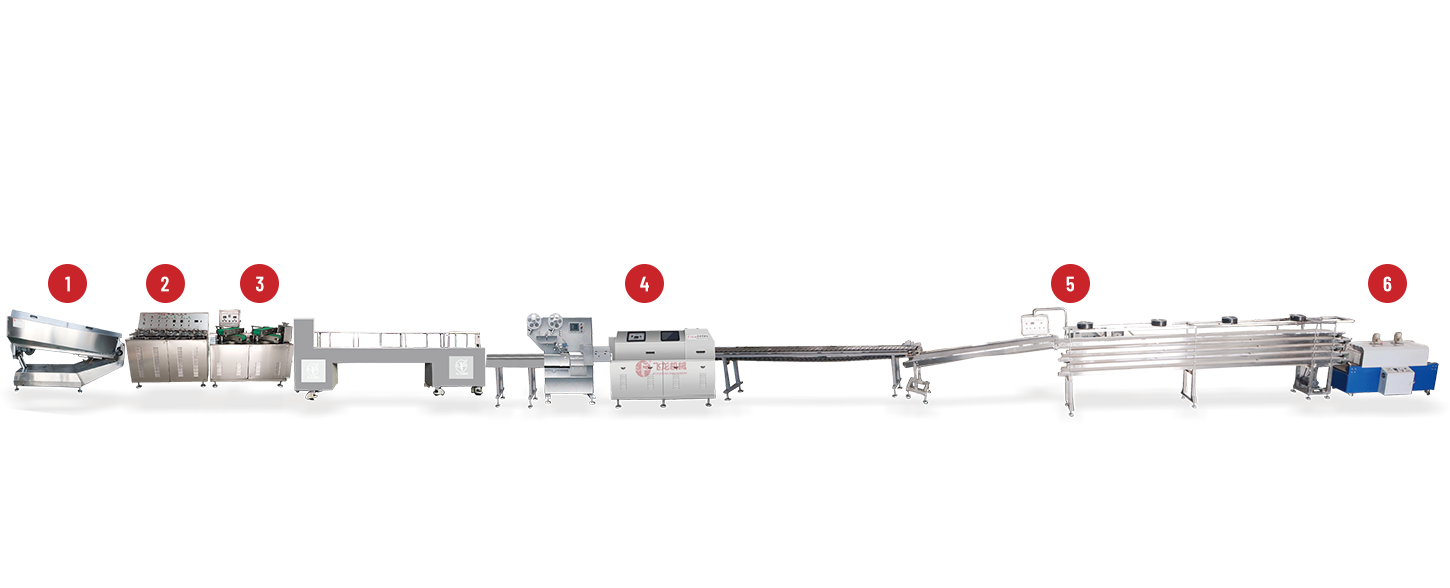
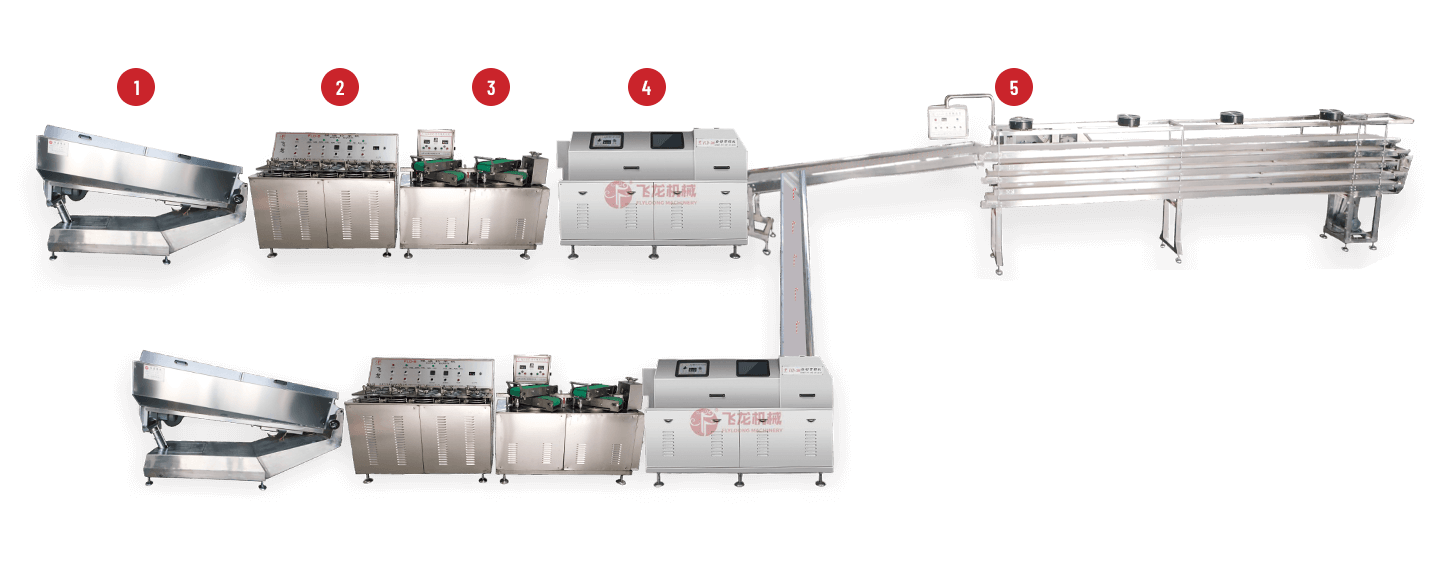
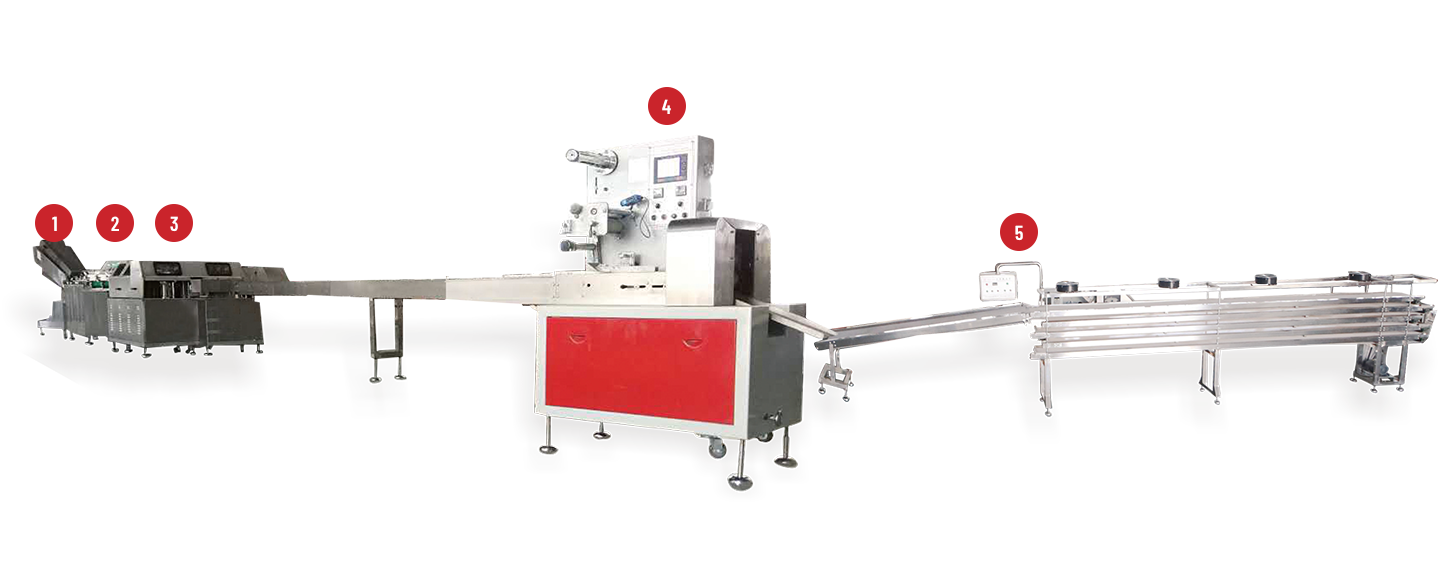
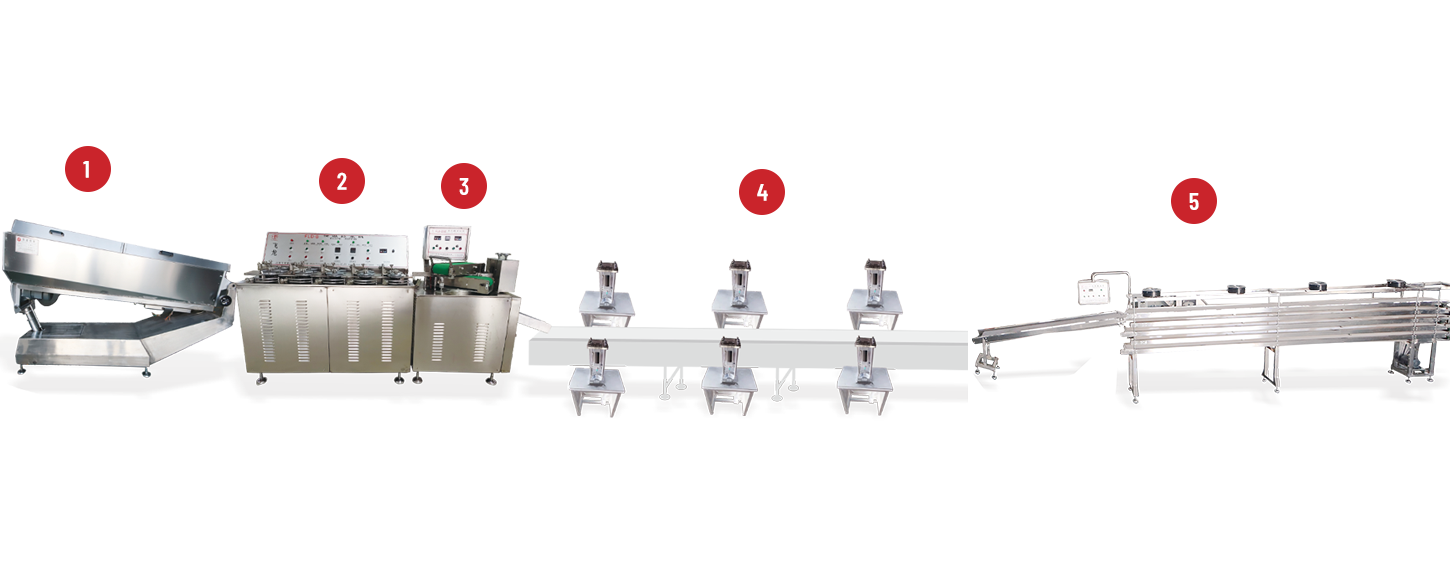
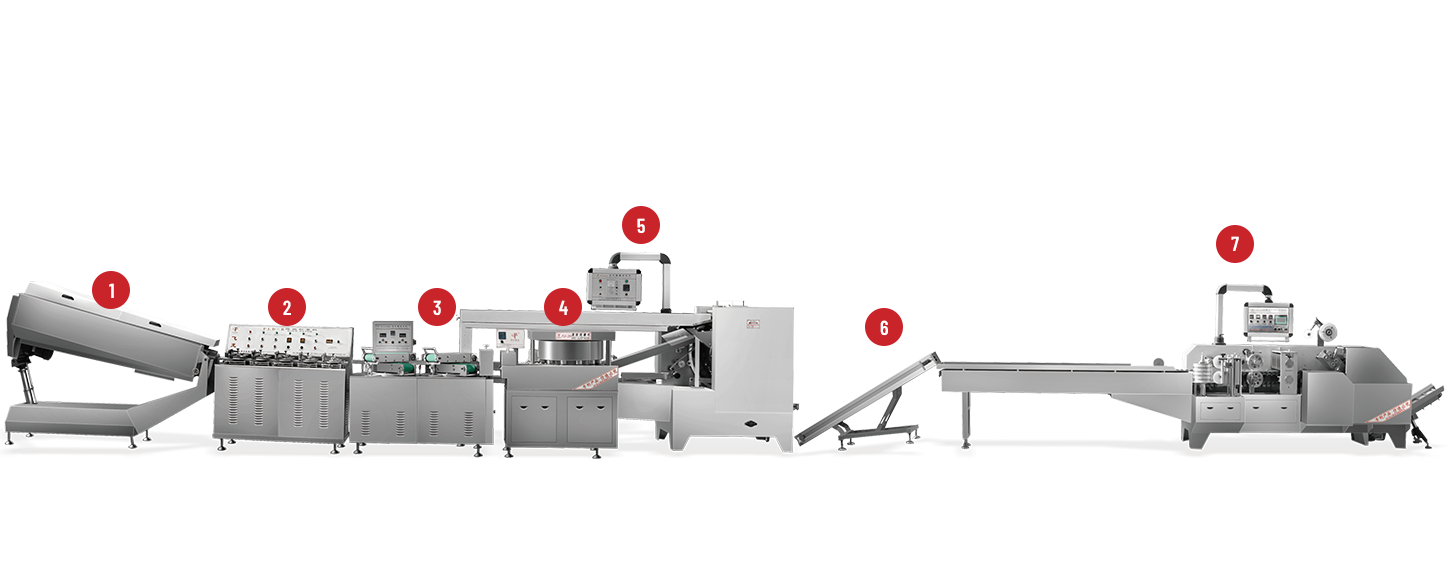
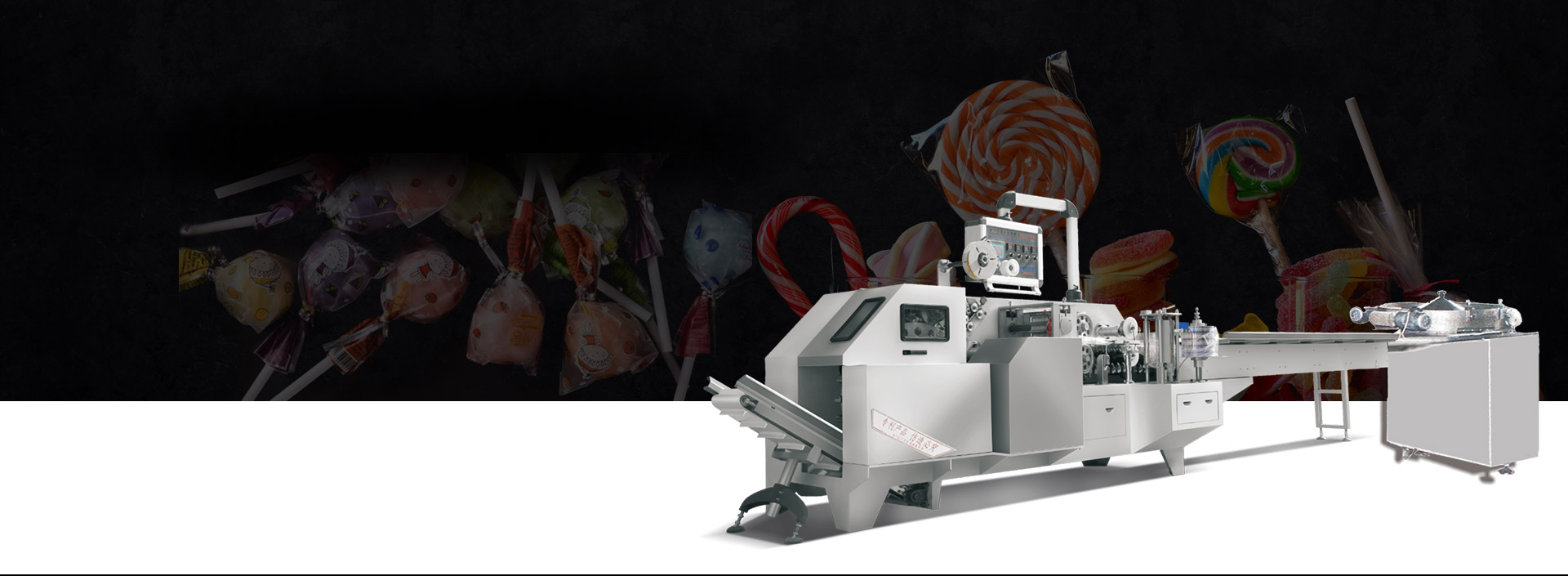
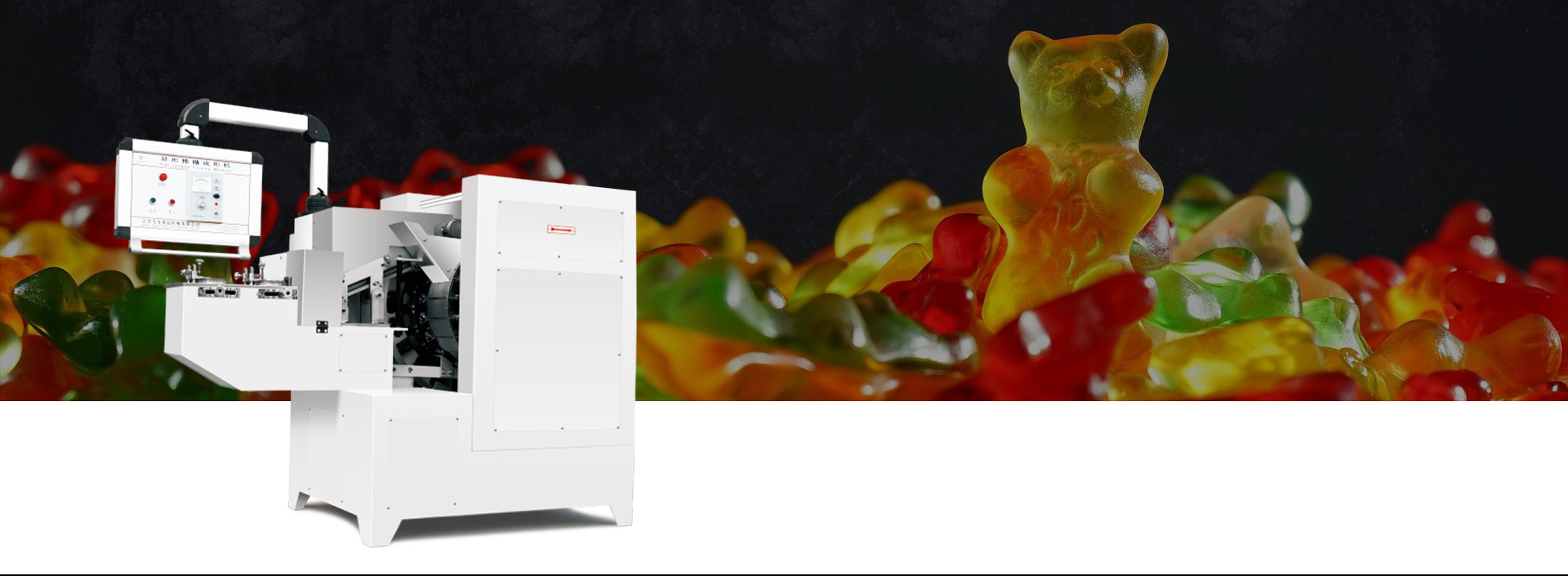
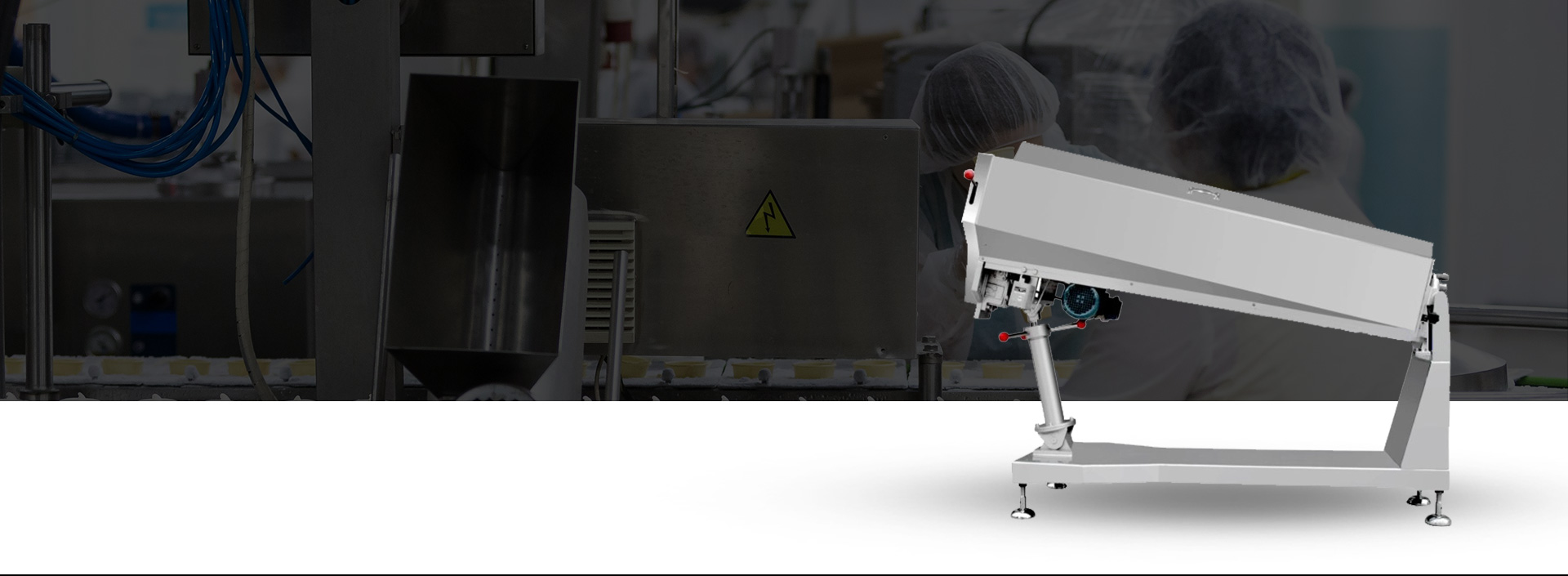
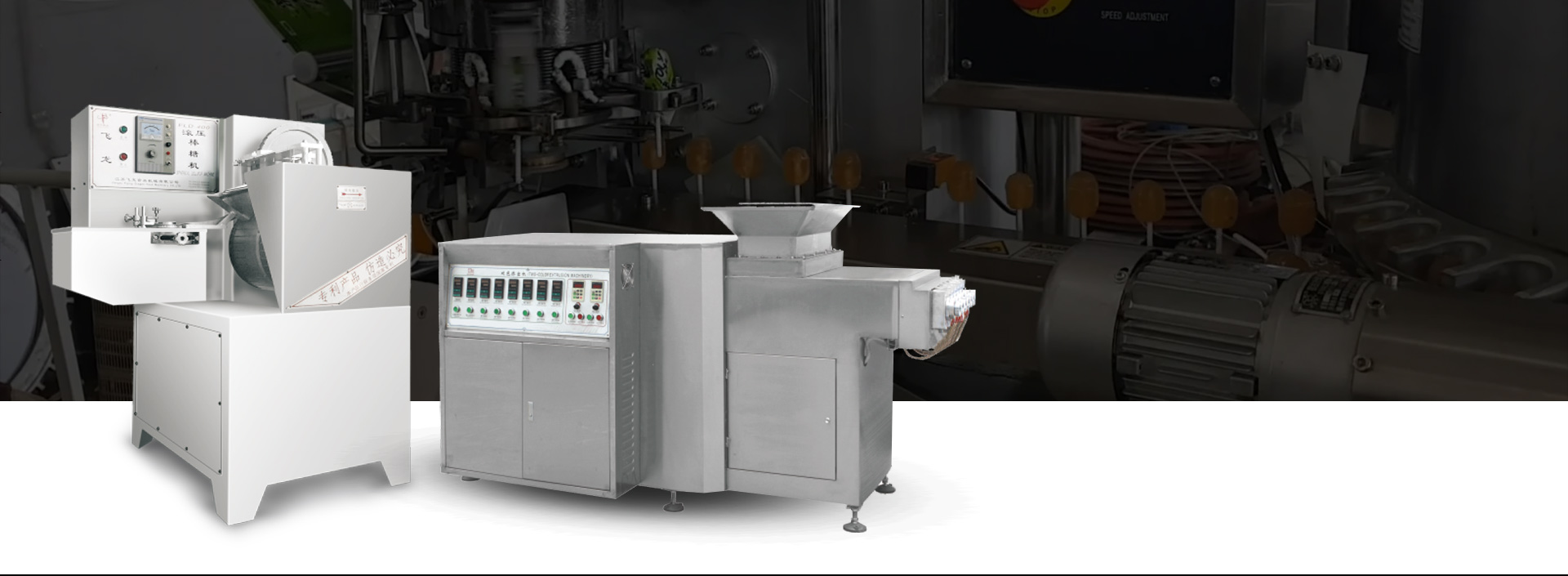
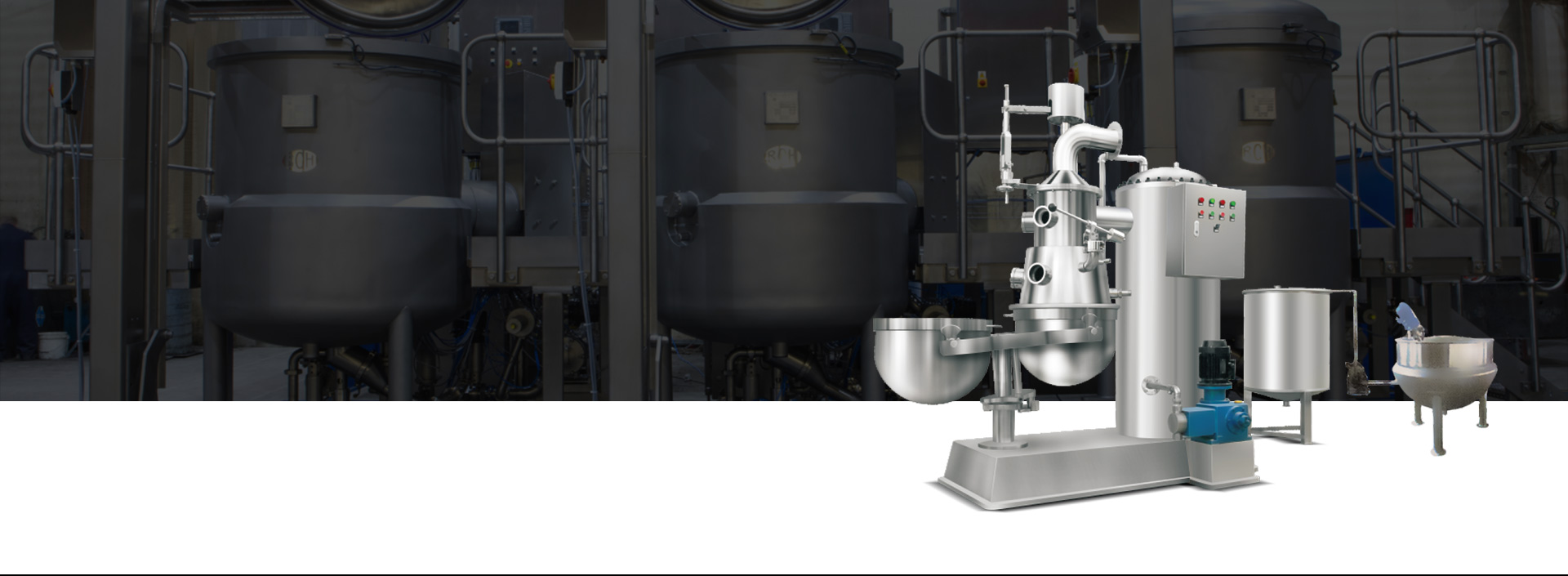
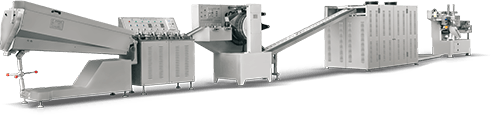
Candy bar packaging looks simple when viewed from the outside. A product enters a packaging area, material moves around it, and a finished pack comes out. Inside the machine, however, many small actions need to stay coordinated.
When something goes wrong, the result may be visible right away. A wrapper may sit unevenly. A seal may not close as expected. Products may stop moving smoothly. Packaging material can also become creased or misaligned.
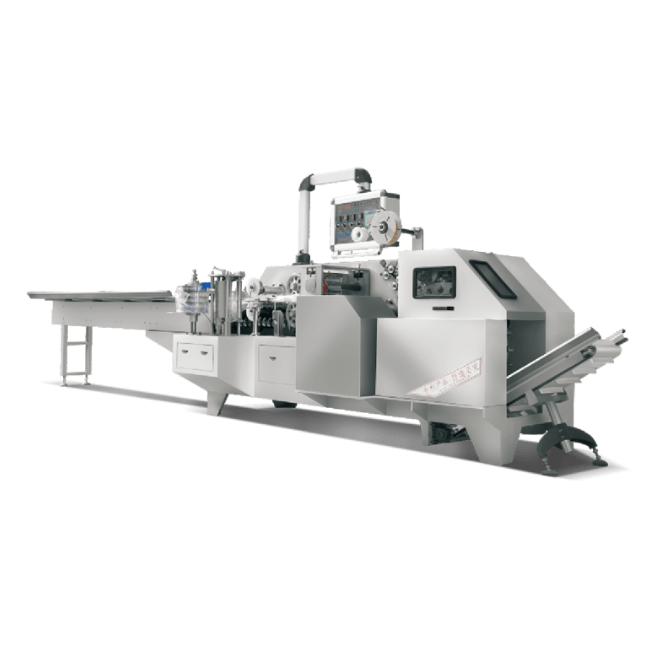
For candy manufacturers, these problems are not always caused by one major equipment fault. Packaging material, product condition, machine cleanliness, adjustment, and operator habits can all have an influence.
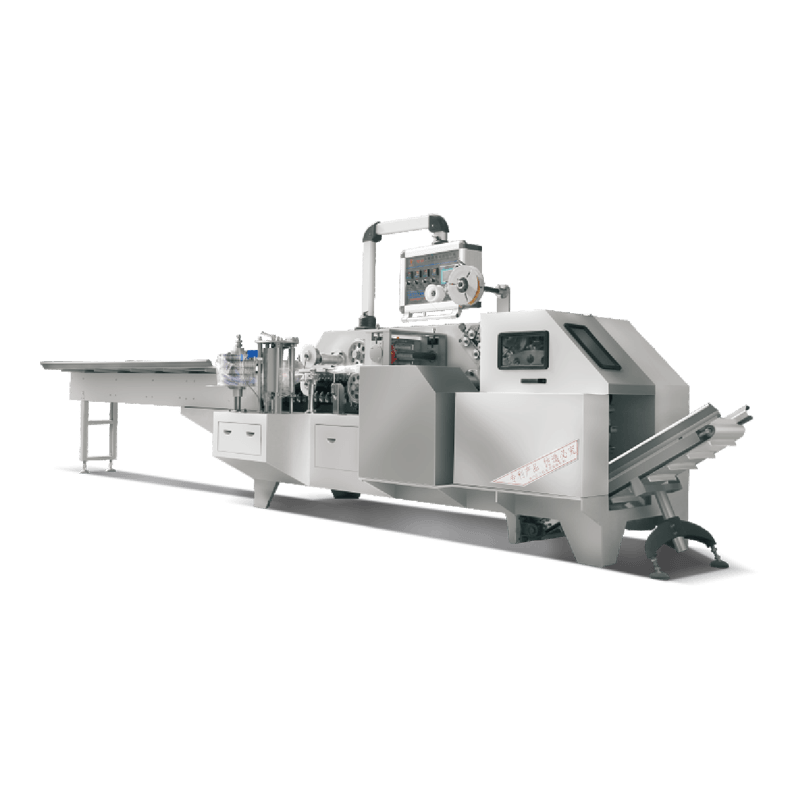
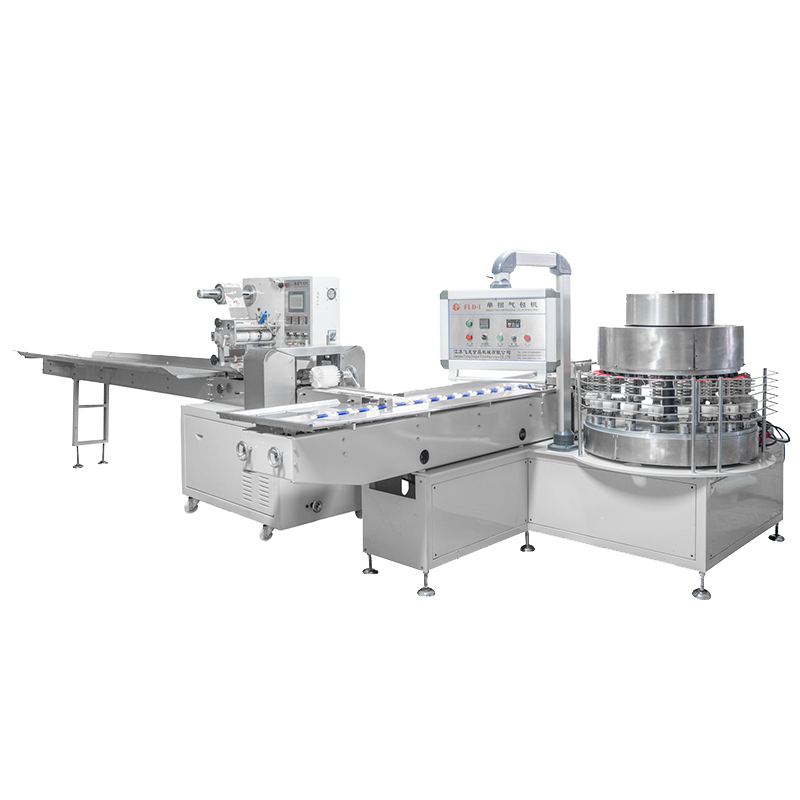
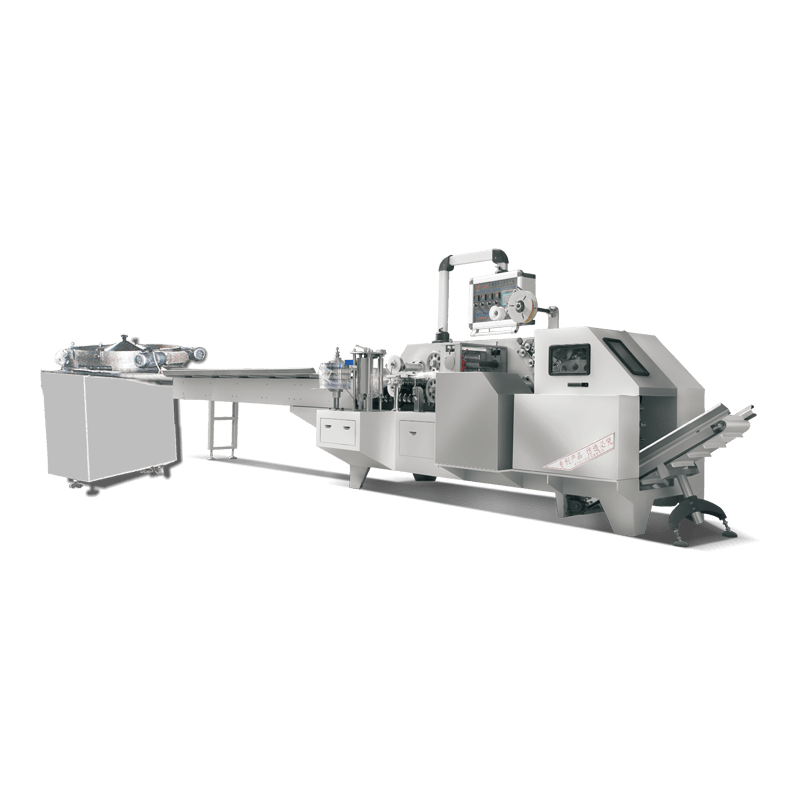
Understanding common problems can help production teams respond more calmly when an issue appears. It can also help buyers discuss equipment requirements with suppliers before installing a new Candy Bar Packaging Machine .
Why Do Packaging Problems Develop During Normal Production?
Most candy bar packaging machines perform the same cycle hundreds or thousands of times during a shift. Small variations that seem harmless at first can become significant at production speed.
A slightly loose film roll may gradually drift sideways. A small deposit on a sealing jaw can affect one pack, then collect more residue and affect the next twenty. Product spacing may remain acceptable at low speed but become irregular once the machine reaches its normal output.
Frequent problems include:
- Film moving away from its correct path
- Products arriving too close together or at an angle
- Wrinkled or loose wrappers
- Printed graphics appearing in the wrong position
- Weak, incomplete, or contaminated seals
- Cuts passing through the wrong part of the wrapper
- Candy bars becoming trapped or damaged
- Sensors producing repeated stops
- Unusual vibration, heat, or noise
- Output becoming less consistent as a production run continues
The useful first step is to identify where the problem begins. A crooked finished pack may result from the film guide, but it may also begin much earlier when the candy enters the infeed conveyor at an angle.
Changing several settings at once usually makes diagnosis harder. A better approach is to record the symptom, check recent changes, and test one likely cause at a time.
Could Packaging Material Cause Wrapping Problems?
Packaging material is a major part of the packaging process. Even a properly maintained machine can experience difficulties if the material does not move as expected.
The material may arrive with folds, uneven edges, or surface differences. Storage conditions can also affect how packaging material behaves during use.
When the material does not travel smoothly, several visible problems may appear. The wrapper can shift away from the intended position. The package may develop wrinkles. Sealing can become uneven.
Operators may notice that the problem occurs repeatedly in the same section of the packaging process.
A useful inspection can include:
- Checking the material roll. Look for visible damage, folds, or uneven edges.
- Observing material movement. See whether it travels smoothly through the machine.
- Checking alignment. Make sure the material follows the intended path.
- Reviewing storage conditions. Keep packaging material in a suitable environment before use.
- Comparing different material batches. If the issue appears after changing material, the material itself may need attention.
This does not mean that packaging material is always the cause.
The point is to avoid assuming that every packaging issue comes from the machine.
A Candy Bar Packaging Machine and its packaging material work as a system. Both need to be suitable for the production process.
Why Can Candy Bars Become Misaligned During Packaging?
Product alignment is another common concern.
Candy bars need to enter the packaging area in a reasonably consistent position. If products arrive at different angles or distances, the wrapper may not form around them in the intended way.
Misalignment can have several possible causes.
The feeding process may be inconsistent. Product surfaces may have different levels of stickiness. Pieces of candy may touch one another before entering the packaging area. Small amounts of residue can also build up around product guides.
The condition of the candy itself can matter.
A product that is softer than expected may move differently from a firmer product. Surface coatings can also change how products interact with guides or conveyors.
Instead of focusing only on the packaging section, operators can watch the product from the point where it enters the machine.
This can reveal whether the problem starts before the wrapping stage.
If products already appear irregular before reaching the packaging area, changing the wrapping section may not solve the underlying issue.
What Can Cause Wrinkles in Candy Bar Wrappers?
Wrinkled packaging can make finished products look inconsistent. It may also indicate that the packaging material is not moving through the machine in a stable manner.
Several factors can contribute to this situation.
The packaging material may not be aligned correctly. Product positioning may vary. A machine part may need cleaning or adjustment. Material tension may also change during operation.
Wrinkles do not always appear immediately.
A machine may run normally for a period and then begin producing more uneven packages. This can make the problem harder to identify.
Operators can observe when the wrinkles begin.
If they appear shortly after a new material roll is installed, the material should be checked. If they appear after extended operation, cleaning and machine condition may deserve attention.
The surrounding environment can also matter. Dust and candy residue may gradually accumulate around areas where packaging material passes through.
Routine cleaning can help reduce this type of buildup.
However, cleaning should follow the equipment manufacturer's instructions. Using unsuitable cleaning products or methods may damage surfaces or components.
Why Might Candy Bar Seals Become Inconsistent?
The seal is an important part of a wrapped candy bar.
A package may look properly formed but still have an uneven or incomplete seal. In other cases, the seal may look acceptable but feel different from one package to another.
Possible causes can include packaging material, product position, machine condition, and adjustment.
Candy residue is another concern.
Sugar-based products can leave small amounts of material around working areas. If residue accumulates near a sealing section, it may interfere with normal contact between the packaging material and the sealing surface.
Cleaning becomes particularly important here.
Operators should inspect the area according to the machine's maintenance guidance. Any residue should be removed using an appropriate method.
It is also useful to avoid making several changes at the same time.
If the operator changes the machine settings, replaces the packaging material, and adjusts the product feed simultaneously, it can become difficult to know which change affected the result.
A step-by-step approach makes the situation easier to understand.
Can Product Residue Affect Machine Operation?
Candy production creates a distinctive cleaning challenge.
Sugar, chocolate, fillings, coatings, and other ingredients can gradually collect around areas of repeated product movement. Even a small amount of buildup can become noticeable when production continues.
Residue may affect:
- Product movement.
- Packaging material movement.
- Guides.
- Sealing areas.
- Moving surfaces.
- Sensors and surrounding components.
- General machine cleanliness.
Different candy products can create different cleaning needs.
A chocolate-covered product may leave a different type of residue from a sugar-coated candy. A sticky filling may also behave differently from a dry product.
This is why cleaning routines should reflect the actual product being packaged.
A useful cleaning process should not simply focus on visible surfaces. Operators should also pay attention to areas where product material can accumulate but may be difficult to see.
Regular inspection can reveal these areas.
Cleaning should always be performed according to the equipment manufacturer's instructions, especially around electrical parts and moving components.
Good housekeeping can also make problems easier to identify. When a machine is clean, operators may notice loose parts, unusual marks, or changes in movement sooner.
What Happens When Machine Components Wear During Use?
Packaging machines contain many moving and supporting components.
Normal use can gradually affect these parts. A component may become loose, worn, or less smooth in operation. Small changes may not cause an immediate breakdown, but they can contribute to inconsistent packaging.
Operators may notice signs such as:
- Increased noise.
- Changes in movement.
- Product positioning becoming less consistent.
- Packaging material shifting.
- More frequent machine stops.
- Visible wear around working areas.
These signs should not automatically be treated as a major failure.
They are reasons to inspect the equipment.
A maintenance schedule can help production teams check important areas before small issues become larger interruptions.
Some components may require cleaning. Others may need adjustment or replacement according to the manufacturer's guidance.
It is also useful to keep maintenance records.
A simple record can show when cleaning was completed, when a component was replaced, and when an unusual issue appeared. This information can help operators and maintenance staff recognize repeated patterns.
How Can Incorrect Machine Adjustment Affect Packaging?
Adjustment is another area that deserves attention.
A Candy Bar Packaging Machine may need to work with different candy shapes, package styles, or production arrangements. A change in product or packaging material may require the machine to be adjusted accordingly.
Problems can occur when an adjustment does not match the new production condition.
For example, a product may enter the packaging area too close to another product. The wrapper may then form around the products unevenly.
A similar issue can occur when packaging material is changed but the machine continues to operate under conditions intended for the previous material.
Operators should follow the manufacturer's operating guidance when making adjustments.
It is useful to change one relevant factor at a time and observe the result.
This creates a clearer troubleshooting process.
Production teams can also establish simple checks before starting a new product or packaging material. Confirming product position, material path, machine cleanliness, and general operating condition can reduce avoidable interruptions.
Can Operator Habits Influence Candy Bar Packaging Problems?
Machines do not operate separately from people.
Operators load materials, inspect products, clean working areas, respond to alarms, and make routine adjustments. Their daily habits can influence how smoothly the equipment operates.
A rushed response to a small problem may sometimes create another problem.
For example, forcing a stuck product through the machine may damage a component or disturb the packaging material. Ignoring an unusual sound may allow a small mechanical issue to continue unnoticed.
Simple operating habits can help.
Operators should:
- Observe the machine during normal production.
- Stop the equipment according to established procedures when an unusual condition appears.
- Avoid forcing products through blocked areas.
- Keep packaging materials clean and properly stored.
- Follow the recommended cleaning process.
- Record repeated problems for maintenance staff.
- Ask for assistance when an issue cannot be safely resolved during normal operation.
Training should also cover the specific equipment being used.
A general understanding of packaging machinery is useful, but each Candy Bar Packaging Machine may have its own operating and maintenance requirements.
Clear instructions can help operators respond consistently.
How Can Manufacturers Reduce Repeated Packaging Problems?
Solving an individual problem is useful. Understanding why the same problem keeps returning is even more valuable for production planning.
Manufacturers can review recurring issues through maintenance records and operator feedback.
A simple table can help organize observations:
| Problem | Possible Area to Check | Practical Response |
|---|---|---|
| Uneven wrapping | Material path or product position | Inspect alignment and feeding |
| Wrapper wrinkles | Material condition or movement | Check material and machine path |
| Uneven sealing | Residue, material, or adjustment | Clean and inspect the sealing area |
| Product blockage | Feeding area or product condition | Stop safely and inspect the product path |
| Unusual noise | Moving components | Stop and arrange an inspection |
| Frequent interruptions | Machine condition or operating process | Review maintenance and operating records |
The table is not a replacement for equipment instructions.
It is simply a way to organize observations.
For equipment suppliers, repeated customer feedback can also be useful. If buyers report similar issues, suppliers may be able to improve operating guidance, cleaning instructions, component access, or machine design.
Communication between equipment manufacturers and candy producers can therefore contribute to more practical equipment use.
What Should Buyers Check Before Choosing a Candy Bar Packaging Machine?
Many packaging problems can be influenced by how well the equipment fits the intended application.
Buyers can discuss their candy products and packaging materials with potential suppliers before placing an order.
Important questions may include:
- What types of candy products is the machine designed to package?
- What packaging materials are suitable?
- How is the machine cleaned?
- Which areas need regular inspection?
- How are common operating problems handled?
- What maintenance support is available?
- Can the machine be adapted to the planned production arrangement?
- What information will be supplied for operators and maintenance staff?
These questions move the conversation beyond the machine's appearance.
They also help buyers understand what daily ownership may involve.
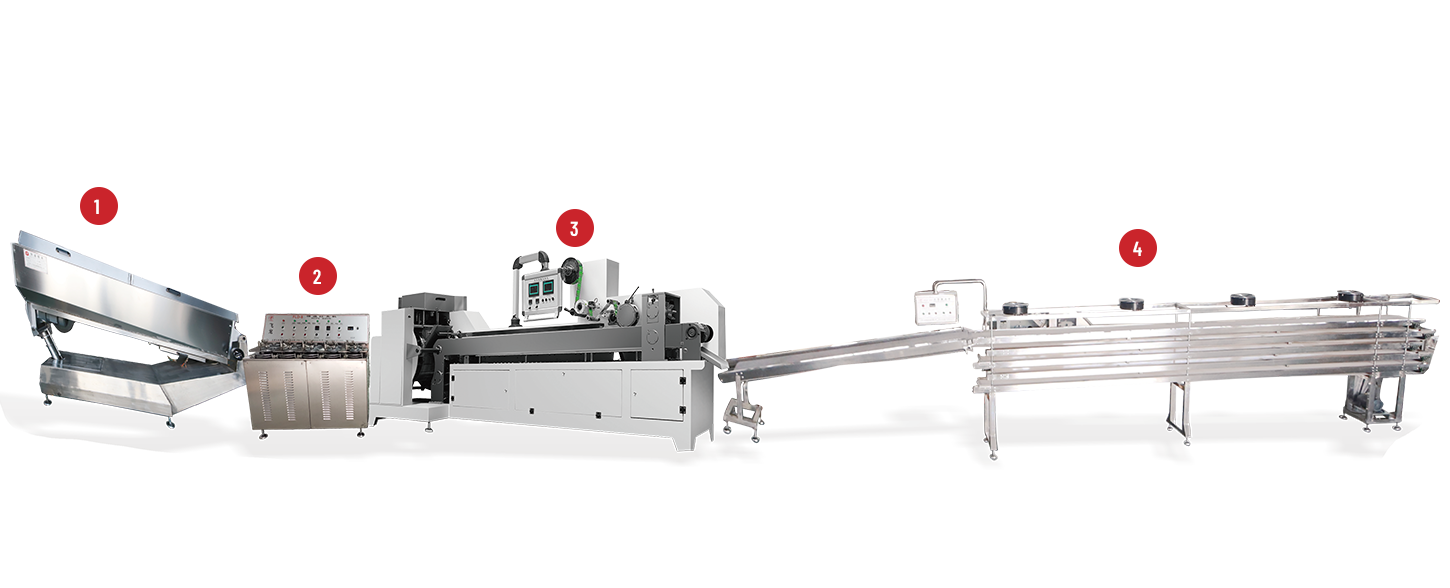
A Candy Bar Packaging Machine is part of a larger production process. Product preparation, feeding, packaging material, machine cleaning, operator training, inspection, and maintenance all interact with one another.
When a packaging problem appears, looking at the complete process can provide a clearer path toward finding the cause.
 +86-(0)515-8465666
 +86-(0)515-85566996
 +86-138 1559 9708
 flyloong@flyloongcn.com
 Home
Home