

 ENG
ENG
 English
 中文简体
中文简体 русский
 Français
 Español
 عربى
عربى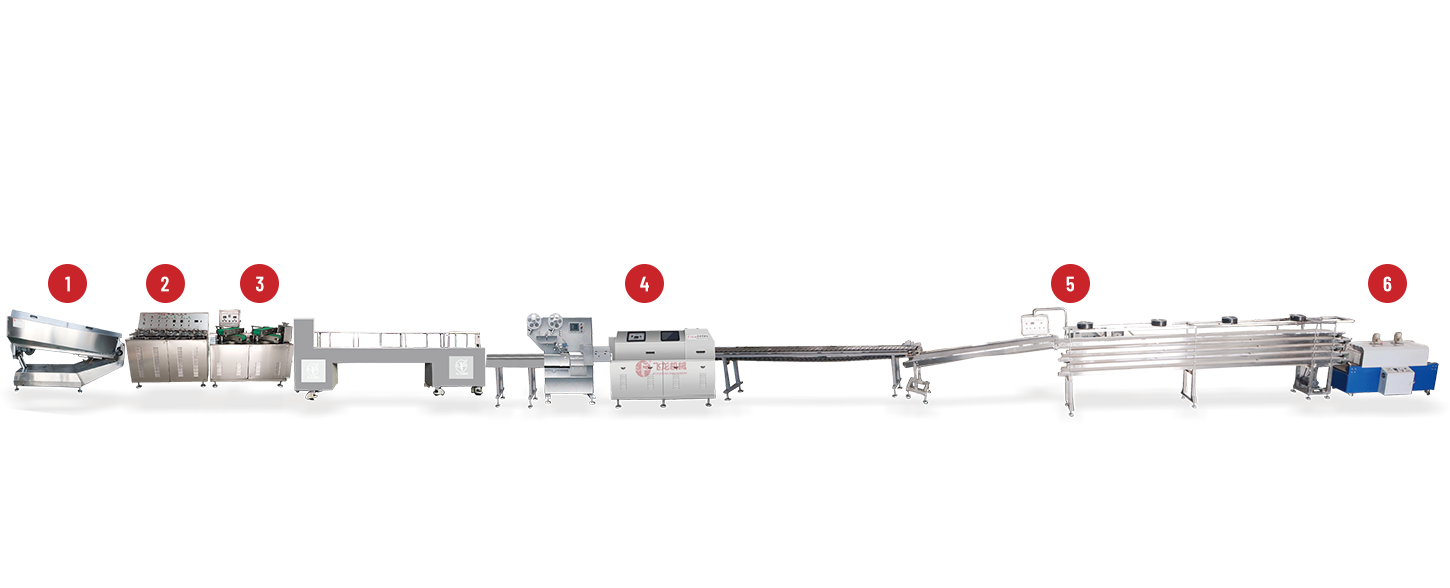
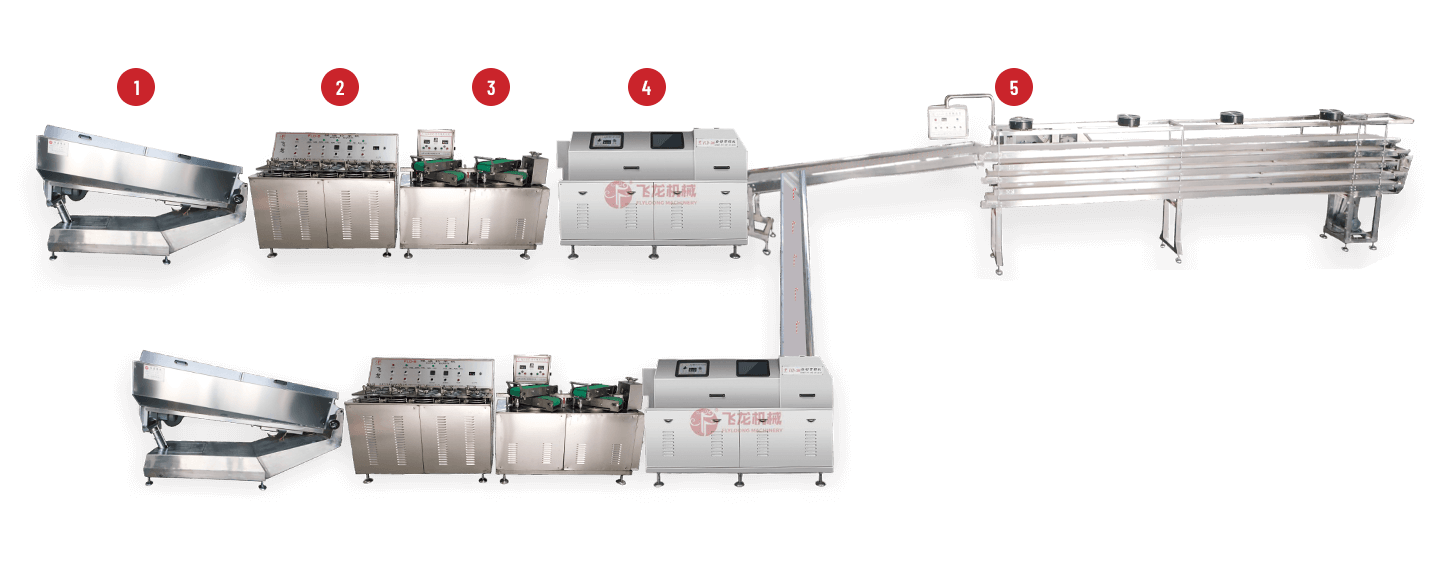
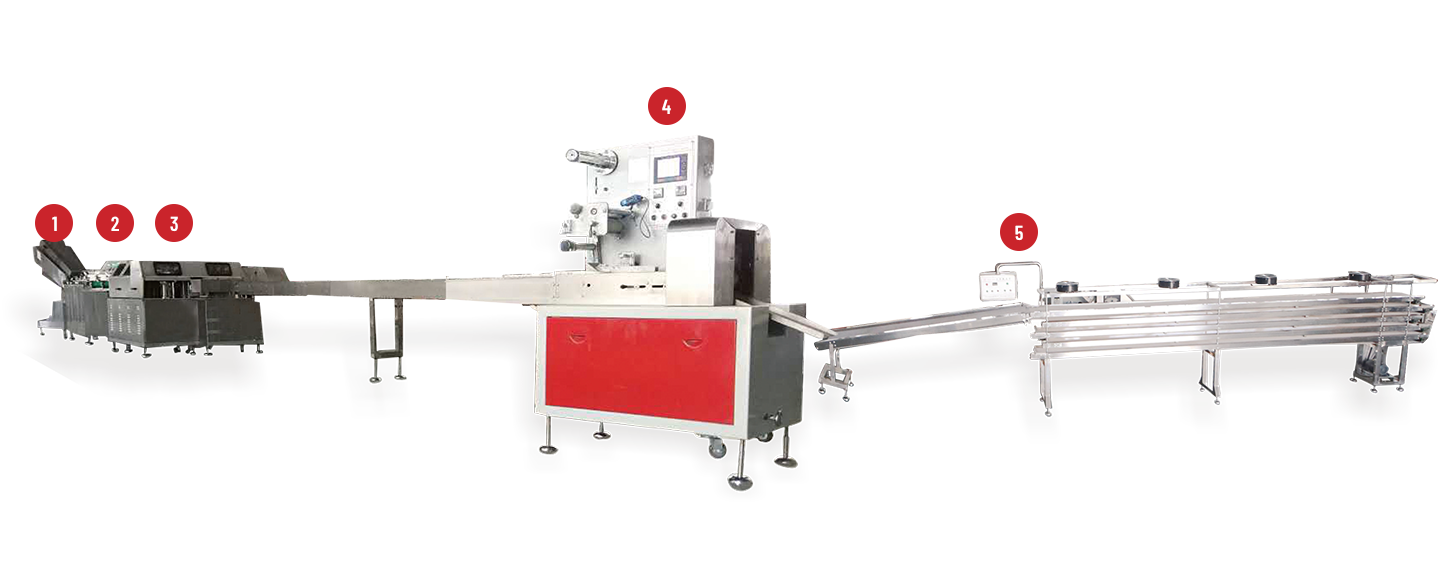
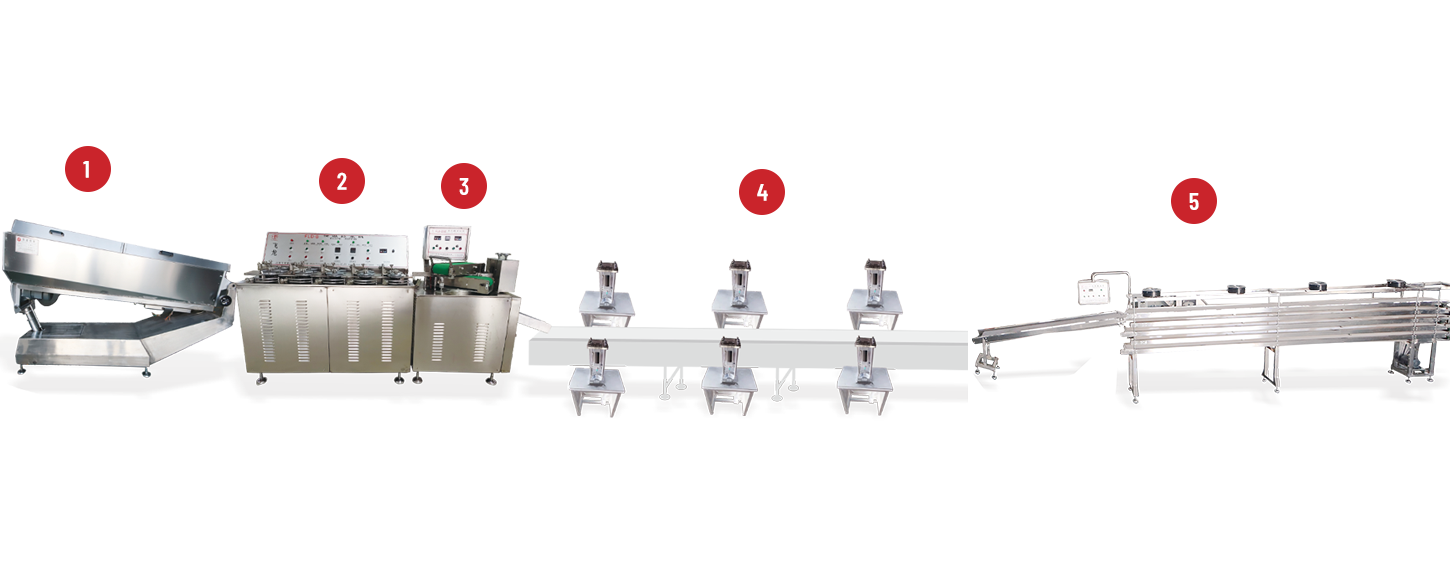
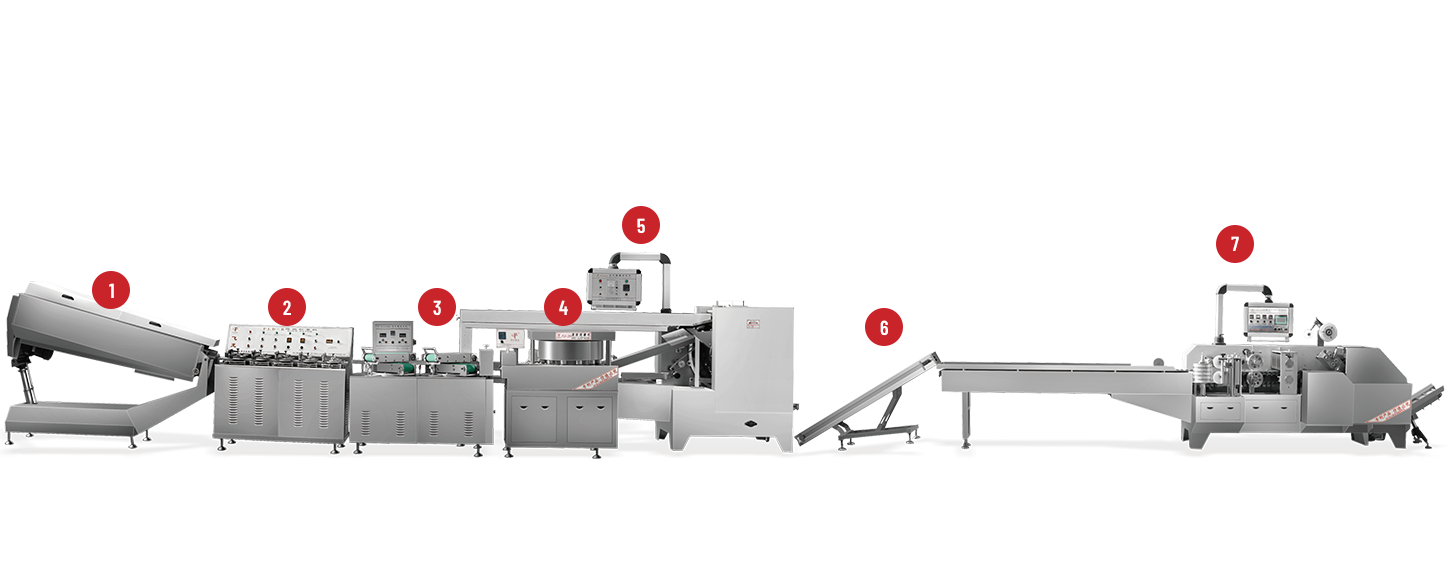
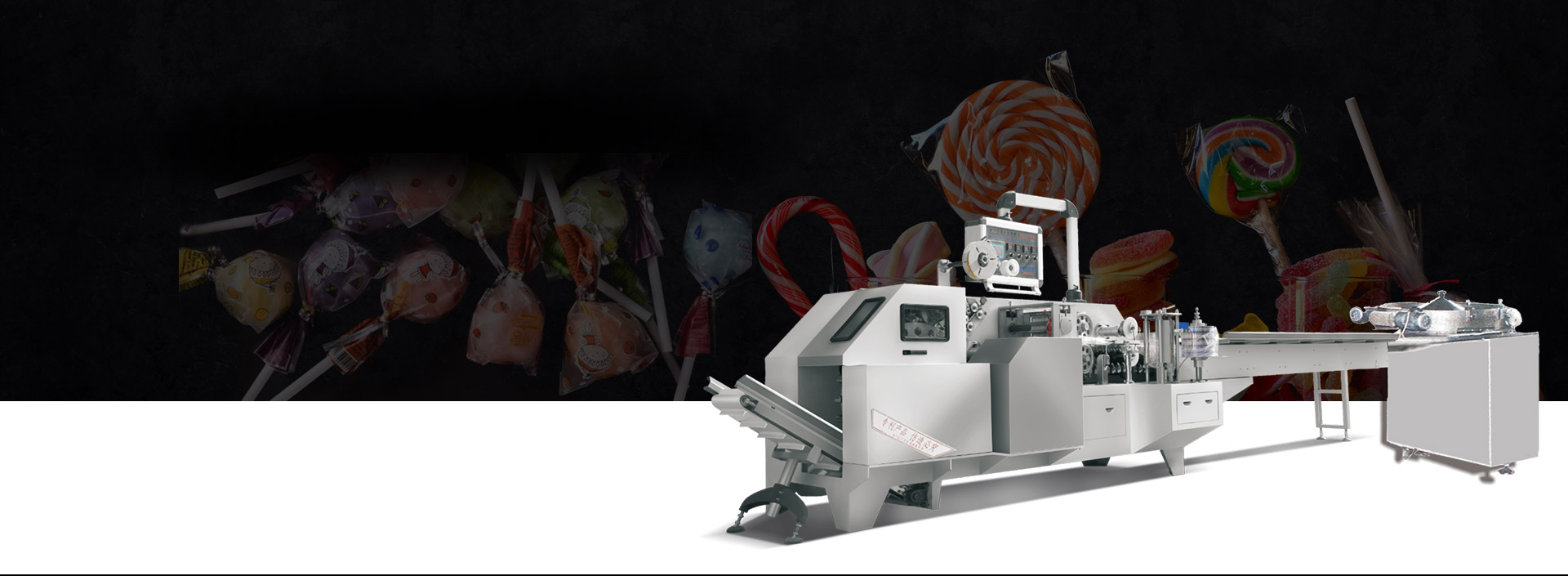
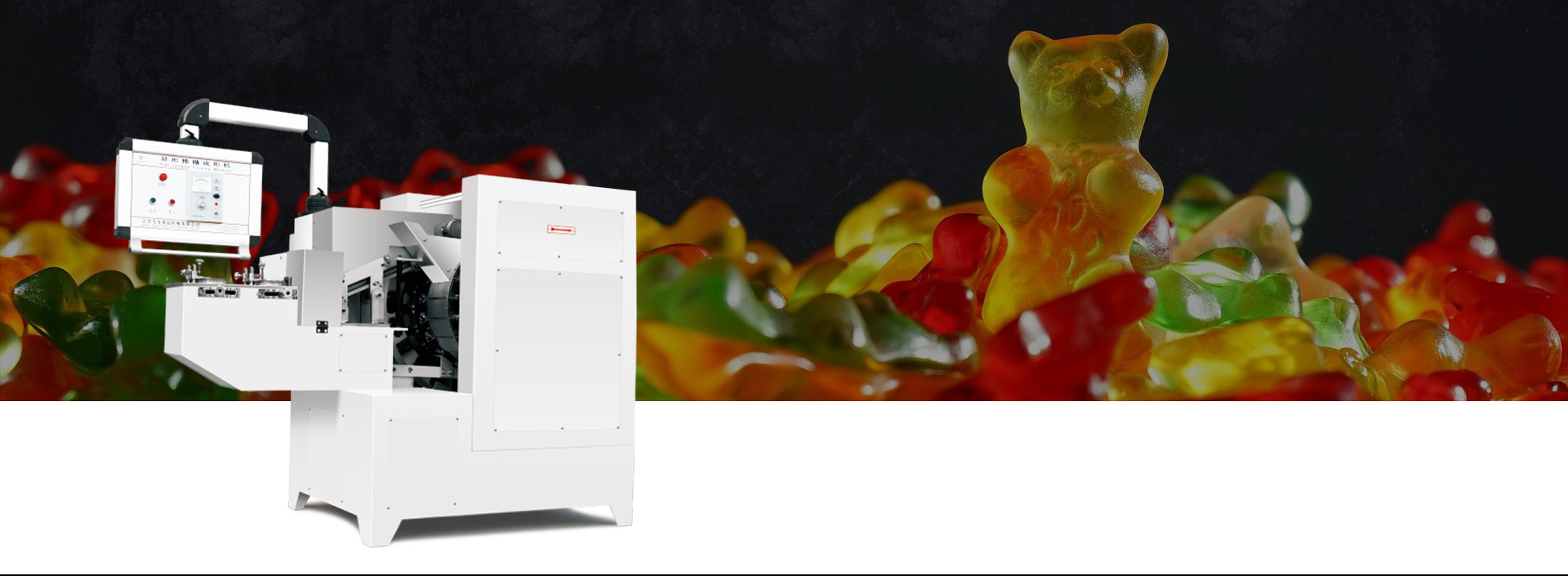
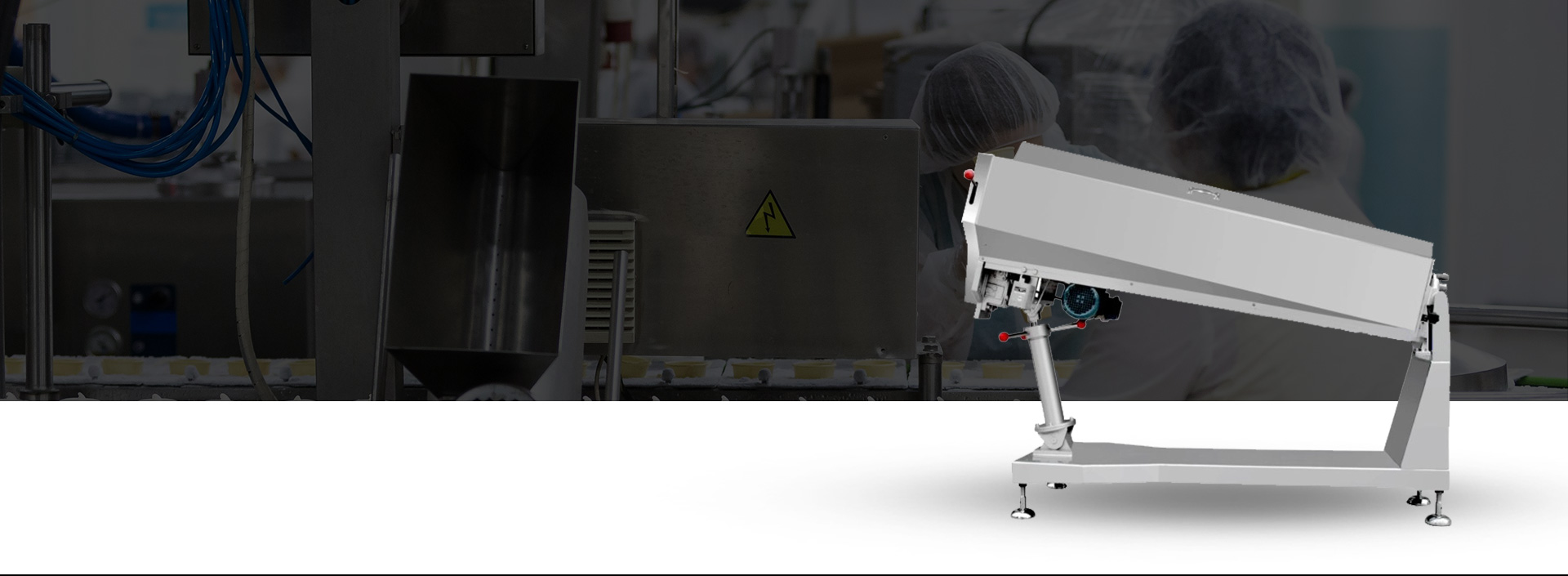
Candy production is often described through recipes, forming, cooking, cooling, and packaging. Yet the final packaging stage has a much wider role than simply preparing products for shipment.
Once candy reaches the packing area, several activities need to happen in a sensible order. Products need to arrive at the right place. Operators need access to the equipment. Packaging materials need to be handled without creating unnecessary movement. Finished products need to leave the area without interfering with the next batch.
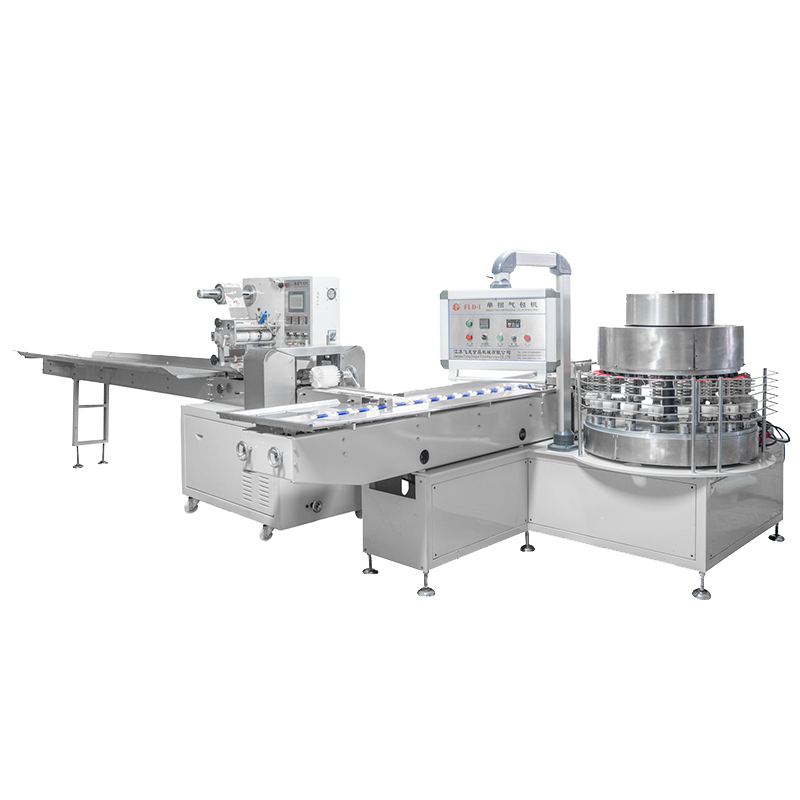
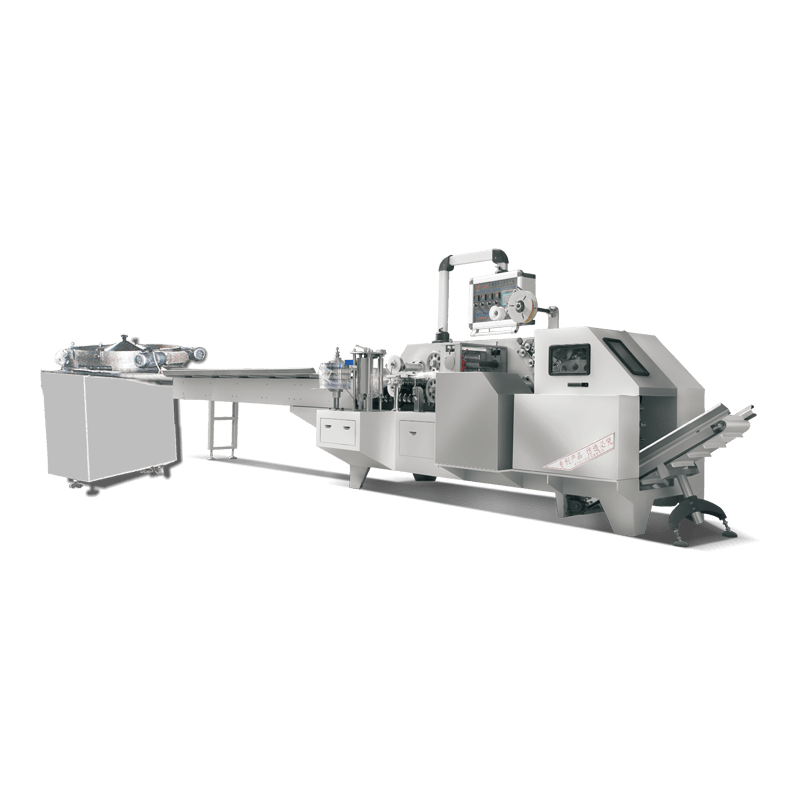
This is where Confectionery Packing Machine design can influence production workflow.
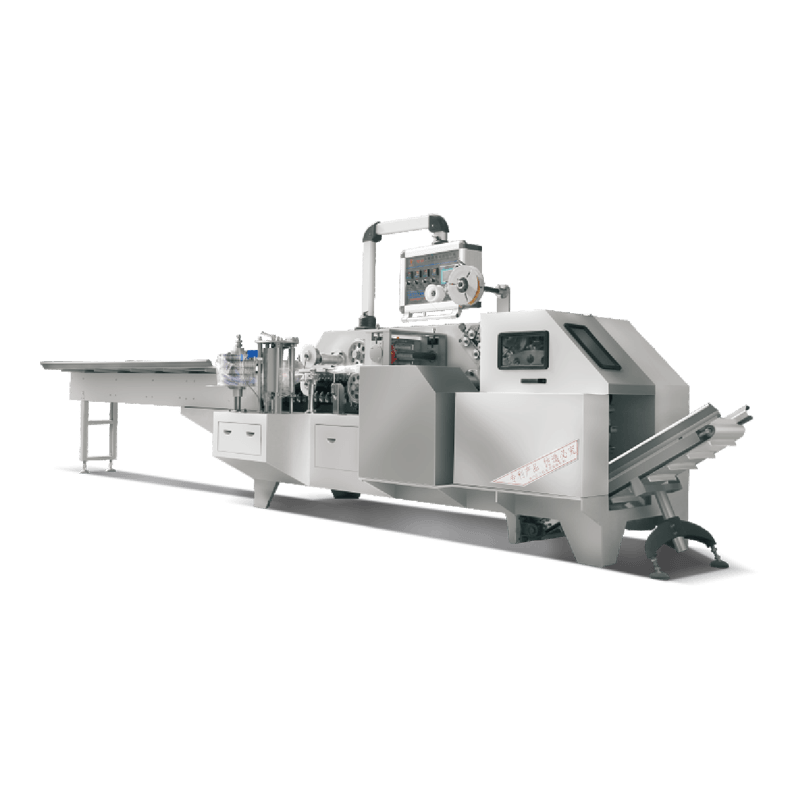
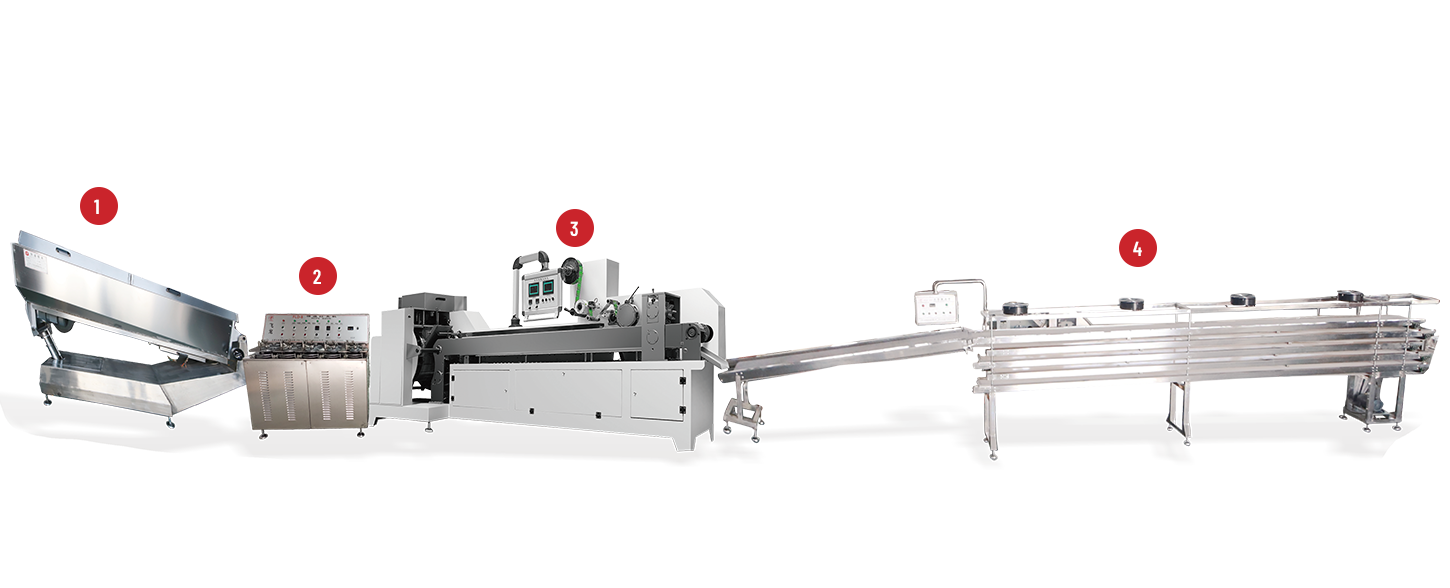
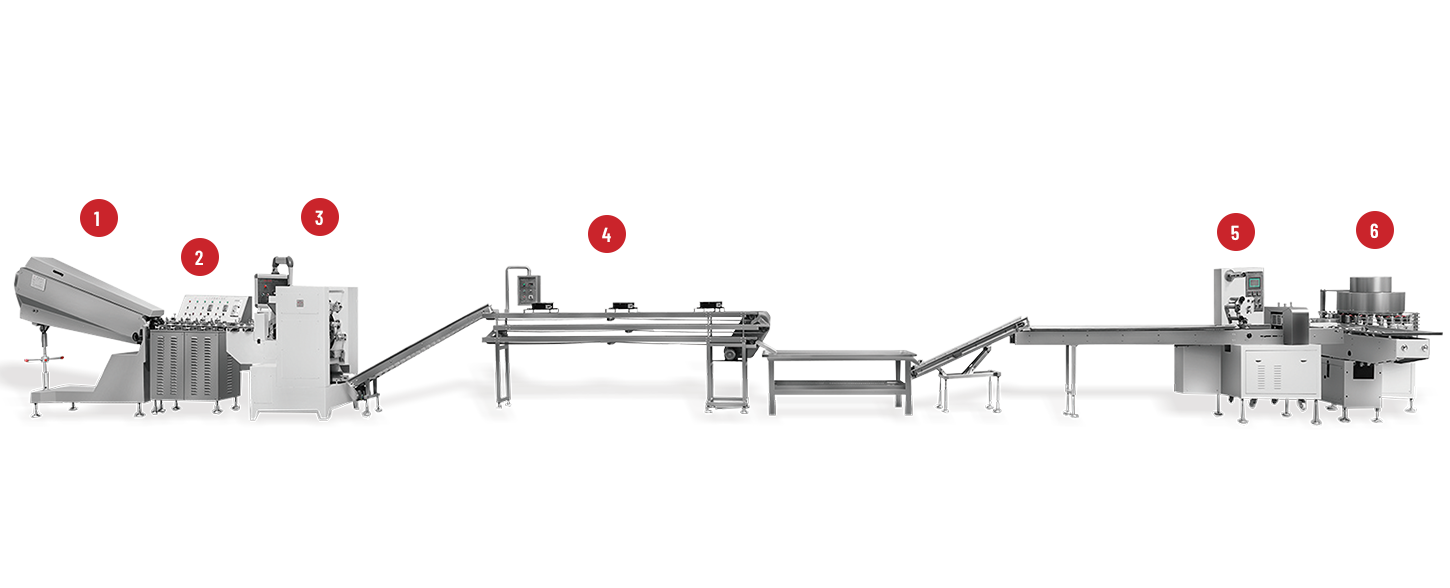
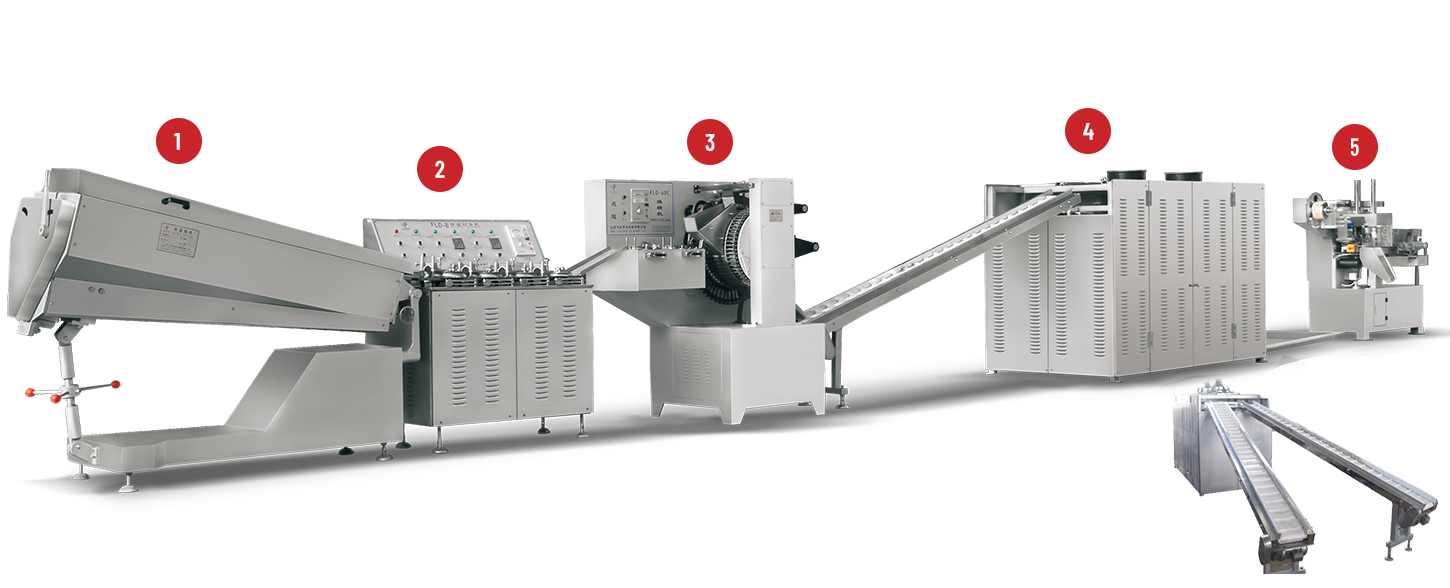
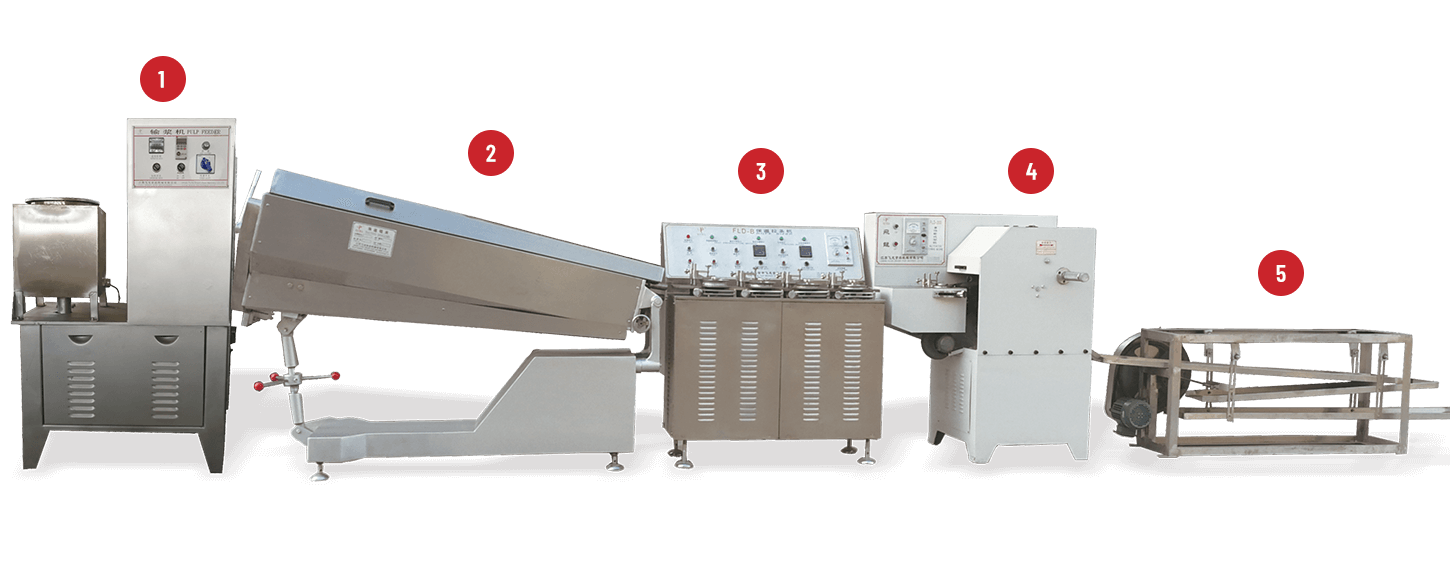
A packing machine does not operate in isolation. Its shape, layout, access points, working direction, and connection with surrounding equipment can affect how people and products move through the production area. A machine that fits naturally into the workflow may make everyday work easier to organize. A machine that does not fit the space or process can create extra movement and interruptions.
For confectionery businesses, this makes machine design an important part of equipment selection.
How Can Machine Design Affect the Flow of Candy Production?
Production workflow is about movement.
Candy moves from one stage to another. Workers move between different areas. Packaging materials enter the production space. Finished products move toward storage or distribution.
A packing machine sits within this flow.
Its position can influence how easily products enter the packaging stage. If the machine is placed in a practical location, the surrounding workflow can feel more natural. Products can move toward the packing area without unnecessary detours.
The opposite can also happen. A machine may have suitable functions but still create difficulties if its placement does not match the rest of the production process.
Consider these basic workflow areas:
| Workflow Area | Design Consideration |
|---|---|
| Product Entry | How products reach the packing area |
| Operator Access | How workers approach and work around the machine |
| Packaging Material | How materials are brought into the working area |
| Finished Products | How packed products leave the machine |
| Cleaning | How workers reach areas that require routine cleaning |
| Maintenance | How service areas can be accessed when needed |
These details may seem small when viewed separately. Together, they can shape the rhythm of everyday production.
A machine is part of a workspace. Its design should therefore be considered alongside the space around it.
Why Does Equipment Layout Matter in a Packing Area?
A production floor is rarely an empty room.
There may be processing equipment, storage areas, working tables, material paths, inspection areas, and finished-product zones. Each part has a role. Adding a new packing machine means adding another element to this environment.
The physical layout of the machine can influence how these elements work together.
A compact and clearly organized design may make it easier to understand where materials enter and where finished products leave. Operators can also have a clearer working area. This can reduce unnecessary crossing between people and products.
The direction of movement matters as well.
When candy moves through several stages, the packing machine needs to fit the overall sequence. A suitable arrangement can help maintain a steady path from production to packaging.
This does not mean every facility needs the same layout.
A candy factory producing several product types may have different needs from a smaller operation focused on one product range. The available floor space may also differ. For this reason, machine design should be considered together with the actual production environment.
A practical layout check
Before choosing a Confectionery Packing Machine, buyers can look at:
- Where the machine will be placed.
- How products will arrive.
- Where operators will stand during normal work.
- Where packaging materials will be stored.
- How packed products will leave the area.
- Which areas need regular access.
- How the machine will fit with nearby equipment.
This approach moves the purchasing discussion beyond the machine itself.
Can Operator Access Change the Everyday Workflow?
People remain an important part of many production environments.
Even when equipment handles much of the packing process, workers still need to monitor operations, load materials, make adjustments, clean working areas, and deal with routine production needs.
Machine design can affect how easily they perform these tasks.
If important working areas are difficult to reach, operators may need to move around the equipment more often. Simple tasks can then require extra steps.
Good access is not only about convenience. It can also make the working area easier to understand.
An operator should be able to recognize where normal activities take place. Materials should have a clear path. Frequently used areas should not be hidden behind unnecessary obstacles.
This is particularly relevant in confectionery production because packing may involve frequent changes in product handling, packaging materials, or production arrangements.
The machine should work with the operator rather than create an additional layer of difficulty.
What can buyers look at?
| Operator Concern | Why It Matters |
|---|---|
| Working Position | Helps create a practical daily workspace |
| Material Access | Makes routine material handling easier |
| Cleaning Access | Supports regular cleaning activities |
| Maintenance Access | Allows workers to reach areas that need attention |
| Visibility | Helps operators observe the working process |
| Surrounding Space | Reduces unnecessary movement around the machine |
These points are easy to overlook when a purchase decision focuses mainly on product appearance or basic functions.
Yet operators experience the machine every working day.
How Does Packaging Material Handling Influence Production?
Candy is only one part of the packing process.
Packaging materials also need to enter the production area. They may need to be stored nearby, prepared for use, and moved toward the machine when required.
The design of a Confectionery Packing Machine can influence how this material movement is organized.
A machine with a clear working arrangement may help businesses plan where packaging materials should be placed. This can make the surrounding space easier to manage.
Material handling also connects with inventory planning.
If packaging materials are stored too far from the machine, workers may spend more time moving them. If materials are placed too close to active working areas, the space can become crowded.
The solution is not simply to place everything near the machine.
Instead, the packing area should have a logical relationship between material storage, machine operation, and finished-product movement.
This becomes more important when a facility handles several types of candy packaging.
Different products may require different packaging arrangements. A flexible workspace can make these changes easier to organize.
Could Machine Flexibility Support Changing Production Needs?
Candy businesses do not always produce the same products in the same way.
Consumer preferences can change. Product lines can expand. Packaging styles can be updated. Seasonal demand may also influence what a production area needs to handle.
This creates a practical question for equipment buyers.
Can the packing machine fit today's workflow without making tomorrow's workflow difficult?
Machine flexibility can influence the answer.
A packing system designed around a very narrow production arrangement may work well for a specific task but become less useful when the business changes its product mix.
A more adaptable design can give businesses additional room to adjust their working process.
This does not mean that every machine needs to handle every type of confectionery product. Such an approach may not suit the actual needs of a facility.
The more useful question is whether the machine matches the expected range of production activities.
Businesses can consider:
- The types of confectionery products being packed.
- The variety of packaging styles involved.
- How often product changes occur.
- Whether the production area may be reorganized.
- Whether future product development is part of the business plan.
- How easily operators can adapt to different packing tasks.
Flexibility is therefore connected to workflow planning.
A machine should not only fit the current production floor. Its design can also influence how easily that floor adapts when business needs change.
Why Do Cleaning and Maintenance Matter to Workflow?
Production does not stop at packing.
Machines need routine care. Working areas need cleaning. Materials may need to be removed or replaced. Parts may require attention during normal equipment use.
These activities are part of production workflow, even though they do not directly produce a packaged candy.
Machine design can make these tasks easier or harder.
A design with practical access can help workers reach areas that require regular attention. When cleaning activities are easier to organize, they may fit more naturally into the daily production routine.
Maintenance has a similar role.
When a machine needs attention, workers need to reach the relevant area. If access is awkward, routine work can take more effort and may interfere with nearby activities.
This is why buyers should consider maintenance space during the purchasing stage rather than treating it as a later concern.
Workflow is more than active production
A useful way to look at the packing area is to divide activities into two groups:
Production activities
- Product movement
- Packing
- Material handling
- Finished-product handling
- Operator monitoring
Supporting activities
- Cleaning
- Material replacement
- Routine inspection
- Maintenance
- Workspace organization
Both groups use the same physical space.
A machine design that considers only active packing may overlook the supporting activities that keep the area working from day to day.
How Should Buyers Compare Confectionery Packing Machine Design?
Choosing a packing machine involves more than comparing product descriptions.
Two machines may appear similar but fit very differently into a particular production environment. One may work naturally with the existing layout, while another may require changes to the surrounding workflow.
Buyers can create a simple evaluation process.
1. Start with the production process
Look at how candy moves before and after packing.
The machine should fit this movement rather than force the entire process to work around it.
2. Examine the working space
Consider the areas operators use during normal production.
The machine should leave enough practical room for routine activities.
3. Consider material movement
Packaging materials need a clear path into the working area.
Finished products also need a sensible route out.
4. Think about cleaning and maintenance
Ask how workers will reach areas that need regular attention.
These activities are easier to manage when they are considered as part of the original layout.
5. Discuss future needs
A business may change its product range or packaging approach.
Communication with Confectionery Packing Machine Manufacturers can help buyers understand whether a machine's design can fit those possible changes.
The discussion should focus on the actual production environment rather than general claims about equipment performance.
Can Supplier Communication Influence the Final Machine Choice?
Machine design and supplier communication are closely connected.
A supplier may know how a machine is arranged, but the buyer knows the production environment. Both sides need to understand the same workflow.
A useful conversation can cover practical questions.
For example, buyers can explain the types of confectionery products they handle, how products currently move through the facility, where operators work, and what changes may happen later.
Suppliers can then discuss how the machine could fit that environment.
This type of communication can also reveal details that may not be obvious from product images or basic descriptions.
A machine may look suitable on paper but require a different working arrangement in the actual facility. Talking through the workflow can bring these issues forward before purchasing.
For B2B buyers, this can make supplier selection part of the equipment evaluation itself.
A suitable Confectionery Packing Machine Supplier should be able to discuss more than the machine's basic functions. The conversation can also cover layout, operation, cleaning, maintenance, material movement, and the relationship between the machine and the surrounding production area.
Could Better Machine Planning Change the Way Packing Areas Develop?
The role of a packing machine is becoming easier to view as part of a larger production system.
The machine affects where people work. It affects how products move. It influences where materials are placed and how finished products leave the area.
As businesses review their production spaces, these relationships can become more noticeable.
A packing area may also need to support different working patterns over time. Product lines can change. Packaging requirements can shift. Production spaces may be reorganized as businesses grow or adjust their operations.
This gives machine design a broader role.
The question is not simply whether a Confectionery Packing Machine can pack a particular candy product. It is also whether its design fits the movement, people, materials, cleaning activities, and future changes that surround the packing process.
When these elements are considered together, equipment selection becomes part of production planning rather than a separate purchasing decision.
 +86-(0)515-8465666
 +86-(0)515-85566996
 +86-138 1559 9708
 flyloong@flyloongcn.com
 Home
Home