

 ENG
ENG
 English
 中文简体
中文简体 русский
 Français
 Español
 عربى
عربى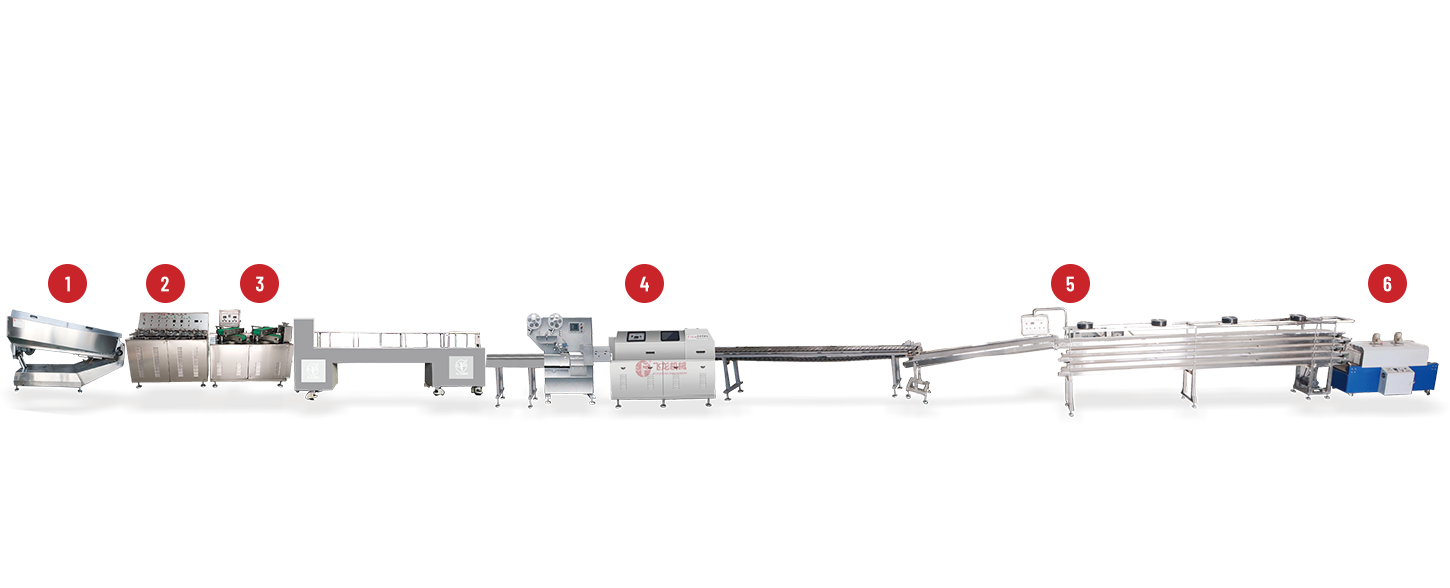
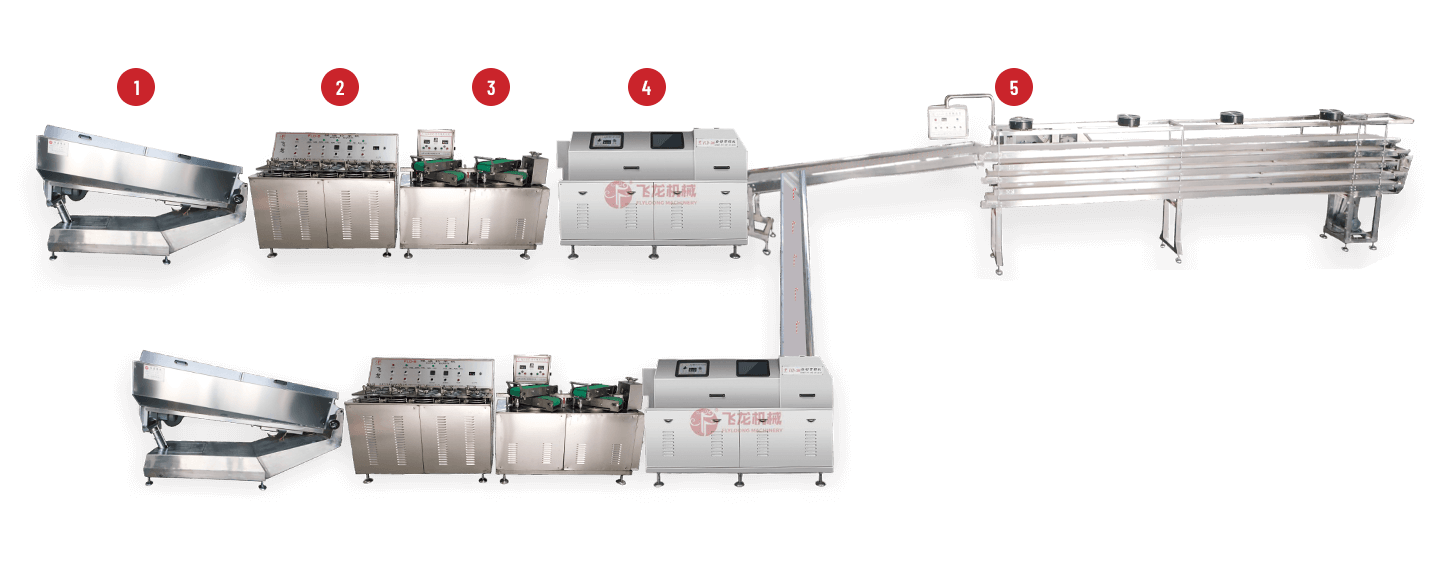
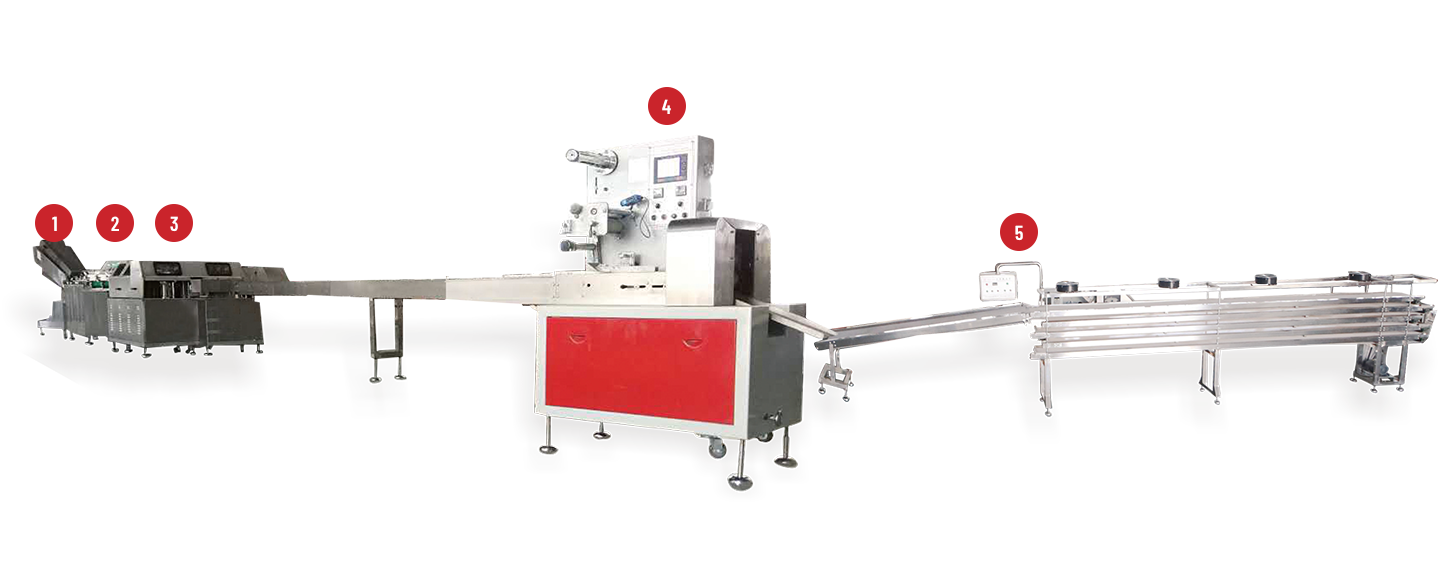
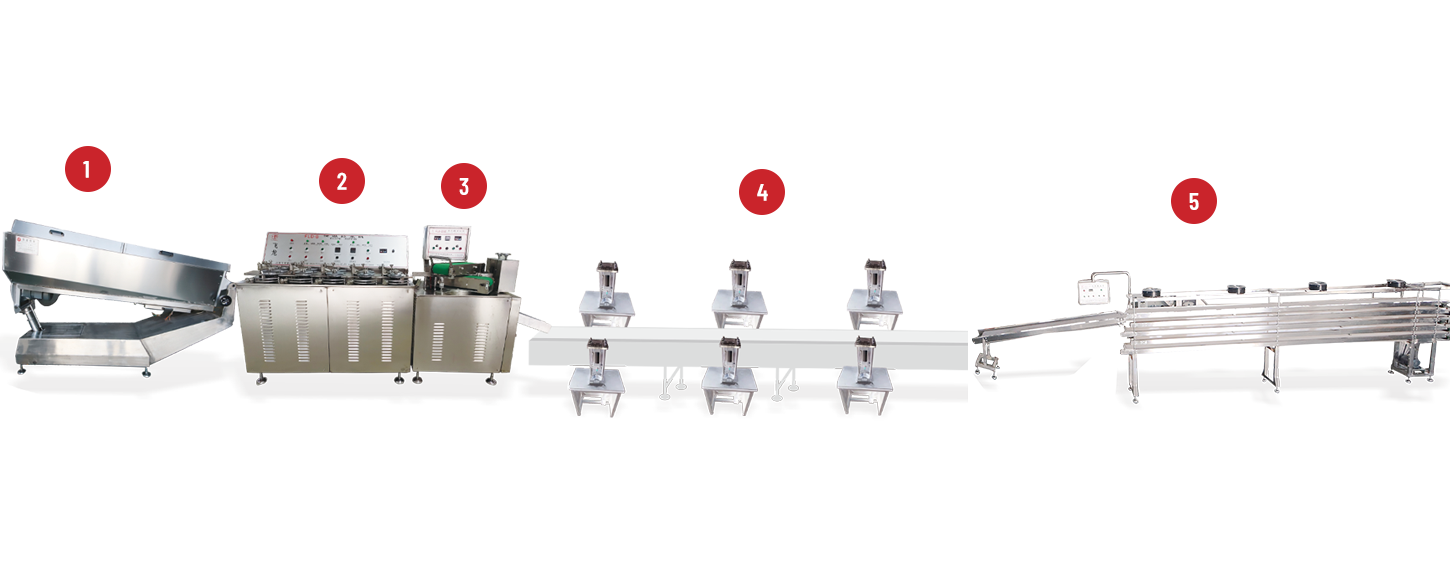
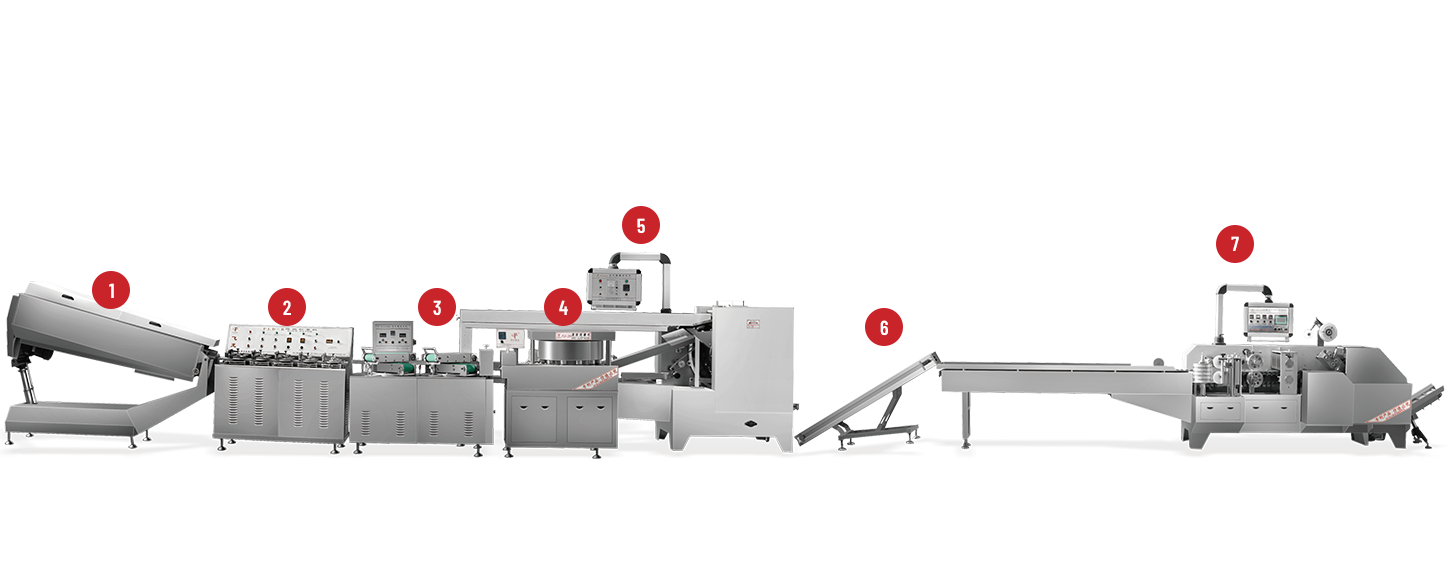
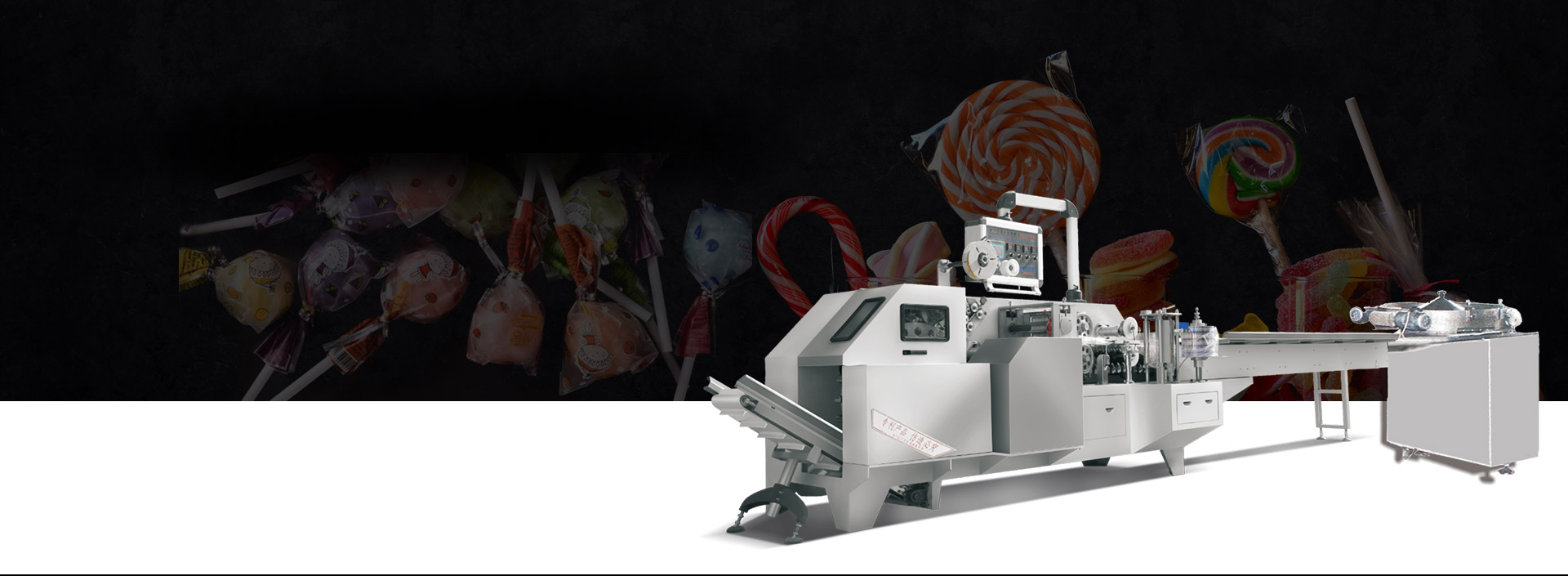
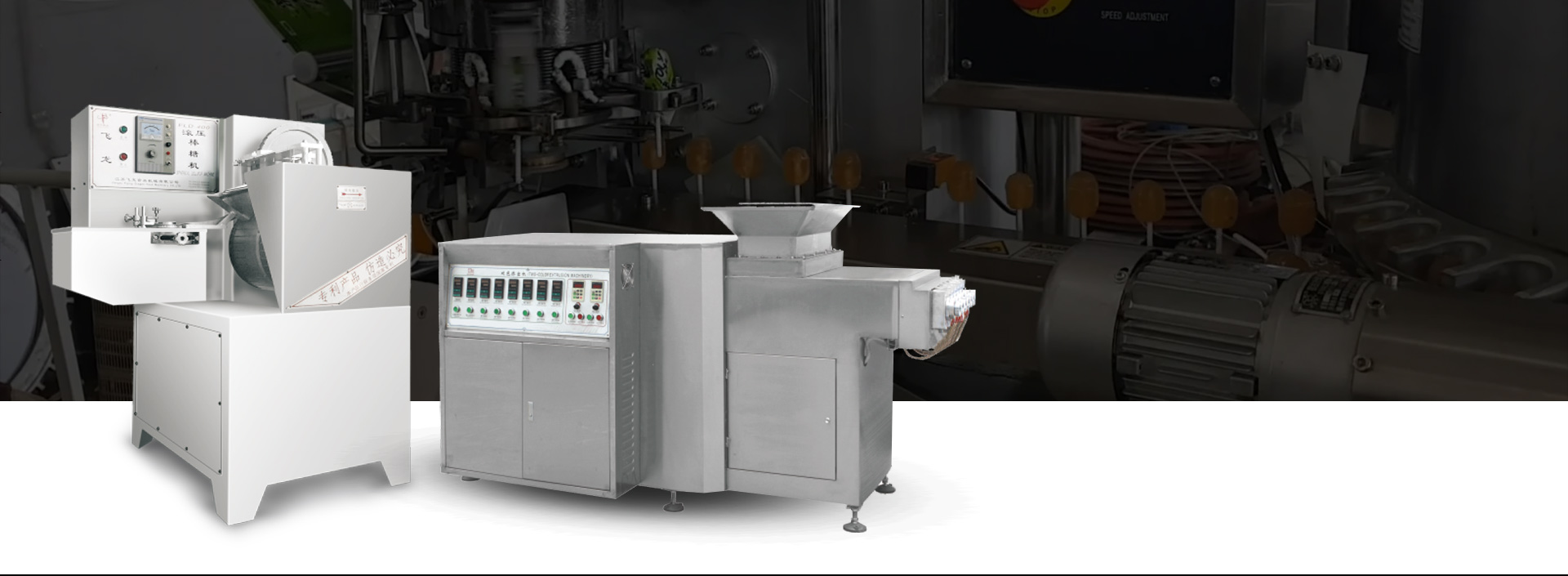
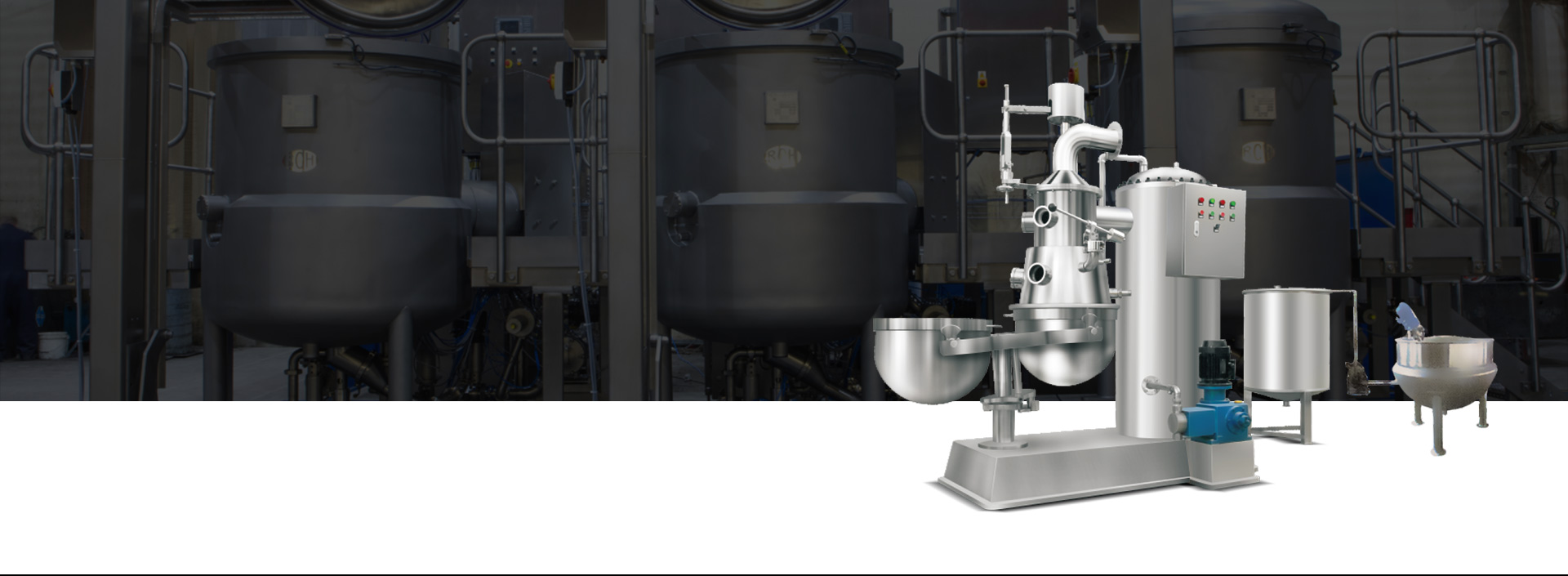
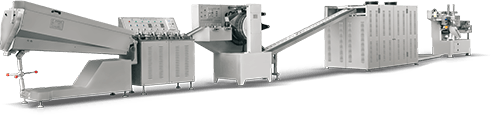
A lollipop looks like just about the simplest candy product imaginable. A sweet center, a stick, a shape everyone instantly recognizes. Behind that deceptively simple appearance, though, sits a whole sequence of manufacturing stages that all need to work in sync.
The production process stretches well past just making the candy itself. Materials need to move from one stage to the next. Shapes need to stay consistent with the intended design. The stick needs to become part of the finished item at exactly the right moment. The candy also needs prepping for handling and packaging afterward.
That's exactly where a lollipop production line earns its importance.
Rather than treating every manufacturing stage as its own isolated task, a production line weaves these activities into a far more organized flow. Each stage carries its own role, sure, but its output ripples straight into whatever comes next.
For candy manufacturers, this connection shapes how smoothly a product moves through the factory floor. It also determines how easily the production process bends to accommodate different product designs and shifting production needs.
Why Does a Lollipop Production Line Need to Connect Different Stages?
Candy production runs through a whole sequence of activities. Leave those activities poorly connected, and the whole operation gets messy fast. Materials end up getting hauled manually between areas, and one stage sits waiting on another to wrap up before it can even start.
A connected production line carves out a much clearer path forward.
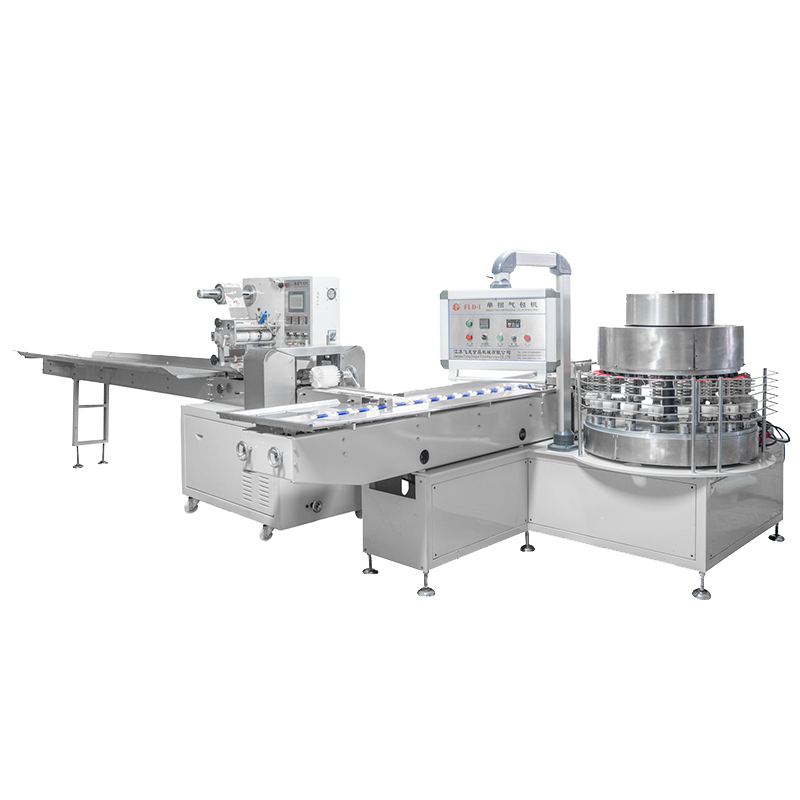
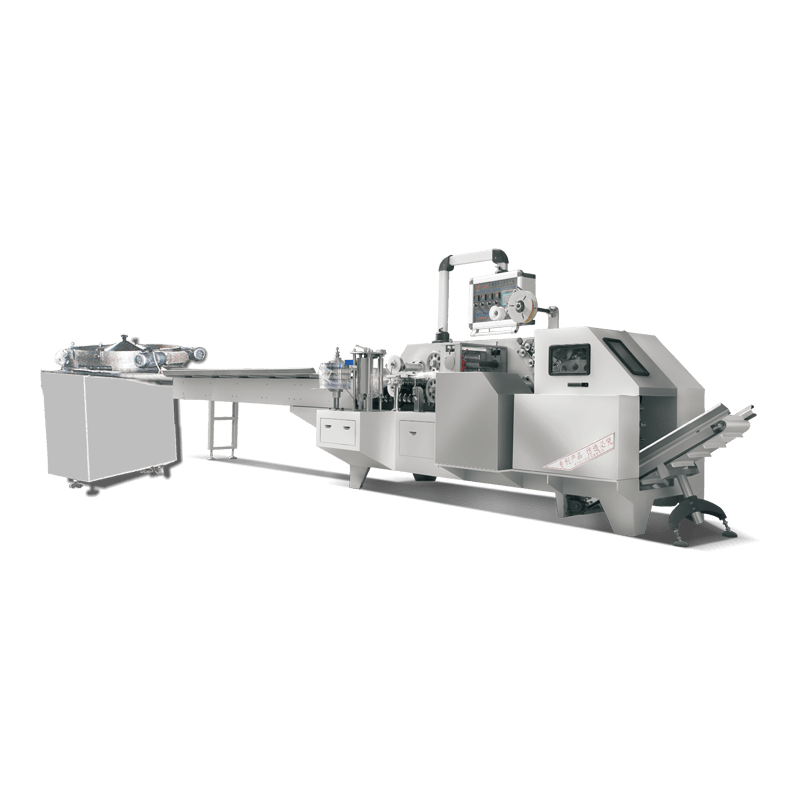
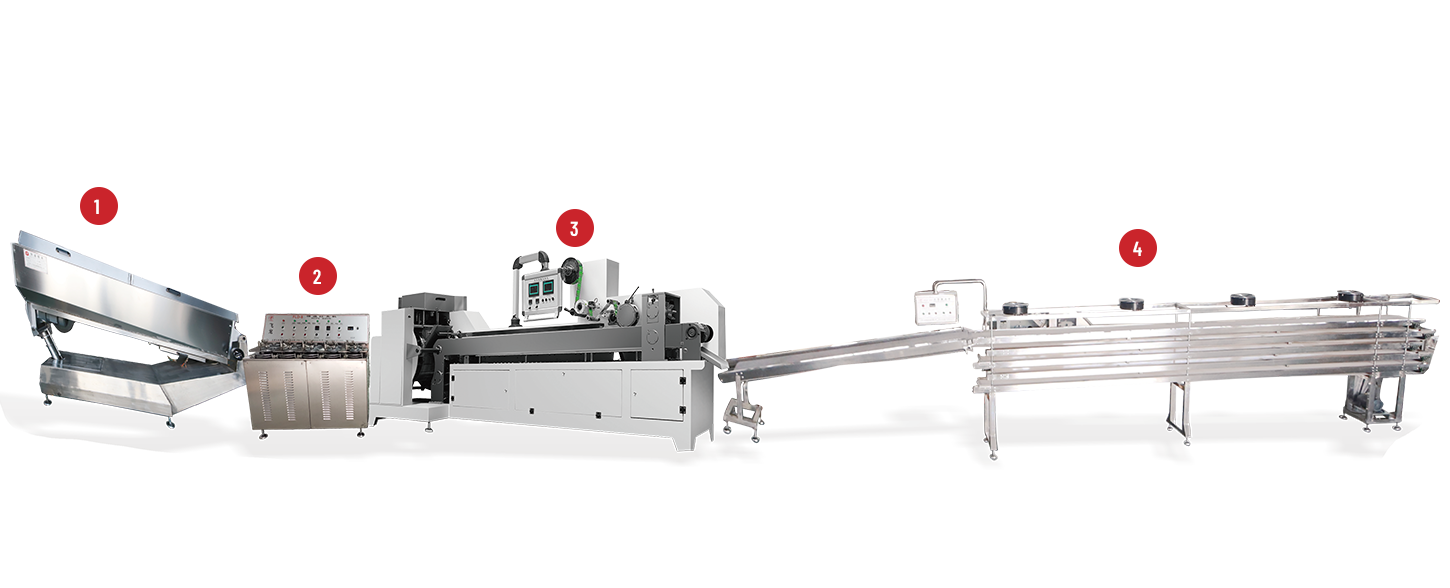
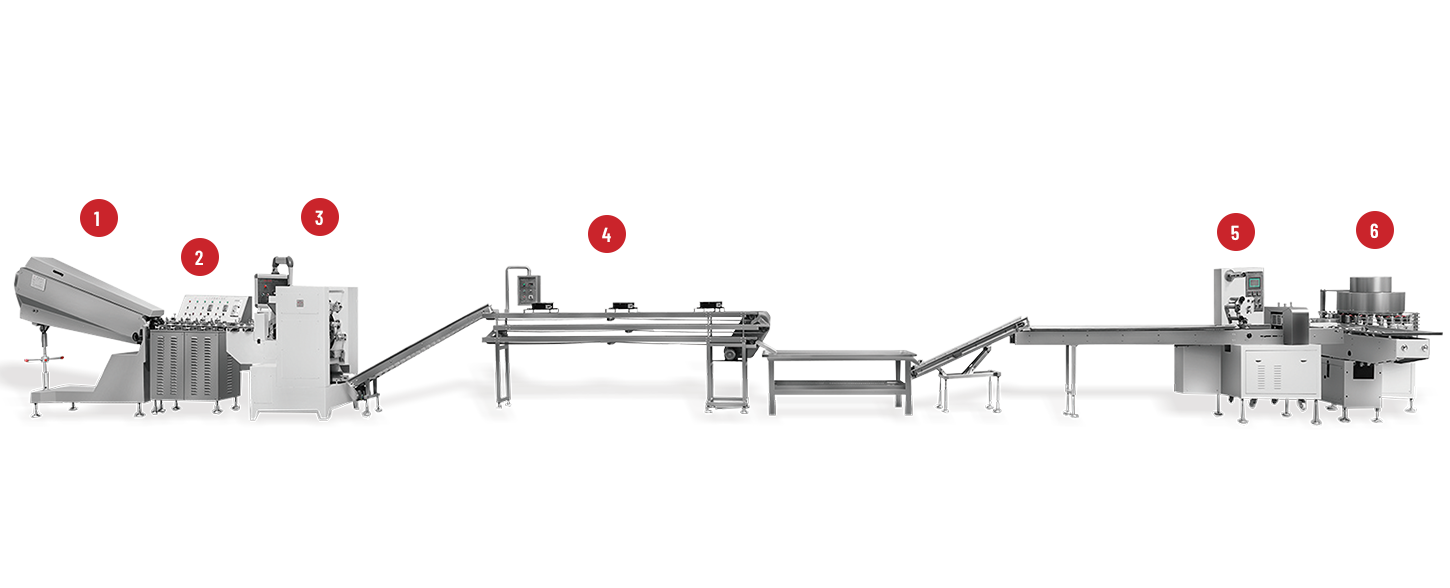
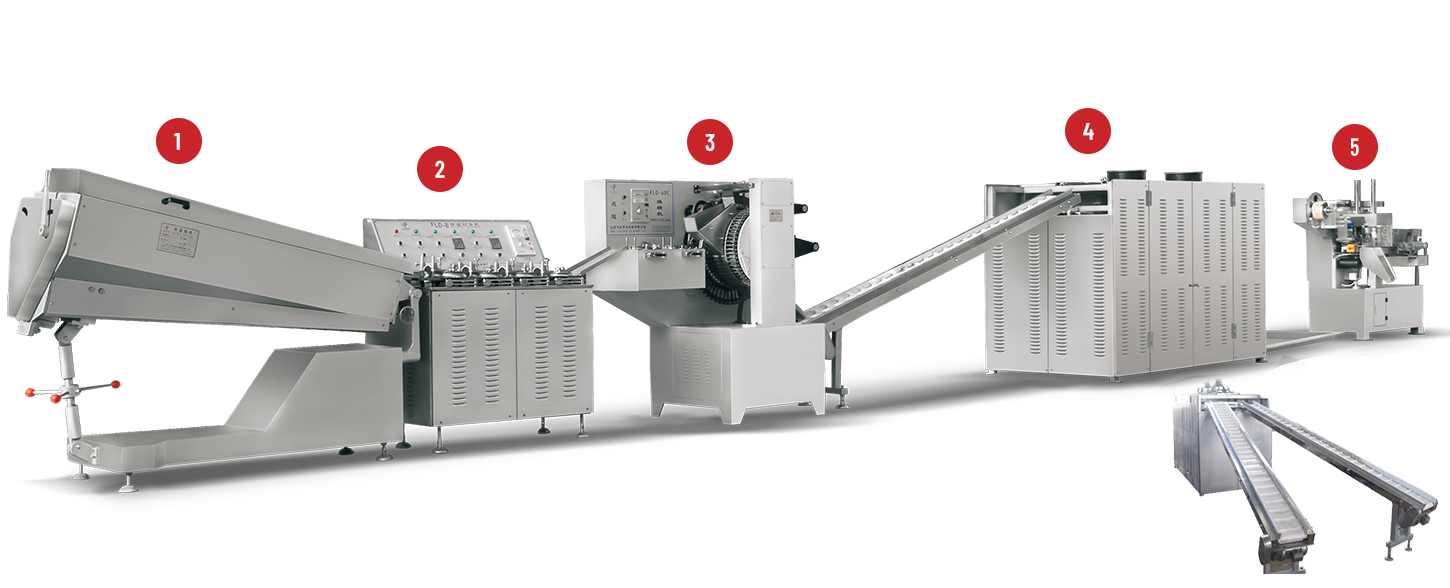
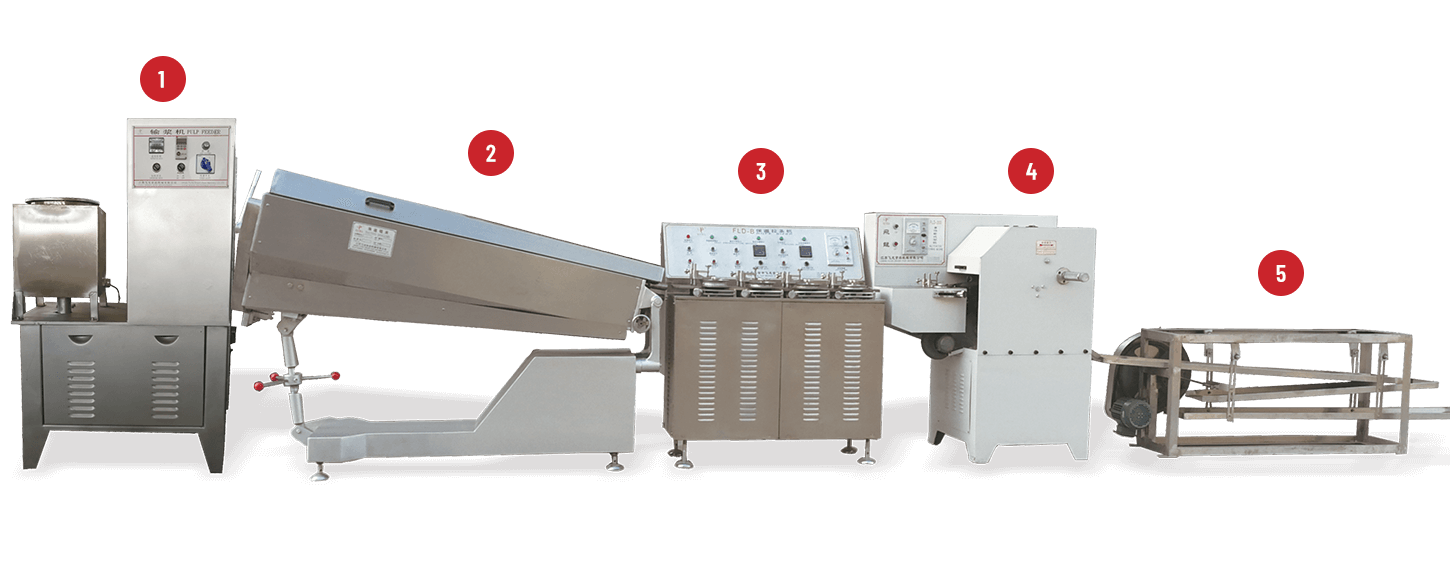
The exact arrangement shifts depending on the product, factory layout, and production requirements at play. Still, the basic idea holds steady across the board. Material preparation feeds into forming, forming links up with stick placement, and later stages prep the candy for handling and packaging down the line.
Each stage needs to set up the next one for success.
| Manufacturing Stage | Main Role in the Production Flow |
|---|---|
| Material Preparation | Gets the candy material ready for processing |
| Candy Forming | Gives the product its intended shape |
| Stick Placement | Connects the candy with the stick |
| Cooling or Setting | Helps the candy reach a suitable condition for handling |
| Surface Handling | Prepares the product for the next stage |
| Inspection | Checks whether the product meets the intended requirements |
| Packaging | Prepares finished lollipops for storage, transport, or sale |
The value of a production line comes from the relationship between these stages. A well-organized flow helps manufacturers view the process as one connected operation rather than a collection of unrelated tasks.
How Does Material Preparation Connect With Candy Forming?
The beginning of the process sets the direction for everything that follows.
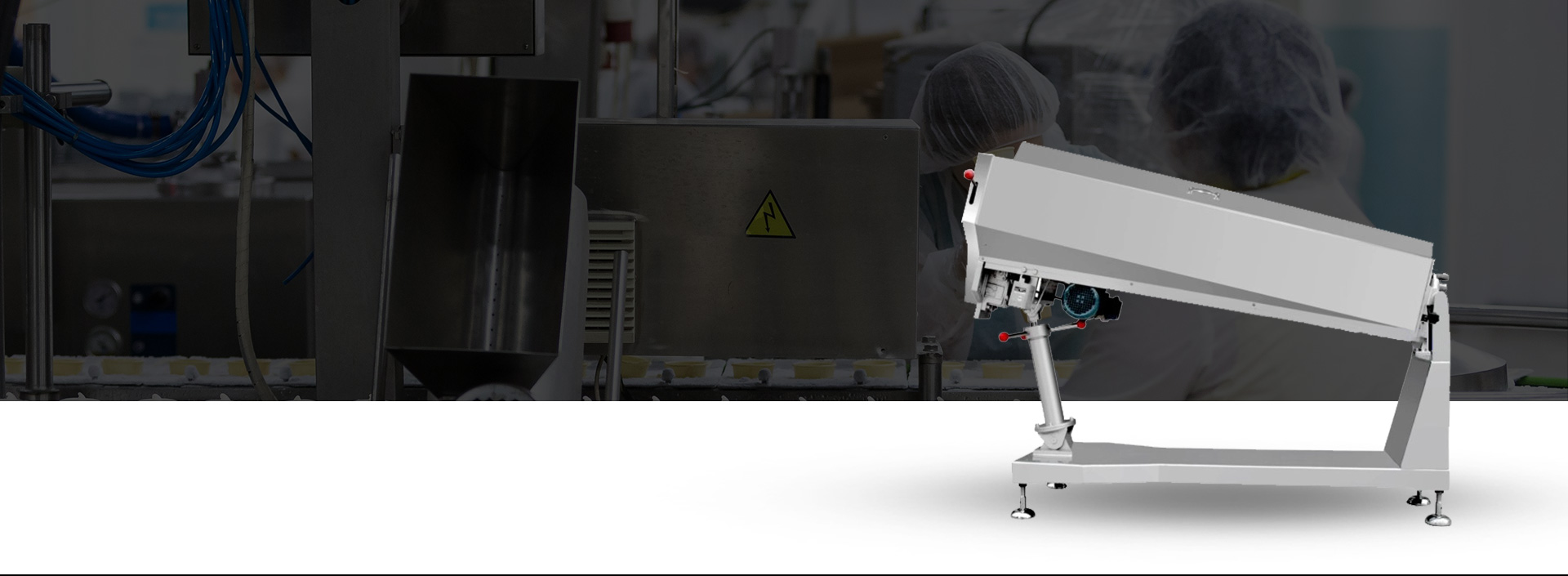
Candy material needs to reach the forming stage in a suitable condition. If the material is not prepared properly, later stages may become harder to manage. The forming process may also become less predictable.
This is why material preparation and candy forming should not be considered completely separate.
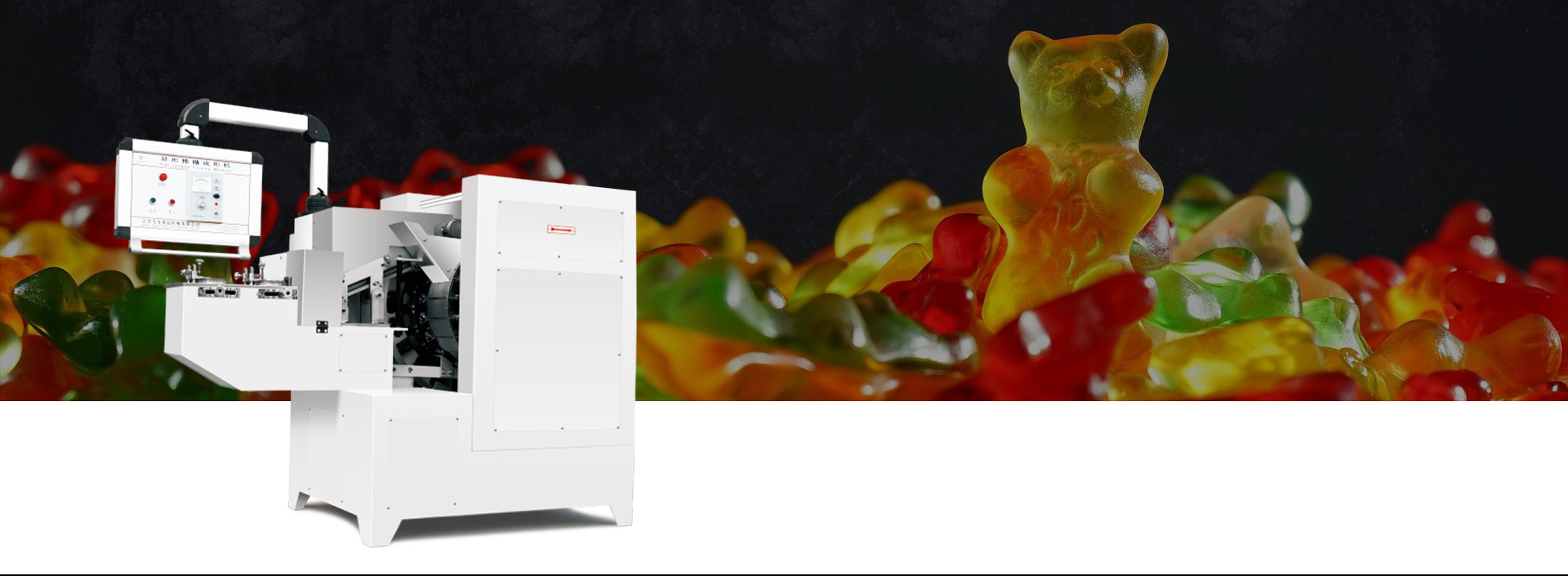
The preparation stage focuses on getting the candy material ready for the intended product. The forming stage then turns that material into a recognizable shape. Depending on the product design, the candy may be formed into a traditional round shape, a decorative shape, or another design.
The connection between these stages is especially important when manufacturers produce more than one type of lollipop.
Different designs may require changes in how the material moves or how the forming stage operates. A production line that allows these changes to be organized can give manufacturers more flexibility.
The product shape also affects later stages. A larger or more detailed shape may require different handling from a simple design. The production line therefore needs to consider the entire flow rather than focusing only on the forming process.
How Does Stick Placement Fit Into the Production Flow?
The stick is one of the defining features of a lollipop. It is not simply an accessory added after the candy is made. It becomes part of the finished product and needs to be integrated into the manufacturing process.
Stick placement therefore needs to work closely with candy forming.
If the candy and stick are treated as completely separate parts, additional handling may be required. This can make the process more complicated. A connected production line allows the stick placement stage to follow the forming process in a more organized way.
The timing and movement of the product matter here.
Once the candy reaches the appropriate stage, the stick needs to become securely associated with it. The product then continues toward the next stage without unnecessary interruption.
This relationship can be viewed in a simple way:
- Candy preparation creates the material needed for the product.
- Forming gives the candy its intended shape.
- Stick placement connects the candy with the handle.
- Setting or cooling prepares the combined product for further handling.
- Inspection and handling help prepare it for packaging.
This sequence shows why one stage cannot always be designed without considering the others. A change in candy shape, for example, may affect how the stick is positioned or how the finished product is handled.
Why Is Cooling or Setting an Important Link Between Production Stages?
After forming and stick placement, the lollipop needs to reach a condition that allows it to move through the remaining stages.
This is where cooling or setting becomes an important part of the production flow.
The purpose is not simply to make the candy feel different. It helps prepare the product for handling. If the candy is not ready to move safely, later activities such as inspection or packaging may become more difficult.
A production line therefore needs to create a natural connection between forming and later handling.
The way this stage is organized can also influence the overall movement of products through the factory. If products remain in one area for too long, the following stages may have to wait. If products move forward too quickly, they may not be ready for the next activity.
The exact process depends on the product and manufacturing approach. The broader principle remains the same: each stage should prepare the product for what comes next.
This is one reason production line planning often considers the entire process rather than individual machines or work areas.
How Do Inspection and Handling Connect Production With Packaging?
A finished lollipop still needs to pass through several practical steps before it becomes a packaged product.
Inspection can provide an opportunity to check the appearance and overall condition of the candy. Handling then needs to move suitable products toward packaging while reducing unnecessary disruption to the flow.
These activities may appear simple, but they connect manufacturing with the final presentation of the product.
Packaging is often the stage where the product becomes ready for storage, transport, or retail handling. If the previous stages are not organized well, packaging can become a point where problems become more visible.
For example, inconsistent product movement may make packaging less organized. Products may arrive at different times or require additional manual handling.
A connected line helps create a more predictable path.
| Connection | Why It Matters |
|---|---|
| Forming to Stick Placement | Helps integrate the candy and stick |
| Stick Placement to Setting | Allows the combined product to move toward a suitable handling condition |
| Setting to Inspection | Makes it easier to check the finished candy |
| Inspection to Packaging | Connects product checking with final preparation |
| Packaging to Storage | Supports organized movement after production |
The purpose is not to remove every human decision from the process. People still have important roles in monitoring, adjustment, inspection, and production management.
The production line provides the structure that allows these activities to work together.
Could a Connected Production Line Support Different Lollipop Designs?
Lollipop products are not limited to one appearance. Manufacturers may work with different shapes, colors, flavors, surface styles, or product concepts.
This creates a challenge for production lines.
A system designed around only one product may become less useful when product requirements change. A more flexible approach can allow manufacturers to adjust parts of the process according to the product being produced.
Design changes can affect several stages at once.
A different candy shape may change forming. A different product size may affect handling. A different packaging concept may require changes near the end of the line.
This means flexibility should be considered across the whole manufacturing flow.
A useful way to view this is:
| Product Change | Production Stage That May Be Affected |
|---|---|
| Different Candy Shape | Forming and Handling |
| Different Stick Style | Stick Placement and Handling |
| Different Surface Appearance | Forming and Setting |
| Different Product Presentation | Inspection and Packaging |
| Different Product Range | Several Connected Stages |
For manufacturers, this connection can make product development more practical. Instead of building a completely separate process for every product, some production stages may be adapted to support different designs.
The level of flexibility will depend on the production line and the manufacturer's needs. Still, the principle is becoming increasingly relevant as candy products become more varied.
How Does Equipment Coordination Affect the Whole Production Line?
A production line is made up of connected activities, so the relationship between equipment matters.
One stage may complete its work quickly, while another may require more time. If these differences are not considered, products can build up between stages or workers may need to intervene more often.
Good coordination aims to keep the movement of products clear.
This does not mean that every stage needs to operate in exactly the same way. Instead, each part should have a suitable relationship with the stages around it.
Equipment layout can also affect the movement of workers. If materials and finished products need to travel unnecessary distances, the workflow may become harder to manage.
A well-planned production area can make the direction of movement easier to understand.
For manufacturers, several questions can help when considering equipment coordination:
- Does each stage have a clear connection with the next stage?
- Can products move through the line without unnecessary handling?
- Can workers access the areas that require attention?
- Can the line support changes in product design?
- Can inspection and packaging remain connected with production?
- Can the layout support future adjustments?
These questions move the discussion beyond individual equipment. They focus on how the entire production line works as a production system.
What Should Manufacturers Consider When Planning a Lollipop Production Line?
A lollipop production line should be planned around the actual product and production environment.
The manufacturing process may look straightforward from the outside, but small changes in product design can affect several stages. A production line therefore needs to balance workflow, flexibility, handling, inspection, and packaging.
Manufacturers can consider several areas when planning or upgrading a line.
1. Product Variety
If a factory produces several lollipop designs, the production line needs to accommodate those differences. A process that works for one product may not automatically suit another.
2. Workflow
Material should move through the production area in a clear direction. The relationship between stages should reduce unnecessary movement and avoid confusing handoffs.
3. Product Handling
Lollipops need to move from one stage to another without unnecessary disturbance. Handling should be considered from forming through packaging.
4. Production Flexibility
Consumer preferences can change. Manufacturers may need to introduce different product designs or adjust existing products. Flexible production arrangements can make these changes easier to manage.
5. Packaging Connection
Packaging should not be treated as an unrelated activity at the end of manufacturing. It is part of the overall product flow and should be considered during production line planning.
6. Human Oversight
Even with an organized production line, workers remain important. They monitor the process, respond to changes, inspect products, and manage tasks that require judgment.
The modern lollipop production line is therefore more than a collection of equipment. It is a connected path that brings different manufacturing stages into one organized process.
When material preparation, forming, stick placement, setting, inspection, handling, and packaging are planned as parts of the same flow, manufacturers can create a clearer relationship between each stage.
That relationship also gives the production line its flexibility. As product designs change, manufacturers can look at how each stage connects with the next instead of treating every change as a completely separate production problem.
 +86-(0)515-8465666
 +86-(0)515-85566996
 +86-138 1559 9708
 flyloong@flyloongcn.com
 Home
Home