

 ENG
ENG
 English
 中文简体
中文简体 русский
 Français
 Español
 عربى
عربى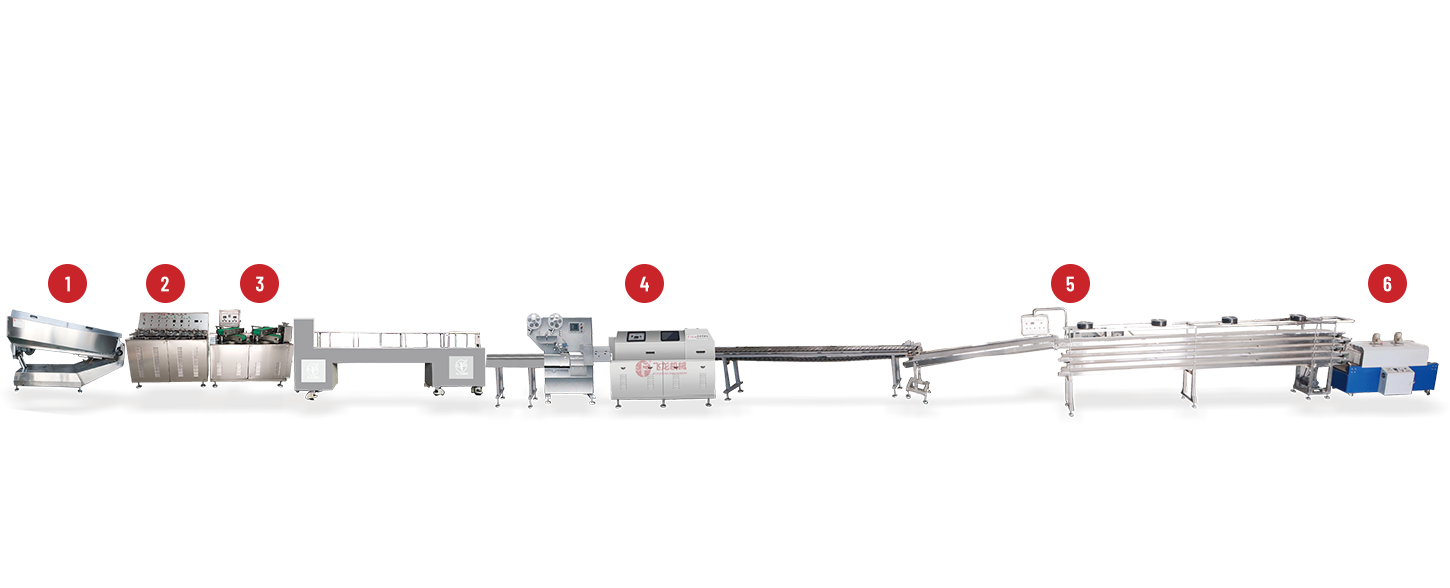
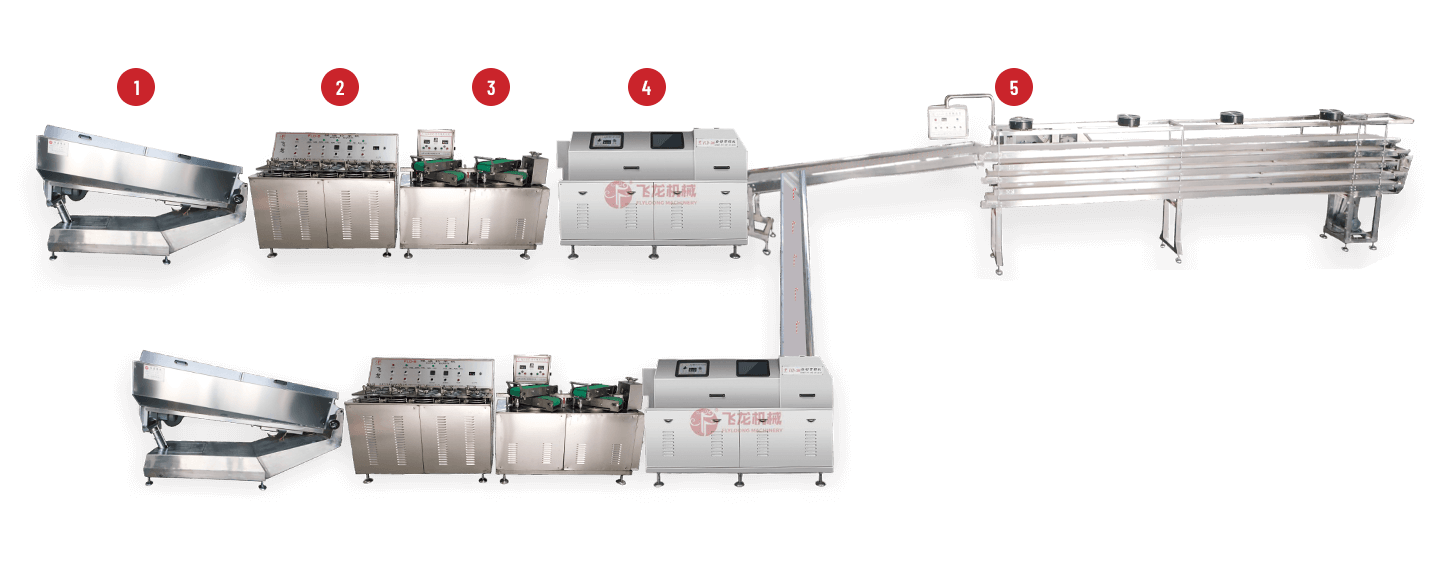
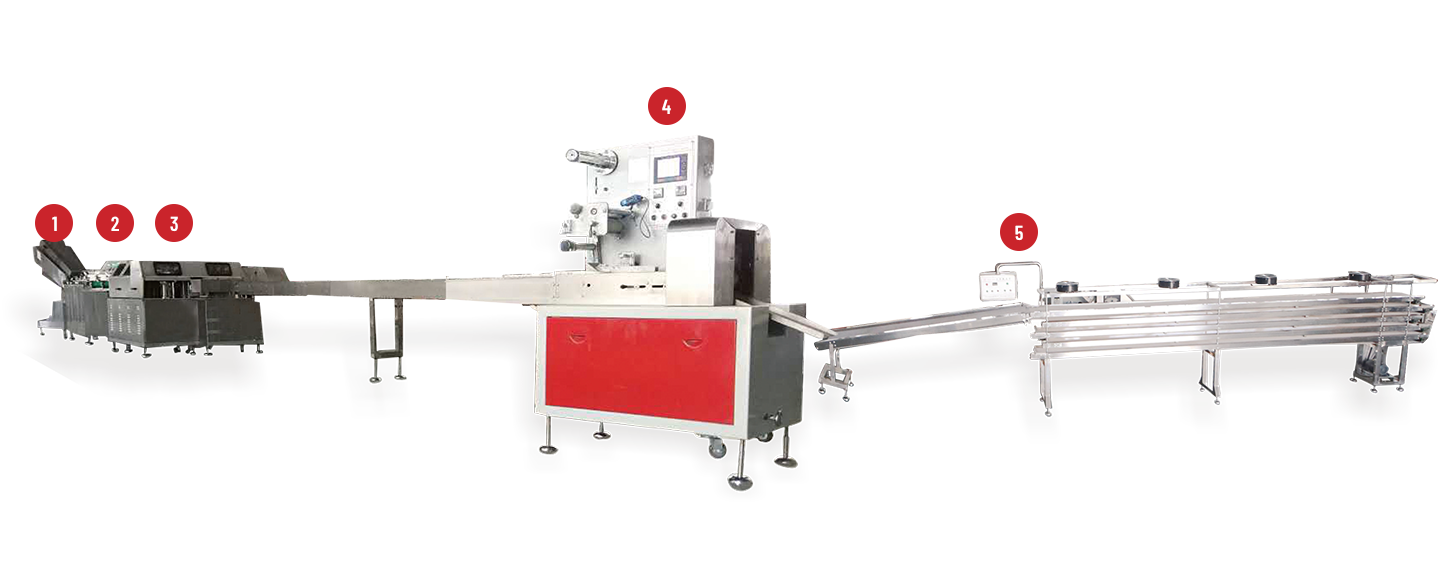
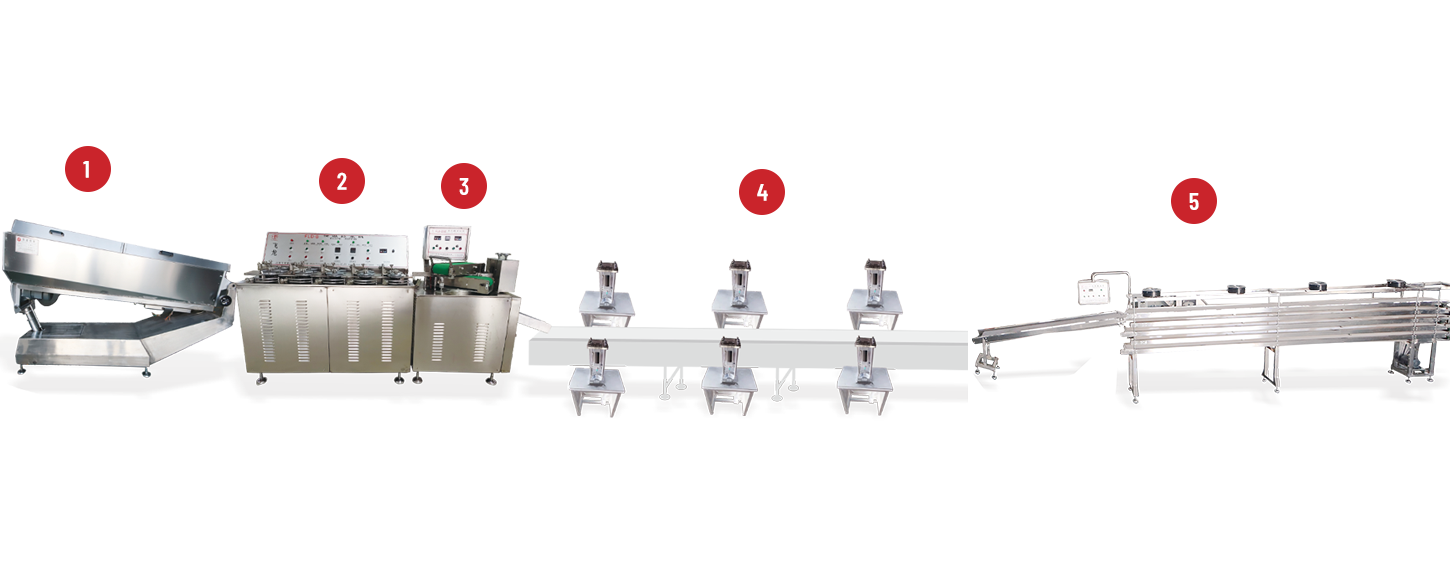
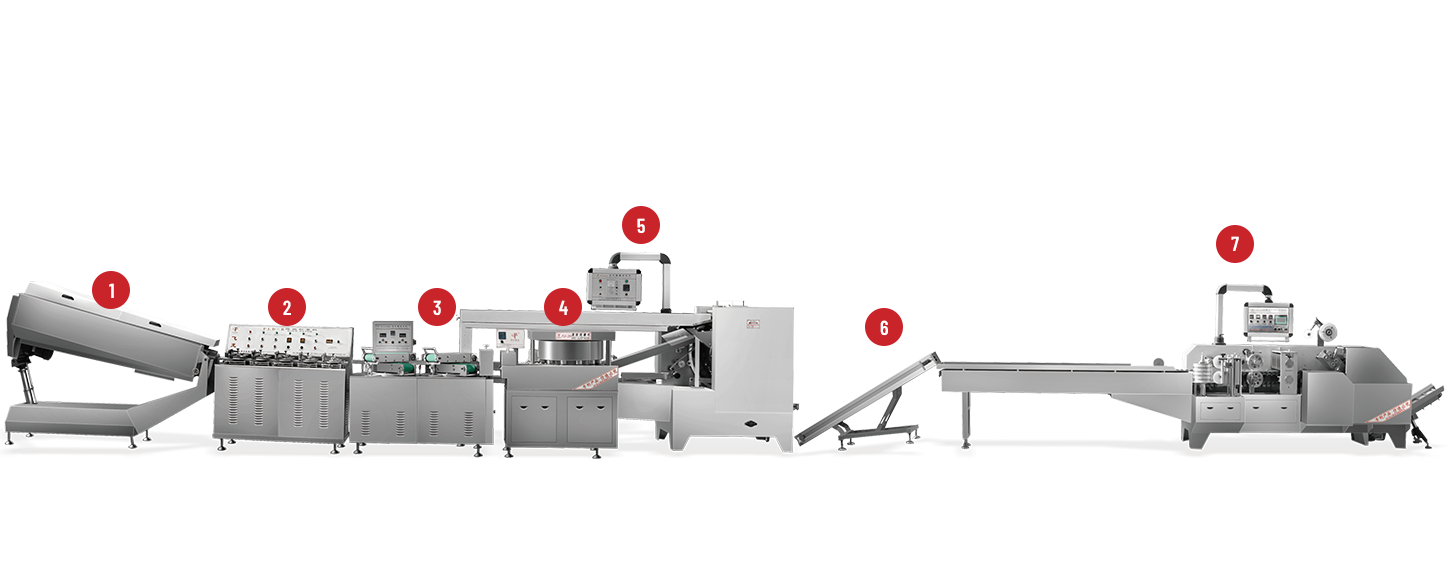

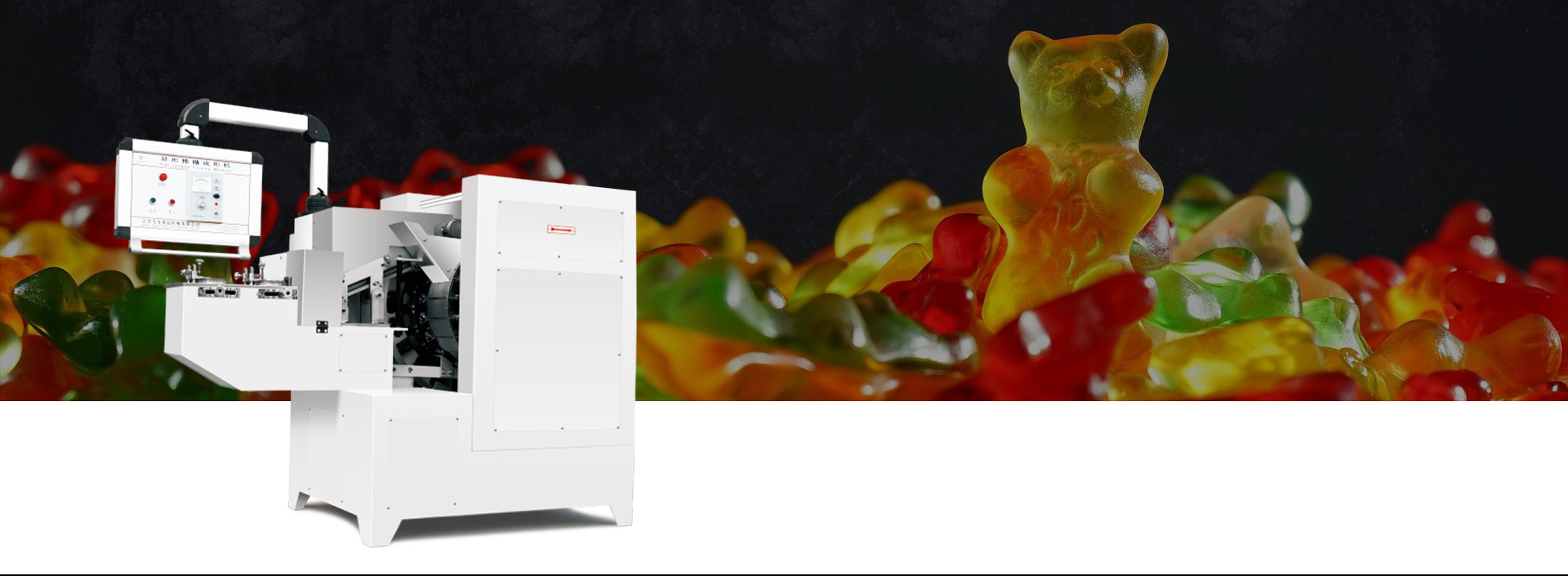
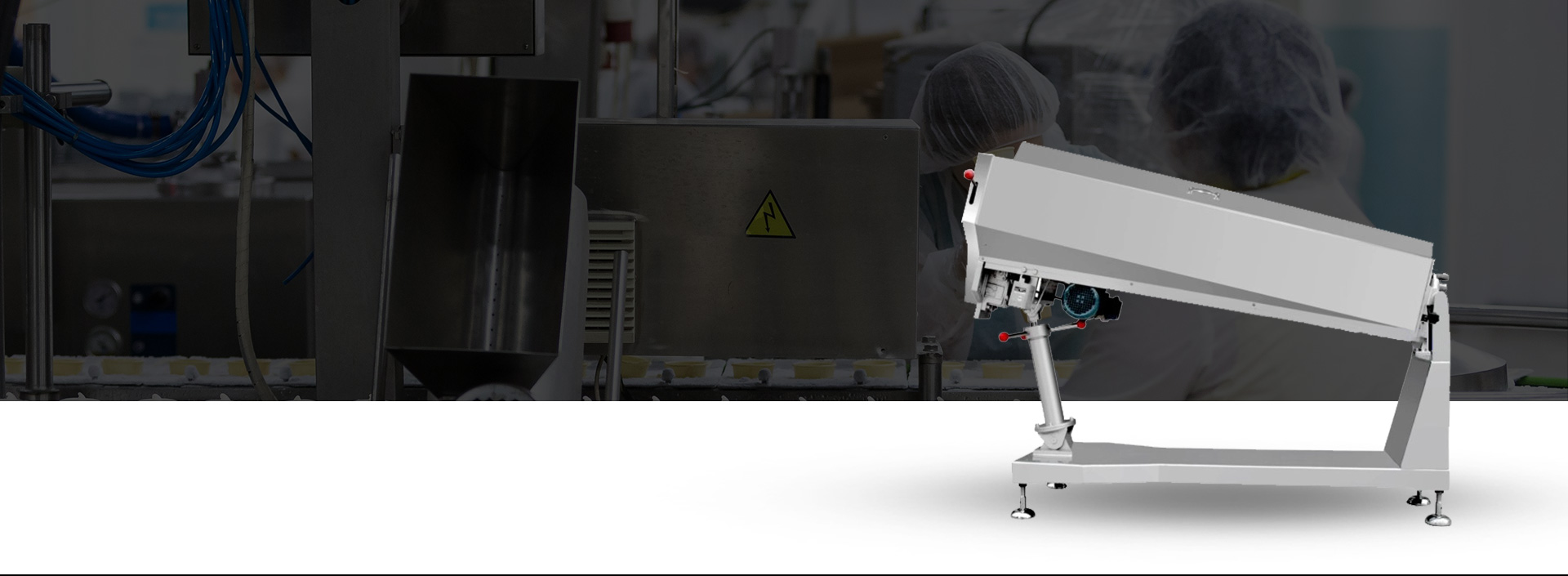
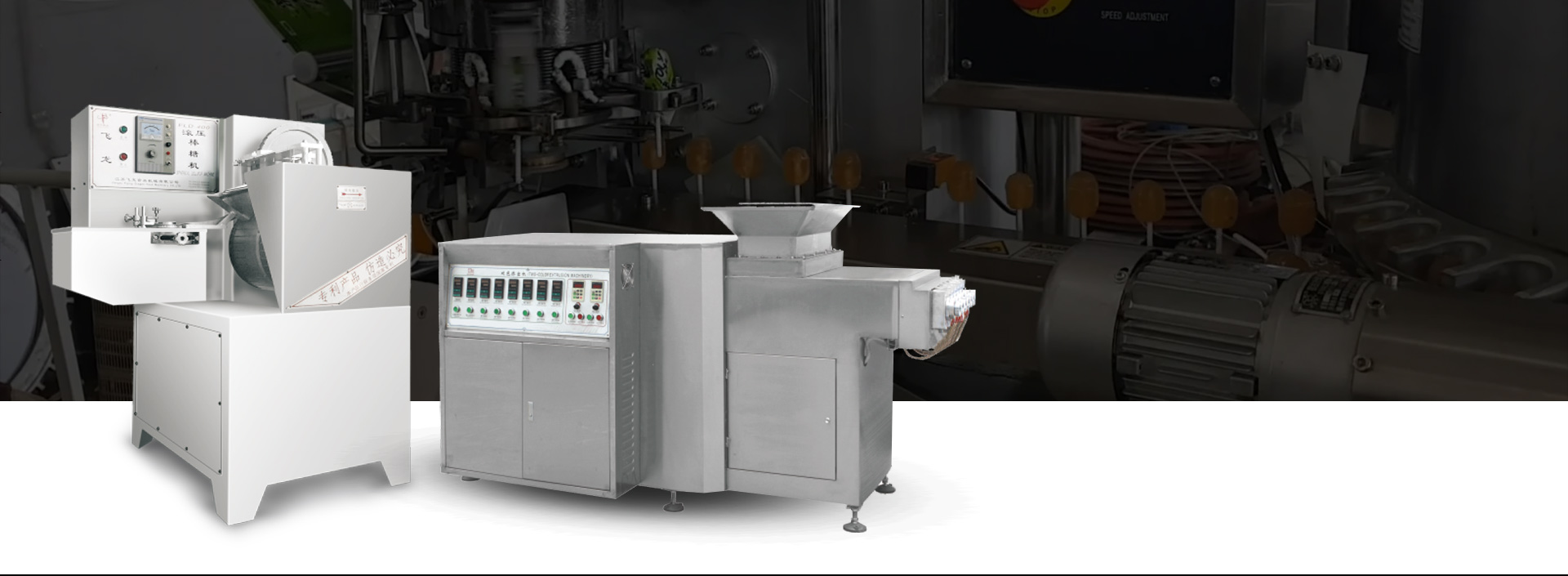
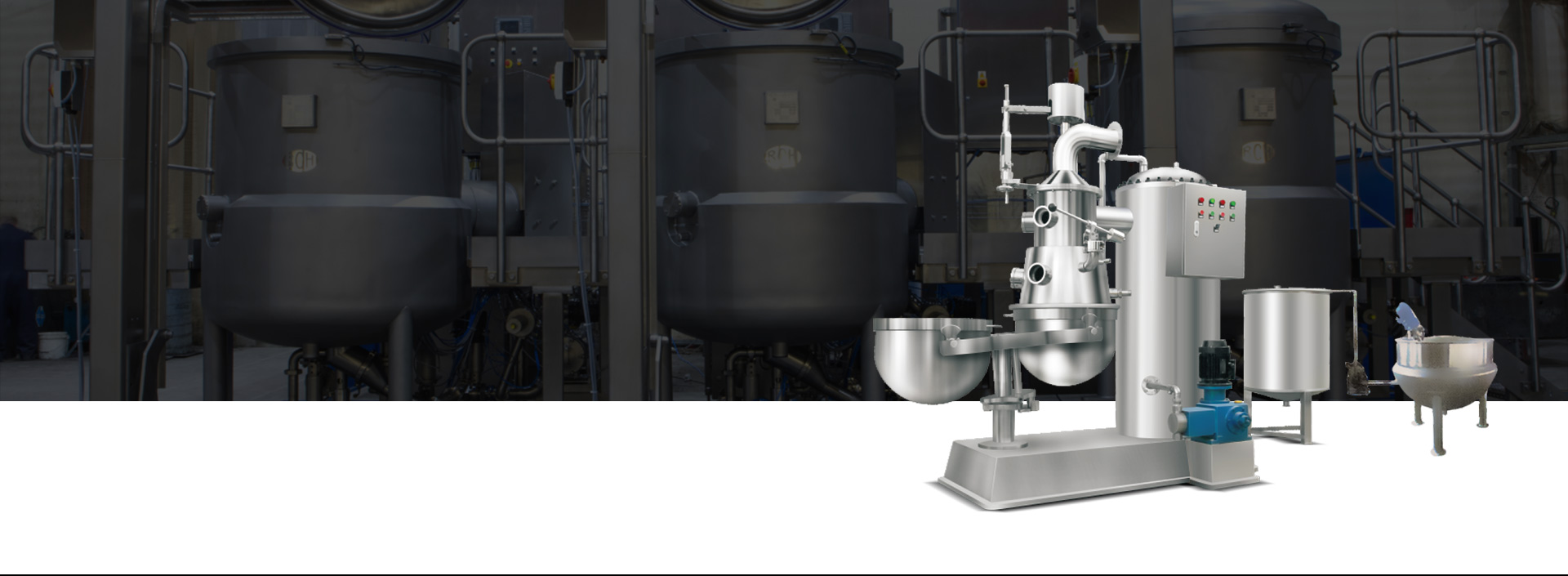
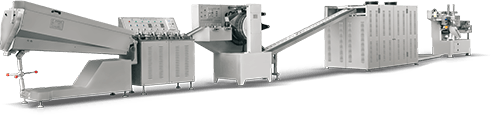
A deposit jelly machine is one of those pieces of equipment that either makes a production line quietly dependable or, if treated casually, becomes the source of daily irritations; at face value it simply meters a viscous or semi-viscous candy mix into molds, but in practice its performance depends on a handful of controllable factors — temperature stability, pump health, nozzle condition, mold timing, hopper agitation, and a cleaning routine that operators actually follow. When those things are managed, the line runs predictably and yields stay steady; when one of them drifts a little, the defects multiply and the whole shift spends time chasing small cosmetic faults instead of moving boxes out the door. Many plants improve yield and reduce headaches not by buying exotic new hardware but by creating a few short, repeatable habits around their depositor and then enforcing them with practical tools and simple records.
Begin each shift with a short, repeated startup routine that takes less than ten minutes: confirm the temperer and hopper temperature are at recipe targets, close the hopper lid unless the recipe calls for venting, start the hopper agitation at the recommended speed, purge the deposit head until the flow looks uniform, run three index cycles at production speed, and weigh a quick sample set from several nozzles to capture a mean and variance. That brief ritual avoids a large share of morning trouble and gives the incoming operator confidence that the process is stable before full production begins.
Temperature discipline
Jelly and gummy formulations change behavior with surprisingly small temperature shifts; a degree or two can alter viscosity, droplet formation, and setting time. Insulate short piping runs and the final nozzle area where practical, maintain heater setpoints with modest hysteresis to avoid constant cycling, and treat temperature as a primary control variable rather than a convenience. When recipes change, ramp temperatures in a controlled manner instead of flipping from cold to hot and expecting the head to behave immediately.
Nozzle attention
The nozzle is the machine's interface with the product, so inspect and care for it often. Keep a clearly labeled rack of spare nozzles on the line and swap to a known-good nozzle as a diagnostic step when a cosmetic defect appears. Watch for rough edges, partial blockage, and signs of wear; replace worn nozzles rather than attempting to run them until failure. Record the nozzle ID and life history so you can identify patterns—some geometries work better with soft centers, others with clear glossy shells.
Pump and seal maintenance
Air ingestion and worn seals are common roots of underfill or inconsistent portioning. If you hear irregular pump rhythms, see foam during purge, or notice stroke variation, check hopper seals, venting, and suction connections . Replace seals on a preventive schedule; the relatively small cost of a seal kit is tiny compared with the lost production time caused by unexpected failure. Learn the signature sounds of a healthy pump for your installation—operators who can tell normal from odd save a lot of troubleshooting time.
Cleaning that actually happens
Design cleaning routines that match shop reality so they get done. Daily quick cleans should remove gross residues, soak and inspect nozzles, and wipe down visible surfaces; weekly or shift-end deep cleans should disassemble valve plates, check O-rings, and inspect pump housings. Where possible, use quick-release fittings and smooth, crevice-free architecture to reduce cleaning time. Attach a laminated cleaning map to the machine showing steps, tools, and estimated times so operators follow the same proven sequence.
Filled and layered products
For two-layer or filled gummies, timing and gentleness win. Deposit the base, allow a short dwell for a thin skin to form if the recipe calls for it, then deposit the soft core using a lower-pressure profile to avoid displacing the base. If inclusions are present, keep agitation adequate and use a wide-bore feed path to prevent clogging. For layered items, validate the interval between layers empirically—sometimes a one- or two-second change makes a big difference to core migration.
Integration with conveyors and cooling
Depositing is one step in a chain. If molds hit high-velocity cooling too soon, surface skin problems appear; if cooling is too slow, the deposit can slump. Tune conveyor speed, cooling tunnel air velocity, and belt spacing for each product during commissioning and capture those settings as part of the product recipe. Treat the deposit head and cooling tunnel as a single coupled system during setup—small adjustments at either end often resolve visual defects.
A little statistical control goes a long way. Weigh ten random pieces every hour and log mean and standard deviation. If the mean drifts beyond tolerance, trigger a short corrective routine: check temperature, purge, verify pump stroke, and swap the nozzle if needed. Keep these logs visible or shared digitally; even simple hourly trending will catch slow deterioration that would otherwise surprise you mid-shift.
Practical troubleshooting flow
When a defect shows up, work in order rather than replacing parts at random. Check temperature and hopper agitation, purge and inspect the nozzle flow, swap in a spare nozzle, listen to pump rhythm, check mold indexing and encoder signals, then inspect feed-line strainers and suction paths. Following a prioritized checklist saves hours compared with ad-hoc part swaps and prevents wasting spares on problems that a purge would fix.
Design choices that shorten downtime
Specify quick-change mold frames, modular deposit heads, and easy-access pumps where changeovers are frequent. Quick-release clamps and tool-free nozzle removal reduce downtime dramatically. If you run many color or flavor changes, consider heads that can be removed and cleaned off the line in a few minutes and reinstalled with reliable repeatability.
Procurement questions that matter
When you request quotes, ask practical, testable things: what viscosity range was used during their FAT tests, how long does a head changeover actually take, what spare parts do they recommend stocking and at what interval, will they assist with on-site recipe tuning, and can they deliver a nozzle and pump spare kit with the machine. Insist on a factory acceptance test using a material similar to your product mix rather than just water runs.
Spare parts policy
Keep a small, focused inventory of items that stop the line: nozzle sets, pump seals, O-rings, a spare pressure transducer or encoder, and common fasteners. Establish reorder triggers so you never run down to zero. A modest buffer of these parts prevents emergency downtimes and reduces pressure on maintenance teams.
Operator training that sticks
Train with short hands-on sessions that emphasize three sensory checks: what a normal pump sounds like, what a good purge looks like, and how the deposit should land in the mold. Have each new operator perform the startup routine and be signed off by an experienced operator. Use shadow shifts for the several runs; tacit knowledge transfers far better than long manuals.
Changeover optimization
Make changeovers predictable by standardizing tools and processes: label mold frames, store necessary gaskets and spares on the mold trolley, and measure actual changeover times during commissioning. If changeovers take too long, target the longest steps for redesign—often a small fixture change or a better clamp cuts minutes, which add up through the week.
Hygiene and material selection
Wetted parts should be stainless steel with smooth welds and minimal gasket crevices. Avoid blind holes near product flow and ensure tanks are sloped to drains. Validate cleaning by swabbing critical surfaces after the SOP is performed so you know the written steps actually remove residues. If possible, design for CIP on lines with frequent short runs to reduce manual cleaning time.
Small adjustments with big gains
Insulate the final nozzle run to reduce stringing, fit a transparent sight glass on the hopper vent to spot skinning early, add a torque-limited wrench for nozzles to keep fastening consistent, and mount a small spare kit on the machine. These low-cost tweaks often cut recurring stoppages dramatically.
Data that helps procurement and maintenance
Keep a light lifecycle cost model: capital price plus annualized consumption for nozzles, seals, spare pumps, and the estimated labor for cleaning and preventive maintenance. Vendors that look attractive on list price may carry higher lifecycle costs if changeover is slow or spares are expensive.
Design for cleaning and inspection
Choose heads and manifolds that disassemble easily and that keep seals accessible. Fast-release clamps, few proprietary fasteners, and components that can be placed in a parts washer change the economics of cleaning. Hard-to-reach areas are the future source of trouble; remove them in design if you can.
Handover and shift communication
Institute a brief handover form that covers baseline temperatures, last clean time, any intervening adjustments, and the last SPC snapshot. A two-minute signed handover beats a confused morning where each operator tries different fixes and nobody knows what's already been done.
Handling inclusions and particulates
When you have fruit bits or nut inclusions, design wider feed paths, gentle agitation profiles, and piping with generous radius bends. Small bits like to lodge in sharp elbows and narrow strainers, so rework the feedline geometry and consider larger nominal filter sizes or staged screening to preserve flow.
Recipe management and recipe recall
Use the machine's recipe manager to store the tuned parameters for temperature, pump speed, nozzle type, and conveyor timing. Recalling a recipe for a product change reduces human error and shortens startup time; when the machine remembers the right combination, operators can focus on checking rather than dialling.
Quick experiments and pilot runs
Before full production scale-up, run small pilot lots to validate nozzle choice, dwell times between layers, and cooling-tunnel settings. The pilot is cheap place to learn what subtle timing or geometry changes will do to final product quality.
Documenting small wins
When a tweak fixes a recurring defect, document it in a shared log with photos and the before/after setting. Over months, those small entries become the plant's institutional memory and drastically reduce rediscovery of the same fixes.
Treat the deposit jelly machine as an integrated system—thermal discipline, nozzle care, preventive pump maintenance, simple SPC, good cleaning, and disciplined changeovers are what turn a finicky device into a reliable production asset. Small, repeatable human habits combined with a modest spare parts policy and practical procurement choices deliver consistent product and far fewer emergency repairs.
 +86-(0)515-8465666
 +86-(0)515-85566996
 +86-138 1559 9708
 flyloong@flyloongcn.com
 Home
Home