

 ENG
ENG
 English
 中文简体
中文简体 русский
 Français
 Español
 عربى
عربى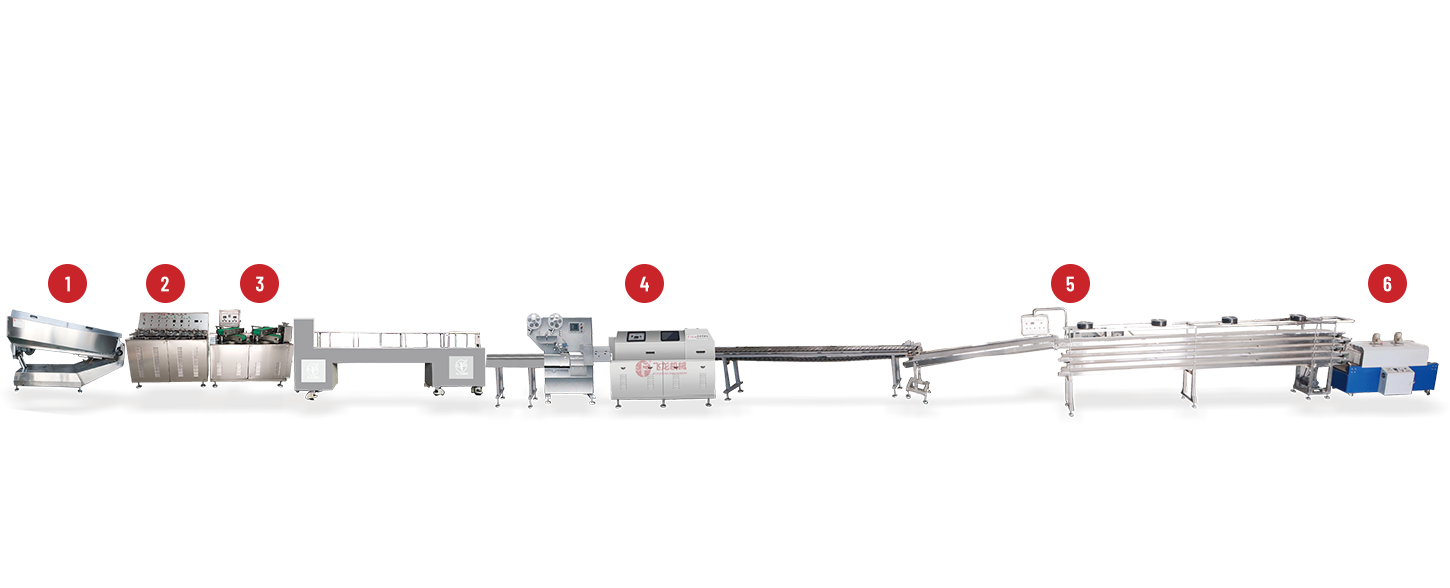
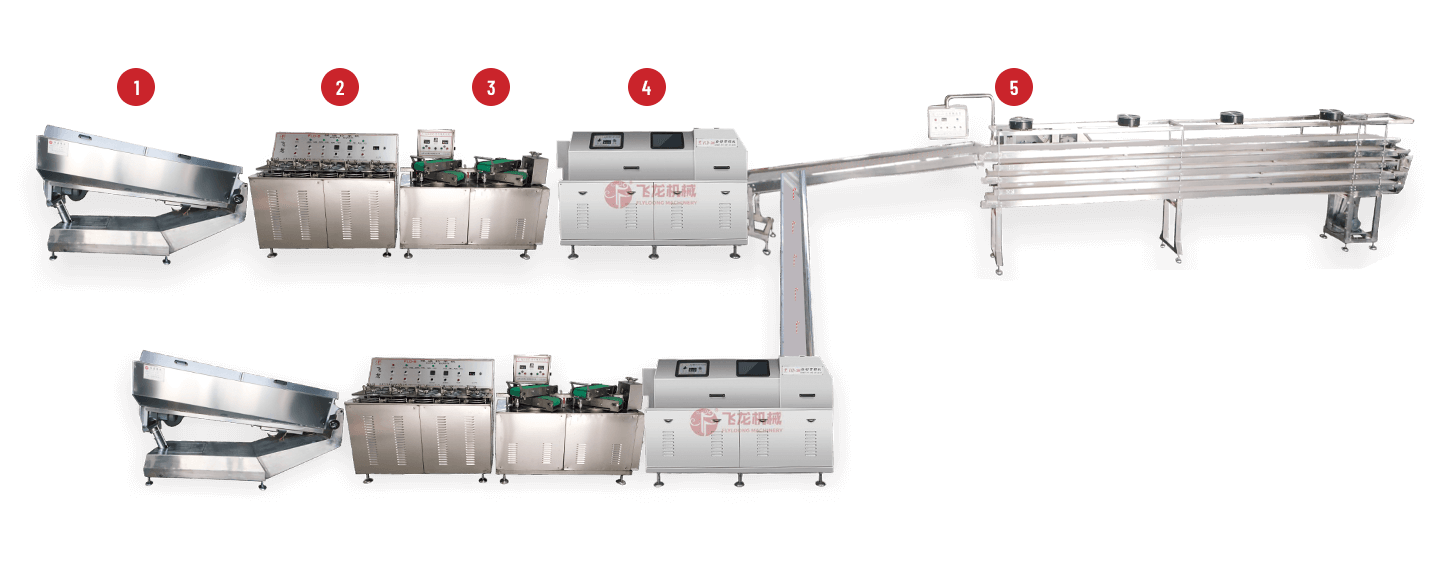
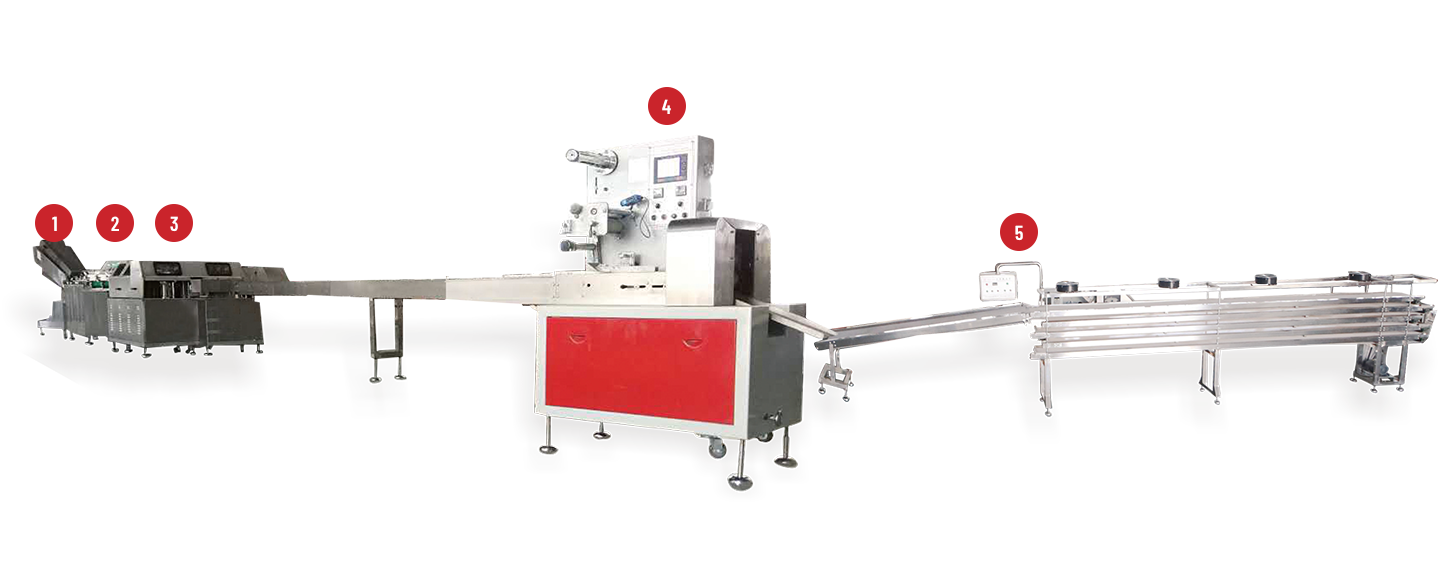
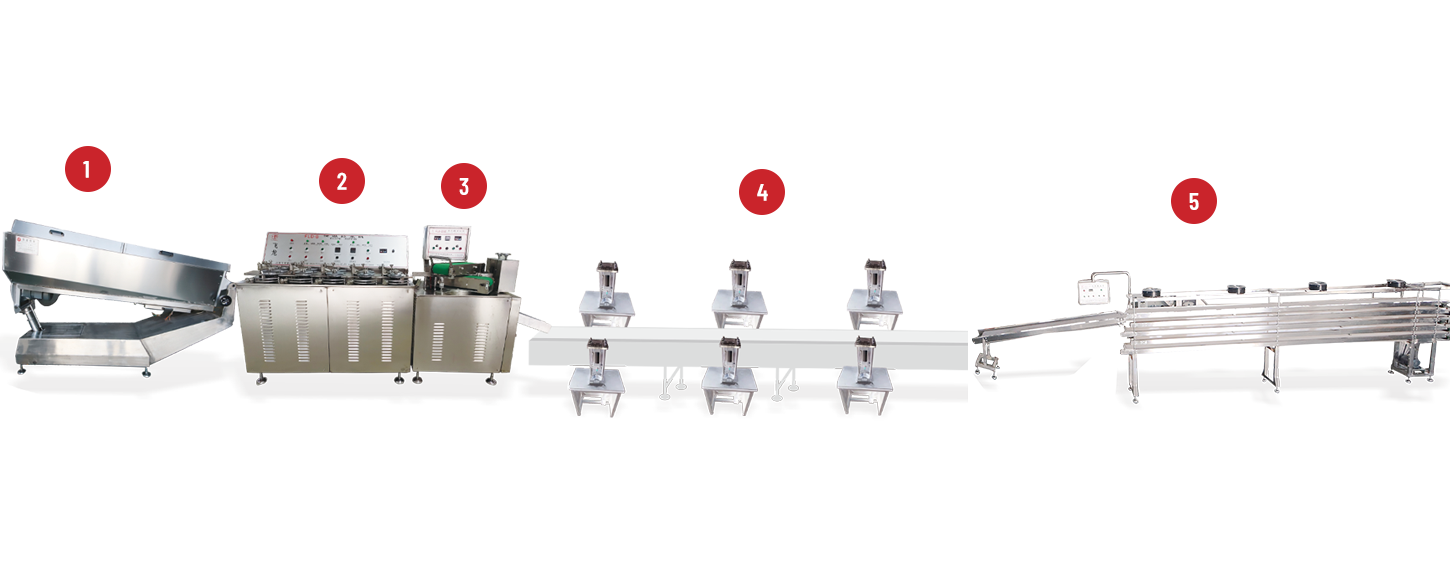
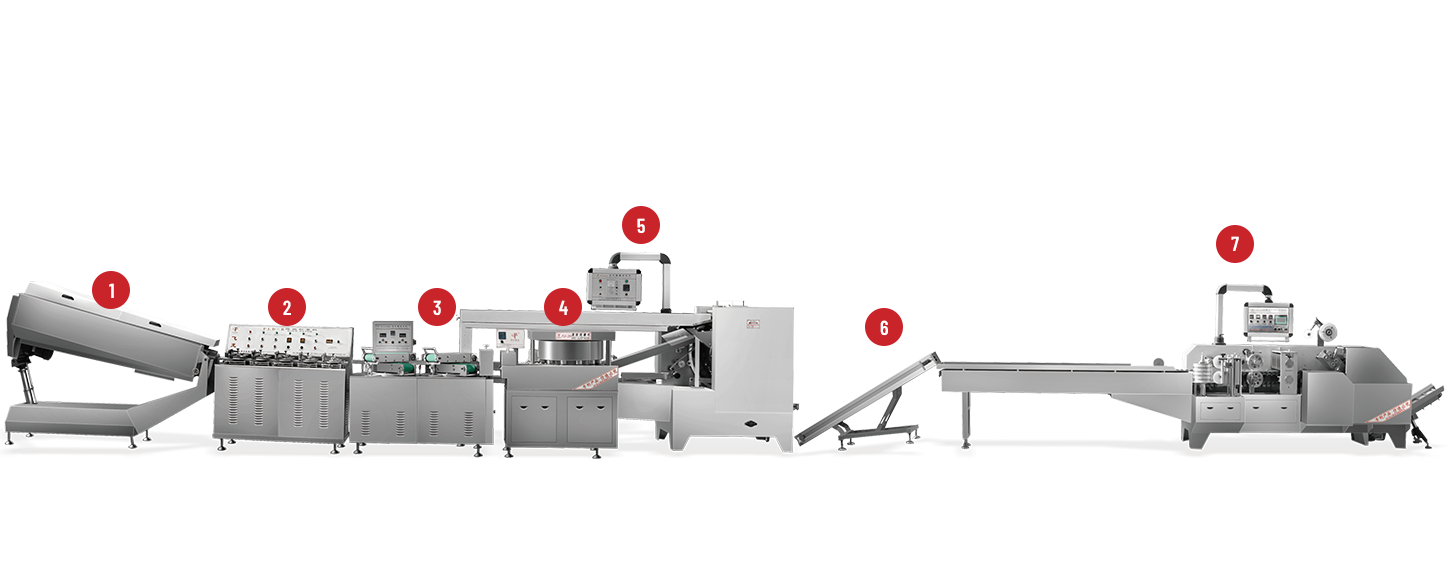

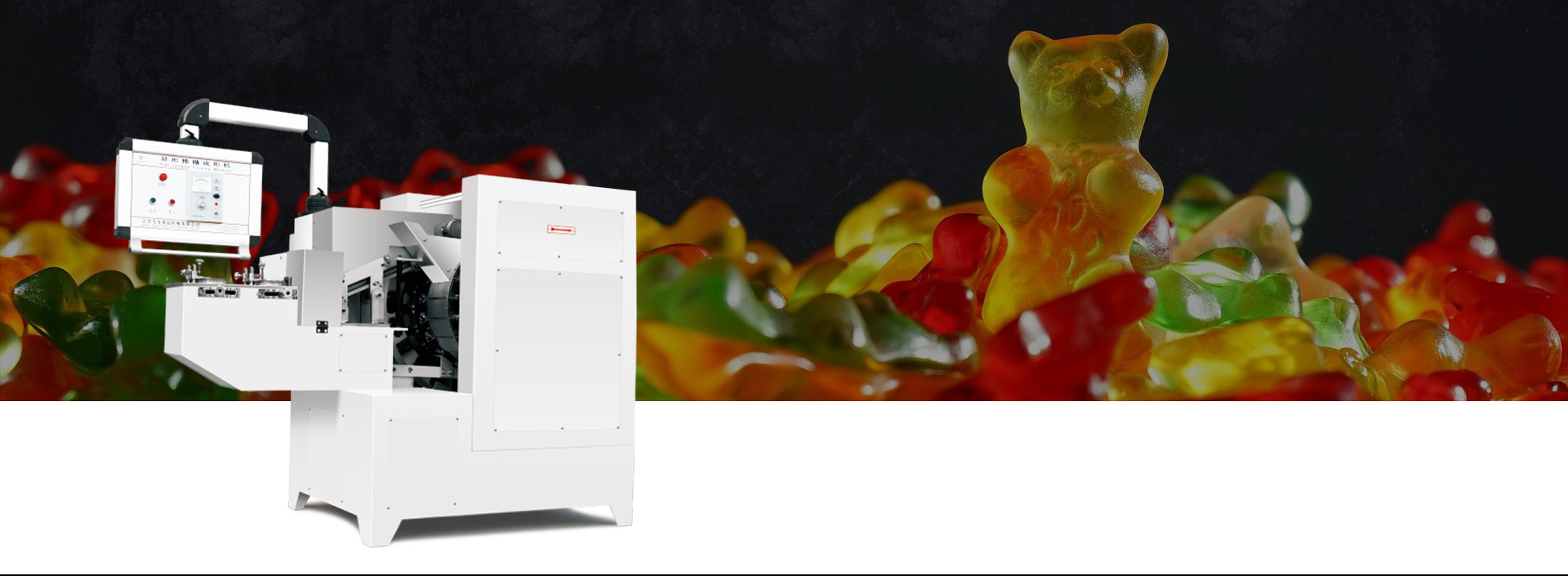

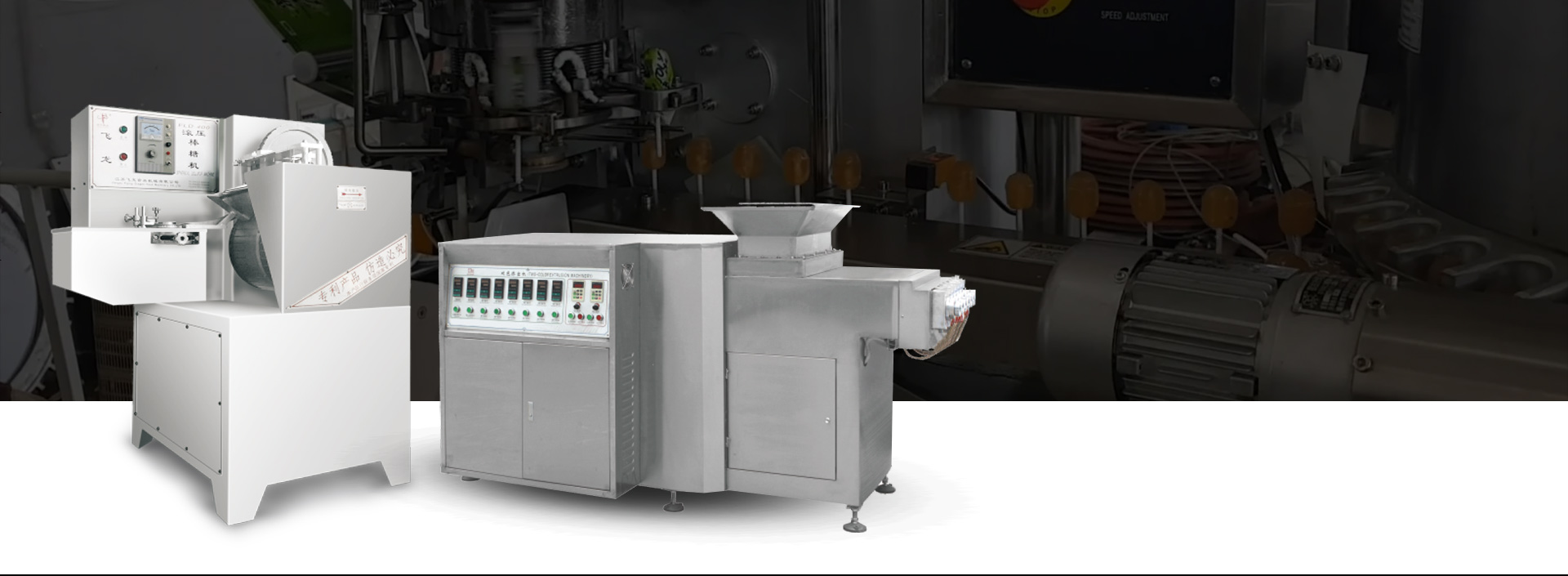
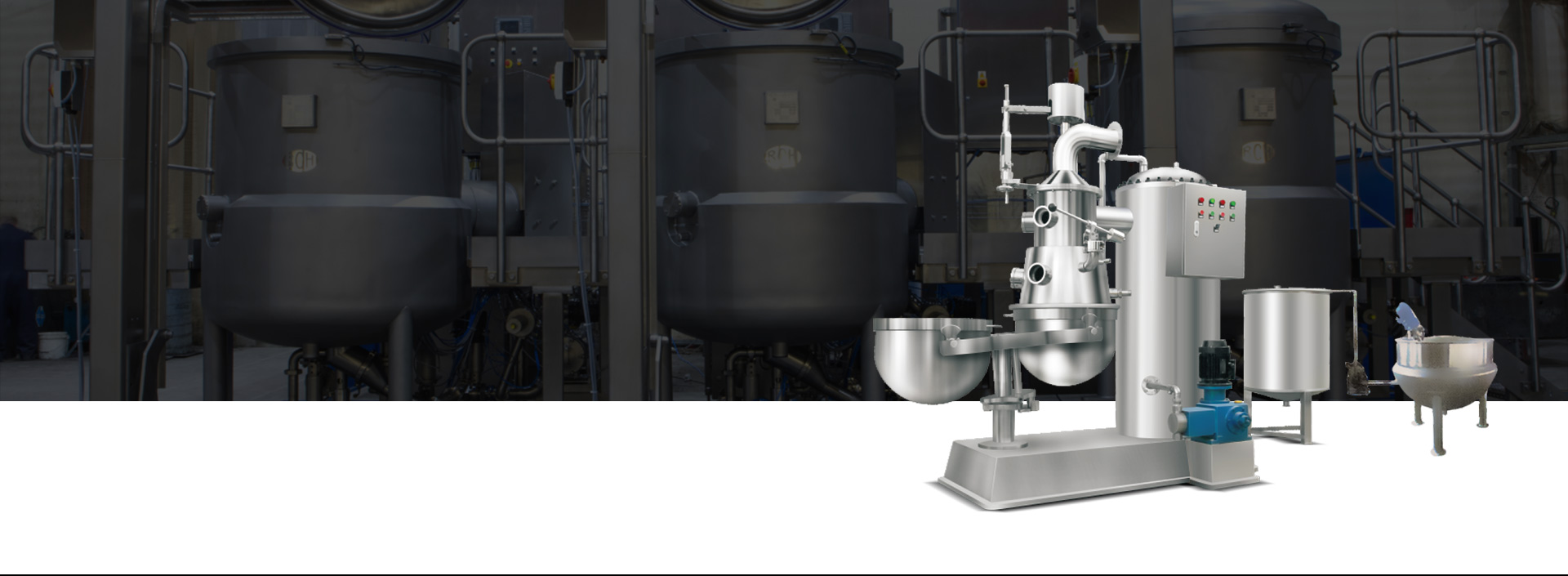
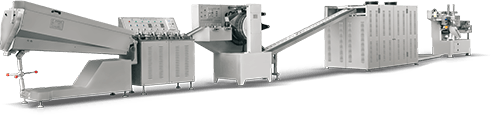
A twist packing machine is a quietly useful piece of equipment on many confectionery lines: it wraps individual sweets quickly, gives a neat finished look, and frees up staff from repetitive hand-wrapping tasks. In practice the machine's value comes from the way it integrates with upstream processes — candy forming, cooling, and sorting — and from the routines that operators and maintenance crews put around it.
Why packaging rhythm matters
Packaging is not an isolated step; it defines the cadence for the whole line. If wrapping slows, the forming machine may be forced to idle or operators will build up a queue that increases handling and damage risk. Conversely, a wrapper that runs uniformly allows forming, cooling, and secondary packing to operate in sync. Think in terms of flow: match wrapping speed to average upstream output rather than peak bursts unless you can buffer product reliably. Small mismatches in rhythm are the common source of stress on staff and machines because they force ad hoc fixes that erode uptime and morale.
Practical startup routine
A consistent startup routine solves a surprising number of problems before they appear. Begin each shift with a five to ten minute checklist: verify the wrapper's main drive and film feed are free of debris, confirm wrapper temperature or sealing elements at specification, ensure wrap material is loaded and tracking correctly, jog the machine at low speed to check indexing, and run a short test at production speed with sample product to check alignment and twist tension. Record the result on a simple sticker or card so the next operator sees the verified baseline. This ritual prevents the common "why won't it wrap right" morning scramble.
Feeding and infeed considerations
A wrapper can only wrap what is presented to it correctly. Pay attention to the infeed: consistent spacing, correct orientation, and stable temperature reduce many downstream faults. Use gentle conveyors or pickup devices that minimize product bounce and rotation. If you use vibratory feeders, set them to feed at a steady pace and place small baffling where needed to prevent clumps. For sticky or soft candies, a short cooling conveyor can firm the product just enough to keep it from deforming under wrap tension. In short: fix the feed and you fix half the wrapper problems.
Film and material handling
Film tension, unwind geometry, and the film's pre-stretch or conditioning determine how neat each wrapped piece looks. Keep film rolls stored in a clean, temperate area to avoid moisture uptake and curling. Use simple tensioning devices and mark the nominal tension target on the machine for quick setup. If you switch film types, note the change in setup data — different materials need different wrap head and twist settings. A small log taped near the film holder with the last three settings for common films saves time and guesses.
Twist head care
The twist head is the product interface and subject to wear. Check bearings, twist cams, and clutch elements on a scheduled basis and clean film residue promptly. If the head uses heat-assisted sealing, make sure the heating elements are clean and the heat profiles are recorded; small variations in temperature or dirty surfaces change the seal appearance and can increase rejects. For mechanical heads, keep cams and linkages lubricated with the recommended lubricant and inspect for play. A worn cam or sticky bearing results in inconsistent twist or wrinkle patterns that are visible and costly.
Changeover and format memory
If you run multiple SKUs, reduce lost time by storing format settings and organizing tools. Record motor speeds, twist head timing, film tension, and conveyor speeds for each SKU and make that recipe accessible on a touch panel or a printed setup sheet. Where practical, use quick-change tooling for chutes and guides so operators can swap parts without hunting for hex keys. Time each format change during commissioning and aim to reduce the longest step — often film threading or guide alignment — by redesigning a fixture or adding a simple locator.
Cleaning and hygiene
Keep cleaning procedures short, targeted, and repeatable. Daily wipe-downs and film path cleans prevent buildup, while a scheduled deeper clean includes disassembly of the twist head and inspection of seals and grit traps. Use food-safe cleaning agents and document the steps with photos so a deputy operator can perform them correctly. Fast, frequent cleaning reduces the temptation to skip steps and lowers the chance that product debris causes misfeeds or film tears.
Maintenance priorities
Prioritize a small list of items that truly stop production and treat them as your critical spare parts: twist head bearings, film drive belts or rollers, clutch modules, and the common sensors. Keep these on shelf and track their use so replacement times are never a surprise. Establish a modest preventative schedule: daily visual checks, weekly lubrication and belt inspection, and monthly measurements of critical clearances. That balanced approach keeps cost low and reliability high.
Operator training that works
Training is good when it is short, practical, and repeated. Teach operators three diagnostics they can run in minutes: a film tracking check, a twist head alignment check using a test roll, and a basic tension and seal inspection. Reinforce this with short shadowing sessions — let new operators run ten setup cycles under supervision before allowing independent shifts. Keep a laminated checklist at the machine and a short troubleshooting card showing the top five quick fixes so the operator can act confidently.
Quick troubleshooting flow
When wrappers misbehave, work systematically:
- confirm feed spacing and orientation
- verify film tension and that film isn't slipping on the unwind
- check twist head timing and that cams are not slipping
- inspect seals or heaters for residue or burn marks
- review sensors that detect product presence.
Making this ordered flow a habit prevents random part swapping and saves hours. Often the root cause is the feed timing or a small film wrinkle that jams the head — both of which are quick to spot with a calm, ordered approach.
Common field fixes that save time
A few low-cost items repeatedly save shifts: add a small clear guard so operators can see film tracking without opening panels, fit a simple tension gauge so operators set film tension to a number rather than by feel, and install a spool brake that keeps rewind tension stable. Label spare film rolls with the SKU and the last successful machine settings so operators don't guess at settings when in a rush. These choices reduce human error and speed recovery from small stops.
Integration with secondary packaging
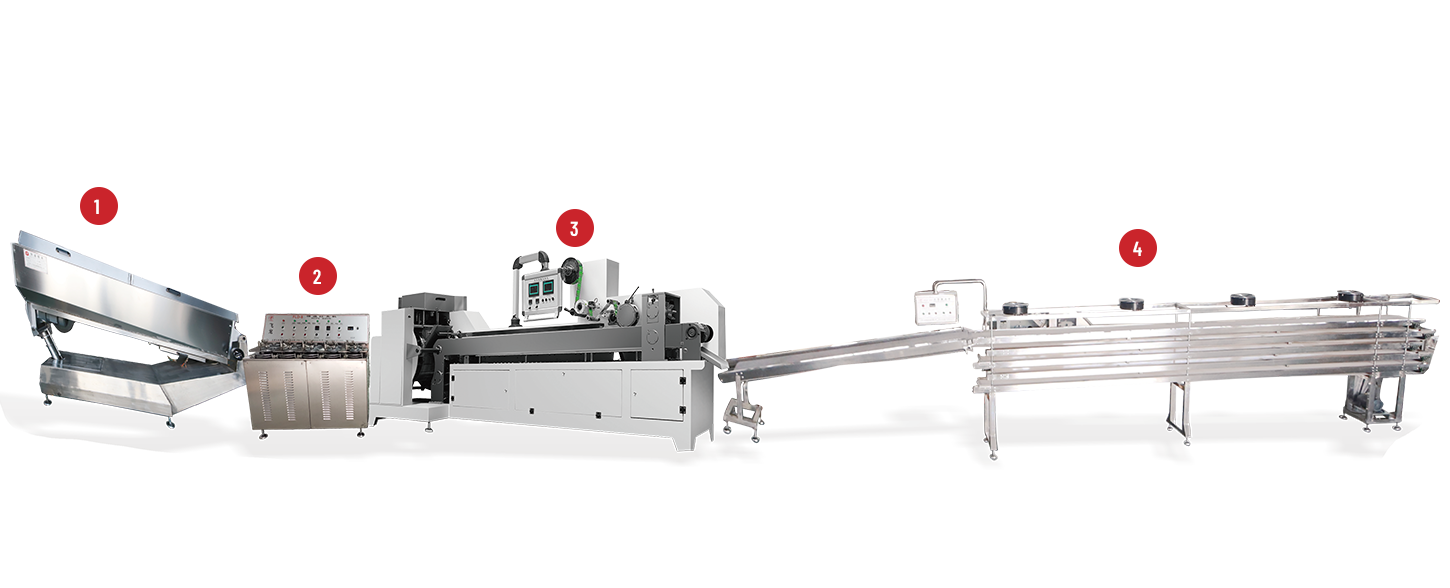
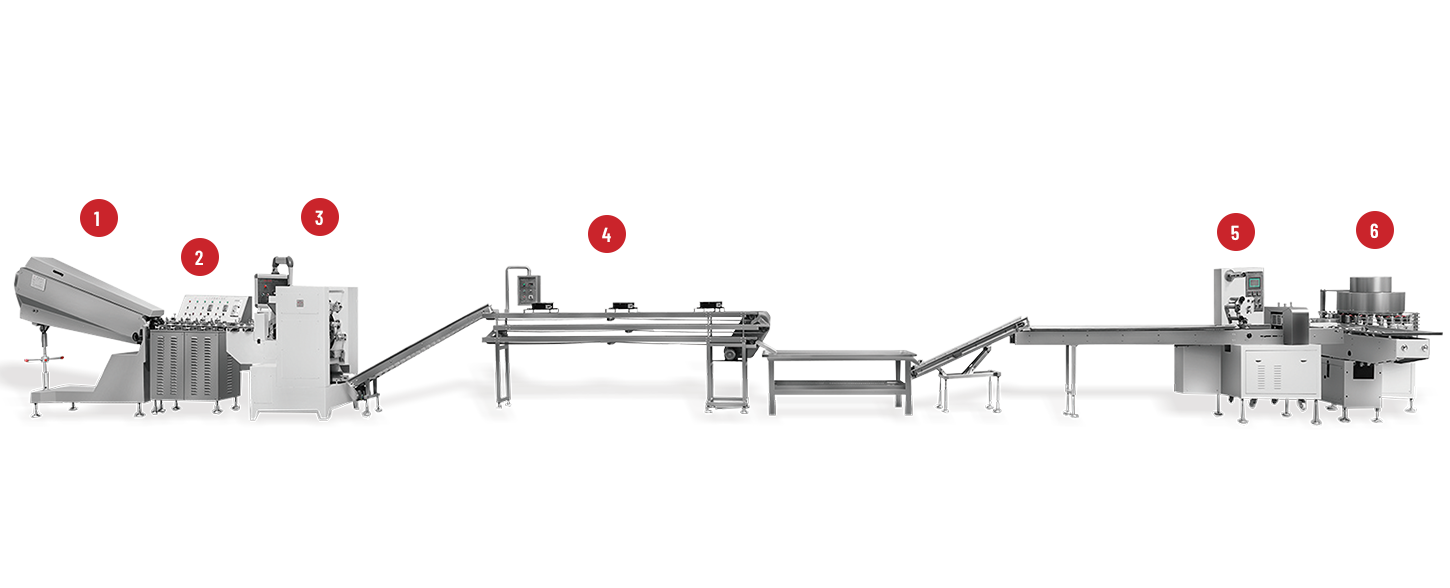
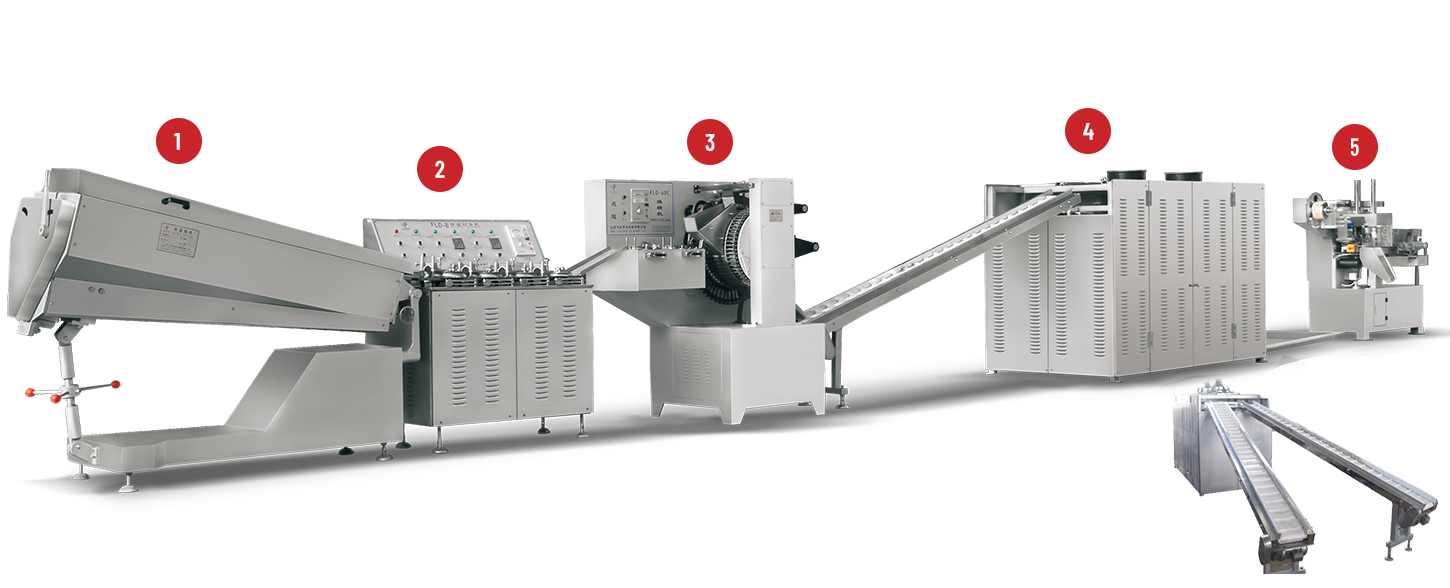
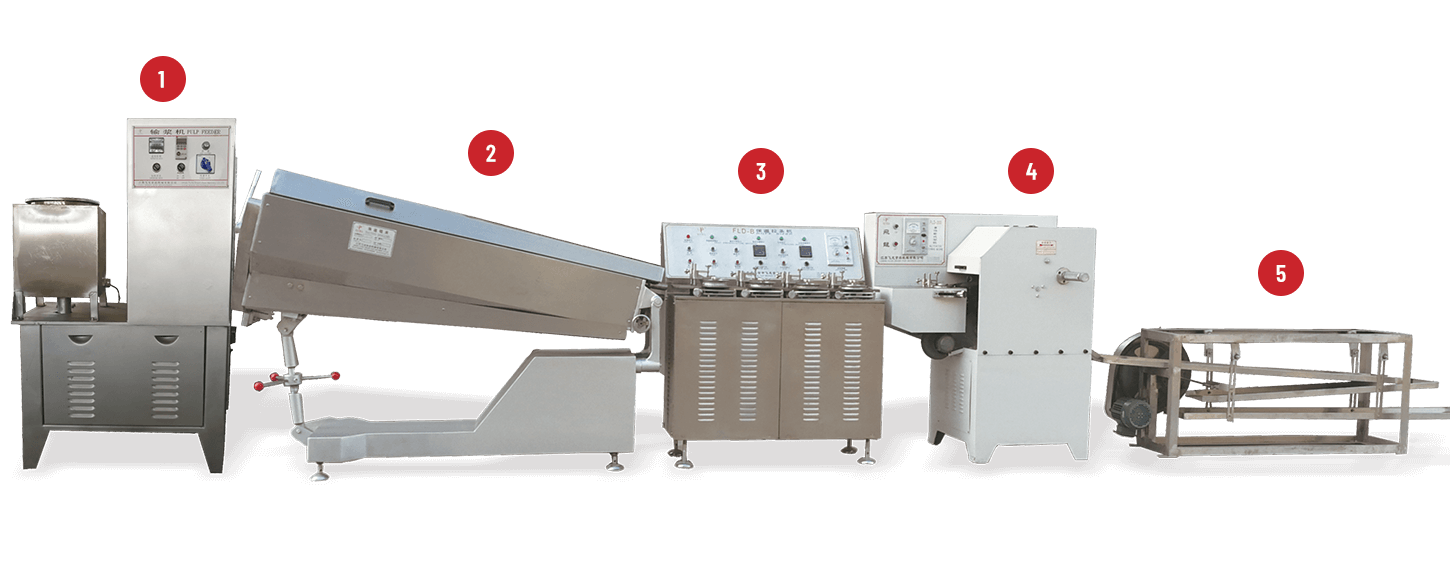
Twist-wrapped singles often feed into secondary packaging — flow-wrappers, counting machines, or baggers. Make sure your twist machine drives are synchronized or that conveyors provide small buffers. If the wrapper outruns downstream packaging, product may back up and fold. Conversely, if the downstream packer stalls, the wrapper needs to stop gracefully to avoid building a pile that jams. Test these interactions during commissioning and plan modest buffer conveyors where needed to decouple the operations.
Collect a few simple metrics and use them: wraps per hour, film breaks per week, head jams per month, and average changeover time. Plot those for a few weeks and you will see patterns — for example, a film change that correlates with higher film breaks or a tooling that wears faster. Small statistical control prevents surprises and gives clear evidence for procurement requests or process changes.
Procurement questions to ask
When comparing machines, ask for clear metrics: proven wraps per minute under your product dimensions, recommended film types and thickness ranges, spare parts list with times, and whether the vendor will provide onsite commissioning support. Also ask for a demonstration with a sample of your actual product rather than a generic test candy; how your product feeds, cools, and aligns will reveal whether the machine is a good fit.
Safety and ergonomics
Design the wrapper station so operators can access film threads, remove jams, and change rolls without awkward lifts or entering hazardous zones. Good ergonomics reduces operator fatigue and the tendency to skip steps like the film threading paths or the twist head cleaning. Fit lockable isolation switches that allow quick, safe access during maintenance and ensure emergency stops are visible and reachable from expected operator positions.
Small improvements with large impact
Incremental adjustments often outperform big upgrades. For example, a minor redesign of a feed chute to keep product centered can cut miswraps substantially. A modest investment in a film pre-feeder that aligns material before it reaches the unwind often reduces film breaks and keeps tension steady. Don't underestimate the value of operator-sourced suggestions; teams at the line often know the simple friction points and have practical fixes that are inexpensive.
Quality perception and retail impact
Consistent wrapping affects how customers perceive a product on the shelf. Twist wrapping that looks neat and uniform influences buying decisions and reduces returns due to damaged or sticky wrappers. Retailers benefit, too: individually wrapped pieces are easier to merchandise and count. For brands, a reliable twist wrapper is therefore not merely a production tool but part of product presentation strategy.
Checklist
Put a short, one-page checklist on the machine: pre-shift startup steps, top five daily checks, three critical spare parts, and a one-line changeover reminder. Keep the document laminated and require the operator to initial it each shift. This simple discipline reduces variability and transforms a finicky machine into a predictable asset.
A twist packing machine performs when it is treated as part of a process: care for feed quality, keep film handling predictable, maintain the twist head, and make small, repeatable habits the norm on the line. These pragmatic steps — not dramatic technology changes — are where uptime and quality gains live. If you adopt a short startup routine, a tidy spare parts policy, and focused operator training, the wrapper will become a reliable contributor to steady, efficient confectionery production.
 +86-(0)515-8465666
 +86-(0)515-85566996
 +86-138 1559 9708
 flyloong@flyloongcn.com
 Home
Home