

 ENG
ENG
 English
 中文简体
中文简体 русский
 Français
 Español
 عربى
عربى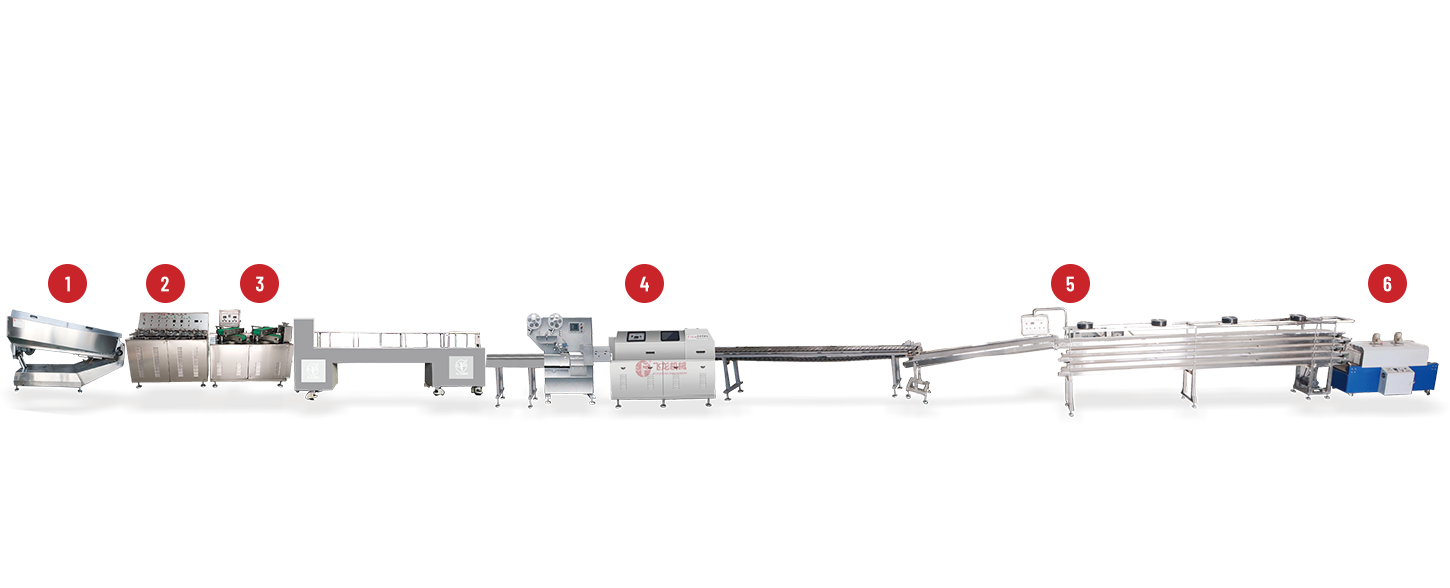
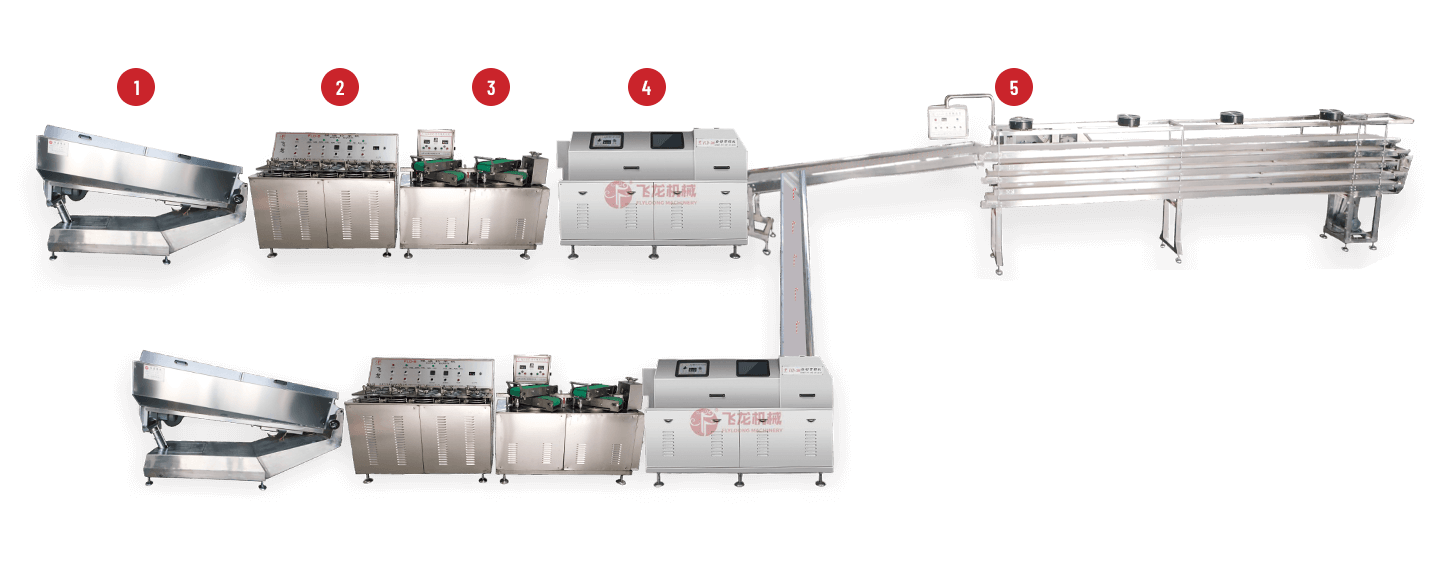
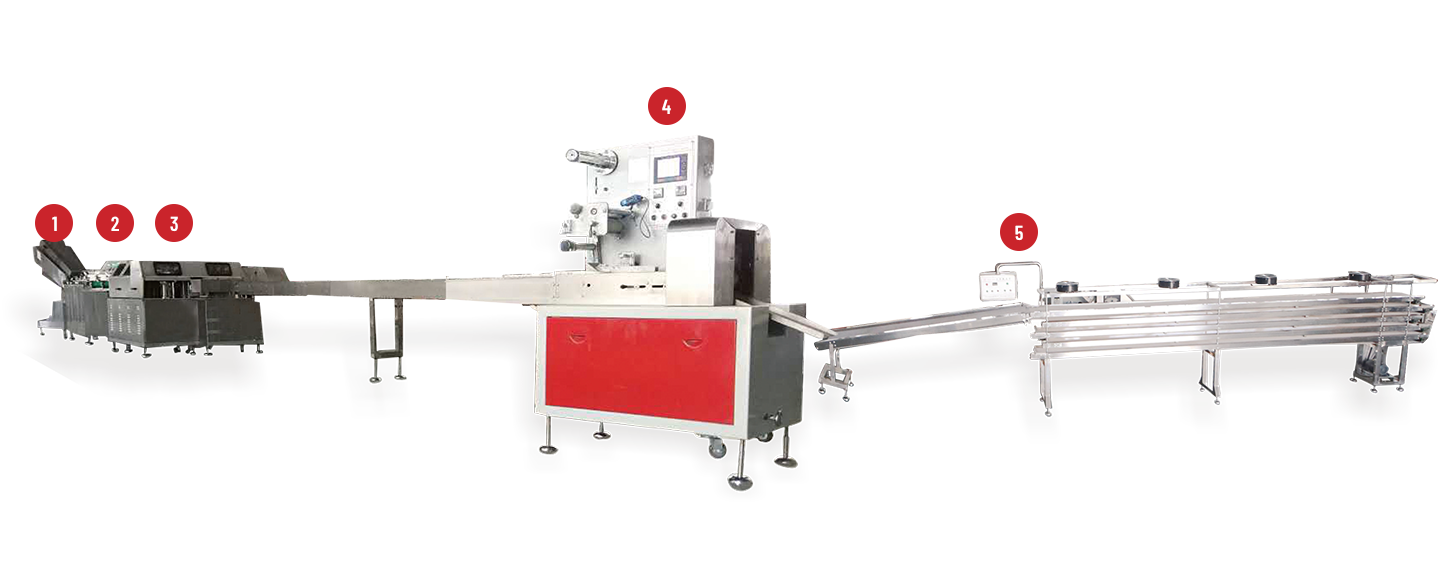
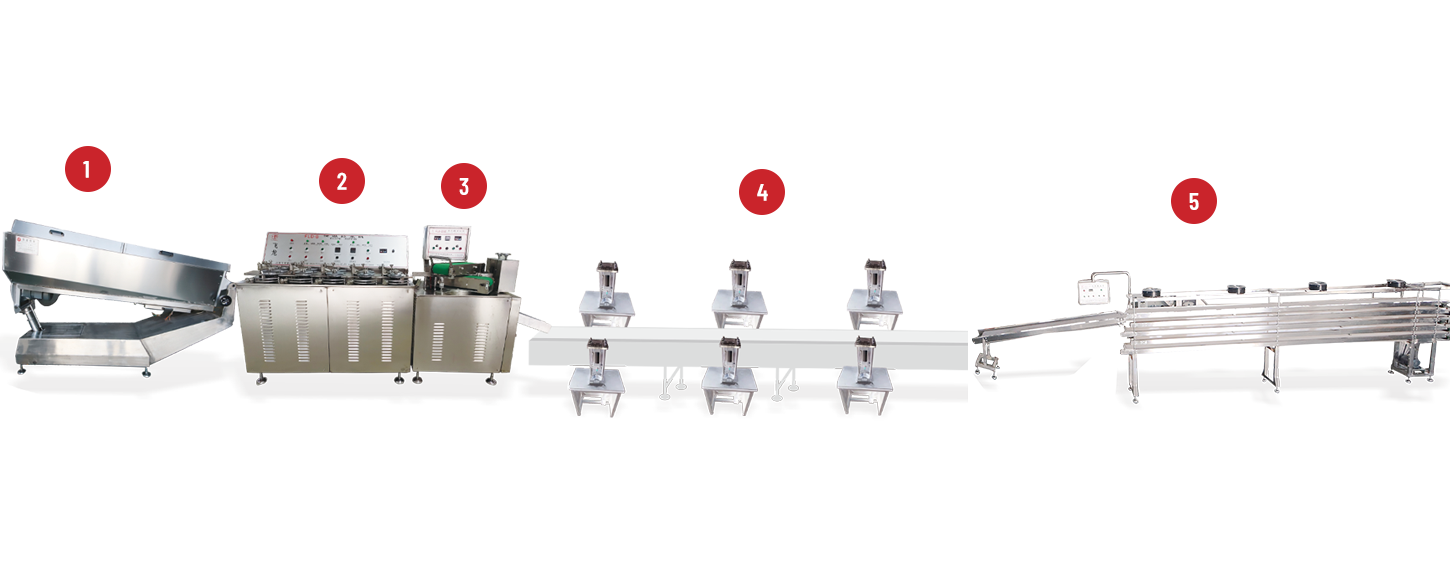
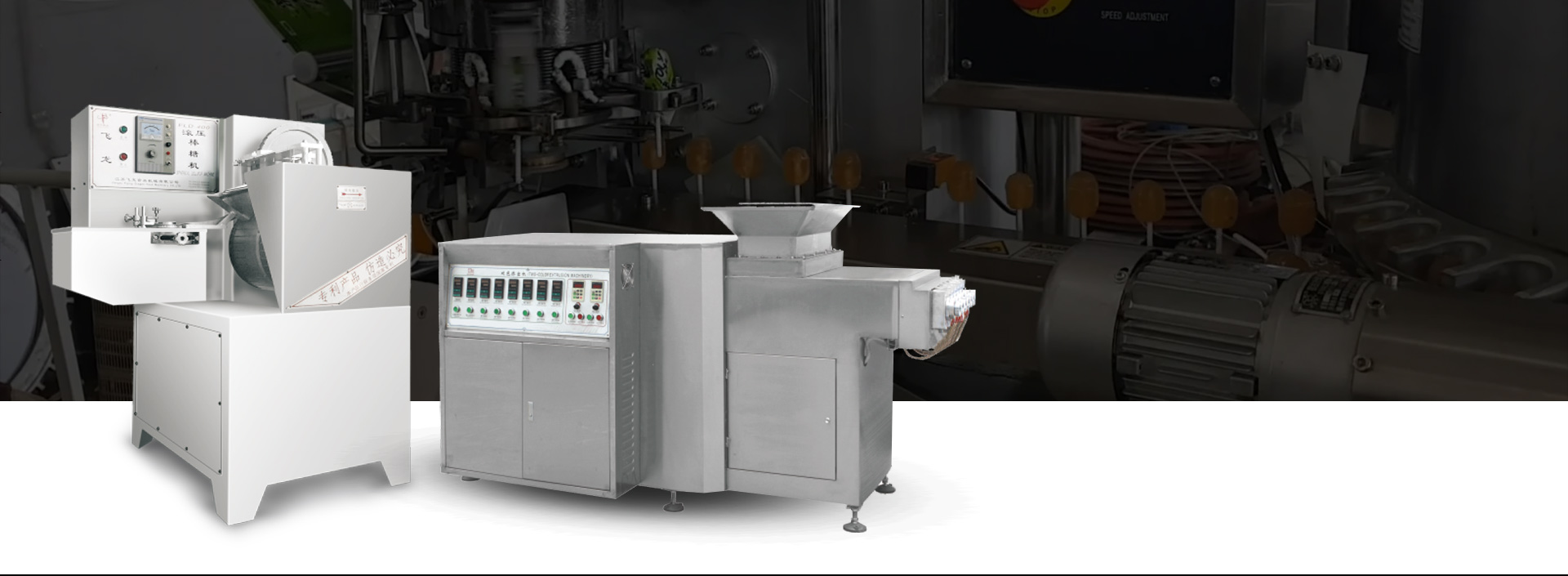
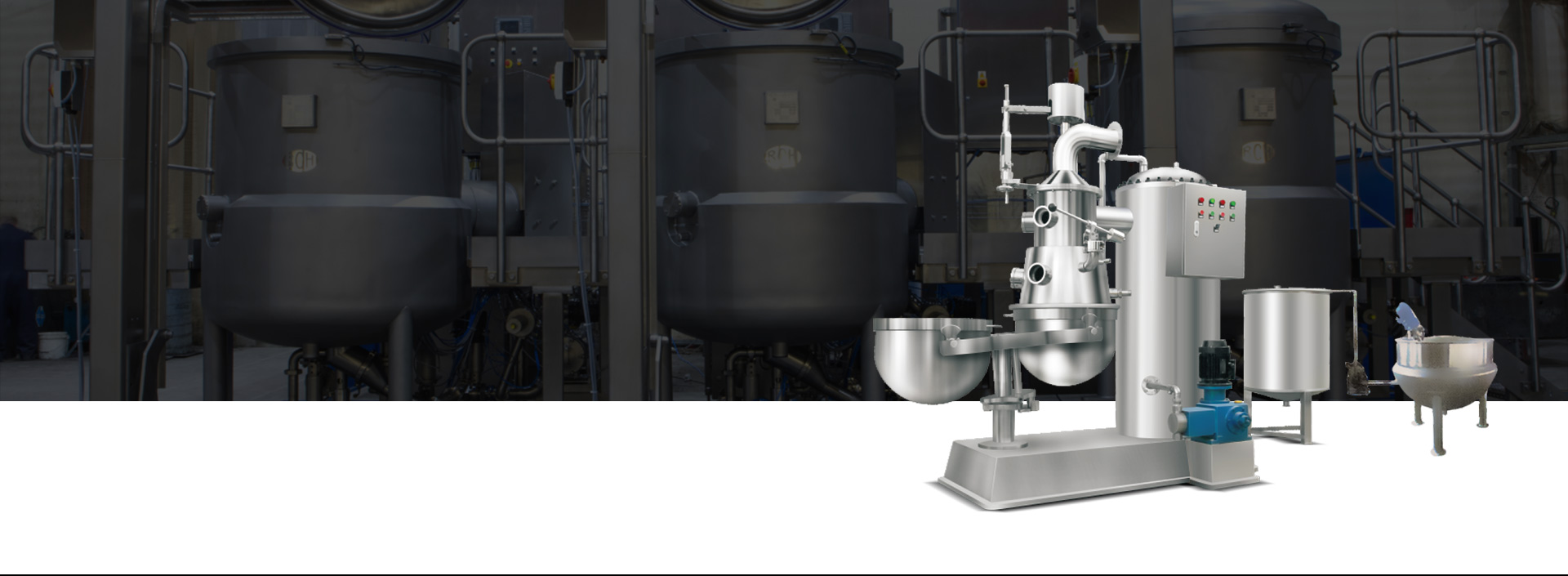
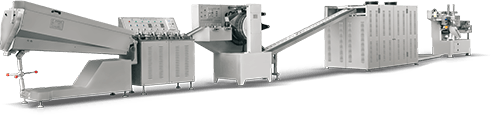
What to Consider When Selecting an Automatic Rainbow Lollipop Machine Manufacturer?You know how it goes when you start turning out rainbow lollipops in any real volume. You try doing it by hand or with the old semi-auto setup, and suddenly every other batch has colors that bleed into each other, sticks that lean a little crooked, or shapes that just don't match the sample. The whole packaging line ends up waiting while someone scrapes or re-dips things. It's the layering and forming part that usually decides whether your day runs smooth or turns into a constant tweak-fest. That's exactly where this kind of machine comes in — it takes care of the colors, the shape, and the stick insertion so everything keeps rolling at a steady rhythm instead of jerking along.
Right now if you're sizing up a manufacturer, I bet a bunch of real-world questions are running through your head. Will the equipment actually fit the floor space I've got? Can it handle the exact syrup recipes my buyers keep asking for? And how much daily fiddling will it take to keep running? This piece walks through the stuff that really shows up once the machine is on your floor. We talk about how these things actually run, why they show up in so many candy lines, the simple habits that keep them from breaking down, which sizes line up with different shop scales, and the practical ways to slide one into your current setup without tearing everything apart. It's all based on what actually happens in real production rooms, not fancy brochures.
The whole candy-making flow is pretty straightforward — cook the syrup, color it, form it, cool it, wrap it. The forming step is right in the middle and it quietly decides how the final pieces look and whether the line keeps a steady pace. When everything clicks here, the tempering and packing parts suddenly feel a lot less stressful. So when teams start talking to suppliers, they usually zero in on how the gear handles color work, daily output rhythm, and long-term upkeep. The sections coming up lay it out in plain language so you can picture it before you pick up the phone.
How Does an Automatic Rainbow Lollipop Machine Work in Candy Production
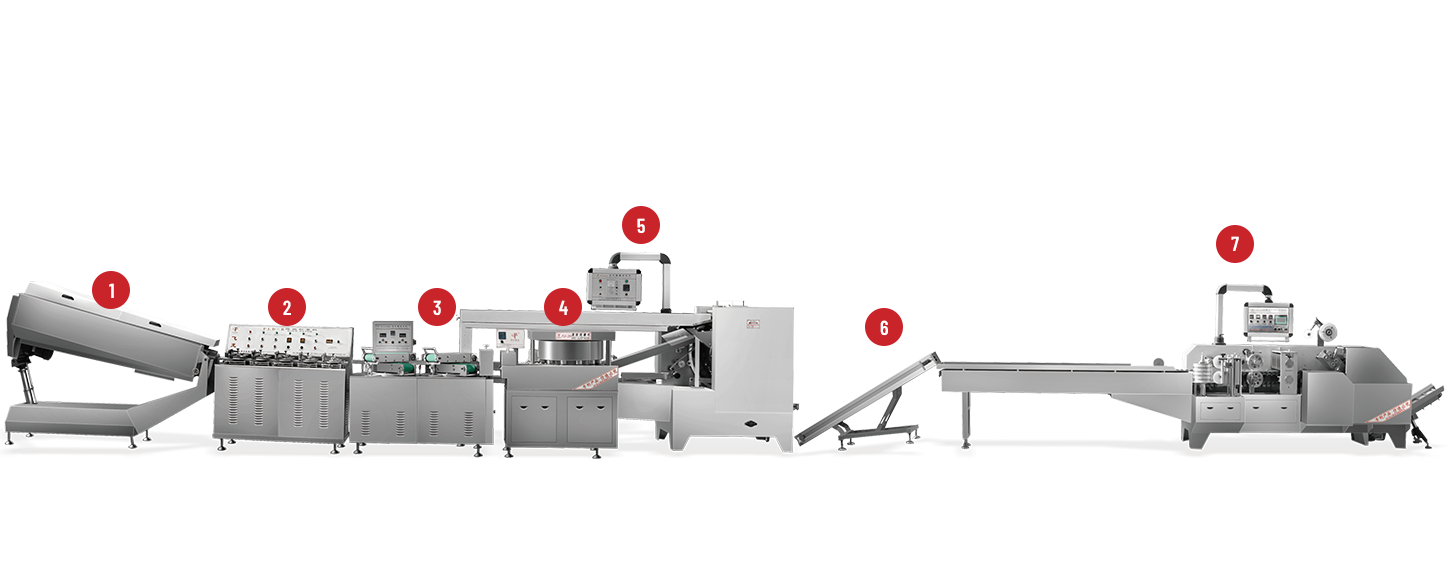
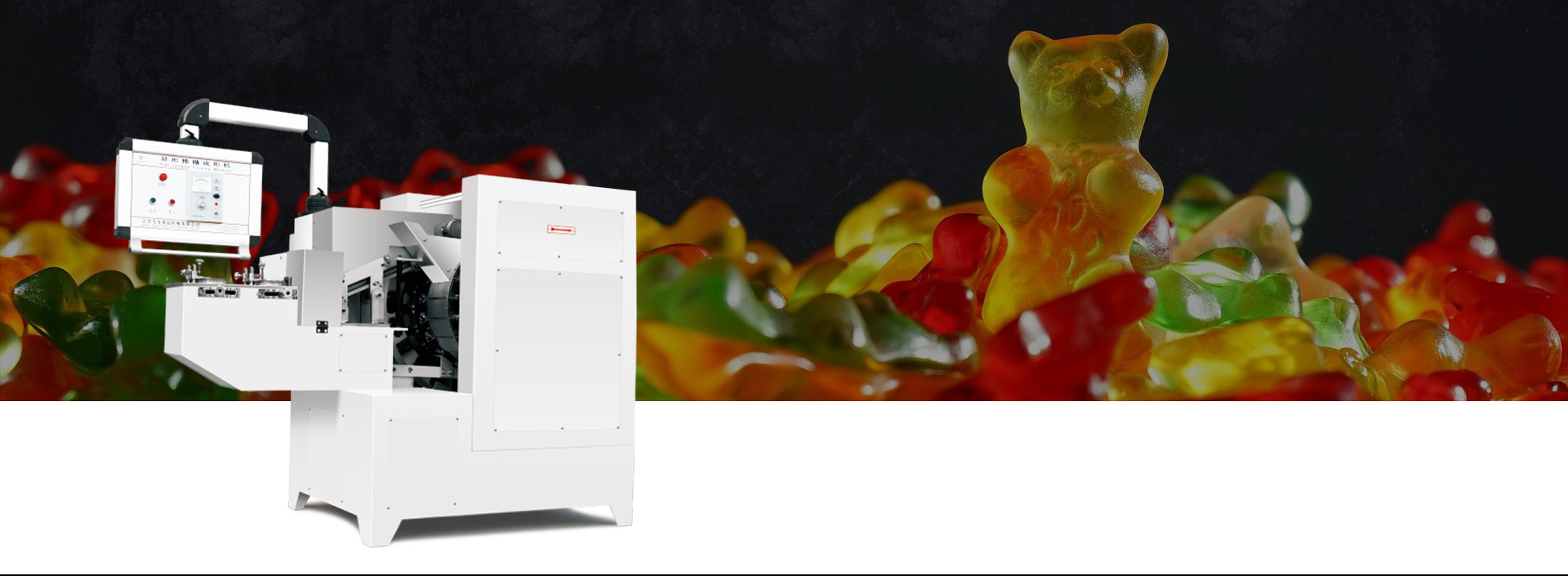
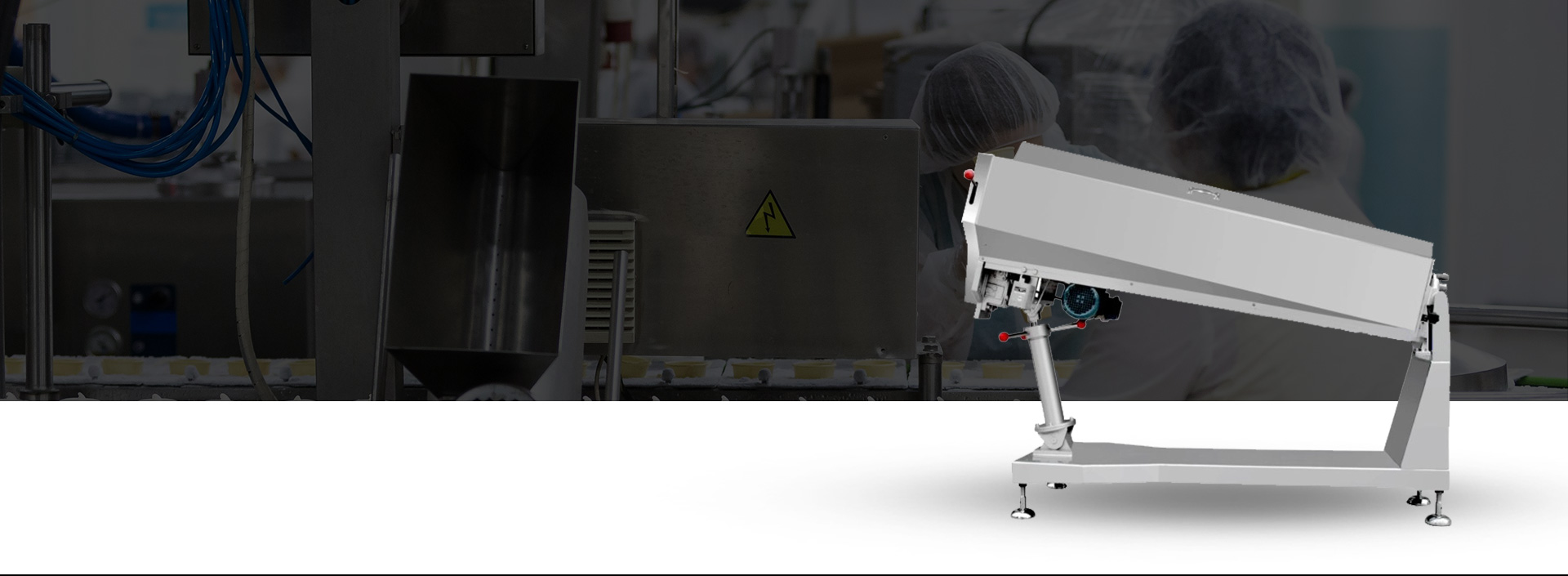
You start with syrup that's already cooked and split into separate colored batches — one tank for red, one for yellow, blue, whatever your rainbow needs. Those colors go to a depositing head that moves in a set pattern while the mold or turntable spins underneath. Instead of dumping everything at once, it lays down one thin layer after another, building up that striped or swirled effect people instantly recognize.
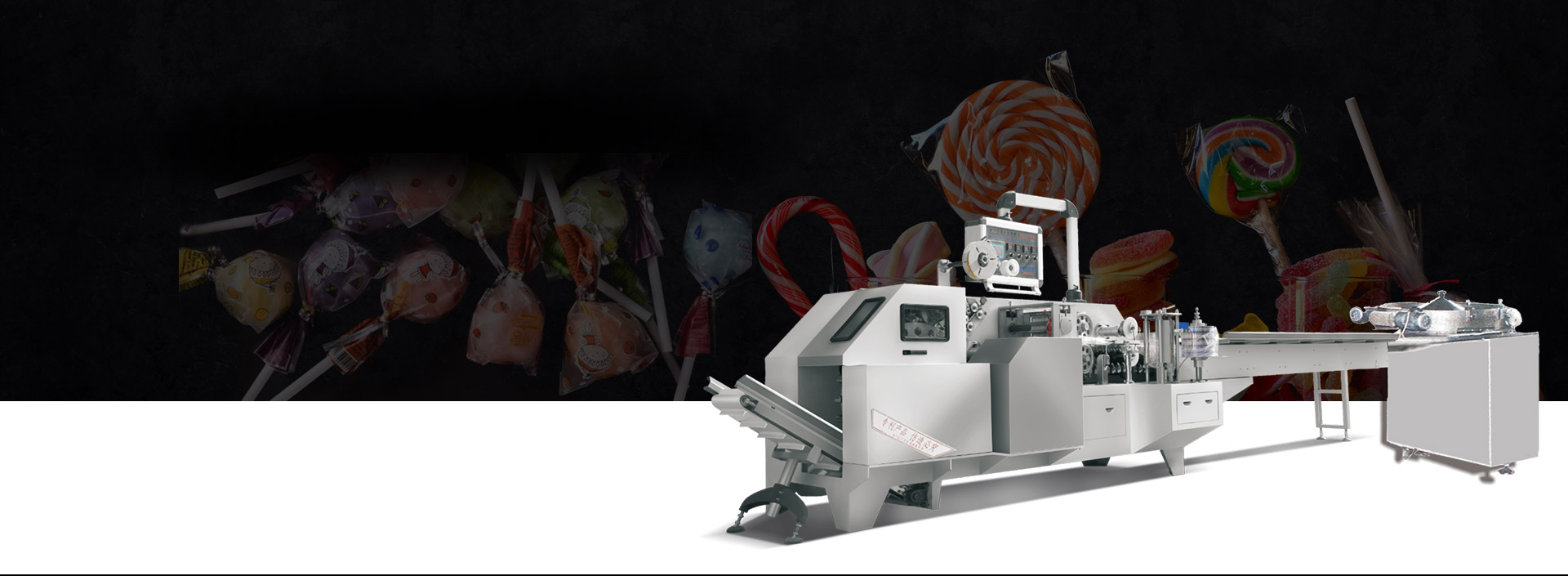
While the layers are still soft, the machine slides the stick in at just the right second so it sits dead center and doesn't wiggle loose later. The whole thing happens inside a temperature-controlled zone that helps the syrup firm up without cracking or gluing itself to the mold. Once the shape is done, the pieces ride a short conveyor into the cooling area where air moves across them gradually. That slow drop in temperature locks the colors in place so they don't bleed.
Most operators end up watching the syrup flow and the pause between layers more than anything else. A tiny tweak to speed or deposit volume can sharpen up those color lines or soften them, depending on what the customer wants. Thicker sugar recipes sometimes need a slightly different pause than lighter ones because the way they cool changes how the layers stick together. The machine repeats the exact same motion for every piece, so the lollipop and the hundredth look pretty much alike.
One thing you notice right away when it's running is how little waste ends up on the floor. The syrup only goes where it's supposed to, and the molds pop the pieces free without anyone scraping by hand. By the time they leave the cooler they're solid enough for the wrapper, and you've turned a bunch of colored liquid into finished lollipops that customers spot from across the store. No constant hands in the mix at every station.
Why Automatic Rainbow Lollipop Machines Are Used in Confectionery Manufacturing
A lot of candy shops bring these in because they give you a color and shape pattern that stays the same run after run — something that's tough to keep doing by hand once volumes pick up. When every lollipop comes off with the same stripe width and stick angle, the boxes on the shelf look uniform and your brand feels reliable.
The way it keeps colors apart until the exact depositing moment also cuts down on the time you lose switching recipes. You don't have to stop, flush everything, and reload for each new flavor or seasonal design. Lines that juggle regular rainbow sticks plus special holiday versions say this is what lets them answer orders faster without the usual long clean-outs.
You also see it in how the output pace matches up with the wrapping and cooling parts of the line. The even rhythm means fewer traffic jams, and in shops running longer shifts that steady flow can quietly add up to more pieces per day.
The same idea works for other molded candies that need multiple colors or precise stick placement. Whether you're focused on classic rainbow lollipops or similar novelty shapes, the controlled environment keeps the look consistent batch after batch. Folks who've run both hand methods and these machines usually mention the steadiness means fewer customer returns about "this one looks different" and quicker final checks at the end of the shift.
Tips for Maintaining Your Automatic Rainbow Lollipop Machine Equipment
Keeping it running without drama mostly comes down to a couple of habits you can fold into the regular shift. Right after you finish a run, the depositing nozzles and lines need clearing before the syrup hardens. A quick flush with warm water or the right cleaner stops clogs that would otherwise slow everything down on the next batch.
The moving parts and conveyor sections like a little food-grade lubricant now and then. A fast check and top-up keeps things quiet and cuts down on wear. Plenty of crews just add it to the daily checklist so it doesn't get forgotten when the orders start piling up.
Every few shifts it pays to look over the molds and forming areas. Any leftover bits on the surface can change how cleanly the pieces release and sometimes leave tiny marks. A wipe-down and quick inspection keeps the shapes looking the way customers expect.
The temperature sensors and cooling fans are worth glancing at too. If a batch suddenly shows softer centers or colors that start to run, nine times out of ten it's a small air-flow or setting issue. Jotting those notes in a simple log helps you spot if certain recipes or room temps need a different approach.
Problems like uneven stripes or sticks that sit a bit off usually trace back to flow rate or timing. Tweaking the deposit speed or realigning the stick inserter often fixes it fast without shutting the whole line. Crews that treat these checks as part of the normal day instead of extra work say they get fewer surprise stops and the output stays more even.
Showing new people these steps early makes a difference. A short list taped near the machine keeps everyone on the same page, and after a while it just becomes how you do things.
Which Automatic Rainbow Lollipop Machine Options Fit Different Production Scales
These machines come in sizes that line up with where your operation actually is. The smaller ones work great when you're still testing recipes or only running limited daily batches. They're compact, the controls are straightforward, and you can try new color combos without tying up bigger gear.
The mid-range versions suit shops that have moved past the trial stage and need steady daily numbers. They handle more pieces per cycle but still give you room to change designs when needed. A lot of growing lines land here when they're expanding but not yet at full industrial volume.
The larger setups are built for places running longer hours or filling bigger orders. They focus on continuous movement and have features that cut down on hand work between runs. The pace stays even whether you're doing standard rainbow patterns or switching to seasonal specials.
Picking the right one is about more than just pieces per hour. You have to look at floor space, power hook-ups, and how many different recipes you actually run. Smaller units slide into layouts without much fuss, while bigger ones sometimes need their own spot with proper support. Energy draw and service routines shift with size too, so thinking through the whole picture helps you match it to what you really need.
Lots of manufacturers let you tweak things like the number of color lanes or the stick insertion style. That way you can set it up for the lollipops you sell most. Comparing those details against your current and planned volumes usually points you to something that fits the workflow without extra unused capacity sitting around.
How to Integrate an Automatic Rainbow Lollipop Machine into Your Manufacturing Process
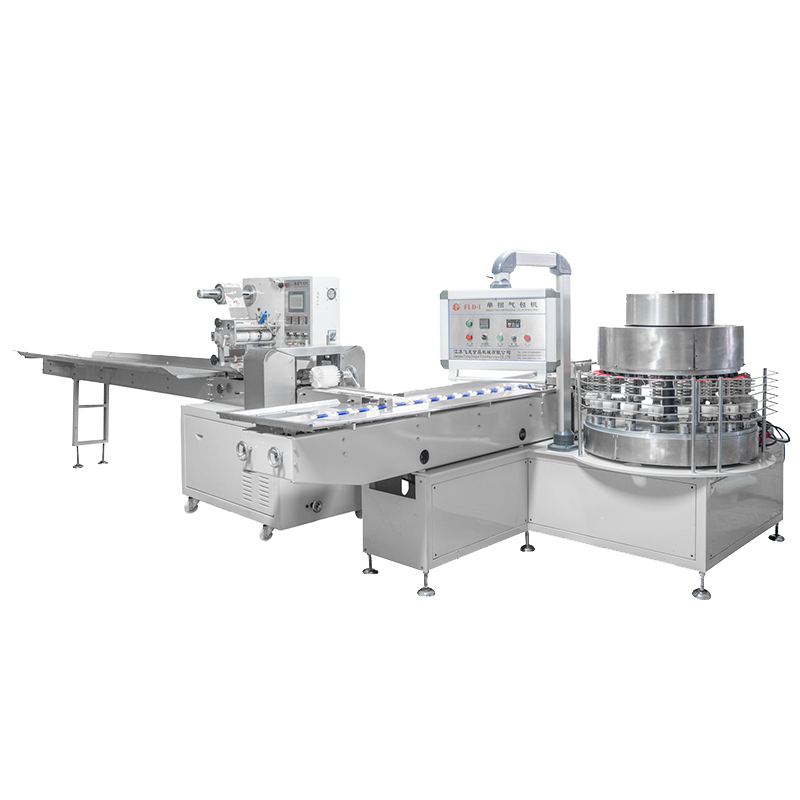
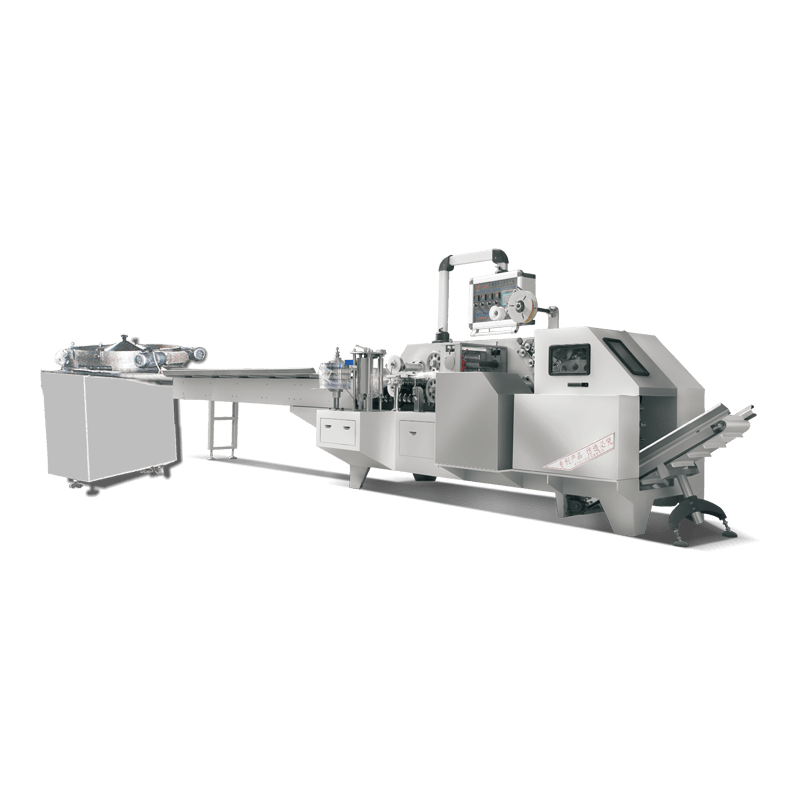
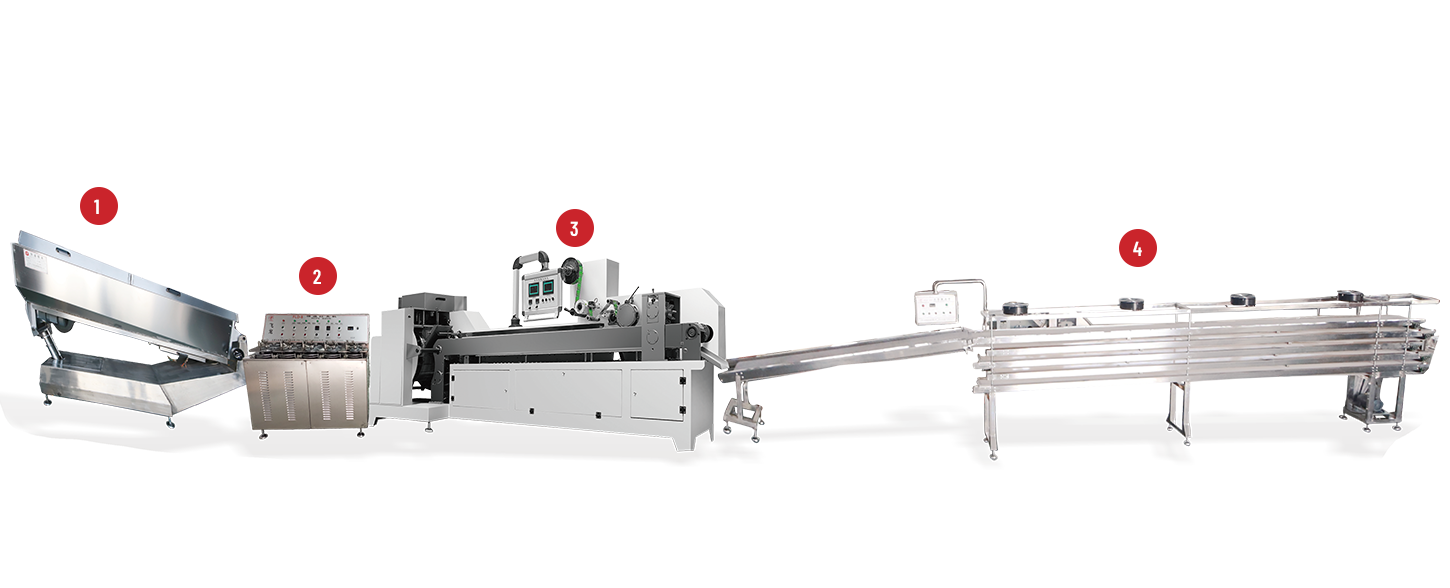
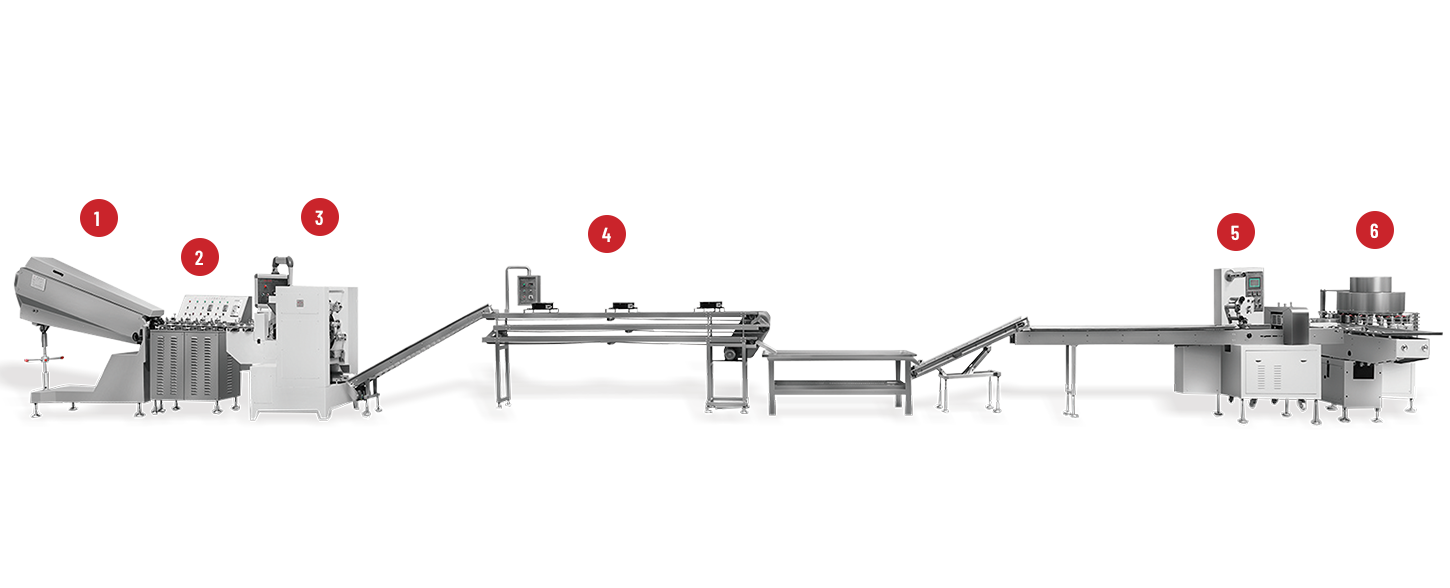
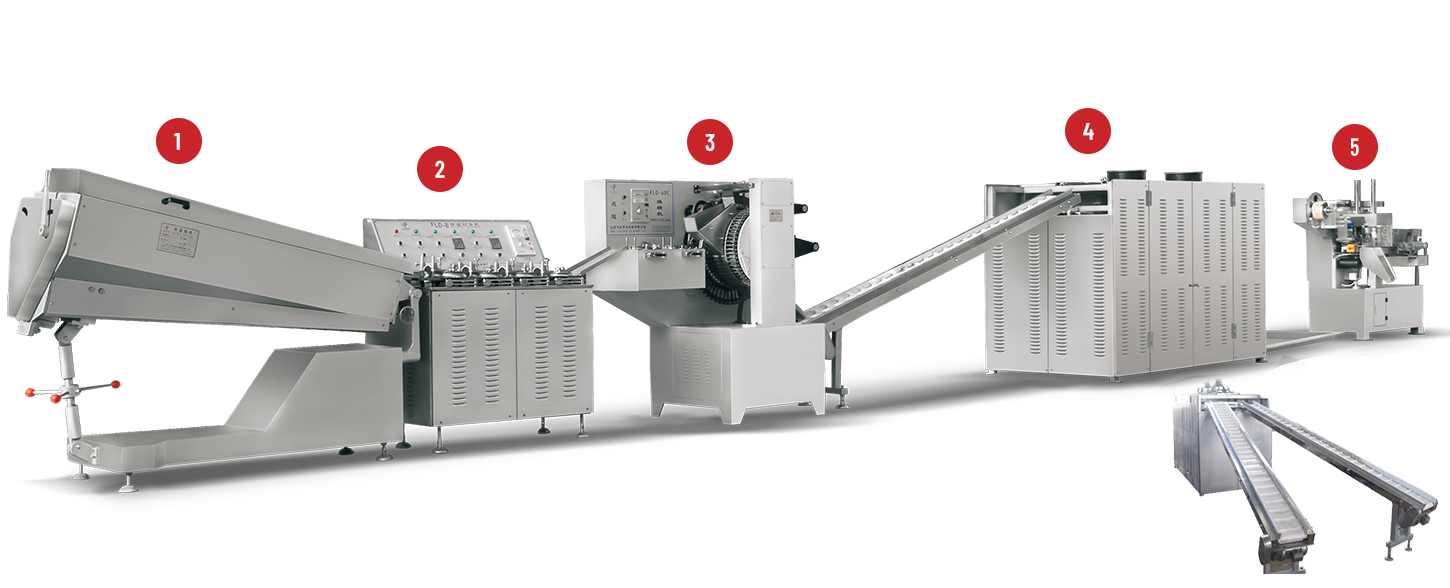
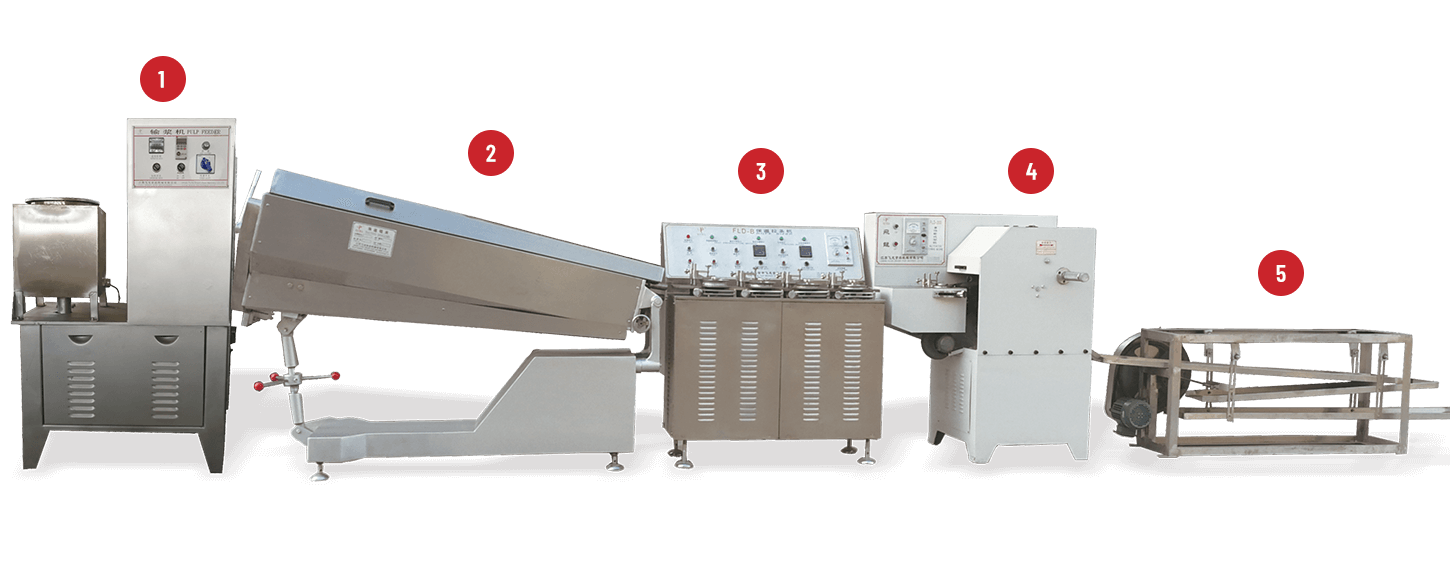
Sliding the machine into your line usually starts right after the syrup cooking and coloring tanks. Heated pipes carry the mix to the depositing head so it stays at the right temperature for flowing. From there the finished lollipops ride a conveyor through the cooling tunnel and straight into wrapping. Matching the speeds at each hand-off keeps things from backing up.
Layout is mostly about leaving yourself room to work. You want easy access for cleaning and any quick adjustments during a shift. Clearance around the machine makes daily care simpler and lowers the odds of bumping into moving parts. When sensors and auto valves are in play, the transfers happen with less babysitting, so operators can actually watch quality instead of chasing flow.
Temperature has to stay fairly steady from one station to the next. The cooling section after the machine locks in the layers, but some lines add a short buffer conveyor if the room gets warm or cold. That little extra step stops sudden changes that could mess with the finished look.
Automation level can match whatever else you already have. Smaller shops often start with manual controls and just watch it run, while bigger setups link it to a central system that remembers recipes. That makes switching patterns quick without resetting everything each time.
Cleaning between recipes gets easier with quick-release lines and molds you can get to without tools. Places that run several flavors in one day say those details keep the schedule on track and cut down on any leftover color mixing between batches.
Once it's hooked up, a few practice runs show how the whole line plays together. You'll probably tweak conveyor speed or deposit timing at first, but those changes settle pretty fast. After a week or two of real production it stops feeling like a new piece of gear and just becomes part of how you make lollipops.
When it all works in rhythm with the rest of the line, the flow feels steadier overall. Output stays more predictable and you spend less time fixing the little issues that used to pop up between stations.
In the end, picking a manufacturer really comes down to finding someone who can talk through these everyday details without the sales pitch. The conversation should cover how it runs day to day, the care it needs, the size that actually matches your scale, and how it will sit with your current equipment. Shops that go through these points against their own setup and growth plans usually land on gear that just does its job without constant tweaks. If you're looking at new machines or thinking about line changes, this kind of checklist gives you solid questions to ask and helps you decide based on how it will actually live on your floor.
 +86-(0)515-8465666
 +86-(0)515-85566996
 +86-138 1559 9708
 flyloong@flyloongcn.com
 Home
Home