

 ENG
ENG
 English
 中文简体
中文简体 русский
 Français
 Español
 عربى
عربى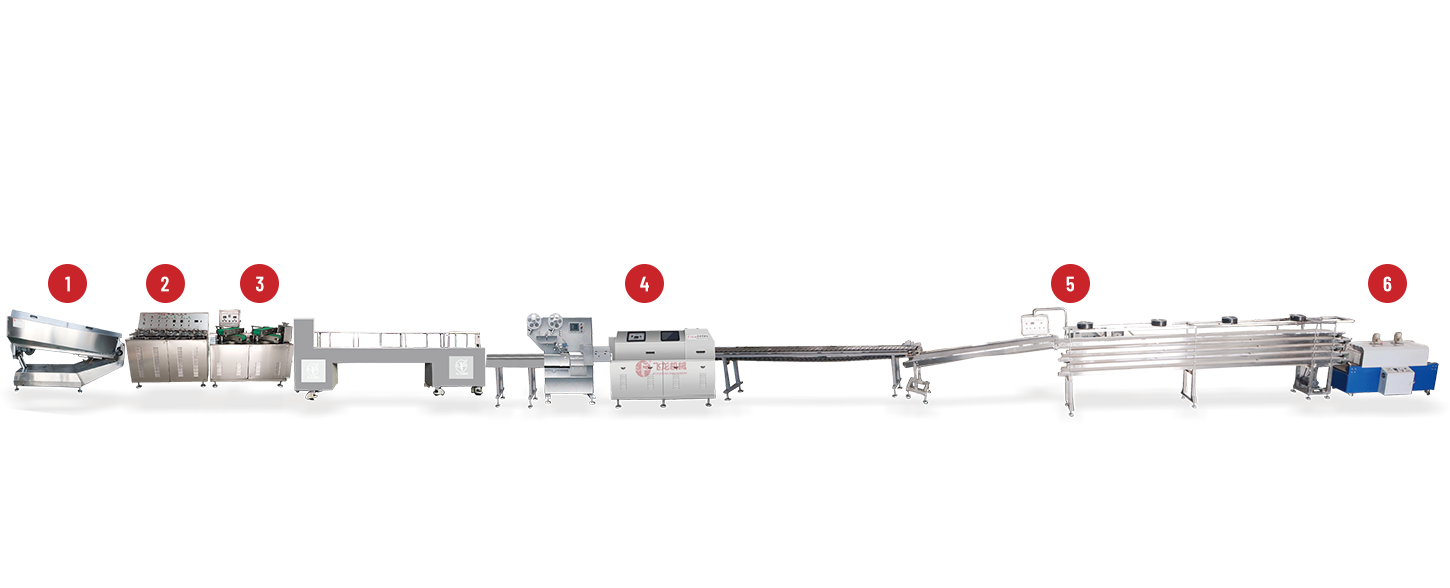


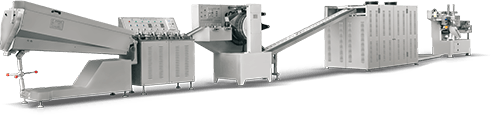
Understanding Twist Packing Machines: Real Answers from the Packaging Floor
Walk into any food plant, candy line, or toy packaging area thing in the morning and you see the same thing happening. Boxes piling up, conveyors running, but the twist packing station is usually the spot where the whole line starts to drag. Guys are still figuring out how to get the machine bolted down right, which type actually fits their stuff, and how to stop it from acting up every few hours.
That's why these six questions keep coming up over and over. This piece pulls together the answers we hear on the actual floor. Nothing fancy, just the stuff that works when you're trying to keep bags moving without constant headaches. We'll go through installation, matching the right machine to your products, picking a manufacturer that fits your output, calibration tricks, where to put the machine in the plant, and the daily care that keeps it running smooth.
How to Install a Twist Packing Machine on Your Production Line
Putting a twist packing machine on your line is pretty straightforward, but miss a couple of small things and you'll spend the whole morning chasing problems.
thing, bolt the base to the floor using the holes the manual points out. Grab a good spirit level and check it front to back and side to side. Even a couple millimeters off and you'll feel vibration running through the whole station later on.
Once the base sits solid, line up the upstream conveyor. Raise or lower it until products slide across nice and even, no drop, no jam. Then match the belt speeds. Too fast and everything bunches up at the entrance. Too slow and you get gaps that mess up the flow.
After that, hook up the power exactly like the panel shows and connect the air line for the pneumatic parts. Run everything at slow speed with a few sample products , then open the main valve and watch what happens.
Keep these tools close: adjustable wrenches, a decent level, screwdrivers, and maybe a simple laser alignment tool. The two mistakes I see teams make all the time? They bolt it down and forget to double-check level, or they rush the conveyor speed match and wonder why things keep jamming.
Candy lines usually need tighter spacing because the pieces are small and roll around easy. Biscuit lines like a bit more room for the flat shapes. Toy lines often add extra side guides for the weird sizes. The basic steps stay exactly the same — only the spacing changes with what you're running.
Take your time on that test run. Throw a handful of real product through and you'll know right away if everything lines up before you crank up to full speed. plants get this whole thing done in half a day once they follow the order.
What Types of Twist Packing Machine Suit Different Product Shapes and Sizes
Not every twist packing machine handles every item the same. The trick is picking the twist style and size range that actually matches what comes down your line every day.
Single-twist heads do fine with round or oval stuff that only needs one clean wrap. Double-twist gives an extra turn and works better when the package has to stay closed all the way through shipping. Multi-twist setups show up when you're dealing with longer bags or multiple pieces inside one pack.
Shape makes a bigger difference than people think at . Round candies sit nice and steady in the standard twist station. Square biscuits need those adjustable side rails so the edges don't twist crooked. Irregular toys or novelty items usually want wider openings or extra feed fingers to keep them straight.
Size follows the same idea. Small pouches run smooth on the compact machines. Medium bags need a little more room at the twist point so nothing catches. Larger formats want longer twist paths so the film doesn't stretch or rip.
The film material adds one more layer. Plastic usually goes through without much fuss. Paper-based wants gentler tension. Composite films sit right in the middle and often need small speed tweaks to behave.
On candy lines you'll usually see single-twist keeping things steady. Toy lines lean toward double-twist because the extra hold helps. Nut or dry-goods lines test both and stick with whichever gives the cleanest result. The fastest way to decide is just bring a few samples and run them right there on the machine before you make any final call.
Tips for Choosing a Twist Packing Machine Manufacturer That Matches Your Daily Output
Your daily output number decides pretty much everything. Whether you're hitting around 500 bags an hour or pushing closer to 5000, the manufacturer has to show they've actually worked in that range before.
Here's a short checklist that helps:
- Does their capacity range really overlap with your actual shift targets?
- How quick can they get spare parts to you?
- Do they give basic operator training?
- Will someone come to your site for the installation?
A site visit tells you way more than any brochure ever will. Watch the machine run with your own samples. Ask how it hooks up to the conveyors you already have. Pay attention to how they answer questions about everyday maintenance and the little issues that pop up.
Lines running moderate volume often do okay with straightforward controls. Higher-volume setups need machines that stay steady for long shifts. The right manufacturer will explain how their models actually behave at your real speed, not just the max number on the spec sheet.
Running samples on the equipment is still the clearest way to judge. One short test run shows whether your product flows clean or needs constant fiddling. That single test usually decides more than anything else.
Why Proper Calibration of a Twist Packing Machine Improves Packaging Consistency
Calibration really comes down to three things you can touch and adjust: film tension, sealing temperature when it's needed, and running speed. Get those three working together and the twist comes out looking the same bag after bag.
Tension too low leaves the film loose and the product shifts around inside. Tension too high pulls everything tight and sometimes creates little tears. Temperature matters for how well certain films seal. Speed keeps the whole action matched to whatever is coming down the conveyor.
teams check these settings at the start of every shift and again after any film or product change. Look at the few finished bags and you'll know if you need to nudge any dial. After a while you build up a short list of numbers that work for each type of product you run.
The payoff is fewer loose wraps, fewer broken bags, and way less time clearing jams. The line just flows better when the machine stays dialed in.
Where to Position a Twist Packing Machine in the Factory for Smoother Workflow
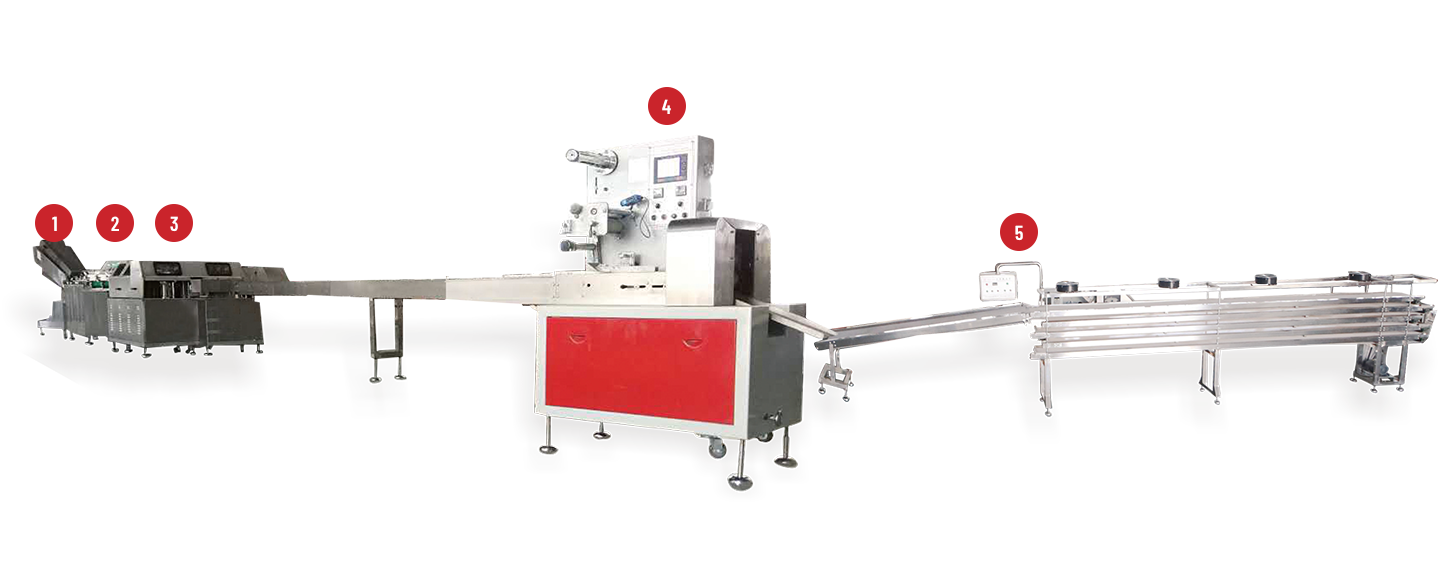
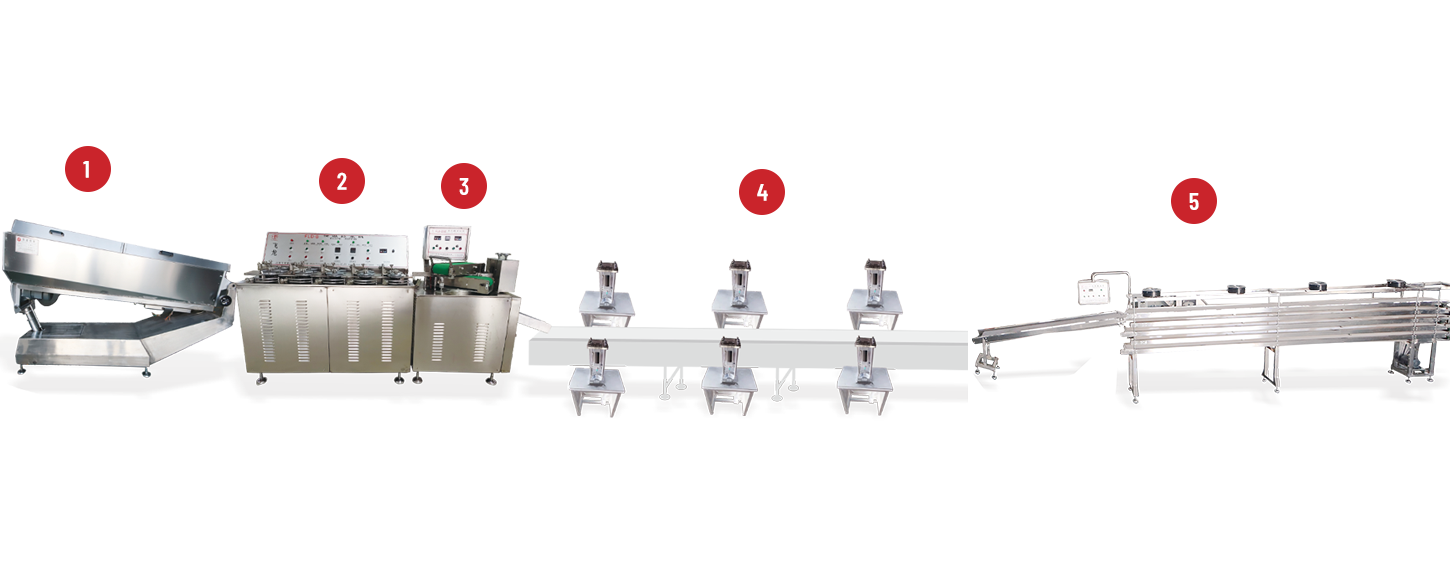
The smart spot for the twist packing machine is right after the feeding and sorting section and just before the final sealing or labeling station. That order keeps the flow logical and cuts out extra handling steps.
Leave clear space on all four sides. You need room to walk around for cleaning, changing film rolls, and reaching the electrical panel. Crowding it against a wall or next to a busy aisle usually creates more trouble than it saves.
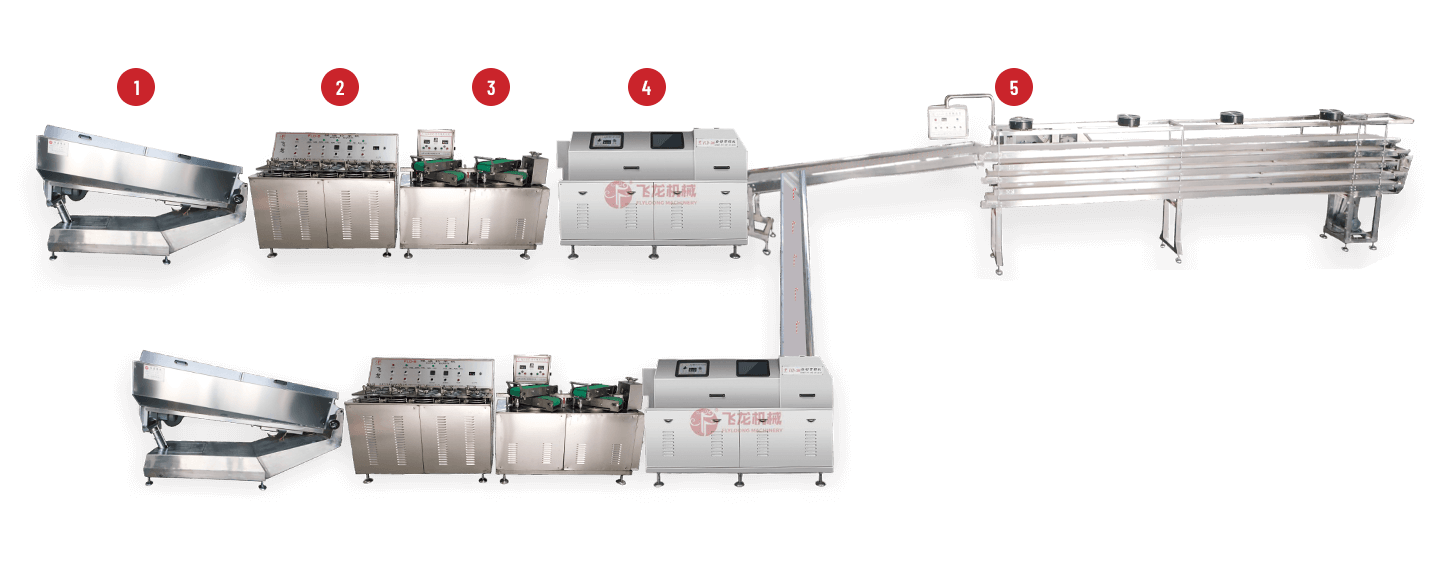
When you run two or three machines together, a parallel layout with shared conveyor sections works well. In tighter plants a staggered setup can send everything to one collection point without blocking traffic.
Mark your power and air lines on the floor plan early. Good lighting and ventilation around the station also make daily checks easier. Candy and biscuit lines usually sit after the portioning equipment. Toy lines often go after the assembly area. The rule stays the same: logical sequence plus easy access for service.
How to Maintain a Twist Packing Machine for Everyday Reliable Operation
A short daily routine keeps headaches away. Wipe the twist head and guides every shift to clear dust and any product residue. Check that the sensors stay clean and lined up — takes less than two minutes.
Once a week, lubricate the chains and rollers exactly where the manual says. Look over the twist parts for any early wear. Clean the air filters so the pneumatic side keeps working smooth.
Every month, tighten up electrical connections, check belt tension, and test the safety switches. Write the results in a simple log book. After a few months you start spotting patterns before they turn into real problems.
In winter, watch for condensation on metal parts and wipe it off quick. In hot weather, make sure the cooling vents stay clear. Small habits add up: cover the machine during long breaks, use only the cleaning stuff the manual recommends, and make sure every shift follows the same checklist.
Stick to the schedule and the machine stays steady day after day.
Installation, matching the machine to your products, picking the right manufacturer, calibration, plant layout, and daily care — these six areas cover of the real questions that come up on the packaging floor. Pay attention to them and the twist packing section stops turning into a daily bottleneck.
Choosing a twist packing machine manufacturer that actually fits your needs and using the equipment the way it was meant to be used matters more than just buying the machine itself. We have focused on twist packing machines for many years, keeping both ready stock and custom options on hand. Free technical advice and on-site installation guidance come with the package.
Click below to see the current product range. Leave your product type and daily output in the comments and we'll suggest the configuration that fits. Scan the QR code to download the installation videos and maintenance checklist.
FAQ
How many bags can one twist packing machine run in a day? It depends on bag size, film type, and how long your shift runs. setups stay comfortably within the range your line actually needs when the settings are right.
Do you have to change molds for different products? Some machines use interchangeable guides or heads. A quick talk with the supplier tells you exactly what your items need.
Does installation need an outside team? A lot of plants handle it with their own maintenance guys using the manual. Others bring in support the time just to make sure everything lines up perfect.
How often should you check calibration? At the start of each shift and after any film or product change is usually enough to keep things steady.
Can the same machine run both plastic and paper film? Yes, with small adjustments to tension and speed. Running a few samples shows the settings for each material.
How much space do you need around the machine? Enough room on all sides for cleaning, film changes, and safe access — about one meter usually works fine in practice.
Does the position on the line affect speed? Putting it in the right spot after feeding and before final sealing removes extra transfer steps and keeps the whole line moving smoother.
Are there special tips for winter or summer? Yes. Watch for condensation in cold months and keep vents clear in hot weather. Both help the machine run evenly all year.
 +86-(0)515-8465666
 +86-(0)515-85566996
 +86-138 1559 9708
 flyloong@flyloongcn.com
 Home
Home