

 ENG
ENG
 English
 中文简体
中文简体 русский
 Français
 Español
 عربى
عربى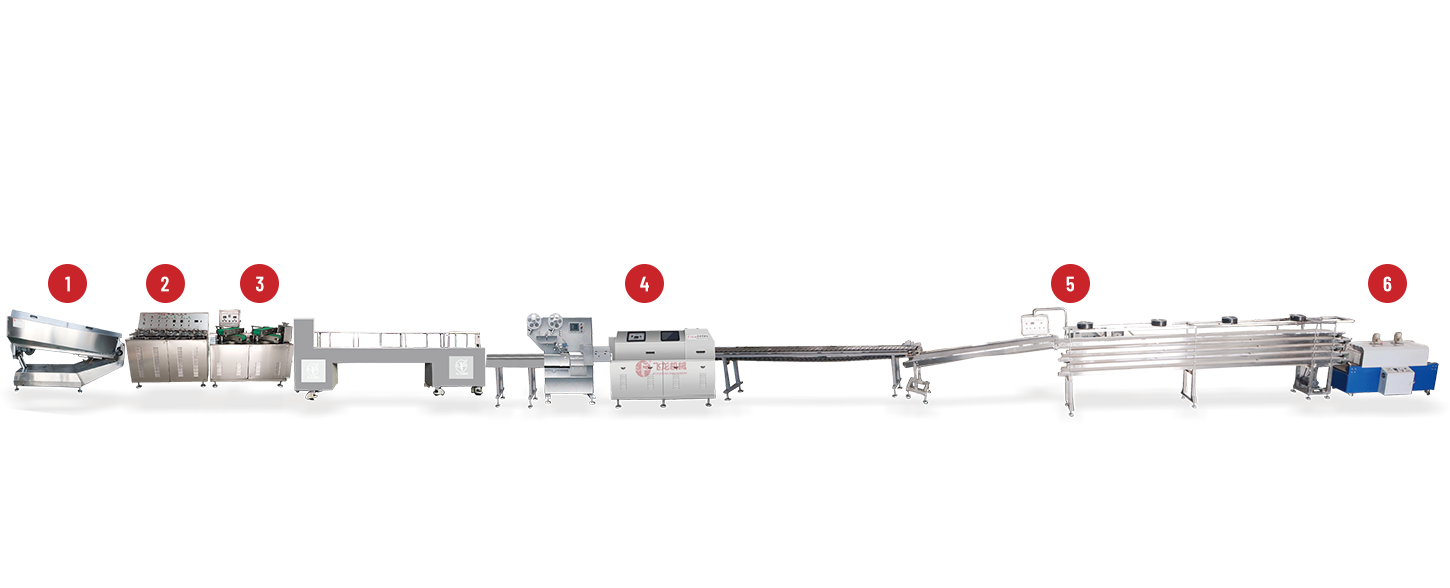
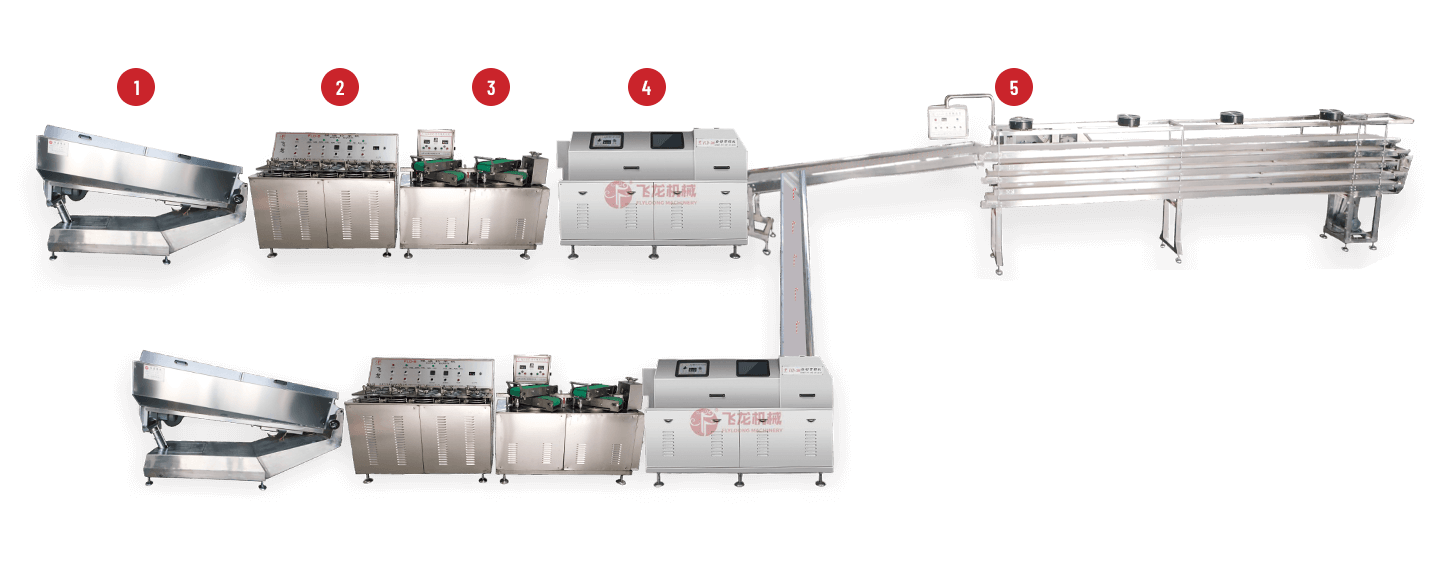
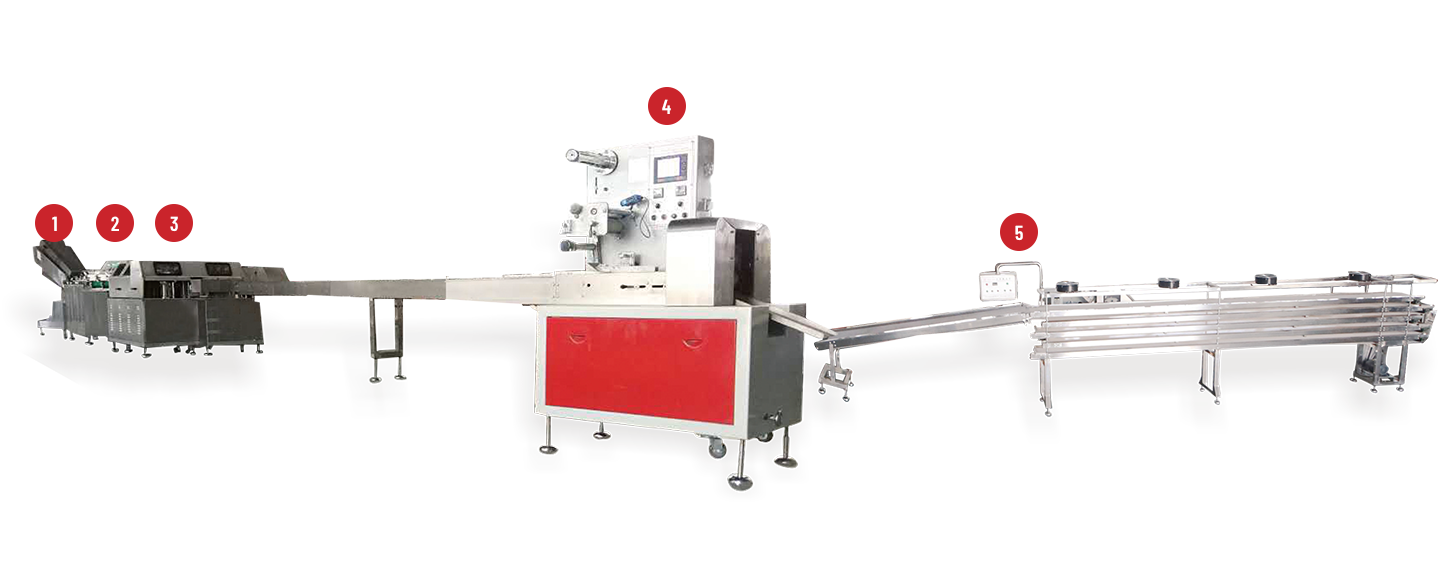
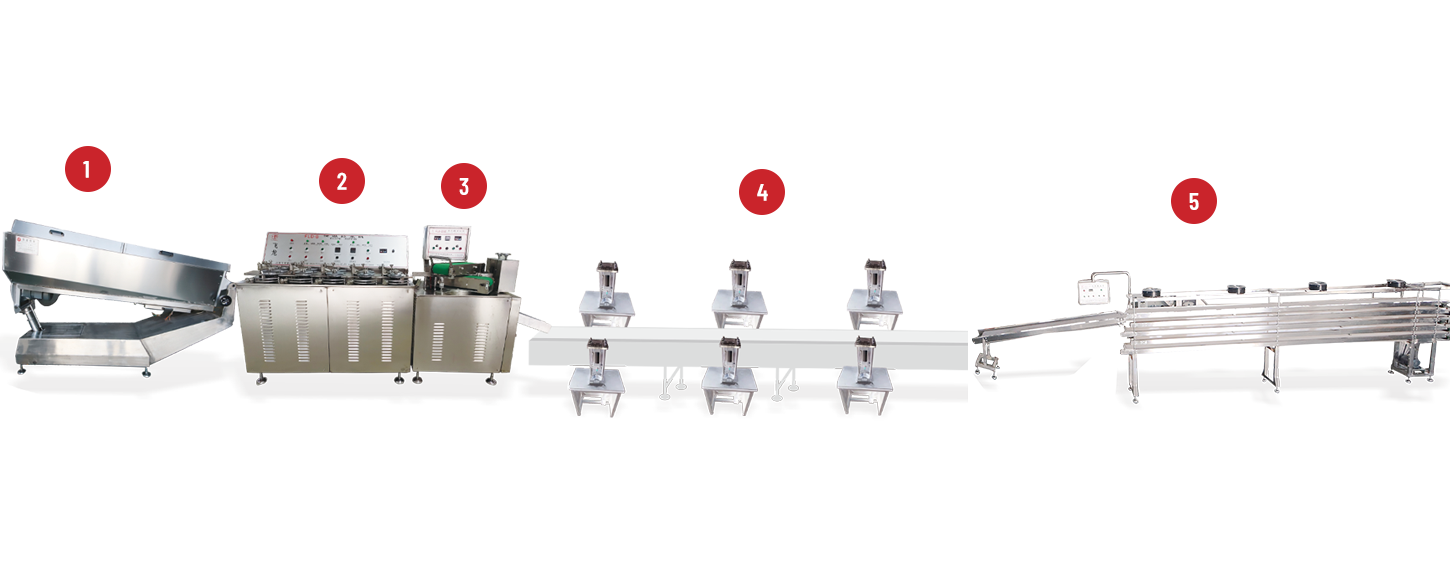
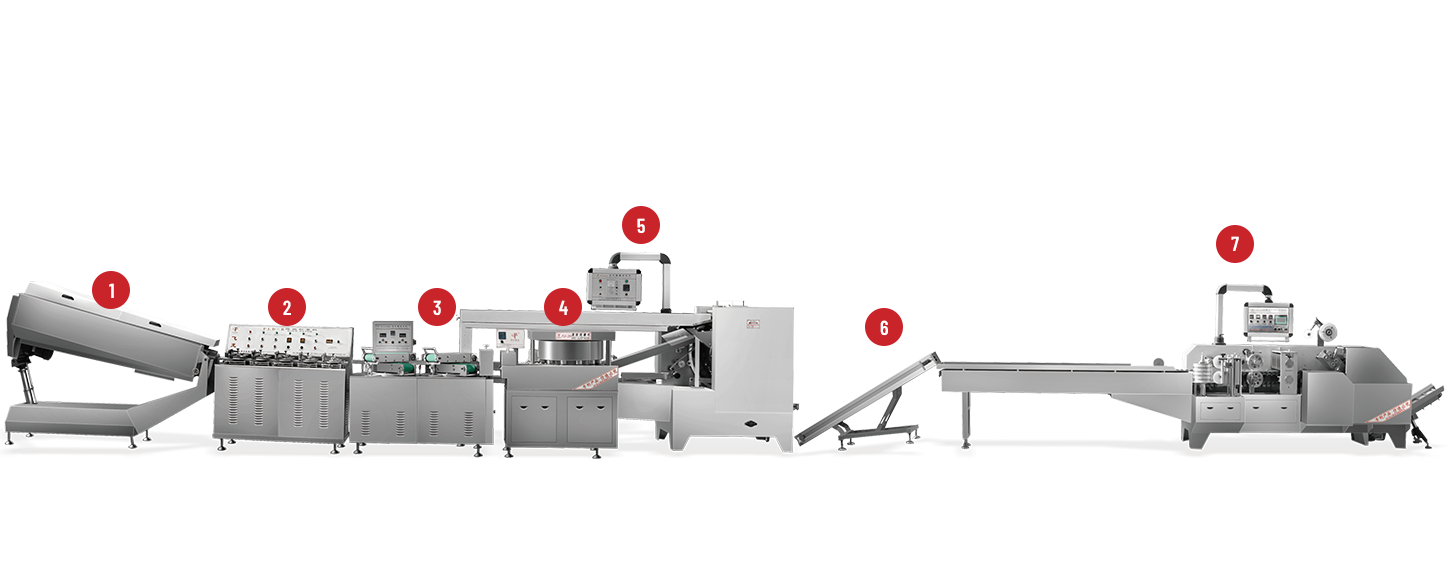
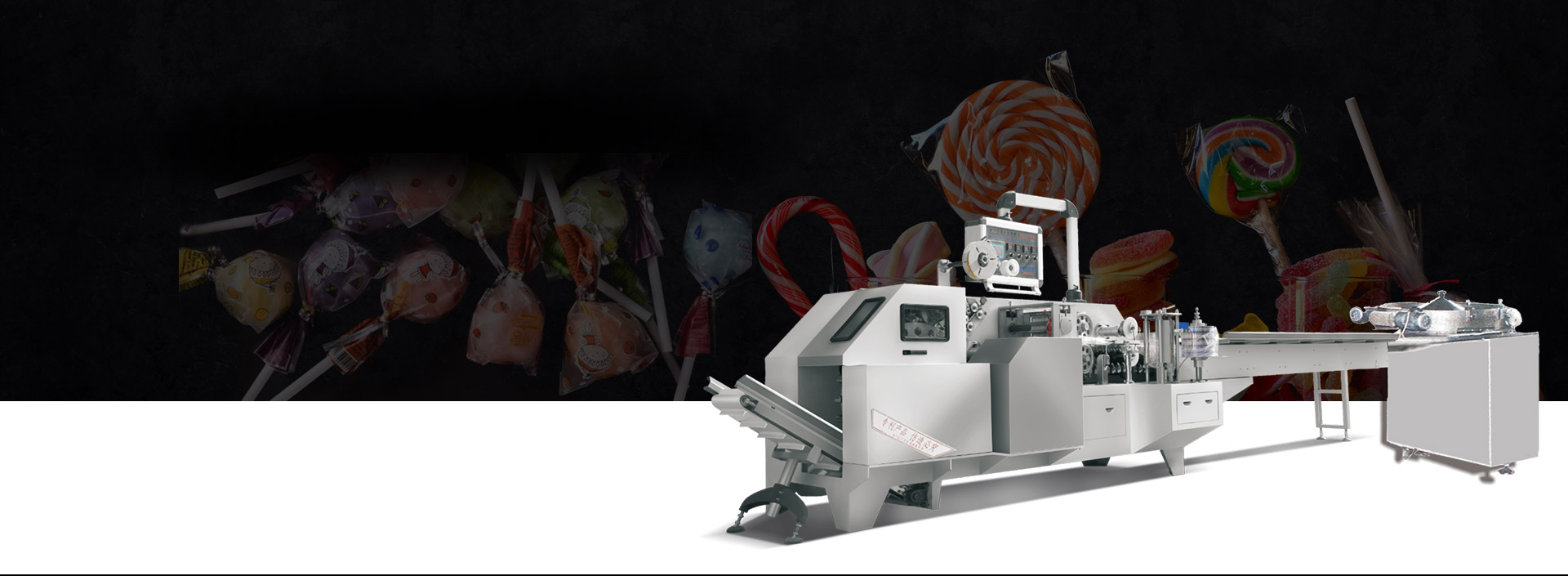
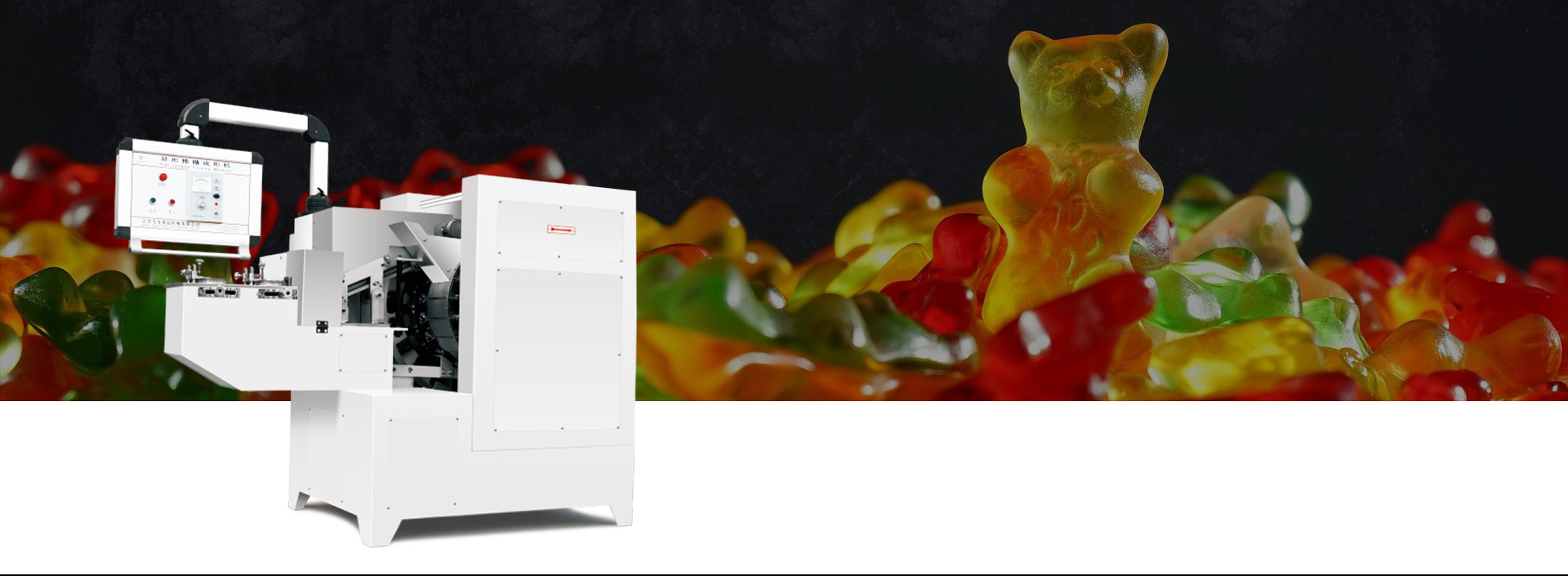
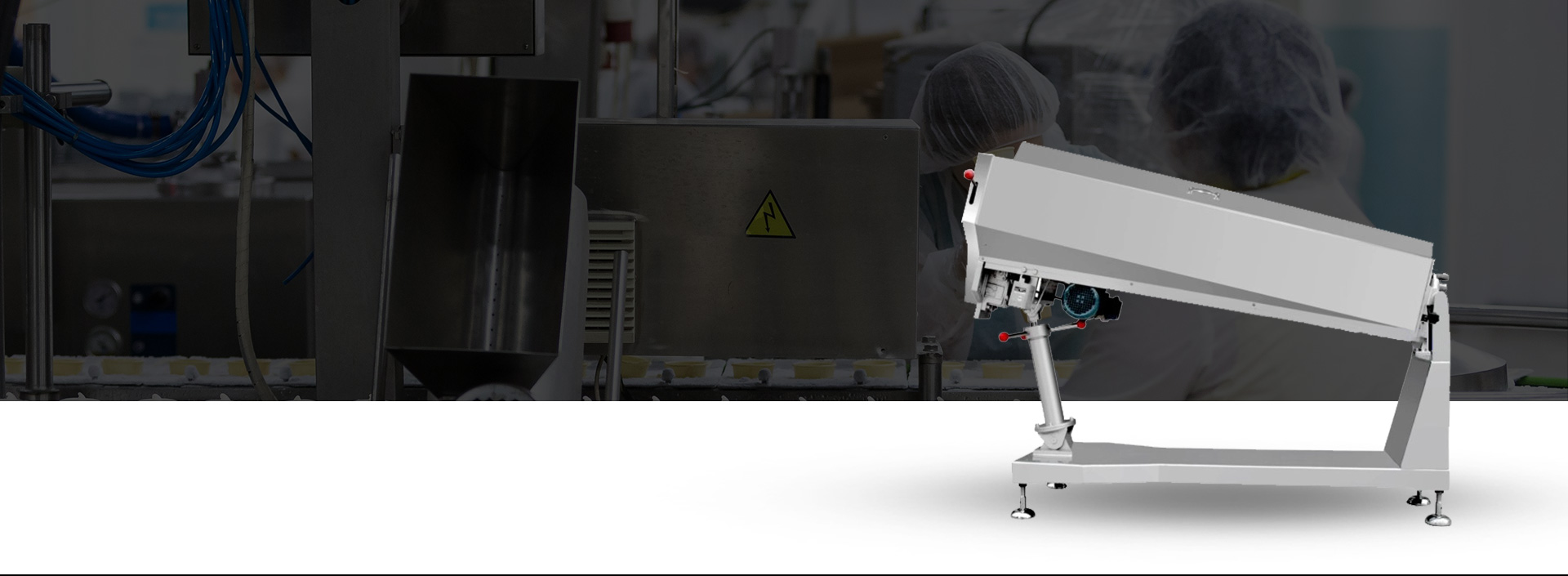
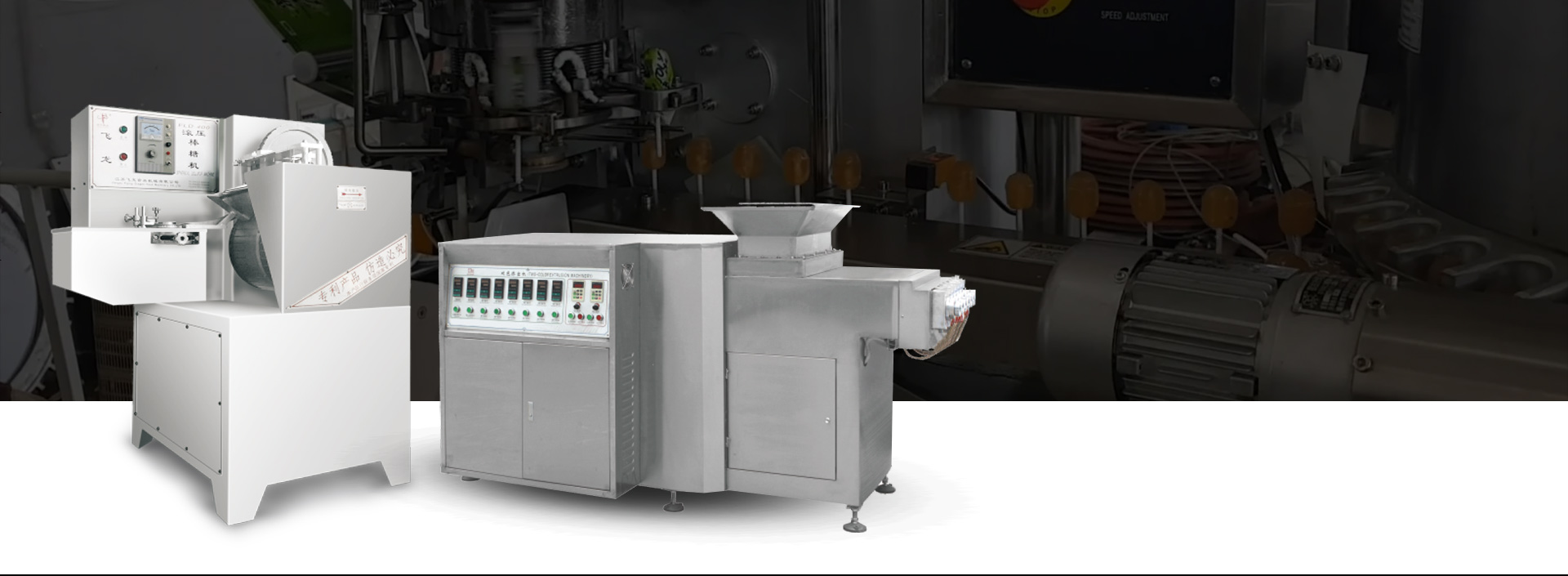
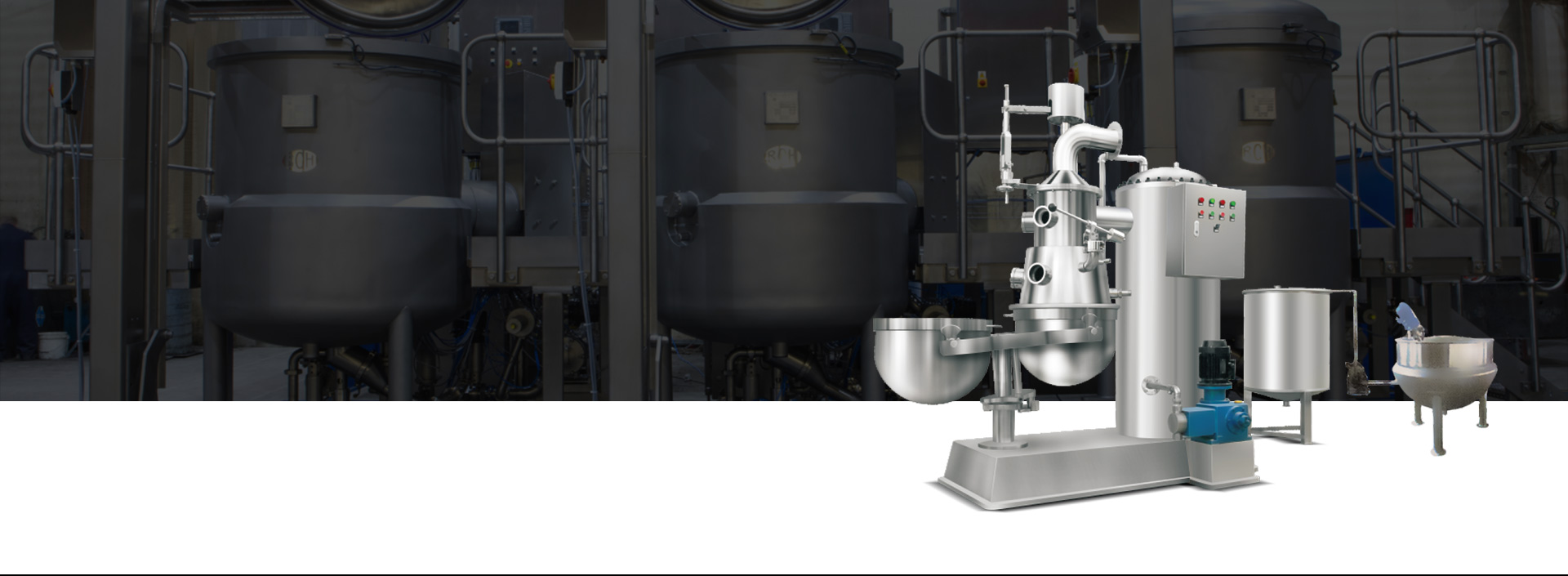
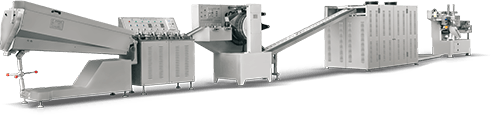
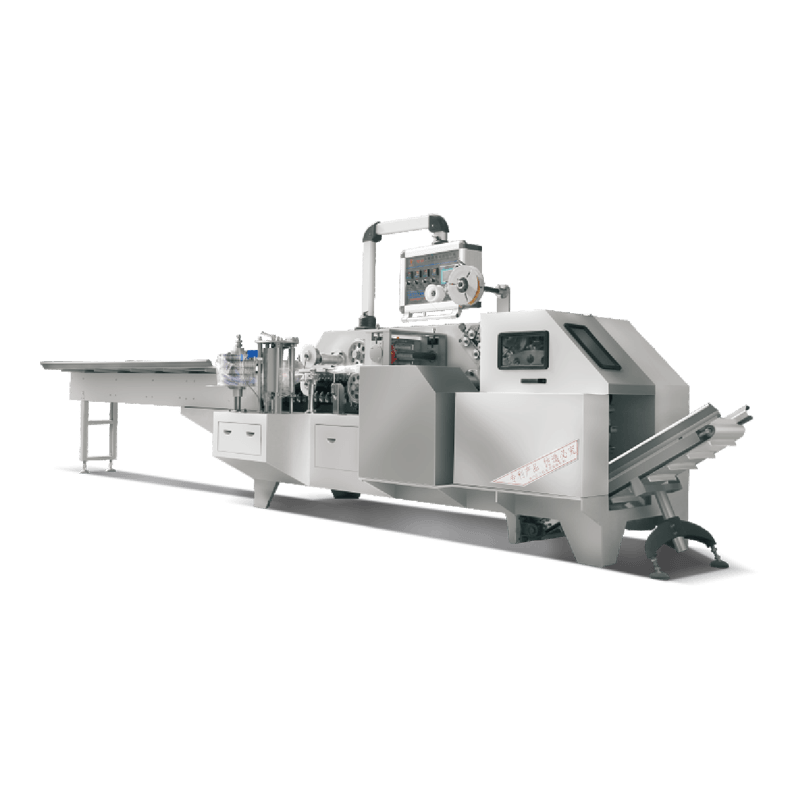
Milk Candy Machine: A Real Game-Changer for Candy Shops.Look, in the candy game, everybody's scrambling to keep production humming without wasting hours or wearing everybody out. For small and medium outfits pumping out milk candies, a machine that mixes and shapes the stuff has quietly turned into a must-have. This write-up hits the questions folks ask before they pull the trigger—how the dang thing actually works, why it might be worth the investment, how to pick one that fits your shop, day-to-day running, where to stick it in the building, and some dead-simple maintenance tricks. Straight talk so you can actually see it sliding into your setup and cranking out steady batches without flipping your whole routine upside down.
What the Heck Is a Milk Candy Machine and How Does It Work
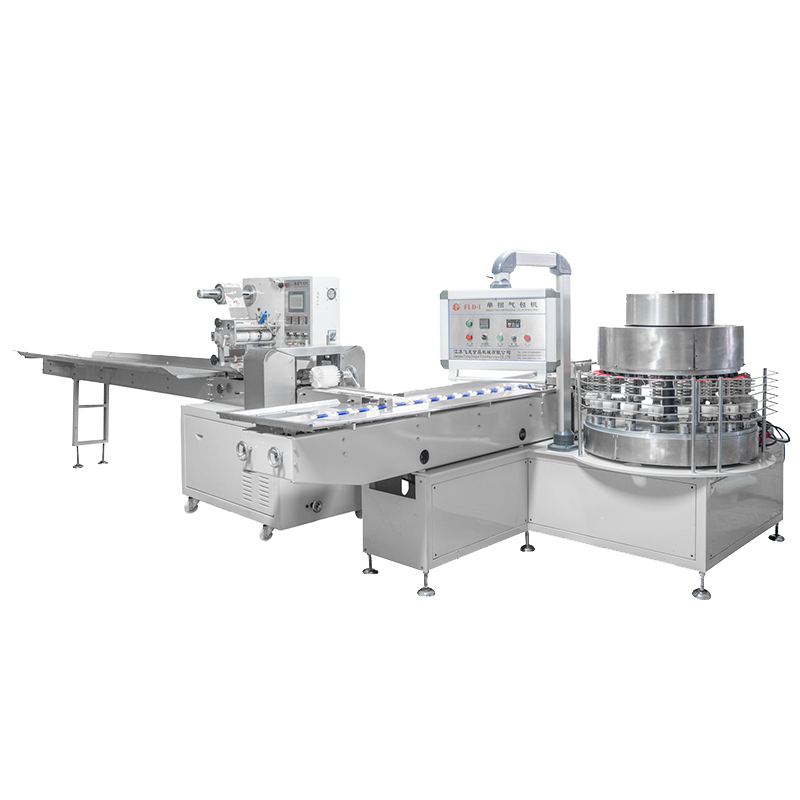
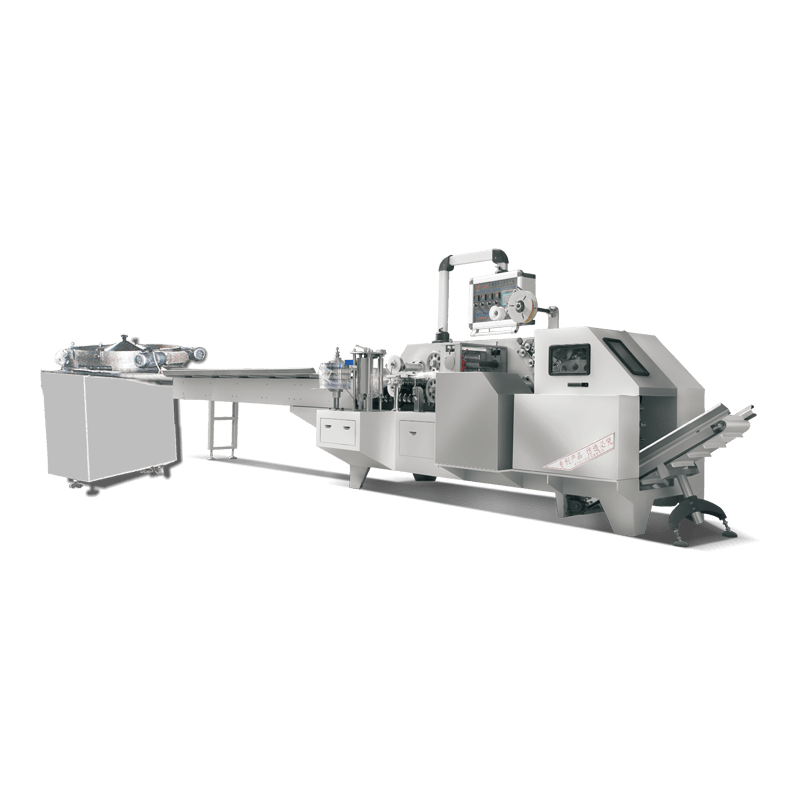
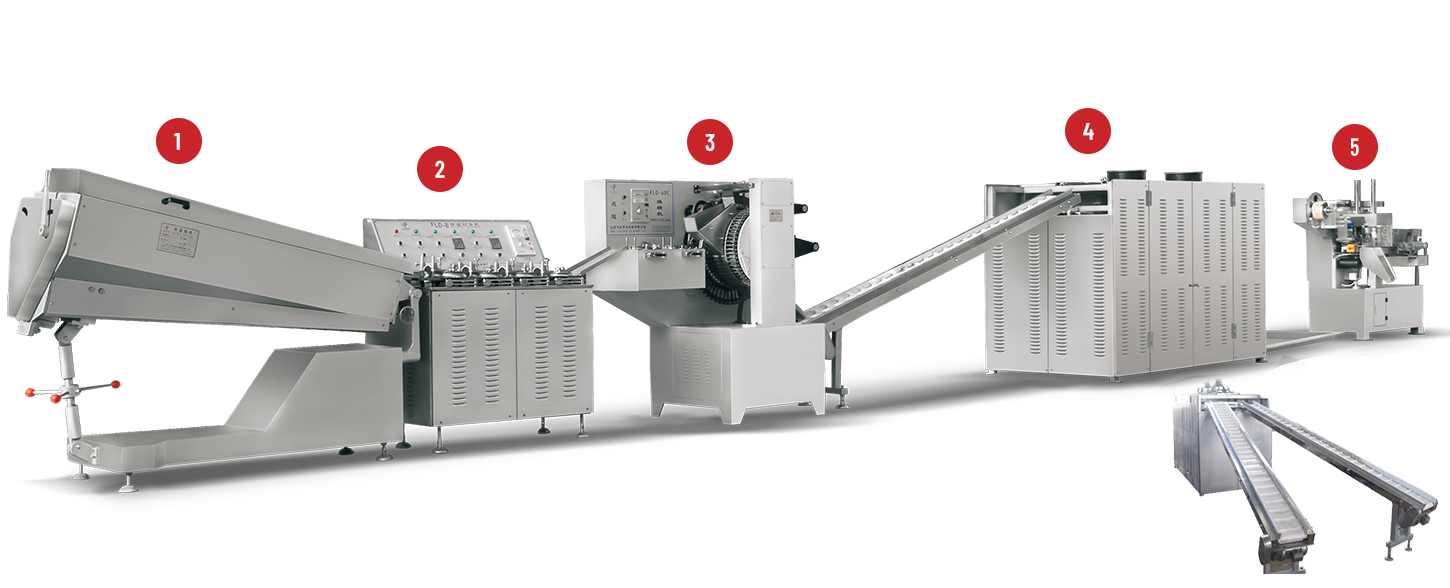
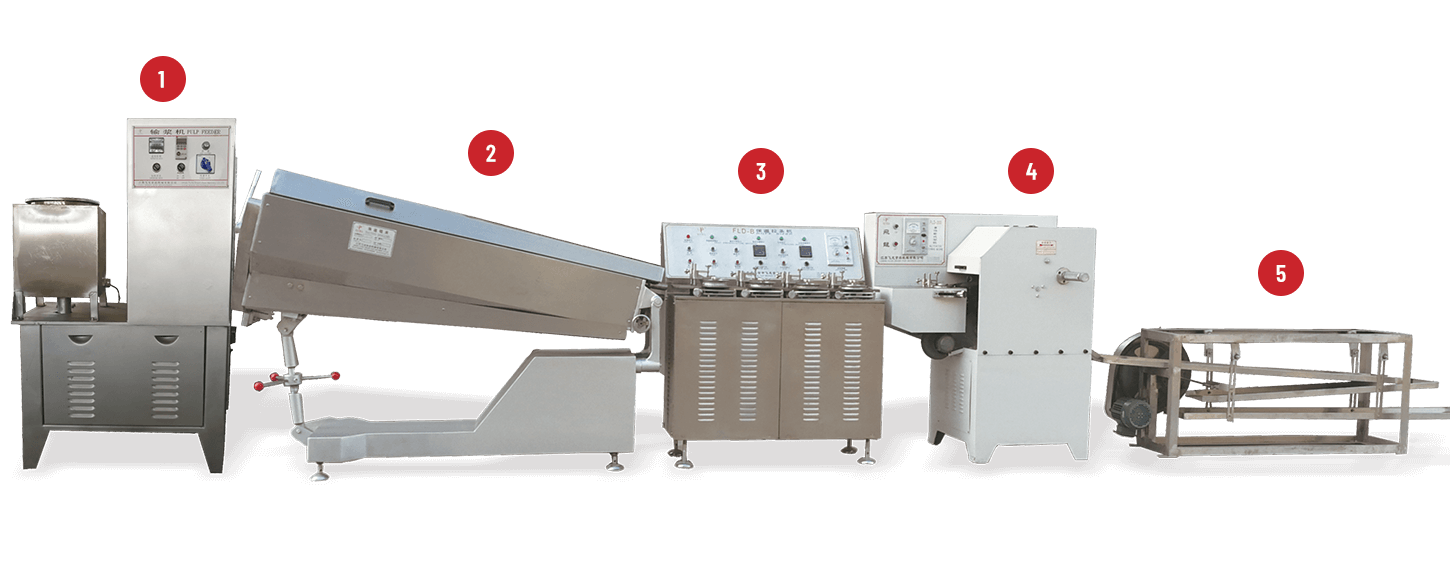
It's basically a one-stop box that mixes your milk candy ingredients, heats them just right, and spits out the finished shape—all in the same unit. Main chamber takes the sugar, milk powder or solids, and whatever flavors you're throwing in. There's a simple stirrer inside and a way to dump the batch when it's done.
You dump the raw stuff into the hopper or top opening. The machine warms it up nice and slow while everything's moving around so you don't get scorched spots or separated goo. When it hits the right thickness, a basic valve or gentle pump sends it toward the forming part. Gravity usually does of the work dropping it clean into molds or onto a cooling belt.
Runs on regular shop power, controls are plain old dials and buttons—no rocket science. When the batch is finished the chamber tilts or pops open so you can empty whatever's left without it turning into a whole ordeal.
After the couple runs it just clicks. Measure your ingredients the way your recipe says, load'em in order, start the cycle, peek through the window if it has one, and grab the pieces once they cool a little. It takes the constant stirring nightmare off your hands—no more lumpy batches or sore arms from babysitting a pot for hours. Everything stays inside so you don't end up with sticky counters or wasted product all over the floor.
In a normal commercial kitchen one guy can run the machine while the rest of the crew preps molds or packs boxes. The motor is pretty quiet and the whole thing is closed up so the room doesn't turn into a sauna even on busy days. Bottom line, it turns what used to be a bunch of separate manual steps into one smooth line and gives you even texture and shape every single time.
Why the Heck Would You Want One in Your Candy Line
These days a lot of candy makers are wondering if something like this could finally kill the boring manual parts and keep things flowing. Biggest win is time. Without it, the mixing and cooking step turns into a bottleneck that slows everybody down and limits what you can ship in a shift. With the machine doing the heavy lifting, your people can actually focus on checking quality or getting orders packed instead of standing there stirring forever.
Then there's consistency. Milk candy recipes are picky about exact timing and temperature, and this thing holds those numbers steady batch after batch. Means way fewer duds you have to scrap or rework, so your ingredients last longer and costs stay predictable. If you get seasonal rushes or custom orders, you can change batch sizes without tearing the whole floor apart.
It also fits shops without any big headaches. A lot of models are sized to sit right next to regular tables or conveyors—no construction crew needed. Less arm-wrenching work during cooking makes long days feel doable, especially when your crew is small and everybody's wearing five hats. The enclosed design keeps the area cleaner too, which is huge when you're trying to stay on top of food-safety rules.
Folks who've actually bought one say their daily schedule just feels easier. No more fighting the limits of hand stirring—the team can plan around the machine's cycle and move from one job to the next without stopping and starting. Even if you're running multiple candy flavors, it handles the milk stuff reliably and stays out of the way of everything else.
How to Pick the Right Milk Candy Machine for Your Shop
Start by getting real about what you actually make week after week. Count up how many milk candies you usually run and decide if you need something for quick single batches or bigger runs that go longer. Then measure the exact spot it'll live—make sure you've got room to load, unload, and walk around it easy.
Your recipes matter a ton too. Some are soft and chewy, others firmer, so grab a machine that can handle different thicknesses without extra setup. Controls need to be brain-dead simple—big dials or switches anybody on the floor can learn in five minutes. Check the power plug against what's already wired in so you don't get a nasty surprise.
Write down exactly what steps the machine will cover and see if the hopper size or outlet style matches. If you switch recipes a lot, look for parts that swap fast or surfaces that wipe clean quick. Also think about where it'll sit when it's not running or during deep clean days.
Best trick? Walk through a normal production day and mark every place things slow down right now. That usually shows you exactly which size and style will fix your biggest pain points. Ask your crew—they'll tell you real stuff like where the controls feel natural or if wheels would make moving it easier. Keep it focused on daily reality and the machine ends up working with your flow instead of forcing you to rebuild everything.
How to Actually Run the Thing Day to Day
Using it gets easy fast. Make sure your ingredients are measured and at the right starting temp, then load them in the hopper exactly like the recipe says. Close the lid, start with a quick mix to get everything blended, then let the heat come on.
While it's running you just glance through the window and tweak speed if the recipe needs it. When it's ready the outlet pushes the candy out for shaping or cooling. Scoop it up and get it straight into molds or trays.
After each batch a fast rinse or wipe clears the gunk so the next load doesn't pick up old flavors. Safety is basic—gloves on hot parts and keep the area clear while it's going.
Lots of shops keep a short checklist on the wall: load, start, watch, empty, clean. New people pick it up in no time and it keeps every shift turning out the same quality. Pretty soon operators have their own little habits—like giving the hopper a light tap to settle the mix or tilting the outlet just right for smoother flow. It just becomes another normal station on the line.
Where to Put the Machine in Your Facility
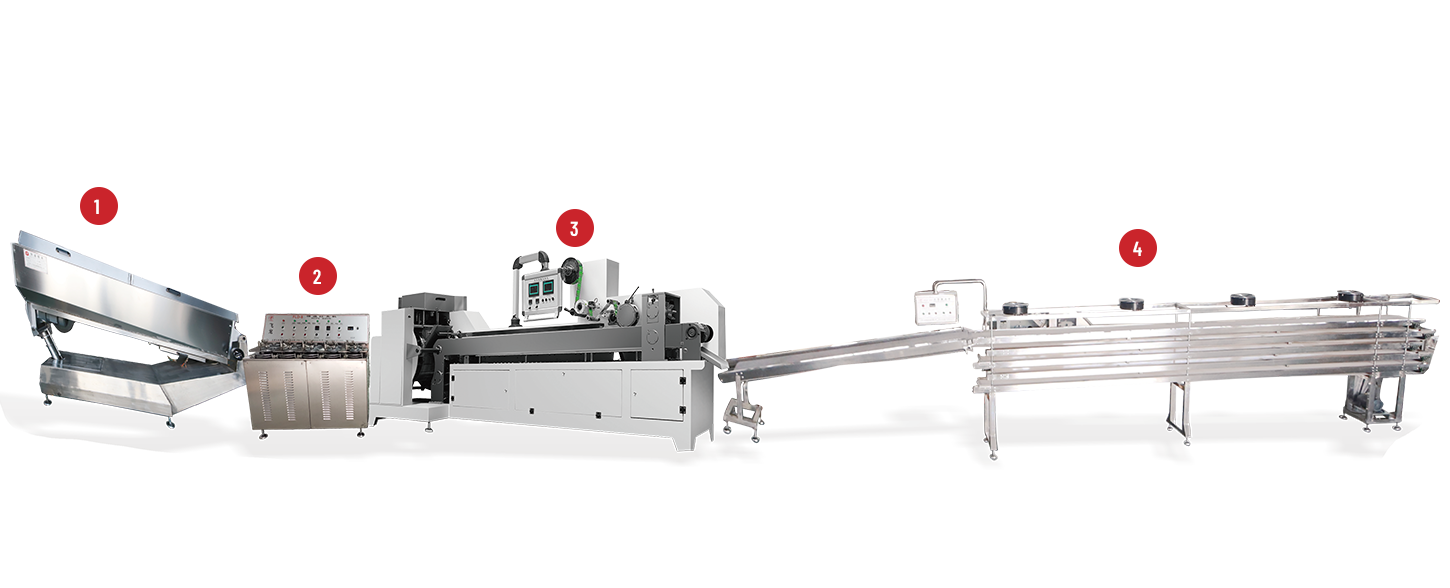
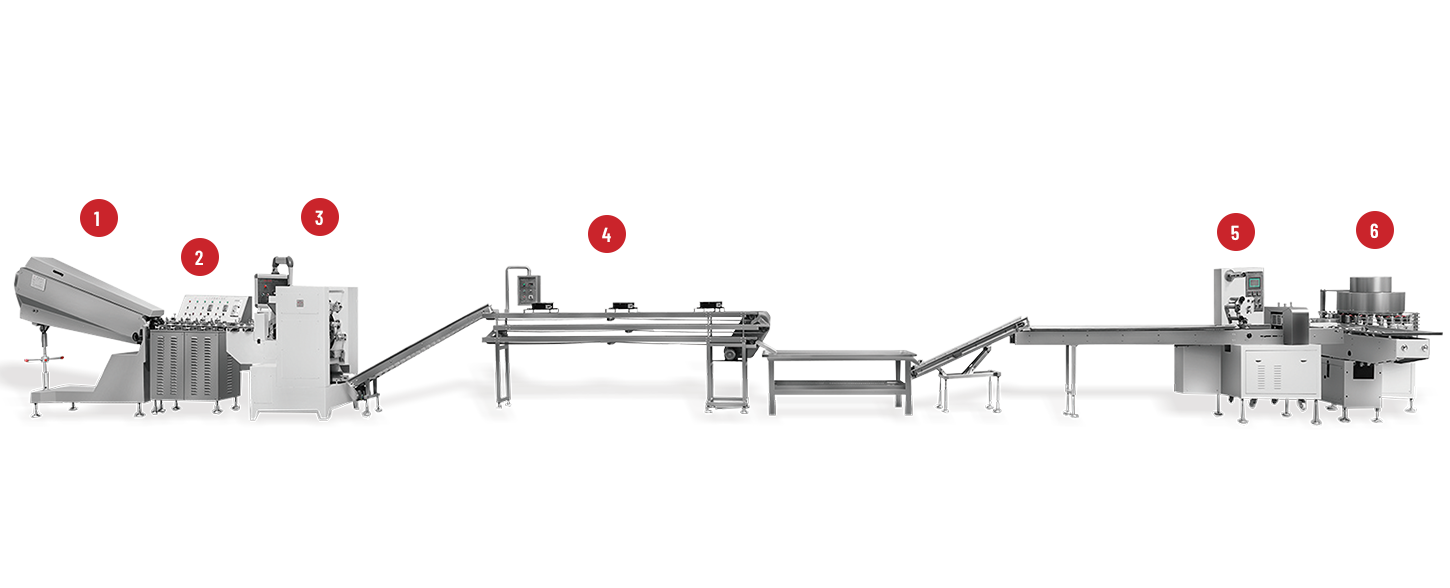
Placement makes a surprising difference. places stick it close to the ingredient storage so raw stuff only travels a few steps. Keeps the path simple: shelf → machine → forming area.
In small shops it usually lives right beside the work tables so one zone preps while the machine runs. Bigger places give it its own corner with space to walk around. models fit standard kitchen clearances so you're not knocking walls down.
Some folks put it near the cooling or packaging station to shorten the hand-off and keep the candy at the right temp. If you run a few different lines it can be a shared unit that rolls in only when milk candy is on the schedule.
Take a quick lap around your floor plan . Find a spot that's easy to reach but doesn't block other work. Leave room on all sides for safety and plug it in near an outlet so setup is painless. Once it's sitting there you'll probably spot a couple other small layout tweaks that make the whole flow even smoother. It's flexible enough to work in pretty much any size shop without major drama.
Maintenance Tips So It Keeps Running Like a Champ
Daily care is easy and keeps it reliable. Every shift start with a quick look-over for loose parts or leftover junk, then wipe the outside clean. Catches little problems before they turn big.
After every batch rinse the chamber and outlet with warm water and food-safe cleaner, then dry it good. Moving parts get a light swipe of food-grade lube on schedule. These habits stop wear and keep everything smooth.
Once a week check the seals and gaskets and test all the controls. Keep a simple notebook with hours used and any notes so you know when something might need extra love. During slow times or storage give it a full clean and throw a cover on to keep dust and moisture out.
operators knock this stuff out in just a few minutes at the end of the day so it becomes part of the regular wind-down. That steady habit means the machine stays ready whenever you need it and you avoid surprise breakdowns. After months of normal care it keeps doing its job just as solid as the day you bought it.
That's the no-fluff rundown on bringing a milk candy machine into your operation. From how it works to where to put it and how to keep it happy, these are the real details that matter on the floor. Use them to figure out if it fits your space and your goals. As your production changes you can always come back to these points and tweak things so the line stays strong no matter what batch sizes or schedules you're running.
 +86-(0)515-8465666
 +86-(0)515-85566996
 +86-138 1559 9708
 flyloong@flyloongcn.com
 Home
Home