

 ENG
ENG
 English
 中文简体
中文简体 русский
 Français
 Español
 عربى
عربى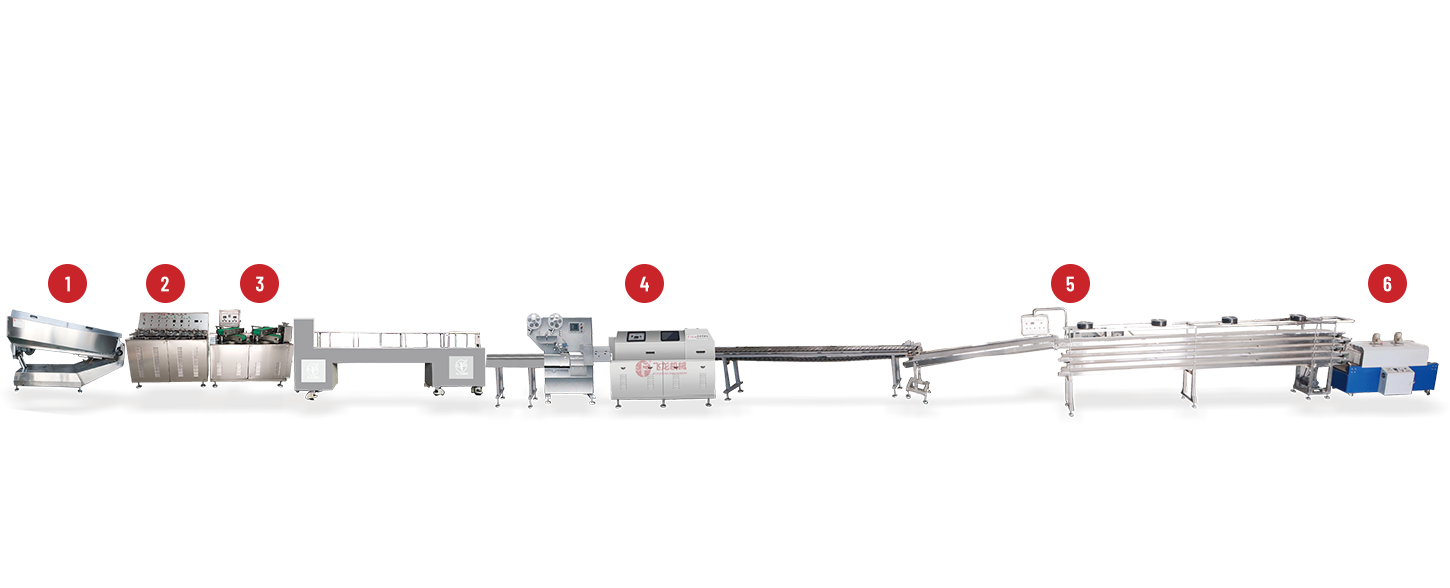
What Buyers Should Consider Before Investing in a Milk Candy Machine
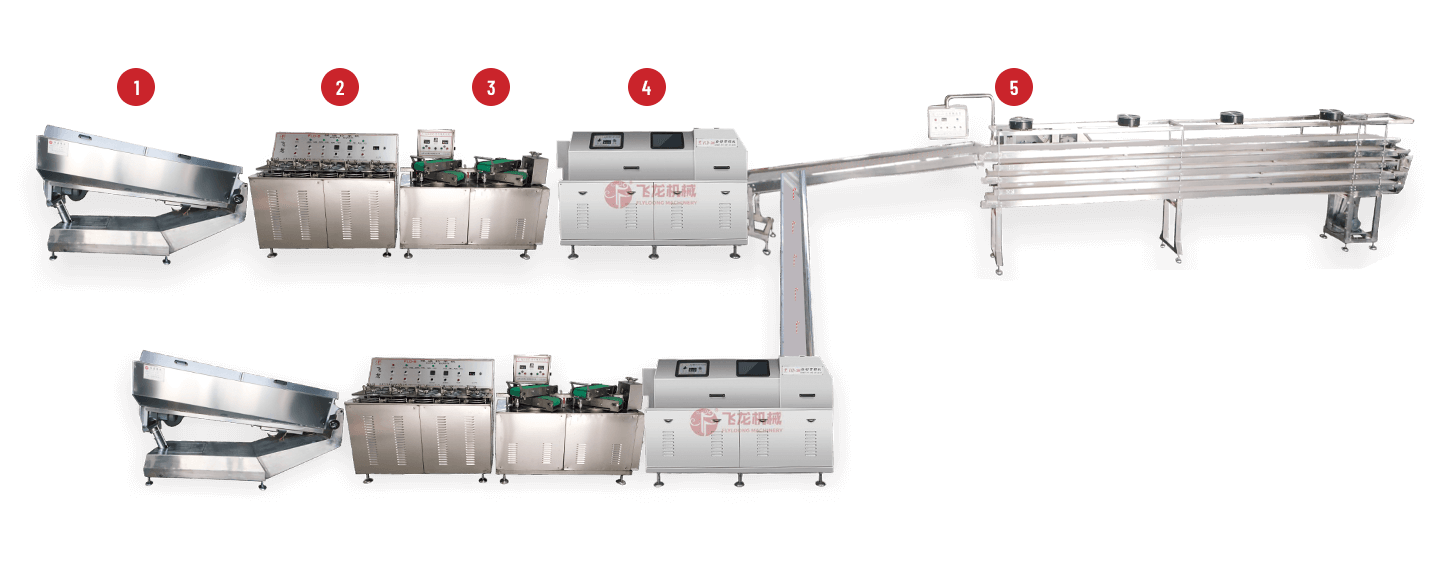
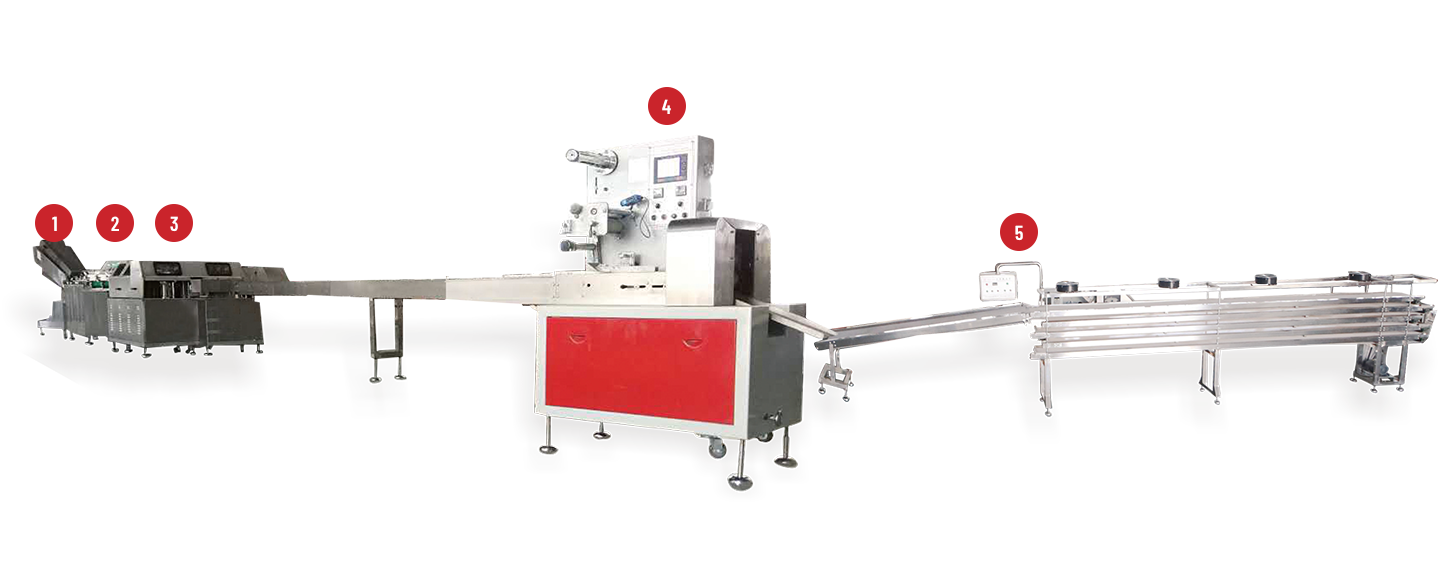
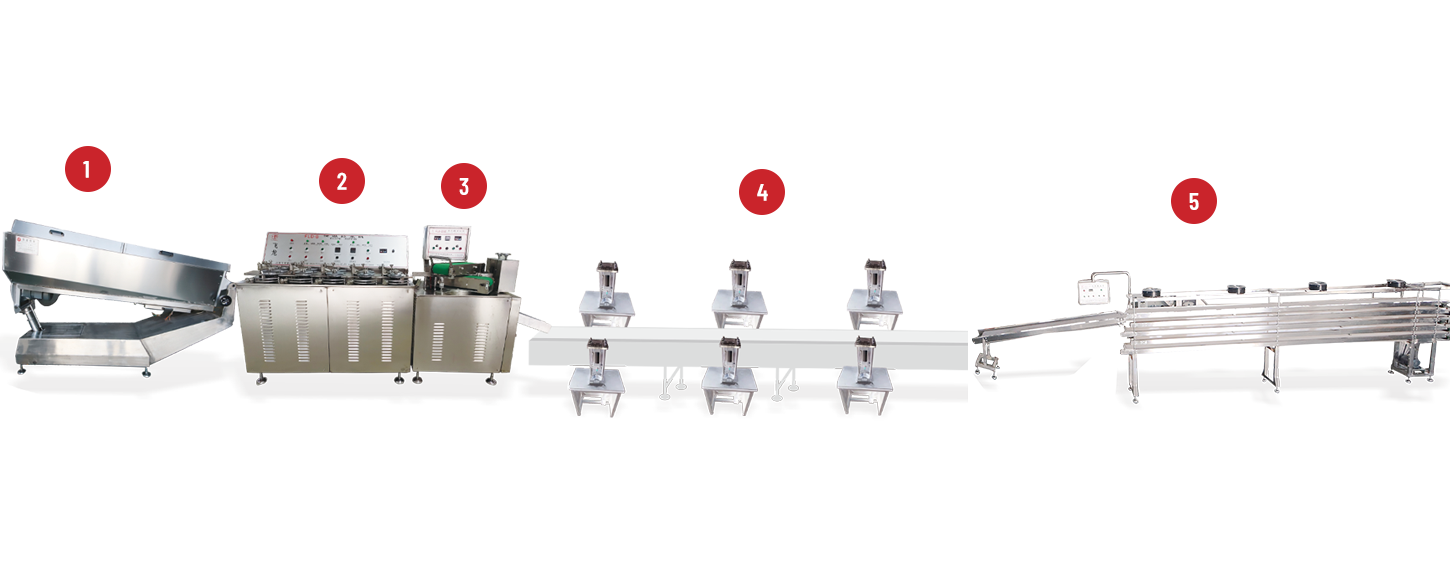
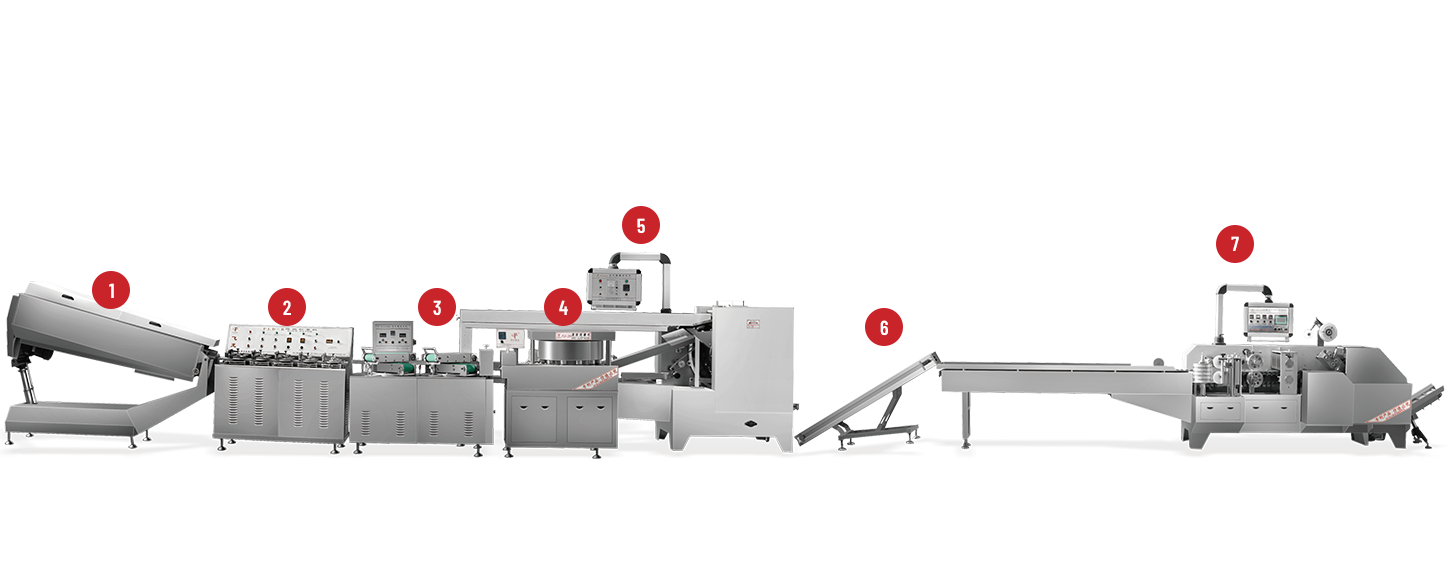
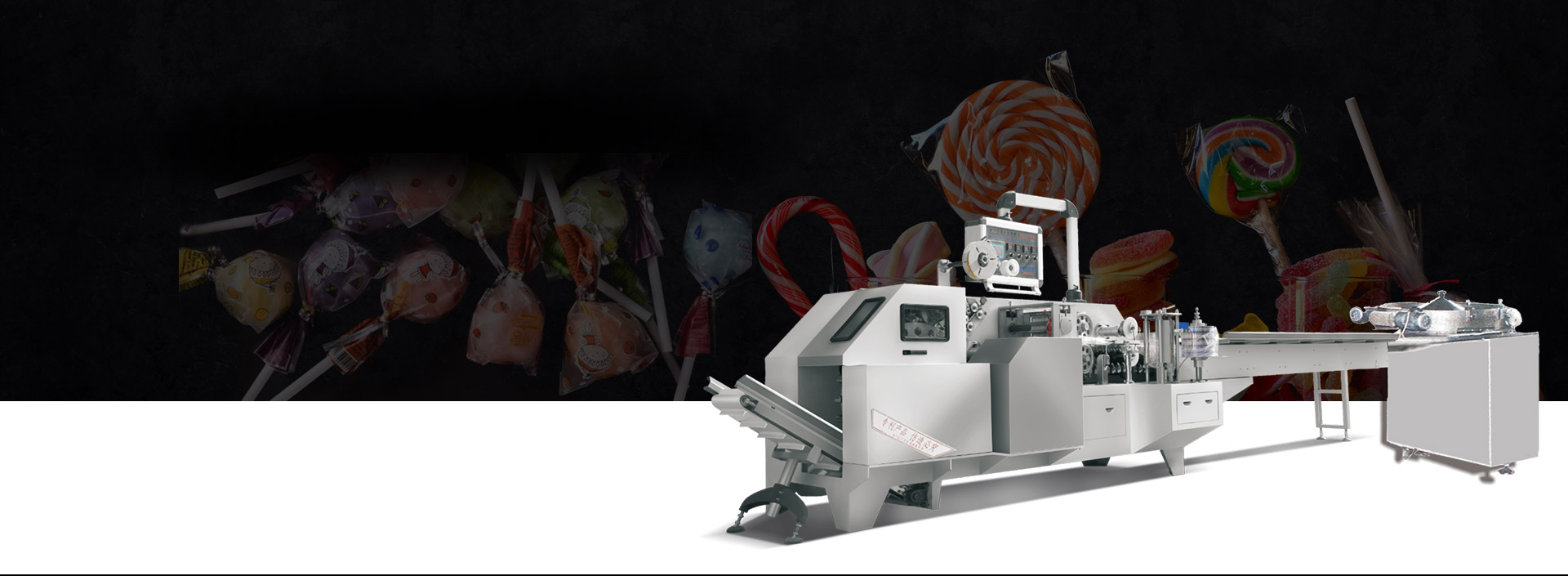
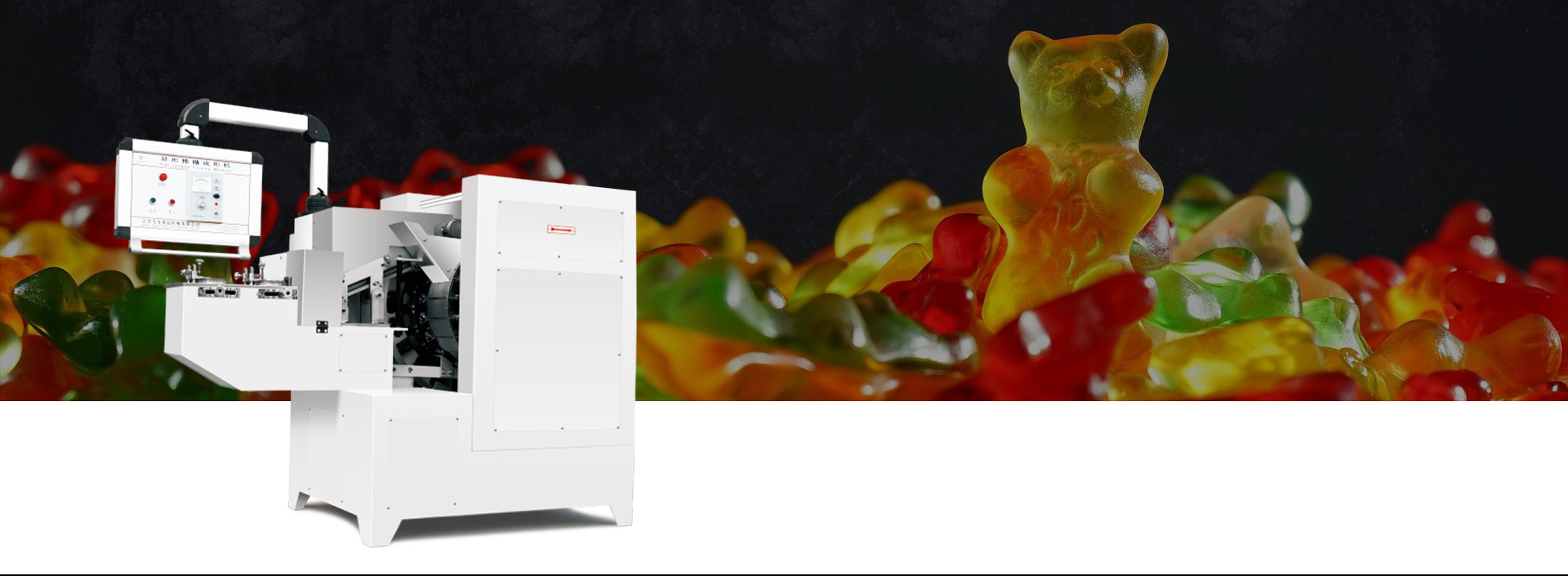
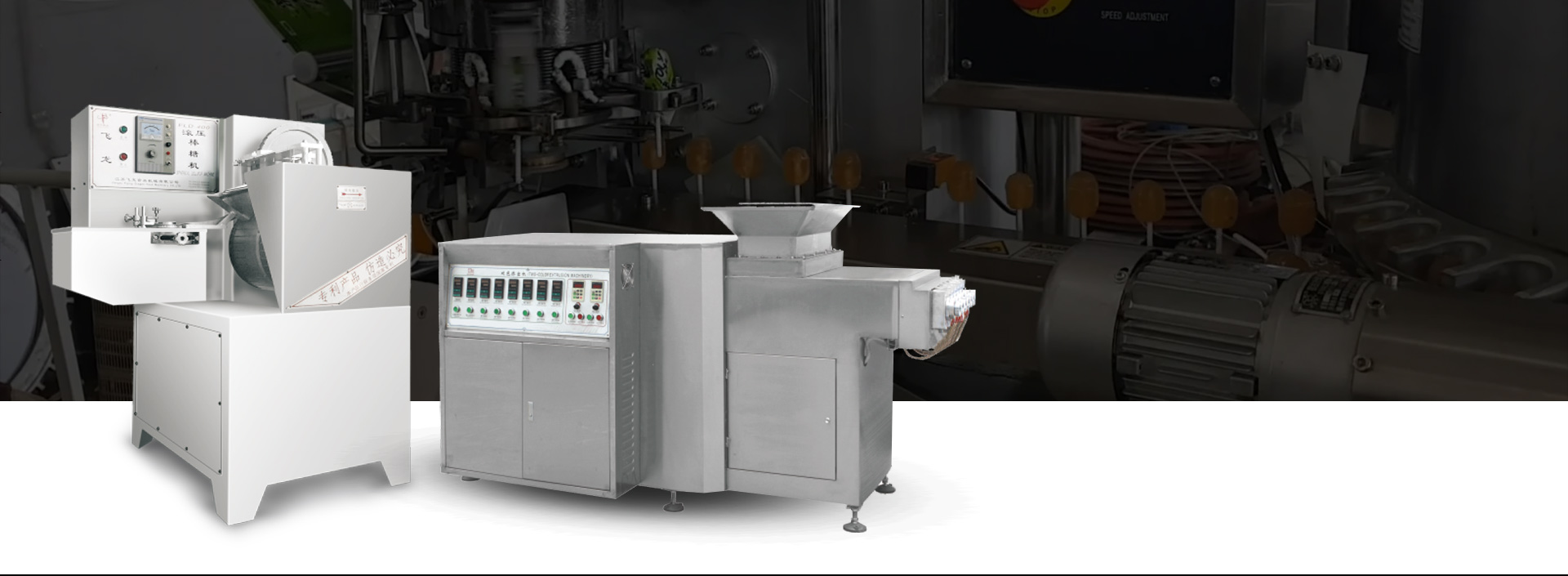
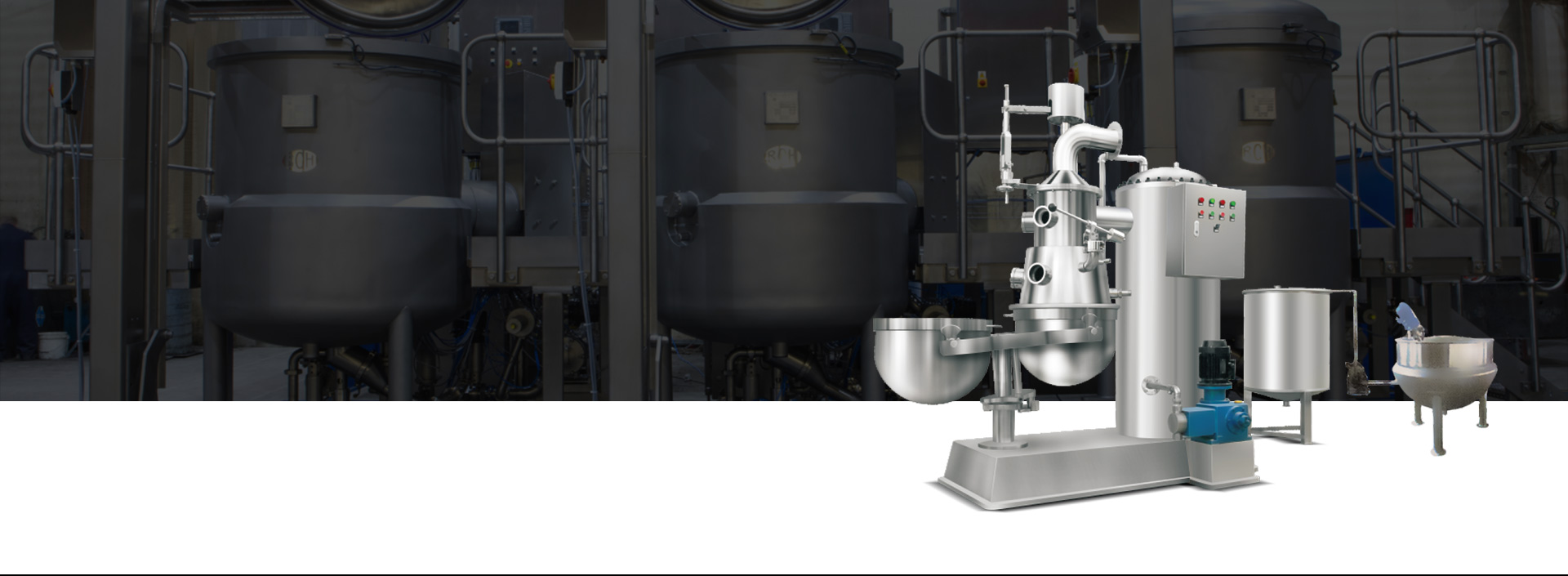
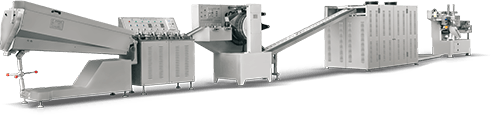
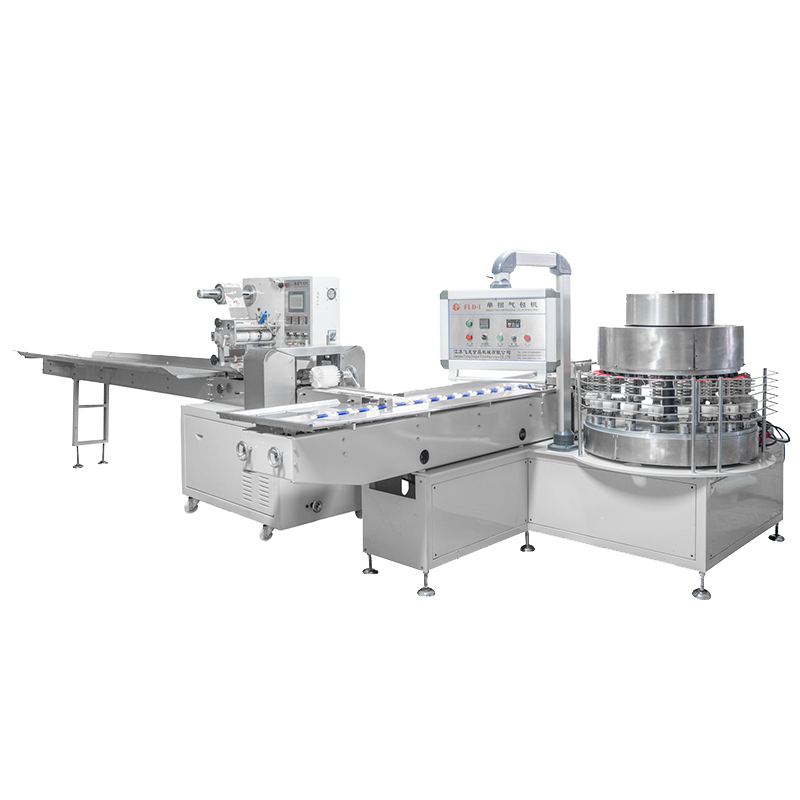
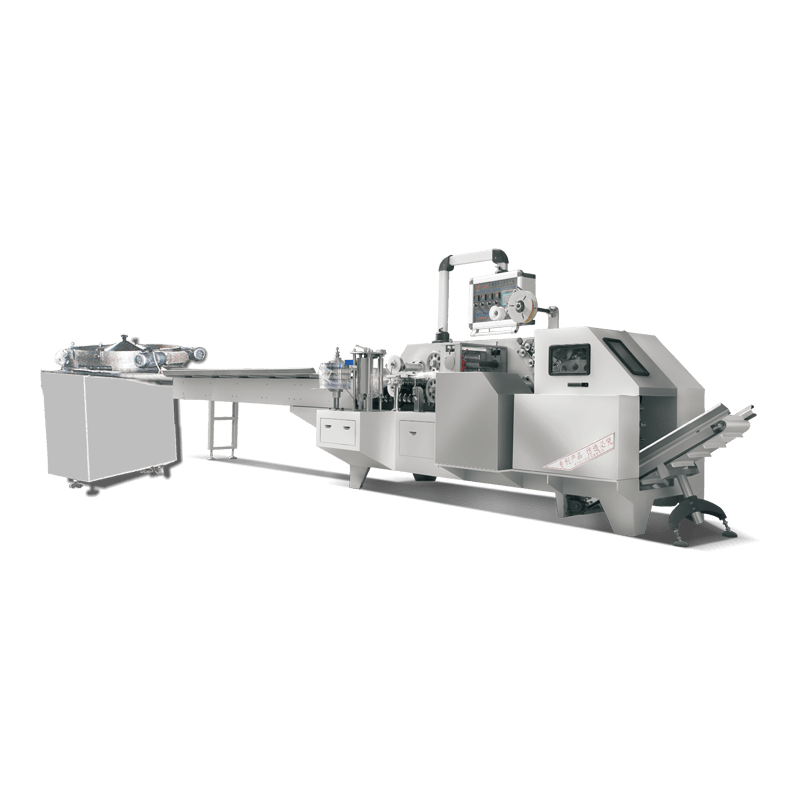
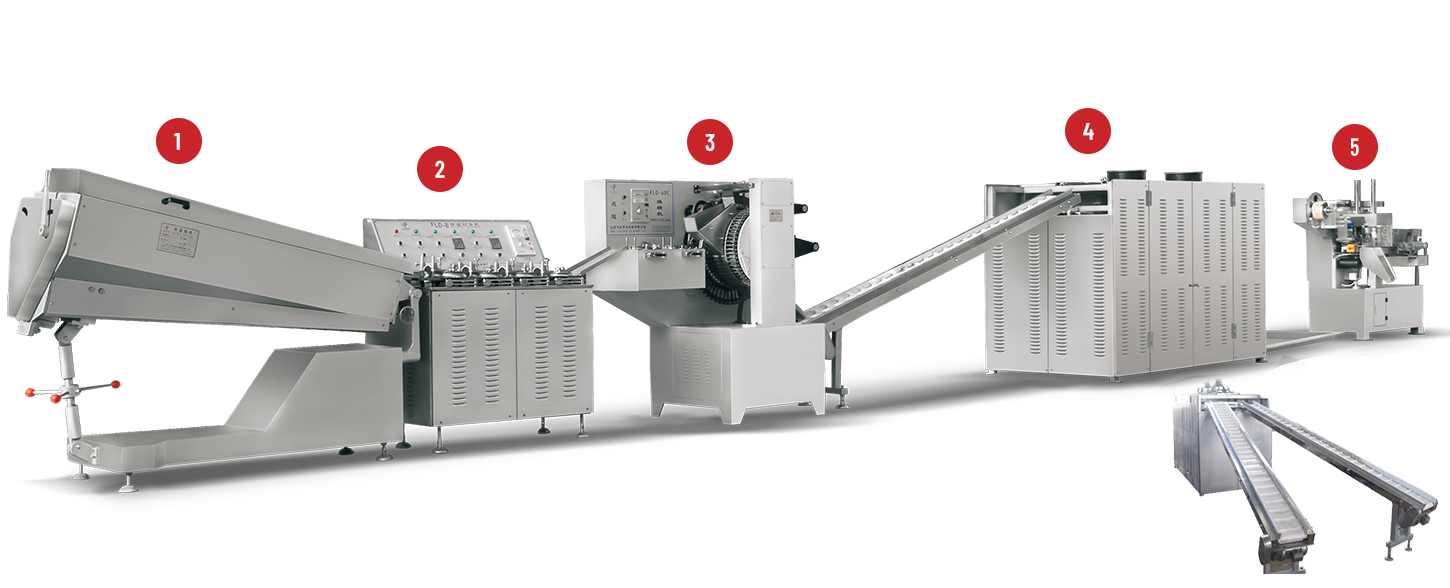
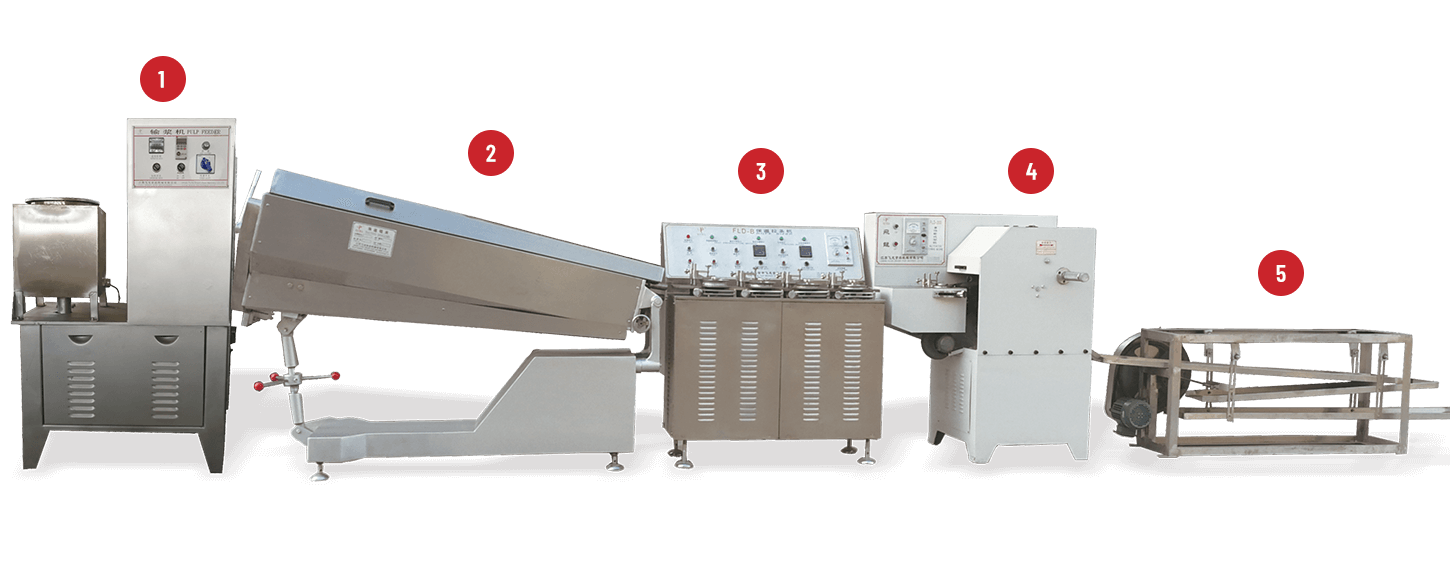
Milk candy has a familiar place in the confectionery world. It feels traditional, yet it still depends on careful production if a factory wants the product to come out with the right texture, shape, and finishing. Behind that final result, there is usually a line that has to run in a steady way, with each stage doing its part. A Milk Candy Machine is one of the pieces that helps make that possible. It supports shaping, cooking, handling, and preparing the product for what comes next, and in day-to-day production that matters more than many people realize.
For buyers, the real question is rarely just about price or appearance. It is about how the equipment behaves once it is placed inside a working factory. Does it fit the space? Does it support the recipe the team already uses? Can operators learn it without a long adjustment period? Can it keep up when production becomes busier? These are the kinds of questions that shape a practical buying decision.
That is why equipment review should feel like a production discussion, not only a purchasing exercise. When a factory looks closely at its needs before investing, it usually ends up with a setup that runs more smoothly and creates fewer interruptions later. The sections below follow the points buyers usually think about when they are planning a new line or revisiting an existing one.
What Should You Check Before Investing in a Milk Candy Machine
The thing buyers usually need to do is step back and look at the actual work the factory performs every day. It is easy to focus on a machine's features on paper, but a factory does not run on paper. It runs on batches, timing, staff routines, cleaning habits, and space that is often tighter than expected. A machine that looks suitable in a brochure may still create problems if it does not match the way the plant really operates.
Production volume is one of the clearest starting points. Some factories make small batches and need equipment that feels compact and easy to manage. Others work with a much larger flow of product and need a setup that can stay steady during longer runs. The equipment should suit that rhythm. If it is too small, the line may keep stopping. If it is too large or too complex, the operation may spend more time adjusting than producing.
Product style also matters. Milk candy is not one fixed item. Some recipes produce a softer texture, while others need more control during forming or cooling. Shape, appearance, and handling all influence the kind of equipment that makes sense. A factory may also want room to make different product styles later, so flexibility becomes worth thinking about early. Buyers often save themselves trouble by asking not only what the line does now, but what they may want it to do next.
Space is another factor that gets underestimated. A line can look fine during planning and still feel awkward once it is installed. Operators need room to move. Cleaning teams need access. Materials need a logical path from one point to the next. If the layout is cramped, even a useful machine can become harder to work with. That is why the equipment should be considered as part of the floor plan, not separated from it.
Utilities and sanitation are part of the same discussion. Food production has to stay organized, and a machine should support that rather than complicate it. Buyers should ask how the equipment is cleaned, how easy it is to reach the areas that need regular attention, and whether the food-contact parts are practical for daily use. A machine that is difficult to maintain usually creates more work later.
Documentation is also useful. Clear product information, material details, and operating guidance help the factory understand what it is buying. That is especially important for teams that need to review the purchase internally before moving forward. Good information makes the decision calmer and more accurate.
How Does a Milk Candy Machine Improve Production Efficiency
Efficiency in a candy line is not just a matter of producing faster. A better line is usually one that creates less confusion, less waiting, and less waste of labor or materials. A Milk Candy Machine can support that in several ways, especially when the production process needs to stay predictable from one batch to the next.
One important point is consistency. When the equipment handles repeated tasks in a controlled way, operators do not have to keep stepping in to correct the same issue over and over. That helps the line move in a more regular pattern. It also gives the team more confidence, because they can see what the process is doing instead of reacting to small surprises all day.
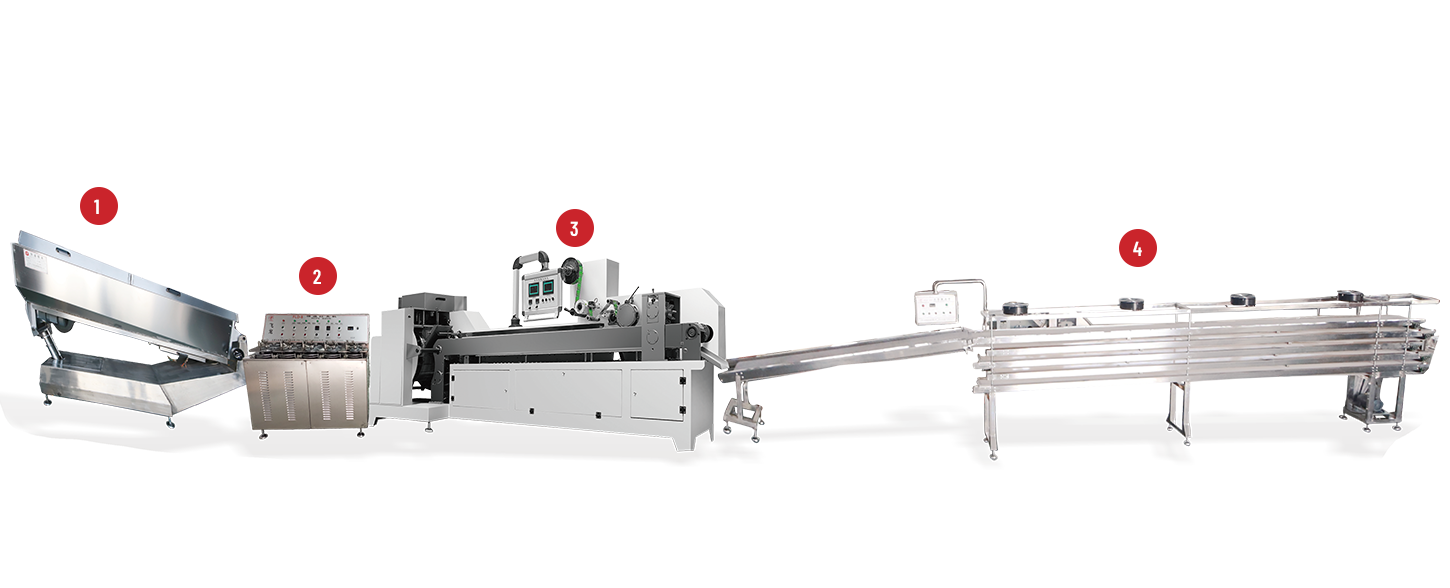
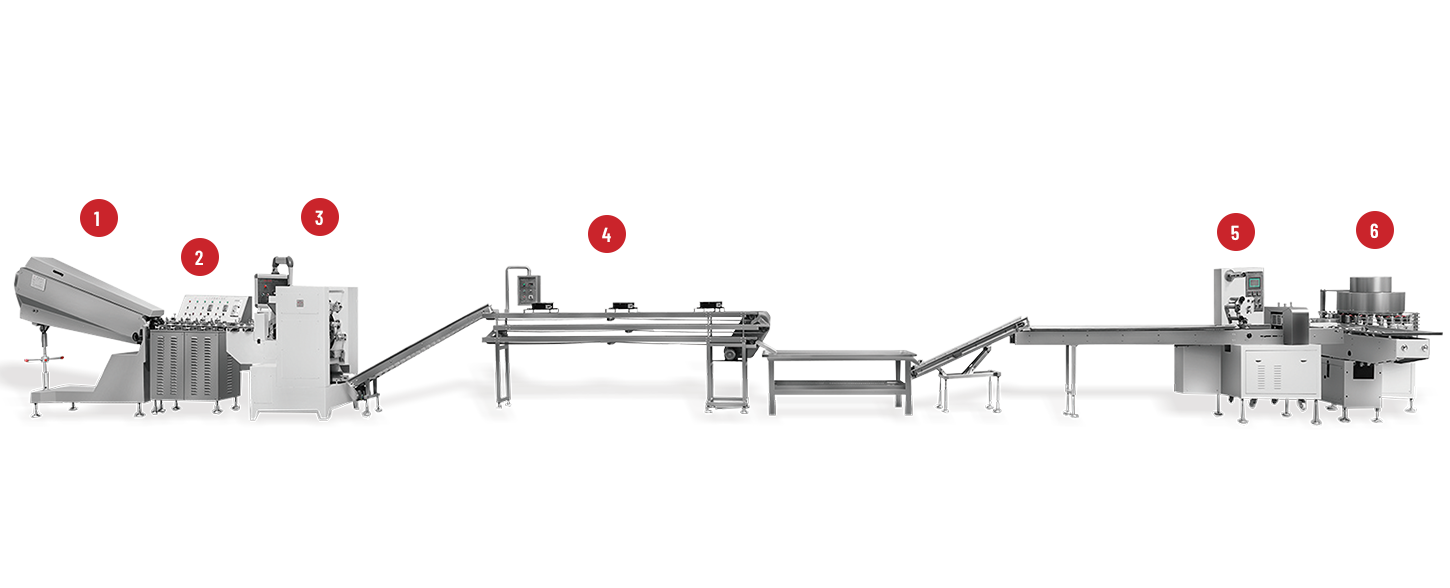
Another part of efficiency is flow. In many factories, the challenge is not that a single step is slow, but that one step does not match the next one. If cooking, shaping, cooling, and wrapping are not balanced, the line can start to pile up or stall. Equipment that supports a smoother sequence helps the whole operation feel less strained. This is the kind of improvement that may not seem dramatic , but it often becomes very noticeable across a full shift.
Labor use also changes when a machine helps reduce repetitive handling. Staff can spend less time moving material manually and more time checking quality, managing the workspace, and keeping the line organized. In a busy plant, that difference can matter a great deal. It is not about removing people from the process. It is about letting people focus on the parts that actually need attention.
Material handling is another area where good equipment helps. If the flow is steady, the factory can reduce waste and avoid unnecessary product loss. Milk candy can be sensitive to handling conditions, so a system that keeps things moving in a more even way can support both output and quality at the same time. That is often where the real value of the equipment becomes visible.
Planning also improves when the line is more predictable. Managers can estimate production more clearly, maintenance teams can organize their time better, and procurement staff can understand how the line supports demand. That kind of visibility can be just as valuable as output itself.
Which Milk Candy Machine Fits Small and Medium Factories
Small and medium factories usually have a more practical mindset when they evaluate equipment. They are not always trying to build the largest possible line. They are trying to build one that works well in the space they actually have and with the team they already employ. For that reason, a suitable machine needs to be realistic, not just impressive.
Flexibility is often the thing they look for. Smaller operations may need to produce different product styles or adjust between orders more often than larger factories. If the equipment can support those changes without turning every switch into a major task, it becomes much easier to use in daily work. That kind of adaptability is often more valuable than a setup that only performs well in a narrow range of conditions.
Space also plays a big role. Many smaller factories cannot spare a lot of floor area, so the equipment has to fit comfortably into the existing structure. It should not block movement or make cleaning awkward. It should help the line feel organized rather than crowded. A practical layout often matters as much as the machine itself.
Cost should be viewed in the same practical way. Buyers naturally think about the purchase price, but the more useful question is how the equipment behaves over time. Does it keep requiring adjustments? Does it fit the staff's routine? Does it reduce work or create more of it? A machine that is easier to live with can be a better long-term choice even if the upfront decision takes a little more thought.
Training is another issue for smaller teams. When a factory has a limited number of operators, the equipment has to be easy enough to learn and manage. A clear interface and an accessible maintenance routine can make a big difference. If the team can understand the system without a long learning period, production usually settles in faster.
For these factories, the right equipment is usually the one that supports their pace rather than trying to force a different one.
Why Are More Confectionery Brands Reviewing Their Equipment Plans
A lot of confectionery businesses are taking a second look at their production setup because the market around them keeps changing. Product variety is growing. Order patterns are shifting. Buyers want familiar products, but they also want something that feels current. That puts pressure on the production side to stay flexible.
One reason for this review is product consistency. When a factory notices that shape, texture, or finish is not as steady as it should be, it is natural to ask whether the equipment is helping or limiting the process. Brands that care about repeatable results often decide to review their lines before small problems become larger ones.
Another reason is labor. In many plants, staff time is under pressure, and a line that requires too much manual attention can make the schedule harder to manage. A more organized production system can ease that pressure. It does not solve every challenge, but it can make daily work feel more controlled.
Product development is also part of the picture. Some brands want to move into new shapes, seasonal items, or different packaging formats. That means the equipment has to be ready for more than one type of task. Reviewing the current setup gives the company a better sense of whether it can support that kind of growth.
There is also a timing issue. Businesses usually prefer to make changes before production becomes difficult. That is why equipment reviews often happen during wider planning discussions. When the team looks at output, labor, maintenance, and future demand together, the decision becomes clearer.
Tips for Choosing a Reliable Milk Candy Machine Manufacturer
The manufacturer behind the equipment matters just as much as the equipment itself. Buyers are not only purchasing a machine. They are also buying the support structure that comes with it. A good manufacturing partner understands that the project does not end once the order is placed.
Experience with candy production is one of the things worth checking. A manufacturer that already understands confectionery work is more likely to discuss the real questions buyers face, such as cleaning access, product flow, setup routines, and changeover habits. That kind of knowledge usually makes the buying process smoother.
Clear communication is another sign of reliability. Buyers should feel that the supplier can explain the system in a straightforward way, without making the process harder than it needs to be. If the answers are easy to understand before the sale, the working relationship is often easier afterward as well.
Support structure matters too. Installation guidance, spare part planning, and routine service all affect how well the machine performs once it is running inside the factory. A manufacturer that can explain those points clearly gives the buyer a stronger sense of what daily ownership will look like.
It also helps to ask about quality management. Buyers do not need a long technical lecture, but they do need confidence that the equipment is being built and checked in an organized way. Consistency in production usually starts with consistency in manufacturing.
When Is the Right Time to Expand with a New Milk Candy Machine
The right time to expand usually shows up in the factory's own daily pattern. Orders begin to stretch the line. Staff start working around bottlenecks. Cleaning and changeovers take longer than they used to. At that stage, the team may begin to notice that the equipment is no longer matching the pace of the business.
A new product line can also create the need for expansion. If the company wants to offer different styles of milk candy, the current setup may need support. The same is true when a factory starts planning for growth that the old line was never designed to handle.
Facility work can be a useful moment for review as well. If the plant is already adjusting the layout, improving utilities, or reorganizing production space, it may be easier to add equipment at the same time. That usually creates less disruption than trying to squeeze in a change later.
The main idea is simple: expansion makes sense when the business, the layout, and the line all point in the same direction. It should solve a real need, not just add more equipment.
Milk candy production works when the equipment, the layout, and the team all fit together in a practical way. A Milk Candy Machine can support that by bringing more steadiness to the line and reducing the kind of day-to-day friction that slows factories down.
The purchase is usually not the complicated one. It is the one that matches the factory's real work. That means looking at output, space, recipe needs, maintenance habits, and future plans before making a decision. When those pieces line up, the machine becomes part of a stable production system instead of a source of extra adjustment.
 +86-(0)515-8465666
 +86-(0)515-85566996
 +86-138 1559 9708
 flyloong@flyloongcn.com
 Home
Home