

 ENG
ENG
 English
 中文简体
中文简体 русский
 Français
 Español
 عربى
عربى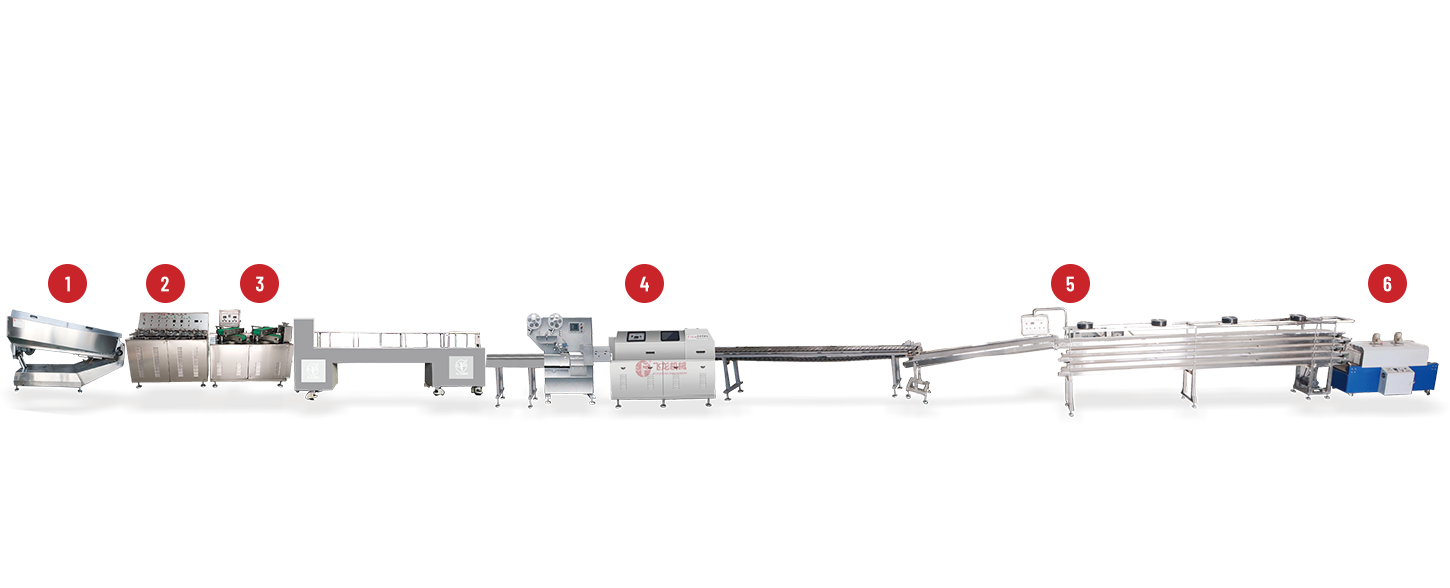
Custom Flat Lollipop Production: How does the Process Work and When to Place an Order
This product has a way of fitting into all kinds of projects without feeling oversized or difficult to use. Their shape leaves enough room for simple logos, short messages, and clean graphics, while still packing neatly into boxes or favor bags. For anyone planning a candy order, it helps to understand how Custom Flat Lollipop Production actually works before making decisions.
From the manufacturing side, the process is more practical than mysterious. It starts with an idea, moves through design checks and material prep, and then follows a fairly steady production rhythm until the finished pieces are boxed and ready to ship. There are a few points that often surprise first-time buyers, especially around timing, sample approval, and storage after delivery. Once those pieces are clear, the order feels much easier to manage.
This article takes a closer look at the main steps, the details that matter before production begins, why timing matters more than many people expect, and how to plan an order without unnecessary back-and-forth.
How the process usually begins
Many custom orders start with a conversation. A customer shares the basic idea: the shape, the flavor, the colors, the artwork, and any packaging preference. Sometimes the request is very simple. Other times the client already has a campaign theme or a design concept ready to go. Either way, the step is making sure the idea can be produced cleanly on the line.
Once the request comes in, the manufacturing team reviews the artwork and the production requirements. That check matters because not every image or message translates well onto a candy surface. Fine lines, tiny text, or crowded graphics may need adjustment so the final result stays sharp and readable. This early stage is where much of the practical decisions happen. It saves time later if the design is reviewed carefully before the full order is scheduled.
After the design is approved, the project moves into planning. If a mold needs to be created or adjusted, that happens here. If the order is using an existing shape, the process is a little faster. From there, ingredients are prepared and the line is scheduled based on the production queue.
What the production stage looks like
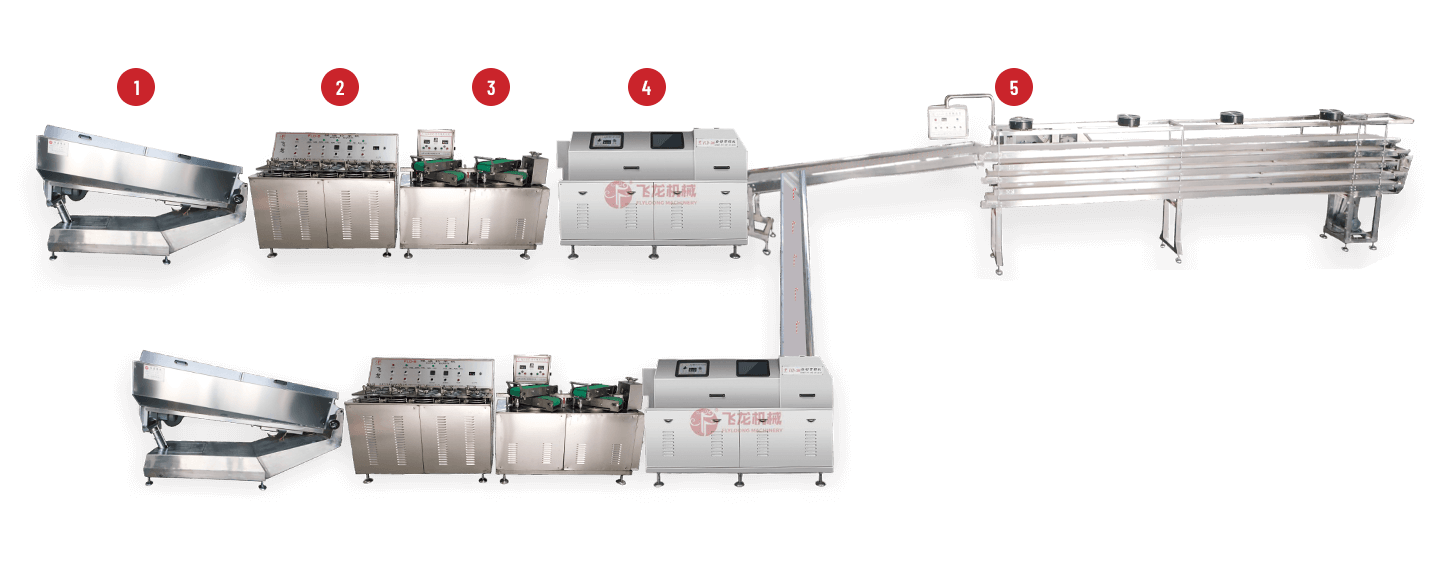
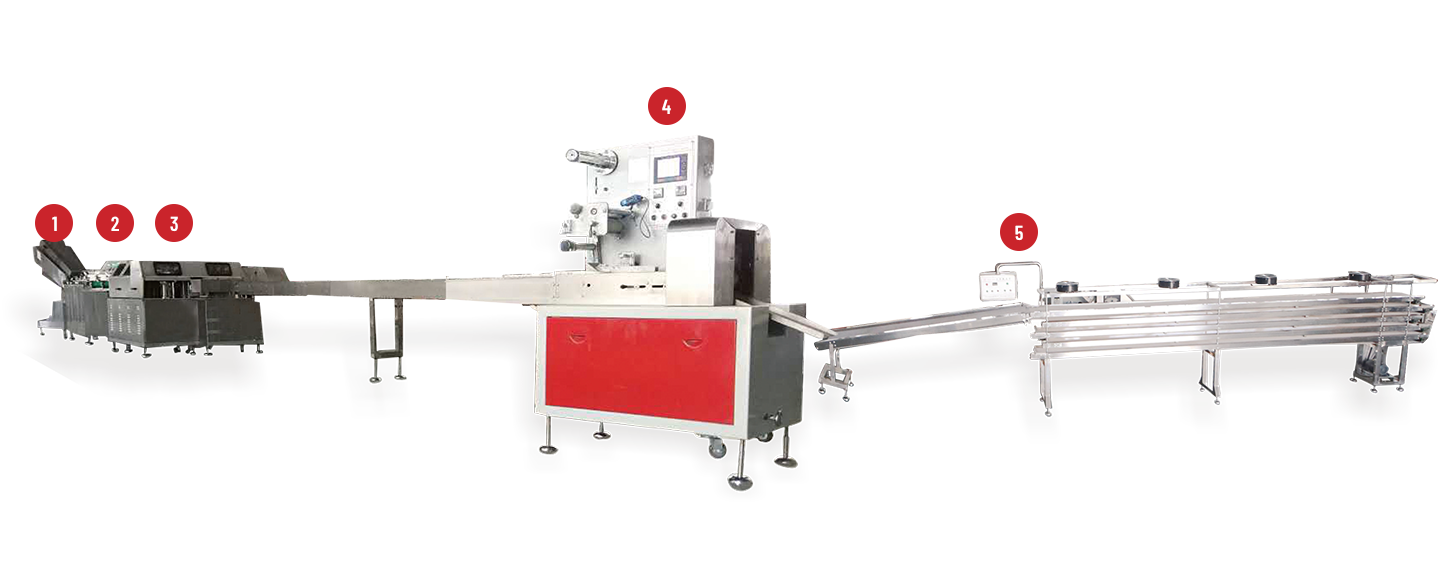
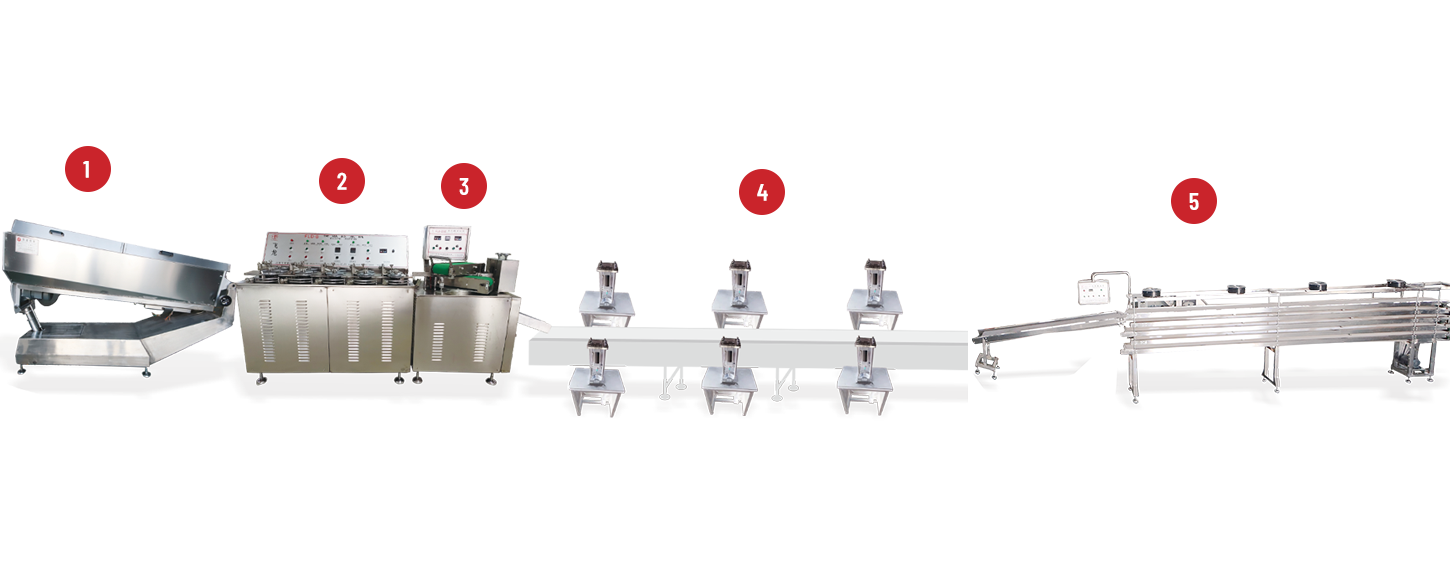
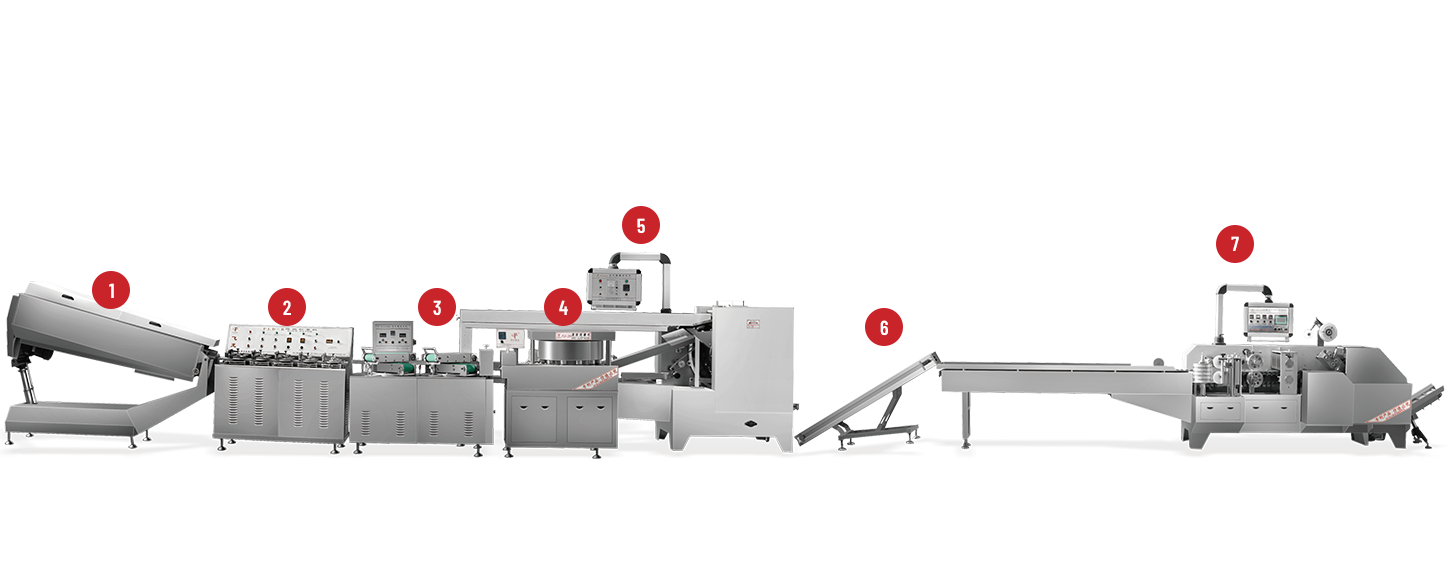
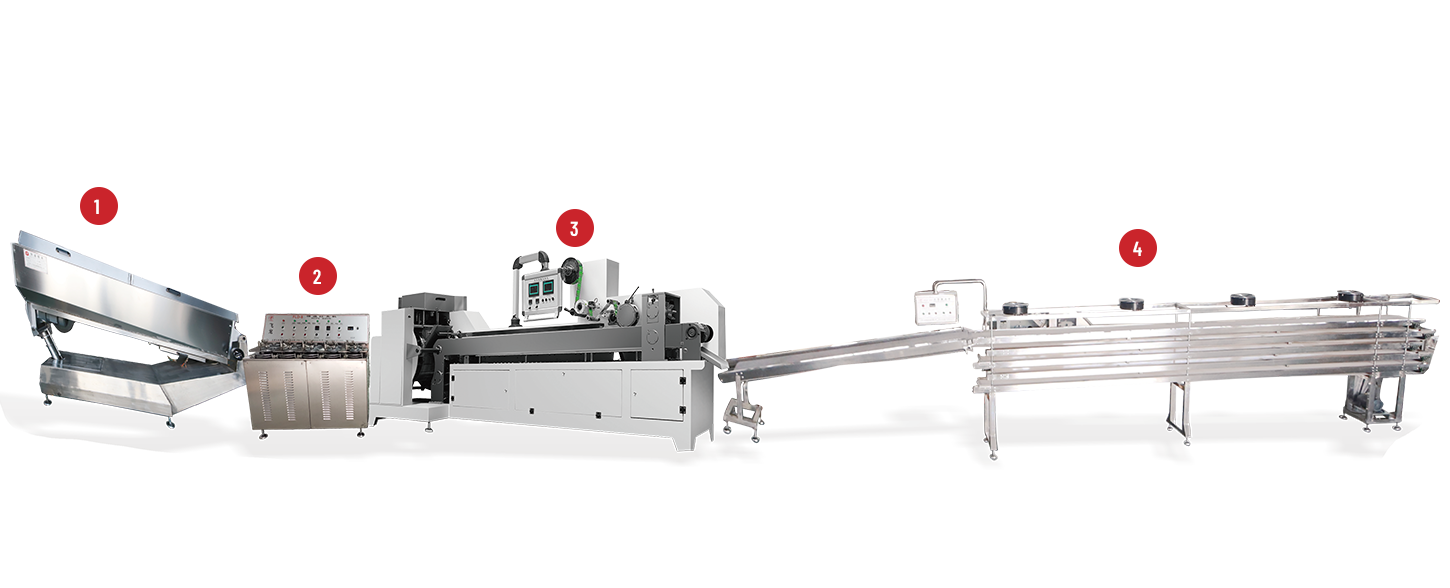
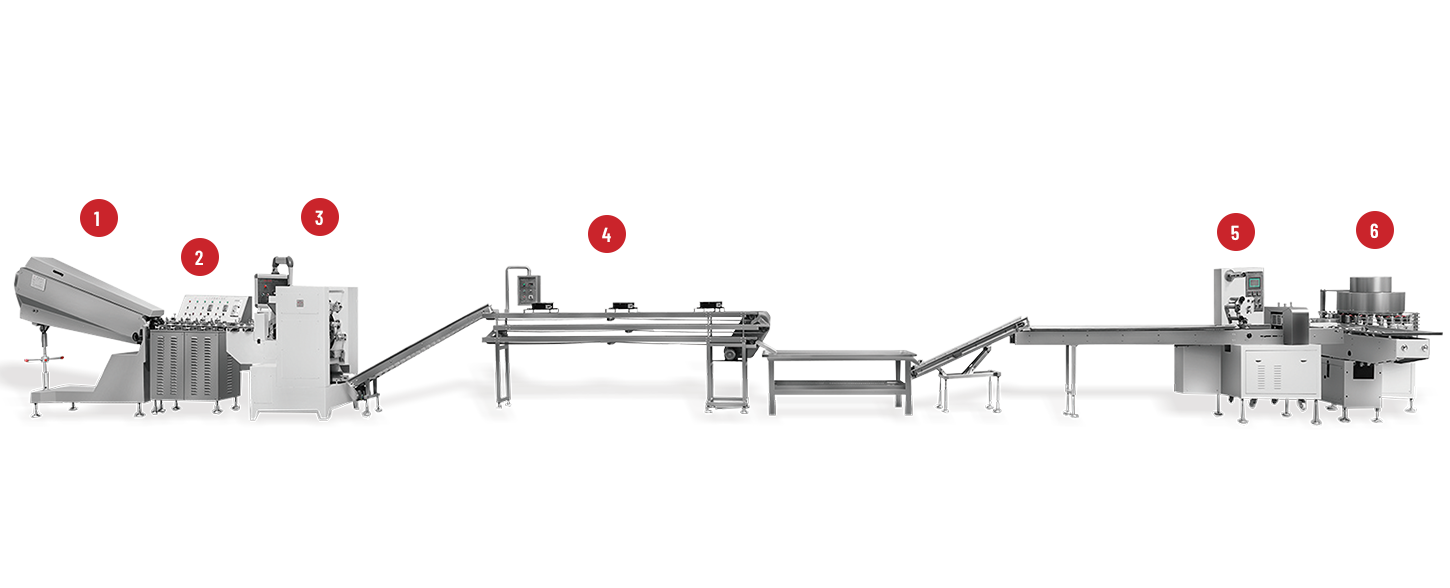
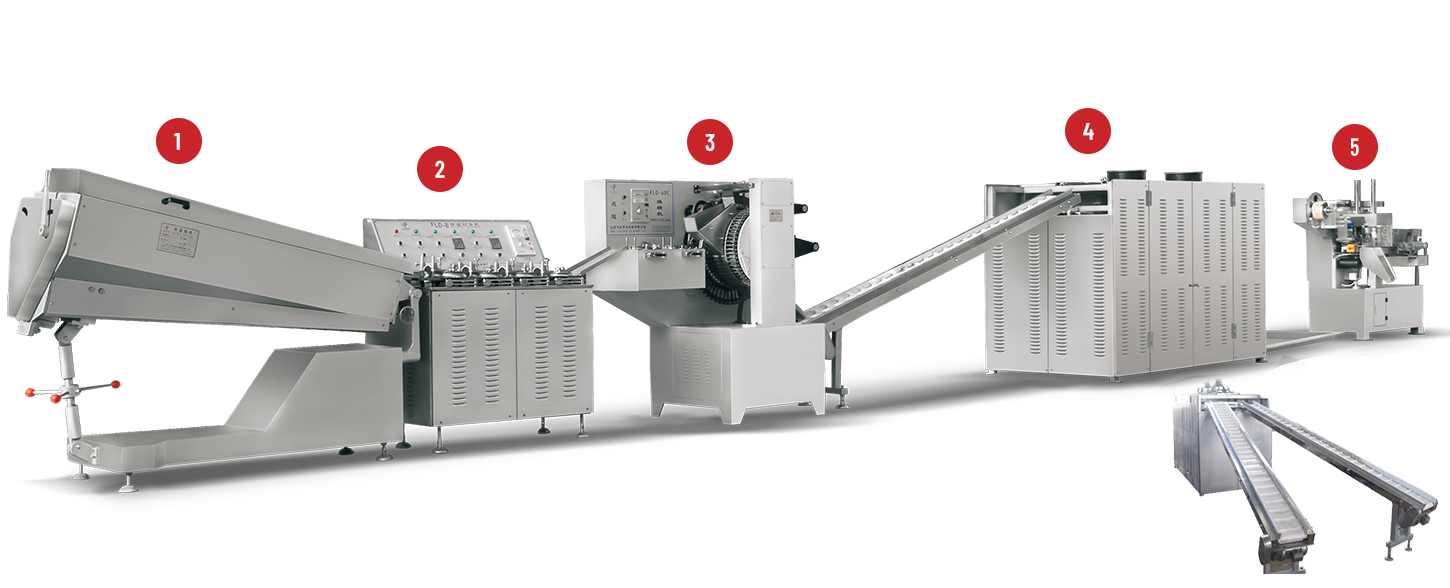
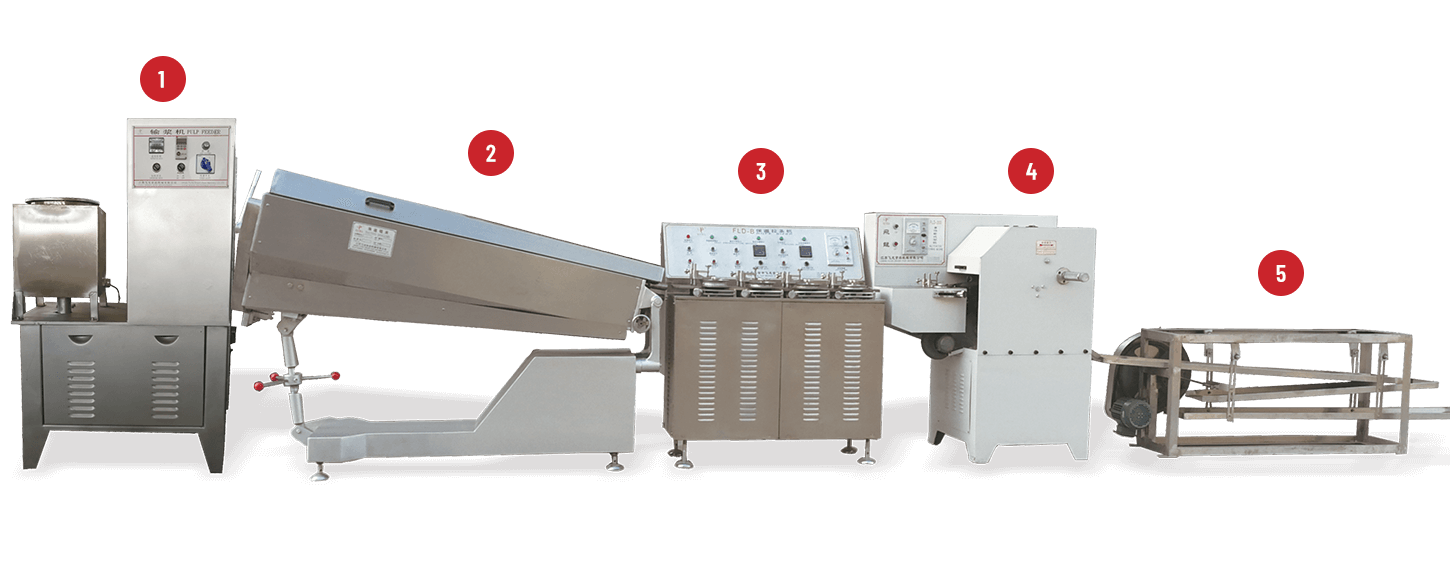
Once the order reaches the line, the work follows a set sequence. The sugar base is cooked to the proper point, then flavored and colored according to the approved formula. This part needs attention because the final texture depends on how the mixture is handled. Too much heat, too little heat, or uneven mixing can affect the way the candy looks and tastes.
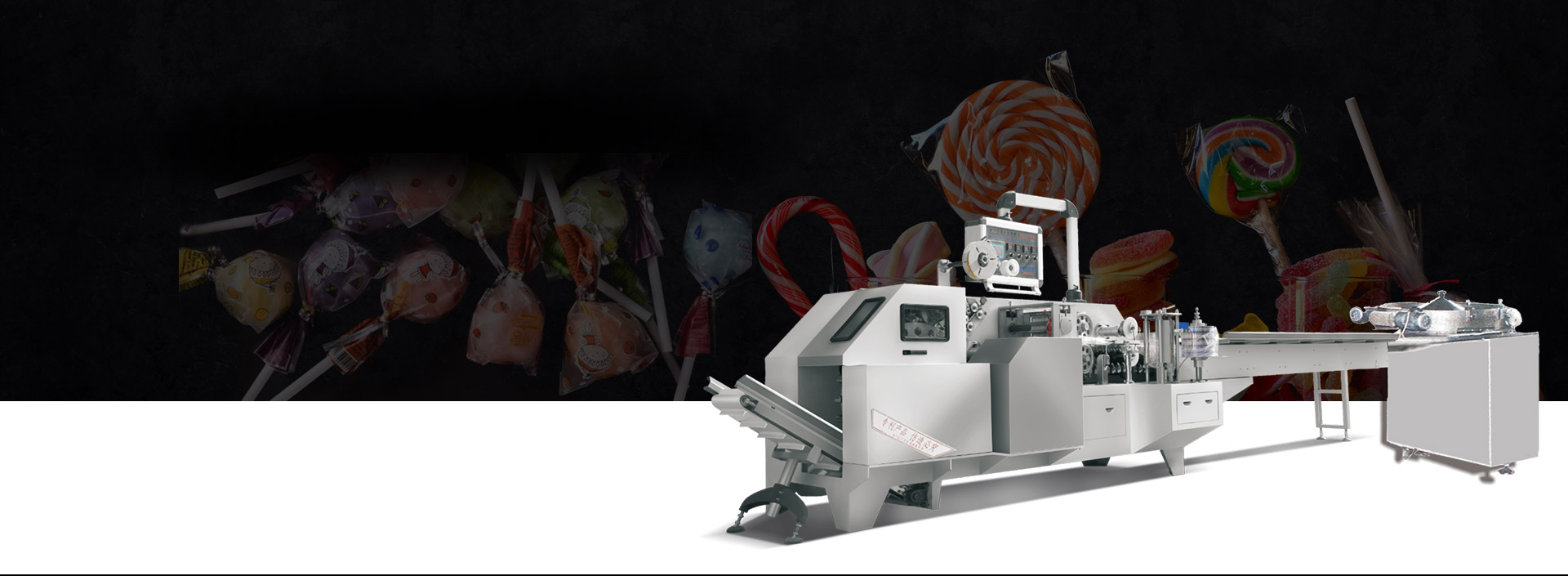
After that, the mixture is transferred to the forming stage. The flat molds are filled evenly, and the sticks are inserted while the candy is still soft enough to hold them firmly. That step may sound simple, but it is one of the points that affects consistency across the batch. The goal is to make sure each lollipop sits the same way and cools into a stable shape.
Then the trays move into cooling. This part should not be rushed. If the temperature drops too quickly, the surface may crack or the candy may lose its clean finish. A steady cooling cycle helps the pieces hold their shape and remain smooth. Once they are firm enough, they come out of the molds and move to inspection.
What buyers should know before placing an order
A few details are worth thinking about early because they affect the whole process. Many flat lollipops use a sugar mixture cooked to a hard-candy finish, but flavoring and coloring choices can influence how the result turns out. The manufacturer will usually work within food-safe production standards, but the exact look and taste depend on the formula.
Order size is another factor. Many production lines can handle both smaller test runs and larger batches, but setup time still matters. If a mold needs to be made or artwork has to be adjusted, that adds time to the project. Repeat orders are often easier because the tooling and approved files already exist.
Artwork quality matters more than many customers expect. Flat candies show graphics clearly, which is helpful for branding, but the design still has limits. Very detailed artwork may need simplification so it prints or forms cleanly. Clear source files make this part go more smoothly.
Storage and shipping should also be planned in advance. Candy can be sensitive to heat and moisture, so it needs to stay in the right environment after production and during transit. The manufacturer may recommend certain shipping options depending on where the order is going and how soon it needs to arrive.
Why timing can affect the whole project
Timing is not only about the delivery date. It affects scheduling, sample approval, packaging, transportation, and the space available on the production line. If an order is placed too late, even a simple project can feel rushed. If it is placed with enough room to move, the process tends to feel much smoother.
Certain periods are naturally busier than others. Holiday promotions, weddings, school events, and brand campaigns often create waves of demand at the same time. If your project falls into one of those periods, the earlier the conversation starts, the easier it is to reserve space for it.
Lead time also includes more than one stage. It covers design review, sample approval if needed, production itself, and shipping. That means a project that looks simple on paper can still need more time than expected if the packaging is custom or the design has not been used before. Sharing the final use date early helps the manufacturer work backward and suggest a realistic schedule.
It also helps to leave some space for transit. Shipping delays, weather, and route differences all affect arrival. A small buffer can prevent a lot of stress near the end of the project. Once the order is in production, changes become harder to manage, so it is better to settle the main details early.
Planning the order without unnecessary headaches
A little preparation goes a long way. The easiest orders usually come from customers who already have their files organized before they reach out. High-resolution artwork, color references, size notes, and a short explanation of how the candy will be used all make the early discussion easier.
Quantity should be thought through early as well. The way the candy will be used influences packaging choices, carton size, and even the shipping plan. An order for event favors may need a different layout than an order for retail shelves or promotional mailers.
Samples are worth the time when the project is new. A small test run gives everyone a chance to check the color, flavor, shape, and artwork before full production begins. It is usually much easier to make a small adjustment at that stage than after the whole batch has already been produced.
Budget planning matters too. It helps to know which parts of the project affect the cost much: tooling, packaging, ingredient choices, and batch size. That does not mean cutting corners. It just means making informed choices instead of guessing later.
It is also useful to have one main contact on the customer side. When several people are giving input separately, the approval process can slow down. A single point of contact keeps the project clearer and avoids repeated revisions.
When to place the order
There is no single deadline that fits every project, but the safest approach is to start earlier than you think you need to. Simpler orders with existing tooling may move faster, while new designs or packaging usually need more time. If the candy is intended for a fixed event date, work backward from that day and include a little cushion.
Repeat orders are usually more efficient because the team already knows the approved look and the molds already exist. If the project is seasonal or tied to a recurring campaign, placing the next order before the busiest period can also help keep scheduling more comfortable.
The good rule is to share the target date as soon as possible and let the manufacturing team map out the rest. That usually leads to a more realistic plan and fewer surprises.
What makes the process easier
The process itself is not complicated, but it does work better when each part is handled in order. A good project usually has a clear concept, workable artwork, a sensible quantity, and enough time for the line to do its job properly.
From the factory side, the rhythm is familiar. Review the design, prepare the materials, form the candy, cool it carefully, inspect the pieces, and finish with packaging. That is the basic path from idea to finished product. What changes from order to order are the details: flavor, color, shape, artwork, box style, and delivery timing.
For customers, understanding those details early makes the whole experience easier to manage. It turns the project from something uncertain into something that can be planned with more confidence.
 +86-(0)515-8465666
 +86-(0)515-85566996
 +86-138 1559 9708
 flyloong@flyloongcn.com
 Home
Home