

 ENG
ENG
 English
 中文简体
中文简体 русский
 Français
 Español
 عربى
عربى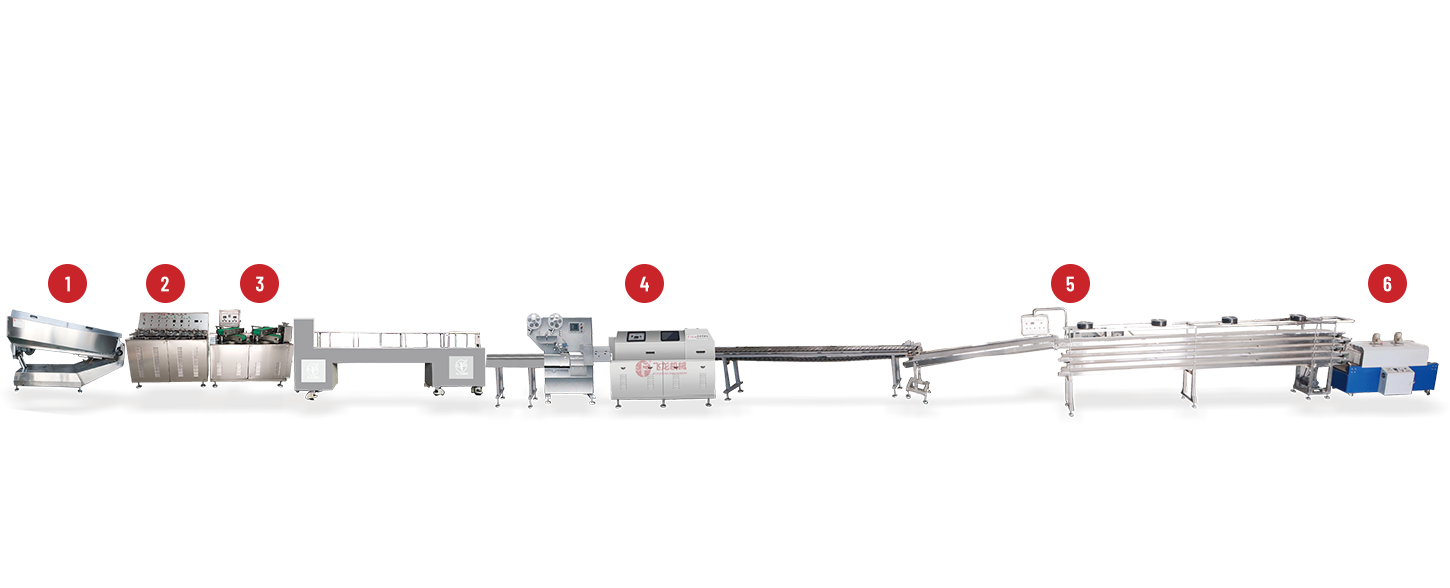
Deposit Jelly Machine Manufacturer: What the Process Looks Like, What Buyers Usually Miss, and When to Reach Out
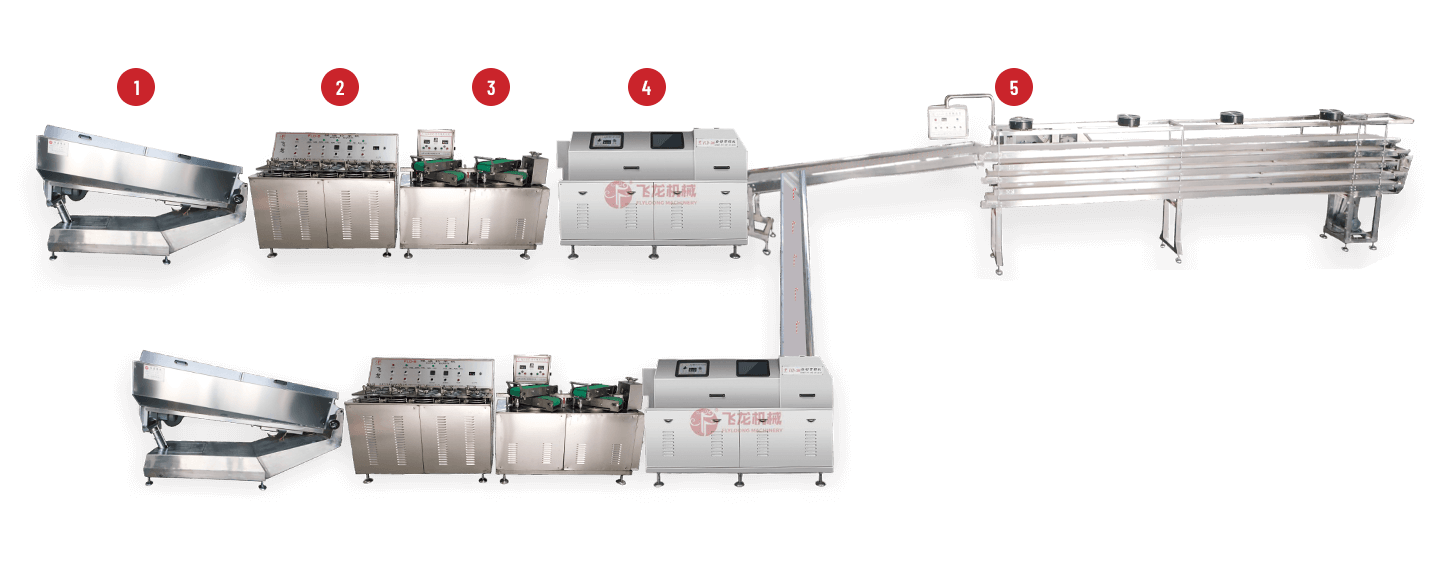
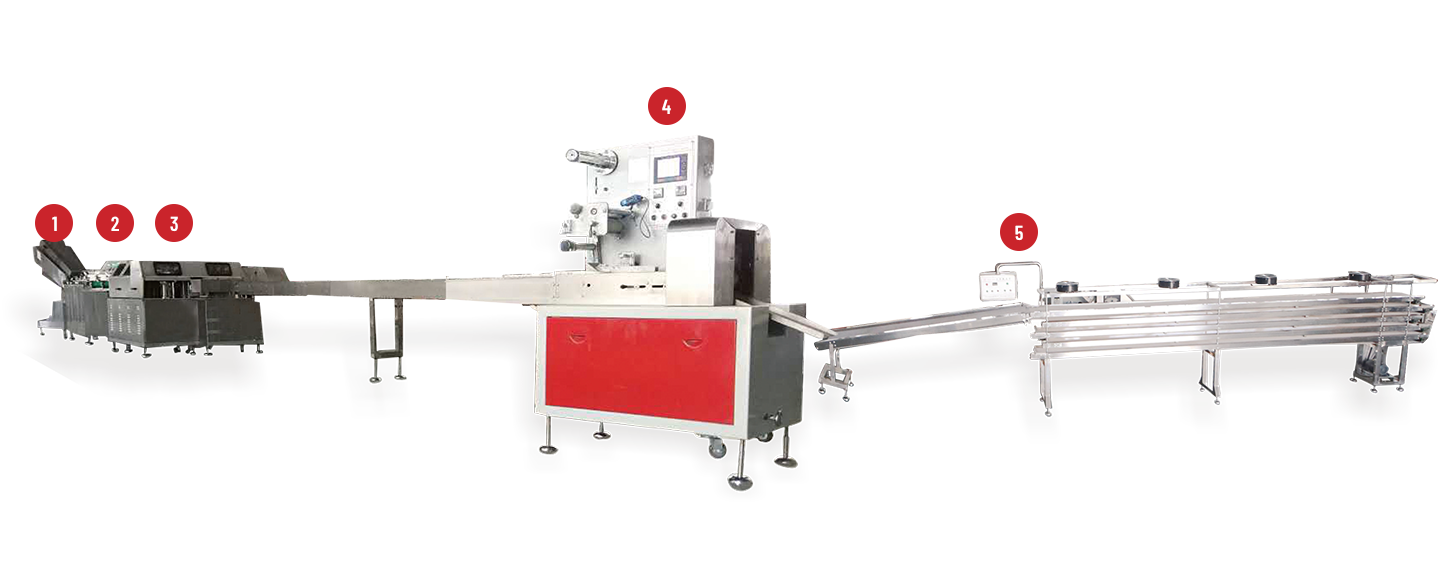
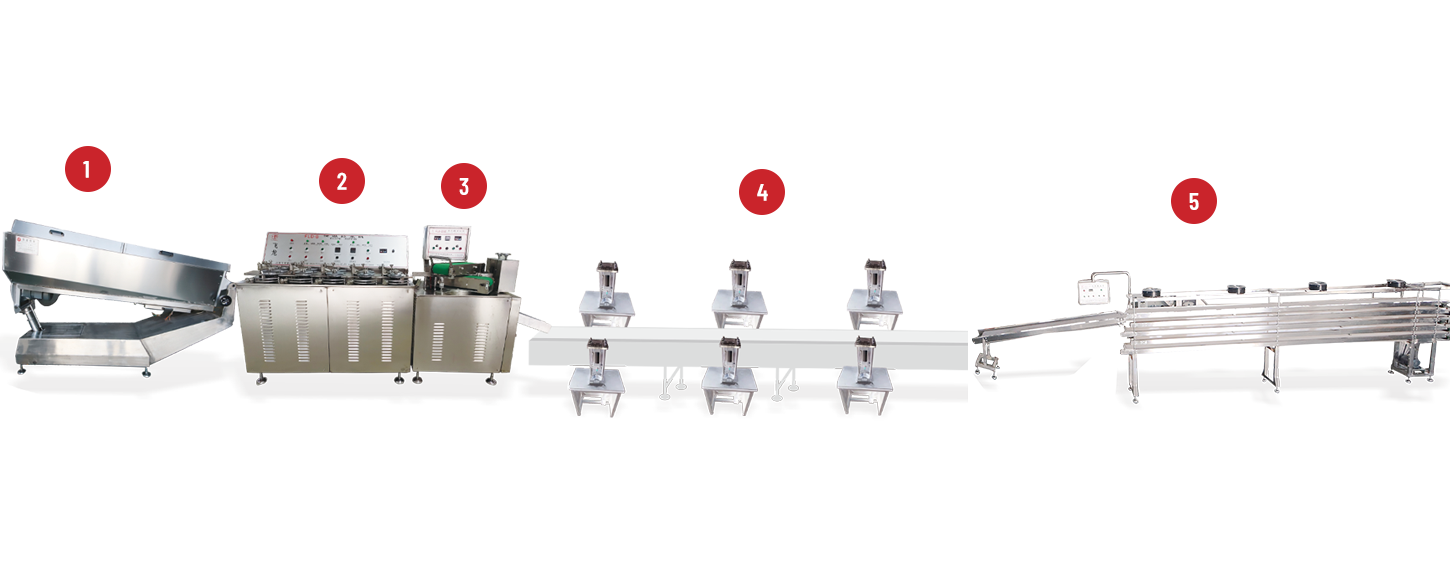
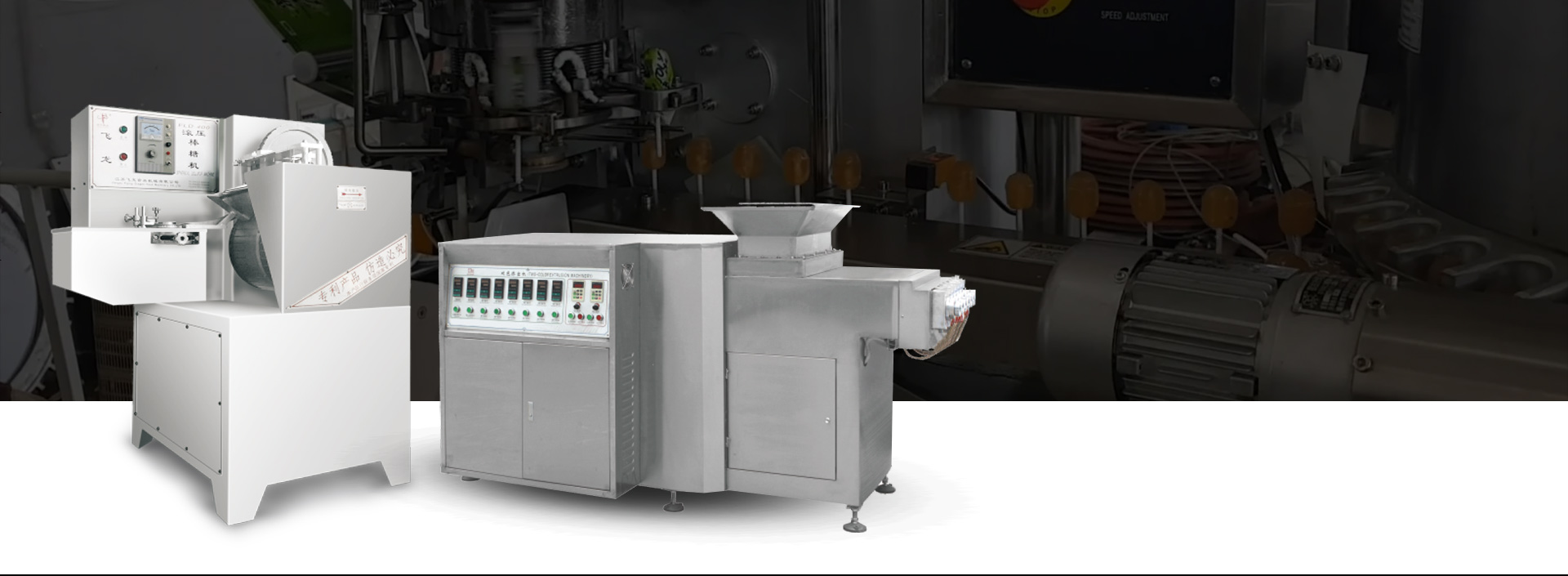
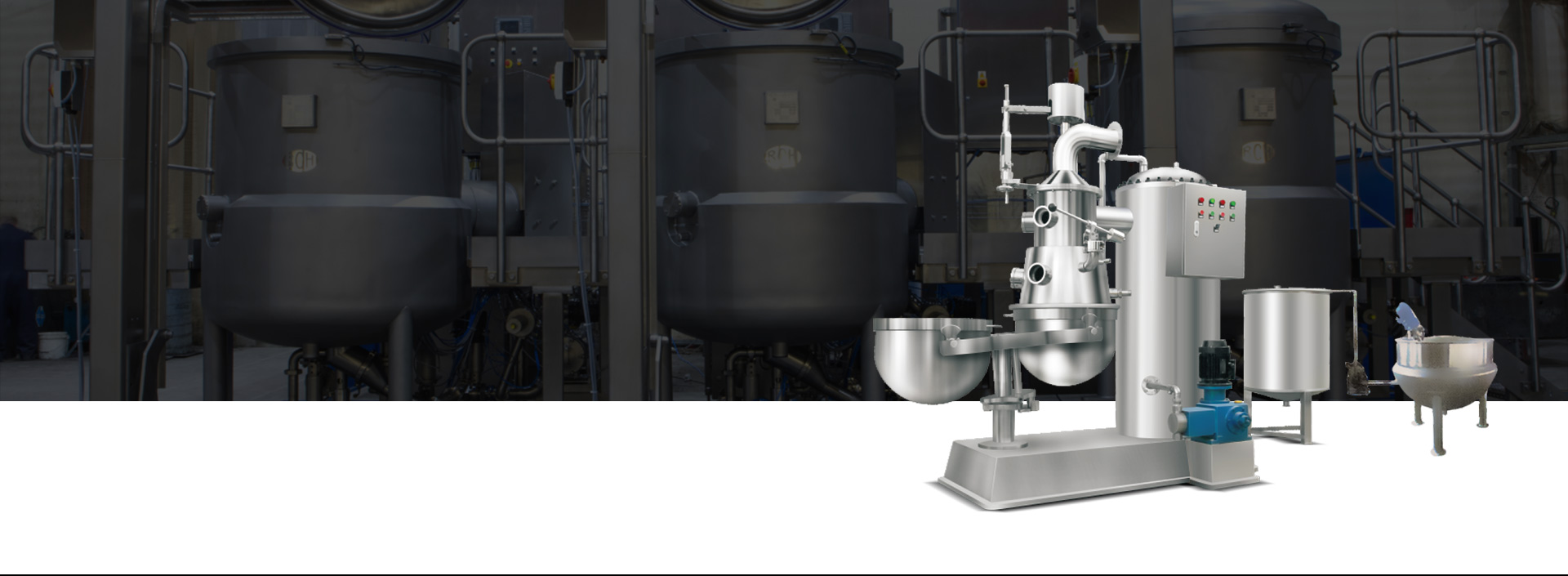
Jelly and gummy products have become a regular part of many confectionery lines, and that has made the equipment behind them a lot more relevant than it used to be. A Deposit Jelly Machine Manufacturer is usually responsible for the part of the line that turns a cooked liquid mix into shaped pieces that can move on to cooling, inspection, and packaging. It sounds simple on the surface, but anyone who has worked around production knows that the depositing stage can affect the feel of the whole line. If that part is inconsistent, everything that follows tends to feel it.
For food businesses planning a new line or adjusting an existing one, the process is often less about buying a machine and more about matching a machine to the way the factory actually works. Space, output goals, cleaning routines, operator experience, packaging needs, and shipping timing all matter. A project goes much more smoothly when those details are discussed early instead of being sorted out after the build has already started.
It takes a practical look at how the process usually works from the manufacturer's side, what buyers should think about before placing an order, how the stages usually unfold, why timing matters more than many people expect, and when it makes sense to begin the conversation. The aim is to keep it grounded in real production conditions rather than polished sales language.
How the process usually begins
Many projects start with a simple inquiry. A buyer reaches out with a rough idea of what they want to make, how much they expect to produce, and what sort of room they have available. Sometimes the buyer already knows the product style and has a layout in mind. Other times they only know they want to add jelly or gummy products to an existing range and need help figuring out what kind of setup would actually fit the line.
That exchange matters more than people sometimes realize. It gives the manufacturer a chance to understand the real needs behind the request instead of guessing. A good conversation at this stage usually includes questions about product type, daily output, floor space, utility access, and how the new equipment will connect with the rest of the process. The purpose is not to rush toward a quote. It is to see whether the project can be built in a way that feels practical.
Once the requirements are clearer, the manufacturer usually prepares drawings, specifications, or a proposal. This is where the project starts to feel real. Buyers can see how the equipment might sit in the production room, where the feeding and discharge points would be, and whether the setup needs any changes to fit the space. It is much easier to make adjustments here than after the machine is already under construction.
What buyers should know before they commit
There are a few things that tend to catch time buyers by surprise. One of them is hygiene. Jelly and gummy production requires food safe surfaces, cleaning access, and a layout that can be maintained without unnecessary difficulty. In real factory use, the machine has to survive repeated cleaning and still remain comfortable to service.
Another point is scale. Some buyers need a machine for smaller batches, trial runs, or a product line that is still being developed. Others are preparing for a much larger output. The right setup depends on how the factory works day to day, not just on how much product the business hopes to make eventually. A unit that looks impressive in a drawing may still be awkward if it does not match the room or the production rhythm.
Maintenance access is another thing worth thinking about early. If the machine is hard to reach around or difficult to inspect, it tends to become more inconvenient over time. That is why experienced buyers usually ask about access points, cleaning routes, and parts replacement before the order is confirmed. It is much easier to plan for service up front than to work around it later.
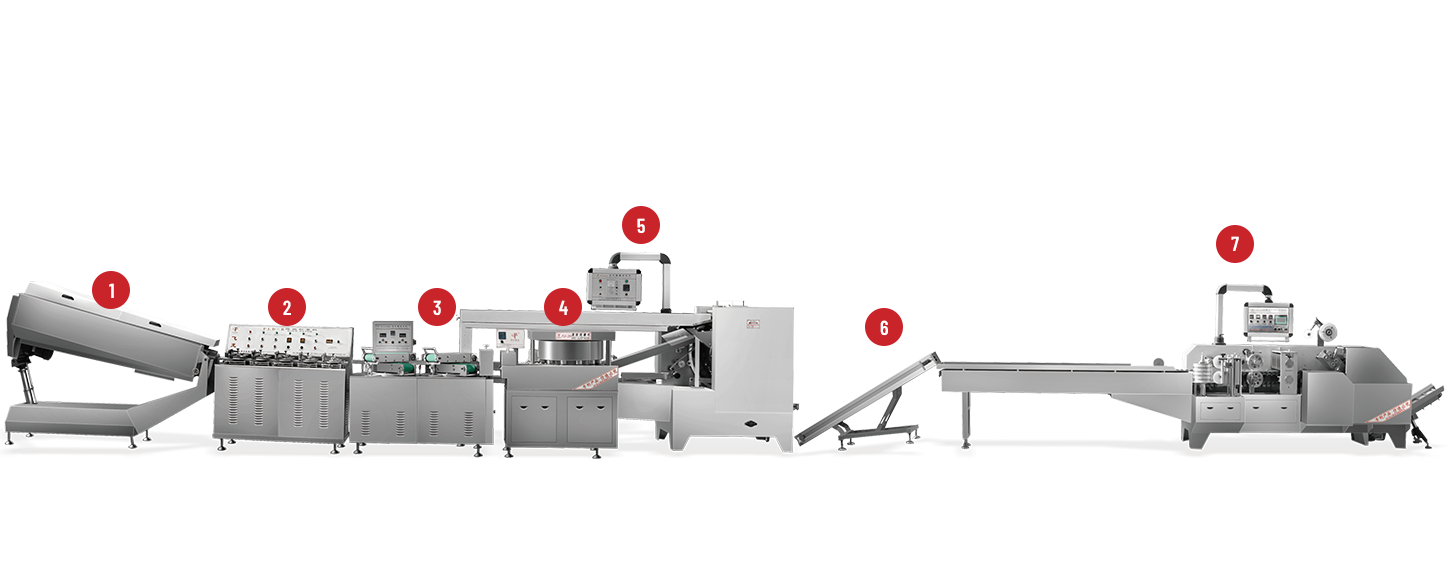
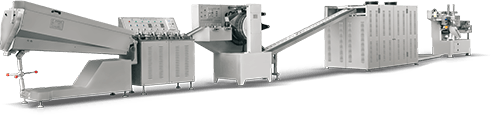
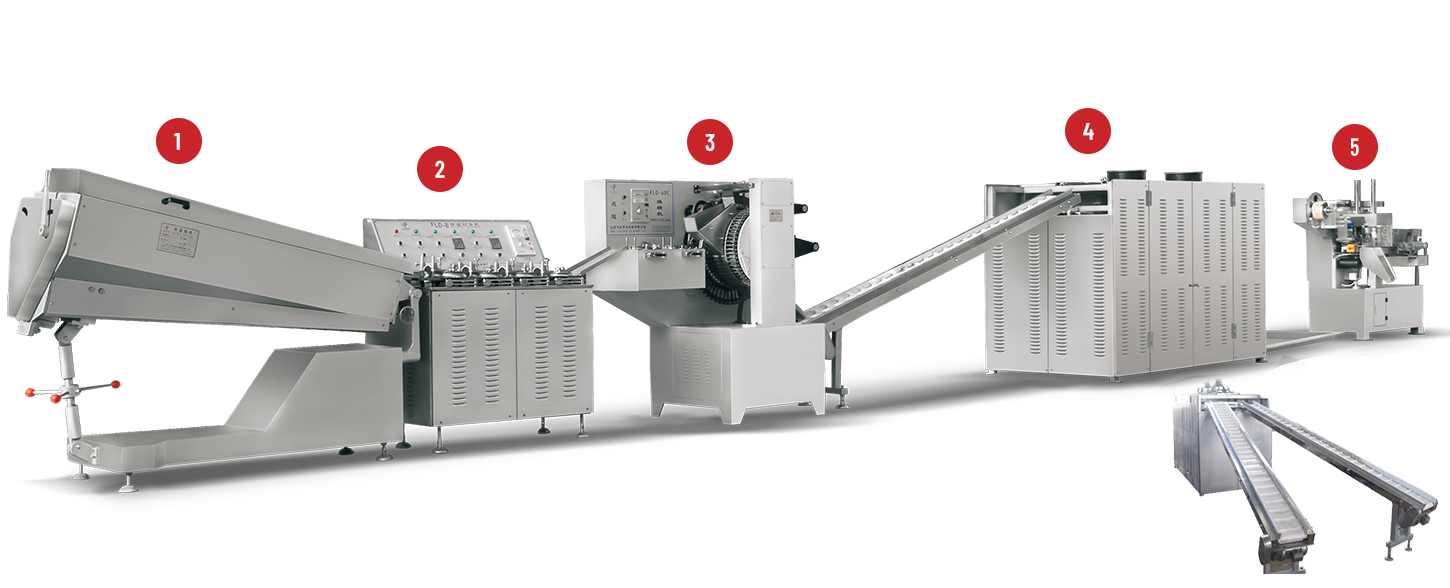
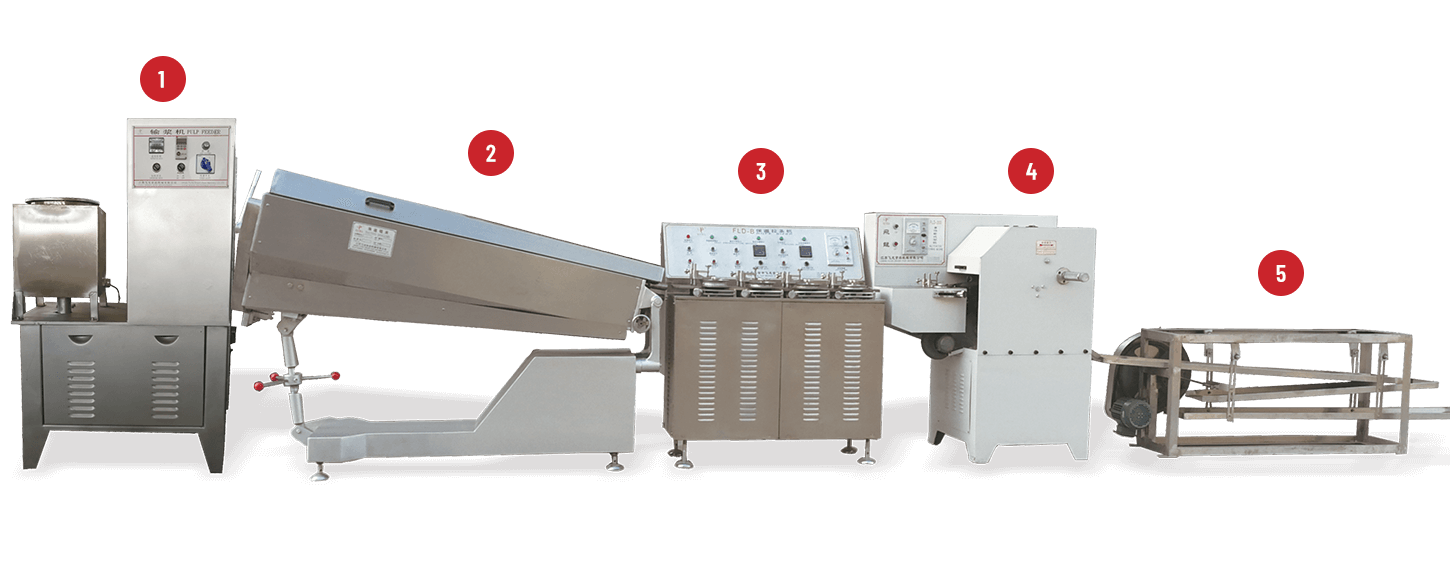
The machine also has to work as part of a larger line. It does not operate in isolation. It has to match the mixing section before it and the cooling or packaging section after it. If those parts move at different speeds or do not line up well, the whole line can feel less stable. That is one reason good manufacturers spend time reviewing the whole setup rather than focusing only on the depositing unit itself.
What the production stage usually looks like
Once the order has been approved, the project usually moves into a fairly steady sequence. The stage is design finalization. Any last changes to hopper size, control layout, valve arrangement, or machine dimensions are handled here. This step matters because it sets the structure for everything that follows.
After that, fabrication begins. Frames are assembled, wiring is completed, and the depositing components are fitted and checked. During this stage, communication matters because buyers usually want to know how the build is progressing. A clear update now and then helps keep the project moving without confusion.
And then the testing comes next. The machine is running with a sample material that behaves similarly to the actual jelly mix. If a small adjustment is needed, this is the point when it is usually handled.Once the test run is complete, the machine is prepared for shipment.
When the machine reaches the buyer's site, installation support may be part of the service. That may include help with positioning, utilities, calibration, and the stage of operation. For many buyers, this is one of the many useful parts of the process because it gives the team a chance to get comfortable with the machine before regular production begins.
Why timing affects the whole project
Timing is not only about the delivery date, but also it affects the entire rhythm of the order. If the schedule is too tight, a simple project will start to feel rushed. Design review, testing, shipping, and startup all take time, and each stage needs enough room to happen properly.
This matters even more if the buyer has a fixed launch date or a seasonal sales target. Jelly and gummy products often move in cycles, and production may rise ahead of holidays or promotional periods. If the project lands in a busy season, it will start early to give the manufacturer more room to fit it into the build schedule without creating pressure.
Time is more than just the hours spent in the workshop. It includes design approval, sourcing parts, assembly, testing, and shipment. A project that seems straightforward at the beginning can still need more time than expected if the packaging is custom or the layout is new. Sharing the target startup date early helps the manufacturer work backward and suggest a realistic schedule.
Shipping also plays its part. Delivery routes, handling steps, and installation time all affect the final timeline. Leaving a little buffer helps avoid stress at the end of the project. Once production starts, changes become harder to manage, so it is usually better to settle the key details early.
What a good planning process looks like
The easiest projects usually start with a buyer who has already thought through the basics. A short summary of the production goal, the available floor space, and the expected output gives the manufacturer something concrete to work from. It is much easier to give useful feedback when the starting point is clear.
It also helps to separate what is essential from what is optional. Not every detail has to be decided immediately, but the main requirements should be known before the order is confirmed. If too many pieces are left open, the project can drift and take longer to settle.
Photos or a simple layout drawing can help a great deal. Factory floors often look different in real life than they do on paper. Pictures make it easier to see where the utilities are, how much clearance is available, and whether the equipment will have enough room for daily access.
Maintenance and training should also come up early. Some buyers leave those questions for later, but it is better to know from the start who will handle daily checks and how the operators will learn the system. A little preparation in those areas saves time once the machine is installed.
Budget is another subject that is easier to handle at the beginning. If the manufacturer knows the investment range, they can suggest options that fit the project more naturally. That keeps the discussion practical and avoids repeated revisions.
When it makes sense to reach out
There is no single ideal moment for every buyer, but earlier is usually safer. If you are planning a new line or expanding an existing one, it makes sense to start the conversation while the layout is still flexible. That gives the manufacturer a chance to offer input before the design becomes fixed.
If the project is replacing older equipment, it is still helpful to reach out once the basic production goals are clear. That makes it easier to match the new machine to the updated workflow instead of forcing it into an outdated setup.
Smaller pilot projects can move faster, but they still need enough time for design review and testing. Even when the build is not large, the planning still matters. Repeat orders usually move more quickly because the manufacturer already has the previous specifications, but it still helps to confirm the schedule early.
The many practical approach is usually to share the target startup date and ask what timeline would be realistic. That gives both sides a clear way to plan and avoids unnecessary pressure later on.
Common issues buyers tend to overlook
One thing that often gets missed is how much the line depends on the next stage after depositing. If the cooling section runs too slowly or the packaging section is not ready, the deposited product can sit longer than planned. That can affect the flow of the work and slow the day down. It is not enough to think about the machine in isolation.
Another point is cleaning time. A machine that looks simple on paper can still require more routine attention than expected if the layout makes it awkward to access certain parts. Buyers often ask how the machine works, but they do not always ask how easy it is to live with it every day. That question matters just as much.
Some buyers also underestimate the value of having one clear point of contact. When several people are involved in the approval process, it is easy for small details to get repeated, delayed, or changed too many times. A single contact helps keep decisions moving.
Finally, some buyers wait too long to talk about shipping and installation. By the time the machine is finished, it is already harder to adjust the timeline. A smoother project usually comes from sharing the intended delivery window early and confirming the site conditions before the build reaches its final stages.
What makes the collaboration smoother
The good projects usually feel steady, not rushed. That does not mean they are simple in every detail. It means the buyer and manufacturer stay aligned as the order moves forward. Clear goals, realistic timing, and open communication tend to prevent many of the problems that slow projects down.
From the manufacturer's side, the work follows a familiar path: review the request, refine the design, build the machine, test it, pack it, ship it, and support the startup. From the buyer's side, the same order feels easier when the needs are clear and the timeline is honest. Neither side needs to overcomplicate it.
What matters much is fit. The machine has to suit the product, the space, the workflow, and the team that will use it. If those pieces line up well, the order usually feels less like a gamble and more like a practical step in the line's development.
Working with a Deposit Jelly Machine Manufacturer is really about turning production needs into a machine that can sit comfortably inside an existing process. That takes a few stages, some planning, and a realistic sense of timing. The better the early discussion, the smoother the rest of the project tends to feel.
For food producers, the main value comes from knowing what to expect before the order is placed. Once the output goals, room layout, cleaning needs, and schedule are clear, the project becomes much easier to manage. That is especially true for businesses that are adding jelly or gummy products to a line that already has a lot going on.
If you have a project in mind, starting the conversation early usually gives you more room to plan and fewer surprises later. A clear exchange at the beginning tends to make the rest of the process feel much more manageable.
 +86-(0)515-8465666
 +86-(0)515-85566996
 +86-138 1559 9708
 flyloong@flyloongcn.com
 Home
Home