

 ENG
ENG
 English
 中文简体
中文简体 русский
 Français
 Español
 عربى
عربى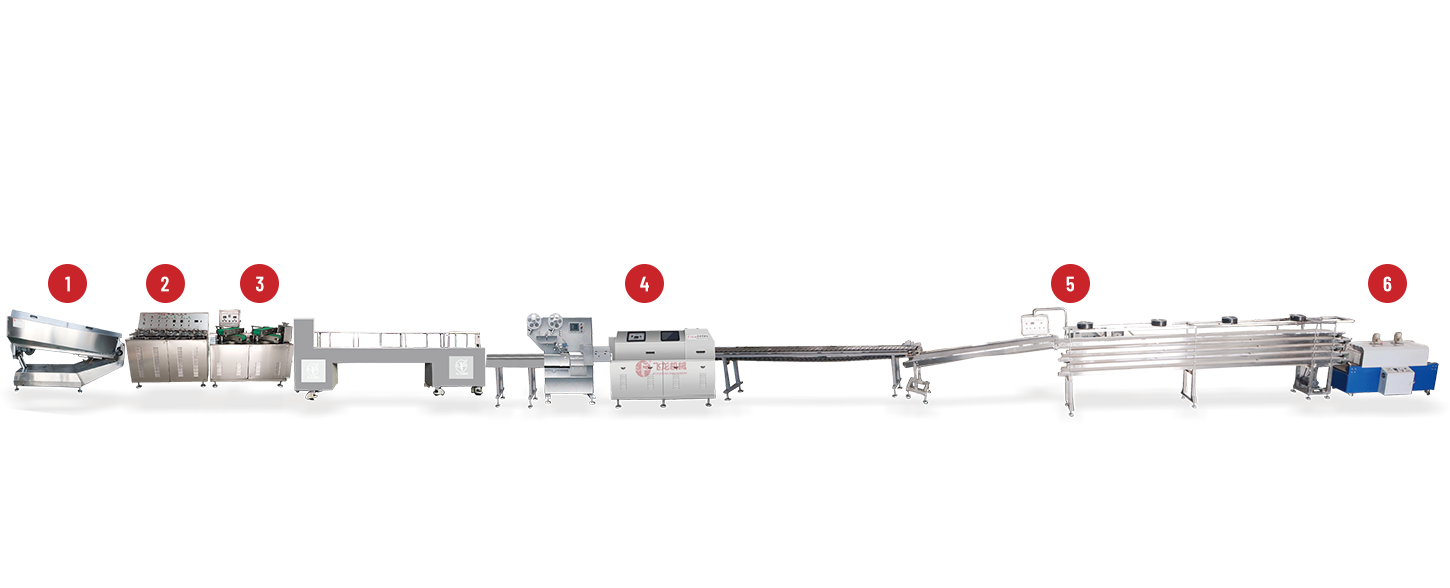
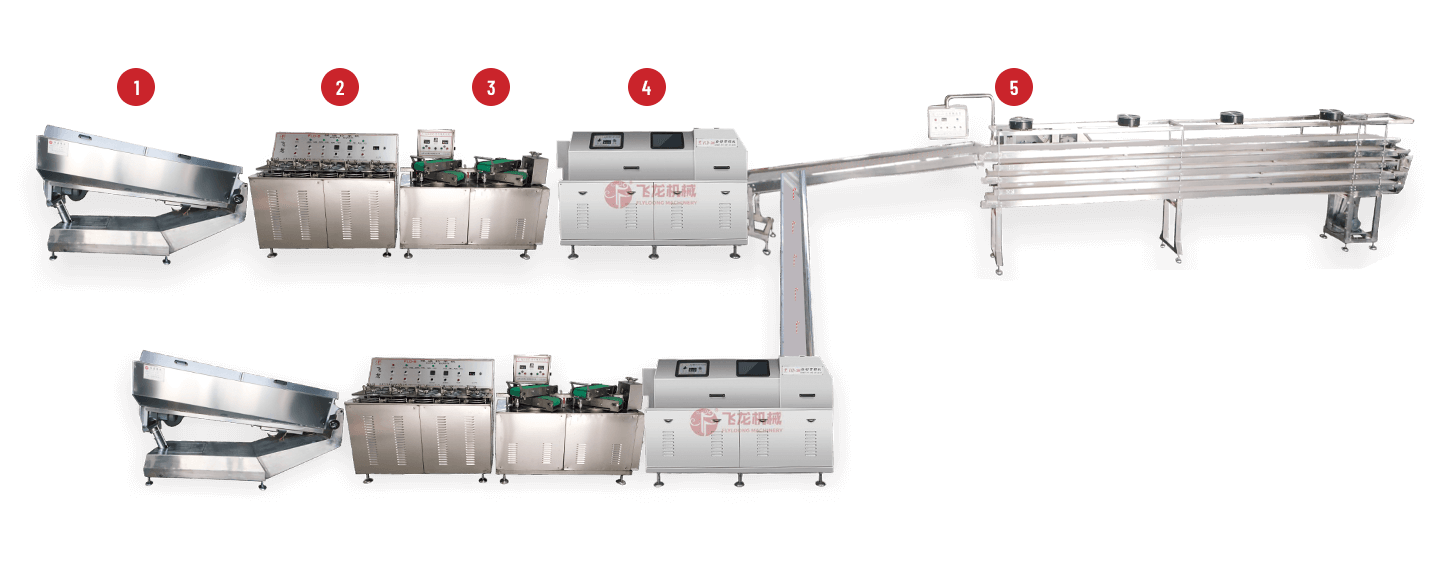
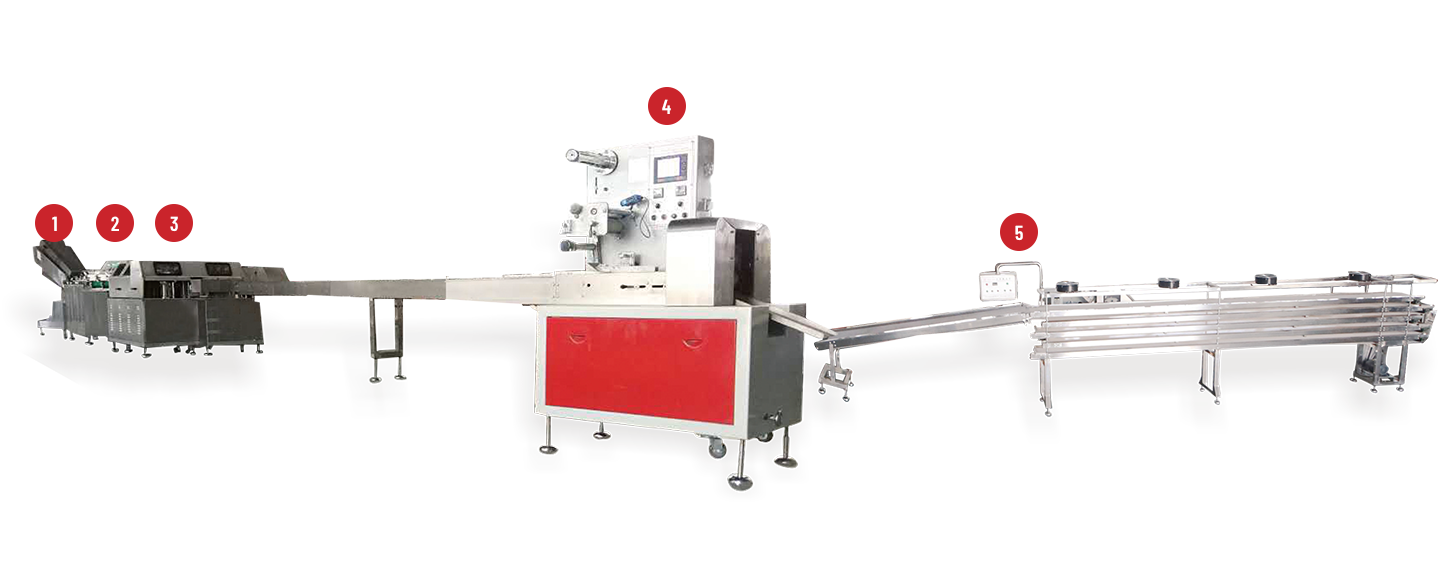
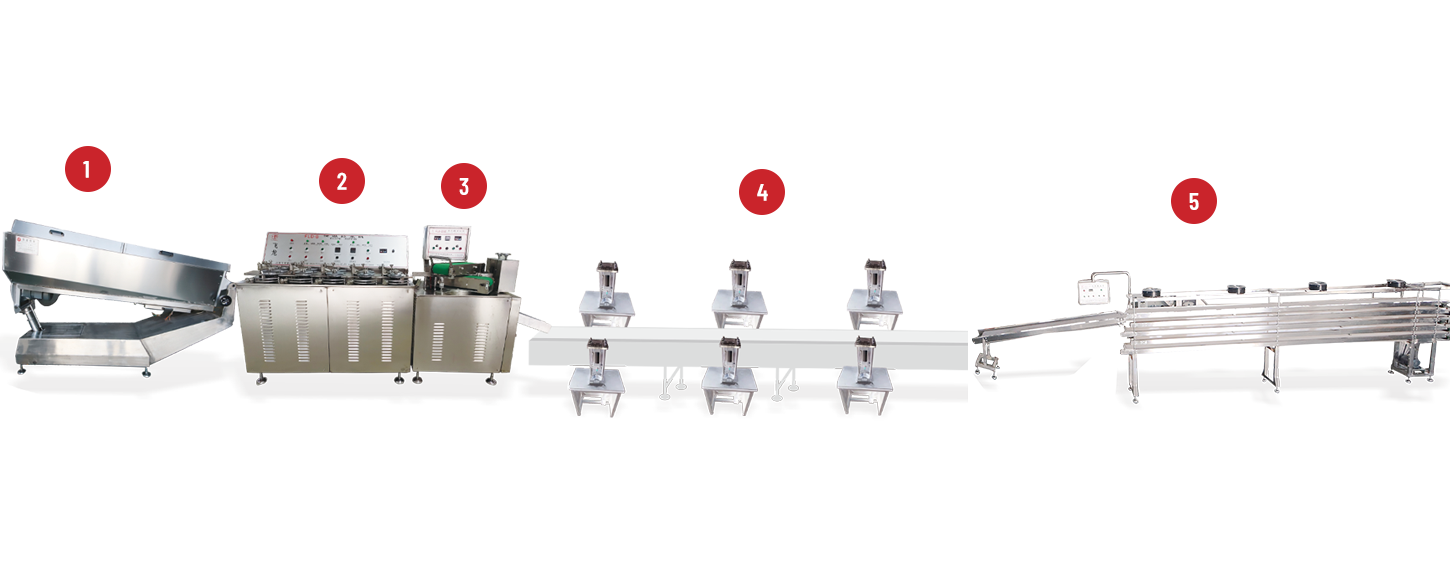
How Small Confection Workflows Get Easier With the Right Setup
For people who make sweet treats in a home kitchen, a small workshop, or a compact production room, the hard part is often not the recipe itself. The real challenge is keeping the work steady from beginning to end. Heat changes. Cleaning takes longer than expected. The table feels crowded. A task that looks simple on paper can become tiring once the same motion is repeated again and again. A Spoon Candy Machine can help with that by giving the operator a more regular way to portion and place the mixture without turning the room into a more complicated place.
That kind of support matters because small confection work depends on rhythm. A few trays may go smoothly, then the pace slips if the operator gets tired or the mixture starts changing as it sits. A dependable setup helps keep the routine calm. It also gives the maker more time to focus on texture, shape, and finish instead of worrying about every single scoop. For a small team, or even one person working alone, that difference can be noticeable.
The interest in this kind of equipment usually comes from practical needs rather than novelty. Users want a tool that fits on a counter, handles repeated batches, and does not demand a large amount of training. They also want something that can support a variety of recipes without making every adjustment feel difficult. In real use, the appeal often comes down to the same few questions: how it works, what makes it useful, what can go wrong, how to keep it running well, when to move on to a new one, and which types of treats suit the process more naturally.
How the equipment fits into a small workspace
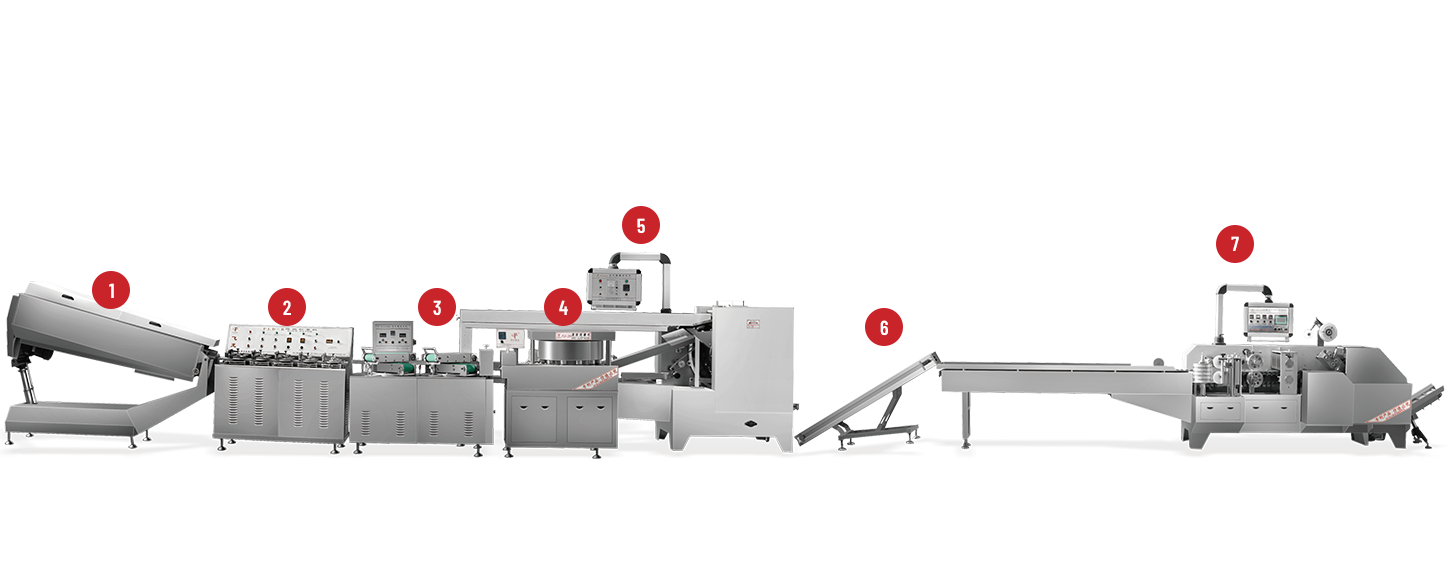
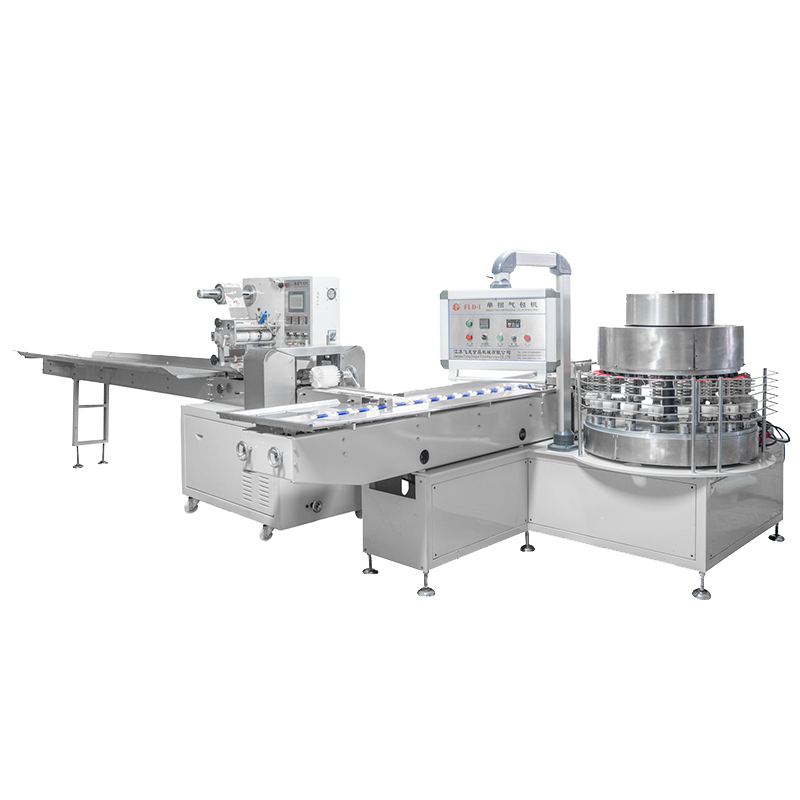
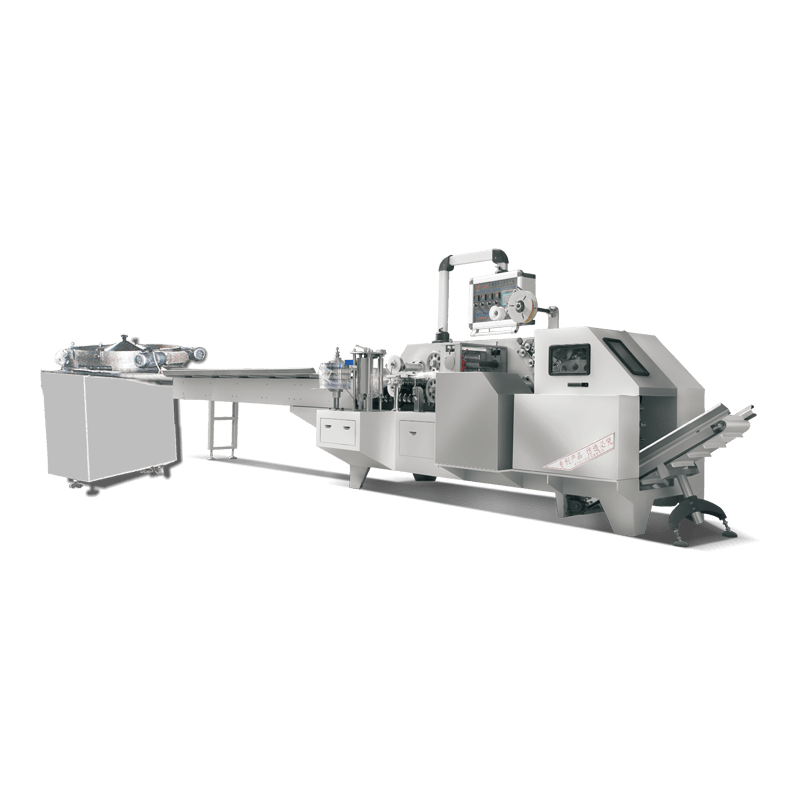
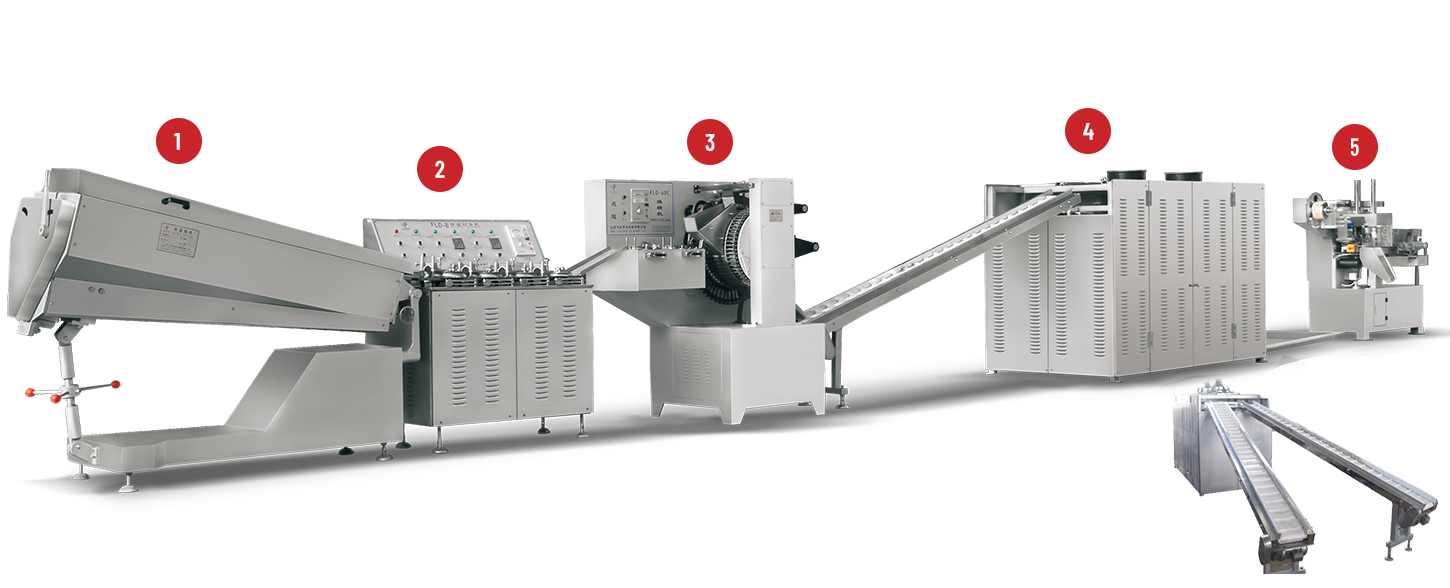
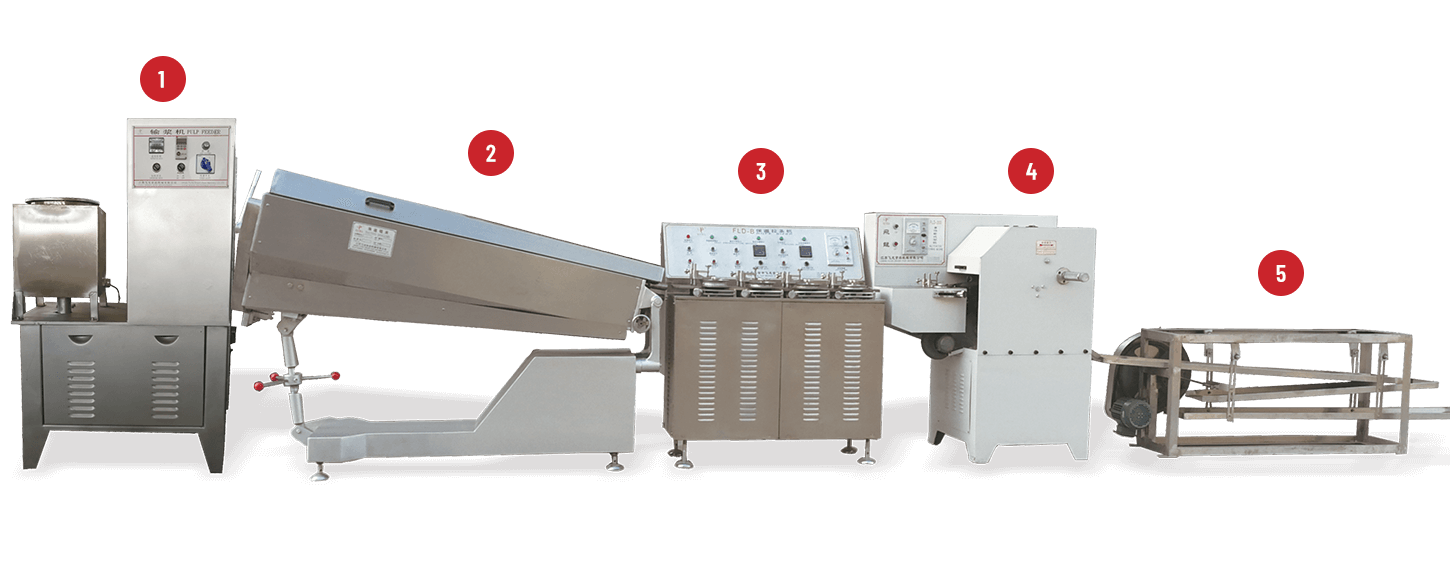
A Spoon Candy Machine usually works well when it becomes part of a simple, repeatable flow. The mixture is kept at a workable temperature, then released in measured amounts through a shaped portioning path. The operator does not need to hand scoop every piece, which removes one of the repeated parts of the job. That may not sound dramatic, but in a small room with limited space and several tasks happening at once, it can make the work feel easier to manage.
A setup like this also helps the room stay more organized. When the same motion is repeated manually, the operator often has to keep shifting position, checking the tray, and adjusting the container. Over time, that can slow things down and create small mistakes. With a better-controlled release, the person working the line can spend more attention on how the mix behaves and less on basic handling.
Space is another part of the story. A compact workshop does not leave much room for long walks between stations or oversized equipment that blocks the path. A small workstation needs to feel open enough for loading, cleaning, and setting trays down without creating clutter. When the layout is calm, the work tends to follow that same pattern. A good piece of equipment supports that rhythm instead of fighting it.
The other thing operators often notice is that the output becomes easier to repeat. Manual work tends to drift when the day gets long. The early trays may look close to the target, then later ones begin to vary a little in size or placement. A measured release helps reduce that drift. The result is not about removing skill. It is about giving that skill a steadier base to work from.
Why many people keep choosing this kind of setup
A Spoon Candy Machine appeals to users who want control without unnecessary complexity. That balance matters in a small workshop or a home kitchen, where the person doing the work may also be handling prep, cleanup, and packing. A machine that helps with the repetitive part of the process can make the whole job feel lighter.
One reason people return to this type of setup is the effect on physical effort. Repeating the same hand motion over and over can wear on the wrist, shoulder, and back. After a while, that strain can affect attention too. A unit that takes over part of that motion helps the operator keep a steadier pace. It also makes longer work sessions feel more manageable.
Learning curve is another factor. A tool that needs a long explanation before it can be used usually slows down a small operation. A setup that feels direct and understandable gets used more often. That is one of the reasons this kind of equipment keeps its place in smaller production spaces. It does not ask the operator to change the whole way they work. It just gives them a more stable way to do it.
There is also room for creativity. When portioning stays more regular, the maker can spend more attention on flavor, color, or added ingredients. That can be useful for someone testing a small batch or trying a new variation. The process stays practical, but it also leaves space for experimentation.
Where small mistakes usually begin
A Spoon Candy Machine can perform well and still create problems if the routine around it is rushed. The common trouble spot is temperature. Sweet mixtures respond quickly to heat. If the mixture gets too warm, it may spread too far or lose its shape before setting. If it is too cool, the release can become uneven or slow. That is why operators often make small adjustments before the main run begins.
Cleaning is another place where issues start quietly. Sugar and similar mixtures harden fast. If residue is left behind in the container or the portioning path, the next batch may not move the same way. A quick wash after use usually saves a great deal of frustration later. People sometimes put that step off because the session has already been long, but the next round often reminds them why the cleanup mattered.
The surface below the unit matters as well. A level base helps the material move evenly. If the table or counter is uneven, the mixture may drift to one side or collect in a spot that does not work well. Small workspace habits matter too. If the operator has to twist, stretch, or reach too far, errors are more likely to show up. A calm setup often leads to a calmer result.
Then there is the timing of the work itself. Some users try to move too quickly because the process looks simple from the outside. That usually leads to uneven portions or missed checks. Slowing down at the start often leads to better results later. Once the routine becomes familiar, the pace naturally improves.
How to keep the setup working without extra drama
A Spoon Candy Machine stays more useful when the care routine is easy to repeat. That is important because complicated maintenance tends to get delayed. A simple routine, on the other hand, is easier to keep up with. After a run, the removable pieces should be cleaned while residue is still fresh. That prevents buildup from becoming hard and stubborn.
The moving parts should also be checked now and then. Hinges, release pieces, and connection points can loosen a little over time. A quick look before the day begins is often enough to spot something before it turns into a longer problem. The same goes for power connection and heating behavior. If the unit starts sounding different or warming less evenly, that is worth checking early.
Storage has a quiet effect too. A dry, covered place keeps dust and moisture away from the parts that matter. In a workshop, that may sound like a small detail, but it helps the equipment stay cleaner and reduces the amount of correction needed later. Equipment that is stored with care usually lasts with less trouble.
The area around the equipment matters as well. Small rooms collect extra trays, containers, and hand tools very quickly. If those things stay in the way, cleaning becomes harder and the chance of bumps or spills increases. A tidy corner does not just look better. It helps the work move with less friction.
When a replacement starts making sense
No piece of equipment stays useful forever in exactly the same way. Wear appears little by little. Dispensing may slow down. Portions may become less even. The mixture may need more effort to move through the unit. Those are usually early signs that the current setup is reaching its limit.
This setup may still work in that stage, but it may need more adjustment than it once did. If the operator finds themselves correcting the same problem every day, the work can start to feel less smooth. The question then becomes whether repair is still the sensible option or whether a new setup would fit better.
Sometimes the reason is not age at all. It is growth. A home hobby can turn into a steady side business. A small shop may begin handling more orders or different recipes. When that happens, the old arrangement may no longer match the way the room is used. A newer unit or a different style of setup can make the daily routine easier.
When replacement is on the table, it helps to look at the workspace again. The table layout, cleaning path, tray space, and access to power all matter. A new setup often works better when the room is reviewed at the same time. That can turn the change into a better fit rather than just a swap.
Which treats suit the process more naturally
Some sweet mixtures work better with measured release than others. Soft pieces that need careful portioning often do well because the release stays more even. Firmer recipes can also work if the warmth is managed well and the mix does not set too quickly. In both cases, the key is giving the material enough control without forcing it.
Small test batches are useful when trying a new recipe. They show how the mixture behaves without risking a large amount of material. That makes it easier to adjust timing and feel before a bigger run begins. If the recipe includes nuts, fruit bits, or other inclusions, small runs also help show how those pieces spread through the mixture.
Layered pieces can work too. Instead of pouring everything in one rushed pass, the maker can build the treat in stages. That gives a cleaner look and more control over the finish. The process stays simple, but the result can feel more deliberate. That is useful for people who care about shape as much as flavor.
The operator can also learn a lot from the material itself. Each mixture behaves a little differently. Some need more patience. Some need a lighter touch. Some need a slightly warmer setting. That is why small, careful tests often teach more than a long explanation ever could.
What operators notice after a few steady runs
After some time with the setup, many users stop thinking about the novelty and start thinking about flow. That is usually a good sign. The work becomes a routine instead of a series of small decisions. The operator knows how the mixture should move, how the portions should fall, and what to look for when the texture begins to change.
That kind of rhythm is useful in a small production room. It keeps the work calmer and easier to repeat. It also makes it simpler to show someone else how the process works. Once the pattern is clear, training becomes less of a burden. The operator is no longer improvising every step.
People often notice that the finished pieces look more even after the release step becomes steadier. That does not mean the equipment is doing magic. It means repeated motion is being handled with more control. When the release stays regular, the shape usually stays more regular too. That gives the maker a cleaner base for packing, sorting, or displaying the final result.
It also makes the work feel less tiring. When the operator is not fighting the process, the rest of the day tends to move better. Small improvements in routine often matter more than big promises.
Why this kind of setup keeps its place in small production
The setup keeps its place because it solves a practical problem without asking for a large change in how the room works. Small operators often do not need a full industrial line. They need something that fits the space, keeps the routine steady, and helps reduce repetitive effort. That is where this kind of setup continues to make sense.
The value also comes from flexibility. Once the portioning step is steadier, the operator can spend more attention on flavor, finish, or packaging. That can make the work feel easier to manage from start to finish. It also helps the room stay more organized, because the equipment is doing part of the repeat work instead of asking the operator to carry it alone.
Another reason it remains useful is that confection work still depends on small details. Clean release. Stable temperature. A tidy workspace. A sensible cleaning habit. These are not glamorous things, but they shape the result every day. When the setup supports those details, the work becomes easier to keep under control.
That is why many small kitchens and workshops keep looking for this kind of solution. It does not need to be flashy to be useful. It only needs to fit the job and support the routine.
People often search for one large improvement when they are trying to make a production room easier to manage. In practice, the smaller improvements usually matter more. Less strain. Cleaner portions. A calmer pace. A faster cleanup. Those are the things that shape the day.
That is the real reason this kind of setup keeps attracting attention in small-scale confection work. It helps the operator stay more organized without taking away the hands-on part that still matters. It keeps the process within reach and supports a more repeatable routine.
For anyone building a small sweet-making workflow, the better question is not whether every step should be automated. The better question is where a little support will make the work smoother without changing the whole style of production. In many cases, that is exactly where this type of equipment fits.
A careful setup, a steady routine, and a clean working space can do a lot. When those pieces come together, the process usually feels less rushed and more predictable. That may not sound dramatic, but in a room where the same task repeats every day, it is often the difference people notice most.
 +86-(0)515-8465666
 +86-(0)515-85566996
 +86-138 1559 9708
 flyloong@flyloongcn.com
 Home
Home