

 ENG
ENG
 English
 中文简体
中文简体 русский
 Français
 Español
 عربى
عربى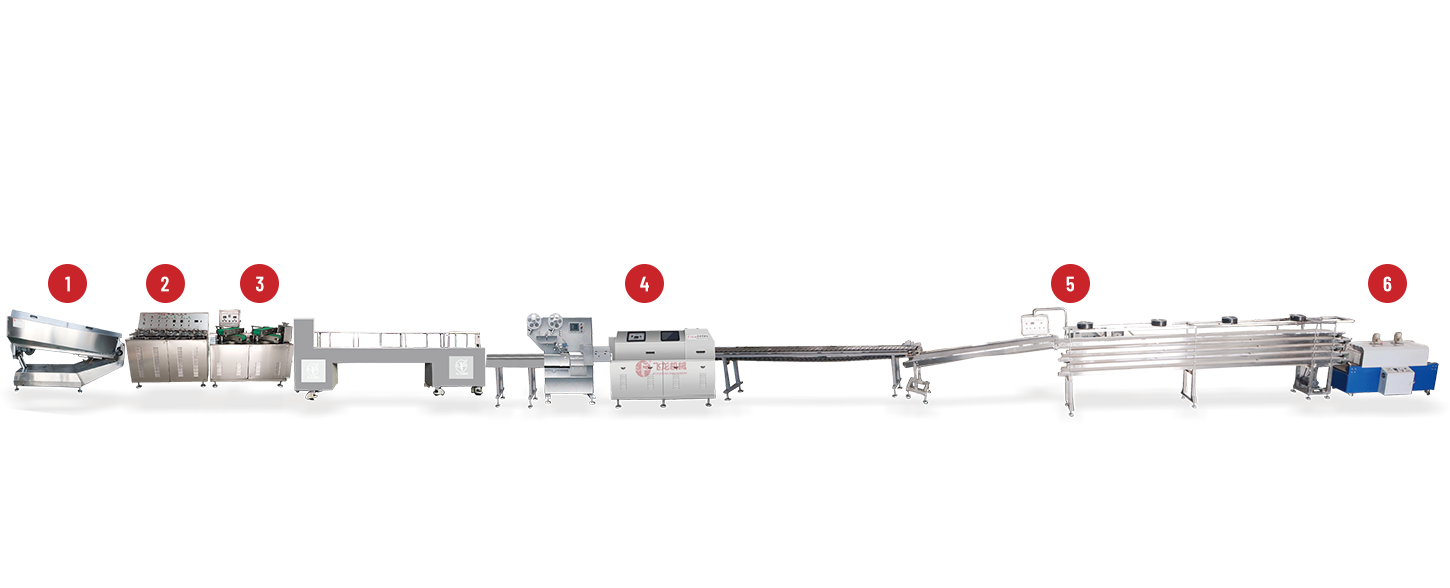
What Is a Twist Packing Machine Used for in Confectionery Packaging
If you've ever unwrapped a single piece of candy at checkout or at a party, there's a good chance it was wrapped using a twist-style method. It's a simple idea: wrap the sweet in flexible material and twist the ends. But simple doesn't mean unimportant. That twisting keeps pieces apart, looks familiar to consumers, and makes handling a lot easier down the line.
What the Process Actually Does
At its heart, this approach is about individual protection and tidy presentation. Instead of sealing the wrapper with heat or adhesive, the ends are mechanically twisted to hold the package closed. That keeps moisture and makes the product easy to open by hand.
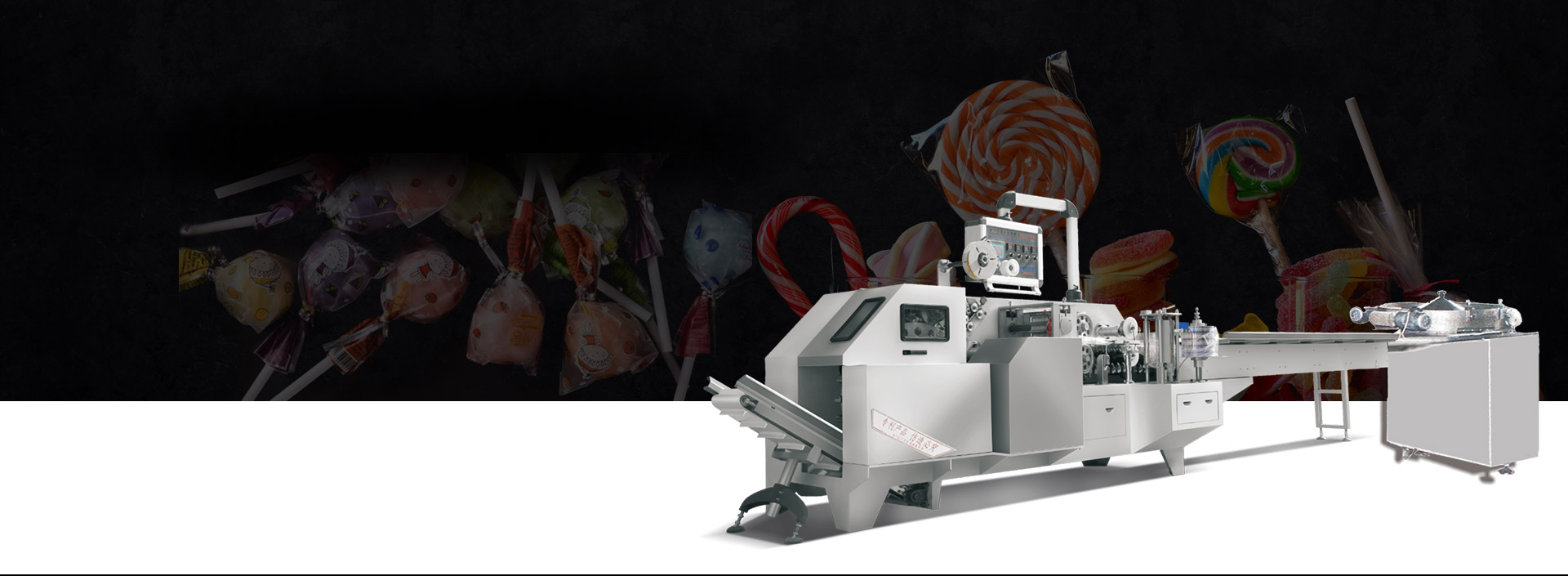
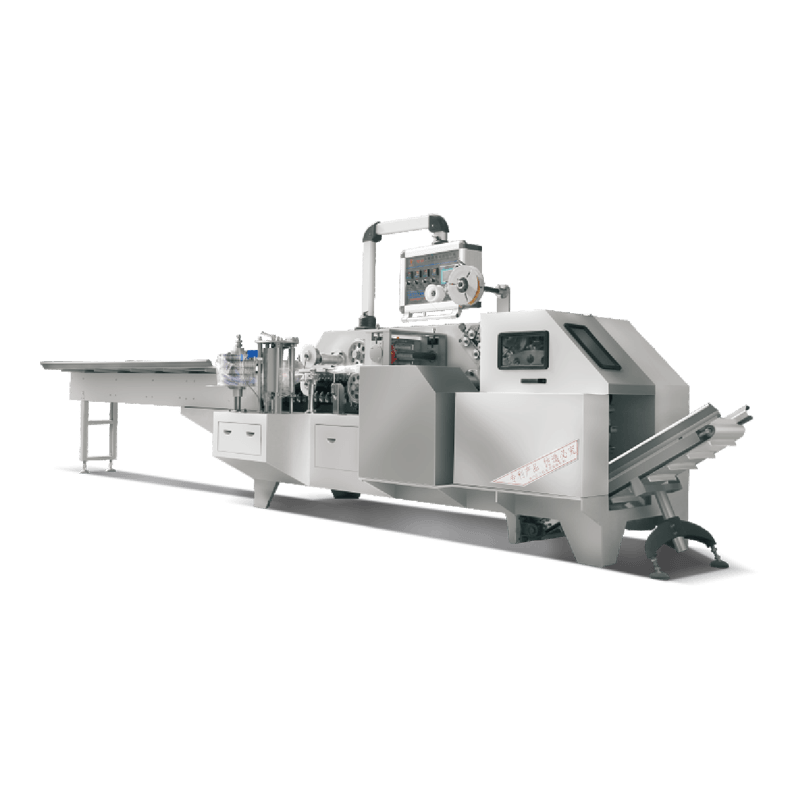
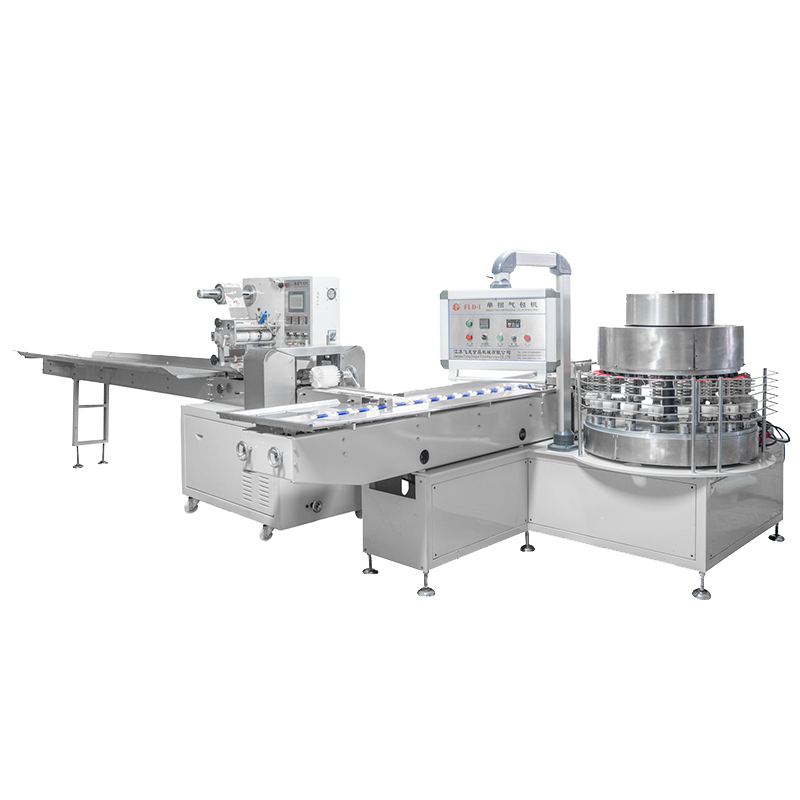
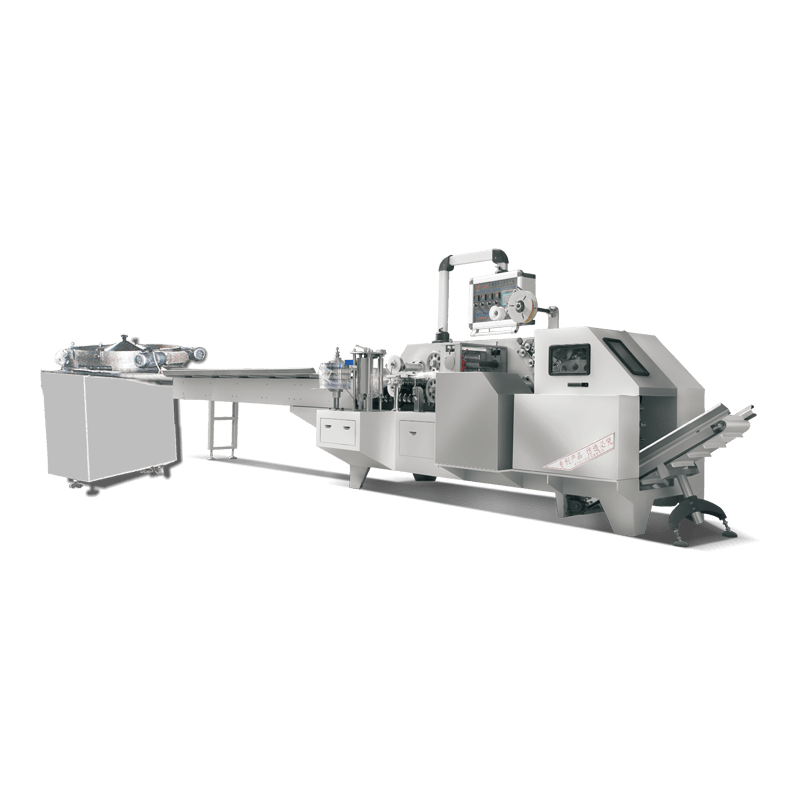
A Twist Packing Machine automates that motion. Rather than someone twisting each piece by hand, the unit repeats the same movement hundreds or thousands of times without tiring. That repeatability is what matters to operations: consistent look, fewer damaged pieces, and a smoother rhythm on the line.
Typical Confectionery That Uses Twist Wrapping
You'll see twist-style wrapping on a lot of familiar treats: hard boiled sweets, pillow-shaped candies, individually wrapped caramels, and some chocolate pieces. It works for items with fairly stable shapes—ones that won't squish or deform during wrapping.
People like this style because it's convenient. It's easy to open, it shows the product well, and it's comfortable for hand-packed gift boxes or automated retail trays alike. For many brands, the wrapper design (color, pattern, finish) is as much a part of the product as the candy itself.
How It Fits into a Production Line
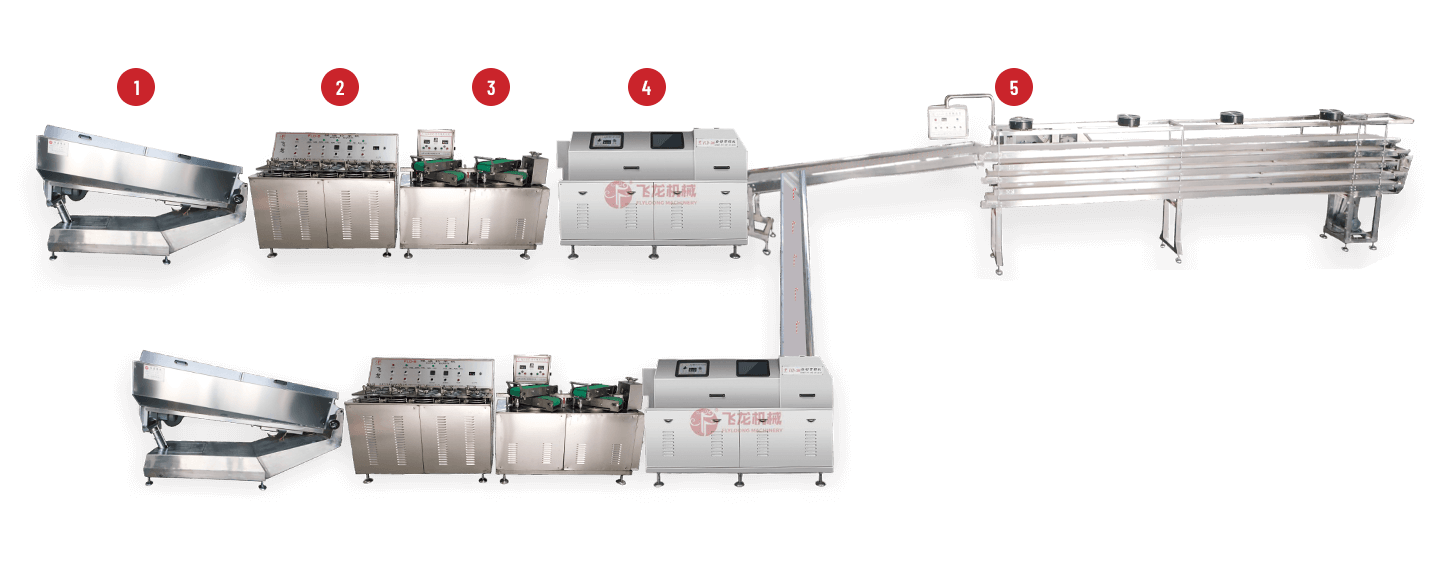
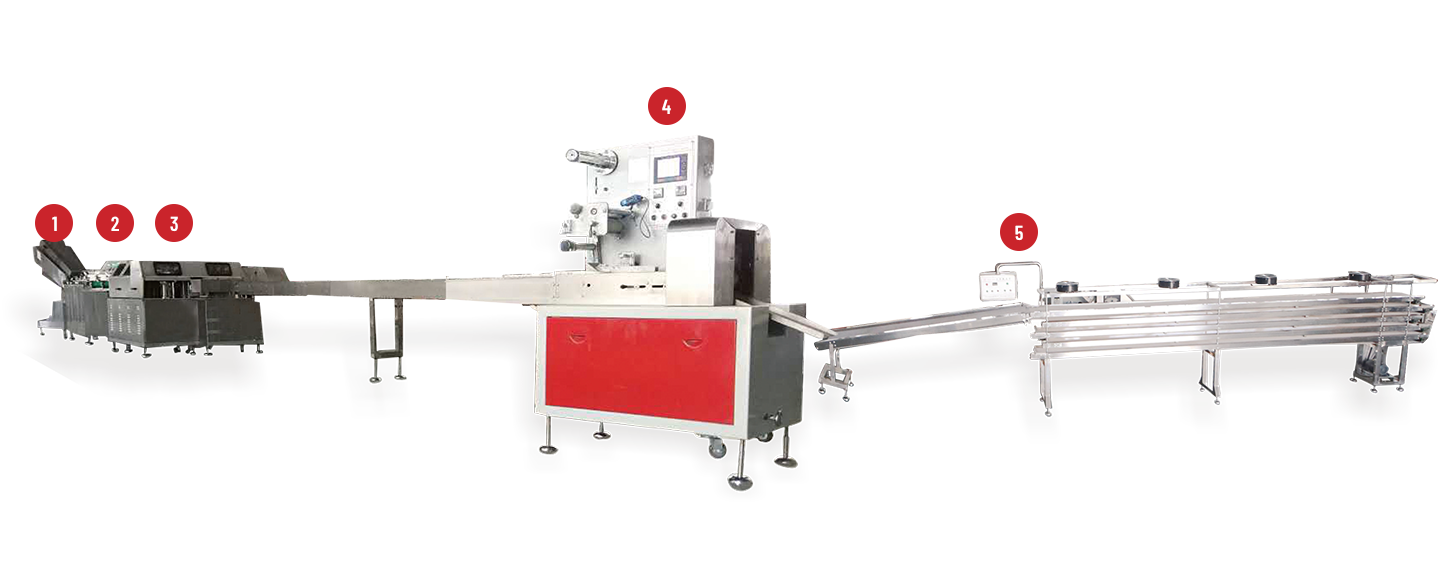
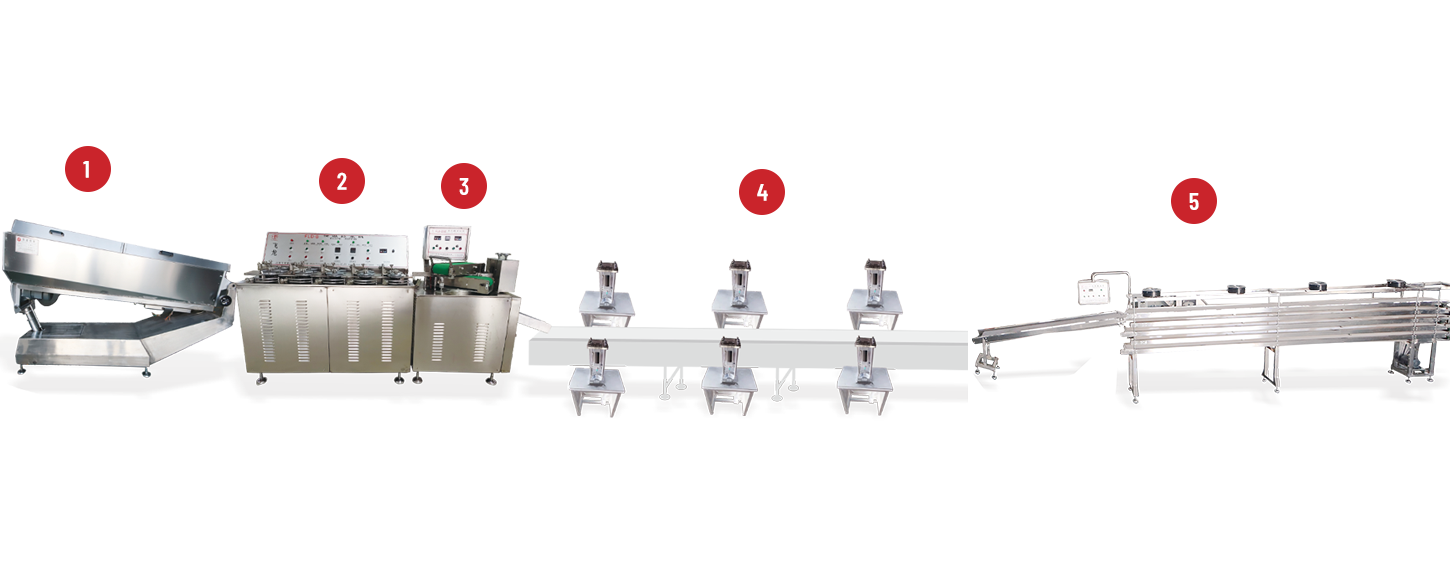
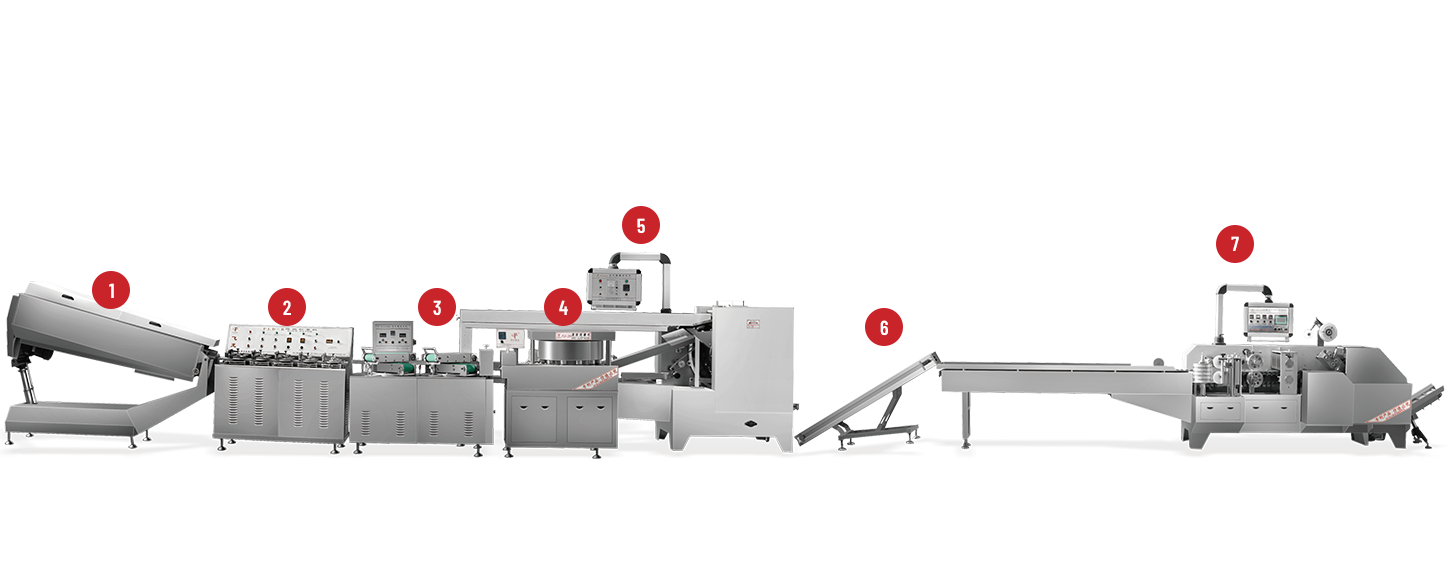
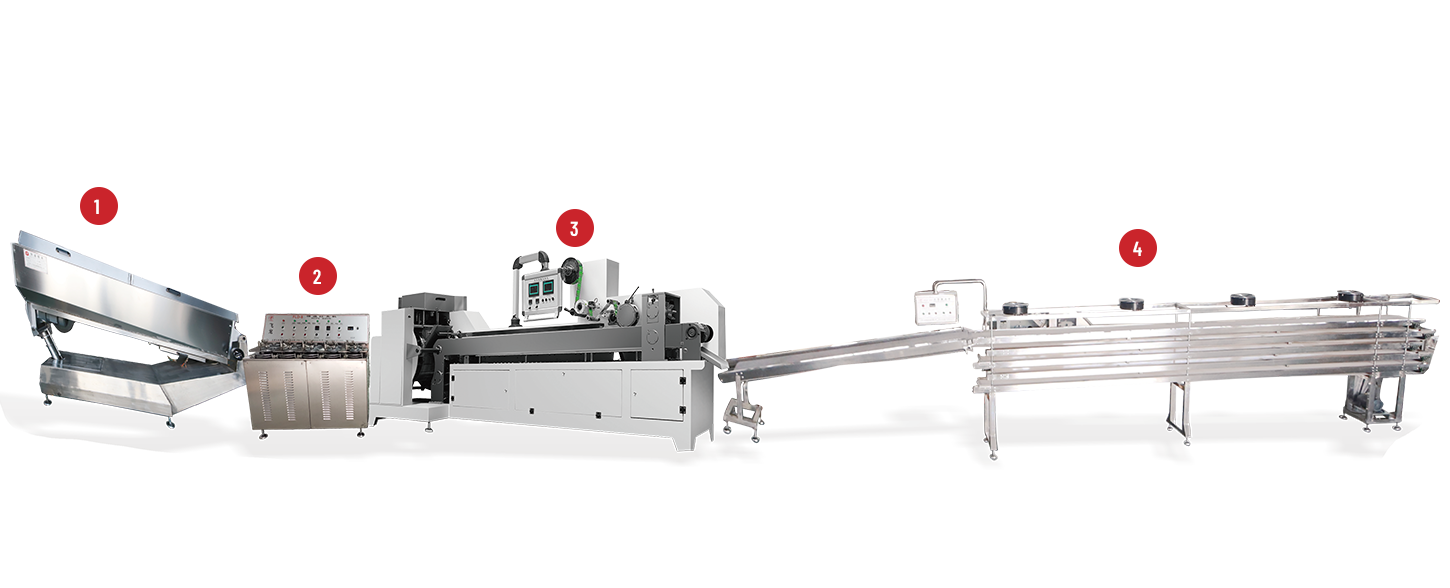
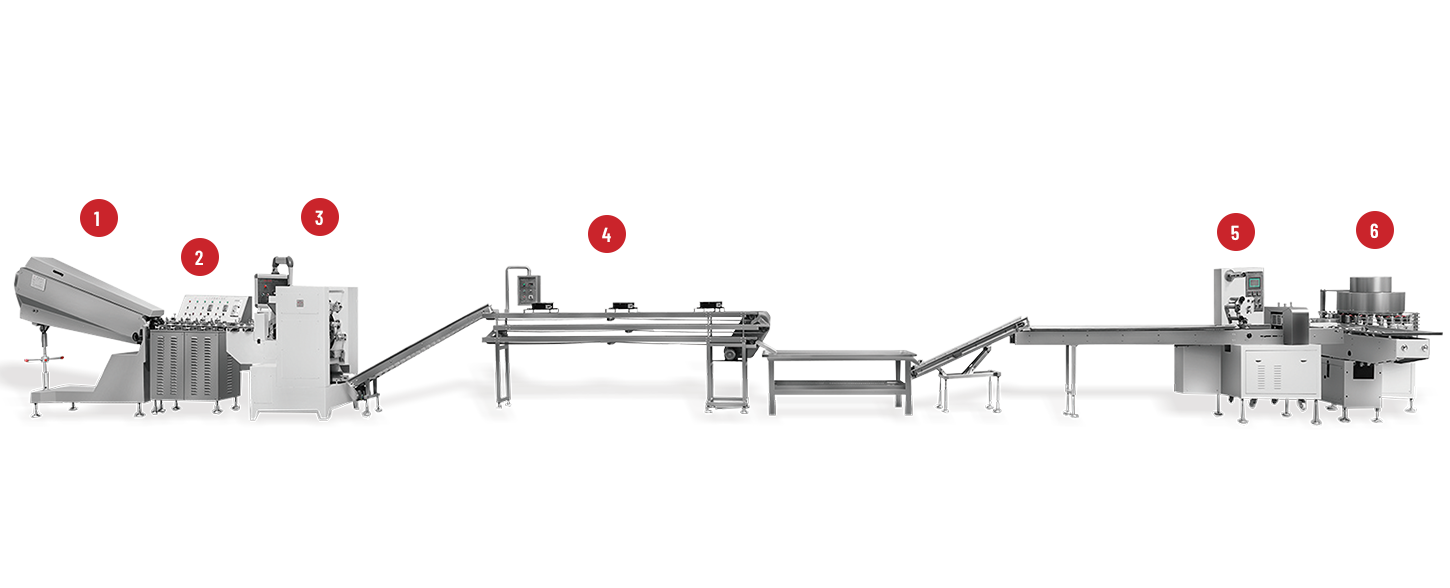
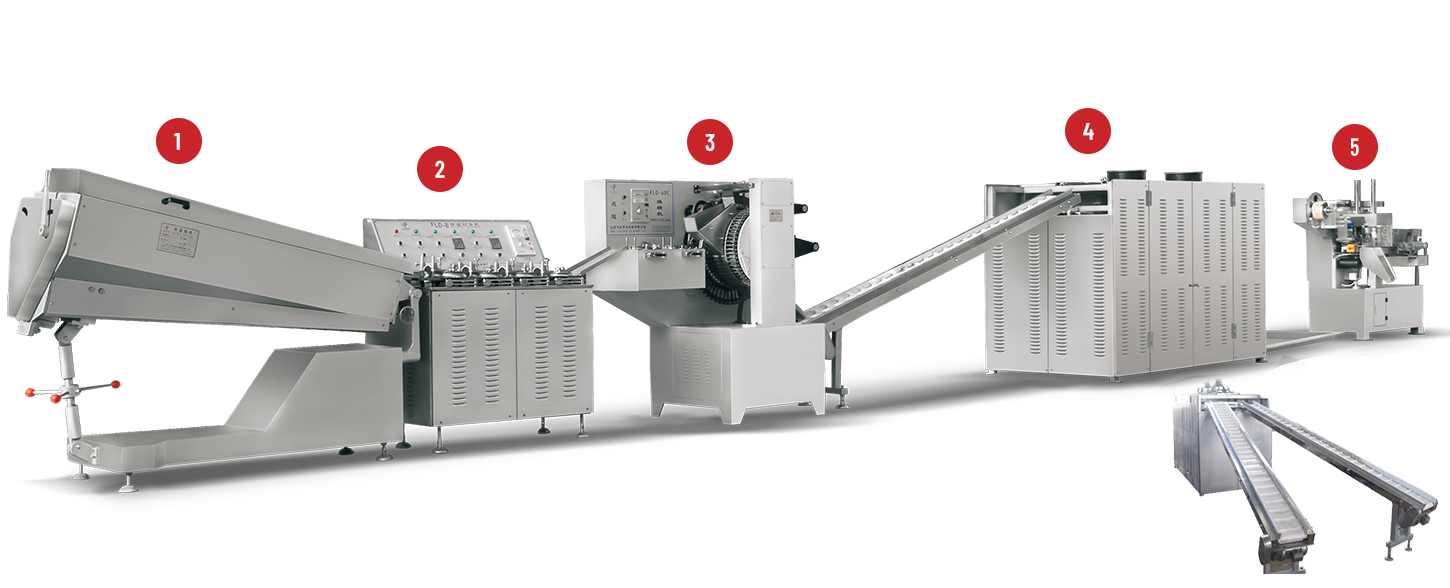
Think of the packaging section as the final polish. After forming and cooling, pieces travel by conveyor to the wrapping zone where the wrapper is fed, the product positioned, and the ends twisted closed.
A Twist Packing Machine usually sits where flow and timing are stable—after the cooler, but before collection and boxing. It's linked to upstream conveyors and downstream accumulation, so the whole system moves like clockwork when tuned right.
The main practical aim is to match upstream speed without creating bottlenecks. If the wrapping step is slower than shaping or cooling, you get a pile-up. If it's faster, you waste energy and increase the chance of jams. That balance is why layout and pacing get so much attention during trials.
Materials and Visual Options
One appealing thing about this method is material flexibility. Paper wraps, laminated films, and specialty confectionery papers all work with a twist approach. You can change color or finish to reflect seasons or promotions and still keep the same wrapping routine.
Because there's no heat-seal, you avoid exposing delicate fillings to extra temperature. That's handy for products sensitive to melt or texture changes. The wrapping equipment can be set up to handle different materials without rewiring the whole line—usually just an adjustment or two.
A Twist Packing Machine lets you experiment with look-and-feel without changing how the line operates. That's a practical win for small-batch runs or limited editions.
Operational Tips from the Floor
A few hands-on notes that help once you're running production:
- Keep feed timing steady. Irregular feeding creates miswraps more than almost anything else.
- Match wrapper size to product shape. Too big and you get loose ends; too small and you tear material.
- Watch hopper levels. Running low can introduce air and cause inconsistent wraps.
- Time a full trial run before committing to a new wrapper design. Colors and finishes may behave differently under tension.
- Train operators on quick adjustments. Small fixes at the line save hours of downtime later.
These are the little things that look boring on paper but matter in practice.
Why Some Brands Stick with It
Ultimately, twist-style wrapping survives because it's familiar, flexible, and practical. It fits many confectionery types, supports attractive presentation, and adapts easily to decorative changes. For shops that want a human-friendly unwrapping experience and manufacturers who need predictable, repeatable results, it's often the right fit.
How Does a Twist Packing Machine Affect Packaging Speed and Consistency
Automation vs. hand work — what actually changes
Wrapping by hand is flexible, but it's also variable. People get tired, motions differ, and pace drifts during a long shift. Switch to an automated twist wrapper and you get the same motion repeated over and over. That doesn't magically fix every problem, but it does stop one big source of variation: human inconsistency.
So what changes? The wrapping rhythm becomes predictable. Feed becomes easier to plan. Operators move from doing the wrapping to watching the process and making small adjustments when needed.
Consistency: it's more than looks
Sure, neat wrappers look good on a shelf. But consistent wrapping pays in other ways: pieces run smoother on conveyors, counting and grouping work with fewer hiccups, and cartoning goes faster because items present reliably. In short, consistency reduces surprises — and in production, less surprise means fewer stops.
Speed that doesn't break things
Pushing for faster wrapping without checking product behavior is a common trap. Some candies are firm and handle a quick motion well; others deform or shift if movement gets too abrupt. Automation helps because you can tune the cycle: speed up where the product tolerates it, slow down where it doesn't.
A useful rule of thumb: aim for steady throughput rather than a flashy peak speed. A steady 8-hour run with few interruptions beats a short burst that ends in a jam and an hour of cleanup.
How the wrapping stage links the whole line
The wrapping zone often acts like a bridge. It takes whatever comes out of forming and hands it off to packing and boxing. If the bridge delivers in a regular flow, the rest of the line breathes easy. If it's erratic, you'll see pile-ups before the wrapper or gaps after it. That's why layout and timing are worth the attention during trials.
Operators still matter — but their job shifts
Automation doesn't remove people; it changes their role. Instead of twisting each piece, operators monitor feed, check wrapper alignment, and respond to alerts. With a consistent baseline, they spot real issues faster — a subtle change in wrapper tension or a feed hiccup becomes obvious when everything else is steady.
Materials and setup: small differences, big effects
Wrapper material, cut size, and how the film is tensioned all affect both speed and uniformity. Some papers are forgiving; some films need careful handling. The wrapping unit handles the motion, but you'll only get steady results if the material and cut match the product. Don't skip a few trial runs when you change wrapper design — look for wrinkles, tears, and how the ends behave under twist.
Multi-shift reality
If you run more than one shift, consistency becomes even more valuable. Machines that repeat the same motion help different teams produce similar output. That simplifies quality checks and reduces the morning scramble to "get the line back to normal" after a shift change.
The practical payoff
When wrapping speed and uniformity are steady, you usually see:
- fewer line stops and less rework
- smoother handoffs to counting and boxing
- easier planning for daily output
Automation isn't a cure-all, but used well it changes packaging from a reactive task into a predictable step.
Quick checklist for better results
- Run a full-duration trial at realistic speed.
- Test wrapper materials before a big run.
- Save common settings so operators don't guess.
- Train operators on quick fixes, not just normal operation.
Monitor hopper levels and feed timing — they're small but critical.
Wrap-up
A twist-style wrapping unit won't solve bad tempering or a poorly designed mold. What it does do is make the wrapping step steady and repeatable. That steadiness improves how the whole line behaves, shift after shift. If your goal is fewer surprises and smoother packaging, it's worth seeing how your wrapping step performs under a real production run.
Which Twist Packing Machine Fits Different Candy Shapes and Sizes
If you work on a packaging line, you already know one truth: small differences in candy shape make big differences at the wrapper. A round sweet and a flat disc will behave very differently when the film meets the product. So the real question isn't which single device does everything, but which device lets you adapt quickly to the shapes you make.
Think of it as a match, not a miracle
Twist-style wrapping is simple in idea but subtle in execution. The wrapper, the product and the motion have to cooperate. When they do, you get neat packages and smooth flow. When they don't, you see torn film, loose ends or misfeeds — and those are the little annoyances that slow a whole shift.
A Twist Packing Machine gives you a repeatable motion, but you still need to make sure the machine's feeding and guiding match your product geometry.
What shape implies for wrapping behavior
Here's how common forms usually behave and what to consider:
- Round pieces: they tend to rotate cleanly and accept even folds. Positioning is key so they don't wobble.
- Pillow or oval shapes: they need symmetric folding at both ends; wrapper length and fold control matter.
- Flat discs: these require careful centering so the twist looks tidy and the ends don't bunch.
- Irregular items: expect extra attention — extra guides or gentle nudging can help these feed consistently.
This is why many makers prefer machines that let you tweak guides and spacer bars rather than ones with fixed paths.
Size range: flexibility beats overkill
If you package many sizes, look for equipment that adjusts without hours of downtime. Machines that allow quick changes to guides, holder widths, or feed timing help you switch SKUs with minimal fuss. The idea is to trade complex reconfiguration for a few simple adjustments.
For single-product lines, simpler setups can be fine. For mixed runs, prioritize changeover speed and operator-friendly controls.
Feeding and alignment: where problems start
The wrapper won't behave unless the candy arrives in the right spot. Consistent feeding is often the biggest factor in wrap quality. Here's what teams repeatedly tell me from the floor:
- Keep the feeding path smooth — no sudden drops or tight turns.
- Use gentle guides for softer candies to prevent marks.
- Space pieces evenly so the wrapper can grip and twist reliably.
- Fix feeding first, tweak wrapper settings second. That order saves a lot of head-scratching.
Material choices matter more than you'd think
Different wrap stocks stretch, slip and fold differently. Paper behaves unlike a laminated film; a glossy film can slip if tension isn't right. The wrapping unit handles the motion, but the material sets the limits of what looks good.
A machine that lets you adjust tension and fold timing will make life easier when you change wrapper designs or try a seasonal finish.
One line, many products — practical tips
If your line runs multiple candies, plan for the small things that reduce downtime:
These steps make product swaps feel mechanical instead of chaotic.
Quick troubleshooting notes from the workshop
- Wrappers bunch at the ends: check film tension and guide alignment.
- Misfeeds or jams: look upstream at the spacing and path geometry.
- Loose or uneven twists: try a slightly different wrap length or adjust twist timing.
- Marks on soft goods: reduce conveyor pressure and use gentler guides.
Most issues trace back to either feeding, material choice, or guide setup.
There's no single twist-style unit that's inherently suited to every candy. The better question is whether the machine you pick makes it easy to match wrapper handling to the item you make. If it lets you change guides quickly, tune material tension, and maintain repeatable feeding, you'll cover a wide range of shapes and sizes without rebuilding the line.
A Twist Packing Machine is a tool — choose one that fits how you work, not one that promises to do everything without setup. With the right match between product and machine, you'll see fewer hiccups and smoother runs.
Why Are Twist Packing Machines Common in Candy and Chocolate Packaging Lines
Walk onto confectionery floors and you'll see one thing fast: simple wrapping choices that just work. The method where the ends of the wrapper are twisted is everywhere because it solves a bunch of everyday problems without adding unnecessary complexity.
It fits a wide range of products
From hard boiled sweets to individually wrapped caramels and some small chocolate pieces, this wrapping style handles many formats. Why? Because it keeps items separate, protects surfaces, and still opens easily for the consumer. That mix of practical benefits explains why production teams use it across so many SKUs.
It doesn't upset the rest of the line
Packaging is the last big step before counting and boxing, so any instability here causes headaches downstream. A reliable wrapping unit delivers a steady stream of wrapped pieces that conveyors, counters, and cartoners can handle without constant babysitting. In short: steady output here makes the whole line breathe easier.
Gentle handling for delicate items
Some confections bruise, smudge, or stick together if handled roughly. Because the ends are secured mechanically rather than heat-sealed, this approach can be kinder to temperature-sensitive or coated products. That's useful when surface finish or texture matters to the customer experience.
Operators move from doing to supervising
Automating repetitive wrapping changes the crew's role. Instead of twisting by hand, staff monitor feed, check wrapper alignment, and fix small issues before they grow. That shift reduces fatigue-related mistakes and helps teams spot bigger problems faster.
Material flexibility helps marketing and runs
Paper, laminated films, and specialty wraps all work with the same basic motion. That means you can switch appearance — seasonal colors, new patterns, a matte finish — without reinventing the line. For shops running limited editions or multiple brands, that kind of flexibility matters.
It balances speed with stability
It's tempting to chase raw speed, but the real win is a steady pace that avoids jams and rework. With the right setup, you get a reliable rhythm the whole shift can depend on. That consistency often yields better daily output than hitting a high peak that ends in downtime.
Practical checklist for production teams
- Confirm product feed is smooth and evenly spaced.
- Match wrapper cut to the item shape to avoid bunching.
- Keep hopper and feeder levels stable to prevent air pulls.
- Save common settings for repeat runs so operators don't guess.
- Run a short warm-up when you change wrapper designs to settle tension.
This wrapping method remains common because it's pragmatic: flexible enough for many treats, gentle enough for delicate finishes, and predictable enough to keep downstream equipment running smoothly. It won't fix problems upstream — tempering, molding, and cooling still matter — but it does make the final packaging step far less error prone.
 +86-(0)515-8465666
 +86-(0)515-85566996
 +86-138 1559 9708
 flyloong@flyloongcn.com
 Home
Home