

 ENG
ENG
 English
 中文简体
中文简体 русский
 Français
 Español
 عربى
عربى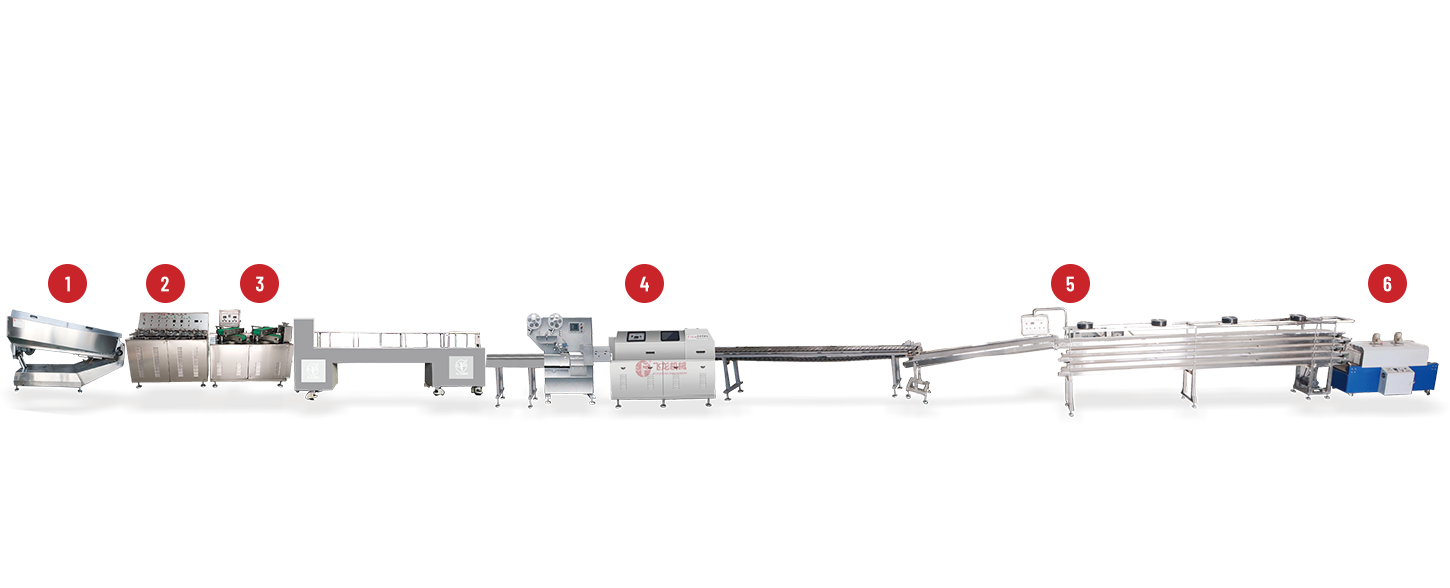
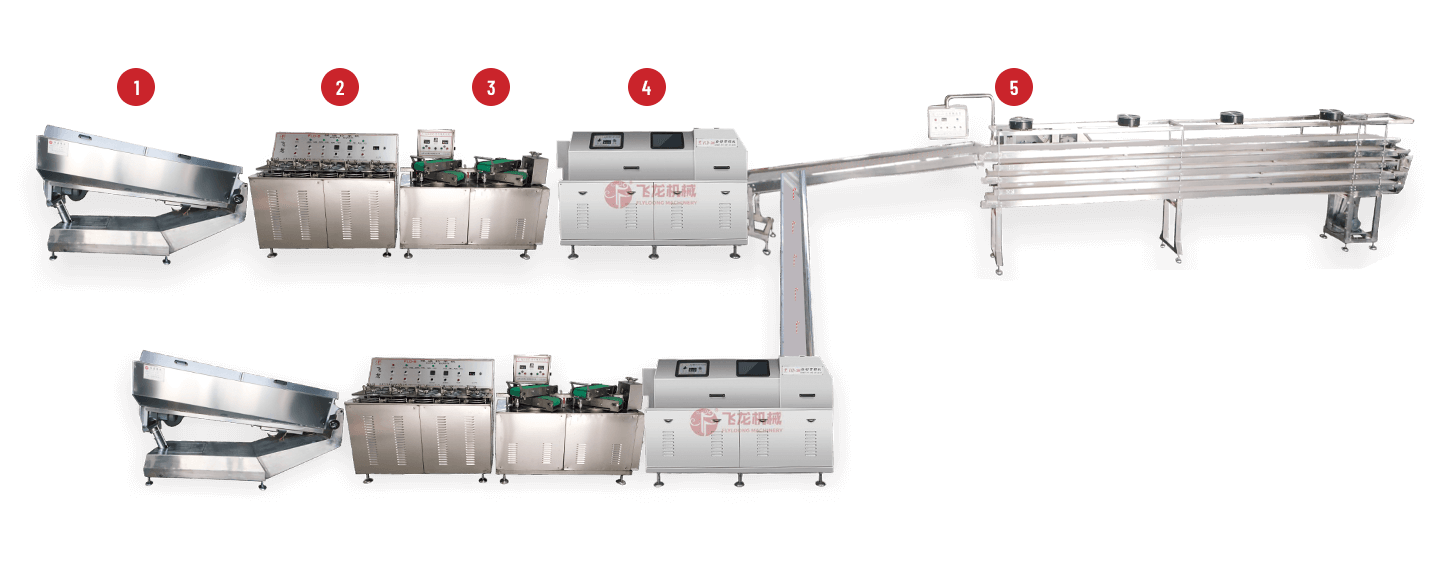
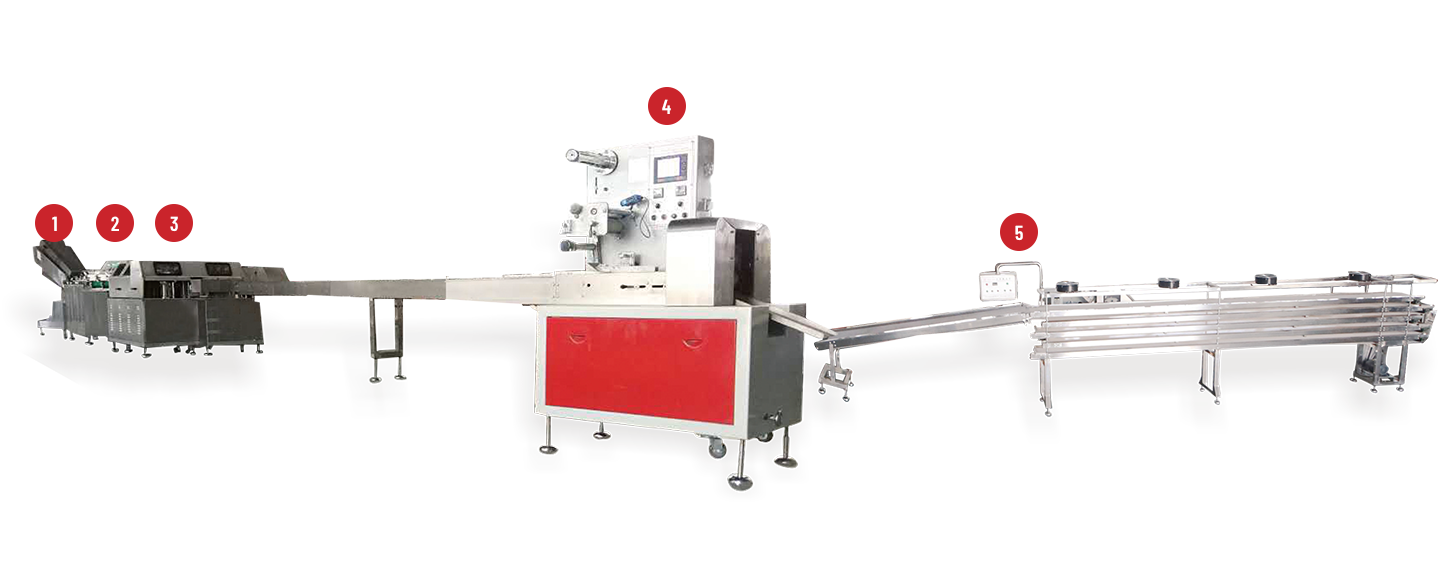
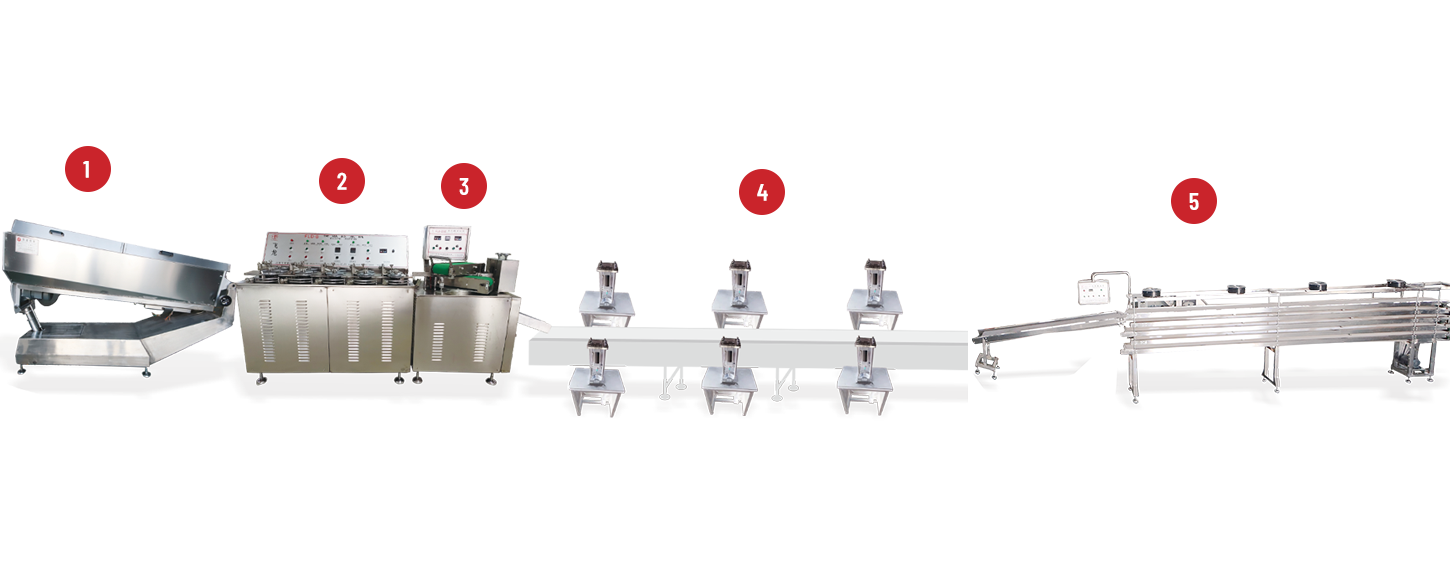
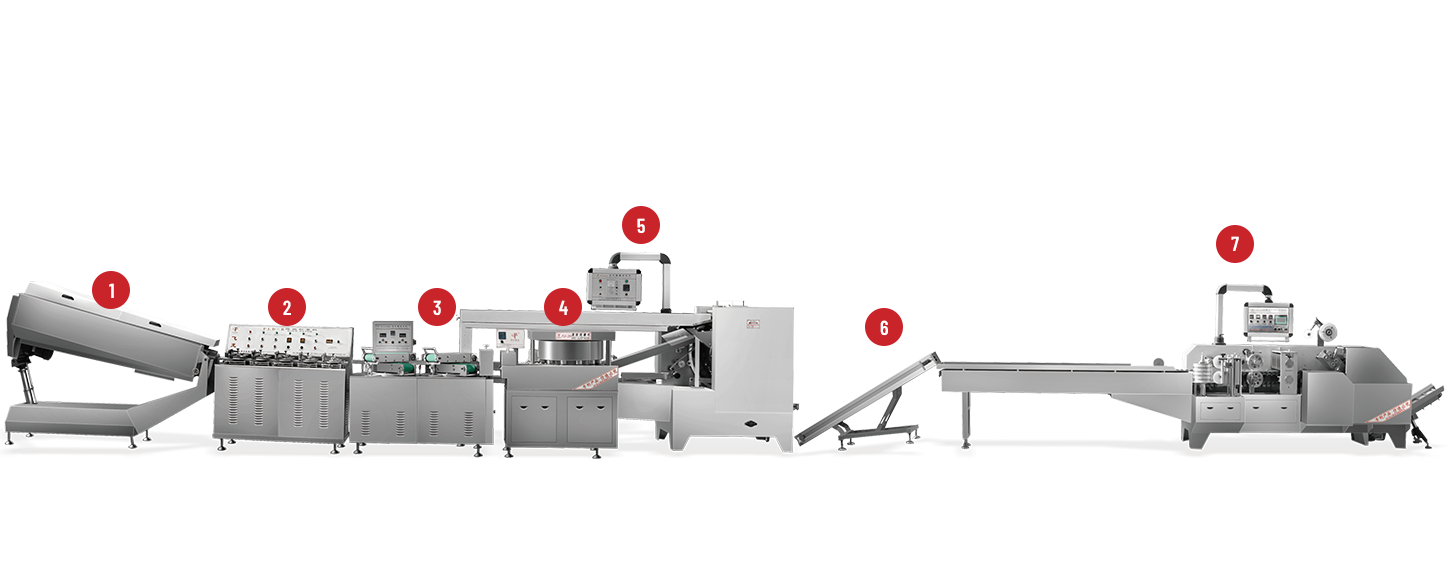



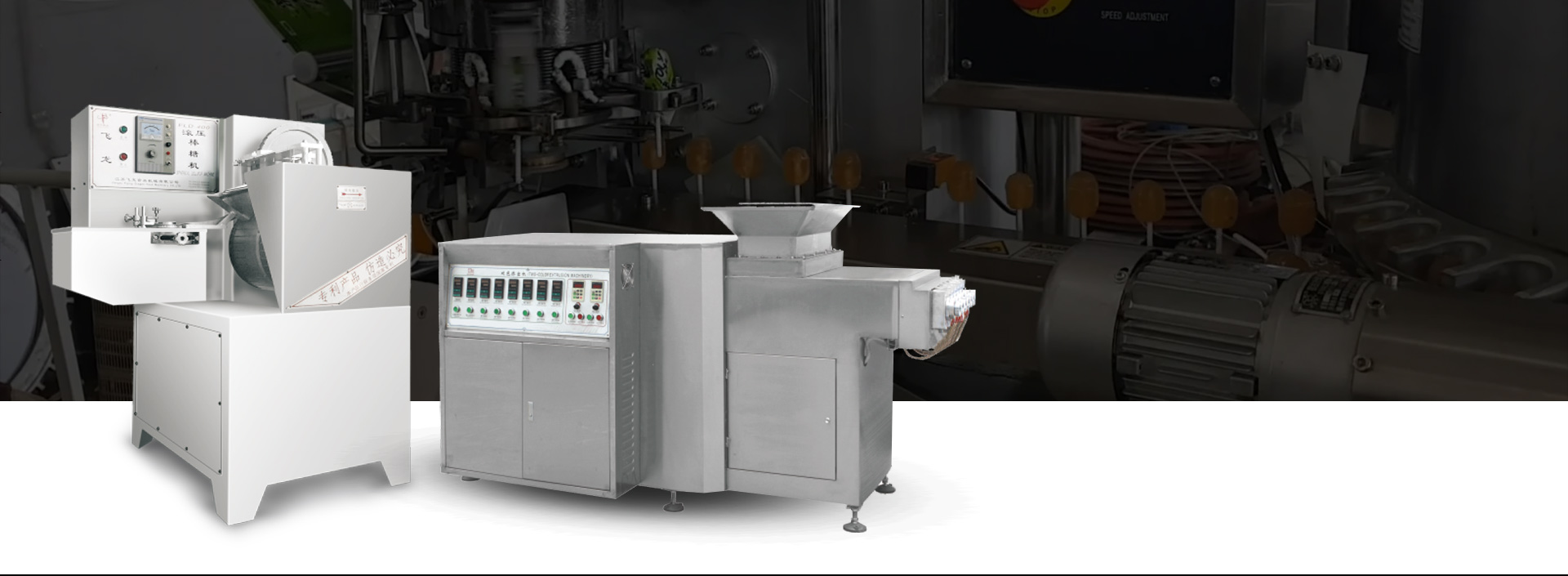
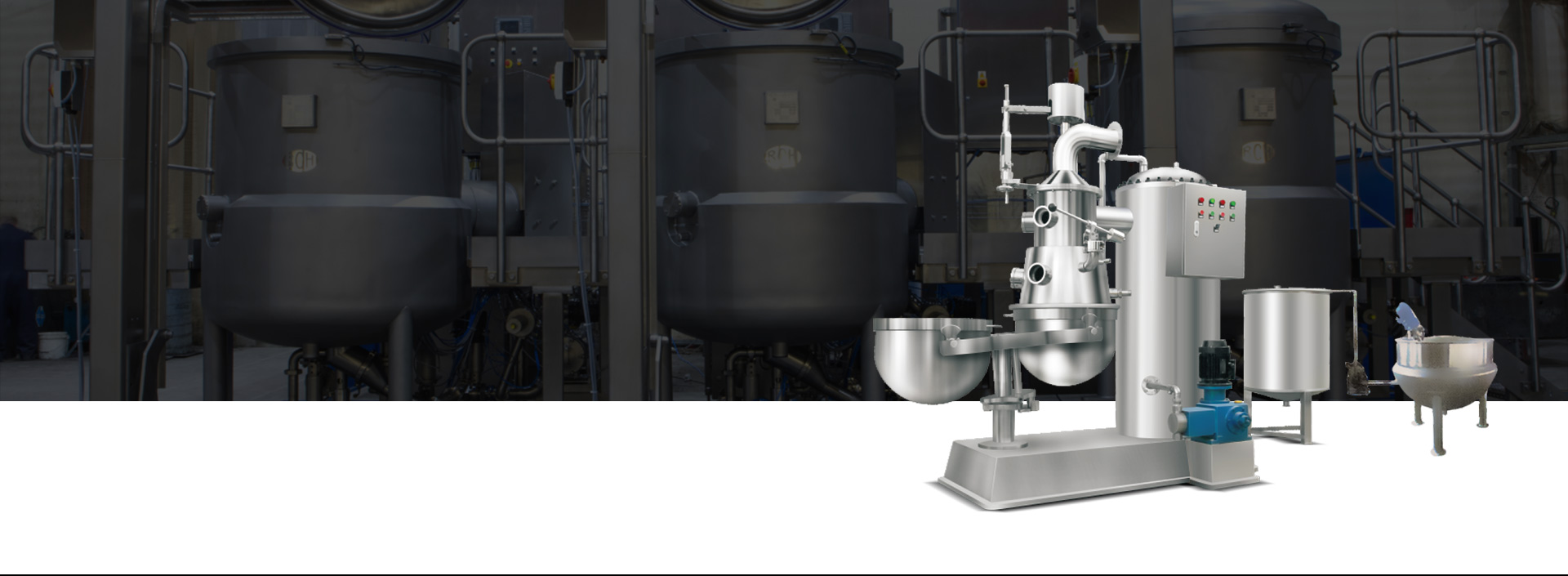
How a Twist Packing Machine Can Improve Your Packaging Process (Practical Guide for Manufacturers)
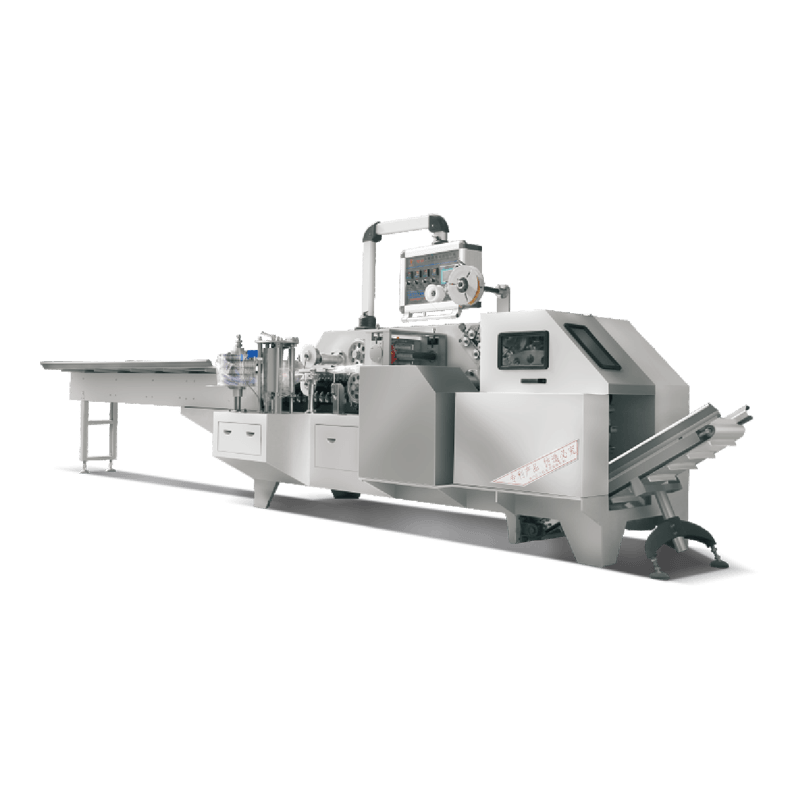
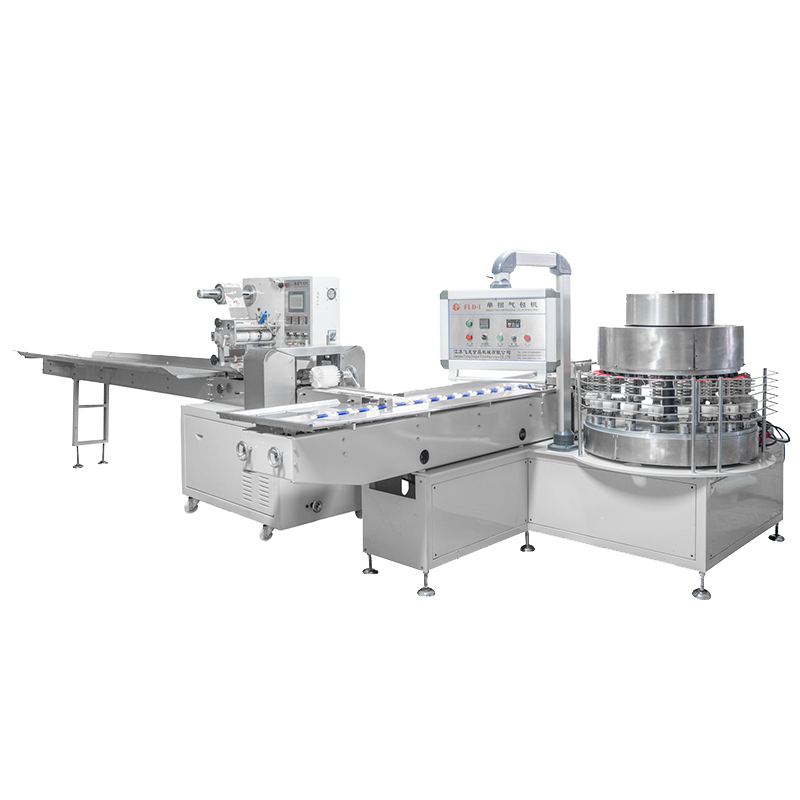
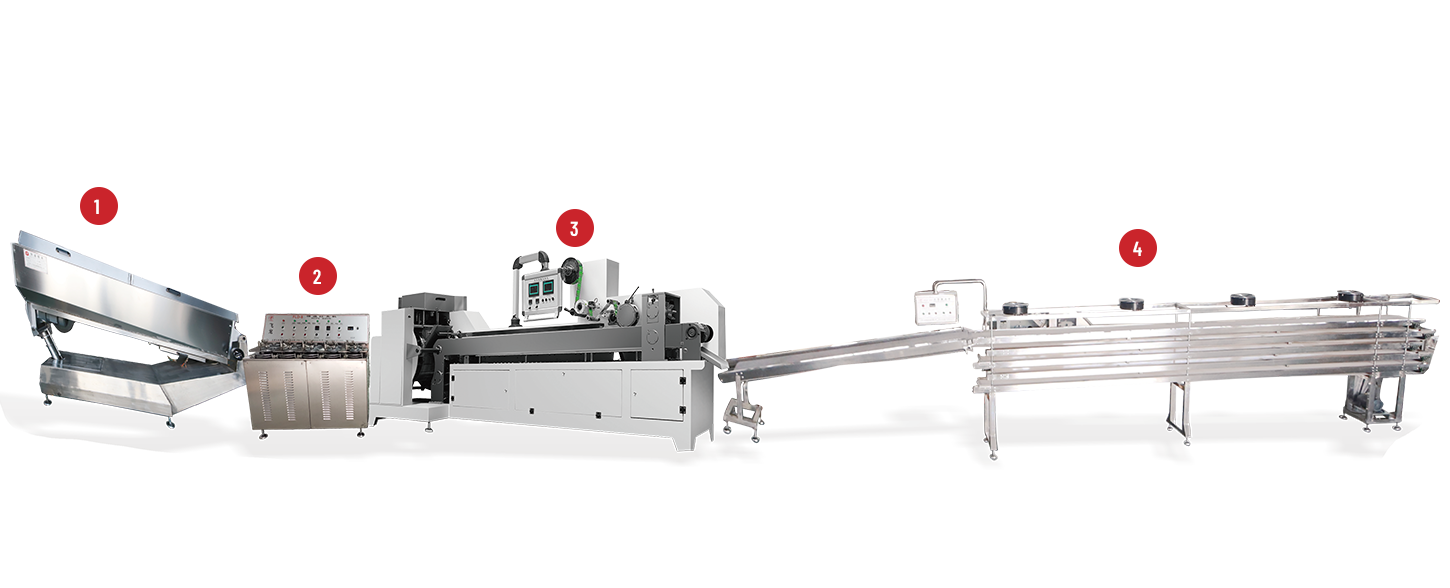
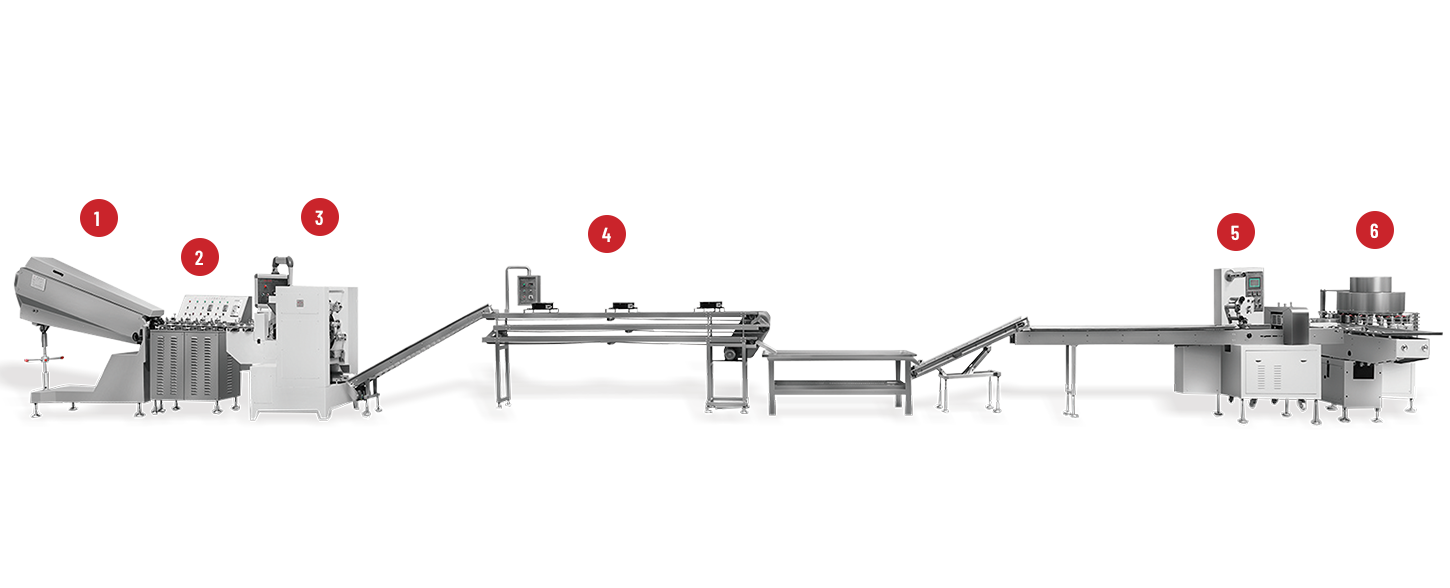
A Twist Packing Machine is often the difference between a stopping-and-starting packaging line and a smooth, reliable production flow. In small and medium confectionery plants, these machines wrap candies, chocolates, biscuits, and other single-portion goods quickly and with consistent presentation. When chosen and operated with care, a twist-packer cuts manual labour, reduces material waste, and helps a factory scale product variety without expanding headcount.
Why a twist-style wrapper matters for packaging lines
Twist wrappers are compact, capable of handling relatively high speeds, and tolerant of a broad range of shapes and textures. They do three jobs at once: they portion, wrap, and seal. For manufacturers producing individually wrapped items, that consolidation of tasks reduces handling steps and helps maintain product hygiene.
Key operational benefits you'll notice quickly:
- Fewer manual handoffs between portioning and wrapping, which reduces contamination risk.
- More consistent pack weights and better portion control, helping cut giveaway.
- Cleaner visual presentation that protects retail acceptance and shelf appeal.
- Faster changeovers when properly set up, which supports flexible product runs.
Those advantages are the reason many production teams treat a twist-packer as a strategic investment rather than a simple capital purchase.
Core machine features that actually affect productivity
| Feature | Practical benefit on the line | Buyer question to ask |
|---|---|---|
| Servo-driven dosing and wrapping | Precise, repeatable wrapping speed and reduced product damage | Can the servo hold speed under full-load conditions? |
| Quick-change tool kits | Fast SKU swaps, lower downtime | How long does a full changeover take? |
| Film handling and tension control | Fewer wrinkles, tighter seals, less scrap | Is film unwind tension adjustable and recorded? |
| Integrated sealing (hot / cold) | Compatible with different film types and speeds | Which sealing method suits our film and line speed? |
| Gentle product feed systems | Lower breakage for delicate centers | How does feed handle irregular or soft shapes? |
| Built-in fault logging | Easier root-cause diagnosis | What error logs are kept and how can we access them? |
| CIP-friendly or easy disassembly | Faster cleaning and fewer hygiene holds | How many minutes to full access for cleaning? |
How twist packers improve packaging efficiency, step by step
A twist-packer improves efficiency in several linked ways. Here's how those effects unfold on a shift.
- Stabilized upstream flow. With a reliable wrapper, portioning can operate at a fixed pace. That steadies upstream processes — cooking, tempering, or depositing — because they don't need to accelerate and decelerate around manual wrapping bottlenecks.
- Reduced manual labor for finishing. Where previously two operators might manually wrap and seal dozens of items per minute, a single operator can supervise a twist line and handle intermittent inspection or film loading.
- Lower rework rates. Consistent tension and sealing avoid half-sealed units that would otherwise be removed and recoated or discarded.
- Faster SKU switches with prepared tooling. When changeover is quick, production can run smaller batches profitably, opening room for seasonal SKUs or test products.
- Improved packing downstream. Wrapped units that leave the wrapper in uniform orientation and spacing simplify carton loading and reduce pause times at the packer.
These are not theoretical gains. On many shop floors the result is a smoother workday with fewer stop-the-line events.
Which materials and films pair well with twist wrapping
Film choice matters. The right film supports strong seals, good visual finish, and machine uptime. Common film types include polypropylene (PP), polyolefin, and laminates. Each has trade-offs.
- PP (or BOPP) films: Good clarity and relatively low cost. Require consistent temperature control for seals. They're widely used for single-wrapped candies and chocolate sticks.
- Polyolefin: Offers better toughness and heat-seal properties across a wider temperature band. May provide better resistance to humidity for some fillings.
- Laminates (with foil or barrier layers): Use where oxygen or moisture sensitivity is primary; typical for soft caramels or hygroscopic products.
Key pairing questions:
- Does the film require hot or cold seal?
- What are the film thickness and tensile specs?
- How sensitive is the product to oxygen and humidity?
When you match product, film, and sealing method, wrap quality and shelf life stabilize. Suppliers often provide film-sample trials — use them.
Practical settings that affect wrap quality
Operators tune many parameters, but a few settings produce the majority of quality differences:
- Film tension and unwind speed. Too loose produces wrinkles; too tight can cut or deform delicate products. Aim for steady tension and verify tension sensors periodically.
- Sealing temperature and dwell time. Different films and product temperatures need specific seal bands. Record these as SKU "recipes." Small temperature drifts often create the majority of sealing defects.
- Cutting timing and blade condition. A dull blade or mis-timed cutter leads to ragged ends or incomplete separation. Blade checks are simple but crucial.
- Feed timing and product spacing. If the infeed isn't synchronized with film draw, the wrap will misalign. Use sensors and optical guides to monitor placement.
- Wrap torque and twist speed. For twist wrappers, the twist motion must be strong enough to seal but gentle enough not to crush the product.
Collect baseline recipes for each SKU and lock them down. Treat those recipes as the single source of truth for shift handovers.
A simple maintenance schedule (practical and short)
Regular, modest maintenance keeps the wrapper running long and reliably. Here's a practical routine you can adopt immediately.
Daily (shift end)
- Remove crumbs and debris from feed and wrap paths.
- Inspect the cutting blade for nicks and the sealing jaws for residue.
- Check film path and change rolls as needed.
Weekly
- Clean sealing surfaces with recommended solvents and verify temperature probe calibration.
- Lubricate moving guides and check chain/belt tensions.
- Inspect sensors and clean optical lenses.
Monthly
- Replace or rotate cutting blades; replace wear plates on jaws if applicable.
- Check motor mounts and verify gearbox oil condition if specified.
- Run a full function test and record any drift from baseline recipes.
Quarterly or by running hours
- Swap out belts and check servo calibration.
- Review fault logs to identify recurring alarms and schedule corrective action.
Keep a short log: date, operator, check performed, corrective actions. That simple habit reduces surprise stoppages and helps you verify warranty issues.
Changeover practices to minimize downtime
Fast changeover is a profitability lever. Use this checklist to manage SKU switches efficiently.
- Prepare tools and spare parts ahead. Put required lay-on tooling, spare blades, and pre-set film rolls at hand.
- Use a changeover checklist. Include steps: stop, purge, remove, swap tooling, load film, set recipe, run 10-piece qualification.
- Define a 10-piece acceptance run. Require that the 10 pieces meet weight, seal, and visual standards before going into full production.
- Standardize tooling kits. If you make many SKUs, use color-coded or numbered kits to avoid searching for parts.
- Train two-person teams. One operator handles tooling while the other prepares materials and checks setup.
Even small improvements in changeover time compound across a day and free capacity for additional runs.
Troubleshooting guide (fast checks for common problems)
When issues appear, follow a short diagnostic sequence to find root cause quickly.
Problem: Wrinkled film or misaligned wraps
- Check film path tension and roll alignment.
- Inspect feed spacing and product centering guides.
- Verify that pull belts and conveyors are tracking straight.
Problem: Incomplete or weak seals
- Confirm sealing temperature equals recipe and is stable.
- Clean sealing jaws and check for foreign film pieces.
- Inspect sealing lip pressure and jaw alignment.
Problem: Excessive scrap at startup
- Run a warm-up purge until machine reaches thermal stability.
- Verify film unwind and tension sensors before introducing product.
- Check that product temperature is within expected range (cold or warm centers change sealing behavior).
Problem: Machine stops with an intermittent fault
- Pull fault log and note error codes.
- Check connectors for loose cables (vibration causes many intermittent errors).
- Inspect safety interlocks and emergency stops that can be tripped by misalignment.
A single-sheet "response" printout taped to the machine with the likely causes and the three corrective steps reduces wasted time during an urgent fault.
How to reduce operating cost and material waste
A few practical actions reduce both consumable spend and labour cost:
- Tighten film tolerance and measure yield. Small changes in film overlap and heat settings reduce film used per unit. Track film meters consumed per batch to detect drift.
- Optimize portioning upstream. When portions are consistent, the wrapper runs more smoothly and waste drops. Use in-line weighing if needed.
- Capture and reuse trim where food-safety rules allow. Controlled rework of film-free trim can reduce material losses on the plant floor.
- Minimize purge lengths during start-up. Warm the machine with internal recirculation where the machine supports it; then perform a short qualification run before accepting product.
- Train operators for minimal intervention. Standard recipes and controlled changes prevent trial-and-error adjustments that create waste.
Measure and share the metrics that matter: film meters per 1,000 units, scrap rate per SKU, and changeover minutes. These make cost savings visible and repeatable.
Safety and hygiene considerations
Packaging lines intersect with both safety and food hygiene rules. Address both deliberately.
Hygiene
- Make sealing surfaces and feed paths accessible for cleaning. Machines designed with minimal dead zones avoid accumulation.
- Use approved food-contact materials and maintain a cleaning schedule aligned with HACCP or your region's food safety guidelines.
- Ensure film and product contact areas are protected from environmental contamination.
Safety
- Lockout-tagout (LOTO) procedures for maintenance. Clearly label isolators for drive and heater circuits.
- Emergency stop buttons accessible on both sides of the machine and clearly marked.
- Guarding around the cutting and sealing zones to prevent operator contact.
- Electrical enclosures rated for the factory environment and properly earthed.
Safety and hygiene are non-negotiable; they protect workers and protect your brand.
How to evaluate ROI and justify investment
Decision-makers want numbers. Here's a simple ROI framework that production managers can use.
- Baseline measurement. Record current manual labor hours, current scrap rate, film cost per 1,000 units, and average changeover minutes per SKU.
- Estimate gains. Use conservative estimates: perhaps 40–60% reduction in manual wrapping time, 10–25% drop in scrap, and 30–50% faster changeovers.
- Calculate savings. Convert saved labor hours to a monthly wage cost, multiply scrap reduction by material cost saved, and add reduced downtime.
- Include running costs. Account for power consumption, film cost differences (if any), and routine maintenance.
- Payback period. Divide the net monthly savings into machine capital cost to find months to payback. Aim for a realistic 12–36 month payback depending on volume and margin.
Use pilot runs to validate assumptions. Numbers grounded in your process will convince finance owners faster than generic vendor claims.
Selecting the right supplier and service package
A wrapper is a long-term relationship, not a one-off purchase. Prioritize suppliers who offer:
- On-site commissioning and recipe tuning. They help you find the right temperature, tension, and speed settings.
- Operator training and documentation. Short videos and laminated recipe cards are particularly useful for shift handovers.
- Spare parts kit and reasonable times. A spare blade, sensors, and a roll of critical film spares reduce emergency stoppages.
- Remote diagnostics or fault logging. Modern machines often support remote service; vendors that use it diagnose issues faster.
- Local service network or trained distributor. Fast callout service minimizes production losses.
Negotiate a commissioning and validation phase in the contract so the supplier is responsible for delivering agreed line performance before final acceptance.
Case scenarios: small factory, seasonal SKU, and continuous line
A few condensed examples show how different operations benefit.
- Small factory launching seasonal candies. A compact twist-packer with quick-change tooling allows economic short runs and prevents overtime hires for peak season.
- Manufacturer adding a gummy product. Adjusting film type and tune for a high-moisture center avoids soggy seals and extends shelf life. The supplier tunes the sealing profile in commissioning.
- Large continuous line adding a wrapped bite. Integration of dosing and wrapper via PLC recipe sharing reduces human error and maintains high throughput during multi-shift operation.
Each scenario illustrates a different priority: flexibility, materials compatibility, or high uptime.
Quick procurement checklist
Use this when evaluating quotes and visits:
- Was a live demo with your film and product offered?
- Is a commissioning and recipe-tuning period included?
- What is the quoted spare-part time for critical items?
- Are recipe memories and user permissions part of the control system?
- How long is typical changeover between your SKUs?
- Does the vendor provide operator and maintenance training?
- What are warranty and extended-support options?
A short checklist saves negotiation time and aligns expectations.
Practical steps to start
If you're considering a twist wrapper, begin with a small pilot. Get the machine running one SKU well, document the recipe, and measure film usage and scrap for thirty days. Scale up once the line is reliable and your team has a repeatable process.
Twist wrappers give you consistent wraps, cleaner presentation, and the capacity to run more SKUs without proportional labour increases. The practical gains come from matching film and machine, locking recipes, training operators, and maintaining a short, focused maintenance program. Do those things and the wrapper will pay its way in reduced waste, faster changeovers, and smoother packaging shifts.

 +86-(0)515-8465666
 +86-(0)515-85566996
 +86-138 1559 9708
 flyloong@flyloongcn.com
 Home
Home