

 ENG
ENG
 English
 中文简体
中文简体 русский
 Français
 Español
 عربى
عربى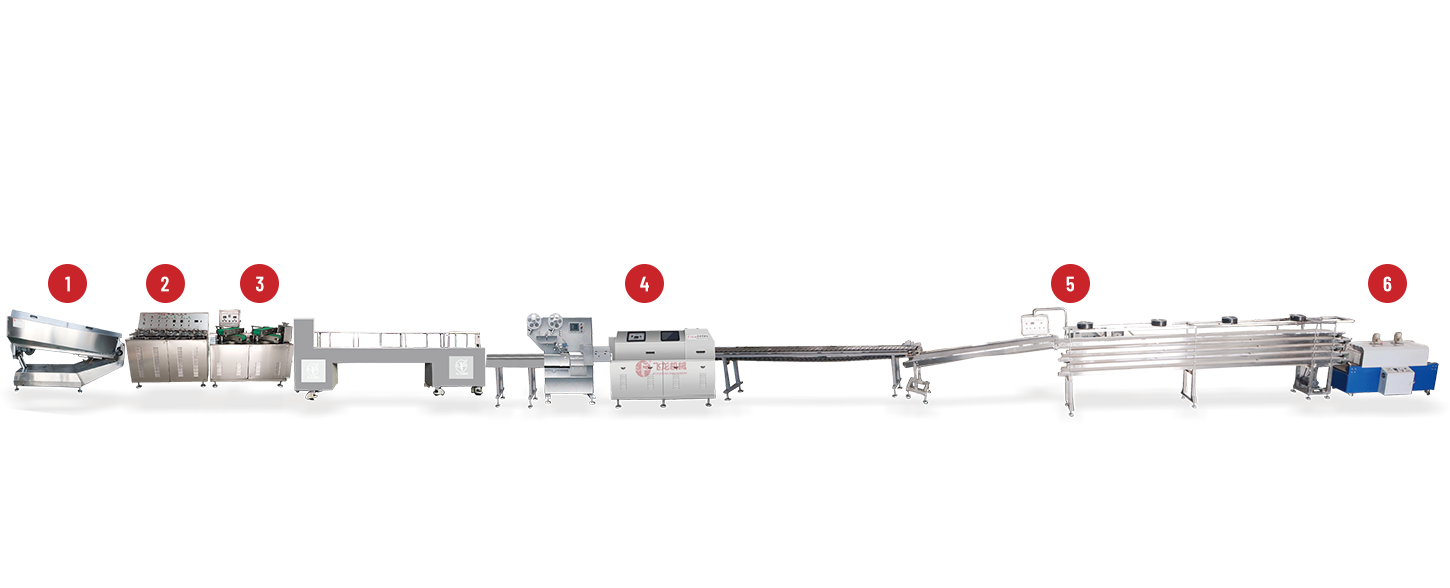
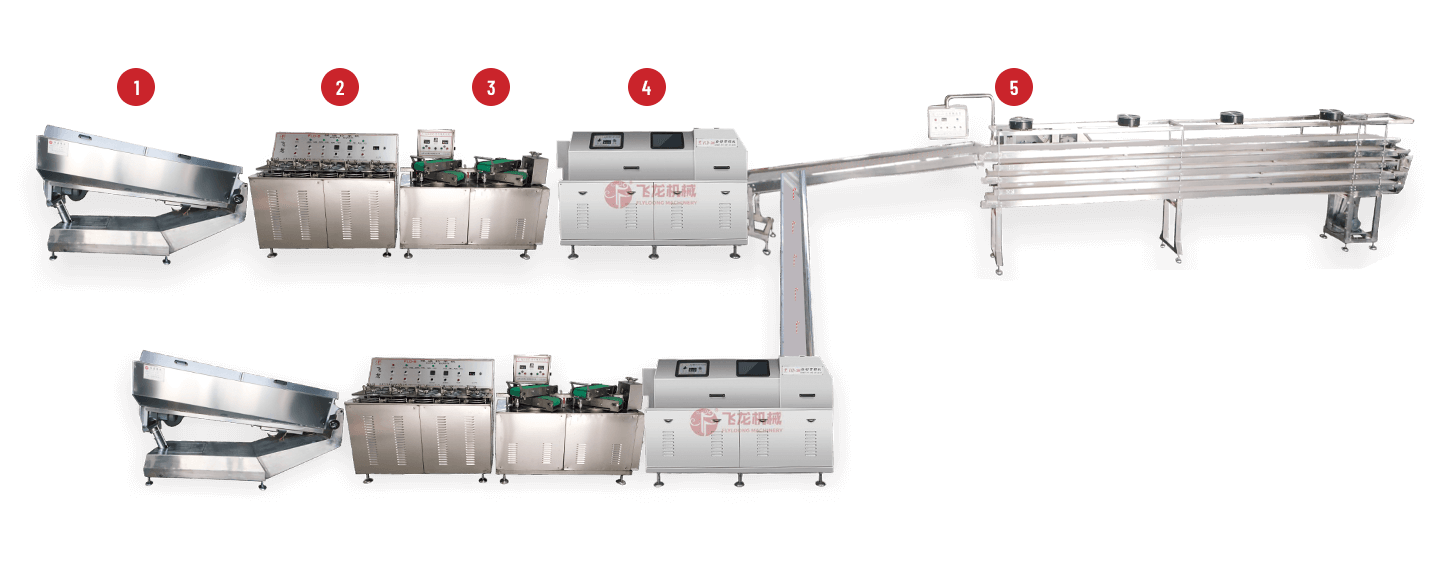
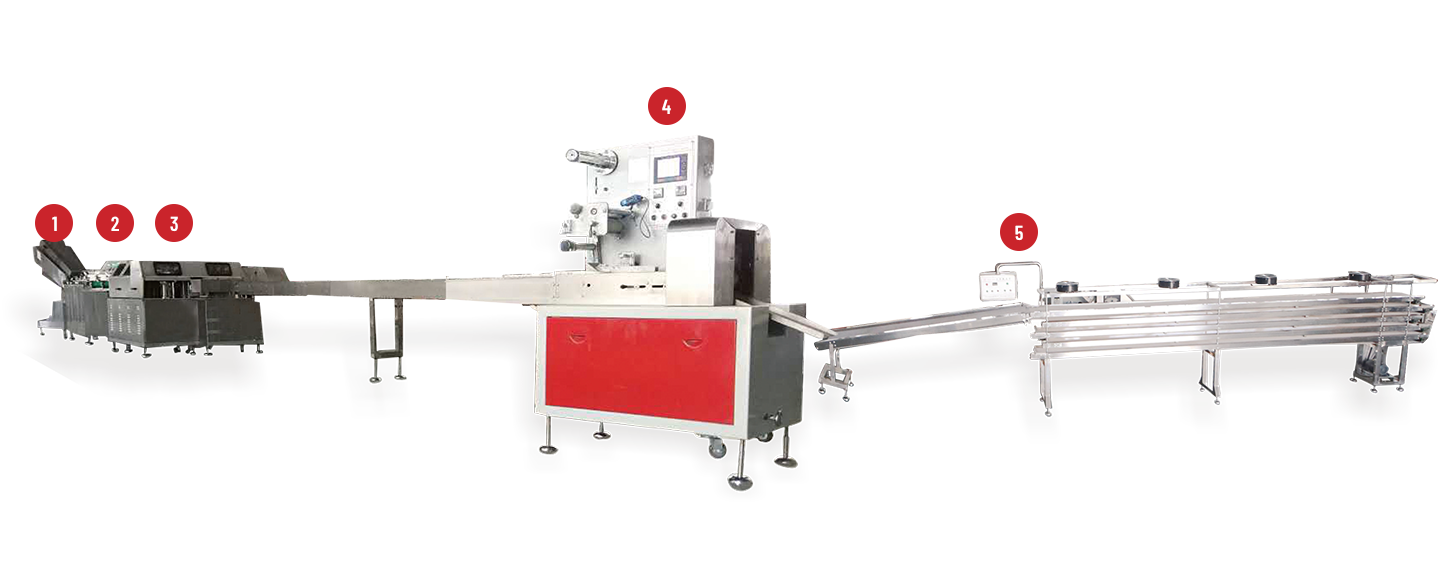
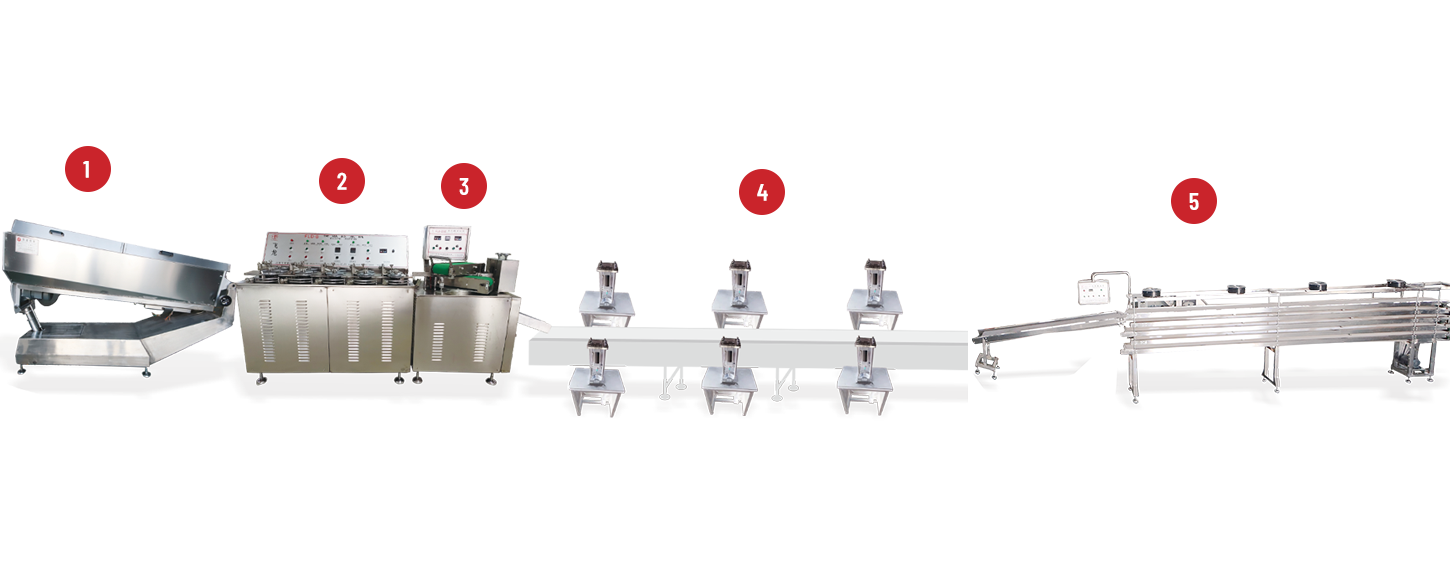
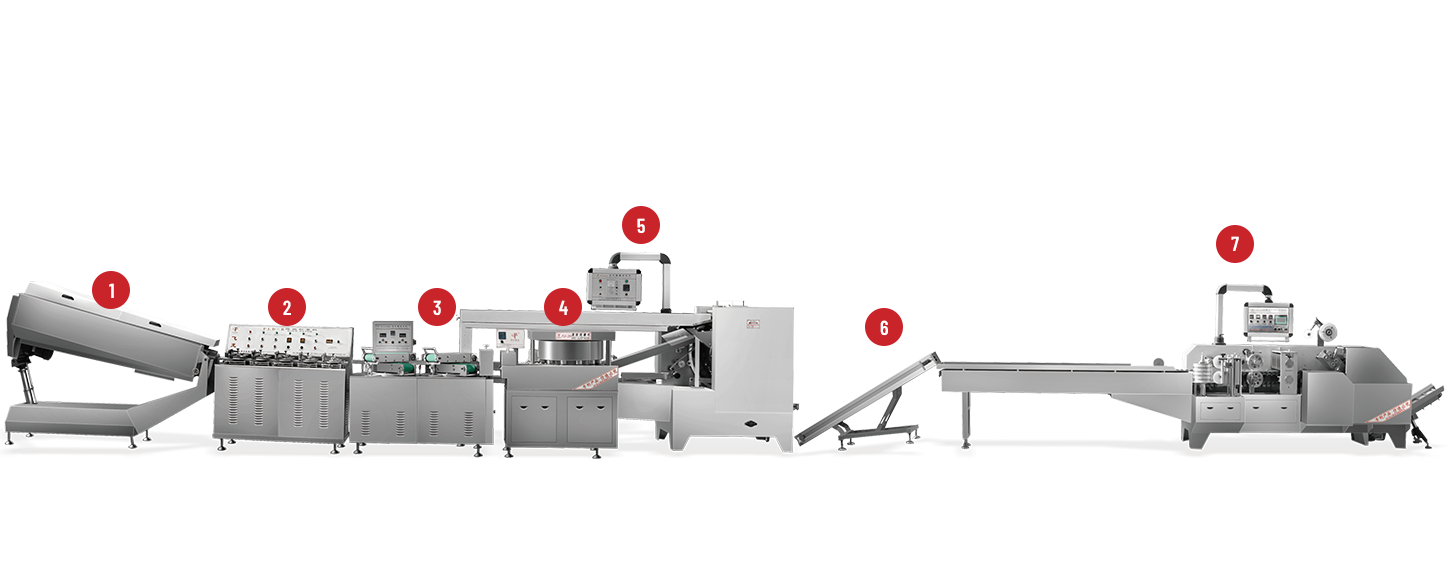

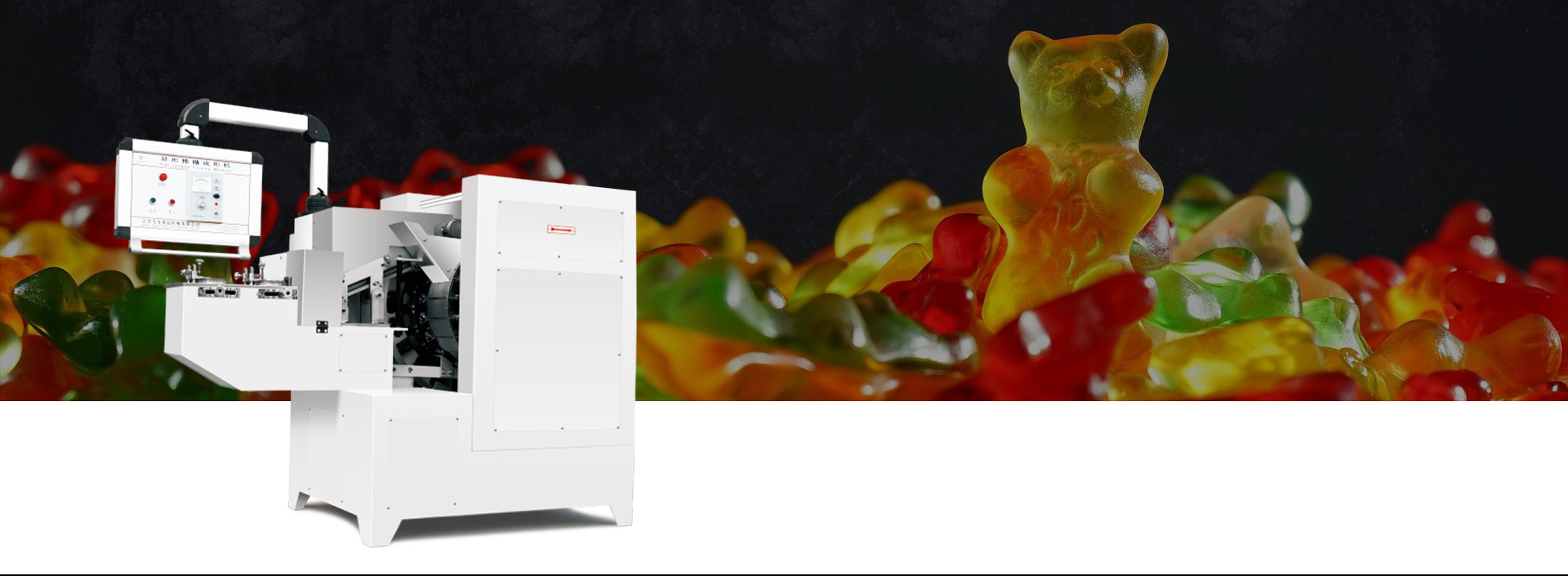
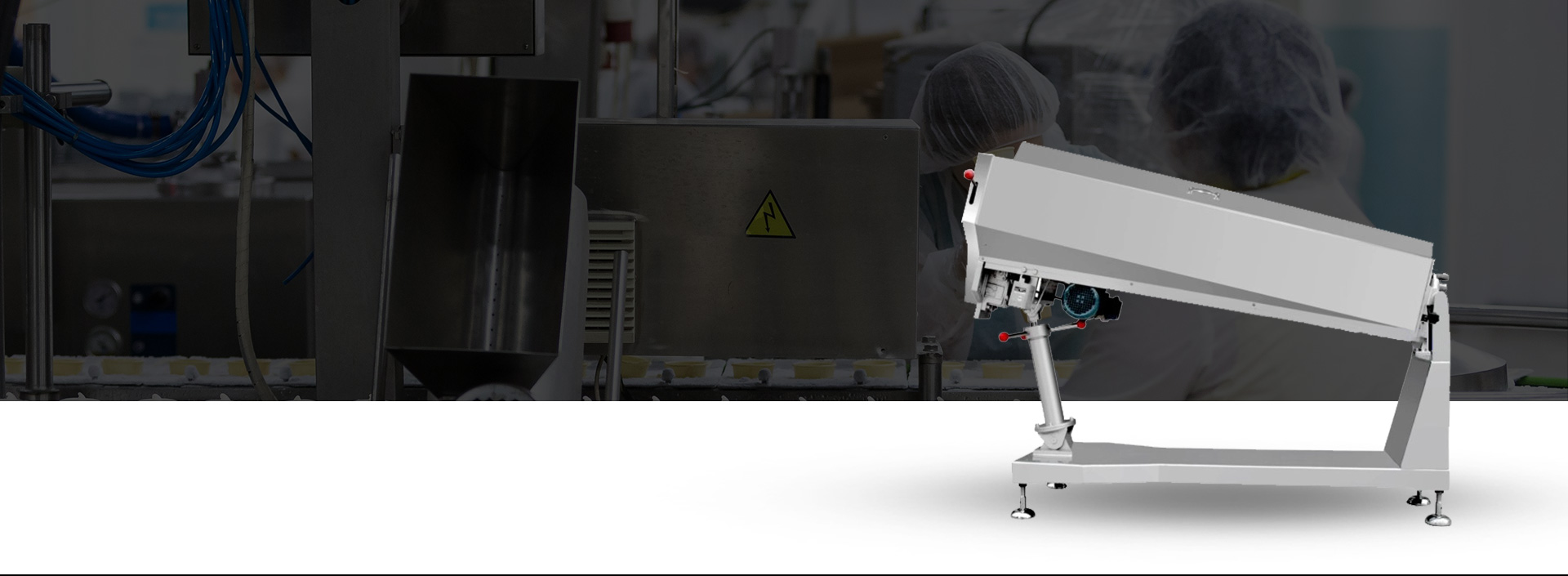
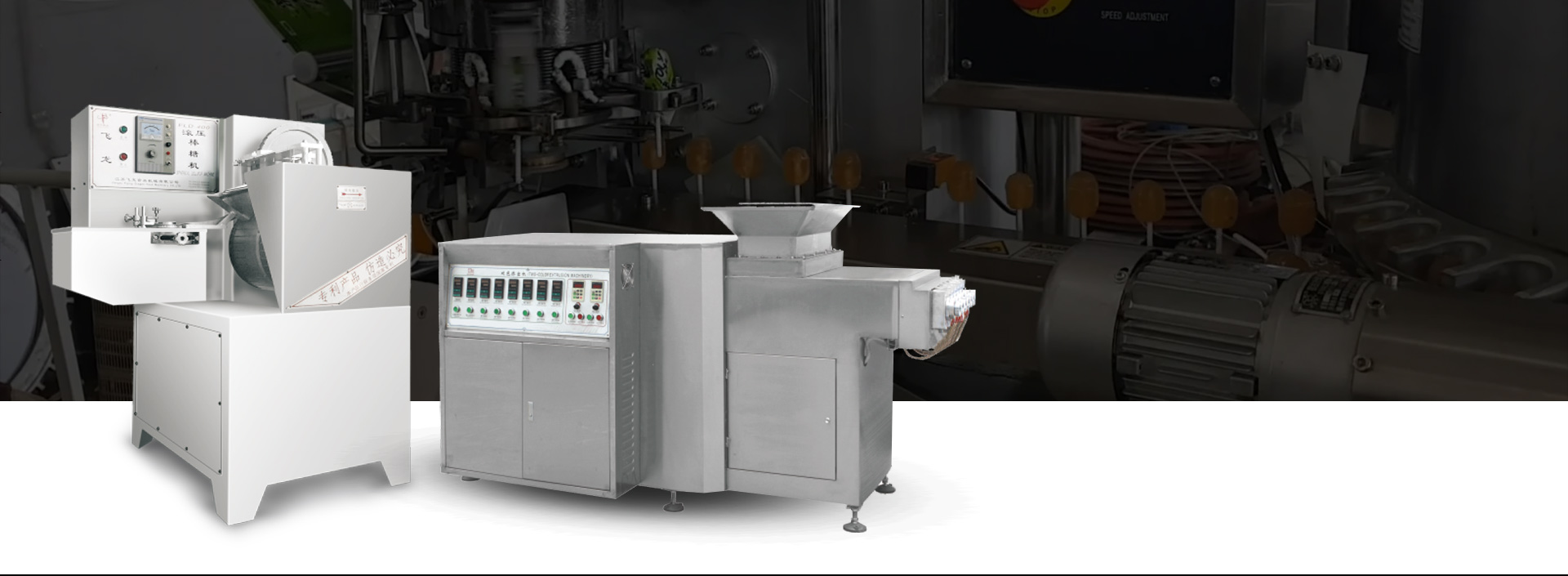
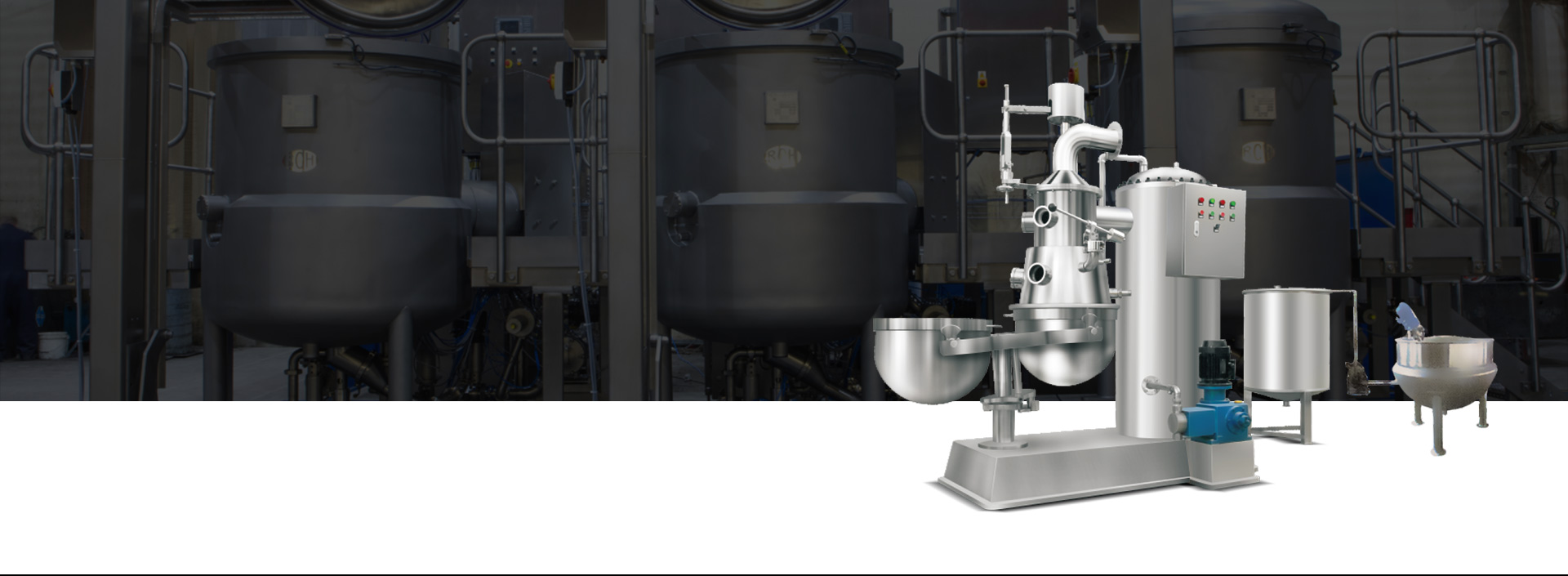
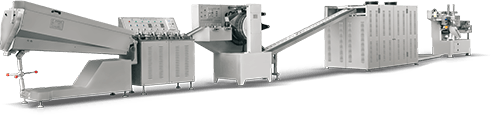
How Can a Candy Machinery Manufacturer Improve Factory Production Flow
In a busy confectionery plant, small delays add up fast. Machines idle, workers wait, and the clock keeps ticking — all of which eats into margins and creates headaches. A Candy Machinery Manufacturer that understands the reality on the floor can make a real difference: not by selling a single shiny machine, but by helping the factory run more smoothly from raw mix to packed box.
Start with the flow, not the motor
Think of a production line as a river. If one stone is out of place, the current slows and eddies form.
Common traffic jams are obvious: a depositor running slightly slower than the panning station, or a wrapper that needs an operator to reset whenever foil misfeeds. These problems look small until you calculate lost bars per hour.
Layout and material paths matter
A neat factory layout reduces needless handling. Place machines in the same sequence as processing steps. Keep raw ingredients close to the mixers, and package materials near the end of the line. If workers must carry components across the floor, you'll pay for that in time and safety risk.
Simple rule: minimize crossings of material and people paths. Use low racks, clear markings, and designated walkways. A modest investment in a new pallet route or a sliding door can keep trolleys from blocking the wrapping area during peak hours.
Automation where it pays — not everywhere
Automation helps, but it's not a cure-all. The right places to automate are repetitive, variable-prone tasks: dosing, portioning, high-speed wrapping. Automating these can reduce human error and free operators for quality checks.
Start small: add an automatic feeder for the depositor, or introduce an automatic wrapper for just one product line. Watch what changes. Does the feed steady improve consistency? Has the operator moved to a more value-adding role? If so, scale it slowly.
Flexibility reduces downtime
Markets change. Seasonal flavors, promotional shapes, and fast-turn packaging runs are part of the business. The manufacturer's job is to offer machines that switch tasks with minimal fuss.
Modular equipment, quick-change tooling, and software presets make a line resilient. The ideal setup lets you switch from gummy hearts to jelly squares in hours, not days. That flexibility shrinks the "dead time" that used to follow product changes, and keeps orders on schedule.
Keep maintenance simple and predictable
Unexpected breakdowns are confidence killers. A pragmatic maintenance routine prevents them.
Daily checks should be quick: listen for odd noises, glance at temperatures, confirm belt tracking. Weekly tasks might include cleaning feed ports and checking fasteners. Monthly inspections should measure wear on critical parts — seals, bearings, and cutting blades — and record trends. Replace bits before they fail.
A spare-parts shelf with the five items you've used in the last year is one of the highest-return moves you can make. When a bearing goes, having the part on the shelf turns a full-day stoppage into a one-hour swap.
Train people like you care about handoffs
Devices are only parts of a system; the other part is people. Good on-boarding and practical refreshers reduce the likelihood that small issues snowball into significant delays.
Run short, focused training sessions. Show operators not only how to run a machine but what to check every hour and how to clear common jams in under five minutes. Empower operators to make minor adjustments themselves: if they can fix a wrapper misfeed without calling maintenance, production keeps moving.
Use data, but don't be drowned by it
Collecting data is useful only if you look at it. Start by logging a handful of variables: throughput per hour, reject rate, and mean time between failures for critical machines. Review these weekly with the floor team. Trends show up quickly — you'll see spikes in rejects that correspond to shift changes, or a slow decline in throughput that follows media wear.
Sensor-led alerts are great when used sparingly: a temperature alarm when chocolate tempering drifts, or a vibration alert that flags impending motor trouble. Don't install dashboards for dashboards'sake. The aim is to get early warnings that let you act before output falls.
Small, practical strategies with big effects
- Buffer wisely. Use short buffers between slow and fast machines to absorb variability without creating big in-process inventory.
- Standardize work. Simple checklists at each station cut the time spent figuring out what to do next.
- Housekeeping matters. A tidy line rarely surprises you with hidden jams or contaminants. It's faster to operate and safer.
- Cross-train operators. If one person can cover two stations, a single absence won't force a shutdown.
- Measure change. Run an A/B test when you change a setting. Baseline, change, measure. Keep what saves time.
Sustainability ties into flow
Waste reduction and energy efficiency often follow improved flow. When machines run at steady loads rather than cycling on and off, energy use becomes predictable. Accurate dosing shrinks ingredient waste. And when fewer batches need rework, waste drops further. Those are savings that show up every month.
Quick checklist you can use tomorrow
- Walk the line for one shift and list the three slowest points.
- Pick one routine check to standardize as hourly for the next month.
- Add an extra temperature sensor at a known hotspot.
- Identify one machine where a small automation upgrade would reduce manual touchpoints.
A pragmatic Candy Machinery Manufacturer does more than sell hardware. The good partnerships are practical: a supplier that helps audit your process, suggests small layout tweaks, offers timely training, and keeps replacement parts accessible. That kind of support turns occasional hiccups into manageable maintenance and keeps your production calendar predictable.
If you focus on eliminating bottlenecks, standardizing simple routines, and making small targeted investments in automation and maintenance, you'll see less downtime, steadier throughput, and a calmer factory floor.
Which Candy Machinery Manufacturer Offers Reliable Machines for Startups
Getting production rolling for a new confectionery brand is a messy, rewarding sprint. Recipes, packaging and sales all matter, but the reality on the floor tends to decide whether a launch week goes smoothly or turns into a scramble. That's why choosing the right Candy Machinery Manufacturer early on matters: the right partner helps you match equipment to space, skills and short-term targets without creating long-term headaches.
Start with the product list, not the price tag
Before you talk to vendors, be clear about the six SKUs you'll actually make. A gummy line plus enrobed bars needs a different baseline kit than plain hard candy and wrappers. Startups often buy machines built for wider factories and then struggle to use 30% of the features — which wastes money and complicates training.
Make a short list: primary product, secondary product, likely weekly volume (ballpark), and the space you have. That list will guide conversations and keep quotes comparable.
Practical checklist for supplier conversations
When you're evaluating manufacturers, ask focused, specific questions that matter to daily operation:
- How quickly can parts be delivered if something wears out
- Do you offer short on-site training sessions
- Are spare parts kits available for common failures
- Is the machine easy to access for cleaning and routine checks
- Can the machine be upgraded incrementally if volumes grow
Those answers tell you more than glossy brochures. A supplier that handles small orders, offers fast parts shipping, and provides simple training is usually a better fit for startups than one that only sells large systems.
| Feature | Why it matters for a startup | What to look for |
|---|---|---|
| Footprint efficiency | Space is often tight in new facilities | Small footprint, vertical options, flexible placement |
| Ease of use | Faster ramp-up, fewer errors | Intuitive controls, clear manuals, short training |
| Spare parts access | Downtime is costly | Local stock, short times, parts kit included |
| Upgrade path | Grow without full replacement | Modular design, add-on modules available |
| Cleaning & maintenance | Hygiene and uptime depend on this | Tool-free access, smooth surfaces, quick disassembly |
Treat the table as a decision shortcut when comparing two or three vendors.
Where startups get tripped up — and how to avoid it
A few patterns show up again and again.
- Buying oversized machines that sit underused. Solution: match expected daily volume, not theoretical capacity.
- Underestimating the staff learning curve. Solution: contract for a short training block and a follow-up remote session.
- Skipping spare parts purchases. Solution: order a basic spares kit at purchase time. That often prevents a day-long stoppage later.
Those fixes are low cost and high impact.
Training that works
Skip the eight-hour classroom. New teams need short, hands-on blocks: run the machine together, show three common faults and how to clear them in under five minutes, then let the operator repeat until comfortable. A 30–60 minute refresher at the start of each week during early production pays off quickly.
Document the quick fixes in plain language and pin them near the machine.
Small automation choices with big effects
Full automation is pricey, but small automations can remove repetitive work and improve consistency:
- Automatic feeders to stabilise dosing
- Simple wrappers that reduce manual touchpoints
- Basic temp logging for heat-sensitive stages
Pick one small automation per line and evaluate results before adding more.
When a supplier becomes a partner
The ideal equipment supplier for a small operation does three things: helps size the right machine, offers quick response for spare parts, and provides practical training. A supplier who visits the site and suggests a minor layout change that saves five minutes per batch is worth more than one who only sends a PDF catalogue.
In practical terms, expect a good fit to include: an honest discussion about what the machine does well at low speeds, straightforward spare parts options, and an offer to run an initial commissioning day with the operator.
Quick roadmap for 90 days
- Lock the initial SKU list and layout sketch.
- Finalise two shortlists of vendors and use the table above to compare.
- Order the machine and a basic spares kit together.
- Schedule a one-day on-site commissioning and a remote follow-up after two weeks.
- Run weekly short training refreshers and keep a running log of any stoppages and their fixes.
Small companies often find that a practical, hands-on supplier relationship pays back faster than the flashiest spec sheet. A thoughtful Candy Machinery Manufacturer will treat your six months as a partnership: they help you get the line stable, then offer sensible ways to scale. If you keep the focus on usability, parts readiness and simple training, you'll avoid many early pitfalls and build a production foundation that grows with your market.
What Tips Help Buyers Choose a Candy Machinery Manufacturer Efficiently
Picking equipment for a confectionery line is less about shiny brochures and more about how your production week will feel. That's where practical questions beat marketing claims: will machines fit the floor, can staff learn quickly, will spares be available when something wears out? The right Candy Machinery Manufacturer answers those questions clearly and helps you set up a line that runs with few surprises.
Below I share hands-on guidance you can use during vendor conversations, a short table to compare suppliers quickly, and a few on-the-floor checks that reveal more than a specification sheet.
Use a short, practical checklist in vendor meetings
When you visit a supplier or review quotes, ask for plain answers to these items rather than a glossy presentation:
- How fast can a worn part be replaced on-site
- Do you supply a starter spare-parts kit with the order
- Will you provide hands-on commissioning at the factory
- Is there a short training block for operators
- Can the machine be maintained with basic workshop tools
Observe a machine in real operation if you can
A short factory visit is worth a dozen spec sheets. Watch a full cycle: feeding, forming or cooking, packaging. Look for:
- How many hands touch the product between mixing and bagging
- How long does each stop or adjustment take
- Do operators have clear sightlines and access for cleaning
- Are belts and drive areas easy to reach without disassembly
Those small observations often show where friction lives. If an operator has to clamber over frames to clear a jam, that's a daily time sink you'll want to know about.
Probe the service and parts network
Ask about the supplier's parts distribution and repair options in your region. Two practical facts matter more than marketing presence:
- Typical time for a replacement cutter or belt (not the ideal time, the realistic time).
- Whether the supplier can ship a basic repair kit with the delivery.
Also ask whether they hold local stock or rely on central warehouses overseas. If time for a common wear item is measured in weeks, plan for a spares strategy that avoids long line stoppages.
Training and documentation that actually helps
Good documentation is simple and visual. For startups, the useful items are:
- One-page daily checklists for each station.
- Short troubleshooting cards showing the top three jams and fixes.
Think about incremental growth, not a forklift upgrade
Buying for growth doesn't mean oversized capacity. Look for modular machines that accept add-on units or software presets. That way you can add a second wrapper or a different depositor head when demand grows, without ripping out the whole line.
Ask suppliers for examples of customers who expanded their lines. Real cases tell you whether upgrades were straightforward or required major rework.
Keep maintenance practical and scheduled
A reliable routine prevents many problems. Before you sign, ask for a basic maintenance calendar and a shopping list of common consumables. A pragmatic plan includes:
- Hourly operator checks (belt tension, hopper feed, visual leak checks).
- Weekly clean-down points and inspection items.
- Monthly recorded checks for bearings, cutters and critical seals.
If the supplier helps you set that calendar and provides the set of spares, you'll avoid many first-year headaches.
Ask for a simple trial or demo arrangement
If feasible, ask the manufacturer for a demonstration with your product or a very similar formulation. Seeing how a machine handles your recipe — even in a short demo — reveals more than lab-scale claims. If an on-site trial is not possible, request video of the machine running with a comparable product and ask to speak directly with a current user.
Build a short communication protocol with the supplier
Good relationships are practical: set a simple SLA for first-year support, for example:
- Response time for urgent parts: X hours
- Availability of phone or video support during two months
- One remote refresher session within eight weeks of commissioning
Write these expectations into your purchase agreement. Clear terms make follow-up easier and prevent misunderstandings.
Checks before signing
Run through this short checklist at the final stage:
- Does the machine fit in your planned footprint with needed clearances
- Is the spare-parts kit included or easy to order
- Have you scheduled on-site commissioning and operator training
- Can the vendor provide two references using similar products
- Is there a simple service agreement or pay-as-you-go support option
Answering yes to these reduces the chance of early surprises.
Choosing equipment is as much about operations and relationships as it is about technical features. A pragmatic Candy Machinery Manufacturer will help you size equipment for real volumes, offer straightforward training, and provide quick access to common spares. Use the table above during vendor comparisons, insist on practical demonstrations, and build a spare-parts and training plan into your order. Those steps turn a risky purchase into a manageable project and keep your production weeks on track.
 +86-(0)515-8465666
 +86-(0)515-85566996
 +86-138 1559 9708
 flyloong@flyloongcn.com
 Home
Home