

 ENG
ENG
 English
 中文简体
中文简体 русский
 Français
 Español
 عربى
عربى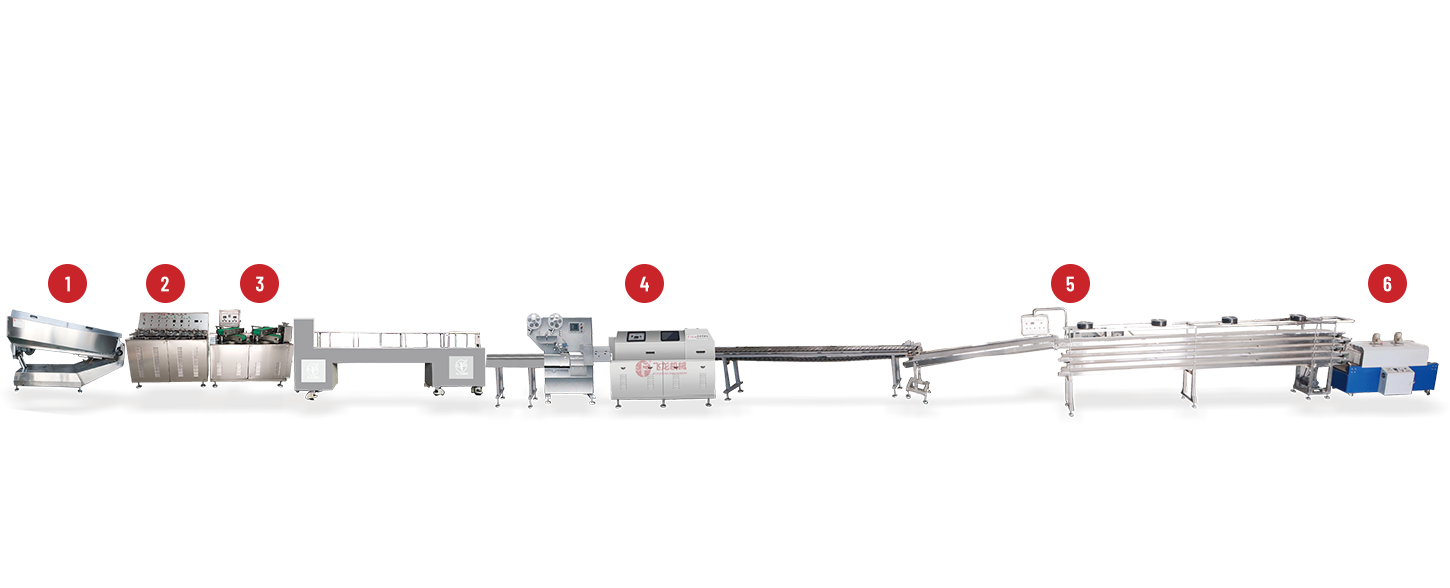
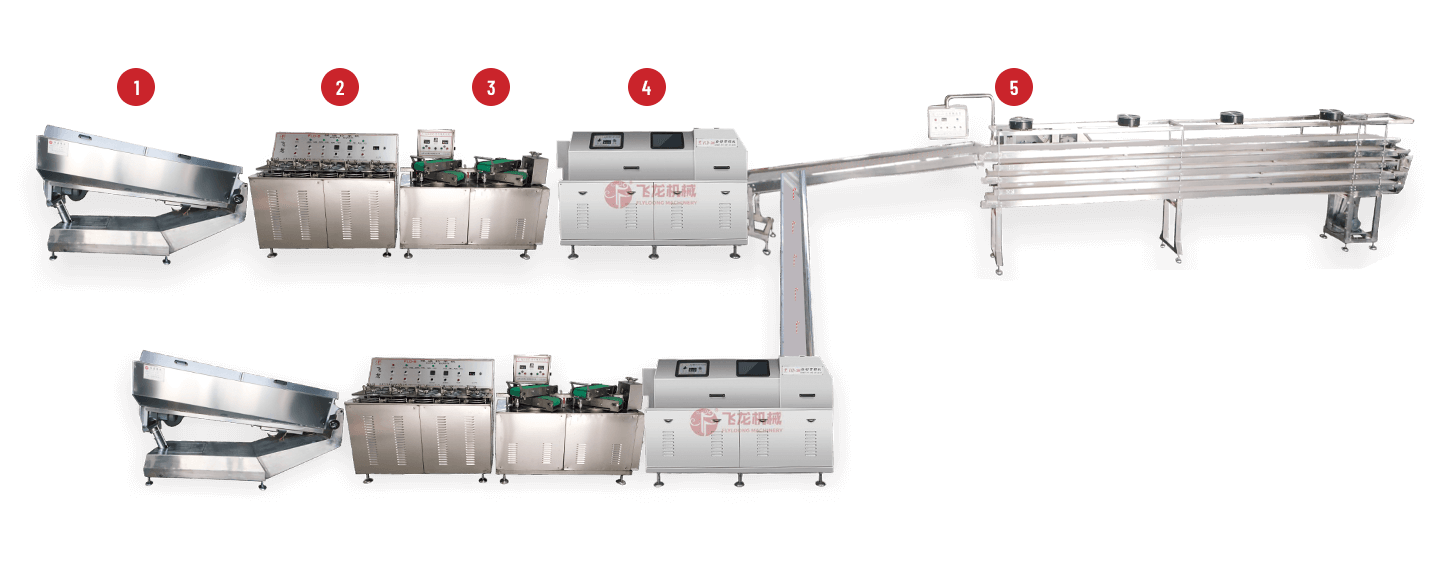
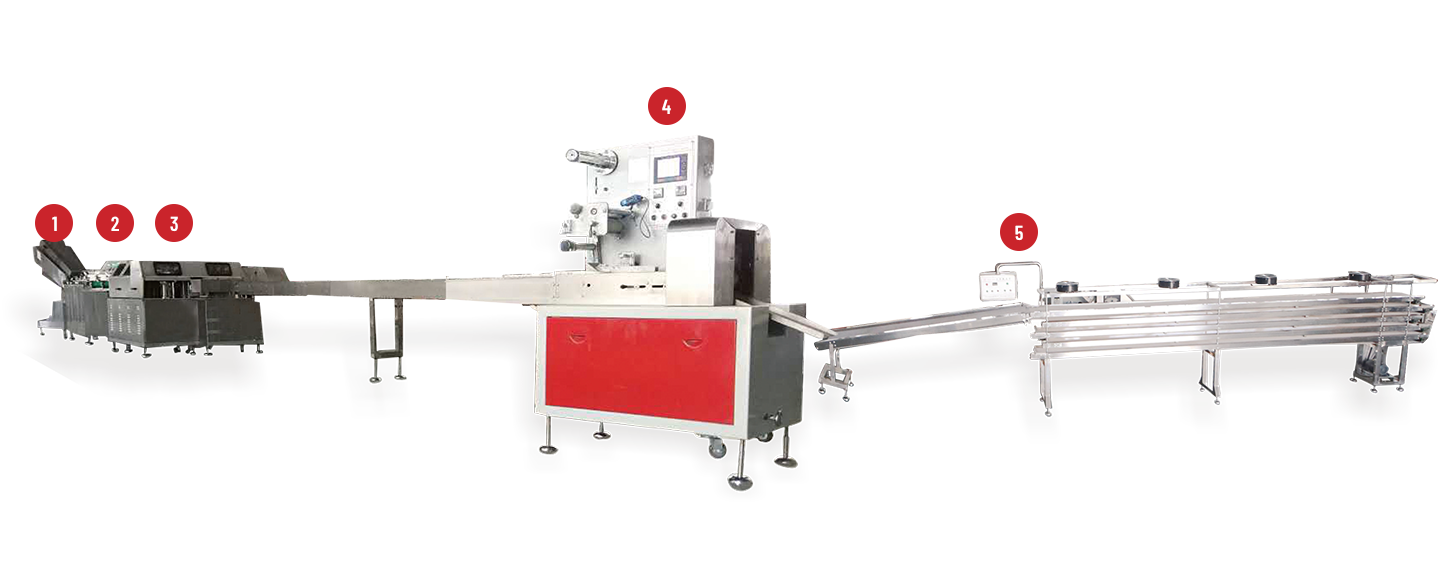
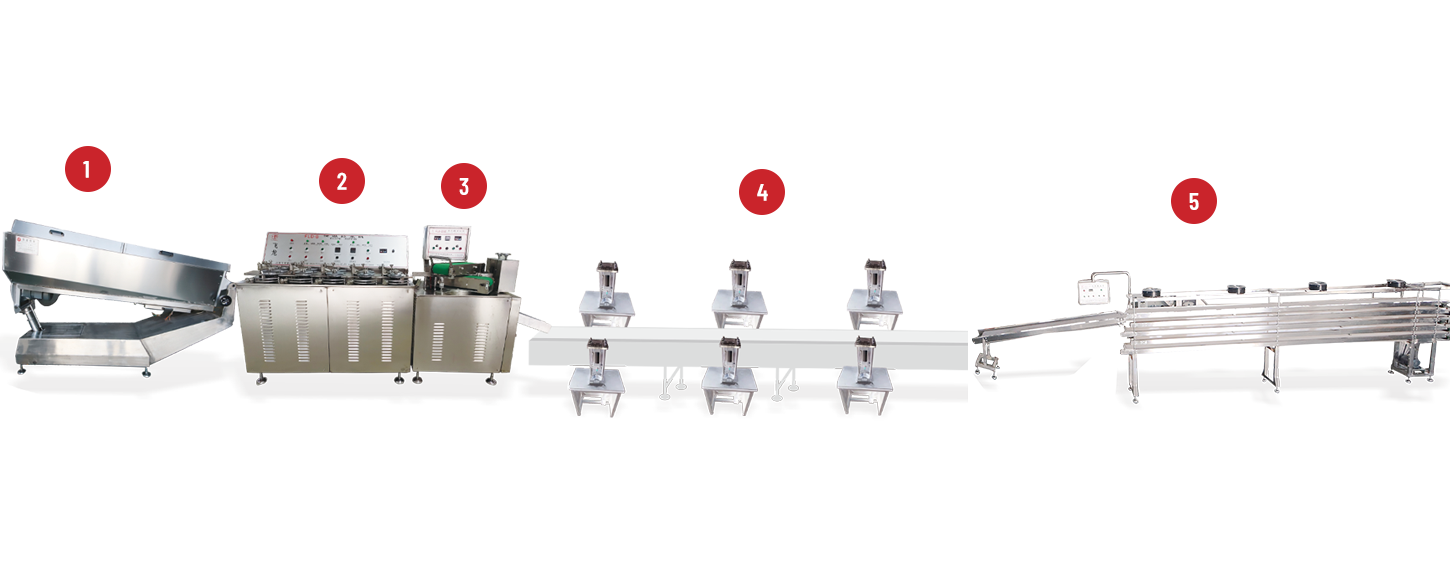
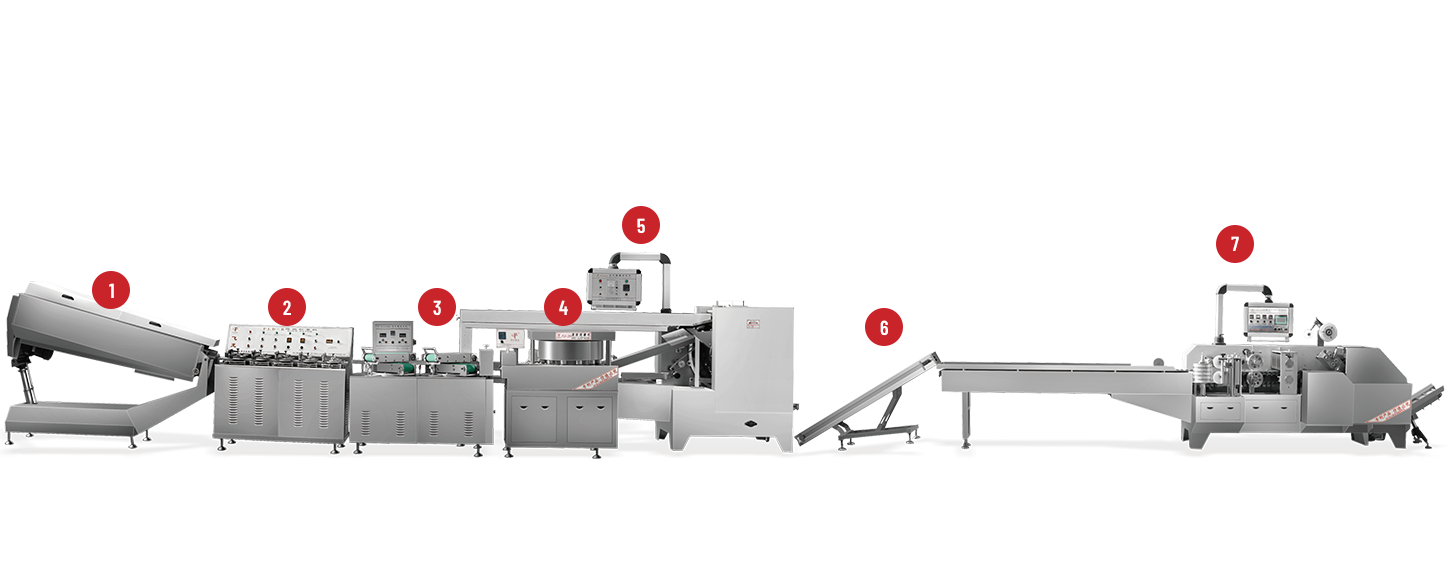
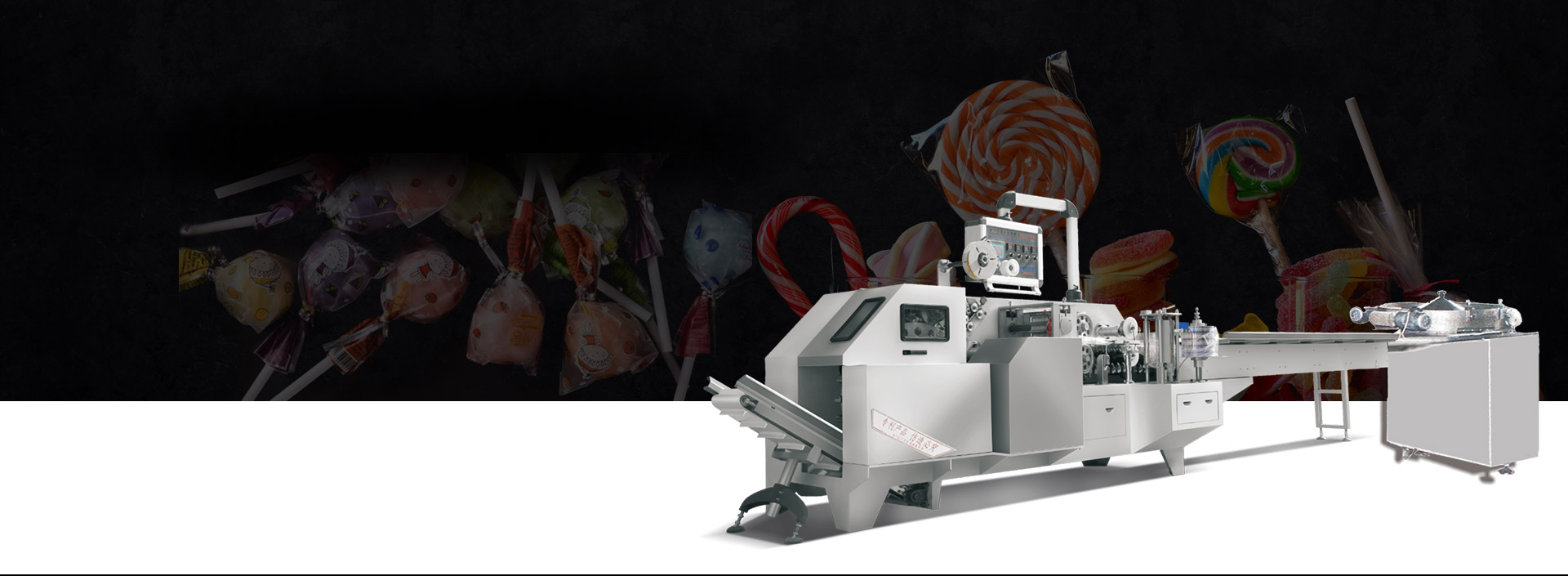
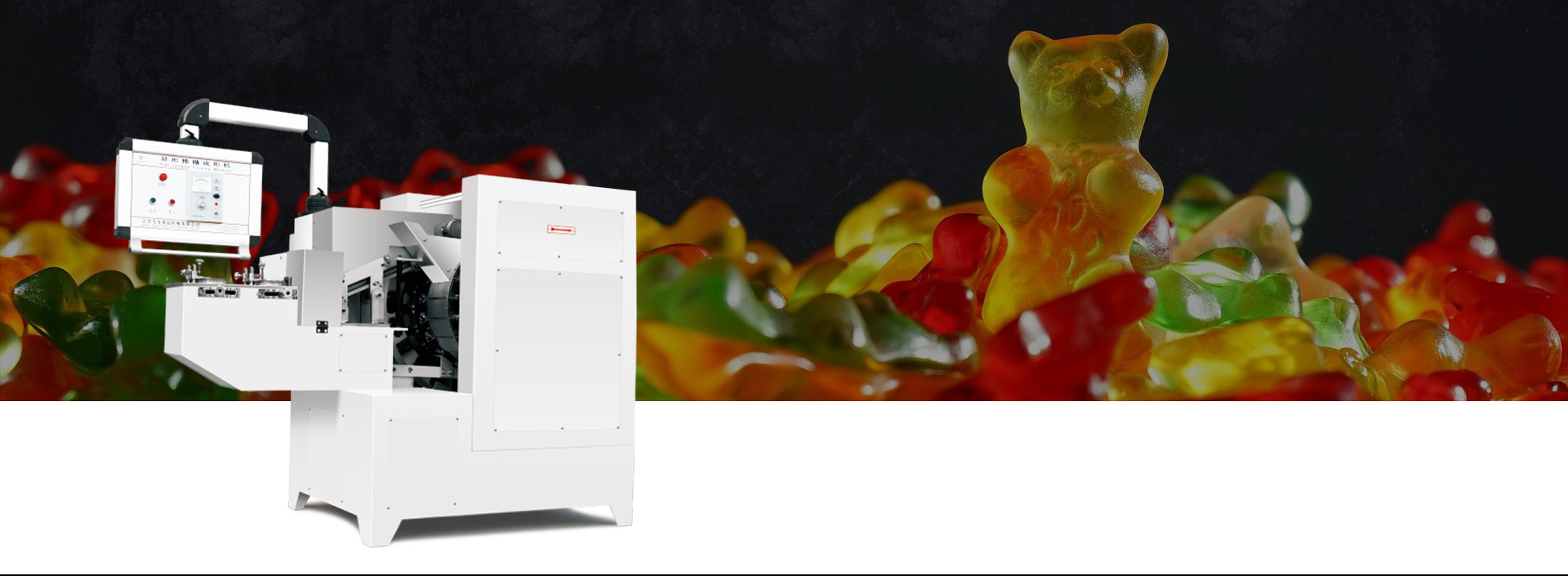
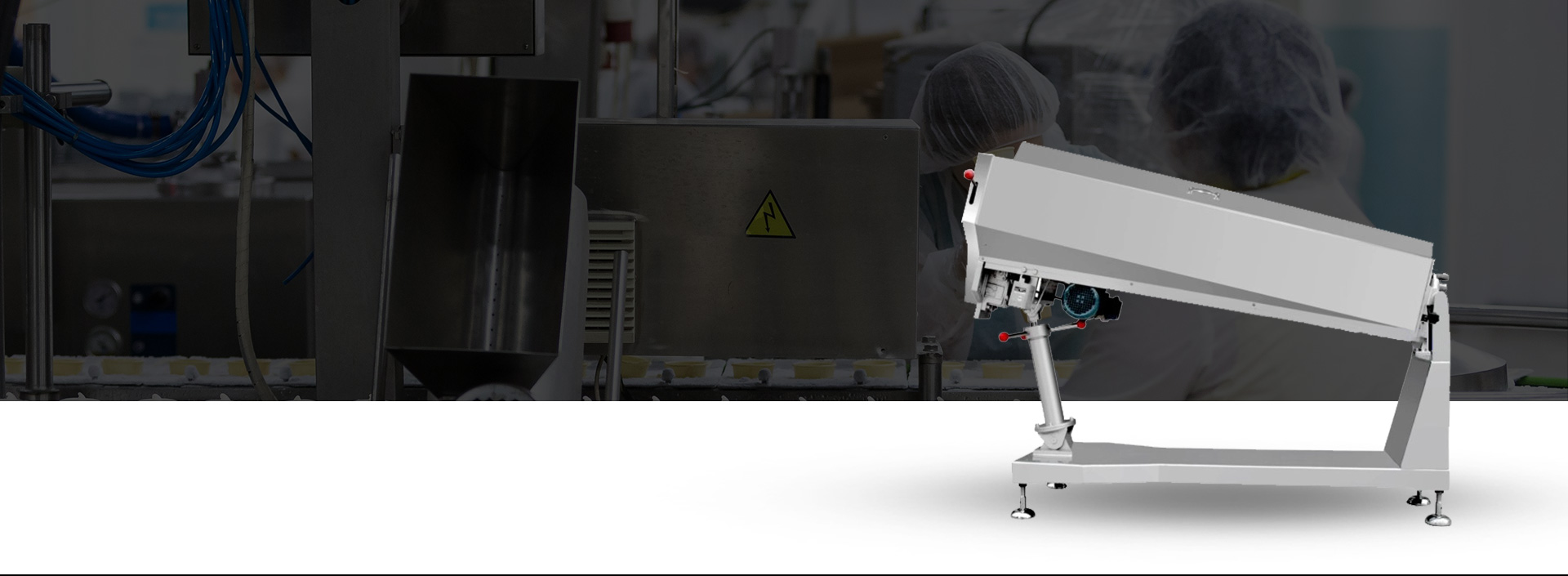
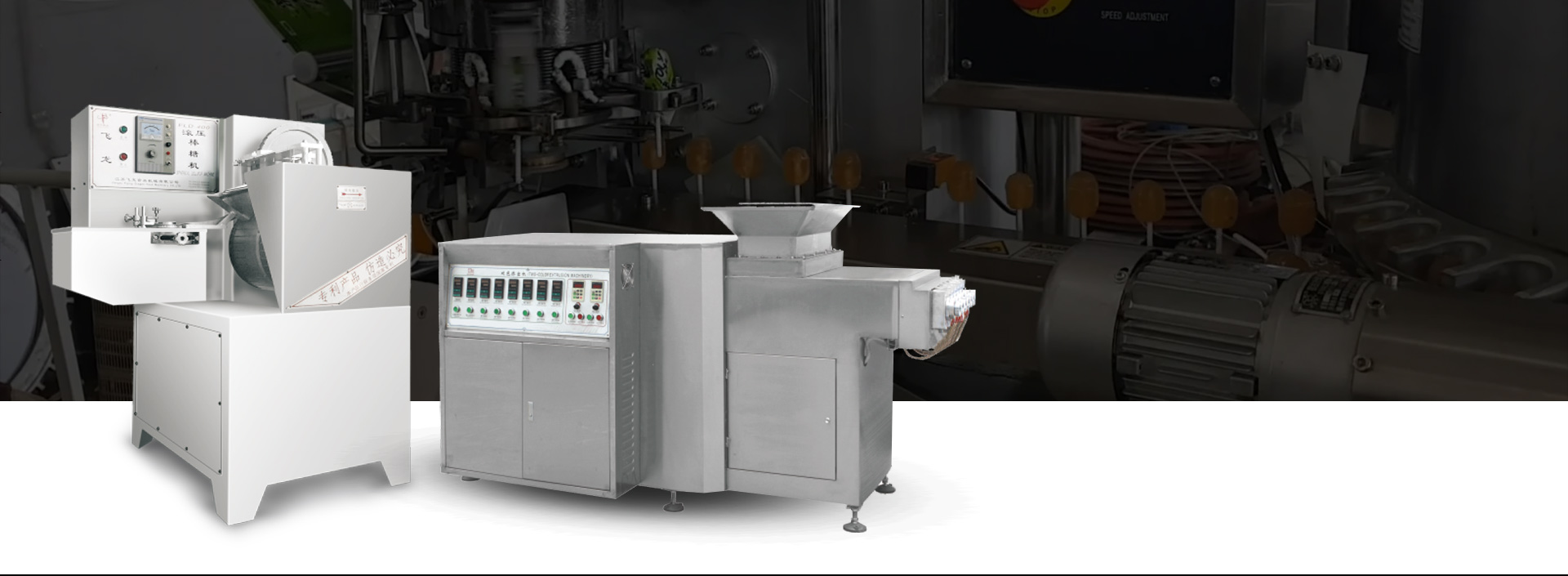
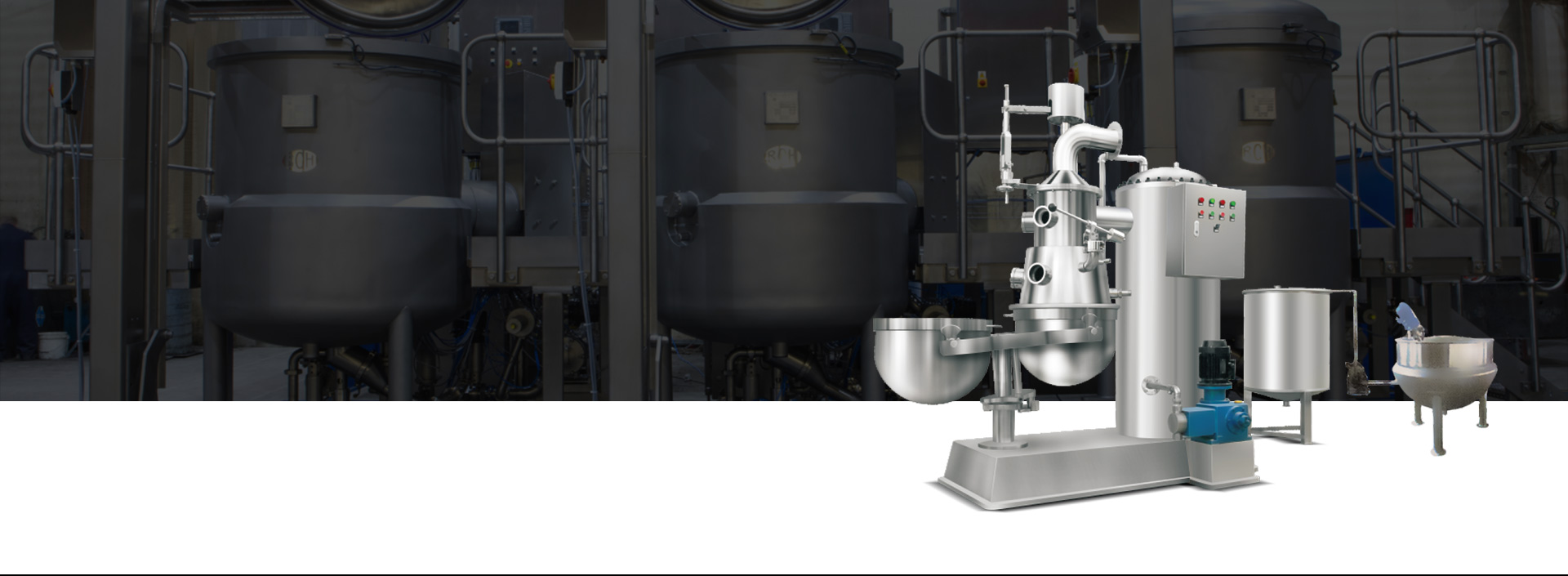
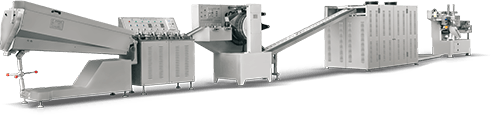
A lollipop production line supplier is not only a seller of equipment. The role is closer to a system partner in candy manufacturing. The supplier influences how a production line is planned, installed, and adjusted for different product styles.
In modern candy production, expectations have changed. Buyers no longer focus only on output. Shape variety, stability, and long-term adaptability now matter just as much. Because of this, choosing a supplier has become a practical decision rather than a simple purchasing step.
What Does a Lollipop Production Line Supplier Actually Provide?
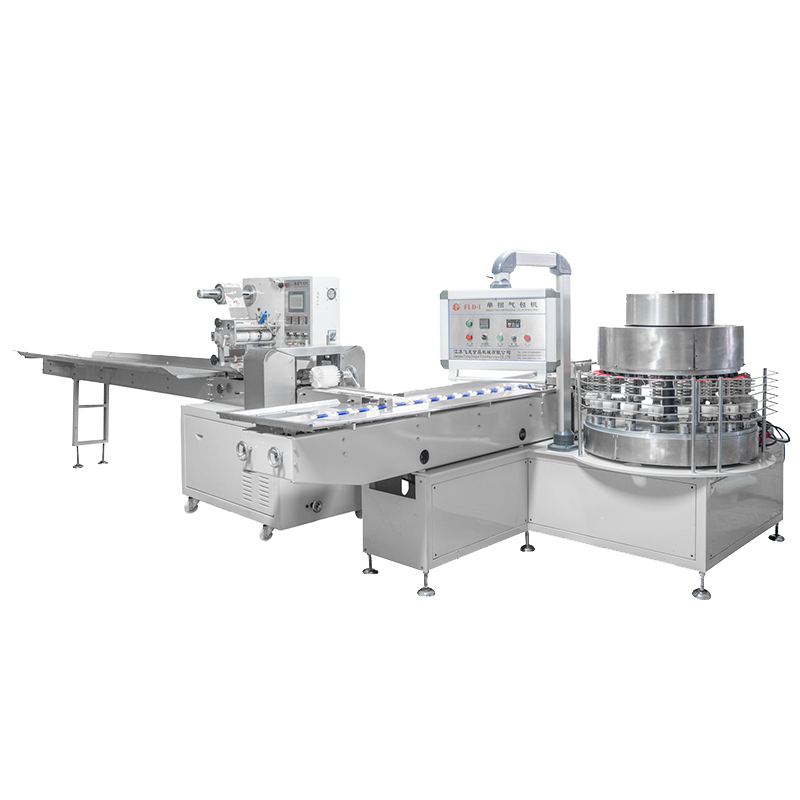
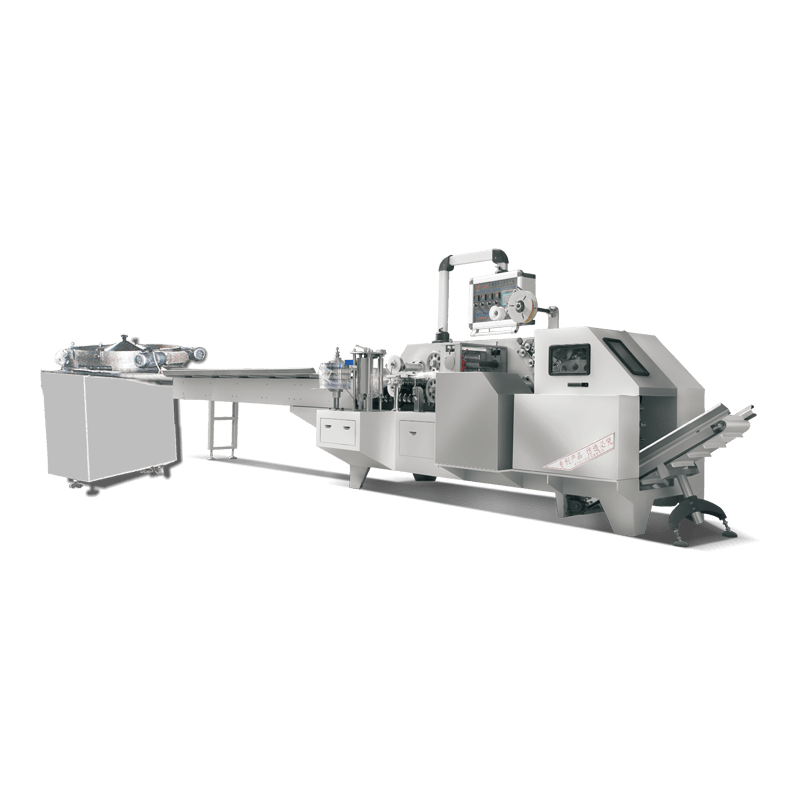
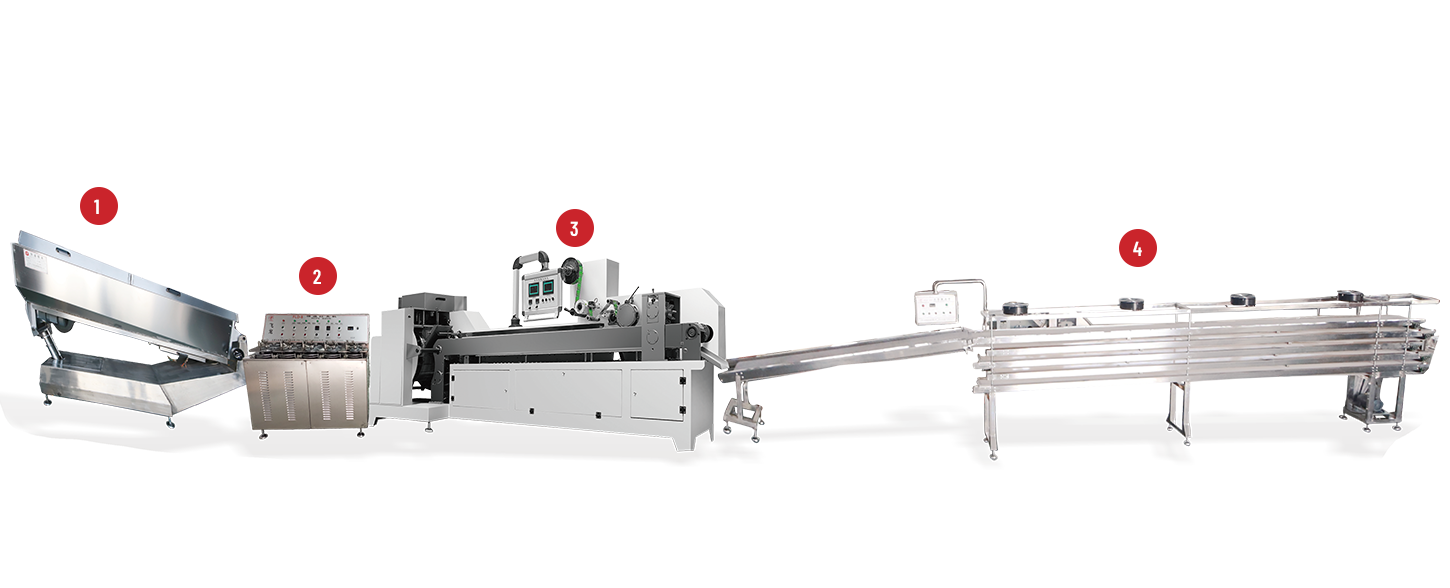
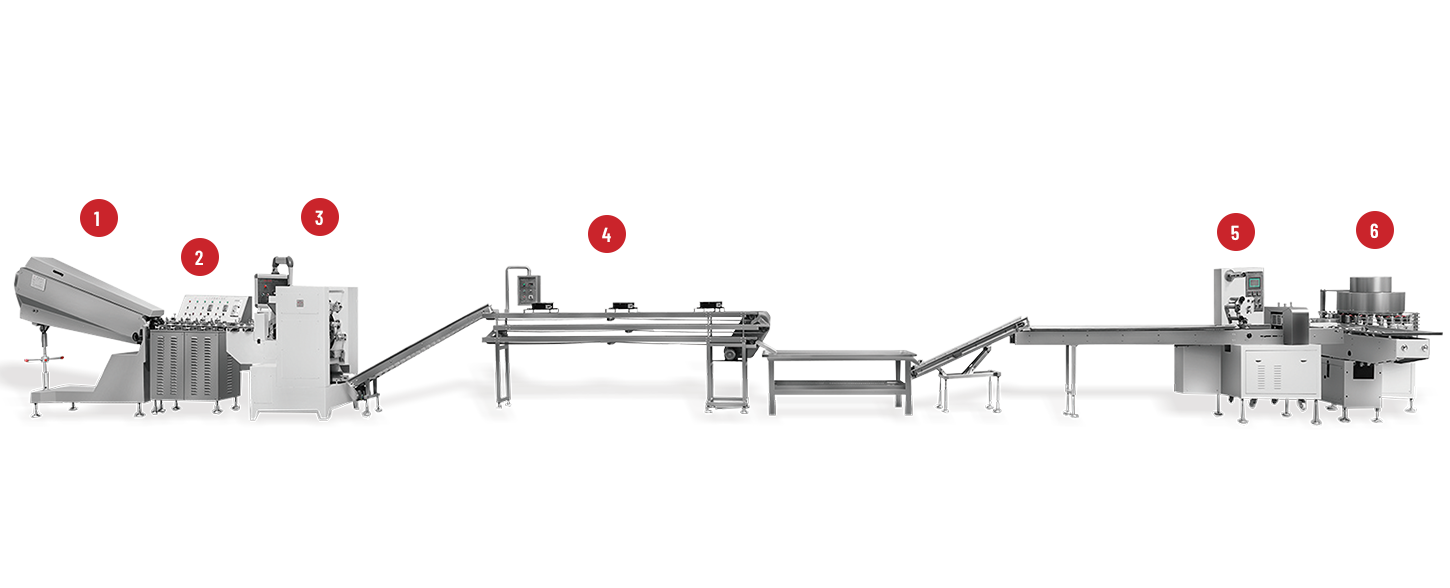
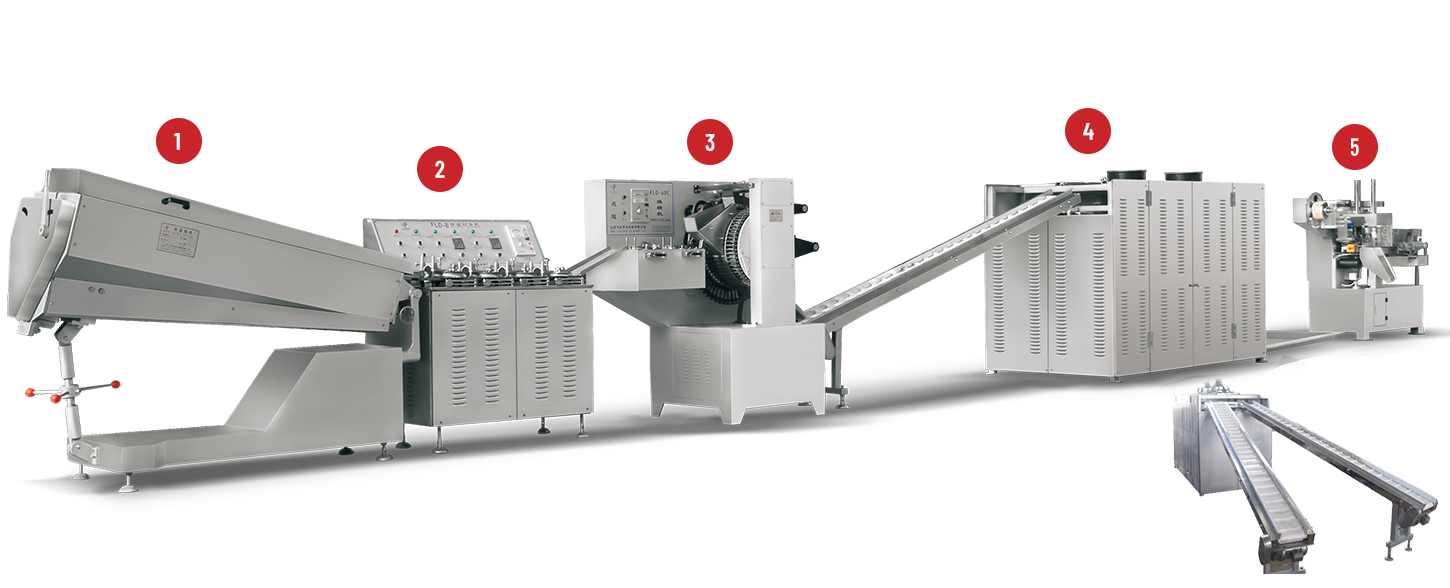
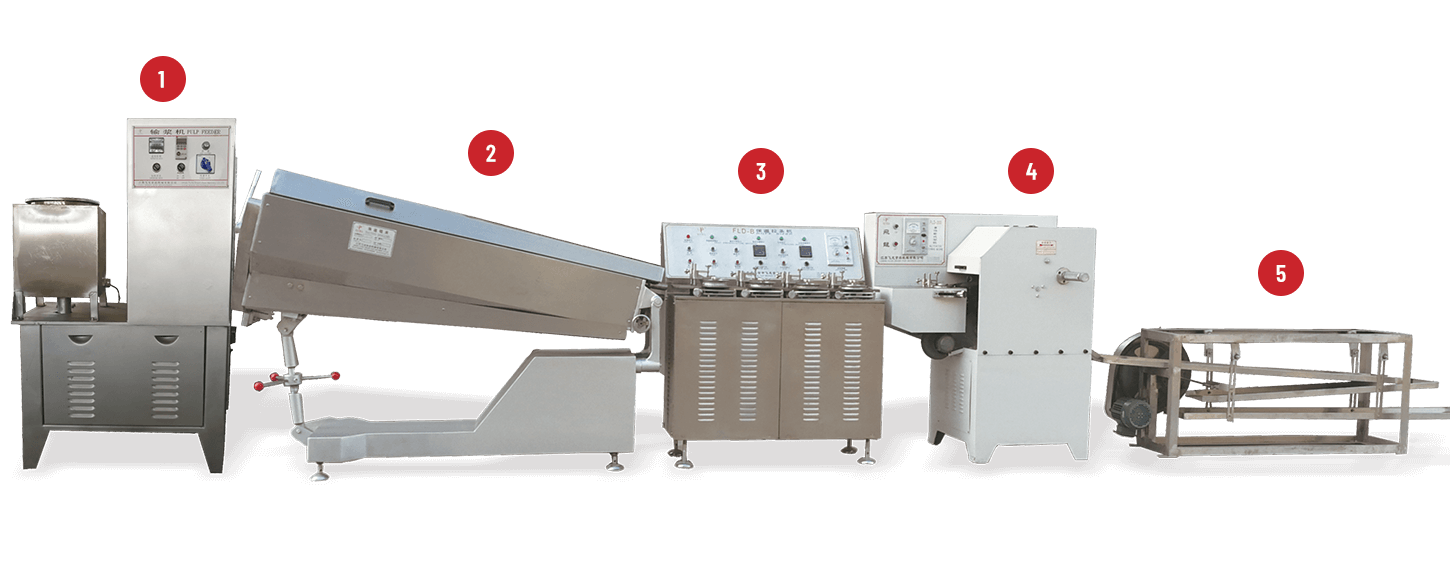
A lollipop production line supplier usually offers more than a single machine. The scope often includes a complete production setup.
This may involve forming systems, cooling sections, handling units, and packaging coordination. Some suppliers also help with layout suggestions for factory space.
In many cases, a supplier works with both small workshops and larger industrial users. A lollipop production line factory setup may support different levels of configuration depending on production goals.
The real value is not only in equipment delivery. It is also in how well the system fits together once it starts running.
How Important Is Production Flexibility When Choosing a Supplier?
Flexibility is one of the things to observe. A lollipop manufacturing production line is rarely used for only one product shape.
Different markets require different candy appearances. Round shapes may be used for general products. Custom shapes are often used for seasonal or branded series.
A supplier should be able to support changes in molds and design styles without requiring a full system replacement.
This is where a lollipop production line machine setup becomes relevant. Machines that allow adjustments in forming and timing usually handle variation more smoothly.
A flexible system usually includes:
- Replaceable mold systems
- Adjustable forming sections
- Controlled cooling paths
- Stable handling units
Flexibility does not mean complexity. It simply means the system can respond to change without breaking its rhythm.
Can the Supplier Support Different Production Scales?
Production needs vary widely. Some users operate small facilities. Others run continuous industrial output.
A small lollipop production line is often used for limited batches or product testing. It allows faster switching between designs and easier adjustment.
An industrial lollipop production line is built for stable, continuous production. It focuses more on consistency than frequent changes.
A reliable supplier should understand both needs. In some cases, one supplier may offer both types of systems.
This is important because many businesses start small and expand later. A system that cannot scale may become a limitation over time.
How Does a Supplier Handle Custom Shapes and Designs?
Shape design is now a normal part of candy production. A lollipop candy production line is expected to support more than basic round products.
Custom shapes often require special molds. These molds define the outer structure and fine details of the product.
A lollipop making production line must also control how material flows into these molds. If the flow is uneven, the shape may lose definition.
Common custom design elements include:
- Simple geometric shapes
- Character-inspired forms
- Spiral or swirl patterns
- Multi-layer color structures
- Transparent or mixed visual effects
A supplier's ability to support these options shows how adaptable the system is.
What Is the Difference Between Supplier and Manufacturer Role?
The terms often overlap, but there is a practical difference in how they operate.
A lollipop production line manufacturer is usually closer to the production of equipment itself. They focus on building the system and controlling its structure.
A supplier may include manufacturing capability, but also focuses on delivery, coordination, and system matching.
In some cases, a lollipop production line supplier acts as a bridge between equipment design and real factory needs. They help translate production goals into workable system layouts.
This difference becomes more visible when customization is involved. The more complex the design, the more coordination is required.
What Kind of Support Should a Supplier Offer After Installation?
After installation, the system does not simply operate on its own. Small adjustments are often needed during early production stages.
A supplier's support role usually includes:
- Equipment setup guidance
- Operational adjustment suggestions
- Basic maintenance direction
- Production flow coordination
In a lollipop production line China context, many suppliers also support remote communication or on-site assistance depending on project scale.
The key point is continuity. Equipment performance is not only about installation quality. It also depends on how issues are handled after production begins.
How Do Cost and Configuration Influence Supplier Choice?
Cost is not only about equipment price. It is closely linked to configuration choices.
A lollipop production line machine can vary in structure depending on how much automation is included. More automation usually means smoother production, but also different investment levels.
Instead of focusing only on price, it is more useful to look at:
- Level of automation
- Mold flexibility
- Production stability
- Maintenance requirements
- Future expansion potential
A lollipop production line supplier usually provides different configuration options. The final system is often built based on actual production needs rather than a fixed package.
This approach allows better alignment between output goals and system design.
How Do Suppliers Manage Stability in Continuous Production?
Stable output is one of the important expectations in candy manufacturing. Even when design variety increases, consistency must remain.
An industrial lollipop production line is designed to reduce fluctuations during long runs. This includes controlled forming, steady cooling, and synchronized handling.
A supplier plays a role in ensuring these sections work together smoothly. If one part of the system is slightly misaligned, it can affect the final product appearance.
That is why system integration matters. It is not just about individual machines, but how they operate as a whole.
What Questions Should Be Asked Before Choosing a Supplier?
Before working with a supplier, practical questions often reveal more than promotional descriptions.
Some common considerations include:
- Can the system handle multiple shapes without major changes?
- How often do molds need replacement or adjustment?
- Is the system suitable for both small and larger production stages?
- What level of support is available after installation?
- How is production stability maintained during design changes?
These questions help clarify whether the supplier can match long-term production needs.
A lollipop production line supplier is not only chosen for current requirements. It is also evaluated based on future flexibility.
How Do Supply Networks Influence Equipment Options?
In many cases, equipment availability is shaped by wider supply networks. A lollipop production line China market often includes multiple layers of production, assembly, and distribution.
This structure allows different configurations to be offered depending on demand. A lollipop production line factory may focus on building core systems, while suppliers manage adaptation for different users.
This separation of roles makes it easier to match equipment with varied production environments.
The result is a system where customization and standard production exist side by side, depending on how the line is arranged and operated.
 +86-(0)515-8465666
 +86-(0)515-85566996
 +86-138 1559 9708
 flyloong@flyloongcn.com
 Home
Home