

 ENG
ENG
 English
 中文简体
中文简体 русский
 Français
 Español
 عربى
عربى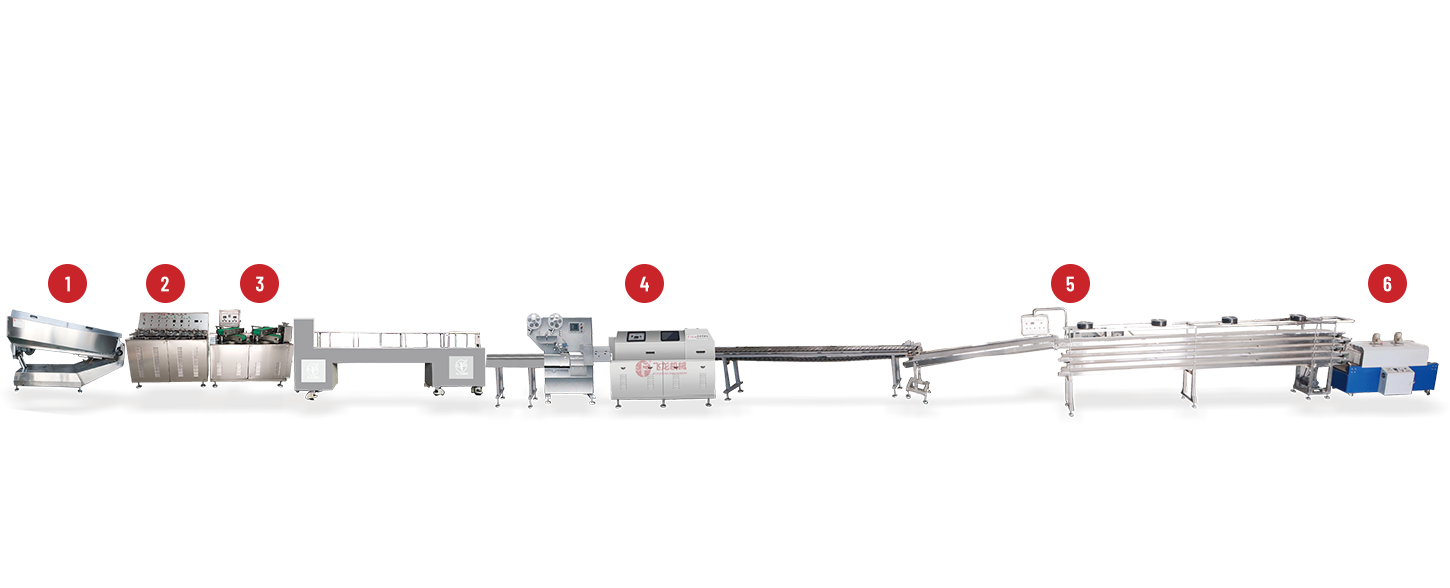
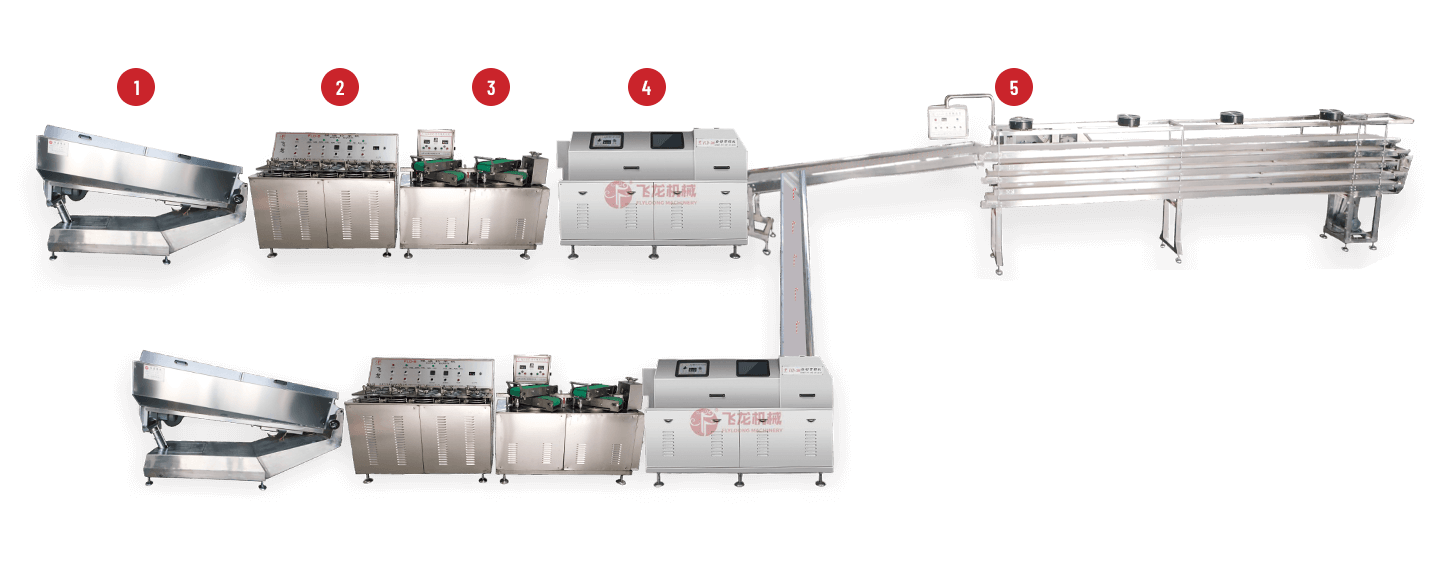
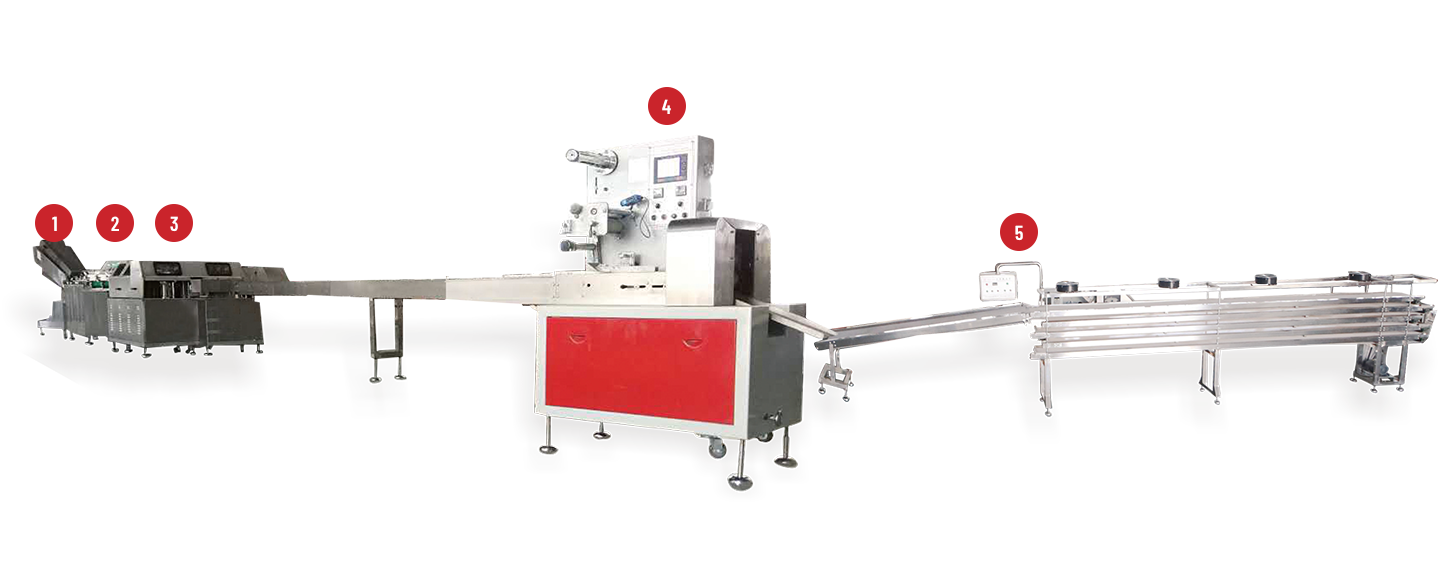
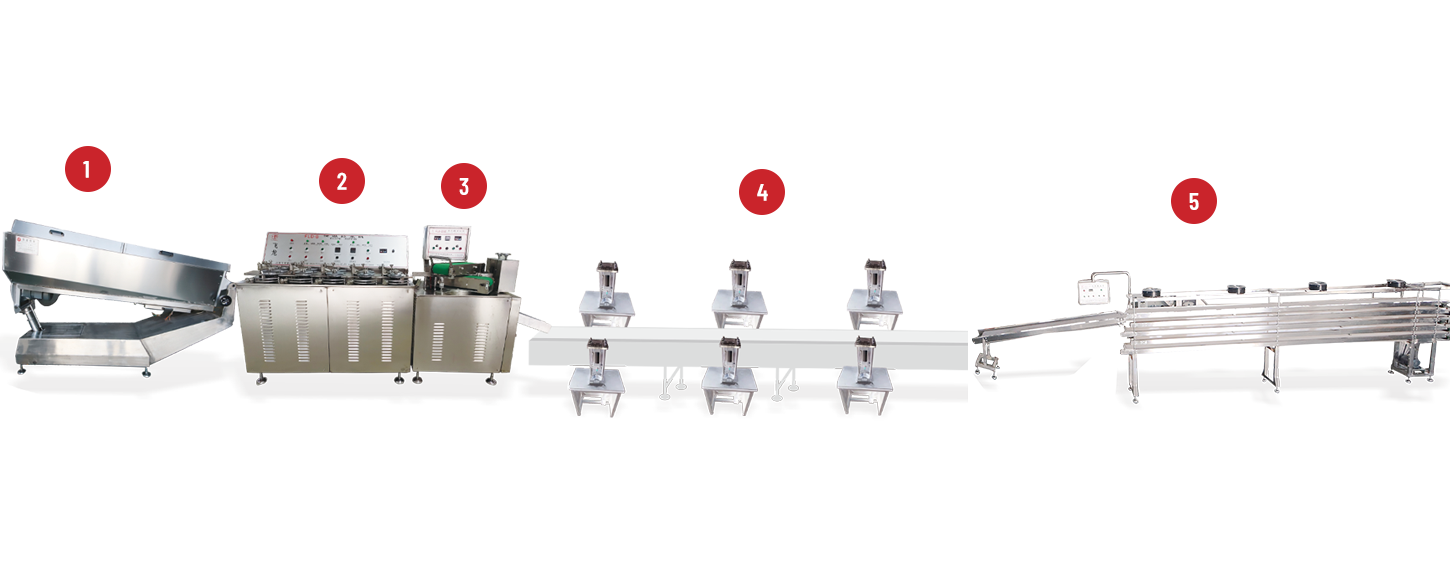
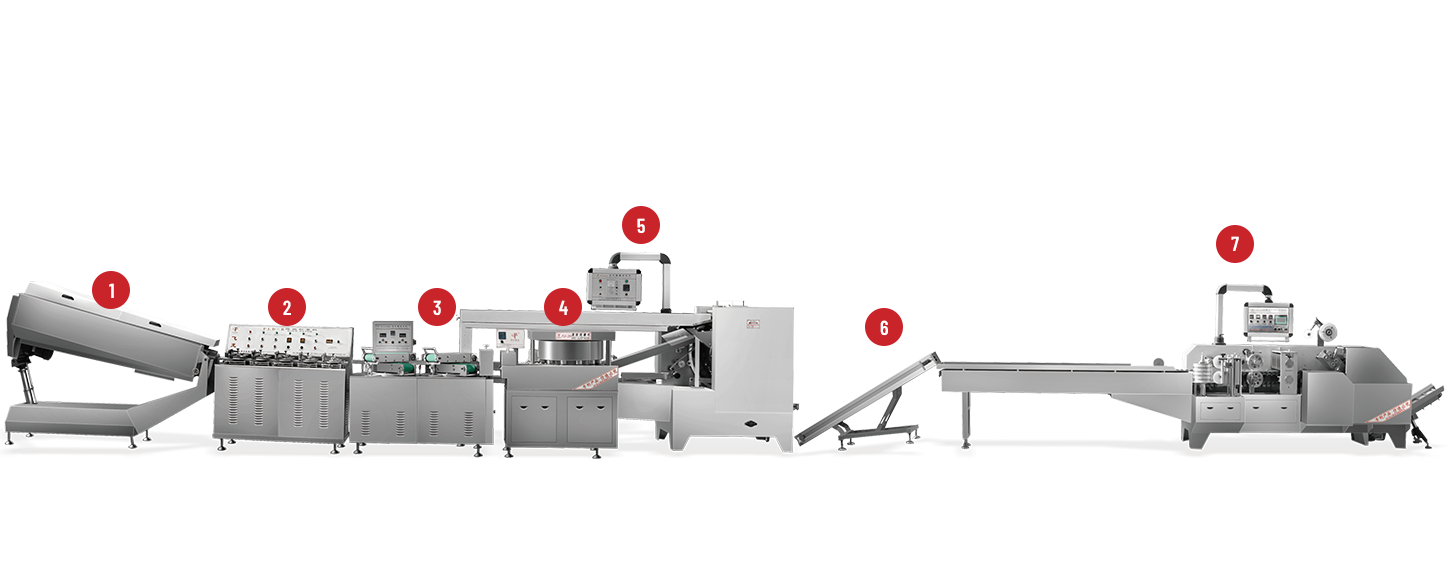
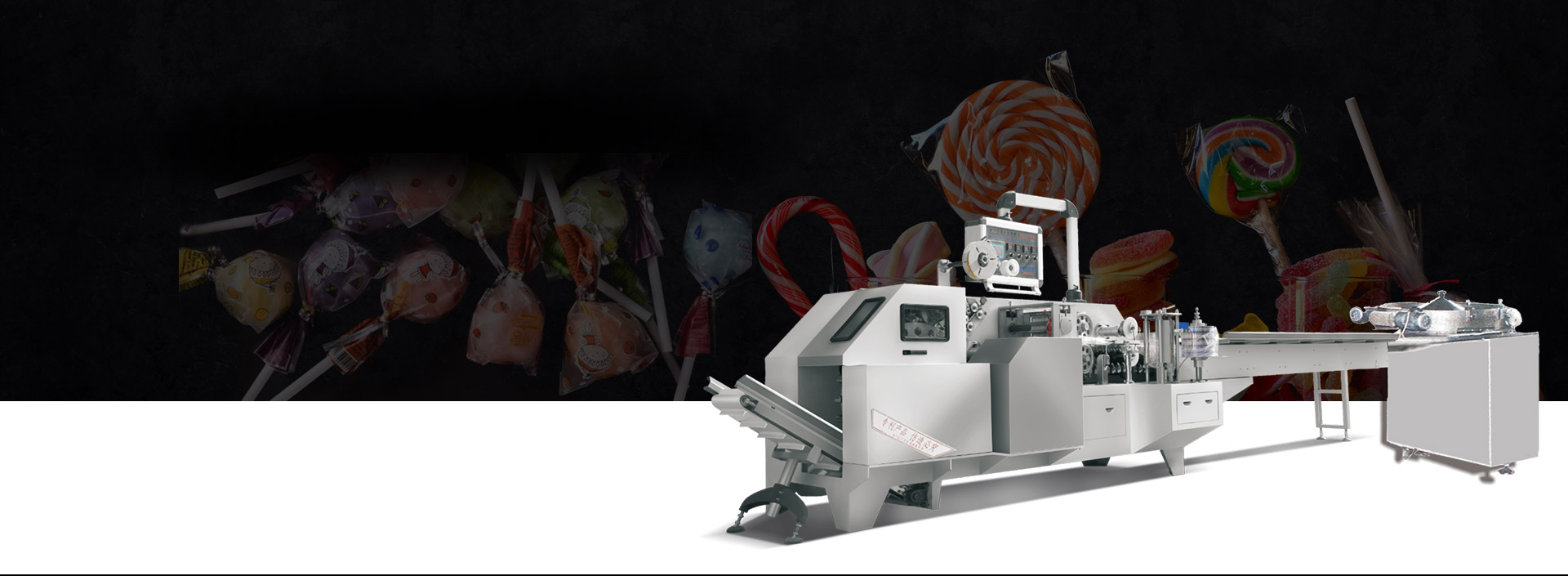
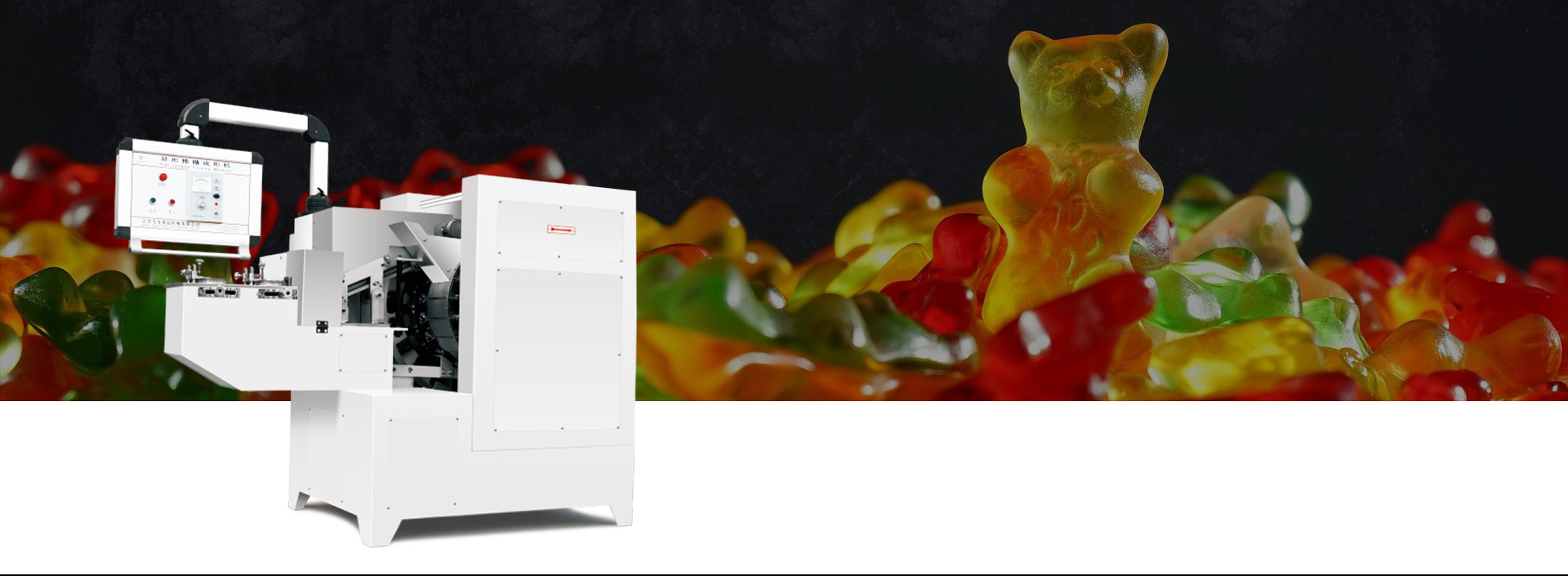
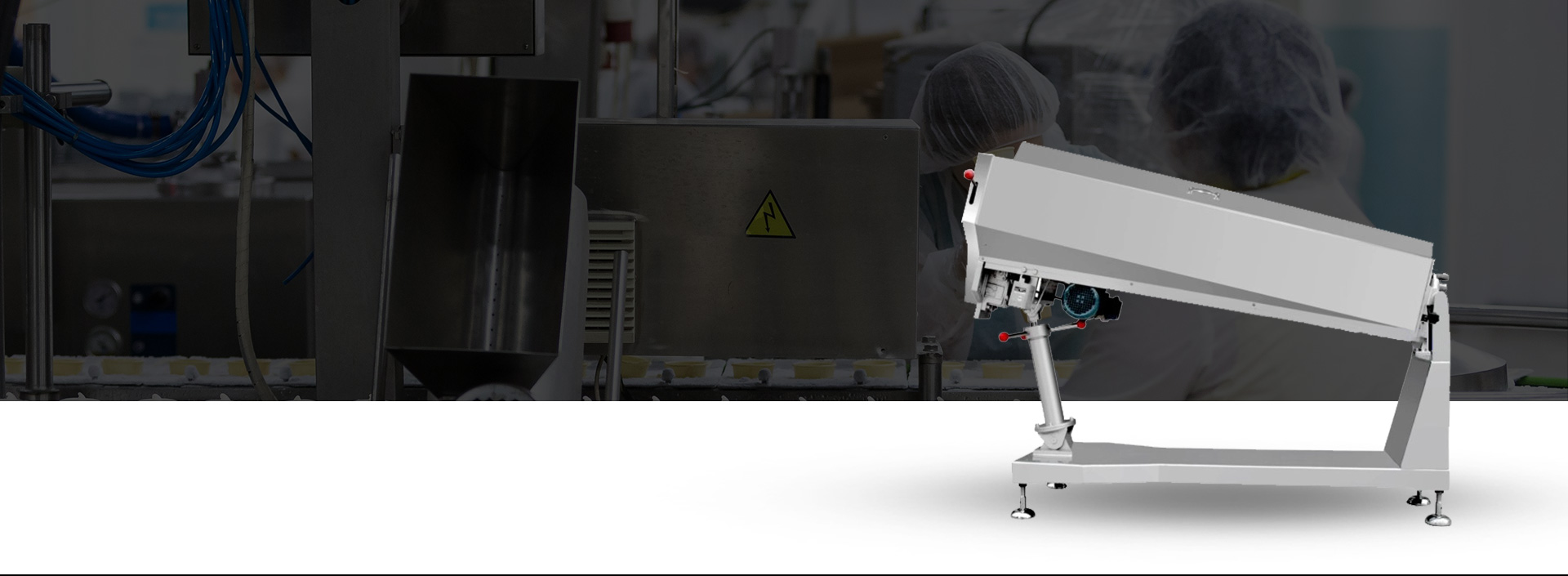
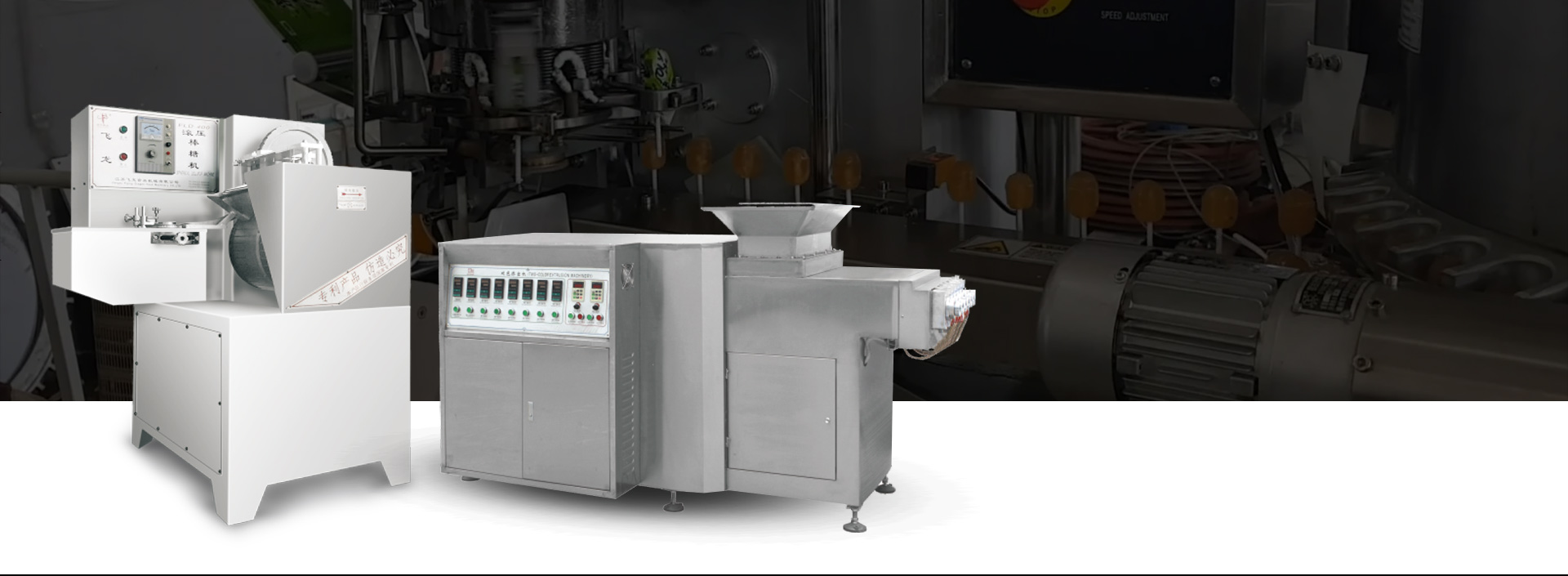
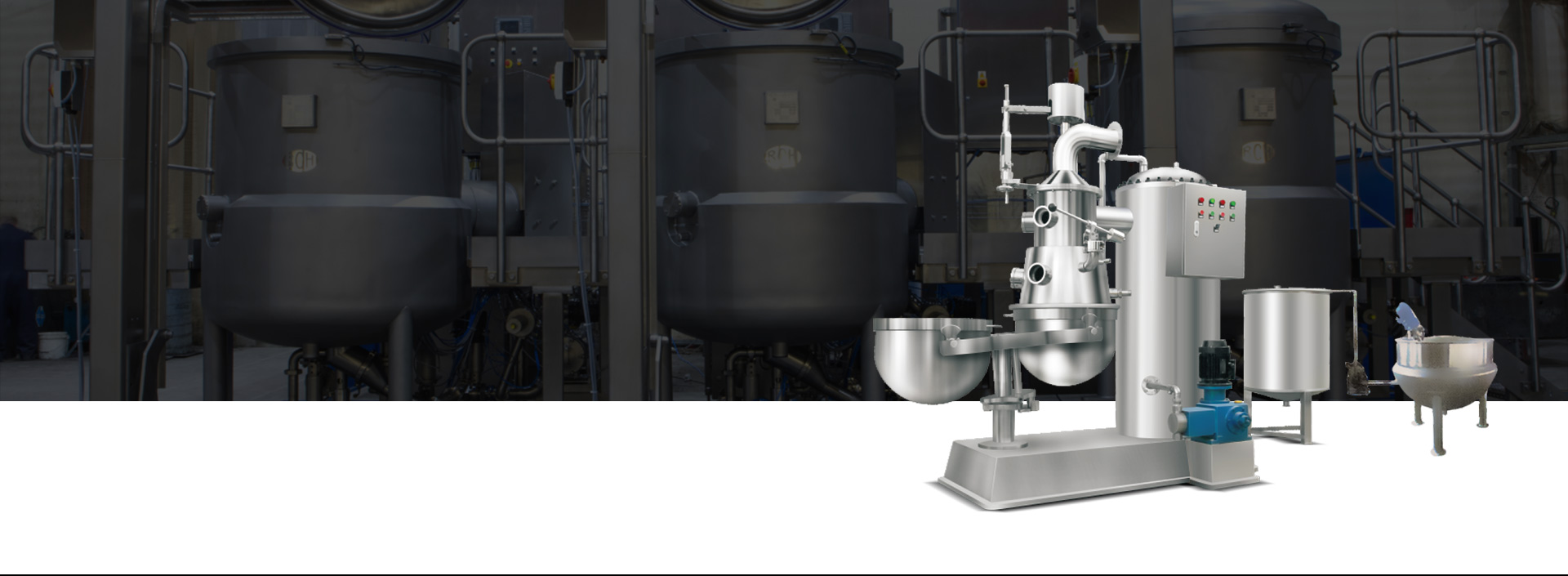
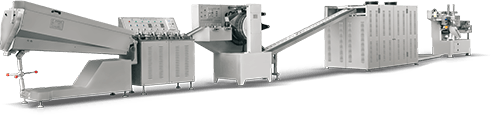
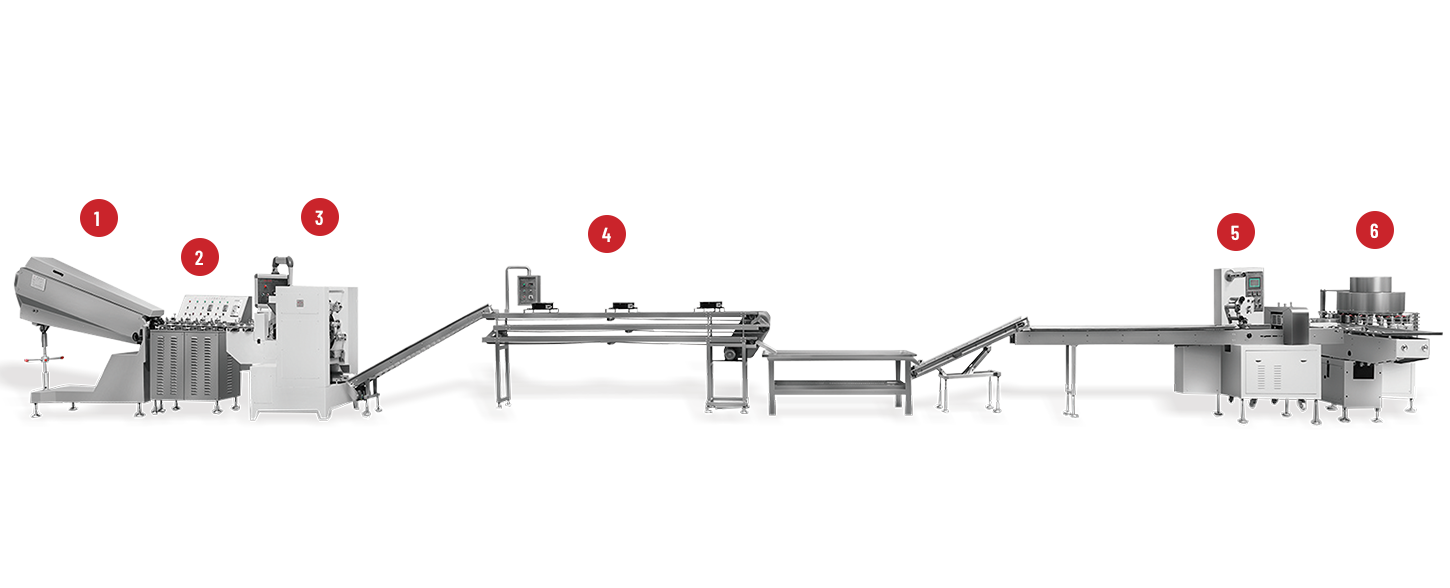
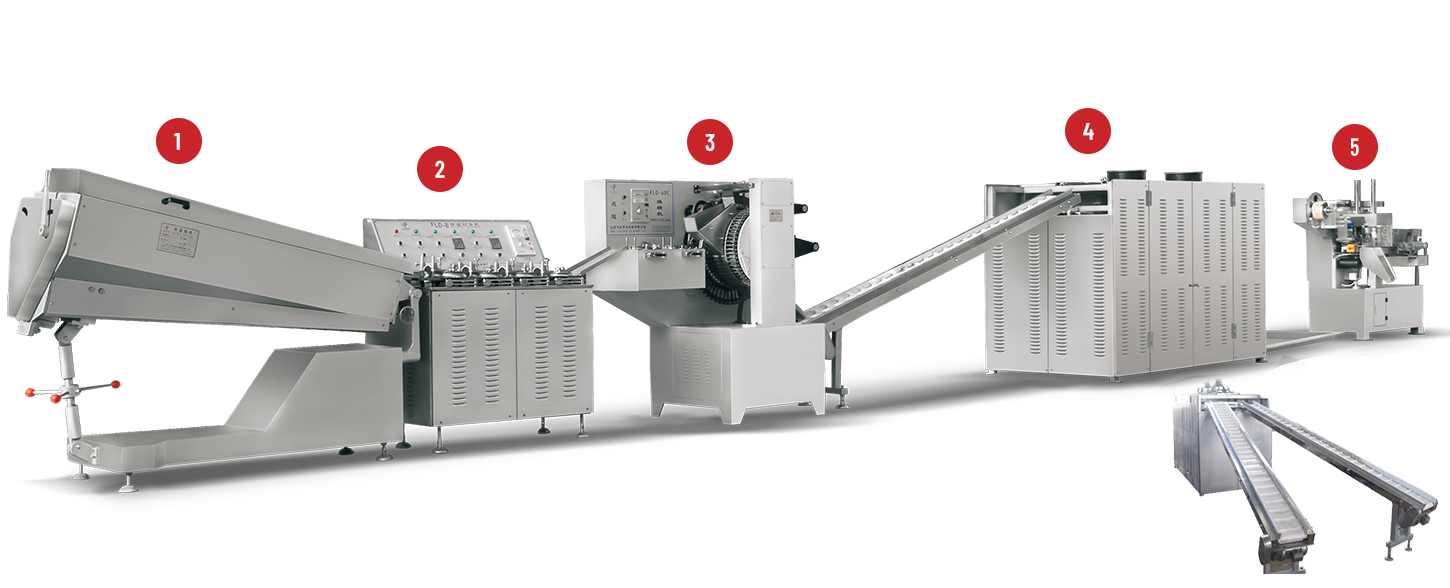
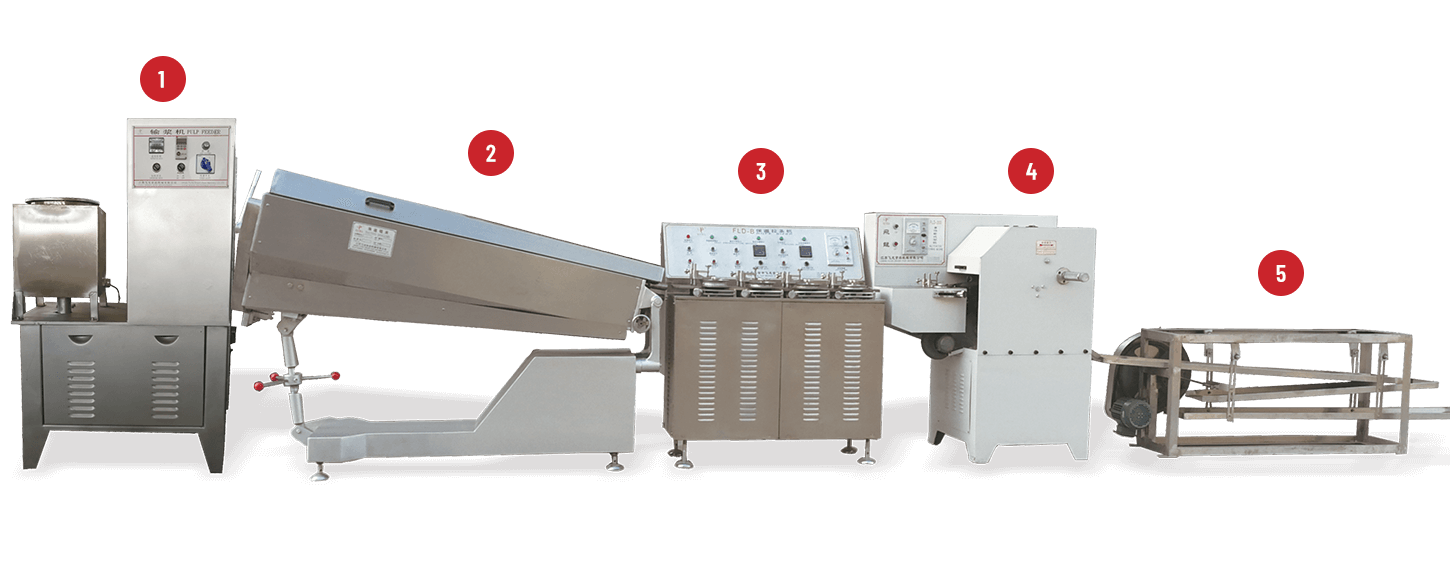
A lollipop production line often looks simple from the outside. Candy goes in, wrapped sweets come out. But inside the system, there is a constant balance between shape design, material behavior, and production rhythm. Once different shapes enter the picture, the process becomes less uniform and more situational.
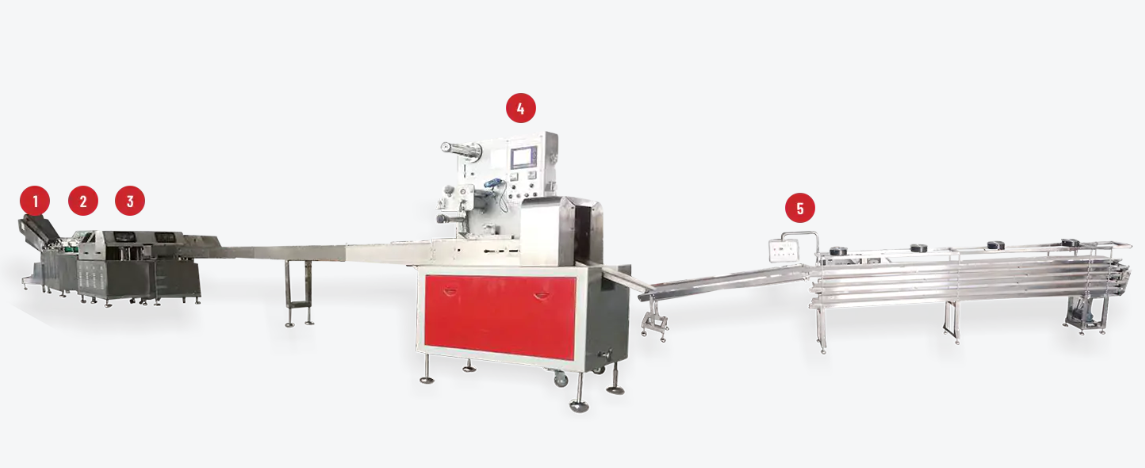
Factories rarely stick to one single look anymore. A lollipop manufacturing production line is now expected to deal with changes in appearance without stopping production for too long. That expectation has quietly changed how equipment is designed and how operators think about daily work.
Shapes are not just decoration in a lollipop candy production line
In a lollipop candy production line , shape is not a visual afterthought. It affects how candy flows, settles, and cools.
A round shape behaves differently from a flat one. A spiral shape behaves differently again. Even when the ingredients stay the same, the outcome changes based on the mold and forming method.
That is why shape planning is usually discussed early. Not after production starts, but before anything is heated or mixed.
Common forms seen in many production setups include:
- Round standard shape
- Flat pressed disc
- Spiral twist pattern
- Heart or themed outline
- Simple cartoon-style shapes
These are not random choices. Each one brings a different level of difficulty to the lollipop making production line , especially during cooling and release from molds.
What actually changes when switching designs on a lollipop production line machine?
A lollipop production line machine does not "understand" design in a creative sense. It responds to physical settings.
When a factory switches from one shape to another, the main adjustments usually happen in three areas:
Mold structure, timing, and flow control.
Molds define the outer form. Timing affects how layers settle. Flow control determines how evenly the material fills each cavity.
Even small changes can create visible differences. A slightly slower fill might soften edges. A faster release might cause minor deformation.
So design change is less about imagination and more about control.
Why fully automatic systems still need human attention?
A fully automatic lollipop production line sounds like a system that runs without interruption. In reality, automation reduces repetition but does not remove decision-making.
Operators still check alignment, mold condition, and color consistency. Machines can repeat actions, but they do not interpret visual quality.
When custom shapes are involved, the line becomes more sensitive. A heart shape, for example, is less forgiving than a simple circle. Small shifts in timing or pressure can be noticed immediately in the final product.
So even in automation, attention does not disappear. It just moves to different points in the process.
Small production lines behave differently from industrial systems
A small lollipop production is often used in situations where flexibility matters more than scale.
Instead of running continuous high-volume output, smaller setups tend to work in shorter cycles. That makes shape testing easier.
New designs are often introduced here first. If a spiral pattern works well in small batches, it can later move into larger systems.
In contrast, an industrial lollipop production line is built for stability. It prefers fewer changes and longer runs. Once a shape is set, it usually stays unchanged for a while to keep output steady.
Both approaches exist side by side. One explores. One stabilizes.
Lollipop production line China and how supply networks shape design options
When people refer to lollipop production line China , they are often talking about a wide manufacturing network that supports different scales of equipment.
A lollipop production line factory may not only produce machines but also adjust layouts based on product needs. That includes shape variety, output speed preferences, and packaging compatibility.
A lollipop production line supplier usually works in the middle layer between design expectations and physical equipment. They help match production goals with machine structure.
A lollipop production line manufacturer is typically involved earlier in the process, especially when a new design requires changes in mold compatibility or forming method.
None of these roles exist in isolation. They overlap depending on how customized the final product needs to be.
Custom lollipop designs start long before production begins
A custom shape does not appear suddenly on the production floor. It usually begins as a simple idea: a shape, a theme, or even a seasonal concept.
From there, it is translated into molds. That step is where design becomes physical.
Inside a lollipop manufacturing production line, customization often focuses on:
- Shape variation
- Color layering
- Swirl or mixed patterns
- Transparent candy effects
- Simple character forms
Each of these requires a slightly different forming behavior. Some depend on steady filling. Others rely on controlled layering or twisting motion during formation.
The production line does not change completely for each design. Instead, it adapts within limits.
Can one production line handle many shapes without losing stability?
A modern lollipop production machine is usually built with flexibility in mind. But flexibility always has boundaries.
Too many changes too quickly can create inconsistency. That is why production is often grouped into batches.
One batch might focus on round shapes. The next might switch to spiral or layered designs.
This approach keeps the system stable while still allowing variety.
A typical range of outputs from a single system might include:
- Basic round candy for daily retail
- Seasonal themed shapes
- Multi-color swirl designs
- Simple branded figures
The system stays the same. Only the settings and molds shift.
Why molds decide more than people expect?
Molds quietly define almost everything in a lollipop candy production line.
They shape the outline, control surface detail, and even influence how easily the candy is released.
A smooth mold surface allows cleaner shapes. A more detailed mold creates stronger visual identity but may require more careful handling.
In many production setups, molds are designed for reuse. They are cleaned, rotated, and replaced depending on design needs.
Quick-change systems have become more common because they reduce downtime between different product styles.
Still, every change carries a small adjustment period. Even when everything is well planned, the few outputs after a switch are often closely observed.
Color and shape often work together, not separately
Shape gets attention first, but color often holds it longer.
In many lollipop production machine setups, color is introduced during forming rather than after.
Single-color products are simple. Multi-color designs are more sensitive. They depend on timing between layers or controlled mixing during formation.
Some designs use clear separation between colors. Others allow soft blending that creates a spiral effect.
The result is not only visual variety but also subtle differences in production control.
Color and shape together define how "custom" a product feels.
What problems appear when designs become more complex?
As designs become more detailed, the system becomes less forgiving.
A small delay in cooling can soften edges. A slight imbalance in filling can distort symmetry. Even minor mold wear can become visible.
Common issues include:
- Uneven shape edges after cooling
- Color blending outside intended zones
- Slight deformation in detailed molds
- Timing mismatch in layered designs
- Release difficulty from complex molds
These are not events. They are part of normal production variation when shape diversity increases.
Most of the time, adjustments are made gradually rather than all at once.
Why production lines are becoming more design-oriented?
A lollipop production line is no longer just a system for making identical products. It is slowly becoming a system that supports variation.
This shift is not dramatic. It happens through small changes: more flexible molds, better timing control, and more modular machine structures.
Factories are not only asking how much they can produce. They are also asking how many shapes they can manage within the same system.
That question changes how production lines are built, adjusted, and used every day.
 +86-(0)515-8465666
 +86-(0)515-85566996
 +86-138 1559 9708
 flyloong@flyloongcn.com
 Home
Home