

 ENG
ENG
 English
 中文简体
中文简体 русский
 Français
 Español
 عربى
عربى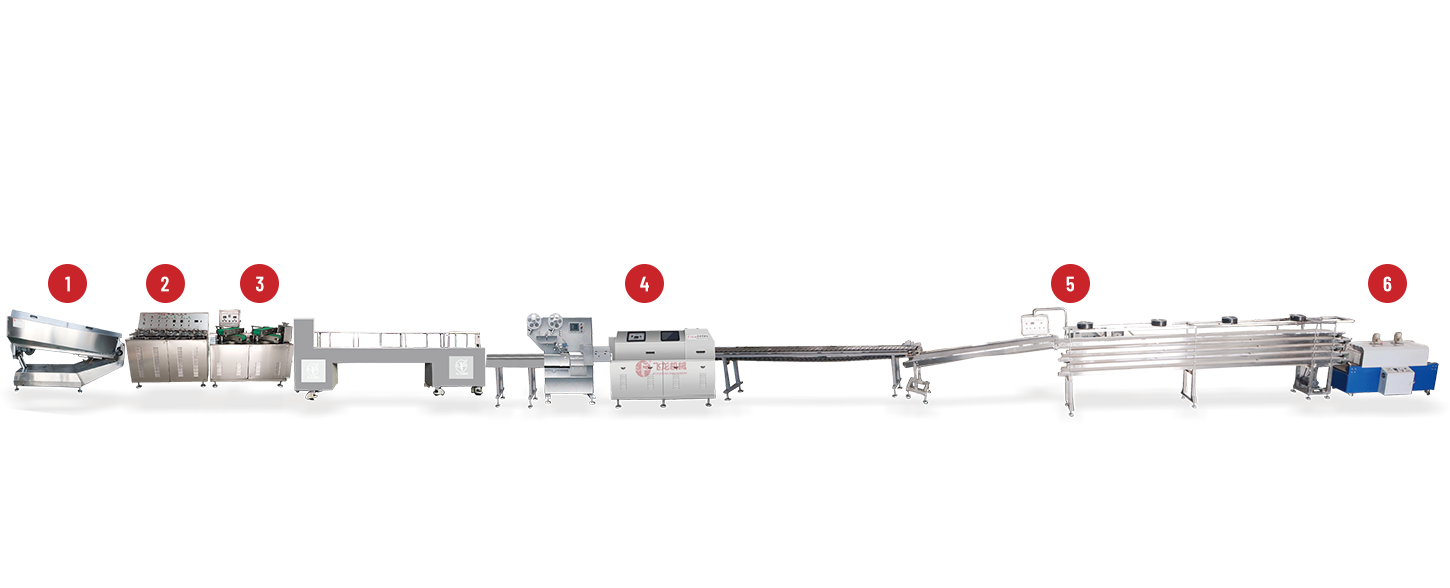
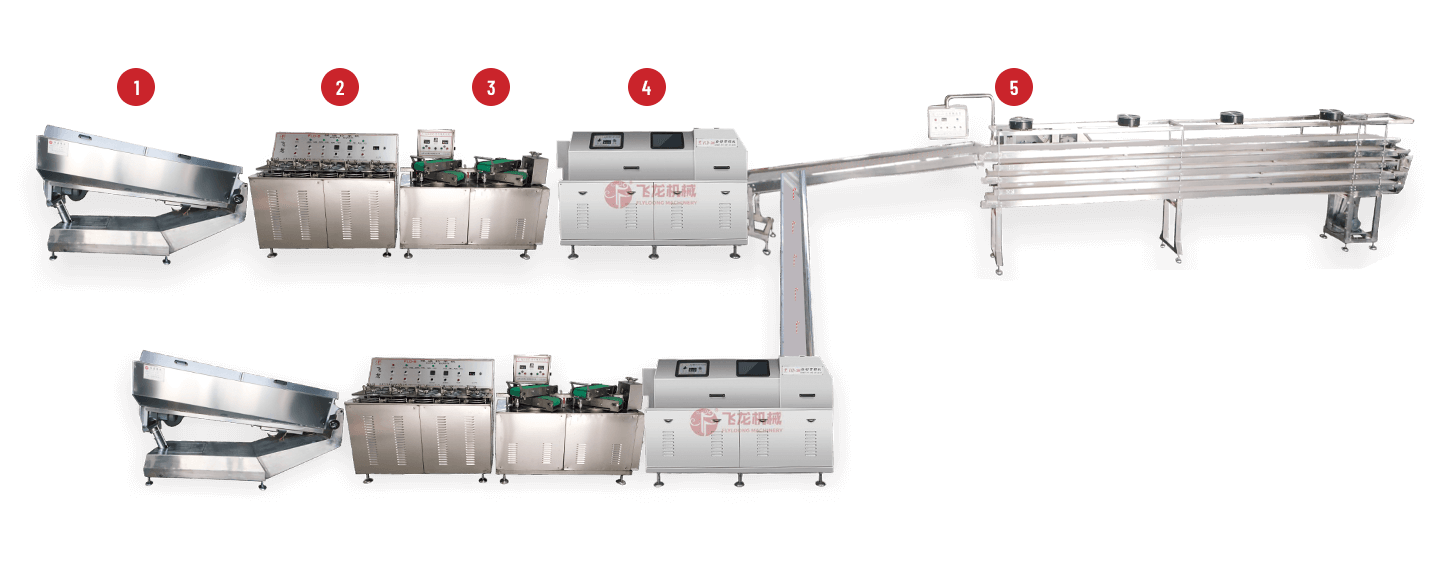
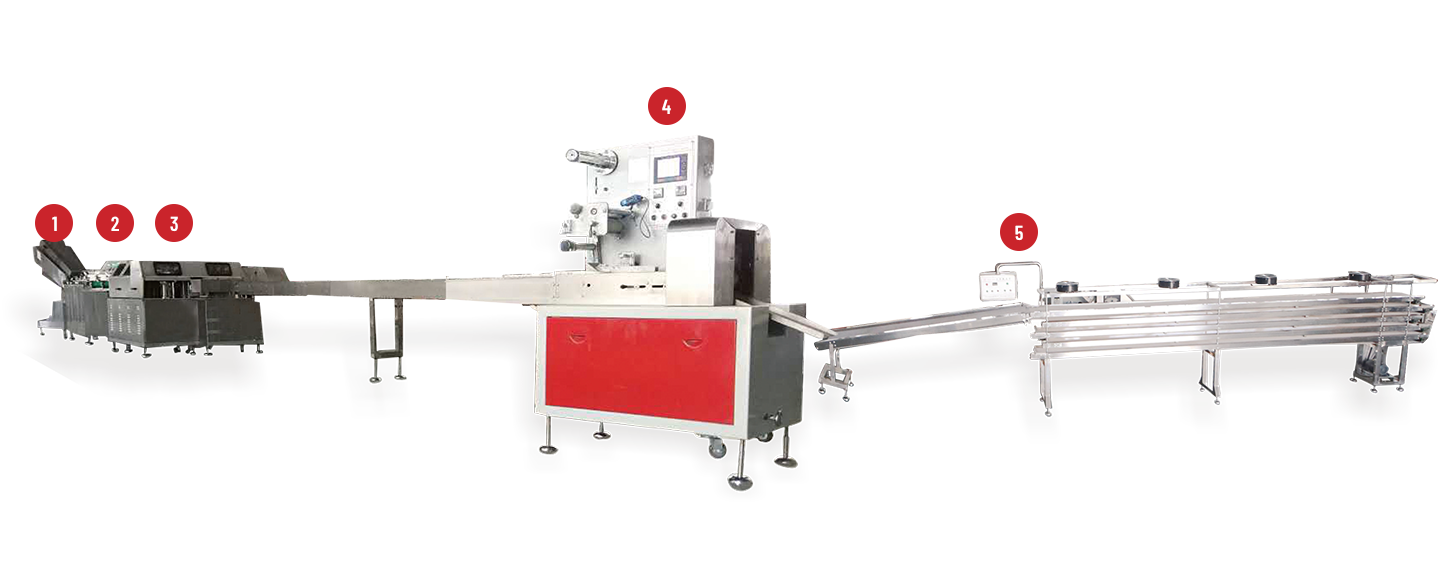
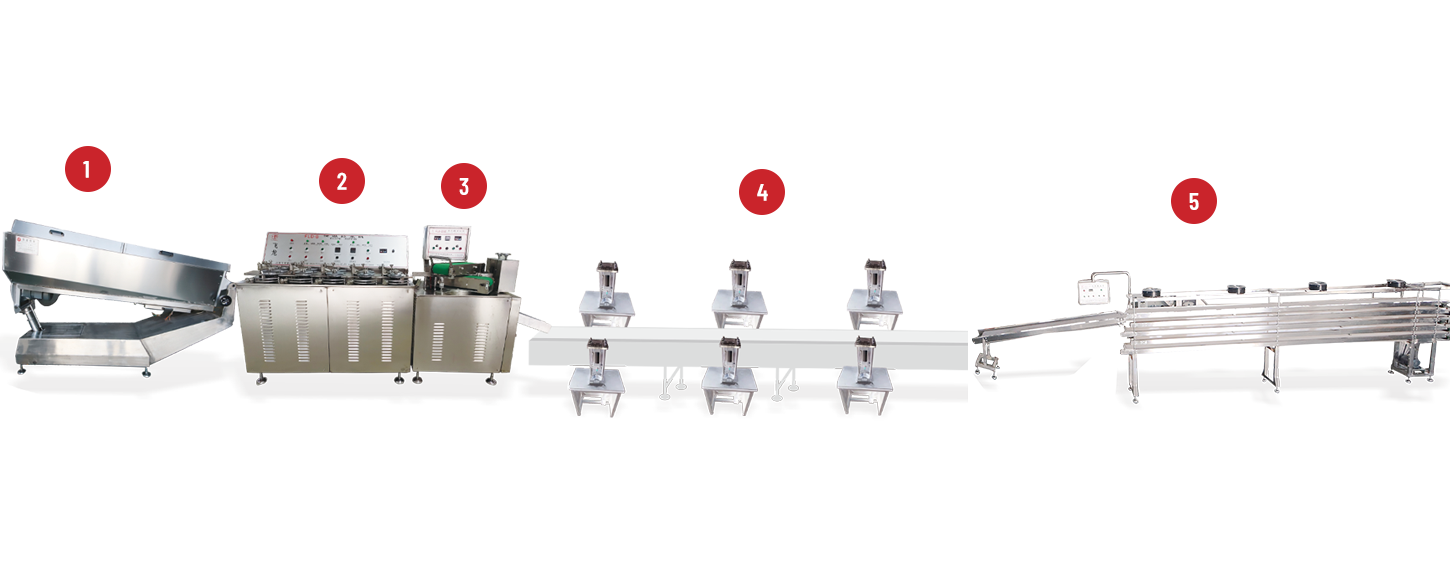
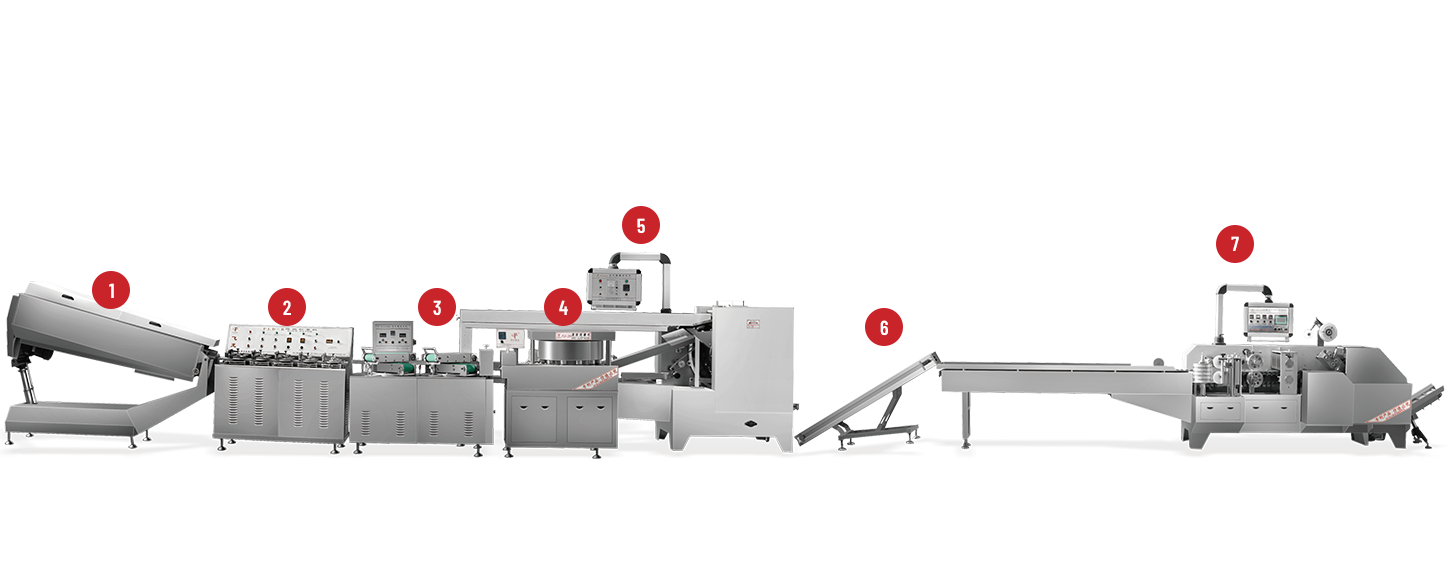
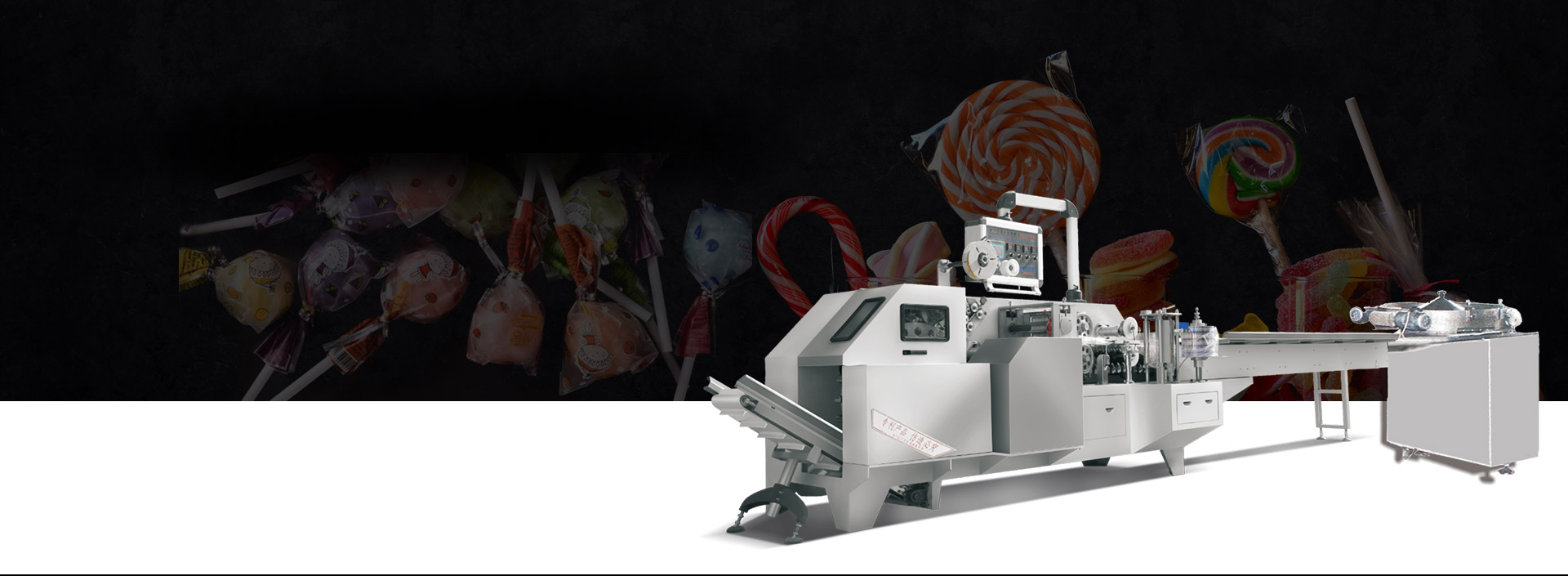
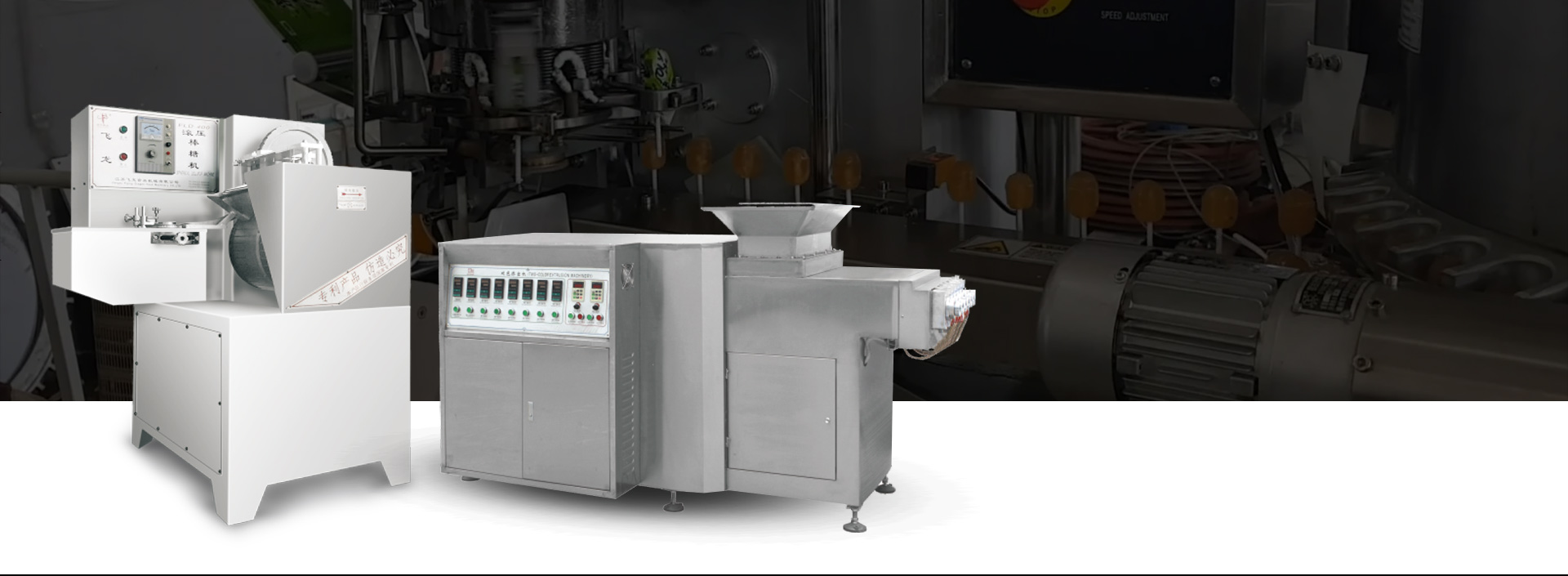
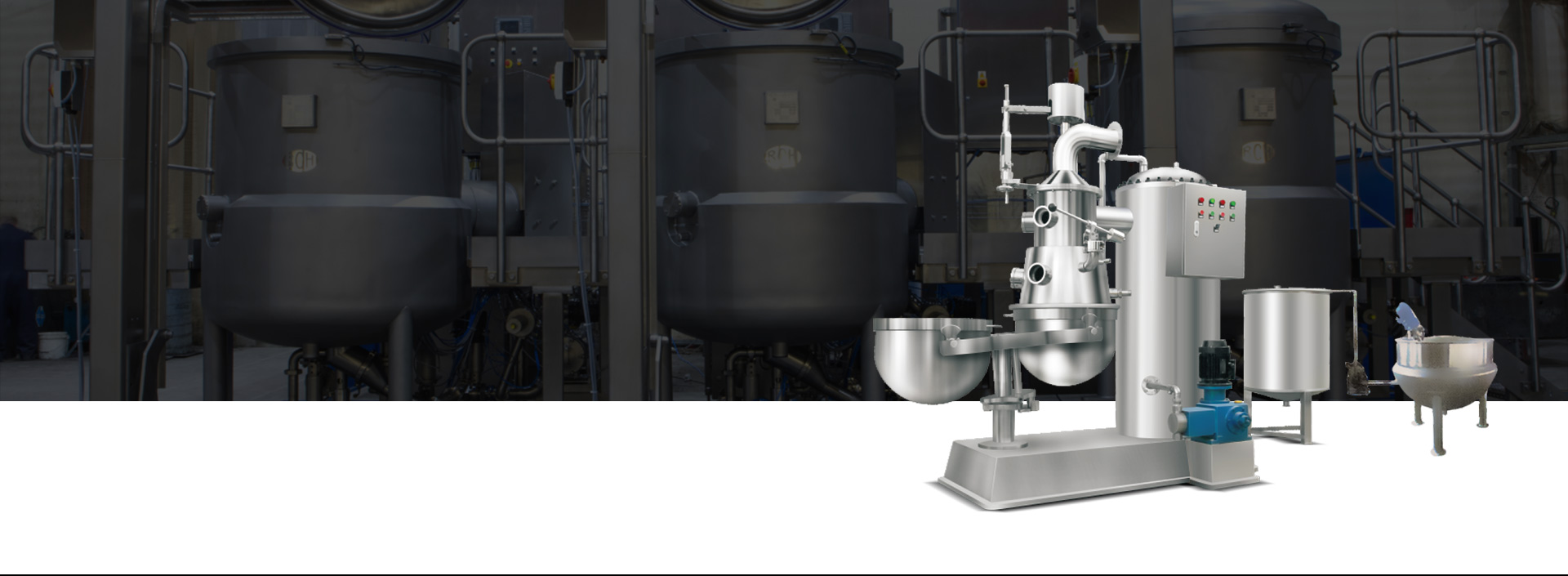
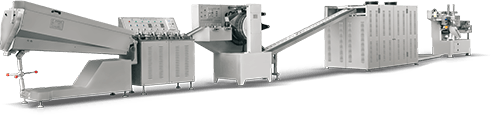
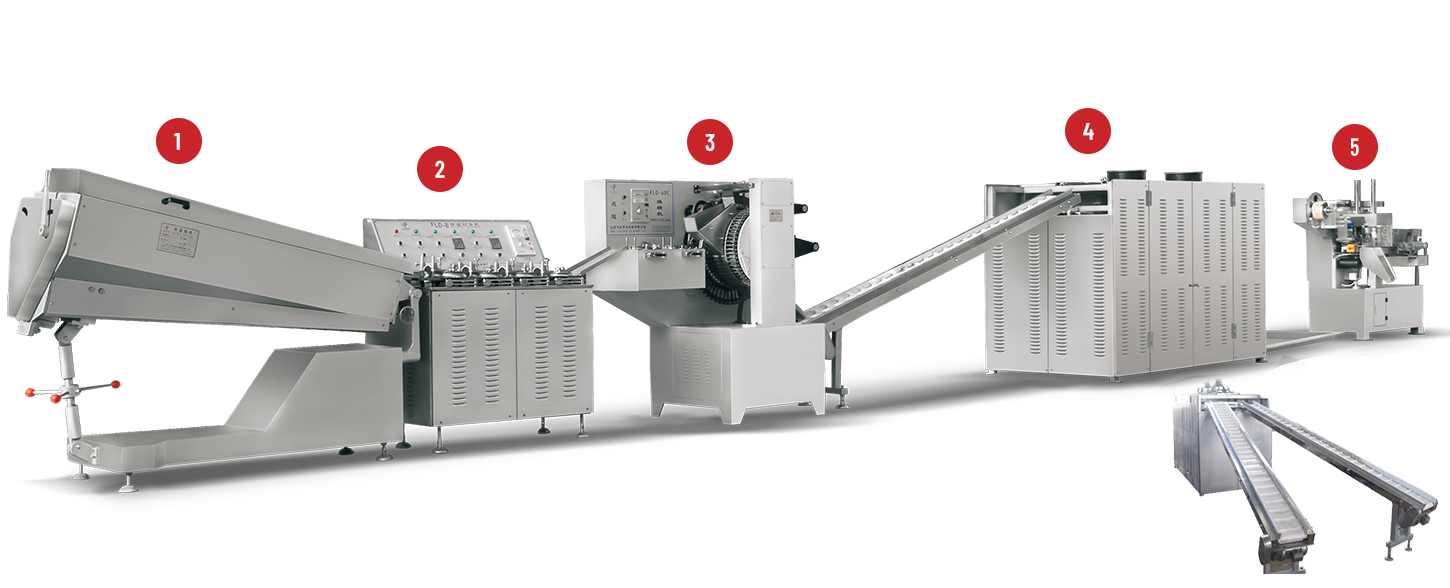
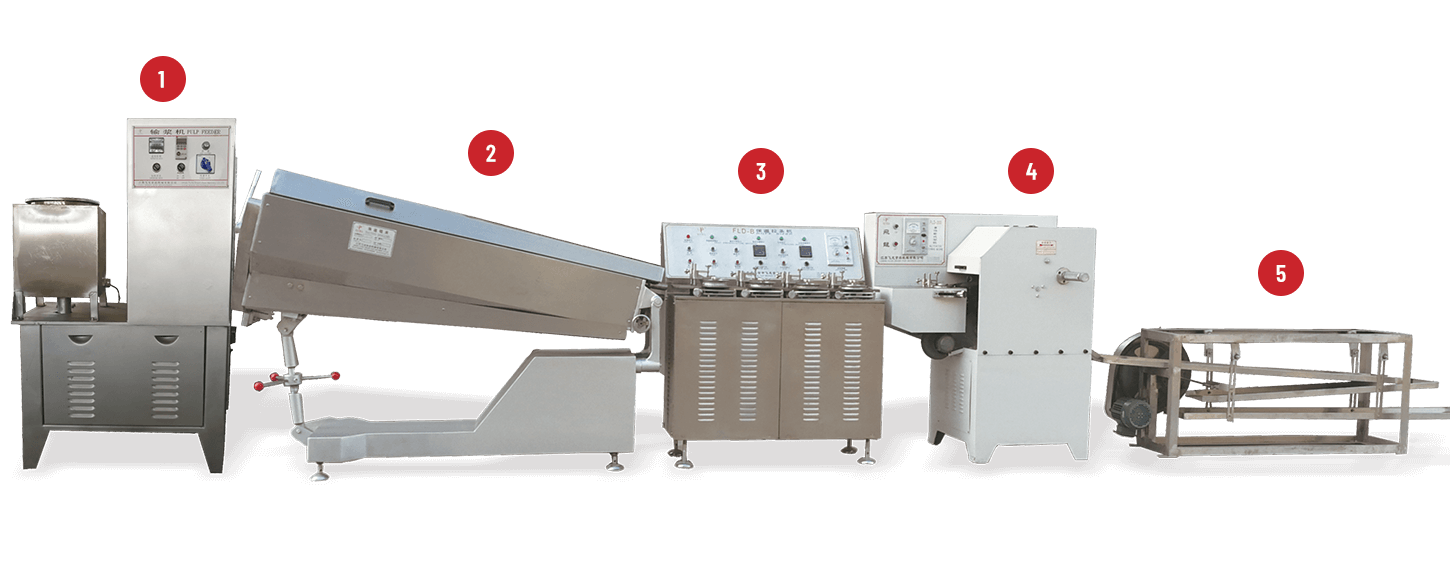
Hard Candy Lollipop Production Line may look simple from the outside, but the production line behind them is a coordinated sequence of continuous steps. Each stage prepares the material for the next one. The flow is steady, with the candy changing form as it moves forward.
The process is not just about shaping sugar. It is about controlling movement, temperature, timing, and structure in a connected system.
What happens at the ingredient preparation stage?
Every production line starts with preparation.
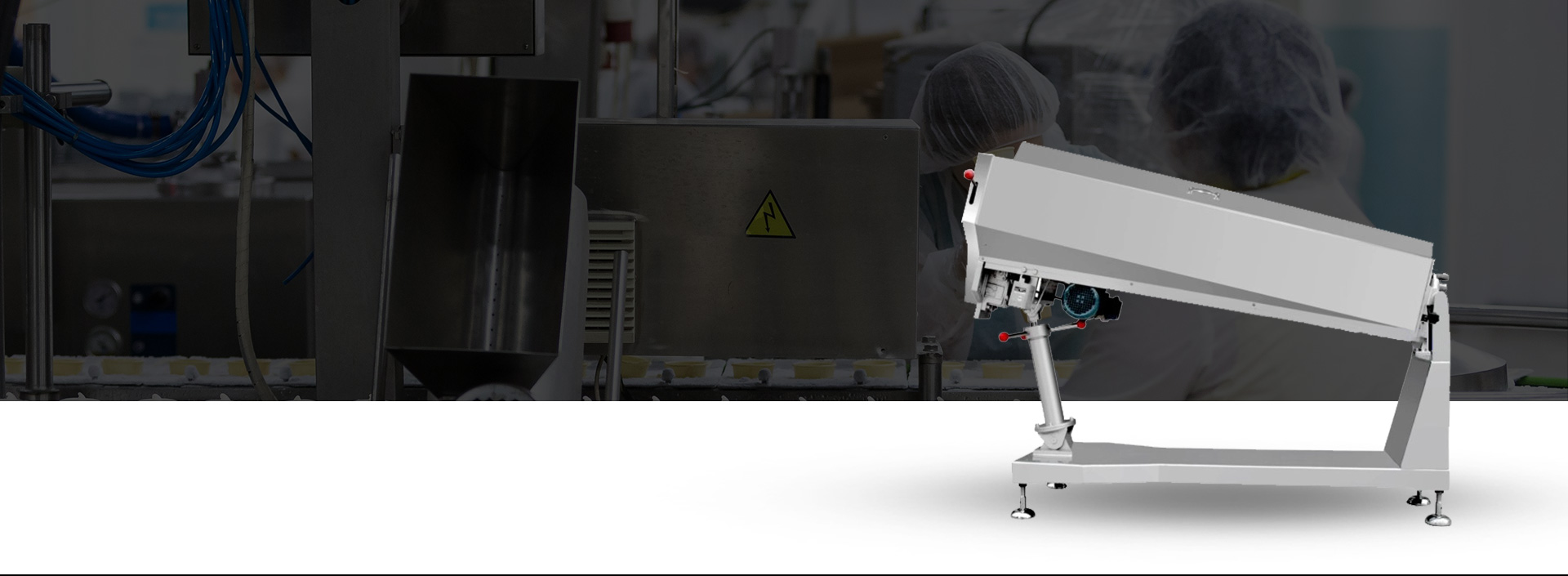
Raw materials are measured and brought into a controlled mixing area. The goal is to create a consistent base mixture. This stage sets the foundation for everything that follows.
At this point, the material is still separate in structure. It needs blending to become uniform. The mixing process helps the ingredients behave as a single system rather than independent parts.
Even small variations here can influence later stability. That is why this stage is often treated with careful attention.
Once the mixture reaches a stable form, it moves forward in the line without interruption.
How is the candy base cooked into a stable form?
After mixing, the material enters a cooking stage.
This is where the texture begins to change. The mixture is gradually transformed into a thick, workable mass. The structure becomes more controlled and less fluid.
Heat is applied in a steady way. The material responds slowly, shifting from liquid behavior to a more solid-ready state.
The aim is not only transformation but also consistency. The candy base needs to behave the same way from batch to batch so that later shaping remains uniform.
As the material reaches the right condition, it is prepared for shaping and handling.
When does shaping of lollipops begin?
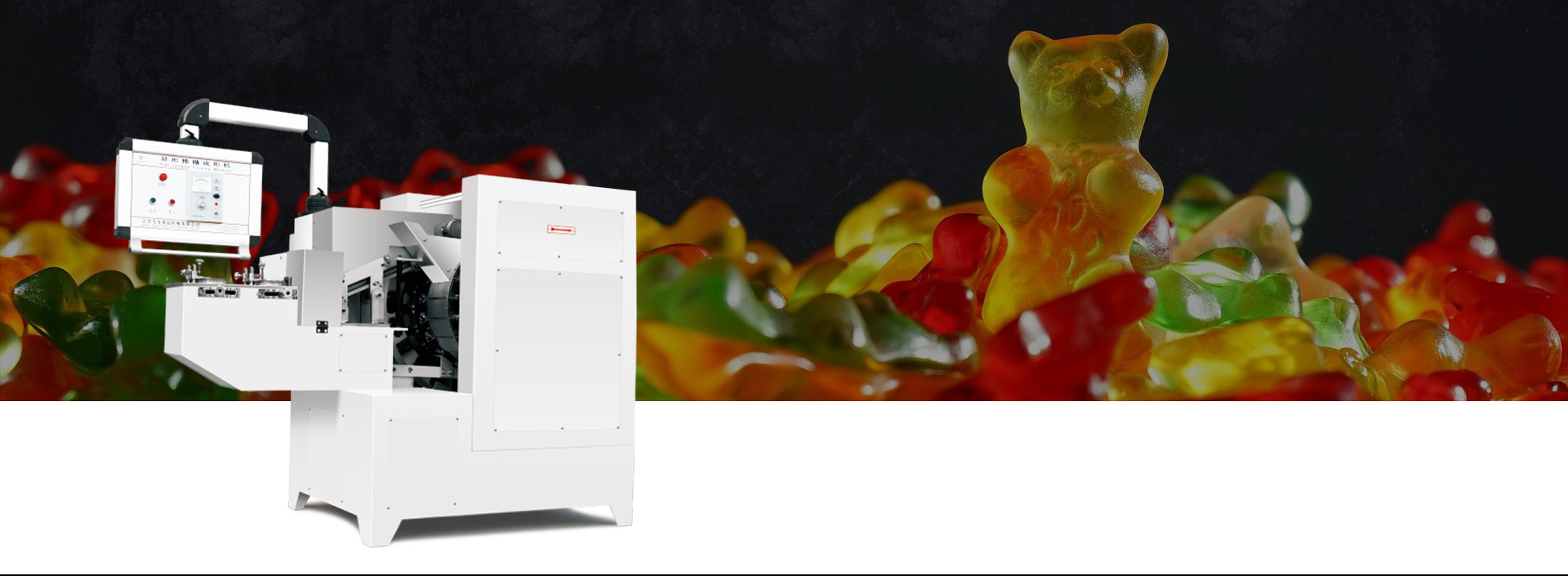
Shaping is one of the visible stages in the production line.
At this point, the candy is no longer fluid. It has reached a state where it can hold form. The shaping equipment divides and forms the material into individual pieces.
Each piece begins to take a recognizable structure. The round or decorative shape appears gradually as the material is guided through controlled movement.
This stage is repetitive in nature. The same motion is applied across the entire flow, creating uniformity across all pieces.
The shaping process defines how the final product will look before it even reaches cooling.
How are sticks added into the candy structure?
Stick insertion happens while the candy is still in a flexible state.
At this stage, the material can still accept changes without breaking. The stick is placed into the center of each piece through aligned movement.
Timing is important. If the material is too soft, positioning may shift. If it is too firm, insertion becomes difficult.
The process is synchronized so each piece receives a stick in a steady sequence. This connection between candy and stick is what forms the basic identity of a lollipop.
Once completed, the structure begins to stabilize.
What role does cooling play in the production line?
Cooling is where the candy structure becomes fixed.
After shaping and stick insertion, the material needs time and controlled conditions to settle. Cooling equipment allows this transformation to happen gradually.
The change is not immediate. The surface and inner structure adjust slowly until the candy becomes firm enough for handling.
During this stage, movement continues along the production line, but the focus shifts from shaping to stabilization.
If cooling is uneven, the final appearance may be affected. That is why this step is maintained with steady conditions rather than sudden changes.
How is surface finishing applied in some production lines?
Not every production line includes finishing, but when it does, it comes after cooling.
This stage focuses on appearance and surface condition. The candy may pass through a light coating or smoothing process.
The goal is to improve consistency across pieces. Surface finishing can also help reduce sticking during later handling or packaging.
The process is gentle. It does not change the shape but refines the outer layer.
Once completed, the product is visually stable and ready for inspection.
How is quality checked during production?
Quality checking is part of the continuous flow rather than a single moment.
As lollipops move along the line, they are observed for shape consistency, stick placement, and surface condition.
Items that do not match expected conditions are separated from the main flow. This keeps the overall output stable without stopping production.
The inspection stage works alongside movement. It does not interrupt the line but supports it quietly.
This constant checking helps maintain uniformity across the entire batch.
What happens during packaging preparation?
Once the lollipops pass inspection, they move into packaging preparation.
At this point, the product is already formed and stable. The goal becomes protection and grouping.
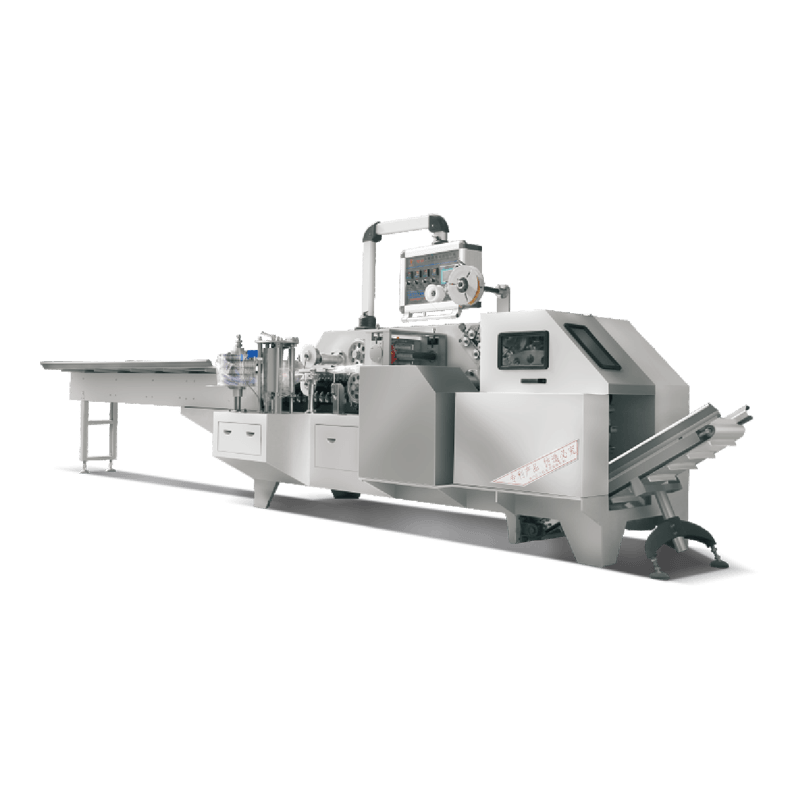
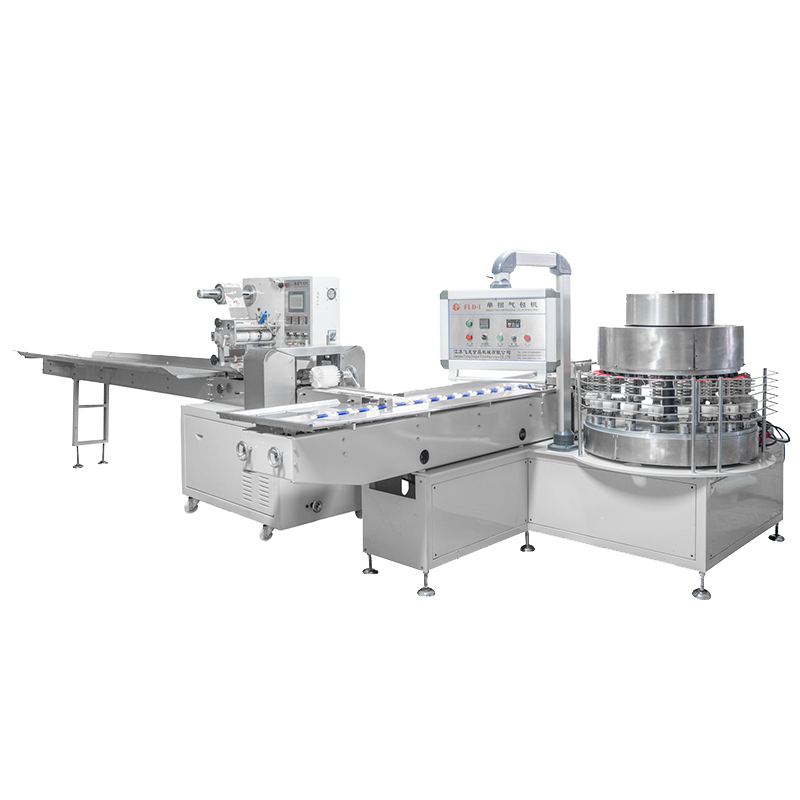
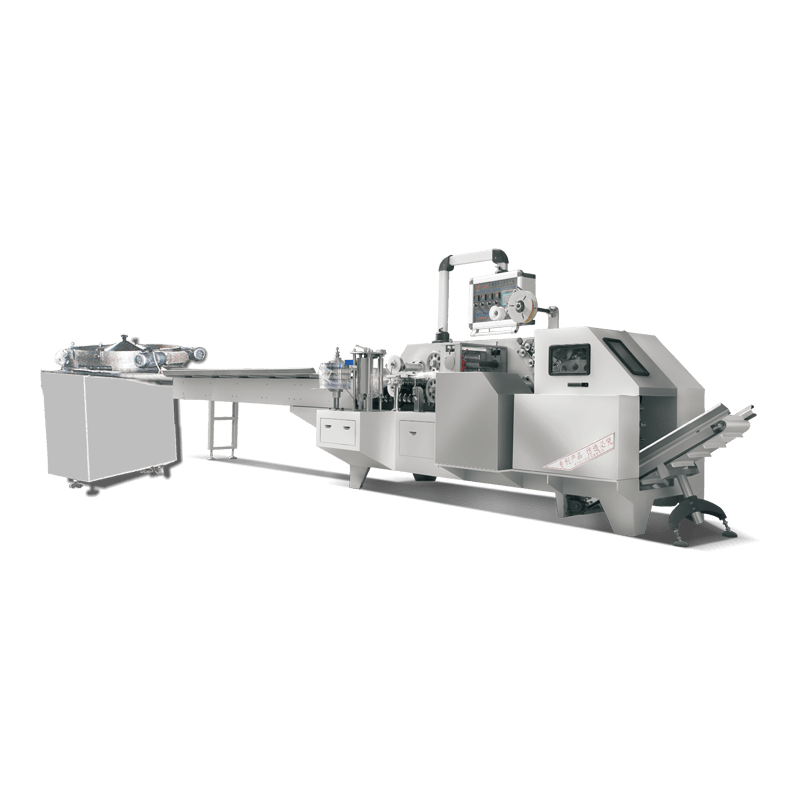
Each lollipop is guided into a wrapping stage where it is individually covered or grouped depending on packaging style.
The wrapping process is continuous. Pieces move through alignment, covering, and sealing in a single flow.
Packaging not only protects the candy but also prepares it for storage and transport.
How do all stages connect in one production flow?
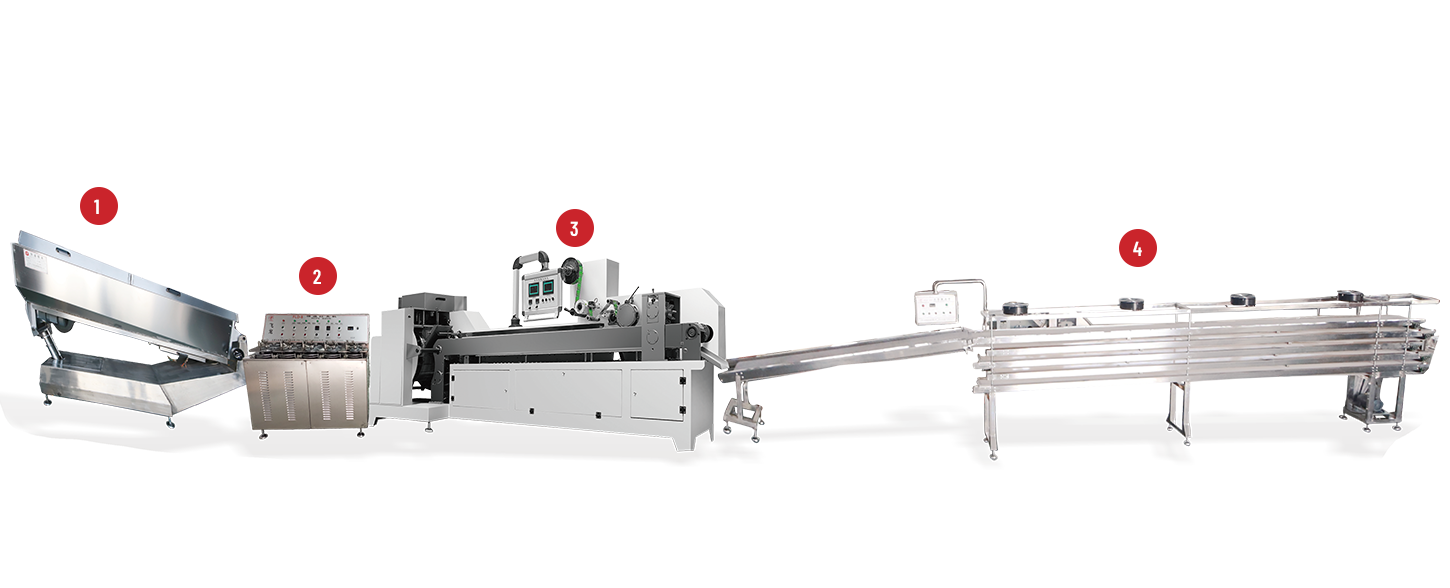
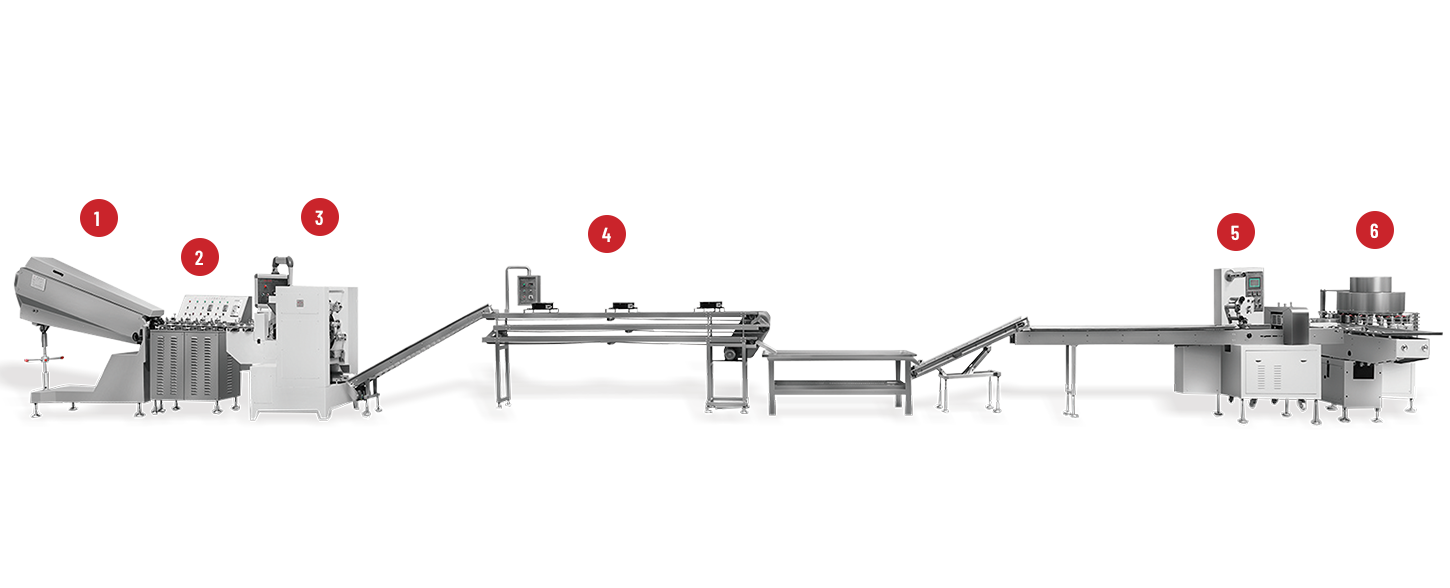
The production line is designed as a continuous chain.
Each stage depends on the previous one. Mixing leads to cooking. Cooking leads to shaping. Shaping leads to stick insertion. Each movement builds on the last.
| Stage in process | Main activity | Output condition |
|---|---|---|
| Preparation | Mixing ingredients | Uniform base |
| Cooking | Heating and thickening | Stable candy mass |
| Shaping | Forming pieces | Structured shape |
| Stick insertion | Adding sticks | Lollipop form |
| Cooling | Stabilizing structure | Firm candy |
| Finishing (optional) | Surface refinement | Smooth appearance |
| Inspection | Checking consistency | Approved pieces |
| Packaging | Wrapping and sealing | Finished product |
Each part of the system is linked. If one stage slows down, the flow adjusts across the entire line.
Why is continuous movement important in production?
Hard candy and lollipop production works better with steady, ongoing movement instead of starting and stopping repeatedly.
Keeping materials moving non‑stop keeps quality even. When everything moves at a regular speed, the candy mixture develops evenly inside.
It also makes sure every lollipop turns out nearly the same. All pieces go through the same steps under the same conditions.
This steady pace lets the whole production line run smoothly for long periods.
Even short stops can throw off the process, so the whole setup is built to keep materials moving all the time.
How does material behavior change through each step?
Candy material goes through clear physical changes as it moves along production.
We start by mixing all raw ingredients together. The blend is then heated into a thick, workable mass. After heating, the candy gets shaped, forms its structure, and hardens fully in the end.
Heat and machine movement affect how the material acts at every stage.
By the time it finishes the line, the soft mixture turns hard and solid, ready for packing and shipping.
Slow, steady changes instead of quick shifts keep all candies the same in quality.
What makes the production sequence effective in practice?
This candy‑making line works well because every step lines up and runs in sync.
Each machine does its own job, and all are linked by steady material flow.
With stable production conditions, basic raw materials are made into finished candies step by step.
The whole line can handle small differences in raw materials without ruining final product quality.
Good balance between continuous flow and tight control keeps the whole system running smoothly in real‑world production.
 +86-(0)515-8465666
 +86-(0)515-85566996
 +86-138 1559 9708
 flyloong@flyloongcn.com
 Home
Home