

 ENG
ENG
 English
 中文简体
中文简体 русский
 Français
 Español
 عربى
عربى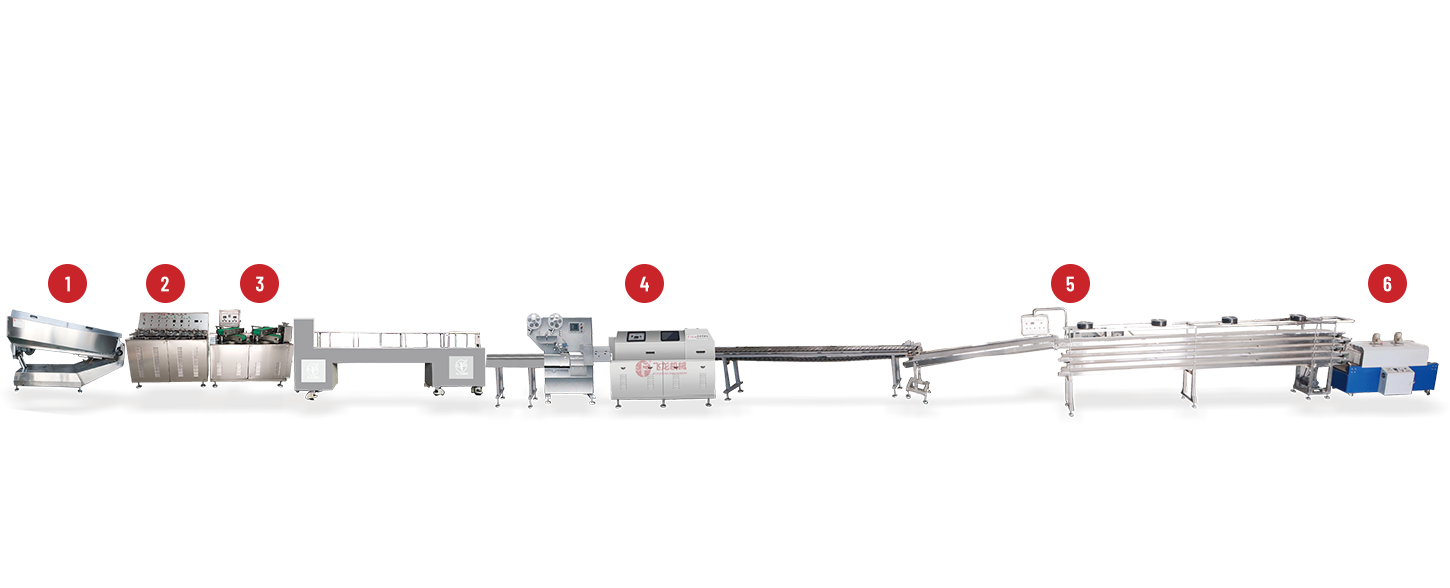
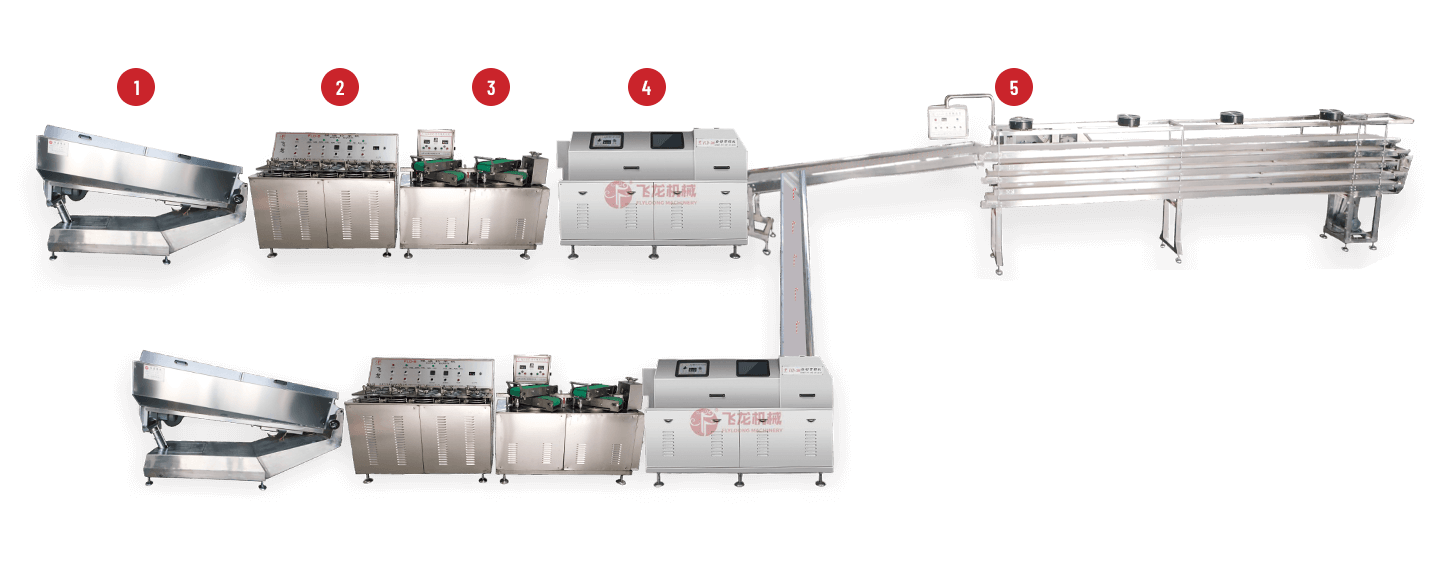
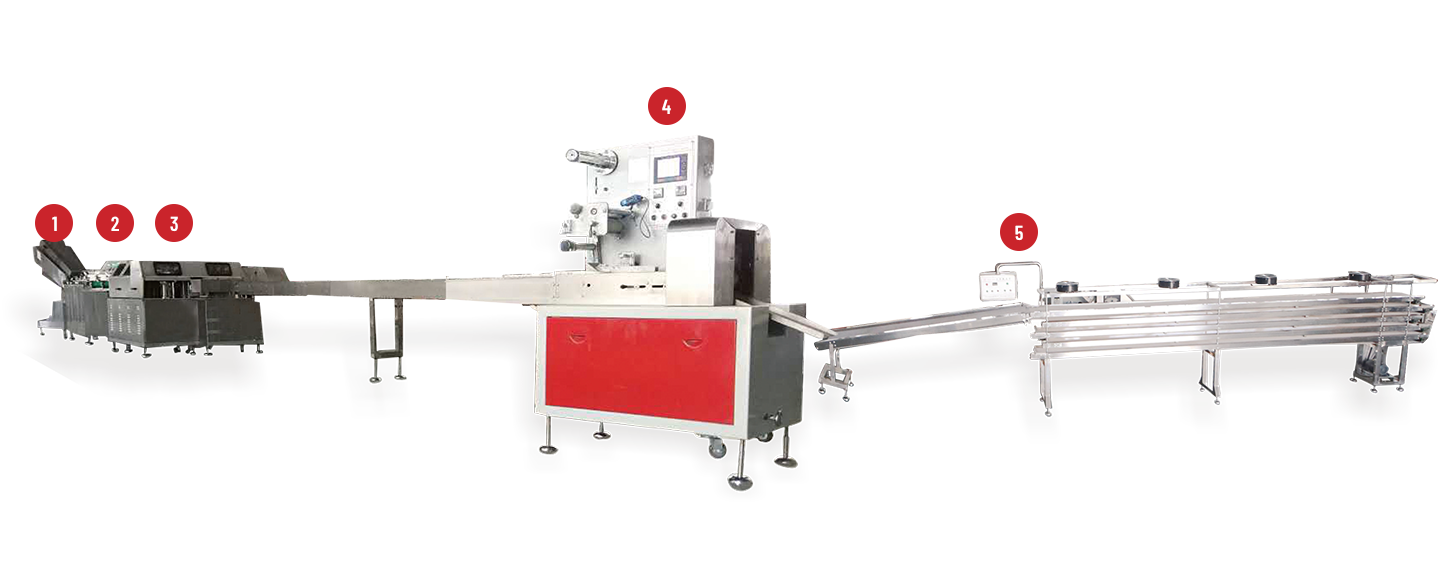
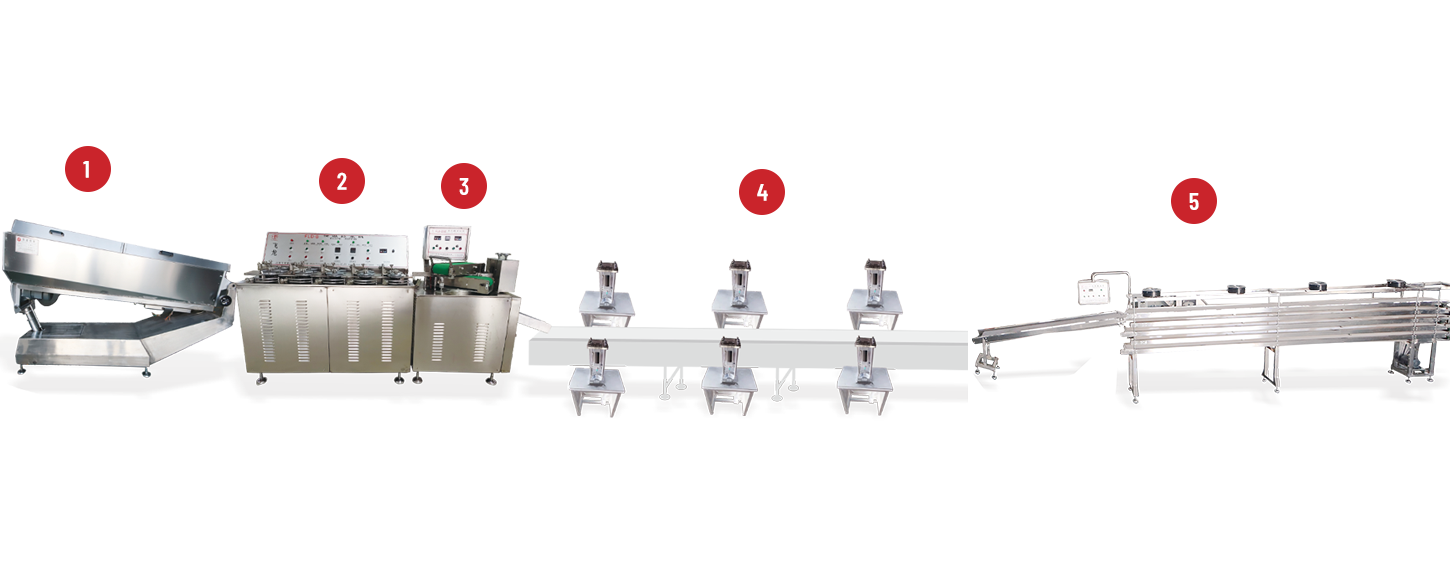
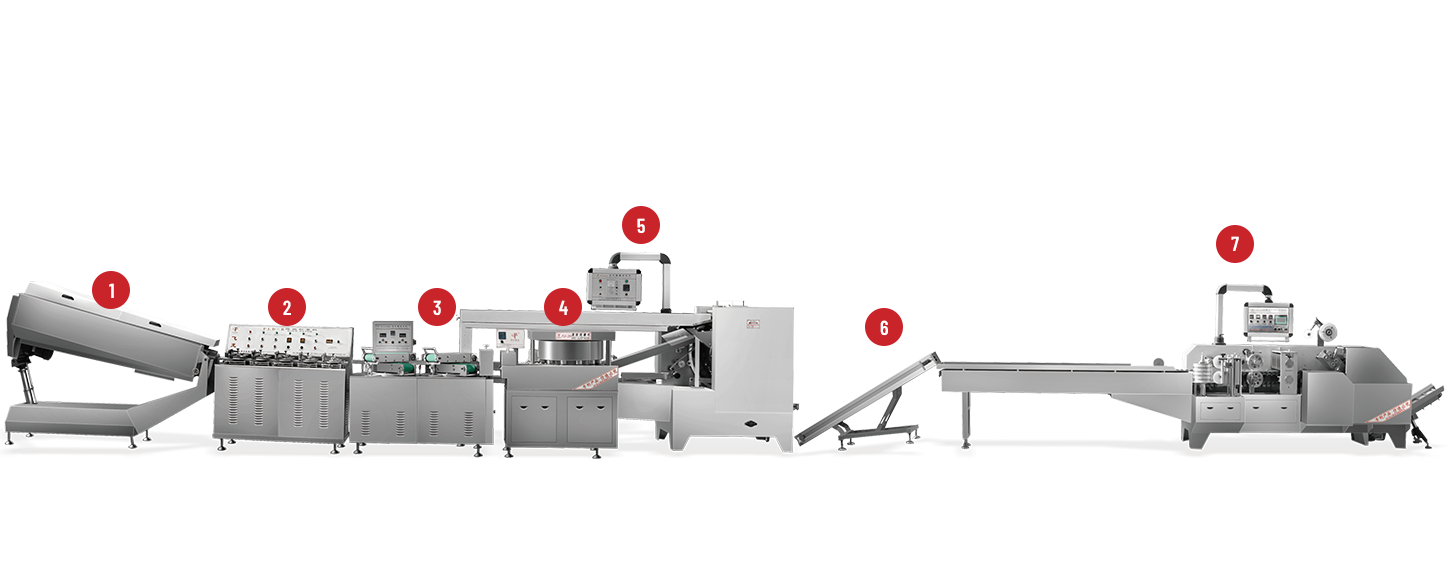
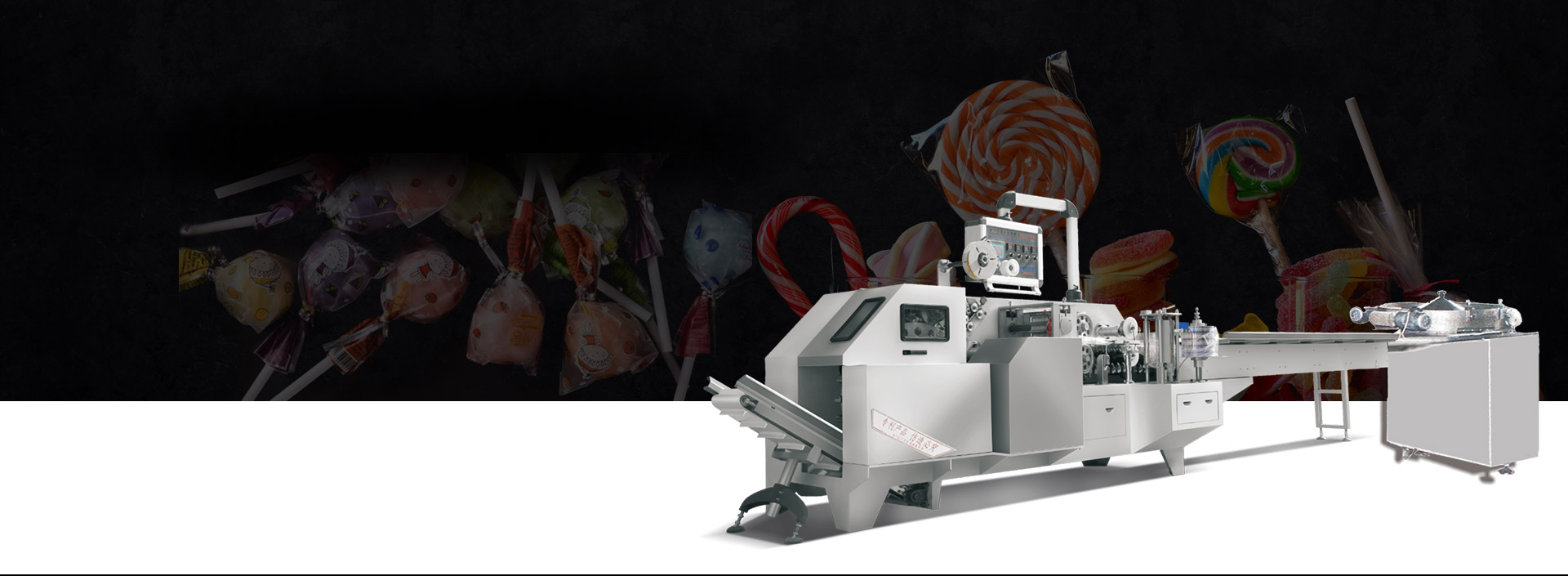
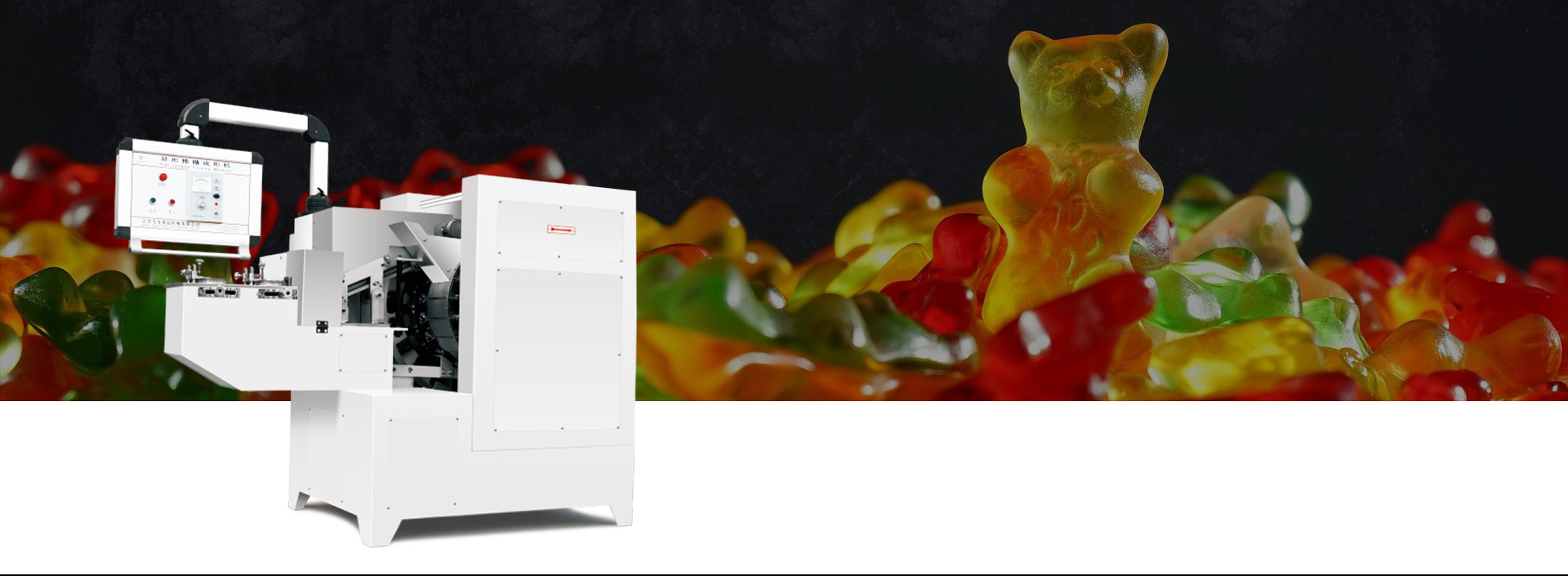
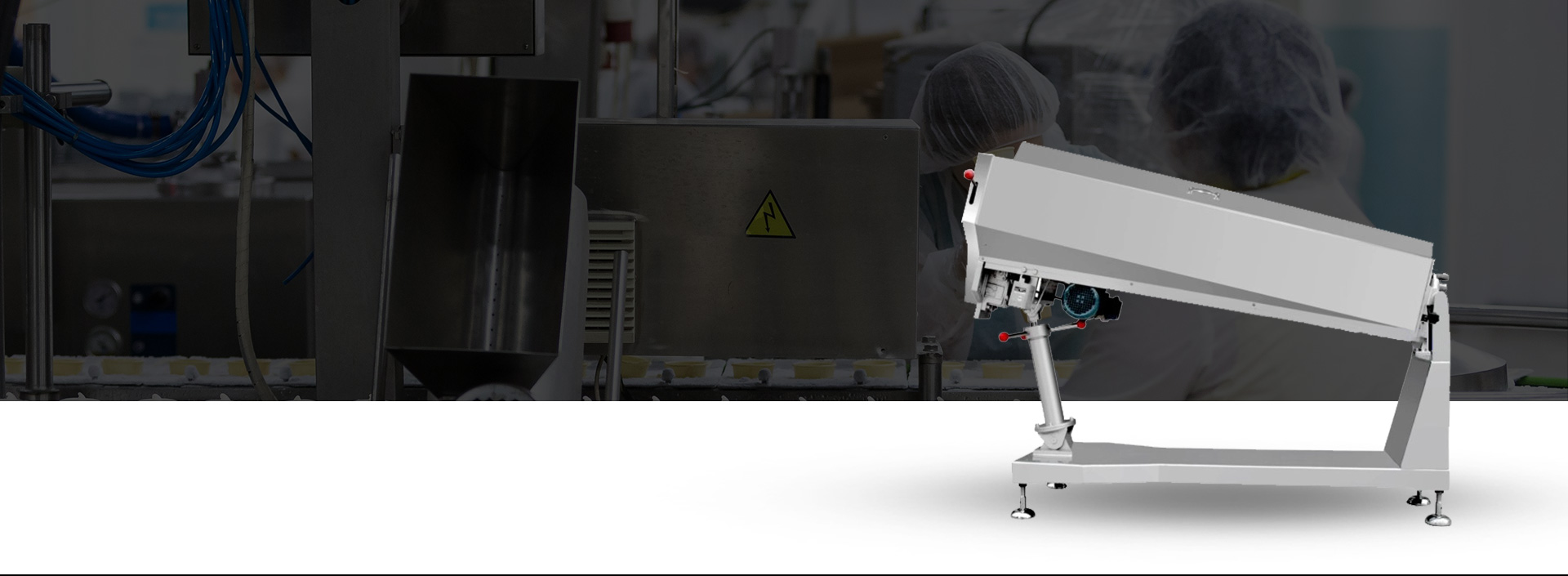
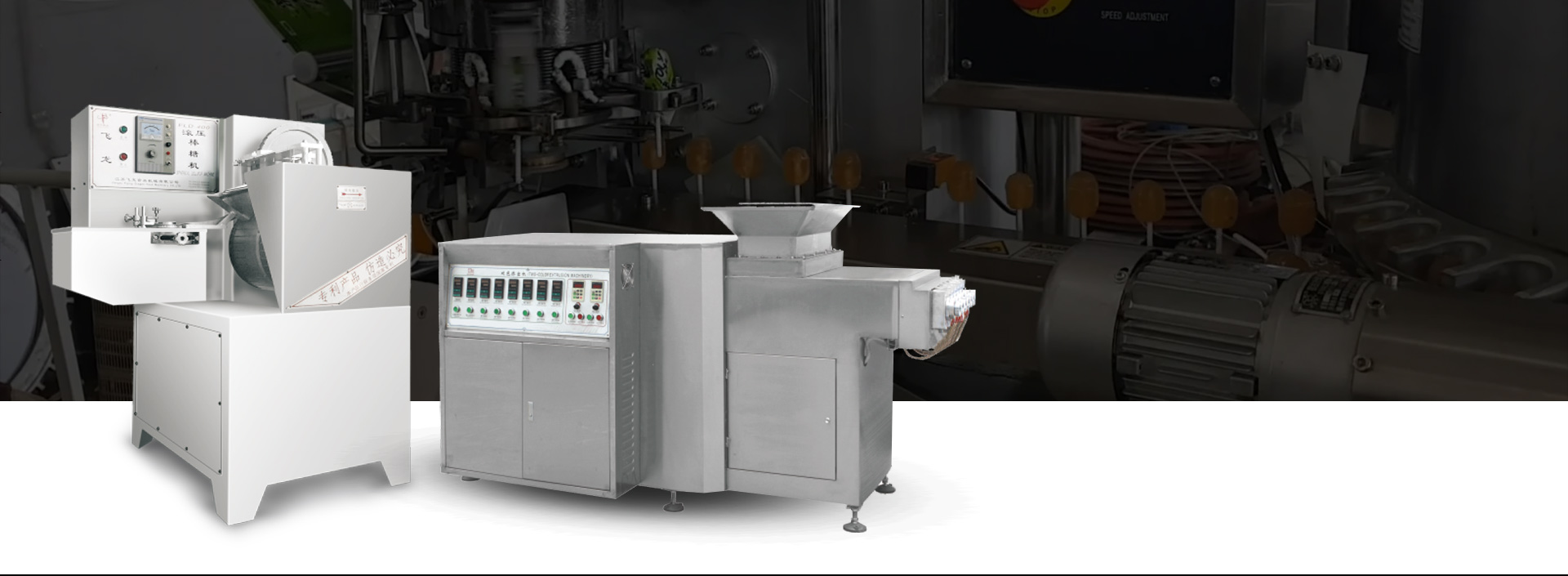
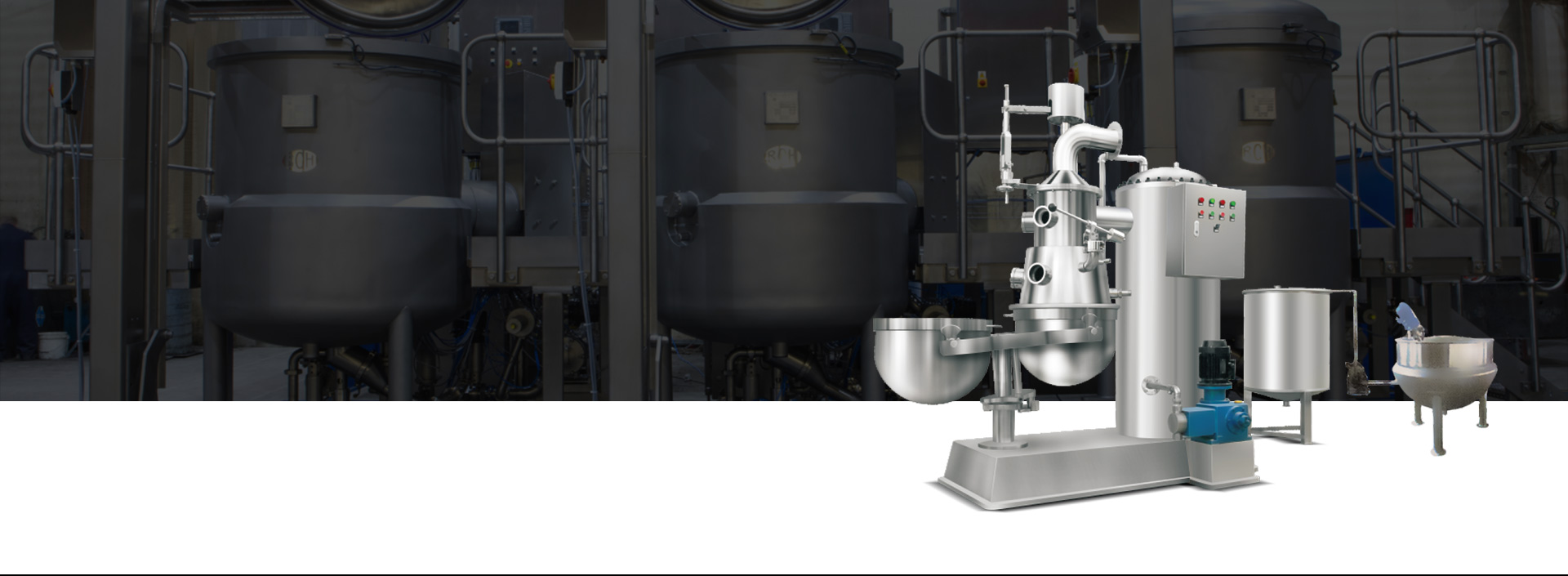
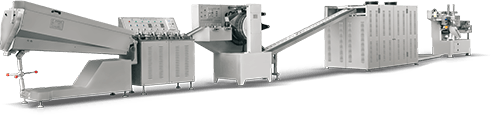
Lollipop production looks simple from the outside. A sweet mixture becomes shaped candy, then a stick is added, and the product is wrapped. Inside a factory setting, the process is more like a chain of connected machines working in sequence.
Each machine handles one part of the transformation. The flow is continuous. Materials move from one stage to the next without stopping for long. Understanding the machines helps explain how a small candy becomes a finished product ready for distribution.
What is the core idea behind a lollipop production line ?
A lollipop production line is built around one idea: turning liquid or semi-liquid candy into a solid shape with a stick, then preparing it for packaging.
No single machine does everything. Instead, each unit focuses on a specific task. One prepares the candy base. Another shapes it. Another handles cooling. Others deal with sticks and wrapping.
The system is designed for movement. Ingredients enter at one end. Finished products exit at the other. Between these points, machines coordinate in a steady rhythm.
What machine handles ingredient preparation and mixing?
Production for candy making typically starts with a mixing machine.
This piece of equipment creates the foundational candy mixture by combining raw ingredients evenly into one consistent blend. Maintaining uniformity is its core purpose. It keeps the mixture's texture steady, ensuring it flows properly through each subsequent production step.
Within its mixing chamber, raw materials are stirred under regulated motion. Separate raw components merge gradually, turning into a smooth, continuous syrup‑like substance.
This step is critical for overall candy quality. Poor or inconsistent mixing will negatively impact the final candy's shape and texture further down the production line. A well‑mixed, stable base is essential to keep every later manufacturing stage running smoothly.
How does cooking equipment transform the candy base?
After mixing, the material moves into a heating stage.
A cooking unit gradually changes the mixture's state. The texture becomes thicker and more stable. This is where the candy base starts to behave like a formable material rather than a liquid blend.
The process is steady rather than sudden. The material passes through controlled heating zones until it reaches a workable condition.
At this point, the candy can hold shape temporarily before cooling and forming. This transition is essential for later steps in production.
What machine shapes the lollipop form?
Once the candy reaches the right condition, it enters a forming unit.
This machine shapes the candy into small round or decorative forms. The movement is repetitive. Each portion of candy is guided into a consistent shape.
The forming stage is where visual identity begins. The product becomes recognizable as a lollipop rather than just processed candy.
Shapes may vary depending on design needs. The machine adjusts movement to create uniform pieces. Precision in this stage helps maintain consistency across large batches.
How are sticks inserted into lollipops?
A stick insertion unit is one of the recognizable parts of the line.
This machine places sticks into the candy while it is still soft enough to accept them but stable enough to hold position.
The timing is important. If the candy is too soft, the stick may shift. If it is too firm, insertion becomes difficult. The machine works within this balance.
The movement is repetitive and aligned. Each lollipop receives a stick in a controlled sequence. This step connects form with function.
What role does cooling equipment play in the process?
After shaping and stick insertion, cooling becomes necessary.
Cooling equipment helps the candy stabilize. The material transitions from a soft state into a firm structure.
This stage often takes place on long moving sections or enclosed cooling areas. Air movement and controlled temperature allow gradual hardening.
The process is not rushed. If cooling happens unevenly, surface texture or shape can change. Machines in this stage focus on stability rather than speed.
Once cooled, the lollipop becomes easier to handle without deformation.
How does coating or finishing equipment affect appearance?
Some production lines include coating or finishing machines.
These units add a surface layer or polish to the candy. The goal is often visual improvement or texture refinement.
The coating process is light and even. It covers the surface without changing the core shape. In some cases, it also helps protect the product from sticking during packaging.
Finishing equipment ensures the product looks consistent across batches. Even small differences in surface condition can affect final appearance.
What machines handle sorting and inspection?
After cooling and finishing, the product moves into inspection systems.
These machines guide lollipops through a controlled path where they are observed for irregularities. The process is continuous rather than manual.
Objects that do not meet expected conditions are separated from the main flow. The rest continue forward.
Sorting equipment helps maintain consistency without slowing the production line. It works quietly in the background while movement continues.
How does packaging machinery complete the process?
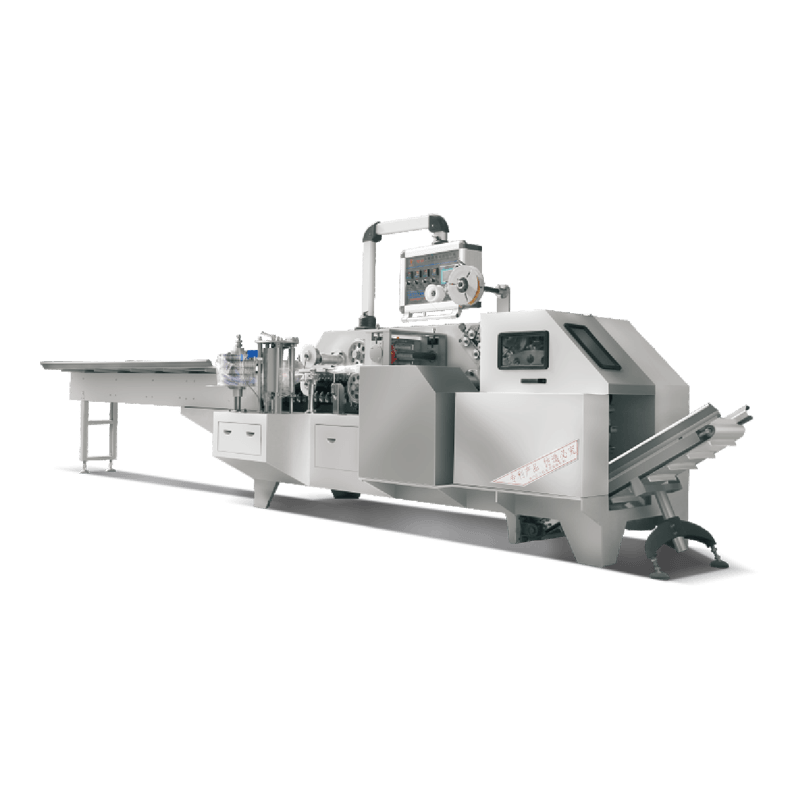
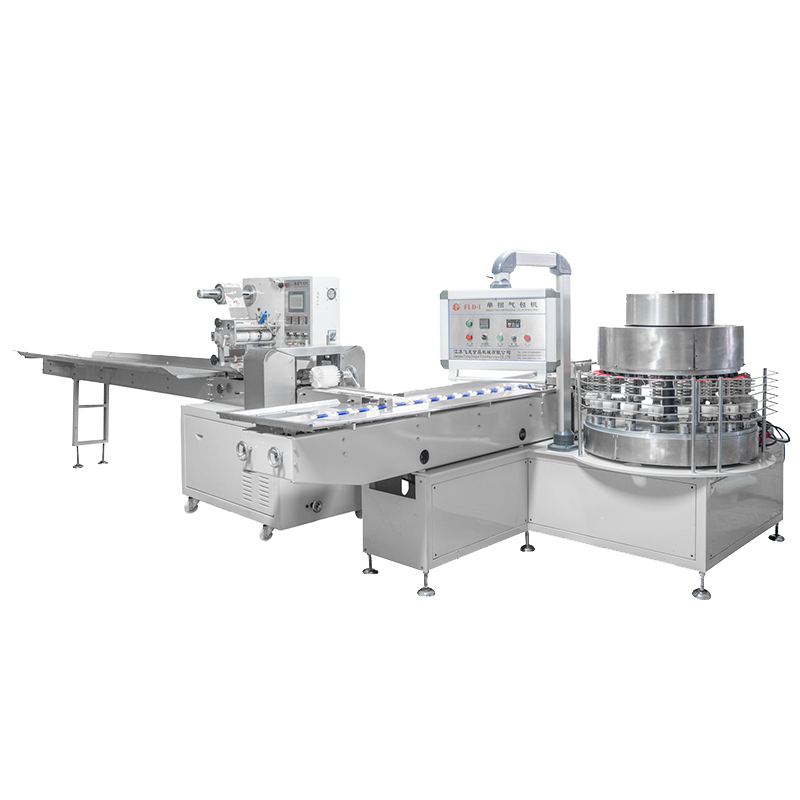
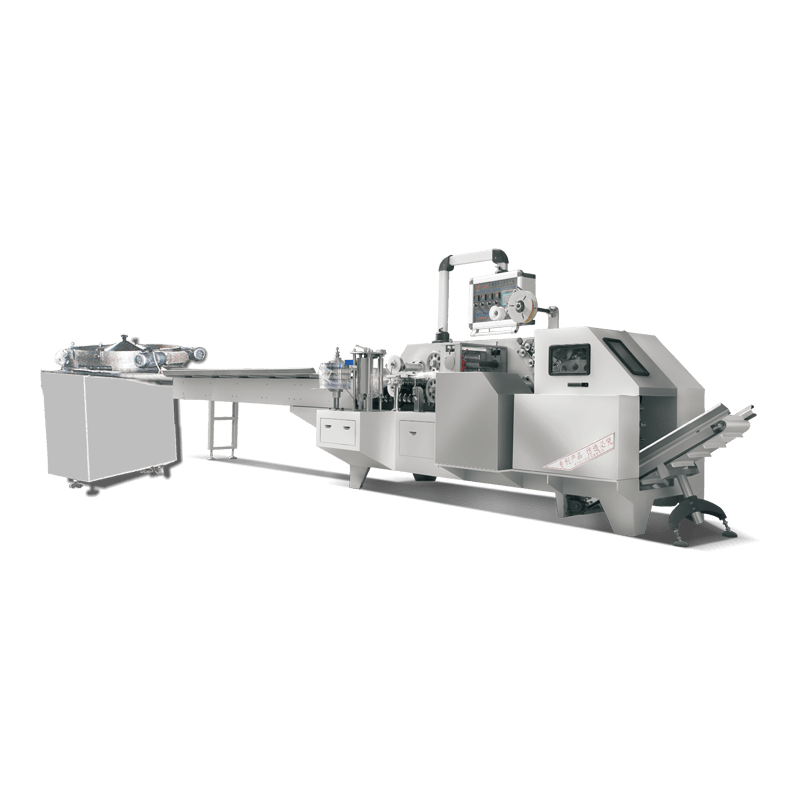
Packaging machines handle the final stage of production.
Here, lollipops are wrapped individually or grouped depending on packaging style. The machine aligns each piece, applies wrapping material, and seals it.
The process is repetitive and fast-paced, but still guided. Each lollipop passes through the same sequence.
Packaging also protects the product during storage and transport. It becomes the final layer between production and distribution.
In many factories, this is the stage where the product becomes ready for market movement.
What does a typical machine flow look like in a production line?
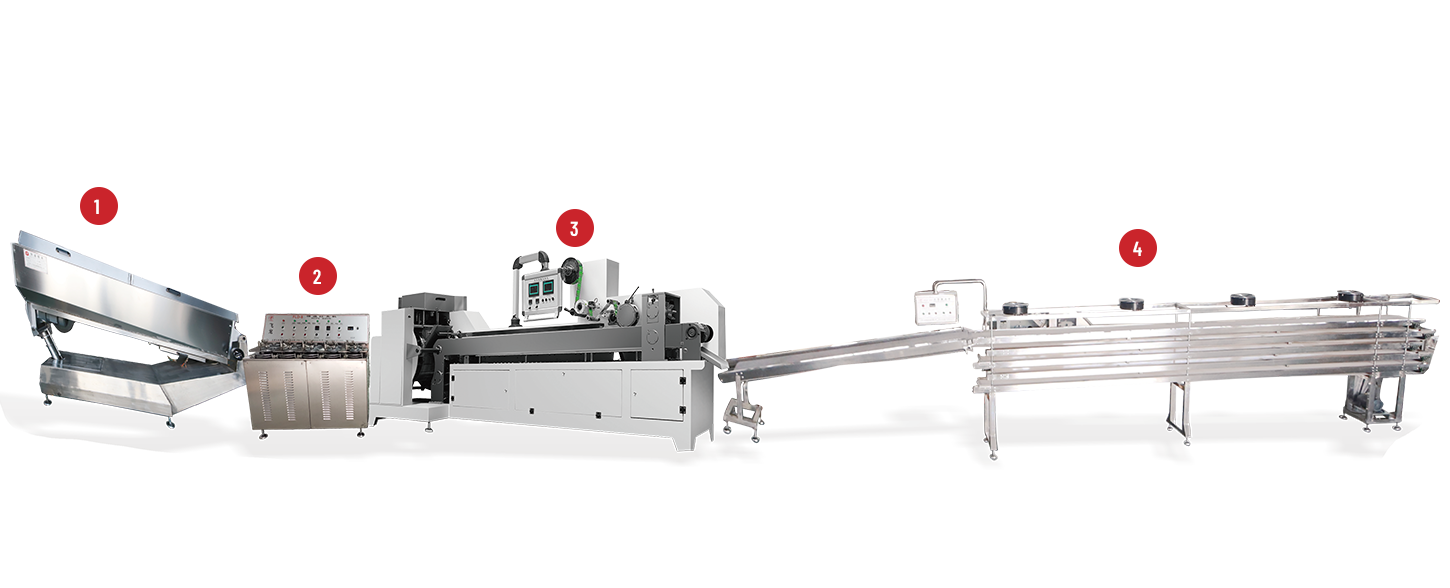
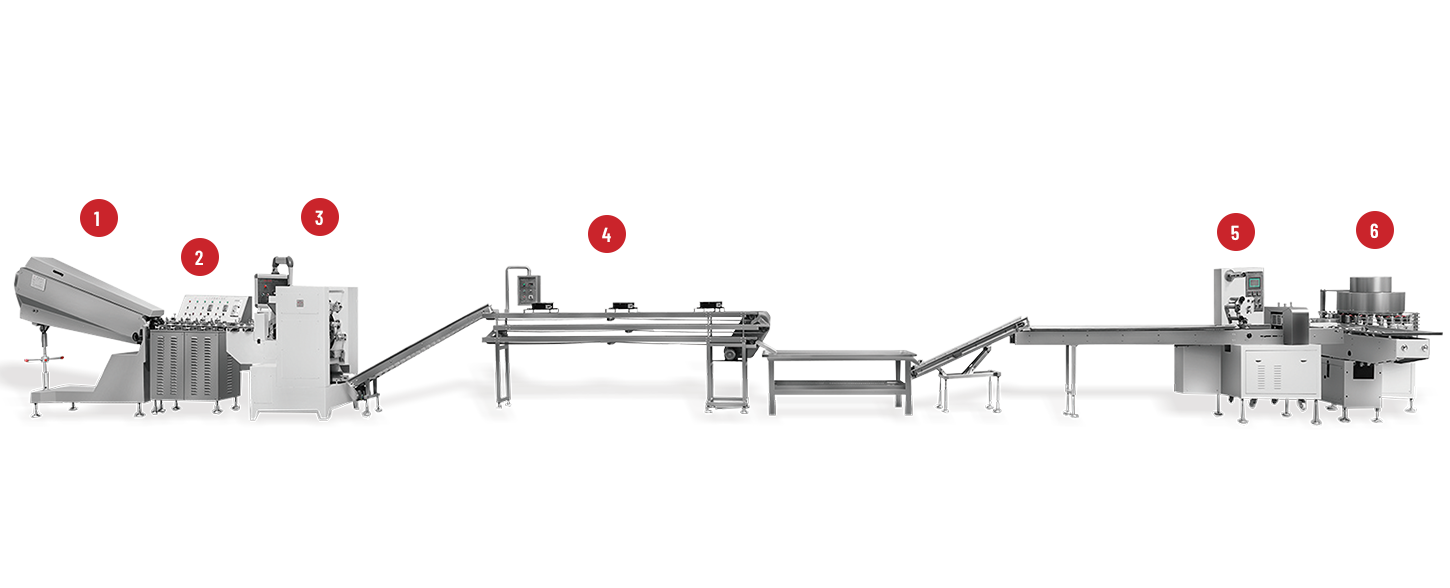
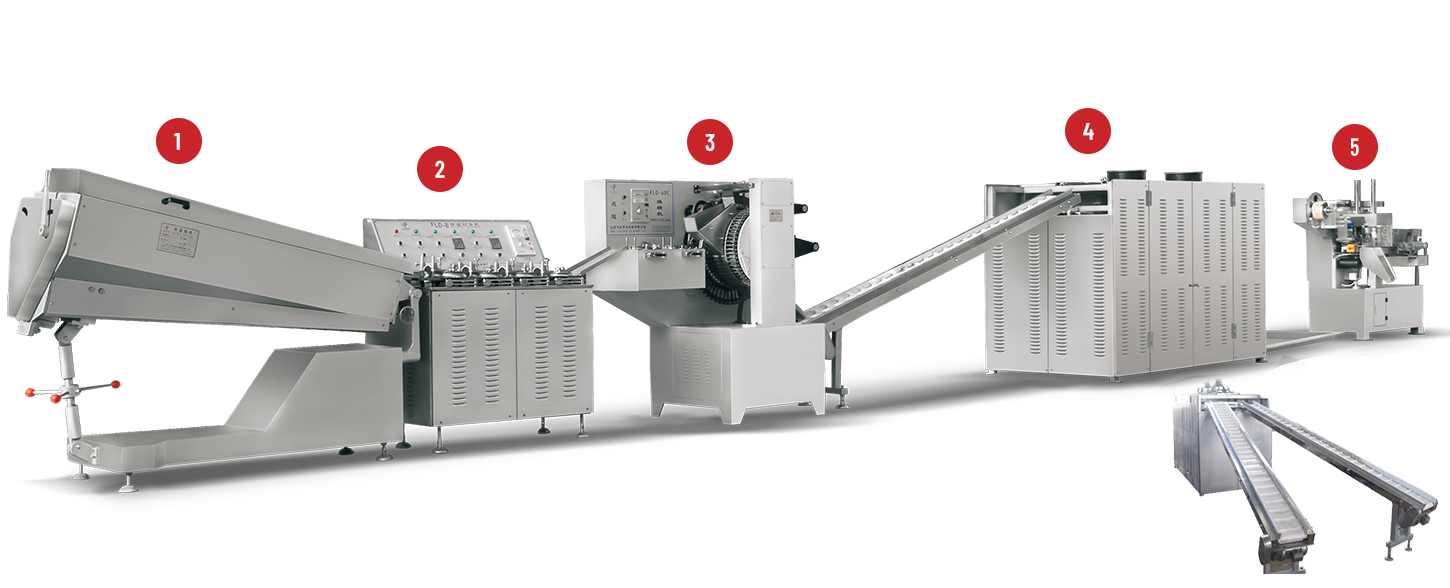
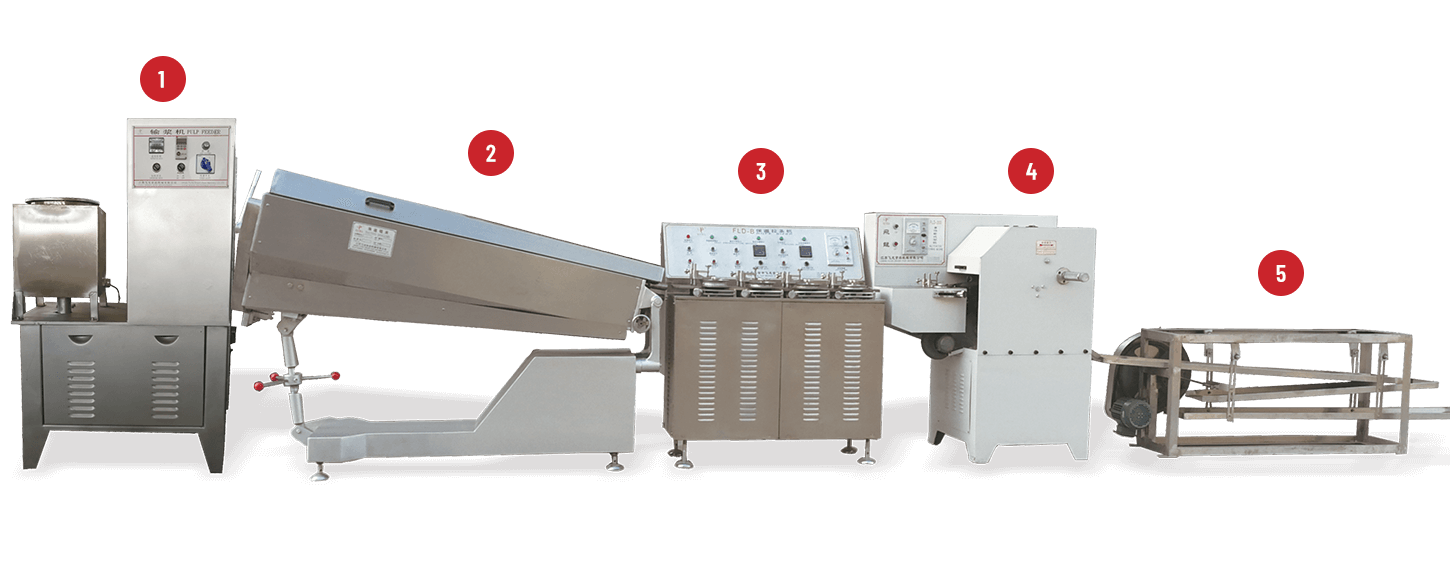
A lollipop production line is often arranged in a continuous flow. Each machine connects to the next without interruption.
| Stage in process | Machine type involved | Main function |
|---|---|---|
| Mixing stage | Mixing unit | Combine ingredients |
| Heating stage | Cooking unit | Prepare candy base |
| Forming stage | Shaping machine | Create candy shape |
| Stick insertion | Insertion unit | Add sticks |
| Cooling stage | Cooling system | Stabilize structure |
| Finishing stage | Coating unit | Improve surface |
| Inspection stage | Sorting system | Check consistency |
| Packaging stage | Wrapping machine | Final product wrap |
Each stage depends on the previous one. If one slows down, the entire flow adjusts.
Why is automation widely used in these machines?
Lollipop production uses lots of automated machines because the whole job is made up of repeated steps that need exact timing.
Machines keep each candy nearly identical. Every step runs the same way, so lollipops stay consistent in shape, size and look.
Automated lines can keep running non‑stop with very little downtime once they start.
Workers still stay on hand to watch the process and make small fixes, while machines do of the actual making work.
How do machines interact within the production environment?
No single machine works by itself on a lollipop line. All equipment runs in sync, matched to the speed and flow of the whole line.
As soon as one machine finishes its task, the next one takes over the candy right away, forming a continuous production chain.
If one part slows down, the rest adjust their speed to match. The main aim is steady, smooth running rather than rushing output.
This close teamwork creates a regular work rhythm. The factory floor is busy and noisy, but every step follows an organized order.
What influences machine selection in a production setup?
Factories choose machine setups based on their actual production needs.
Main points they consider are:
- Types and designs of lollipops they make
- How much candy they need to produce each day
- Available space inside the workshop
- How much automation they want to use
- How simple the machines are to maintain
Machines are picked to fit the whole production flow, not just based on how good one single unit is.
Good connection between each working stage is more important than individual machine performance.
How does machine design shape production behavior?
Machine design affects how smoothly the production line runs.
Simple, direct movement often supports steady flow. Complex movement may allow flexibility in shape or design.
The structure of each machine also influences how often adjustments are needed. Stable systems tend to require fewer interruptions.
Over time, the design of machines and the behavior of production lines become closely linked. One influences the other continuously.
 +86-(0)515-8465666
 +86-(0)515-85566996
 +86-138 1559 9708
 flyloong@flyloongcn.com
 Home
Home