

 ENG
ENG
 English
 中文简体
中文简体 русский
 Français
 Español
 عربى
عربى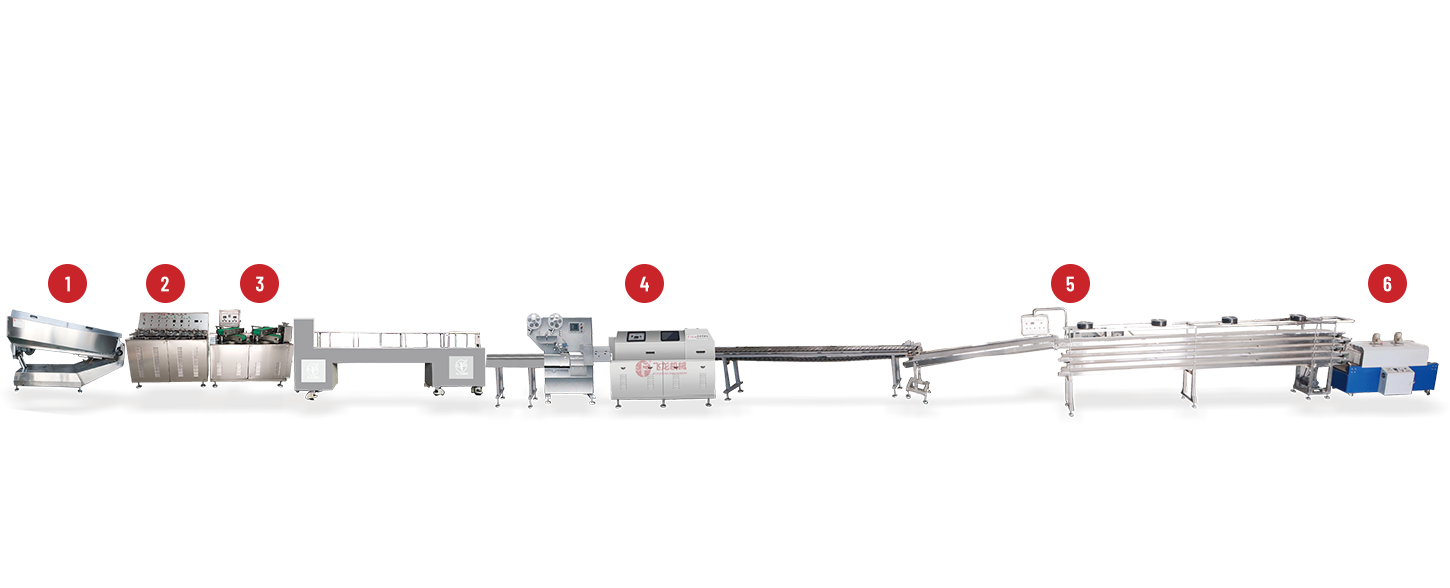
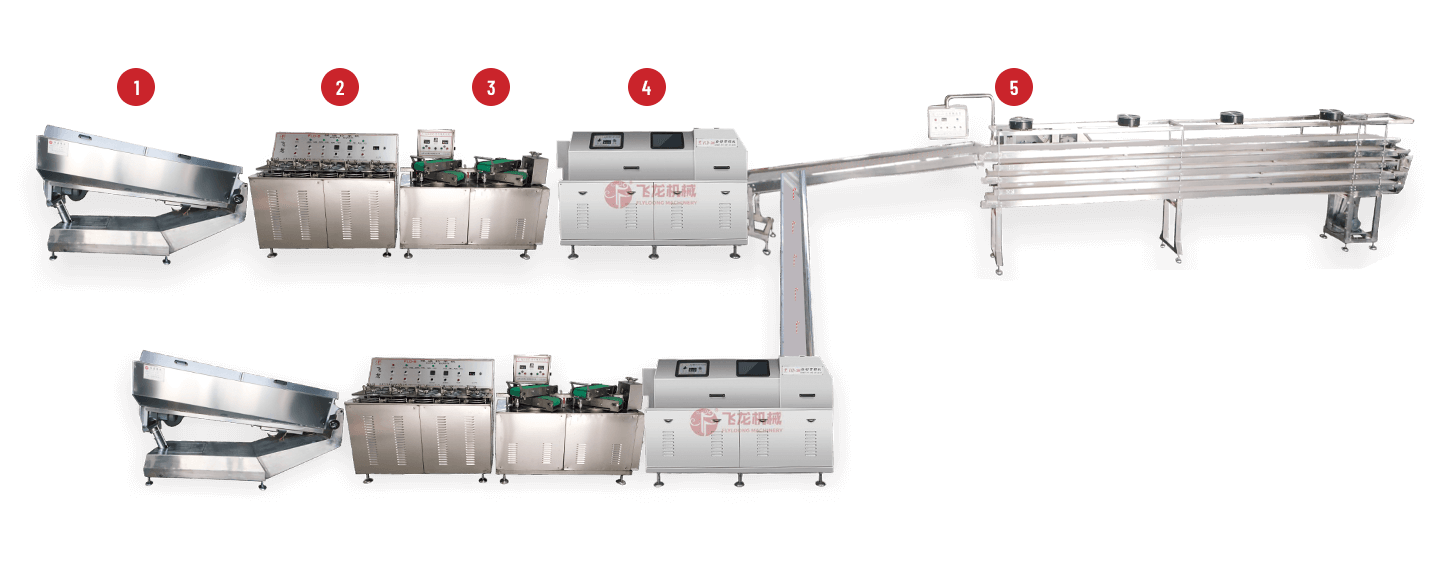
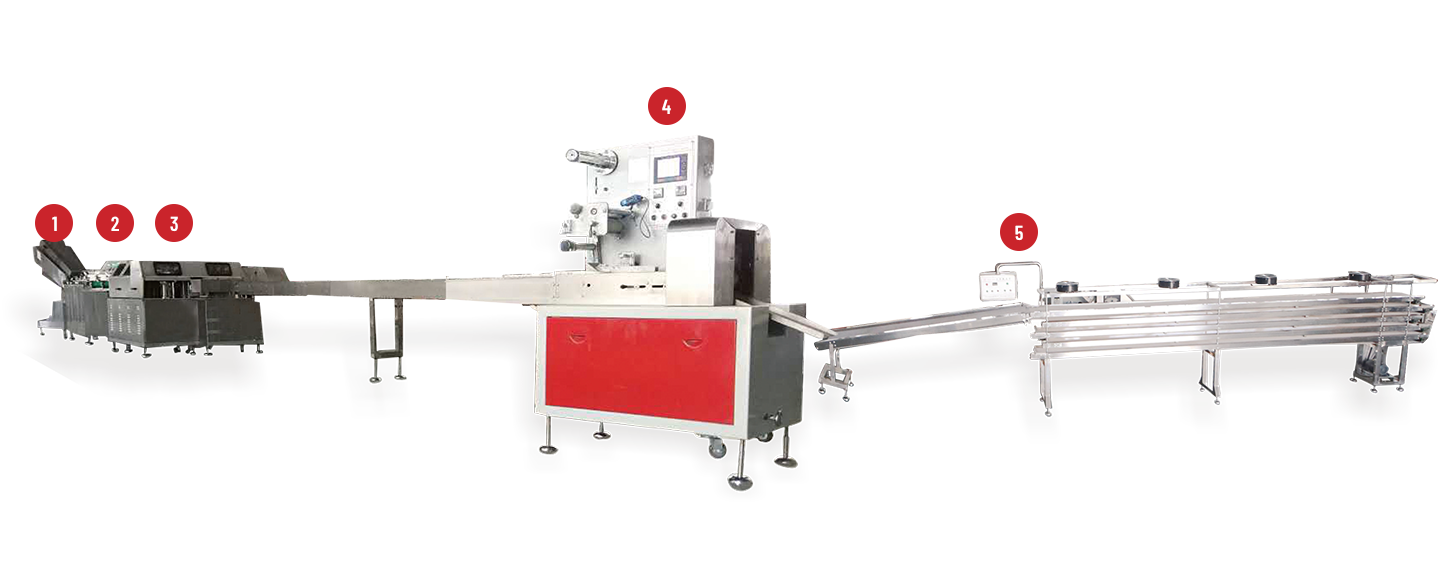
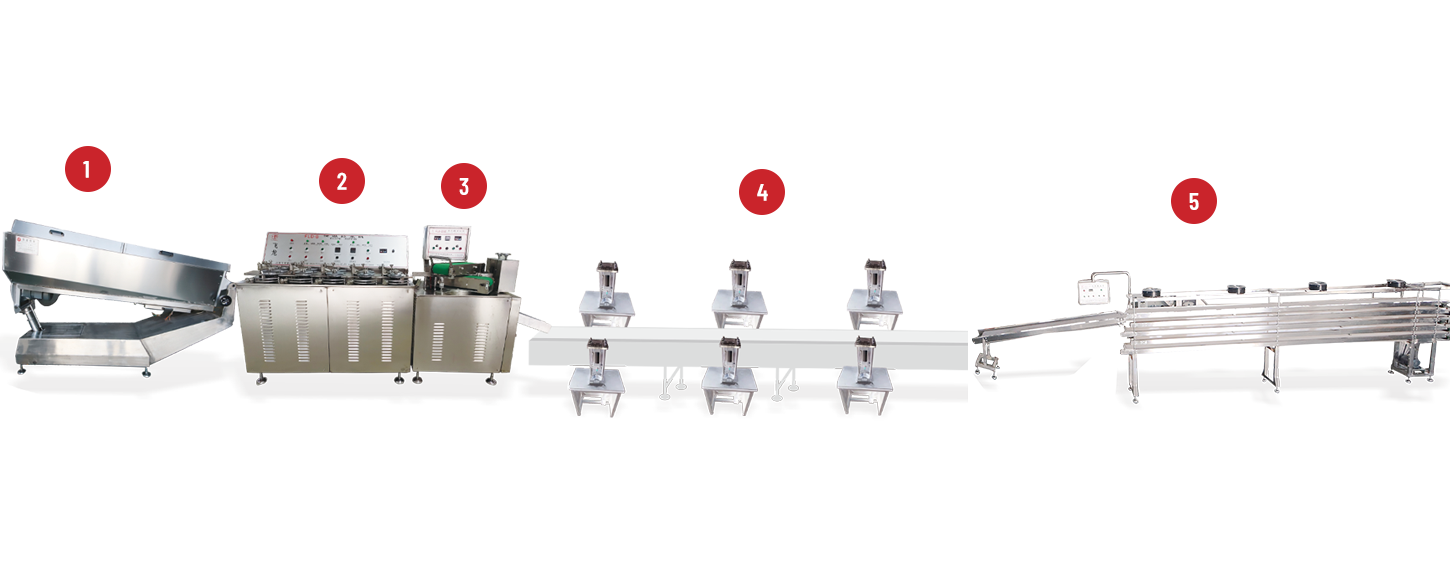
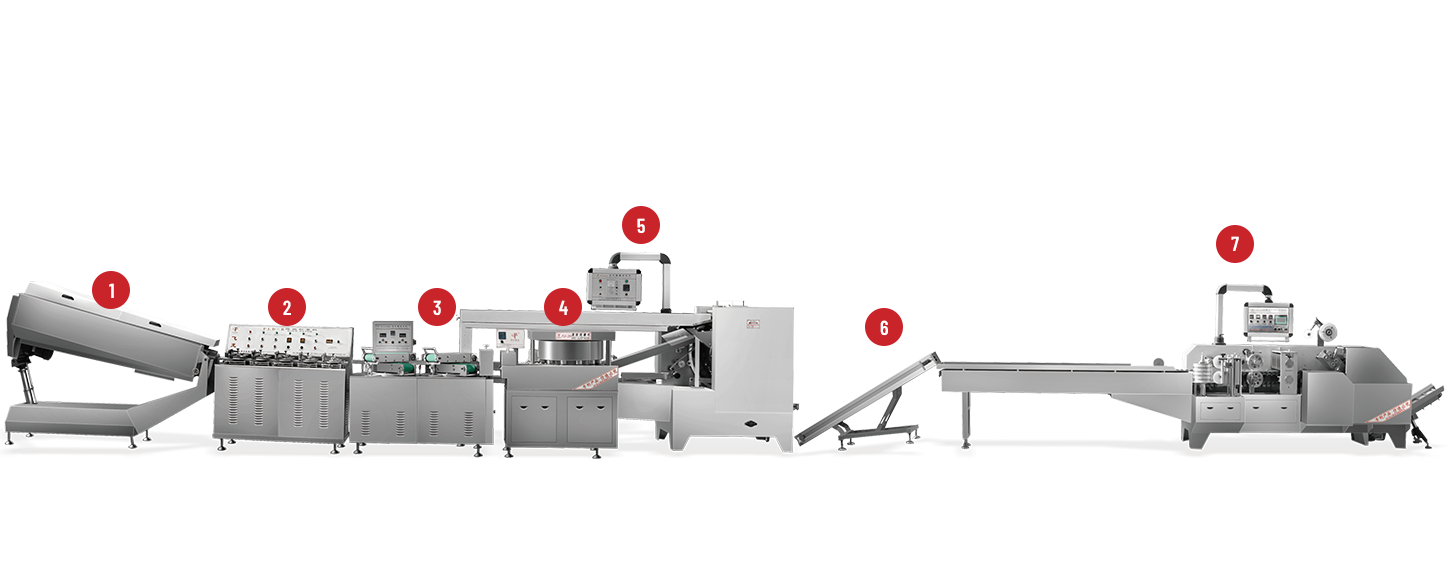
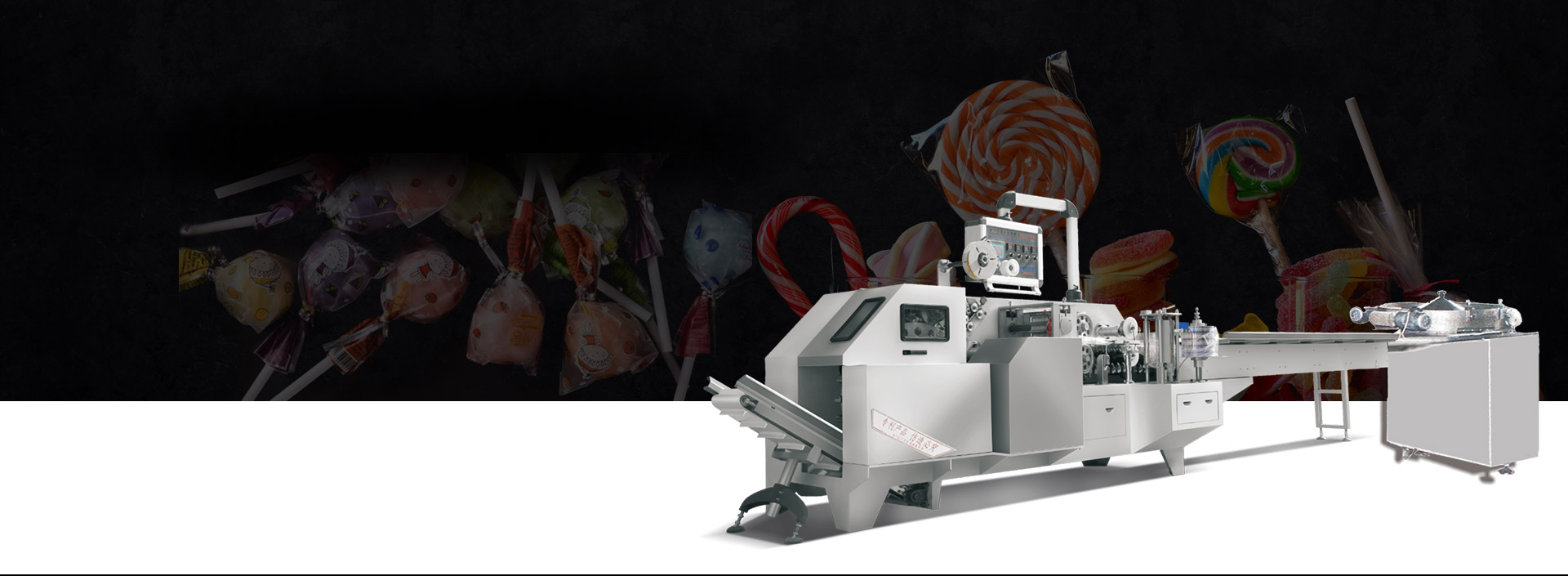
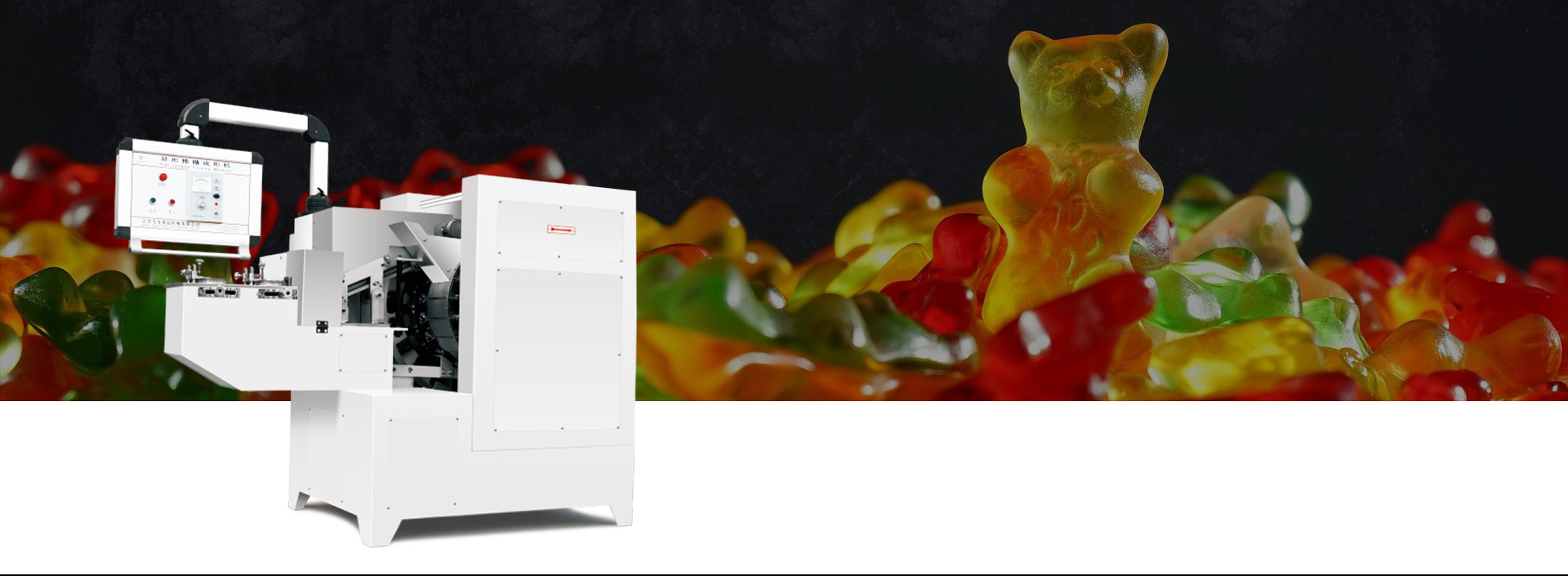
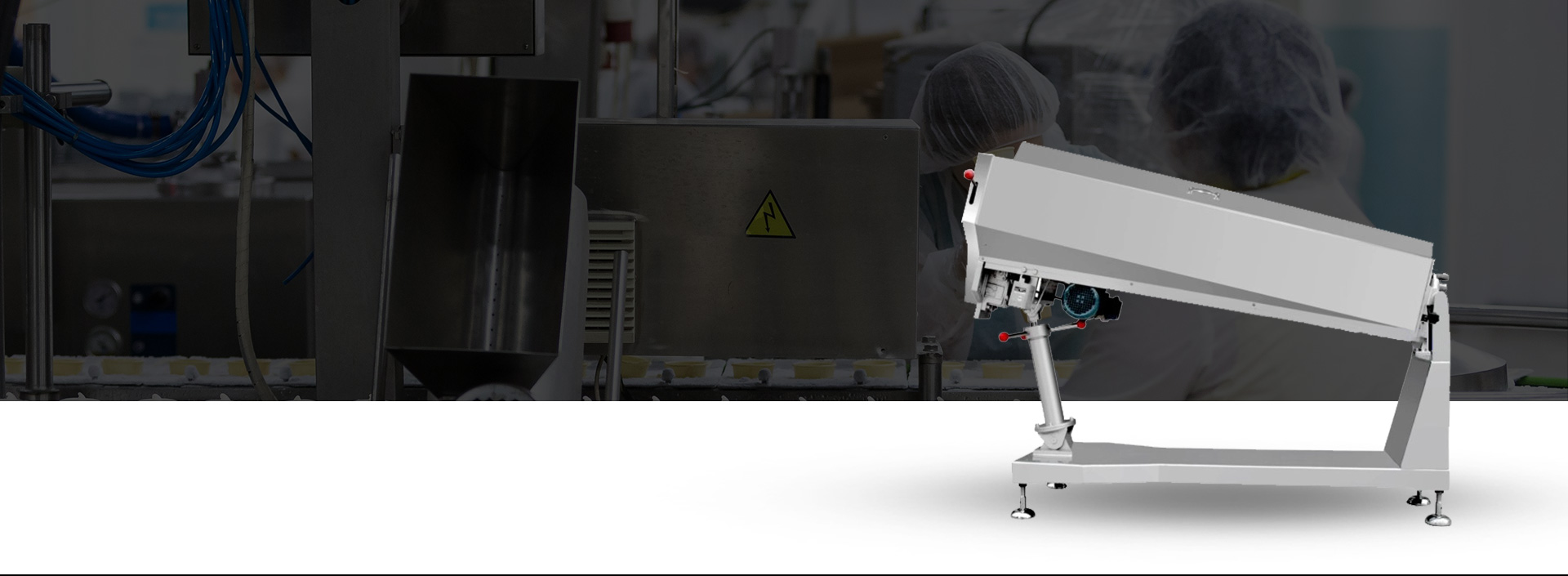
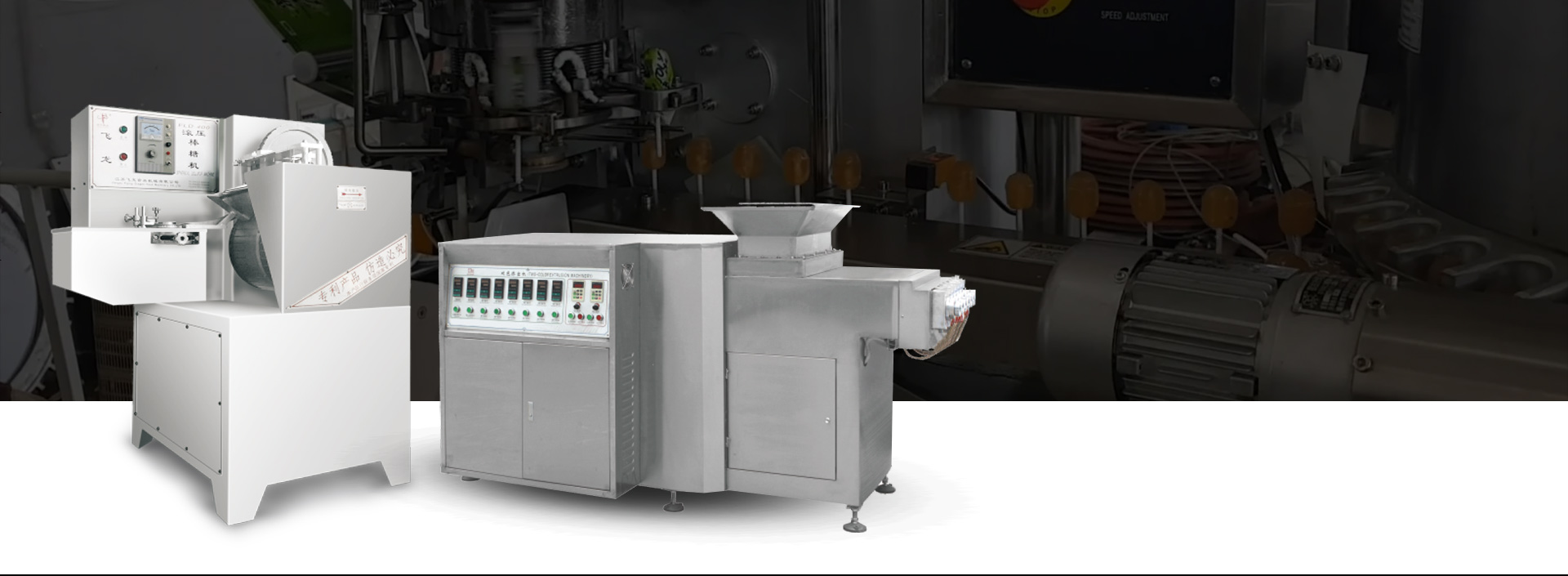
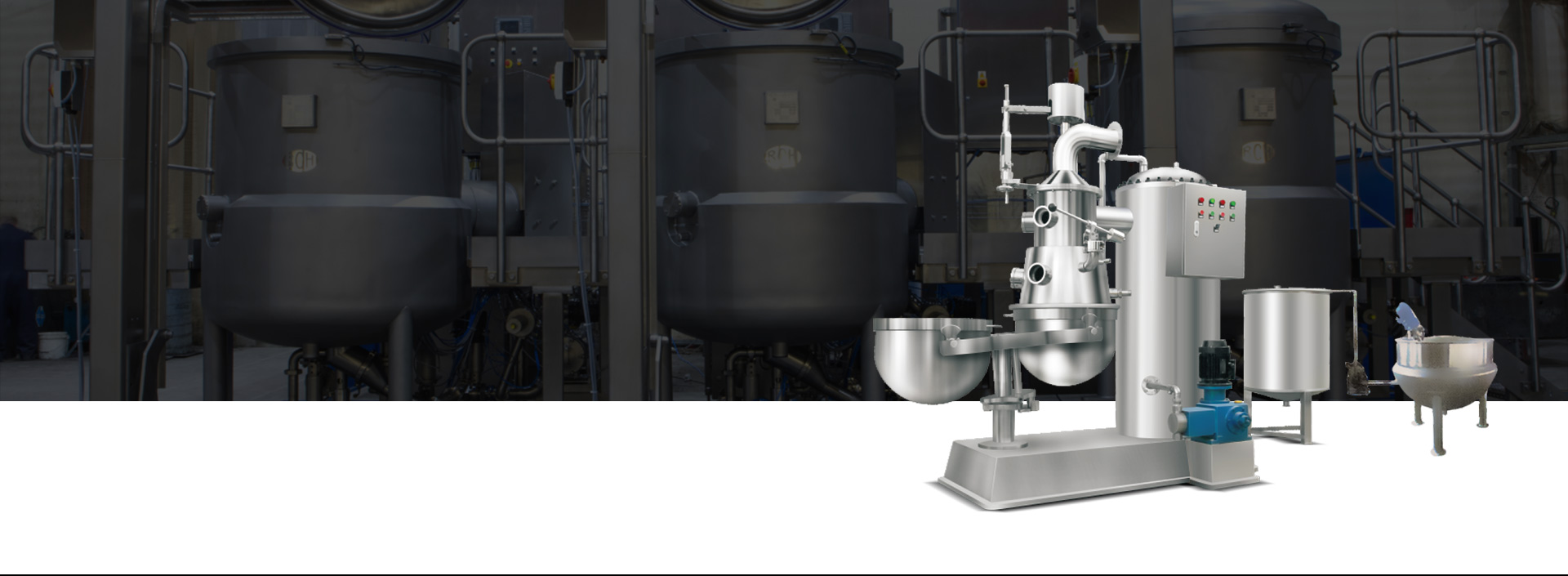
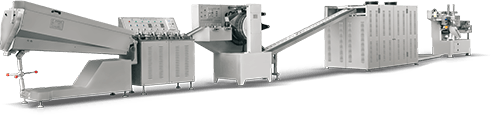
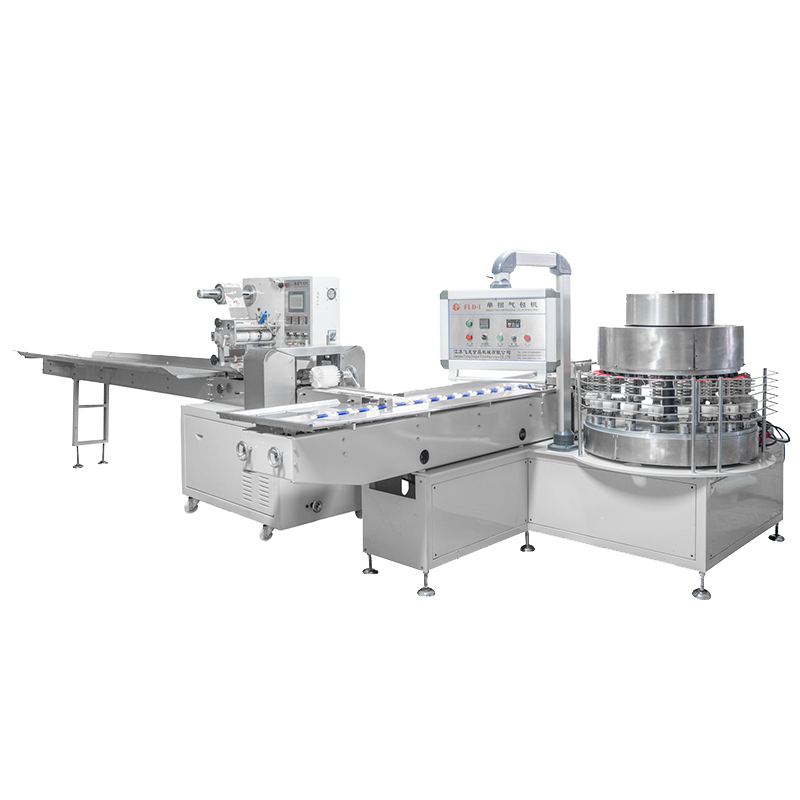
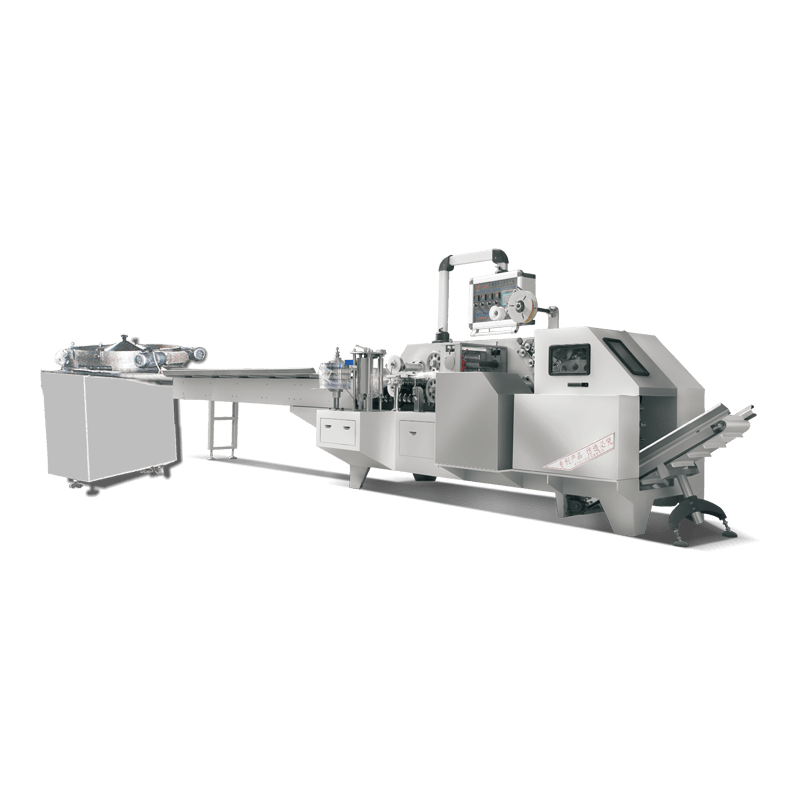
In candy manufacturing, production methods have changed quietly over time. Many factories that once depended heavily on manual steps are now moving toward more connected systems. An automatic lollipop production line is part of that shift.
It is not only about replacing manual work. It is more about how the entire process flows from one stage to another, and how stable that flow remains during long hours of operation.
In real factory environments, the value of automation does not appear all at once. It shows up gradually, through fewer interruptions, steadier output, and a more predictable working rhythm.
How does an automatic production line change daily workflow?
A traditional setup often feels segmented. Each stage depends on timing between workers or machines. If one step slows down, the next step is affected almost immediately.
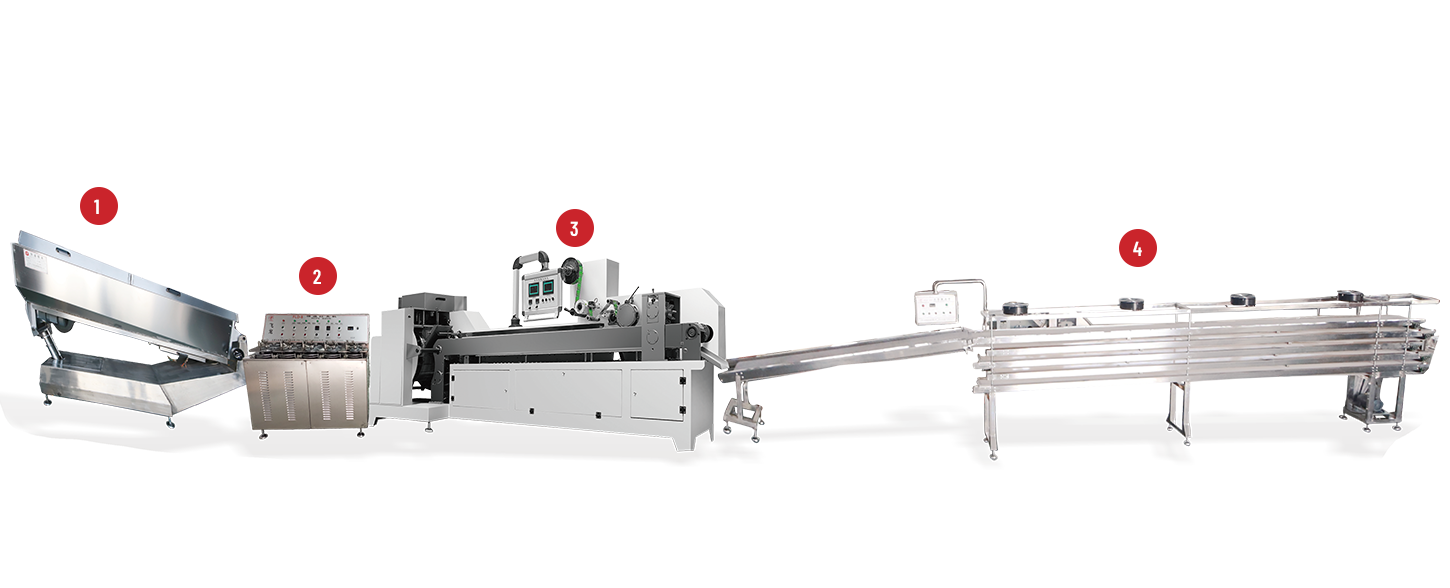
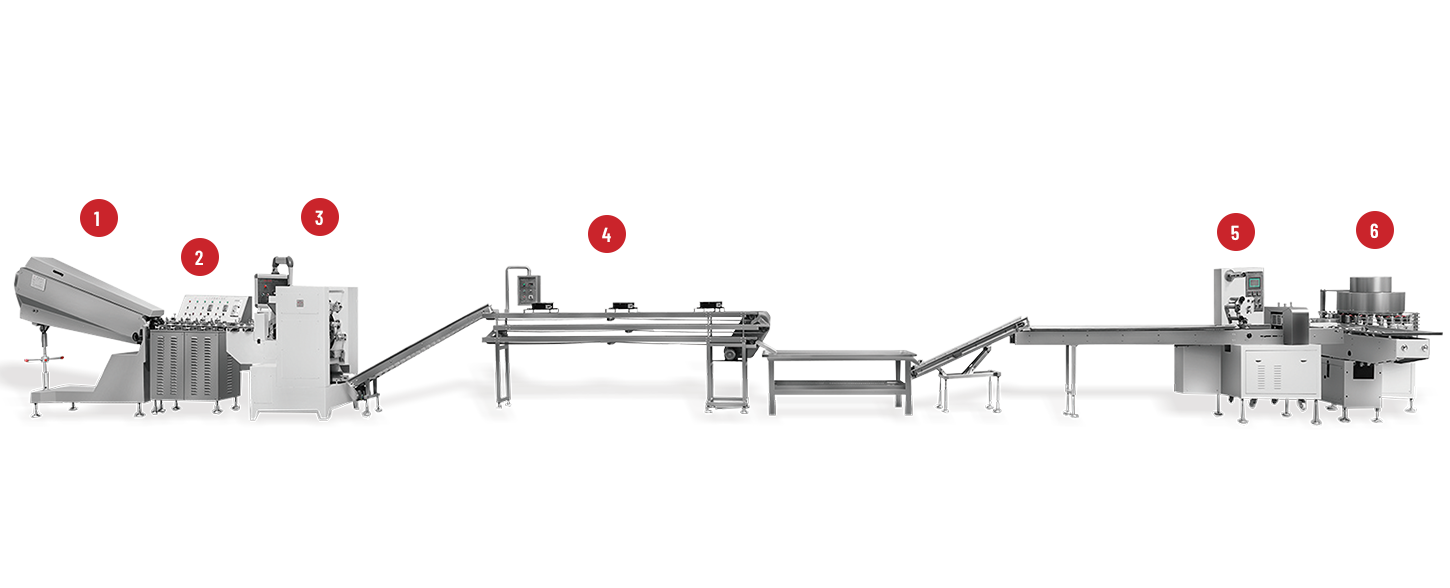
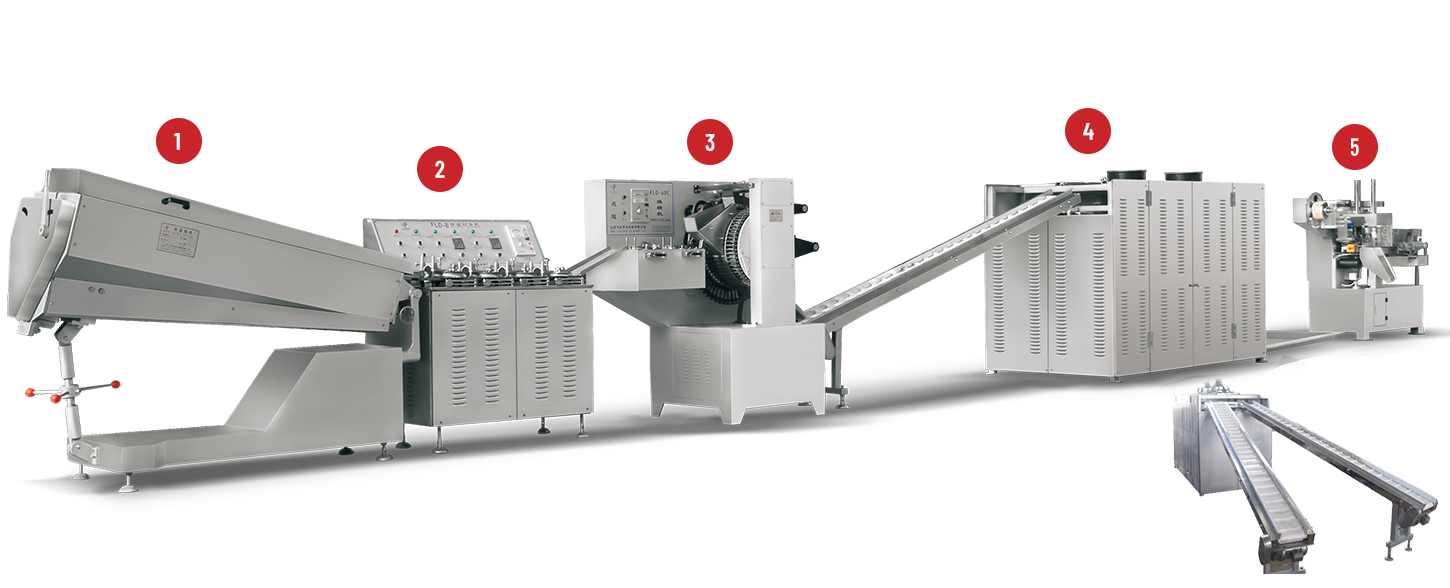
An automatic system works differently. Once material enters the line, it continues moving through shaping, forming, cooling, and finishing in a connected path.
There are still checks along the way, but the overall movement feels more continuous. Instead of stopping and restarting between stages, the system keeps a steady pace.
Over time, this changes how the factory floor feels. Less waiting. Fewer manual transfers. More predictable movement.
What are the main benefits in real operation?
The advantages are easier to understand when viewed from daily production rather than technical description. The table below summarizes how these benefits appear in practice:
| Area | What is observed in real use | Practical effect |
|---|---|---|
| Production flow | Continuous movement between stages | Fewer interruptions during operation |
| Output consistency | Repeated cycle-based processing | More uniform product appearance |
| Labor structure | Reduced manual intervention | Shift toward monitoring and coordination |
| System behavior | Stable operating rhythm | Easier long-term control |
| Material handling | Direct internal transfer | Less manual movement required |
| Production flexibility | Adjustable operating patterns | Easier response to demand changes |
These points are not isolated. They tend to influence each other during real use.
Why does consistency become easier to maintain?
In manual production, small differences naturally appear. Timing changes slightly. Handling varies from person to person. Even small variations can affect final output.
An automatic system reduces this variation by repeating the same process in a controlled way.
Each cycle follows a similar pattern. This helps maintain a more even appearance and structure across batches.
Consistency becomes less about individual effort and more about system behavior.
How does labor use shift in an automatic system?
Automation does not remove people from production. It changes what they focus on.
Instead of performing every step manually, operators spend more time observing the system. They check flow, monitor conditions, and respond when something needs adjustment.
This shift reduces repetitive physical tasks. It also creates a more organized working rhythm.
In many factories, this change also affects how teams are structured. Fewer people are needed for direct handling, while more attention goes into supervision and coordination.
What makes system stability so noticeable in practice?
You really start to feel how stable a system is only after it's been running non‑stop for a long time.
A stable setup doesn't need constant stops or restarts. It keeps running at a steady pace all the time. Minor fluctuations still happen, but they're easy to keep under control.
When things get unstable, you'll usually see frequent downtime or choppy material flow between different production stages right away.
In real‑world manufacturing, steady performance is often more important than pure speed. A reliable system makes long‑term scheduling and day‑to‑day management far simpler.
How does automation influence product handling?
How products move along the line is often taken for granted in production work.
With automated systems, items move through each step in a fixed, controlled order. Products pass from one process to the next without extra manual moving around.
This cuts down on unnecessary handling that can mess up timing or product consistency.
It also sets a clear path for production. Materials follow a set route from start to finish, making the whole process simpler to track and manage.
How does quality control become more structured?
Quality control in an automatic system is less about frequent manual checks and more about monitoring a stable process.
Because each cycle follows a similar pattern, it becomes easier to notice when something shifts.
Instead of inspecting every stage repeatedly, attention can be focused on key control points.
1. Process-based observation becomes more important
Rather than checking only final output, operators can observe how the system behaves during production.
Small changes in flow, timing, or material movement often indicate early signs of variation.
This makes it easier to respond before issues become larger.
2. Variation becomes easier to identify
When production is standardized, differences stand out more clearly. If output changes slightly, it is easier to trace where that change occurred.
This does not eliminate quality control work, but it makes it more focused and less scattered.
How does system integration support efficiency?
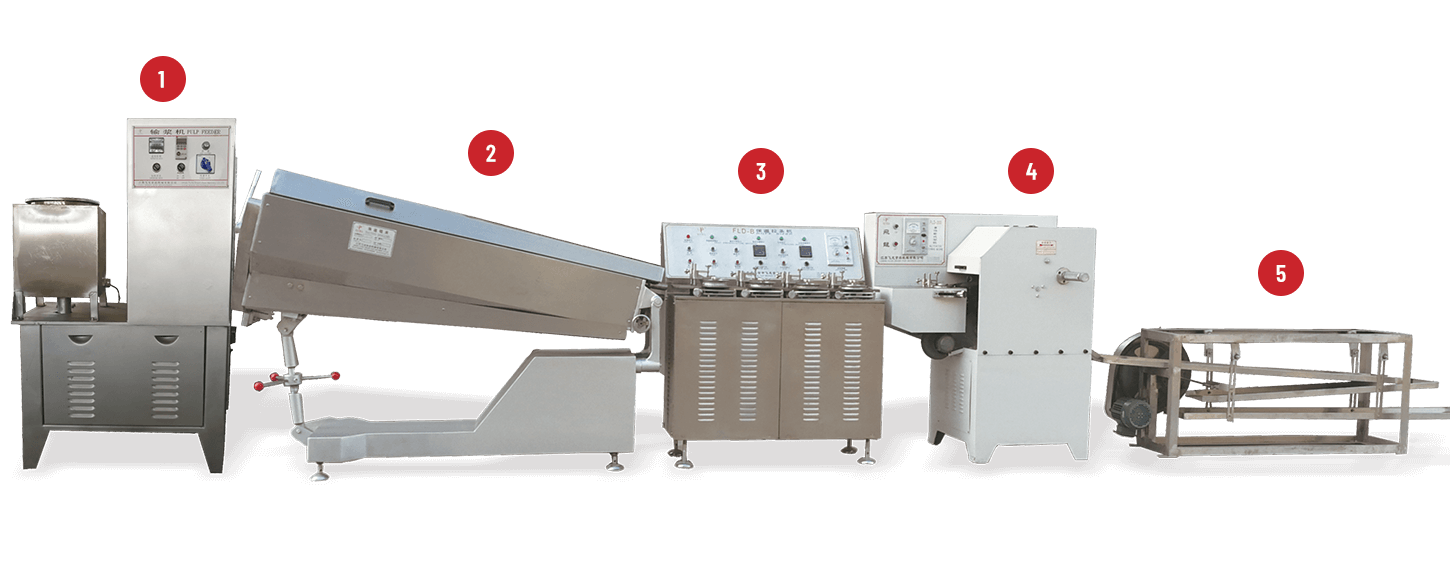
A production line isn't just a bunch of separate machines placed together. Every piece affects the one after it, as one connected whole system.
With good integration design, materials flow smoothly from one stage to the next, with less waiting time in between.
This prevents bottlenecks and keeps production running evenly all the time.
In daily operation, this seamless connection between equipment often matters more than how powerful each single machine is.
How does automation affect long-term planning?
One under‑rated advantage of automation is that it makes production much more predictable.
When the system runs steadily and repeats the same process reliably, planning production timelines becomes straightforward. Output stays consistent, so later steps like packaging and warehousing can be arranged well in advance.
This predictability also means fewer last‑minute adjustments during regular operation.
Over time, the whole workflow becomes more organized and easier to manage long‑term.
Why does scalability become easier?
Demand in candy production does not always stay the same. It can change over time.
An automatic production line is usually easier to adjust compared to a fully manual setup.
Instead of rebuilding the process, adjustments can often be made within the system's operating range.
This flexibility helps factories respond to changes without major disruption.
What happens when all benefits combine together?
The benefits of an automatic lollipop production line do not appear separately in real use. They overlap.
A steady flow supports consistency. Consistency makes quality control easier. Reduced manual handling improves coordination. System integration supports smoother movement.
When these elements work together, the production environment feels more stable and less fragmented.
It is not a dramatic change at a single moment. It is a gradual shift in how the entire system behaves day after day.
 +86-(0)515-8465666
 +86-(0)515-85566996
 +86-138 1559 9708
 flyloong@flyloongcn.com
 Home
Home