

 ENG
ENG
 English
 中文简体
中文简体 русский
 Français
 Español
 عربى
عربى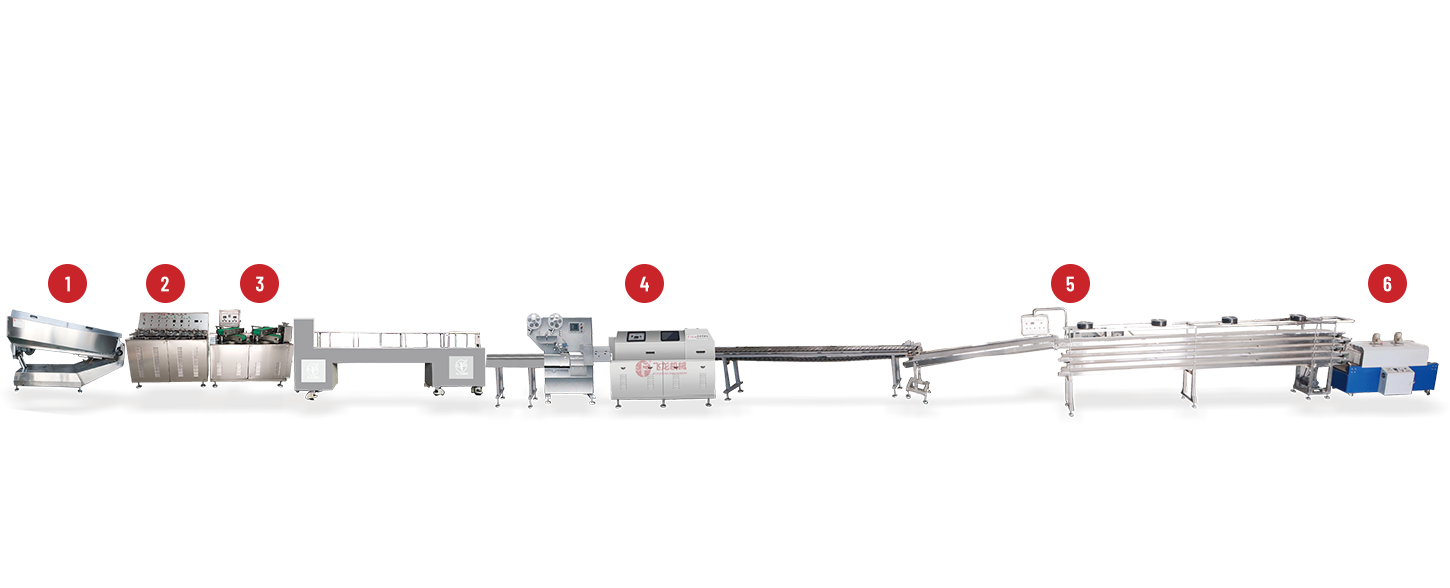
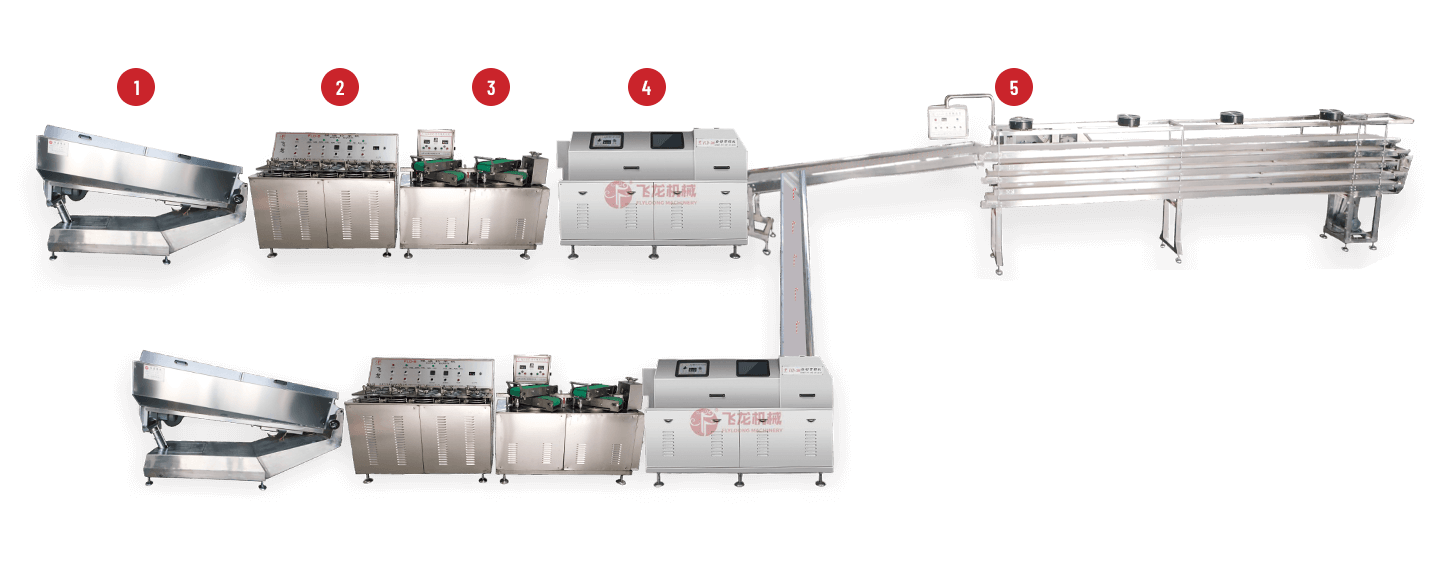
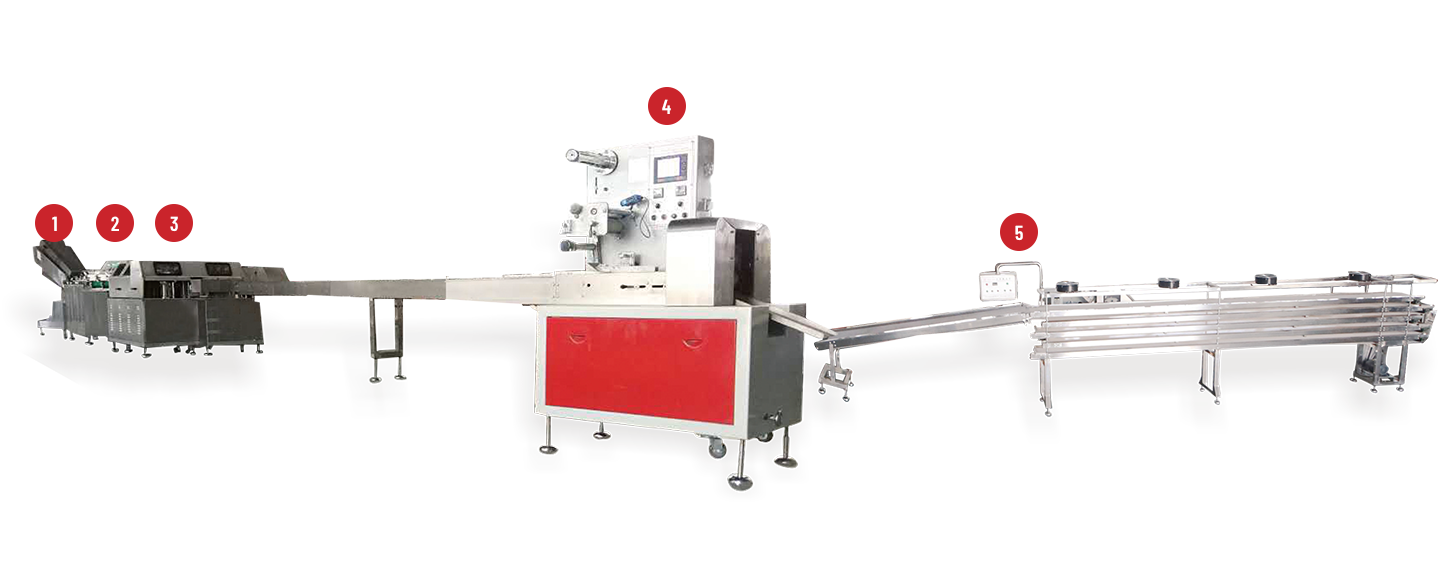
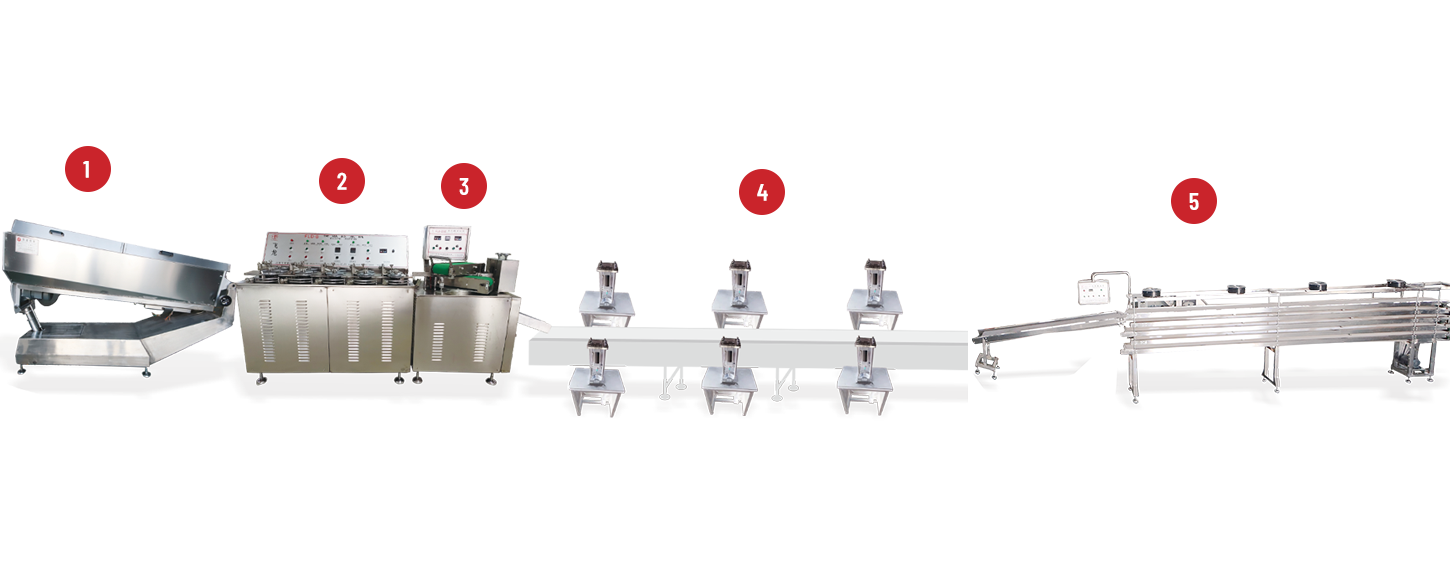
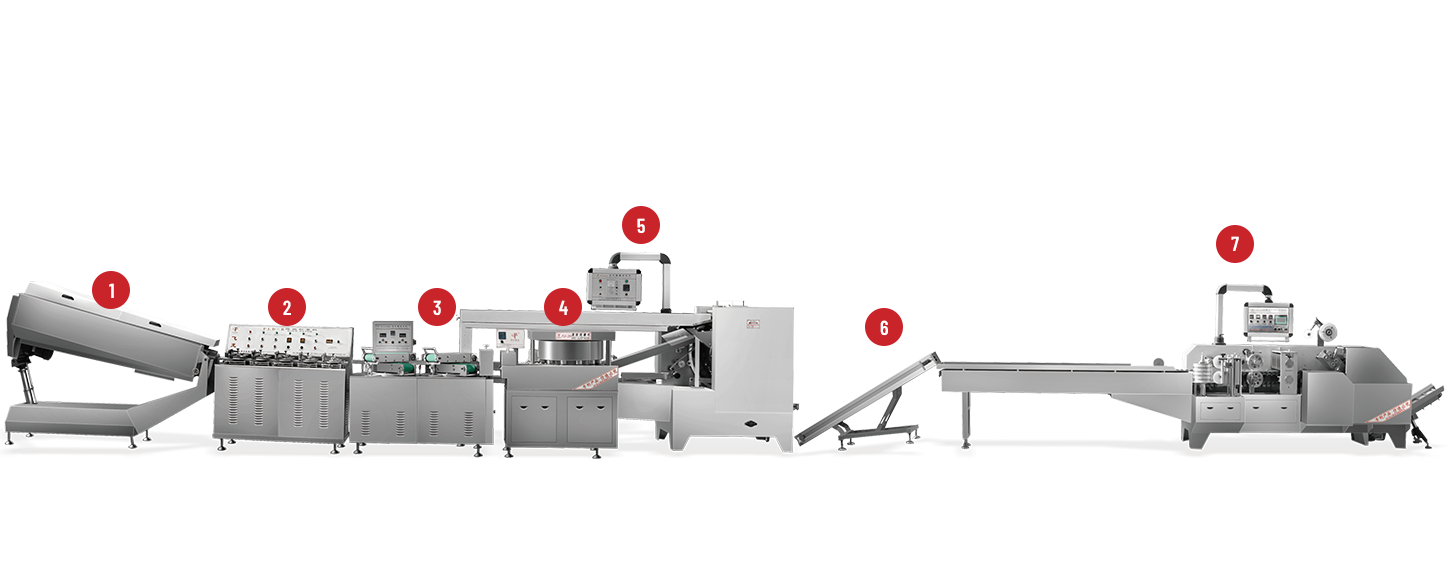
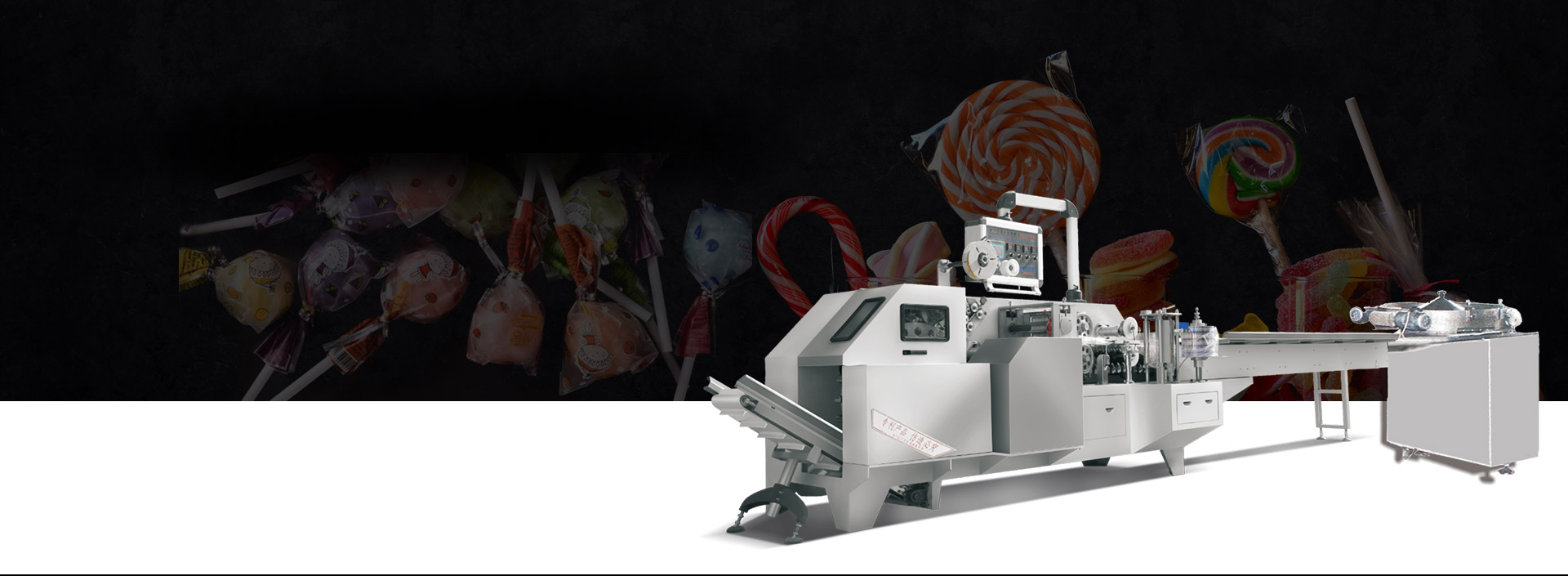
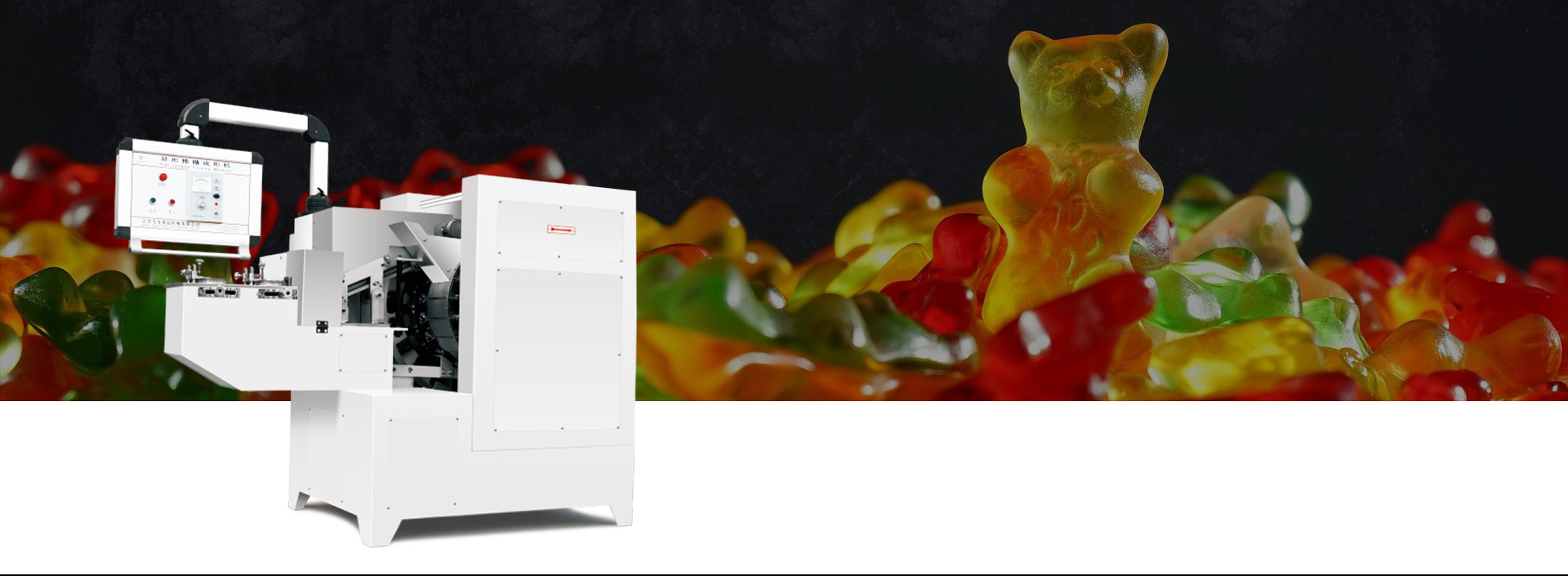
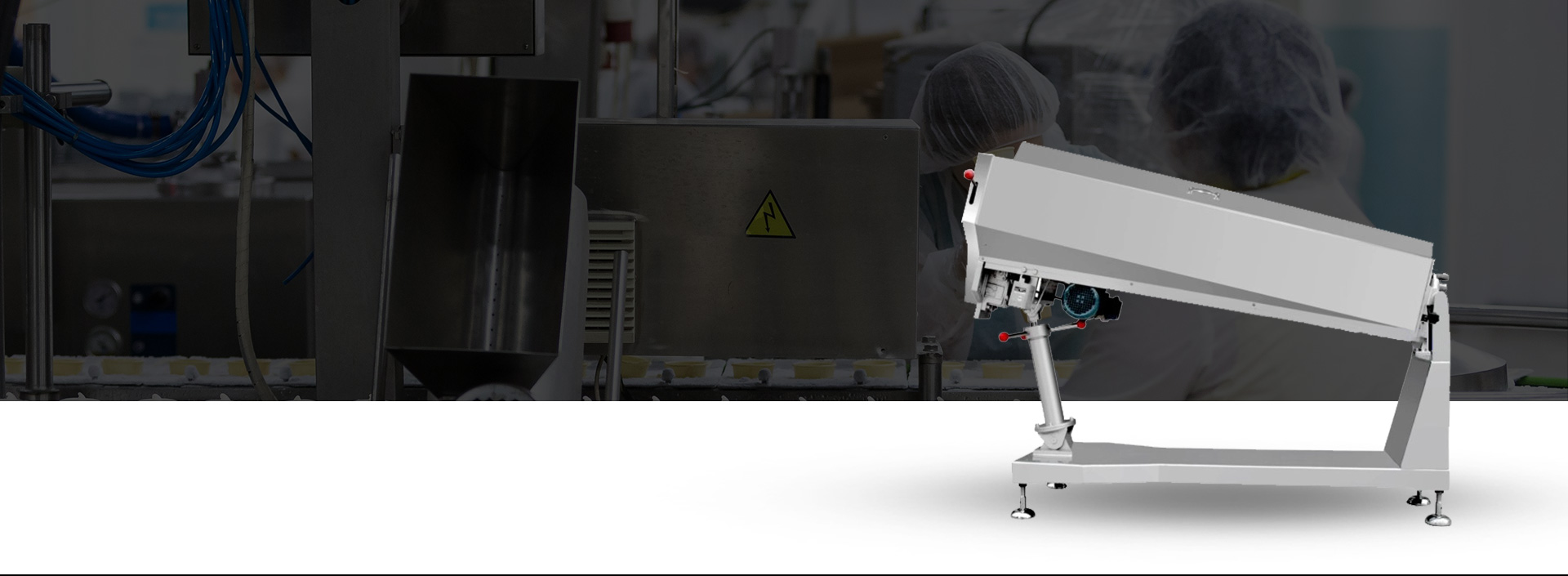
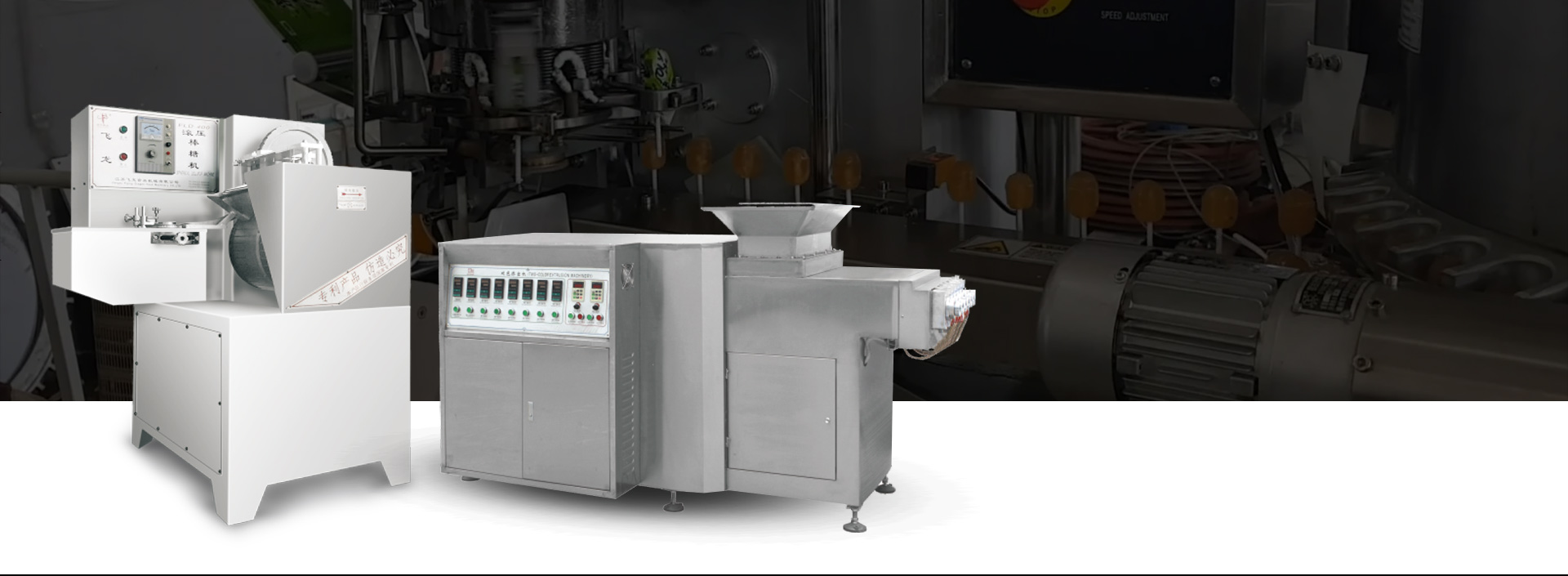
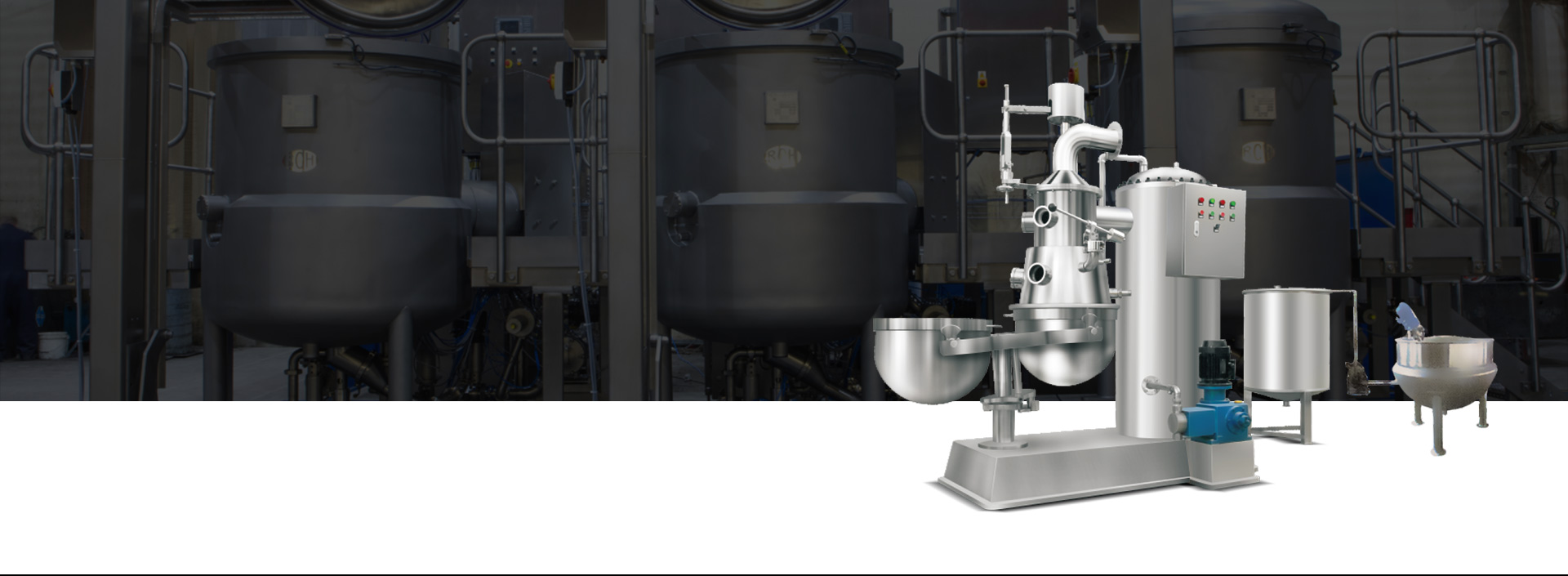
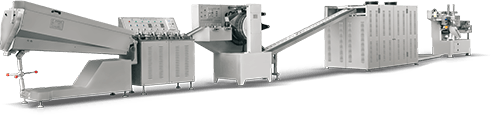
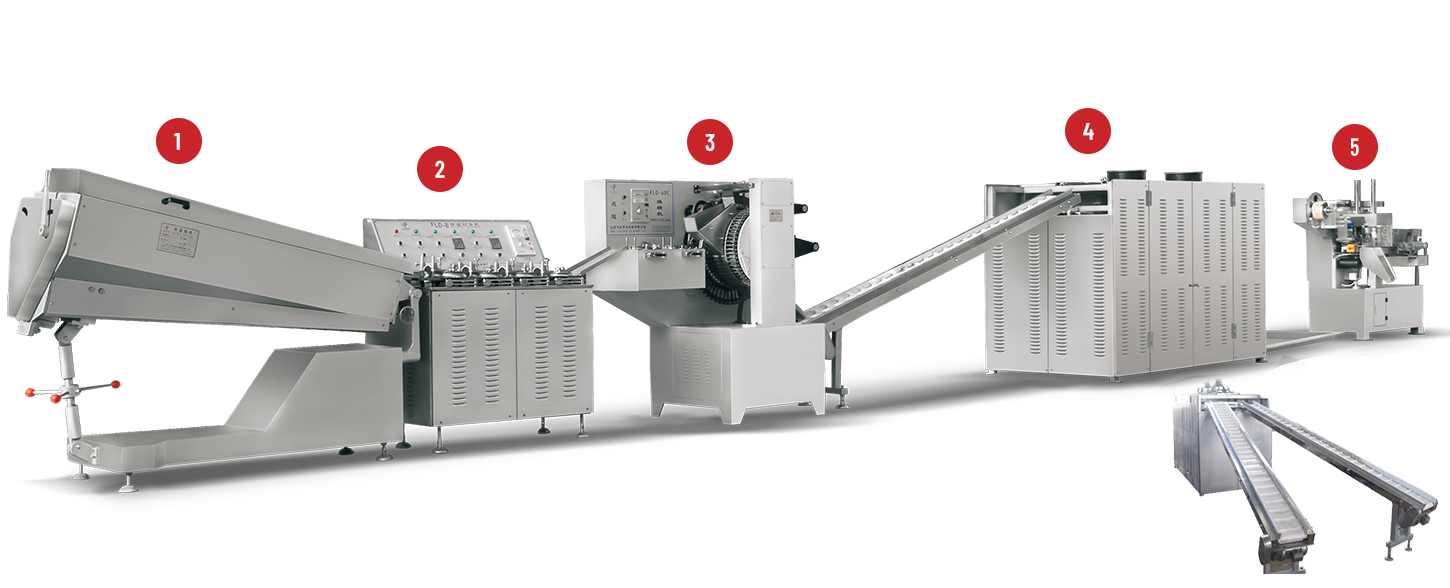
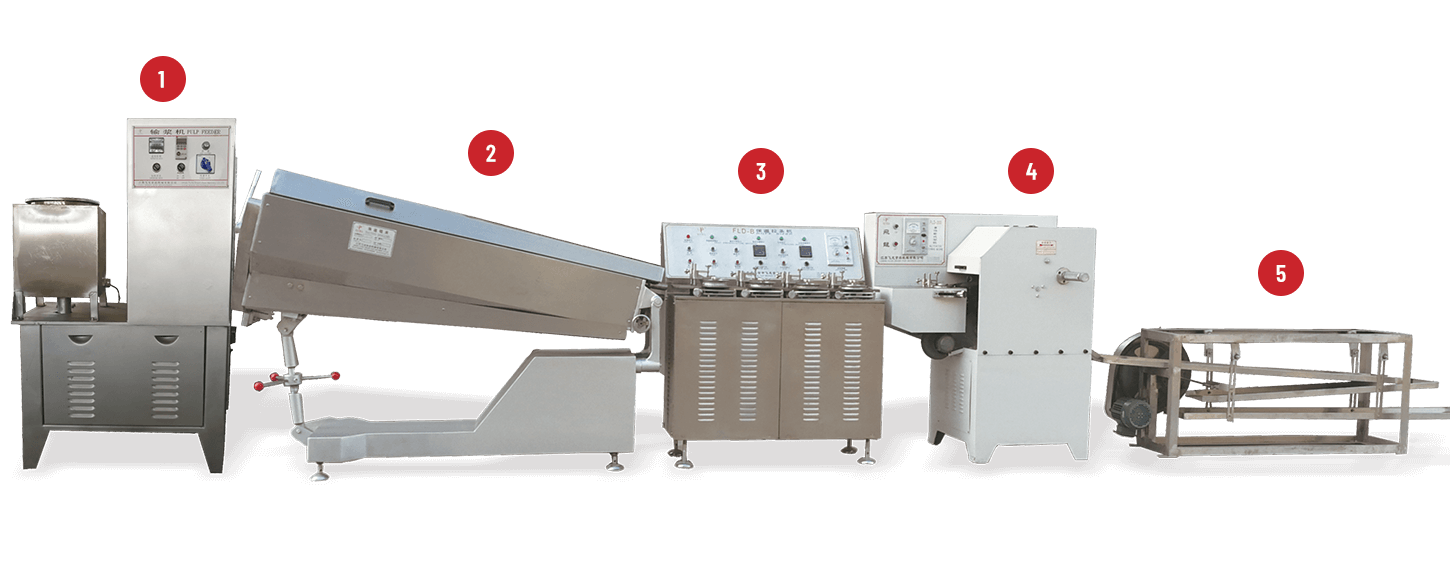
In Lollipop Production Line Manufacturer , the production line quietly shapes everything that happens on the factory floor. It decides how smoothly ingredients move, how consistently products are formed, and how stable output remains over time.
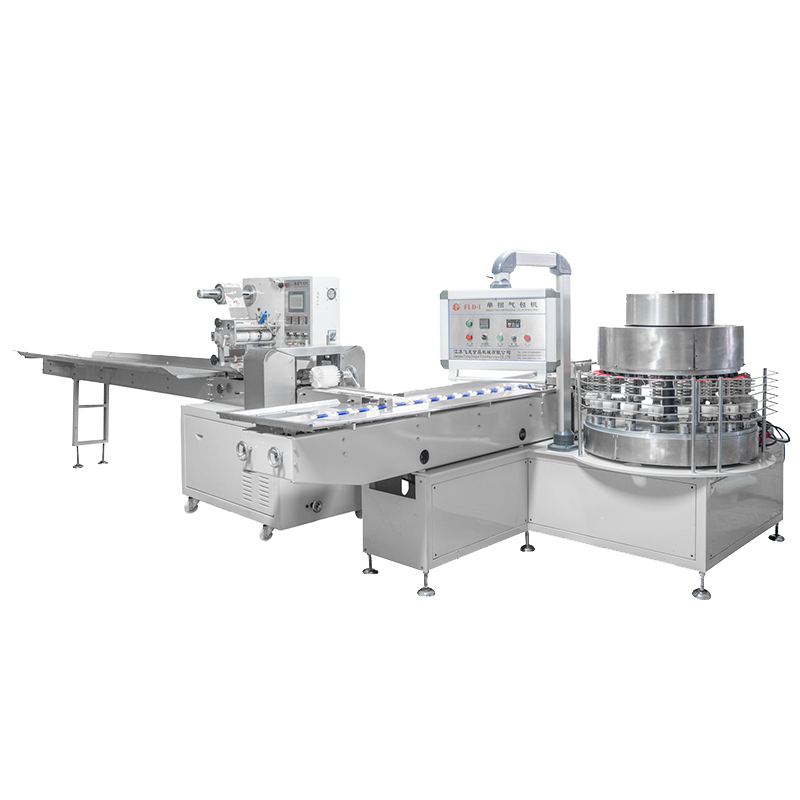
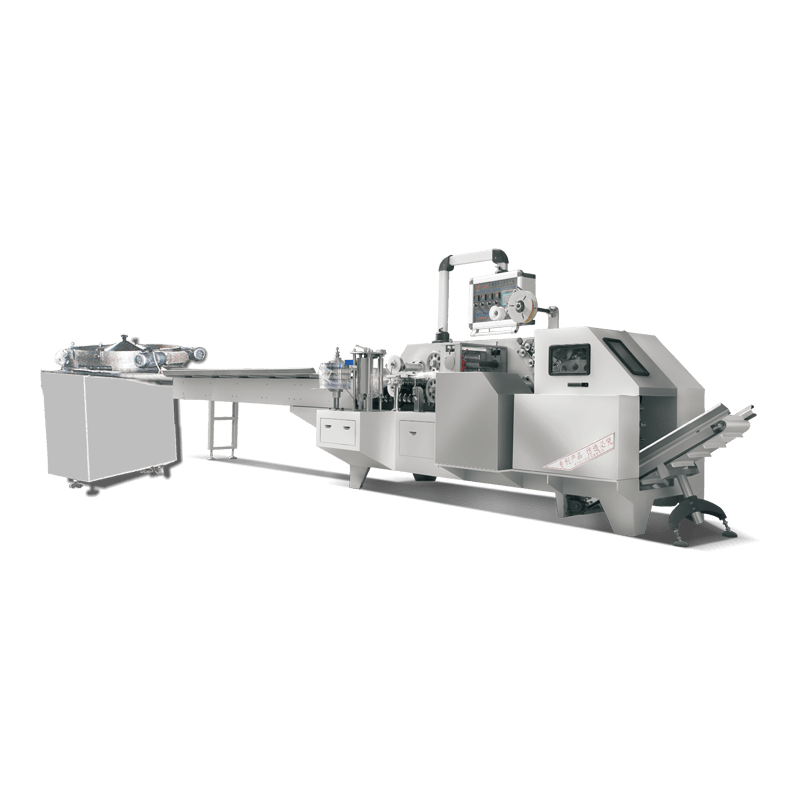
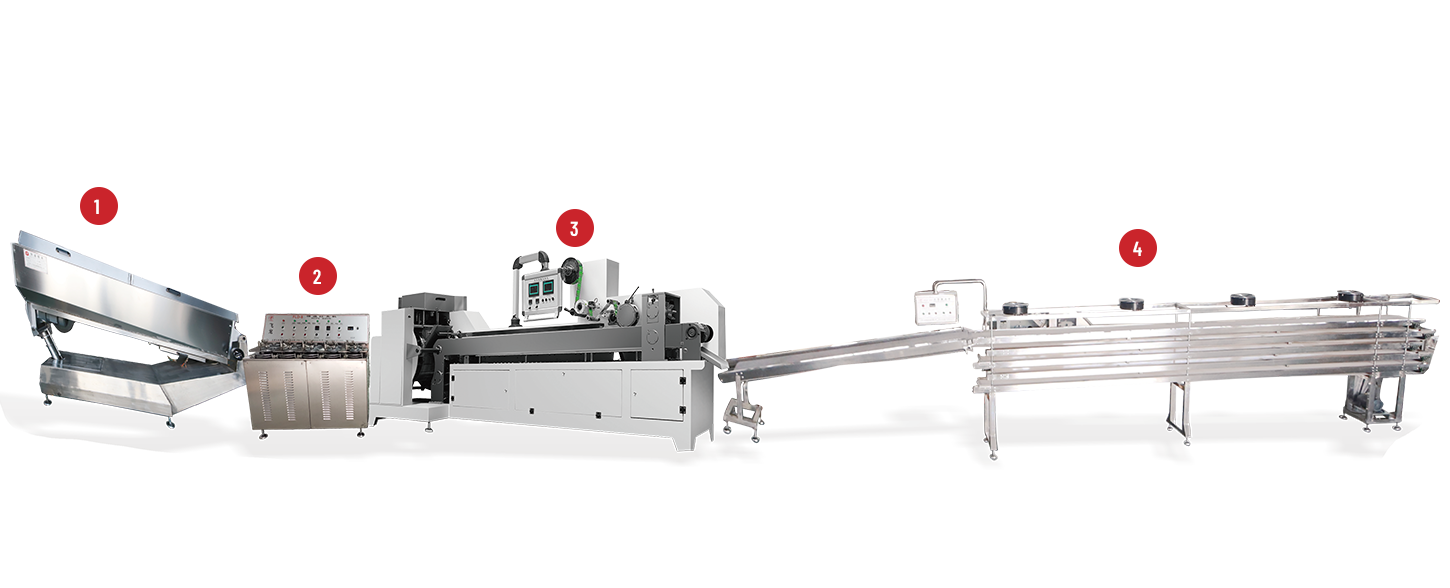
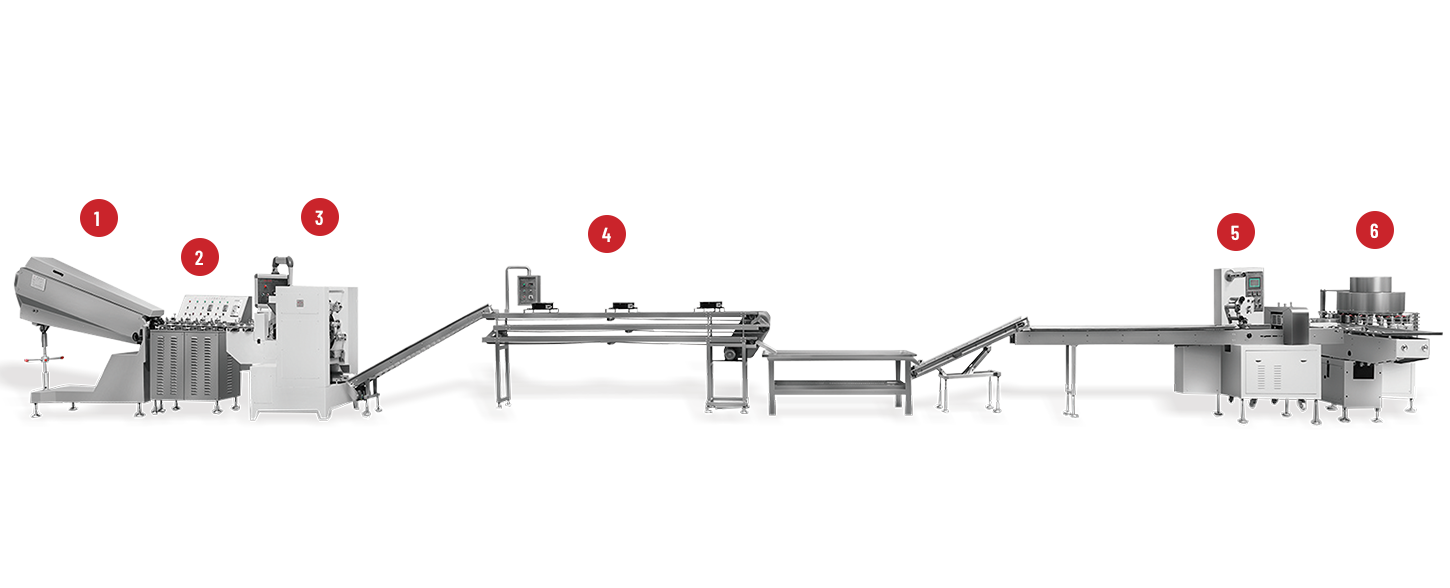
A lollipop production line is often treated as a central system rather than a single machine. Once it is running, it becomes part of daily rhythm. When it performs well, the whole process feels controlled. When something is off, small disruptions tend to spread quickly through each stage.
Choosing a manufacturer for this kind of system is not only a purchasing decision. It is closer to planning how production will behave in the long run.
What does "reliable manufacturer" actually mean in real operation?
Reliability is not something that can be judged only at the beginning. Most systems look similar when they are new. The difference appears later, after continuous use.
A reliable manufacturer tends to design equipment that behaves steadily under repeated operation. The system does not rely on constant adjustment to keep running smoothly. Instead, it maintains a stable rhythm on its own.
Another point often noticed in practice is consistency between stages. When melting, forming, cooling, and finishing sections work together without interruption, the system feels more balanced. That balance is usually the result of careful design rather than chance.
Reliability, in real terms, is about how predictable the system feels after weeks or months of operation.
Why does production line structure matter so much?
A lollipop production line is not a single process. It is a chain of connected steps, and each step influences the next one.
If the structure is well arranged, materials move forward without hesitation. The flow feels natural. If the structure is not well balanced, small delays can appear between stages, even if each machine works normally on its own.
These small delays may not stop production, but they can slowly reduce overall efficiency.
Good structure design usually focuses on one simple idea: reducing unnecessary handling. The less material needs to be moved or corrected manually, the more stable the system becomes.
What should be checked when comparing manufacturers?
When selecting a manufacturer, it helps to break down the evaluation into practical points instead of focusing only on appearance or general descriptions.
| Key Aspect | What it looks like in real use | Why it matters in production |
|---|---|---|
| Operational stability | System runs continuously with fewer interruptions | Keeps production flow steady |
| Layout design | Smooth transition between stages | Reduces waiting and idle time |
| Structural balance | Machines stay aligned during long operation | Supports long-term durability |
| Maintenance accessibility | Easy access for cleaning and checks | Reduces downtime during upkeep |
| Adaptability | Can adjust to different production needs | Helps respond to demand changes |
| Communication support | Clear response during planning or issues | Reduces confusion and delays |
This type of comparison is often more useful than focusing on a single specification. In real environments, performance depends on how these factors interact.
How does experience influence real production results?
Manufacturing experience is not only about how long a company has been active. It is more about how many different production situations they have encountered.
A manufacturer with broader experience often understands small but important details. For example, how materials behave during continuous heating, or how minor timing differences between stages affect output flow.
These insights often appear in subtle ways. Machines may feel easier to operate. Adjustments may feel more intuitive. Layout planning may feel more practical.
These differences are not always obvious during initial inspection, but they become noticeable during long-term use.
Why is customization sometimes necessary?
No two production environments are exactly the same. Even when the product is similar, factory space, workflow direction, and output expectations can vary.
Customization allows the production line to fit real working conditions instead of forcing a fixed layout.
For example, some factories may need a compact arrangement. Others may prefer a more open structure for easier access. In some cases, production steps may need slight reordering based on workflow habits.
A practical manufacturer usually focuses on adapting to these conditions rather than offering a single fixed solution.
At the same time, customization should remain functional. Too many complex adjustments can make daily operation harder instead of easier.
How does system stability show itself during operation?
System stability is not always visible at the beginning. It becomes clearer after repeated use.
A stable system tends to run with fewer unexpected stops. Movement between stages feels smooth. There is less need for manual correction during operation.
If a system frequently requires adjustment, even if it still produces output, it may indicate imbalance in design or setup.
In real production, stability often matters more than speed or individual machine performance. A slightly slower but steady system is usually easier to manage over time.
What role does after-sales support play in long-term use?
After installation, the relationship between manufacturer and user does not end. In fact, this is when real operation begins.
Support becomes important when adjustments are needed or when unexpected situations appear during production.
Good support is not only about solving problems quickly. It also involves helping operators understand how to keep the system stable during daily use.
Clear communication during this stage can reduce downtime and prevent small issues from turning into larger interruptions.
Why does maintenance design matter more than expected?
Most people treat maintenance as an after‑thought job, but it's actually part of regular day‑to‑day running.
When a system is built with upkeep in mind, cleaning and checking parts becomes quick and straightforward. That means small faults are far less likely to get overlooked.
If maintenance is awkward and time‑consuming, teams tend to put it off. Little problems pile up slowly over time and start dragging down overall performance.
Good design makes maintenance a normal routine task instead of something that disrupts regular work.
How does automation level affect practical use?
Automation gets talked about as a standout feature, but its real usefulness comes down to how well it fits real‑world production demands.
More automation cuts down manual work and keeps output more consistent. On the other hand, it needs steady working conditions and careful initial setup.
Less automation lets operators take direct control, but it means constant hands‑on attention during operation.
Neither choice is always superior. What works better depends on production size, how experienced operators are, and how the whole workflow is arranged.
Dependable suppliers tailor automation levels to actual site conditions, rather than pushing one one‑size‑fits‑all solution.
Why is overall system balance more important than individual features?
It's tempting to fixate on single high‑performance parts along a production line. But real‑world performance hinges on how every component works as one whole unit.
Even top‑quality individual parts won't deliver good results if they don't integrate properly with the rest of the setup.
Well‑balanced systems run far more predictably. They need fewer ongoing adjustments and suffer less unexpected downtime.
When it comes to daily production stability, this overall balance matters more than any single technical specification.
How do long-term production needs influence decision-making?
A lollipop production line is not a short-term purchase. It is expected to support production for a long period.
Over time, production demand may change. Output may increase or shift. A suitable system should be able to handle these changes without major redesign.
This is why flexibility, stability, and support all matter when choosing a manufacturer.
The goal is not only to start production, but to maintain a steady workflow that can adapt naturally over time without unnecessary disruption.
 +86-(0)515-8465666
 +86-(0)515-85566996
 +86-138 1559 9708
 flyloong@flyloongcn.com
 Home
Home