

 ENG
ENG
 English
 中文简体
中文简体 русский
 Français
 Español
 عربى
عربى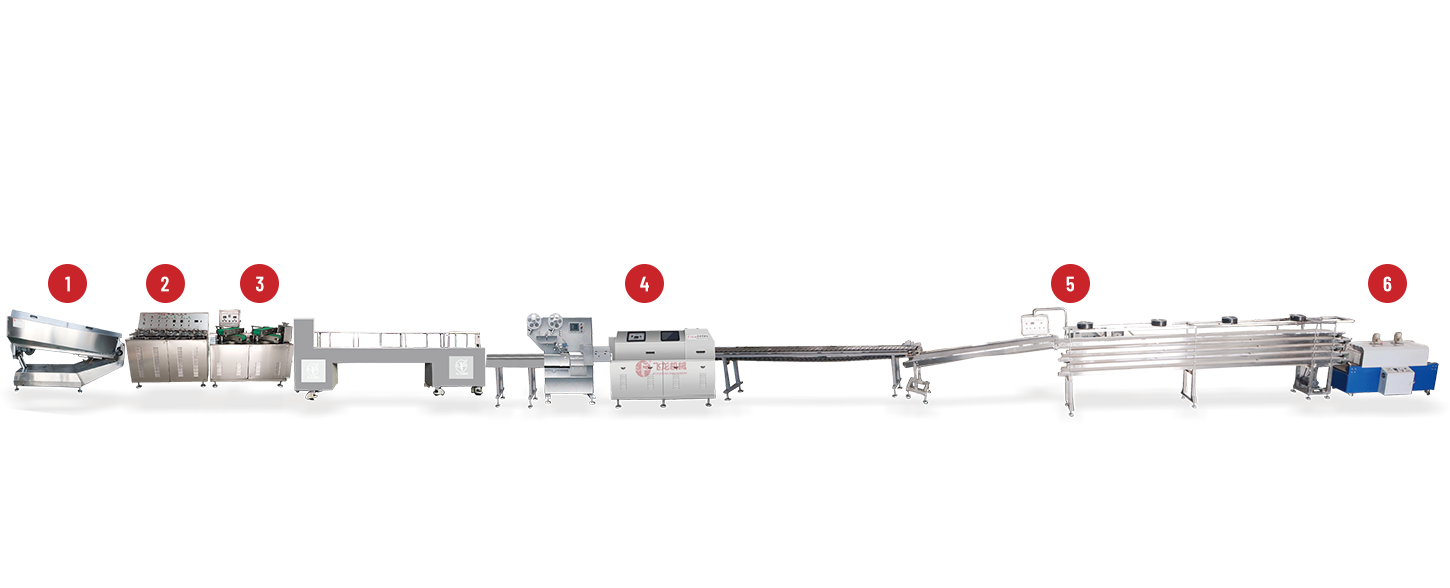
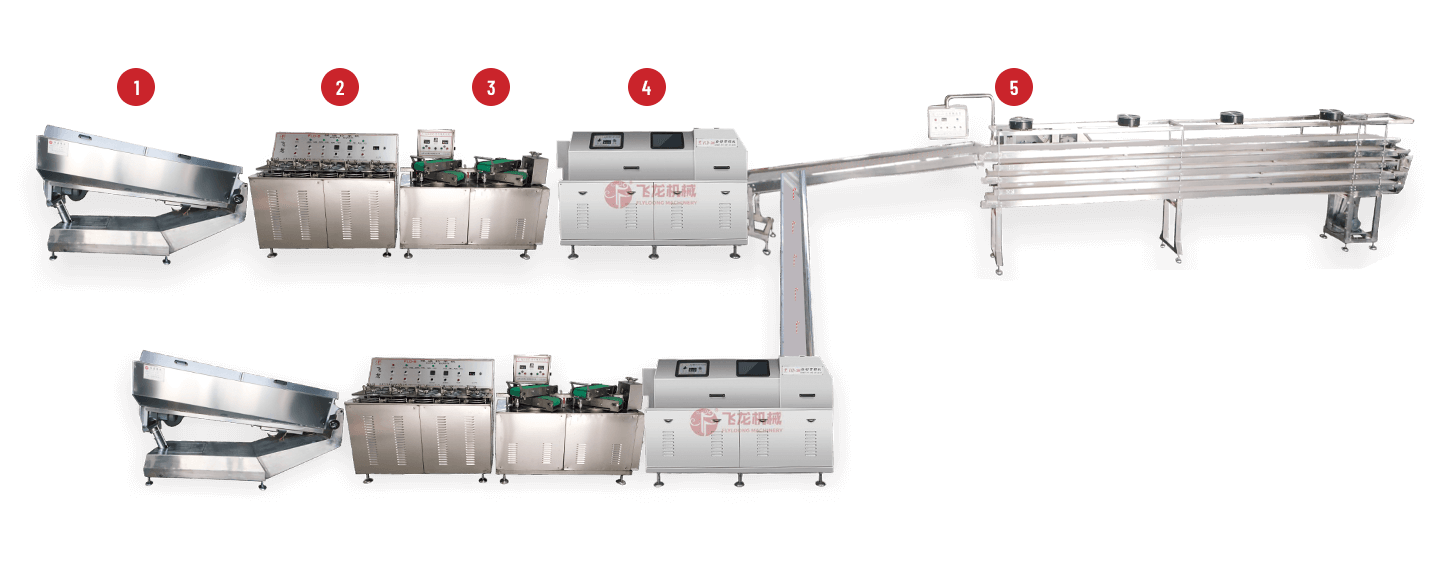
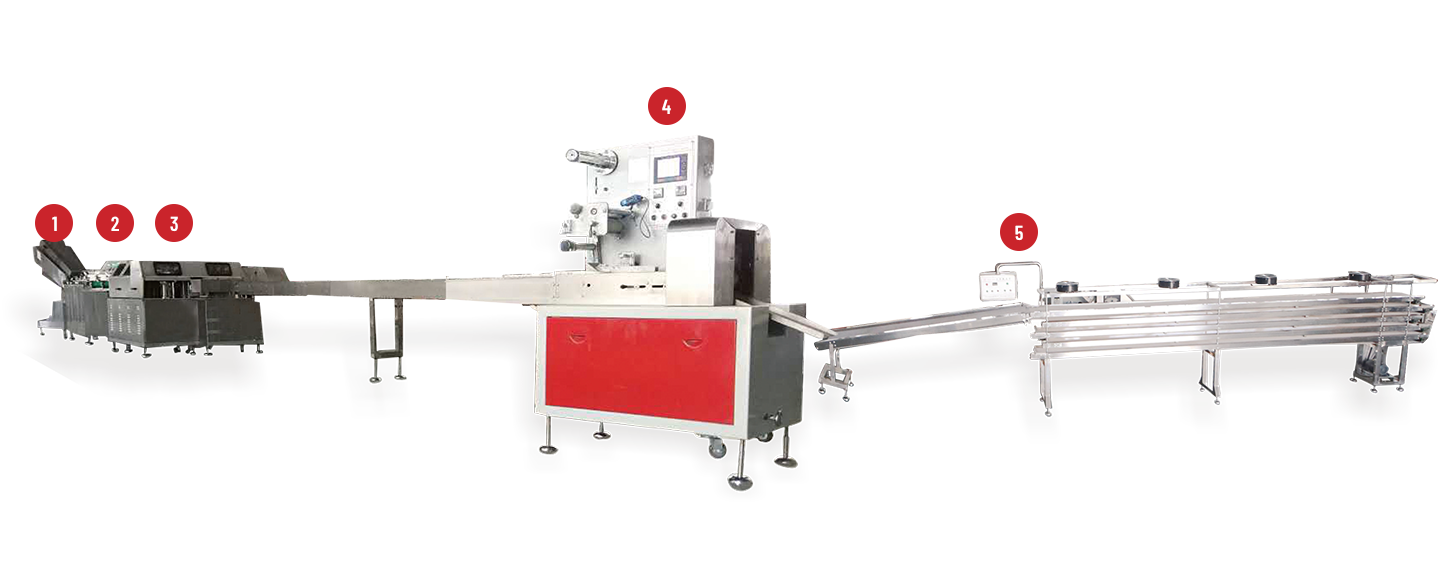
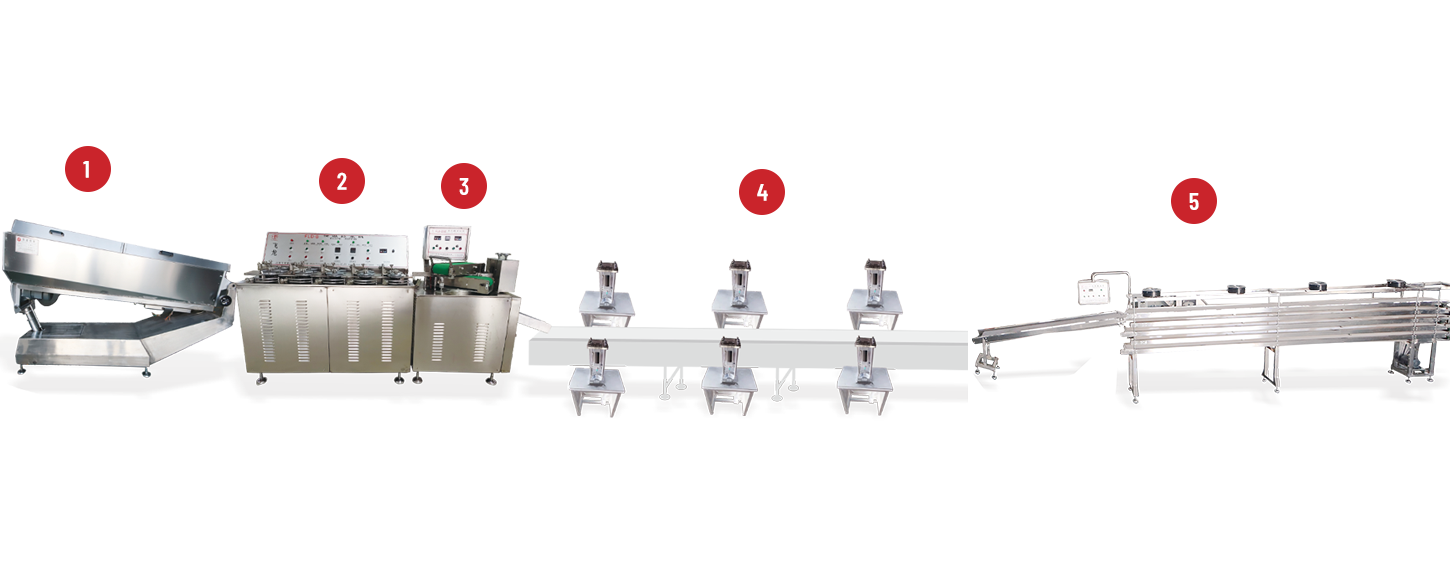

How a Spoon Candy Machine Factory Helps Small Producers Make Consistent Candy Efficiently
Spoon Candy Machine Factory capability matters a great deal to small confectionery brands. Choosing the right manufacturer shapes not only the rate of production but also how quickly a business can test new flavors, scale up output, control costs, and maintain food-safety standards. In practical terms, a well-matched factory means fewer surprises after purchase: shorter commissioning times, predictable spare-part flows, and machines designed to fit real shop-floor constraints.
Why the factory matters more than the sales brochure
When you skim marketing sheets, specs often focus on speed or showy automation. Those numbers matter, but they are not the whole story. The manufacturer's production practices, quality controls, and after-sale behavior determine whether a machine turns into a reliable asset or a recurring headache.
Think of the machine as a recipe holder. The machine can only execute repeatable results if the company that built it understands how to stabilize key variables — heating curve, dosing consistency, cooling rate, and mold alignment. A factory that runs robust process testing and documents those settings gives you reproducible outcomes. One quick example: two suppliers may list "automatic dosing" on their spec sheets, but only one provides a documented coefficient of variation for dosing at production speed. That number — and whether the factory will share it — tells you which offering is likely to behave predictably on day one.
Another practical reason to prefer a direct factory relationship is parts and service. Small outfits cannot afford long times for a worn mold or a broken belt. A manufacturer that has regional spare inventories or fast courier agreements removes a major operational risk. Finally, the factory's commissioning approach — whether they provide on-site startup support, recipe transfer, and initial parameter tuning — directly affects how quickly your line reaches target output.
What makes a factory suitable for small candy operations
Not all factories are built to serve small brands. Some are optimized for high-volume commodity candy; others are more flexible and suited to low-to-medium runs with frequent product changes. Here's what matters for small producers.
Process repeatability and recipe control
You want machines that can save and lock production recipes, including heating ramps, dosing times, and cooling parameters. A good control system stores batch records and lets you export them for traceability.
Modularity and quick changeover
Look for quick-release mold systems, modular dosing heads, and plug-and-play feeder modules. Quick changeovers translate directly into less downtime when you switch flavors or molds.
Hygiene-forward design
Food-contact parts should be easy to remove, clean, and reassemble without special tools. Smooth surfaces and minimal crevices make manual cleaning faster; if the machine supports CIP or hygienic wash-down, that is a bonus.
Spare parts strategy
Ask whether the factory offers a starter spare kit: belts, seals, drive sprockets, a complete mold, or a spare dosing pump. Also check typical times for consumables.
Test data and factory acceptance testing
A factory that runs a documented FAT and provides data — temperature logs, dosing variance, and a short-run sample batch — is more likely to deliver a machine that works out of the box.
Training and documentation
Operating manuals are necessary, but you also want on-site training for production and maintenance staff. Training reduces operator errors and ensures that the machine is used as intended.
How a factory reduces production delays: practical mechanisms
Reducing downtime is mostly about design choices and supply rhythm. The manufacturer's attention to these areas determines how often your line stops unexpectedly and how long it takes to get back online.
Design choices that shorten downtime
- Service access: Panels and guards that can be removed without tools reduce inspection and repair times.
- Standardized fasteners: Using common screw sizes and clamp systems cuts the time technicians need for disassembly.
- Modular replacement parts: Swap-out modules (e.g., dosing head assembly) allow quick fixes that don't require disassembling the entire machine.
Production and testing practices
- Pre-shipment runs: If the factory performs a long-run test at customer-representative settings and shares the logs, many setup and balancing issues will be detected before shipment.
- Calibration certificates: Machines with calibrated dosing scales and temperature controllers provide measurable baselines for acceptance.
Parts and logistics
- Local stocking or regional hubs: A manufacturer with spare-part distribution closer to your site shortens repair windows.
- Commonality of parts: Factories that use widely available pumps, bearings, and belts reduce the odds that a repair will be delayed because a part is obsolete or proprietary.
Support and remote assistance
- Remote diagnostics: Machines that expose error logs or allow secure remote sessions often get fixed faster because engineers can diagnose before arriving on site.
- Service agreements: Clear SLAs for response times and resolution expectations remove ambiguity when a breakdown occurs.
Features to check before you sign: an itemized checklist
Below is a practical list you can bring to vendor meetings. Ask the factory to demonstrate or provide records for each item.
- Dosing accuracy — Ask for coefficient of variation (CV) figures at production rate. A CV below 3% at speed is a reasonable target for many confectionery products.
- Heating control — Is the heater zoned? Do sensors provide continuous logging? Can the system run a pre-programmed temperature curve?
- Mold handling — Are molds quick-release? What are typical disassembly times? Can the factory provide spare molds?
- Cleaning time — How long does a full sanitary clean require? Does the machine support tool-less access?
- Batch traceability — Can the machine log batch IDs, operator IDs, and parameter sets and export them?
- Safety features — Guards, E-stops, interlocks, and hygiene-compatible safety solutions.
- Electrical and food-contact certificates — regional equivalents for safety and food contact materials.
- Spare part times — Typical delivery times for consumables and critical items.
- Training scope — On-site days, participants, and whether the factory stays for initial batches.
- Customization boundaries — Which changes are configurable and which require engineering review?
| Capability area | What to ask the factory | Good sign | Red flag |
|---|---|---|---|
| Dosing accuracy | CV at production speed; calibration records | CV < 3% with test report | No CV data or vague answers |
| Temperature control | Zoned heating? Data logging? Curve storage? | Multi-zone control, exportable logs | Single-zone, no logs |
| Mold handling | Quick-release? Disassembly time? Spare molds? | Tool-free change, spare mold option | Bolted molds, long disassembly |
| Cleaning & hygiene | CIP? Tool-free panels? Expected clean time | Short clean cycles, CIP option | Long clean time, many hidden cavities |
| Batch traceability | Can export batch logs and operator data? | Recipe lock, batch export | No batch logging |
| Spare parts & logistics | Local stock; spare kits | Regional hubs or spare kits | Parts shipped internationally with long time |
| FAT & testing | Is FAT done? Can data be provided? | Full FAT with logs included | No FAT or only visual checks |
| Training | On-site training included? Materials? | Training days included; manuals | No training or paid-only support |
| Compliance | Food contact approvals & safety certificates | Certificates provided and current | No certificates or expired docs |
Why startups and small brands often prefer factory-level partnerships
Small producers want practical advantages that help them iterate quickly. Working with a manufacturer that understands lower-volume, multi-SKU operations gives several advantages.
Rapid recipe transfer and reproducibility
Small teams typically tweak a formula dozens of times. A manufacturer that helps convert those trials into stored machine recipes will save you a lot of rework. When the machine can save, lock, and export these recipes, repeatability improves.
Scalable modularity
If you plan to expand, a modular machine — one that allows you to add a second dosing head or an extra cooling tunnel — helps you grow without replacing the entire line.
Close onboarding support
Many smaller manufacturers include hands-on commissioning and initial-assisted runs in the purchase package. That support matters more than a lower price because it shortens the learning curve.
Package and line integration advice
Some factories will advise on downstream packaging equipment or even provide bundled solutions. For startups this reduces vendor management and helps match output rates across the line.
Practical tips to maximize efficiency once the machine arrives
Purchasing the right machine is step one. How you run it determines whether you get reliable output. These are hands-on practices that seasoned shops use.
Define acceptance tests and measure them
Agree with the factory on a short-run acceptance test: X kg/hour for Y hours with CV < Z%. Run it on-site and record the data.
Start with a pilot schedule
Don't immediately ramp to full capacity. Run a week at partial throughput, collect performance data, then adjust.
Train multiple operators
Never have only one person who knows how to run or clean the machine. Cross-training reduces single-point failure risk.
Document your variations
Keep a log of small adjustments that work — and when they were made. Record keeping turns tribal knowledge into useful SOPs.
Plan spare parts proactively
Keep the recommended starter kit on hand and record part replacements so you can refine reorder points.
Schedule preventive maintenance blocks
Some small shops do maintenance every weekend with minimal downtime. Avoid "wait-until-it-breaks" mentality.
Use data to spot drift
If the machine logs temperatures and dosing, review last week's data every morning. Small drift often precedes failures.
Run a cleaning-first shift when changing flavors
A short cleaning cycle before a production run prevents contamination and avoids long corrective cleaning later.
Retain a direct technical contact at the factory
Have a named engineer who knows your machine and recipe. It saves time when troubleshooting.
Iterate on packaging & downstream timing
If your packaging speed doesn't match production, you'll create bottlenecks. Sync packaging rates to machine output during commissioning.
Commissioning: what good handover looks like
A strong commissioning process ensures the machine performs at target metrics and your staff is able to operate it.
- Pre-shipment configuration: Confirm that the machine leaves the factory set to your primary recipe or to a close baseline.
- FAT Review: Request the factory's FAT report and have it signed off before shipment.
- On-site setup: Technician-led setup should include electrical checks, belt tensioning, and baseline calibration.
- Trial runs with your recipe: Have the factory run your actual flavor formula for a few hours to log behavior.
- Operator training: Minimum two operators plus one maintenance person trained on-site.
- Acceptance tests: Run agreed tests (output, dosing CV, product quality) and sign off to accept the machine.
Ensure acceptance criteria are in the contract. If performance deviations occur, a clear remediation path avoids disputes.
Spare parts, warranty, and service contracts
Spell these items out in contracts.
- Spare parts list: Define which parts you'll stock and the supplier prices for those parts.
- Times: Ask for guaranteed or typical times for critical parts. Consider adding a clause for expedited shipping when downtime exceeds X hours.
- Warranty: Define coverage period and components included. Clarify wear-and-tear exclusions.
- Response times: For on-site support, state response windows for your region (e.g., 48 hours).
- Training and documentation updates: Confirm who updates manuals in case of later design changes.
Service contracts can be tiered: basic remote diagnostics vs. premium on-site support. Select what matches your risk tolerance and budget.
Food safety, compliance, and documentation
Food-grade materials and regulatory compliance are non-negotiable.
- Material certificates: Request material safety and compliance certificates for all parts in contact with product.
- Traceability: Ensure machines support batch logging and product traceability for recall readiness.
- Cleaning validation: If your process requires frequent flavor changes, validate cleaning cycles and acceptable residue levels.
- Third-party audits: If required, ask the factory to support audits or provide third-party certifications aligning with your market.
Documented compliance reduces risk and simplifies market entry.
Estimating total cost of ownership
TCO should be modeled over at least three years and include:
- Purchase price and financing costs.
- Installation and commissioning costs.
- Energy consumption (kW-h per 1000 units) — get factory figures for typical loads.
- Maintenance labor and spare parts costs.
- Downtime cost (lost production margin per hour).
- Resale value assumptions after standard depreciation.
A modestly more expensive machine that halves downtime usually pays back quickly. Ask factories for realistic energy and wear numbers based on similar users.
Where to find and validate candidate factories
- Trade shows: See machines running and ask for sample runs.
- Industry forums and user groups: Find shops using similar machines and ask about long-term performance.
- Regional distributors: They can provide local support but still check factory-level data.
- Factory visits: If possible, inspect production lines and raw-material handling practices.
- Sample trials: Insist on a sample run with your formula at the factory or a pilot shipped machine tested on-site.
Always verify references and ask to speak to a user who runs a similar product mix.
Contract negotiation points to protect your operation
- Define clear acceptance tests and remedial actions if tests fail.
- Include spare part guarantees for critical parts.
- Specify training scope and number of on-site days included.
- Include a staged payment schedule linked to milestones (shipment, commissioning, acceptance).
- Agree on warranty response SLAs and escalation contacts.
- If customization is requested, document change approvals, costs, and re-test protocols.
These clauses reduce ambiguity during tricky handover phases.
Checklist: what to do before you place an order
- Run through the capability table with the factory and get written answers.
- Confirm FAT procedures and request test data.
- Agree on spare parts starter kit and local stock arrangements.
- Ensure on-site commissioning, training days, and acceptance tests are contractually bound.
- Validate all food-contact material certificates and safety approvals.
- Plan a pilot production schedule after commissioning before full-scale runs.
- Budget for a small inventory of critical spares for the12 months.
- Identify a primary factory technical contact and backup.
- Prepare on-site power, utilities, and floor layout in advance.
- Schedule follow-up performance reviews at 30 and 90 days.
Buying a spoon candy machine is more than a price comparison. It is about matching process capability, spare-part logic, and post-sale support to your business rhythm. Bring questions that force clarity about real-world operation — dosing variance, cleaning times, spare-part times, warranty mechanics, and commissioning scope. Treat the factory conversation like a technical review. The clearer and more specific your requirements, the likelier the machine will deliver predictable, repeatable candy that delights customers and keeps your production schedule intact.
 +86-(0)515-8465666
 +86-(0)515-85566996
 +86-138 1559 9708
 flyloong@flyloongcn.com
 Home
Home