

 ENG
ENG
 English
 中文简体
中文简体 русский
 Français
 Español
 عربى
عربى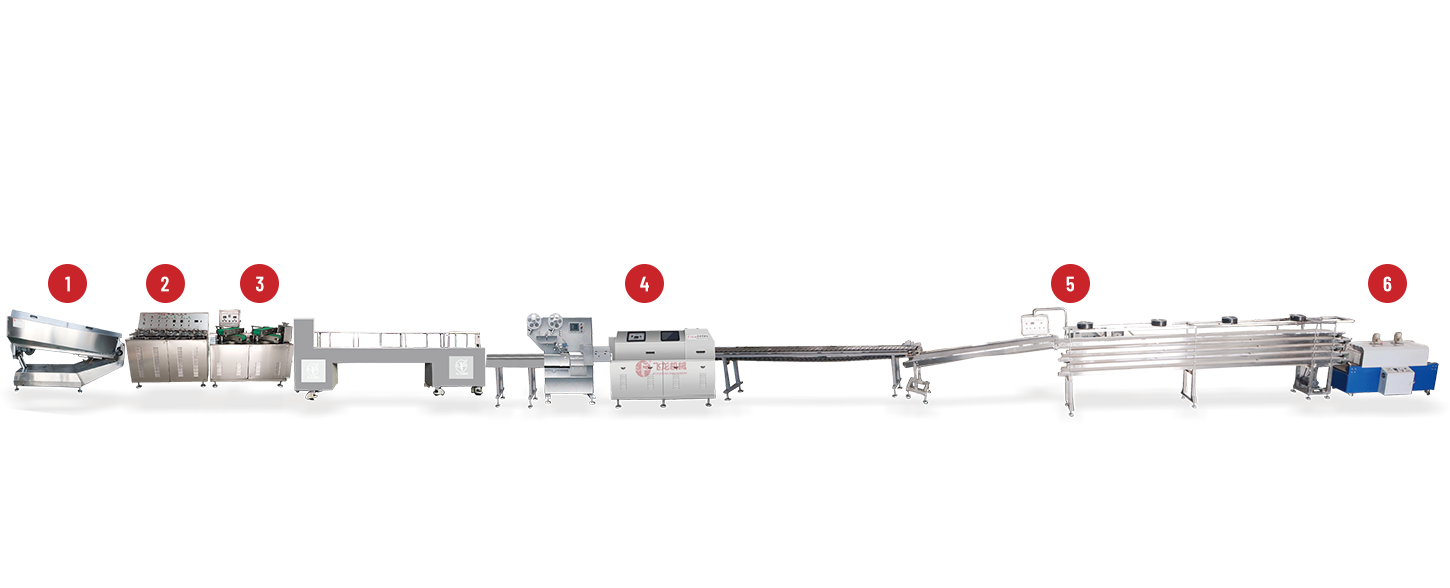
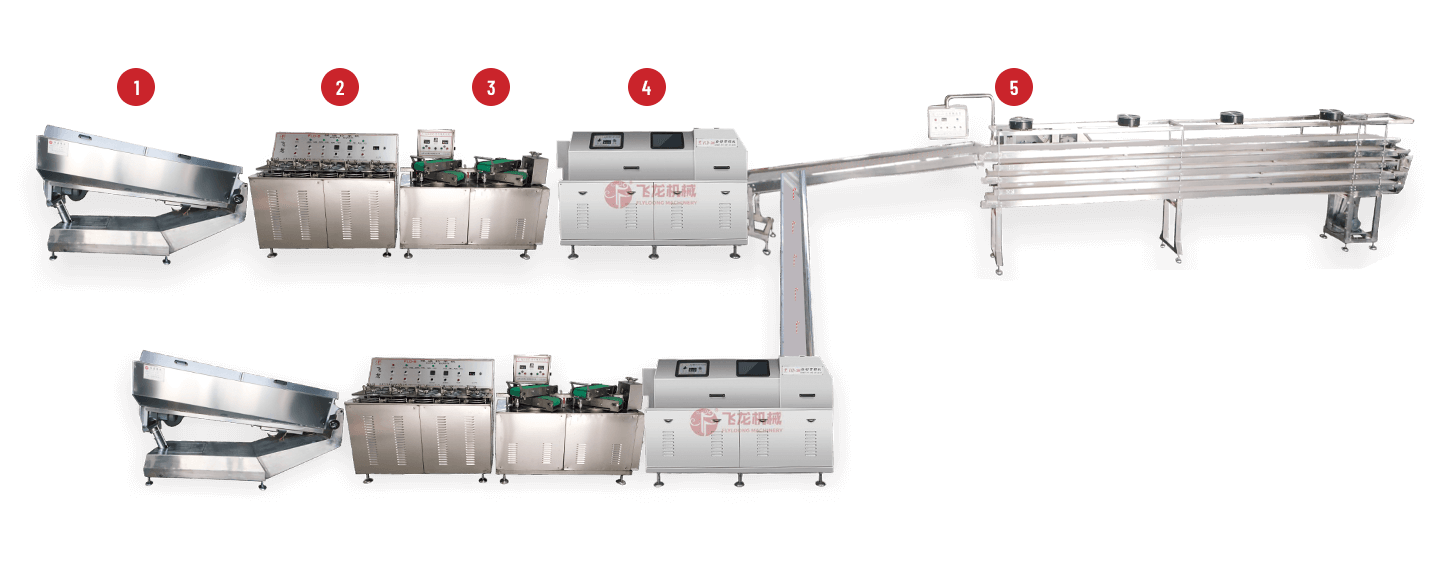
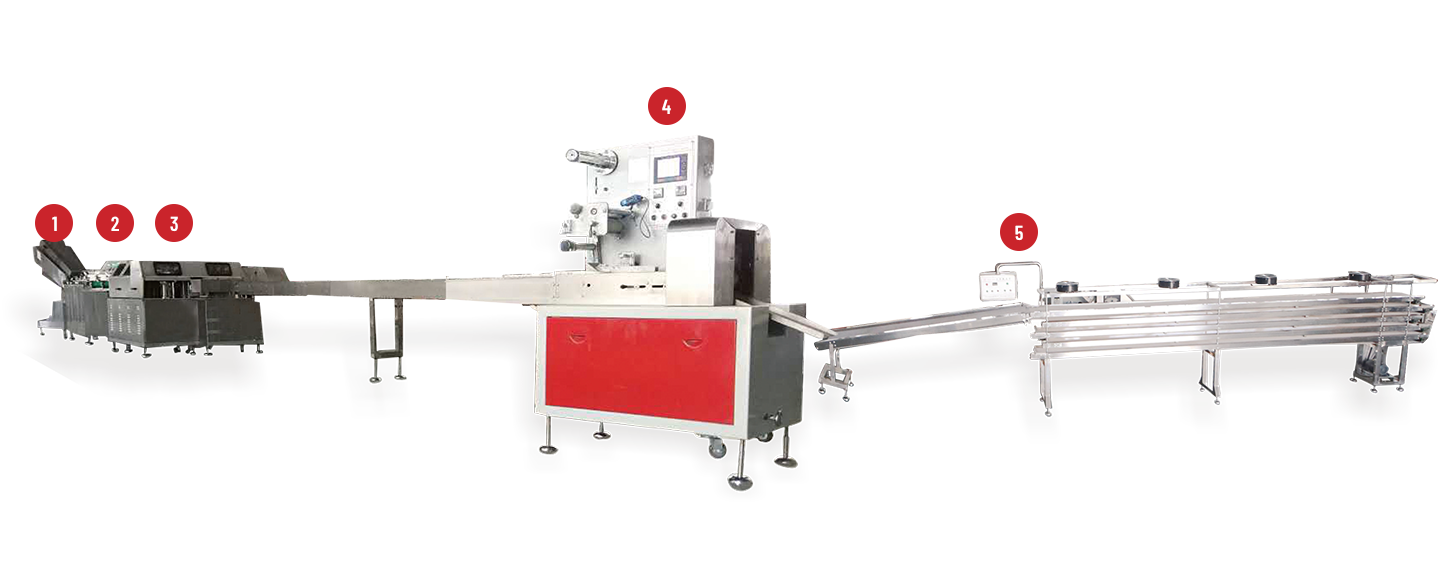
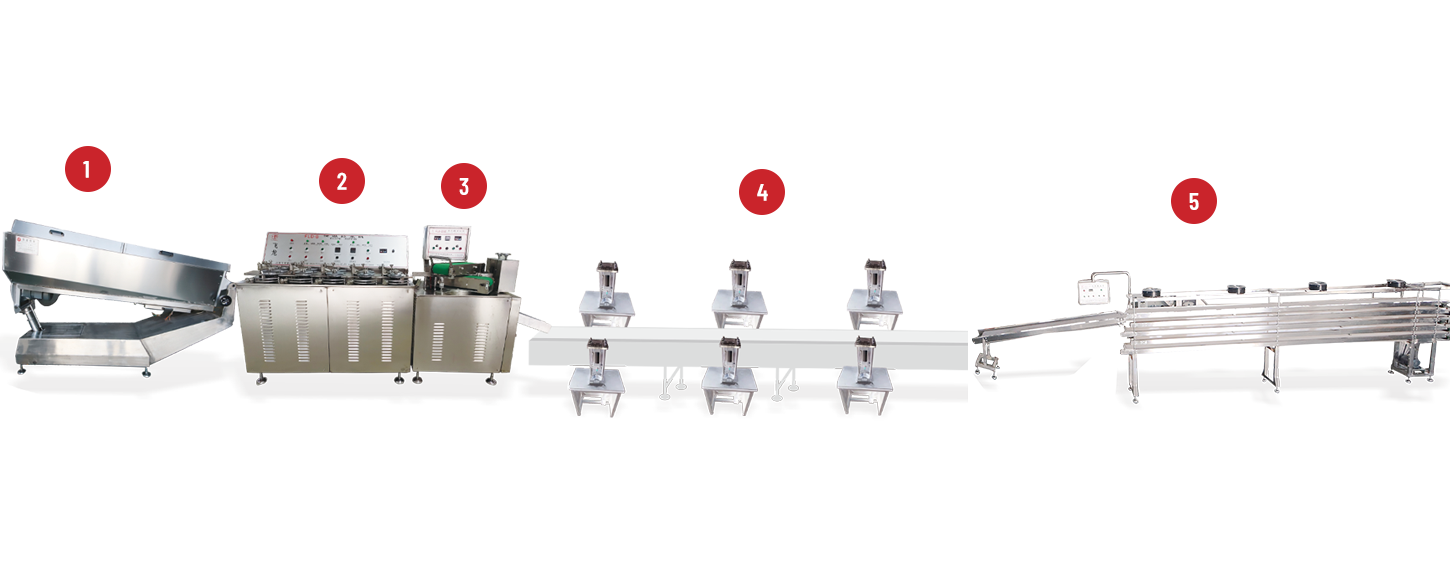
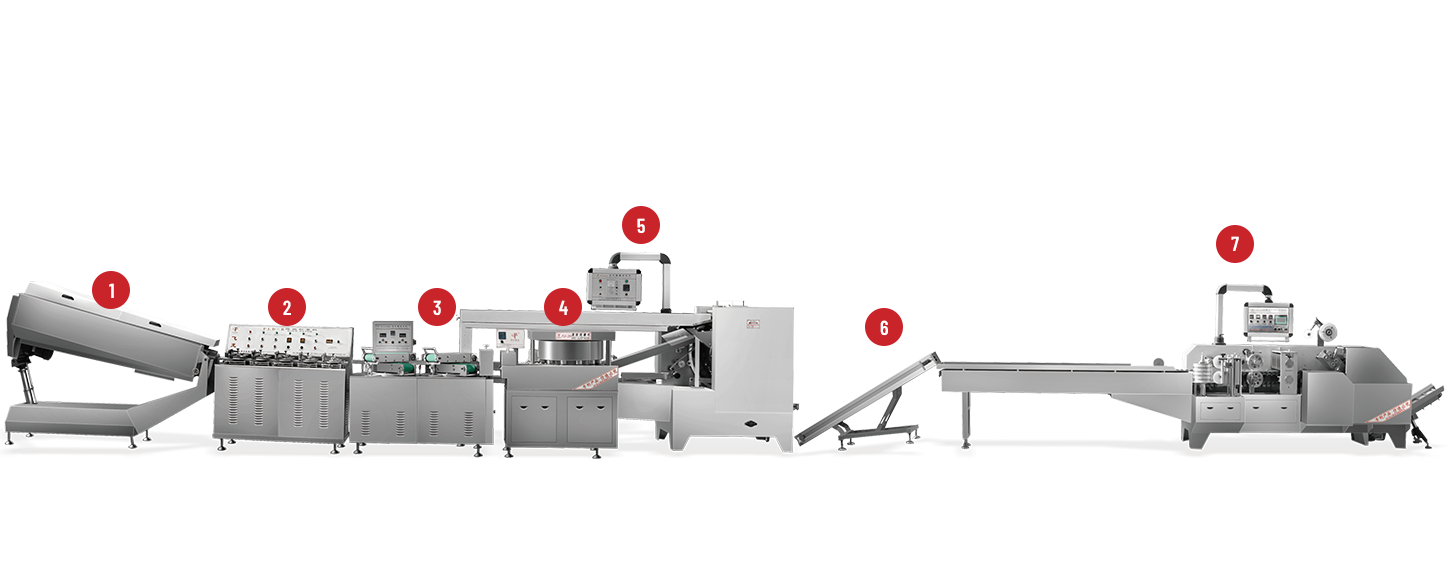
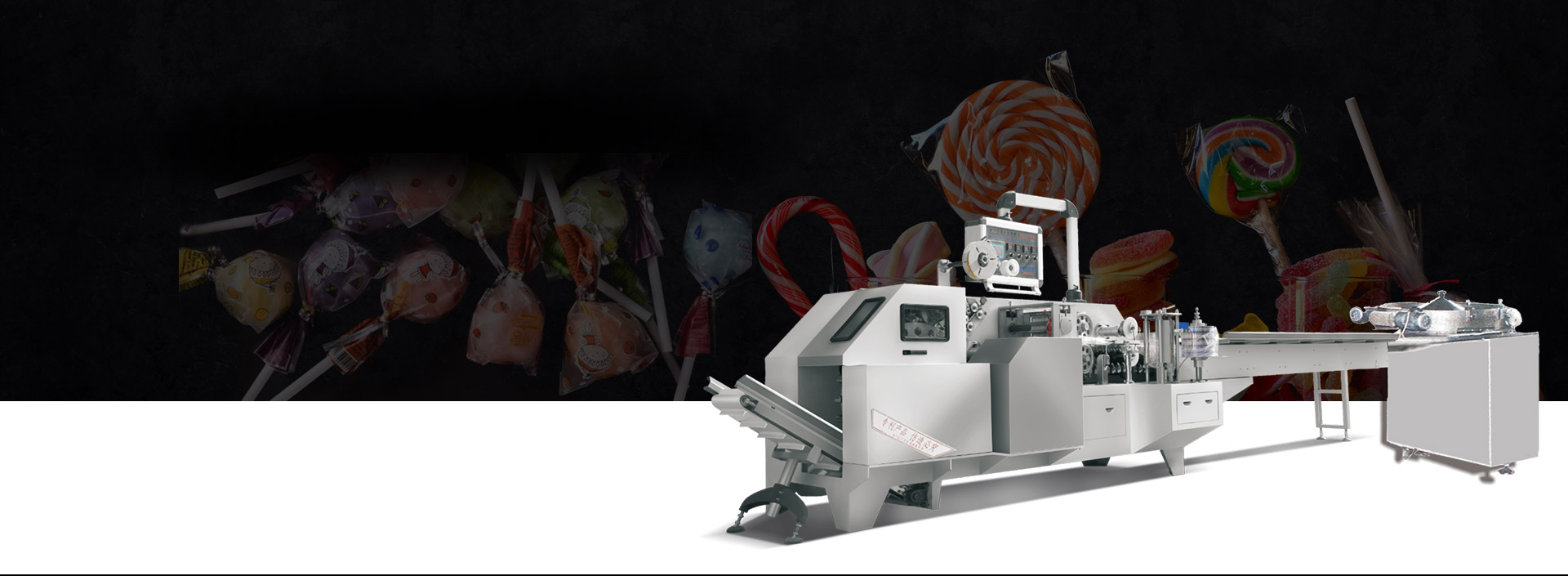
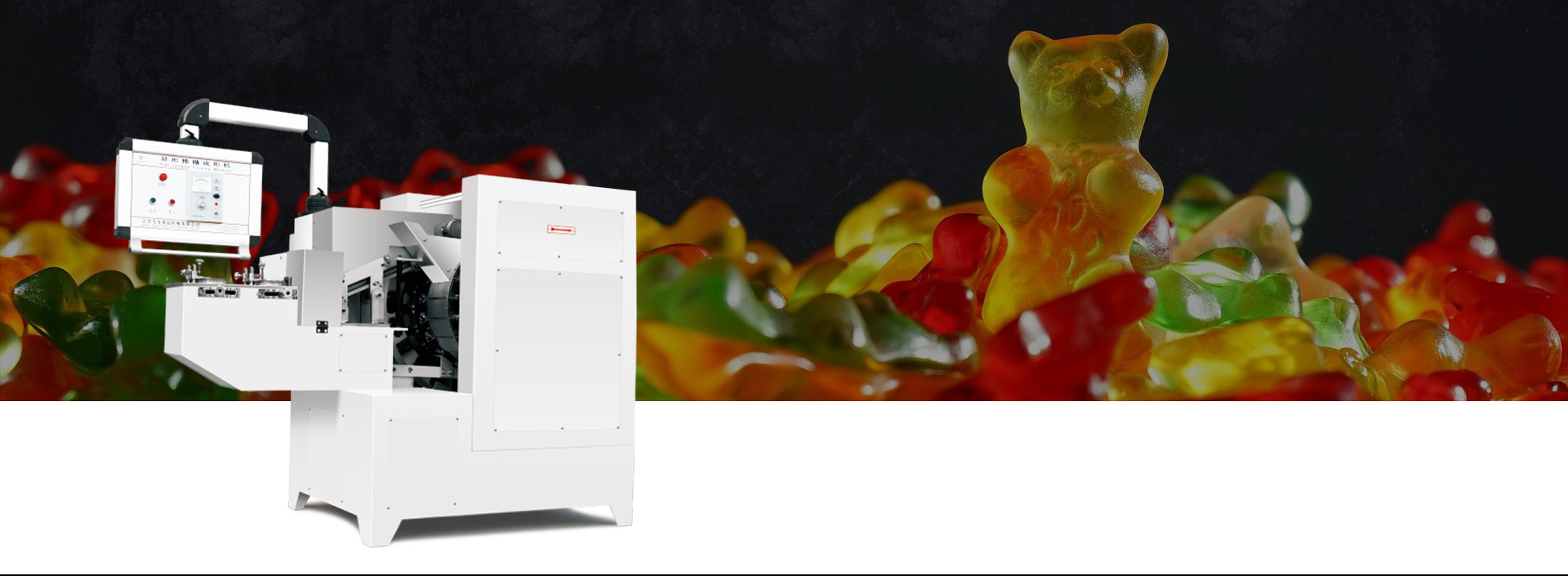
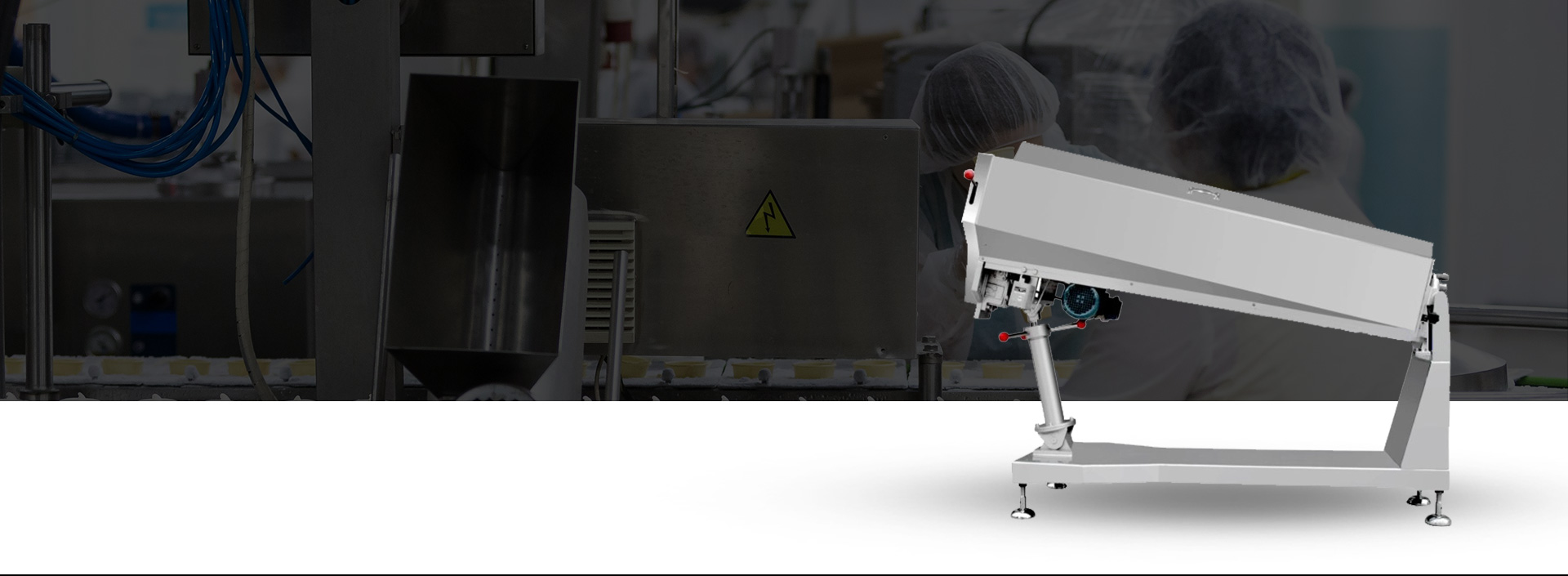
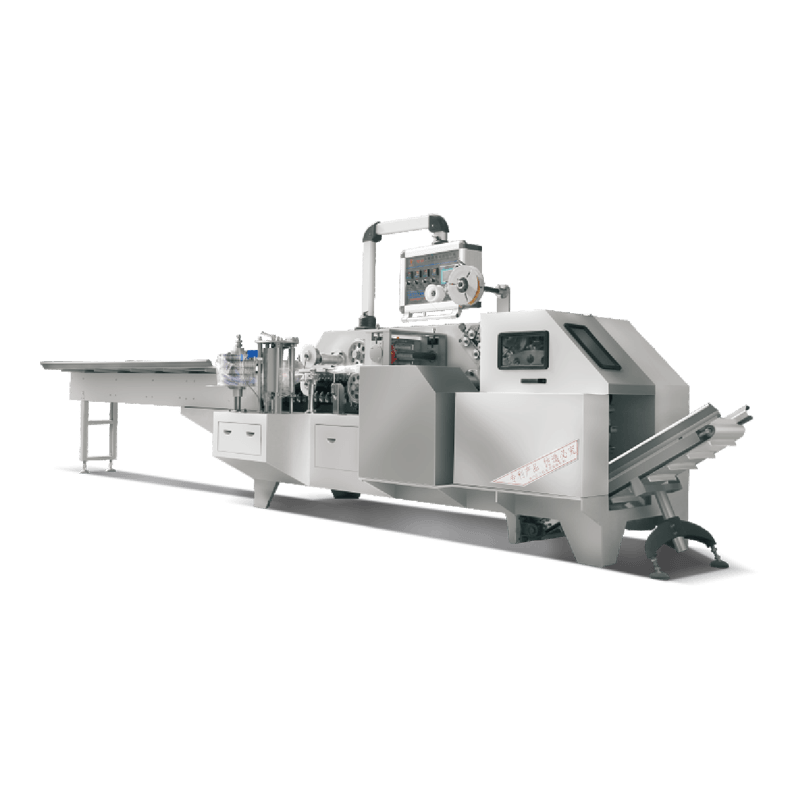
What's a Chocolate Twist Packing Machine
A Chocolate Twist Packing Machine is a piece of equipment used to wrap small chocolate pieces with a film or foil sheet and close the ends with a simple twist. The idea is straightforward: each piece gets its own layer of protection so it stays clean, dry, and easy to handle. Many producers use this style because it gives chocolates a neat, familiar look that works well in gift bags, mixed assortments, and small retail packs.
In most factories, this machine sits at the final stage of the production line. The chocolates arrive from cooling or molding, move onto the feeding section, and then enter the wrapping area. The film is pulled from a roll, cut to size, and folded around the piece. After that, both ends are twisted by mechanical arms or rotating parts to form the classic wrapped-candy shape people see in many seasonal and sharing products.
This type of wrapping is common for mini balls, small cubes, oval pieces, and other bite-sized shapes. It is especially useful when a producer needs each piece to look tidy and consistent. A twist seal is also easy to open, which makes it suitable for items meant for quick snacks or group settings.
Common Wrapping Styles in Confectionery
| Style | Key Feature | Typical Use |
|---|---|---|
| Twist Wrap | Film twisted at both ends | Small chocolates, gift mixes, wrapped assortments |
| Flow Wrap | Film sealed along edges | Chocolate bars, biscuits, snacks |
| Fold Wrap | Film folded around the piece | Tablet-style items, boxed pieces |
A twist wrapping machine does more than make the product look organized. It also helps keep the chocolate from absorbing unwanted smells or moisture while it sits in storage or travels through distribution. For businesses shipping goods over long distances, neat wrapping can reduce product damage and make the final display more stable.
Because this wrapping style fits many small shapes, it is often used by producers who run several product lines or seasonal collections. It also works well for factories that handle a mix of bulk orders and smaller specialty batches.
In short, a chocolate twist packing machine prepares each chocolate for the last step before leaving the factory. It gives the piece a clean finish, protects it from handling, and supports a steady workflow on busy production days.
How Do Chocolate Twist Packing Machine Work?
Chocolate twist wrapping is a familiar sight in many confectionery factories, but the same wrapping method is also used for marshmallow pieces, jelly bites, soft candy drops, and small lollipop units that fit the twist style. Although these products differ in firmness and texture, the working steps of a twist packing machine share a consistent rhythm. Understanding this rhythm helps buyers compare equipment and plan production more confidently.
1. Preparing the Candies Before Wrapping
Before entering the machine, candies usually pass through a short preparation stage. Workers or upstream equipment keep the pieces clean, separated, and roughly aligned. Chocolate needs protection from smudging, while jelly and soft candy require spacing to keep surfaces from sticking. Lollipop units shaped for twist wrapping must also remain upright so they rotate into position smoothly.
Once these items move toward the feeder, the machine begins managing their spacing. A gentle flow maintains order without letting candies collide. This matters because any small bump at this stage can shift the timing downstream.
2. Controlled Feeding and Orientation
The twist packing machine uses a conveyor or a vibrating guide to move candies into a single file. Instead of rushing items through, the movement stays even. Chocolate needs soft handling, and marshmallow pieces can compress easily, so the machine maintains a stable rhythm.
Sensors or mechanical stops can help regulate the distance between candies. This creates predictable movement so each piece arrives at the wrapping station one at a time. When handling jelly or soft candy, consistent spacing also limits contact, reducing the chance of marks on the surface.
3. Film Delivery, Measuring, and Cutting
A continuous roll of wrapping film sits at the back of the machine. As the candy approaches, the film unwinds through rollers. These rollers do several things at once:
- keep the material flat
- prevent wrinkles
- stabilize tension
Once the film reaches a certain point, a blade cuts it into a sheet. The sheet size matches the candy category, whether it is a chocolate bite or a small marshmallow cube. The purpose is simple: enough room to wrap without leaving excessive material.
4. Timing the Drop: Placing the Candy on the Film
This part shows how coordinated the machine really is. As soon as the film sheet settles into position, the candy arrives overhead. The drop timing matches the film presentation so the candy lands near the center. If the sheet appears too early or too late, the wrap would not fold correctly.
Chocolate pieces benefit from accurate placement because a centered drop avoids uneven pressure during twisting. Marshmallow or jelly items rely on this accuracy too, since sliding across the film could distort their shape.
5. Folding the Film Around the Candy
When the candy sits on the sheet, the machine uses small guides or forming plates to lift the edges. These edges fold inward to create a loose envelope. Instead of tightly squeezing the candy, the machine keeps enough space for a clean twist.
With chocolate, this avoids surface cracks. With softer items, the gentle fold prevents dents. The focus here is balance: secure enough to protect the candy but light enough to maintain shape.
6. Twisting the Ends Into a Secure Wrap
This is the signature moment of a twist packing machine. Two twisting heads or shaping fingers grip both open ends of the wrapper and rotate them in opposite directions. The twist holds the wrap closed without adhesives, making it fast and convenient.
Marshmallow and jelly pieces need even lighter twisting pressure. Soft candy also wraps well with this method because the twist gathers the film without compressing the product. For chocolate, the twist keeps the aroma contained and shields the surface from moisture and dust during handling.
The movement is brief, but the machine repeats it continuously, allowing high production efficiency without stressing the candy.
7. Delivering the Wrapped Candies for Next Processing
After twisting, the wrapped chocolates or other candy units slide onto the discharge conveyor. This area must stay smooth so the finishes of the wrappers stay intact.
Factories use this belt to transport candies toward:
- quality checks
- weighing stations
- bagging lines
- storage trays
- bulk packing
Because the pieces arrive wrapped, operators can touch them without worrying about sticking or smearing.
8. Why Many Candy Types Use the Same Twist Process
Even though chocolate, marshmallow, jelly, soft candy, and lollipop-style units behave differently, twist wrapping suits all of them because:
- the process keeps the wrapper lightweight
- the twist seals the ends without heat
- the method avoids direct pressure on the surface
- the wrap style looks neat and familiar to buyers
Consumers recognize the twist immediately, making it suitable for seasonal treats, gift boxes, or everyday candies.
| Step | Description |
|---|---|
| Feeding | Aligns chocolate or mixed candy pieces for smooth movement |
| Film handling | Pulls, measures, and cuts the wrapper into sheets |
| Placement | Drops the candy onto the film at the correct moment |
| Folding | Wraps the film gently around the candy |
| Twisting | Secures both ends with a balanced twist motion |
| Output | Moves wrapped pieces to the next process |
What Are the Key Components of a Twist Wrapping Machine?
A twist wrapping machine may look compact from the outside, yet inside it carries a set of coordinated units that move in a steady rhythm. These units handle chocolate pieces, marshmallow cubes, jelly bites, soft candy drops, and small lollipop shapes that fit the twist style. Each component plays a role in guiding the candy from raw form to a finished twist wrap that feels clean, consistent, and ready for the next packaging stage. Understanding the machine's structure helps buyers, technicians, and factory owners choose equipment that suits daily production without relying on guesswork.
Unlike large production lines where each stage occupies a separate block, a twist wrapping machine integrates its movements closely. This integration is what gives the machine its stable flow.
1. Product Feeding System
The feeding system is the entrance of the machine. It guides unwrapped chocolates or mixed candies into a single path. Some candies arrive soft or sticky, such as marshmallow or jelly pieces, so the feeding system must keep the movement gentle. Chocolate pieces, on the other hand, need even handling to prevent surface marks.
A typical feeding system contains:
- a tray or belt that holds incoming candies
- guides that narrow the flow
- small vibration or smooth movement to align pieces
Its purpose is not speed but control. When candies enter with consistent spacing, the following units can wrap without interruption. If feeding is inconsistent, the machine cannot maintain its wrapping rhythm.
2. Product Orientation Mechanism
Once the candies are in single file, they pass through an orientation area. This section prepares each piece so it faces the same direction. Twist wrapping relies on the candy landing properly on the film sheet, so orientation is important.
Different types of candies require different handling:
- Chocolate pieces should remain upright to avoid rotation during the drop.
- Marshmallow blocks can tilt easily, so stabilizing structures help keep them centered.
- Jelly pieces may slide due to surface moisture, so controlled guides reduce side movement.
- Small lollipop pieces shaped for twist wrapping need a stable bottom to avoid spinning.
This section ensures the candy arrives at the wrapping point without sudden turns.
3. Film Unwinding Unit
The wrapping material begins its journey here. A roll of film, stored at the back or side of the machine, unwinds gradually. A set of rollers keeps tension balanced so the material does not sag or stretch.
The unwinding unit usually includes:
- a roller stand
- tension control bars
- smooth rotating shafts
- a guiding frame
These components work quietly but constantly. Their job is to deliver a flat, clean sheet of wrapping material. If the film wrinkles here, every following step becomes difficult. Many factories choose film with different finishes depending on product style: shiny, matte, patterned, or soft-touch. Regardless of the film type, this unit ensures the material remains stable.
4. Film Measuring and Cutting Mechanism
After the film unwinds, it moves toward the measuring and cutting stage. This mechanism decides how long each sheet should be. Too short, and the candy will not wrap properly. Too long, and the twist will feel bulky. Rather than focusing on numbers, the mechanism focuses on matching sheet length to candy size.
This mechanism involves:
- a measuring roller
- a sensor or simple mechanical stop
- a cutting blade
The blade moves with a steady motion, slicing the film into a uniform sheet. The process repeats continuously while the machine runs. The cutting step defines the structure of the final wrap, so accuracy matters for appearance and consistency.
5. Film Positioning and Transfer System
Once the film is cut, the sheet must reach the wrapping position without shifting. The transfer system lifts or slides the sheet into place. It may use air puffs, mechanical arms, or a simple conveyor depending on the machine structure.
This system aims to:
- place the sheet flat
- prevent curling edges
- prepare a stable base for the candy drop
When wrapping chocolate, uneven film can cause corner creases. For marshmallow, a wrinkled sheet can stick to soft surfaces. Therefore the transfer unit focuses on smooth, predictable movement.
6. Candy Drop Timing Unit
This unit coordinates the moment when the candy drops onto the film. It is one of the most precision-focused components in the entire machine. The drop must occur when the film sheet is perfectly positioned. If the candy falls too early, it lands off-center. If it falls too late, the wrapper folds poorly.
Different candies interact differently with the film:
- Chocolate pieces drop cleanly and settle quickly.
- Jelly and soft candy may bounce slightly, requiring cushioning surfaces.
- Marshmallow blocks are lightweight and can shift if the drop is too high.
The timing unit aligns its movement with the film movement to create a synchronized handoff.
7. Forming and Pre-Folding Section
Once the candy sits on the sheet, the forming section shapes the wrap around it. This section includes small plates, fingers, or guiding surfaces that lift the film edges. The pre-folding motion is gentle and steady, avoiding sharp pressure.
Depending on the candy:
- Chocolate benefits from an even fold that keeps the piece intact.
- Jelly and soft candy require room for the wrapper to settle without squeezing.
- Marshmallow may need slightly more room inside the wrap to avoid deformation.
A consistent pre-fold prevents unwanted wrinkles and prepares the wrapper for twisting.
8. Twisting Heads or Twisting Fingers
This is the heart of the twist wrapping machine. The twisting heads grip both open ends of the wrapper and rotate them. This rotation secures the candy inside without heat or adhesives. Instead, the twist tightens the film naturally.
Twisting heads can vary in shape but typically include:
- two opposing holders
- a rotating mechanism
- stabilizing arms
For chocolate, a well-shaped twist keeps the aroma locked inside. For jelly and soft candy, the twist seals the wrapper without pressing into the product body. For marshmallow, the twist must apply just enough motion to secure the film without stretching it.
This component determines the final appearance of the candy and influences consumer perception of quality.
9. Discharge Conveyor or Slide
After twisting, wrapped candies move out of the machine. The discharge area should be smooth to prevent scratches on the wrapper.
In this final section, candies:
- travel toward inspection lines
- enter bagging equipment
- slide to workers for packing
- gather in trays or bins
The discharge conveyor also helps regulate the flow so candies do not collide after wrapping.
10. Control Interface and Adjustment Panel
While not part of the mechanical pathway, the control panel is essential. Operators use it to adjust motion timing, film advancement rhythm, twisting cycles, and feeding pace. The interface keeps the machine synchronized even when switching between chocolate and mixed candy categories.
An intuitive panel allows workers to make small corrections without stopping production. This helps maintain consistent output.
11. Safety and Protective Structures
To protect operators, the machine carries shields, covers, and guard plates. These prevent hands or clothing from touching moving parts. Confectionery factories often run long hours, so safe designs matter for daily operation.
These structures remain around:
- the film cutters
- the twisting area
- the feeding entrance
Workers can access these areas for cleaning or film replacement only when the machine stops.
How Can Flyloong-Candymachine Help?
Working in a candy factory is not as simple as it looks. Chocolates, marshmallows, jelly pieces, soft candies, and lollipops each behave differently on the production line. One day you might be handling delicate chocolate squares, the next day soft marshmallow bites. Without the right equipment, some candies get squashed, wrappers tear, and the line slows down.
A twist packing machine can change that. It keeps candies moving smoothly, protects them during wrapping, and helps operators focus on the bigger picture—making sure every batch is ready for packing and shipping.
Handling Different Candy Types
In a typical line, not all candies move the same way. Chocolate can smear if pressed, marshmallows can flatten, jelly cubes might stick together, and lollipop wrappers need a careful twist. A good twist packing machine adjusts for each type automatically. Operators don't have to constantly stop the line to fix jams or redo packaging.
Switching between products becomes easier too. You can run chocolates in the morning and marshmallows in the afternoon without extra setup. For factories that produce multiple candy types, this flexibility saves time and space.
Keeping Wrapping Consistent
Nothing frustrates a packing team more than uneven wrappers. Candies with loose ends or tears often need to be redone, which slows everything down. A reliable twist packing system ensures each piece—chocolate, marshmallow, jelly, soft candy, or lollipop—comes out neatly wrapped. Even the small details, like the twist at the ends of lollipops, stay uniform.
Uniform wrapping isn't just for looks. It keeps candies from sticking together or getting damaged during storage and shipping. Staff notice fewer complaints from clients when packages look consistent.
Gentle Handling for Fragile Items
Some candies are sensitive. Chocolate coatings chip easily, marshmallows compress, and jelly pieces tear if handled roughly. Twist packing machines are designed to move these items gently. Soft candy drops slide through without being squashed, and lollipop sticks stay straight while the wrapper is folded neatly.
Operators often mention how this reduces waste. Less breakage means fewer rejected pieces, which saves time and material costs. It also keeps the candy looking attractive for customers.
Easy Operation
Another benefit is simplicity. Adjusting the spacing or timing for different candy types is straightforward. Teams don't need special training to switch from chocolate to marshmallow or jelly. A clear interface helps operators spot minor issues early, which avoids larger problems down the line.
Smooth Flow and Production Planning
Wrapped candies move along the conveyor at a steady pace. Chocolates, marshmallows, jelly, soft candies, and lollipops exit in a predictable stream, making bagging, boxing, or manual inspection easier. A consistent flow helps meet production schedules and reduces bottlenecks in other areas of the line.
Flexible for Mixed Production
Many factories produce multiple types of candy in one day. A versatile machine can switch between chocolate, marshmallow, jelly, soft candy, or lollipop batches with minimal downtime. Small adjustments in timing and alignment let operators keep multiple lines moving without extra equipment.
Hygiene and Cleaning
Cleanliness matters. Candy surfaces stay protected during wrapping, and the machine is easy to clean. Smooth, accessible surfaces reduce the chance of contamination. Quick cleaning between batches keeps production lines moving while maintaining hygiene standards.
Practical Tips for Operators
Small changes can make a big difference. Placing candies correctly, checking flow, and minor timing tweaks improve output. Operators often find that paying attention to these details reduces waste and keeps production consistent. Over time, these little habits save hours on troubleshooting and rework.
Why It Helps
In short, a twist packing machine helps candy production by:
- Handling different types of candy in one line
- Keeping wrappers neat and consistent
- Reducing damage for fragile items
- Making adjustments easy and intuitive
- Maintaining steady output for smooth workflow
- Switching between products quickly
- Supporting hygiene and cleaning routines
- Providing operational guidance for better efficiency
With these benefits, chocolates, marshmallows, jelly, soft candies, and lollipops all come out well-packaged, and operators can focus on keeping the production line moving efficiently.
 +86-(0)515-8465666
 +86-(0)515-85566996
 +86-138 1559 9708
 flyloong@flyloongcn.com
 Home
Home