

 ENG
ENG
 English
 中文简体
中文简体 русский
 Français
 Español
 عربى
عربى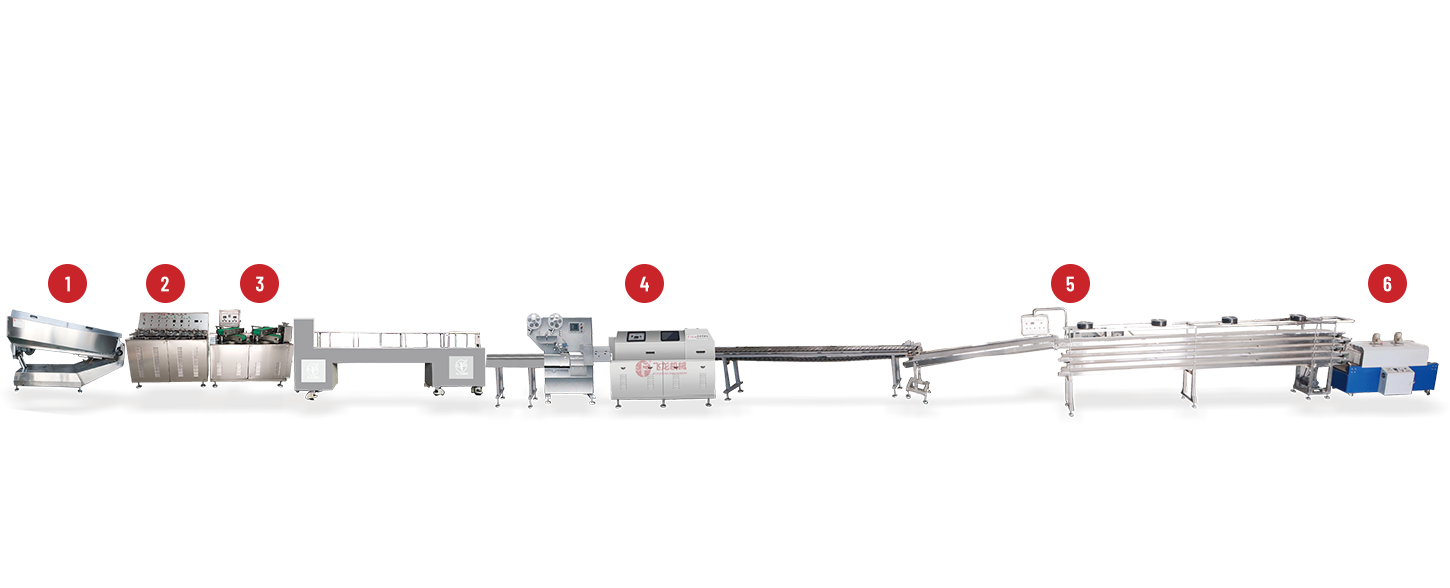
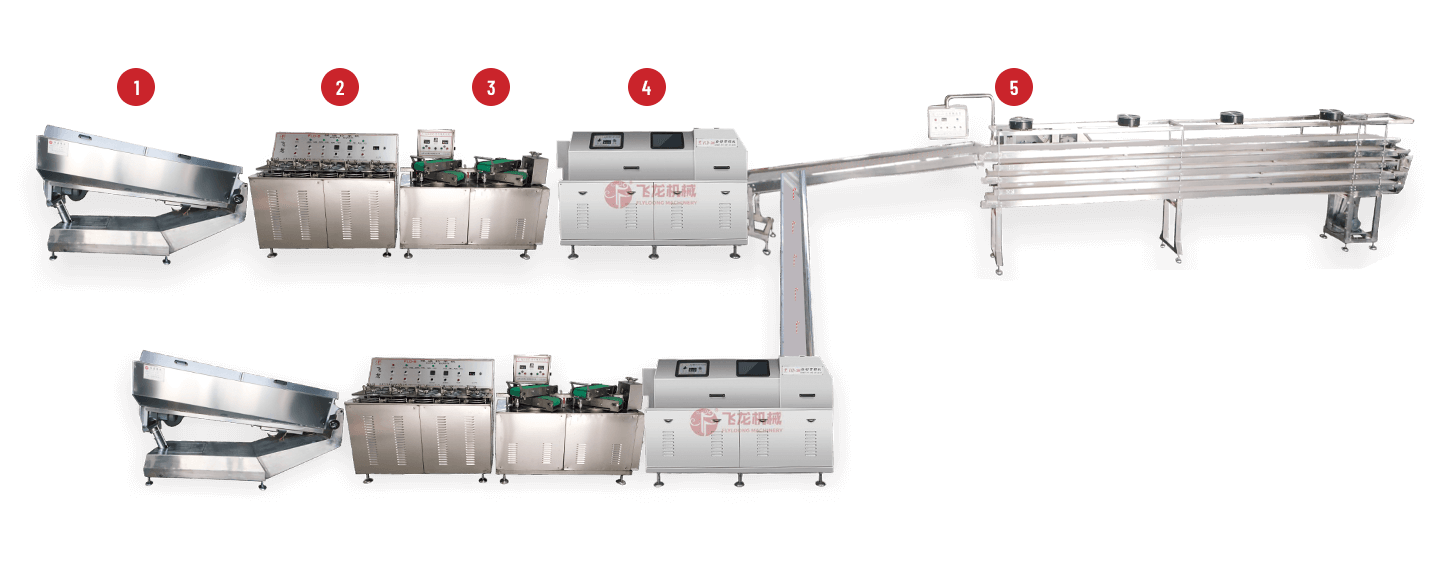
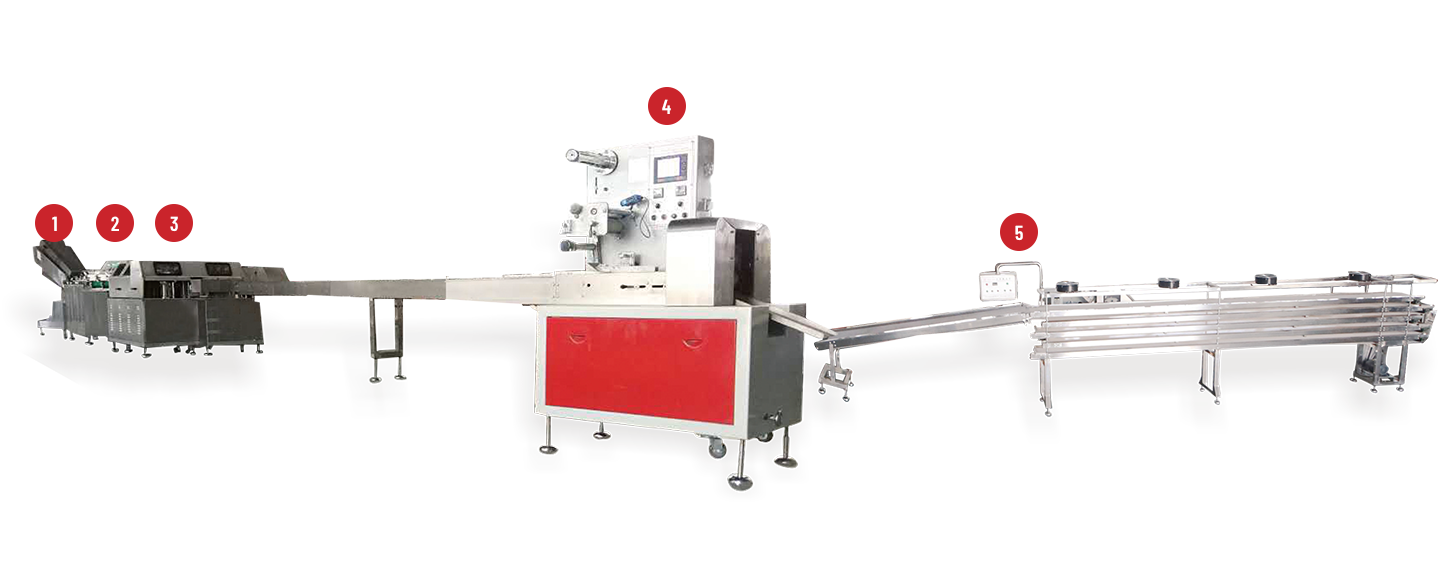
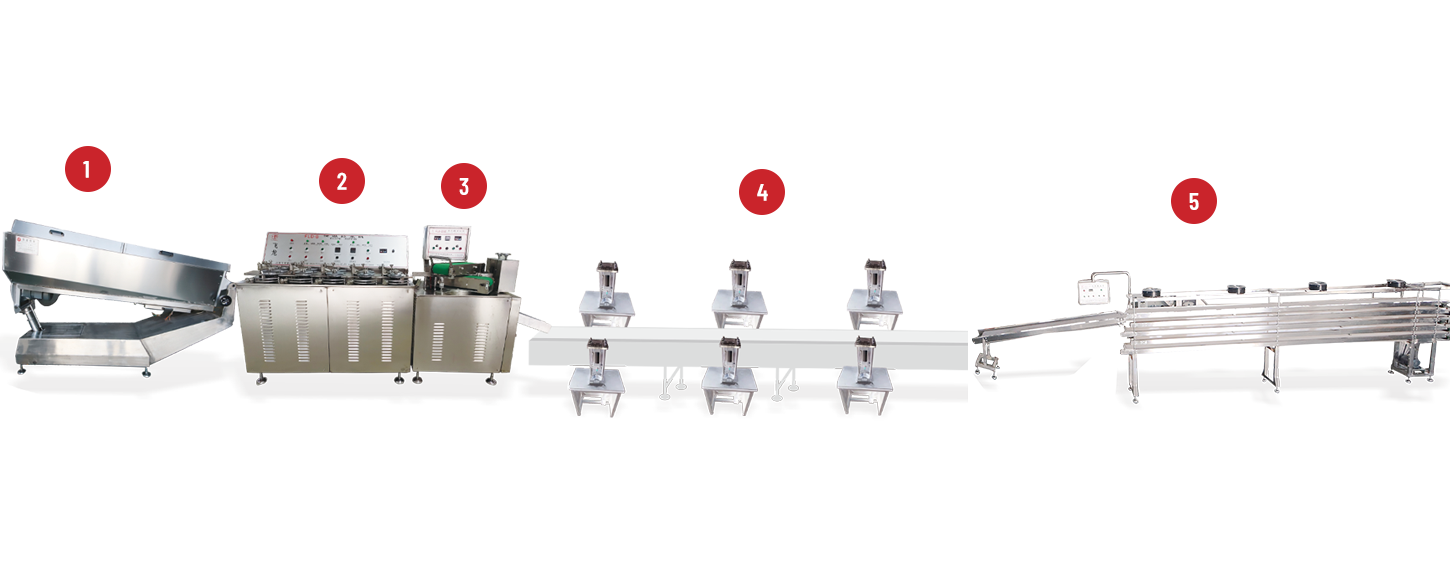
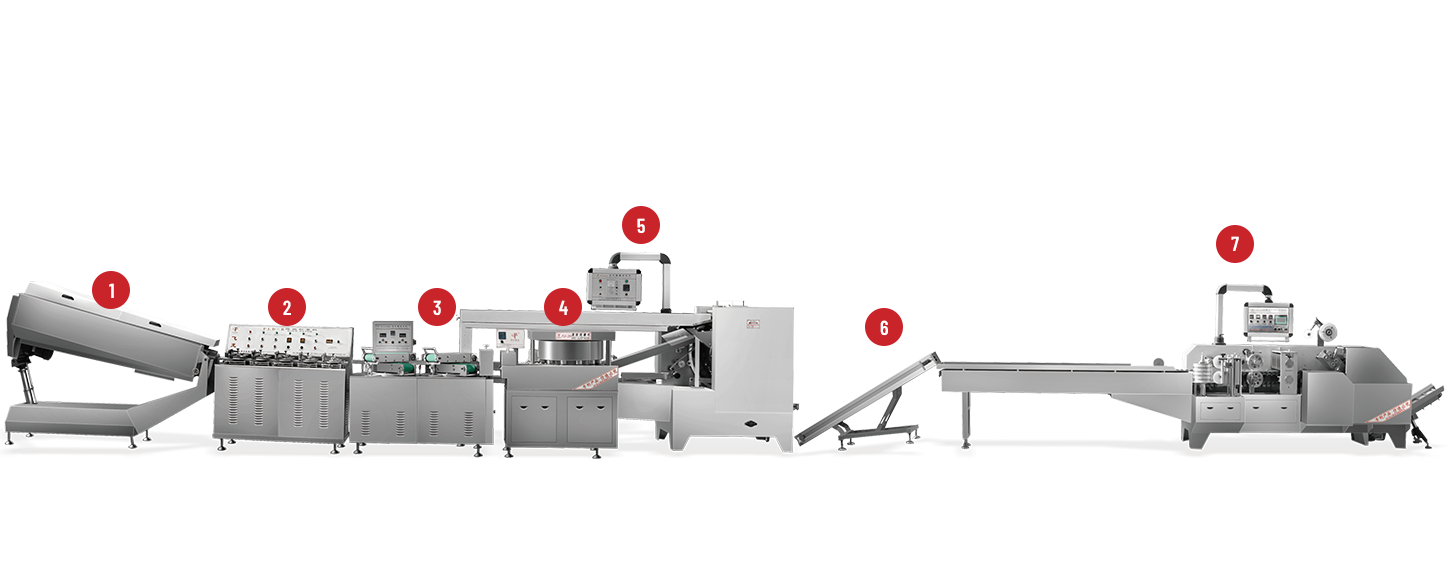
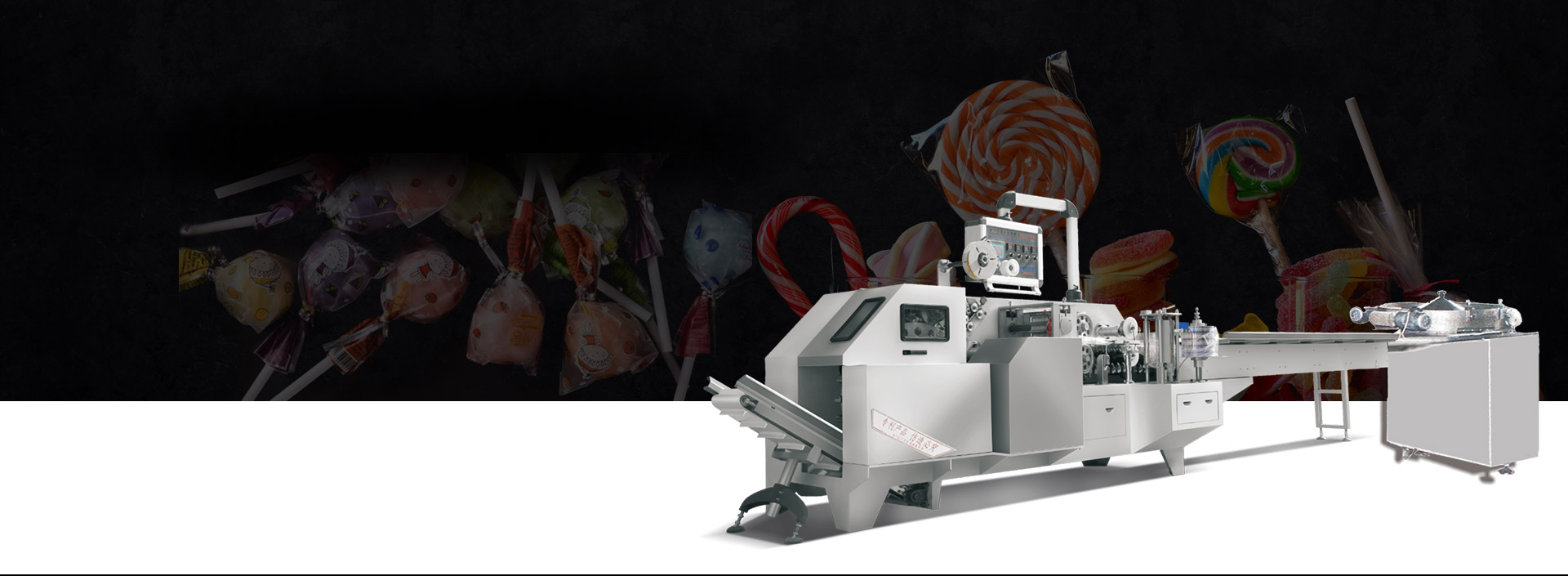
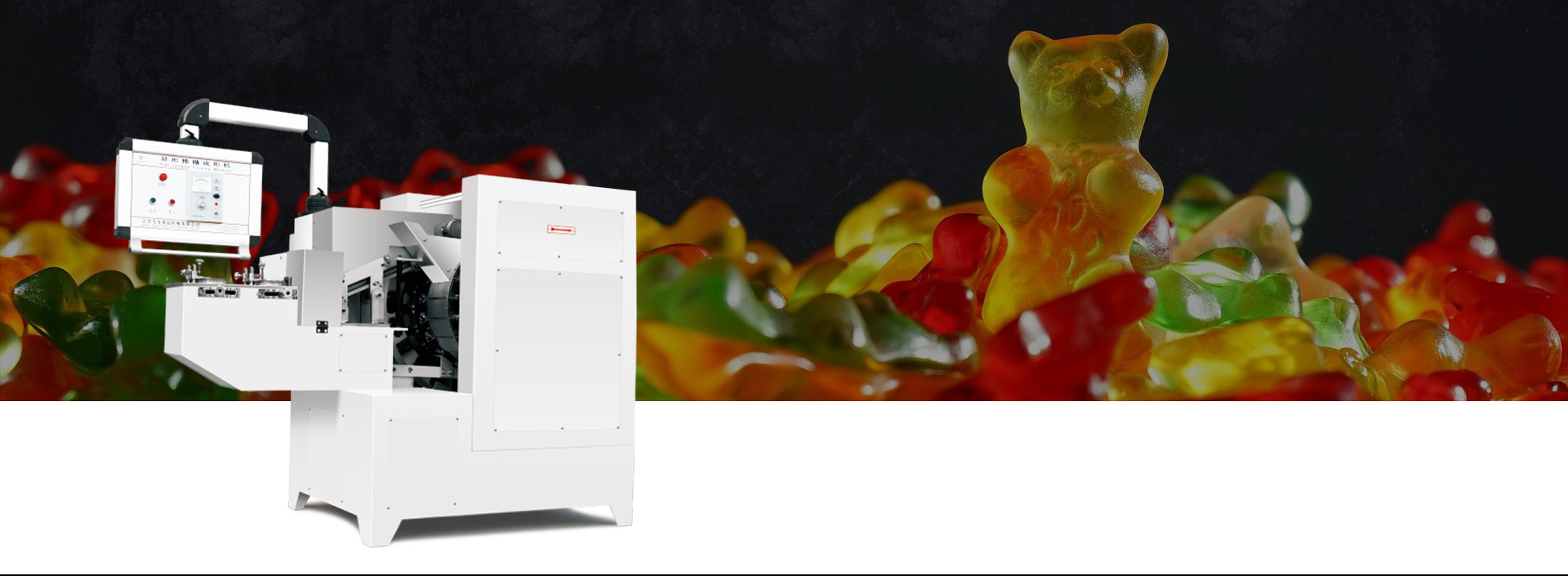
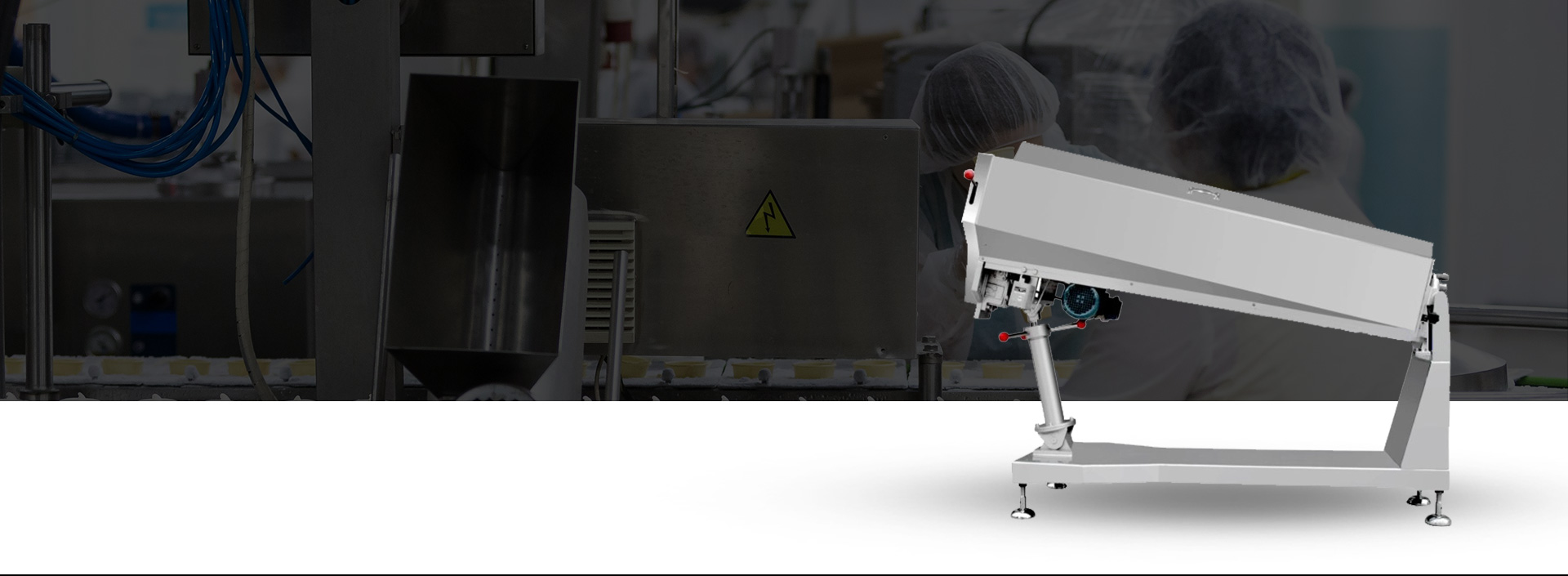
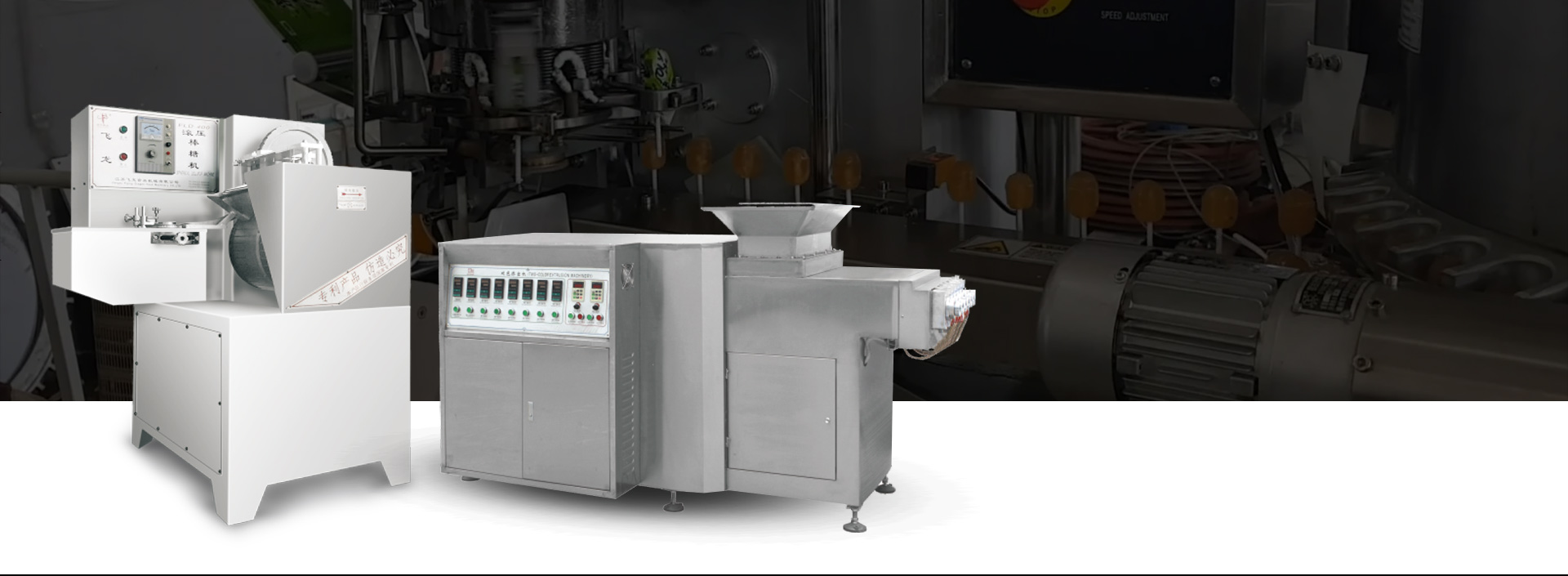
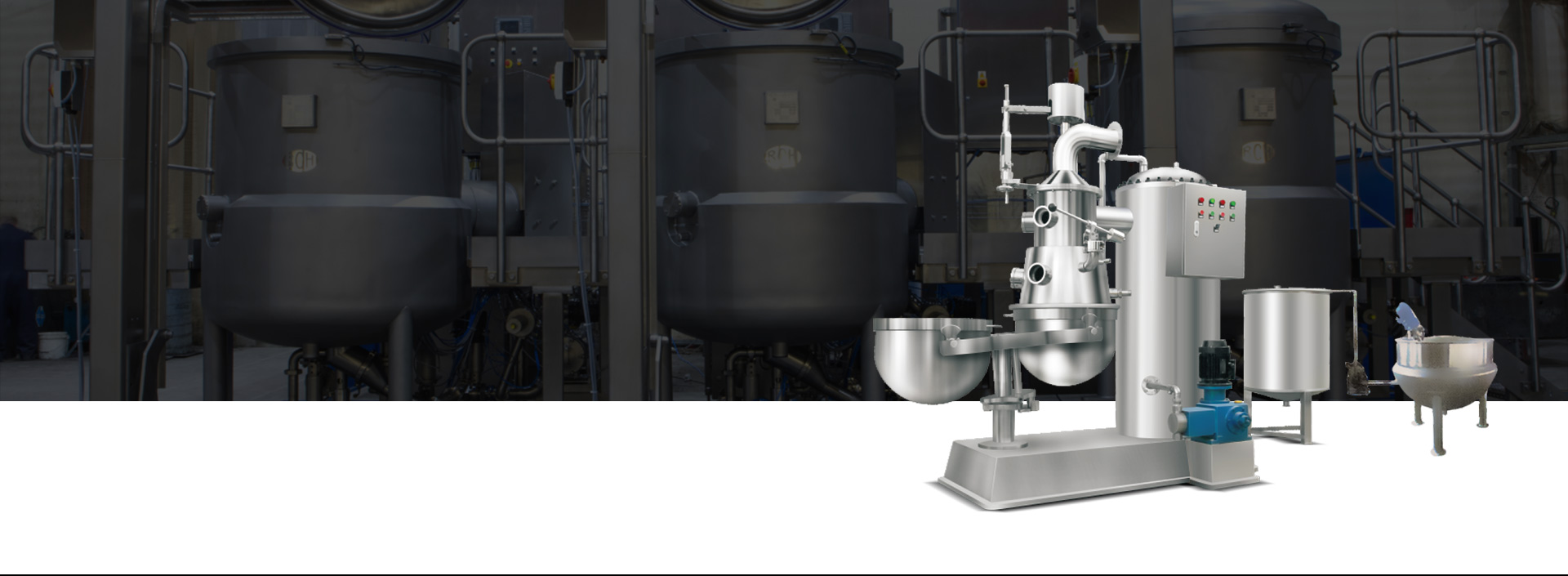
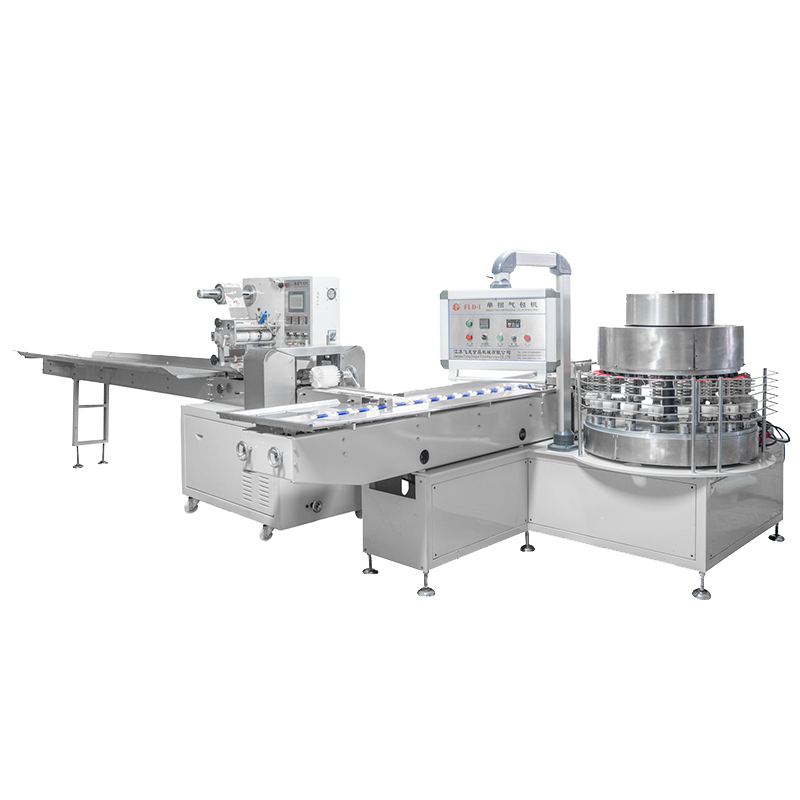
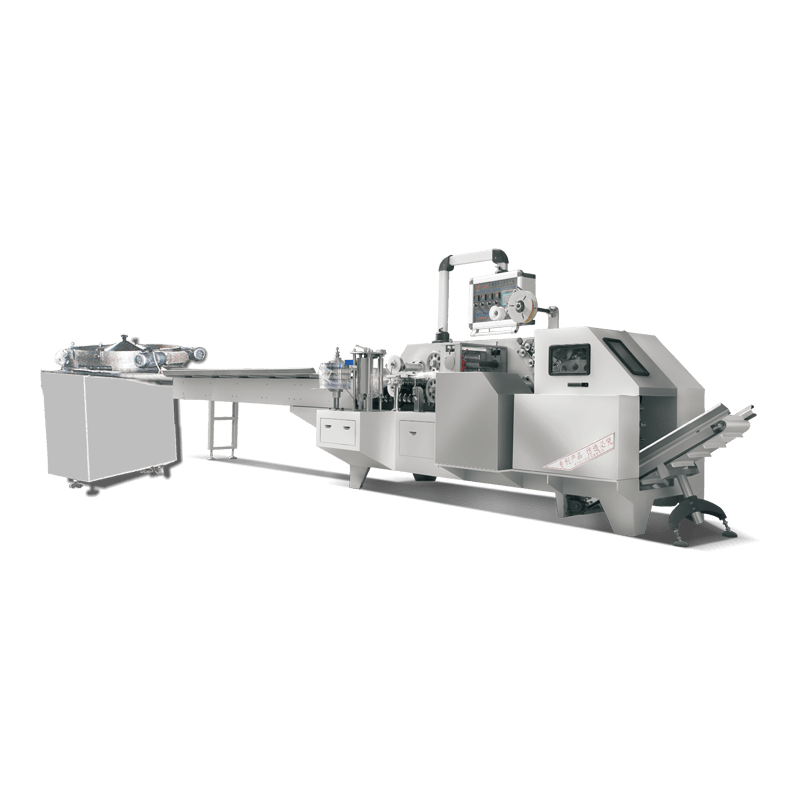
Picking the right Chocolate Twist Packing Machine can feel tricky at first. Chocolates, marshmallows, jelly pieces, soft candies, and lollipops all behave differently, and a machine that works fine for one candy might not handle another very well. Choosing carefully helps keep production running smoothly and reduces waste, which is always good for any candy maker.
Know Your Products
Before anything else, think about the candy you make. Chocolates are delicate—they can melt or get smudged if treated roughly. Marshmallows are soft and can squish easily. Jelly candies might stick together. Lollipops need a twist that holds the stick firmly. Even soft candies need careful handling to stay looking nice.
Understanding the characteristics of your products is the first step. Small differences in texture or shape can change how a machine performs, so this isn't something to skip.
Flexibility Helps
Even if you make only one type of candy now, a machine that can handle more than one kind may be useful later. Switching between chocolates, marshmallows, jelly, soft candies, or lollipops without spending a lot of time adjusting the machine is a practical advantage.
You don't need complicated controls—sometimes a simple speed or alignment adjustment is enough to handle different candies efficiently.
Think About Reliability
A machine that jams or wraps unevenly can be frustrating. Smooth operation matters a lot. Feeding, twisting, and wrapping should happen gently and consistently.
Reliability isn't just about reducing waste. Operators work better when they trust the machine to behave predictably. It makes the whole production line easier to manage day to day.
Ease of Operation
Simple controls save time and reduce mistakes. Operators should be able to adjust speed, spacing, or alignment quickly. If it takes too long to figure out the controls or make small changes, it slows down production and adds stress.
Even small design choices, like clear labels or a straightforward control panel, can make a big difference in practical use.
Maintenance and Cleanliness
Candy production needs good hygiene. Machines that are easy to clean, with parts that can be reached without taking everything apart, save time and prevent contamination.
Regular maintenance keeps the machine working well. Simple designs with accessible parts reduce the chance of breakdowns and help maintain consistent output.
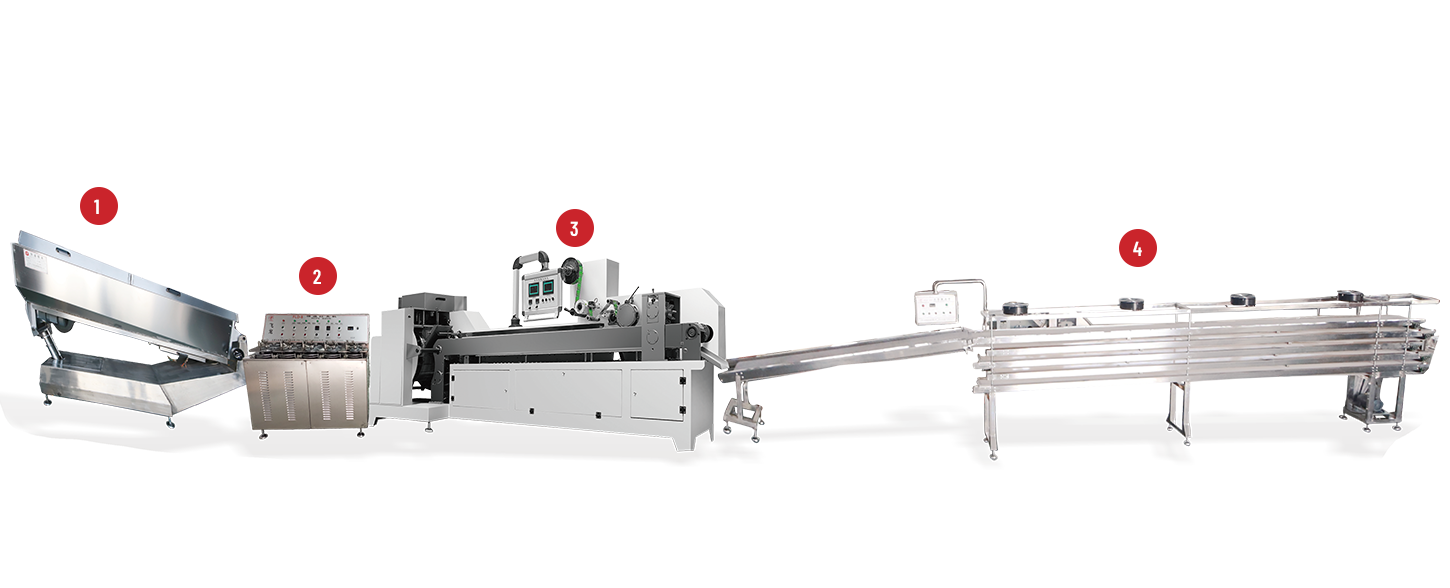
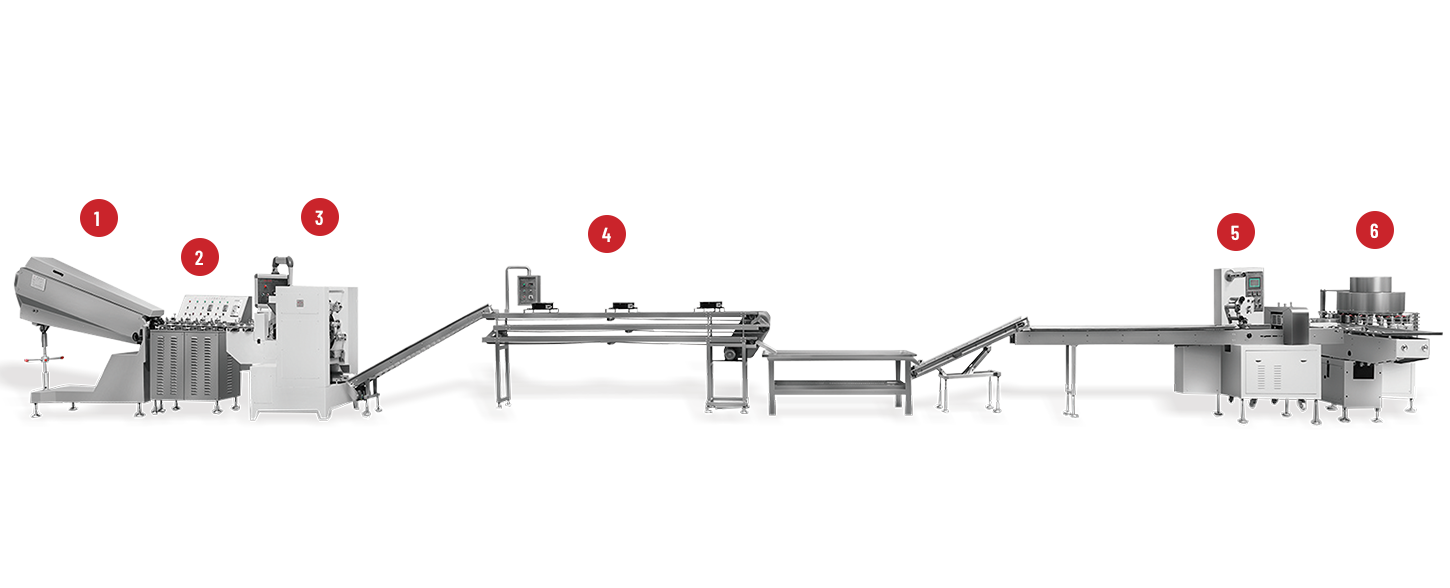
Integration With Your Production Line
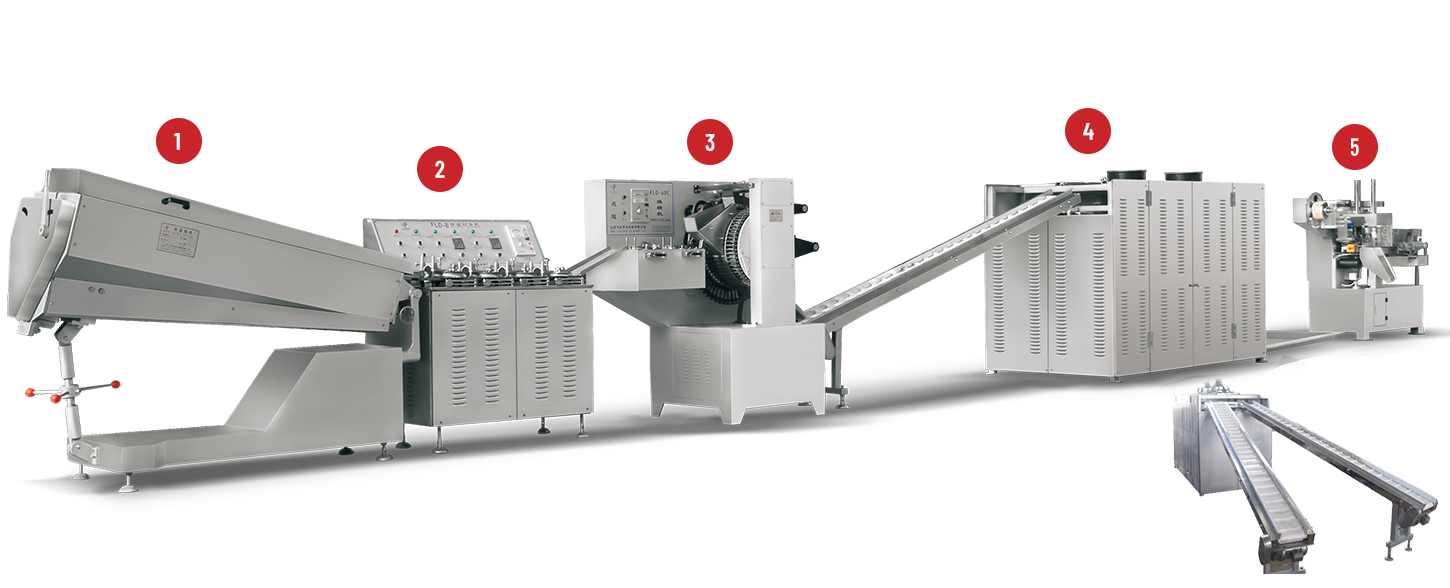
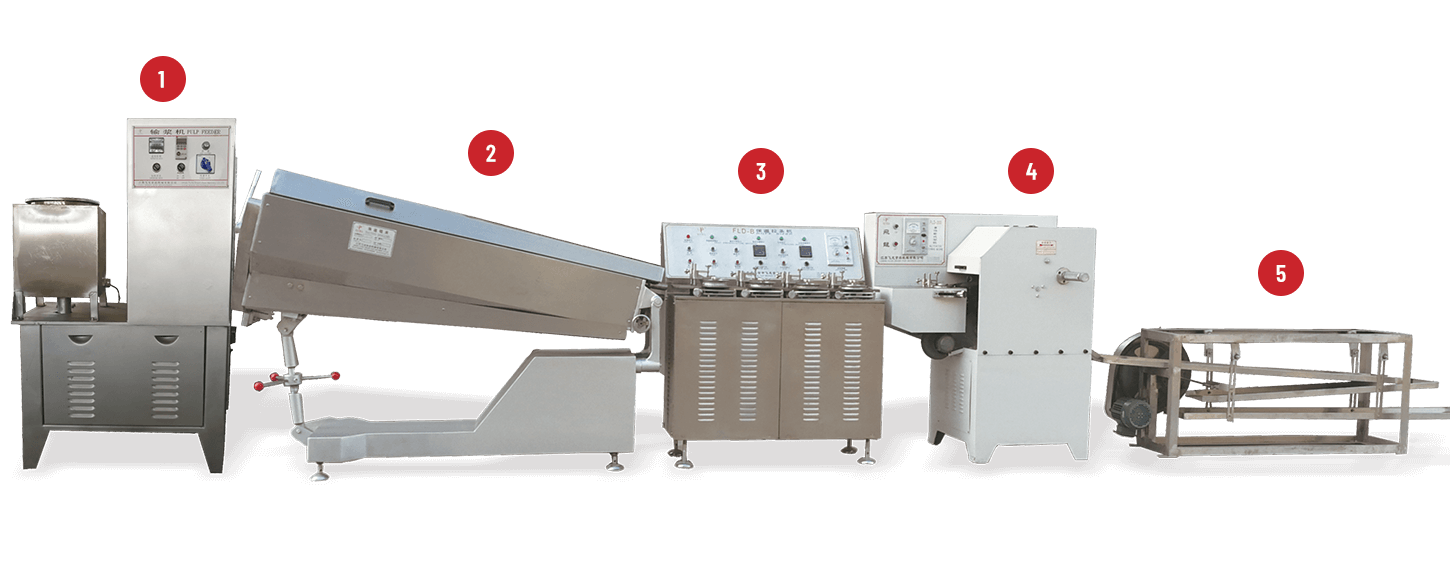
Your twist packing machine should fit smoothly with other equipment. Candies should move in and out of the machine without causing delays. Smooth workflow prevents bottlenecks and keeps the whole line running predictably.
It's worth checking how the machine interacts with feeders, conveyors, and packaging steps before deciding. A small mismatch in speed or spacing can create problems later.
Practical Tips
- Watch how your candies move through the machine.
- Check how adjustments are made.
- Consider cleaning convenience.
- Look at how consistently candies are wrapped.
Even small operational differences can make a noticeable impact on efficiency and product quality.
How Do You Match Machine Speed with Production Needs?
Working with a twist packing machine isn't just about pushing a button. Chocolates, marshmallows, jelly candies, soft candies, and lollipops all behave differently. Move too fast, and candies might get squished, wrappers could tear, or lollipops might slip. Too slow, and you're wasting time.
Start with Your Daily Output
Think about how many candies you wrap each day. It's tempting to assume faster is always better. But even a machine that can go fast will create bottlenecks if your staff can't keep up. Feeding candies, fixing small jams, and adjusting wrappers all take time.
Pay Attention to the Candy
Different candies need different handling:
- Chocolates: melt under pressure
- Marshmallows: can flatten easily
- Jelly candies: stick together if too fast
- Lollipops: need twists that hold the stick
Sometimes a slightly slower speed produces cleaner, more consistent wrapping.
Test Small Batches First
Before full production, run small batches.
- Watch candy movement
- Check wrapping alignment
- Make tiny adjustments
It might take a bit longer upfront, but it prevents bigger problems later.
Match Speed with Your Team
Even if the machine can go fast, your operators need time to handle it. If the line moves too quickly, mistakes happen. Balancing machine speed with staff workflow keeps production smooth.
Adjust Gradually
Small, incremental changes work better than pushing the machine to maximum speed immediately. Observe how candies respond and take notes for different types. Over time, you'll find the "sweet spot" for each candy.
Keep Monitoring
Conditions change throughout the day. Temperature, humidity, or different wrapper batches can affect performance. Regular checks and minor adjustments help maintain consistent results.
Focus on Consistency
Speed isn't everything. Smooth operation, reduced waste, and consistent wrapping are more important than running at full speed. A slightly slower pace can make a big difference in output quality.
Key Takeaways
- Observe candy behavior, not just machine dial
- Test small batches before full production
- Balance speed with staff workflow
- Adjust gradually and keep notes
- Monitor conditions throughout the day
Matching machine speed is part observation, part experience, and part planning. Do it right, and your chocolates, marshmallows, jelly candies, soft candies, and lollipops will come out neatly wrapped, your team will stay efficient, and your production line will run smoothly.
Common Mistakes to Avoid When Selecting Chocolate Twist Packing Equipment
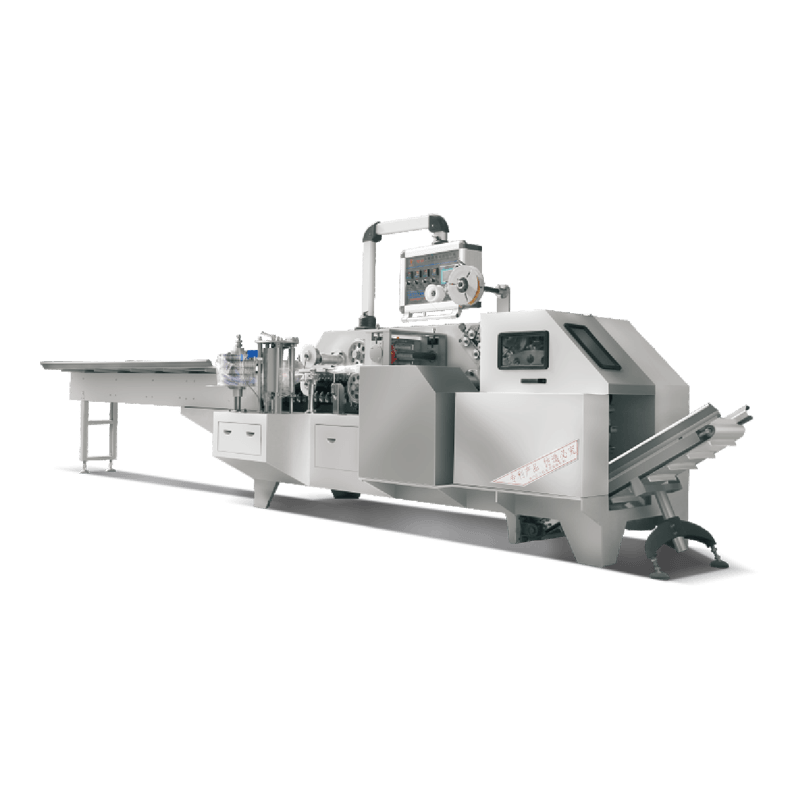
When it comes to wrapping chocolates efficiently, many manufacturers consider investing in a Chocolate Twist Packing Machine. Choosing the right unit, however, requires careful evaluation of production needs, materials, and workflow. Several mistakes commonly appear during the selection process, and addressing them can prevent downtime and reduce operational issues.
1. Misjudging Production Capacity
A frequent problem arises when the machine's throughput does not match actual production requirements. Selecting a unit that is too small can slow down the line, while one that is significantly larger may be underutilized and consume unnecessary energy. Reviewing batch sizes and daily output realistically is an essential first step.
2. Ignoring Material Compatibility
Different chocolates and wrappers interact differently with packaging machines. Wrappers vary in thickness, texture, and flexibility. A machine that cannot handle the chosen material properly may cause wrapping inconsistencies, jams, or minor product damage. Testing the machine with the actual wrapper type ensures smooth operation.
3. Overlooking Space and Workflow Integration
The installation footprint and accessibility for operators and maintenance are often underestimated. Machines need space not just to fit physically but also to allow feeding, removal, cleaning, and adjustments. Crowded layouts can slow production and create safety risks.
4. Underestimating Maintenance and Service Needs
Routine maintenance is crucial. Machines that are difficult to access or require specialized tools for cleaning and part replacement can interrupt production. Ensuring components are reachable and procedures are straightforward helps maintain consistent output.
5. Overcomplicating Controls
While advanced automation features exist, overly complex control panels can lead to operational errors. Simple, clear controls improve efficiency and reduce the risk of mistakes, especially for operators with limited experience.
6. Neglecting Flexibility for Future Products
Product lines may change, and machine adaptability is important. Units that allow easy adjustments for different chocolate sizes or wrapper styles provide longer usability and reduce the need for additional machines.
 +86-(0)515-8465666
 +86-(0)515-85566996
 +86-138 1559 9708
 flyloong@flyloongcn.com
 Home
Home