

 ENG
ENG
 English
 中文简体
中文简体 русский
 Français
 Español
 عربى
عربى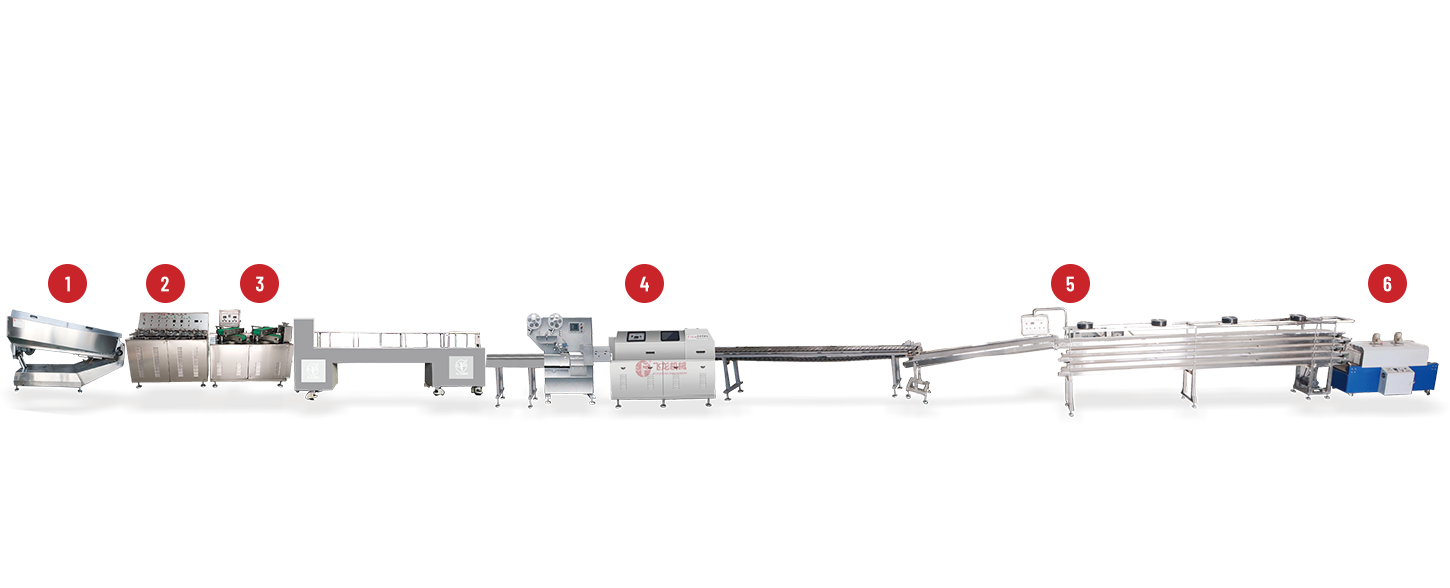
What Is an Automatic Rainbow Lollipop Machine
An Automatic Rainbow Lollipop Machine is a production system used to turn heated sugar mass into colorful spiral candies with a stick. It brings together several connected processes, allowing syrup preparation, color distribution, rope shaping, forming, cooling, and wrapping to take place in a controlled workflow. Instead of handling each step by hand, this type of equipment keeps the operation stable and continuous, which helps maintain consistent shapes and visual patterns in every batch.
The equipment usually works with cooked syrup that has been mixed with flavors and approved pigments. When the mixture reaches the required texture, it moves into a rolling and pulling stage where layers of different colors merge into a striped pattern. This striped mass is stretched into long ropes, shaped, cut, and then wrapped around a stick to create the familiar rainbow-style candy. Each unit in the line has a specific task so the work flows smoothly from one section to the next.
Although each manufacturer may arrange the structure differently, the idea remains very similar: turn a warm candy mass into finished rainbow lollipops through steady transitions from one module to another.
| Stage | Function |
|---|---|
| Syrup handling | Preparing the cooked sugar mixture and adding approved colors |
| Rolling section | Shaping the warm mass into an even layered block or rope |
| Rope sizing | Stretching and adjusting the diameter of the candy rope |
| Forming part | Creating the required shape and attaching the stick |
| Cooling transfer | Moving products without causing surface damage |
| Packaging section | Sealing each lollipop for hygiene and storage |
A key feature of this type of machine is its ability to manage multiple tasks without large interruptions. When the syrup moves through the early color-layering stage, the pattern becomes more defined as the rope is stretched. This staged stretching helps create the signature rainbow swirl appearance. Even small changes in pulling strength or temperature may influence how the stripes appear, so operators usually watch the line closely to keep visual effects stable.
For workshop teams, an automatic rainbow lollipop machine helps reduce manual handling of hot sugar. It also improves the uniformity of each finished candy, since the rope thickness and forming rhythm follow preset settings rather than the variation of hand work. With the help of controlled cooling and gentle transport, the candy surface stays smooth while moving between sections of the system.
This equipment also supports different shapes depending on the forming part installed. Round disks, spiral shapes, and other designs can be used as long as the molds match the physical properties of the candy mass. By switching molds and adjusting timing, factories can produce various styles without changing the whole setup.
From an operational point of view, the machine's structure is designed to simplify cleaning and routine maintenance. Since sugar hardens quickly, teams usually clean surfaces and rollers as soon as the production run ends. Keeping parts free from hardened sugar helps avoid downtime during the next shift. Regular checks on belts, lubrication points, forming molds, and temperature controllers help the entire line stay stable during long runs.
Quality control plays an important role as well. The syrup texture, color balance, rope tension, cutting rhythm, and wrapping condition all influence the final result. Because the pattern relies on the movement of layered sugar, the timing between modules must remain consistent. When operators follow a standard procedure, the line produces candies with smooth surfaces, clear stripes, and stable shapes.
An automatic rainbow lollipop machine is a set of coordinated units designed to transform cooked sugar into colorful spiral candies in a reliable workflow. Its structured process allows candy producers to manage color distribution, rope shaping, stick placement, and packaging with better control and less manual strain. This makes it a practical tool for workshops or factories focusing on stable candy production with eye-catching color effects.
A Complete Production Process from Syrup to Rainbow Lollipops
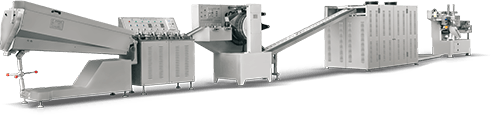
Turning heated syrup into colorful spiral lollipops requires a coordinated setup where each section of the production line handles a specific task. The transformation is gradual, beginning with a pliable sugar mass and ending with wrapped products ready for storage or shipping. This workflow involves multiple machines arranged in a sequence that maintains temperature balance, color distribution, shaping accuracy, and packaging stability.
Each unit contributes to the gradual stabilization of texture and shape. Although specific configurations may differ, the principles remain similar across workshops. By understanding the roles of each section, operators can maintain steady production and reduce unnecessary interruptions.
Transition from Syrup to Processable Candy Mass
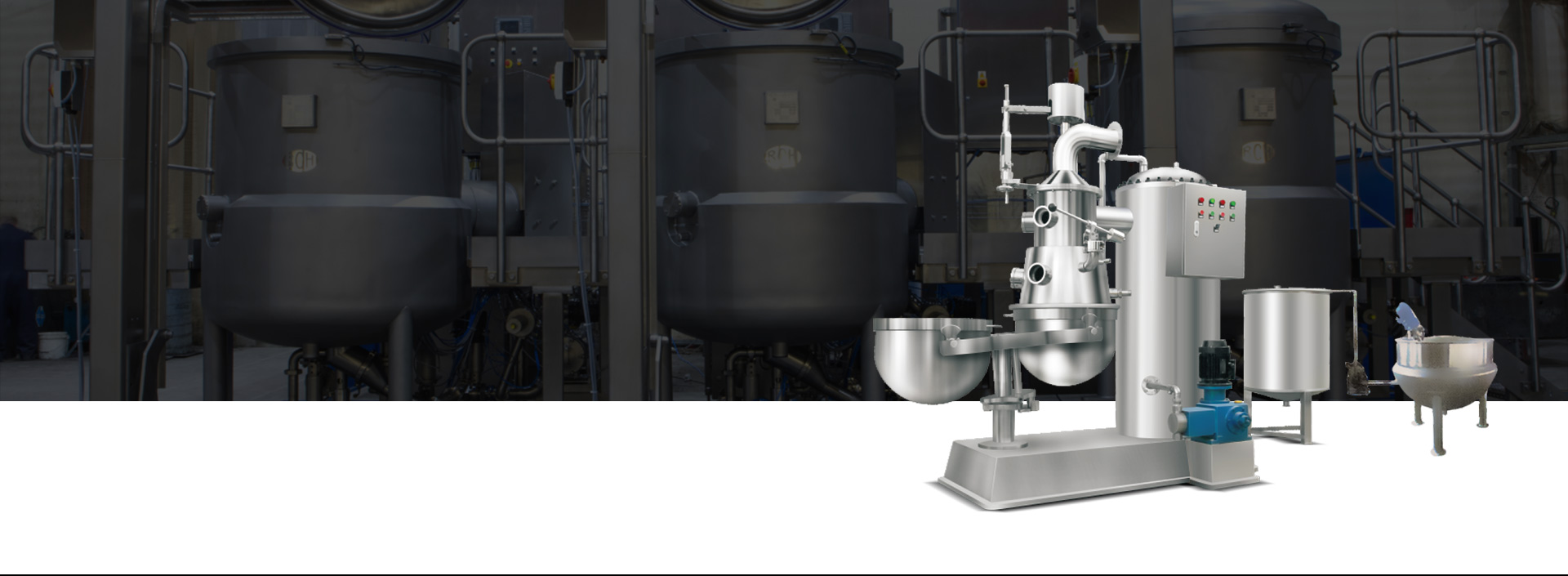
Before entering the mechanical line, the syrup must reach a state suitable for shaping. This mixture contains sugar, flavorings, and approved pigments. Once cooked, the mass is placed on a conditioning surface until it becomes firm enough for rolling. At this moment, the candy retains enough warmth to stretch without tearing. The color layers are also prepared during this stage, where portions of the batch receive different pigments to create the striped effect once combined.
When the syrup reaches an ideal consistency, workers guide the material toward the first machine in the sequence.
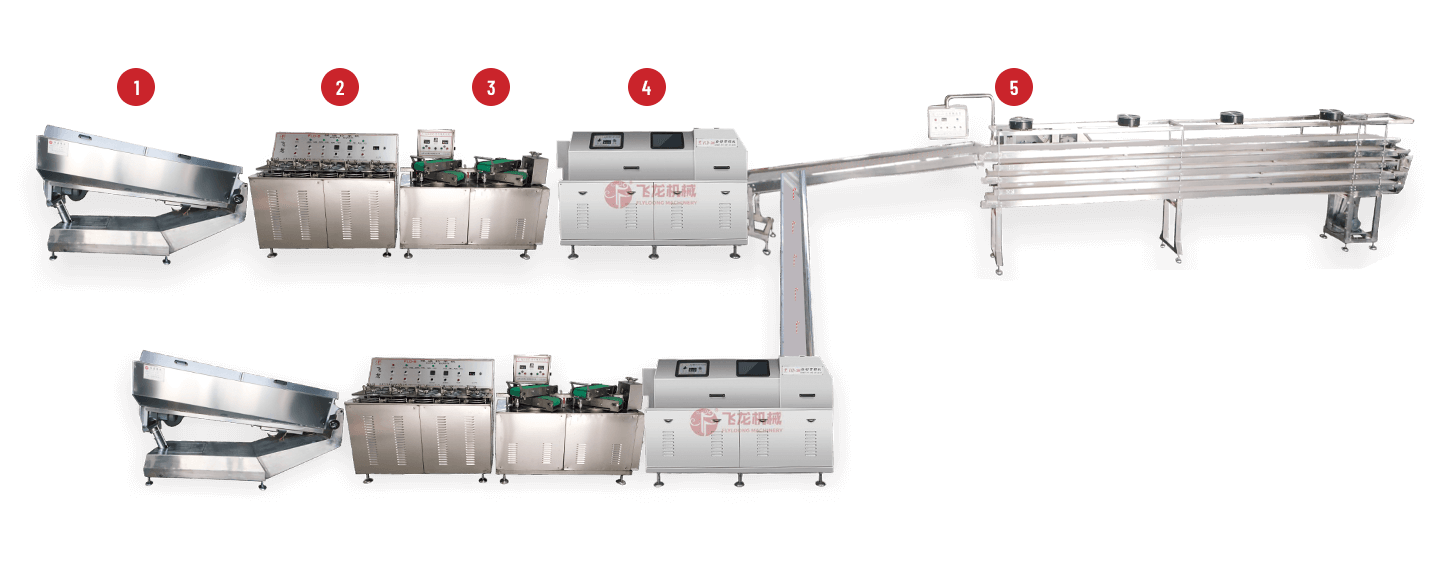
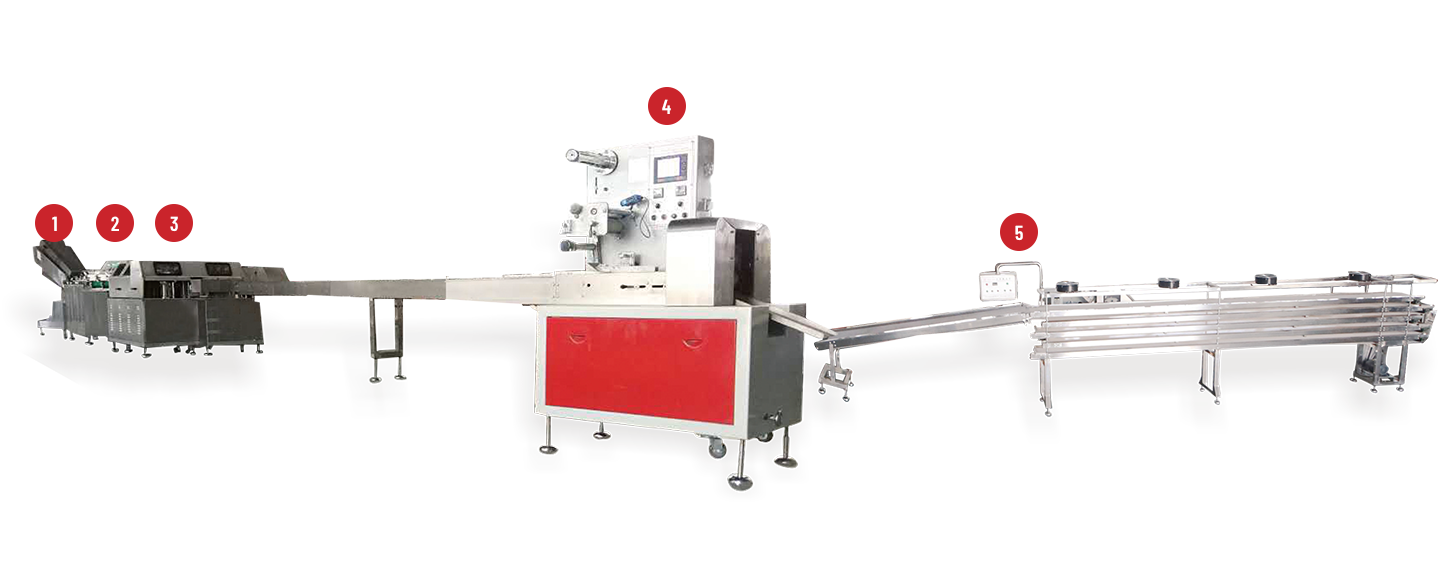
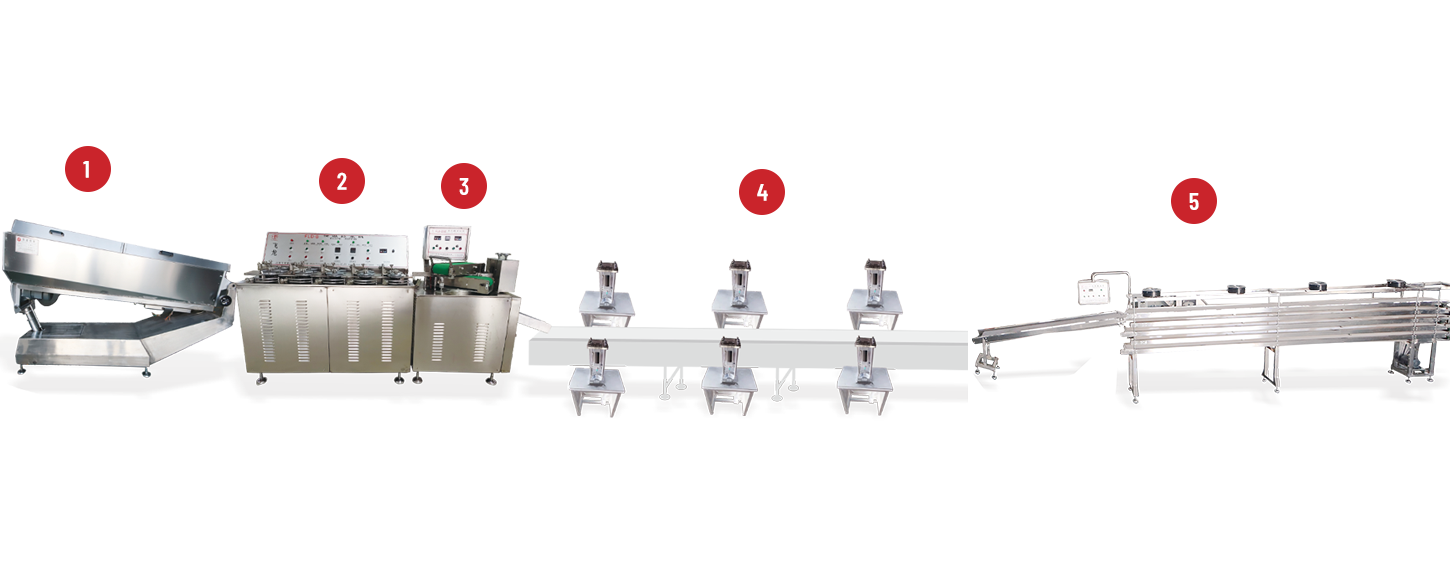
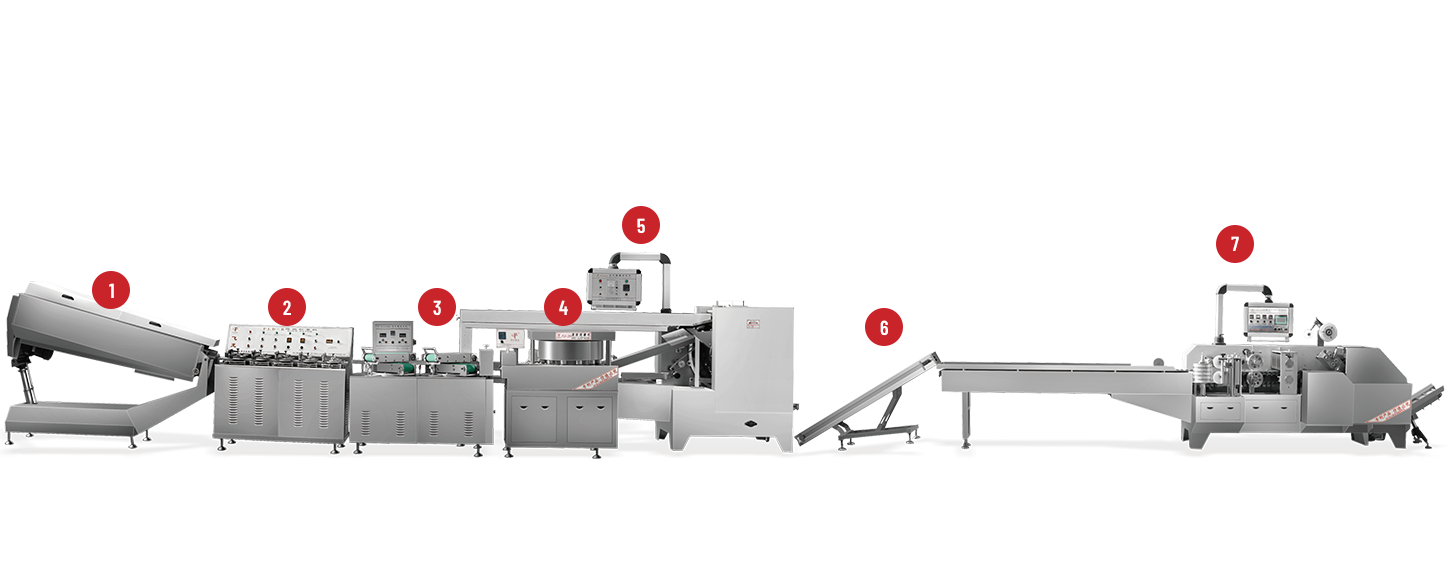
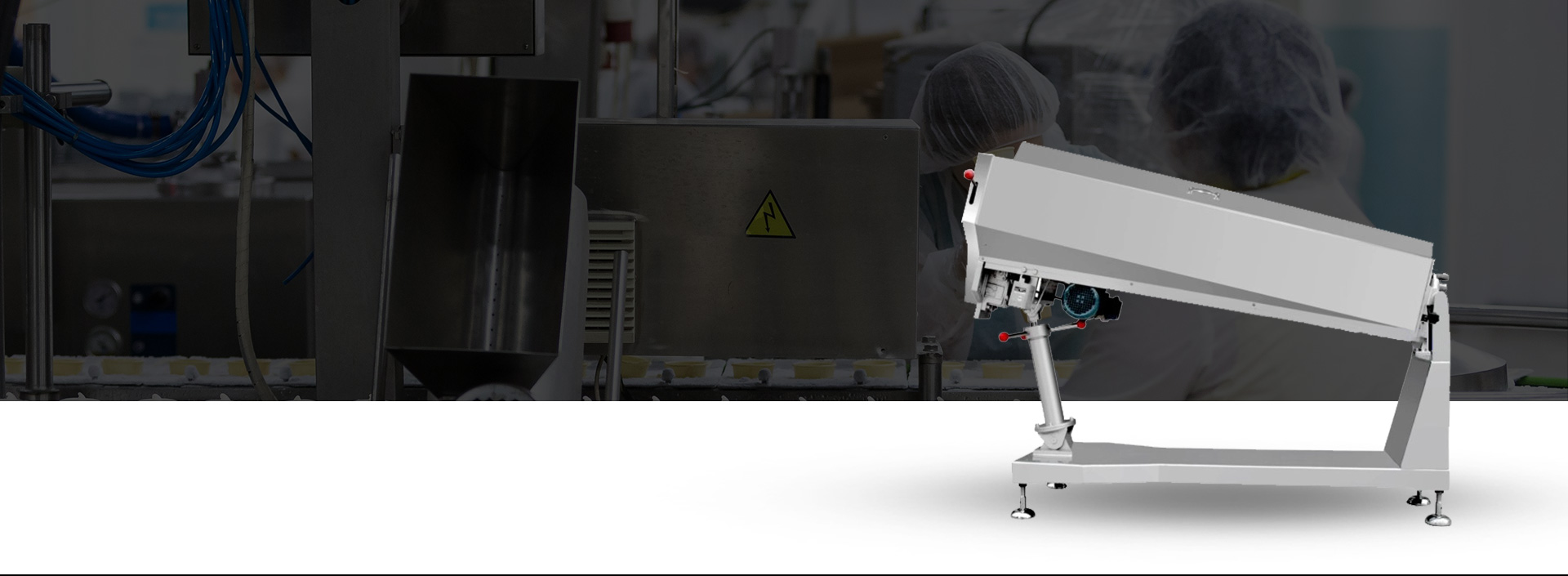
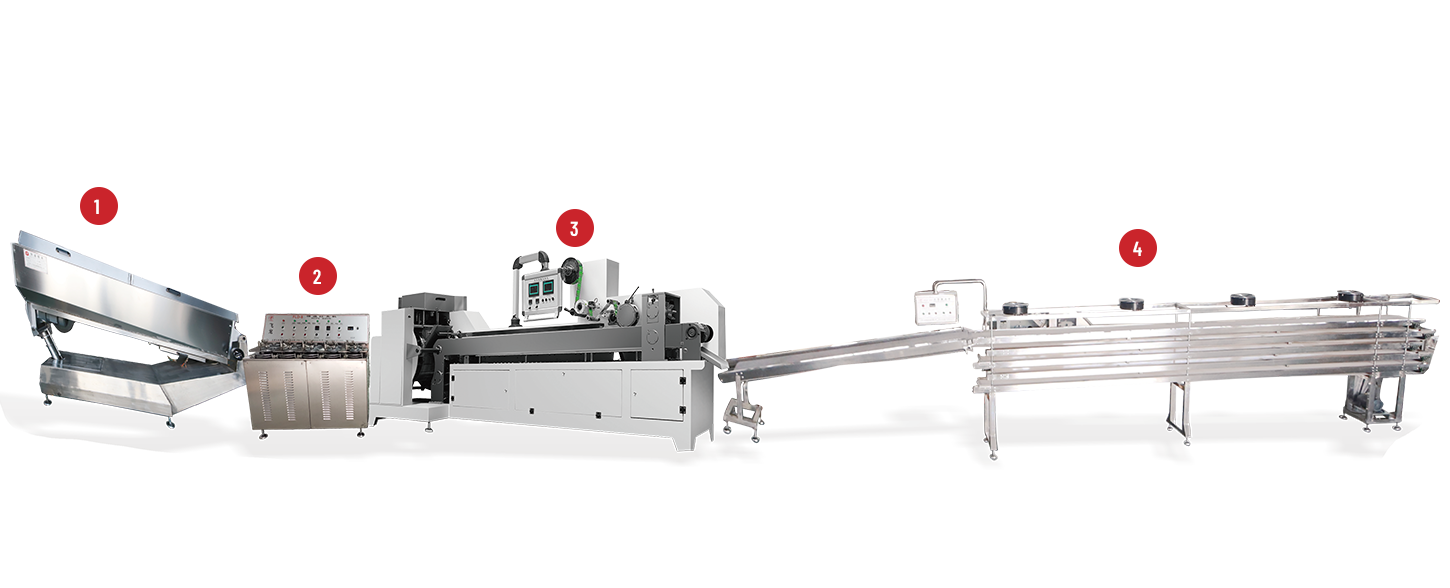
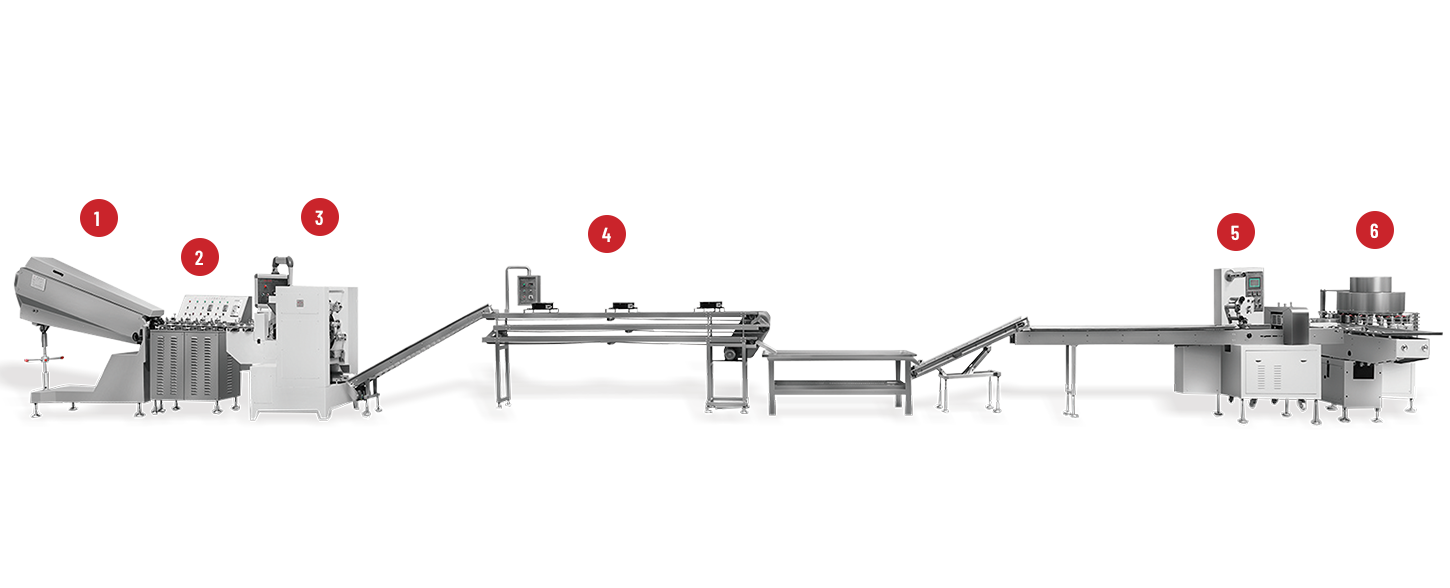
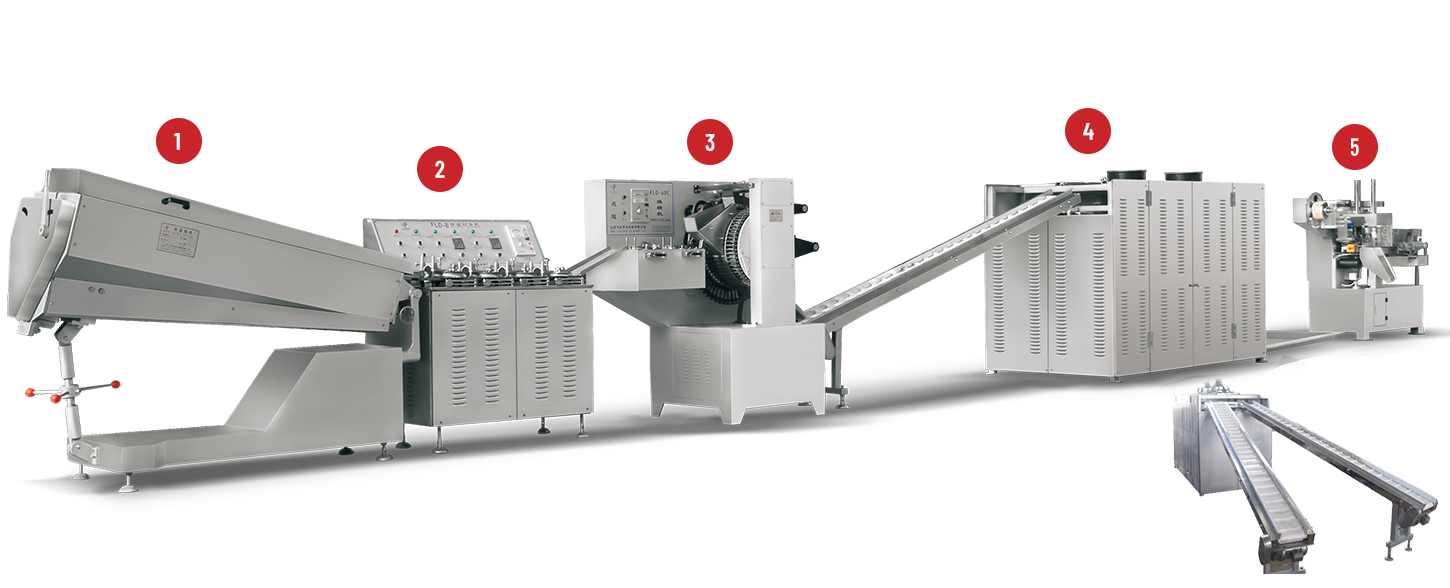
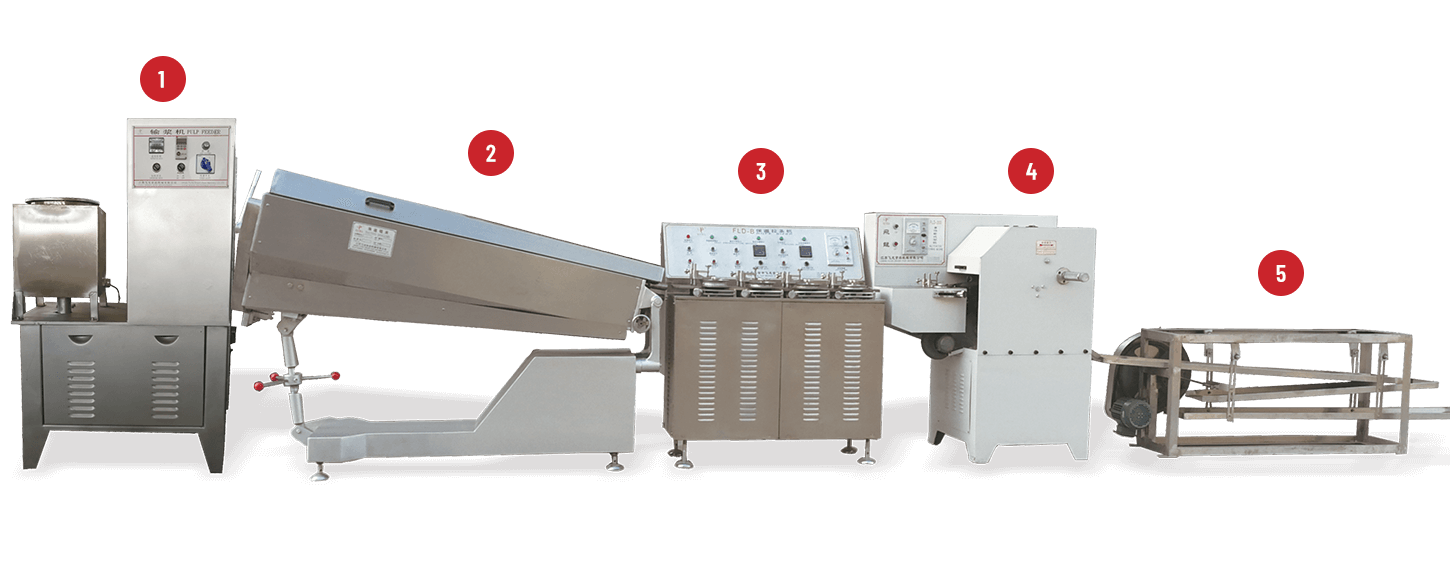
1. B Batch Roller: Structuring the Initial Candy Block
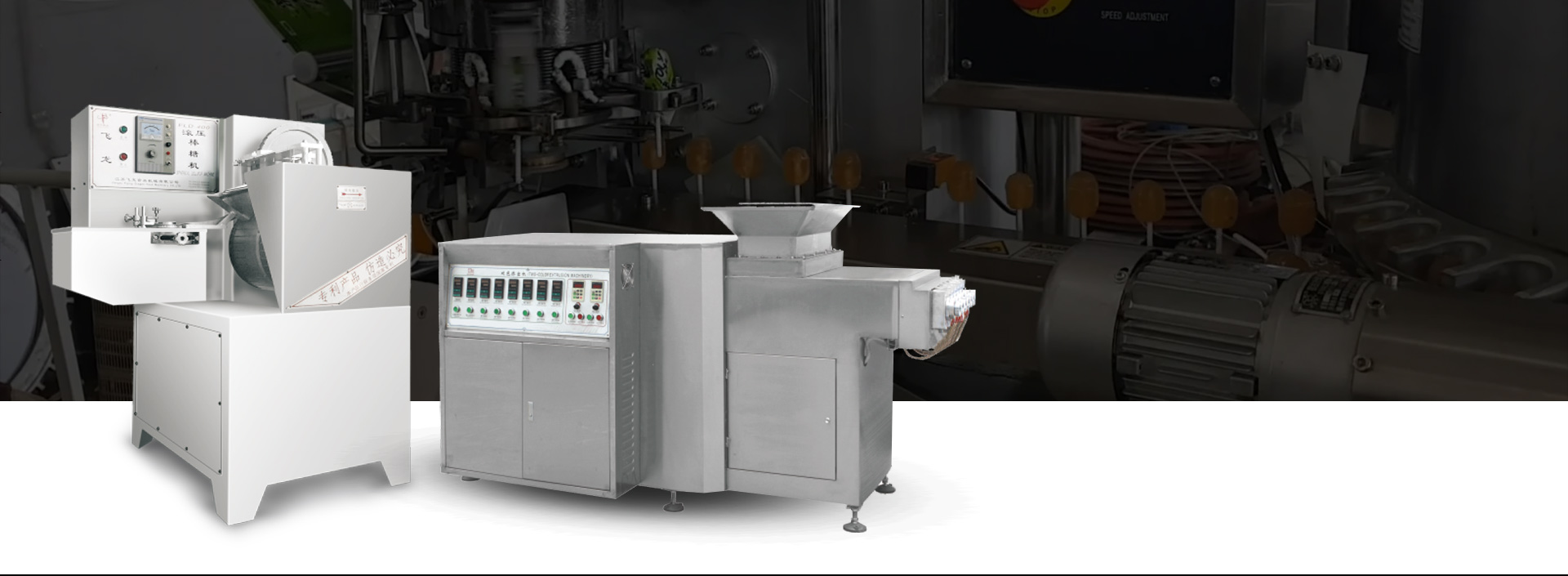
The B Batch Roller acts as the starting point for forming a cohesive mass. It takes the warm candy and shapes it into a more uniform structure. As the rollers rotate, they push the material forward while folding it around itself. This movement helps incorporate the color layers that were added earlier. It also creates a more stable outer shell, which is important for maintaining the swirl pattern during stretching.
This rolling action serves two purposes. First, it ensures that the inner layers stay centered. Second, it establishes a relatively even width that makes the next machine's work easier. Without this stage, the candy rope might stretch unevenly, causing irregular strip thickness or inconsistent shapes.
Operators usually monitor the texture during this step. The mass must stay firm but flexible, allowing the rollers to handle it without tearing or forming rough edges. Smooth flow into the next unit is essential for maintaining pattern accuracy.
2.Rollers Rope Sizer: Stretching and Controlling the Diameter
Once the batch roller creates a structured mass, the material enters the Rollers Rope Sizer. This section gradually stretches the candy into a long rope. The rope sizer consists of a series of rotating rollers arranged in a descending formation. As the rope travels forward, each roller pair reduces the diameter slightly, allowing the candy to become thin enough for later shaping.
During this stage, controlling the diameter is important. Rope thickness influences the final weight, visual swirl, and stick attachment. The rollers move in a synchronized rhythm so the rope stretches gently rather than pulling too fast, which would distort the color layers.
The rope sizer's steady movement helps maintain a consistent spiral appearance. If the candy moves unevenly here, the swirl might become irregular or the cross-section might tilt to one side. Because this stage influences the entire output, operators often adjust speed and angle depending on the characteristics of the batch.
A clear benefit of this approach is the reduction of manual pulling. Workers do not need to hand-stretch hot candy, which improves safety and stability in daily operations.
3. Embossing Machine: Preparing the Surface and Adding Pattern Control
As the rope reaches a stable diameter, it moves into the Embossing Machine. This unit applies gentle pressure to the surface of the candy rope to shape it for the next forming step. Instead of deep engraving, the embossing process here usually involves a controlled surface contact that helps maintain the candy's roundness or prepares it for a specific mold shape.
Embossing can help stabilize the rope by ensuring that the surface does not collapse during the forming cycle. A more controlled shape allows the following module to place the rope into molds with better accuracy. In addition, certain decorative details can be added when required, as long as they comply with regulations and remain safe for consumption.
The embossing machine supports the structural integrity of the candy rope. Without this step, the material might flatten slightly due to gravity or temperature variations, affecting the finished product's appearance.
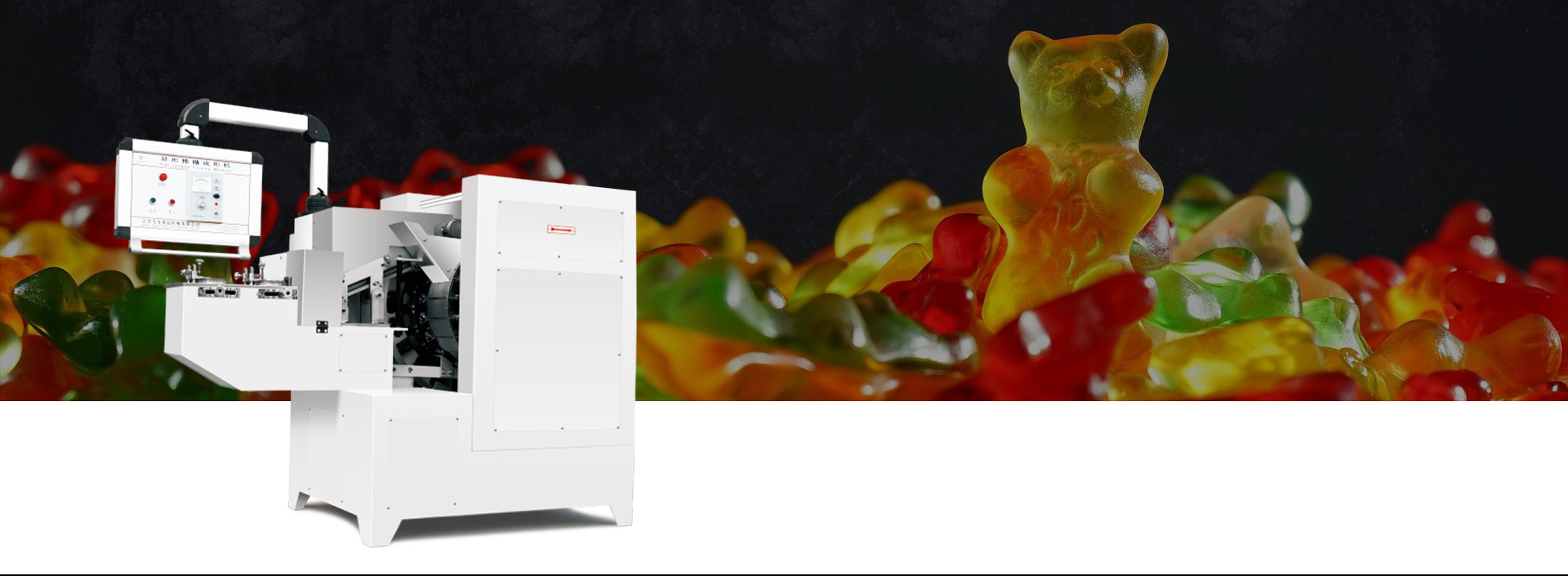
4. Whirly Lollipop Machine: Shaping the Color Spiral Around the Stick
The Whirly Lollipop Machine is responsible for creating the iconic rainbow swirl. Here, the rope is wrapped around a stick in a circular pattern. This stage is where the visual effect becomes truly recognizable.
The machine rotates in a controlled direction while guiding the candy rope around the stick. The movement produces a layered spiral effect, with each colored stripe wrapping evenly. The spacing between each turn influences the visual clarity. If the rope is too warm, the pattern may spread. If it is too cool, the rope might crack. Thus, the machine's timing is coordinated carefully with the temperature of the candy.
The stick is inserted during this stage, and the candy begins to take its final form. Precision in rotation and placement ensures that each piece maintains a stable shape without slipping along the stick. Once shaped, the lollipops move onward for additional forming or trimming if required.
5. Forming Machine: Finalizing Shape and Surface Finish
Some lines include an additional forming machine after the whirling stage to stabilize each piece further. This step helps refine the shape, especially for designs requiring a more pronounced outline or a smoother surface.
The forming unit usually consists of mechanical molds that hold the candy briefly. This moment of controlled pressure helps align layers and remove minor irregularities. It can also handle designs that require a custom silhouette, giving producers more flexibility when preparing themed or seasonal products.
During this stage, the candy is still warm enough to adapt but firm enough to hold its intended shape. Because consistency is crucial for packaging, this machine plays a key role in establishing uniformity across batches.
6. Climbing Conveyor: Cooling and Gentle Transport
Once shaped, lollipops need controlled movement toward the packaging area. The Climbing Conveyor lifts the candies at a gentle angle, allowing surface cooling while reducing the risk of collision. The conveyor's steady pace keeps the arrangement organized and prevents finished pieces from sticking together.
The upward motion also creates a natural cooling environment. Air circulation helps the outer layer stabilize, ensuring the shape does not deform during transfer. This gentle handling is essential, especially for spiral lollipops, which can lose clarity if pressed or smudged.
Because timing affects surface hardness, the conveyor acts as a buffer between forming and wrapping. It creates just enough distance for each lollipop to become firm before entering the packaging unit.
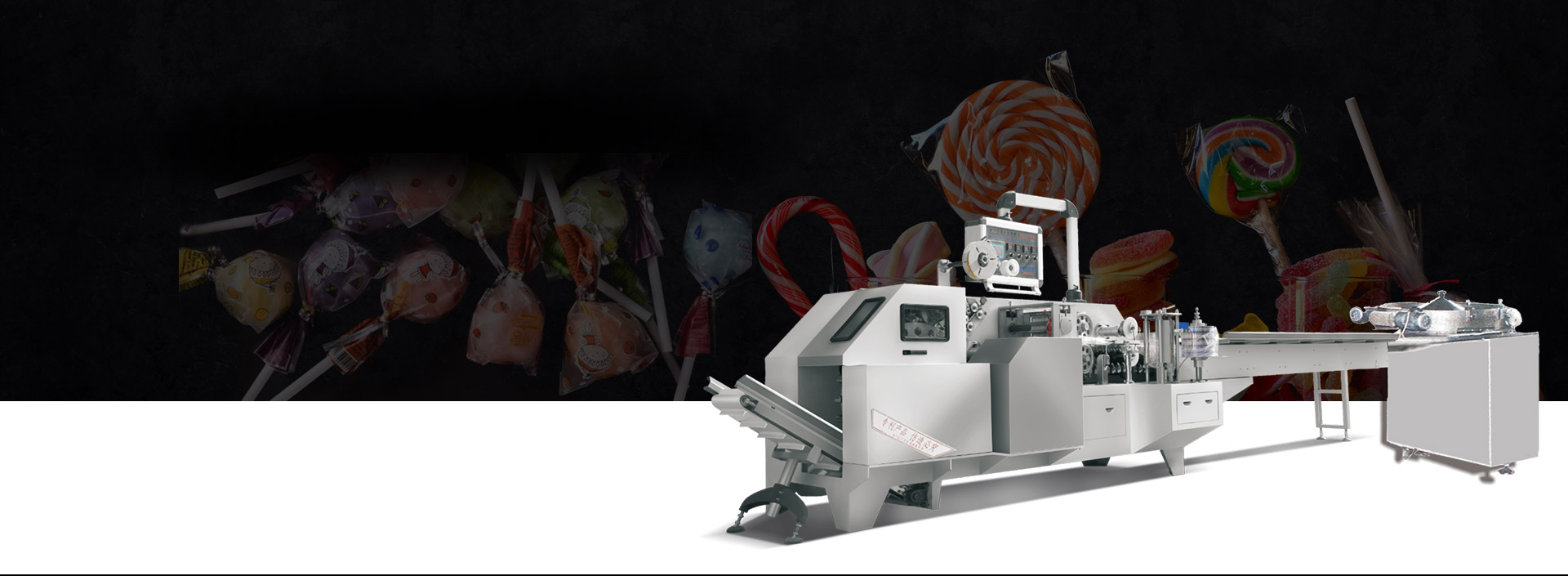
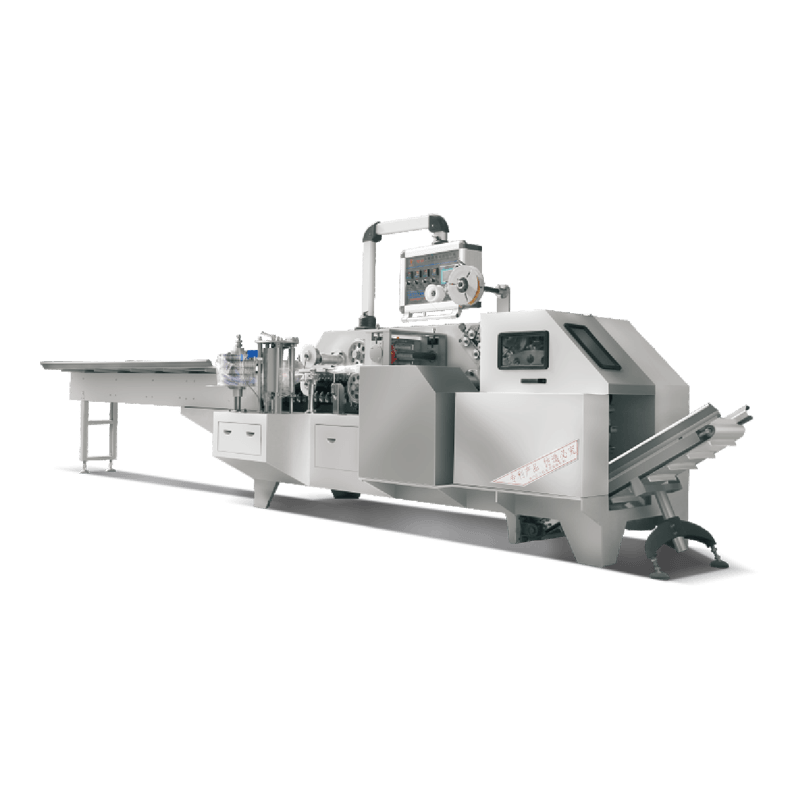
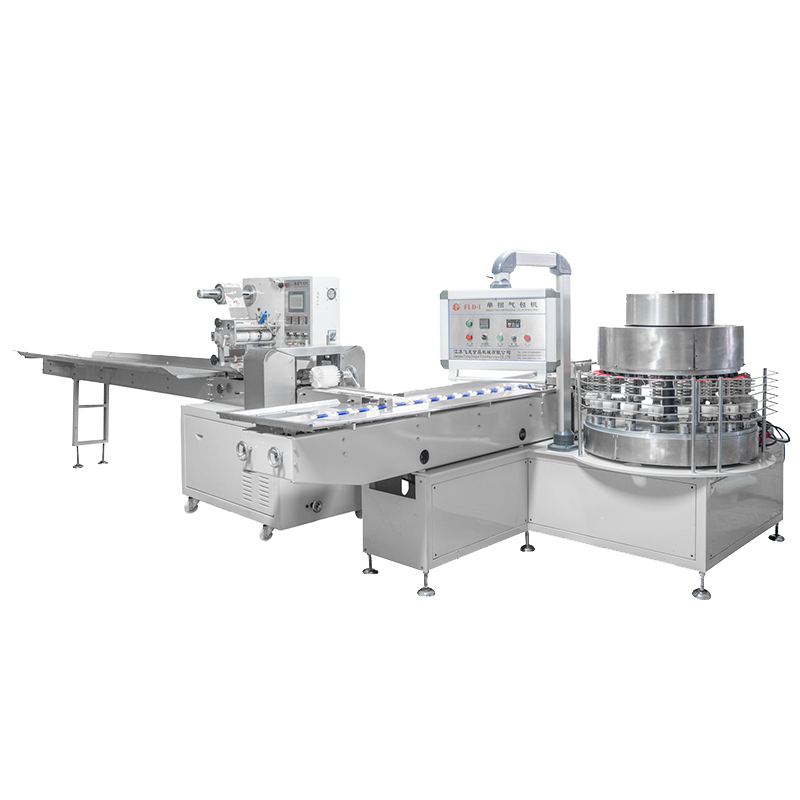
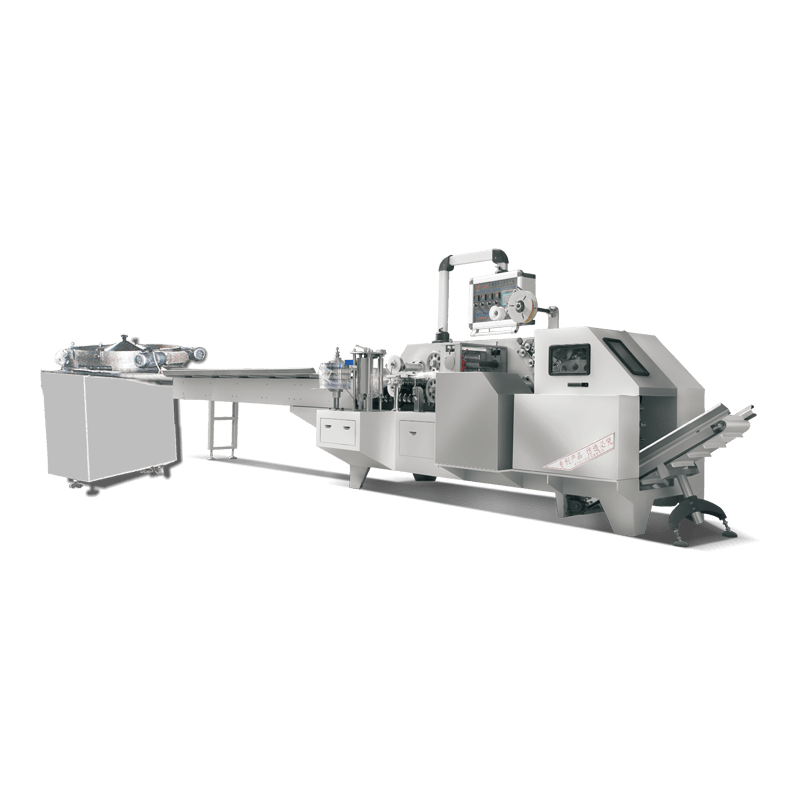
7. Flat Lollipop Golden Wire Twist Packing Machine: Hygienic Sealing for Distribution
At the final stage, the Flat Lollipop Golden Wire Twist Packing Machine wraps each candy with a protective layer. The wrapping film is sealed with a twist wire that keeps air and moisture away from the surface. This type of packaging helps preserve freshness and shape while making each item easier to transport.
The wrapping unit works in a smooth cycle. As each lollipop arrives, the film encloses it, and the ends are twisted securely. This creates a clean appearance suitable for retail shelves. The wire twist also provides a traditional presentation often used in confectionery packaging.
Proper wrapping ensures hygiene, prevents flavor loss, and protects the candy from physical damage during storage. It also gives buyers a clear view of the swirl pattern inside the wrapper, which is a key visual feature of rainbow lollipops.
Summary of Each Section in the Production Line
| Production Stage | Primary Function | Output Effect |
|---|---|---|
| B Batch Roller | Shapes initial mass | Stable block with centered color layers |
| Rollers Rope Sizer | Stretches rope to stable diameter | Even swirl thickness |
| Embossing Machine | Surface shaping | Rope stability before forming |
| Whirly Lollipop Machine | Wraps rope around stick | Spiral rainbow appearance |
| Forming Machine | Shape refinement | Uniform outline and smoother finish |
| Climbing Conveyor | Gentle transfer and cooling | Surface stabilization |
| Flat Lollipop Golden Wire Twist Packing Machine | Sealing and wrapping | Protected and presentable product |
Maintaining Production Quality Across the Entire Line
Stable output depends on coordinated timing between all seven units. Since sugar responds quickly to temperature changes, small adjustments may influence appearance and texture. Operators often monitor color distribution, rope tension, rotation speed, forming pressure, and wrapping condition throughout the shift.
Cleanliness also matters. Residue from previous batches can affect texture or color clarity. Regular cleaning prevents hard buildup on rollers, molds, and guides. Lubrication at designated points helps extend equipment life without compromising food safety.
Daily Care and Fast Recovery for Production
Confectionery workshops aim to minimize downtime. Quick checks on belts, chains, molds, roller surfaces, and sensors allow teams to resume work faster after breaks. Because warm sugar cools rapidly, restarting the line requires attention to the transition temperature. Keeping tools pre-heated or using protective covers helps maintain consistency during short pauses.
Routine inspection of wrapping material and wire twist mechanisms ensures smooth last-stage operation. Any irregularity in this area could interrupt the entire workflow, even if earlier stages run smoothly.
By following a structured recovery routine, operators can restart the line with minimal waste. This includes preparing fresh syrup, confirming roller temperature, verifying rope alignment, and clearing the conveyor path.
The journey from syrup to rainbow lollipops involves a connected system of machines that gradually shape, refine, and protect the candy. Each unit in the sequence contributes to the product's structure, appearance, and stability. Through proper coordination between the B Batch Roller, the Rollers Rope Sizer, the Embossing Machine, the Whirly Lollipop Machine, the forming equipment, the Climbing Conveyor, and the Flat Lollipop Golden Wire Twist Packing Machine, producers can maintain a steady workflow and create visually appealing candies.
This complete process supports reliable output while reducing manual strain and simplifying quality control. By understanding the role of each segment, workshops can operate efficiently, maintain hygiene, and meet diverse production goals.
A Real Comparison with Traditional Production Methods
The shift from manual confectionery work to integrated machinery has influenced how rainbow lollipops are shaped, cooled, and packed. To understand this change clearly, it helps to compare the workflow found in older workshops with the process used in an automated rainbow lollipop line. Each method reflects a different style of sugar handling, skill demands, and production rhythm.
Traditional candy rooms often depend on craft experience. Workers control syrup textures by sight, judge stretching stages by hand feel, and maintain shape consistency through routine practice. An automatic production line, by contrast, relies on coordinated equipment to keep every step stable. Rather than replacing creativity, this approach provides a structured environment that supports continuous operation.
| Aspect | Earlier Manual Workflow | Integrated Machinery Line |
|---|---|---|
| Syrup Handling | Adjusted by hand with frequent checks | Managed through steady feeding into the rolling and shaping units |
| Color and Stripe Formation | Layered manually; skill dependent | Achieved through controlled rolling and rope sizing stages |
| Shape Control | Formed with molds and repeated hand motions | Managed by coordinated forming units and embossing sections |
| Output Rhythm | Varies with worker speed and fatigue | Operates with continuous flow when materials are available |
| Consistency | Relies on experience | Maintains pattern regularity through mechanical timing |
| Packing | Wrapped manually or with semi-automatic tools | Completed through twist packing equipment for uniform results |
Workflow Differences in Daily Operation
Craft production usually starts with heated syrup placed on a cooling table. After mixing the colors, workers fold the mass several times by hand, attach decorative layers, and stretch the material into long ropes. Each rope is then cut and shaped individually. The final stick insertion, flattening, and wrapping require separate steps.
In contrast, an automated line arranges these actions into a smooth route. The batch roller guides the syrup into an even cylinder. The rope sizer establishes diameter stability. The embossing section introduces texture when required. The whirly forming unit creates the spiral lollipop form. A forming device stabilizes the piece before it travels upward through the climbing conveyor. The packing unit finishes the cycle with a golden-wire twist seal.
The difference is not speed alone. It is the shift from scattered workstations to a connected path that reduces interruptions. Since fewer pauses occur between shaping and wrapping, the sugar mass retains its intended form without extra reheating or repeated adjustments.
Impact on Product Regularity
In manual workshops, maintaining identical shapes across a long shift can be difficult because sugar responds to room temperature, table surface conditions, and hand pressure. As fatigue increases, the lollipops may show minor differences in diameter or swirl clarity.
Automated systems offer a more stable environment. Mechanical rollers and sizing units follow preset spacing, helping the color pattern remain consistent from piece to piece. Although creativity still exists in flavor selection and color arrangement, the basic geometry stays uniform.
Labor Considerations
A traditional workspace often requires several workers on different stations: pulling sugar, adding colors, stretching ropes, inserting sticks, and wrapping. This approach favors artisans who understand how sugar behaves through repeated practice.
A mechanical line shifts the workforce into monitoring and coordinating roles. Operators focus on feeding syrup, checking rollers, observing forming patterns, and supervising the packing flow. Instead of repeating the same physical motion for hours, staff handle adjustments and quality checks.
This transition does not remove human involvement. Instead, it changes the type of attention required. Operators watch pressure points, alignment paths, rope thickness, and twist sealing to maintain smooth operation.
Variation and Design Flexibility
Both production styles allow creativity, though they achieve it differently. Manual shaping gives workers direct contact with colors and patterns, allowing spontaneous changes. Automated lines create variation through equipment settings. Changing stripe styles, embossing marks, or candy sizes depends on selecting the right molds or adjusting the rope formation path.
While switching designs in older workshops takes time and physical effort, a mechanical line shifts to new styles through controlled changes that do not disrupt the entire process.
Material Use and Handling
Traditional sugar work often creates trim loss when workers cut and reshape ropes. Heat exposure may also vary, causing certain parts of the mass to harden faster than others.
The equipment-based method reduces repeated reheating cycles. Since the syrup travels from rolling to packaging with fewer pauses, the material remains easier to shape. The reduction of unnecessary manipulation helps maintain the syrup's intended texture.
Comparison Summary
Both production approaches have their own strengths. Manual creation supports artistic expression and small-batch experimentation. Automated machinery provides stable performance for larger, steady workflows where uniformity and efficiency are important.
| Category | Manual Style | Automated Line |
|---|---|---|
| Suitable for | Custom batches and craft items | Continuous operation |
| Key Feature | Hands-on shaping | Integrated route from syrup to packing |
| Labor Demand | High physical involvement | Monitoring and coordination |
| Variation Control | Based on artisan skill | Based on mold and unit settings |
Daily Maintenance and Quick Resumption of Production Techniques
A continuous rainbow lollipop line functions smoothly when each component receives appropriate care. Daily maintenance helps avoid unnecessary interruptions, keeps the syrup path clean, and ensures that the rolling units, forming devices, and packing equipment remain in stable condition. While the process involves multiple machines, the routines themselves are straightforward when approached step by step.
Daily checks focus on three ideas.
One is cleanliness, since sugar residues harden if left untouched.
Another is alignment, because each section depends on a steady material flow.
The third is readiness, which means preparing all stations for the next cycle before turning on the heat or feeding syrup.
Below is a detailed look at how confectionery operators typically keep the line in healthy working order.
Core Daily Maintenance Practices
1. Cleaning Before Starting Work
Sugar mixtures cool quickly. When they attach to rollers, forming tools, or conveyor plates, they gradually build layers that affect the smooth movement of the rope. A daily wipe with food-safe materials prevents this.
Most operators begin with:
- Checking surfaces that contact syrup
- Removing hardened pieces around roller edges
- Clearing small fragments near the forming path
- Making sure the packing zone is free from leftover film or wrappers
This simple routine supports stable rope shaping and prevents irregularities during the first batches.
2. Inspection of Rolling and Shaping Units
The B batch roller, rope sizer, embossing parts, and spiral forming section depend on balanced movement. Before running the line, operators observe the spacing between rollers, confirm that the rope path is straight, and make minor corrections when necessary.
Regular attention to alignment helps maintain swirl clarity and keeps the rope from drifting to one side.
3. Stick Feeding Area Preparation
The stick insertion point works best when the channels are clean and dry. Any leftover sugar flakes or moisture can interfere with loading. A brief check ensures that the sticks feed smoothly once the forming device begins shaping the lollipop.
4. Conveyor Tidiness
The climbing conveyor moves freshly shaped candy with a consistent upward rhythm. Dust, small fragments, or leftover wrappers can interrupt this motion. Operators usually clean the plates, confirm the belt's tension, and verify that the surface is even.
5. Packing Equipment Attention
Twist-packing work depends on precise motion. The golden wire section should rotate without obstruction. Cleaning the feeding slots and straightening the wrapper roll helps prevent snagging. Since the sealing process operates at a steady rhythm, any misalignment can spread to later batches.
Keeping Production Stable Throughout the Day
Daily maintenance extends beyond early-shift routines. Light attention during breaks or batch transitions maintains flow stability.
Common mid-shift actions include:
- Clearing trimmed candy ends to avoid blockages
- Checking whether the rope diameter remains uniform
- Observing syrup temperature changes
- Ensuring stick supply remains dry and organized
Instead of performing major fixes, these small checks maintain system balance while the line continues running.
Quick Recovery Principles After Unexpected Pauses
Even a well-maintained line may experience temporary stops due to syrup delays, mold changes, wrapper refills, or environmental shifts. The speed of recovery depends on how quickly operators restore rhythm without disturbing the candy texture.
Below are practical measures used in many confectionery workshops.
1. Clearing Partially Shaped Pieces
If the line stops during rope forming or stick insertion, partially shaped candy may remain in between stations. Removing these fragments prevents ropes from stretching incorrectly when the line restarts.
2. Rewarming the Material Gently
During pauses, the sugar mass may firm slightly. Instead of reheating aggressively, operators warm it gradually or roll it through the batch roller to recover plasticity. This helps maintain color definition and prevents unwanted cracks.
3. Resetting the Rope Path
A brief pause can cause the rope to flatten or shift. Before resuming operation, operators realign it with the rope sizer and guide plates. Ensuring straight movement prevents uneven swirl formation.
4. Synchronizing Machine Timing
A mechanical line works like a chain. If one unit starts too early, misalignment can occur. Restarting involves synchronizing the rotation speed of rollers, forming devices, conveyors, and packing sections. Operators usually:
- Start the roller section
- Let the rope stabilize
- Engage the forming machine
- Activate the conveyor
- Resume twist packing last
This approach avoids sudden tension on the rope.
5. Checking Wrapping Material Flow
If the line stops during packing, the wrapping film or golden wire may loosen. Straightening the roll and resetting tension ensures that the next batch wraps smoothly without tearing.
Suggested Daily Maintenance
| Task Category | Example Actions | Purpose |
|---|---|---|
| Surface Care | Remove residues, wipe contact points | Preserves clean candy surfaces |
| Alignment Check | Observe roller spacing, guide accuracy | Stabilizes rope movement |
| Forming Path | Inspect stick channel, adjust forming plates | Ensures steady shaping |
| Conveyor Area | Clear fragments, confirm belt tension | Maintains upward transport |
| Packing Zone | Clean film path, reset twist-wire feed | Supports smooth wrapping |
Building a Proactive Routine
A consistent routine prevents larger issues from appearing later. Many workshops create a short checklist for each shift. By recording observations, small variations become easier to detect. The combination of routine care and quick response allows the entire line to operate without major interruptions.
Training Practices for Smooth Recovery
Operators who understand the behavior of sugar mixtures can restart the line with minimal loss. Training usually covers:
- How the syrup behaves at different textures
- How to interpret subtle surface changes on the rope
- How to adjust forming tools gently without over-tightening
- How to read the sound of the packing unit to detect slight misfeeds
This knowledge helps workers make intuitive corrections during busy hours.
Importance of Environmental Conditions
Temperature, humidity, and airflow all affect candy texture. When conditions change rapidly, operators may see the rope stiffen or soften unexpectedly. Daily monitoring of the workspace atmosphere allows faster reaction and contributes to consistent lollipop formation.
Daily maintenance and quick resumption methods protect the stability of the entire rainbow lollipop line. Instead of focusing on complex repairs, the goal is to maintain clarity in the production route, care for contact surfaces, and restore rhythm smoothly after pauses. With steady attention to cleanliness, alignment, and coordination, the line moves from one batch to the next with reliability and minimal interruption.
Why Choose flyloong-candymachine
Choosing equipment for making rainbow lollipops is rarely a simple yes-or-no task. Most workshops look at how a line behaves during ordinary workdays, not just how it performs during a perfect demonstration. What matters is whether the machines help workers keep the material moving, whether the cleaning routine is manageable, and whether the layout fits the natural flow of candy shaping. This is one of the reasons many producers eventually turn their attention to flyloong-candymachine.
One thing operators often mention is that the line feels familiar after only a short period of use. The arrangement mirrors the way sugar needs to cool, stretch, twist, and settle. None of the stations feel out of place. As the rope leaves the rolling section and moves toward forming, the transition is gradual enough that operators can read the texture with a quick glance. This rhythm helps reduce those moments when the rope suddenly stiffens or sags, which are common in candy workshops.
Another point that tends to matter over time is how accessible everything is during daily cleaning. Workers can reach the roller surfaces, guide plates, and conveyor areas without tools. This encourages small cleanups instead of waiting for a scheduled shutdown. A few minutes spent wiping off syrup flakes early in the shift usually prevents larger issues later. The same applies to the packaging area, where wrapper fragments can build up if left alone.
Workshops that often experiment with shapes or wrapper changes also find the line suitable. Instead of needing major rearrangements, small adjustments usually do the job. A slight change in spacing or forming pressure can alter the look of the candy without disturbing the rest of the line. This flexibility gives producers room to develop new products gradually.
Downtime recovery is another detail operators care about. When the line stops because of syrup delays, mold replacements, or a wrapper roll change, getting everything back in sync can be stressful. On this equipment, each section restarts in a calm sequence. Workers clear unfinished pieces, warm the rope gently, straighten the path, and bring the sections online one by one. The process feels practical rather than complicated.
| Practical Concern | How It Helps Daily Work |
|---|---|
| Flow arrangement | Moves candy through each stage naturally |
| Cleaning access | Encourages small, frequent care instead of large shutdowns |
| Adjustments | Supports gradual product variation |
| Labor rhythm | Reduces repetitive shaping tasks |
| Restart routine | Easier to bring sections back into harmony |
In general, flyloong-candymachine suits workshops that value steady, predictable operation. Nothing feels overly complicated, and most tasks can be handled by regular staff after some practice. Instead of chasing after constant fixes, teams can focus on maintaining a smooth daily rhythm and keeping each batch consistent.
 +86-(0)515-8465666
 +86-(0)515-85566996
 +86-138 1559 9708
 flyloong@flyloongcn.com
 Home
Home