

 ENG
ENG
 English
 中文简体
中文简体 русский
 Français
 Español
 عربى
عربى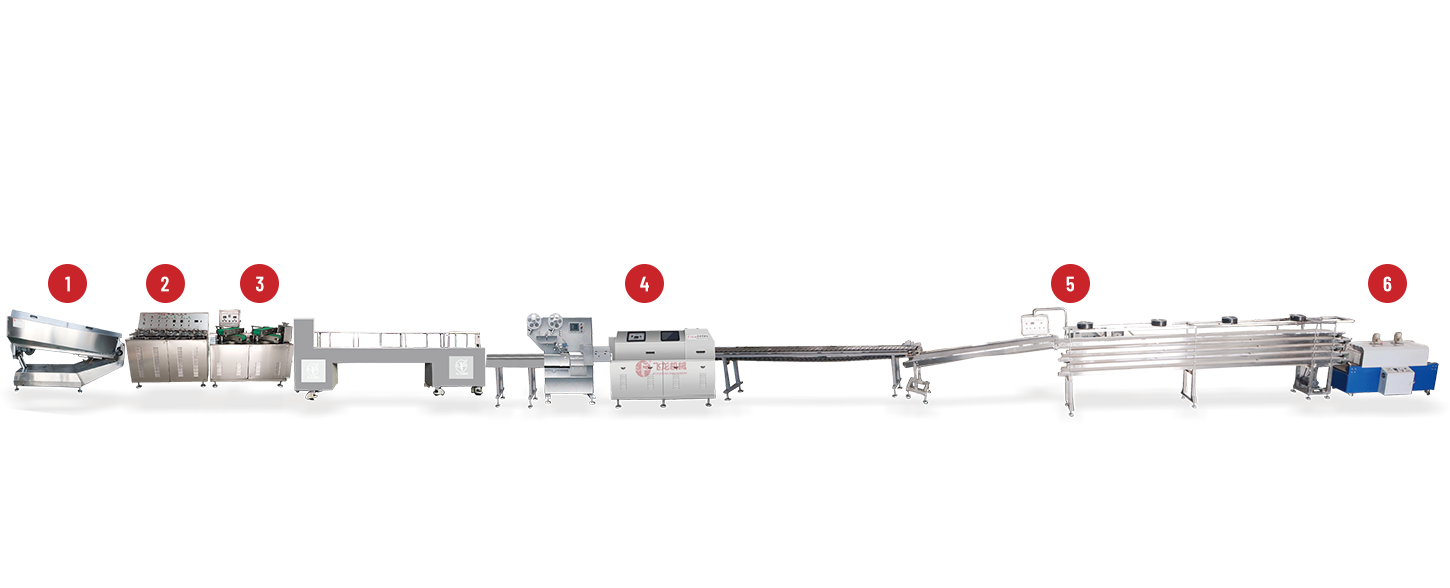
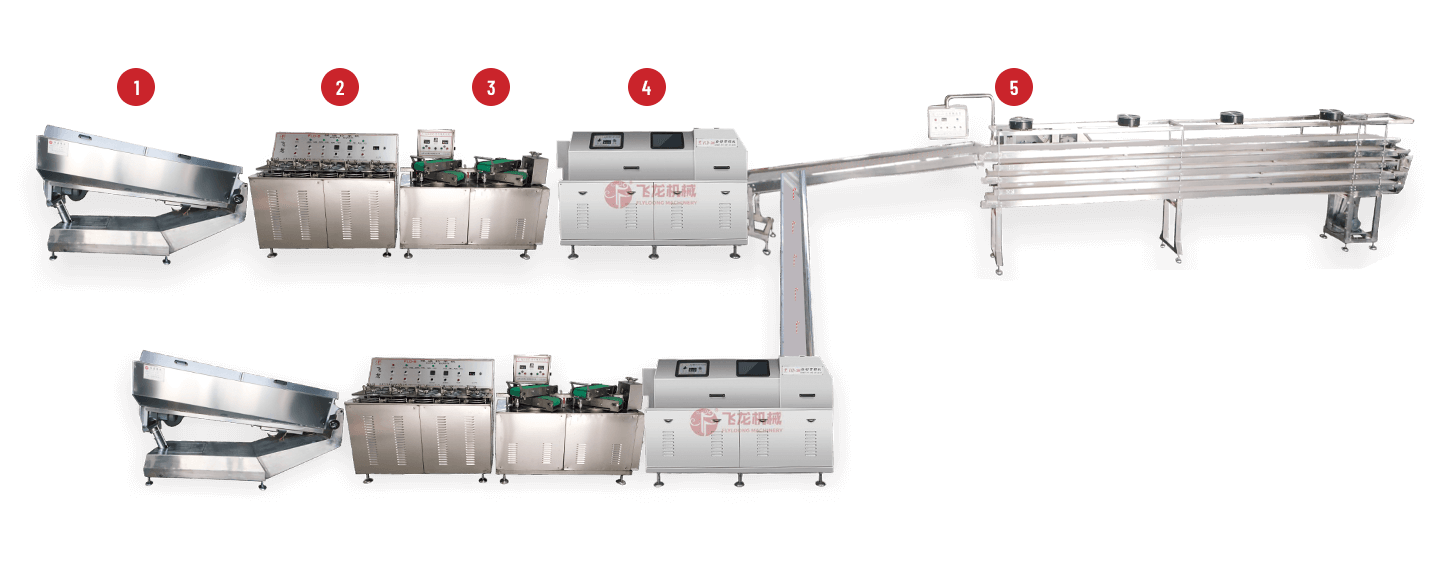
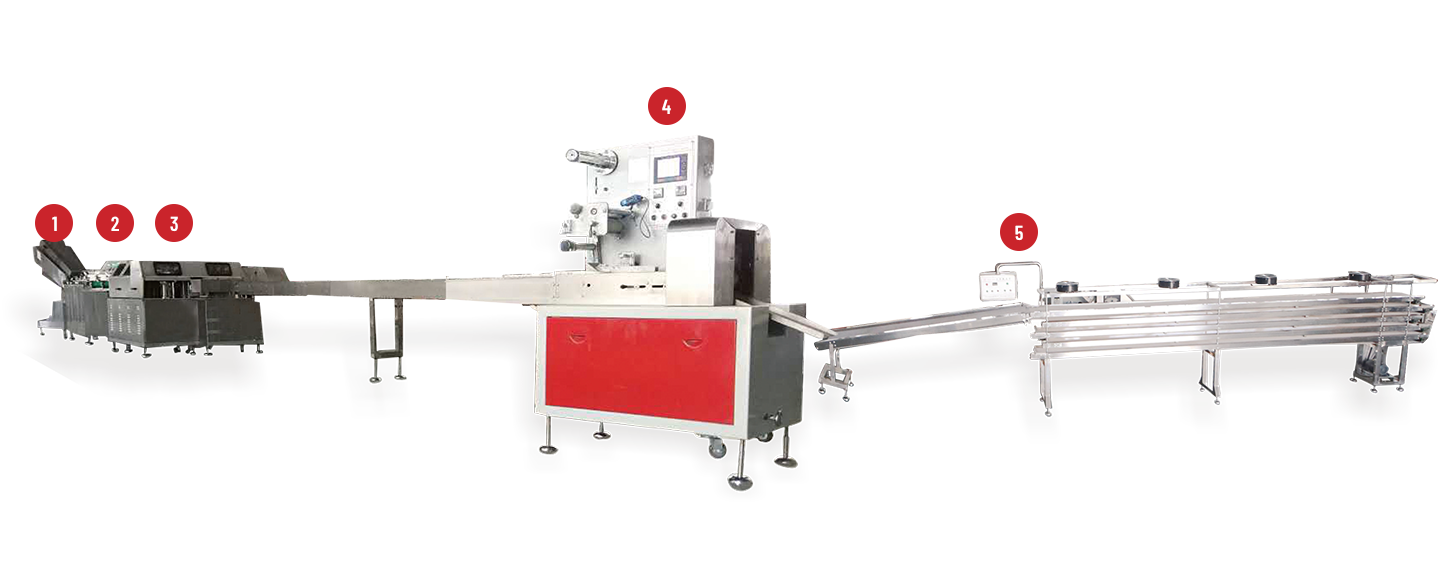
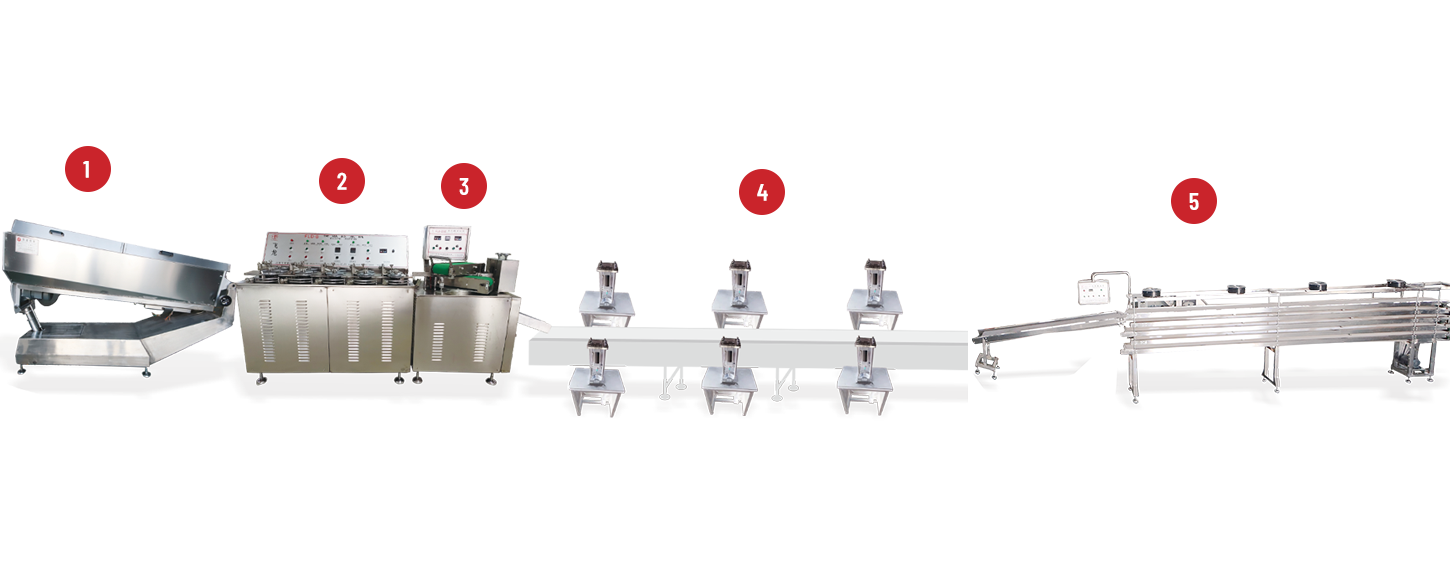
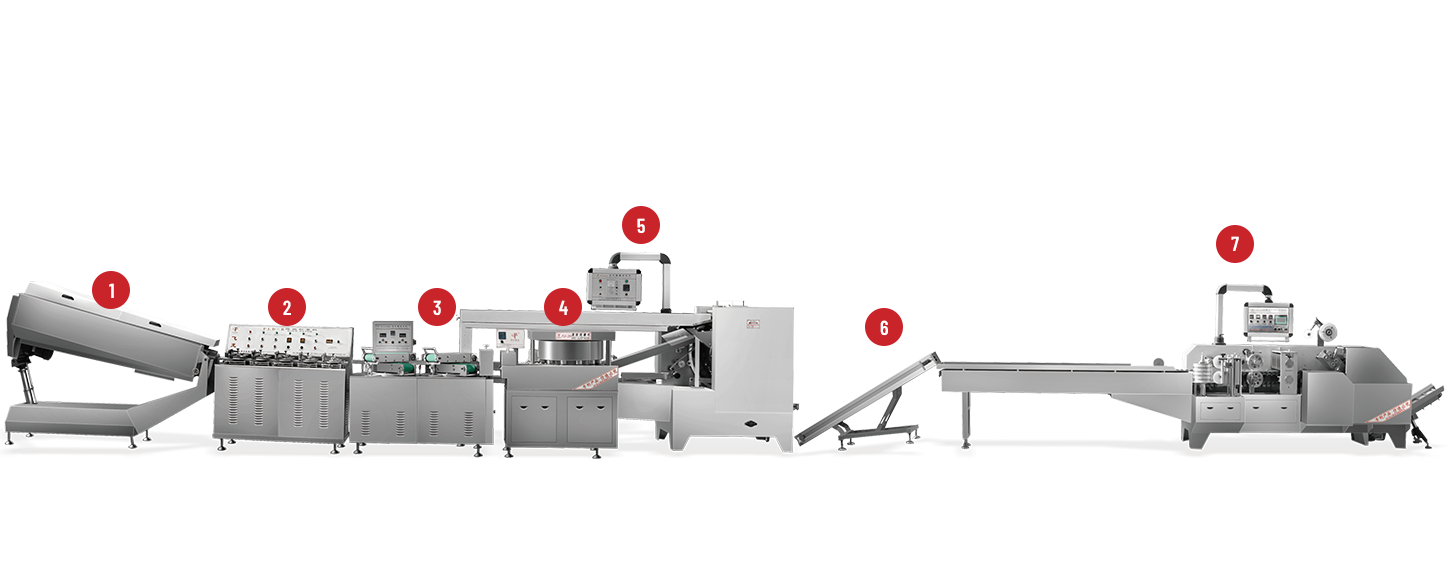
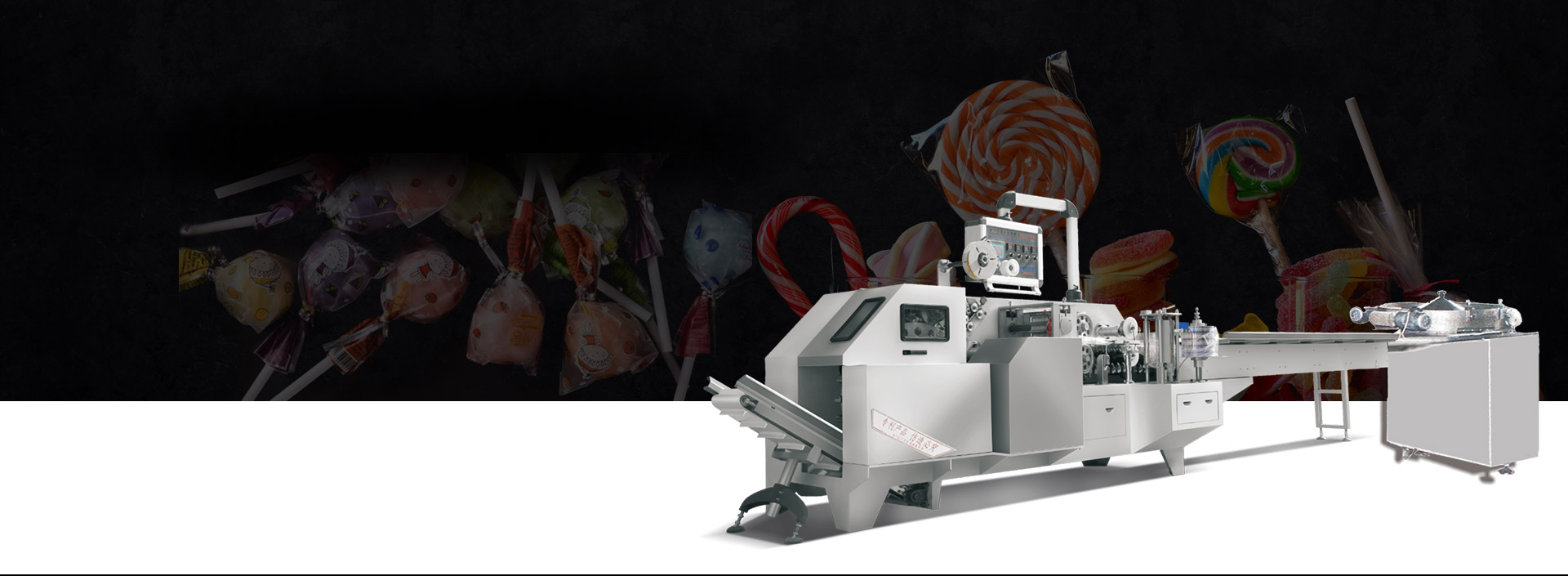
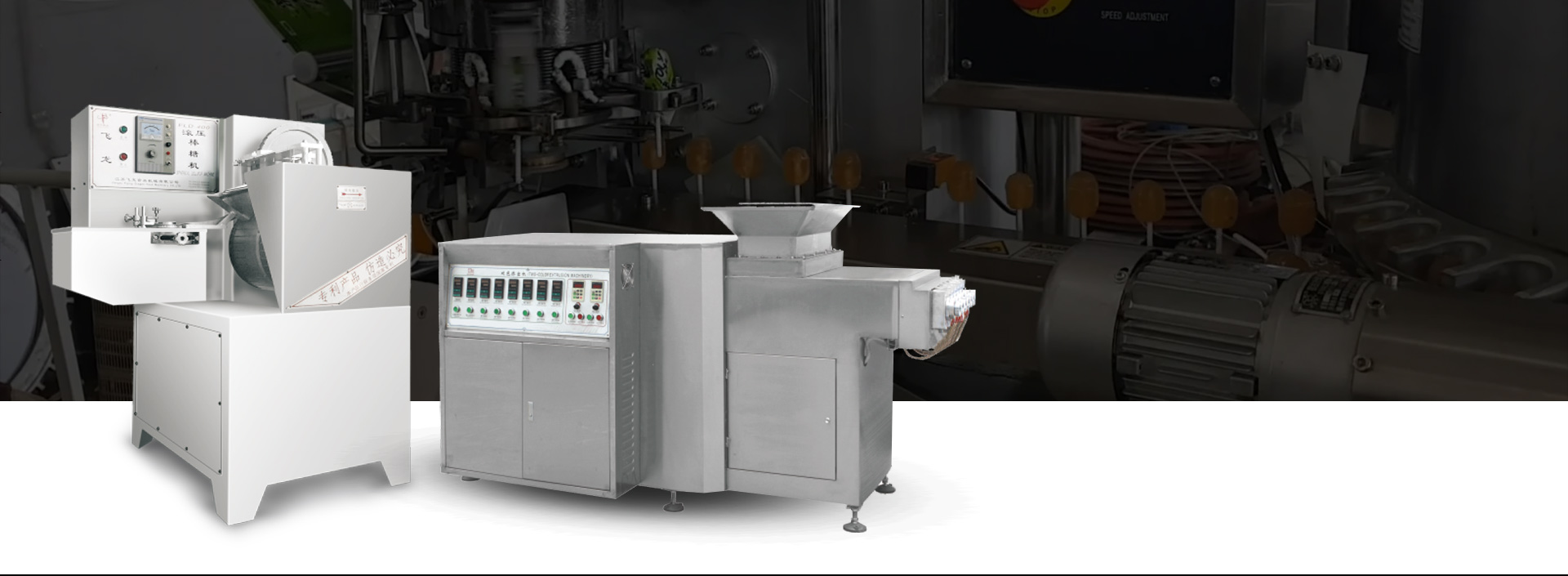
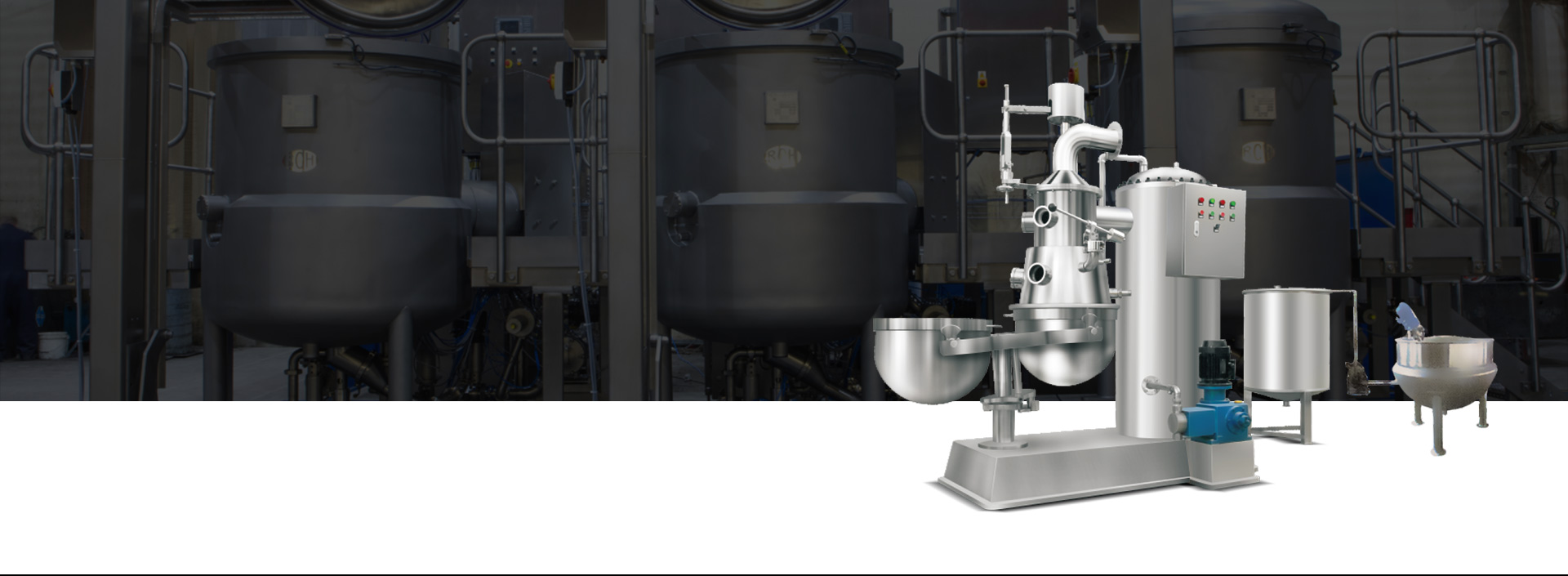
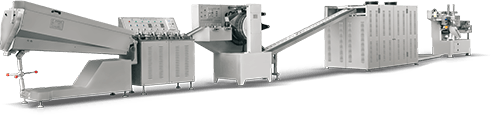
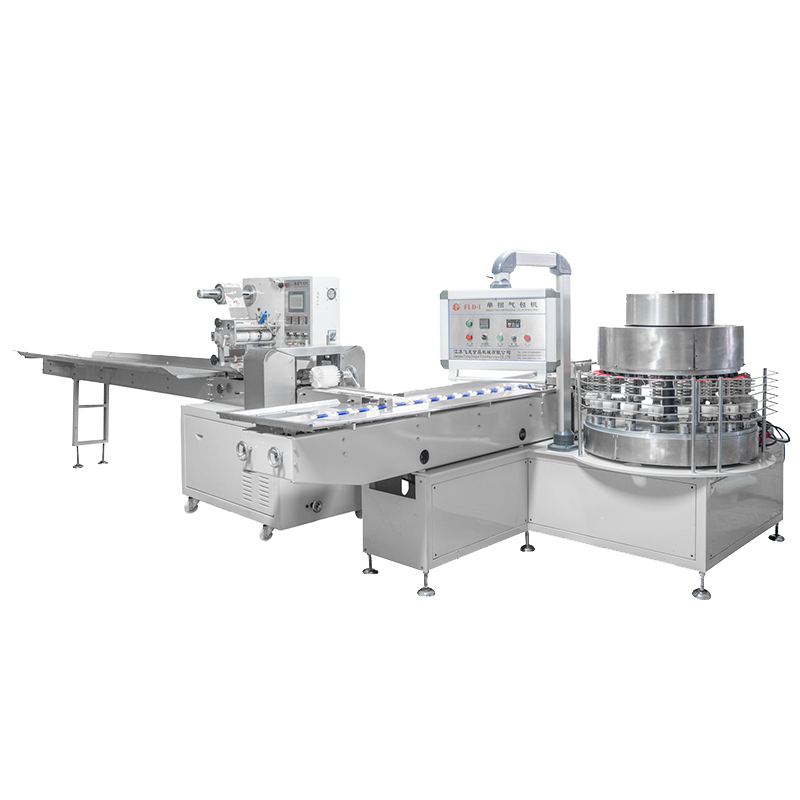
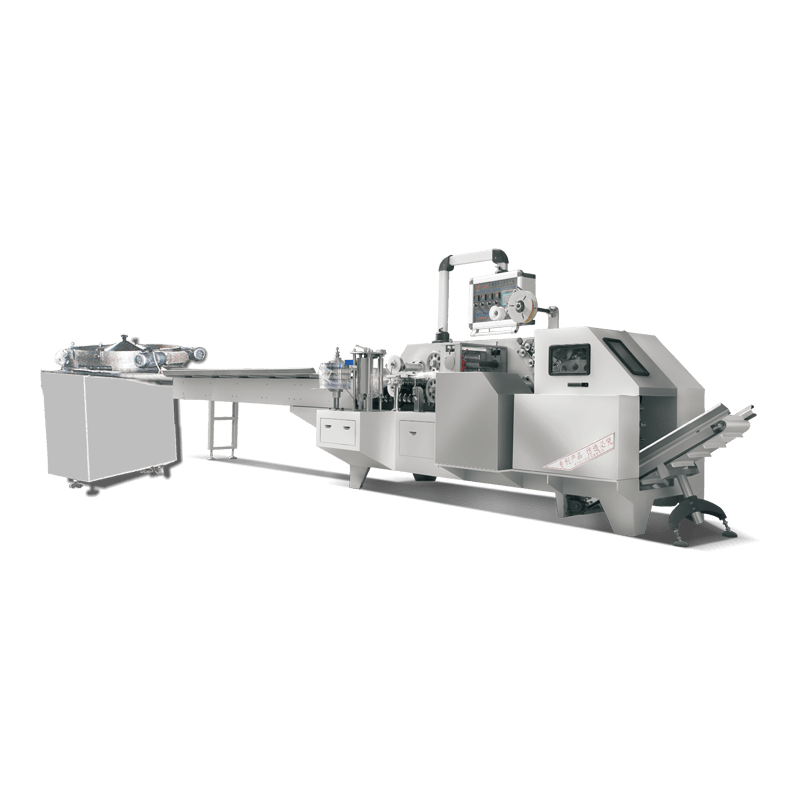
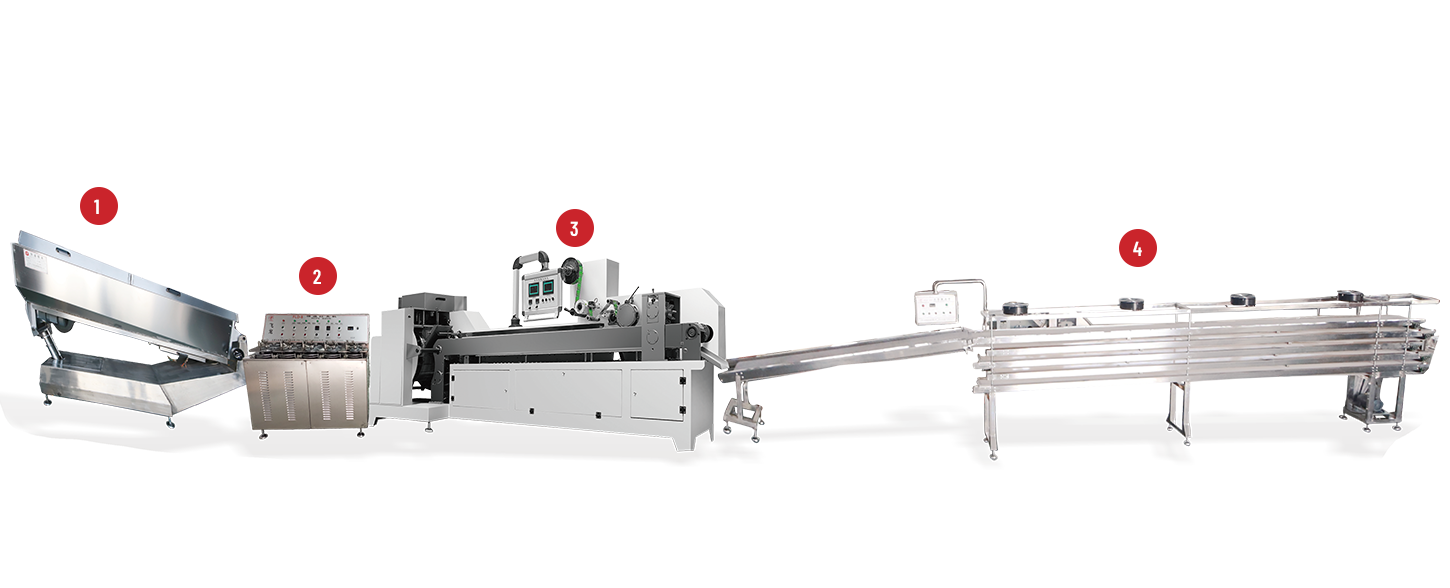
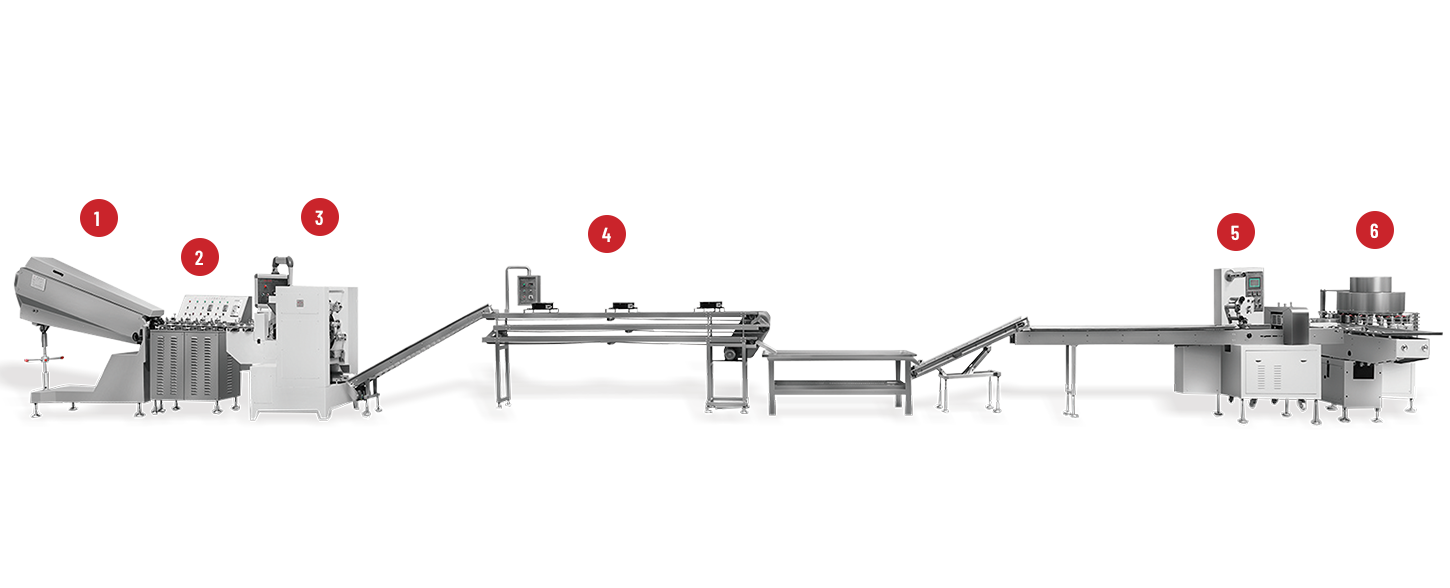
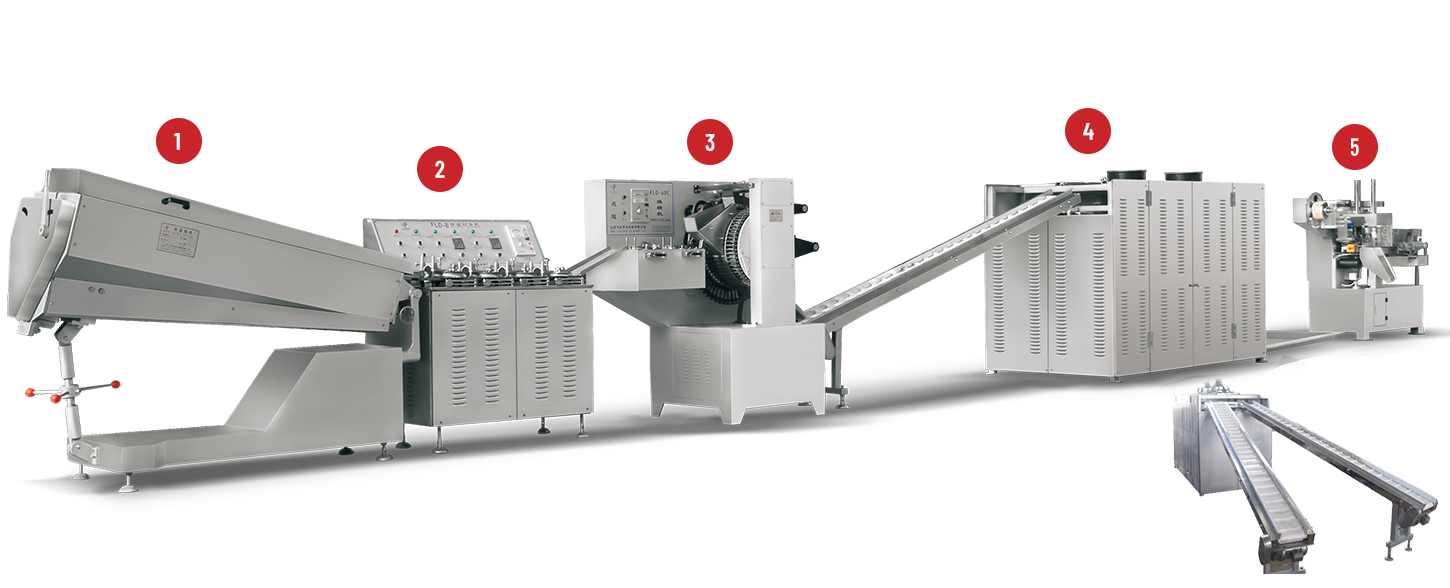
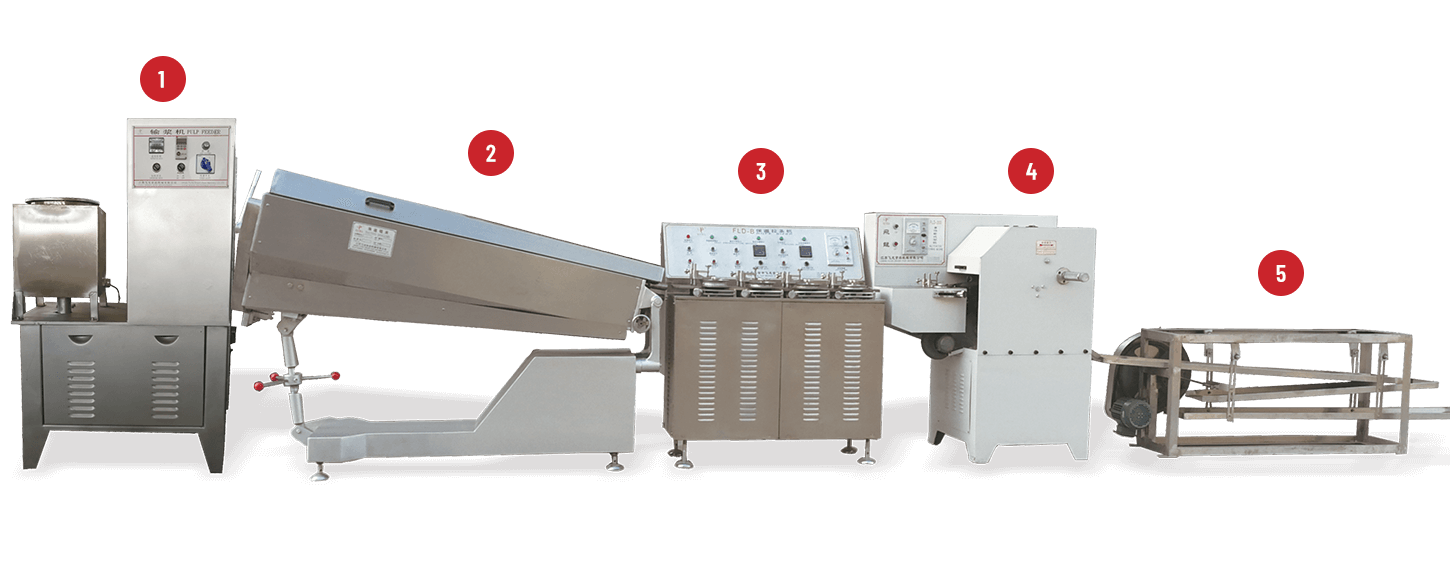
An Automatic Candy Cane Line can efficiently transform basic ingredients into thousands of neatly curved, clearly striped canes per hour, provided that operators strictly adhere to standardized procedures and maintain constant vigilance. Sugar syrup is highly sensitive to minor variations in temperature, humidity, and handling. The following guidelines are practical standard practices summarized from actual production floors, designed to ensure stable equipment performance, consistent product quality, and minimized waste.
1. Pre-Start Environment Preparation
The production area must remain clean and dry. Sugar dust becomes extremely slippery when mixed with even trace amounts of moisture. Perform a thorough dry sweep each morning before the shift begins to remove residual particles from the previous day.
- Clean any minor spills immediately with a mop and dry cloth.
- Maintain adequate ventilation to prevent excessive humidity that could affect the candy mass.
2. Morning Inspection Procedure (Recommended Completion Within 5 Minutes)
With the equipment still cold, conduct a manual check from the cooker to the packaging section:
- Rotate the pulling arms by hand to confirm smooth movement without catching
- Roll the forming wheels forward and backward to detect any sugar residue adhesion
- Verify that all safety guards lock securely into position
- Inspect color dosing tubes for dried pigment residue
- Wipe photo-eye sensors with a soft cloth to ensure accurate detection
This inspection effectively identifies hardened sugar deposits formed overnight, preventing surface scratches on the first production batch.
3. Initial Test Batch
Before full-scale production, cook a small syrup batch sufficient for 10–20 finished canes. Complete the full process of pulling, striping, forming, and cooling, then break one sample to examine the fracture texture.
- Adjust cooking time or pulling parameters immediately based on the test results.
- On humid days, extend cooking time slightly if the sample feels softer.
- On dry days, shorten cooking time to prevent excessive brittleness.
This step significantly reduces the risk of large-scale quality issues.
4. Precise Temperature Control
- Cooker: Maintain stable steam pressure; avoid sudden surges that overheat or darken the syrup
- Batch roller and pulling table: Surface temperature should feel comfortably warm, not hot or cold
- Cooling tunnel: Inspect airflow at different heights at least once per shift
In cold weather, keep large doors closed to prevent drafts across the pulling zone, which can cause uneven stiffening.
5. Daily Cleaning Standard Procedure
Begin warm-water rinsing immediately after the final cane exits the line, while components are still above room temperature. Open all guards and use soft brushes on:
- The narrow contact zone where red and white ropes first merge
- Flavor injection port inside the batch roller
- Grooves in the twisting head
- Pockets of the forming wheels
- Cutter blade and anvil
After cleaning, wipe with approved food-grade sanitizer followed by a final rinse with pure water.
6. Color System Maintenance
Color is delivered through dedicated fine tubes.
- Between batches, flush tubes with warm water for 10 seconds to prevent pigment drying and clogging
- During startup, monitor the first 2 meters of rope closely
- If red stripes begin to feather into white, reduce rope speed by 5–8% or slightly lower color temperature
- A small mirror beside the twister allows real-time viewing of the rope's back side without stopping the line
7. Pulling Quality Assessment
Optimal pulling produces a steady, light "whoosh-whoosh" sound.
- On humid days, the sound may become muffled; slow pulling arms slightly or use a dehumidifier until rhythm returns
- Under-pulled candy remains transparent and brittle
- Over-pulled candy appears chalky
- Properly pulled candy exhibits the expected satin sheen
8. Forming Wheel Maintenance
- Apply one drop of food-grade lubricant to each forming-wheel pocket each morning
- Manually rotate wheels ten times to distribute lubricant evenly
- Check alignment marks; if misaligned, loosen bolts, realign precisely, and retighten
Clean and well-aligned wheels are essential for consistent, smooth cane curvature.
9. Cutter Blade Care
A sticky or dull blade can deform cane ends.
- After each batch, wipe the blade first with a damp cloth, then a dry one
- At least once per week, remove the blade (if equipment design permits) and clean the housing beneath
- A sharp, clean blade ensures crisp, uniform cuts
10. Quick Troubleshooting Reference
| Issue | Typical Symptom | Standard Quick Adjustment |
|---|---|---|
| Stripe bleeding | Faint pink haze in white areas | Reduce rope speed 5–8 % or lower color temp slightly |
| Flat or straight hooks | Insufficient curvature | Clean forming wheels and realign precisely |
| Excessive brittleness | Glass-like fracture | Shorten cooking time 10–15 seconds |
| Soft after cooling | Cane remains flexible | Slightly raise cooling-tunnel exit temperature |
| Frequent wrapper jams | Film tears or stops at sealer | Brush sugar dust from seal bars and check tension roller |
11. End-of-Shift Standard Procedure
- Run warm water through the system for 2 minutes
- Open all guards
- Wipe all surfaces completely dry
- Leave guards open overnight
Thorough drying prevents moisture from crystallizing inside metal components.
12. Effective Team Practices
- Conduct a 2-minute daily morning huddle to share observations
- Rotate stations every 2 hours to maintain attention at each section
- Keep a dedicated notebook at the control panel for optimal settings under different conditions
- Store spare soft brushes and cloths directly beside the line to reduce downtime
Strict adherence to these procedures ensures long-term operation with high yield, sharp stripes, uniform curves, and minimal downtime.
By following these operating precautions, an automatic candy cane production line can consistently produce uniform, visually appealing canes while minimizing waste and downtime. Careful attention to cleaning, temperature control, pulling, and forming ensures that each batch meets expected quality standards. For anyone interested in understanding the inner workings of candy cane production or exploring practical techniques for efficient operation, these practices provide a reliable foundation. Implementing them not only safeguards the equipment but also enhances the overall production experience, making the process smoother and more predictable day after day.
 +86-(0)515-8465666
 +86-(0)515-85566996
 +86-138 1559 9708
 flyloong@flyloongcn.com
 Home
Home