

 ENG
ENG
 English
 中文简体
中文简体 русский
 Français
 Español
 عربى
عربى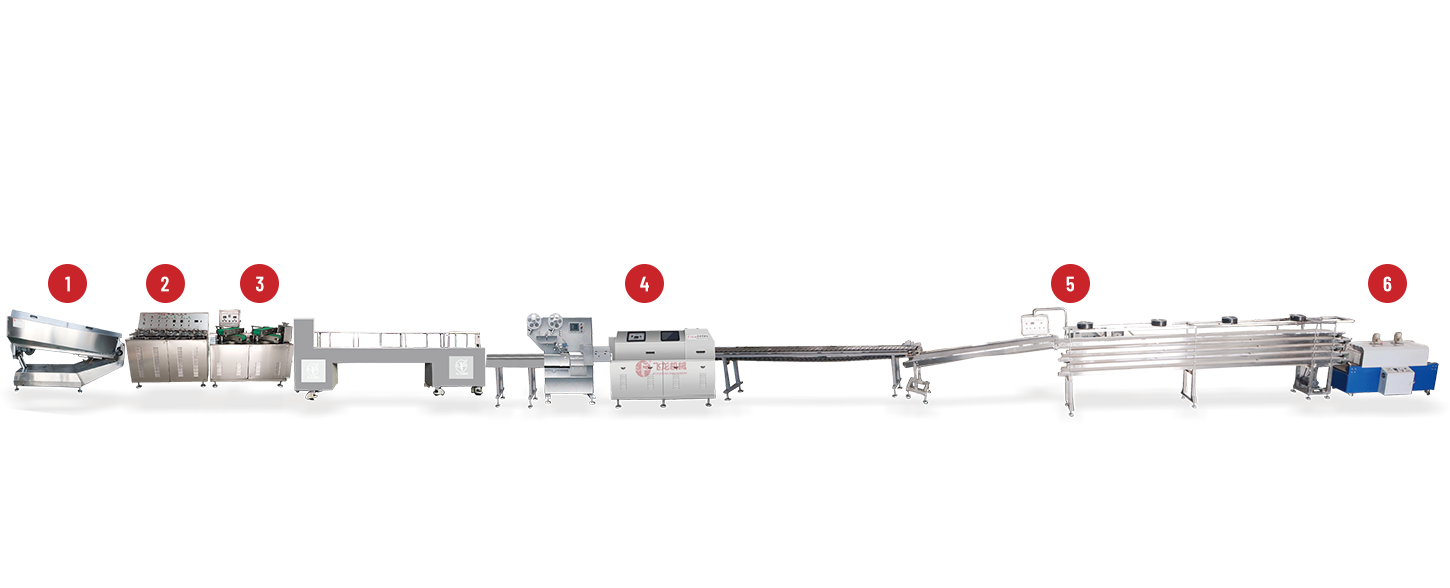
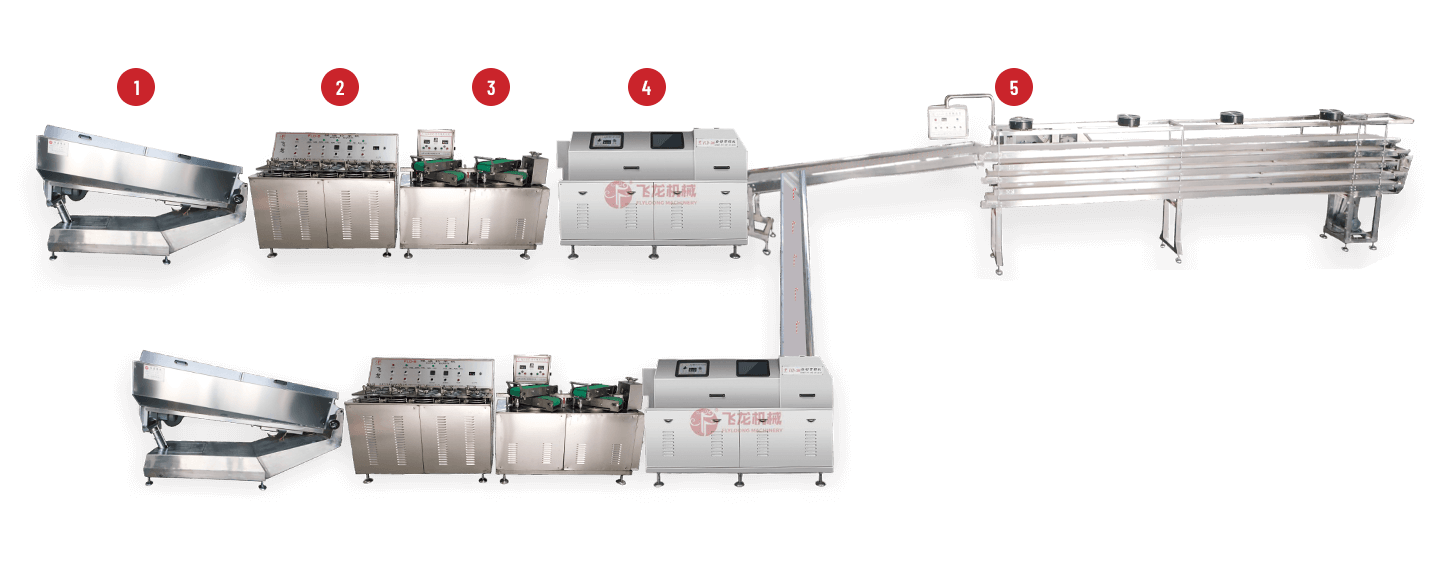
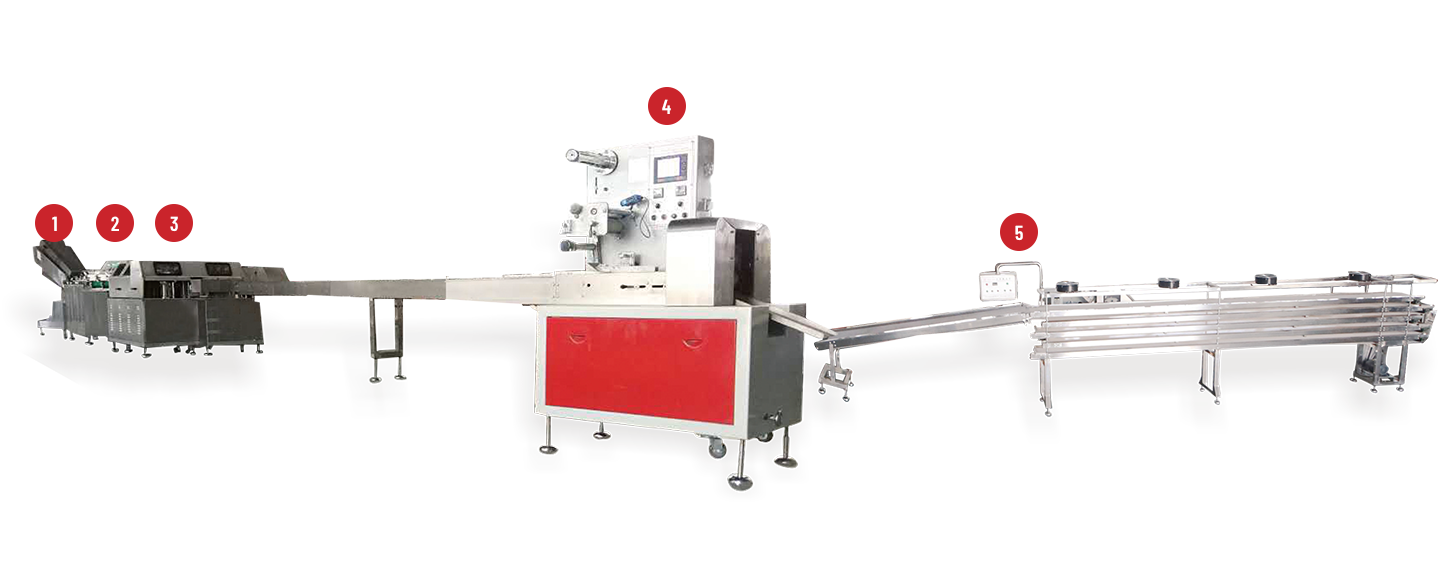
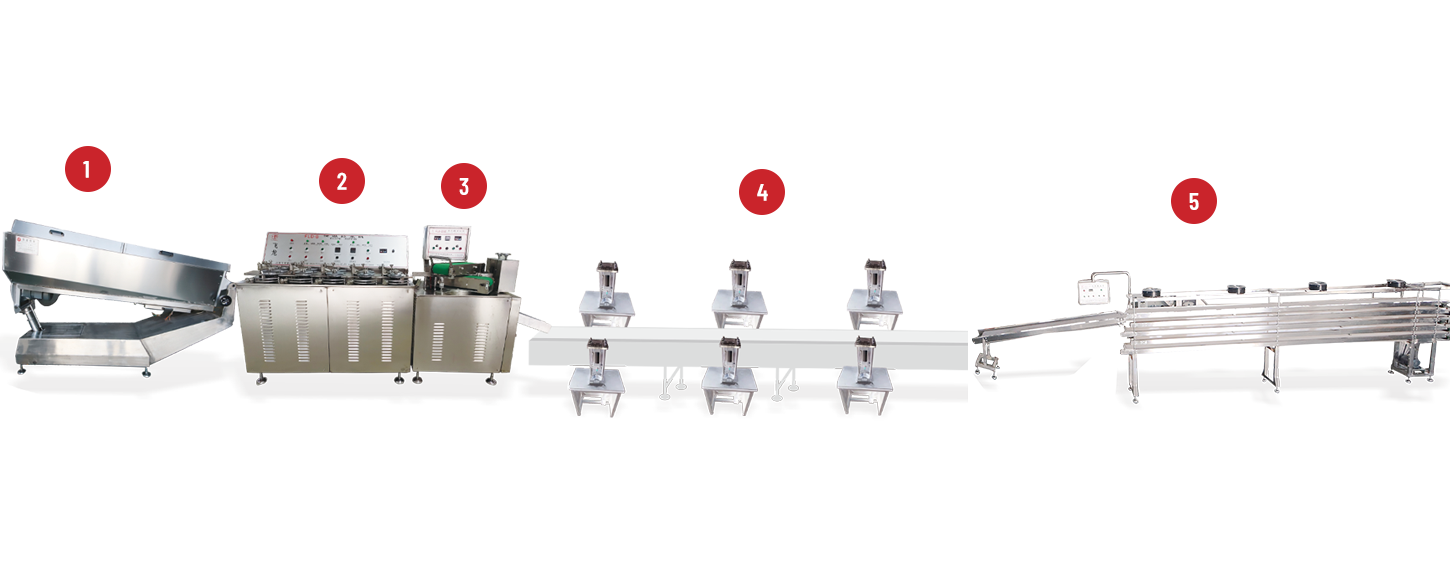
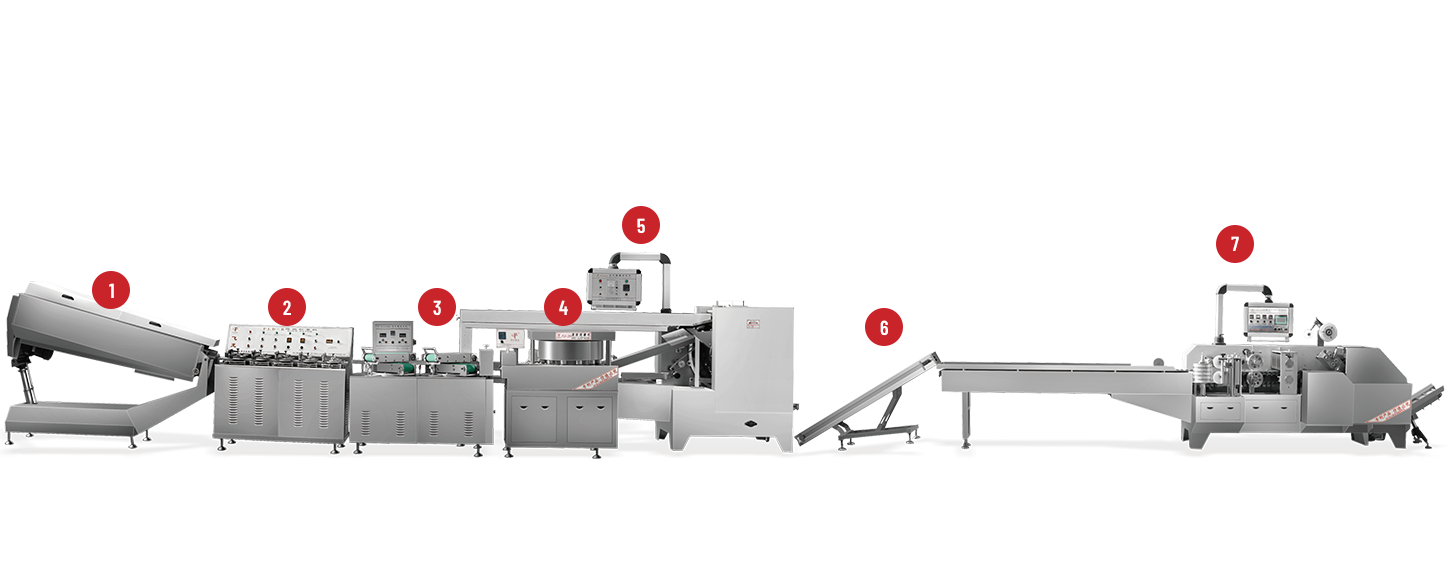
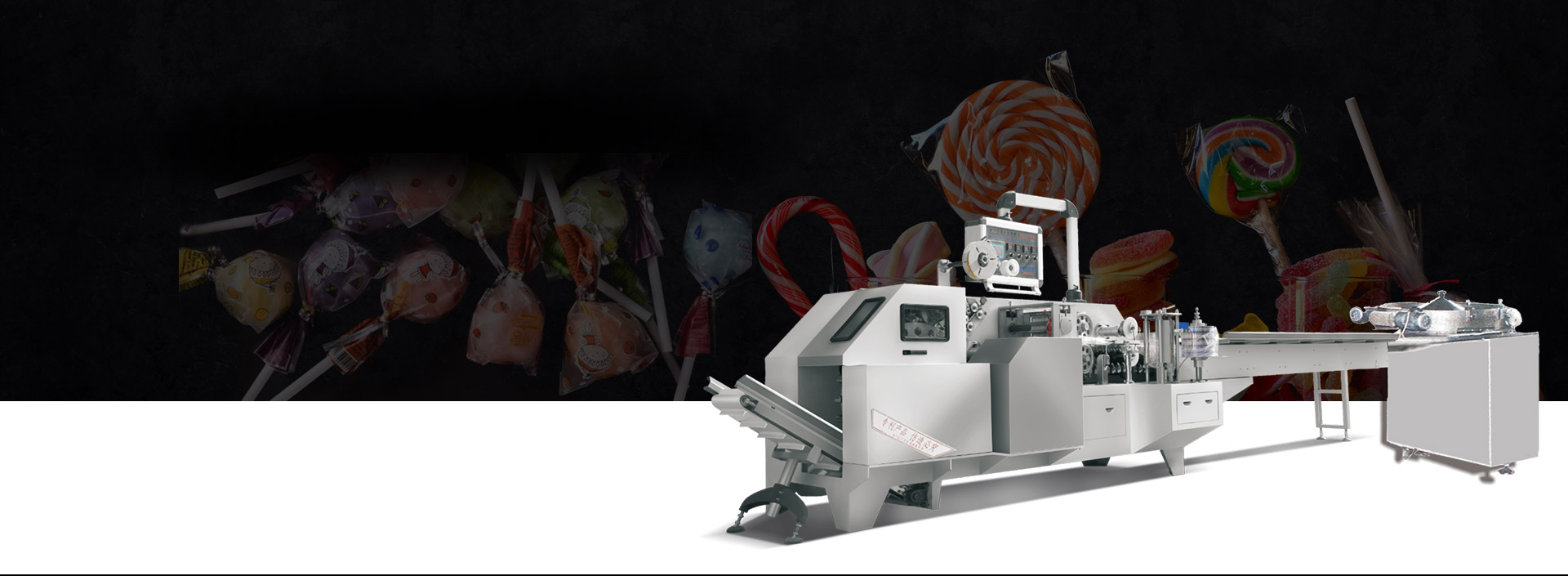
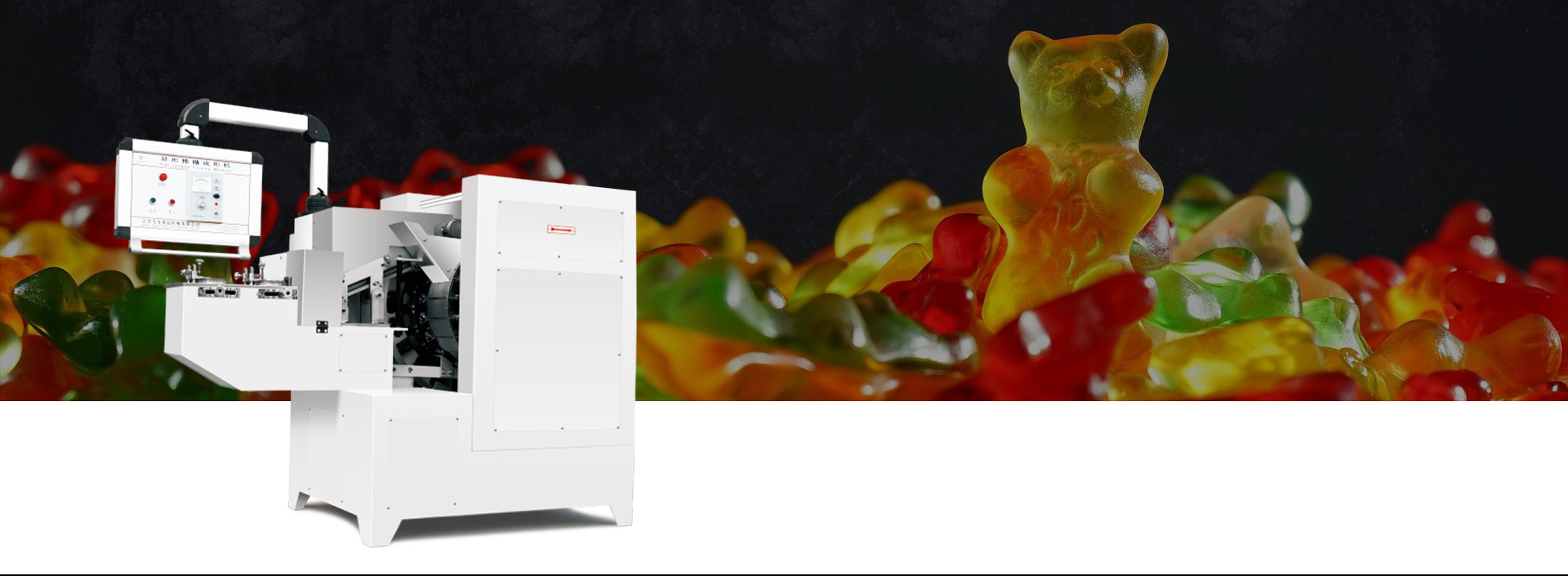
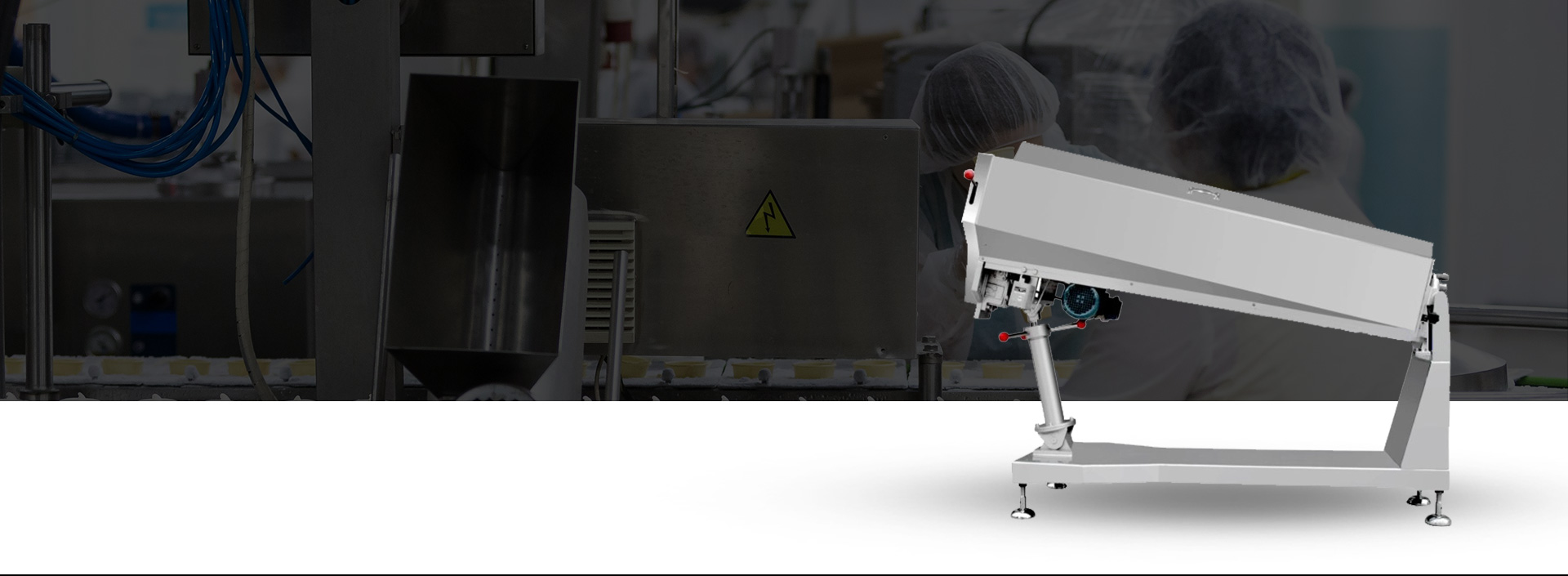
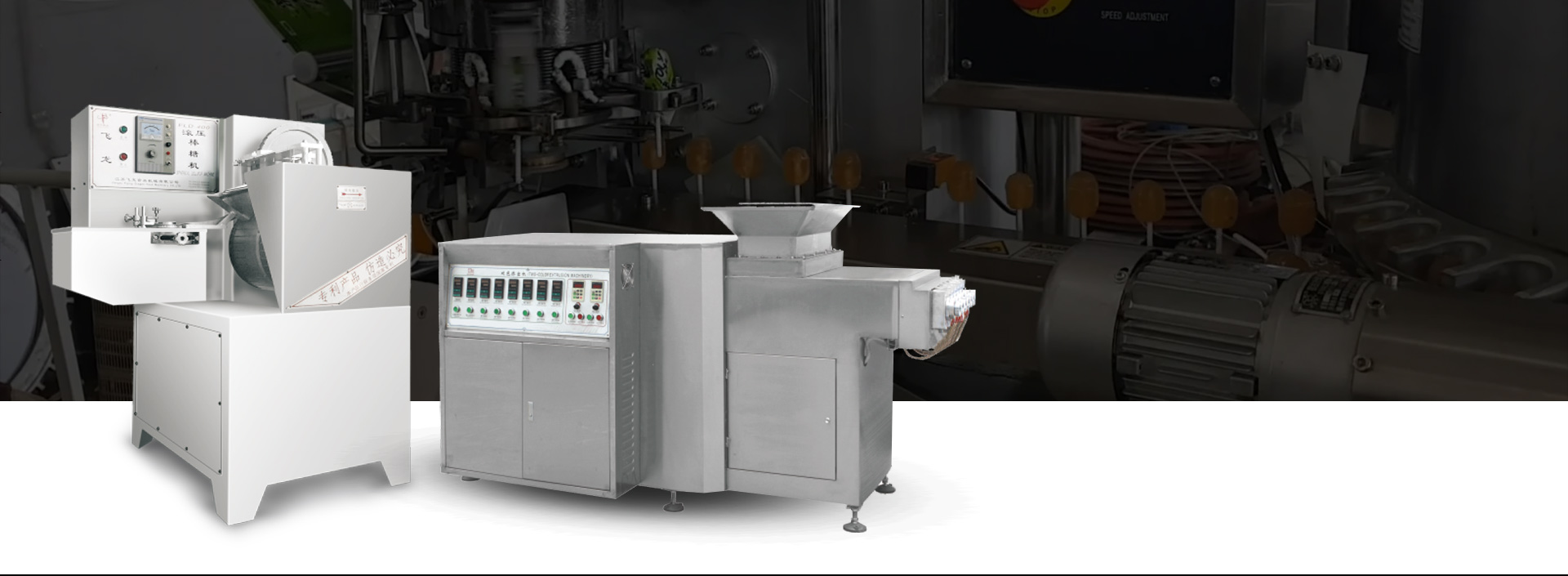
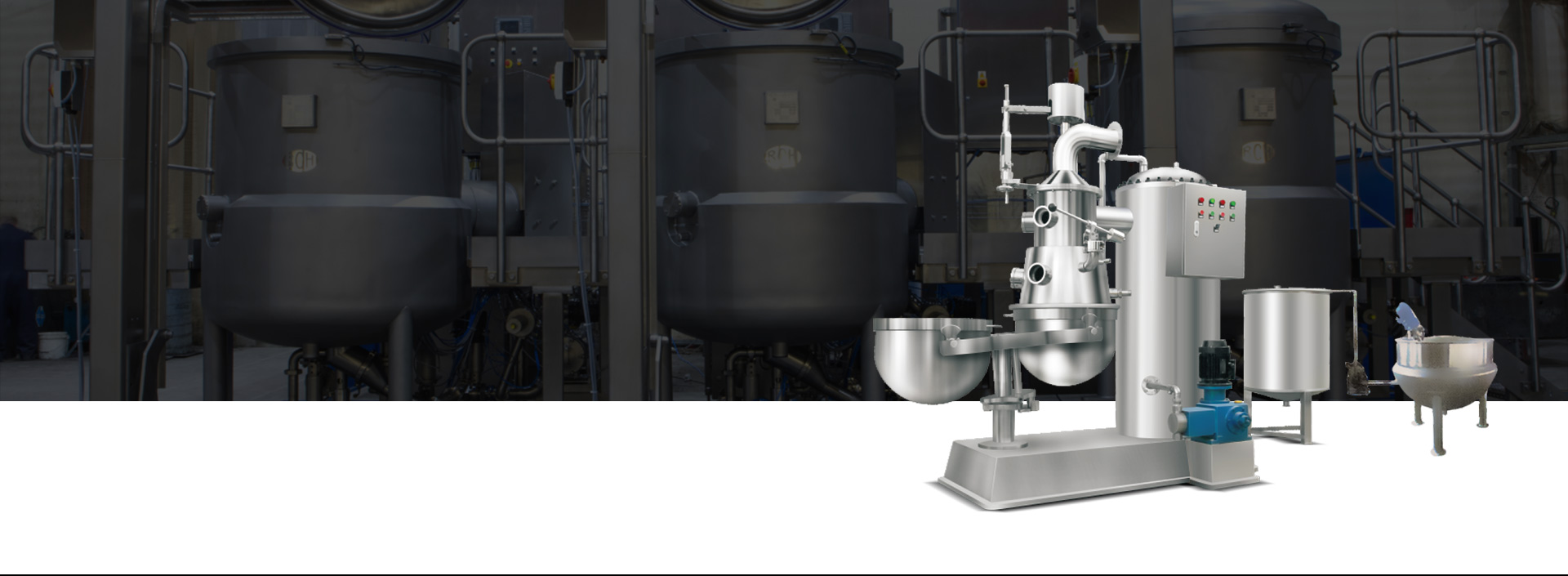
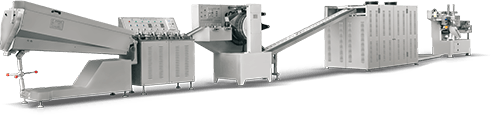
Have you ever wondered how the jelly center inside every gummy bear, every chocolate-covered cherry, and every fruit slice is perfectly shaped, perfectly weighed, and perfectly placed—millions of times per hour—without a single human hand touching it? Behind that innocent bag of candy lies one of the most precise and mesmerizing machines in food production: the Deposit Jelly Machine. It's not magic, but when you watch a row of glowing orange mango jelly shooting out of 120 nozzles in perfect unison, it certainly feels close. So what exactly is a Deposit Jelly Machine, and why is it the beating heart of the modern confectionery world?
What is Deposit Jelly Machine?
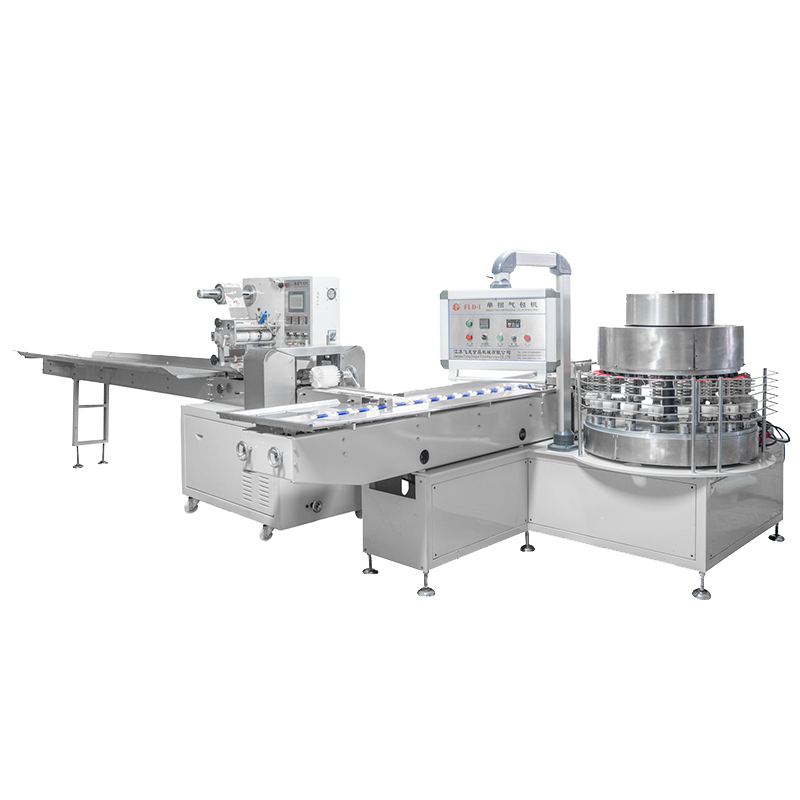
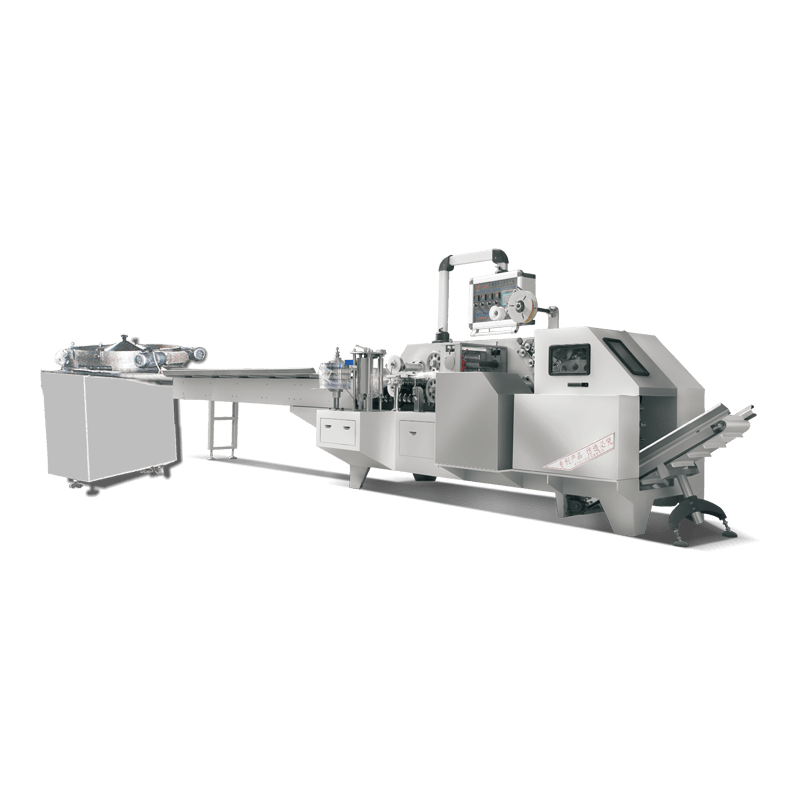
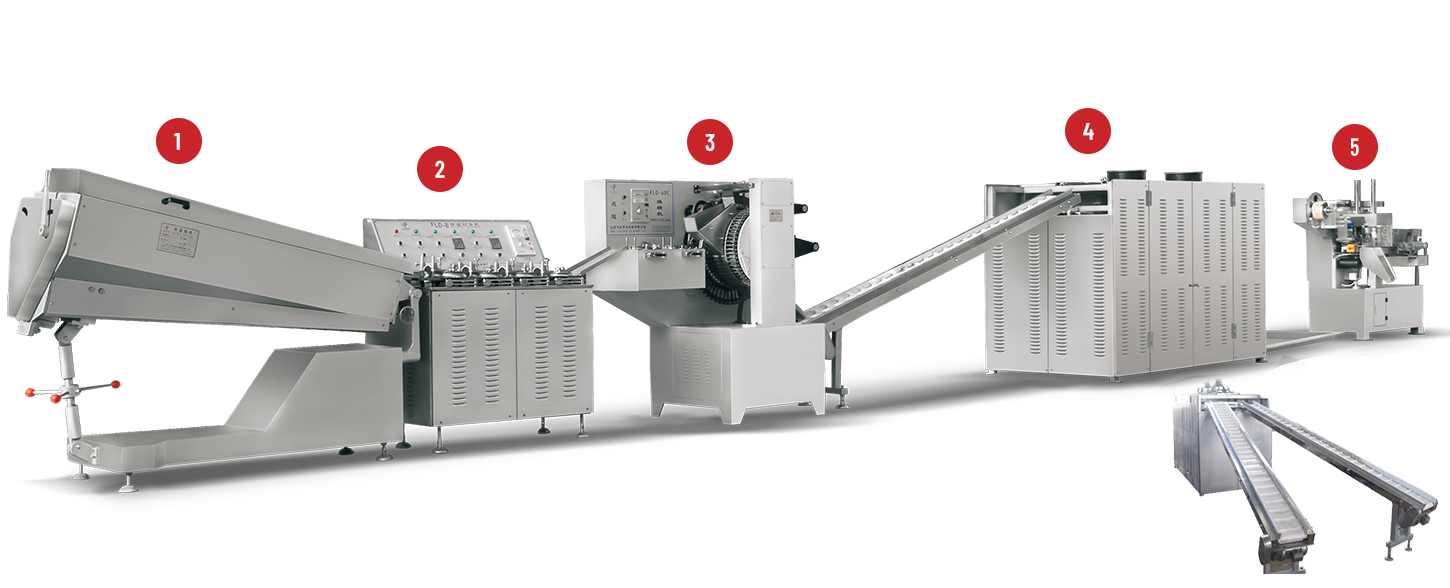
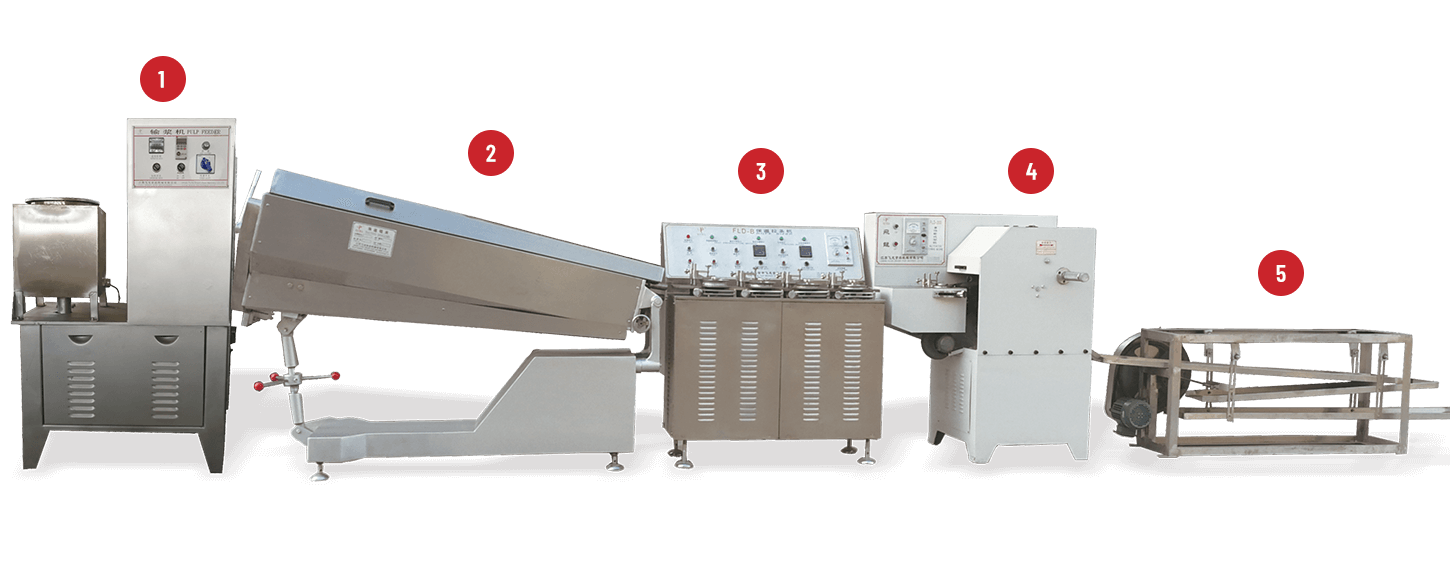
A deposit jelly machine is designed to automate the filling of jelly into containers or molds. These machines are equipped with advanced mechanisms that allow for precise control over the amount of jelly dispensed, ensuring that each product meets predefined standards. Typically, these machines are used in factories or commercial kitchens where high volumes of jelly need to be produced quickly and efficiently.
Key Features of a Deposit Jelly Machine
Modern depositors are engineering masterpieces. The standout features include:
- Precision piston or servo-driven pumping systems that guarantee weight accuracy of ±0.5% or better
- Heated hoppers and trace-heated manifolds that keep jelly between 70–110 °C without scorching
- Interchangeable nozzle plates that can switch from 20 to 1,000 deposits per cycle in minutes
- One-shot technology capable of depositing a jelly center and a surrounding layer (e.g., licorice or fondant) in a single motion
- 3D servo-controlled depositing heads that can create stripes, swirls, or center-filled pieces
- Vision inspection and automatic rejection of faulty deposits
- Full CIP (Clean-In-Place) systems that wash the entire machine in under 30 minutes
- Touchscreen recipes storing hundreds of product settings—change from gummy worms to vitamin bears with one tap
How a Deposit Jelly Machine Works
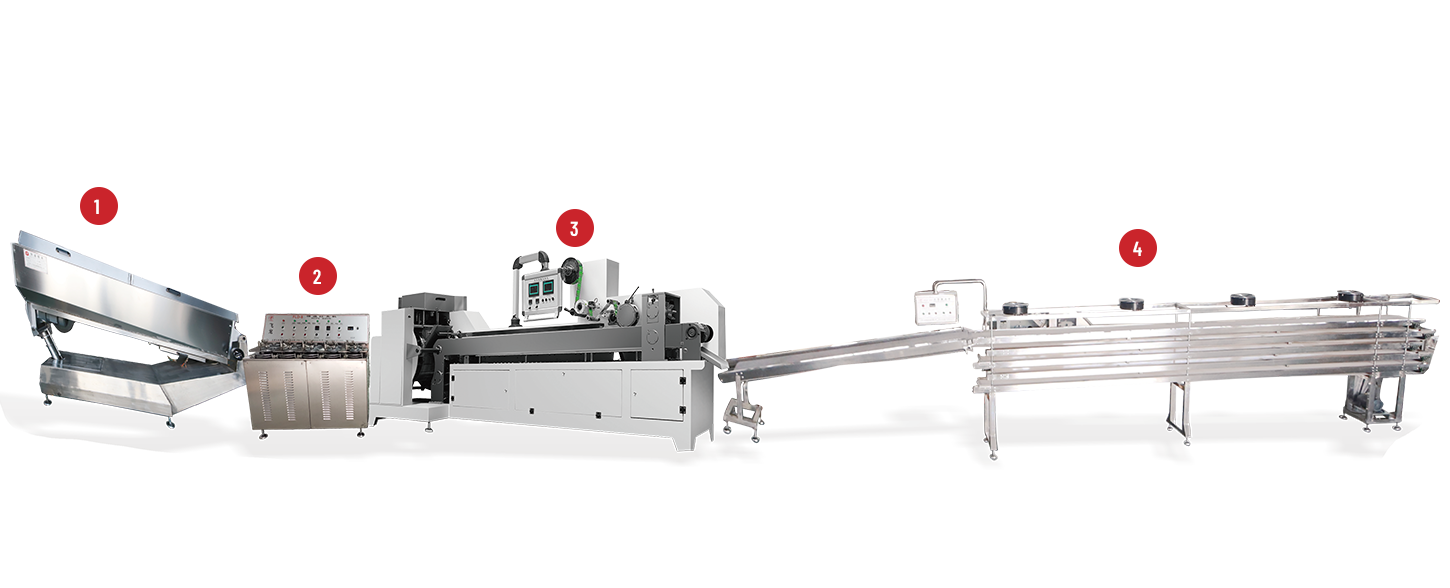
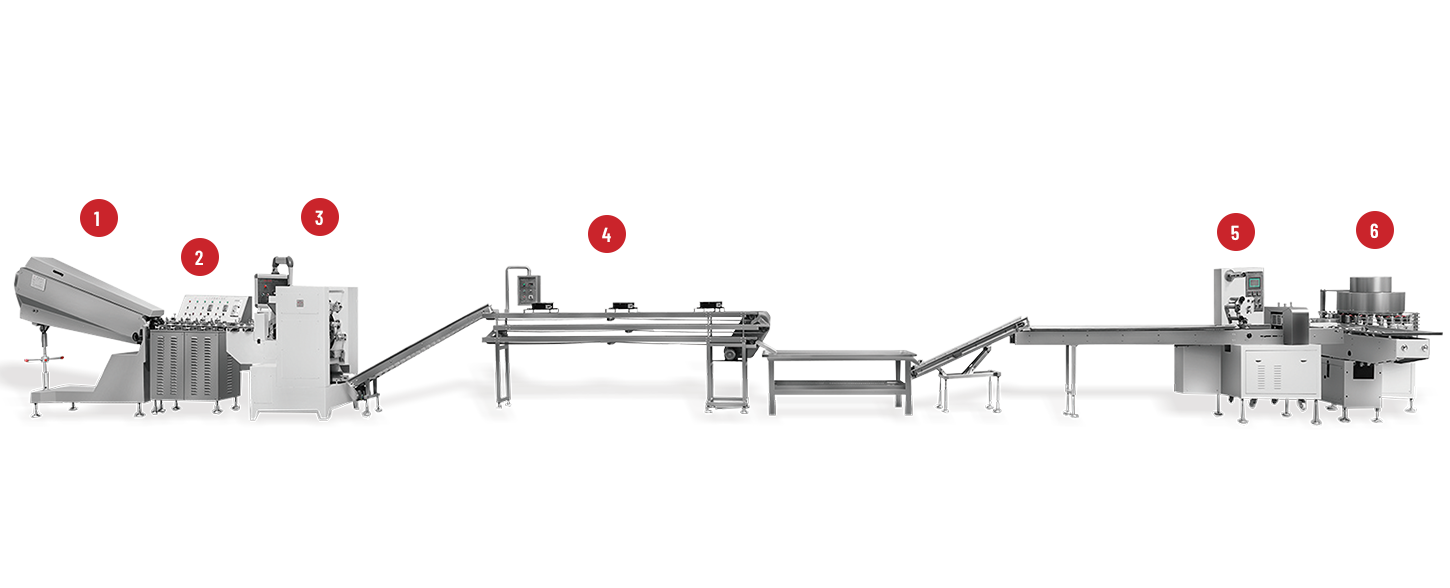
The process is beautifully simple yet incredibly fast:
- Cooked jelly mass (gelatin, pectin, or starch-based) is pumped into a temperature-controlled hopper.
- The hopper continuously stirs the mass to prevent skin formation and air bubbles.
- When the mold conveyor passes underneath, the depositing head descends or remains stationary while precision pistons draw an exact volume of jelly.
- Nozzles open for a fraction of a second, releasing perfect drops into starch molds, silicone molds, or directly onto cooling belts.
- The mold moves into a cooling tunnel (sometimes 30–40 meters long) where the jelly sets in 8–20 minutes.
- After setting, the pieces are automatically de-molded, sieved, and sent for oiling, sugaring, or chocolate enrobing.
- High-end machines can run 60–150 strokes per minute, meaning a single line can produce up to 150,000 gummy bears per hour.
Applications of Deposit Jelly Machine
These machines go far beyond simple gummy bears:
- Classic gelatin or pectin jellies
- Center-filled gummies (liquid, jam, or chocolate core)
- Functional and medicated gummies (CBD, melatonin, collagen, vitamins)
- Jelly beans (the soft center before sugar shelling)
- Chocolate cordial cherries and other liqueur-filled candies
- Marshmallow and fondant centers
- Starchless depositing directly into silicone molds for clean-label products
- Even non-candy items like soft vitamin pastilles and probiotic chews
How to Choose the Right Deposit Jelly Machine for Your Business
Ask yourself five decisive questions:
- Scale: Are you doing 100 kg per day (bench-top/lab depositor) or 10,000 kg (full mogul line)?
- Flexibility: Will you run 3 products a year or 50? More recipes and colors demand servo-driven, quick-change machines.
- Ingredient sensitivity: Pectin sets fast and hates air; gelatin hates high shear. Pick a manufacturer who has proven references with your exact recipe.
- Starch or starchless? Traditional starch moguls are cheaper upfront; silicone/starchless lines save massively on starch consumption, waste, and cleaning.
- Service & spare parts: A machine that sits idle for three weeks waiting for a proprietary part from Europe can cost more than the entire depositor.
Rough price guide (2025):
- Small lab/pilot depositor: $40,000–$90,000
- Mid-size flexible servo line (1–2 tons/hour): $350,000–$700,000
- Full automatic starchless plant with robotics: $1.8–$4 million+
So now that you know the secret behind every flawless gummy, every bursting cordial cherry, every vitamin bear that actually tastes like candy…
When you finally stand in front of one of these machines and watch liquid joy rain down in perfect rhythm, do you think you’ll ever again take a single piece of candy for granted?
Whether you're a small workshop dreaming of your first signature gummy or a global brand launching the next billion-piece sensation, the right depositor becomes the heartbeat of your vision. And when that vision demands unwavering precision, gentle handling of the most delicate recipes, and the flexibility to innovate season after season, manufacturers like FLYLOONG have proven they can deliver machines that don't just meet expectations—they inspire the next generation of candies we haven't even imagined yet.
 +86-(0)515-8465666
 +86-(0)515-85566996
 +86-138 1559 9708
 flyloong@flyloongcn.com
 Home
Home