

 ENG
ENG
 English
 中文简体
中文简体 русский
 Français
 Español
 عربى
عربى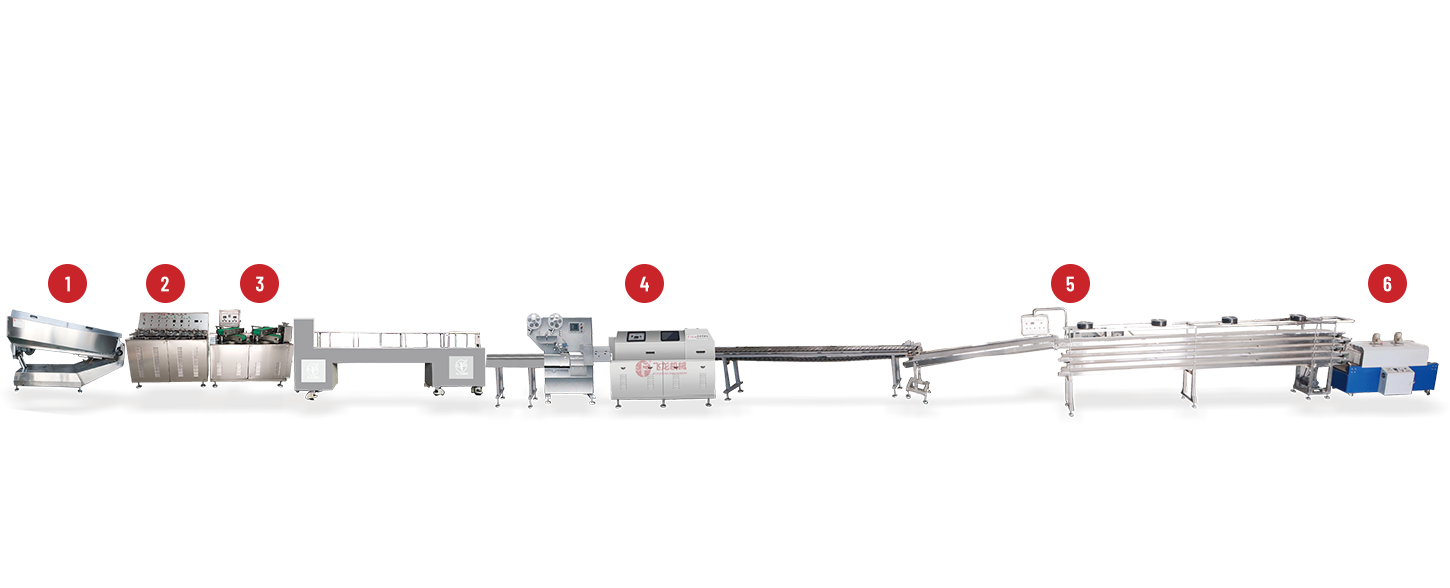
What Is a Candy Cane Today
A candy cane today is a type of hard candy known for its curved shape and striped appearance. It is most commonly recognized as a stick of boiled sugar formed into a straight body with a gentle hook at one end. This shape makes it easy to hold, hang, or use as decoration, which is one reason it appears frequently during seasonal celebrations.
The modern candy cane is produced in many sizes, from small bite-sized versions to larger retail-display formats. The most familiar style combines a white base with colored stripes, often red, but manufacturers also create variations that feature different colors, patterns, and flavor profiles. Peppermint remains widely associated with the traditional version, while fruit-based and specialty flavors have expanded its range.
In today's market, a candy cane serves multiple purposes. It is enjoyed as a sweet, displayed as a decorative item, and often included in gift baskets or seasonal packaging. Many households use candy canes to add color to holiday trees, table settings, or themed displays. Because of this flexibility, the candy cane has become a recognizable part of seasonal retail environments, food production cycles, and consumer habits during the end-of-year period.
Origins & Early History of Candy Canes
Understanding where the candy cane came from requires looking at how early confectioners worked with sugar, long before the striped hook became familiar. The history is not a single dramatic event. Instead, it is a slow shift in technique, appearance, and cultural use.
1. From Straight Sugar Sticks to Shaped Treats
Long before the curved cane shape appeared, people enjoyed simple sugar rods. These early sweets were made by heating syrup, stretching it, and letting it set into slim, firm pieces. They were easy to carry, easy to share, and popular during gatherings.
As candy makers experimented, they realized that warm sugar strands could be bent gently before they cooled. This discovery opened the door for new shapes. One of these shapes later became the hook. No single document clearly states when this curve became common, yet it gradually spread as a practical and decorative feature.
2. When Color Entered the Story
The earliest sugar sticks were plain in appearance. Over time, confectioners began twisting different shades together to create a striped design. The method was simple:
- prepare two contrasting sugar ropes
- place them side by side
- twist them while still warm
This technique produced a spiral pattern that added visual interest. The striped effect slowly became associated with the candy cane's identity.
3. Growing Visibility in Communities
By the nineteenth century, illustrations, printed advertisements, and shop displays began showing cane-shaped candies more frequently. They appeared in seasonal markets and winter gatherings, not because of a single tradition, but because families and small confectioners enjoyed including colorful sweets in their holiday settings.
The candy cane did not instantly become a holiday icon. Instead, its presence grew year by year as people found it useful for decoration, gifting, and festivities.
4. Legends vs Documented History
Over time, various stories circulated about deeper symbolic meanings behind the shape or colors. These tales are widely shared, but many are not backed by historical records. What can be confirmed is simpler: skilled candy makers refined their methods, and communities adopted the candy cane as part of seasonal customs.
5. A Gradual Transformation
Through small, steady changes—shape, color, flavor, and decorative use—the candy cane moved from a plain sugar stick to a distinctive holiday confection. Its evolution was driven by craftsmanship, visual creativity, and cultural habits rather than dramatic events or sudden invention.
Why Candy Canes Are Associated with Christmas
Candy canes became part of Christmas not because of a single event but through a slow mix of seasonal habits, simple design choices, and the way people enjoy decorating during winter. Their striped look, curved form, and convenience made them a natural fit for holiday scenes long before they appeared in gift boxes or bakery displays.
During winter gatherings, families often looked for small treats that were easy to share. The cane shape made the candy simple to hang, carry, or place inside small bags prepared for children. As homes began using more tree decorations, the curved hook allowed the candy to sit neatly on branches without extra accessories. This small detail quietly helped it move from a snack to a decoration.
Color pairing played another part. Red and white were already common in winter artwork, greeting cards, crafts, and festive textiles. When candy makers introduced striped patterns in these tones, the candy matched items already used in homes. People liked how the colors blended with wreaths, ribbons, candles, and table arrangements, so the treat naturally slid into holiday décor.
Social traditions amplified the association. Communities liked using simple symbols during seasonal activities, and the candy cane's recognizable shape worked well in plays, songs, and classroom crafts. Teachers used it as a small reward during December, which added to its presence in family memories. These habits continued year after year, making the item feel familiar to both children and adults.
Shops also played a part by placing candy canes near wrapping supplies, greeting cards, and decorative items. Their bright stripes caught attention, helping customers connect the candy with winter shopping. Because they were lightweight and easy to package, stores used them for window themes and small counter displays, quietly strengthening the link between the candy and the season.
Today, candy canes appear in many ways. People tuck them into stockings, use them for hot drink toppings, add them to dessert plates, or simply place them around the home for a bit of color. Digital designs use them in banners, social posts, and winter graphics because the shape is recognizable even at small sizes. This helps the symbol move easily from physical decoration to online content.
The reason candy canes remain connected to Christmas is simple: they fit into almost every part of the season without demanding attention. They decorate trees, brighten packages, and add a familiar look to winter scenes. Their place in the holiday atmosphere comes from repeated use, shared memories, and easy integration into both traditional and modern celebrations.
How Candy Canes Are Made — From Handcrafting to Automated Lines
Candy cane production has shifted over time from small manual batches to coordinated mechanical systems. The basic principles remain recognizable, but the workflow looks very different today. Traditional makers shape each piece by hand, while modern lines organize the steps through controlled equipment that maintains stable flow and consistent results.
Handcrafted Approach
Small workshops often follow a slower rhythm.
Workers heat the mixture, stretch it on a table, fold it repeatedly, and introduce colors through simple pulling motions.
They roll the material into long ropes using manual pressure, then cut it into short pieces before bending each one into a hook.
Every piece reflects minor variations because the shaping process uses basic tools and physical skill.
Why Industry Turned to Automated Processes
As demand increased, producers looked for methods that maintained shape quality, balanced labor requirements, and improved timing. Automated lines solved these needs by arranging each step in sequence through machines designed for forming, sizing, shaping, and packaging. Instead of relying on manual bending or rope rolling, the equipment handles these actions with controlled motion.
Automatic Candy Cane Line — What It Is and How It Works
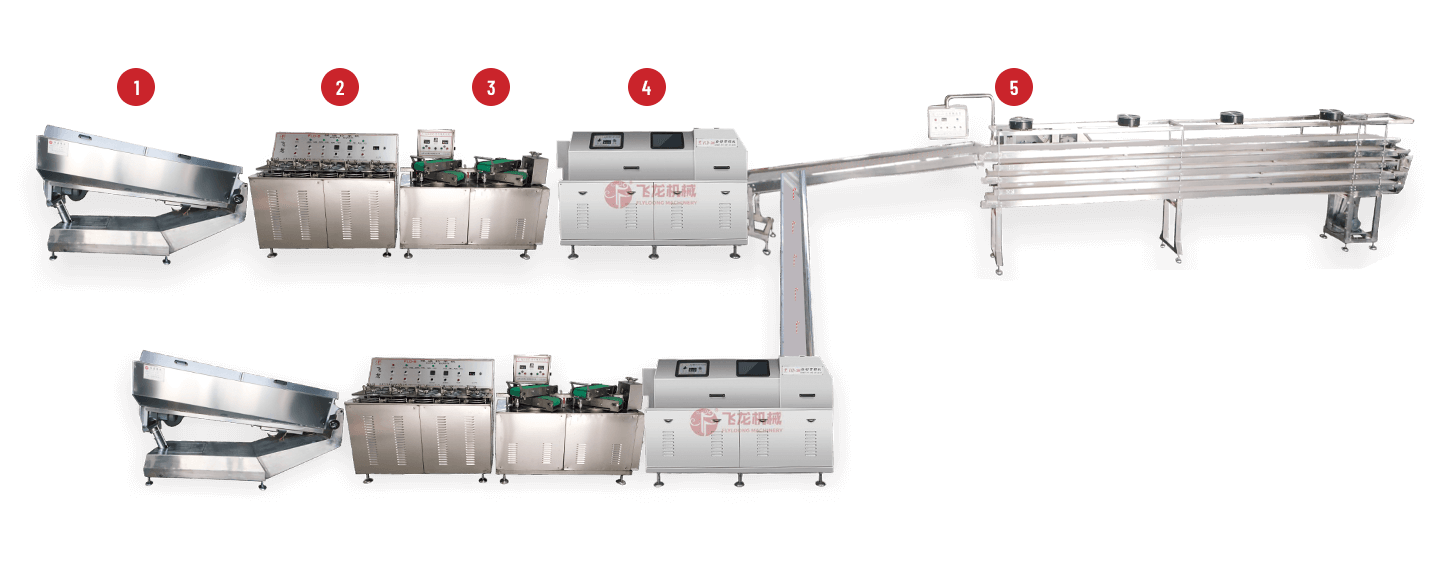
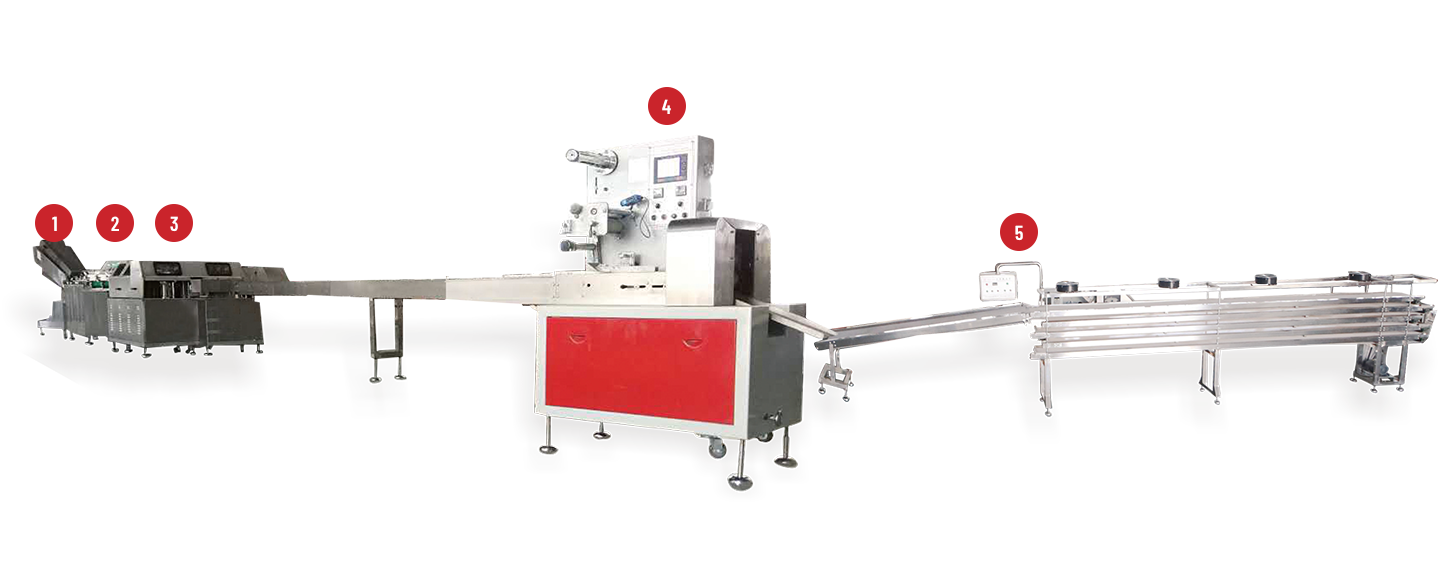
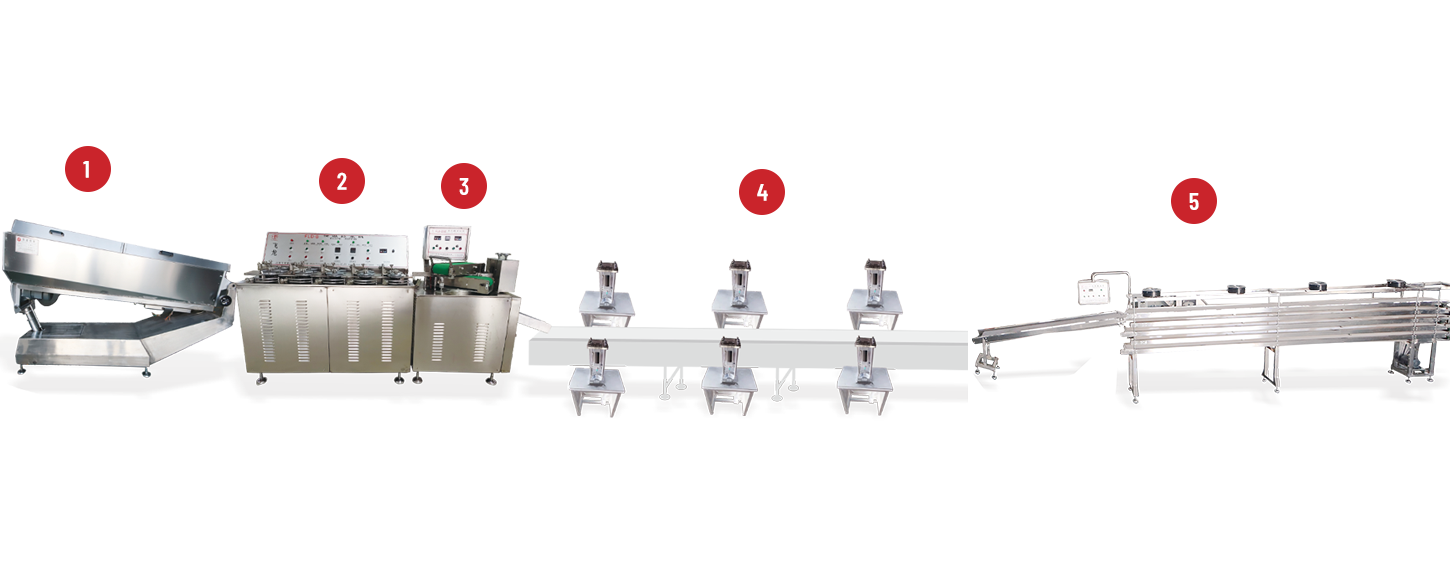
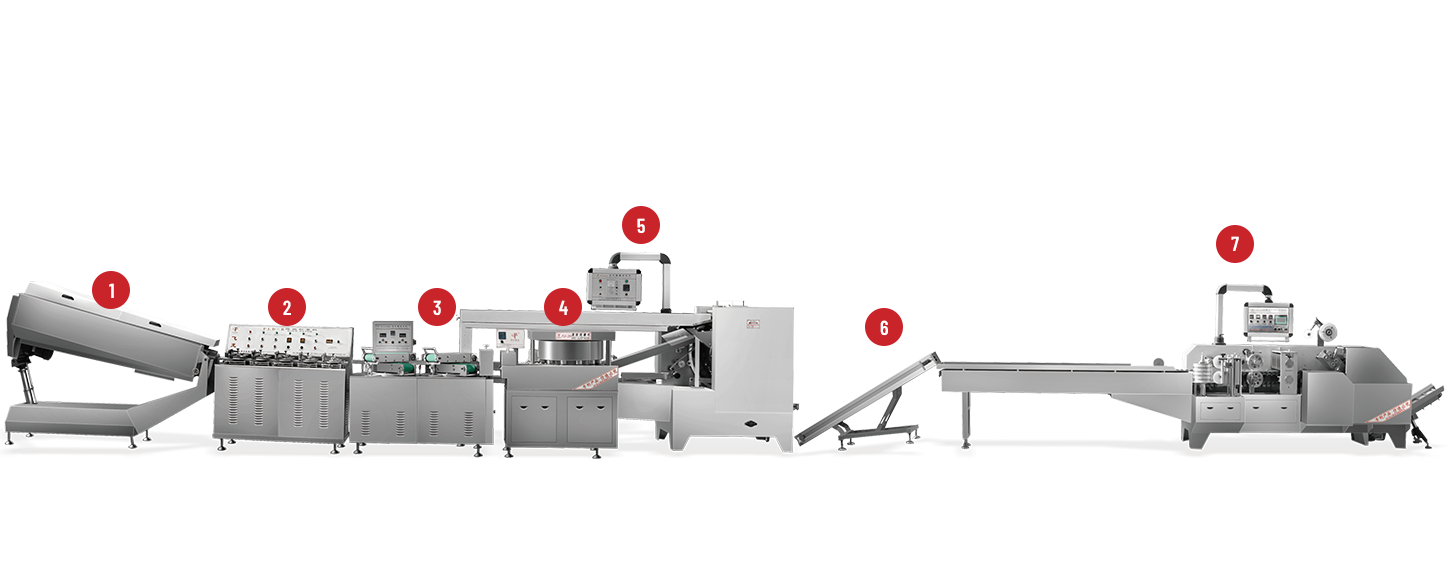
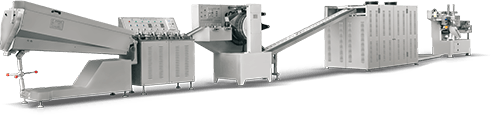
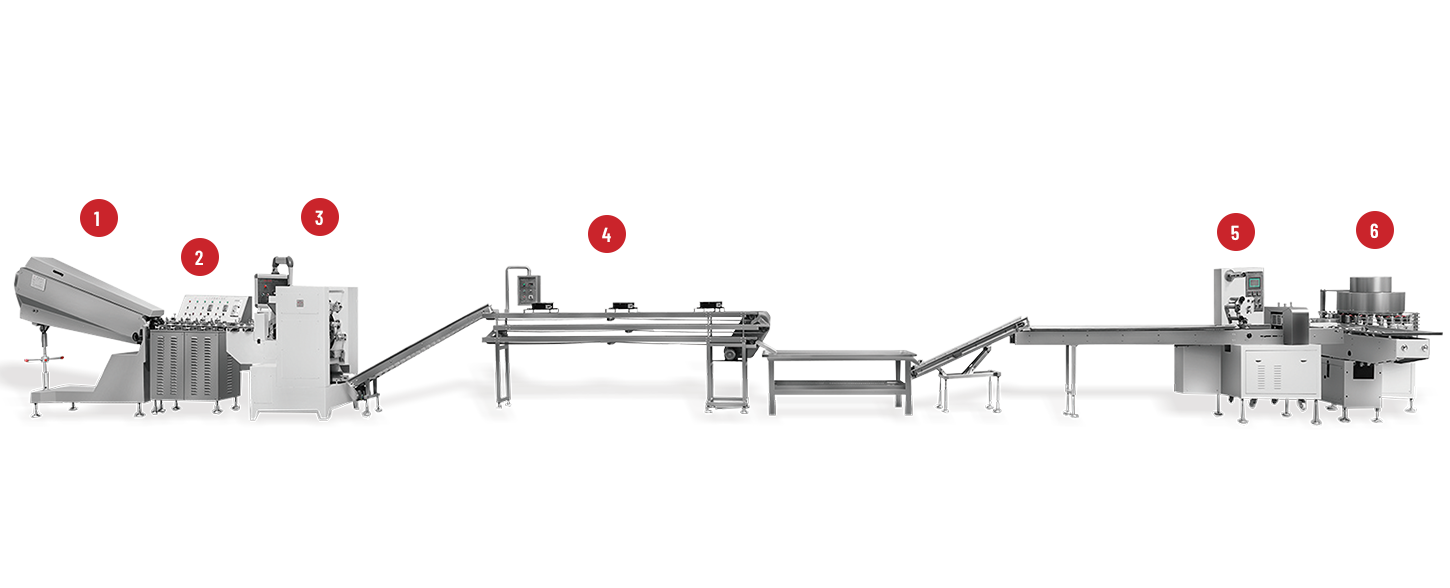
An automatic candy cane line is a coordinated system that moves material from a single mass into individual hooked pieces ready for packing.
It simplifies the task by dividing the workflow into separate stations, each responsible for a focused action.
The entire line follows a continuous forward movement to keep the product stable from the moment it leaves the cooker until packaging.
Key features of this type of line include:
- a balanced feed of material from the pulling area
- consistent rope formation
- controlled shaping into curved forms
- smooth transition into wrapping or bagging
- reduced handling to keep the surface clean
- steady output suited for long production periods
The result is a structured process that mirrors traditional methods while relying on equipment for shaping accuracy and timing.
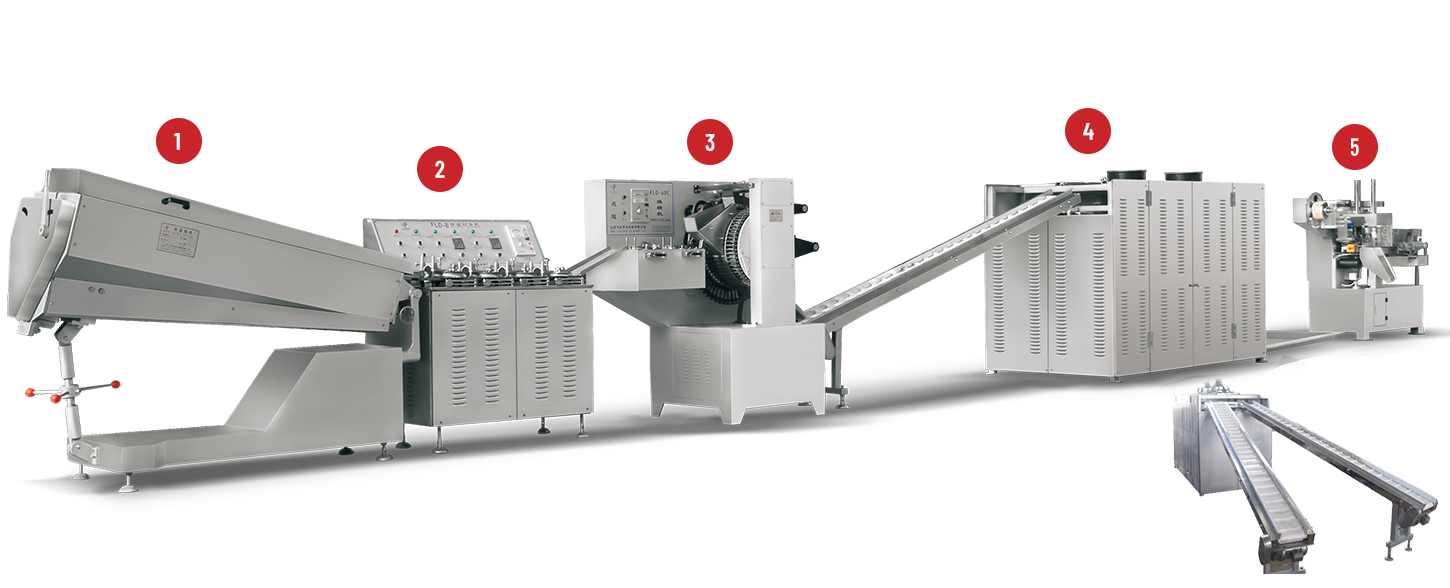
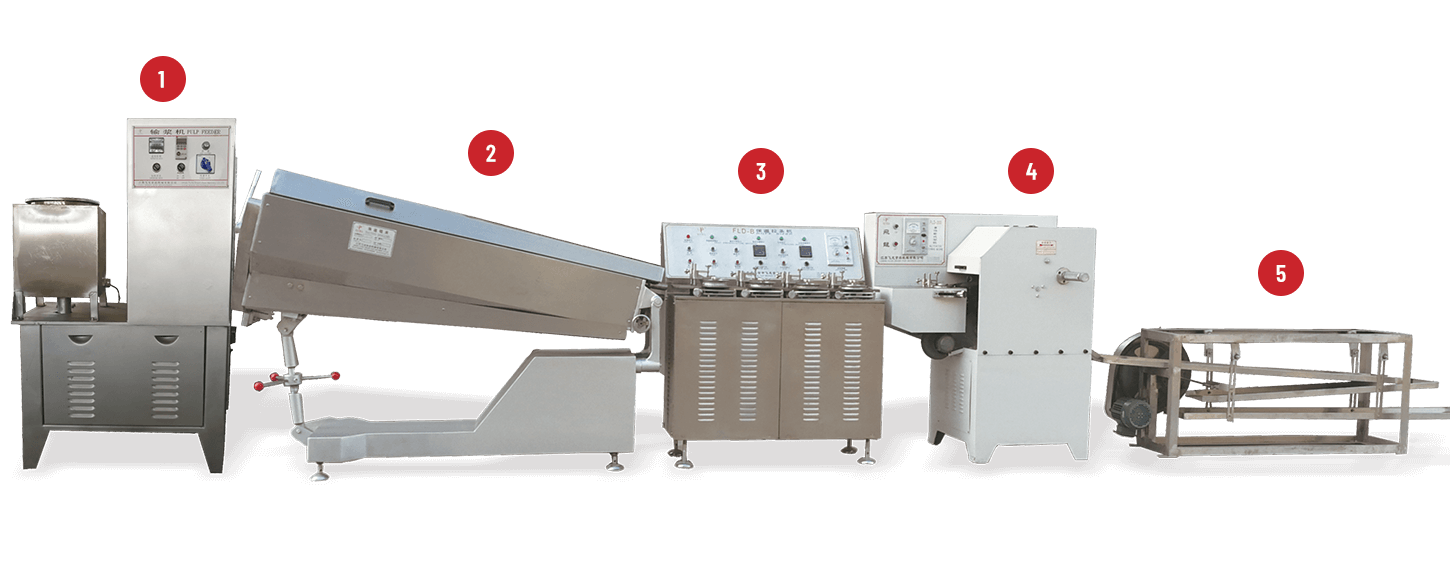
Core Machinery and Process Steps
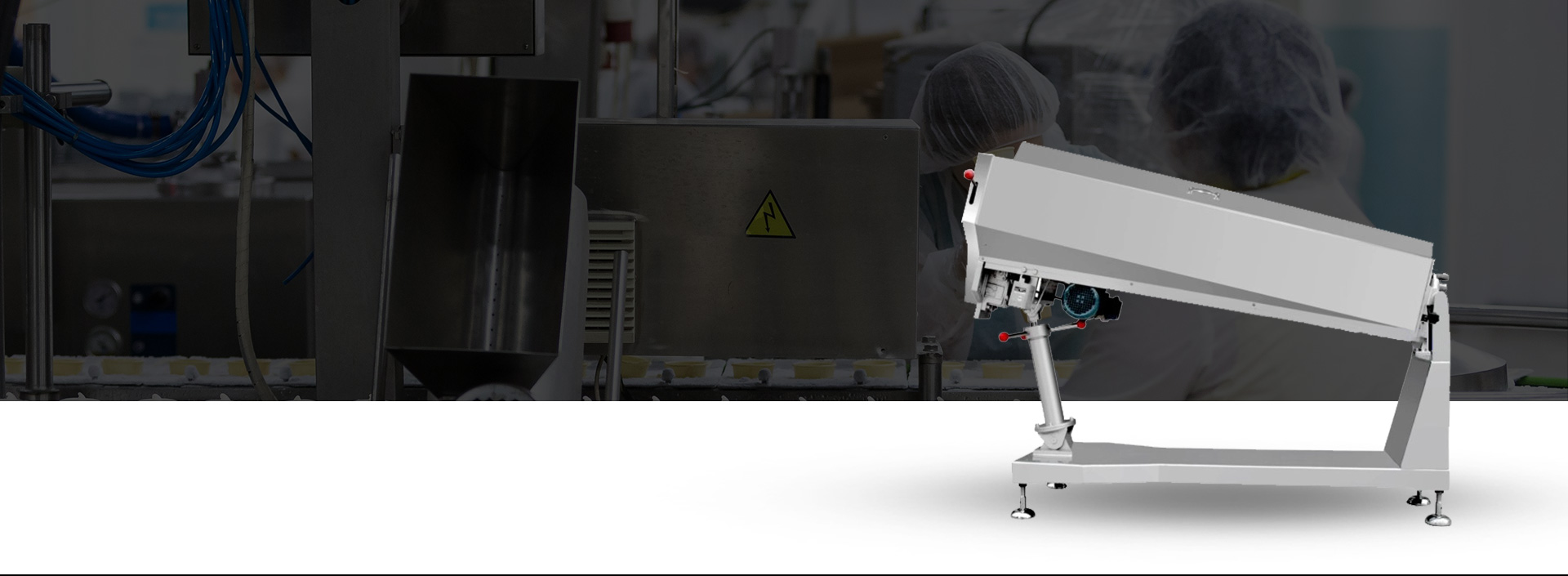
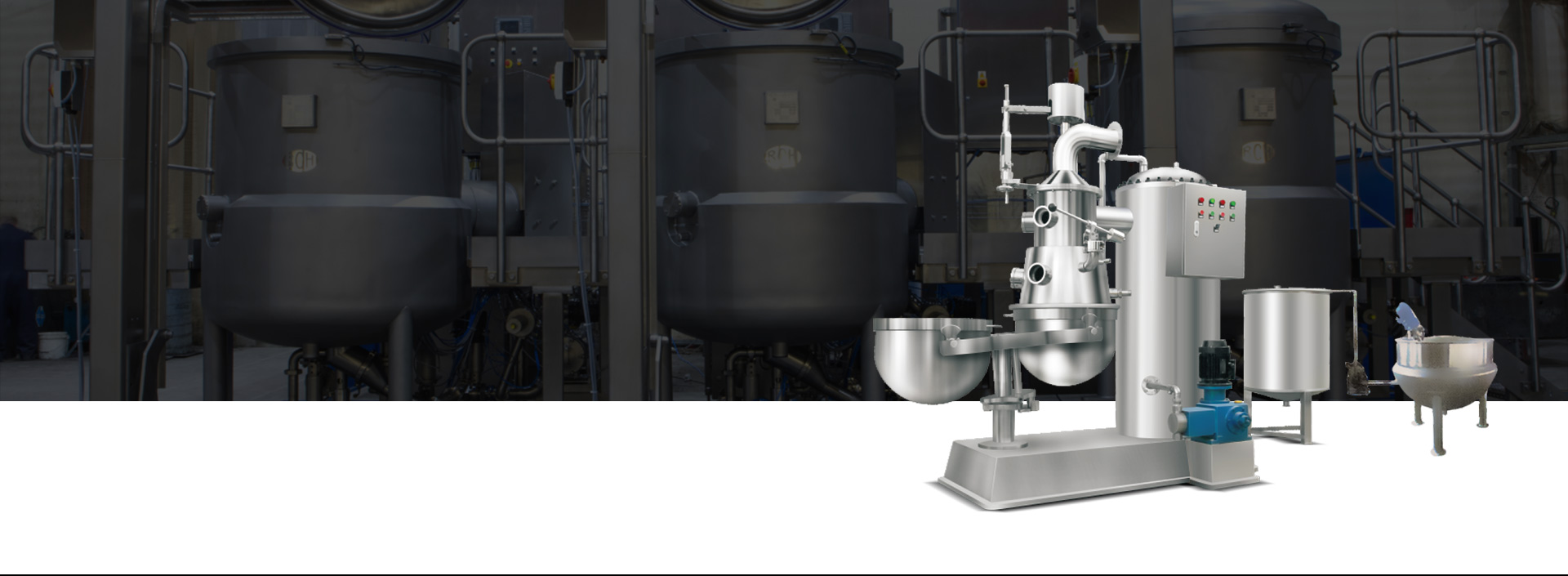
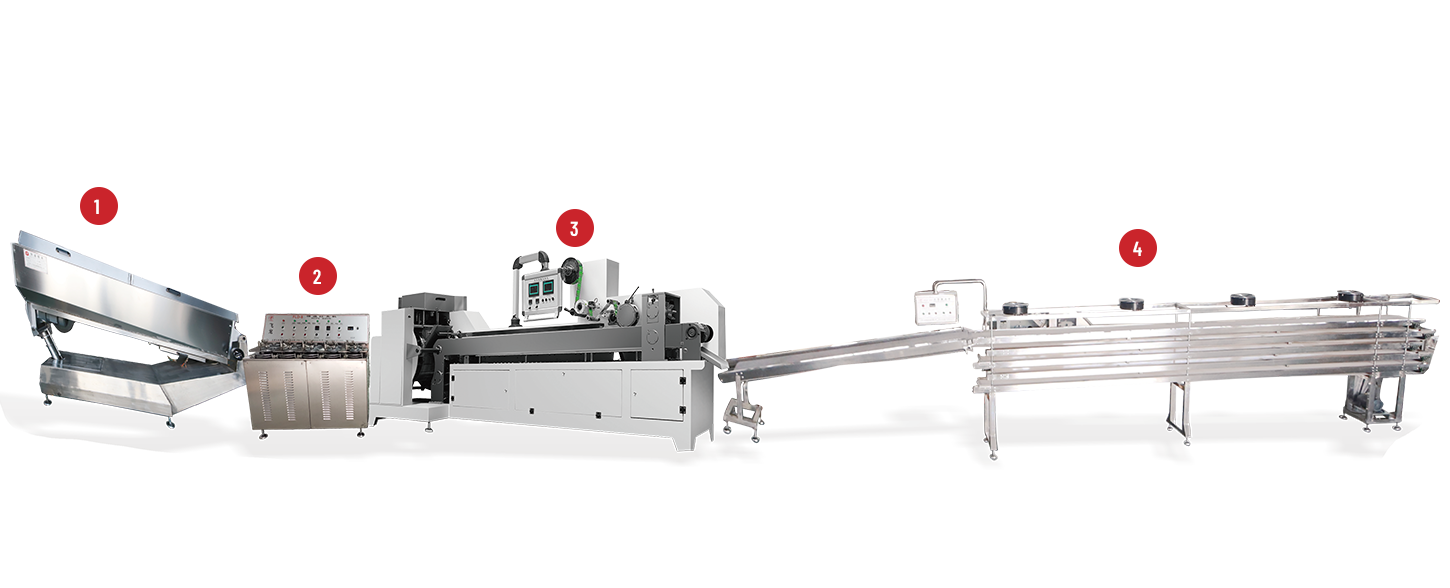
1. Batch Roller
Purpose
- Turns a mass of candy into a uniform cylindrical shape.
- Helps distribute color and texture during early forming.
- Prepares the material for the following sizing stage.
Typical Actions
- Gentle rolling
- Progressive shaping
- Stable forward movement
2. Five Rollers Rope Sizer
Purpose
- Reduces the large cylinder into a thinner rope.
- Keeps the rope dimension steady along its length.
- Supports color stripe alignment introduced earlier.
Typical Actions
- Gradual reduction
- Multi-directional rolling
- Control of cross-section size
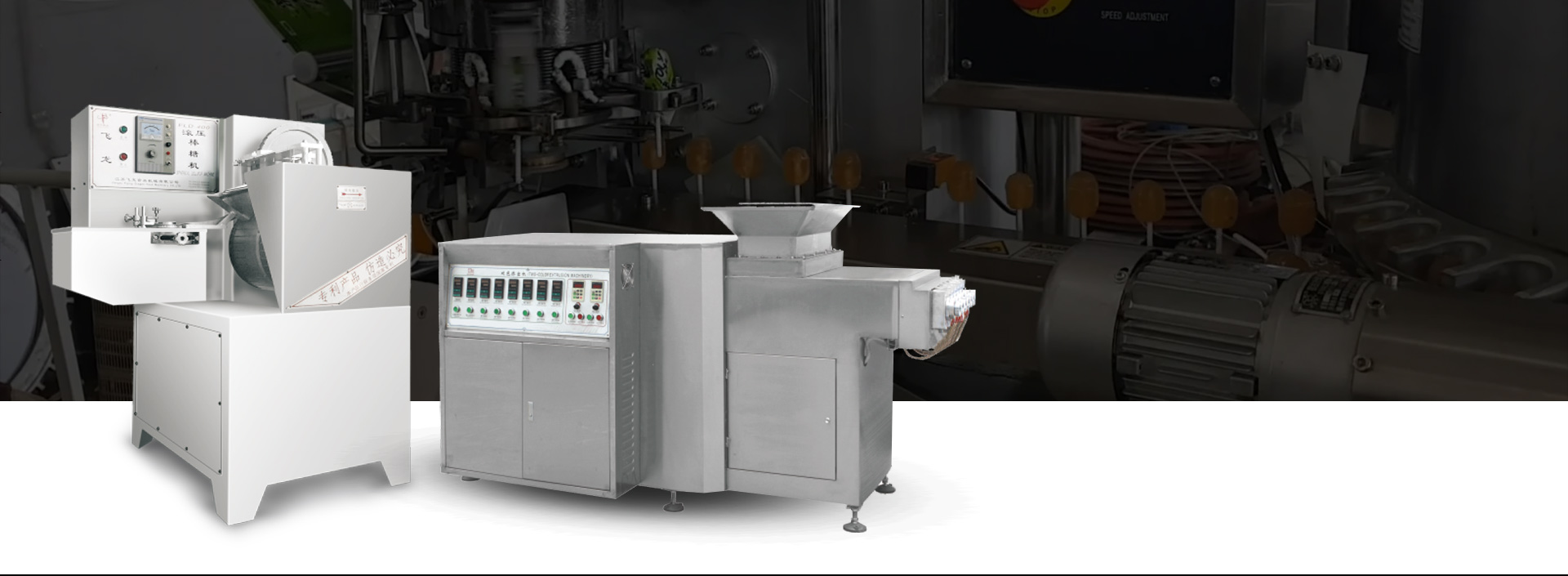
3. Embossing Machine
Purpose
- Applies surface marks or lines when a specific look is required.
- Maintains spacing between pieces before bending.
- Adds visual structure without altering flavor.
Typical Actions
- Light pressing
- Pattern transfer
- Continuous feeding
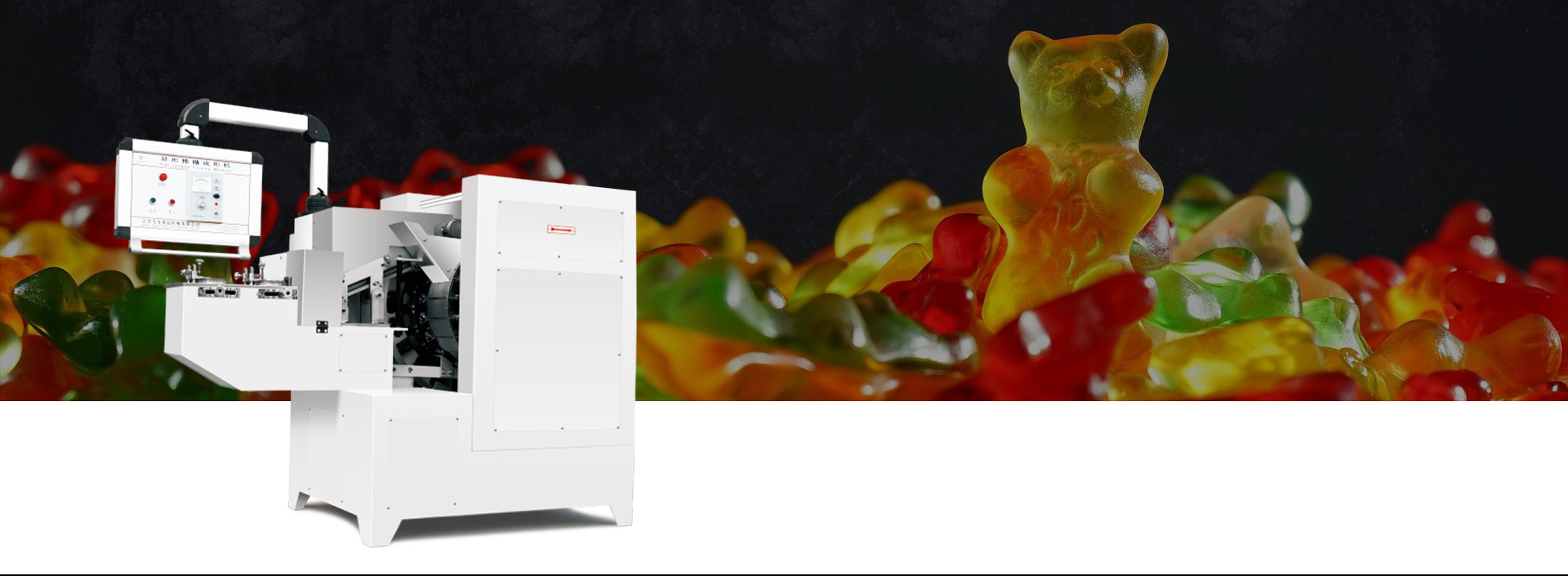
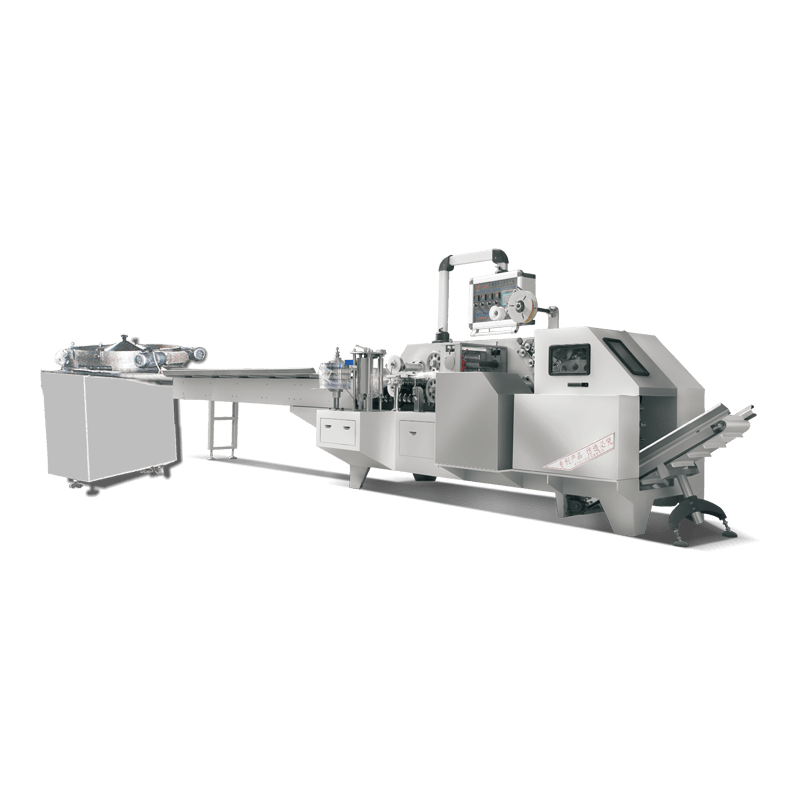
4. Automatic Hooking Machine
Purpose
- Bends straight sticks into the familiar cane shape.
- Ensures each piece has a consistent curve.
- Reduces manual shaping requirements.
Typical Actions
- Mechanical rotation
- Controlled bending path
- Consistent positioning
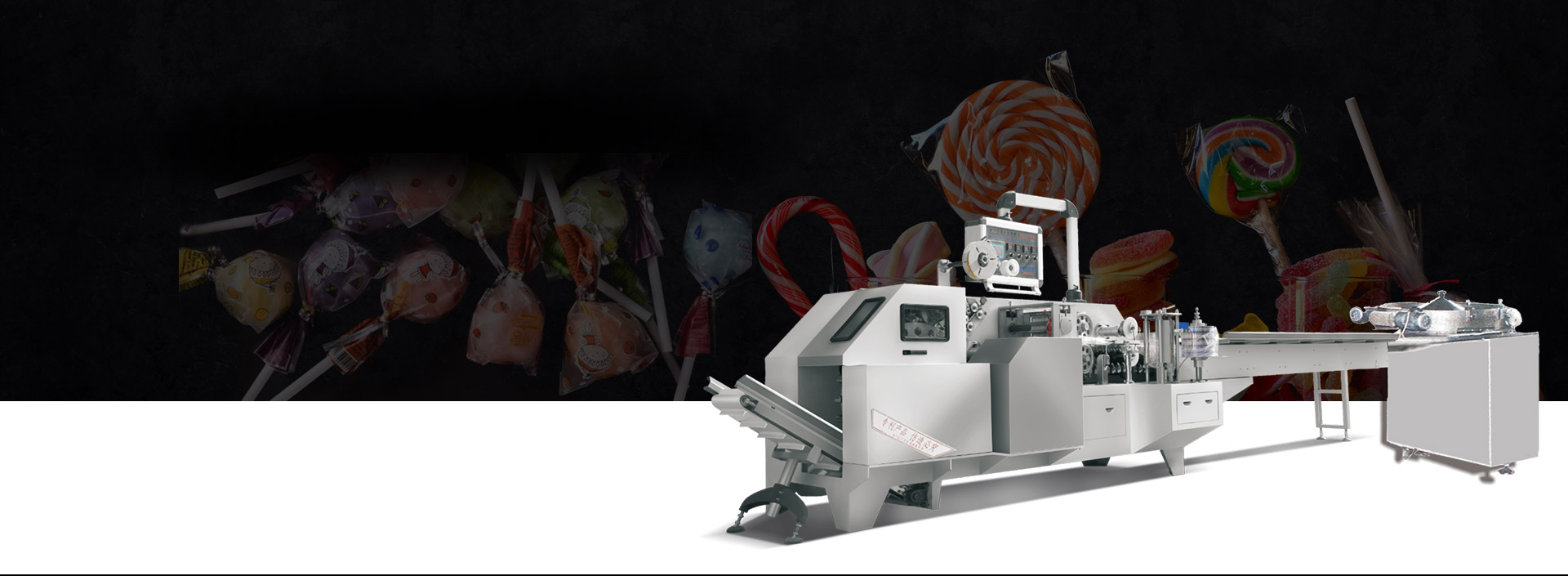
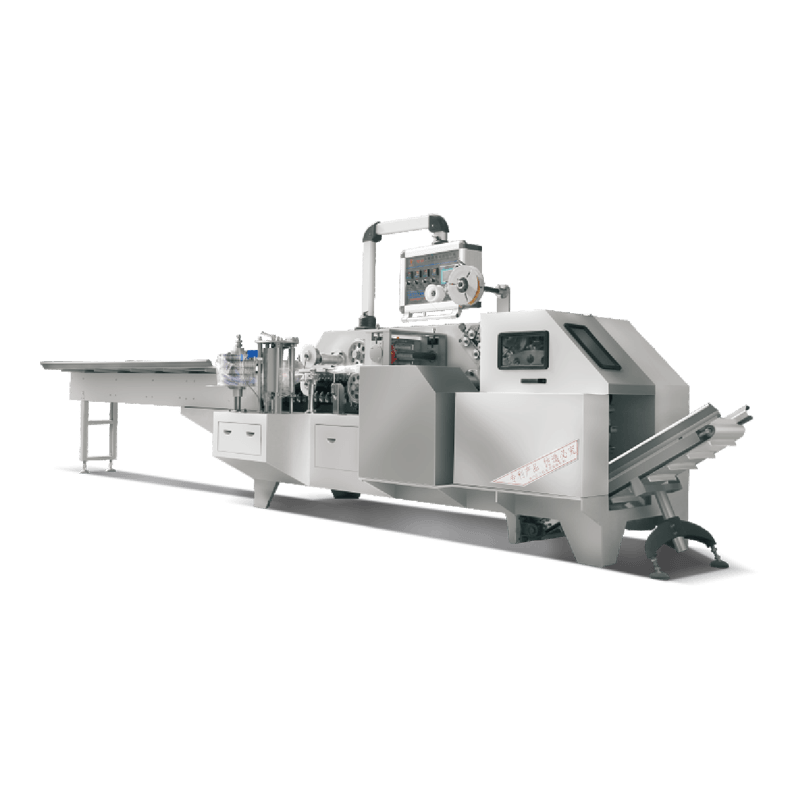
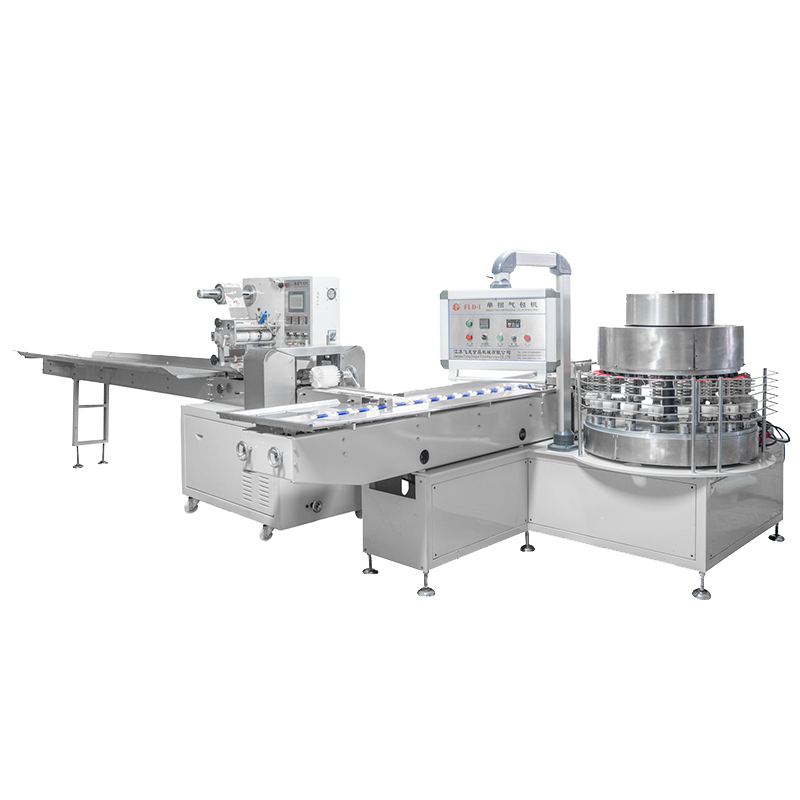
5. Automatic Pillow Candy Packing Machine
Purpose
- Wraps individual pieces in protective film.
- Helps maintain cleanliness and shelf condition.
- Prepares products for bulk packing or retail display.
Typical Actions
- Film pulling
- Sealing
- Cutting
- Counting
| Stage | Machine | Primary Function | Output Form |
|---|---|---|---|
| Initial Shaping | Batch Roller | Forms the candy mass into a cylinder | Thick roll |
| Rope Formation | Five Rollers Rope Sizer | Reduces diameter and shapes rope | Thin rope |
| Surface Marking | Embossing Machine | Adds decorative patterns | Spaced rope |
| Bending | Automatic Hooking Machine | Turns sticks into curved canes | Hooked pieces |
| Wrapping | Automatic Pillow Candy Packing Machine | Protects and seals items | Packed units |
Why This Workflow Fits Modern Production
- Each station carries out a specific shaping action.
- Movement from one step to the next remains continuous.
- Mechanical controls help maintain steady dimensions.
- Reduced handling supports hygiene standards.
- The system suits both seasonal peaks and regular output schedules.
Advantages of Automatic Production
As candy cane manufacturing moved toward organized mechanical systems, producers gained several practical benefits. The shift does not erase handcrafted traditions, but it provides a framework suited for growing demand and stable output. Five areas usually stand out in automated production: efficiency, consistency, scale, hygiene, and cost management.
1. Efficiency
A coordinated line reduces idle time between steps because each section passes material forward without interruption. This steady movement shortens transitions between shaping, bending, and wrapping. The workflow becomes easier to plan because the line follows a predictable rhythm, making daily scheduling and staff arrangement more manageable.
2. Consistency
Machine-based forming lowers variation in shape, curve, and color positioning. When the rope travels through rollers and shaping units at a controlled pace, each piece resembles the next in size and appearance. This uniformity helps with packaging because items align well inside trays, cartons, or bags.
3. Scale Flexibility
Automated lines allow producers to respond to seasonal activity without large changes in the workspace. Output can rise or fall by adjusting operating hours rather than reorganizing the entire production area. This flexibility becomes valuable during months when candy canes appear in decorations, gift sets, baking kits, and retail displays.
4. Hygiene Management
Reduced handling improves sanitation. When equipment transports, shapes, and wraps the candy with minimal contact, the surface stays clean from start to finish. This simplified flow also makes it easier to apply routine cleaning procedures because the machinery follows a repeatable layout with clear access points.
5. Cost Structure
Automation reorganizes expenses in a way that supports stable long-term planning. Labor allocation becomes more predictable because the line handles tasks that once required continuous manual shaping. Material usage also becomes easier to monitor, as the rope passes through controlled sections that help reduce unnecessary waste.
Why These Factors Matter
Automatic production does not replace creativity in candy design, but it supports stable schedules, reliable shaping, and cleaner handling. For producers working through multiple batches each day, these elements help maintain a balanced operation while keeping the final product aligned with market expectations.
Why Choose Flyloong‑candymachine
When a manufacturer considers an automated candy cane or hard candy line, selecting appropriate equipment is important for stable workflow and production efficiency. Flyloong‑candymachine provides integrated machinery designed for this purpose.
- Complete production line
Flyloong offers equipment that covers the main steps of candy cane production: candy mass handling, rope sizing, shaping, hooking, and wrapping. This allows the workflow to remain coordinated from the start to the final packaged product.
- Adaptable to different candy types
The machines are suitable for producing candy canes and other similar hard candies. The line can accommodate different rope sizes, shapes, and wrapping styles, giving flexibility for product variety.
- Support and installation
Flyloong provides guidance on equipment installation, operation, and maintenance, which helps ensure consistent operation and smooth production.
- Mechanical workflow
The system moves candy through shaping, bending, and wrapping in sequence, minimizing manual handling and supporting cleaner production processes.
Candy canes have come a long way — from simple sugar sticks to the striped treats we see during the holiday season. Today, making them doesn't just rely on handcrafting; automated candy cane lines help keep the process smooth, consistent, and hygienic.
Using equipment that handles everything from rope forming to hooking and wrapping makes it easier for manufacturers to keep up with demand while still producing candy that looks and feels like a traditional treat. Lines like those from Flyloong‑candymachine give producers a way to combine the old‑fashioned charm of candy canes with modern efficiency.
In the end, automatic production doesn't take away from the joy of candy canes — it simply helps make sure more people can enjoy them, whether in decorations, gifts, or a simple sweet treat straight from the package.
 +86-(0)515-8465666
 +86-(0)515-85566996
 +86-138 1559 9708
 flyloong@flyloongcn.com
 Home
Home