

 ENG
ENG
 English
 中文简体
中文简体 русский
 Français
 Español
 عربى
عربى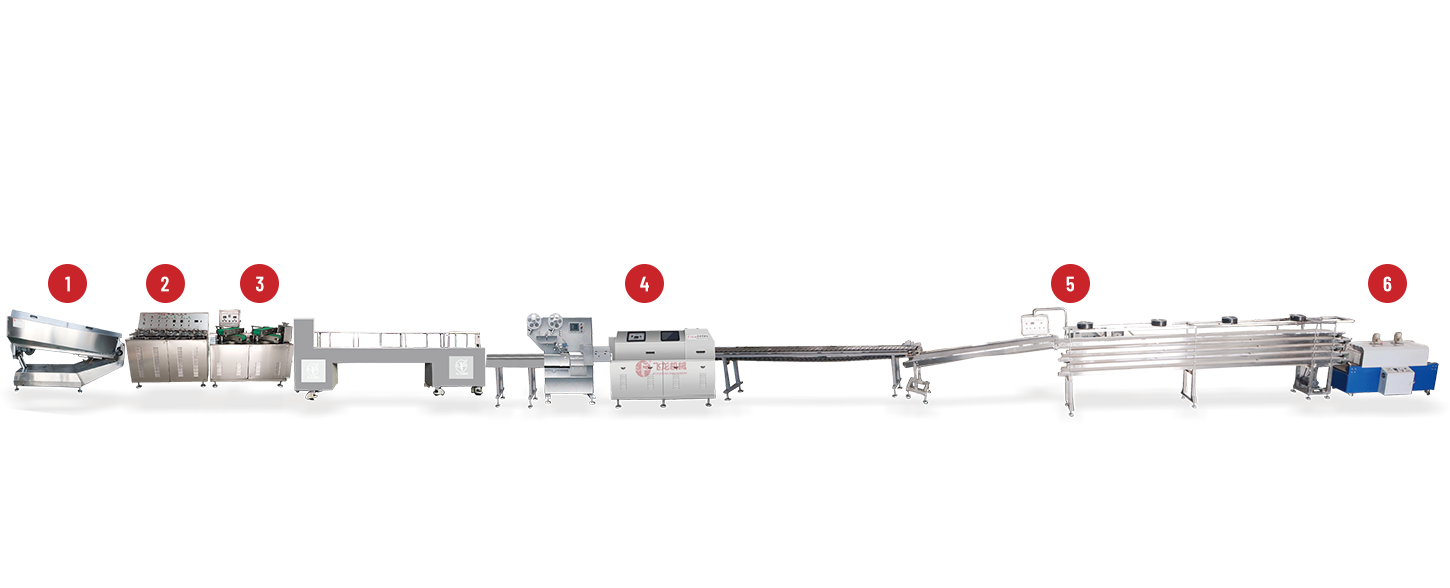
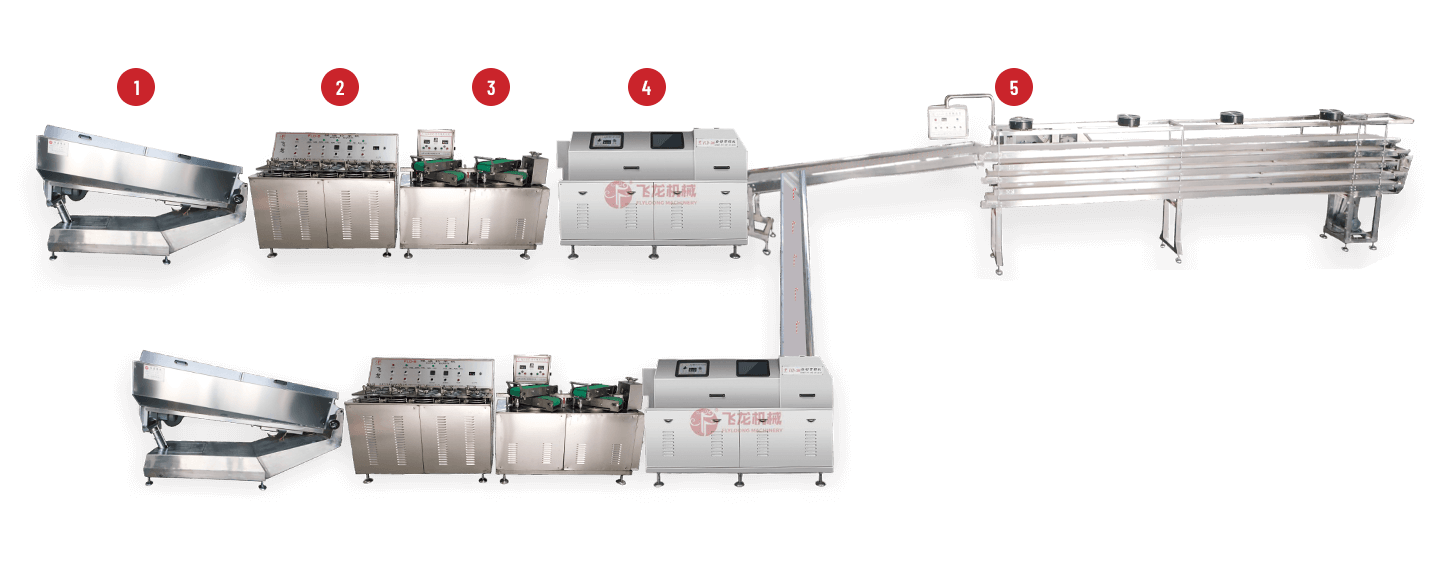
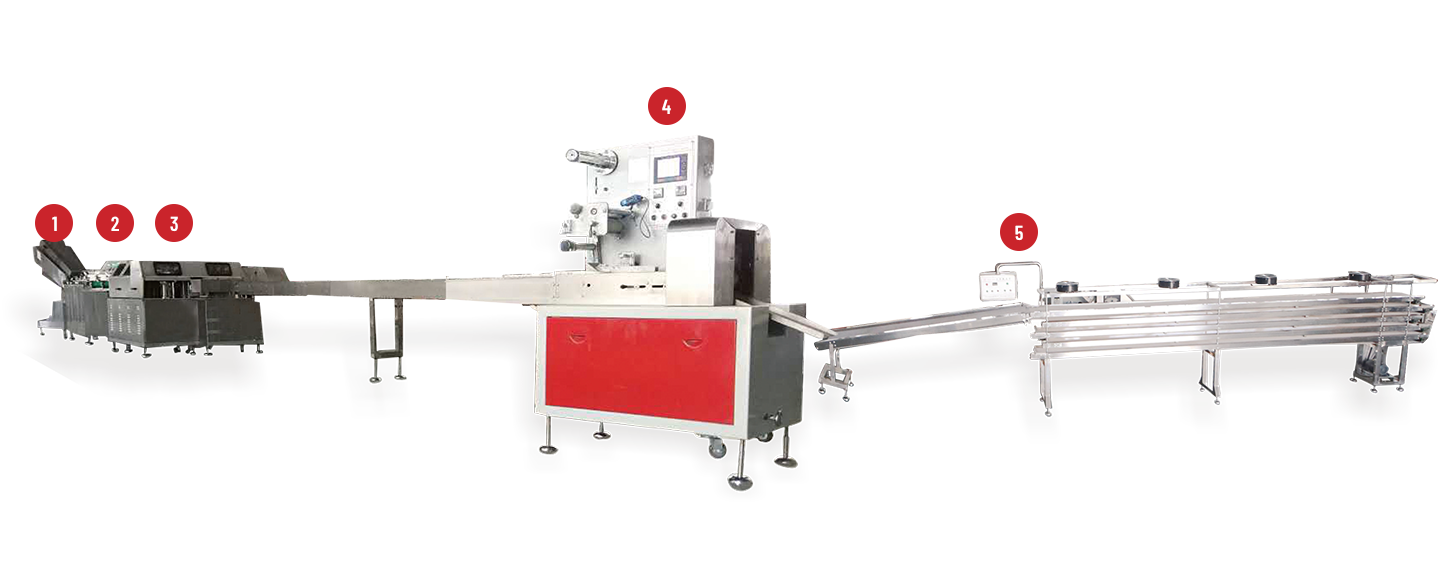
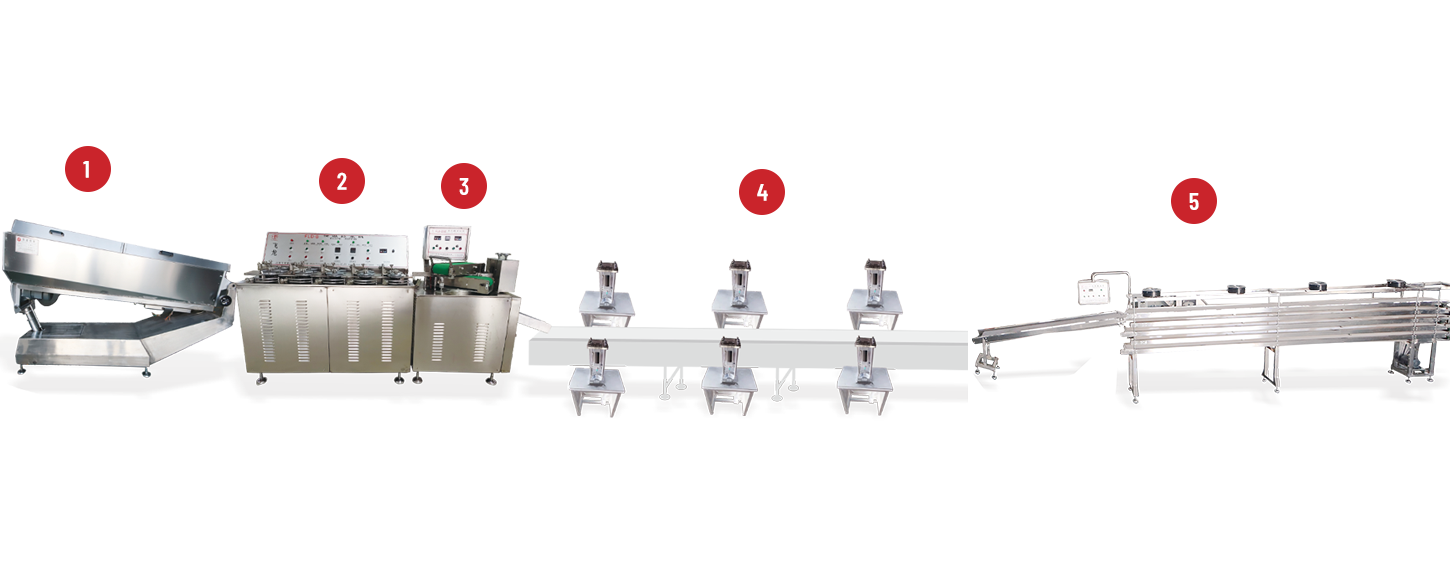
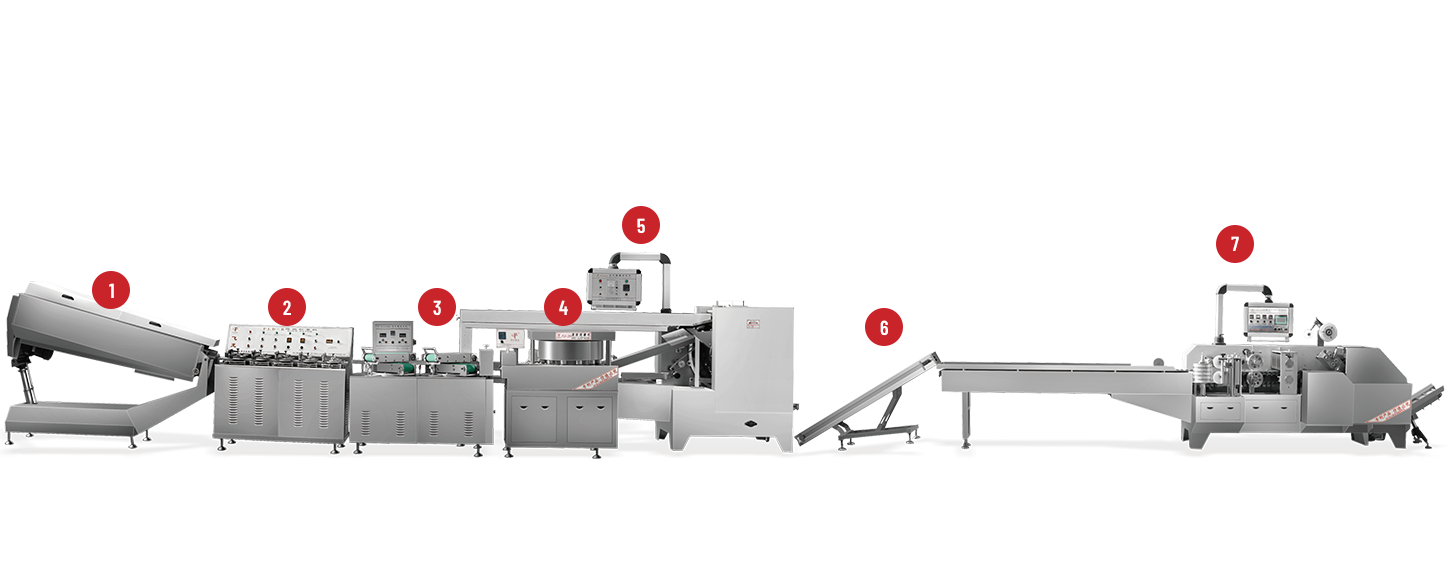
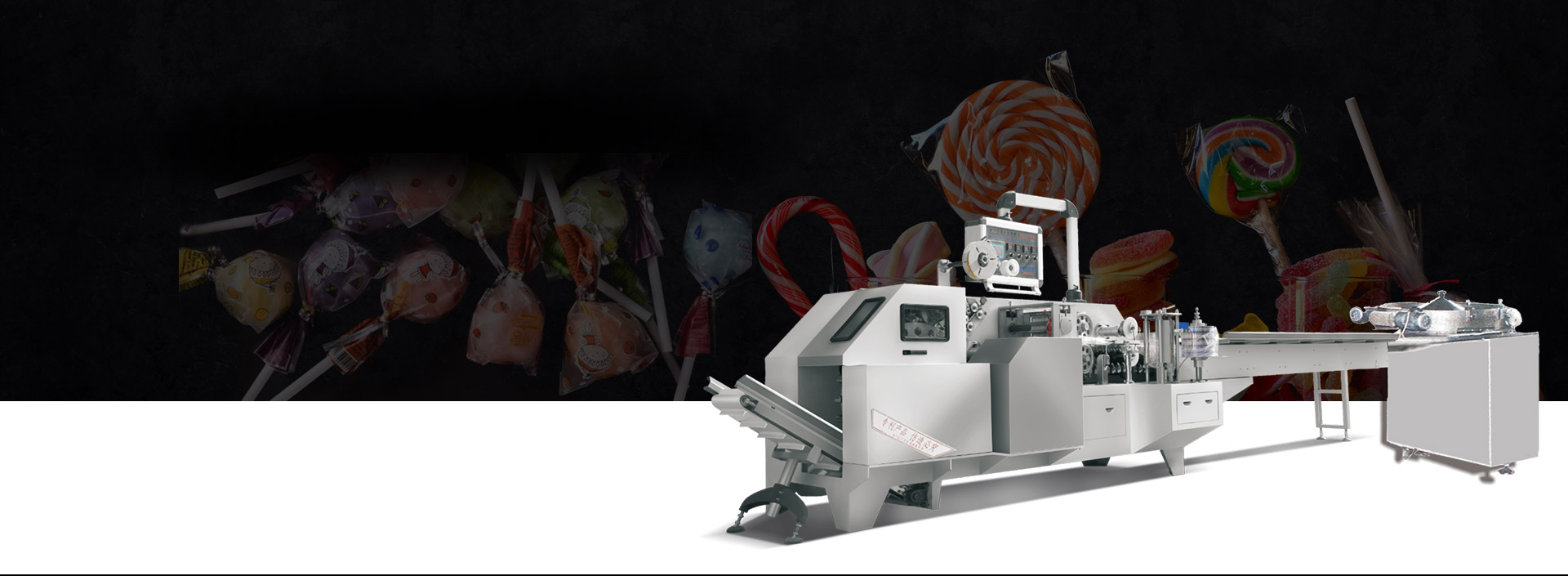
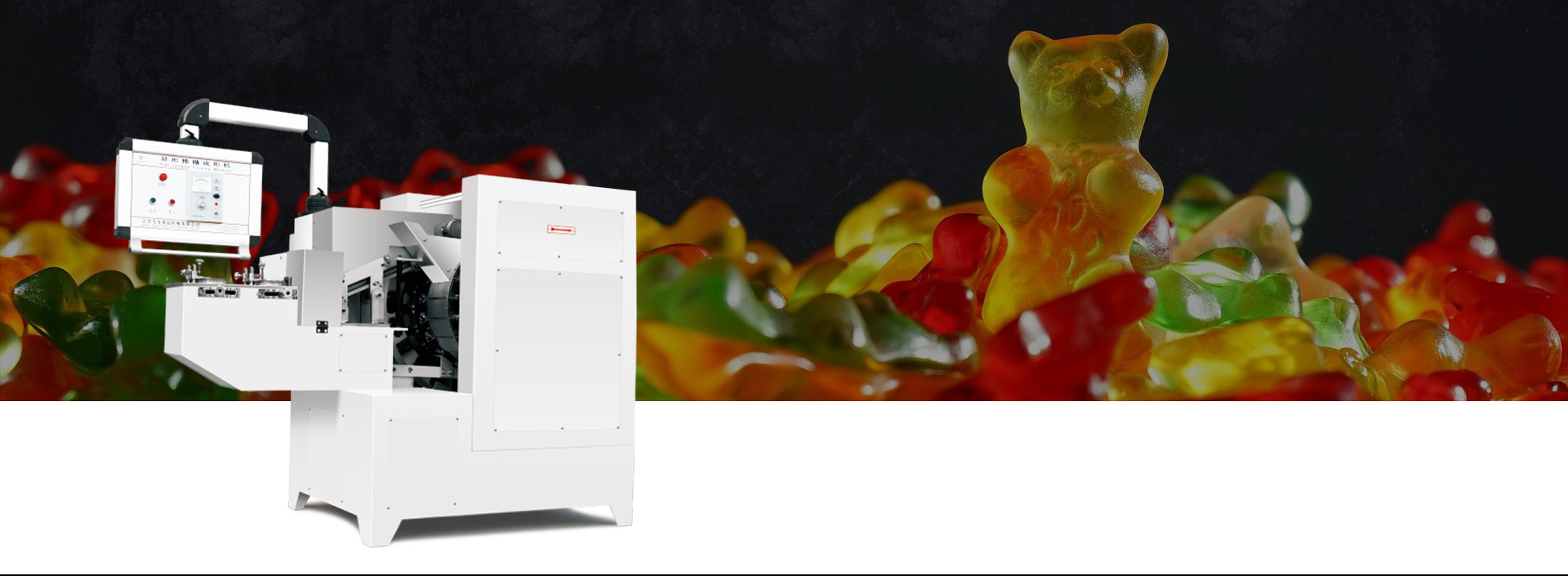
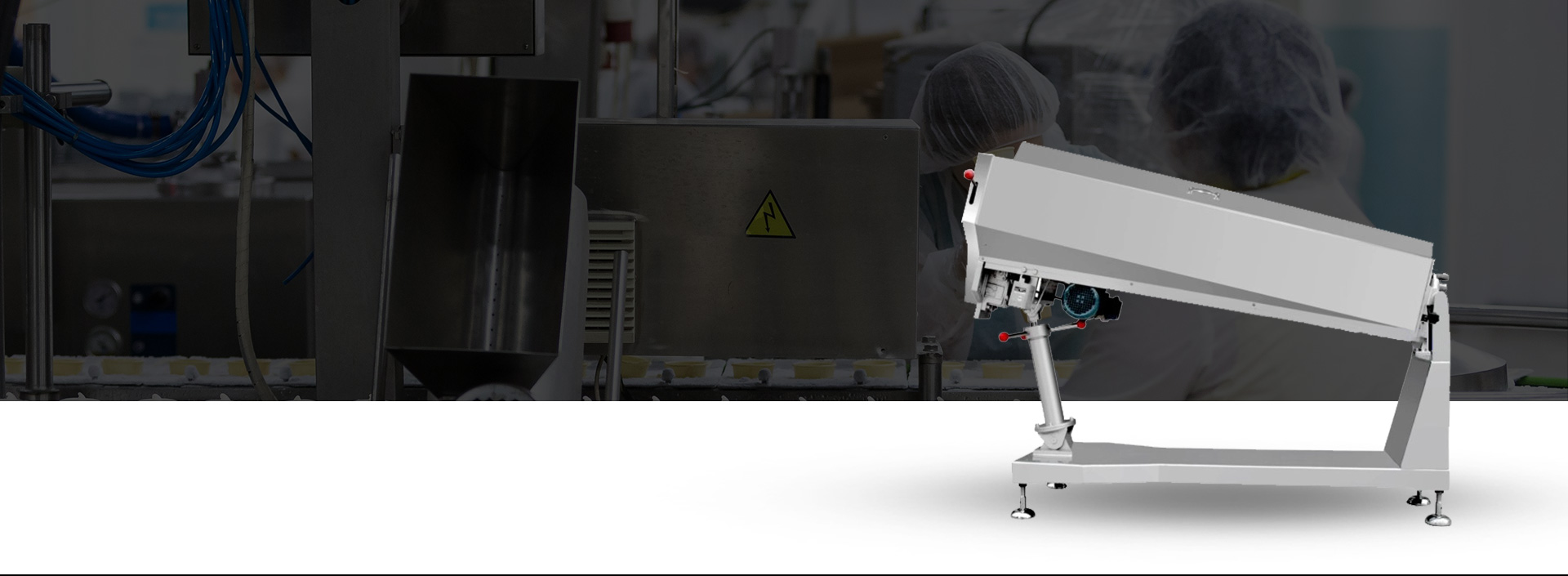
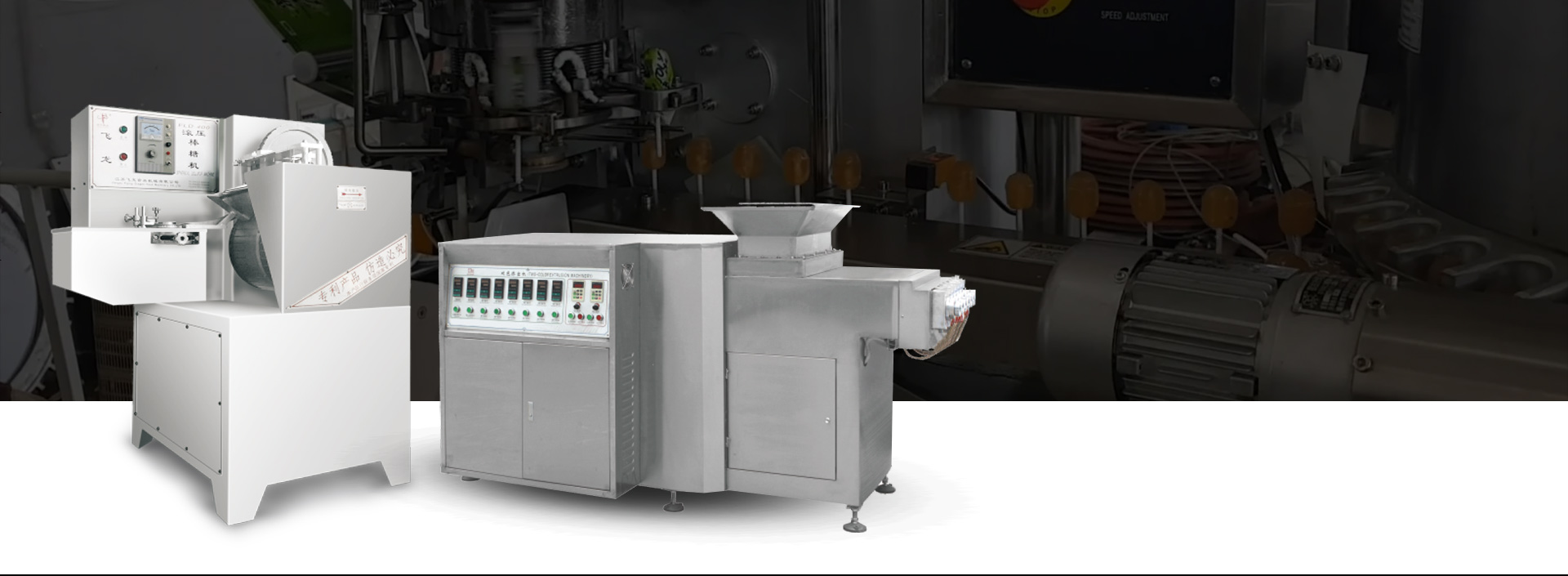
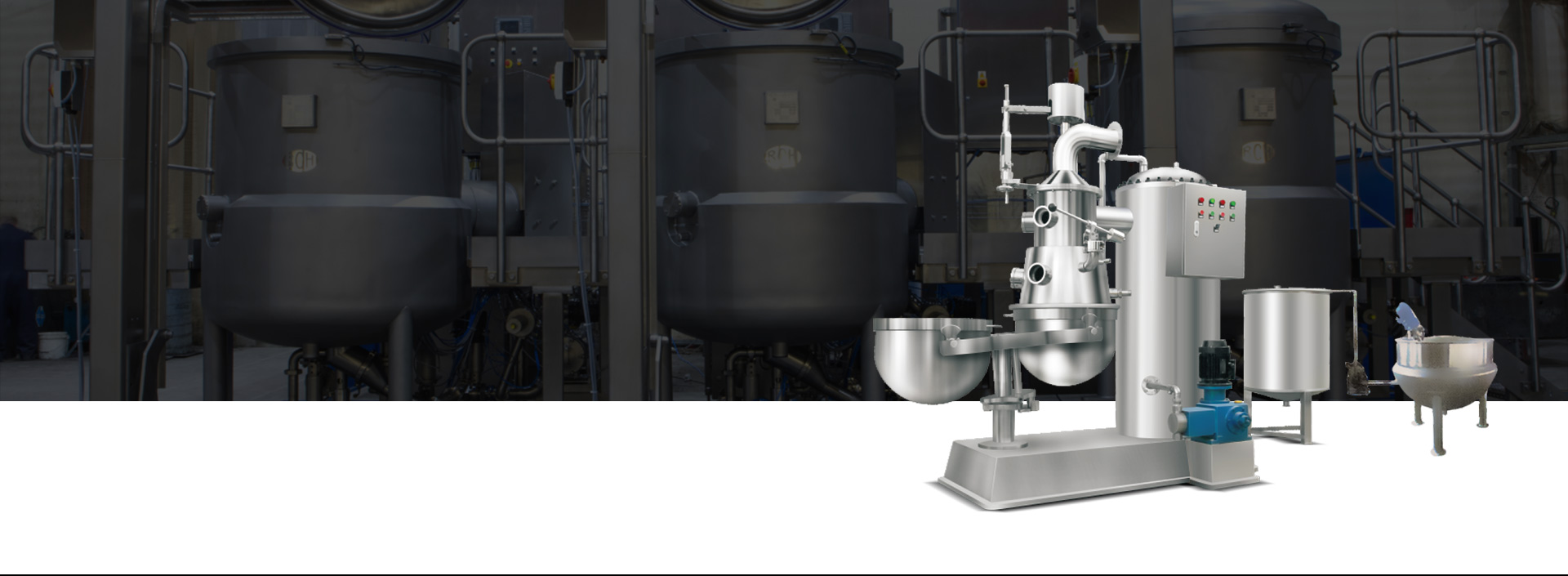
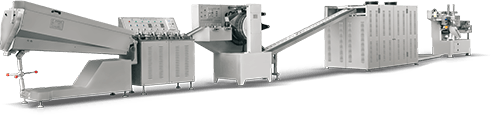
Making candy means striking a steady balance between creative tweaks and consistent daily workflows. A new taste profile, altered candy shape or refreshed outer look can make plain sweets stand out more to buyers. Still, every brightly coloured lollipop you find on shop racks goes through closely watched manufacturing steps behind the scenes.
Years back, nearly all candy shaping work fell to manual labour. Factory workers carried out the same repeated tasks each day, relying on their accumulated practical know-how to keep every piece looking uniform. This manual system suited small-batch manufacturing well enough. But as consumer tastes diversified and market orders grew more varied, candy makers began searching for better working methods.
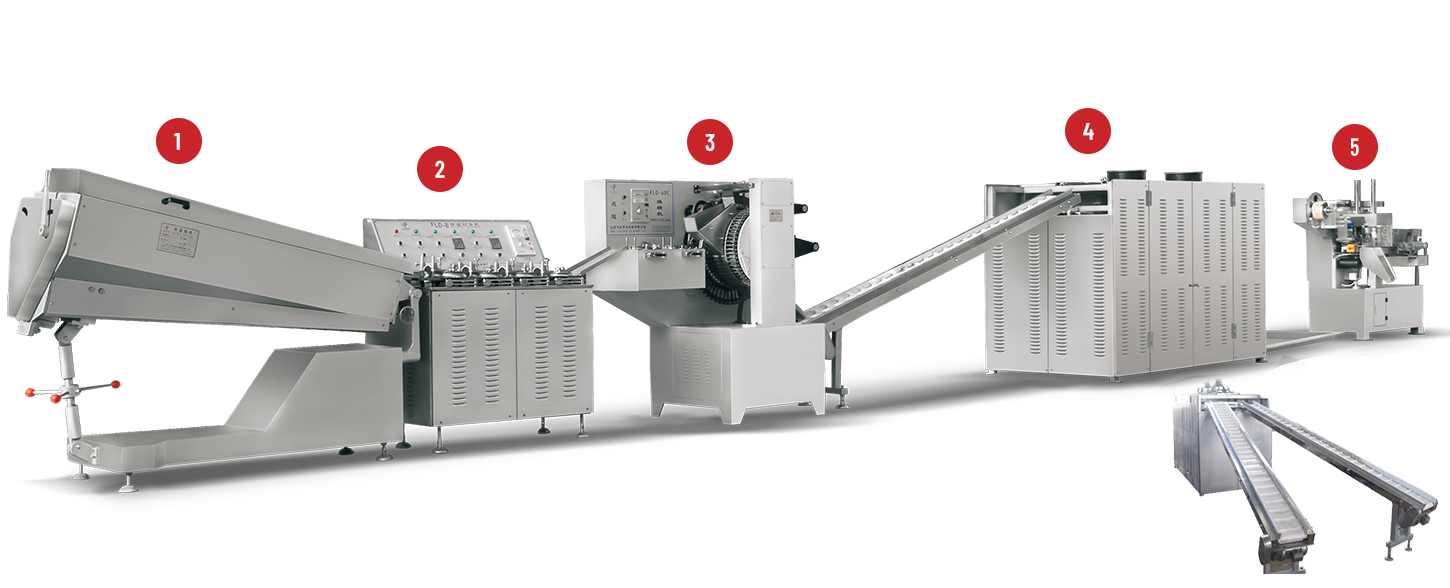
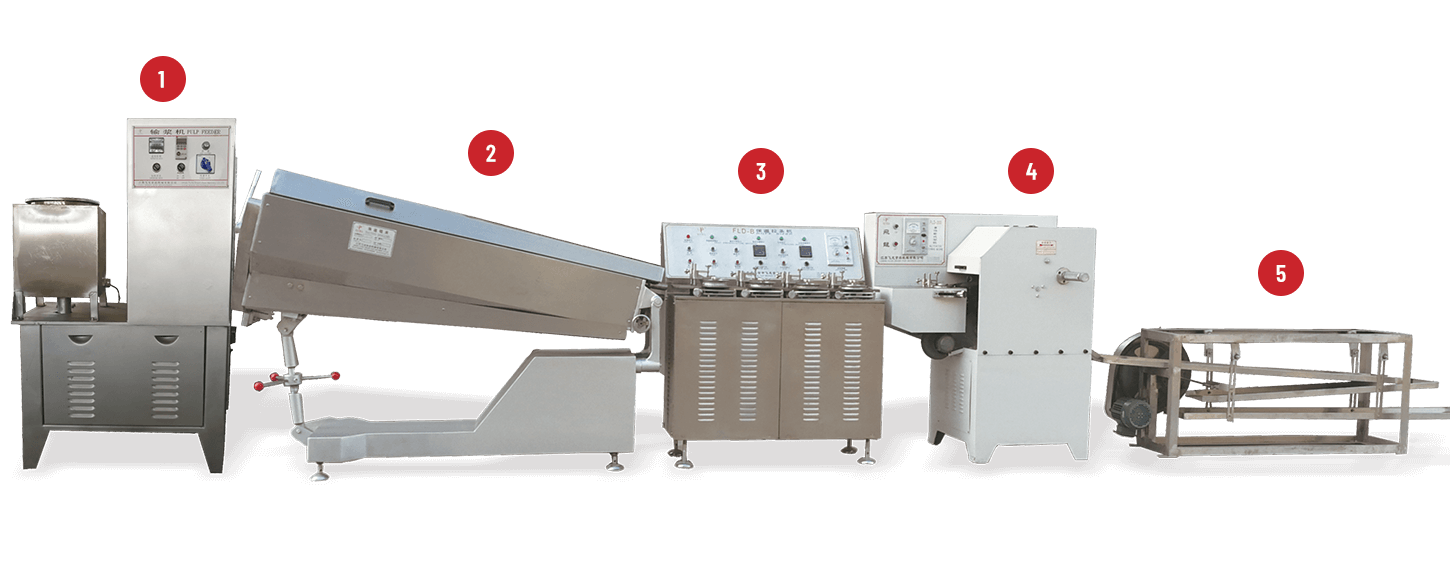
Machines built specifically for shaping lollipops have completely rearranged daily workflows inside countless candy plants. Automated gear keeps moulding work steady and orderly from start to finish. It also leaves more room to test new product concepts, since repetitive forming steps run reliably without constant human intervention.
Moving toward automated production does not drain creativity out of candy making. Machines take over all the repetitive, mechanical parts of the process. Factory staff are then free to spend more time developing new designs, carrying out detailed quality inspections and following shifts in what customers want to buy.
The candy industry as a whole now leans into a mixed production approach, pairing time-tested craft experience with up-to-date machinery. Lollipop forming equipment acts as a key piece of this industry shift, helping manufacturers keep up with evolving demands from retail partners and everyday shoppers.
Why Is Automation Becoming More Common in Candy Manufacturing?
The candy market continues to change. Customers are no longer only interested in sweetness. They also notice shape, color, packaging style, and the overall feeling a product creates.
A lollipop is a good example of this change. The product itself may look simple, but manufacturers often need to consider many details during production. Different shapes, seasonal designs, and creative appearances all require a flexible manufacturing approach.
Manual production can handle creativity well, especially when making small quantities. However, when demand increases, repeating the same process many times can become difficult. This is where automation starts to play a larger role.
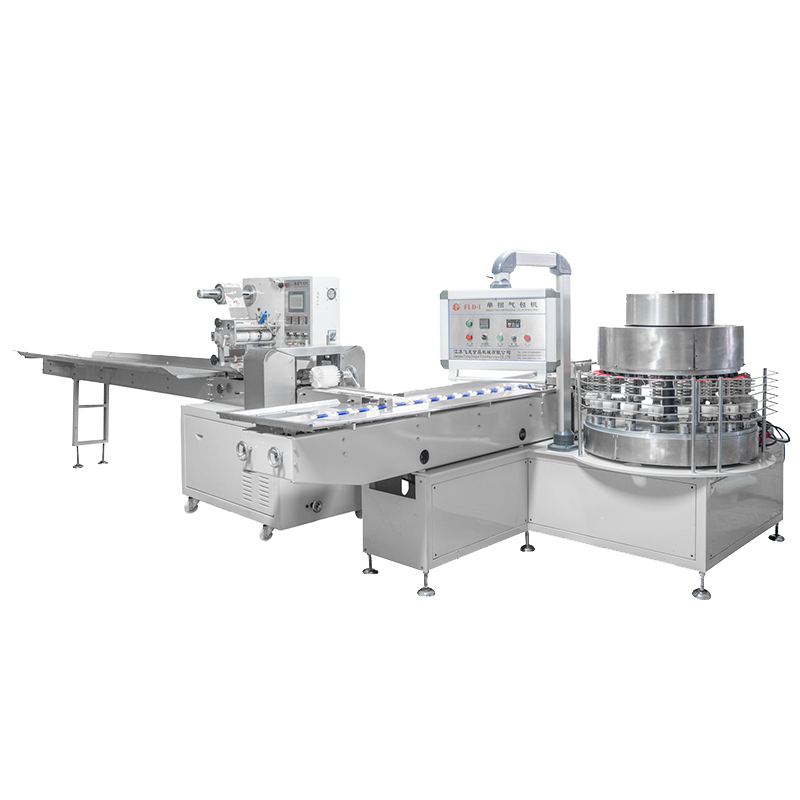
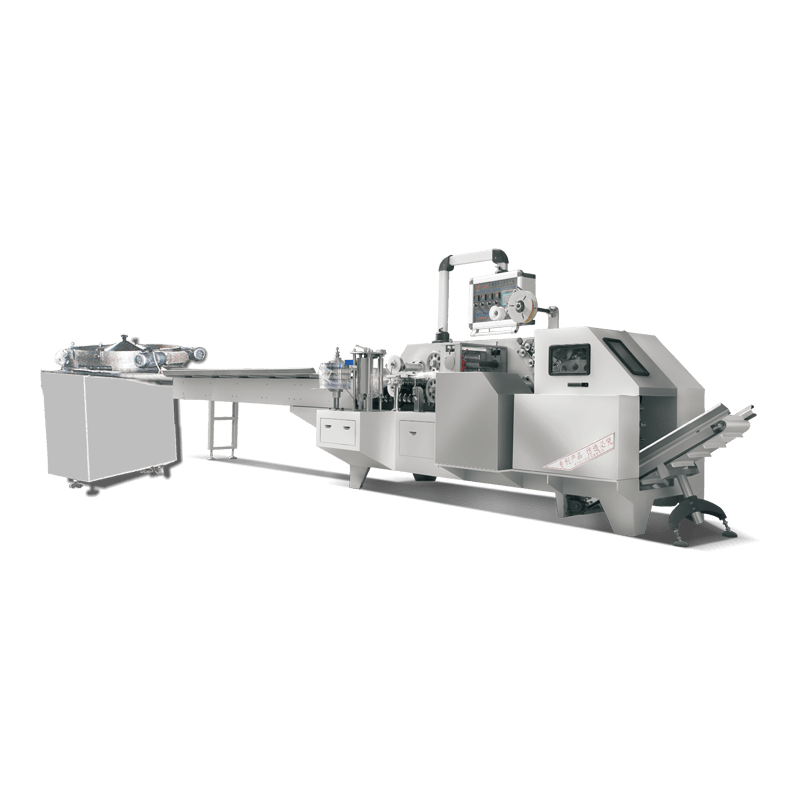
A lollipop forming machine provides support during the shaping stage. It helps create a more organized workflow and reduces the amount of repeated manual handling. Workers can spend more time checking products and improving production methods.
Automation is also changing the way candy factories manage their daily operations. Instead of focusing only on producing more products, manufacturers are paying more attention to creating smoother processes.
| Traditional Production Methods | Automation-Based Production Methods |
|---|---|
| More dependence on manual operation | More support from production equipment |
| Production steps may vary between batches | Production flow can become more organized |
| Workers handle more repeated tasks | Workers focus more on monitoring and improvement |
| Product changes may require more adjustment | Design changes can be managed more easily |
The growing use of automation reflects a wider change in the food manufacturing industry. Companies are looking for ways to combine efficiency with creative product development.
How Does a Lollipop Forming Machine Change the Production Process?
Molding stands out as a critical phase when making lollipops. The outline each candy takes directly shapes how shoppers judge the item at first glance. Tiny inconsistencies in form add up and alter the overall finished look people see on shelves.
Small, older candy shops once leaned fully on staff intuition to keep every candy's shape and quality consistent. The work called for sharp focus and hands-on skill from every person on the line. Scaling up output complicates this manual method fast; matching uniform shapes across hundreds or thousands of pieces grows far harder to sustain.
Machines designed to form lollipops bring consistent structure to this fragile molding step. Factories no longer have to lean solely on steady human hands to churn out matching candies. Mechanical tools step in to stabilize repeated molding cycles day after day.
This shift rewrites the rhythm of every candy-making workspace. Staff no longer burn most of their shifts locked into identical, repetitive motions. Their daily focus shifts toward running equipment, checking finished goods for flaws, and tweaking workflows to run smoother over time.
Automation also opens room for brands to test out fresh candy concepts without heavy delays. If a brand wants to roll out a brand-new lollipop silhouette, adjustable molding hardware cuts down the hassle of reworking production lines for each new design.
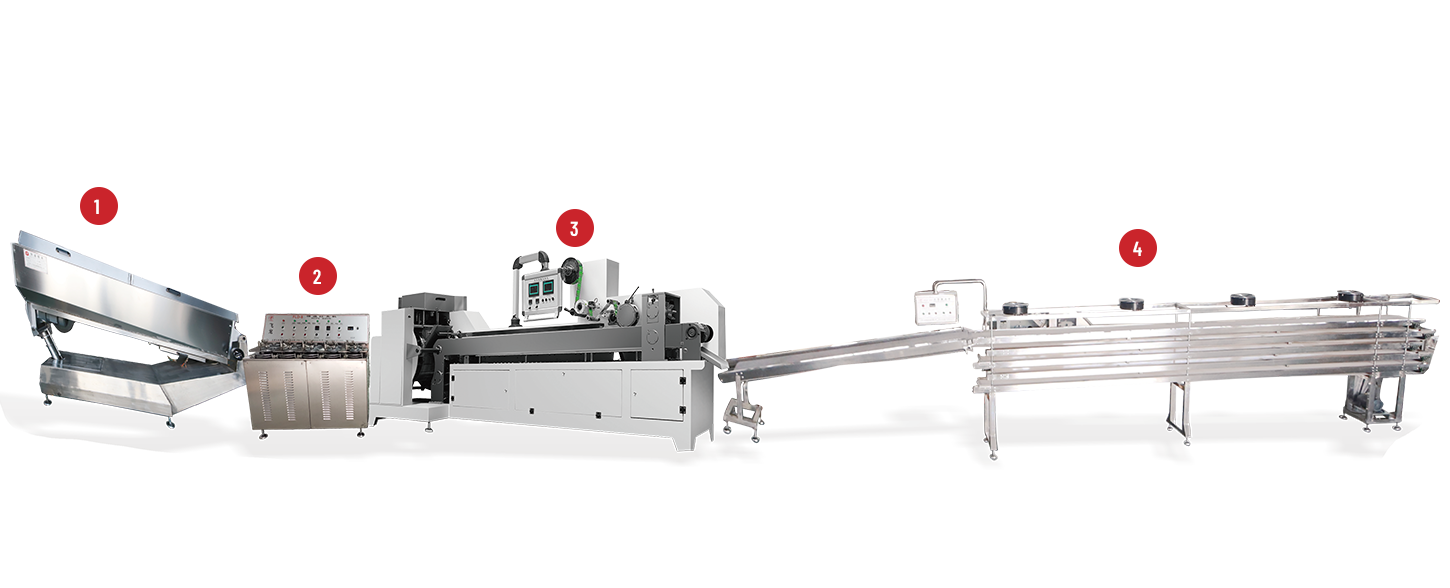
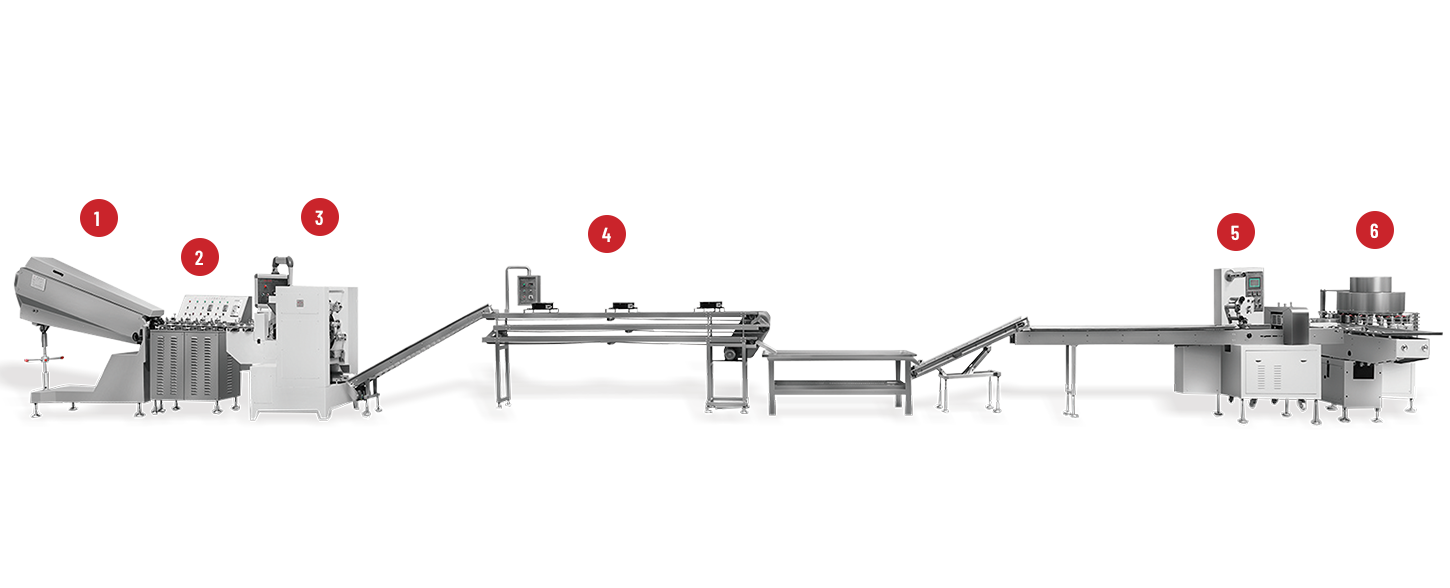
Manufacturing stops centering on endless repetitive motions alone. Teams instead oversee a full connected production system that ties every stage together.
This simple shift explains why automated candy lines draw more interest across the industry. Machines do not push people out of production entirely. They just redirect human expertise toward more thoughtful, high-value work across the factory floor.
What Benefits Do Manufacturers Gain From Automated Lollipop Production?
Every candy producer has different goals. Some focus on product variety. Some pay more attention to production organization. Others want to improve consistency across different batches.
Automation provides support in several areas.
Product consistency is one of the main reasons manufacturers consider forming equipment. Customers often expect packaged products to look similar when they purchase them repeatedly. A more controlled production process can help maintain a stable appearance.
Production planning is another important area. When manufacturing steps are easier to manage, companies can arrange their workflow more clearly. This can help reduce confusion during busy production periods.
Automation also creates opportunities for better resource management. A well-organized process may help reduce unnecessary material loss caused by irregular handling.
| Production Needs | Role of Automation |
|---|---|
| Stable product appearance | Supports more consistent shaping |
| Production organization | Connects different manufacturing stages |
| Product variety | Allows easier changes between designs |
| Workforce management | Reduces repetitive manual operations |
Another benefit is flexibility. The candy market changes quickly. A design that attracts attention today may need to be updated tomorrow. Manufacturers with adaptable production systems can respond more easily.
For candy companies, automation is becoming less about replacing traditional methods and more about improving how different parts of production work together.
How Is Automation Helping Candy Makers Create More Creative Lollipop Designs?
Candy design has become an important part of product development. A lollipop can represent a theme, a special occasion, or a certain style. Its appearance often creates the first impression before customers taste it.
Creating different shapes manually can take considerable time. Automated forming equipment gives manufacturers more possibilities when developing new designs.
With the support of a lollipop forming machine, producers can experiment with different product concepts while keeping production more organized. This allows creativity and manufacturing to work together.
For example, a candy company may want to create products with different visual themes. Instead of changing the entire production approach, manufacturers can adjust their methods based on new design requirements.
Automation also supports smaller design experiments. Companies can explore new ideas without making every change extremely complicated.
The relationship between machines and creativity is becoming closer. Equipment handles the repetitive parts, while designers and production teams focus on creating products that match customer interests.
The candy industry has always depended on imagination. Automation gives that imagination a stronger production foundation.
How Does Automation Influence Candy Quality Management?
Food production always calls for close quality checks, and candy making is the same. Every lollipop out of the workshop needs to look neat, stay clean and match the same standard from one piece to the next.
If shaping candy falls mostly on staff's hands, small mismatches will always show up. Workers pick up great skills over time, but repeating the same moves for a whole shift makes it tough to keep every candy identical.
Machines built for forming lollipops create a more steady working environment. They keep every step of shaping consistent as batches run on.
Checking quality isn't only about looking at finished sweets. Teams also watch how each candy gets made. When production steps run clear and orderly, workers catch small issues early and tweak their work style to fix them.
Lollipop forming gear supports quality control in these practical ways:
- Keep every candy's shape close to one another
- Cut down random differences that pop up during production
- Arrange daily production steps in a smoother order
- Make it easier to track work as it happens
Candy makers know steady quality keeps buyers coming back. Uniform, well-made lollipops help shoppers feel confident buying from a brand. Automated tools just give factories another way to hold onto that trust with their customers.
Why Are Candy Manufacturers Paying More Attention to Flexible Production?
Consumer preferences change quickly. A candy style that attracts attention today may need a different approach in the future.
This situation creates challenges for manufacturers. They need equipment that can support change instead of limiting creativity.
Flexible production has become an important direction in candy manufacturing. Companies want systems that can handle different product ideas while keeping daily operations manageable.
A lollipop forming machine fits into this trend because it supports organized production without removing creative possibilities.
Manufacturers are also paying more attention to production efficiency. The goal is not simply to increase output. It is to create a process where equipment, workers, and product development can work together.
This approach allows companies to respond to market changes more naturally.
The future of candy production will likely depend on balance. Machines provide structure, while people continue to provide ideas and creative direction.
What Changes Will Automation Bring to the Future of Lollipop Production?
Automation will continue influencing how candy products are developed and manufactured. The focus is gradually moving from simple machine use toward smarter production management.
Future production systems will likely place more attention on flexibility, easier operation, and better coordination between different manufacturing stages.
For lollipop producers, forming equipment will remain an important part of this development. It connects product ideas with real manufacturing processes.
The candy industry is built on creativity, but creativity needs support from reliable production methods. Automation provides that support by helping manufacturers create products in a more organized way.
The growth of lollipop forming machines shows how traditional candy making is adapting to modern manufacturing needs. The process is changing, but the connection between people, creativity, and candy remains at the center of production.
 +86-(0)515-8465666
 +86-(0)515-85566996
 +86-138 1559 9708
 flyloong@flyloongcn.com
 Home
Home