

 ENG
ENG
 English
 中文简体
中文简体 русский
 Français
 Español
 عربى
عربى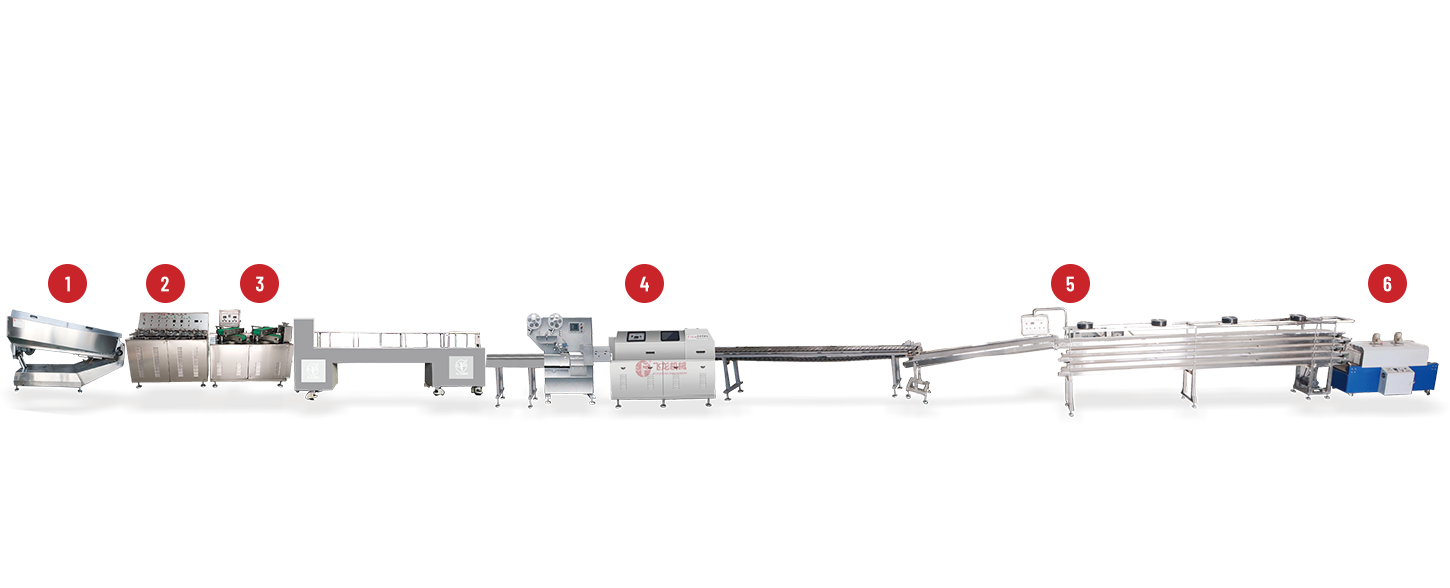
Why are candy producers paying more attention to production consistency?
Candy making looks simple from the outside. But once production scale increases, small differences start to matter. A slight shift in shape, a soft blur between colors, or uneven surface details can change how a product is perceived.
Rainbow lollipops are especially sensitive to this. They rely on clear visual layers. If the layers are not stable, the product loses its identity quickly.
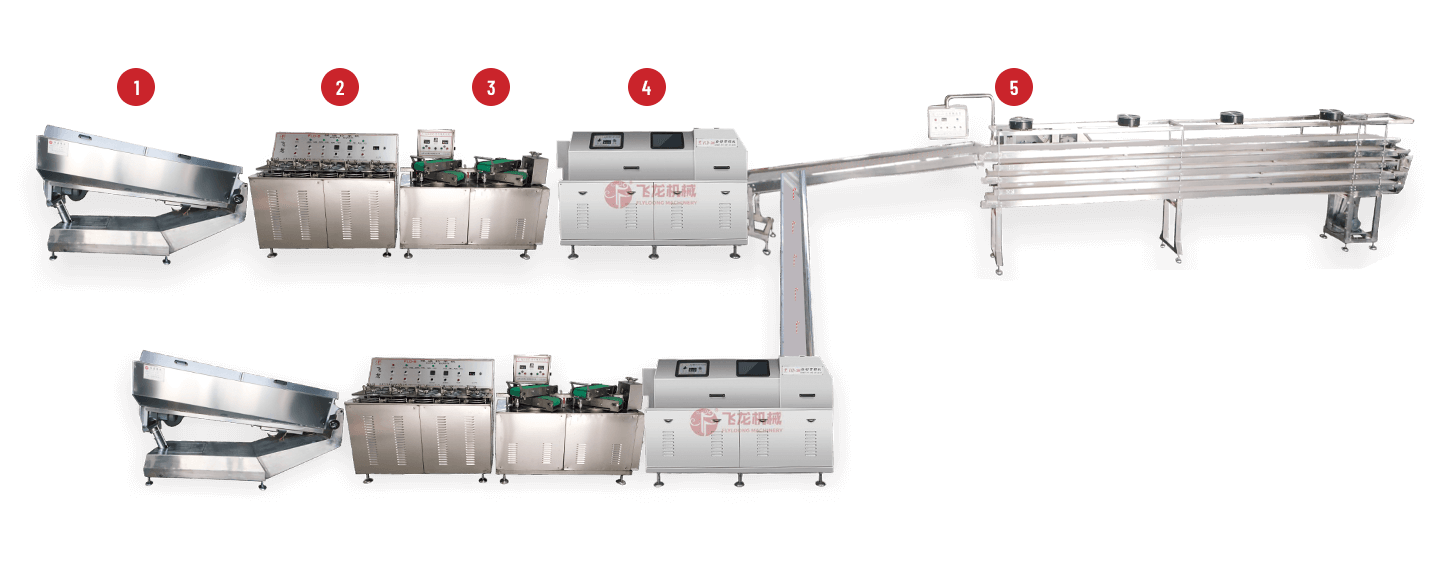
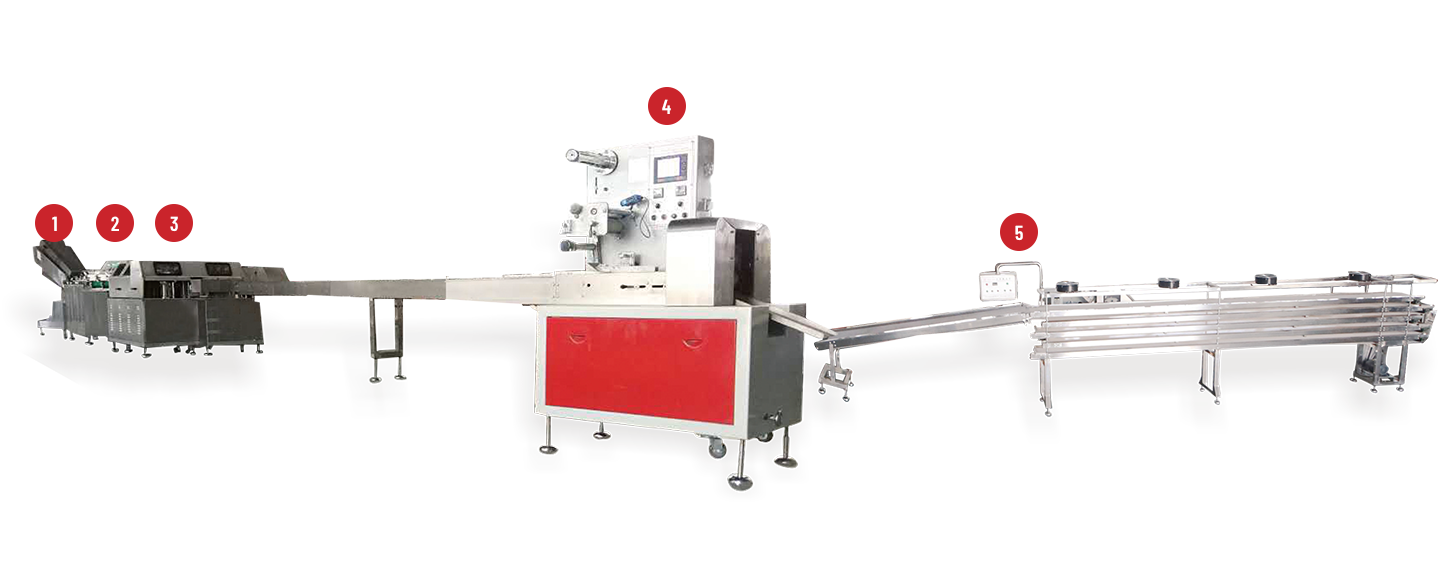
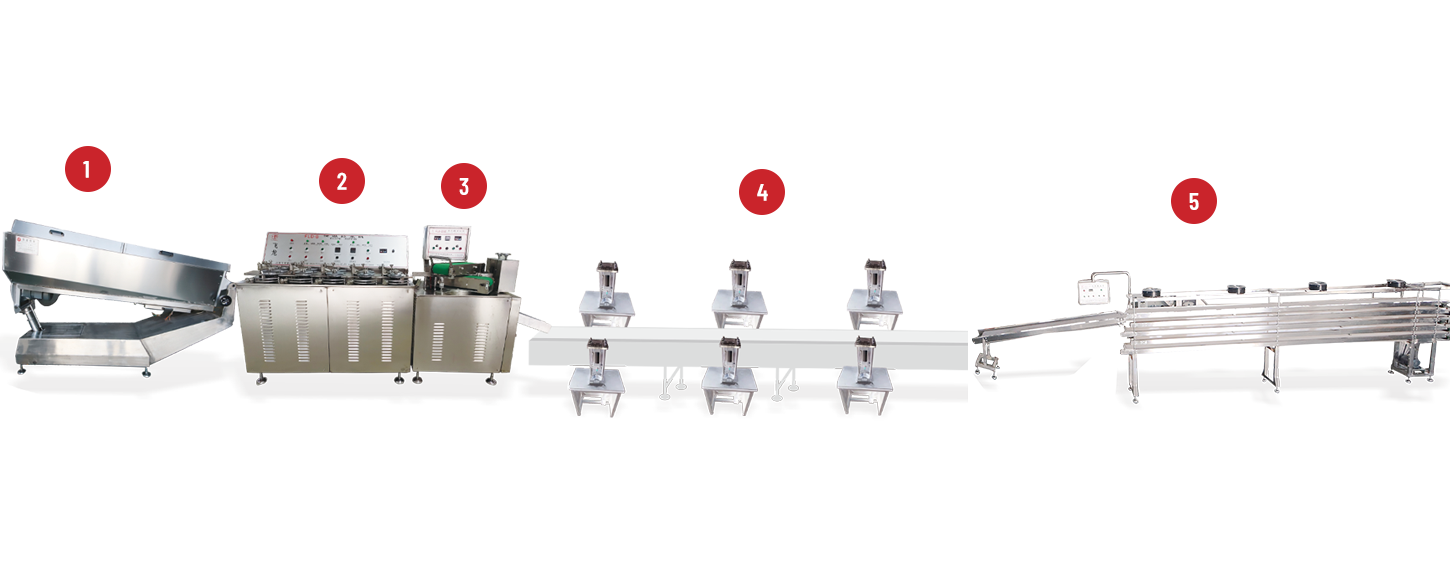
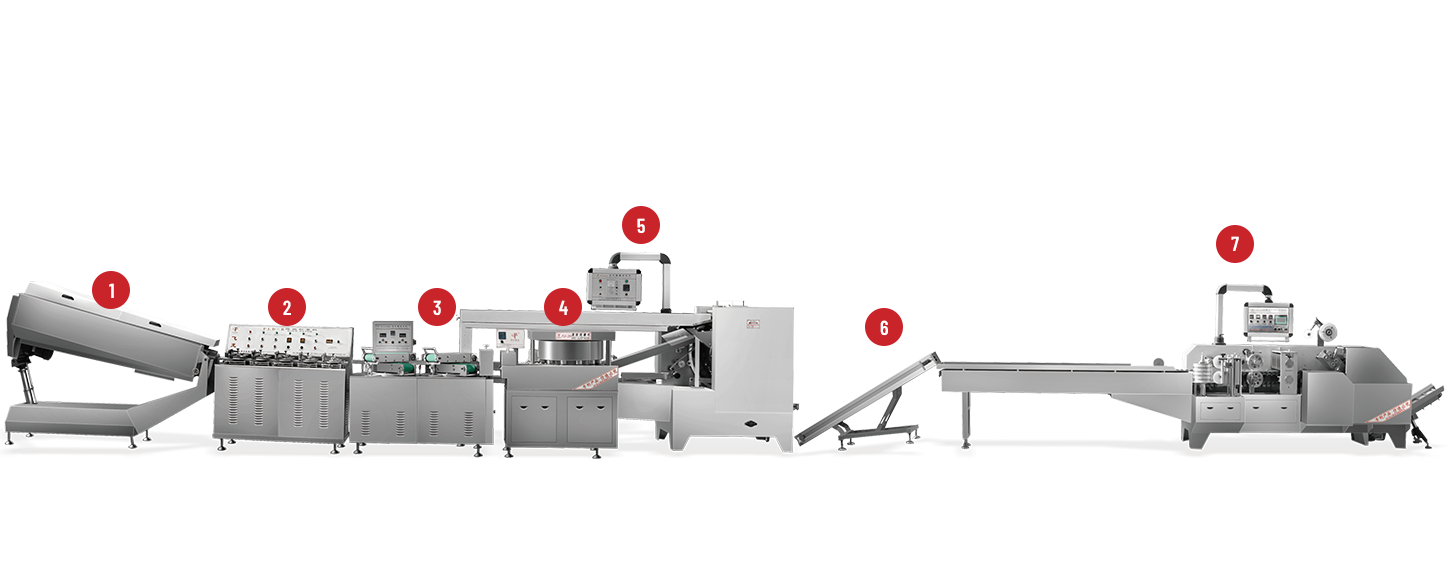
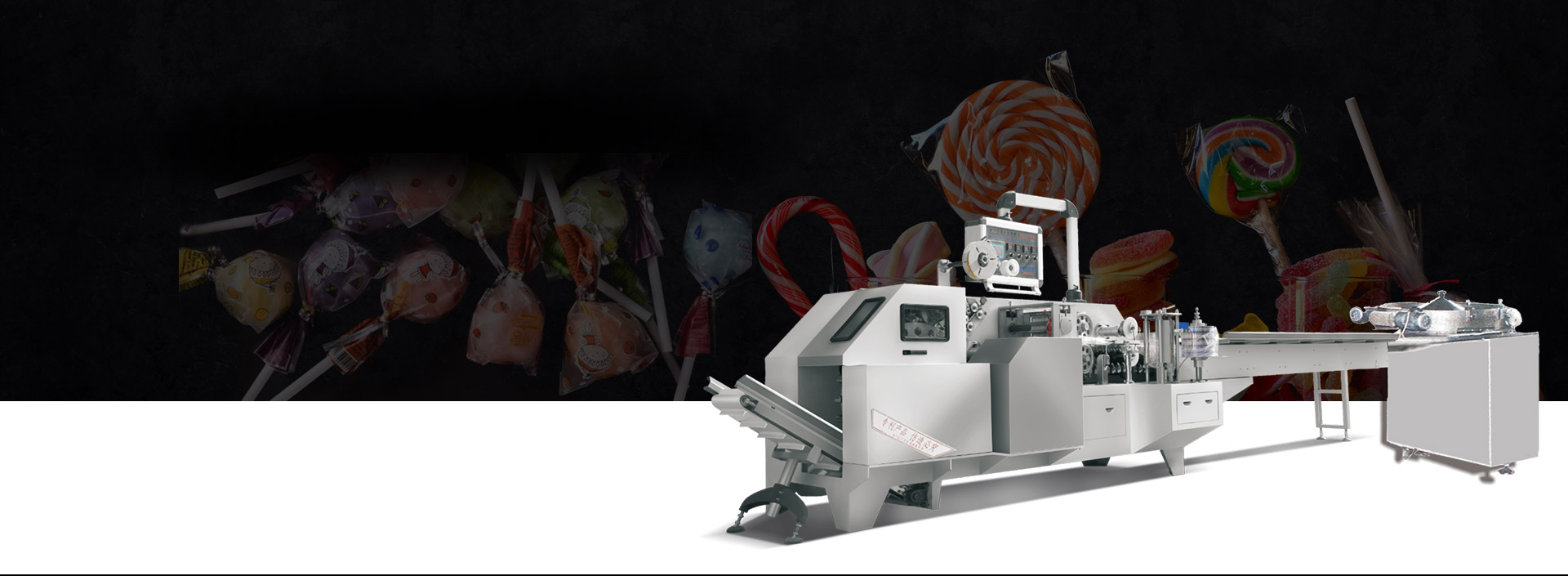
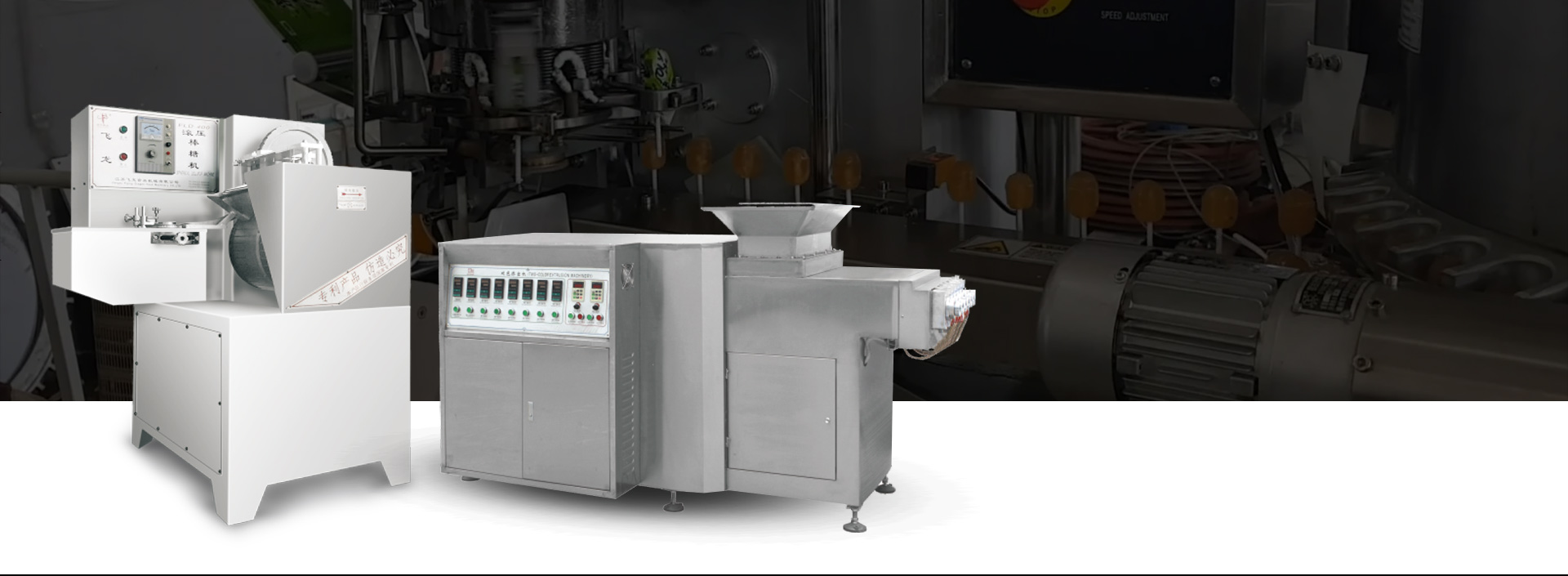
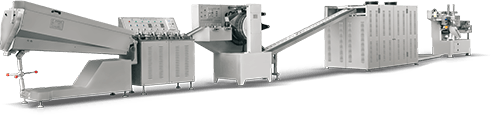
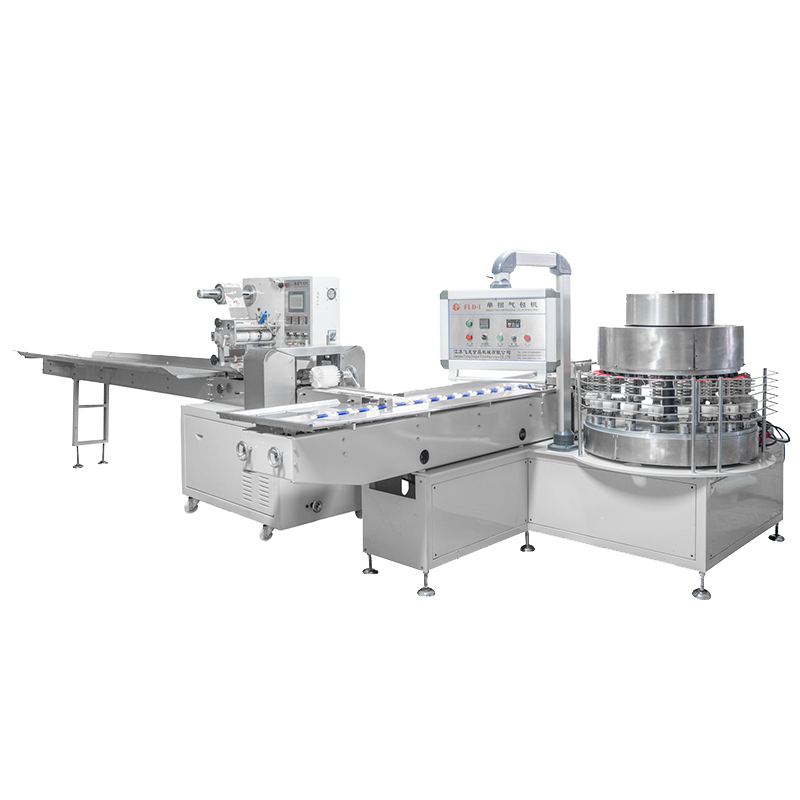
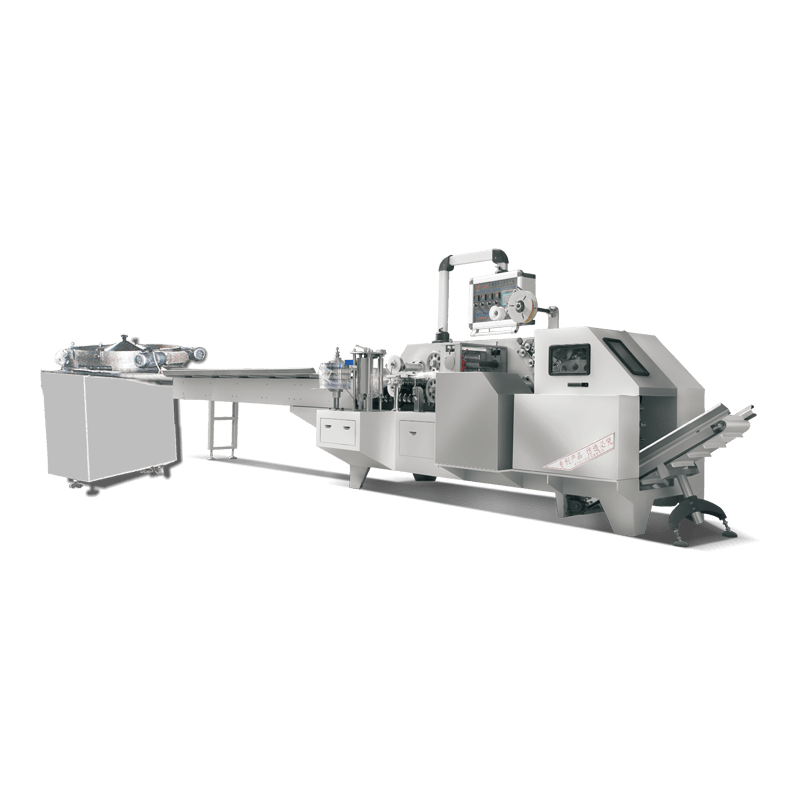
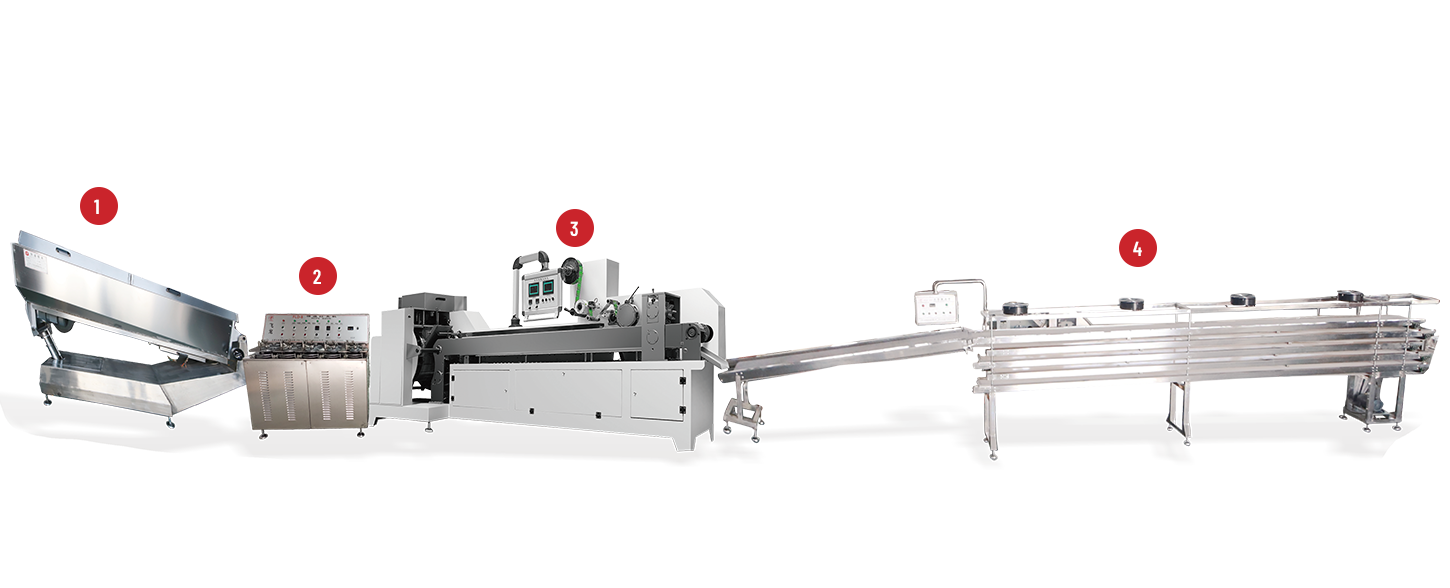
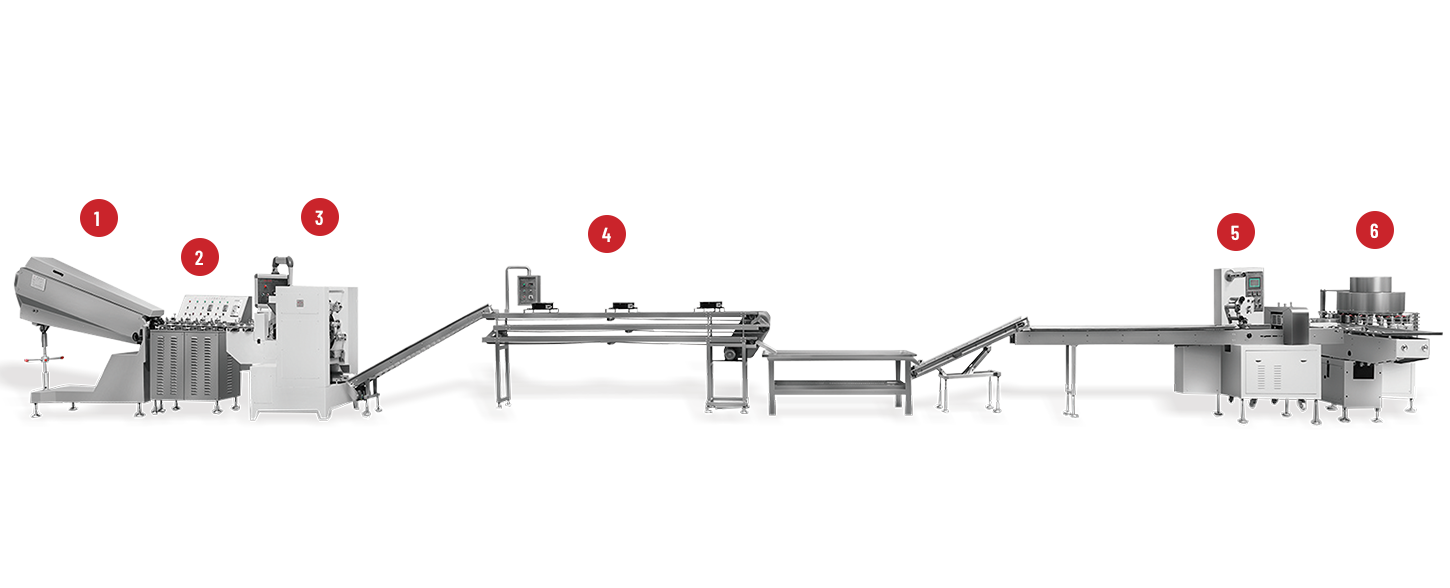
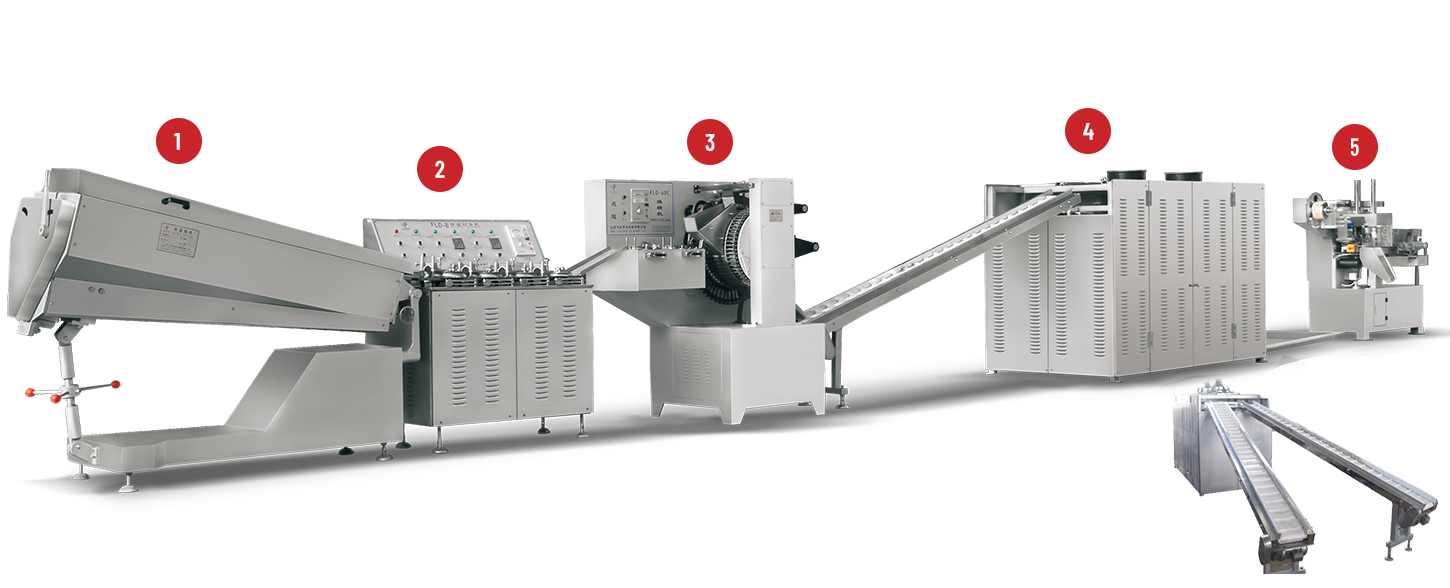
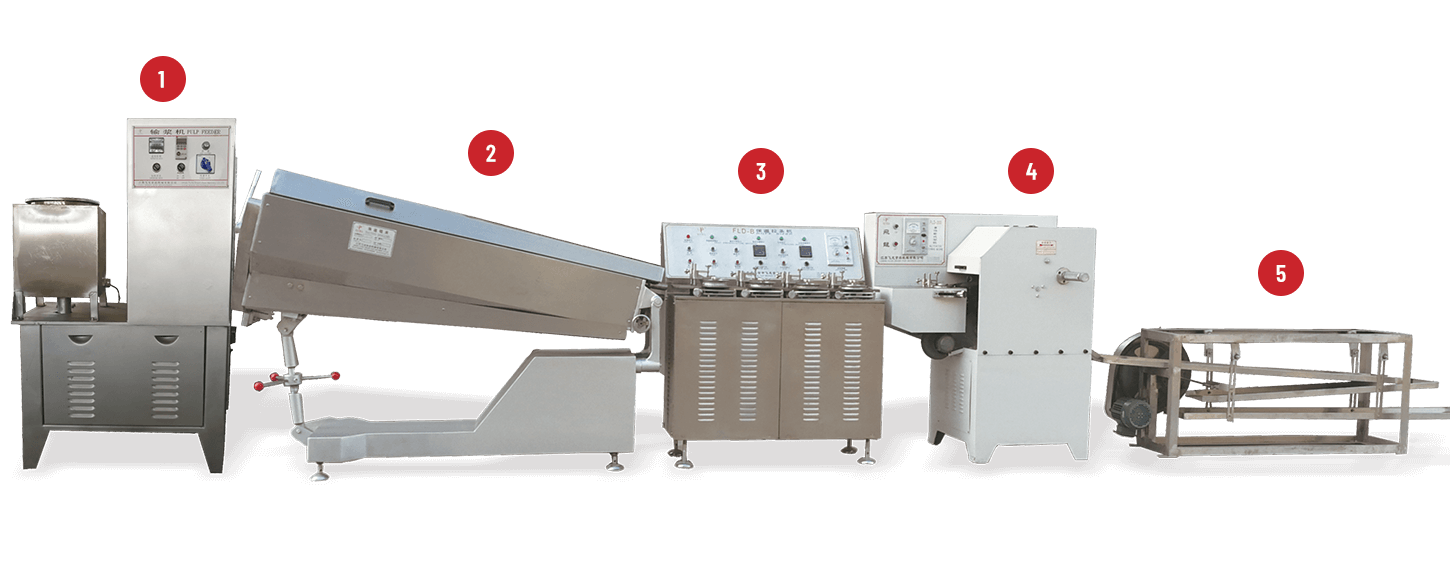
That is why many production setups are moving toward more structured systems. An automatic rainbow lollipop machine is not only about speed. It is about keeping each piece visually close to the next, even during long production runs.
How does the machine help keep shapes more stable?
Shape consistency depends on how material moves during forming. If movement is uneven, the final structure can easily shift.
In an automatic setup, the material follows a guided route instead of free handling. Each step is connected in a fixed order. This reduces sudden changes in direction or pressure.
What matters more than complexity is rhythm. When the same movement repeats in a stable pattern, the final shape becomes easier to control.
There is also timing involved. If one stage finishes slightly earlier or later than expected, the next step can feel the effect. A synchronized process helps reduce this mismatch.
Over time, this creates a production flow where shapes stay close in appearance without needing constant adjustment.
What keeps rainbow colors from becoming unclear or mixed?
Color is where rainbow lollipops get their identity. But it is also where problems often appear.
If layers are not placed evenly, colors may blend too much or appear uneven. Instead of a clean rainbow effect, the pattern can look scattered.
An automatic machine handles this by introducing colors in a controlled sequence. The movement of material stays steady, so each layer has space to form properly.
Rather than trying to "mix," the system focuses on "placing." That small difference changes the final look a lot.
| Process Element | What is Controlled | Result in Product |
|---|---|---|
| Shape movement | Steady forming path | Balanced outline |
| Color flow | Layer order control | Clear rainbow lines |
| Material transfer | Smooth continuity | Less variation |
| Cooling stage | Gradual setting | Stable final form |
Each part alone is not enough. The result depends on how they connect together during the whole process.
Why does continuous movement matter in production?
When production stops and starts too often, material behavior can shift. Even small pauses may change temperature or flow stability.
An automatic rainbow lollipop machine avoids unnecessary interruptions. Once the process starts, it keeps moving step by step.
This kind of continuity makes conditions easier to predict. Material does not sit idle, so it reacts more consistently throughout the process.
It also reduces manual handling between stages. Less handling usually means fewer unexpected differences between batches.
How does material flow influence the final look?
Material does not behave the same at every stage. It stretches, relaxes, and settles depending on movement and temperature.
If flow is unstable, shape and color both become harder to control. The final product may still form, but the details can shift slightly.
In an automatic system, material is guided through controlled paths. These paths keep direction and speed more consistent.
That stability is what helps maintain a predictable appearance. It is not about forcing the material, but about reducing sudden changes.
What role does temperature play in shaping consistency?
Temperature changes quietly affect everything in production. It influences softness, movement, and how layers settle.
If cooling happens too quickly, structure may tighten unevenly. If it is too slow, layers may lose definition.
An automatic machine manages this in steps rather than jumps. Temperature transitions are gradual, allowing material to adjust naturally.
Cooling is especially important because it locks the final appearance in place. Once this stage is complete, shape and color stop shifting.
It is also where small differences become fixed. That is why stability here matters so much.
How does coordination between stages reduce variation?
A production line is not a collection of separate actions. Each stage depends on the previous one.
When coordination is smooth, material moves forward without disruption. Timing feels aligned, and transitions are predictable.
If one stage is slightly off, the effect can spread. A small delay early in the process may appear later as uneven shape or color.
Coordination keeps everything connected. Instead of isolated steps, the system behaves like one continuous process.
This is one of the main reasons consistency improves in automated setups.
Can automation really reduce large-scale variation?
When production volume grows, differences become easier to notice. What seems small in one unit can become visible across hundreds of pieces.
Automation reduces this by repeating the same controlled steps every cycle. Once the process is set, it follows the same pattern again and again.
That does not mean everything is rigid. Adjustments can still be made, but they are applied in a controlled way rather than randomly.
This balance helps maintain consistency even when output increases.
How does visual structure shape product identity?
Rainbow lollipops are strongly visual products. People recognize them before they even think about taste.
That recognition depends on structure. Clean layering and stable shape make the product easier to identify.
These visual features are not added at the end. They are formed step by step during production.
When the process is stable, the identity stays stable too. That is important for products that rely heavily on appearance.
Why does balance matter more than speed alone?
Production systems are often judged by output speed. But speed alone is not enough if appearance changes too much between batches.
An automatic rainbow lollipop machine works better when balance is maintained. The system needs enough structure to stay consistent, but enough flexibility to adjust when needed.
Too much control can make the process rigid. Too much flexibility can lead to variation. The middle point is where stable production usually sits.
What defines stable long-term production quality?
Long-term quality is not built in one step. It comes from repeated stability across many cycles.
When shape, color, flow, and temperature remain aligned, production becomes predictable. That predictability reduces correction work and improves overall workflow.
In rainbow lollipop production, consistency is not a single feature. It is the result of many small controlled actions working together.
When those actions stay aligned over time, the machine supports a steady and recognizable output pattern across continuous production.
 +86-(0)515-8465666
 +86-(0)515-85566996
 +86-138 1559 9708
 flyloong@flyloongcn.com
 Home
Home