

 ENG
ENG
 English
 中文简体
中文简体 русский
 Français
 Español
 عربى
عربى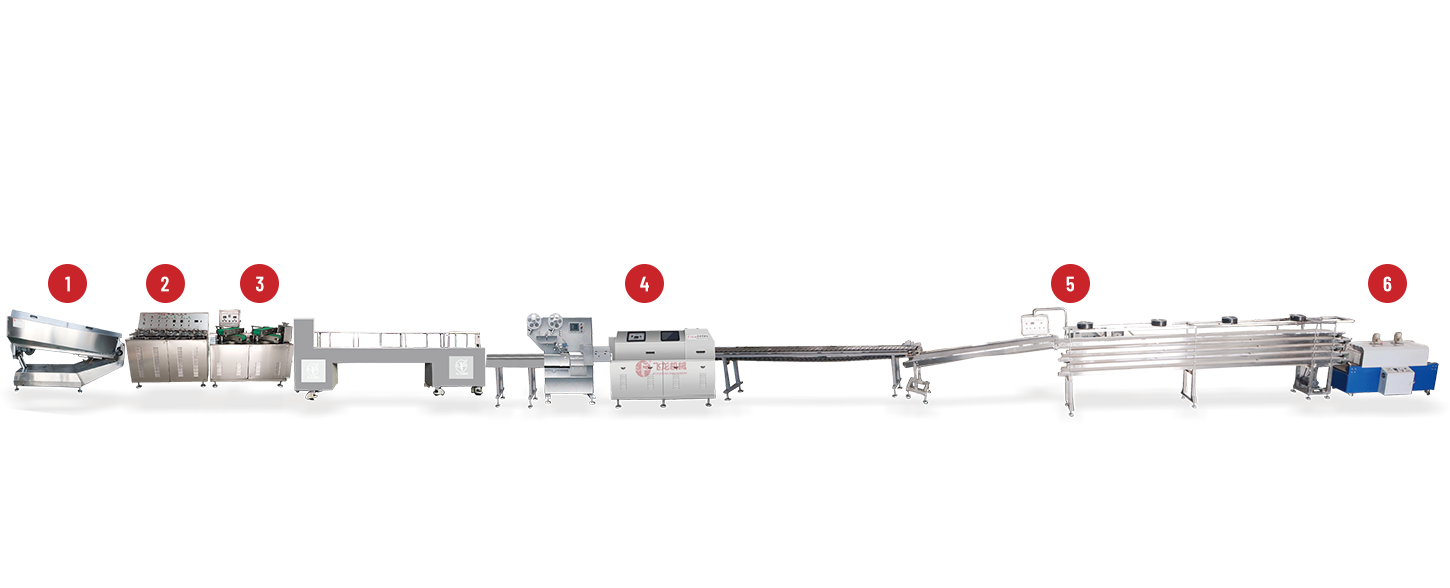
Why are manufacturers focusing more on consistency in candy appearance?
Candy is often chosen with the eyes first. Before taste becomes a factor, shape and color already form an impression. Rainbow lollipops make this even more obvious. Their layered colors and smooth round form are part of the product identity.
When production is done in small or inconsistent steps, differences between pieces can appear easily. One lollipop may look slightly uneven. Another may show unclear color transitions. These small gaps can affect how the whole batch is perceived.
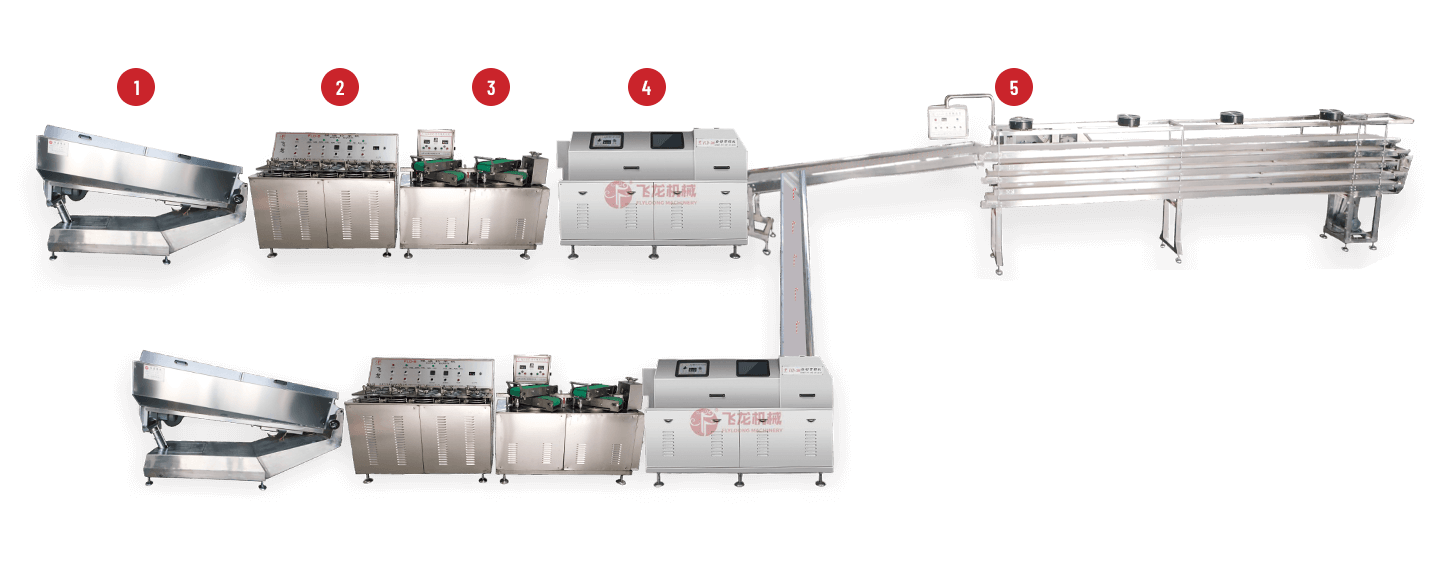
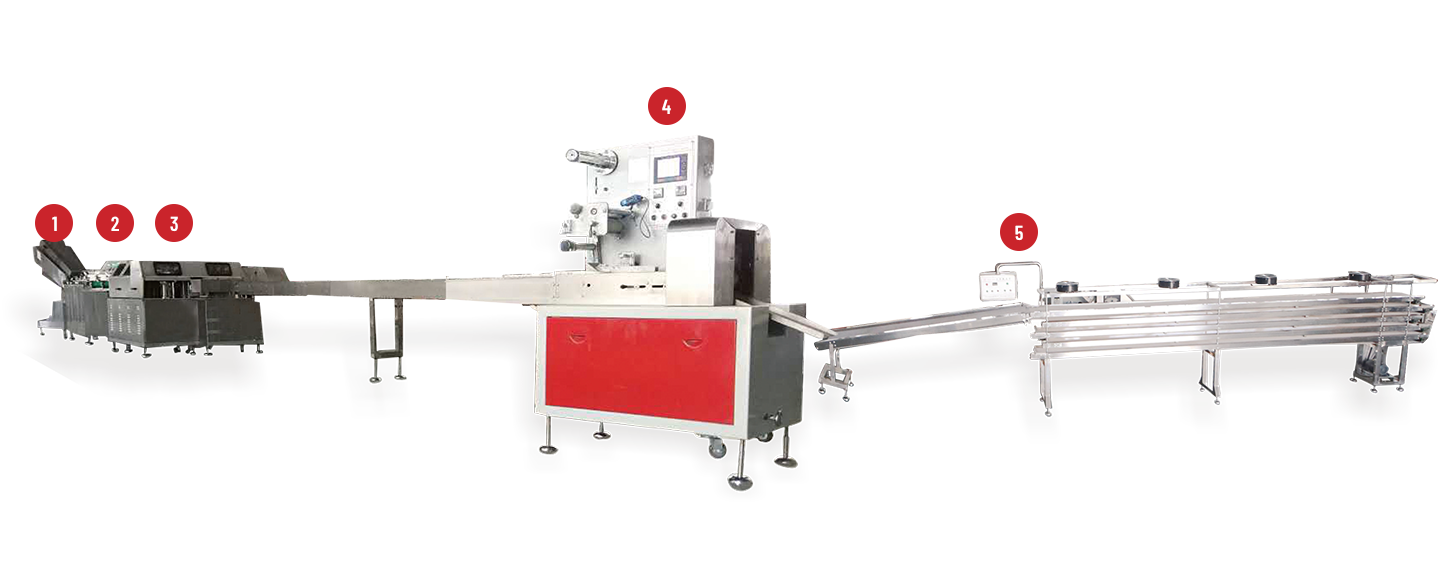
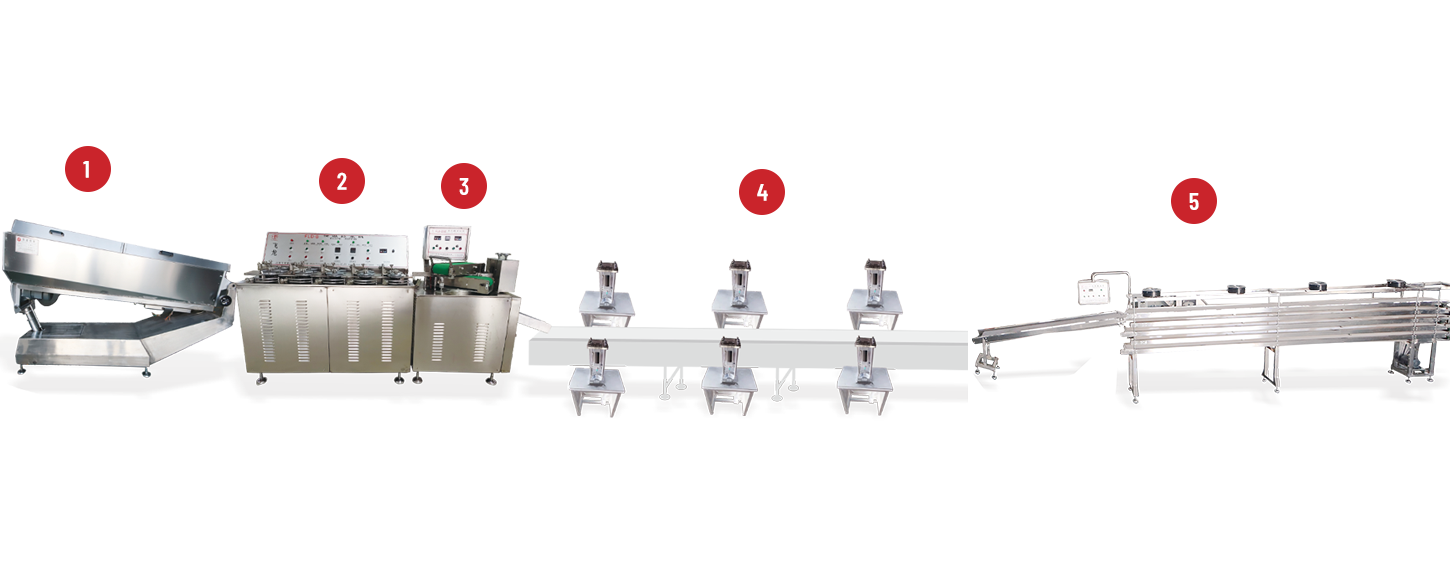
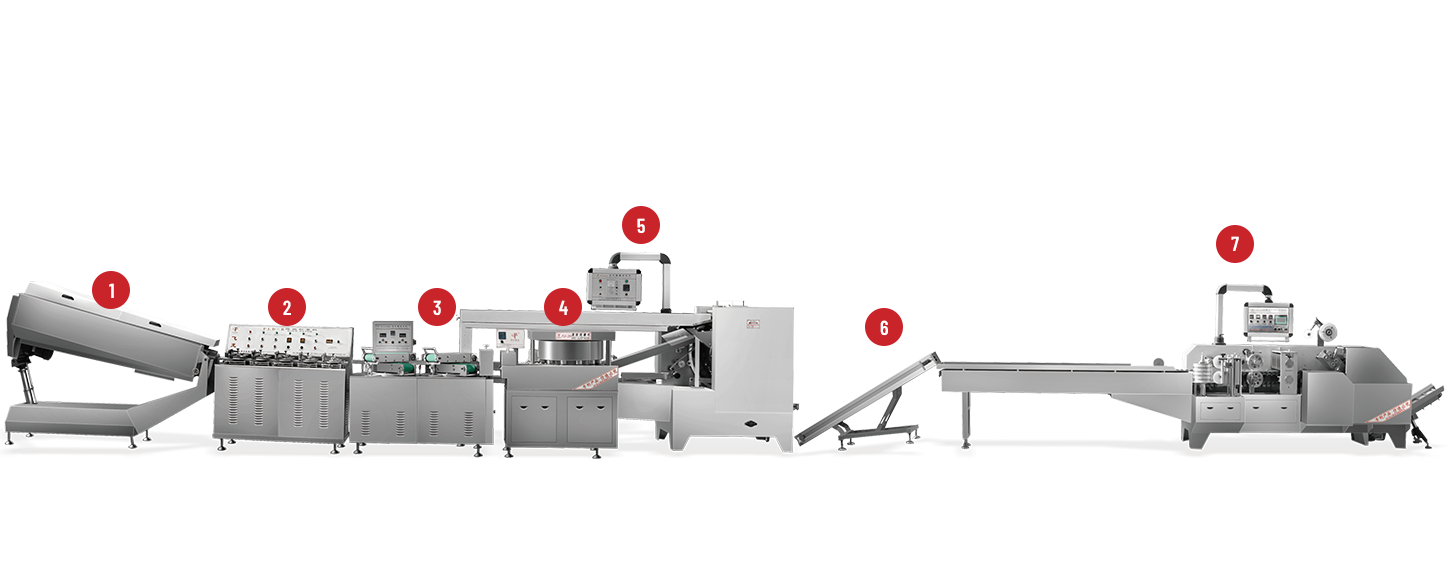
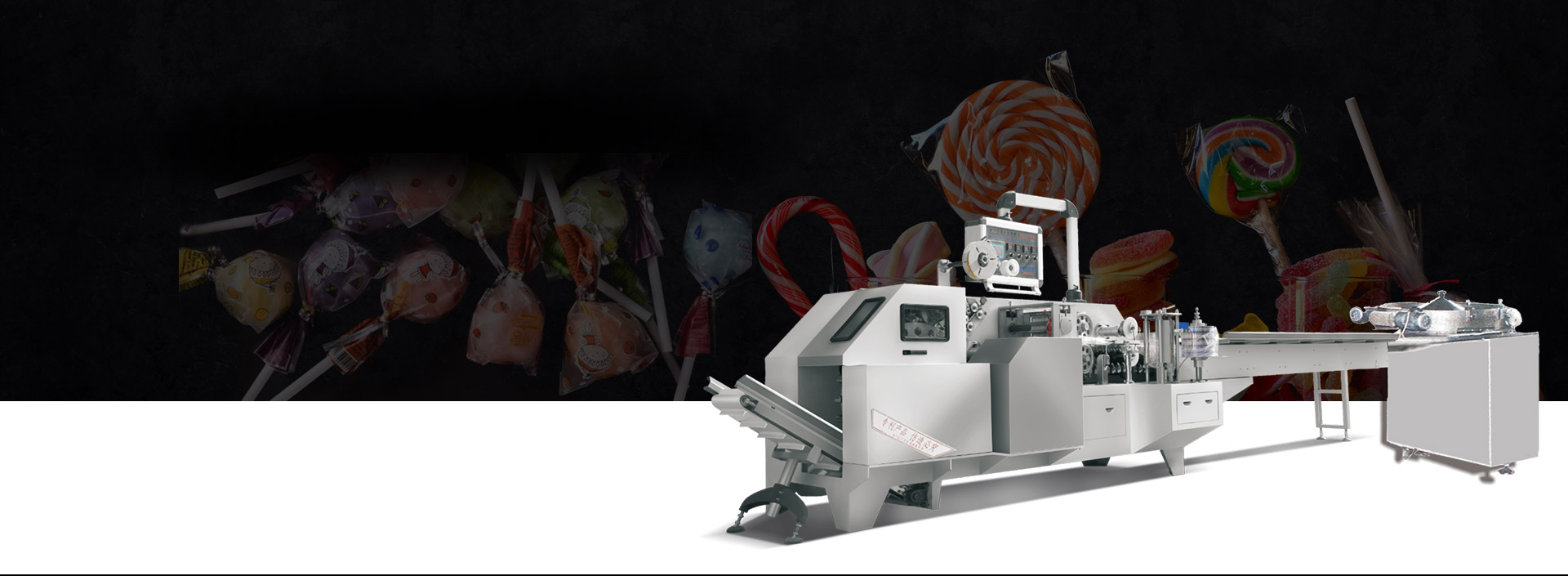
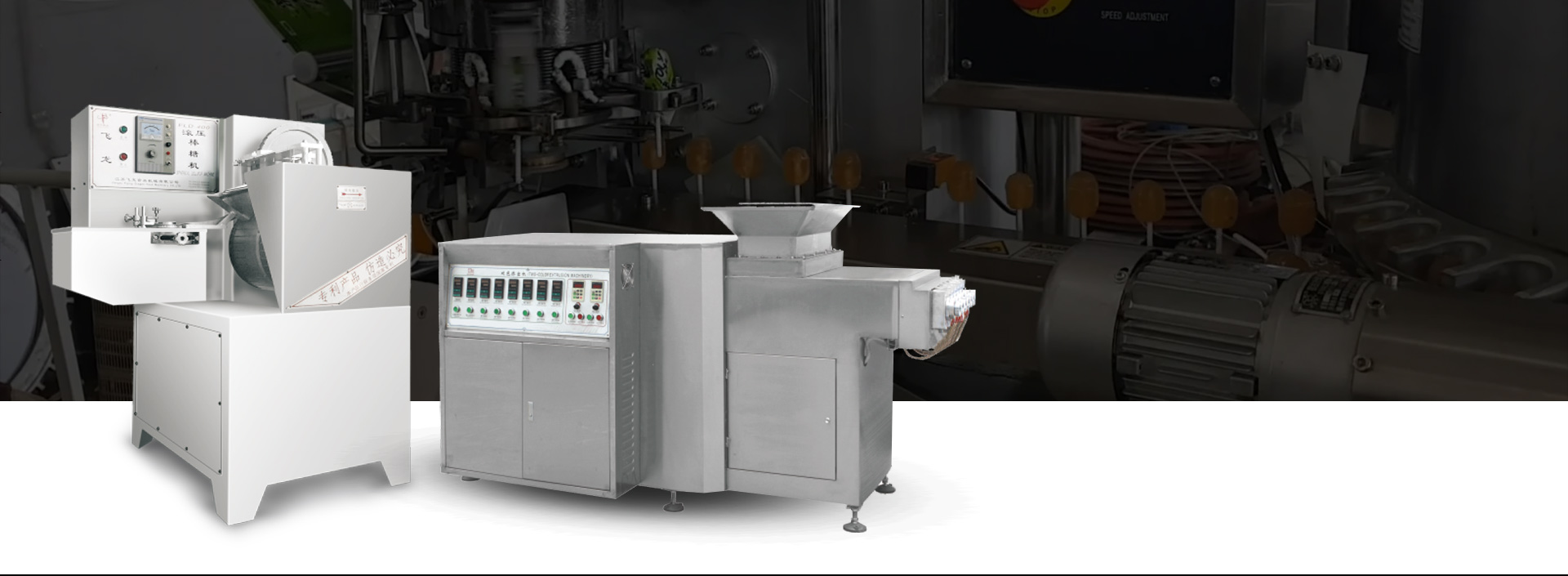
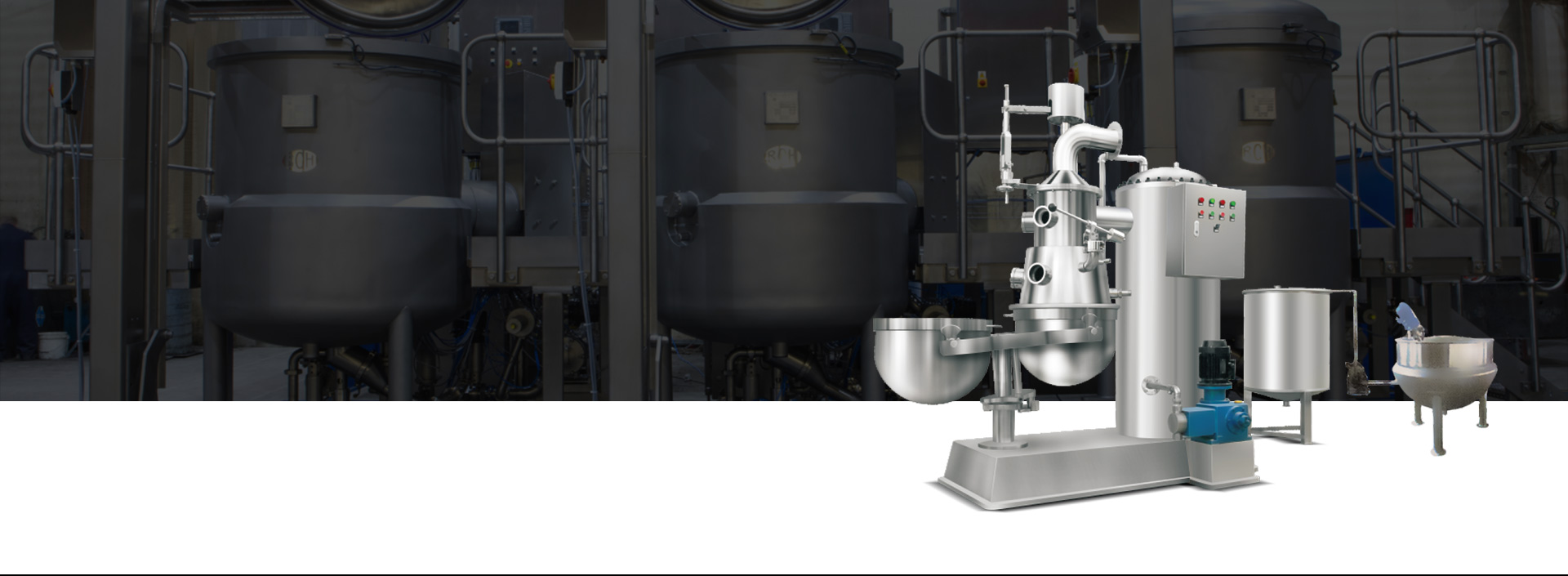
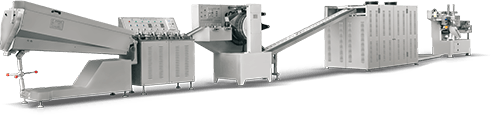
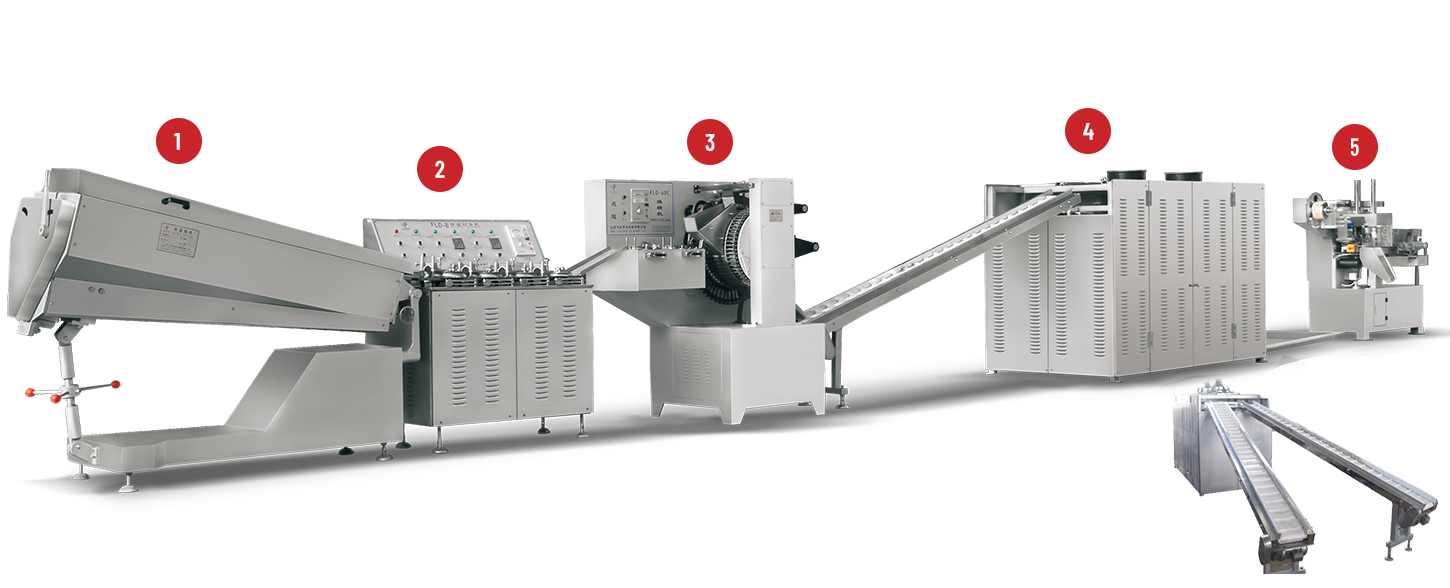
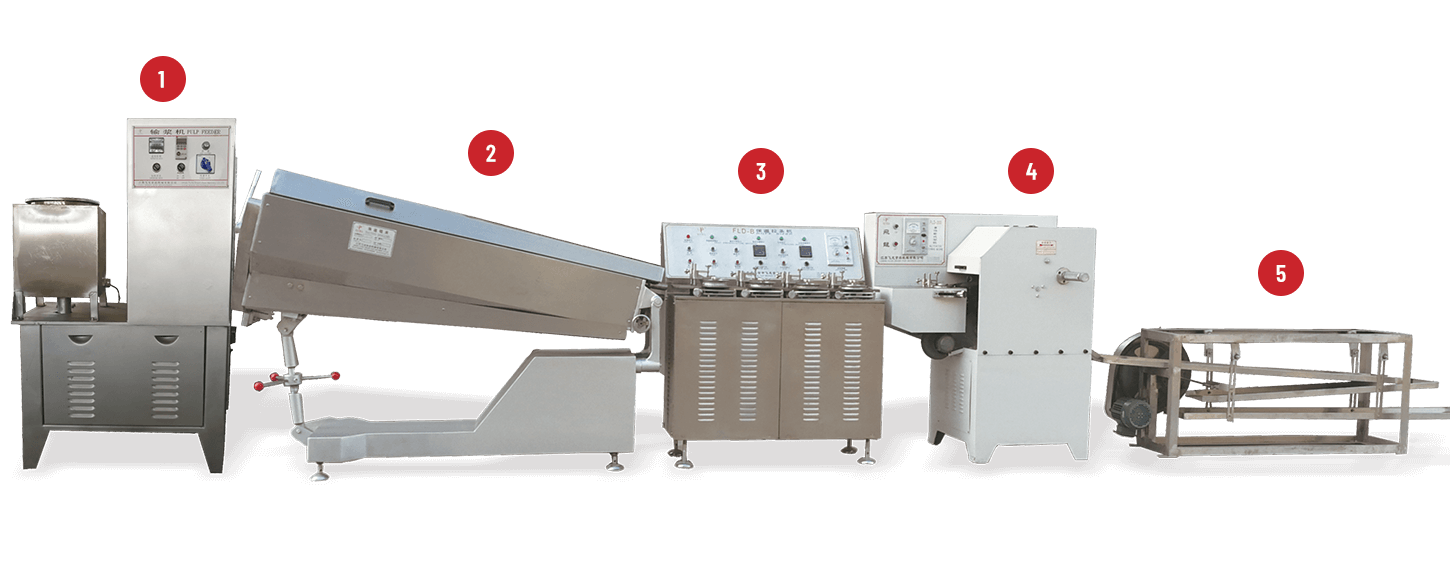
An automatic rainbow lollipop production line is designed to reduce this type of variation. Instead of relying on separate manual actions, the process is connected into one steady flow. The focus is on keeping output visually close from one piece to the next.
How does the production line help maintain stable shape?
Shape control starts with movement. If the material moves in an unstable way, the final form will also change. In an automatic system, the flow is guided through fixed paths.
Each forming stage works in a controlled rhythm. The material is not handled in a random way. It follows a repeated pattern, which helps reduce small differences between pieces.
There is also a link between timing and shape. If one step is delayed or rushed, the next stage may be affected. Automation helps keep timing aligned so the shape forms in a steady way from start to finish.
Instead of shaping each item separately, the system builds continuity. That continuity is what supports uniform appearance.
What keeps rainbow colors from becoming uneven or mixed?
Color is the most eye-catching part of a rainbow lollipop. It is also the easiest place for inconsistency to appear. If color layers are not arranged carefully, the final pattern may look unclear.
In an automatic production line, color is handled as part of a controlled sequence. Each color element enters the process in a set order. The movement of the material stays steady, so the layers can form without sudden shifts.
The system does not depend on manual blending during production. Instead, it follows a repeated pattern that keeps color placement predictable.
A simple view of the relationship is shown below:
| Production Step | Main Focus | Output Effect |
|---|---|---|
| Color addition process | Fixed order flow | Clear layered appearance |
| Material movement | Stable direction | Even color spread |
| Timing control | Steady rhythm | Reduced color drift |
| Cooling stage | Gradual setting | Locked visual pattern |
Each part supports the next. When they work together, the rainbow effect becomes more consistent across batches.
Why does a continuous production flow matter?
Traditional production lines tend to stop work between separate processing steps. These short waiting times seem trivial, but they damage product quality. Materials cool unevenly or shift their internal structure when left idle.
A continuous production line eliminates all these downtime gaps. Materials move without pause through every stage, and the next process kicks off right after the previous one finishes.
This steady running keeps processing conditions stable. Materials won't stay stationary for long stretches, so their physical state remains consistent throughout production.
This workflow also cuts down manual handling work. Fewer production breaks lower the odds of tiny flaws and uneven details on finished items.
How does material behavior affect final appearance?
The movement of raw materials inside equipment directly determines the look of finished products. Erratic material flow leads to deformed shapes and patchy color effects.
Automated lines guide materials along fixed paths instead of letting them drift freely. Custom channels lock in steady moving speed and direction.
This avoids abrupt shifts that warp products or ruin layered color coatings. The material stays in a steady state from start to finish.
Temperature and material movement interact closely. Rapid fluctuations in either will disrupt the whole process. Maintaining balance between the two delivers even, smooth finished surfaces.
What role does temperature control play in stability?
Temperature affects almost every stage of lollipop production. It influences how material behaves, how it sets, and how colors hold their position.
If cooling happens too fast or too slowly, the structure may shift. Shape can lose clarity. Color layers may blend slightly instead of staying distinct.
An automatic production line manages this through gradual transitions. Instead of sudden changes, temperature shifts follow a controlled path.
Cooling is especially important. It is the stage where shape and color become fixed. A steady cooling process helps the product hold its final structure without distortion.
Temperature control works together with flow and timing. These elements are connected rather than separate.
How does coordination between stages improve output?
An automatic production line is not made of isolated steps. Each section depends on the one before and the one after.
When coordination is steady, material moves smoothly across the system. Timing remains aligned. Flow stays balanced. This reduces differences between individual pieces.
If one stage is slightly out of sync, small changes can appear later in the process. For example, uneven timing may affect cooling or shaping.
Coordination helps prevent these issues by keeping all parts working in the same direction. The process becomes a continuous chain rather than separate actions.
How does automation reduce variation in large batches?
Making goods in big lots makes tiny differences stand out far more. Minor shifts in timing or color application will show up across hundreds of finished pieces as production goes on.
Automated equipment runs every single part under identical processing settings. After operators finish setting up the system, every product gets handled following the exact same steps without deviation.
This setup does not lock the line into a fixed state forever. Operators can tweak parameters whenever required, and all changes follow planned adjustments instead of random shifts from manual work.
The end result is uniform output even during mass production runs. Every finished piece matches the standard look closely, no matter how many units are made in one batch.
How does visual structure influence product identity?
Rainbow lollipops depend heavily on visual identity. People recognize them by color flow and shape before anything else.
The structure of production directly shapes this identity. If layers are clean and evenly placed, the rainbow effect becomes more readable. If shape remains consistent, the product feels more unified.
These visual qualities are not added at the end. They are formed during production itself. Each stage contributes a small part to the final look.
Over time, consistent structure helps build recognition. The product becomes easier to identify at a glance.
Why is balance important in modern candy production systems?
Modern production is not only about speed. It is also about maintaining steady results while allowing some flexibility.
An automatic rainbow lollipop production line is built around this idea of balance. The core process remains stable, while adjustments can be made when needed.
Too much rigidity can limit adaptation. Too much variation can reduce consistency. A balanced system sits between these two points.
This balance helps keep output steady while still allowing room for different product styles or adjustments in production needs.
How does consistent output support overall production value?
Consistency is not just a visual preference. It affects how the entire production process is managed. Stable output reduces sorting issues, improves packaging efficiency, and supports clearer product identity.
When shape and color remain close across batches, the production line becomes easier to control. There is less need for correction after production.
In rainbow lollipop manufacturing, consistency comes from multiple connected factors working together: controlled movement, steady timing, gradual cooling, and coordinated stages.
When these elements stay aligned, the production line delivers not just candy, but a repeatable visual result that remains stable over time.
 +86-(0)515-8465666
 +86-(0)515-85566996
 +86-138 1559 9708
 flyloong@flyloongcn.com
 Home
Home