

 ENG
ENG
 English
 中文简体
中文简体 русский
 Français
 Español
 عربى
عربى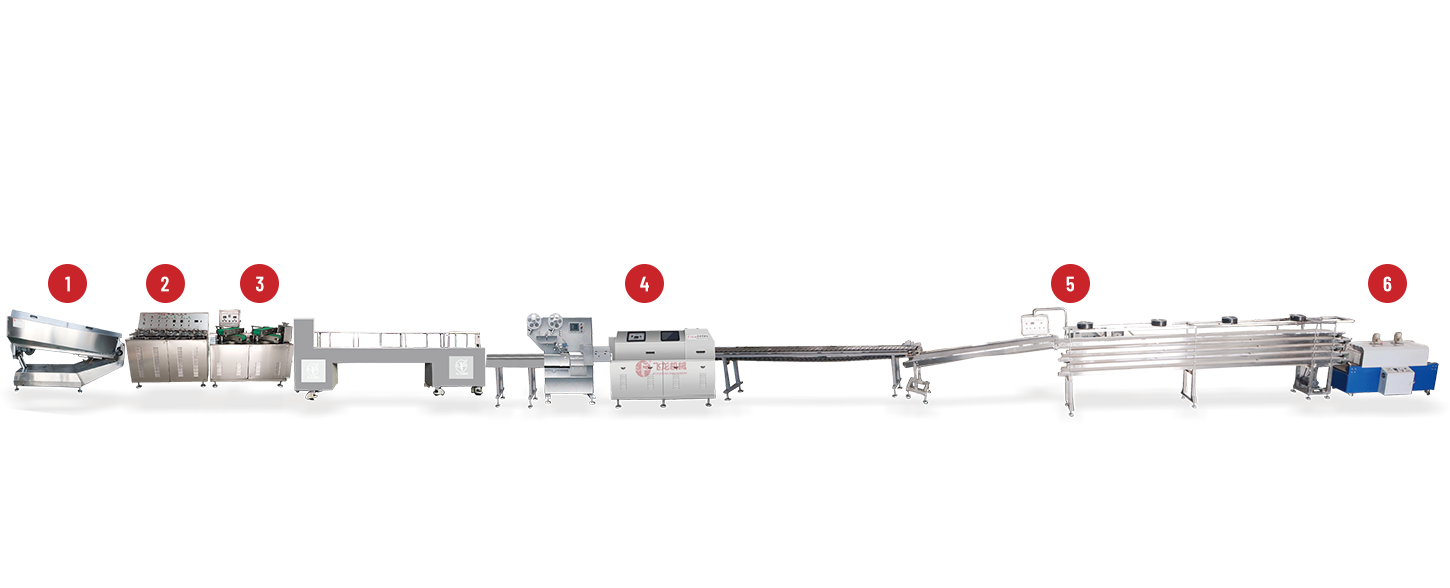
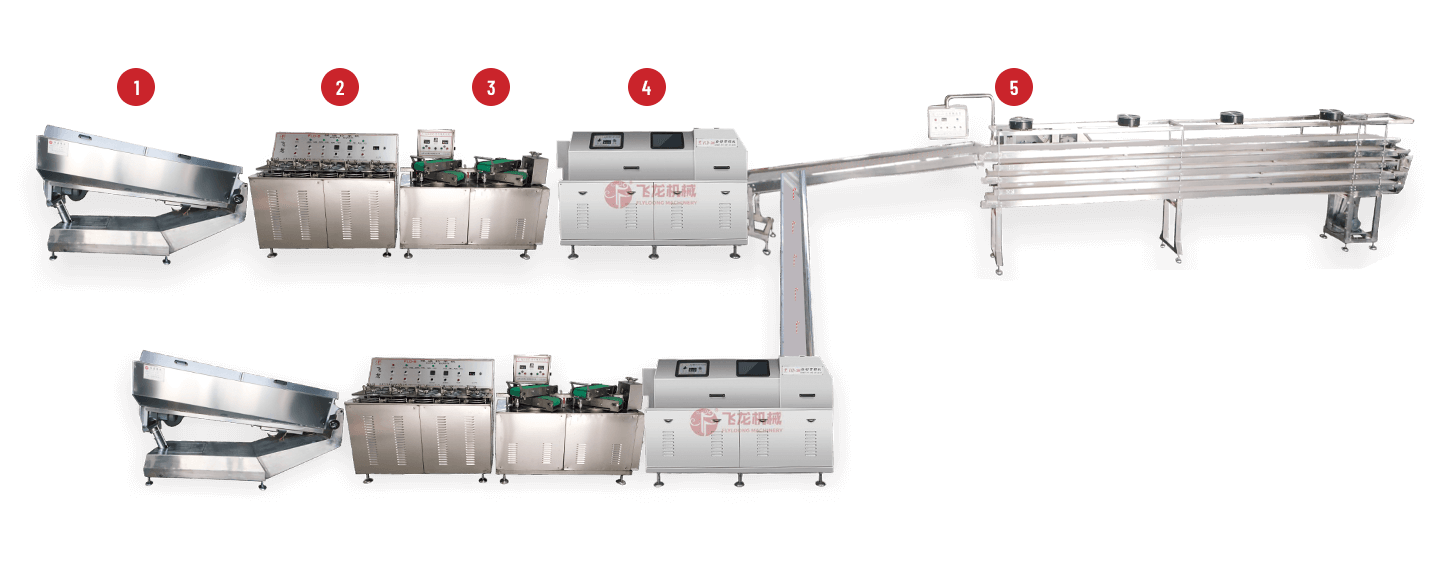
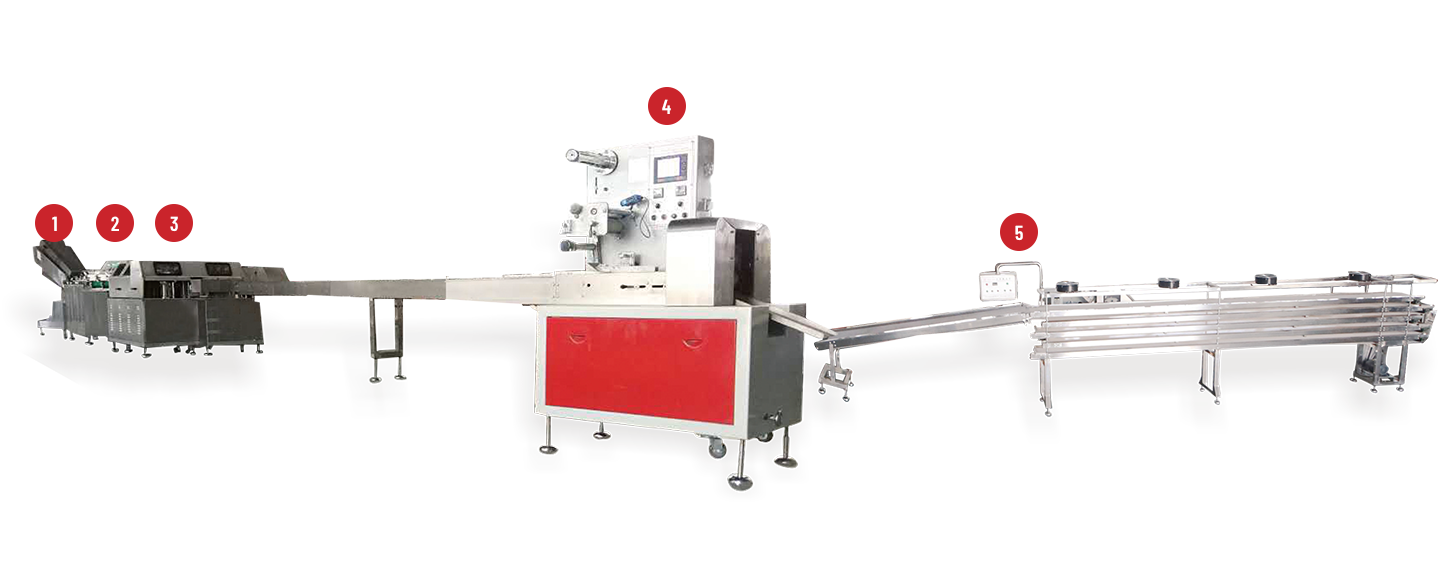
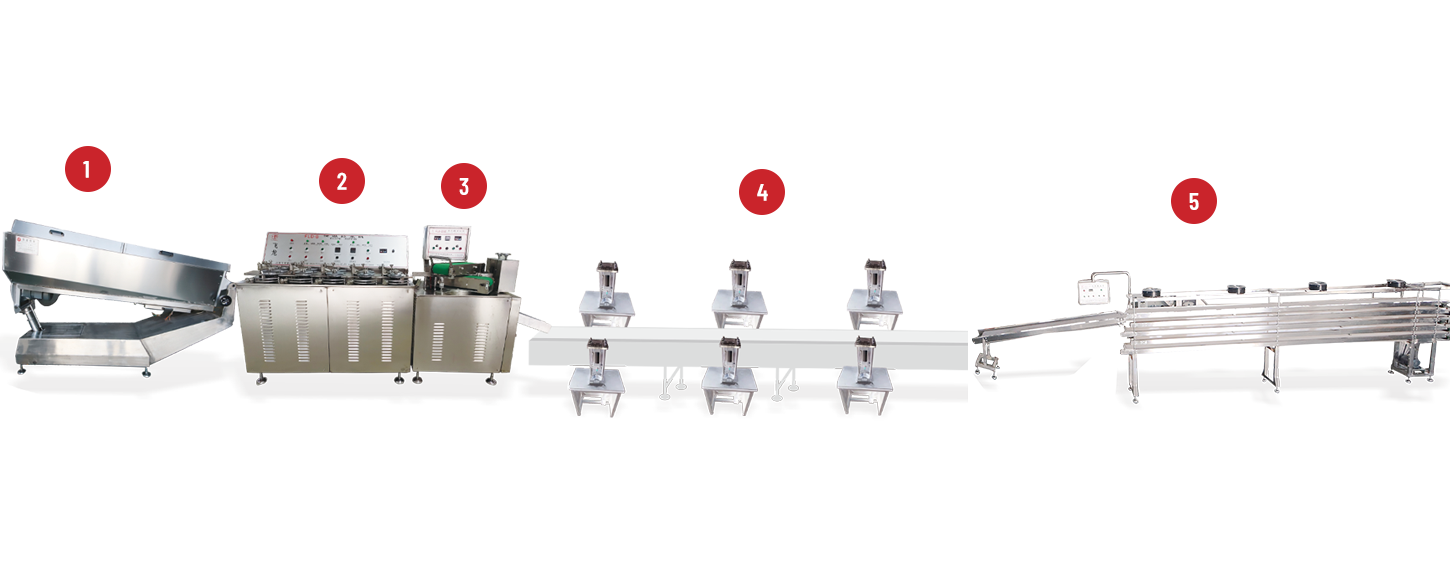
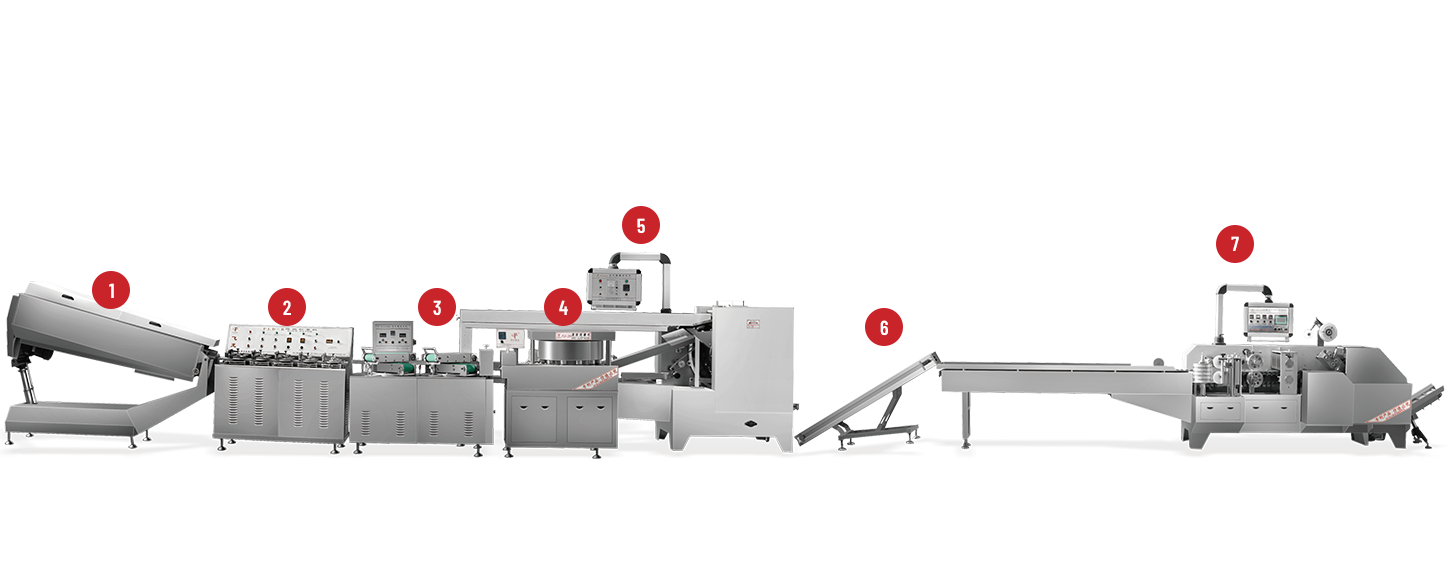
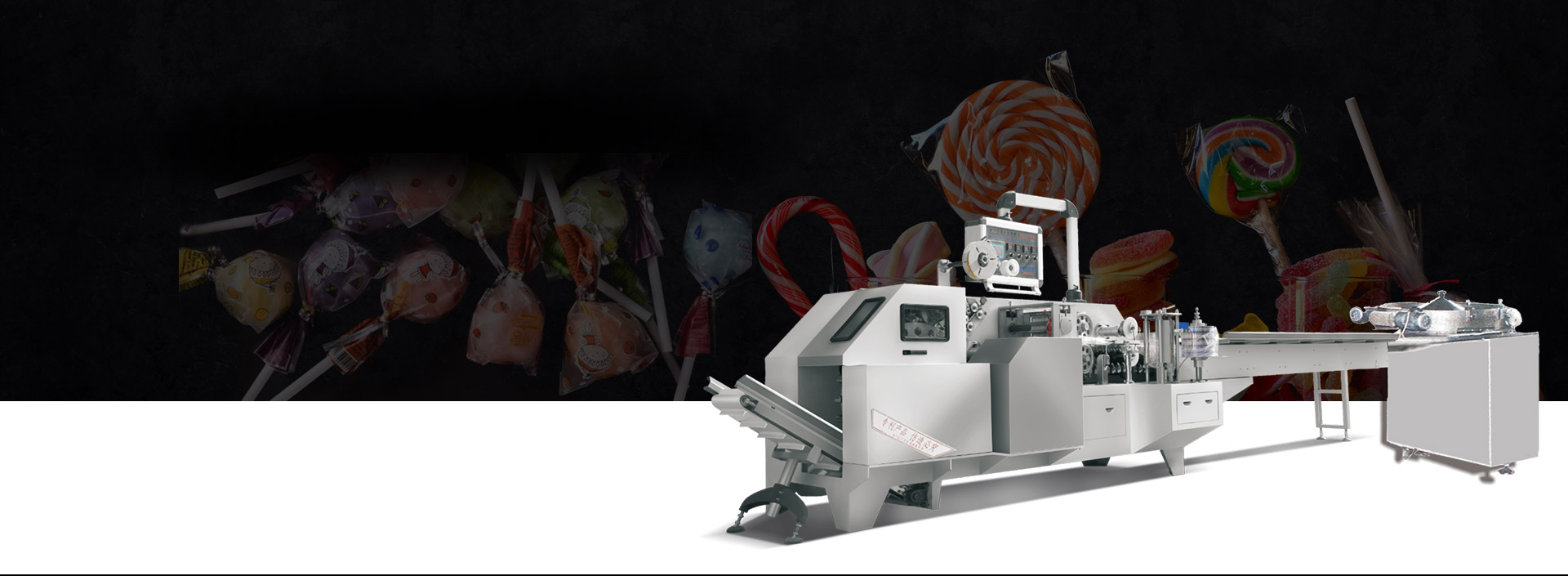
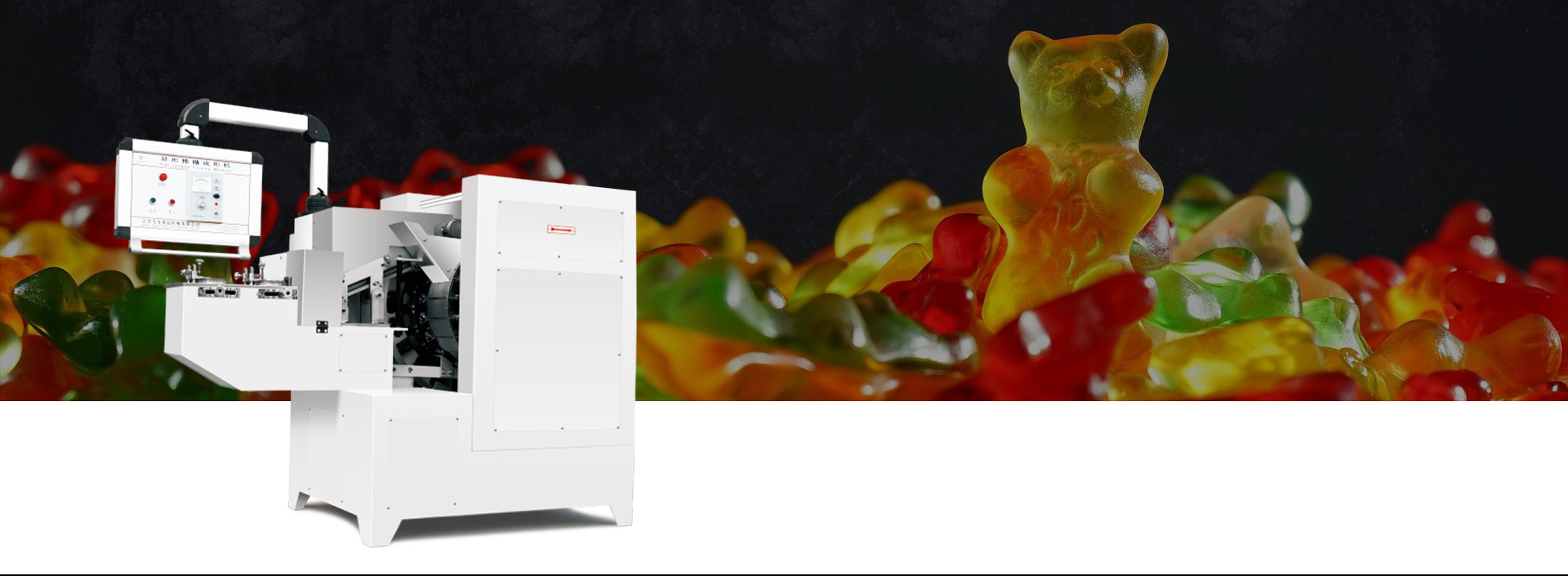
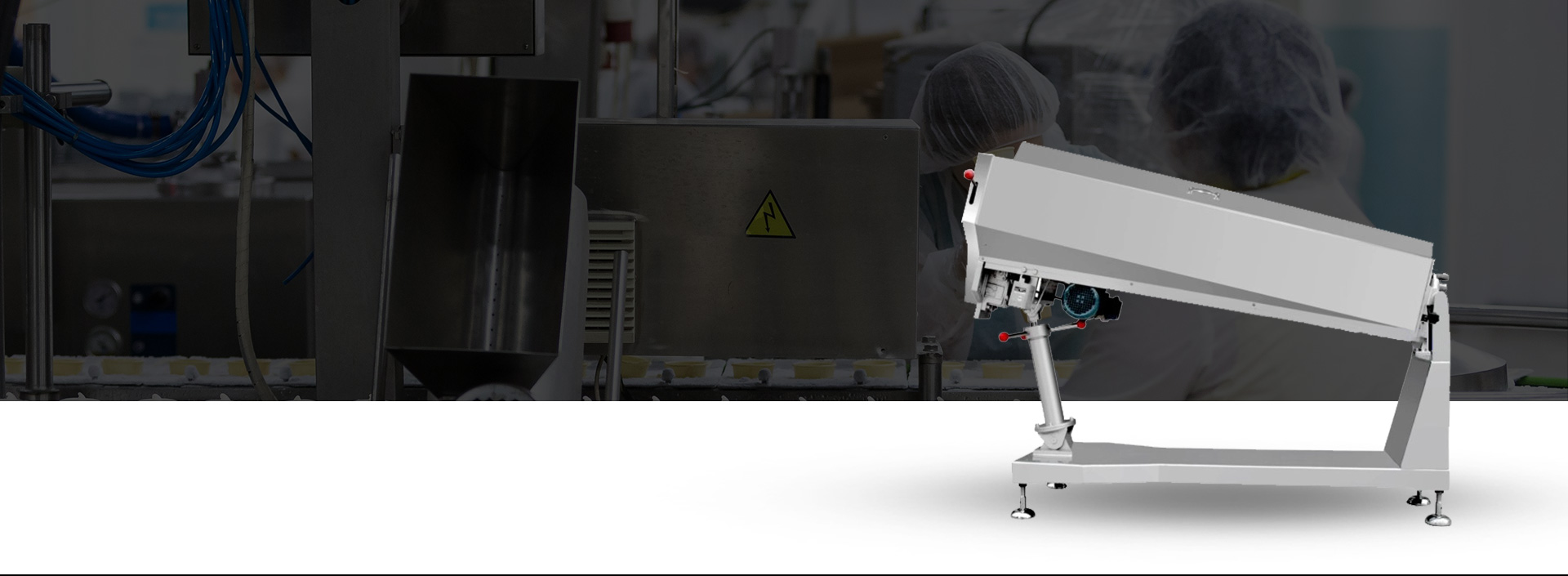
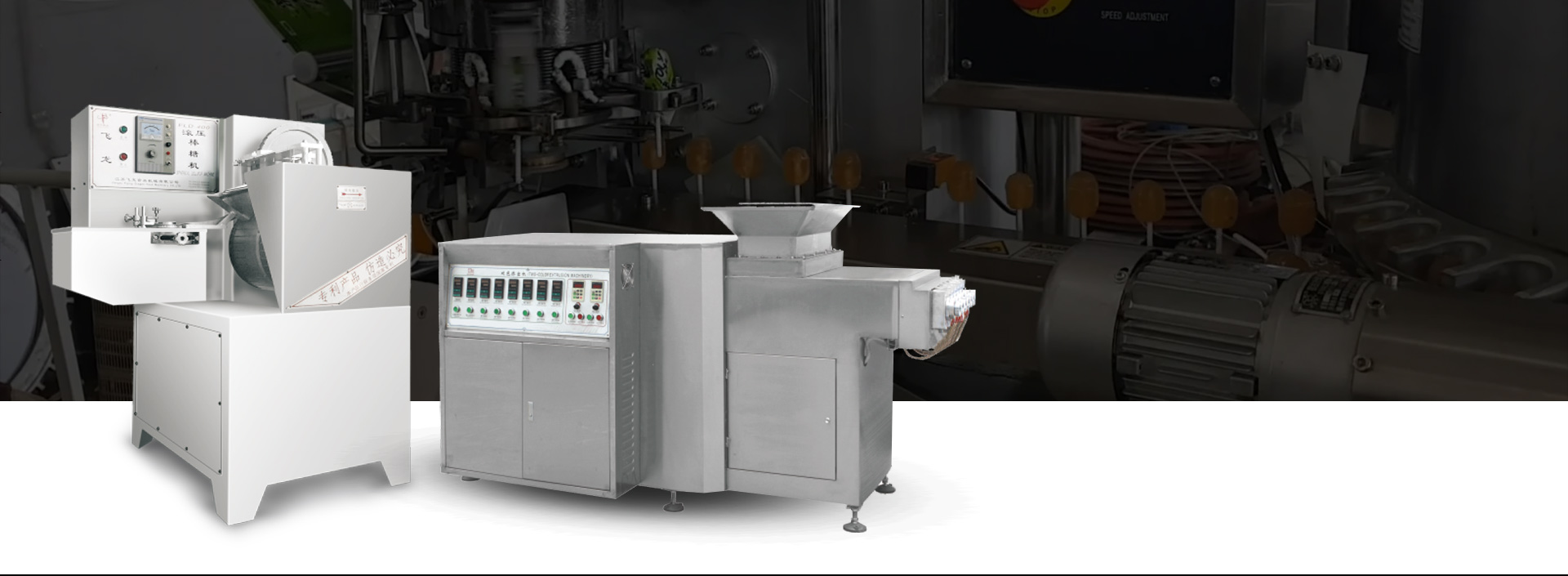
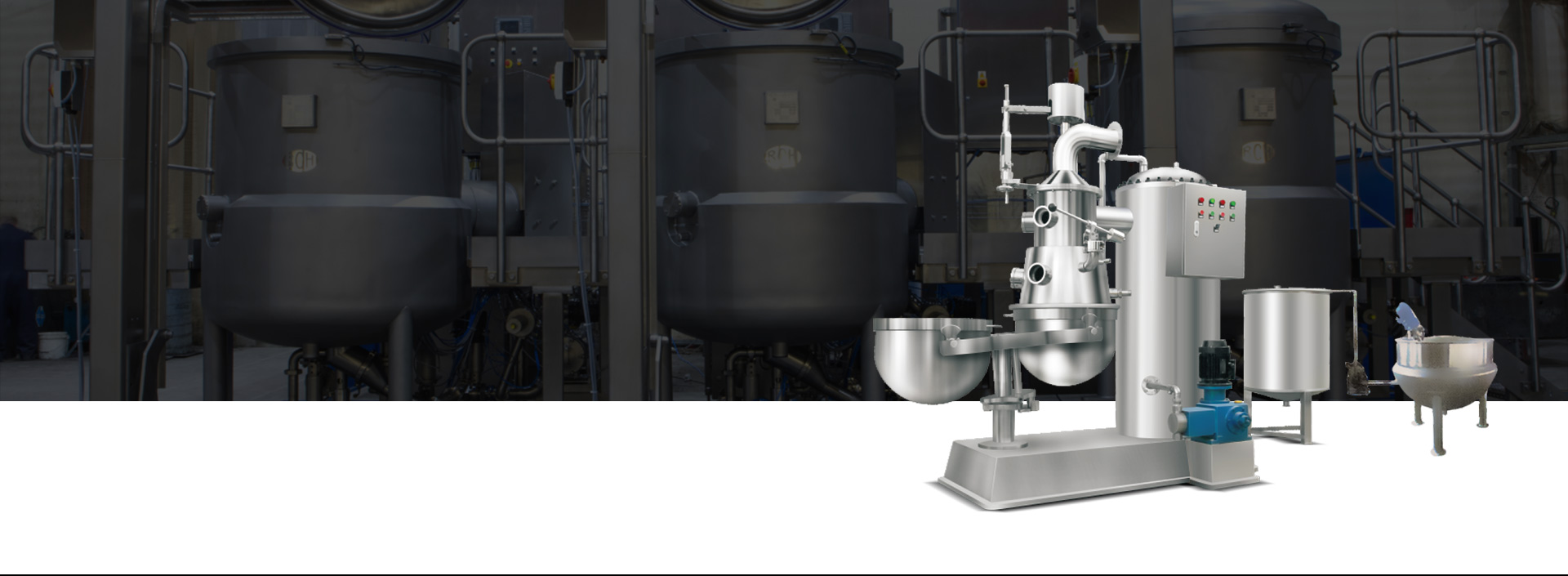
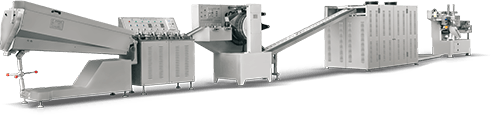
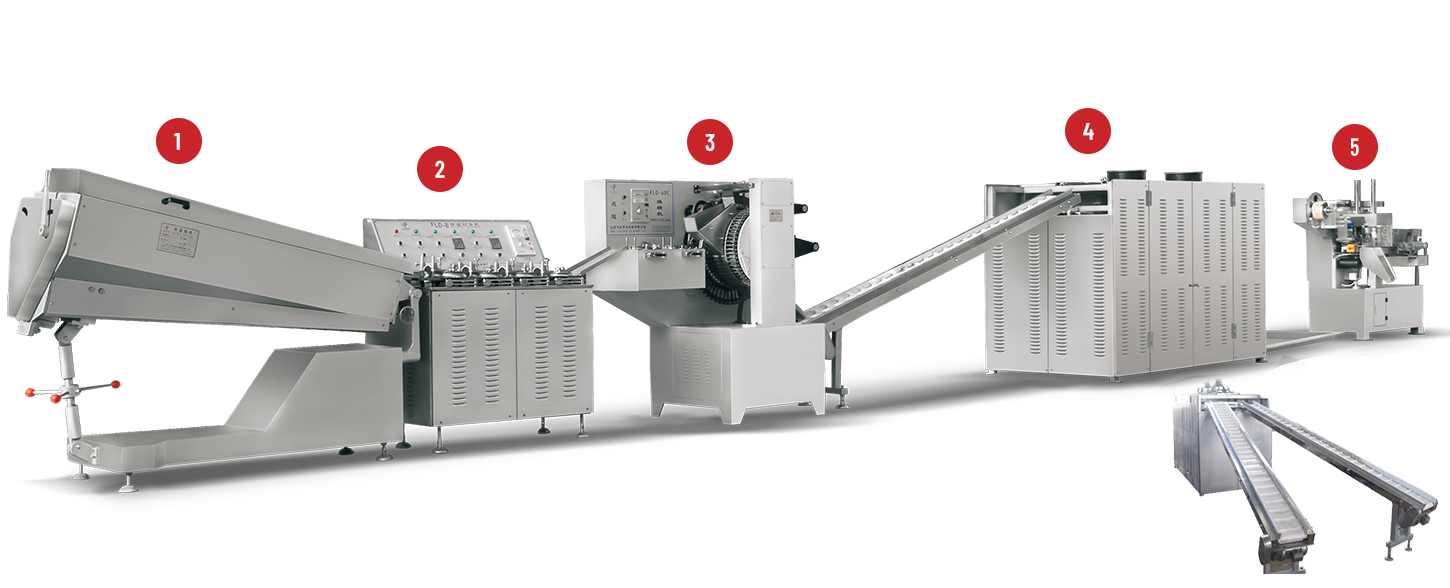
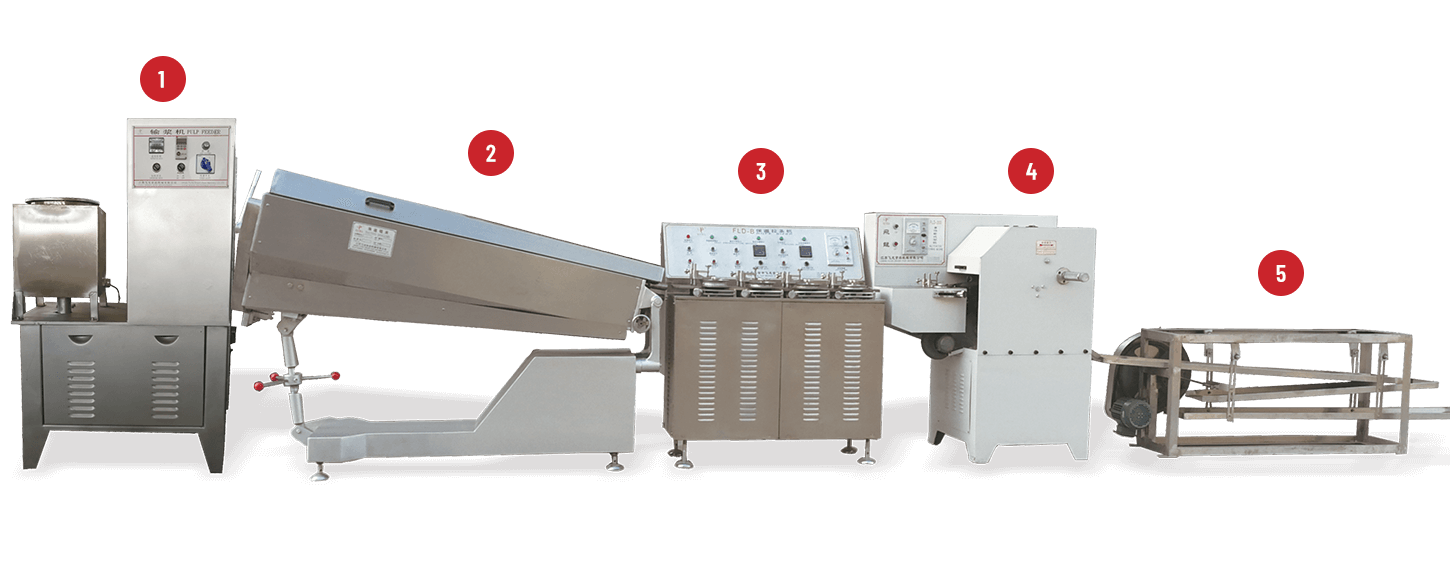
A lollipop may seem like a straightforward candy: just a sweet candy mass on a stick, finished off with bright, eye-catching colours. But mass-producing lollipops commercially calls for a string of tightly coordinated production stages.
All candy lines follow a complete workflow, spanning raw material mixing, candy forming, cooling, quality checks and final packaging. As buyers'tastes grow more varied by the day, confectionery makers need production solutions that support a wider range of product options without disrupting day-to-day plant operations.
That's one key reason lollipop production machinery has gained widespread traction across the candy manufacturing sector.
These machines do far more than simply mould candy shapes—they mark a fundamental shift in how factories run their production lines. Craftsmanship and traditional know-how still hold immense value, yet automated gear offers a smarter alternative for repetitive, high-volume tasks and streamlines overall production flow.
Today's candy manufacturing balances seasoned industry expertise with automated systems. Factory staff still oversee critical judgement calls, track product quality and develop new candy formulas. Machinery, meanwhile, takes over repetitive, standardized processes to guarantee uniform output every single batch.
Why is Lollipop Manufacturing Machine Becoming More Common in Candy Factories?
Candy consumers often notice the final product before thinking about the manufacturing process. A unique shape, attractive appearance, or interesting design can influence buying choices.
This change has encouraged candy companies to explore more creative product options. Simple shapes are no longer the only choice. Many manufacturers want to develop products that look different and match changing customer interests.
However, creating various designs through manual production can become difficult when demand increases. Repeated shaping work requires time and attention. Maintaining similar results across large quantities can also become a challenge.
A lollipop manufacturing machine provides support by making the forming process more organized. It allows companies to manage repeated production tasks while reducing pressure on workers.
The growing use of these machines is also related to the need for better production planning. Candy factories need systems that can respond to different orders and product ideas without creating unnecessary delays.
| Traditional Production Approach | Machine-Supported Production Approach |
|---|---|
| More manual work during repeated processes | More organized production procedures |
| Greater dependence on worker experience | Better process control |
| Changes may require more preparation | Product adjustments can become easier |
| Workers handle many routine tasks | Workers focus more on management and inspection |
Automation is becoming part of candy manufacturing because it supports both efficiency and creativity.
How Does a Lollipop Manufacturing Machine Change the Candy Making Process?
Making candy is a chain of interlinked steps, and every single stage shapes how the finished candy turns out—both its texture and look.
Moulding is especially critical when it comes to lollipops, as it's what buyers first notice. Uniform, well-defined shapes leave customers with a steady, reliable impression of your goods.
Back in fully manual production lines, staff leaned heavily on years of hands-on know-how to mould and handle candy. That practical expertise still matters a great deal, particularly when testing new recipes or sorting out unforeseen production hitches.
Lollipop production equipment reworks this workflow by taking over the repetitive moulding work. It builds a more standardized production routine, freeing up factory hands to focus on jobs that truly need human judgement.
None of this means machines are here to replace factory workers; it simply shifts everyone's core duties.
Workers get more bandwidth to inspect finished goods, tweak production schedules, and refine manufacturing techniques.
Machines handle the endless repetitive motions.
People take charge of all key judgement calls.
This balance between manpower and machinery is now the backbone of contemporary candy manufacturing.
Flexibility is another major upgrade these automated lines bring. The confectionery market shifts at a fast pace, with fresh product concepts popping up all the time. Factories therefore need production setups that can easily switch gears to keep up with constant market changes.
What Benefits Do Manufacturers Get From Using Lollipop Manufacturing Machines?
Different candy producers have different goals. Some want to improve production organization. Some want to develop new products. Others want to maintain stable product quality.
A machine can support these needs in several ways.
One noticeable benefit is consistency. Candy products are usually expected to have a similar appearance when customers purchase them repeatedly. A more organized forming process can help manufacturers maintain a stable product style.
Another benefit is improved workflow. When production steps are arranged more clearly, workers can manage daily operations more easily.
Manufacturers can also spend more time on product development. Instead of focusing mainly on repetitive tasks, teams can explore new flavors, shapes, and market ideas.
The advantages are not only related to production quantity. They are also connected with better use of human resources.
For example, workers can focus on:
- Checking product appearance
- Managing production activities
- Improving production methods
- Developing new candy concepts
The relationship between people and machines is becoming more balanced. Equipment provides support, while human experience continues to guide production decisions.
How Are Lollipop Manufacturing Machines Supporting New Candy Designs?
Candy design has become an important part of product competition. A lollipop is not only a sweet snack. Its shape and appearance can create a connection with customers.
Manufacturers are exploring different ideas to make their products more noticeable. Some focus on creative shapes. Some focus on special appearances for different occasions.
Producing these designs requires flexibility.
A machine gives manufacturers more opportunities to explore new product concepts. When production methods become easier to adjust, companies can test different ideas with greater convenience.
This is especially useful for businesses that want to respond quickly to market preferences.
A new candy design often begins as an idea. Turning that idea into a real product requires cooperation between designers, production workers, and equipment.
Machines provide the production foundation.
People provide the creative direction.
Together, they allow candy manufacturers to create more diverse products.
How Does Automation Influence Candy Production Quality?
Quality control sits at the heart of all food manufacturing. Consumers want candy that looks neat, uniform, and properly made every single time they buy.
Purely manual production often leads to slight variations from one candy piece to the next. Workers bring vital hands-on skill to the job, yet long stretches of repetitive labour inevitably bring inconsistencies that are hard to avoid.
Automated machinery locks in tighter control over every stage of production. Dedicated lollipop production lines keep the moulding process steady and predictable, while also letting factory supervisors track output far more efficiently throughout the run.
Good quality management doesn't stop at inspecting finished candy off the line—it means keeping a close eye on every step of the production flow as it happens.
When your workflow is clear and structured, your team can quickly spot weak points and figure out how to refine operations.
Manufacturers can focus on four core areas to lift overall quality:
- Uniform product appearance
- Streamlined production scheduling
- Standardised material and product handling
- Ongoing process tweaks and upgrades
When you gain reliable command over your entire production line, your buyers and wholesale partners will place far greater trust in your brand and goods.
What Should Companies Consider When Choosing a Lollipop Manufacturing Machine?
Selecting production equipment requires careful consideration. Every candy factory has different production goals and working conditions.
A suitable machine should match the company's product plans and manufacturing needs.
One important factor is flexibility. Candy trends change frequently, so manufacturers often prefer equipment that can support different product ideas.
Another factor is ease of management. Production equipment should fit naturally into existing workflows and allow workers to operate and monitor the process comfortably.
Companies also need to consider long-term production plans. Equipment is not only used for current products. It should also support future development.
When evaluating a machine, manufacturers often look at:
| Consideration | Why It Matters |
|---|---|
| Production flexibility | Supports different product ideas |
| Workflow connection | Helps organize manufacturing steps |
| Operation management | Makes daily production easier to handle |
| Product development needs | Allows future adjustments |
Choosing equipment is not only a purchasing decision. It is part of a company's production strategy.
How Will Lollipop Manufacturing Machines Continue to Influence the Candy Industry?
The candy industry continues to change as consumer preferences develop. Manufacturers are looking for ways to create attractive products while keeping production processes manageable.
Lollipop manufacturing machines will continue to play a role in this transformation.
Future candy production will likely place more attention on flexible manufacturing, creative product development, and better coordination between workers and equipment.
The value of automation is not simply producing more candy. It is creating a production environment where ideas can move from design concepts to finished products more smoothly.
Candy making has always included creativity and craftsmanship. Modern manufacturing equipment adds another layer by helping companies organize production in a more practical way.
The connection between traditional candy skills and modern production methods is shaping the next stage of the industry.
 +86-(0)515-8465666
 +86-(0)515-85566996
 +86-138 1559 9708
 flyloong@flyloongcn.com
 Home
Home